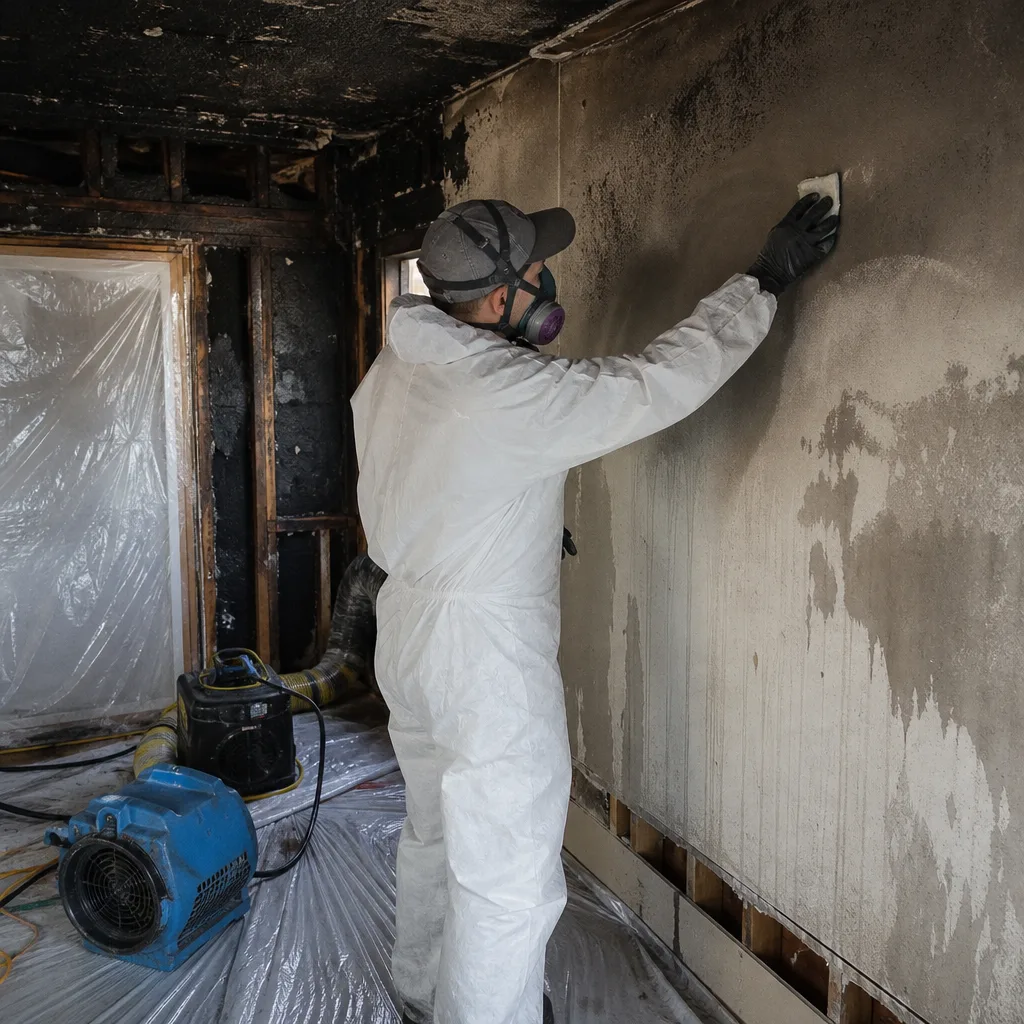
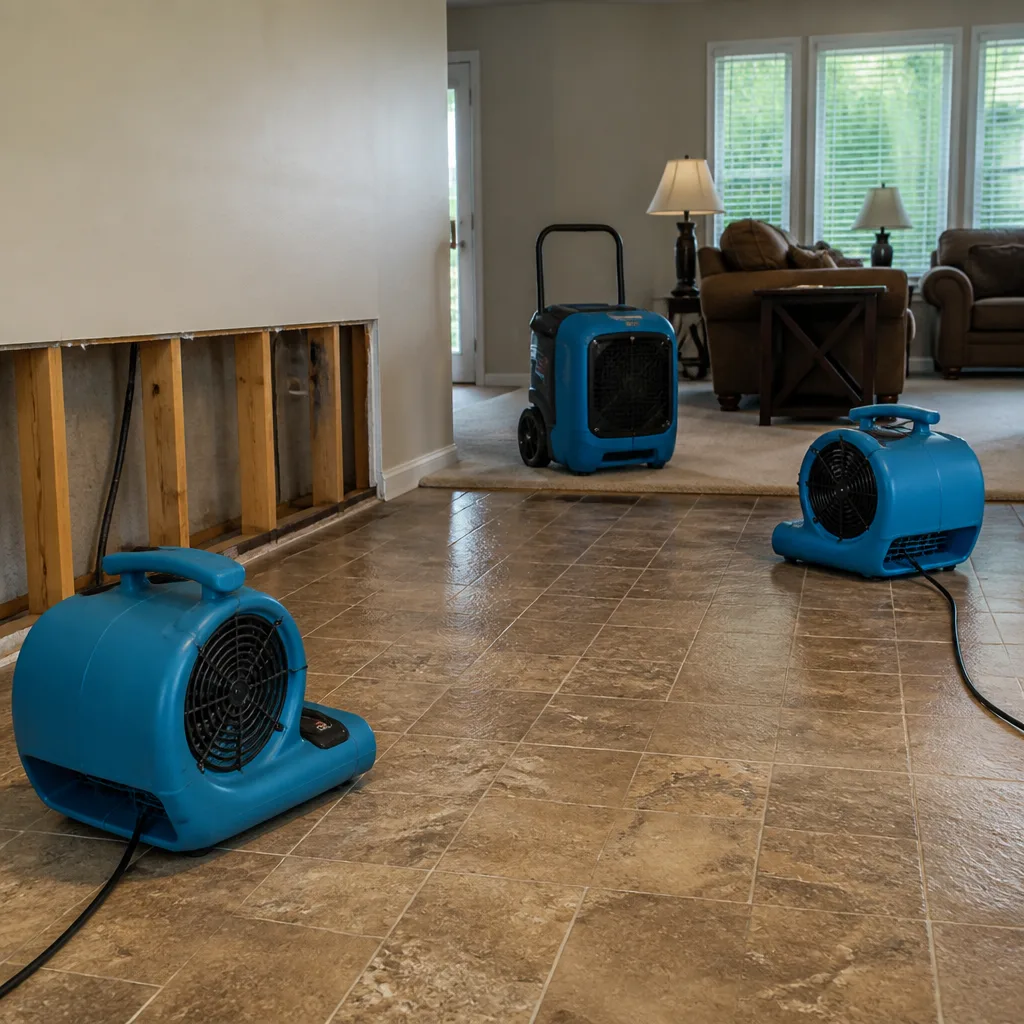
Free visual inspection and a written scope of work before any mitigation begins - photos, moisture readings, and drying logs go in your claim file
The scope we write is the scope we bill. Anything new gets shown to you, in writing, before we touch it.
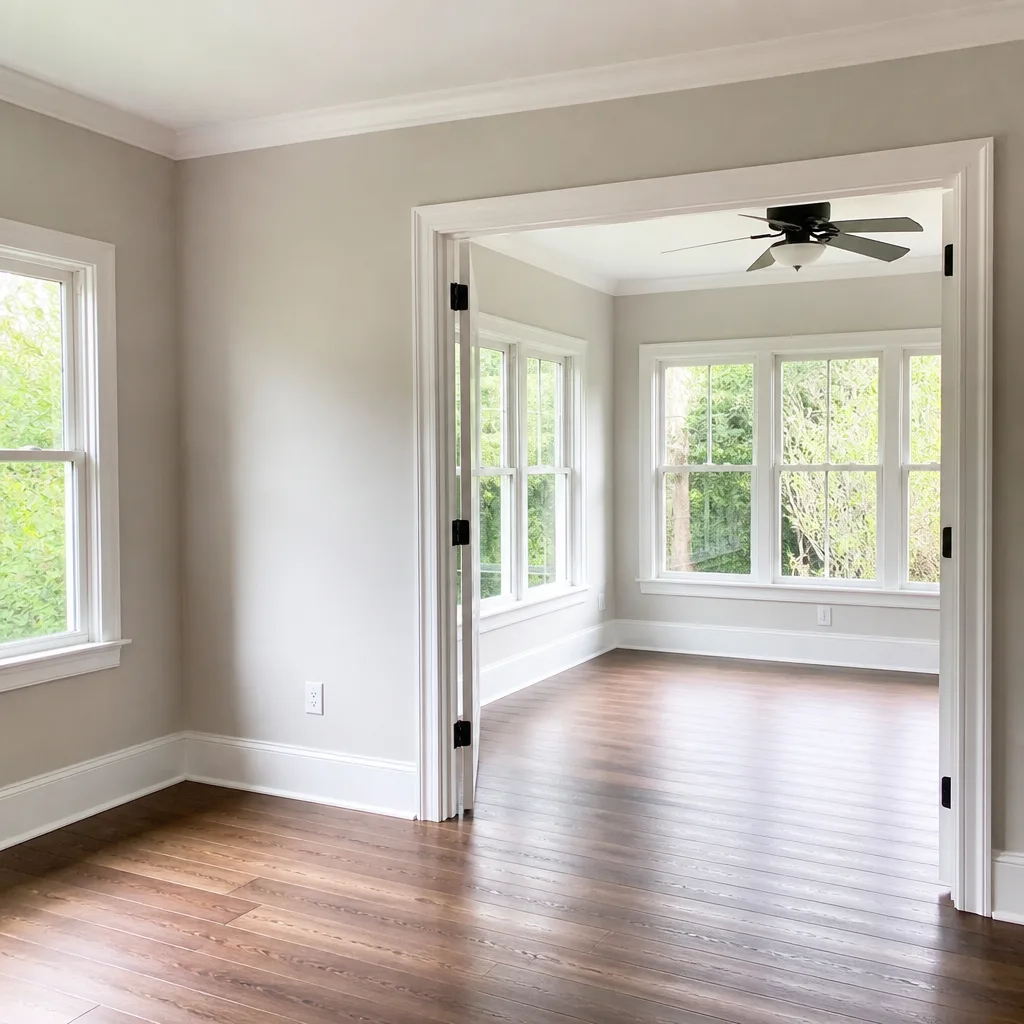
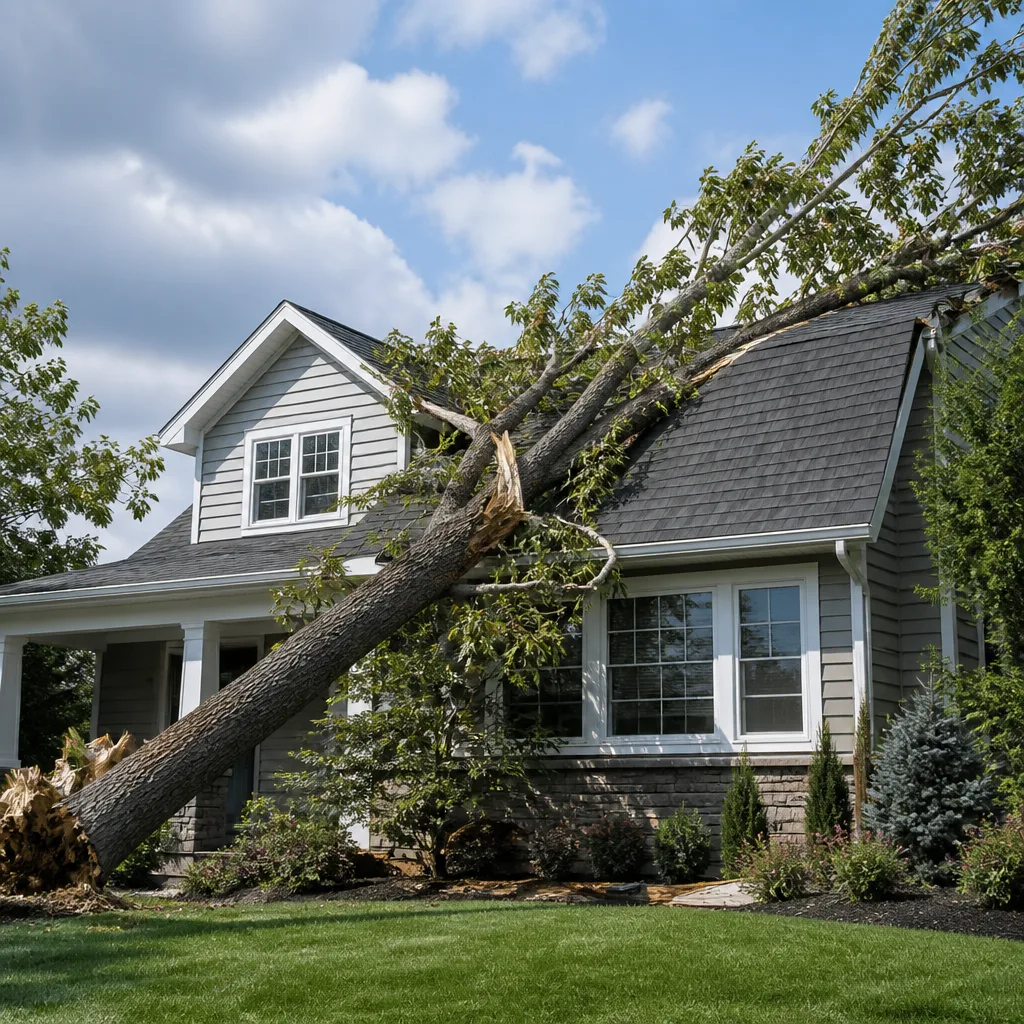
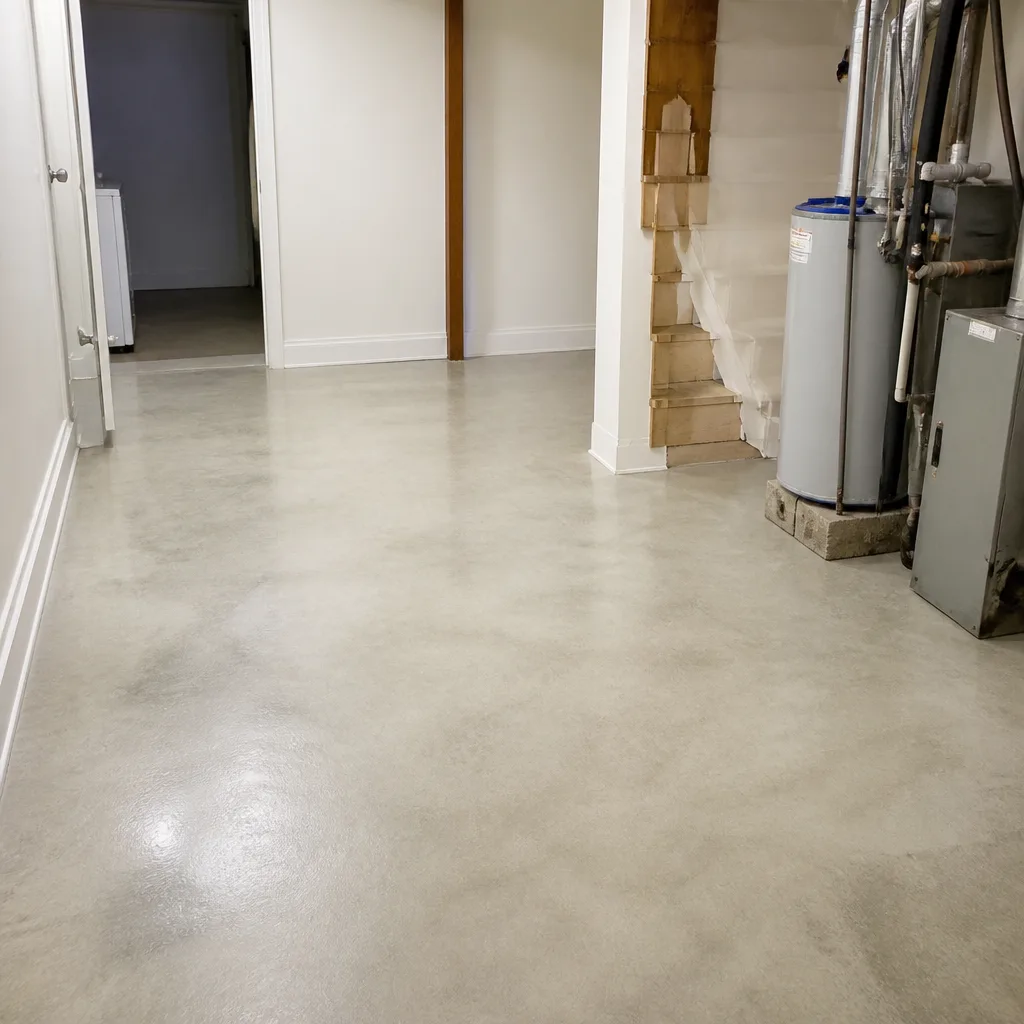
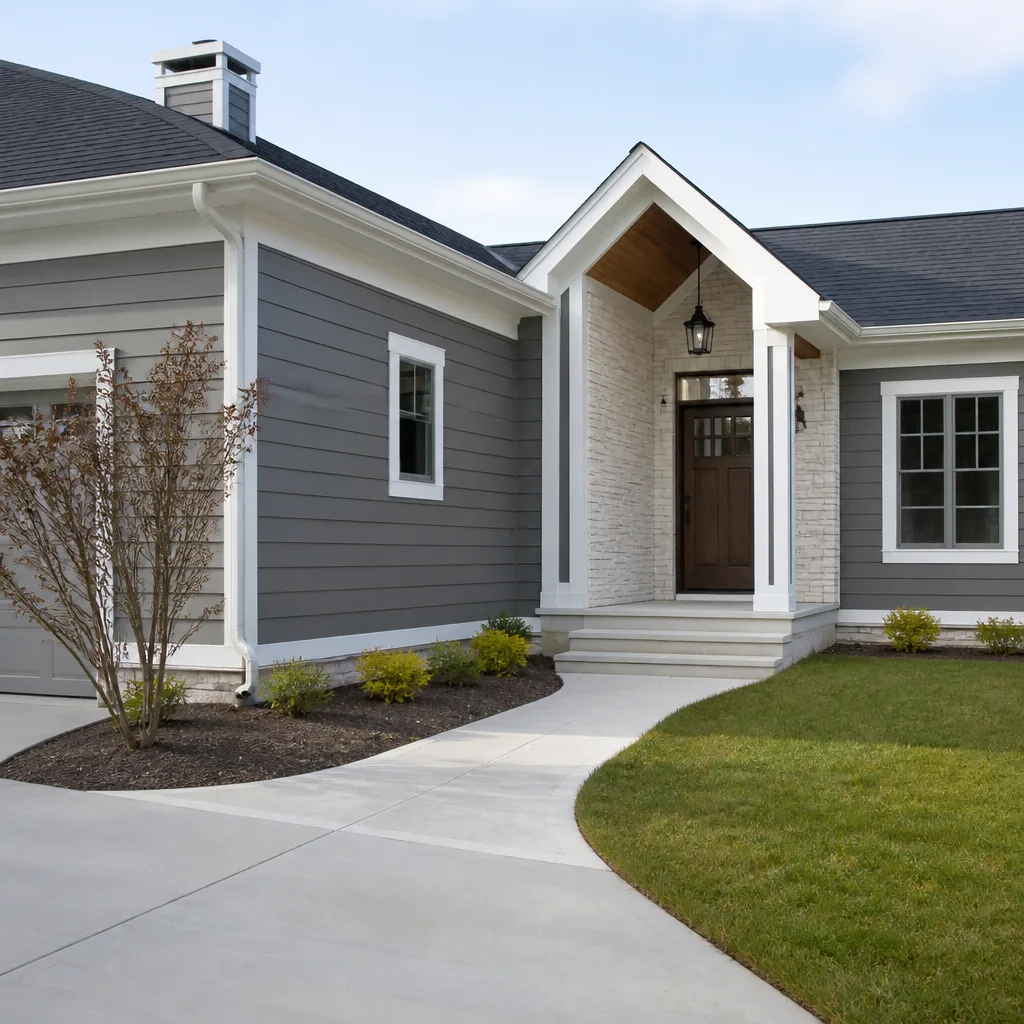
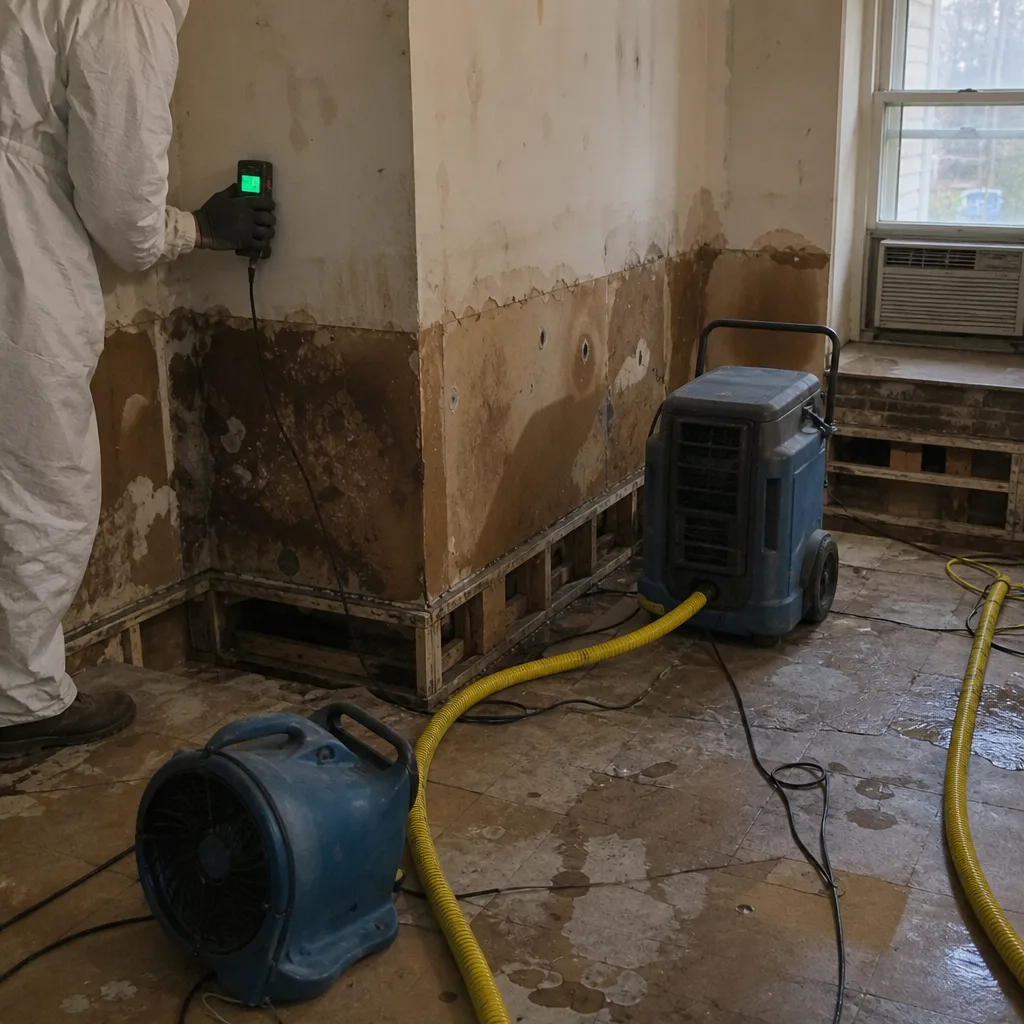 Before
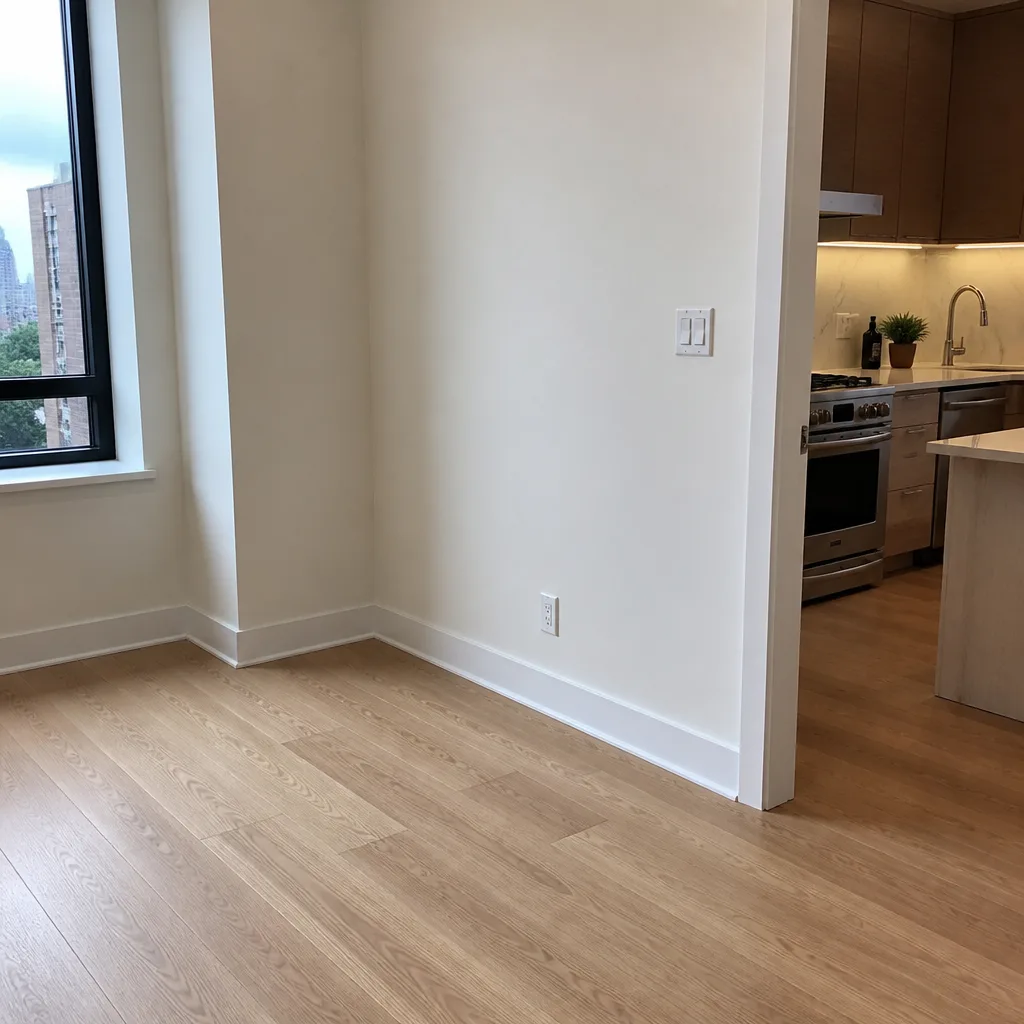 After
After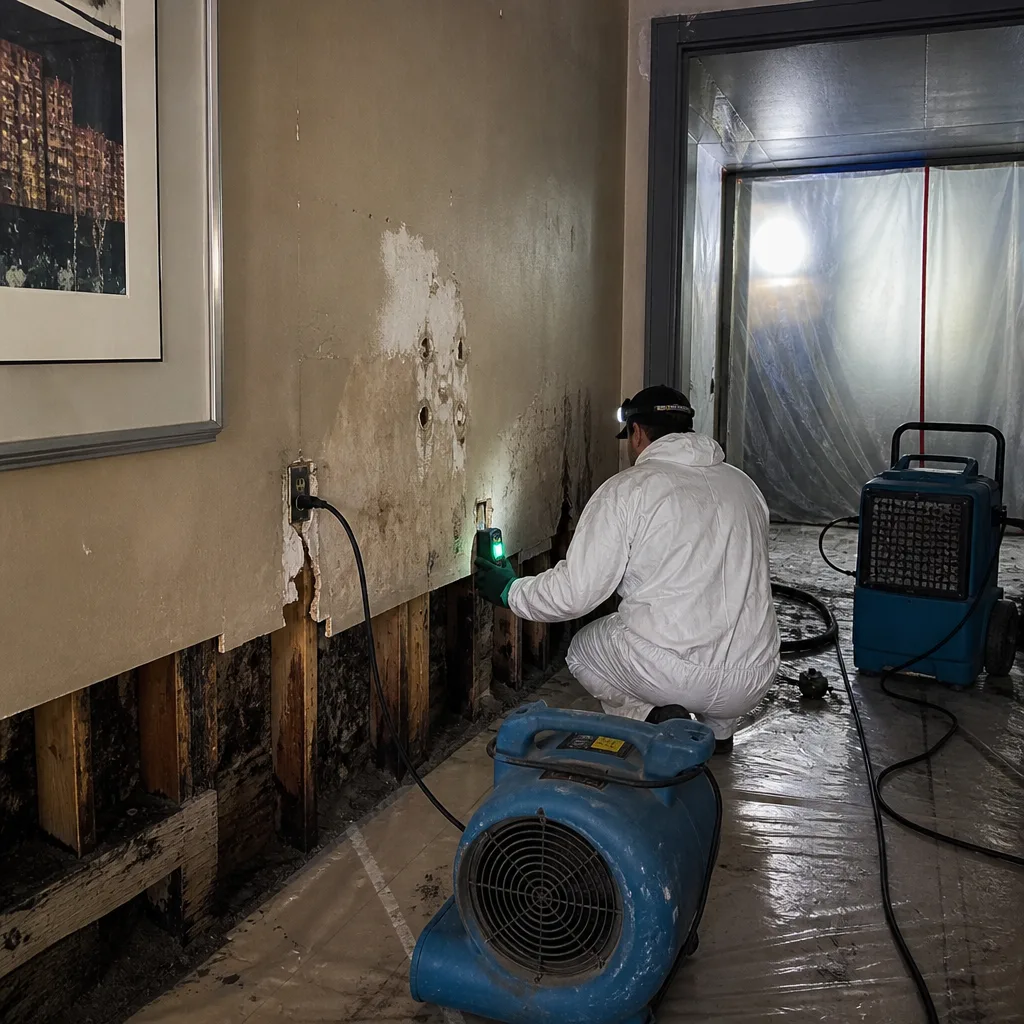 Before
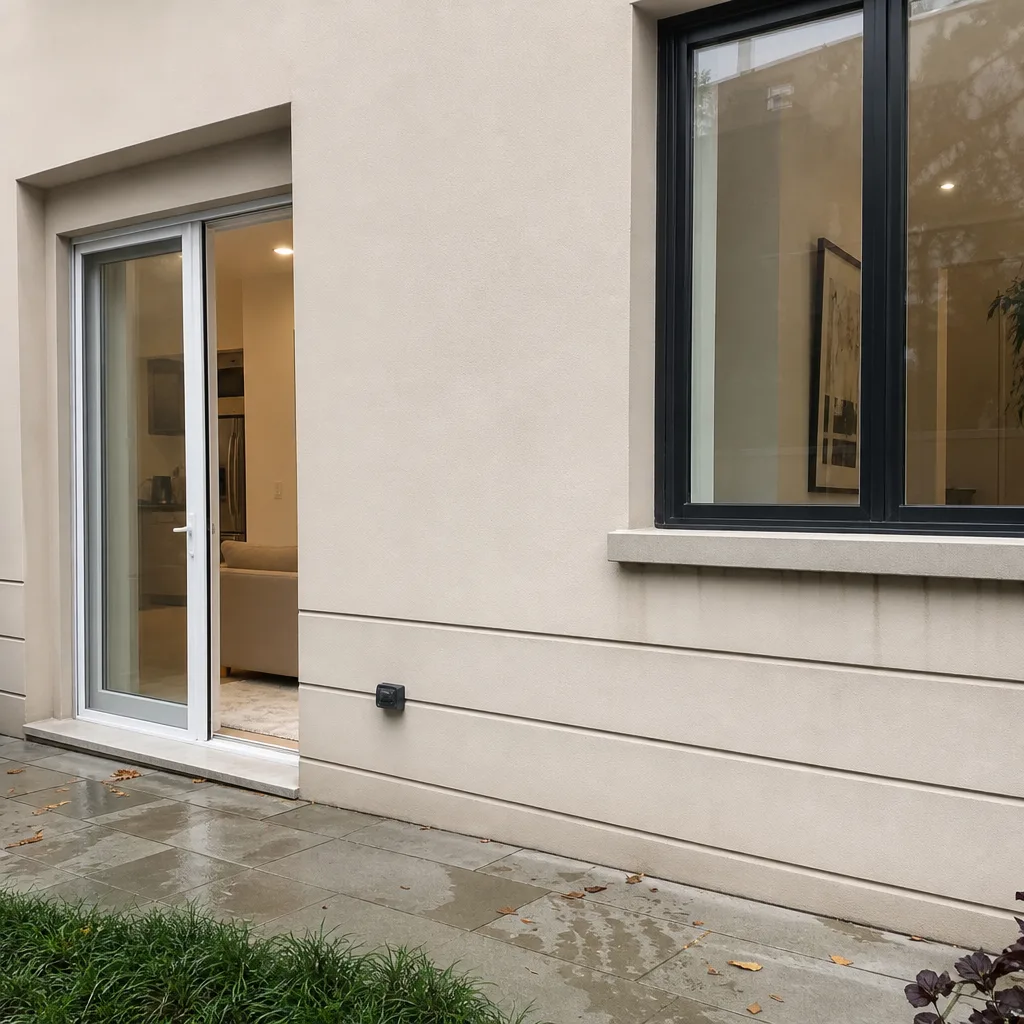 After
After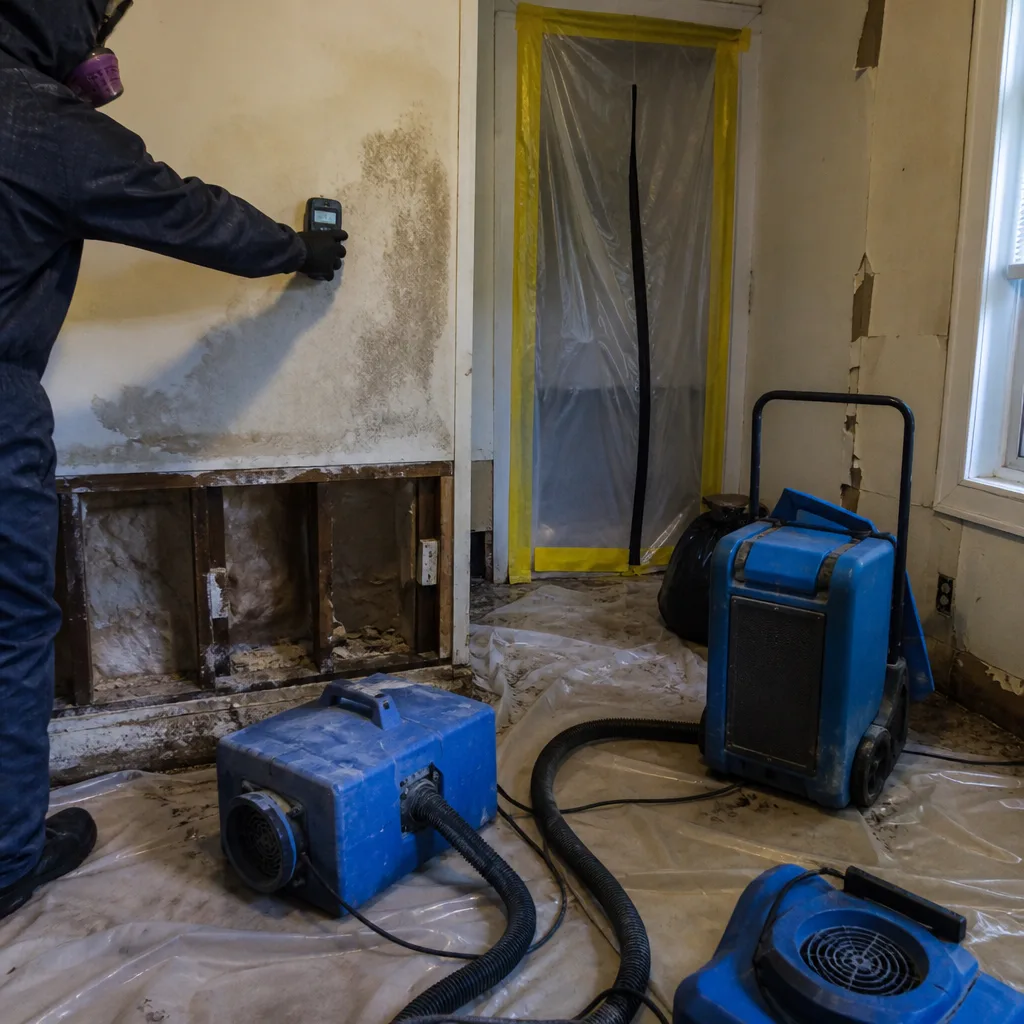 Before
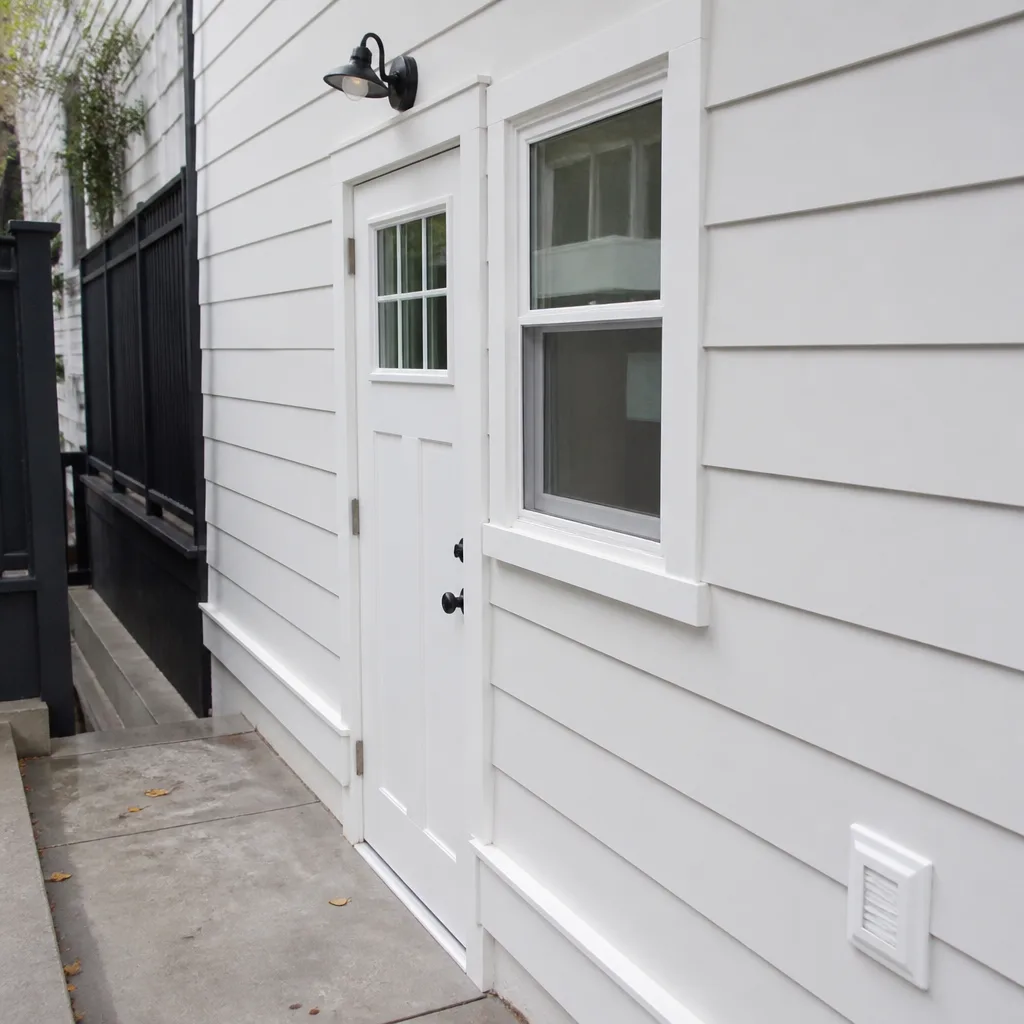 After
After24/7 Emergency Fire & Smoke Damage Restoration in West New York
Fire damage in West New York typically requires same-day board-up and emergency stabilization, with full smoke and soot remediation running $3,200-$8,500 for a standard apartment unit and $12,000-$35,000 for multi-floor building-wide losses. Call (551) 213-5277 now - we answer live, 24 hours a day, 7 days a week, and crews are dispatched from our New York City coordination office directly into West New York. The first hour after a fire determines whether smoke residues set permanently into plaster and brick, whether water from suppression spreads through multiple floors, and whether a compromised roof or door becomes the entry point for the next storm.
Understanding Fire & Smoke Damage Restoration Severity in West New York Properties
Fire damage in West New York’s built environment follows patterns shaped by its housing stock: 4-6 story pre-WWII and mid-century brick apartment buildings with flat built-up roofing, plaster-and-lath interior walls, and shared utility chases that act as smoke migration highways. We classify every loss by residue type - dry smoke (fast-burning, high-temperature fires), wet smoke (slow-burning, smoldering fires), protein residue (invisible, pungent, from kitchen fires), and fuel oil soot - each requiring distinct cleaning chemistry and agitation methods.
Smoke migration in these buildings is rarely vertical-only. The shared wall cavities between units, original cast-iron plumbing stacks, and electrical risers create tertiary smoke pathways that deposit soot in apartments distant from the fire origin. We map these with thermal imaging and document vapor pressure differential readings - the force that drives smoke particles into porous materials - to determine which units need full remediation versus targeted cleaning. On Boulevard East’s newer high-rises, curtain-wall systems and mechanical floors introduce commercial-grade complexity: smoke can enter the building envelope and recirculate through HVAC risers for days.
The local failure mode we see most often: a fire in one unit triggers suppression water that saturates the same masonry wall system, then that water travels laterally through the brick before dropping into units below - so the ceiling stain in 3B may originate from a flashing breach above 3D, not the fire in 3C. Misdiagnosing this guarantees a callback and a scope dispute.
Why West New York Property Owners Choose DryMark Restoration Upper East Side
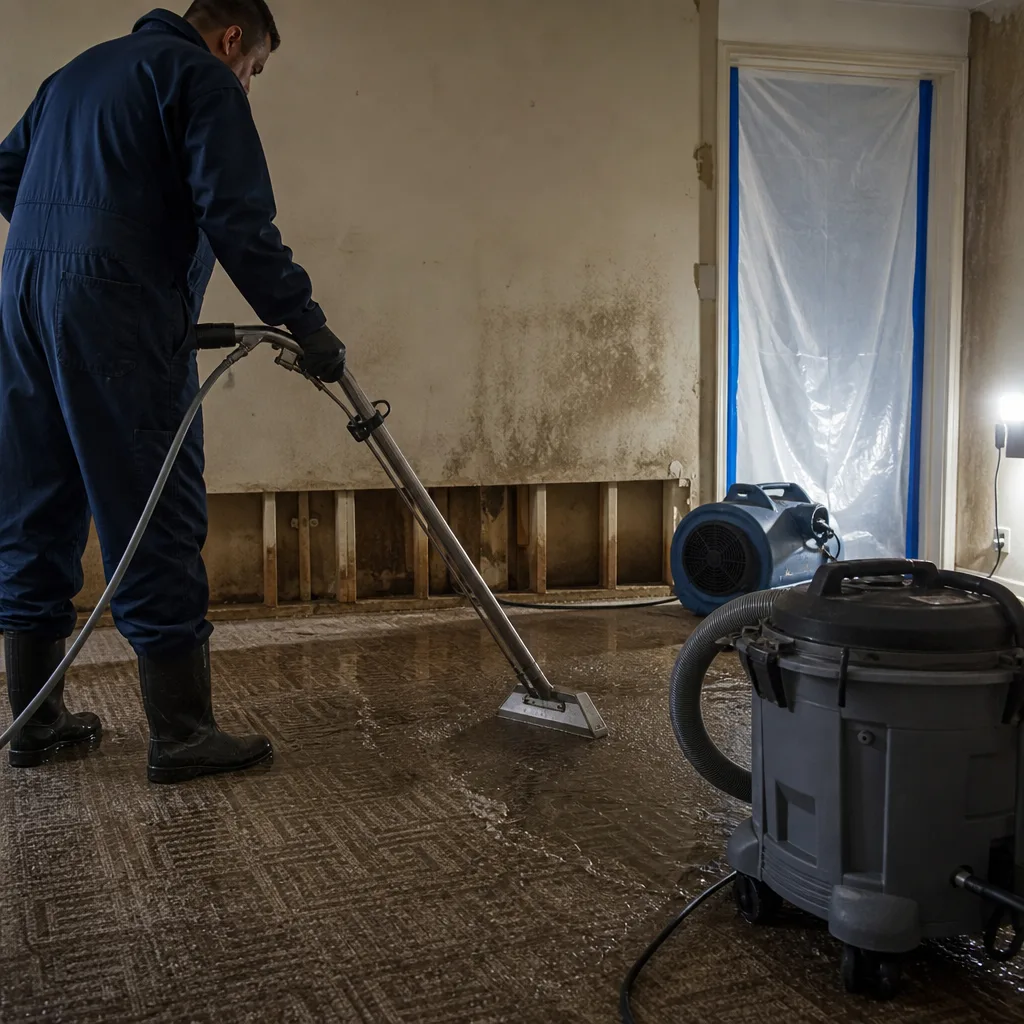
- 45-minute response commitment to West New York from dispatch, with crews carrying board-up materials, roof tarps, and HEPA containment equipment on every truck.
- 24/7 live answer - a real person, never an automated system or voicemail tree, because fire damage doesn’t wait for business hours and neither do we.
- IICRC-certified crews holding FSRT (Fire and Smoke Restoration Technician) and WRT (Water Damage Restoration Technician) certifications, with license numbers documented on every job file.
- Free visual inspection and written scope - no charge to assess the damage, no obligation to proceed, and a line-item price delivered before any work begins under Haven Standard, Clause 1.
- Direct insurance billing with photo-documented estimates, daily drying logs, and adjuster coordination - the documentation that turns restoration invoices into payable claims.
- One team from emergency board-up through structural repair and final walkthrough, eliminating handoff errors between contractors.
BeforeAfterOur Fire & Smoke Damage Restoration Process
1. Emergency Inspection & Assessment
We arrive with thermal imaging cameras, moisture meters, and combustion residue test kits to classify soot types and map smoke migration through shared wall cavities. Every affected unit gets a numbered photo record before any disturbance. In West New York’s multi-family buildings, this includes adjacent units above, below, and beside the fire origin - smoke travels through masonry in ways that surprise property managers.
2. Emergency Board-Up & Tarping
Burned windows, doors, and roof openings are secured with plywood and weather-rated tarps same-day. On flat-roofed brick buildings, we inspect parapet-wall flashing for fire compromise - a breach here becomes a water-intrusion point in the next nor’easter. We document wind-load ratings on all replacement doors and membranes for permit compliance.
3. Water Extraction & Structural Drying
Suppression water is extracted with truck-mounted systems, then we deploy Dri-Eaz and Phoenix dehumidifiers with Injectidry cavity-drying systems to pull moisture from inside plaster walls and ceiling assemblies. Daily moisture logs track specific humidity and vapor pressure differential until readings return to dry standard.
4. Smoke & Soot Cleaning
Residue-specific chemistry is applied: dry sponges for dry smoke, wet cleaning with pH-adjusted solutions for wet smoke, enzyme digesters for protein residues. HEPA air scrubbers run continuously during cleaning, with negative air pressure containment in multi-tenant buildings to prevent cross-contamination.
5. Odor Removal & Deodorization
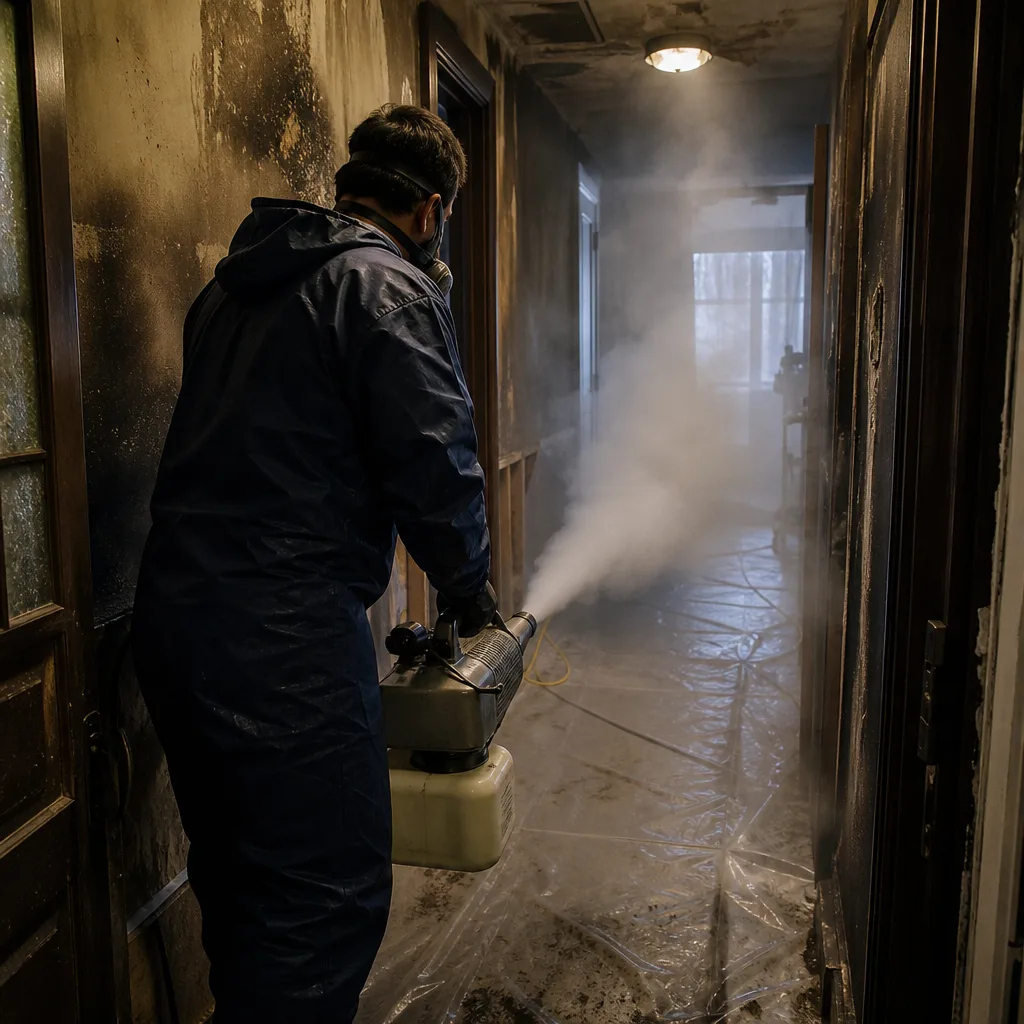
Thermal fogging and ozone treatment neutralize odor at the molecular level in porous materials - plaster, brick, and unfinished wood that absorb smoke during the fire’s active phase. We verify results with olfactory testing and, where required, third-party air quality clearance.
6. Structural Fire Repair & Restoration
Fire-damaged framing, roofing, and finishes are rebuilt to code, with wind-rated door and membrane replacements documented for West New York’s exposure. A final photo record, signed warranty under The Haven Standard, and 365-Day Done Right Promise complete the file.
Need Emergency Fire & Smoke Damage Restoration in West New York Now?
Crews minutes away, answering live 24 hours a day. The sooner we start, the less it costs.
Working With Your Insurance Company
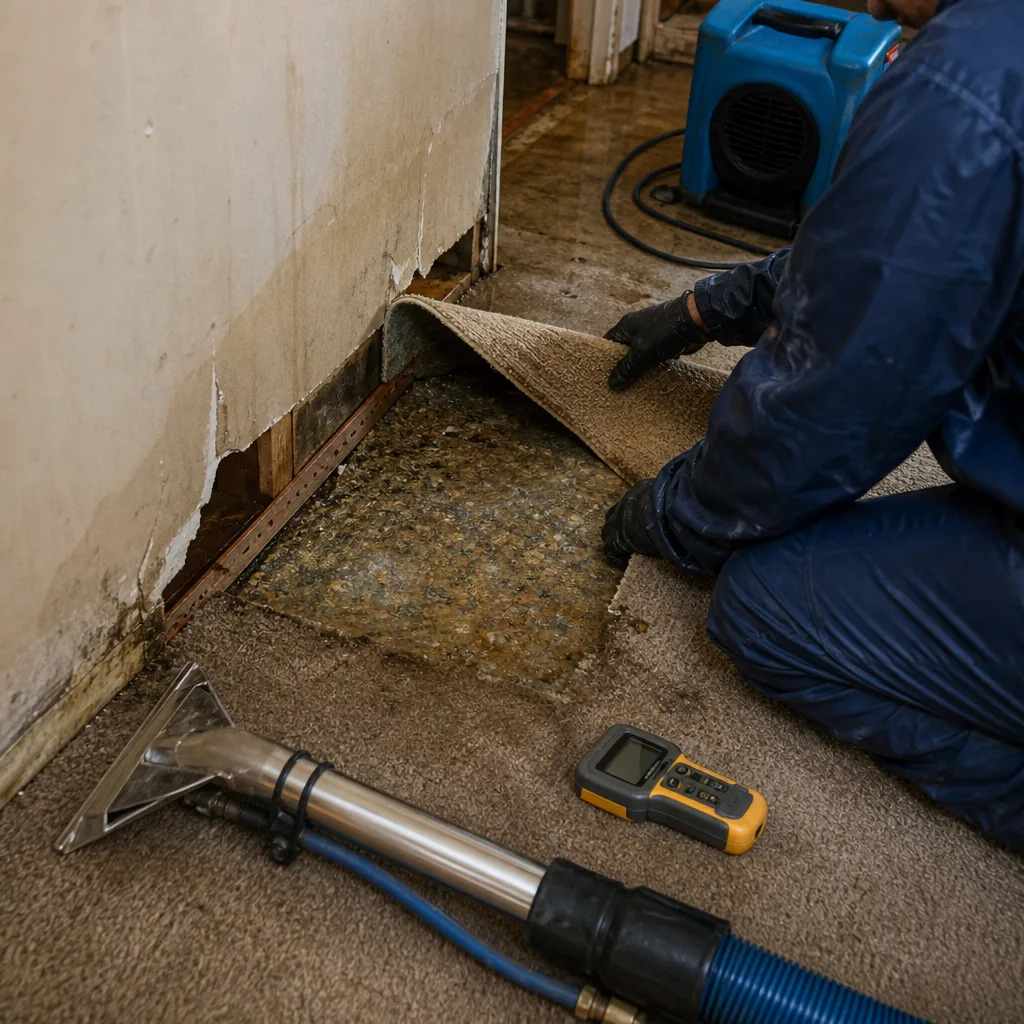
Fire claims in West New York’s multi-family buildings involve more moving parts than single-family losses: multiple tenant policies, a master building policy, potential subrogation between carriers, and scope disputes over whether damage in unit 4B traces to the fire in 4C or a pre-existing flashing failure. We document from the first hour to prevent these disputes from becoming your problem.
Our estimates are built on Xactimate, the industry-standard pricing platform adjusters recognize. We provide direct adjuster communication, not a phone tag chain, and our photo record - room by room, with moisture readings and material classifications - gives the carrier what they need to approve scope without delay. The daily drying logs we produce under IICRC standards are the documentation that separates payable claims from denied ones.
What We Provide Your Insurer
- Thorough documentation of the loss
- Photos of all damage, room by room
- Moisture readings and drying logs
- A detailed, line-item scope of work
- Direct coordination with your carrier
Built for West New York’s Loss Calendar
January through March brings the deepest risk: heating-system fires in aging boilers, space-heater incidents in units with original wiring, and the nor’easter season that turns a fire-compromised roof into a building-wide water loss. The flat built-up roofing on pre-WWII buildings loses adhesion in freeze-thaw cycles; a fire that damages the roof deck removes the last barrier before wind-driven rain enters.
April’s spring thaw and heavy rain events test every temporary tarp and board-up we install. By summer, lightning strikes and electrical fires spike with air-conditioning load on old panels. September through November is hurricane remnant and early nor’easter season - the period when a fire-weakened building envelope faces its most severe wind-load test. We schedule permanent repairs before these windows when possible, and reinforce temporary protection when we can’t.
The lower waterfront elevation near the Hudson, within Hurricane Sandy’s storm-surge zone, adds a layer we check on every fire loss in that corridor: residual moisture or compromised foundation waterproofing from 2012 may still be present, and fire suppression water finds these pathways.
Fire & Smoke Damage Restoration Across West New York’s Neighborhoods
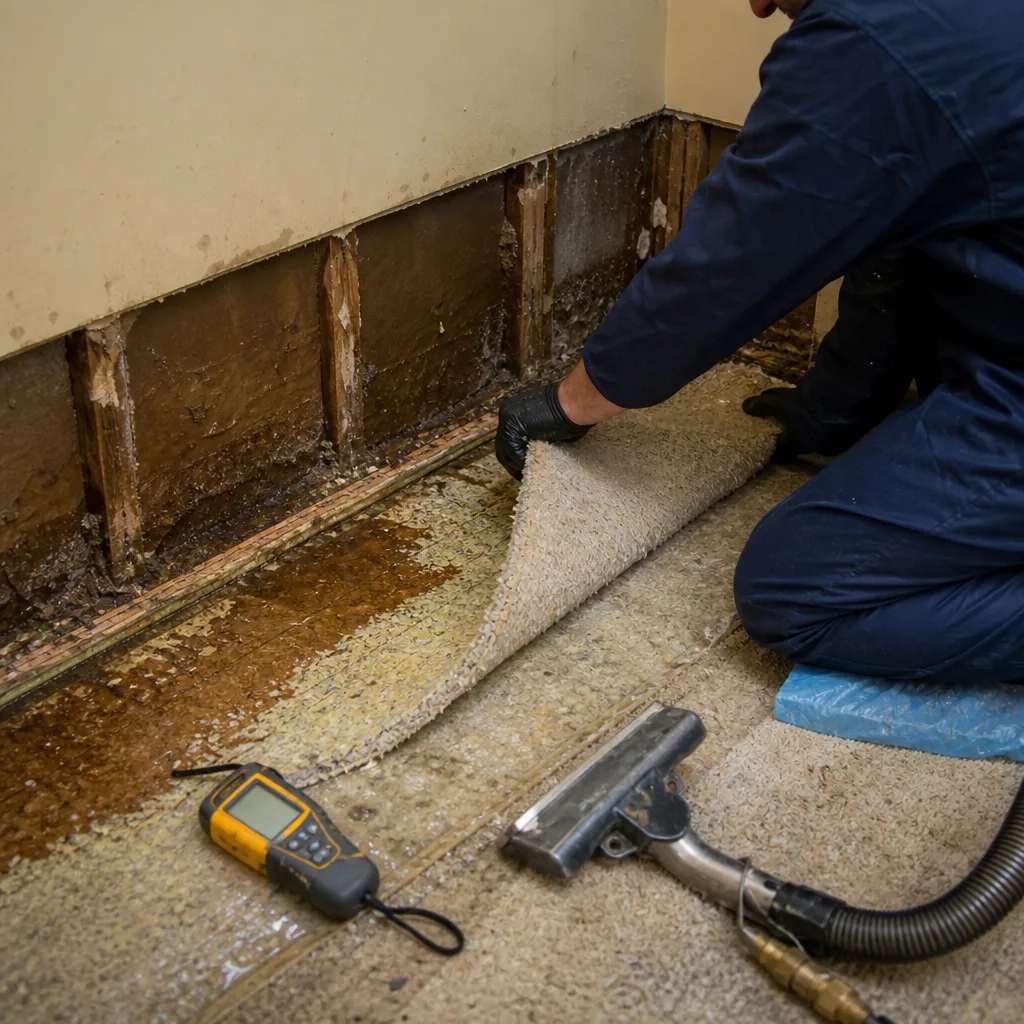
Bergenline Avenue corridor: The dense commercial-residential mix here means kitchen fires in ground-floor restaurants often impact apartments above through shared ventilation and utility chases. We coordinate with West New York’s building department for after-hours emergency access and multi-tenant containment.
Boulevard East: The newer high-rise towers along the Palisades cliff face different challenges: curtain-wall systems where smoke enters the building envelope, mechanical floors with complex HVAC risers, and the wind exposure that makes fire-damaged windows and balcony doors immediate water risks. Our crews carry commercial-grade containment and commercial drying equipment for these buildings.
60th Street to 67th Street residential core: This is the classic West New New York density zone: 5-story brick apartment buildings, original plaster interiors, shared basements with aging electrical service. Fires here are almost always multi-tenant events requiring pack-out coordination for multiple families and building-wide moisture mapping.
Lower waterfront near Port Imperial: The Sandy-impacted zone. We check for pre-existing moisture conditions on every fire loss here, and we document foundation and basement conditions that may affect drying strategy or scope.
After a kitchen fire on Boulevard East, our techs boarded up the burned unit and tarped the roof, then found the fire had compromised the parapet-wall flashing on the 5-story brick building. With another nor’easter forecast, we reinforced the flat-roof edge and installed wind-rated impact doors at the street-level entry, using moisture mapping to confirm no rain intrusion reached the units below. The pack-out and structural drying kept the adjacent apartments habitable while we repaired the fire-damaged roof deck.
Specialized Fire & Smoke Damage Restoration Services We Offer in West New York
Fire Damage Cleanup
Structural debris removal, residue classification, and salvage triage for contents. In West New York’s plaster-walled buildings, we test for asbestos in pre-1980 finishes before disturbance - a regulatory step that protects occupants and prevents project shutdown.
Smoke & Soot Removal
Dry, wet, and protein residue cleaning with chemistry matched to combustion source. We address the hidden migration through shared wall cavities that deposits soot in seemingly unaffected units - a pattern we see weekly in West New York’s multi-family stock.
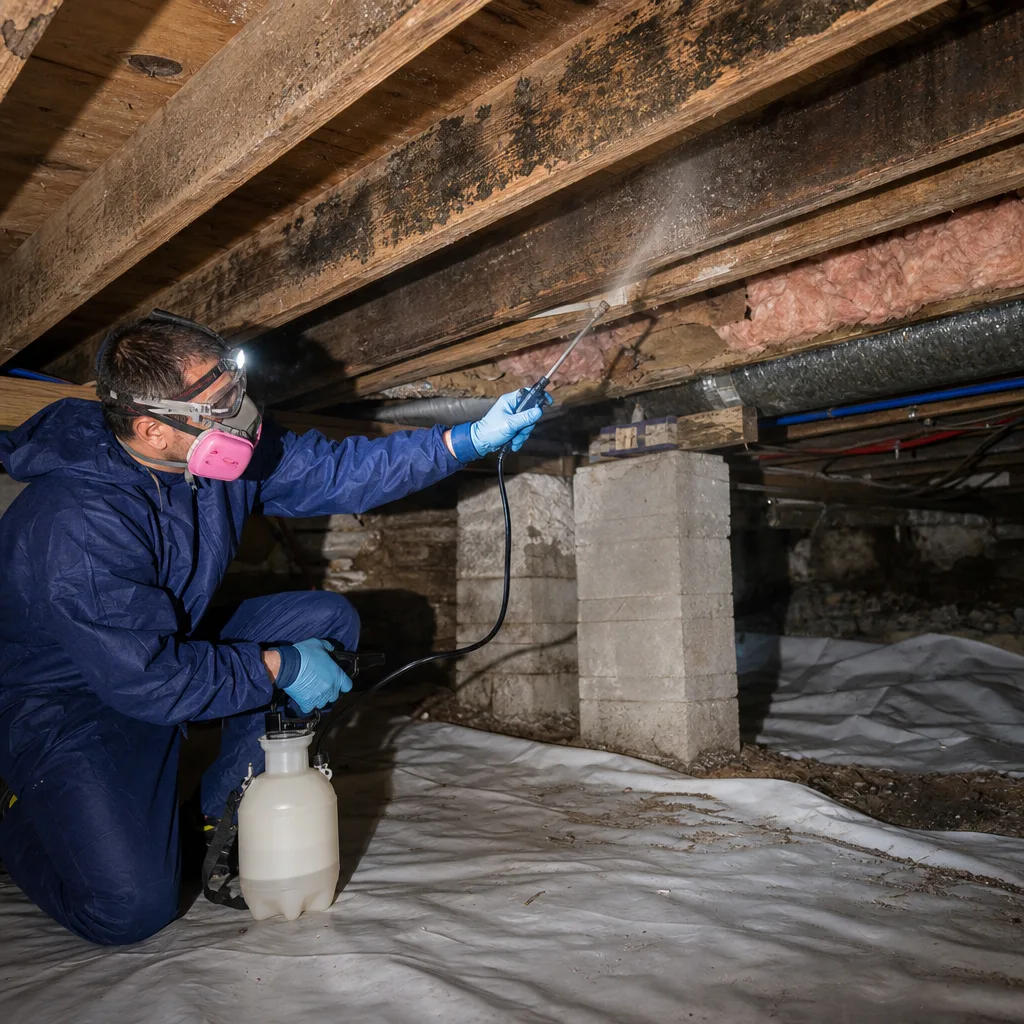
Odor Removal & Deodorization
Thermal fogging, ozone, and hydroxyl treatment for porous materials that hold odor. Brick and plaster, the dominant materials in local housing, require extended contact time and verification testing.
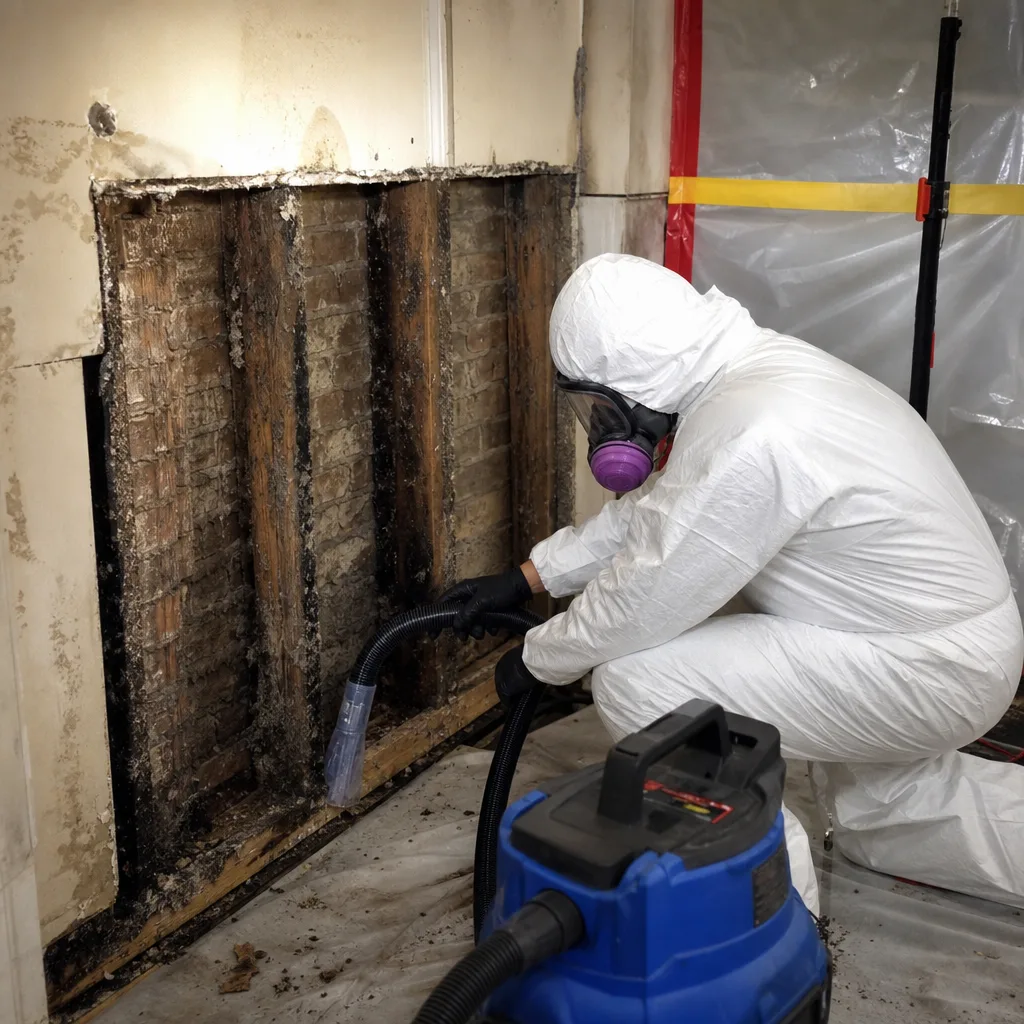
Contents Cleaning & Pack-Out
Inventory, photograph, clean, and store affected belongings off-site while structural work proceeds. In multi-tenant buildings, we coordinate with multiple families and insurance carriers simultaneously - a logistics challenge that defines West New York fire restoration.
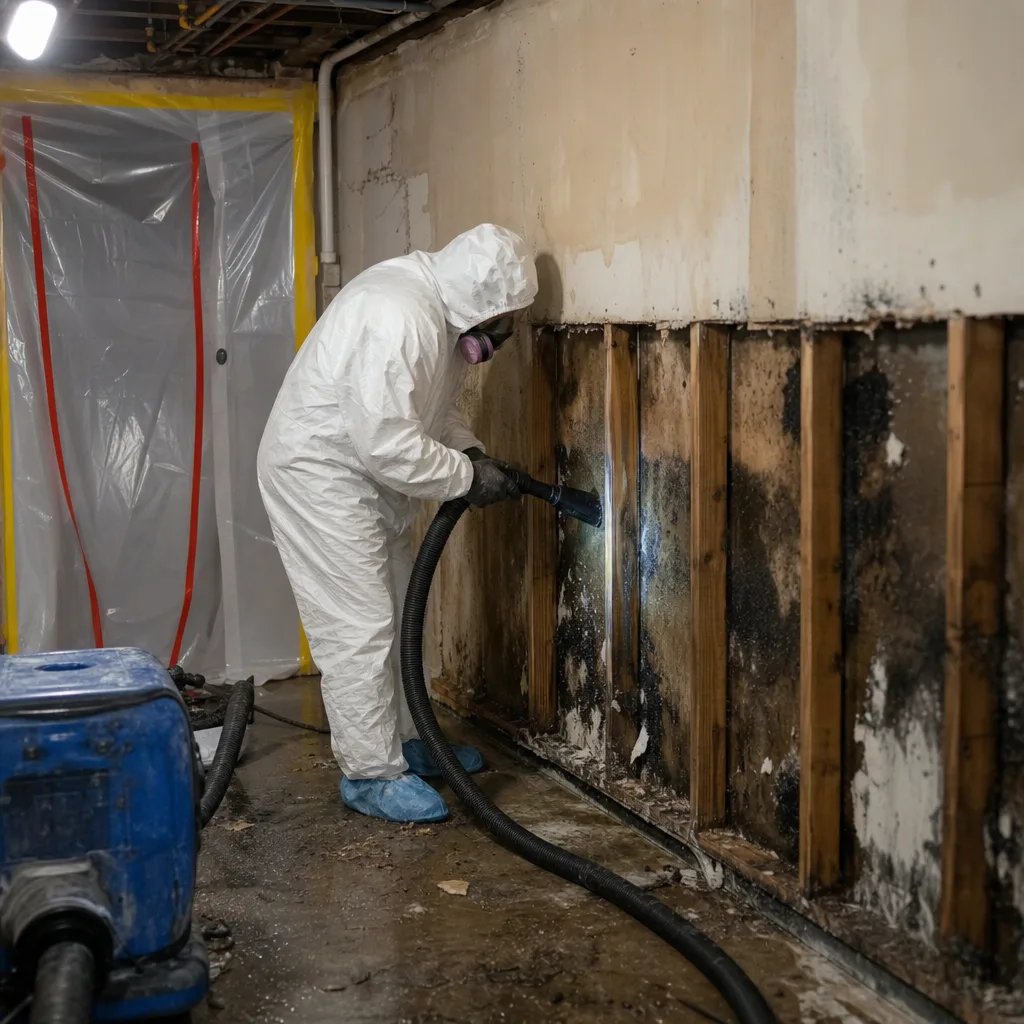
Emergency Board-Up & Tarping
Same-day securing of burned openings with weather protection. We inspect and document wind-load ratings on all replacements for permit compliance, and we reinforce roof edges on flat-roofed buildings before the next storm event.
What happens when you call
- 1
A real person answersNo phone trees - you reach a local pro.
- 2
You get an upfront price rangeHonest numbers before anyone is dispatched.
- 3
A background-checked tech heads outLicensed & insured, dispatched right away.
- 4
You approve before work beginsNothing starts until you say go.
Fire & Smoke Damage Restoration Costs in West New York, NJ
A typical single-unit fire damage cleanup in West New York runs $3,200-$8,500, including smoke and soot removal, odor treatment, and minor structural repair. Multi-unit or building-wide losses start at $12,000 and commonly reach $25,000-$35,000 when pack-out, extensive plaster repair, and roof deck reconstruction are involved. Emergency board-up and tarping as a standalone service typically falls between $850-$2,400 depending on access height and opening count.
What moves the price: the square footage affected, the residue type (protein fires require more labor than dry smoke), whether suppression water triggered secondary damage, and whether asbestos abatement is required in pre-1980 construction. Insurance typically covers direct fire and smoke damage, plus water damage from suppression, under standard HO-3 and commercial property policies. Out-of-pocket costs arise most often from deductibles, code-upgrade requirements, or pre-existing maintenance issues the adjuster excludes.
We deliver a written price before any work begins, every time, with no scope-creep additions once the crew is inside - Haven Standard, Clause 1. Bring a competitor’s written estimate and we’ll review it at no charge.
We Also Serve Cities Near West New York
Our crews respond from the same dispatch base into West New York and surrounding Hudson County communities: Union City to the north, Hoboken to the south, Fort Lee across the George Washington Bridge corridor, and Palisades Park along the Palisades ridge. The same building stock, the same wind exposure, the same multi-family density - we know these loss patterns.
Serving West New York, NJ - Our Local Coverage Area
We’re based in the West New York area and know this community well. Use the map below to see our service coverage - if you’re nearby, we can almost certainly help.
West New York Fire & Smoke Damage Restoration Questions, Answered
Why does fire damage in West New York often lead to water damage too?
Suppression systems and hose lines dump hundreds of gallons into a building designed with slow-draining flat roofs and masonry walls that hold water for days. In West New York’s pre-WWII brick buildings, that water travels laterally through shared wall cavities before dropping into units below the fire origin. We map these pathways with moisture meters and thermal imaging, then dry the structure before mold or secondary damage develops. Call (551) 213-5277 for a free inspection.
Do West New York fire-damaged buildings need wind-rated doors or roof reinforcement?
Yes, and skipping this step is a common failure mode we correct on re-dos. West New York’s flat-roofed brick buildings face direct wind exposure from the Hudson, and fire-damaged roof membranes or doors lose their wind-rated integrity. We inspect and document ratings on all replacements for permit compliance, and we reinforce parapet-wall flashing before the next nor’easter. Call (551) 213-5277 to review your building’s exposure.
How do you stop smoke odor from spreading to other apartments in a West New York brick building?
Negative air pressure containment, HEPA air scrubbing, and sealing of shared utility chases - the smoke migration highways in these buildings. We test adjacent units with thermal imaging and surface sampling to identify hidden deposition, then treat only what’s actually affected rather than assuming a radius. The 365-Day Done Right Promise covers odor recurrence. Call (551) 213-5277 for assessment.
What does a fire and smoke restoration scope look like for a multi-family building in West New York?
It starts with unit-by-unit damage classification, then coordinates pack-out for multiple tenants, building-wide moisture mapping, and phased reconstruction that keeps unaffected units habitable. The scope is written, priced, and signed before work begins - Haven Standard, Clause 1 - with daily photo records and drying logs for every unit. Direct adjuster coordination handles the multi-policy complexity. Call (551) 213-5277 for a sample scope format.
Can you handle fire damage on a West New York building that still has residual moisture from Hurricane Sandy?
Yes, and we check for this condition on every lower-waterfront loss. Sandy-compromised foundation waterproofing and residual masonry moisture create pre-existing conditions that affect drying strategy and may trigger additional scope. We document these findings with photos and moisture readings, then coordinate with adjusters to separate pre-existing conditions from fire-related damage. Call (551) 213-5277 for assessment.
How fast can your crew actually get to a fire damage call in West New York?
Our 45-minute response commitment covers West New York from dispatch, with board-up materials and HEPA equipment on every truck. Live answer 24/7 means no voicemail delay. For active fire scenes, we coordinate with West New York Fire Department for safe entry timing. Call (551) 213-5277 - we answer now.
Will my insurance cover the full fire restoration, or will I pay out of pocket?
Standard policies cover direct fire, smoke, and suppression water damage, plus temporary relocation for affected tenants. Out-of-pocket costs typically involve your deductible, code-upgrade requirements, and any pre-existing maintenance issues the adjuster documents. We provide the photo record, drying logs, and line-item scope that maximize claim approval. Call (551) 213-5277 and we’ll review your coverage with you.
What should I do in the first 30 minutes after the fire is out?
Do not re-enter until the fire department clears the structure. Then call (551) 213-5277 for immediate board-up - openings left unsecured invite weather damage and liability. Do not disturb soot-covered surfaces; improper cleaning can set residues permanently. We arrive with containment, documentation, and a written scope process that starts protecting your claim from hour one.
Back to Dry Restoration’s Fire & Smoke Damage Restoration team serves West New York with the documentation-first approach that turns restoration invoices into payable claims. Every job is quoted in writing before work begins, documented with a photo record on every visit, and covered by the 365-Day Done Right Promise under The Haven Standard.
Written by Alicia Brennan, Owner at Back to Dry Restoration, serving West New York since 2011.
Fire & Smoke Damage Restoration in Nearby Areas