Free visual inspection and a written scope of work before any mitigation begins - photos, moisture readings, and drying logs go in your claim file
The scope we write is the scope we bill. Anything new gets shown to you, in writing, before we touch it.
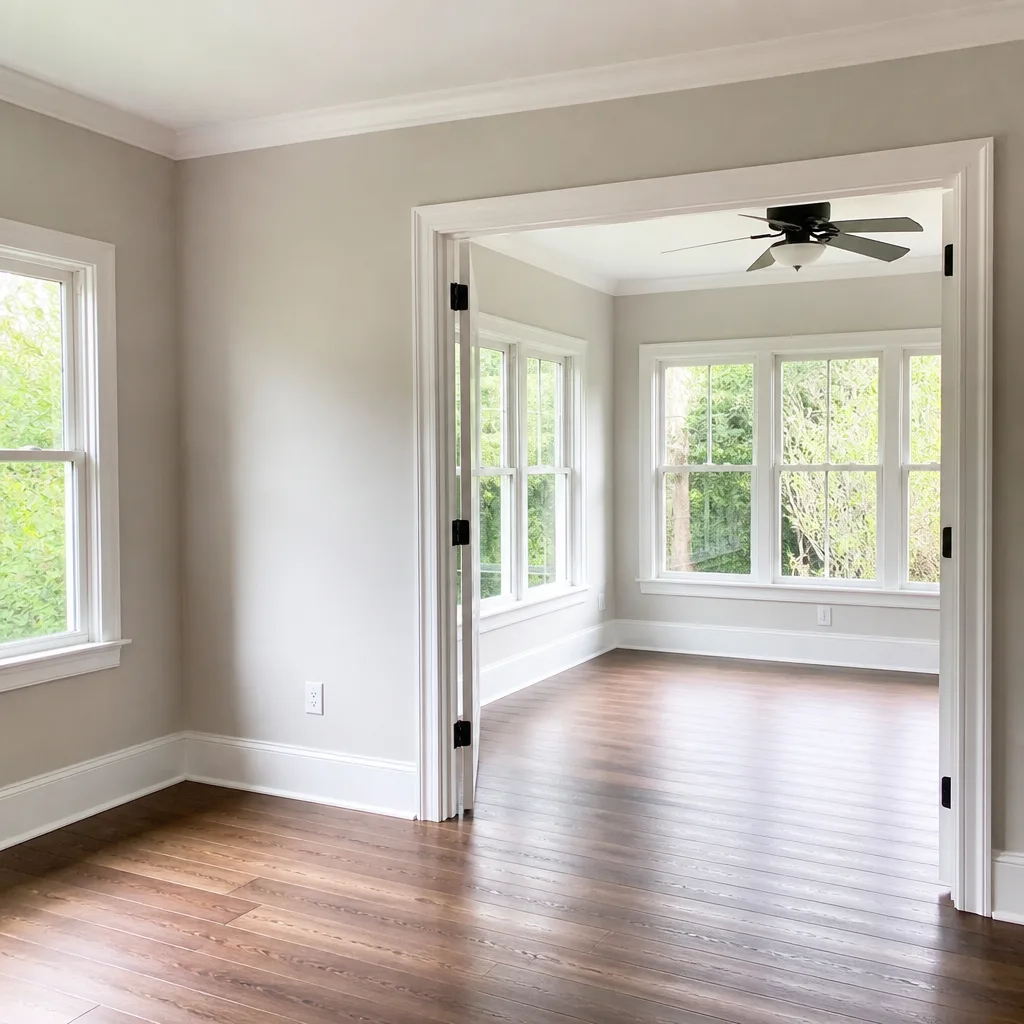
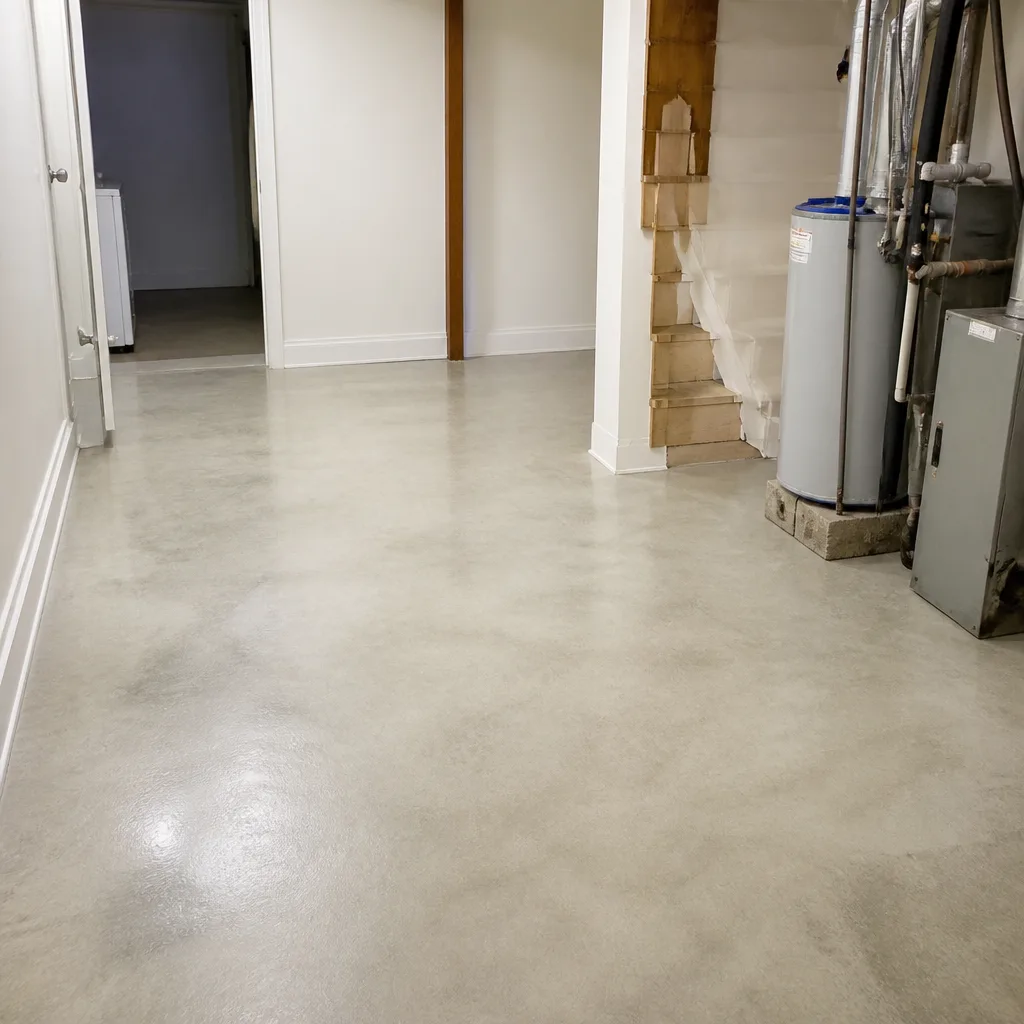
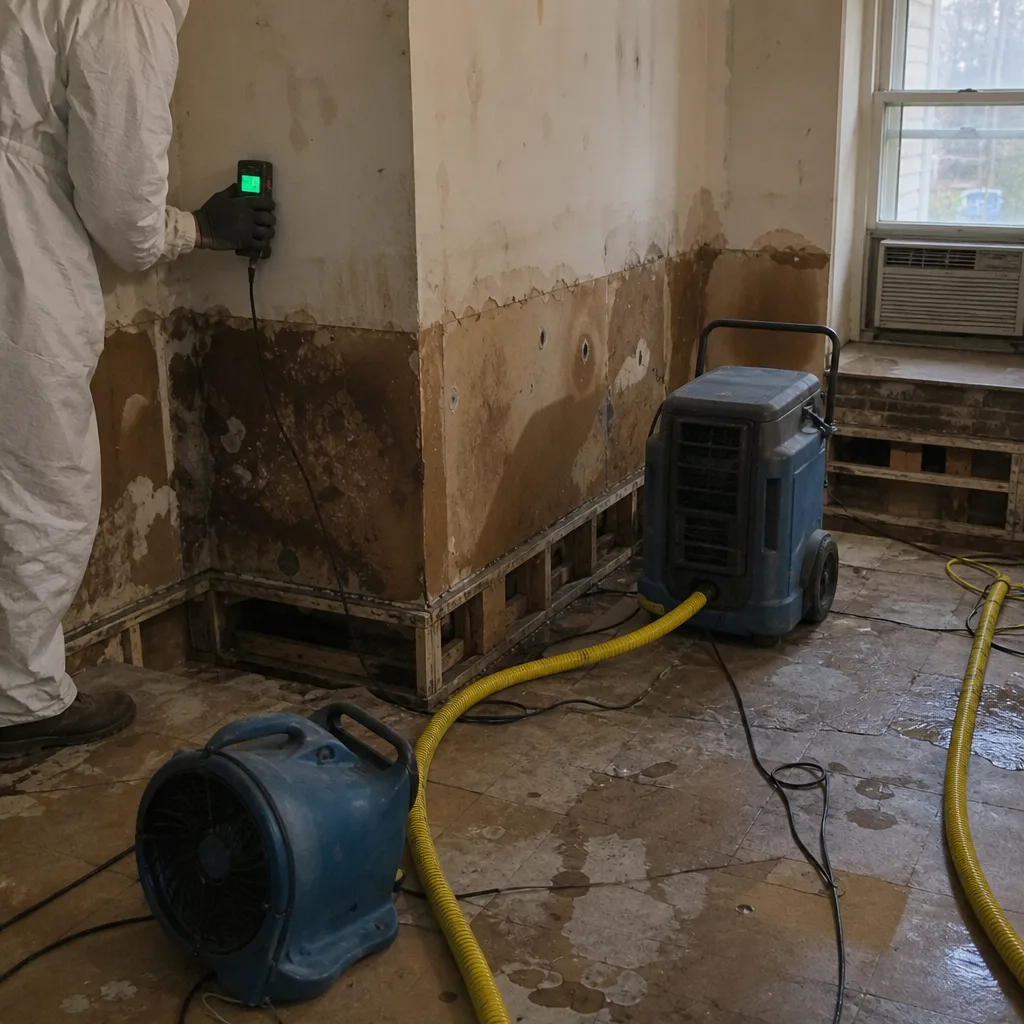 Before
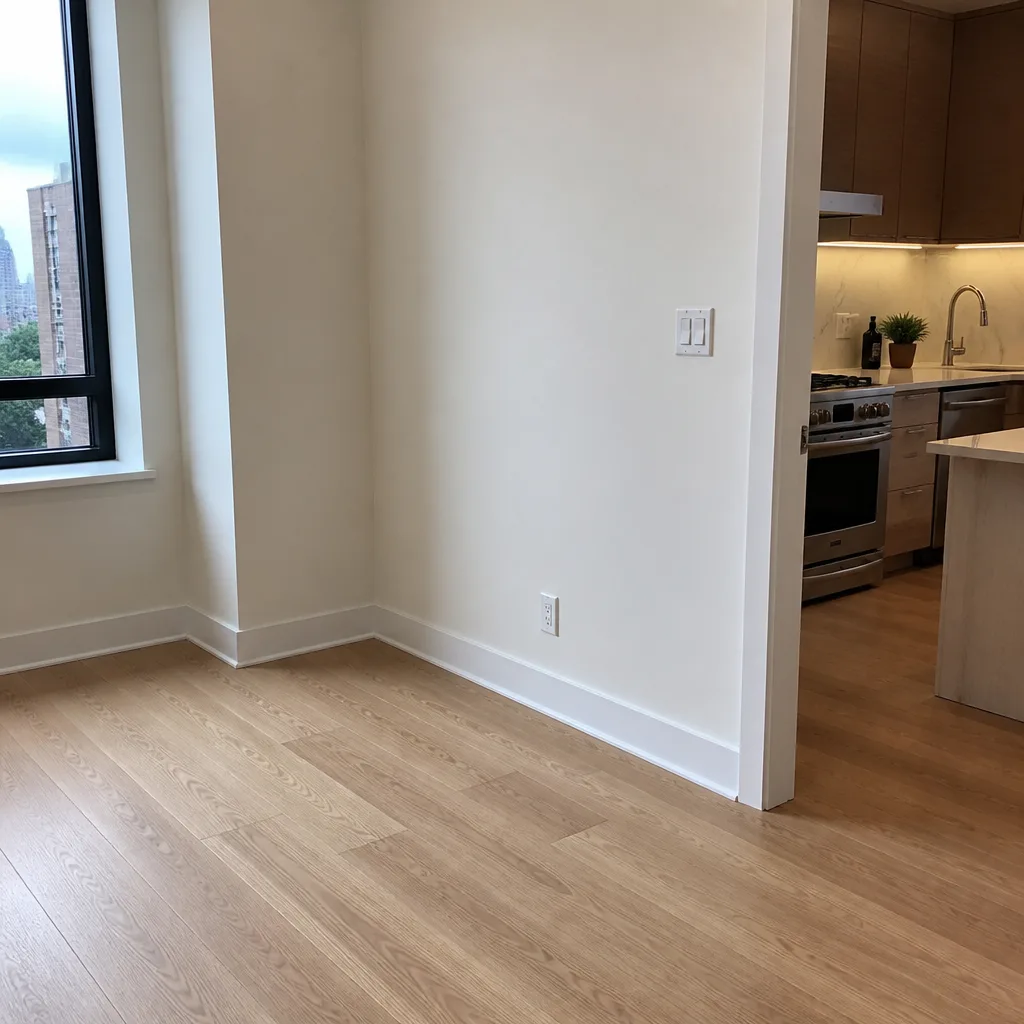 After
After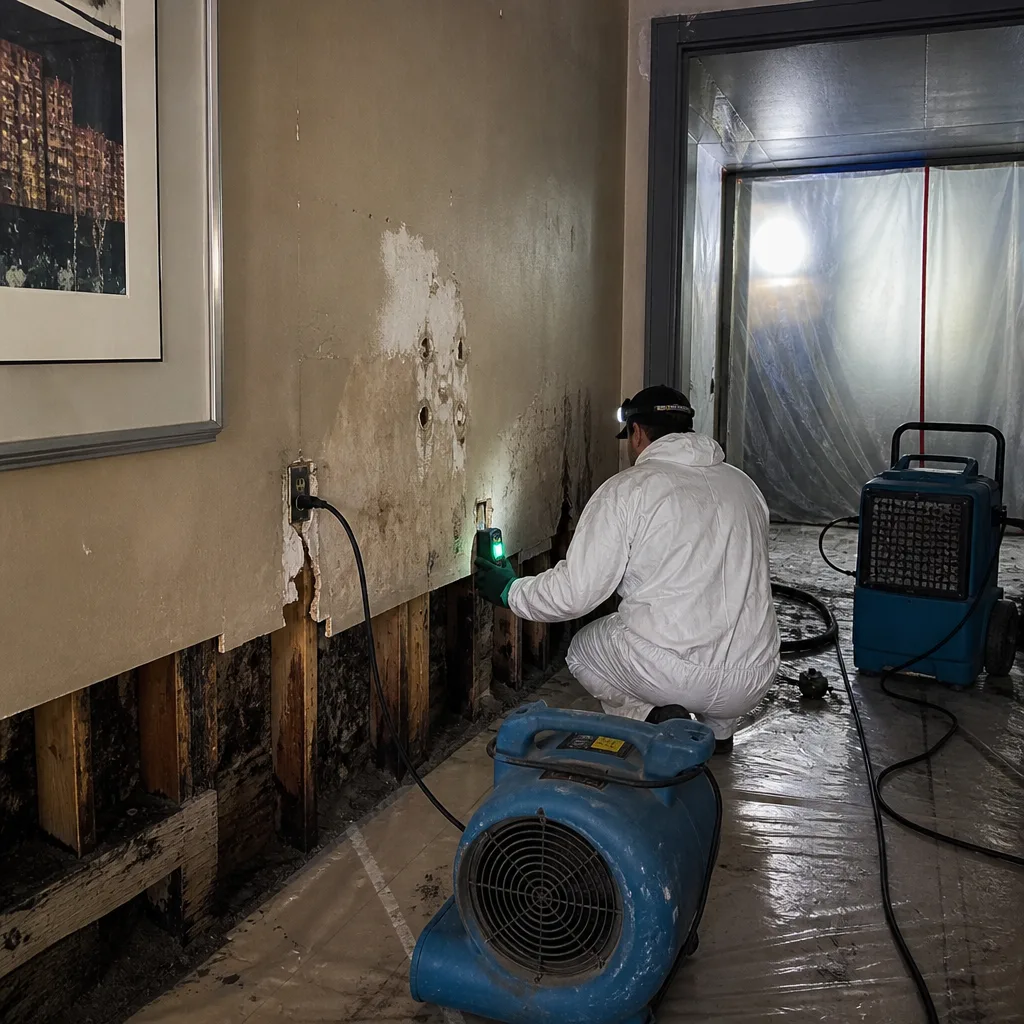 Before
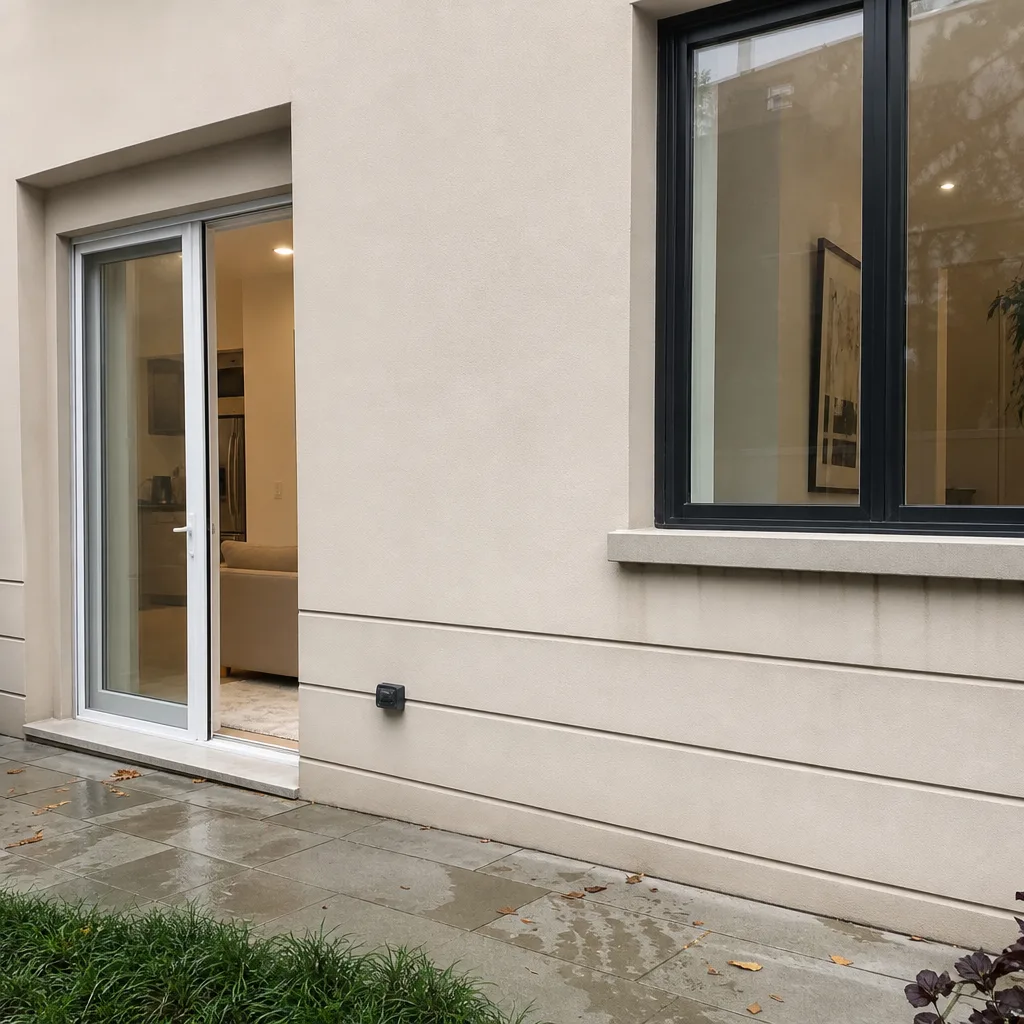 After
After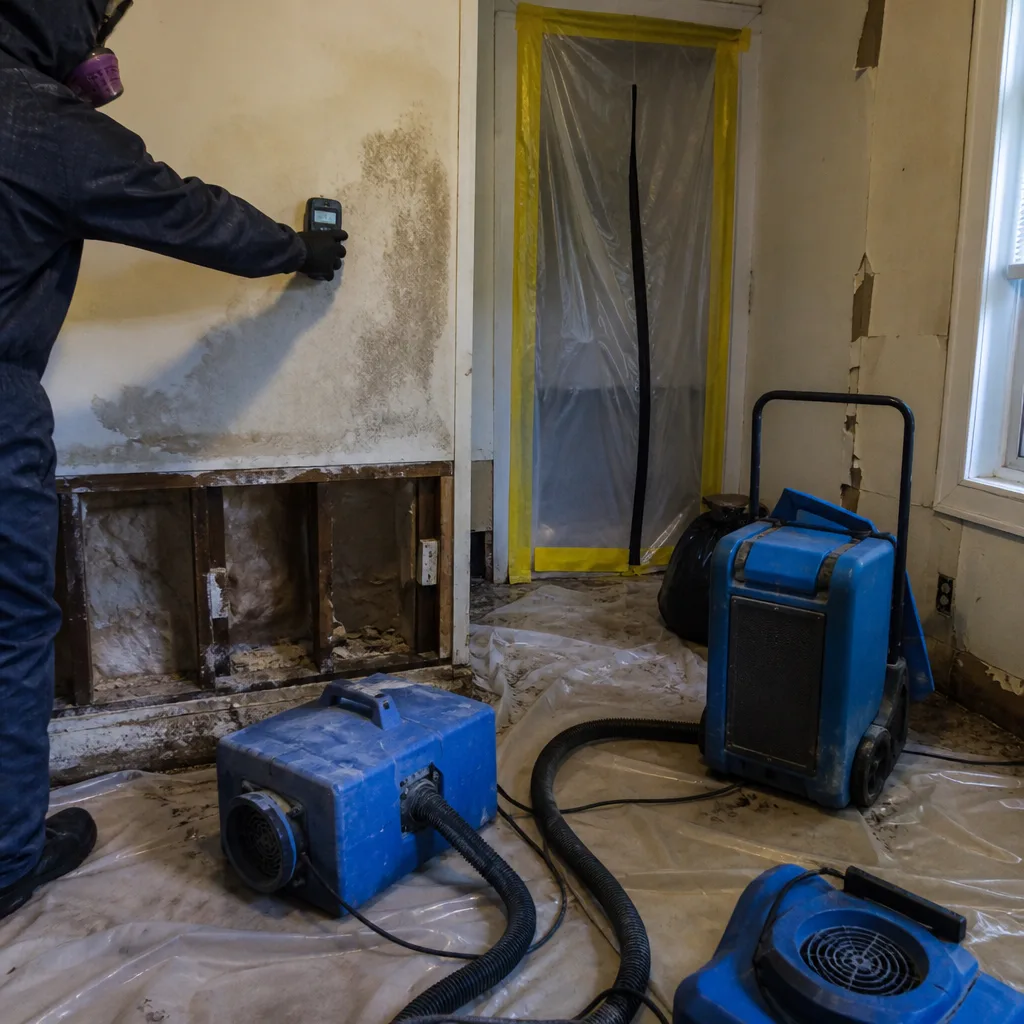 Before
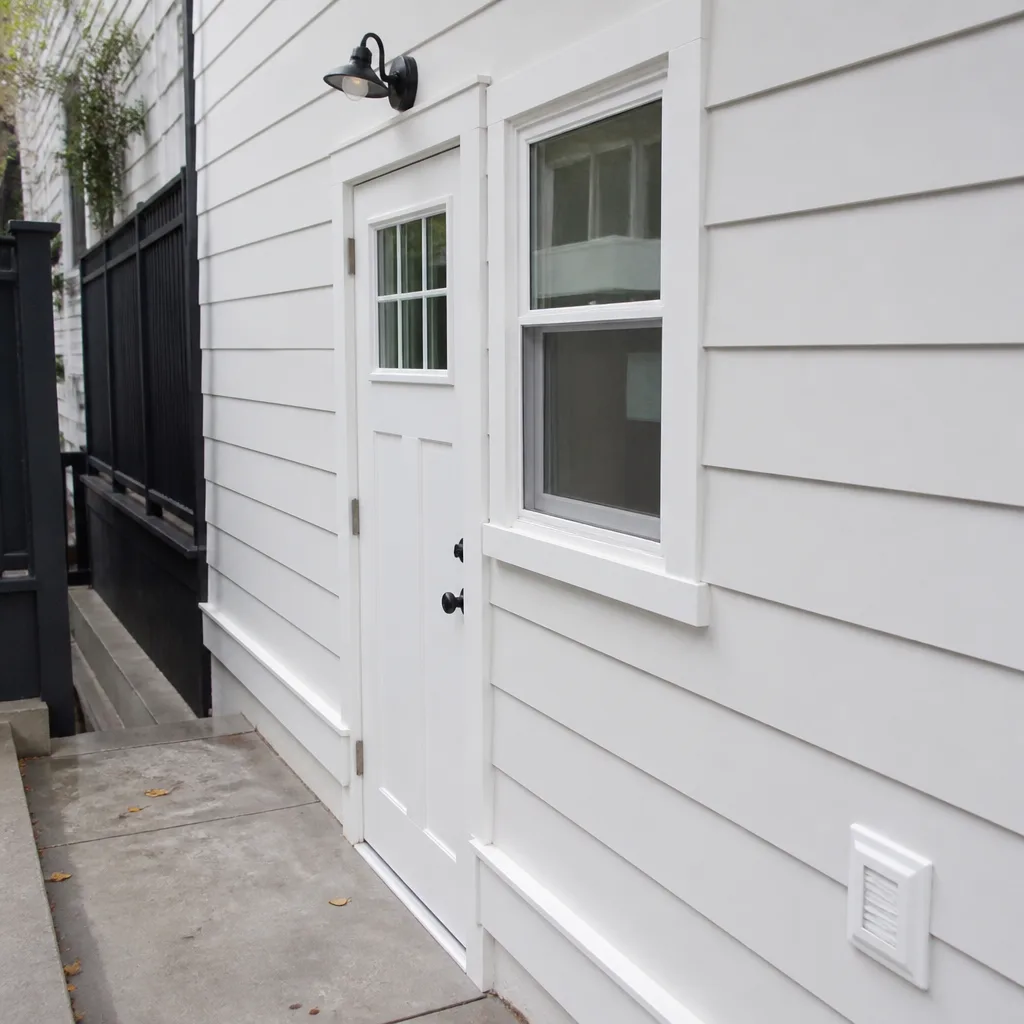 After
After24/7 Emergency Mold Remediation in West New York
Mold remediation in West New York typically runs $1,800-$4,500 for contained apartment-unit jobs, with whole-building scopes reaching $8,000-$15,000 depending on how many floors the moisture has traveled. Call (551) 213-5277 now - we answer live, 24 hours a day, and crews are dispatched from our New York City office to West New York within 45 minutes. The first hour matters because mold in this city’s dense brick buildings doesn’t stay put; it migrates laterally through shared masonry walls, colonizing units that haven’t even reported a problem yet. We offer a free visual inspection, and every job starts with a written price before any work begins - Haven Standard, Clause 1.
Understanding Mold Remediation Severity in West New York Properties
Mold severity is classified by affected square footage, substrate type, and whether the contamination has spread beyond the originally wet area. In West New York, the critical variable is the city’s pre-war and mid-century brick apartment stock, where water moves through masonry far more slowly than through wood frame - and travels horizontally before it drops vertically.
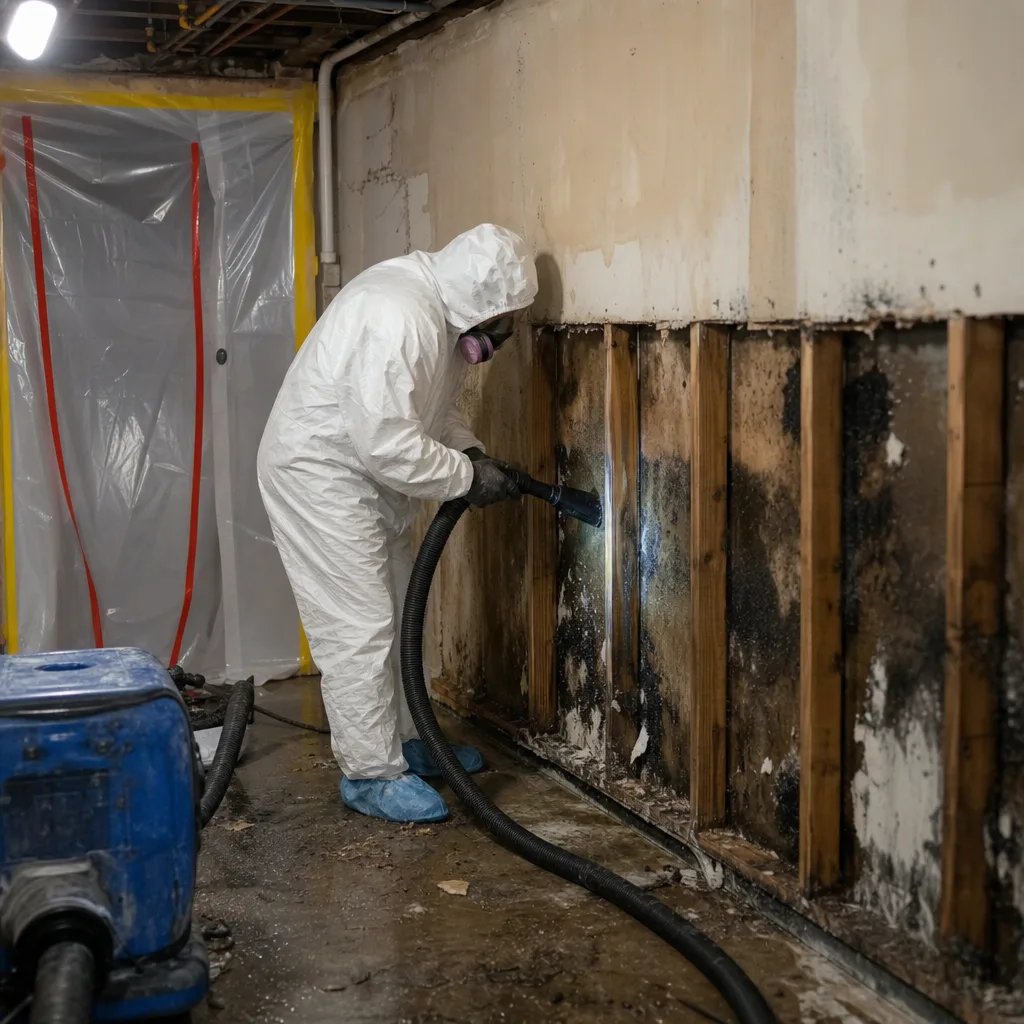
A Category 1 water loss (clean supply line) in a frame house might dry in 72 hours. In a West New York brick building, the same volume of water can wick through a party wall for two weeks before visible mold appears on the far side. We classify these as tertiary moisture events: the original leak is long stopped, but the masonry continues off-gassing vapor, sustaining mold growth in apparently dry conditions. Our crews use thermo-hygrometers to measure vapor pressure differential - the force that drives moisture through porous materials - and thermal imaging to locate the hidden reservoir before cutting any drywall. Air scrubbing with HEPA filtration and negative-air containment follows IICRC S520 standards for microbial remediation.
Why West New New York Property Owners Choose DryMark Restoration Upper East Side
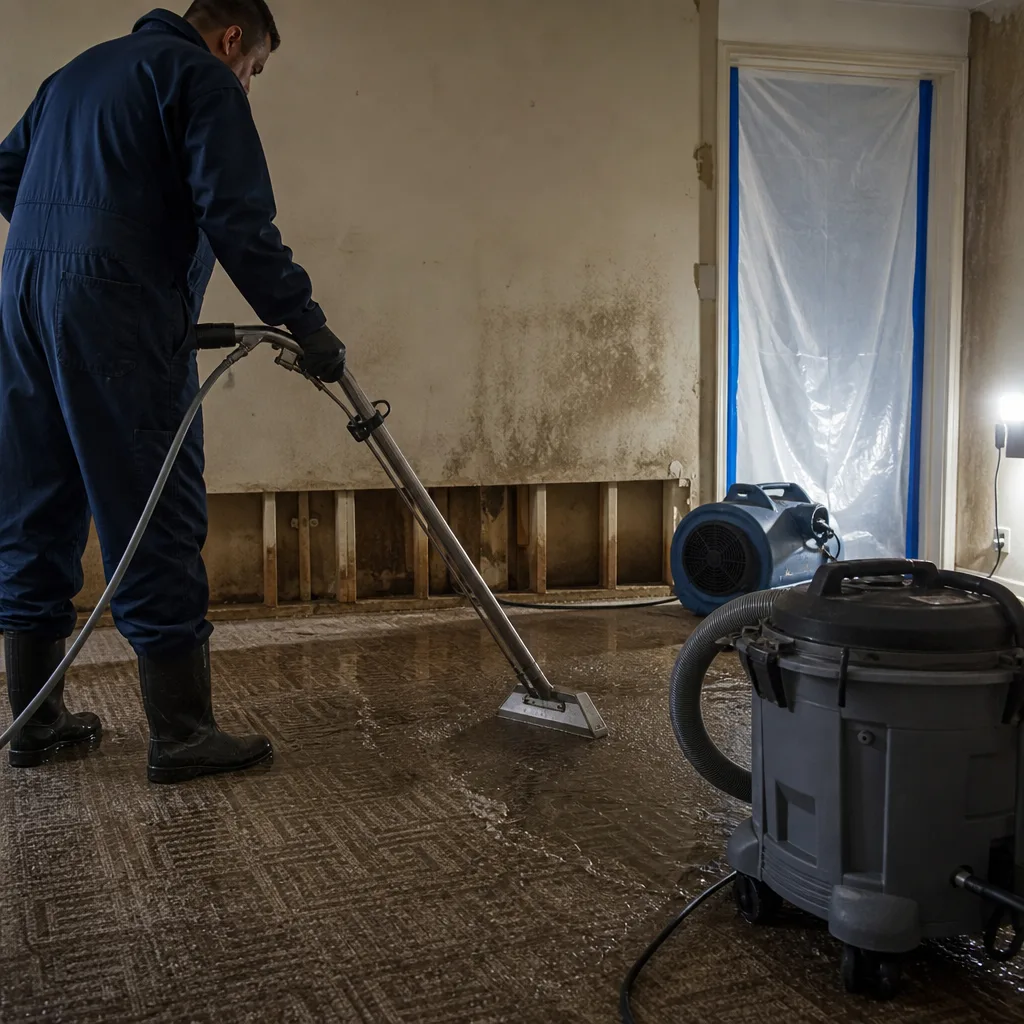
- 45-minute response commitment to West New York from our New York City dispatch office, with crews already staged for Hudson County calls.
- 24/7 live answer - a real person picks up every call, never an automated system or voicemail queue while water keeps moving through your building.
- IICRC-certified crews holding WRT (Water Damage Restoration Technician) and AMRT (Applied Microbial Remediation Technician) certifications, with license numbers documented on every job file.
- Free visual inspection - we arrive, assess, and deliver a written scope before you commit to anything.
- Direct insurance billing with photo-documented estimates that adjusters recognize and pay without dispute.
- One team from mold containment to reconstruction - no handoffs between vendors that fragment your documentation and delay your claim.
BeforeAfterOur Mold Remediation Process
1. Inspection & Assessment
We start with cross-unit moisture mapping, not surface observation. Using thermal imaging and penetrating moisture meters, we trace the full path of water migration through shared brick walls in your West New York building. This step prevents the misdiagnosis that leads to repeat callbacks.
2. Containment & Air Scrubbing
We establish negative-air containment with polyethylene barriers and HEPA-filtered air scrubbers before disturbing any mold-affected material. In multi-tenant West New York buildings, this protects adjacent units from cross-contamination during remediation.
3. Structural Drying
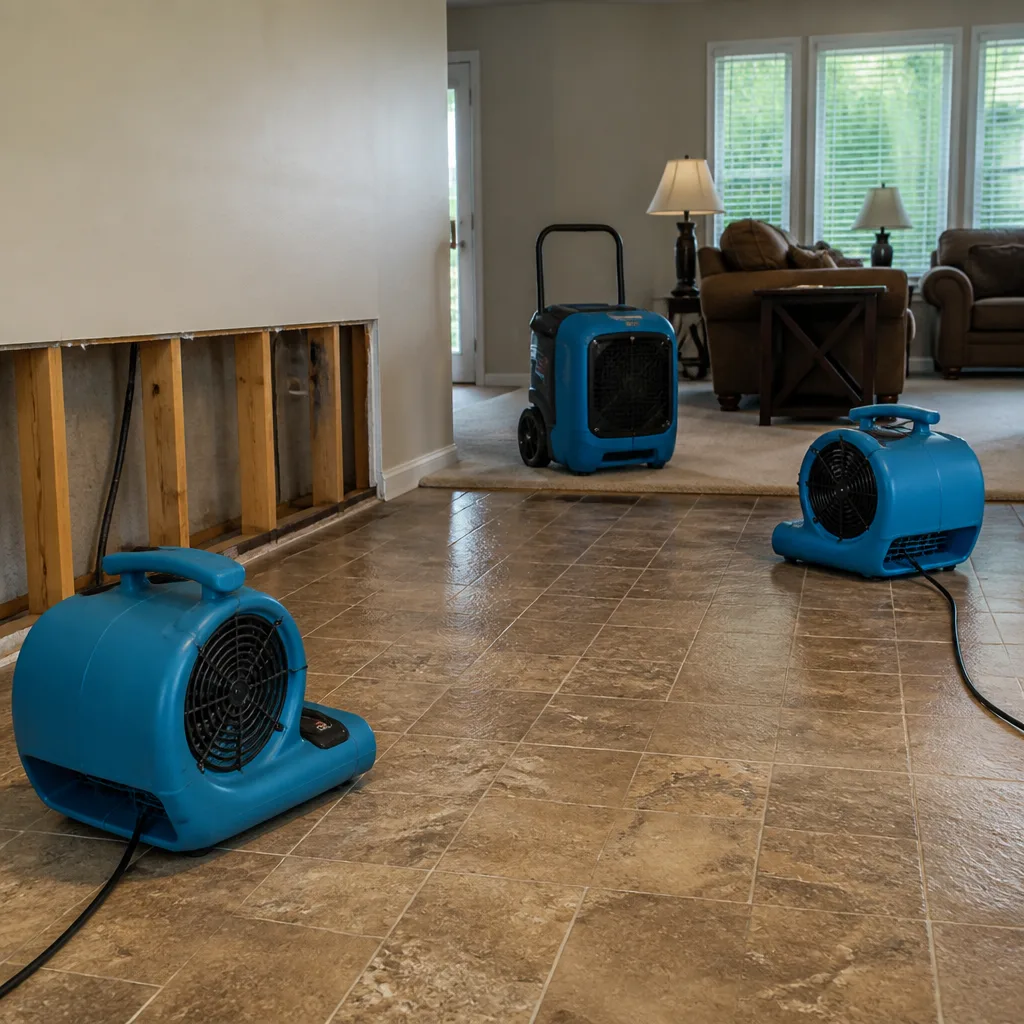
We deploy Dri-Eaz and XPOWER dehumidifiers sized to the latent moisture load in masonry, plus high-velocity air movers positioned to drive vapor out of wall cavities. Drying logs are recorded daily until moisture content returns to pre-loss baseline.
4. Cleaning & Antimicrobial Treatment
Affected porous materials are removed per IICRC S520. Non-porous surfaces receive HEPA vacuuming and antimicrobial application. We document every square foot treated with pre- and post-treatment photos.
5. Air Quality Restoration & Clearance Testing
Post-remediation, we run air sampling to verify spore counts have dropped below outdoor baseline levels. Third-party lab analysis is available for property managers and insurance requirements. Our Mold Remediation team coordinates directly with your adjuster on results.
6. Repairs & Moisture Control
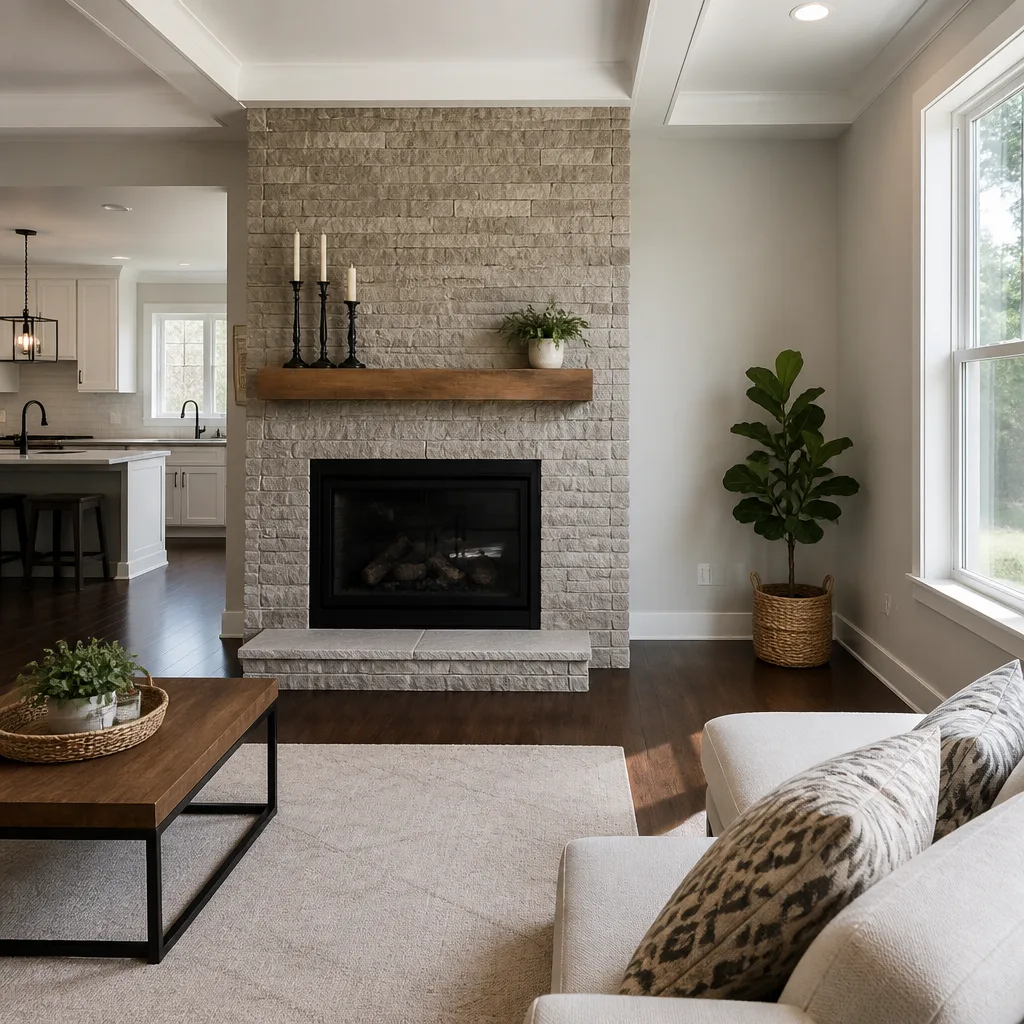
We restore removed drywall, insulation, and finishes, then install or recommend permanent moisture control: improved ventilation, dehumidification systems, or foundation waterproofing. Every repair carries our 365-Day Done Right Promise under The Haven Standard.
Need Emergency Mold Remediation in West New York Now?
Crews minutes away, answering live 24 hours a day. The sooner we start, the less it costs.
Working With Your Insurance Company
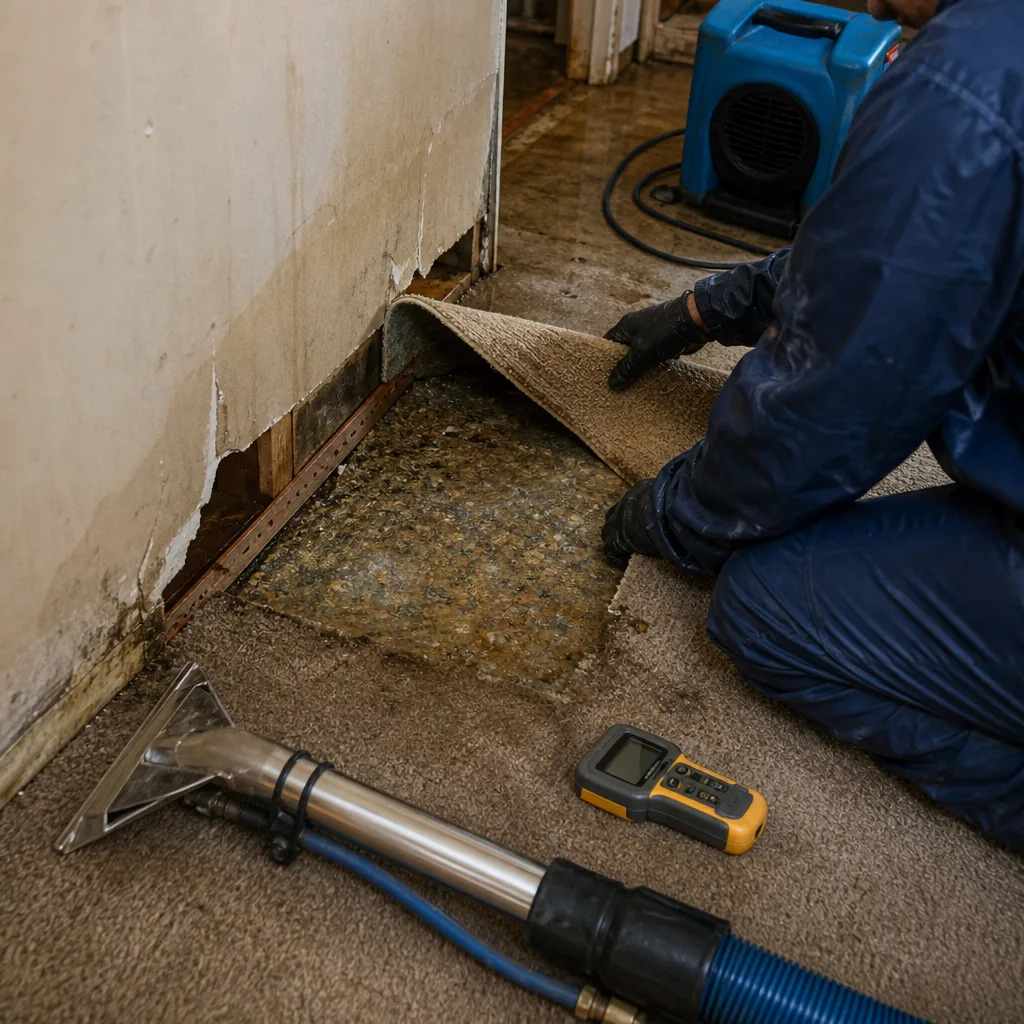
Insurance claims for mold in West New York multi-family buildings routinely involve multiple units, disputed scopes, and questions about whether the source event was sudden or gradual. Our documentation protocol was built by a former claims adjuster to answer those questions before they’re asked.
From the first hour, we photograph every affected area, record moisture readings with make, model, and calibration date of instruments, and maintain daily drying logs that track psychrometric data - temperature, relative humidity, and specific humidity - to prove the structure was returned to pre-loss condition. Our estimates follow industry-standard pricing databases that carriers recognize. We coordinate directly with your adjuster, provide supplemental documentation when scope expands, and bill your carrier directly when coverage is confirmed.
What We Provide Your Insurer
- Thorough documentation of the loss
- Photos of all damage, room by room
- Moisture readings and drying logs
- A detailed, line-item scope of work
- Direct coordination with your carrier
Built for West New York’s Loss Calendar
January deep freezes split aging cast-iron risers in pre-war buildings along Bergenline Avenue and 60th Street, sending water through multiple floors before anyone’s home to notice. Spring thaw brings basement seepage in lower-elevation blocks near the Hudson, where Sandy-compromised foundation waterproofing still fails under pressure. Summer humidity, combined with poor ventilation in buildings without modern HVAC, pushes relative humidity above 60% in interior units - the threshold where dormant mold spores activate.
Nor’easters in fall and winter drive wind-driven rain through failed parapet flashing on flat roofs, the signature failure mode of West New York’s built-up roofing systems. The water doesn’t announce itself immediately. It moves through the masonry for days or weeks, then appears as a stain, a smell, or a tenant’s respiratory complaint. By then, the affected area is often four times what visible inspection would suggest.
Mold Remediation Across West New York’s Neighborhoods
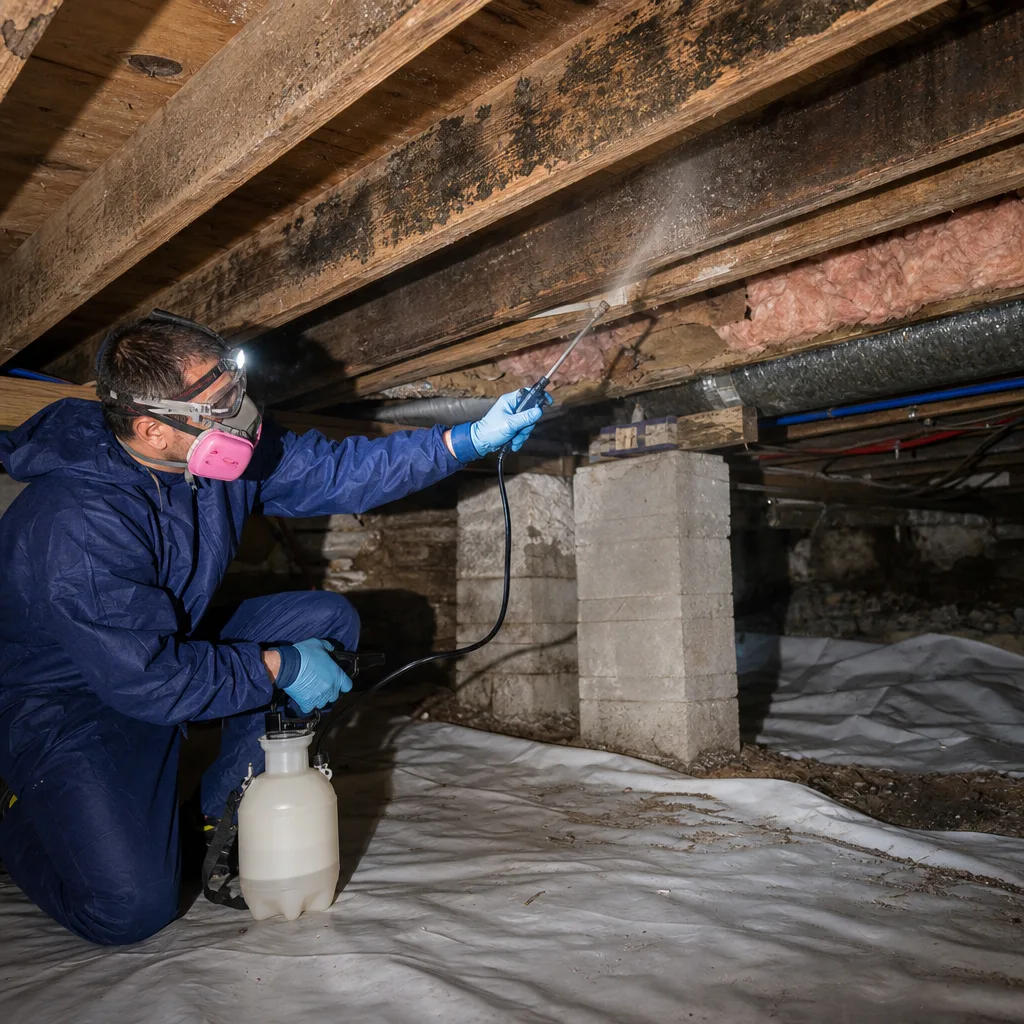
On Boulevard East, newer high-rise towers with curtain-wall construction present a different challenge than the city’s older stock: mechanical floors and elevator shafts create vertical chase ways that distribute moisture and mold spores across dozens of units. Our crews use commercial-grade containment protocols and coordinate with building engineers on system shutdowns.
The Bergenline Avenue corridor and its side streets are lined with 1920s-1950s brick walk-ups where failed roof drains and original galvanized plumbing are the leading moisture sources. Property managers here call us repeatedly for the same building until we trace the actual migration path - usually a lateral move through a party wall that makes the source unit non-obvious.
60th Street to 67th Street, west toward the Palisades, holds some of the city’s oldest housing stock. These buildings have been through multiple renovation cycles, and each one added layers of finish material that trap moisture. We frequently find three or four generations of drywall, plaster, and paneling, each layer holding a moisture signature that confuses less thorough inspectors.
Lower West New York near the waterfront sits in Sandy’s former surge zone. Buildings here may still harbor elevated foundation moisture from that event, or from subsequent compromises to already-failed waterproofing. Mold in these properties often traces to chronic, not acute, moisture - a harder claim scenario that demands more rigorous documentation.
Specialized Mold Remediation Services We Offer in West New York
Mold Inspection & Testing
Our inspections in West New York always include cross-unit moisture mapping in shared brick walls. Surface swabs and air sampling are available, but the critical test is where the moisture is traveling - because treating visible mold without drying the hidden reservoir guarantees recurrence. A typical inspection runs $350-$650 in West New York.
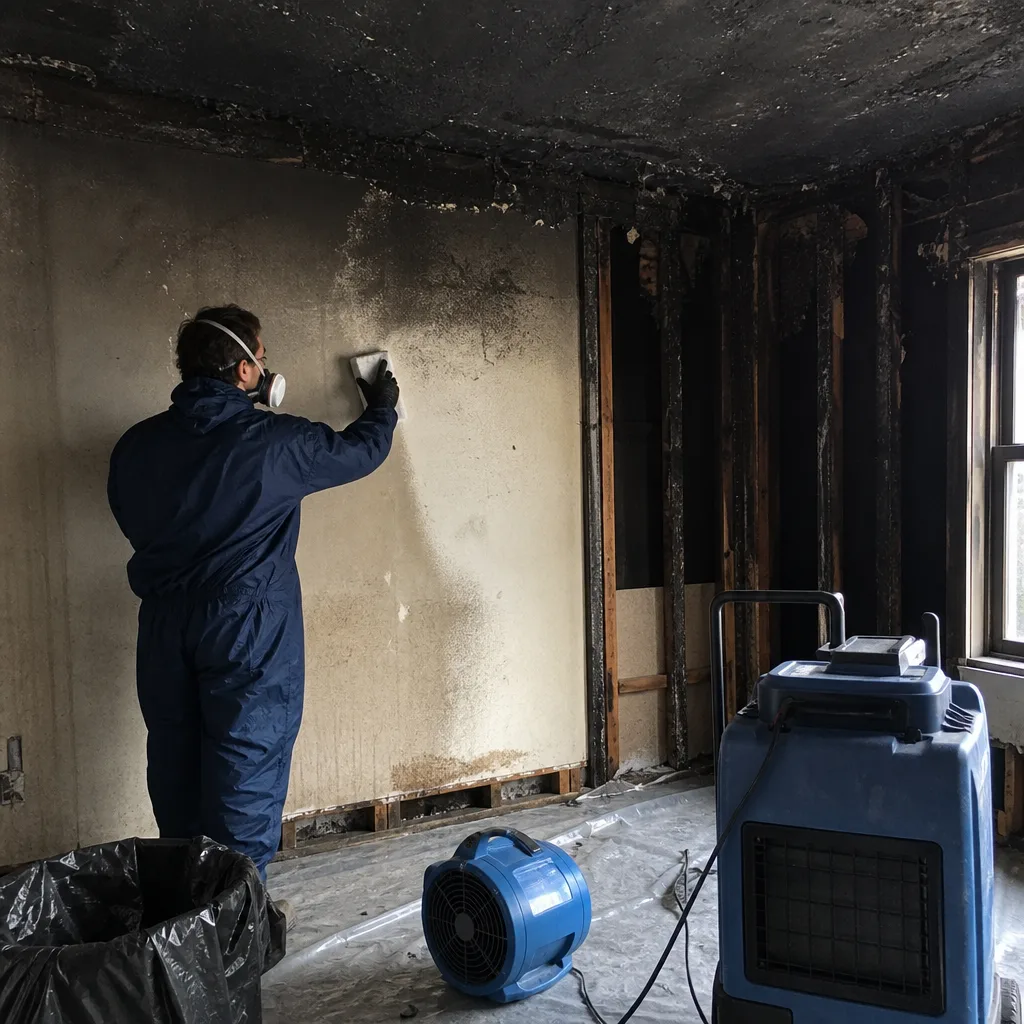
Mold Removal
Contained removal in a single apartment unit starts around $1,800-$3,200. Whole-floor or multi-unit scopes in West New York’s dense buildings scale to $5,000-$8,000. Every removal project includes containment, HEPA air scrubbing, and documented disposal.
Black Mold Remediation
Stachybotrys and other toxigenic species require enhanced PPE, stricter containment, and longer air scrubbing cycles. In West New York’s poorly ventilated older units, these species colonize more readily. Remediation runs $3,500-$6,500 for typical apartment scopes.
Air Quality Restoration
Post-remediation, we restore breathable air through continued HEPA filtration, ventilation improvement, and third-party clearance testing. This service is often required by property managers and insurance carriers before tenants reoccupy. Expect $800-$1,500 as a standalone service, or integrated into full remediation.
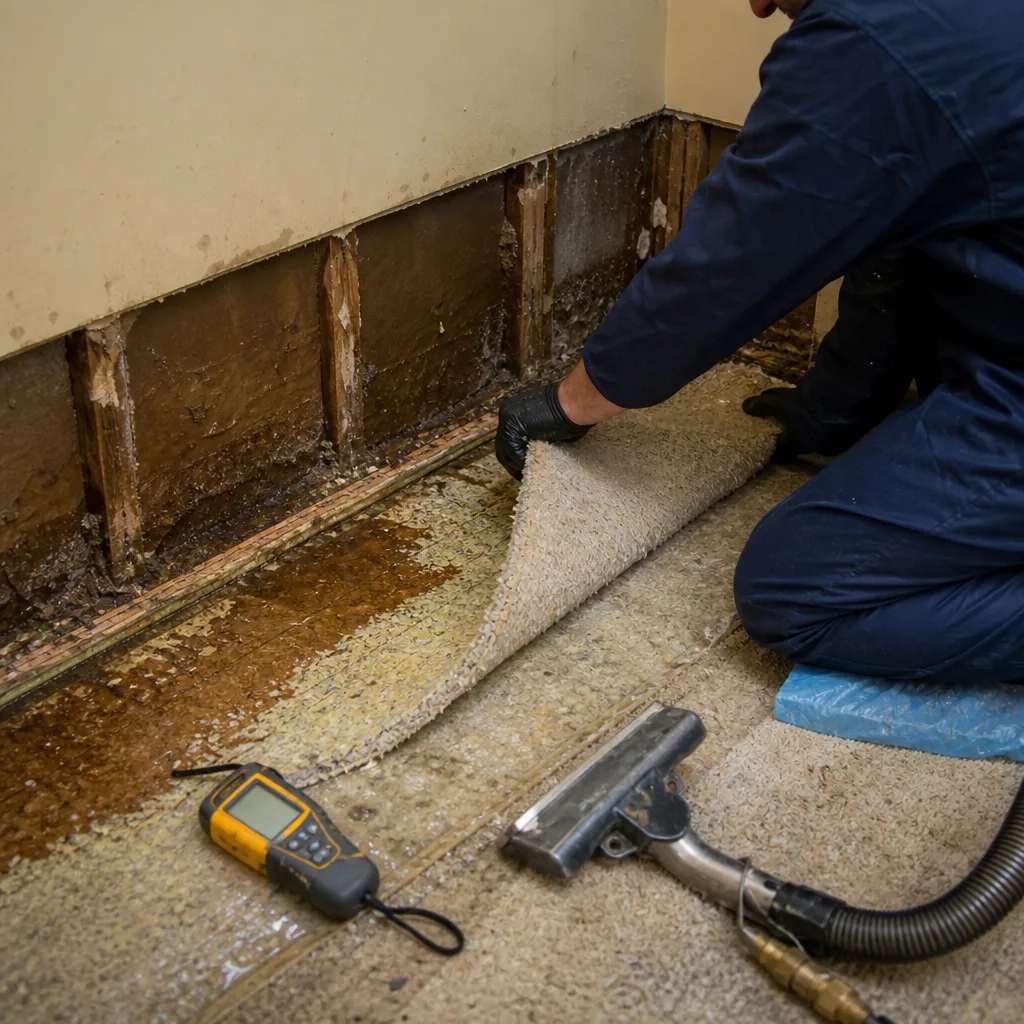
Crawl Space Treatment
While less common in West New York’s apartment-dense housing stock, the city’s few remaining single-family and townhouse properties often have chronically damp crawl spaces. We install vapor barriers, dehumidification, and sealed ventilation. Scope and pricing are project-specific.
Moisture & Humidity Control
The permanent solution to mold is controlling moisture. We specify and install dehumidification systems sized to West New York’s humid summers and masonry-heavy construction, with equipment from Dri-Eaz and Phoenix. Systems run $1,200-$2,800 installed.
What happens when you call
- 1
A real person answersNo phone trees - you reach a local pro.
- 2
You get an upfront price rangeHonest numbers before anyone is dispatched.
- 3
A background-checked tech heads outLicensed & insured, dispatched right away.
- 4
You approve before work beginsNothing starts until you say go.
Mold Remediation Costs in West New York, NJ
| Service | Typical West New York Range |
|---|---|
| Visual inspection & moisture mapping | $350-$650 |
| Single-unit mold remediation (contained) | $1,800-$3,200 |
| Multi-unit / whole-floor remediation | $5,000-$8,000 |
| Black mold / toxigenic species | $3,500-$6,500 |
| Air quality restoration & clearance | $800-$1,500 |
| Whole-building scope (4+ floors affected) | $8,000-$15,000+ |
What moves the price: how far moisture has traveled through shared masonry, how many units require containment and coordination, whether asbestos-containing materials are present in pre-war construction, and whether third-party clearance testing is required. Insurance typically covers sudden water events and resulting mold; gradual moisture or maintenance-related mold may be excluded. We document the source event carefully to support your coverage position. Call (551) 213-5277 for a free inspection and written scope - Haven Standard, Clause 1.
We Also Serve Cities Near West New York
Our crews respond throughout Hudson and Bergen counties from our New York City dispatch office. We regularly perform mold remediation in Union City, where similar pre-war brick stock faces identical moisture migration challenges; Hoboken, with its own density of converted industrial and waterfront residential buildings; Fort Lee, where high-rise construction adds curtain-wall complexity; and Palisades Park, with its mix of mid-century garden apartments and newer construction. Mold Remediation in West New York remains our core focus, but we bring the same documentation protocol to every neighboring community.
Serving West New York, NJ - Our Local Coverage Area
We’re based in the West New York area and know this community well. Use the map below to see our service coverage - if you’re nearby, we can almost certainly help.
West New York Mold Remediation Questions, Answered
Why does mold keep coming back in my West New York apartment even after I clean it?
Because you’re treating the visible surface, not the moisture source hidden in the masonry. In West New York’s brick buildings, water from roof or plumbing leaks travels laterally through shared walls before dropping, so the mold colony is fed by a reservoir several feet from where you see staining. Our cross-unit moisture mapping locates the actual source. Call (551) 213-5277 for a free inspection that traces the real problem.
How quickly can mold grow after a pipe leak in my West New York building?
Mold can begin colonizing within 24-48 hours of moisture intrusion, but in West New York’s dense brick construction, the critical delay is how long the masonry stays wet - often 2-3 weeks after the leak is stopped. That extended moisture reservoir means mold keeps expanding even when the original event seems resolved. Fast structural drying with documented daily logs is the only way to break that cycle.
Do you coordinate with property managers and other tenants during mold remediation in West New York?
Yes - it’s essential. Most West New York mold jobs involve multiple units, and our containment and drying protocols require access to adjacent apartments and common areas. We provide written notices, schedule around tenant needs, and document all coordination for the property manager’s records and insurance submission.
Can mold in a West New York apartment originate from a roof leak above a different unit?
Absolutely. This is the most common misdiagnosis we correct. Water enters through failed parapet flashing, moves laterally through the brick wall cavity, and exits as mold or staining in a unit offset from the actual breach. We’ve traced ceiling stains in one unit back to flashing failures two units away. Cross-unit moisture mapping prevents this error.
What equipment do you use for mold remediation in West New York’s older brick buildings?
We deploy Dri-Eaz and XPOWER dehumidifiers rated for high latent-moisture loads, Injectidry systems for wall-cavity drying, and HEPA air scrubbers from B-Air for containment protection. Thermal imaging cameras locate hidden moisture, and thermo-hygrometers track vapor pressure differential to confirm masonry is actually dry, not just surface-dry. All equipment documentation supports your insurance claim.
How long does mold remediation take in a typical West New York apartment?
Contained single-unit remediation usually takes 3-5 days, but West New York’s brick buildings often require 7-10 days of active drying because masonry releases moisture slowly. We don’t declare a job complete until daily moisture logs confirm pre-loss conditions - Haven Standard, Clause 3. Rushing this step is why callbacks happen.
Can my family stay in the apartment during mold remediation?
For small, contained areas with isolated mold, often yes. For multi-unit or toxigenic species remediation, we typically recommend temporary relocation during active work. We specify this in our written scope before work begins, so there are no surprises. Your safety and the effectiveness of containment drive this decision, not our schedule.
Are your technicians certified for mold remediation?
Yes. Our crews hold IICRC AMRT (Applied Microbial Remediation Technician) and WRT (Water Damage Restoration Technician) certifications. License numbers are documented on every job file, and all technicians are background-checked, uniformed, and named before they arrive at your West New York property. Documentation of credentials is part of what we provide your insurer.
Ready to stop the cycle of recurring mold in your West New York building? Call (551) 213-5277 now. We answer live 24 hours a day, and every job starts with a free visual inspection and a written price before any work begins - Haven Standard, Clause 1. Ask about our Free Second Opinion on any competitor’s written estimate.
Written by Alicia Brennan, Owner at Back to Dry Restoration, serving West New York since 2011.
Mold Remediation in Nearby Areas