
Free visual inspection and a written scope of work before any mitigation begins - photos, moisture readings, and drying logs go in your claim file
The scope we write is the scope we bill. Anything new gets shown to you, in writing, before we touch it.
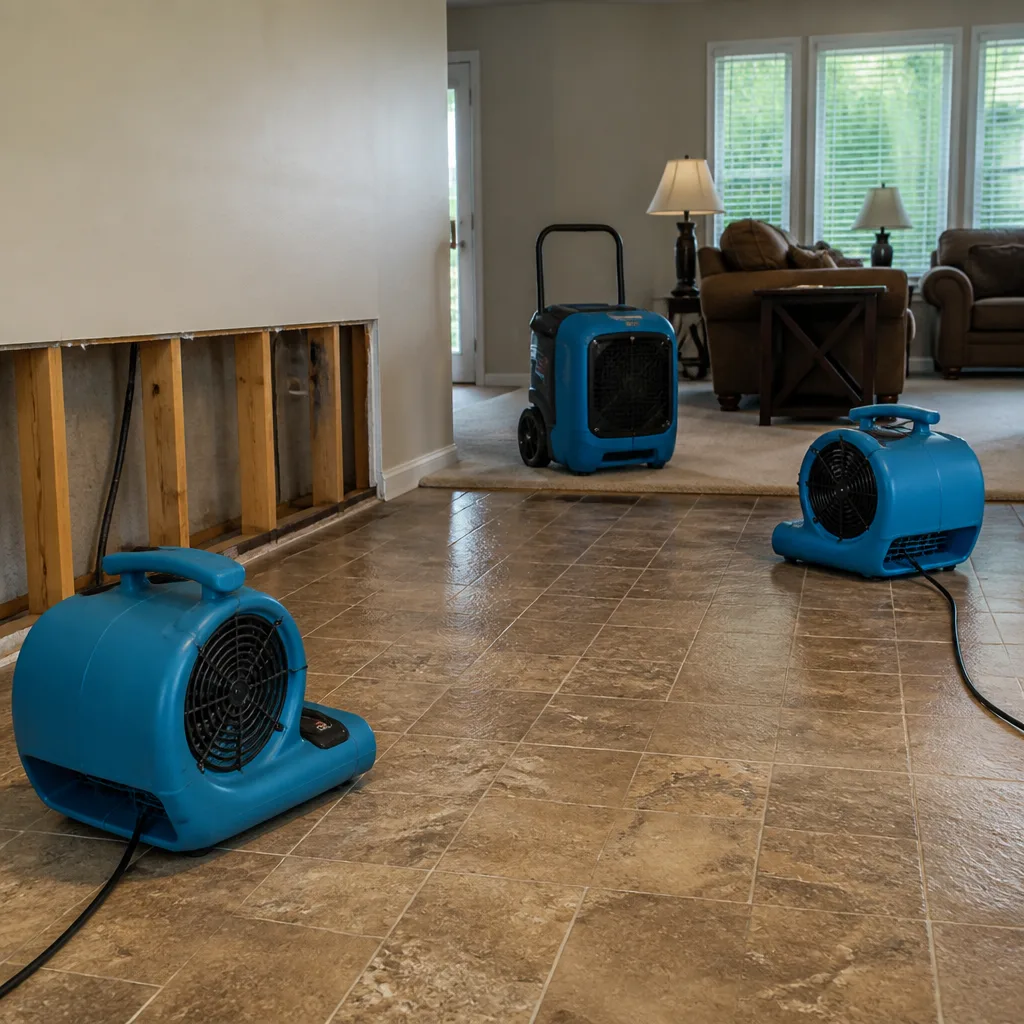
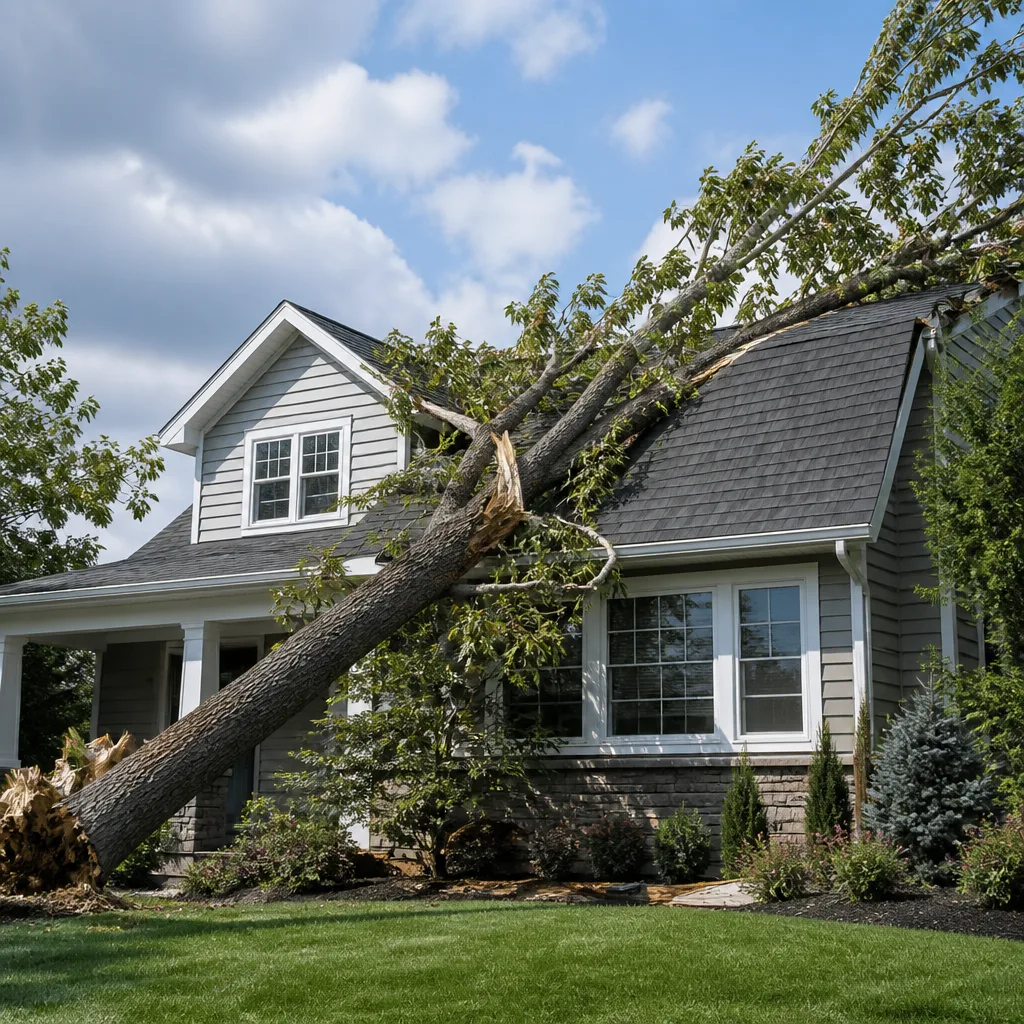
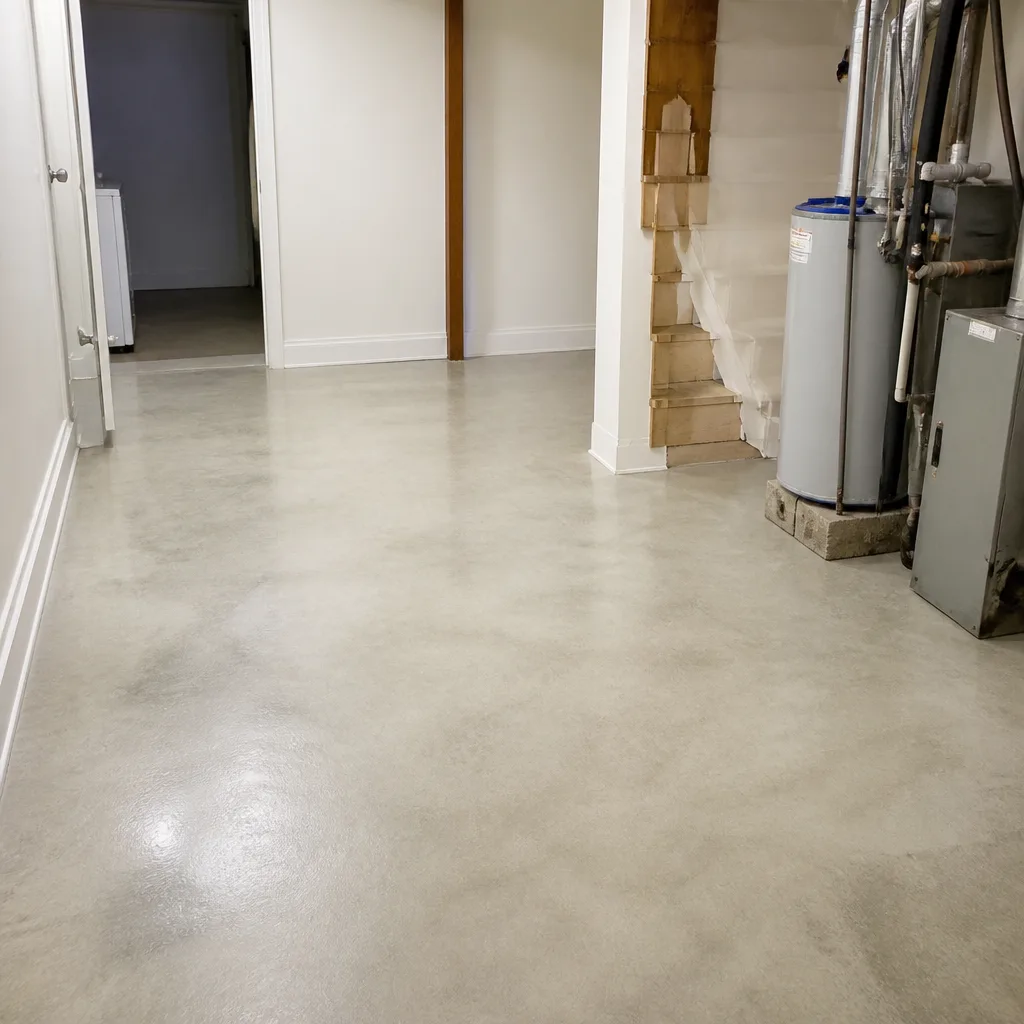
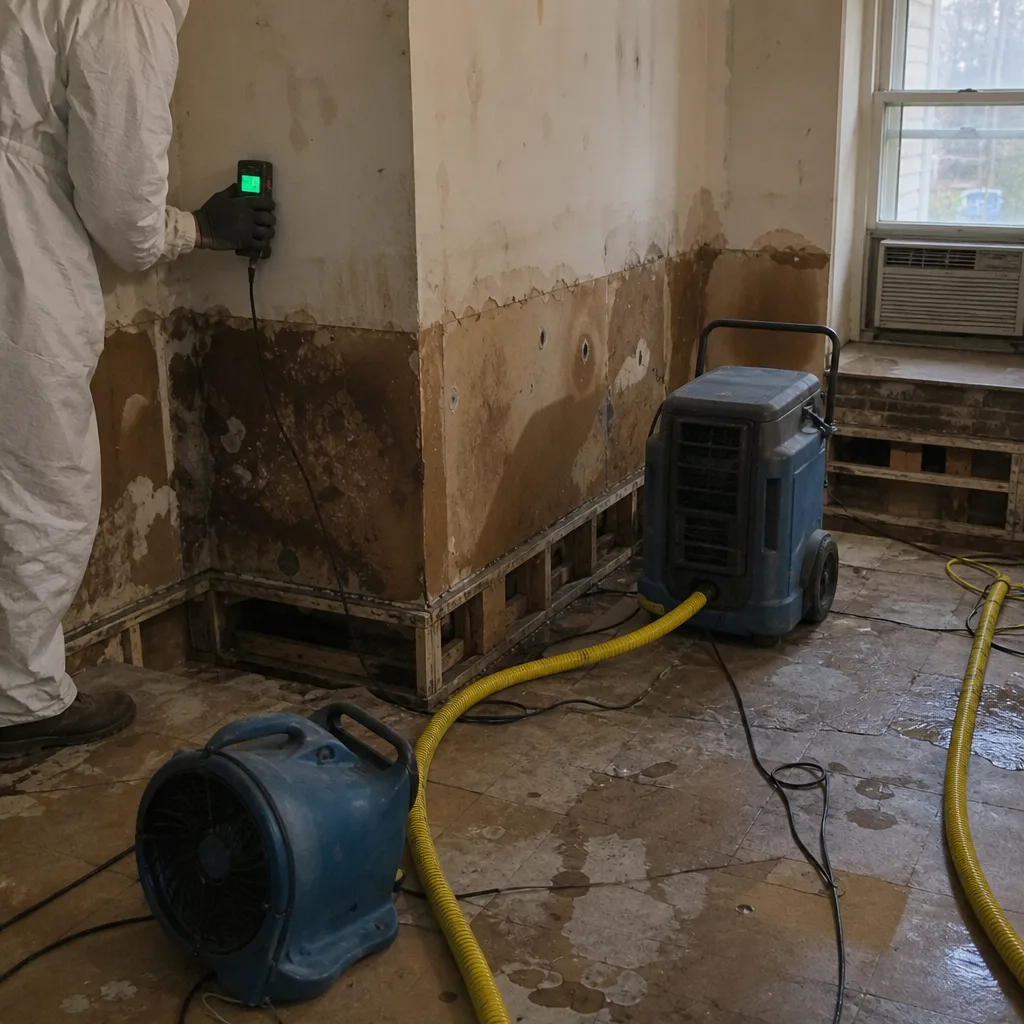 Before
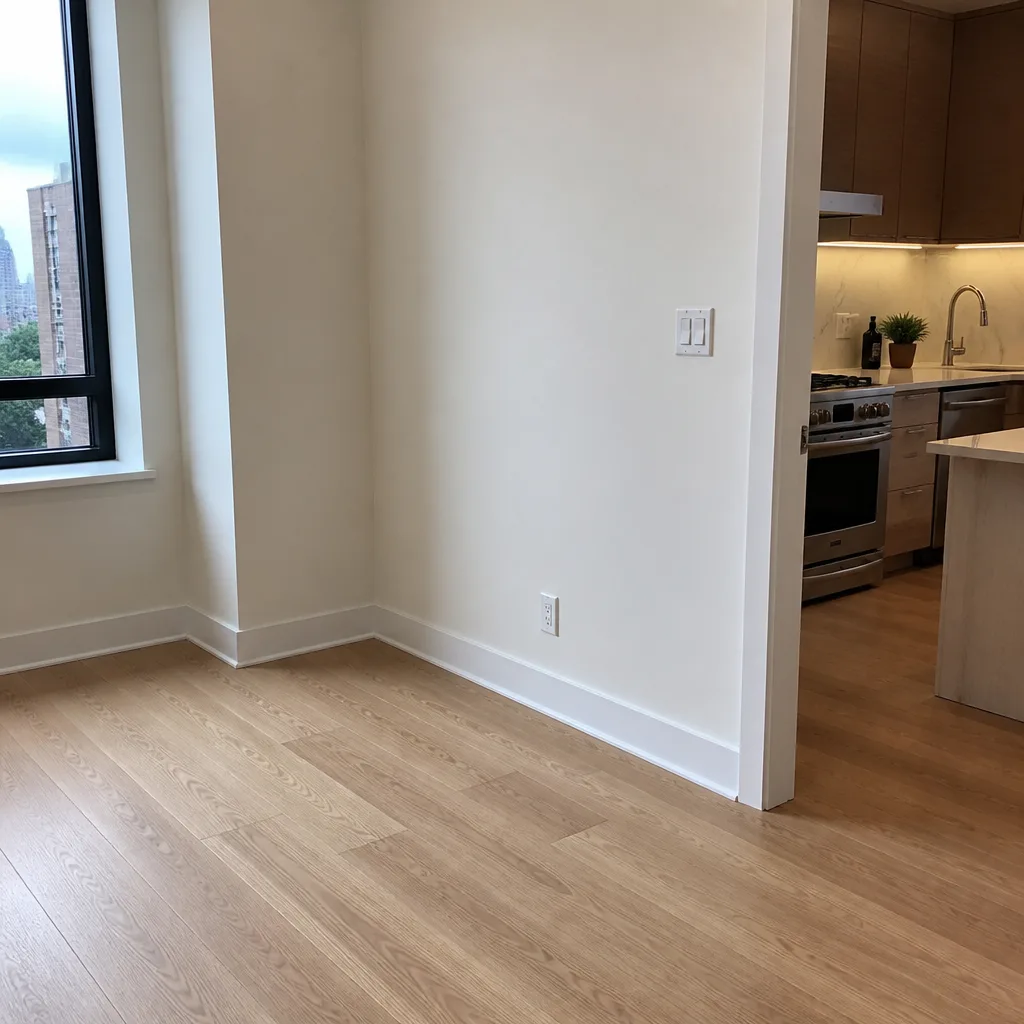 After
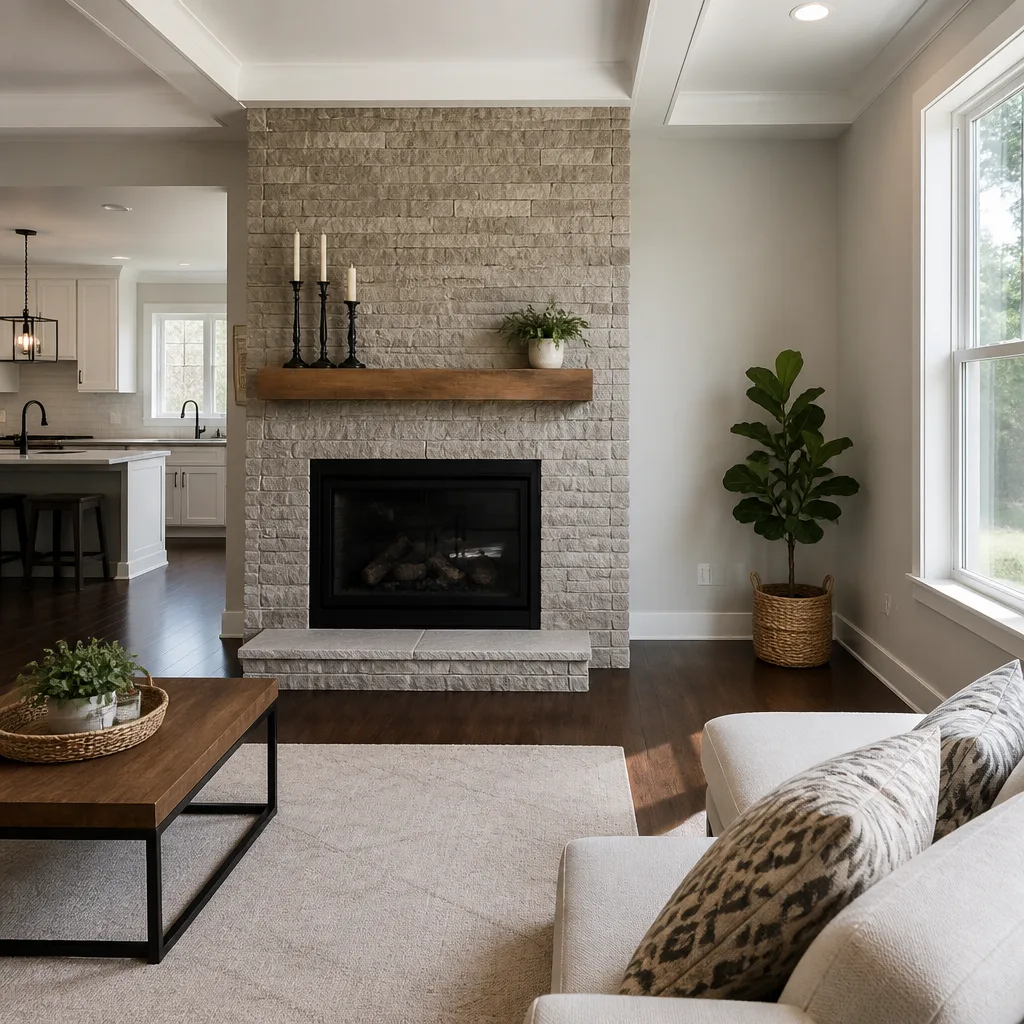
After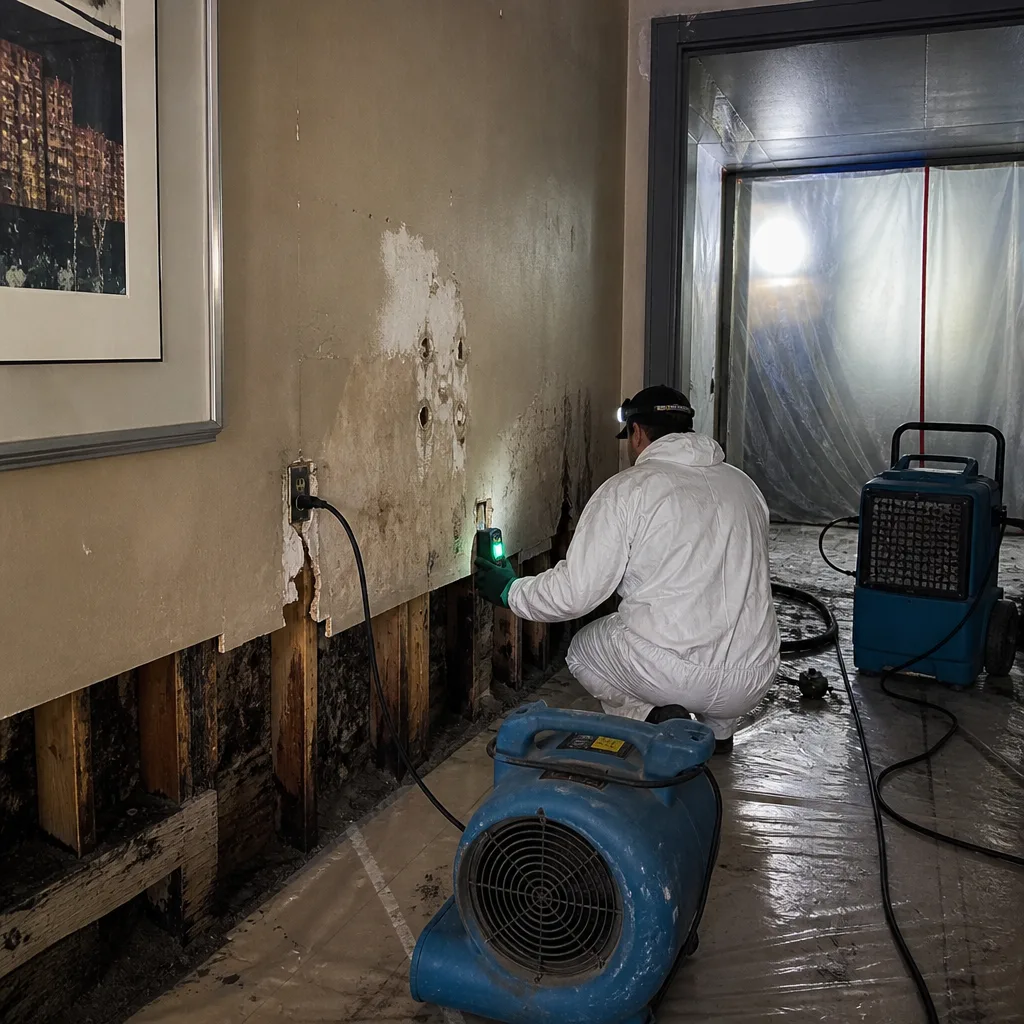 Before
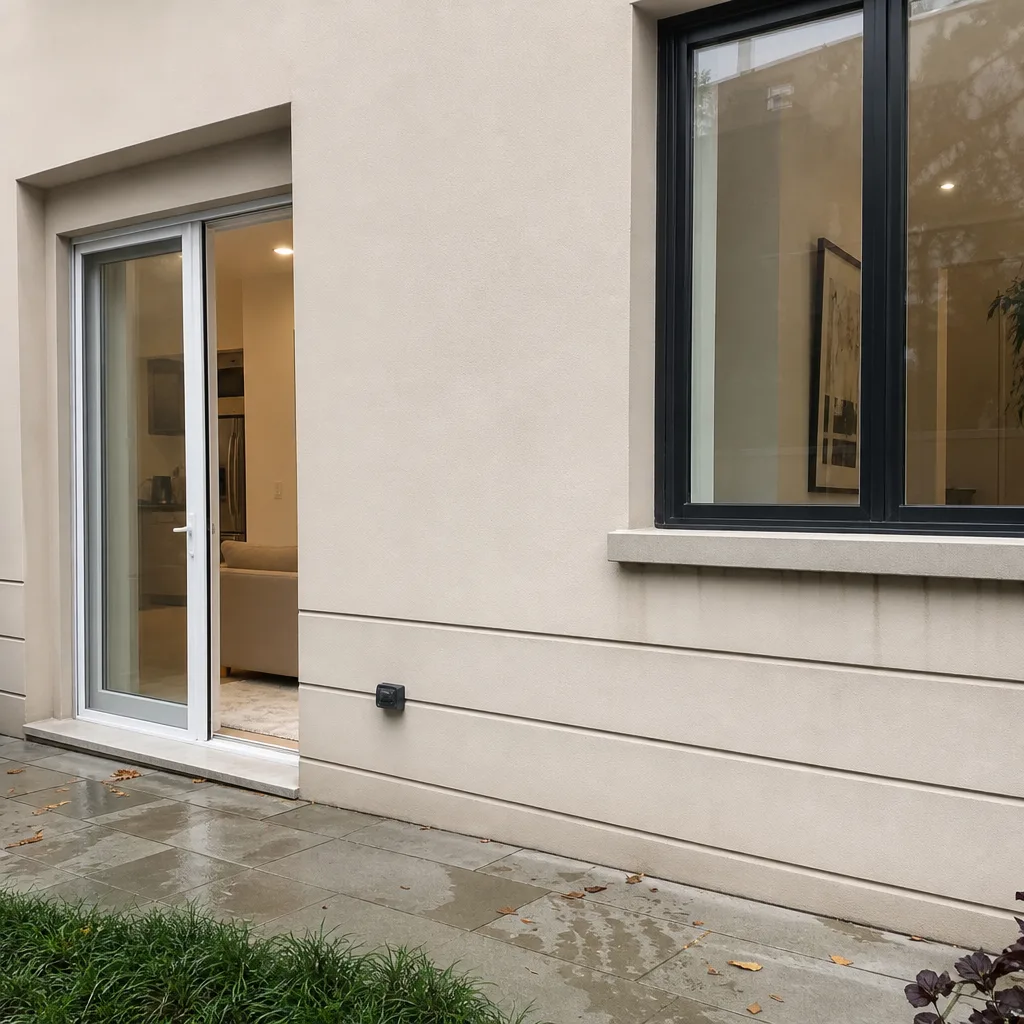 After
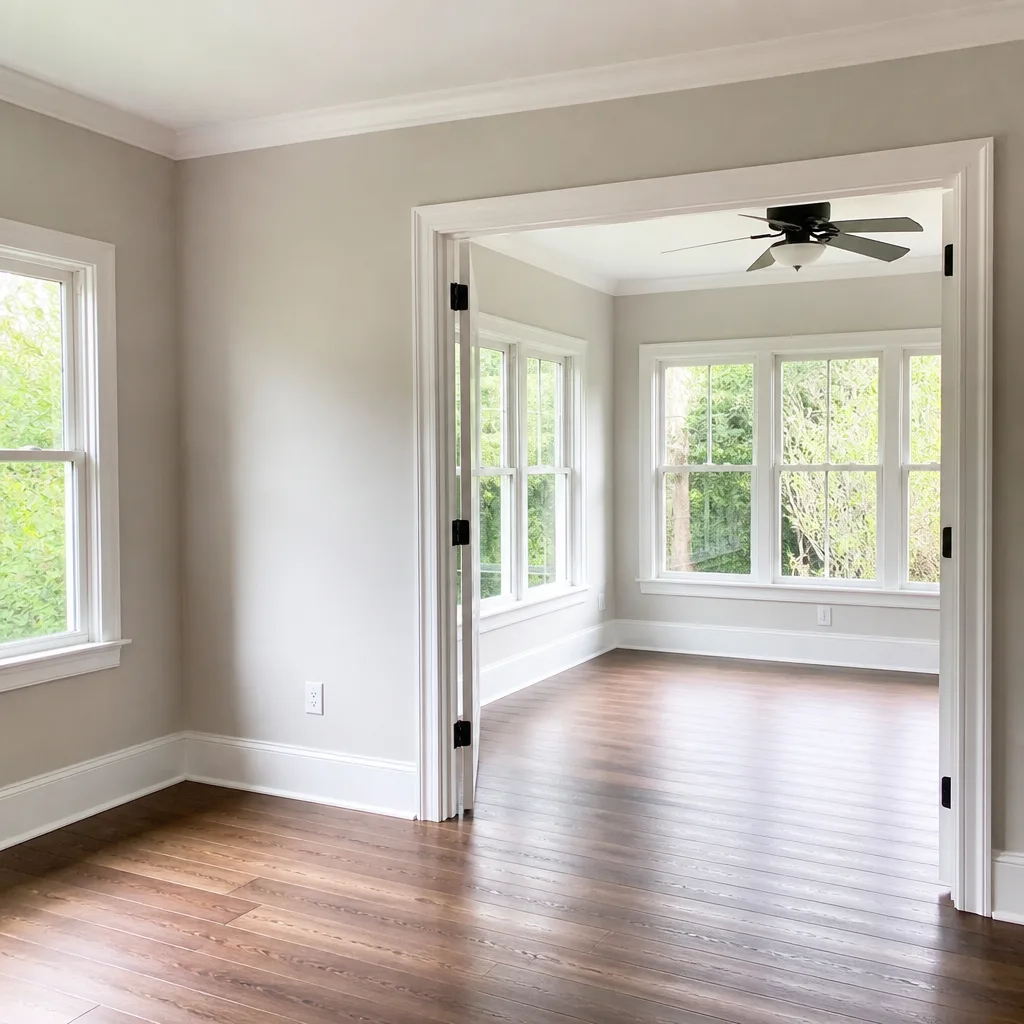
After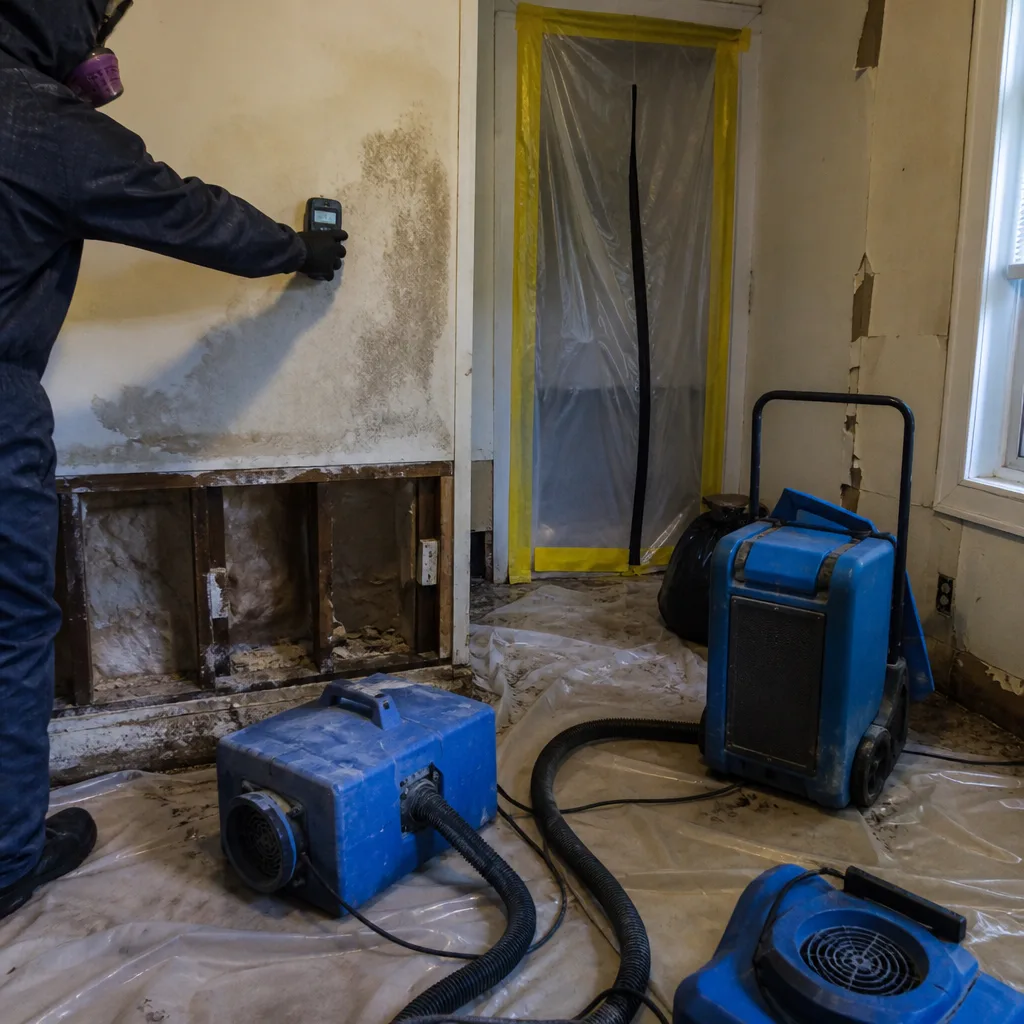 Before
 After
After24/7 Emergency Water Damage Restoration in Morningside Heights
Water damage restoration in Morningside Heights typically costs $2,800-$7,500 for a standard residential drying job, with emergency extraction starting at $450-$950 and full reconstruction reaching $15,000+ where plaster-over-lath walls and original subfloors must be removed. Most Morningside Heights properties see Category 2 or 3 water from aging galvanized risers or steam condensate failures, which means antimicrobial treatment and documented drying logs are standard, not optional. Call (551) 213-5277 now - a live person answers every call, and crews dispatch to the Morningside Heights area within 45 minutes. The first hour determines whether moisture stops at the surface or travels through horsehair plaster and into structural framing. We perform a free visual inspection on arrival, document everything with photos, and deliver a written price before any equipment runs - Haven Standard, Clause 1.
Understanding Water Damage Restoration Severity in Morningside Heights Properties
Water damage in Morningside Heights falls into three categories under IICRC S500 standards, and the neighborhood’s housing stock pushes most losses toward the severe end. Category 1 - clean water from a broken supply line - degrades to Category 2 within 24-48 hours once it contacts plaster dust, aging pipe corrosion, or pre-war masonry. Category 2, gray water, carries chemical or biological loads; think condensate from a steam radiator mixing with decades of accumulated debris behind a wall. Category 3, black water, includes sewage backup and ground intrusion - common in below-grade units along Morningside Park’s escarpment after heavy rain.
Moisture mapping with thermal imaging and penetrating meters is critical here. Original plaster-over-lath walls in these 1900-1930 buildings wick water horizontally and vertically through capillary action, so the visible stain on a Claremont Avenue bedroom ceiling often represents 40-60 square feet of saturated substrate. Structural drying requires calculating vapor pressure differential - the force that drives moisture from wet materials into the air - then matching dehumidifier capacity to the affected volume. Psychrometric data, the measurement of air temperature and relative humidity, gets logged daily so your insurer sees the drying curve, not just a final bill.
Tertiary drying, the final phase where bound moisture is removed from dense materials like old-growth lumber framing, often takes 5-8 days in Morningside Heights buildings versus 3-5 in newer construction. The mass of the materials matters.
Why Morningside Heights Property Owners Choose DryMark Restoration Upper East Side
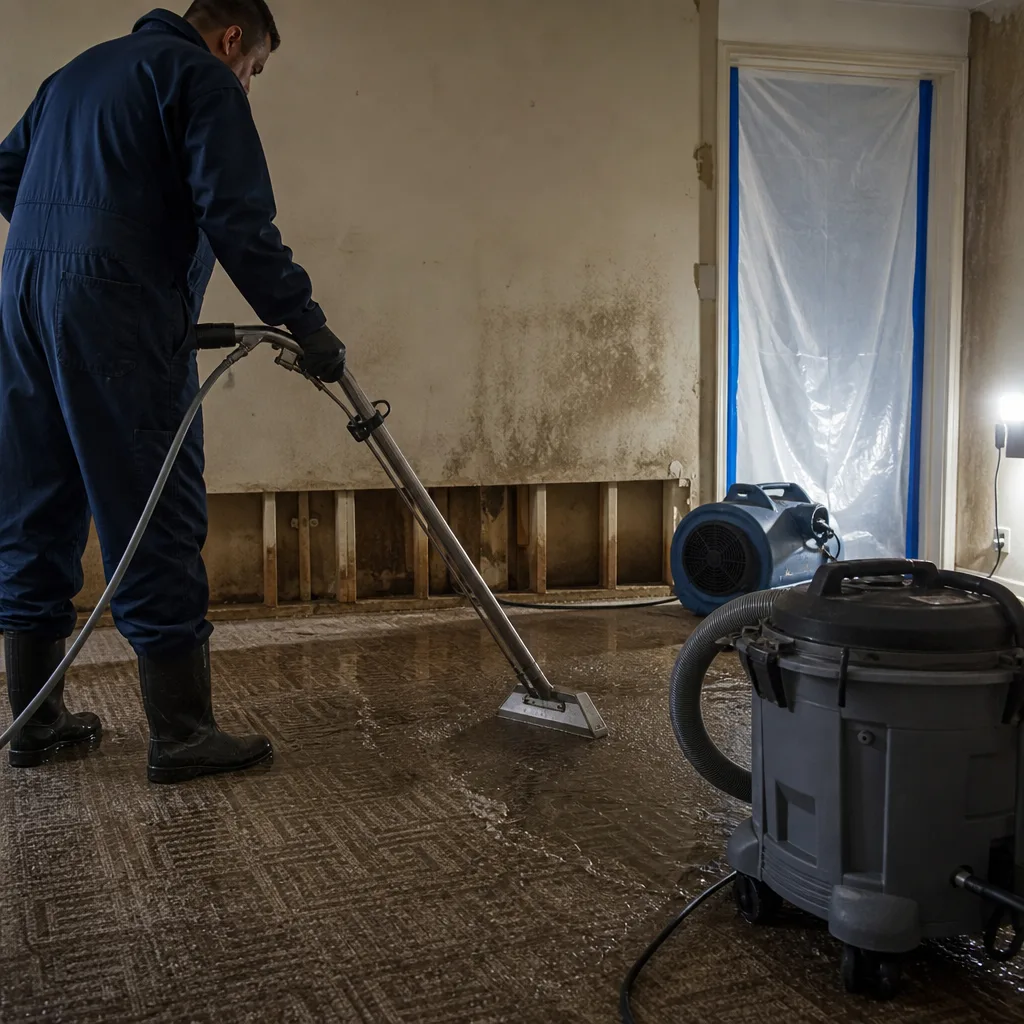
- 45-minute response commitment to Morningside Heights from our New York City office - crews carry extraction equipment, moisture meters, and containment materials on every truck, so stabilization starts immediately.
- 24/7 live answer by a real person, never an automated system or voicemail tree; emergency water doesn’t wait for business hours, and neither do we.
- IICRC-certified crews holding WRT (Water Damage Restoration Technician) and AMRT (Applied Microbial Remediation Technician) credentials, with license numbers documented on every job file.
- Free visual inspection on arrival - we assess, photograph, and explain before any commitment or charge.
- Direct insurance billing with photo-documented drying logs and written scopes that adjusters recognize and pay without dispute.
- One team from extraction through reconstruction - no handoffs to unknown subcontractors, no gaps in documentation.
BeforeAfterOur Water Damage Restoration Process
1. Inspection & Assessment
We arrive with thermal imaging cameras, penetrating moisture meters, and hygrometers to map the full extent of water migration. In Morningside Heights pre-war buildings, this means checking adjacent rooms, floors above and below, and common wall cavities - the visible damage is rarely the whole story. Every reading gets logged with a timestamp and photo.
2. Extraction & Stabilization
Standing water comes out first with truck-mounted or portable extraction systems, depending on building access. We set containment barriers to isolate affected areas and protect unaffected pre-war finishes. If the source is an active leak, we coordinate with the building’s superintendent or Columbia facilities to stop water at the riser.
3. Drying & Dehumidification
We deploy Dri-Eaz and Phoenix LGR dehumidifiers sized to the affected cubic footage, plus XPOWER and B-Air air movers positioned to create controlled airflow across wet surfaces. Daily moisture readings track progress; psychrometric conditions get adjusted until materials reach dry standard. In horsehair plaster and dense old framing, this phase often extends to 7-10 days.
4. Cleaning & Sanitization
Category 2 or 3 water requires antimicrobial treatment of exposed framing and subflooring. We apply EPA-registered products and document application with photos. HEPA air scrubbers run during this phase to capture airborne particles disturbed during demolition.
5. Mold Assessment & Containment
Given how long water hides in Morningside Heights plaster walls, we inspect for mold colonization beyond the visible damage. If spore counts or visual growth warrant it, we establish negative-air containment and run air scrubbers until clearance testing confirms safe levels. This step prevents the call-back that costs everyone.
6. Repairs & Restoration
We deliver a written reconstruction scope with line-item pricing before any rebuild begins - Haven Standard, Clause 1. Plaster repair, flooring replacement, and painting are coordinated through our own crews, maintaining the photo record and warranty chain from start to finish.
Need Emergency Water Damage Restoration in Morningside Heights Now?
Crews minutes away, answering live 24 hours a day. The sooner we start, the less it costs.
Working With Your Insurance Company
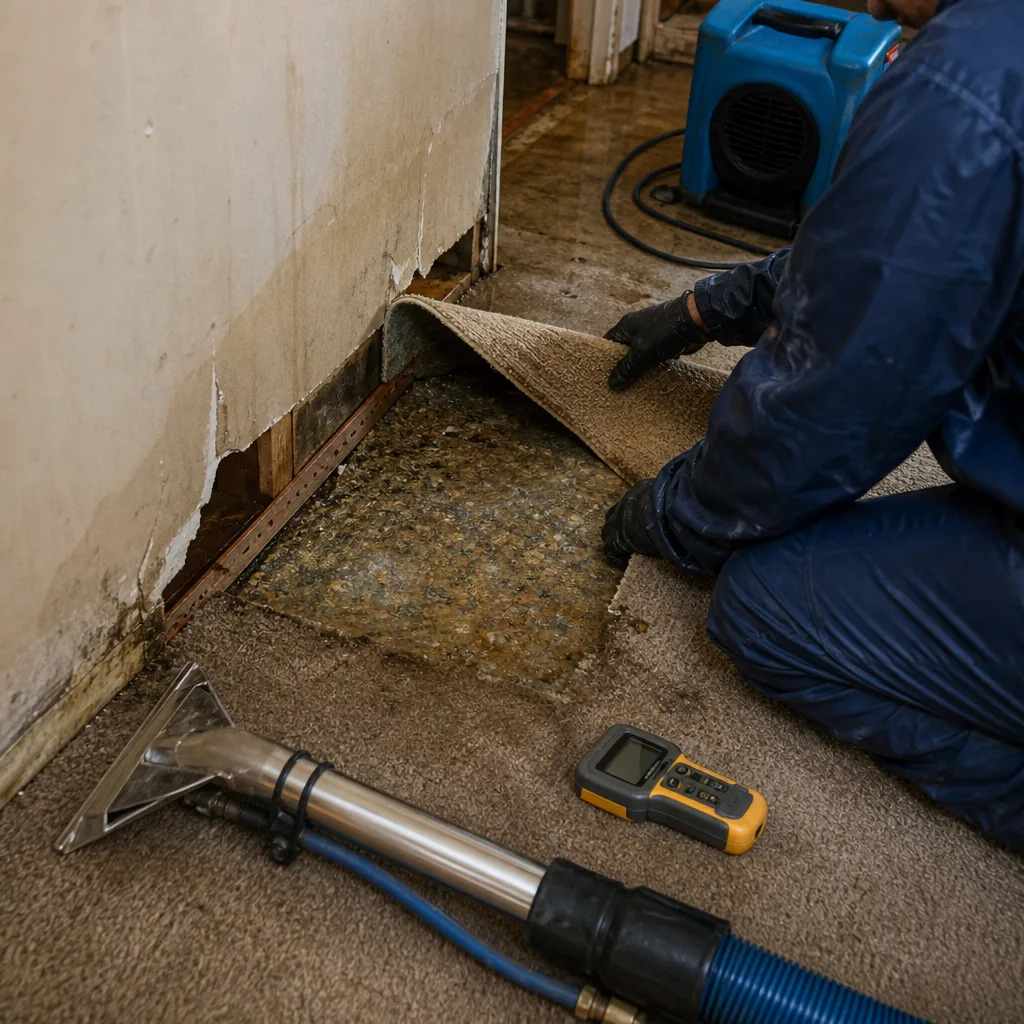
Insurance claims fail when documentation fails. Back to Dry was founded in 2011 by a former claims adjuster who watched homeowners lose tens of thousands because a restoration company handed over a single-page invoice with no drying log, no photo record, and no material specification. We built our process to prevent that.
From the first hour on your Morningside Heights property, we photograph every affected room, record moisture readings at multiple depths, and generate a line-item scope of work that matches industry-standard estimating platforms. Your adjuster receives the same file we use internally - no re-keying, no translation gaps. We coordinate directly with carriers on billing and supplement requests, and our written price before work begins means no surprise charges that stall claim approval.
What We Provide Your Insurer
- Thorough documentation of the loss
- Photos of all damage, room by room
- Moisture readings and drying logs
- A detailed, line-item scope of work
- Direct coordination with your carrier
Built for Morningside Heights’s Loss Calendar
January deep freezes split original galvanized supply risers that have thinned from a century of internal corrosion. The burst often happens at a coupling or elbow, pressurizing the wall cavity until water finds a path through plaster. February and March bring freeze-thaw cycles that stress the same weak points, plus snowmelt that tests below-grade waterproofing on park-facing buildings.
April through June, spring rains concentrate against the Morningside Park escarpment. Buildings on Morningside Drive and Manhattan Avenue catch runoff that flatter blocks don’t see. Basement units flood with Category 2 or 3 water; building staff sometimes mop and assume the problem is solved, missing the hydrostatic pressure pattern that will repeat.
July and August thunderstorms deliver convective rainfall rates that overwhelm century-old roof drains and overflow scuppers on 110th Street and 116th Street corridors. Ceiling damage from roof leaks in top-floor apartments is common. September through November, hurricane remnants and nor’easters compound the same vulnerabilities. December freezes the cycle again.
Year-round, steam radiator condensate lines and air vents drip seasonally, rotting floor plates around bedroom and closet perimeters. The damage is rarely where the tenant reports the smell.
Water Damage Restoration Across Morningside Heights’s Neighborhoods
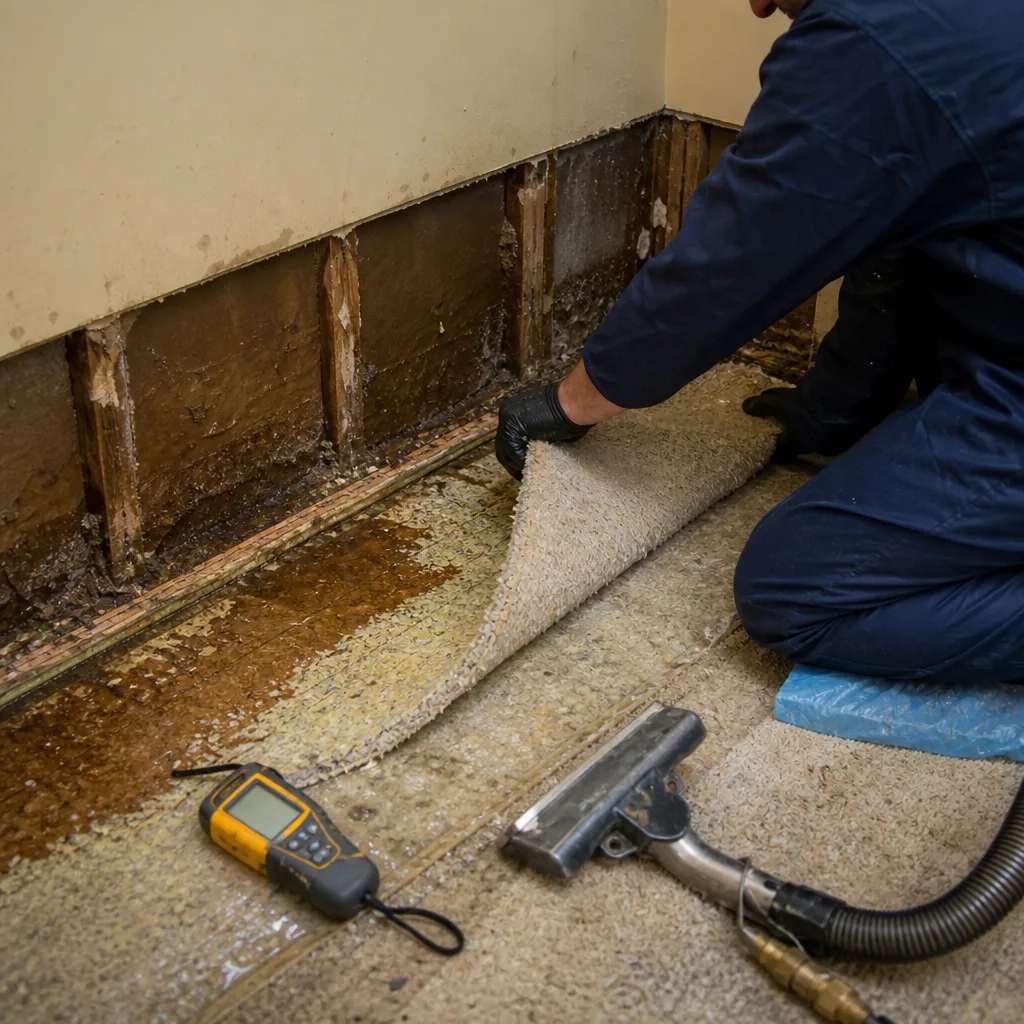
Claremont Avenue, south of 122nd Street, carries some of the neighborhood’s most architecturally significant pre-war stock - and some of its most problematic galvanized plumbing. Buildings here are predominantly Columbia or Barnard-affiliated, which means restoration work requires advance coordination with institutional facilities offices, written scopes for approval, and access protocols that respect academic calendars. We route crews through the 116th Street corridor with documentation packets prepared for university review.
Along Morningside Drive, the park-facing elevation creates the basement intrusion pattern unique to this slope. Buildings here need perimeter drainage assessment as part of any water damage restoration scope, not just extraction and drying. We’ve restored units from 110th to 122nd where the same basement had flooded three times in five years before proper grading and waterproofing were addressed.
The West 120s between Amsterdam and Broadway mix owner-occupied co-ops and rental buildings with varying maintenance histories. Some have updated plumbing; many haven’t. Our moisture mapping here focuses on identifying whether a leak originates in the unit’s own lines or a common riser - the repair responsibility and insurance pathway differ significantly.
On Broadway itself, commercial ground floors with residential above present mixed-use complications: water from a failed restaurant supply line travels through multiple occupancy types before anyone calls. We coordinate with building management, commercial tenants, and residential insurers simultaneously, documenting each affected space separately.
Specialized Water Damage Restoration Services We Offer in Morningside Heights
Emergency Water Extraction
Standing water in a Morningside Heights pre-war building threatens plaster, hardwood, and the structural framing beneath. We extract with truck-mounted systems where parking allows, or portable units for buildings with limited access. Extraction happens before containment - every minute of standing water extends drying time and raises the risk of secondary damage.
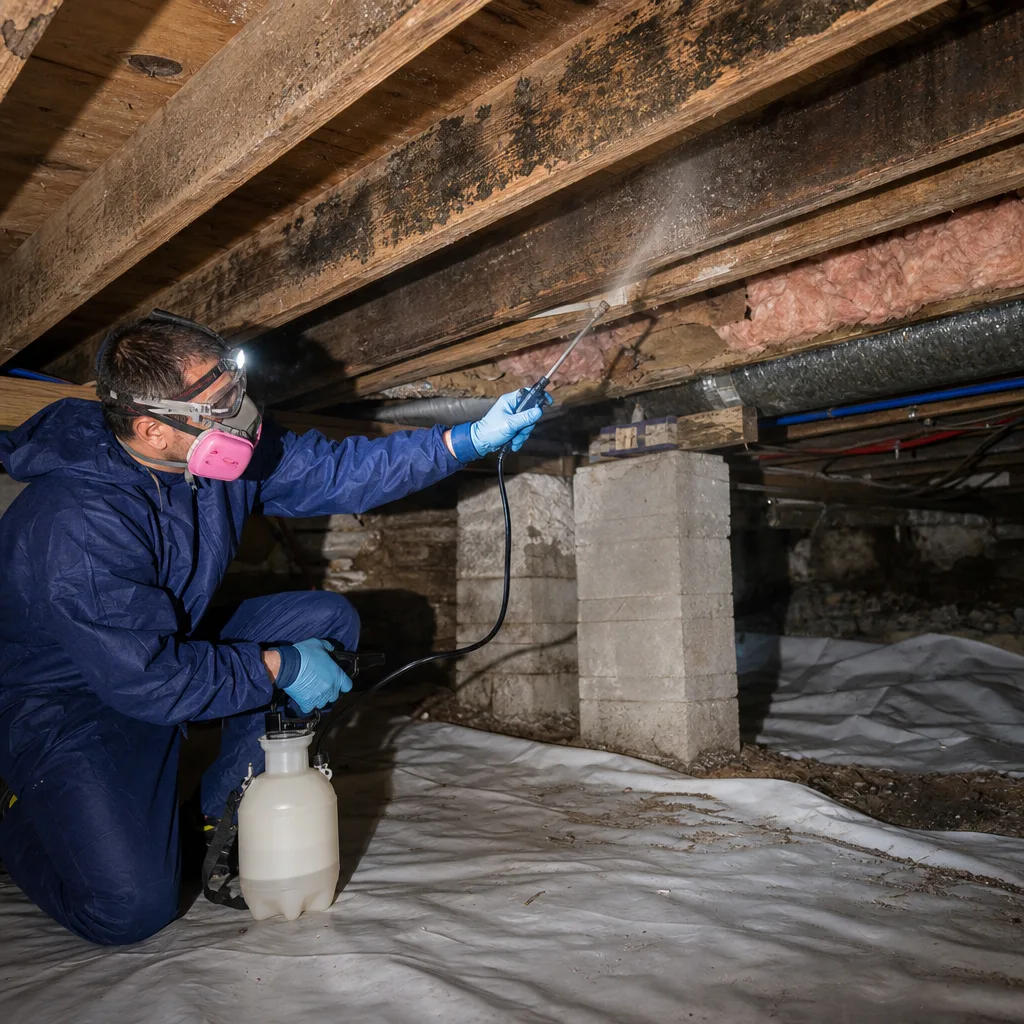
Structural Drying & Dehumidification
Original horsehair plaster and dense old-growth framing in Morningside Heights buildings hold moisture long after surface materials feel dry. We calculate the affected air volume, install Dri-Eaz and Phoenix LGR dehumidifiers at proper capacity, and position XPOWER air movers to create controlled airflow. Daily moisture logs document the drying curve to IICRC S500 standards - the documentation that turns restoration invoices into payable claims.
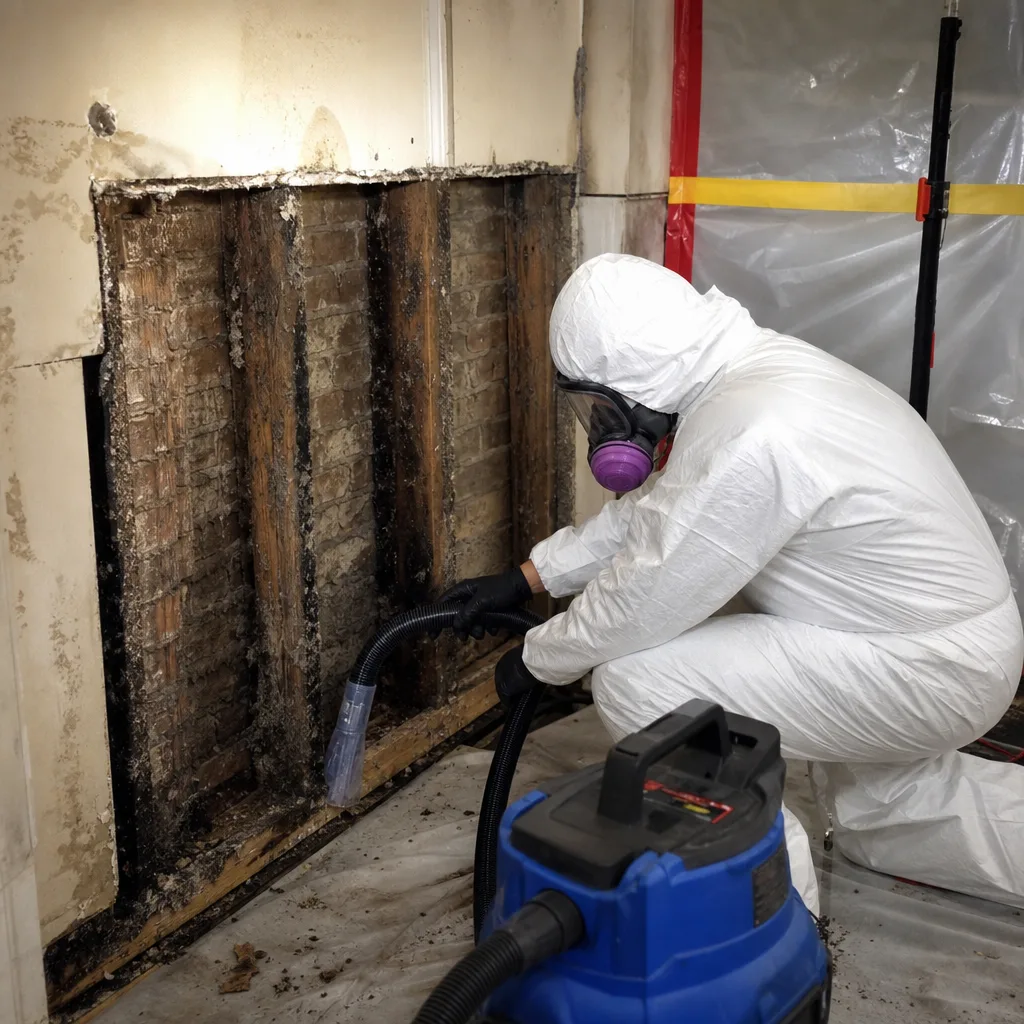
Flood Cleanup
Flood events in Morningside Heights range from Category 2 gray water (storm runoff with soil and debris) to Category 3 black water (sewage backup or ground intrusion). Each requires different PPE, antimicrobial protocols, and disposal procedures. We assess, classify, and document the category before work begins - your insurer and the NYC Department of Environmental Protection both require this.
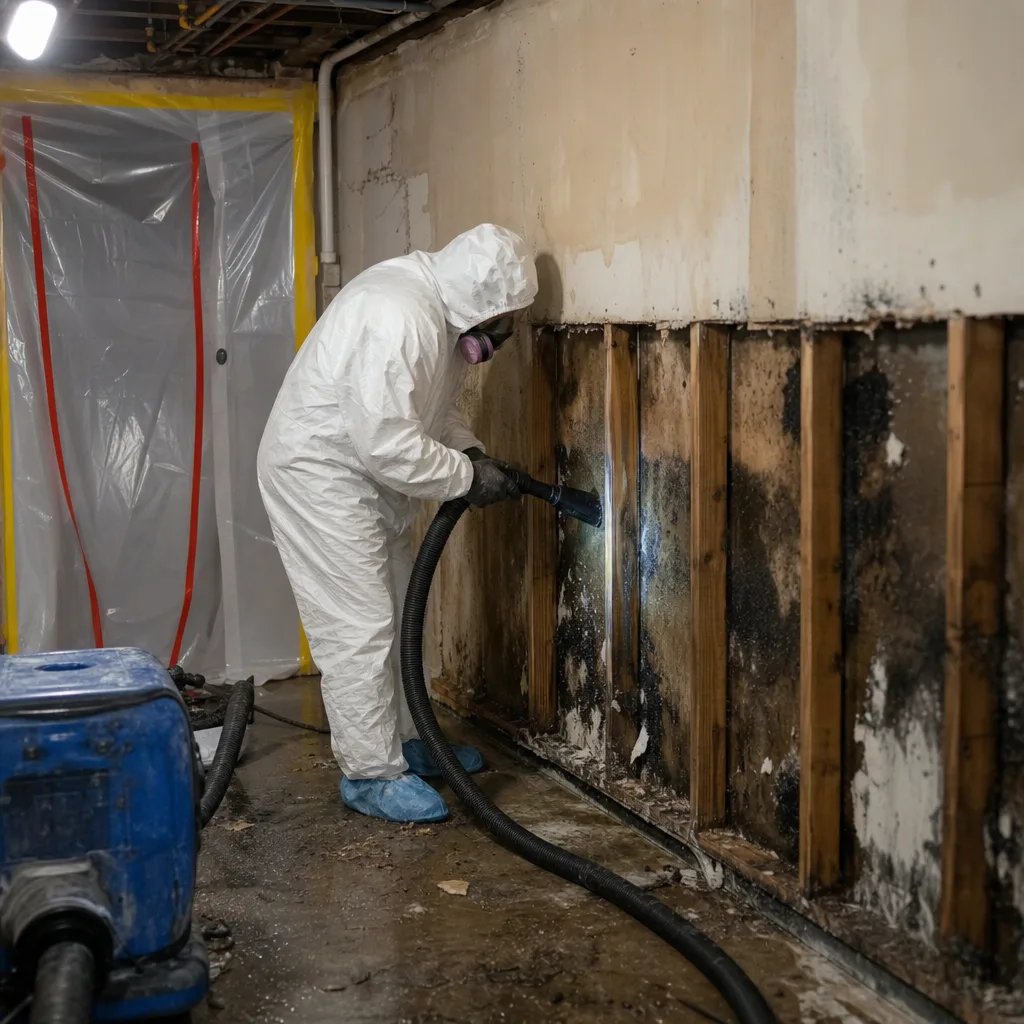
Burst Pipe Restoration
Burst pipe restoration in Morningside Heights almost always means galvanized steel, not copper or PEX. The failure mode is different - internal corrosion thins the pipe wall until pressure finds a weak point, often at a fitting that’s been weeping for months. We trace the full extent of water migration, coordinate with licensed plumbers for riser replacement, and document whether the damage resulted from sudden burst or long-term seepage - your coverage determination may hinge on this distinction.
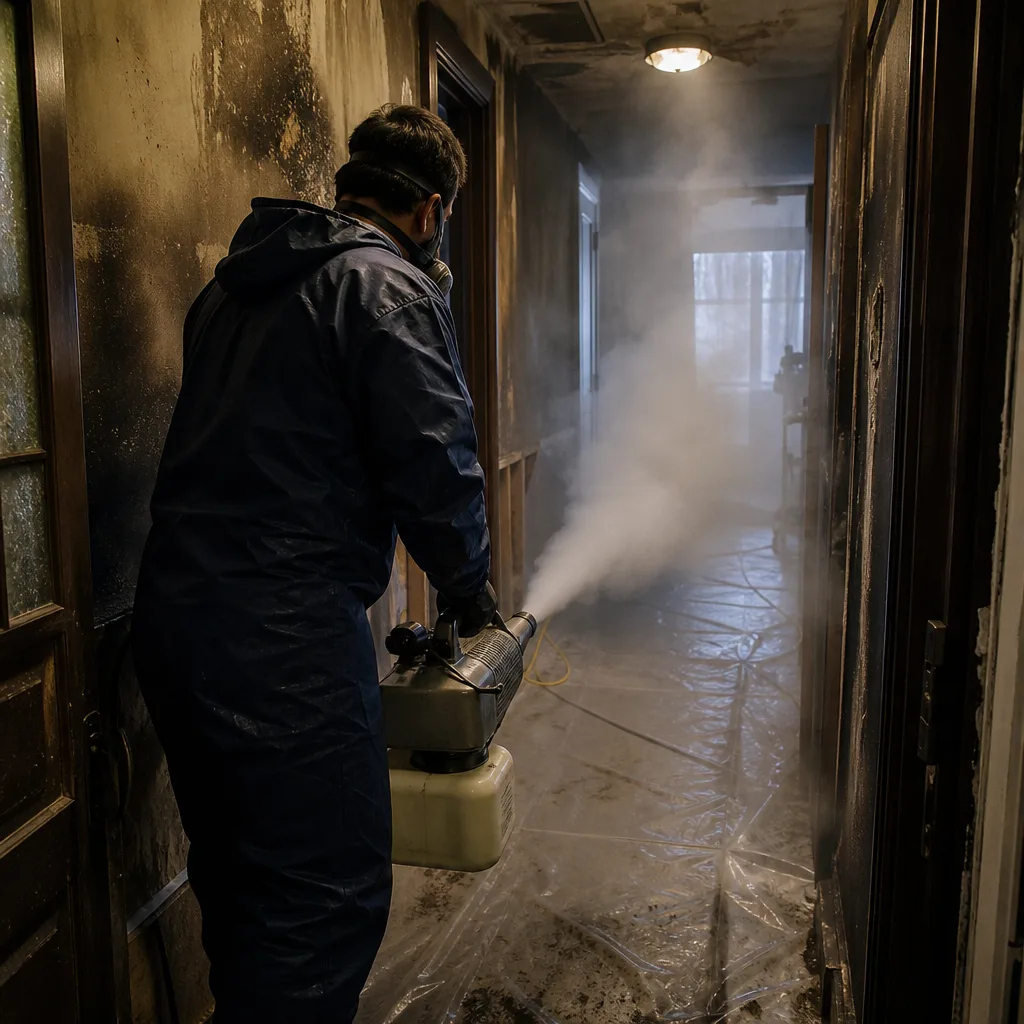
Basement Water Removal
Below-grade units on the Morningside Park side face recurring hydrostatic pressure that above-grade buildings don’t experience. We remove water, then assess whether the intrusion is a one-time event or a pattern requiring drainage remediation. Without this assessment, you’ll call us again next spring.
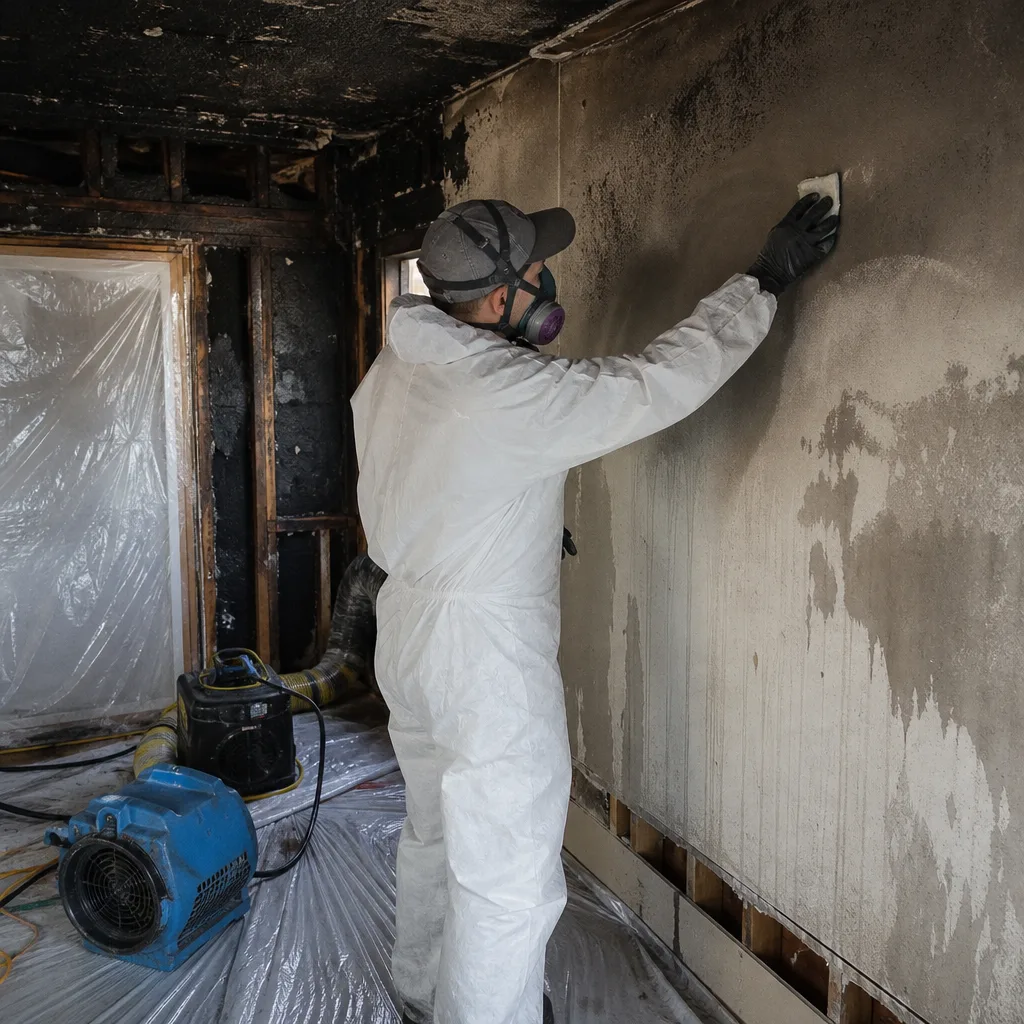
Ceiling & Roof Leak Water Damage
Plaster ceiling collapse in a pre-war Morningside Heights apartment is usually the end stage of a long-hidden leak. We inspect the cavity above, map moisture in adjacent ceiling bays, and determine whether the source is roof drainage, a steam riser, or a domestic supply line. The repair scope differs substantially for each.
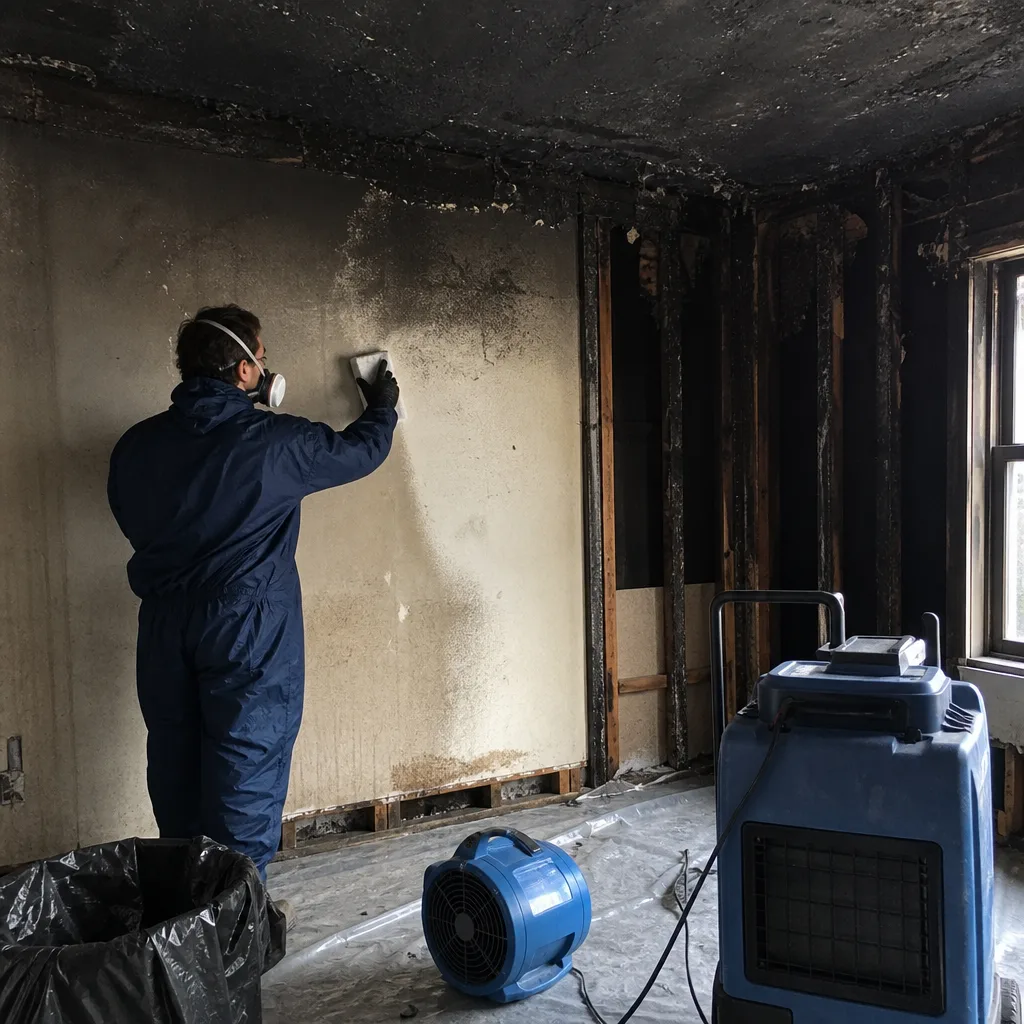
What happens when you call
- 1
A real person answersNo phone trees - you reach a local pro.
- 2
You get an upfront price rangeHonest numbers before anyone is dispatched.
- 3
A background-checked tech heads outLicensed & insured, dispatched right away.
- 4
You approve before work beginsNothing starts until you say go.
Water Damage Restoration Costs in Morningside Heights, NY
Water damage restoration pricing in Morningside Heights reflects Manhattan labor rates, pre-war building access challenges, and the documentation standards that insurance carriers require. Here are actual ranges we see in this market:
| Service | Typical Range in Morningside Heights |
|---|---|
| Emergency water extraction (first 2 hours) | $450 - $950 |
| Structural drying & dehumidification (3-5 day standard) | $1,800 - $4,200 |
| Extended drying with daily logs (7-10 days, pre-war construction) | $3,500 - $6,800 |
| Antimicrobial treatment & air scrubbing | $600 - $1,400 |
| Plaster wall/ceiling demolition & removal | $1,200 - $3,500 |
| Full reconstruction (plaster, flooring, paint) | $4,500 - $15,000+ |
What moves the price: the water category (Category 3 requires more containment and disposal), the affected square footage, whether plaster demolition is needed, and whether mold remediation is required. Insurance typically covers sudden and accidental water damage from burst pipes or storm intrusion; long-term seepage or maintenance-related failures may be excluded. We provide a free visual inspection and written scope before any work begins - Haven Standard, Clause 1 - so you know exactly what you’re paying for and what your carrier will likely cover. Bring a competitor’s written estimate and we’ll review it at no charge.
We Also Serve Cities Near Morningside Heights
Our Water Damage Restoration team responds throughout the immediate area, including Morningside Heights and surrounding neighborhoods. We regularly serve the Upper East Side for pre-war building water losses, Manhattan broadly for commercial and residential restoration, the Upper West Side with its similar housing stock challenges, and Astoria in Queens for mixed-use and industrial water damage. Dispatch and scheduling are coordinated from our New York City office; crews serve each area locally with equipment and documentation ready.
Serving Morningside Heights, NY - Our Local Coverage Area
We’re based in the Morningside Heights area and know this community well. Use the map below to see our service coverage - if you’re nearby, we can almost certainly help.
Morningside Heights Water Damage Restoration Questions, Answered
A ceiling in my Claremont Avenue pre-war just stained and dropped a piece of plaster - is it a steam radiator issue or a riser leak?
It could be either, and the distinction matters for both repair scope and insurance coverage. Steam radiator condensate failures usually show seasonal patterns - dripping in heating months, dry in summer - and the moisture concentrates near the radiator or its supply line. Galvanized riser leaks are constant or worsen gradually, and they often travel horizontally along the pipe before finding a downward path. We use thermal imaging and moisture meters to trace the source without unnecessary demolition. Call (551) 213-5277 for a free inspection - we’ll identify the source and give you a written scope before any work starts.
Our management company is Columbia-affiliated - what paperwork do you need before starting a water damage restoration job?
We deliver a written scope of work with line-item pricing, a proposed drying plan with equipment specifications, and proof of our licensing and insurance certificates. Many Columbia-affiliated buildings also require a certificate of insurance naming the building entity as additional insured, which we provide on request. Our documentation package is designed for institutional review - it’s the same format that has cleared facilities offices on Claremont Avenue and Morningside Drive. Call (551) 213-5277 and we’ll coordinate directly with your building manager.
The building has original galvanized risers. Does a burst pipe restoration mean cutting open the plaster wall?
Usually yes, but the extent depends on what moisture mapping reveals. Galvanized risers fail behind walls, and the water damage often extends well beyond the visible stain. We open only what’s necessary to access the failed section, dry the cavity, and treat for microbial growth. Our written scope specifies exactly which wall sections and why - Haven Standard, Clause 1 - so there’s no surprise demolition. In many Morningside Heights buildings, we coordinate riser replacement with a licensed plumber and restore the plaster finish as part of the same job. Call (551) 213-5277 for a written assessment.
We are on the park-facing side of Morningside Park and the basement flooded during a nor’easter. Is that just a cleaning job?
No - basement flooding from storm runoff off the Morningside Park escarpment is typically Category 2 or 3 water, which requires antimicrobial treatment, not just extraction and mopping. The hydrostatic pressure pattern also means it will likely recur without drainage remediation. We classify the water, document the source, and include a drainage assessment in our scope. Building staff often mistake this for a one-time event; our moisture logs and photo record show the pattern that justifies permanent remediation to your insurer. Call (551) 213-5277 for emergency response and a written drying plan.
How fast do we need to act after a steam radiator or riser leak in a pre-war apartment?
Within the first 4-6 hours for Category 1 water, 24 hours maximum for Category 2. After that, microbial growth begins in the organic material behind plaster walls, and Category 1 degrades to Category 2. In Morningside Heights buildings, the density of horsehair plaster and old framing actually slows visible signs while accelerating hidden damage - by the time you see staining, the cavity may have been wet for days. Our 45-minute response commitment exists because the first hour determines whether we’re drying a contained leak or remediating mold across multiple rooms. Call (551) 213-5277 - we answer live 24/7.
Will insurance cover water damage restoration in my Morningside Heights co-op?
Sudden and accidental damage - burst pipes, storm intrusion, failed appliances - is typically covered under HO-6 policies or building master policies, depending on where the leak originated. Long-term seepage, maintenance failures, or gradual deterioration of original galvanized risers may be excluded. We document the failure mode, source, and timeline in our initial assessment to support your coverage determination. Our photo records and drying logs are formatted for adjuster review, and we bill carriers directly when coverage is confirmed. Call (551) 213-5277 and we’ll review your situation at no charge.
How long does structural drying take in a Morningside Heights pre-war building?
5-10 days is typical, versus 3-5 in newer construction. Original plaster-over-lath, dense old-growth framing, and limited wall cavity ventilation all slow moisture release. We don’t guess - daily moisture readings with penetrating meters tell us when materials hit dry standard, and we log every reading for your insurer. Rushing this phase means trapped moisture, mold callbacks, and denied supplemental claims. Call (551) 213-5277 for a drying timeline based on your specific building and damage extent.
Can we stay in the apartment during water damage restoration?
Sometimes, depending on the damage extent, equipment noise, and whether antimicrobial chemicals or containment barriers are required. For localized drying with air movers and dehumidifiers, many occupants remain. For Category 3 water, mold remediation, or extensive demolition, temporary relocation is usually advisable and may be covered by insurance. We specify occupancy recommendations in our written scope before work begins - no surprises once the crew is inside. Call (551) 213-5277 to discuss your specific situation.
What certifications do your water damage restoration technicians hold?
Our lead technicians hold IICRC WRT (Water Damage Restoration Technician) and AMRT (Applied Microbial Remediation Technician) certifications, with documented continuing education. All technicians are background-checked, uniformed, and carry license numbers on every job file. Equipment and procedures follow IICRC S500, RIA, and IFA standards. We don’t claim credentials we can’t produce - ask to see them on arrival. Call (551) 213-5277 with specific certification questions.
What should I do in the first 30 minutes after discovering water damage?
Shut off the water source if you can locate and safely operate the valve - typically at the main building shutoff or individual fixture stops. Don’t enter standing water if electrical outlets or equipment are submerged. Document the visible damage with your own photos for reference. Then call (551) 213-5277. We answer live, dispatch within 45 minutes, and begin with a free visual inspection and written scope before any work starts. The sooner we stabilize the situation, the less demolition and reconstruction you’ll need.
Every water damage restoration job in Morningside Heights carries the same documentation standard that built this company: a written price before work begins, a photo record on every visit, daily moisture logs, and the 365-Day Done Right Promise backed by The Haven Standard. Alicia Brennan founded Back to Dry in 2011 after years as a claims adjuster watching homeowners lose legitimate claims to sloppy documentation. That origin is the problem we solve on every job.
Written by Alicia Brennan, Owner at Back to Dry Restoration, serving Morningside Heights since 2011.
Water Damage Restoration in Nearby Areas