
Free visual inspection and a written scope of work before any mitigation begins - photos, moisture readings, and drying logs go in your claim file
The scope we write is the scope we bill. Anything new gets shown to you, in writing, before we touch it.
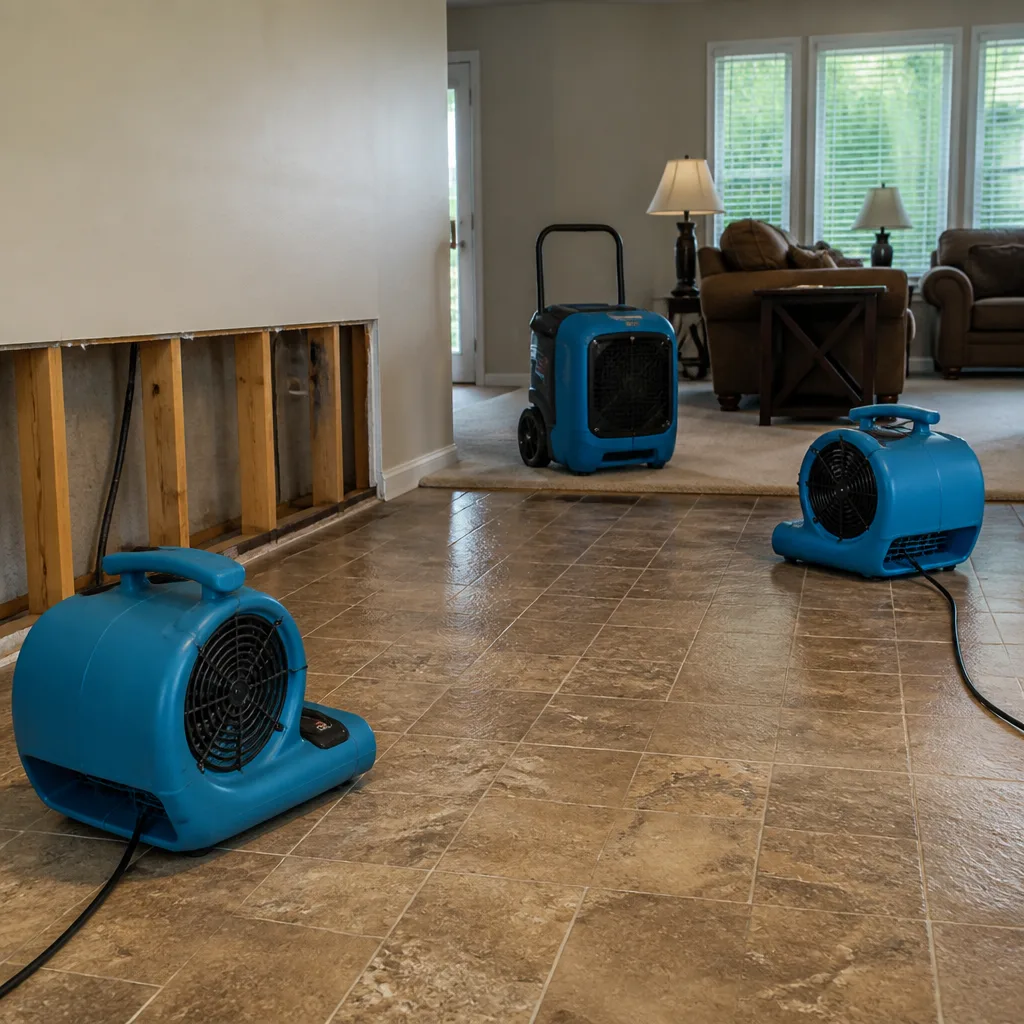
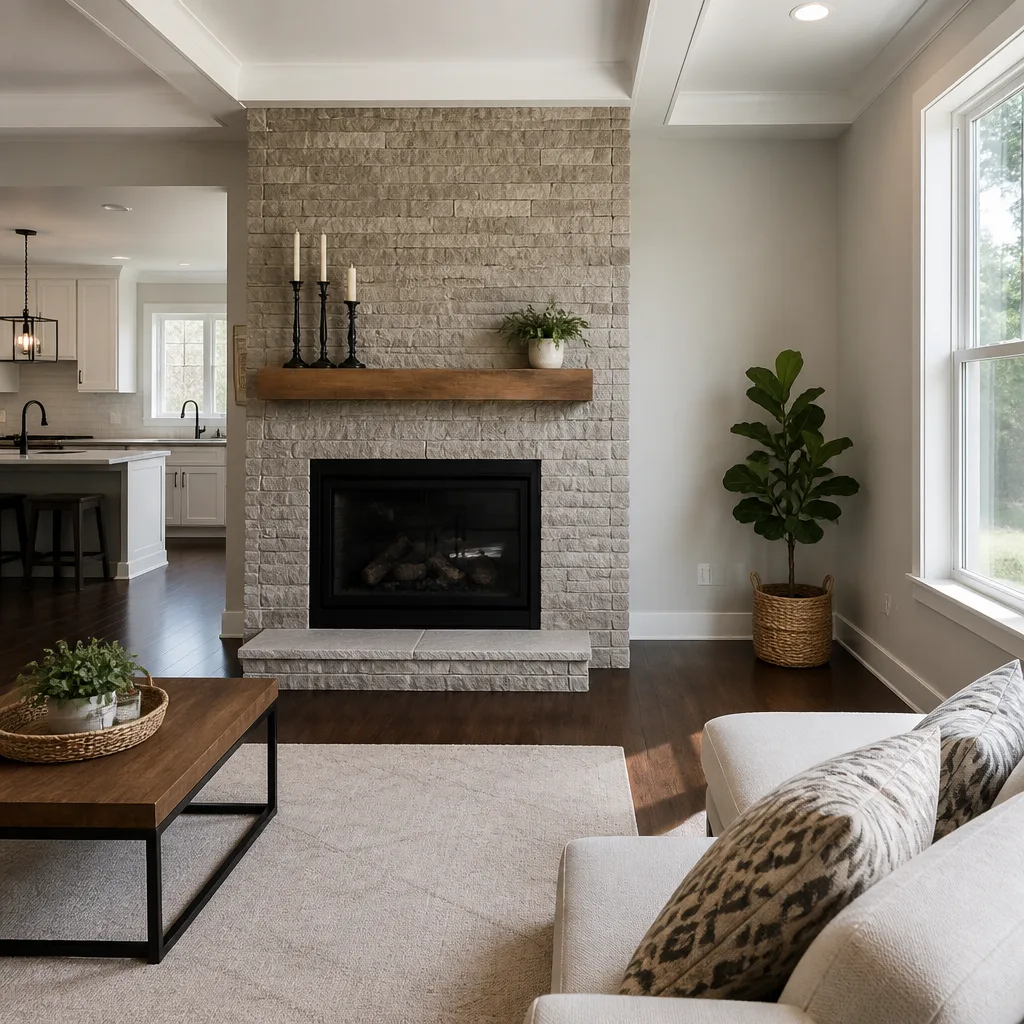
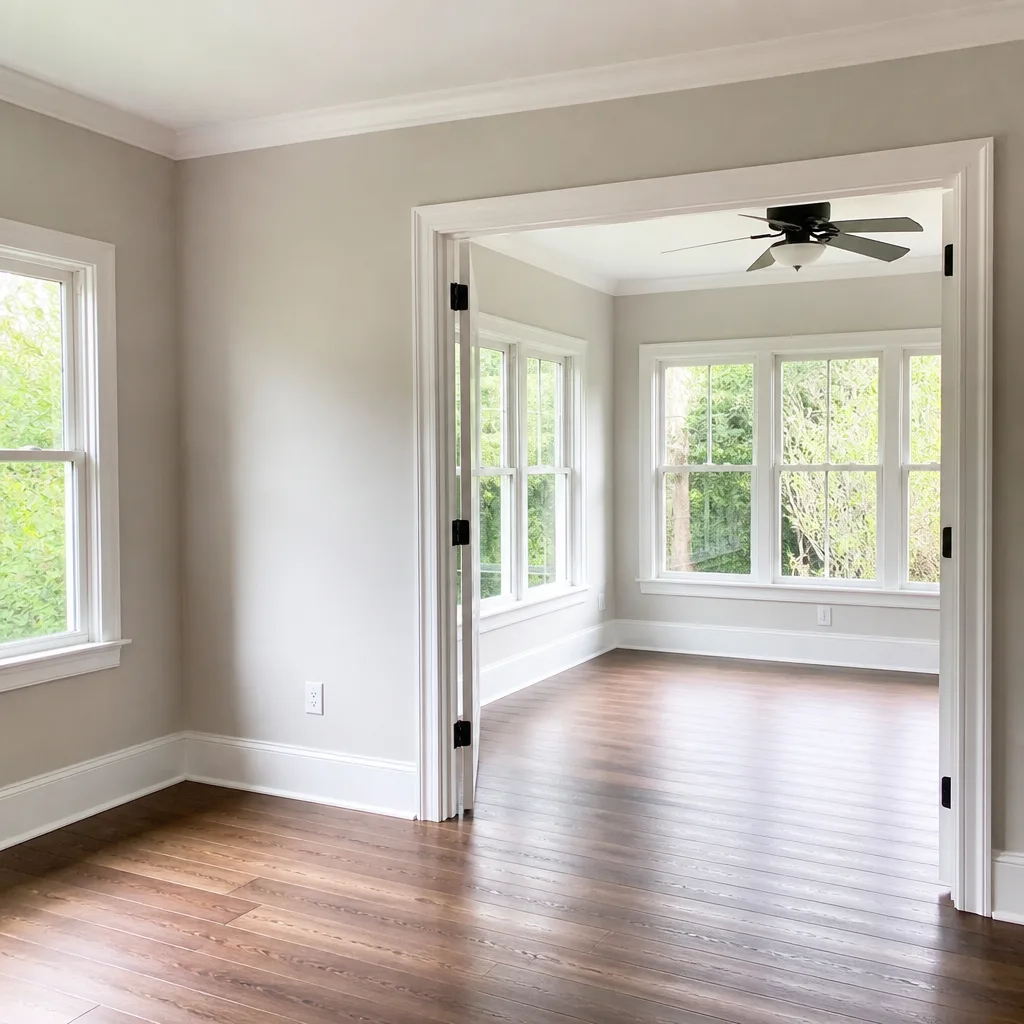
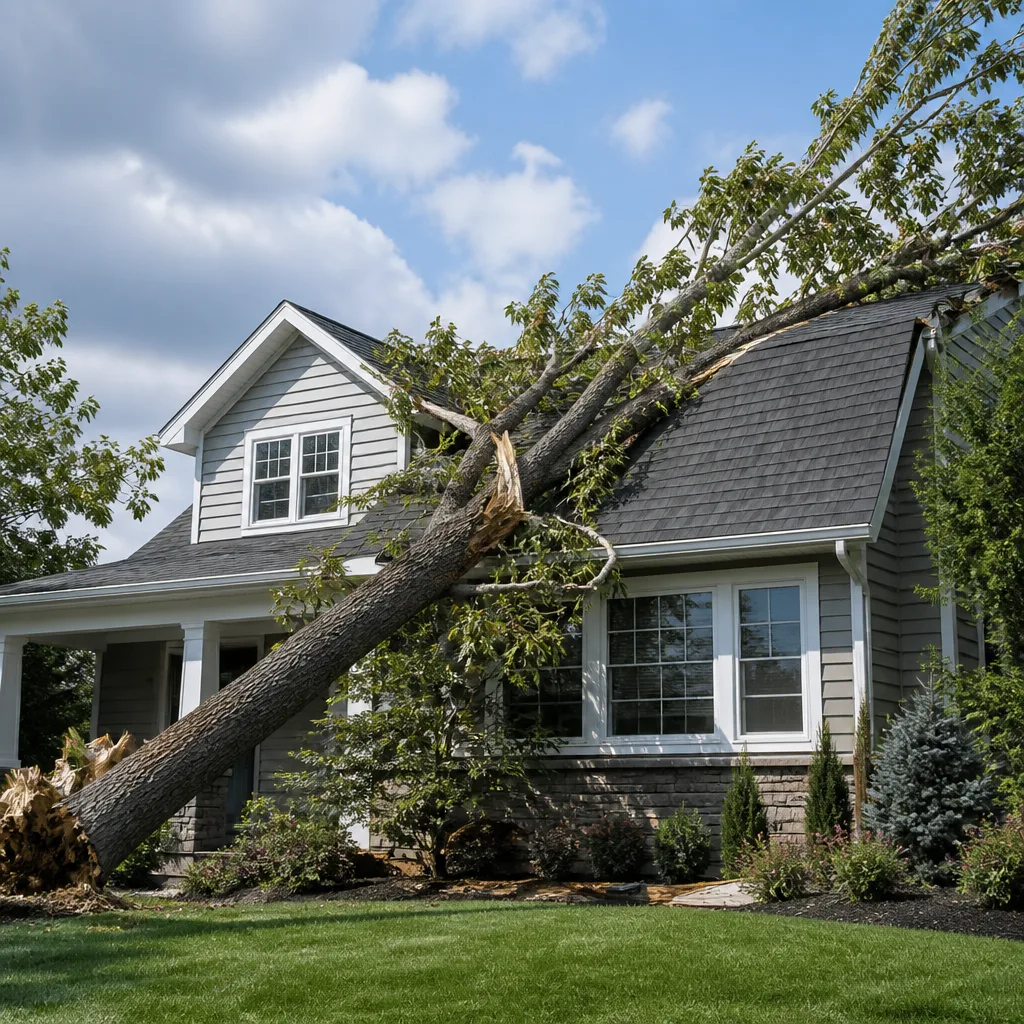
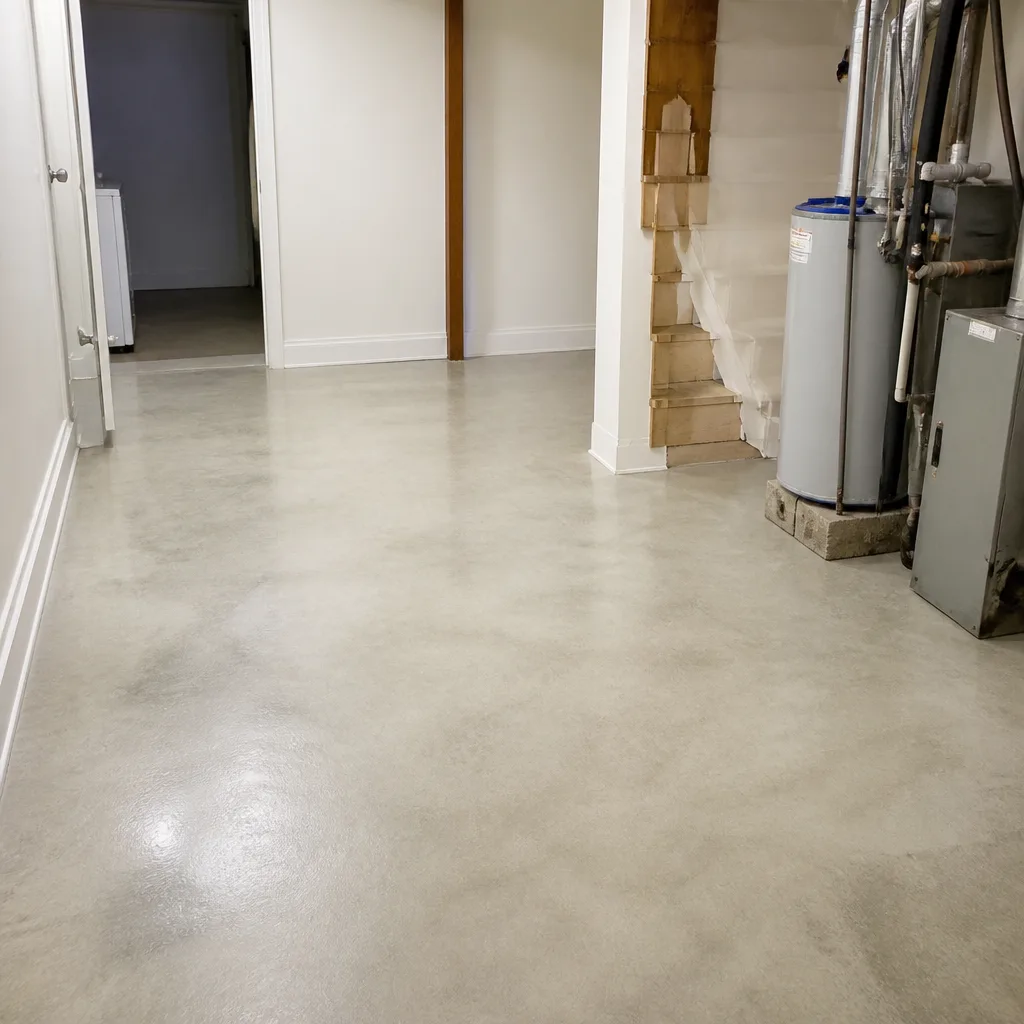
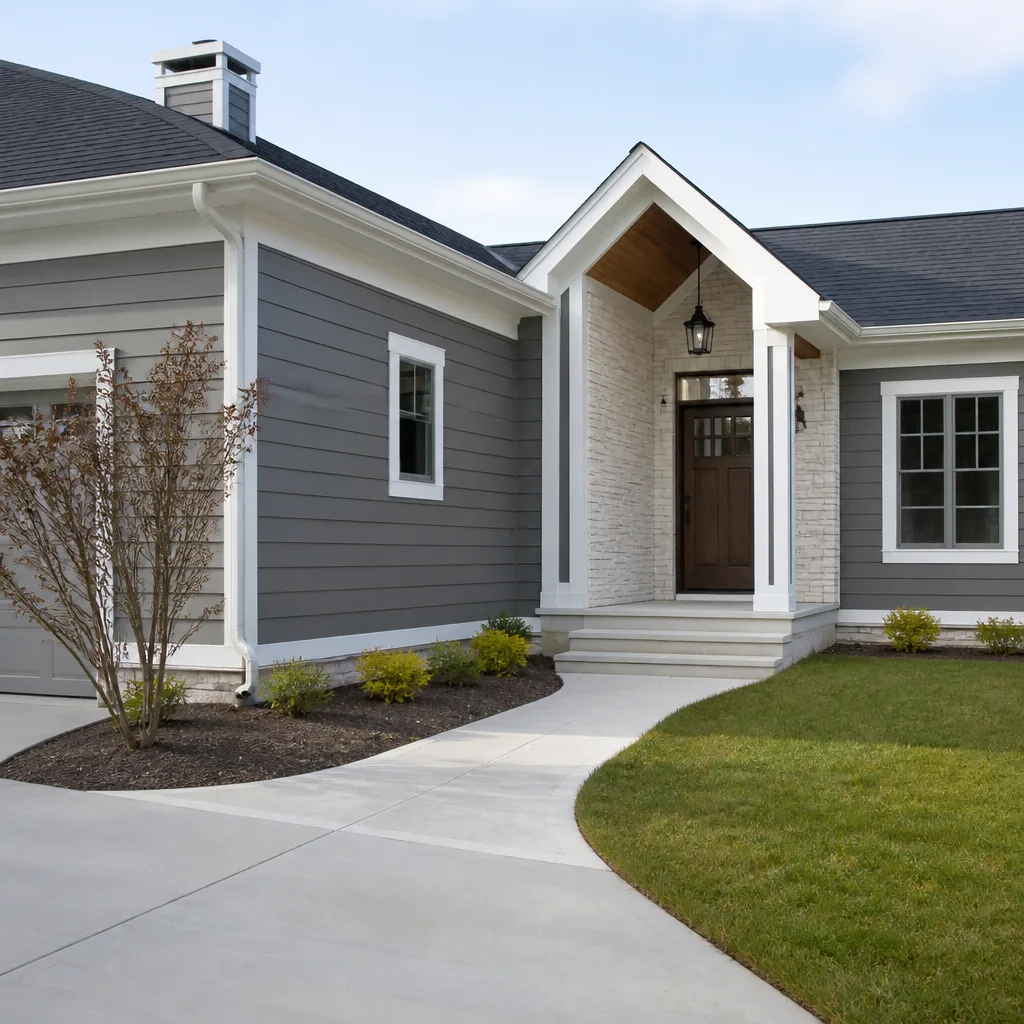
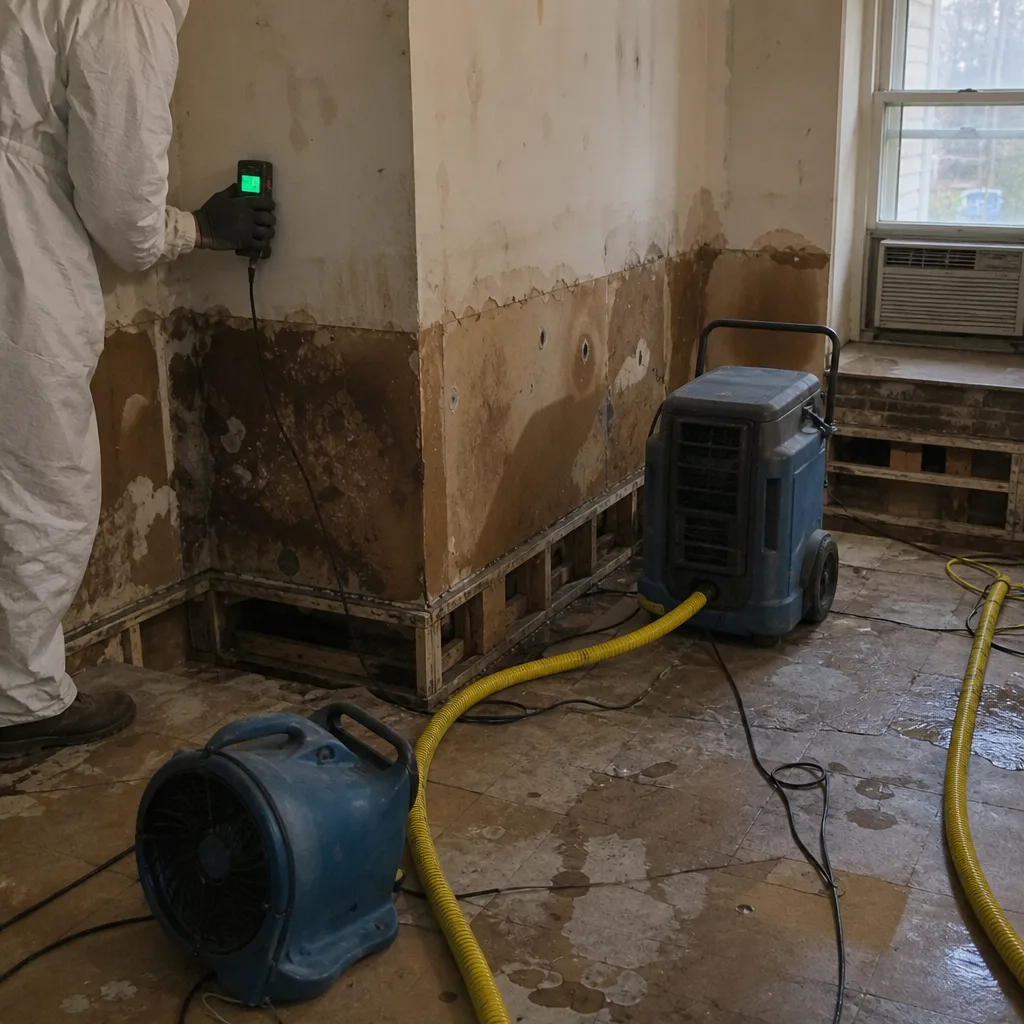 Before
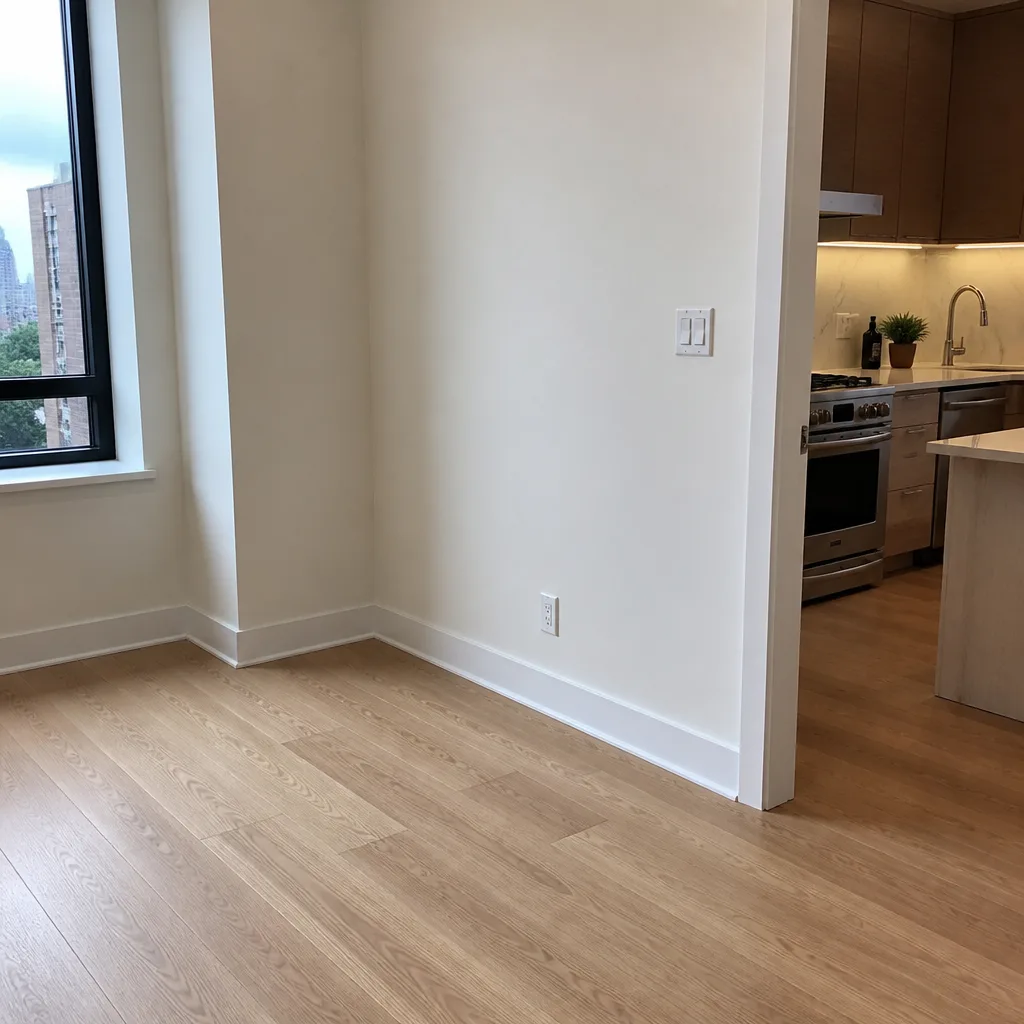 After
After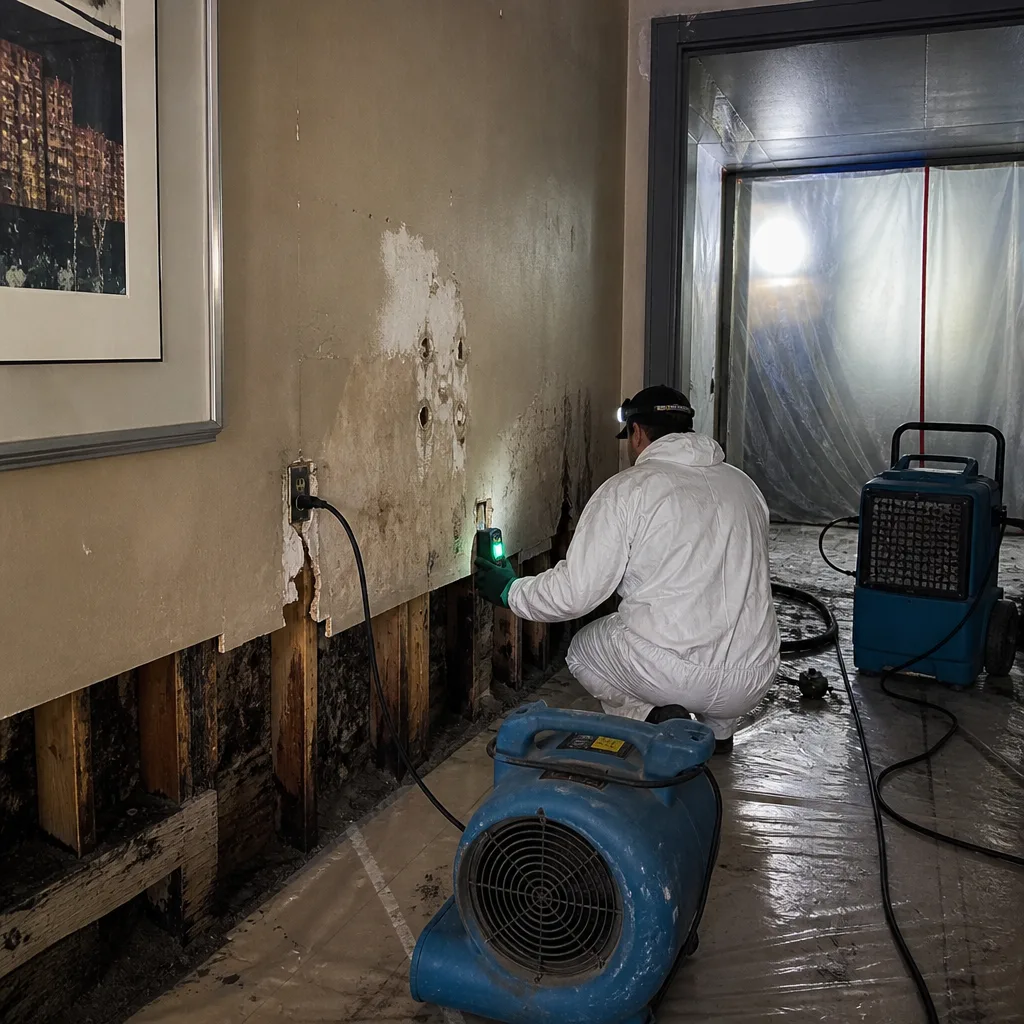 Before
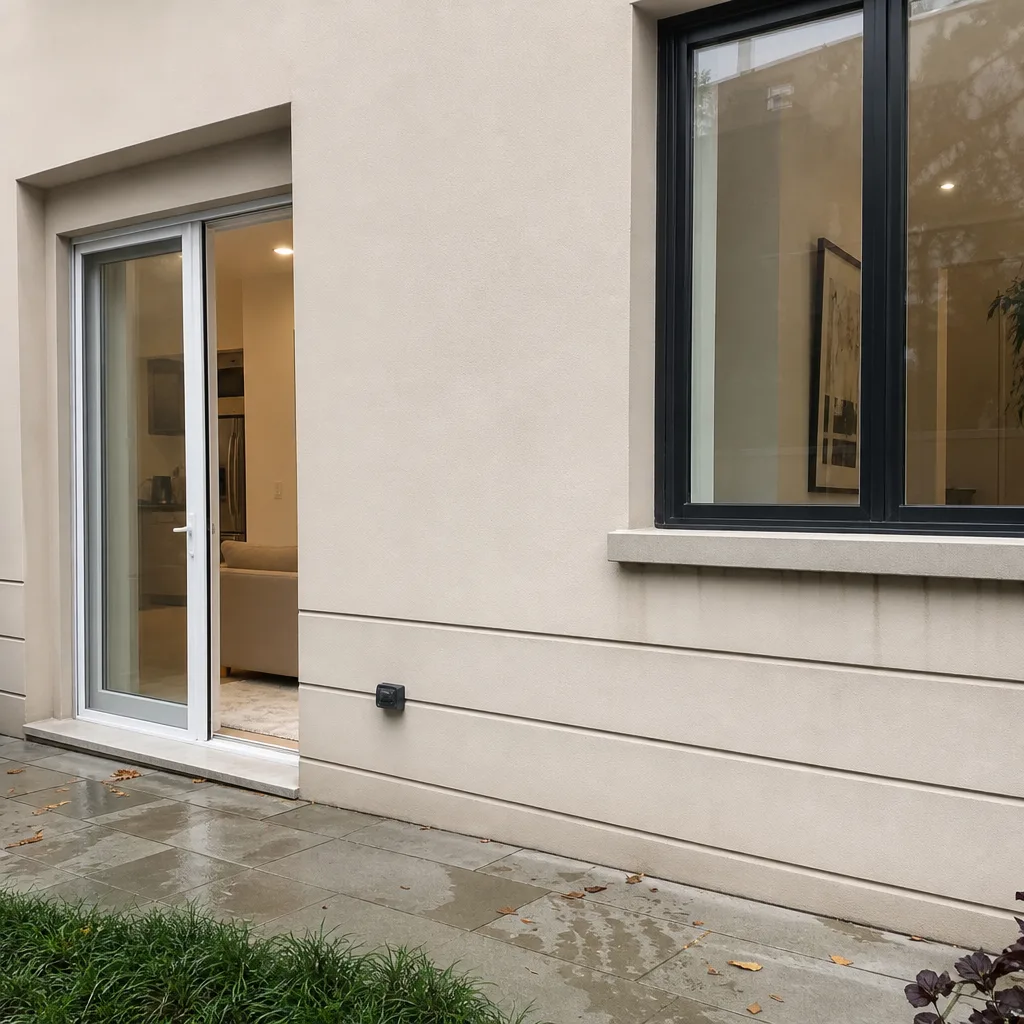 After
After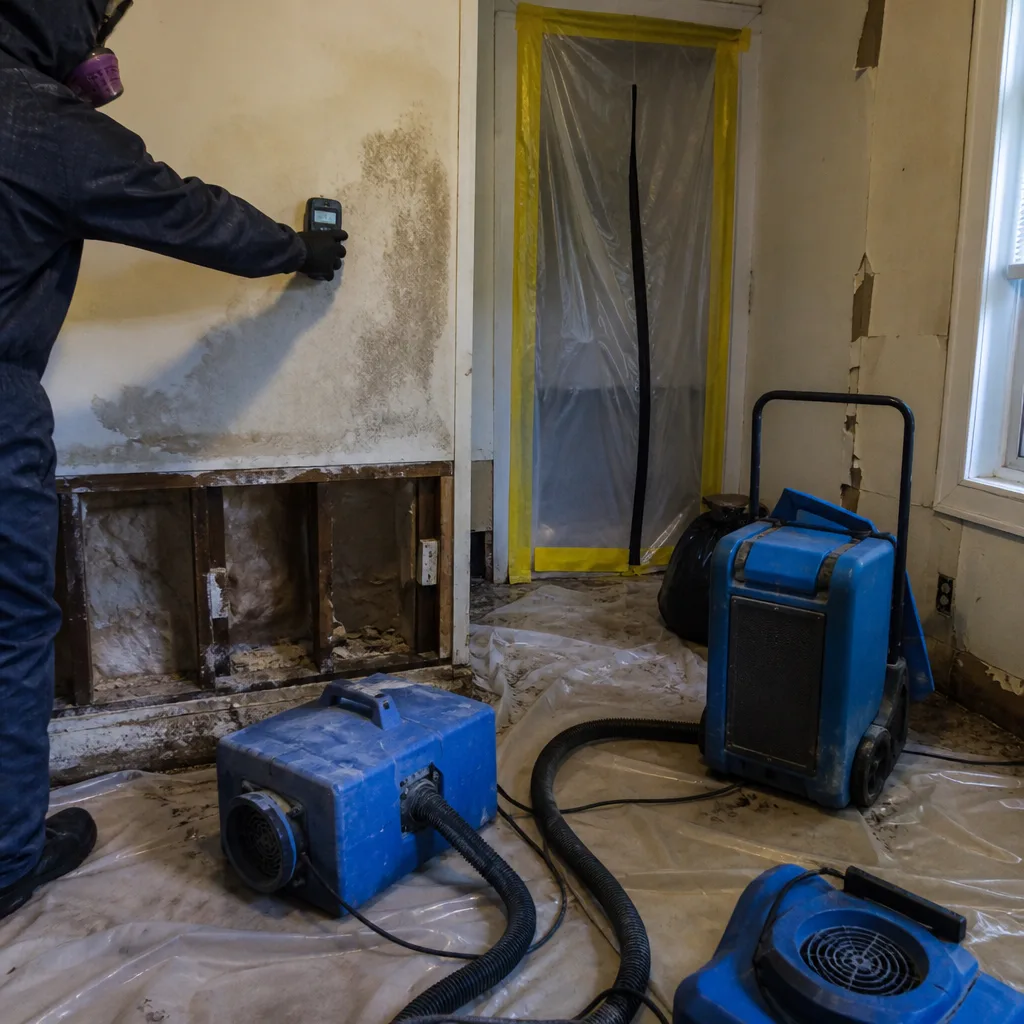 Before
 After
After24/7 Emergency Water Damage Restoration in Astoria
Water damage in Astoria spreads faster than most property owners expect, especially in the neighborhood’s dense blocks of attached pre-war brick rowhouses where a single burst pipe can wick through shared party walls within hours. Our crews answer live at (551) 213-5277, 24 hours a day, with no voicemail trees or next-business-day callbacks while water is still moving through your building. We typically arrive within 45 minutes anywhere in Astoria, from the blocks off 30th Avenue down to the Hallets Point peninsula, and we start every emergency response with a free visual inspection and moisture mapping before any equipment runs.
The first hour determines whether you’re looking at extraction and drying or full gutting of plaster, flooring, and structural assemblies. In Astoria’s 1920s-1940s building stock, original plaster-on-wire-lath walls act like wicks, pulling water vertically and laterally through concealed cavities long before a stain appears on the ceiling. Our Water Damage Restoration team documents everything from arrival: moisture readings, thermal imaging, photo records, and a written scope before any work begins. That’s Haven Standard, Clause 1.
Understanding Water Damage Restoration Severity in Astoria Properties
Water damage classification follows three categories set by the IICRC. Category 1 is clean water from a broken supply line. Category 2 carries significant contamination, think dishwasher discharge or sump pump failures. Category 3 is grossly contaminated: sewage, seawater, or floodwater from storm surge. In Astoria, we see all three, often misidentified.
The flat built-up and modified-bitumen roof membranes common on Astoria’s rowhouses fail silently, ponding water that migrates behind original plaster for days or weeks before showing a stain. By the time a ceiling spot appears, the damage is typically Category 2 or worse, with mold spores already active in the cavity. Storm surge in the FEMA AE and VE blocks near Astoria Park and Hallets Point delivers Category 3 water that demands removal of contaminated materials, not drying in place.
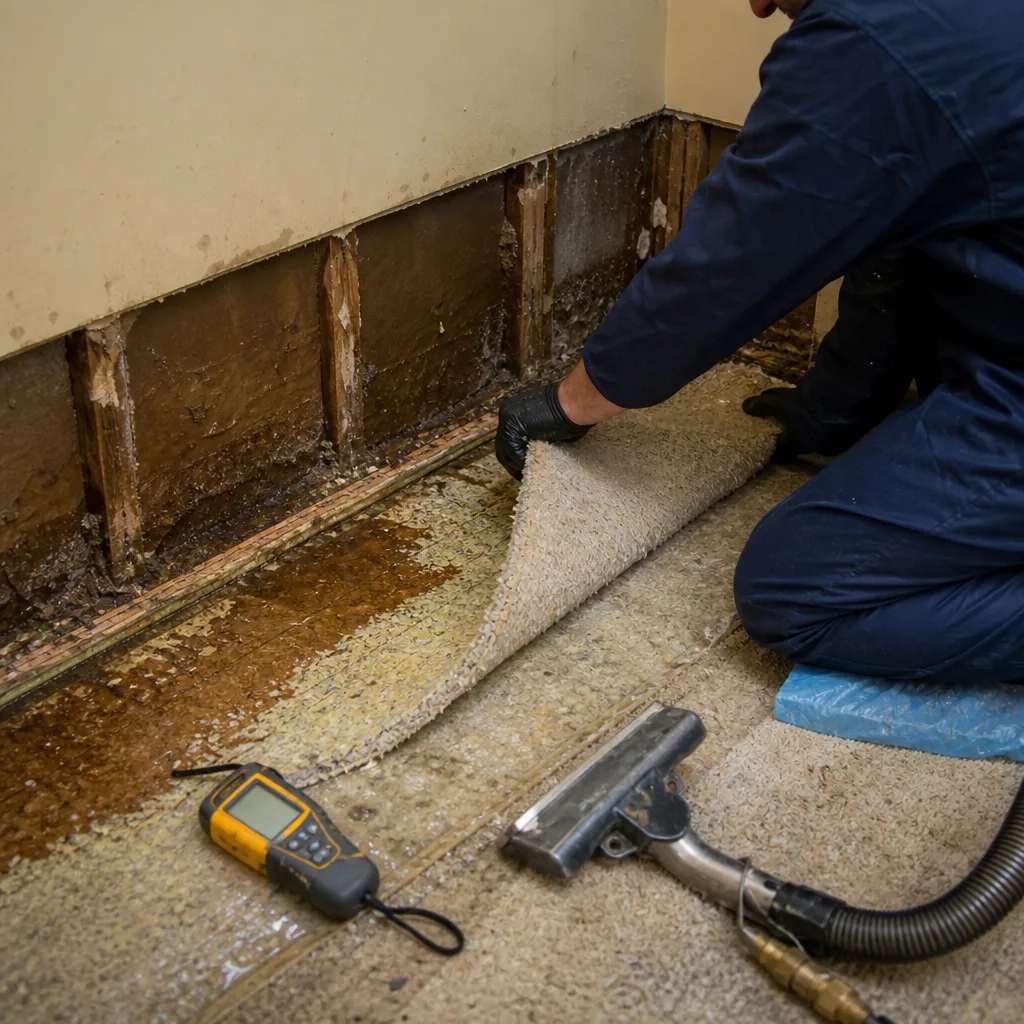
Moisture mapping with thermal imaging and penetrating hygrometers tells us the real footprint. In attached rowhouses, we map the party wall itself, because water travels through shared masonry floor-joist pockets into the adjoining building within hours. A scope that stops at the unit boundary leaves the neighbor wet and primed for secondary mold.
Why Astoria Property Owners Choose DryMark Restoration Upper East Side
- 45-minute response commitment to any address in Astoria, from Ditmars Boulevard to the waterfront.
- 24/7 live answer by a real person, never an automated system or voicemail queue.
- IICRC-certified crews holding WRT (Water Damage Restoration Technician) and AMRT (Applied Microbial Remediation Technician) credentials.
- Free visual inspection and moisture assessment before any work authorization.
- Direct insurance billing and adjuster coordination, with documentation packages that turn restoration invoices into payable claims.
- One team handles extraction through reconstruction, no handoffs between subcontractors that lose continuity on your job file.
BeforeAfterOur Water Damage Restoration Process
1. Inspection & Assessment
We arrive with thermal imaging cameras, penetrating and non-penetrating moisture meters, and hygrometers to map the full water footprint. In Astoria’s attached rowhouses, this always includes the party wall and the adjoining unit’s joist pockets. You receive a written scope and firm price before any equipment is deployed. Haven Standard, Clause 1.
2. Extraction & Stabilization
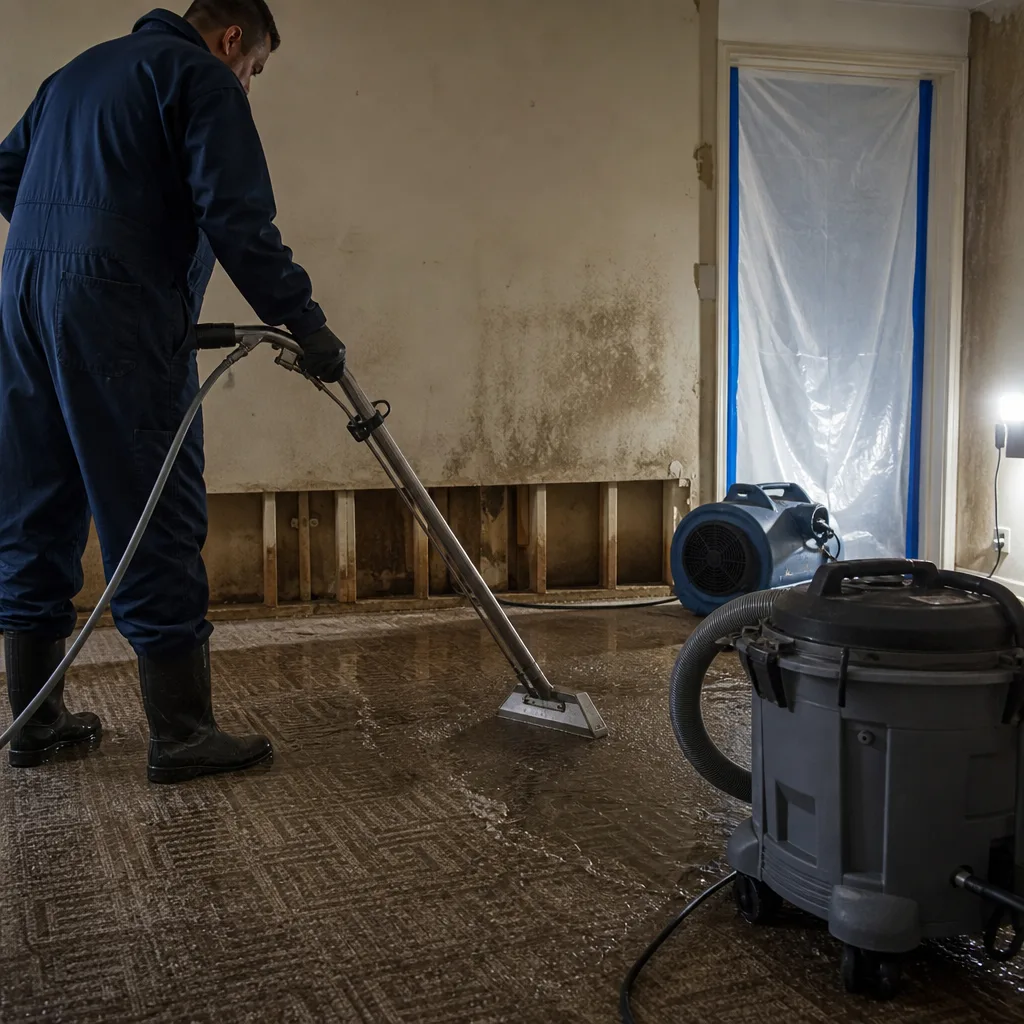
Standing water comes out first with truck-mounted extraction systems and portable flood pumpers. We remove saturated carpet pad, compromised insulation, and any Category 3 materials that cannot be salvaged. Containment barriers go up to isolate affected zones and protect unaffected areas.
3. Structural Drying & Dehumidification
We deploy air movers, LGR dehumidifiers, and specialized drying systems from Dri-Eaz, Phoenix, and Injectidry to create controlled airflow through wall cavities and subfloors. Daily moisture logs track specific humidity, temperature, and vapor pressure differential until materials return to dry standard.
4. Cleaning & Sanitization
All affected surfaces receive antimicrobial treatment appropriate to the water category. HEPA air scrubbers run continuously during this phase to capture airborne particles. We document every treatment with photos for your insurance file.
5. Multi-Address Coordination & Documentation
When water has crossed into adjoining properties, as it routinely does in Astoria’s rowhouses, we produce separate drying logs, photo records, and scopes of work for each legal address and carrier. Same-day documentation prevents delays when separate adjusters need evidence.
6. Repairs & Restoration
Once dry standard is verified, our crew repairs or replaces plaster, drywall, flooring, trim, and any structural elements removed during mitigation. The 365-Day Done Right Promise covers all restoration work under The Haven Standard.
Need Emergency Water Damage Restoration in Astoria Now?
Crews minutes away, answering live 24 hours a day. The sooner we start, the less it costs.
Working With Your Insurance Company
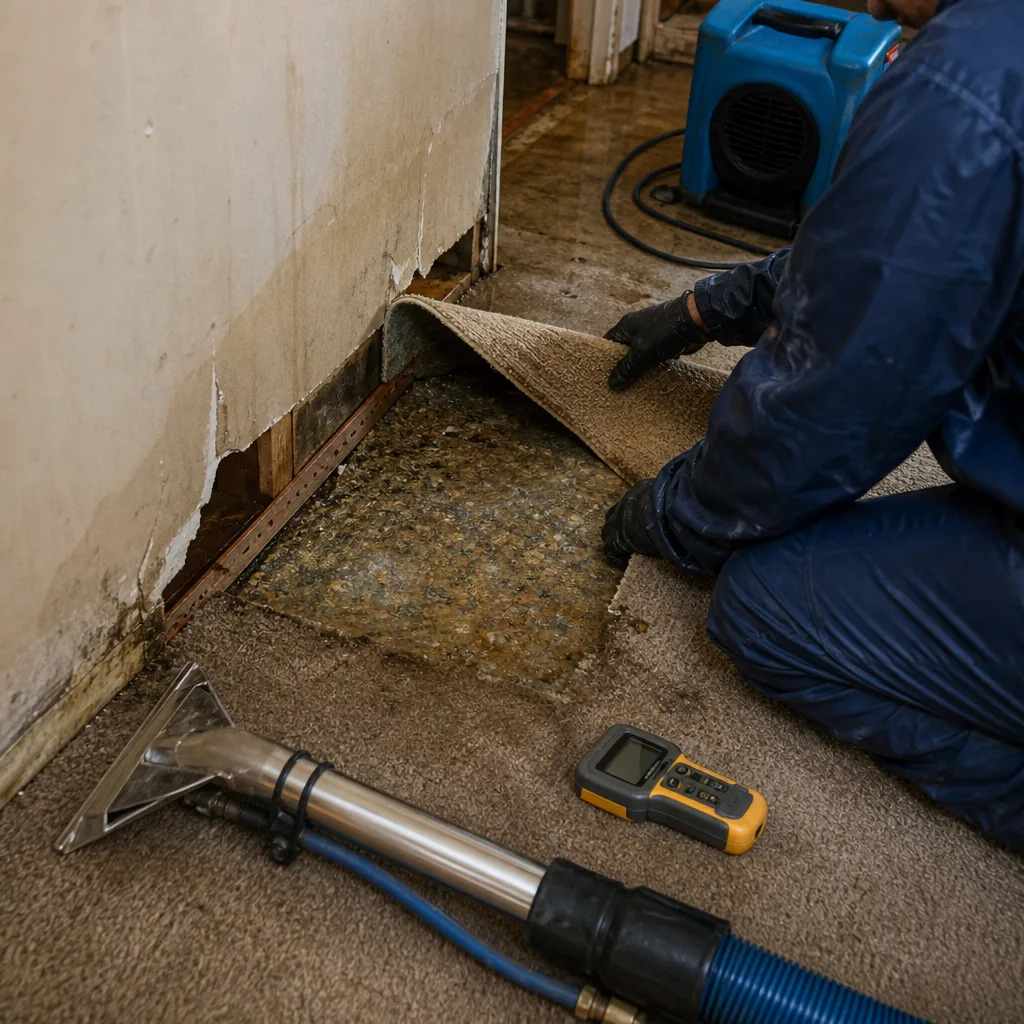
Insurance claims fail when documentation does. Alicia Brennan founded Back to Dry in 2011 after years as a claims adjuster watching homeowners lose coverage because crews couldn’t produce moisture readings, drying logs, or dated photo sequences. We run every Astoria job the way an adjuster would audit it.
From our first arrival, we build a claim file: thermal images showing water migration paths, room-by-room photos with timestamps, daily psychrometric data from our Dri-Eaz and Phoenix equipment, and a line-item scope written to industry-standard estimating platforms. We coordinate directly with your carrier’s adjuster, answer their documentation requests same-day, and never ask you to chase payment between parties.
What We Provide Your Insurer
- Thorough documentation of the loss
- Photos of all damage, room by room
- Moisture readings and drying logs
- A detailed, line-item scope of work
- Direct coordination with your carrier
Built for Astoria’s Loss Calendar
January and February deliver the hardest freeze-thaw cycles in the NYC metro, and Astoria’s pre-war rowhouses suffer concentrated burst-pipe claims. Original galvanized supply lines and cast iron waste stacks, corroding for decades inside masonry walls, let go when temperatures drop below 20°F for consecutive nights. The flat roof stock compounds this: ice dams form at parapet walls and drains, forcing water backward under failing membranes.
Spring brings nor’easters and rapid snowmelt. The blocks nearest Astoria Park and the Hallets Point peninsula, sitting in FEMA-mapped flood zones, see basement and ground-floor inundation from storm surge pushed up the East River. Summer thunderstorms add flash flooding to the mix, overwhelming aging combined sewer systems and backing up through floor drains.
Then hurricane season extends the flood risk into fall. Astoria is rare among NYC neighborhoods in facing both chronic building-envelope failures and acute flood events year-round. Our crews carry equipment for both scenarios, and we scope every job for the water source it actually presents, not the one the homeowner initially guessed.
Water Damage Restoration Across Astoria’s Neighborhoods
Off Ditmars Boulevard, the northernmost residential corridor, we find mostly 1920s attached brick two-families with original plaster interiors and flat roofs that pond water behind parapets. Burst risers here travel fast through shared party walls into the adjoining building, often before the originating owner has even called their carrier.
The 30th Avenue corridor and blocks south toward Broadway feature denser four-story walk-ups and mixed-use buildings with commercial ground floors. Water losses here frequently involve multiple occupancies and separate insurance policies, requiring same-day coordination with property managers and multiple adjusters.
Astoria Park and the adjacent waterfront blocks face the most acute flood exposure. After Superstorm Sandy, FEMA remapped much of this area into AE and VE zones, and smaller surges now regularly inundate basements and ground-floor units. Floodwater here is Category 3, contaminated with sewage, fuel, and seawater. Drying in place is not an option; removal and replacement is the only protocol that satisfies IICRC standards and produces a payable claim.
Hallets Point, the peninsula extending into the East River, combines new construction with older attached stock. The older buildings share the same party-wall vulnerabilities as central Astoria, while newer developments face their own envelope challenges. We respond to both, with equipment scaled to the building type and documentation matched to the policy structure.
Specialized Water Damage Restoration Services We Offer in Astoria
Emergency Water Extraction
Standing water is removed within hours of your call, using truck-mounted extraction units and portable flood pumpers sized to the loss volume. In Astoria’s basement apartments and ground-floor commercial spaces, we often extract Category 3 floodwater that requires full material removal rather than drying.
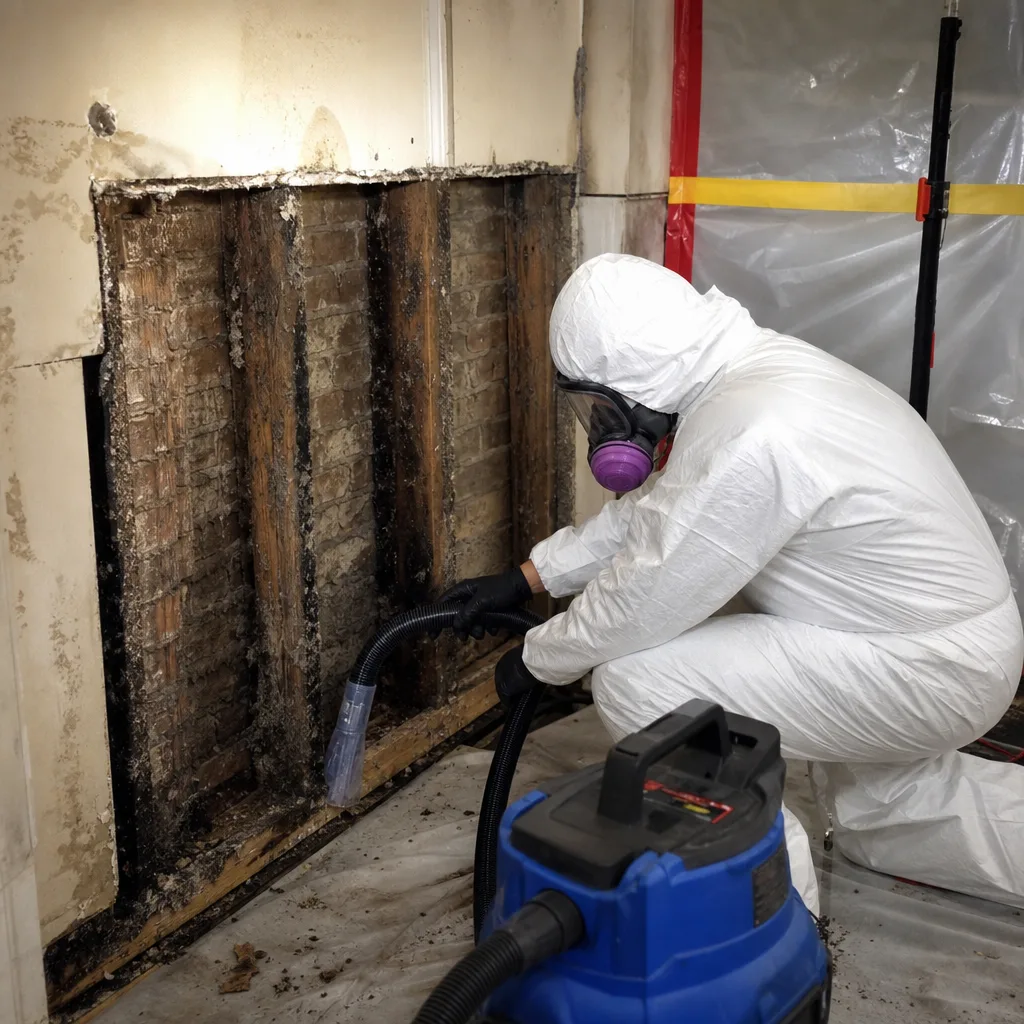
Structural Drying & Dehumidification
We create controlled drying environments with LGR dehumidifiers, axial and centrifugal air movers, and Injectidry cavity-drying systems that force dry air through wall voids and subfloor assemblies. Daily moisture logs track specific humidity and vapor pressure differential until all materials reach dry standard.
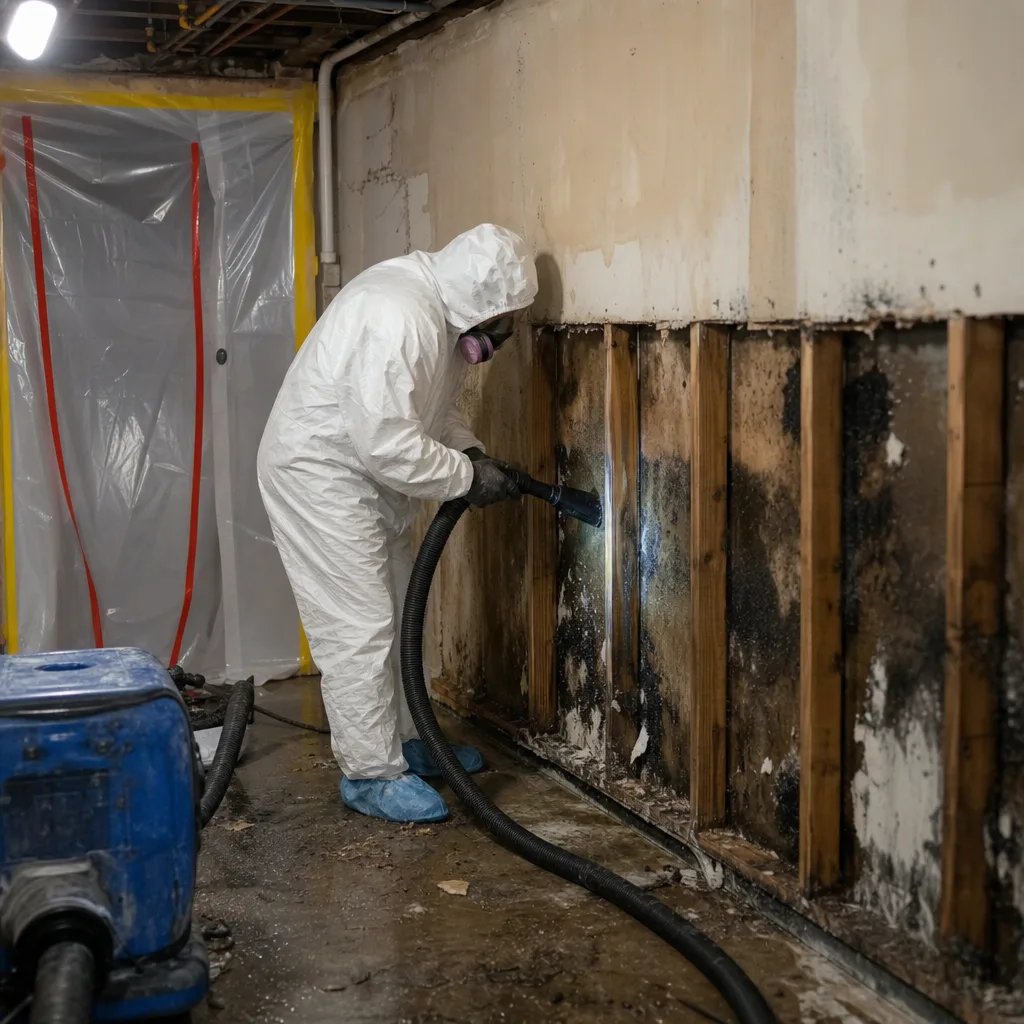
Flood Cleanup
Floodwater in Astoria’s FEMA-mapped zones is Category 3 by definition, contaminated with pathogens, chemicals, and particulate matter. We remove all porous materials that contacted floodwater, apply EPA-registered antimicrobials, and document contamination levels for your adjuster. This is not a drying job; it’s a removal and rebuilding job, scoped and priced in writing before work begins.
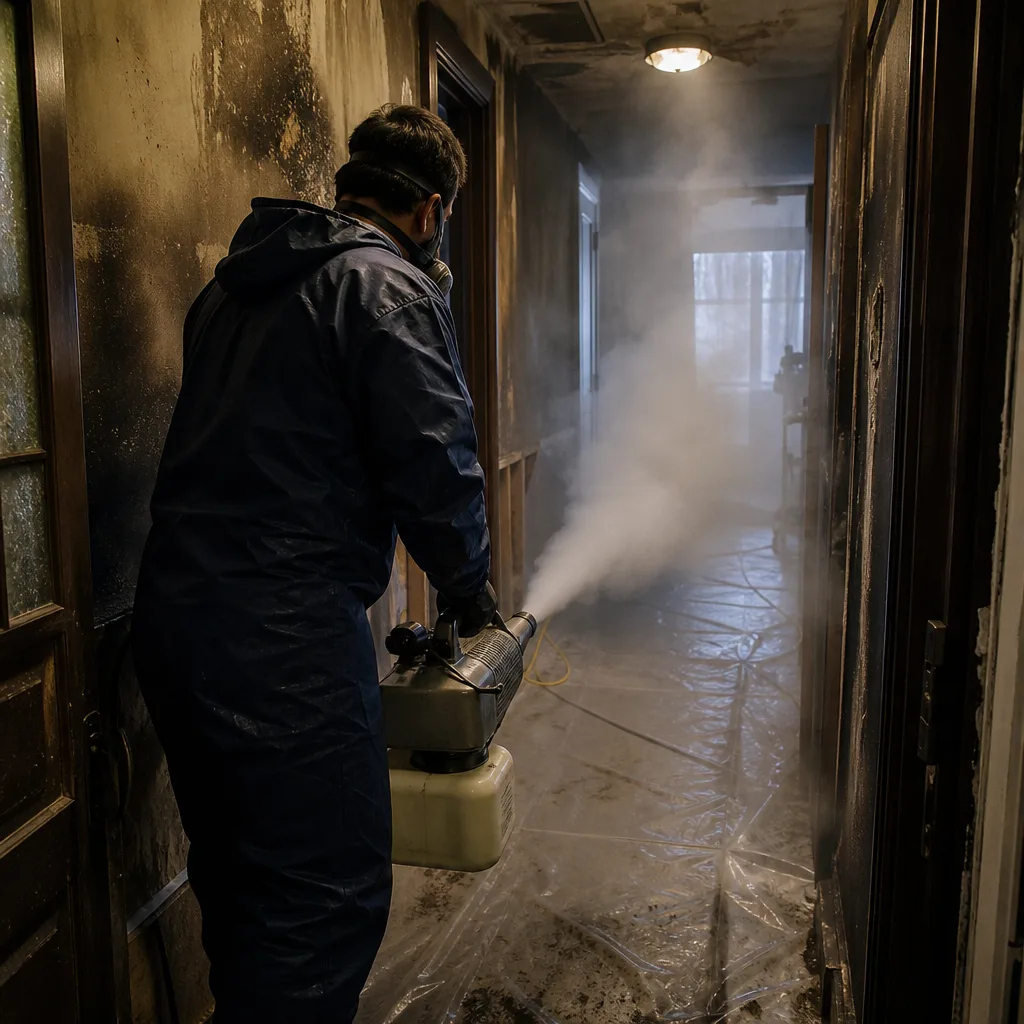
Burst Pipe Restoration
January freezes split original galvanized supply lines and cast iron stacks throughout Astoria’s pre-war stock. We extract, dry, and document the full moisture footprint, including lateral migration through party walls into adjoining units. When the neighbor’s joist pockets test wet, we scope and document their damage under a separate claim file the same day.
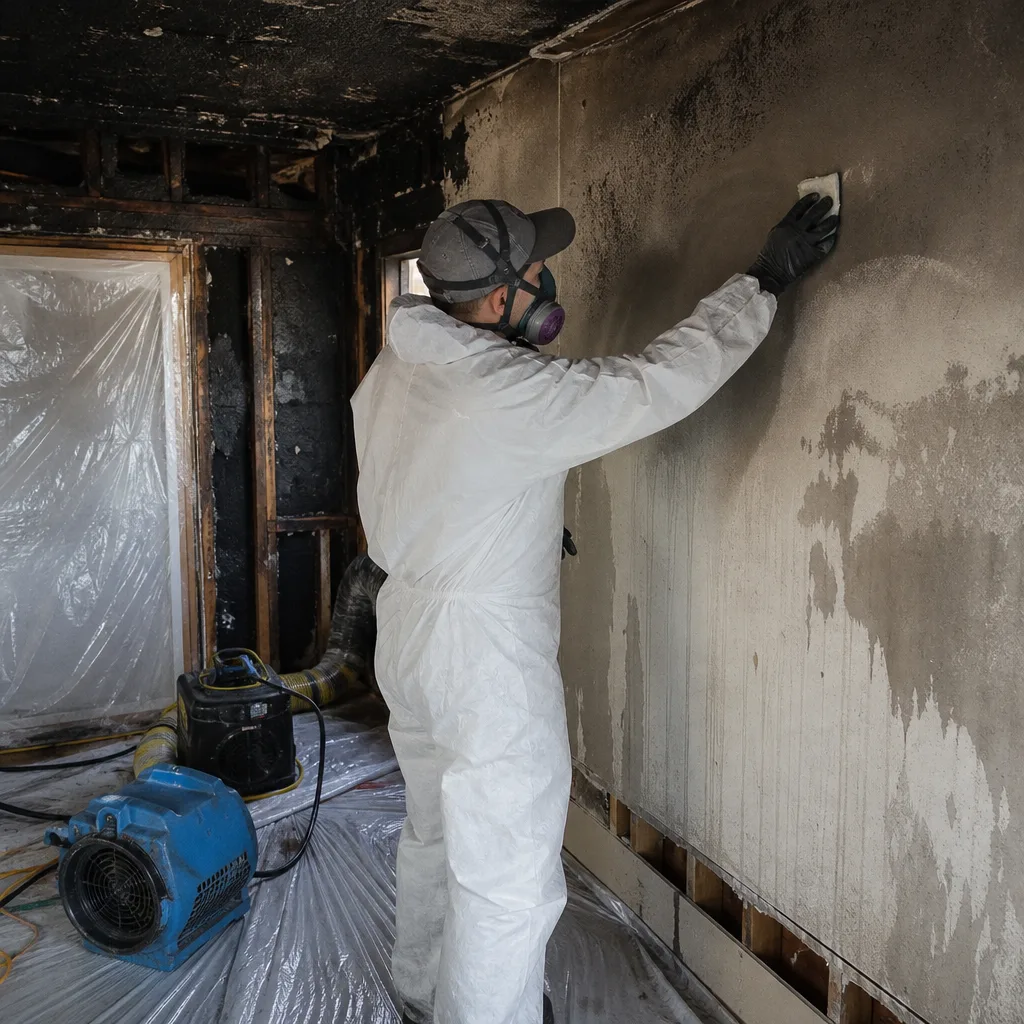
Basement Water Removal
Astoria’s below-grade spaces range from finished rental units to utility and storage areas. We pump, extract, and assess structural materials for salvageability. In flood zones, we also evaluate foundation drainage and recommend permanent mitigation where the loss pattern repeats.
Ceiling & Roof Leak Water Damage
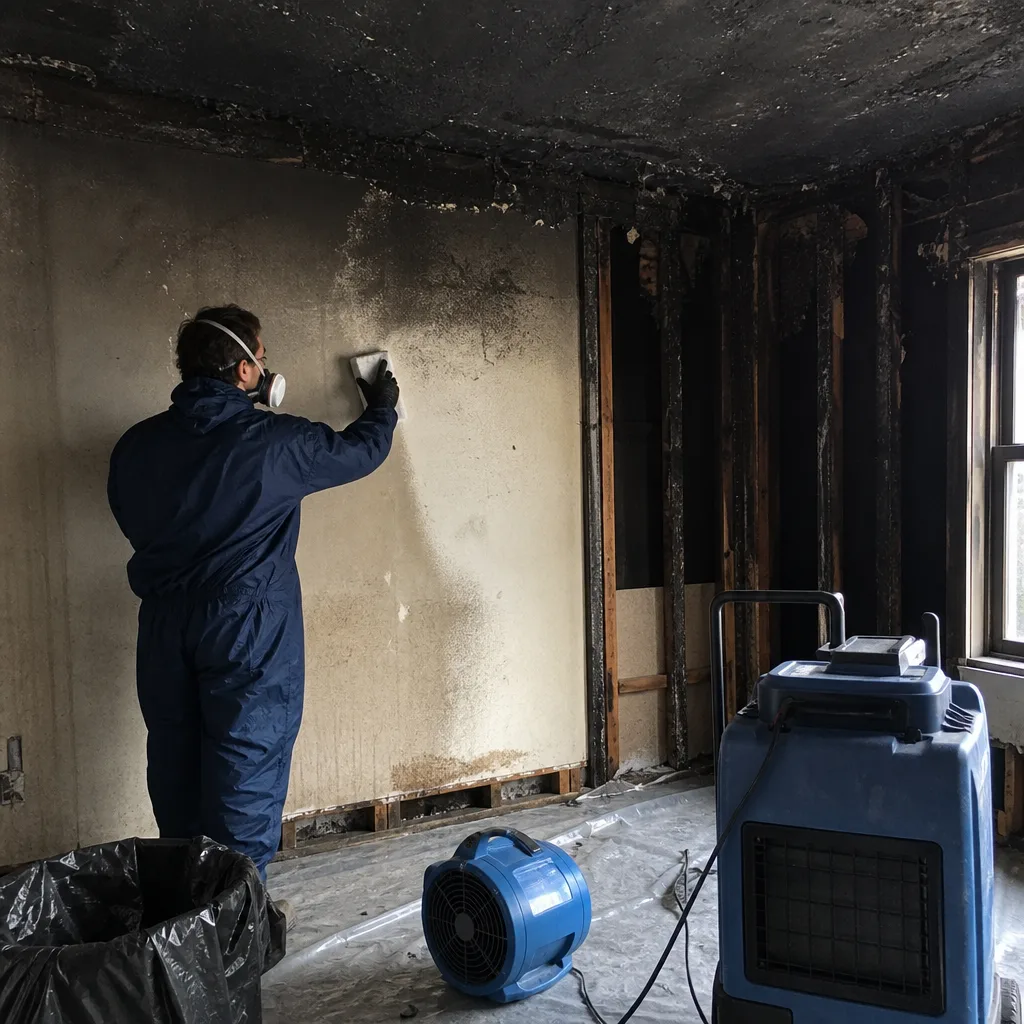
Flat built-up and modified-bitumen membranes on Astoria’s rowhouses fail silently, delivering water behind plaster long before ceiling stains appear. We trace the true source with thermal imaging, remove compromised plaster-on-wire-lath, dry the structural cavity, and restore the finish to match existing surfaces.
What happens when you call
- 1
A real person answersNo phone trees - you reach a local pro.
- 2
You get an upfront price rangeHonest numbers before anyone is dispatched.
- 3
A background-checked tech heads outLicensed & insured, dispatched right away.
- 4
You approve before work beginsNothing starts until you say go.
Water Damage Restoration Costs in Astoria, NY
Water damage restoration in Astoria typically runs $2,800-$6,500 for a standard single-room extraction and drying job in an attached rowhouse, with full restoration of plaster, flooring, and trim at the higher end. Burst pipe scenarios that have crossed party walls into an adjoining unit add $1,500-$3,200 per additional address for separate containment, drying, and documentation.
Category 3 flood cleanup in FEMA-mapped waterfront blocks starts around $4,500 and frequently reaches $12,000-$18,000 when finished basements require full gutting, antimicrobial treatment, and reconstruction. Roof leak remediation involving original plaster-on-wire-lath removal and cavity drying runs $3,200-$7,800 depending on the affected square footage and whether the joist pocket network is involved.
Insurance coverage varies by cause of loss and policy terms. Burst pipes and sudden mechanical failures are typically covered; gradual roof leaks may be disputed; flood damage requires separate flood insurance. We provide a free visual inspection, a written scope, and a firm price before any work begins. Bring a competitor’s written estimate and we’ll review it at no charge.
We Also Serve Cities Near Astoria
Our crews respond throughout western Queens from the same New York City dispatch office. We regularly handle Water Damage Restoration in Astoria and the surrounding communities of Long Island City, Jackson Heights, Maspeth, and Elmhurst, with the same 45-minute response commitment and Haven Standard documentation on every job.
Serving Astoria, NY - Our Local Coverage Area
We’re based in the Astoria area and know this community well. Use the map below to see our service coverage - if you’re nearby, we can almost certainly help.
Astoria Water Damage Restoration Questions, Answered
Why does a water leak in my Astoria rowhouse so often turn into a claim on my neighbor’s building too?
Because your building shares party walls and masonry floor-joist pockets with the attached structure next door, water wicks laterally through these concealed cavities within hours of a burst pipe or roof leak. We routinely arrive scoped for one address and find moisture readings climbing in the adjoining unit. We then produce separate drying logs, photo records, and scopes of work for each carrier the same day. Call (551) 213-5277 for a free inspection if you suspect lateral migration.
Do you treat Hallets Point and Astoria Park basement flooding the same as a burst pipe?
No. Floodwater from storm surge or sewer backup is Category 3, grossly contaminated with pathogens, chemicals, and particulate matter. Drying in place violates IICRC standards and creates health hazards. We remove all porous materials that contacted floodwater, apply EPA-registered antimicrobials, and document contamination levels for your adjuster. Burst pipe water is typically Category 1 or 2 and can often be dried and restored. The protocol and pricing differ significantly. Call (551) 213-5277 and we’ll assess the source on arrival.
How fast can mold start in my Astoria apartment after a ceiling leak?
In Astoria’s pre-war buildings, mold colonization can begin in 24 to 48 hours when moisture readings remain above 16% in wood or 1% in drywall. Original plaster-on-wire-lath assemblies hold moisture longer than modern drywall, extending the colonization window but also hiding active growth behind intact surfaces. We measure with penetrating hygrometers and thermal imaging to find concealed wet areas before mold becomes visible. If you have an active leak, call (551) 213-5277 for same-day moisture mapping.
What does a post-storm water job look like in the attached brick rowhouses here?
We start with the flood zone designation and water category. In FEMA AE and VE blocks, we expect Category 3 water and plan for material removal, not drying. We then map the full moisture footprint, including party walls and adjoining units, because storm surge pressure can force water through masonry joints that wouldn’t leak under normal conditions. Documentation is built for multiple carriers from day one. The scope is written and priced before any demolition begins. Call (551) 213-5277 for emergency response.
Do you need permission from my neighbor if the water crossed the party wall?
Yes, and we handle that coordination. Our crew documents the moisture evidence, presents the findings to the adjoining owner or tenant, and requests access to scope their damage. We produce separate claim files with independent documentation for each legal address. This prevents the neighbor from discovering mold months later and filing a claim against your policy. Early documentation protects both parties. Call (551) 213-5277 and we’ll manage the multi-address coordination.
How quickly can you actually get to my building in Astoria?
Our commitment is 45 minutes from call to arrival anywhere in Astoria, including Ditmars Boulevard, the 30th Avenue corridor, Astoria Park, and Hallets Point. A live person answers at (551) 213-5277, 24 hours a day, and dispatches the nearest crew immediately. During major weather events, we maintain standby rotations and add crews from our broader New York City operation.
Will my insurance cover the full restoration, or just the emergency work?
Coverage depends on your policy language and the cause of loss. Sudden and accidental damage, burst pipes, is typically covered for both mitigation and restoration. Gradual leaks and maintenance issues are often disputed. Flood damage requires a separate flood policy. We document everything from arrival to support your coverage position, coordinate directly with your adjuster, and provide the line-item scope they need to approve payment. Call (551) 213-5277 for a free inspection and we’ll review your situation.
What should I do in the first 30 minutes after discovering water damage?
Shut off the water source if you can locate and safely operate the main valve. Do not enter standing water if electrical outlets or equipment are submerged. Remove small valuables and documents from the affected area. Then call (551) 213-5277. Do not start DIY demolition, especially in pre-war plaster buildings where asbestos and lead may be present. Our crew will assess, document, and give you a written scope before any work begins.
On a block off 31st Drive near Astoria Park, we responded to a burst galvanized supply line in a 1930s attached brick rowhouse and found moisture readings climbing inside the shared party wall of the adjoining two-family next door. We set up containment, ran air movers and dehumidification through both addresses, and pulled wet plaster-on-wire-lath to dry the concealed joist pockets before any secondary mold could take hold. Because the neighbor’s unit sat under a separate policy, we logged a drying log and scope of work for each carrier the same day.
Every job we run in Astoria is documented this way: photo records, moisture logs, written scopes, and separate files when multiple addresses are involved. The 365-Day Done Right Promise backs all restoration work under The Haven Standard. If it’s not done right, we make it right.
Call (551) 213-5277 for a free visual inspection and written estimate. Estimates are free. Second opinions on any competitor’s written estimate are free. And every price is delivered in writing before any work begins. Haven Standard, Clause 1.
Written by Alicia Brennan, Owner at DryMark Restoration Upper East Side, serving Astoria since 2011 under The Haven Standard.
Water Damage Restoration in Nearby Areas