
Free visual inspection and a written scope of work before any mitigation begins - photos, moisture readings, and drying logs go in your claim file
The scope we write is the scope we bill. Anything new gets shown to you, in writing, before we touch it.
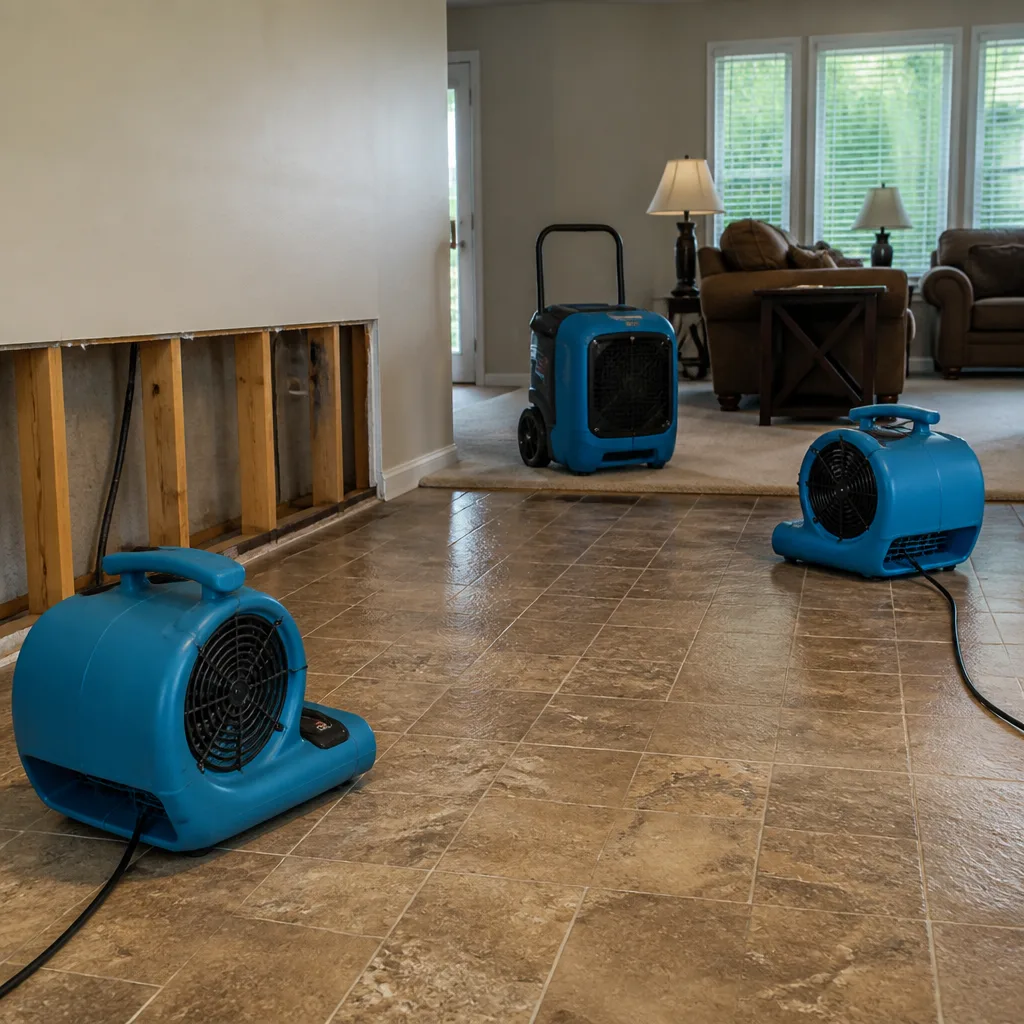

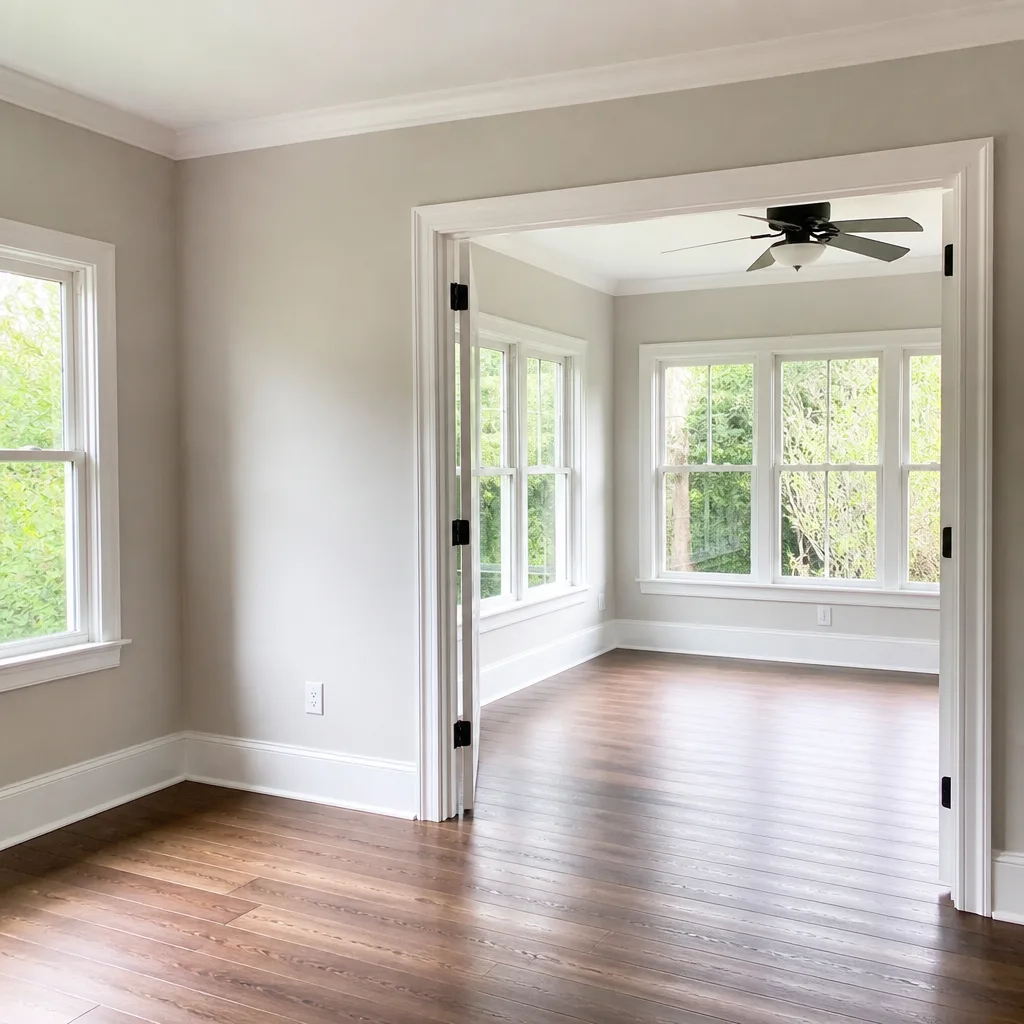
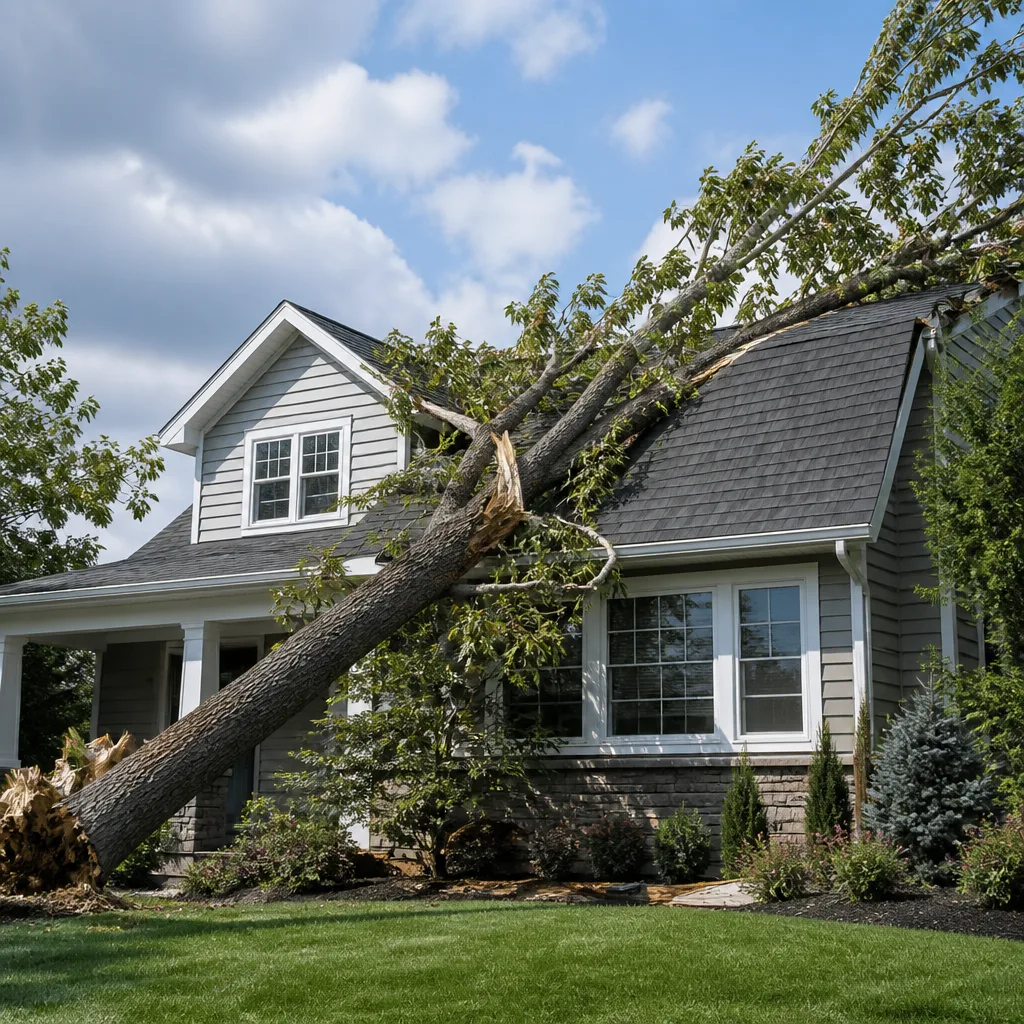
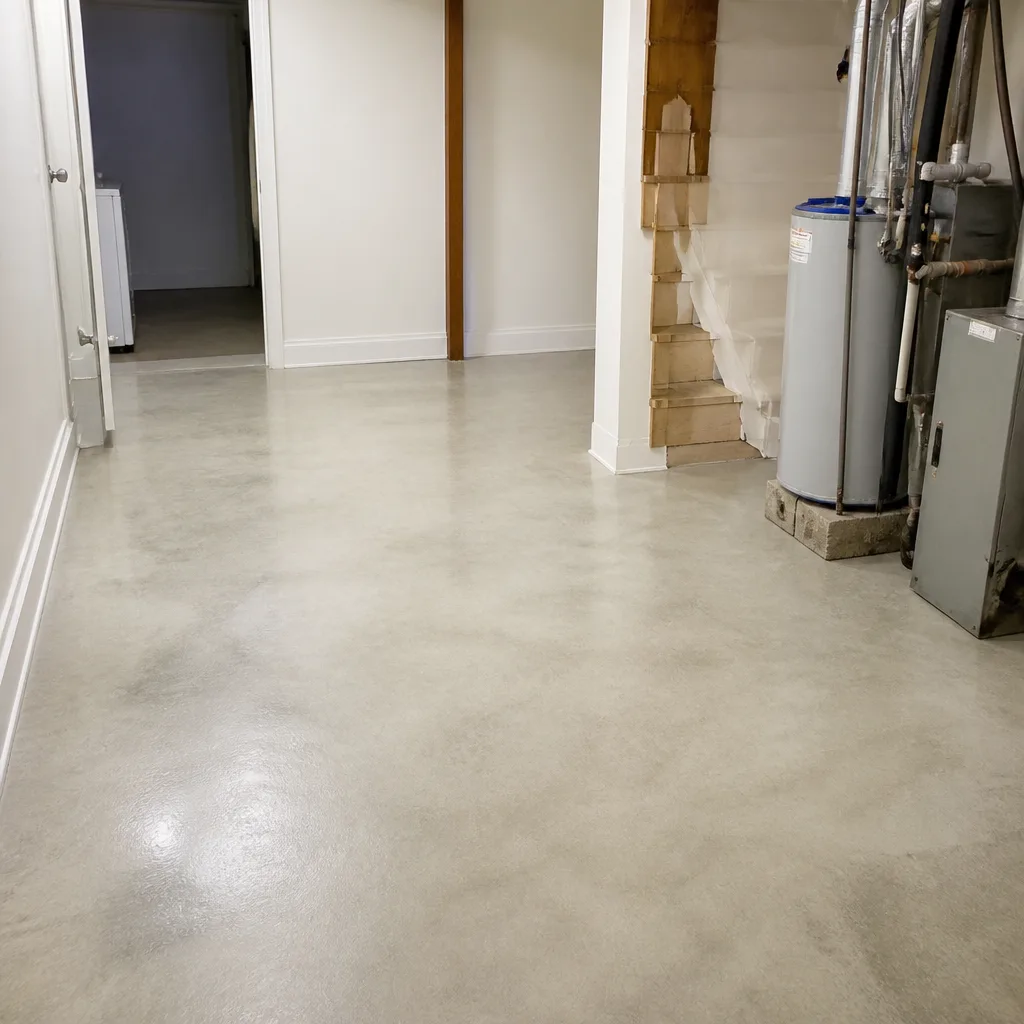
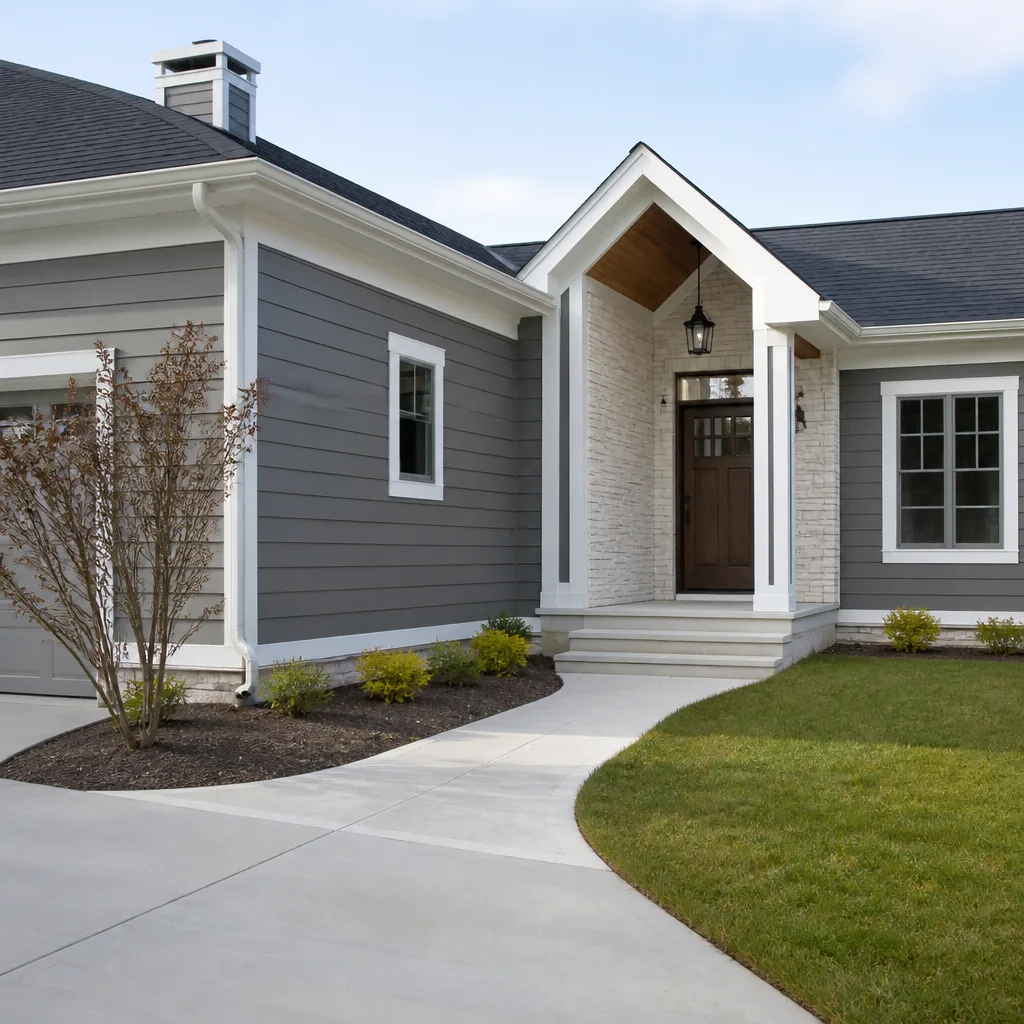
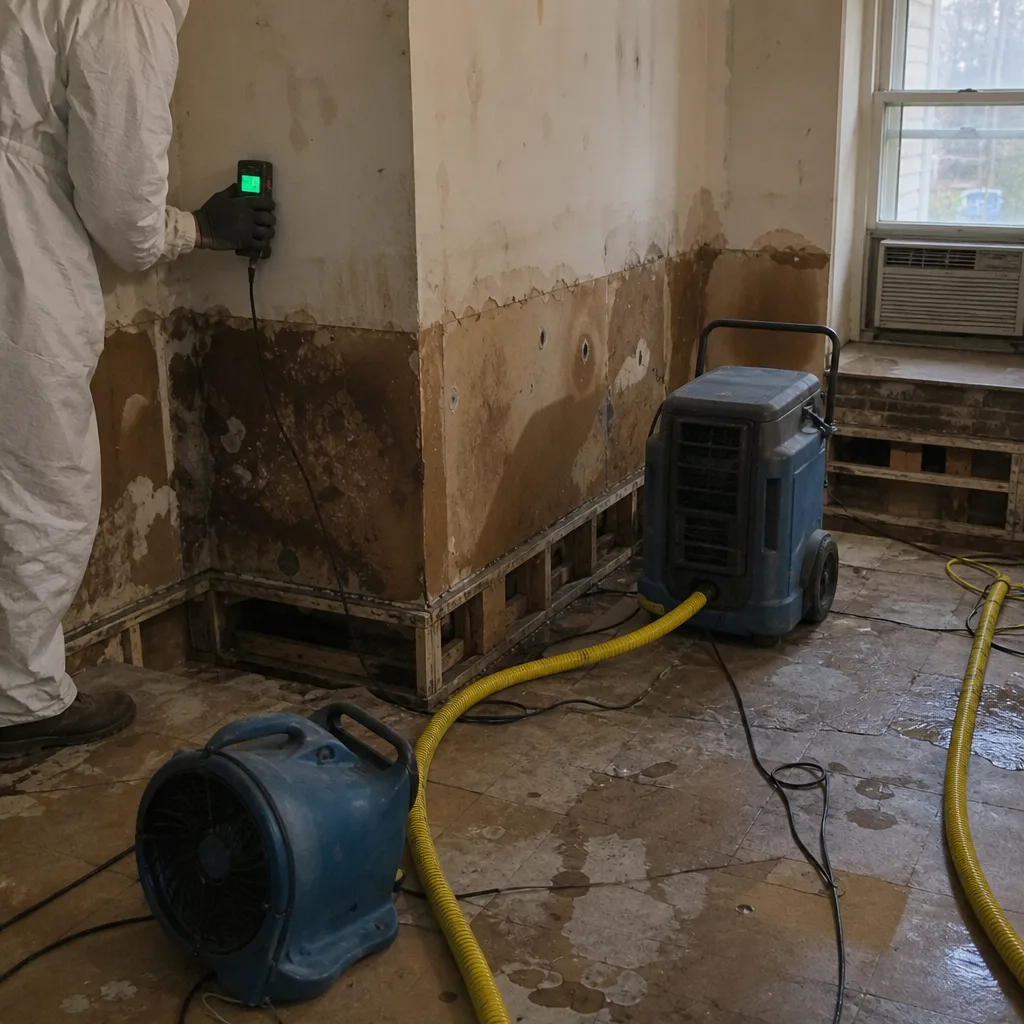 Before
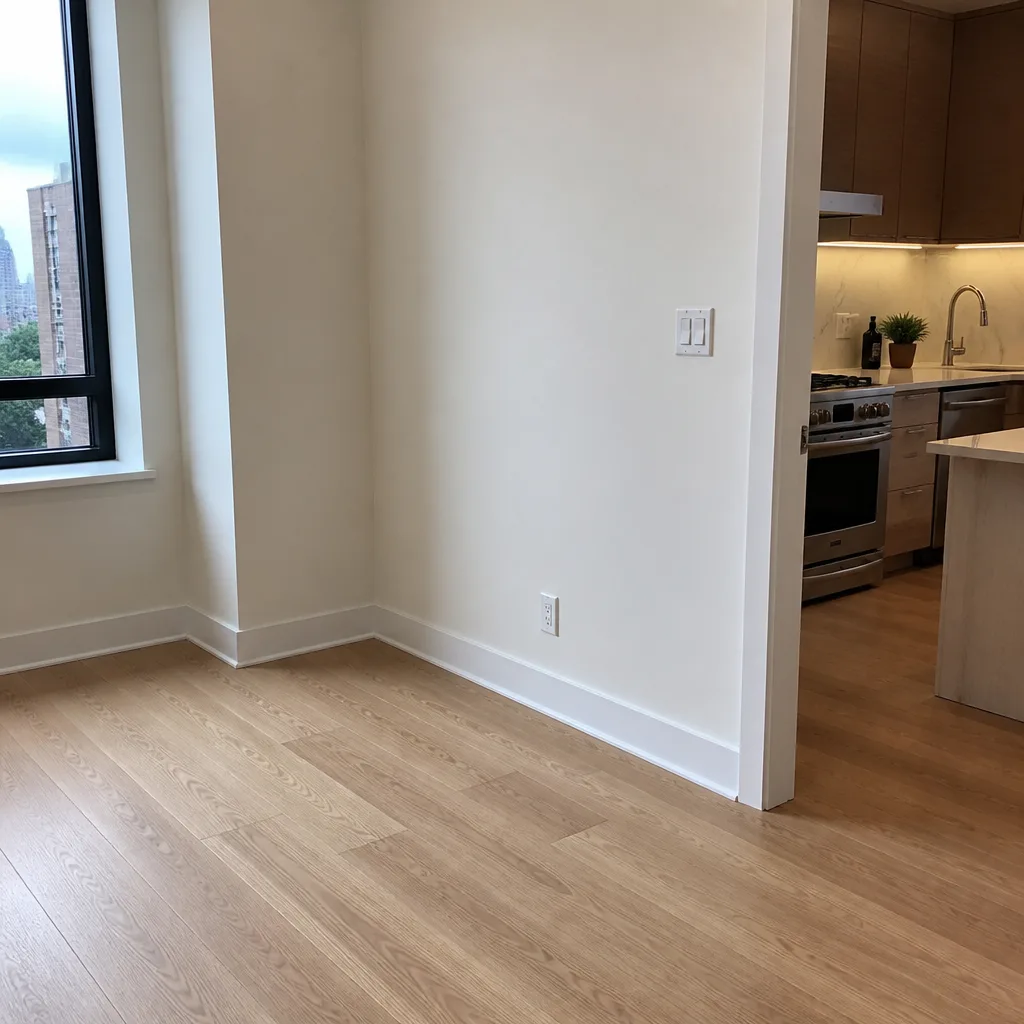 After
After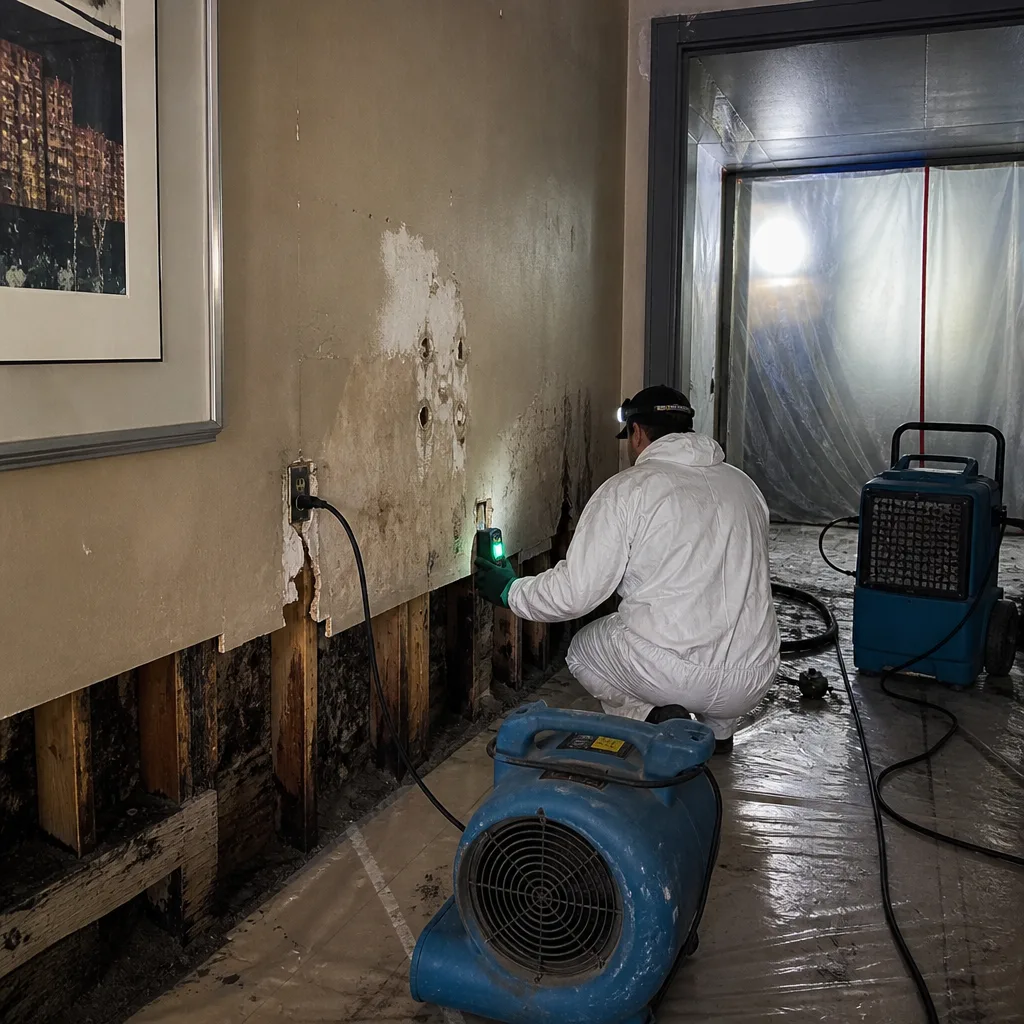 Before
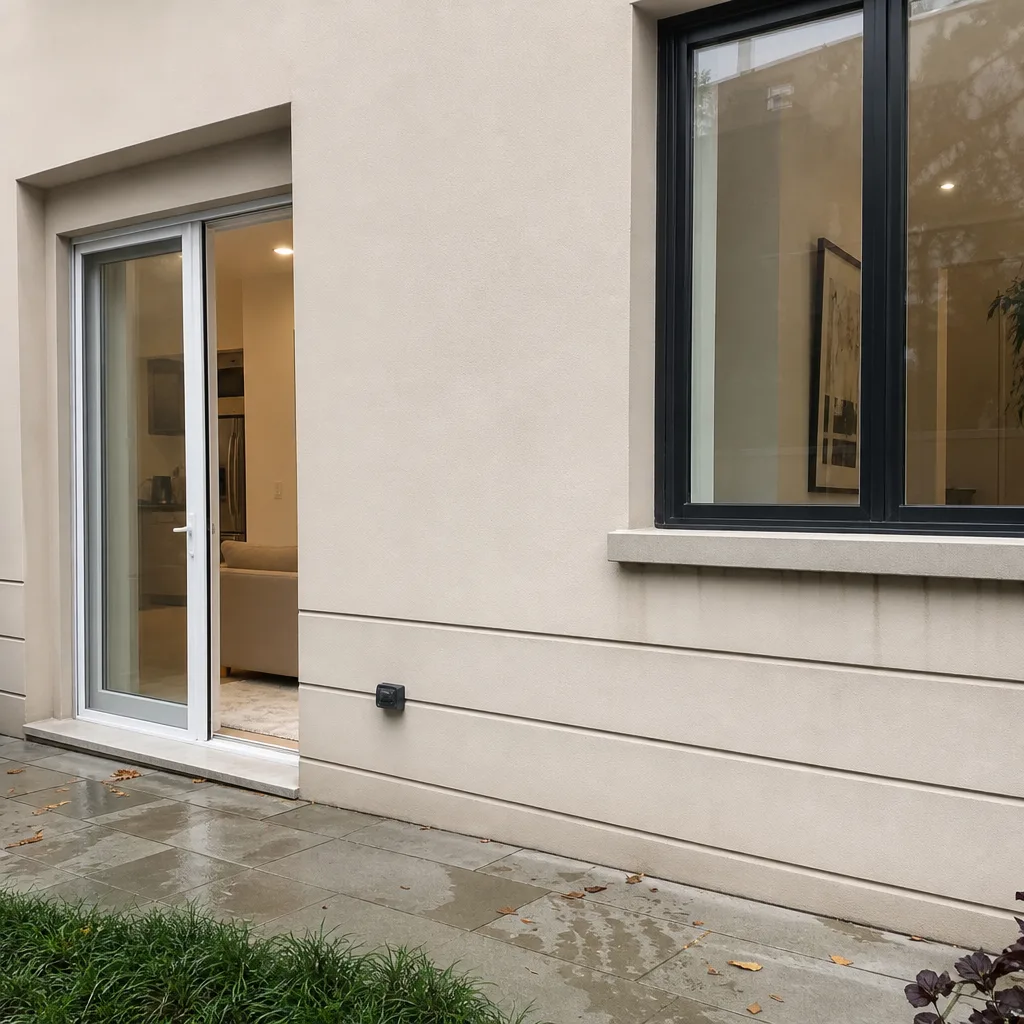 After
After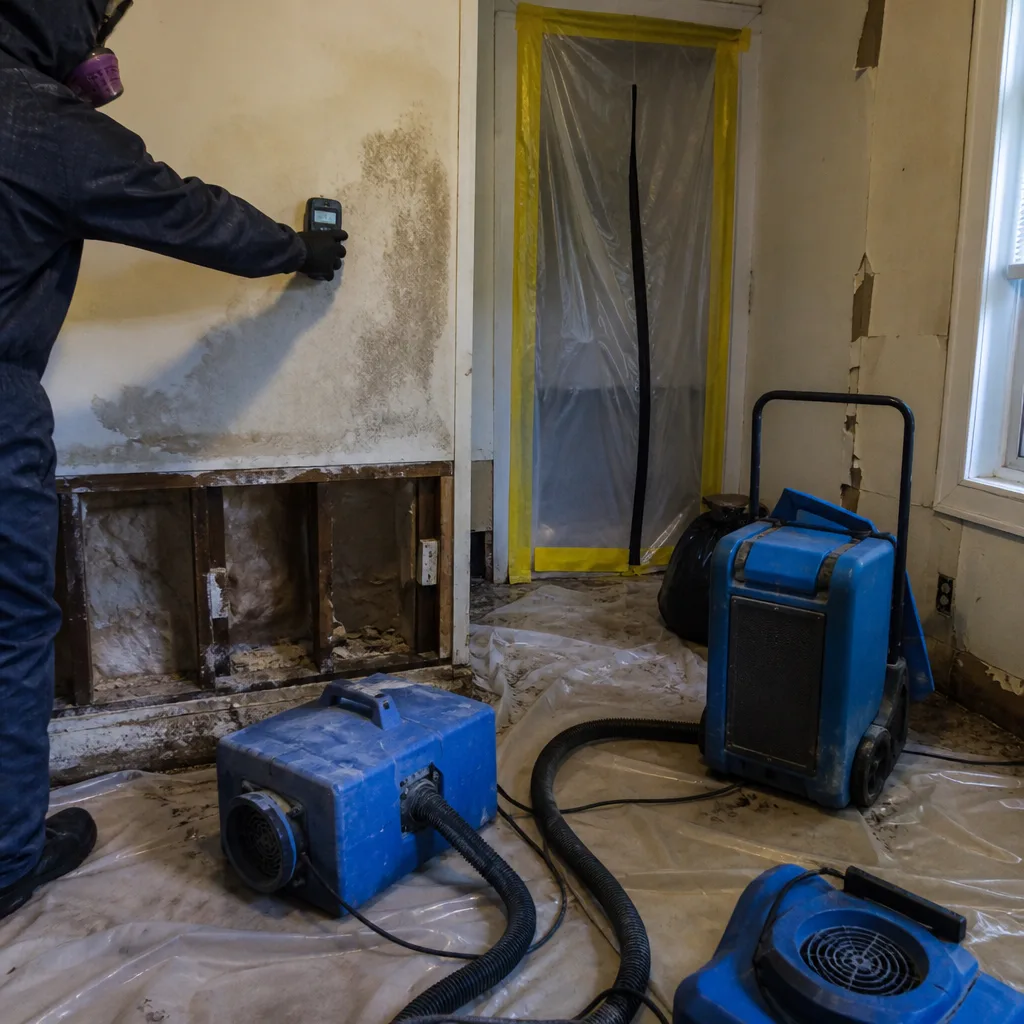 Before
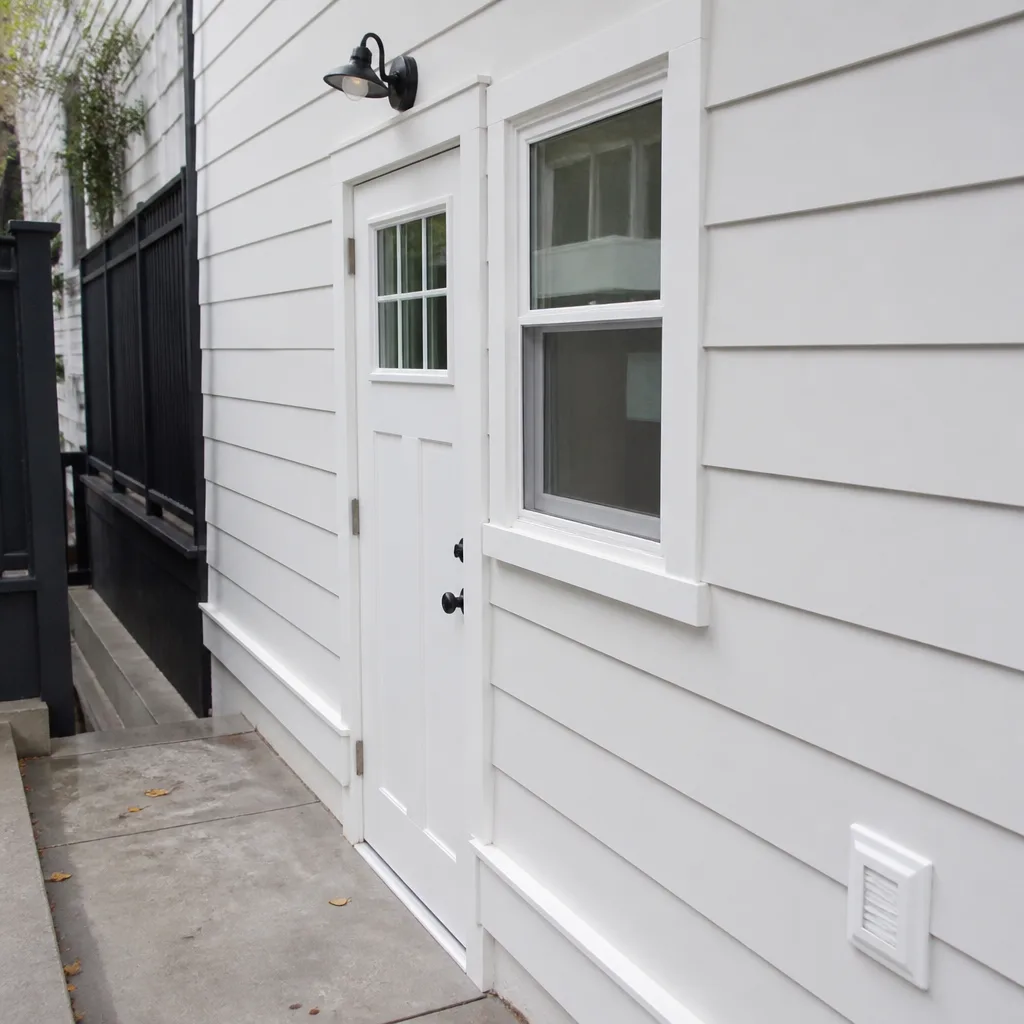 After
After24/7 Emergency Water Damage Restoration in Maspeth
Water damage restoration in Maspeth typically costs $2,800-$6,500 for a standard residential job, with emergency extraction starting at $450 and full structural drying running $1,200-$3,200 depending on affected square footage. Most Maspeth properties we see need 3-5 days of active drying, though basement floods near Newtown Creek can stretch longer when environmental sampling is required. Call (551) 213-5277 now and a live person will answer, 24 hours a day, with crews dispatched from our New York City office to Maspeth inside 45 minutes. The first hour matters because water moves horizontally through plaster and lath, up through subflooring, and into wall cavities faster than most homeowners realize. A free visual inspection gives you a written scope and price before any equipment runs.
Understanding Water Damage Restoration Severity in Maspeth Properties
Water damage falls into three categories that determine everything from crew PPE to disposal requirements. Category 1 is clean water from a broken supply line or overflowing sink. Category 2 carries significant contamination from washing machines, dishwashers, or sump pump failures. Category 3 is black water: sewage backups, ground surface flooding, or any water that has passed through soil or waste systems.
Maspeth’s housing stock tilts the severity scale. The attached and semi-detached brick row homes built from the 1920s through the 1950s have full basements with aging cast-iron drain stacks and galvanized supply lines that corrode from the inside out. When these fail, the water is rarely Category 1. Combined sewer overflows during storms push Category 3 contamination through floor drains on 58th Road, 56th Terrace, and throughout the low-lying blocks near Newtown Creek. Our crews map moisture with thermal imaging and hygrometers, then classify every affected material by permeability: gypsum board is highly permeable and often unsalvageable after Category 2 or 3 exposure; plaster is less permeable but slower to dry, requiring extended vapor pressure differential monitoring.
Why Maspeth Property Owners Choose DryMark Restoration Upper East Side
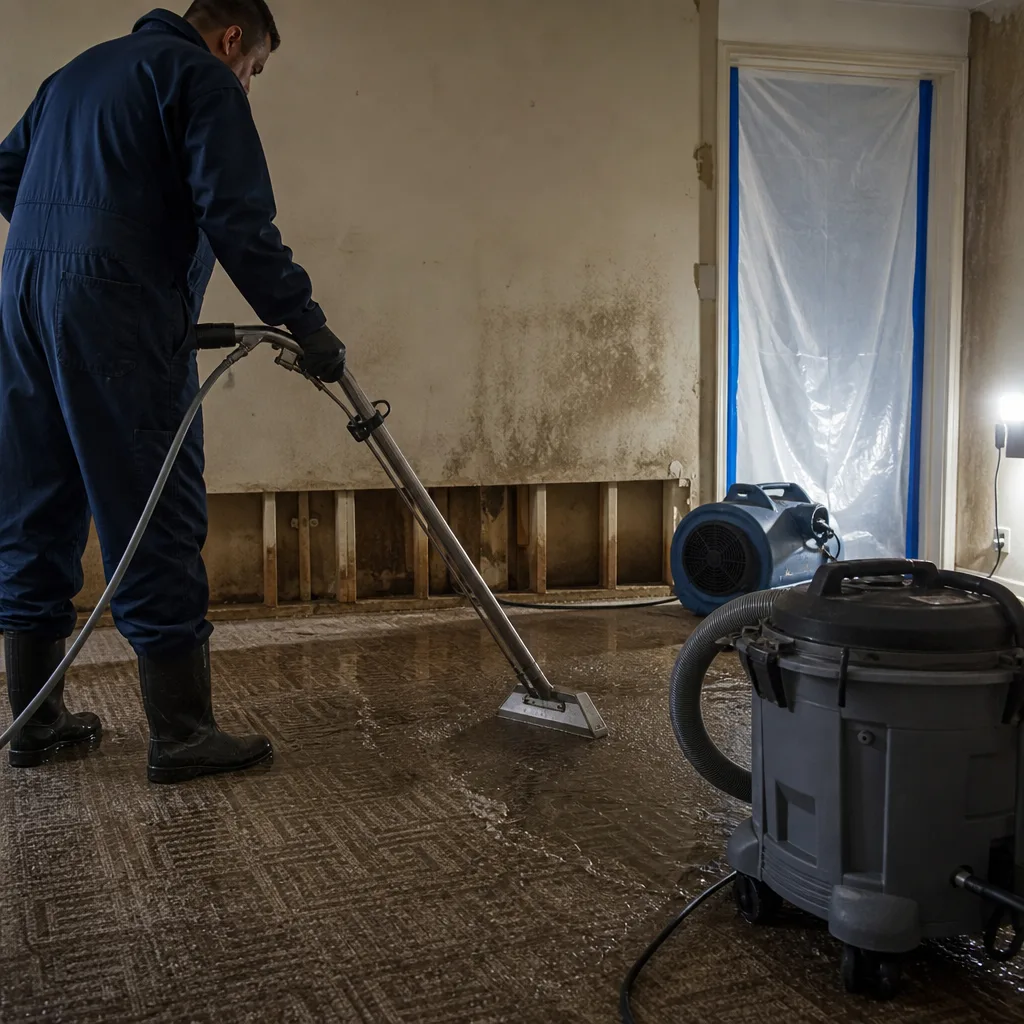
- 45-minute response commitment to Maspeth from dispatch, because water doesn’t wait for business hours.
- 24/7 live answer by a real person, never an automated system or voicemail tree, on every emergency line.
- IICRC-certified crews holding WRT (Water Damage Restoration Technician) and ASD (Applied Structural Drying) certifications, with AMRT (Applied Microbial Remediation Technician) on staff for contamination jobs.
- Free visual inspection with a written price before any work begins, every time, Haven Standard, Clause 1.
- Direct insurance billing with photo-documented drying logs that adjusters recognize and pay without dispute.
- One team from extraction through reconstruction, so no handoff gaps in your documentation or warranty chain.
BeforeAfterOur Water Damage Restoration Process
1. Inspection & Assessment
We arrive with moisture meters, thermal imaging cameras, and hygrometers to map the full extent of migration, not just what you can see. In Maspeth’s older row homes, we pay particular attention to plaster-and-lath wall cavities and the gaps where cast-iron stacks pass through floors. Every reading is logged with a timestamp and location.
2. Extraction & Stabilization
Standing water comes out first with truck-mounted or portable extractors, depending on basement access and headroom. We document water origin, category classification, and any odor flags before moving to drying. If we catch petroleum odors or discolored groundwater near the Newtown Creek corridor, we halt and establish containment pending environmental sampling.
3. Drying & Dehumidification
We deploy air movers, LGR dehumidifiers from Dri-Eaz and Phoenix, and Injectidry cavity-drying systems to establish controlled airflow and vapor pressure differential. Daily moisture logs track specific humidity, temperature, and grain depression until materials return to pre-loss equilibrium moisture content.
4. Cleaning & Sanitization
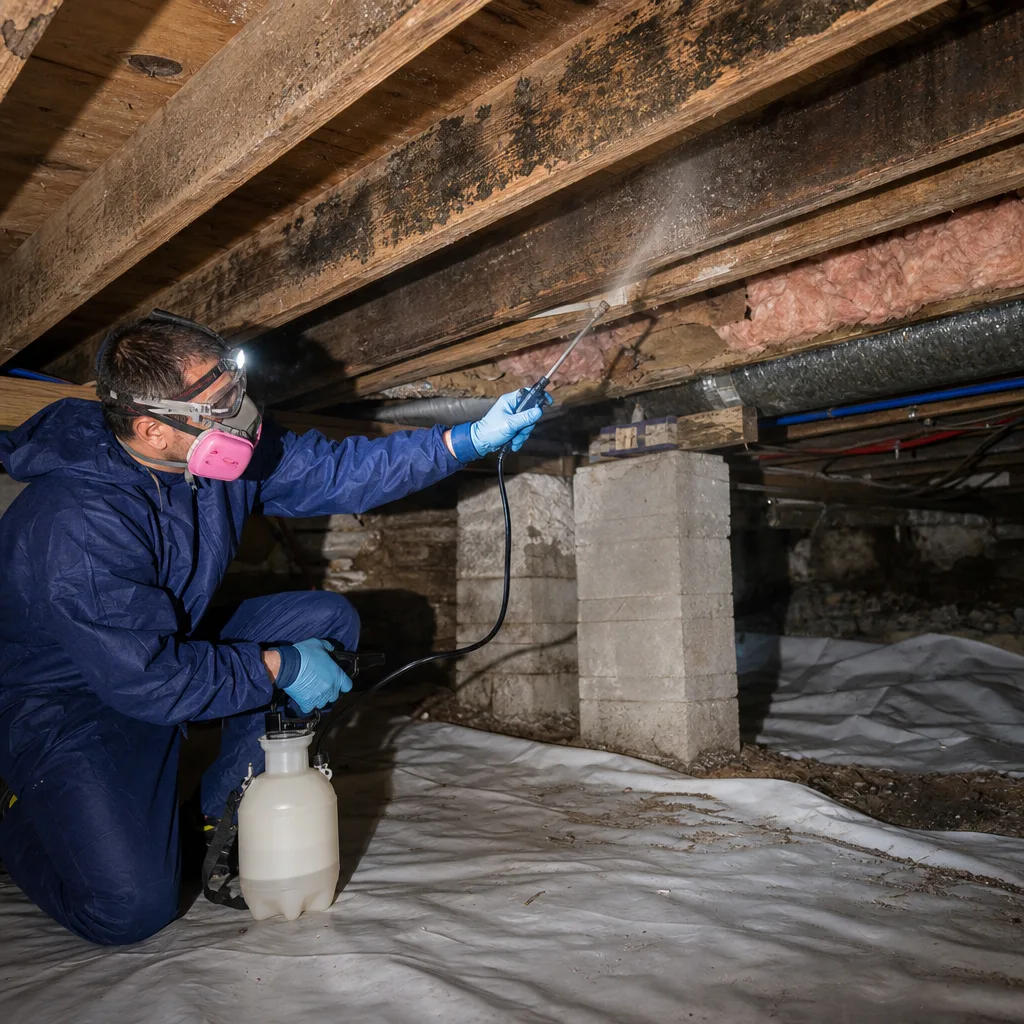
Antimicrobial treatment follows IICRC S520 and S500 protocols, with product selection matched to contamination category and material sensitivity. We HEPA-vacuum all surfaces before application to remove particulate load that can shield biological growth.
5. Contamination-Aware Protocols
For Maspeth properties near Grand Avenue fuel depots or the Newtown Creek corridor, we coordinate third-party environmental sampling when petroleum indicators appear. No structural drying proceeds until lab clearance confirms hydrocarbon levels below actionable thresholds. This step doesn’t exist for Forest Hills jobs.
6. Repairs & Restoration
Once dry and cleared, we rebuild with a written scope, line-item pricing, and photo documentation at every phase. The 365-Day Done Right Promise under The Haven Standard covers all workmanship. Your adjuster receives the complete file.
Need Emergency Water Damage Restoration in Maspeth Now?
Crews minutes away, answering live 24 hours a day. The sooner we start, the less it costs.
Working With Your Insurance Company
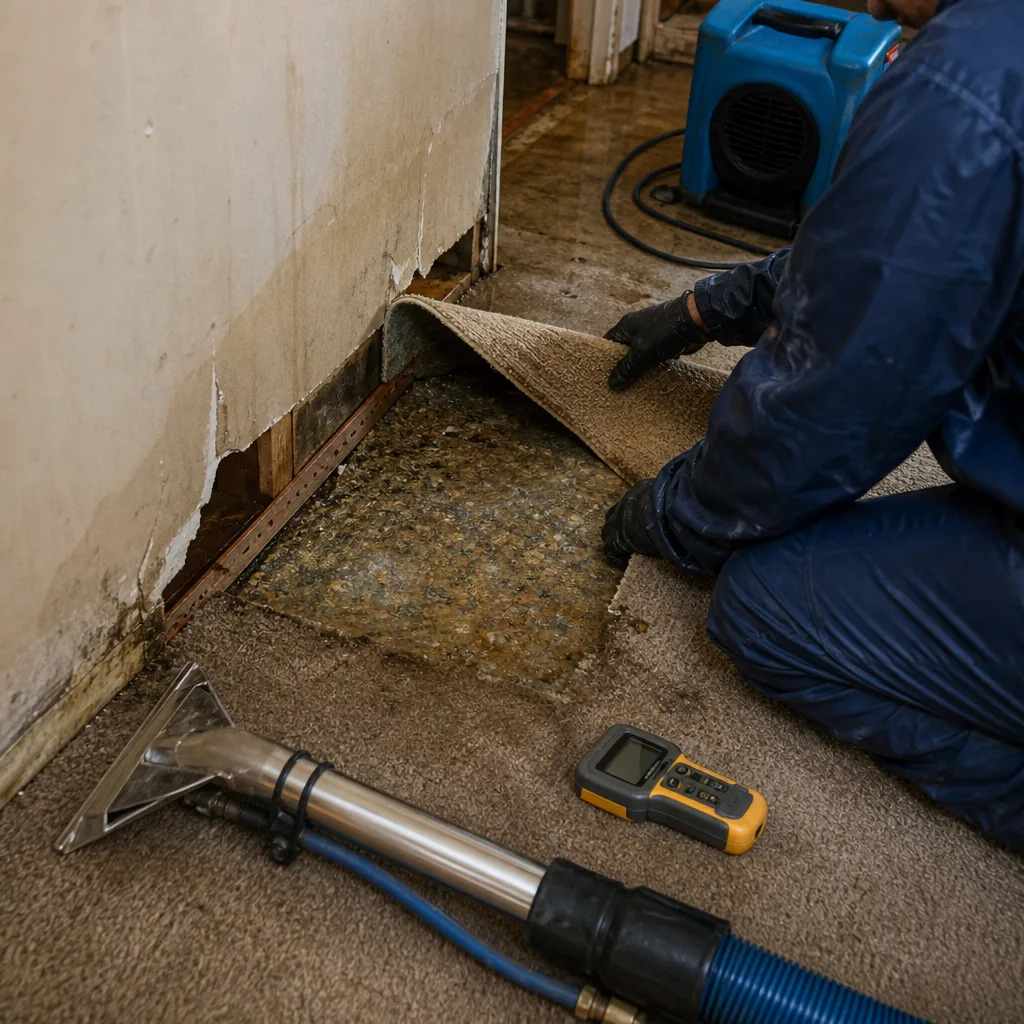
Insurance claims succeed or fail on documentation. We start building your file from the first phone call: water origin, category classification, affected square footage, material types, and moisture readings at multiple depths. Our estimates follow Xactimate or Symbility industry standards, and we communicate directly with your adjuster rather than handing you a bill to explain.
The photo record is standard, never an upsell. Every visit generates dated images of each room, equipment placement, and progressive drying. Daily moisture logs with psychrometric data show that drying was achieved, not just attempted. This is the documentation gap that costs homeowners their claims, and it’s why Alicia Brennan built Back to Dry around evidence first.
What We Provide Your Insurer
- Thorough documentation of the loss
- Photos of all damage, room by room
- Moisture readings and drying logs
- A detailed, line-item scope of work
- Direct coordination with your carrier
Built for Maspeth’s Loss Calendar
January brings deep freezes that split galvanized supply lines in unheated crawl spaces and exterior walls of 1920s row homes. The thaw that follows reveals burst pipes we couldn’t reach fast enough. March and April see basement seepage as snowmelt meets saturated ground near Newtown Creek’s low-lying tributaries.
Summer thunderstorms hit hard. Maspeth’s combined sewer infrastructure, shared with much of western Queens, overflows during intense precipitation, pushing Category 3 black water through floor drains on streets like 48th Street and 65th Place. Nor’easters in fall and winter compound the problem with storm surge and wind-driven rain through aging mortar joints in brick facades.
The Grand Avenue and Laurel Hill Boulevard industrial corridor adds a layer few contractors anticipate. Post-flood assessments in nearby residential basements sometimes turn up petroleum odors and discolored groundwater infiltration from the dense cluster of fuel depots and tanker truck yards. A standard drying protocol would miss this entirely. We don’t.
Water Damage Restoration Across Maspeth’s Neighborhoods
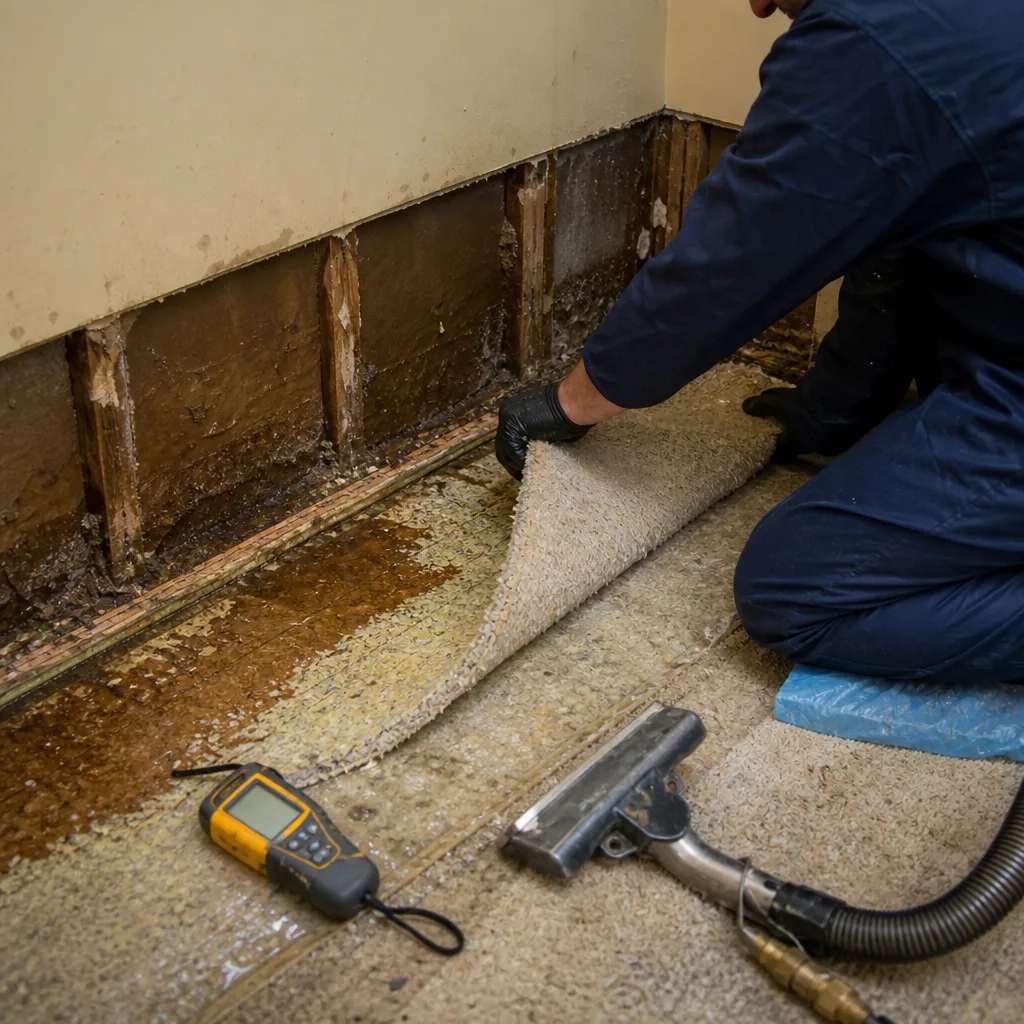
Near the intersection of Grand Avenue and Maspeth Avenue, the industrial-residential patchwork means we might extract water from a 1930s row home on one call and a mid-century warehouse conversion on the next. The moisture mapping, containment, and drying logs are completely different for each assembly type. We re-scope every time.
The blocks north of the Long Island Expressway, toward 58th Road and 56th Terrace, sit closest to the Newtown Creek Superfund corridor. Here, every basement backup gets screened for petroleum indicators before antimicrobial treatment or structural drying begins. The delay frustrates homeowners who want action, but skipping this step can legally contaminate an entire structure.
South of Metropolitan Avenue, the residential density increases with more intact blocks of 1940s and 1950s attached brick homes. These basements flood from combined sewer overflows during storms, but the contamination profile is typically standard Category 3 without hydrocarbon complications. Drying timelines here run more predictably.
Along Fresh Pond Road’s eastern edge, properties blend into the broader Queens grid with mixed housing ages. We see more supply-line bursts in winter and fewer basement backups overall, though the 1920s stock still carries the same cast-iron and galvanized risks.
Specialized Water Damage Restoration Services We Offer in Maspeth
Emergency Water Extraction
Standing water comes out within hours of your call, using truck-mounted extractors for volume and portable units for tight basement access in Maspeth’s older row homes. We document water depth, category, and origin before any equipment moves. A typical extraction runs $450-$1,100 in Maspeth.
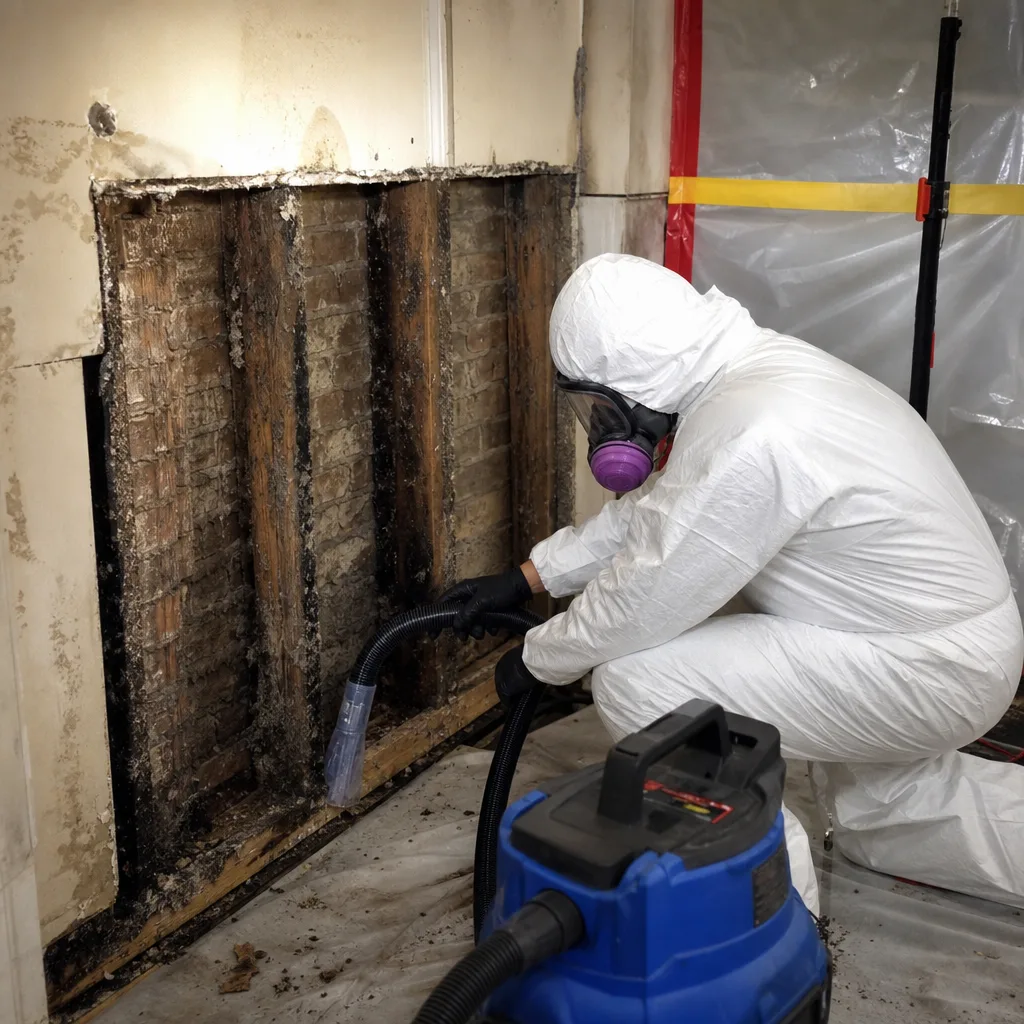
Structural Drying & Dehumidification
We establish drying chambers with LGR dehumidifiers, axial and centrifugal air movers, and Injectidry systems for wall cavities and hardwood flooring. Psychrometric data is logged daily: specific humidity, temperature, dew point, and grain depression. Most Maspeth residential jobs need 3-5 days; plaster-and-lath construction adds time. Budget $1,200-$3,200.
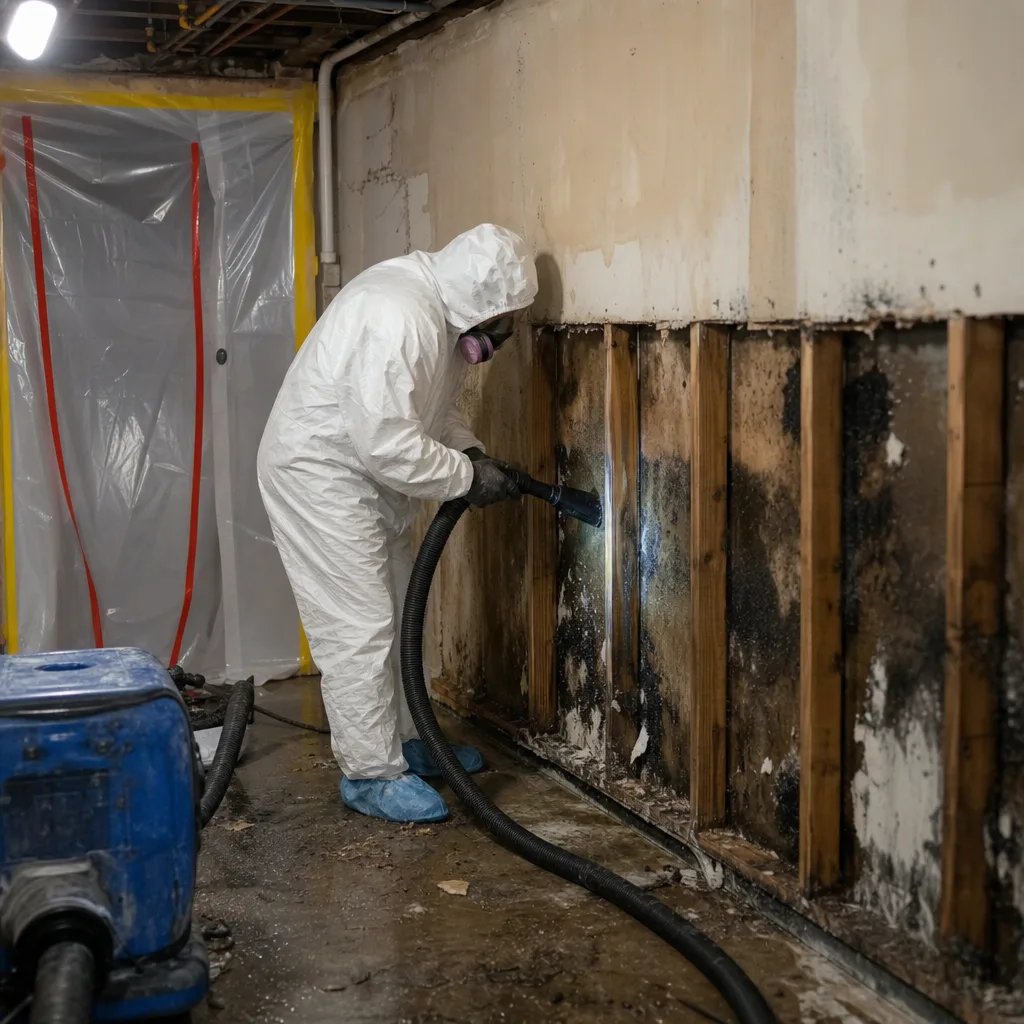
Flood Cleanup
Surface flooding from storms, creek overflow, or infrastructure failure brings Category 3 contamination and requires full PPE, antimicrobial treatment, and porous material removal. In Maspeth’s Superfund-adjacent zones, we add environmental screening for petroleum indicators. Flood cleanup typically runs $3,500-$7,500.
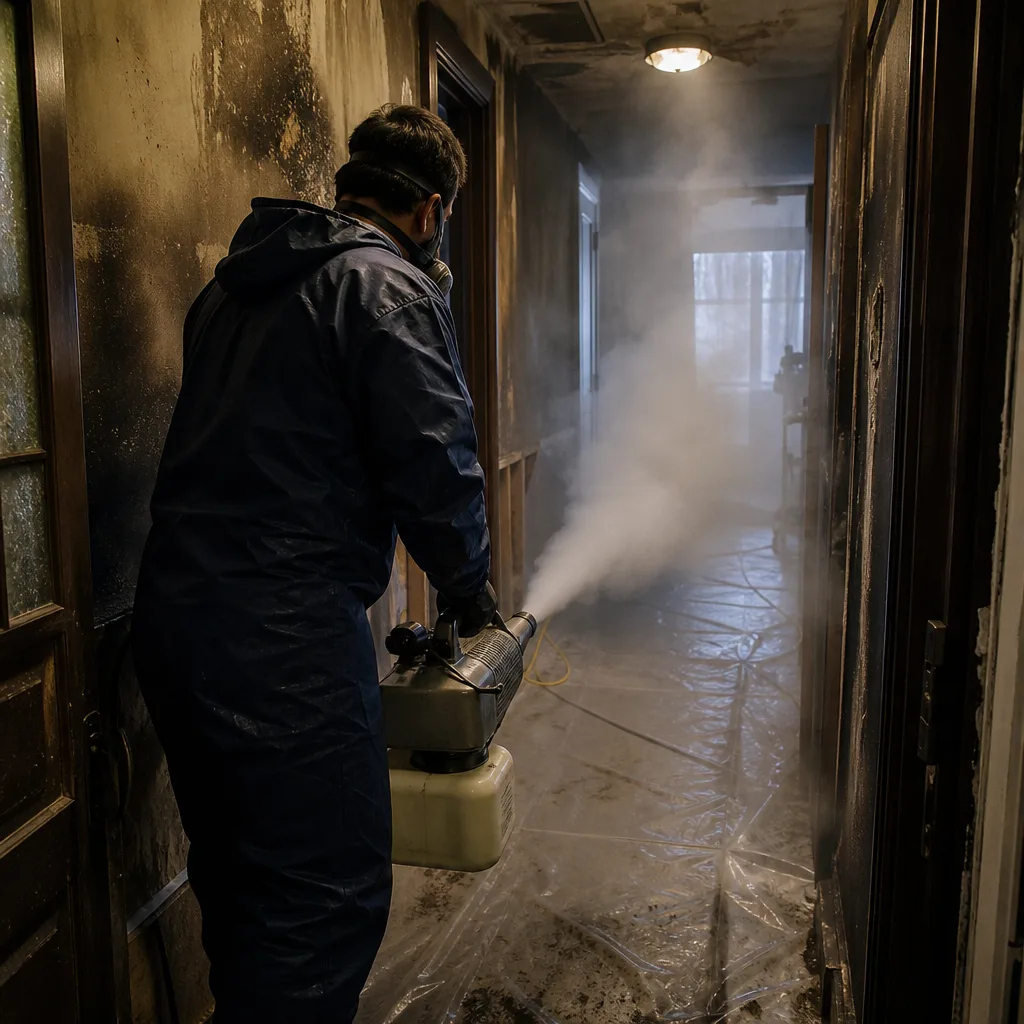
Burst Pipe Restoration
Galvanized and cast-iron supply and drain lines in Maspeth’s 1920s-1950s housing stock fail from internal corrosion, often at joints or where pipes pass through structural members. We extract, dry, and document the water damage, then coordinate with licensed plumbers for line replacement. Scope ranges from $2,200-$5,800 depending on affected area.
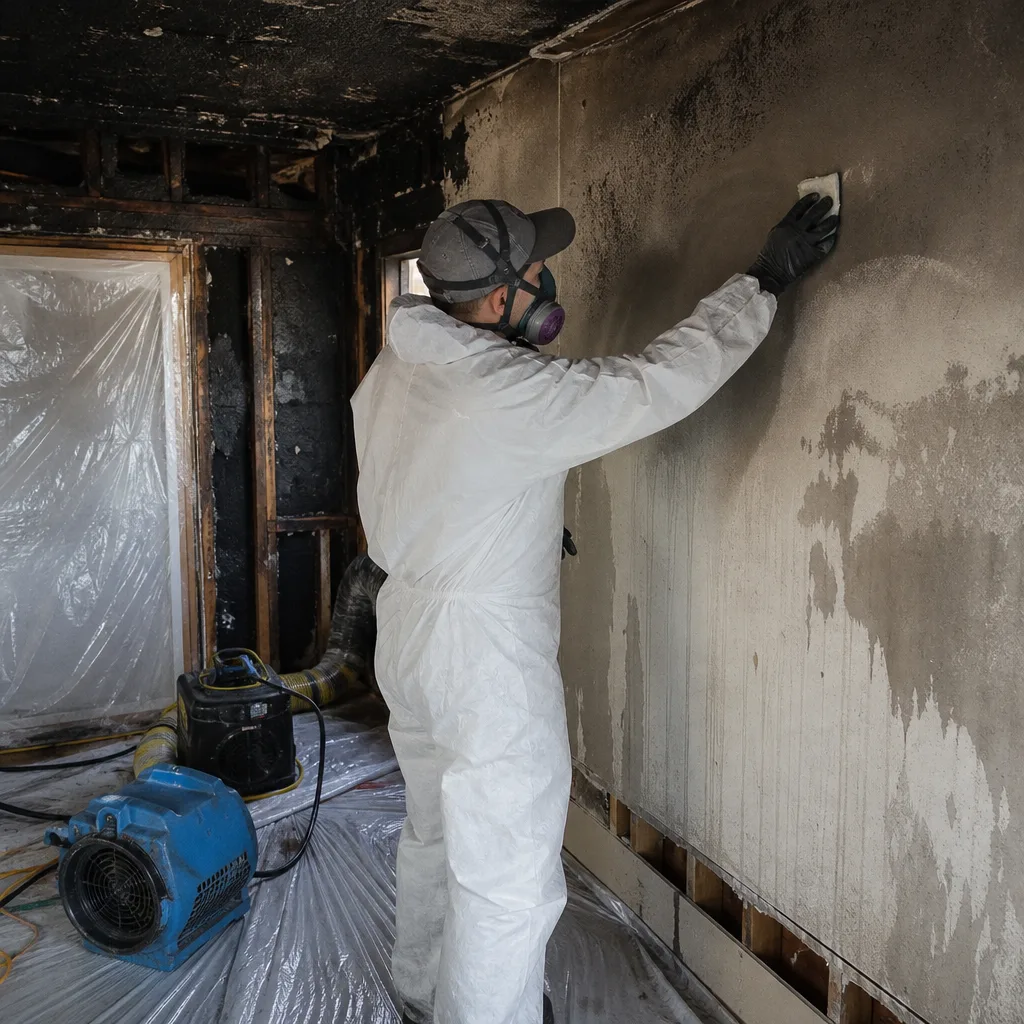
Basement Water Removal
Maspeth basements flood more than any other space: low-lying terrain, combined sewers, and aging drainage infrastructure. We pump, extract, and map moisture in concrete slabs, block walls, and any finished materials. Petroleum odor screening applies near Newtown Creek. Typical basement jobs run $2,800-$6,500.
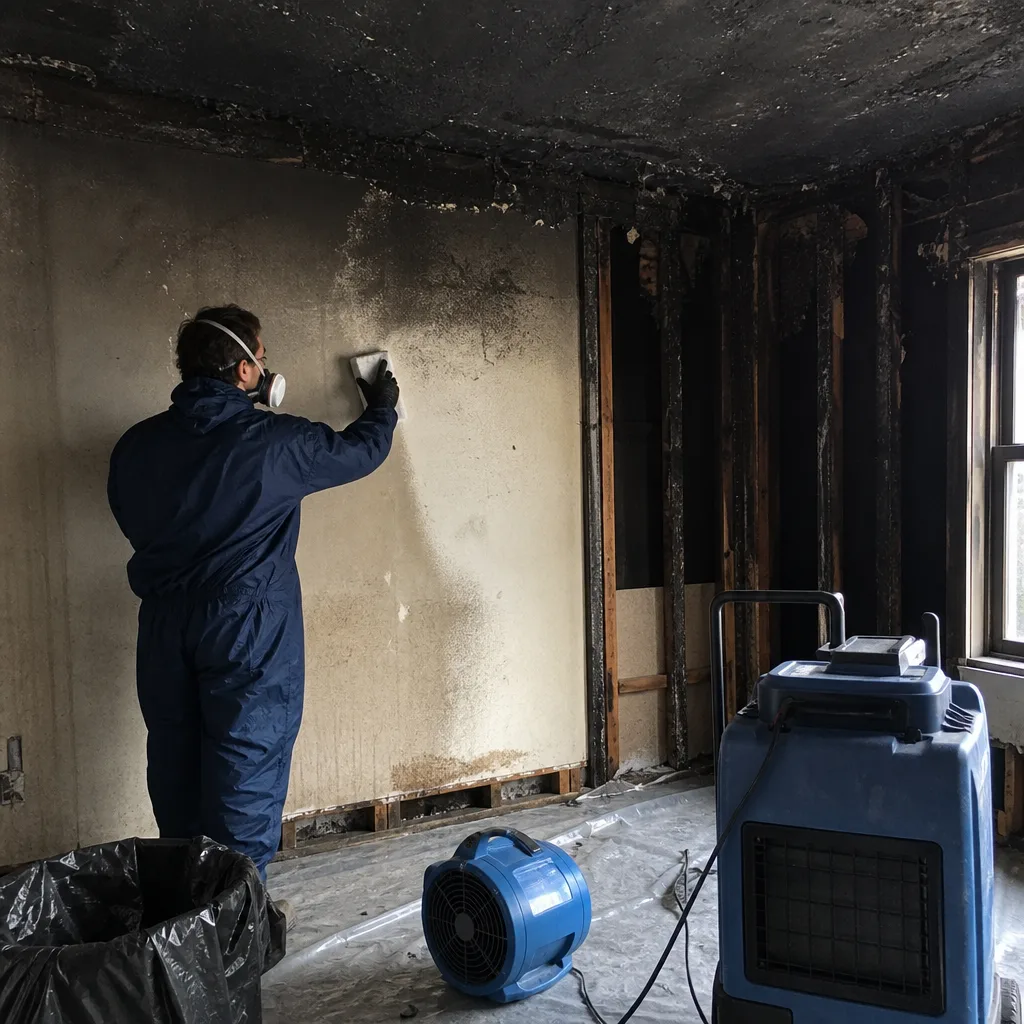
What happens when you call
- 1
A real person answersNo phone trees - you reach a local pro.
- 2
You get an upfront price rangeHonest numbers before anyone is dispatched.
- 3
A background-checked tech heads outLicensed & insured, dispatched right away.
- 4
You approve before work beginsNothing starts until you say go.
Water Damage Restoration Costs in Maspeth, NY
Emergency water extraction in Maspeth starts at $450 for contained incidents and runs to $1,100 for full-basement flooding. Structural drying with professional dehumidification and air movement typically adds $1,200-$3,200. Full flood cleanup with Category 3 contamination, material removal, and sanitization ranges $3,500-$7,500. Rebuild and restoration costs depend on finish materials and are scoped separately in writing.
What moves the price: affected square footage, contamination category, material permeability, and whether environmental sampling pauses the drying timeline. Insurance typically covers sudden and accidental water damage from burst pipes or storm intrusion; gradual leaks and maintenance-related failures often fall to the homeowner. We provide a written price before work begins, every time, Haven Standard, Clause 1. Bring a competitor’s written estimate and we’ll review it free.
We Also Serve Cities Near Maspeth
Our crews respond throughout western Queens and northern Brooklyn, including Maspeth‘s neighbors: Elmhurst to the southeast with its own combined-sewer challenges, Jackson Heights to the east with pre-war cooperative buildings, Long Island City to the west with high-rise water losses requiring specialized vertical extraction, and Astoria to the north with similar industrial-residential flooding patterns along the creek corridor.
Serving Maspeth, NY - Our Local Coverage Area
We’re based in the Maspeth area and know this community well. Use the map below to see our service coverage - if you’re nearby, we can almost certainly help.
Maspeth Water Damage Restoration Questions, Answered
My Maspeth basement flooded and I smell petroleum - is that just because I’m near the Grand Avenue fuel depots?
Petroleum odors in floodwater near Grand Avenue or the Newtown Creek corridor are not normal and should never be treated as standard Category 3 sewage. The Greenpoint petroleum plume and local fuel-storage facilities mean hydrocarbon-laden groundwater can migrate into residential basements during flood events. We halt standard drying, establish containment, and arrange environmental sampling before any dehumidifiers or antimicrobial treatment proceeds. Call (551) 213-5277 and we’ll screen it immediately.
Why do Maspeth water damage jobs sometimes take longer than a typical residential drying job?
Environmental sampling near the Newtown Creek Superfund corridor can add 24-72 hours to the timeline while labs process hydrocarbon screening. Plaster-and-lath construction in 1920s-1950s row homes also dries slower than modern drywall, requiring extended vapor pressure differential monitoring. We don’t shortcut either step. The 365-Day Done Right Promise means we stay until moisture readings confirm equilibrium, not just until equipment rental periods end.
Do the old cast-iron drains and galvanized pipes in Maspeth row homes complicate water damage restoration?
Yes. Cast-iron drain stacks crack under stress from high-pressure extraction or aggressive air mover placement. Galvanized supply lines corrode internally and weep at joints, creating secondary leaks during drying. Our crews map pipe locations before equipment placement and use lower-pressure extraction methods where aging infrastructure demands it. The written scope notes these material conditions so your adjuster understands why our approach differs from a standard protocol.
Can mold start growing in my Maspeth basement before the restoration crew arrives?
Mold colonization begins in 24-48 hours on wet organic materials like drywall, wood framing, and paper-faced insulation. Maspeth’s humid summer baseline accelerates this timeline. If you can’t get professional drying started within that window, remove standing water with a wet/dry vacuum and increase ventilation with fans, but do not disturb visible mold colonies. Call (551) 213-5277 for same-day dispatch and documented antimicrobial treatment.
What’s the difference between Category 1, 2, and 3 water in a Maspeth flood cleanup?
Category 1 is clean water from a broken supply line or sink overflow. Category 2 contains significant contamination from appliances, sump pumps, or aquariums. Category 3 is grossly contaminated: sewage backups, ground flooding, or any water that has passed through soil or waste systems. In Maspeth, most basement floods from combined sewer overflows are Category 3. Near Newtown Creek, Category 3 water may also carry petroleum contaminants, triggering additional environmental protocols. The category determines PPE, disposal requirements, and which materials must be removed rather than dried in place.
How fast can your crew actually get to Maspeth?
We dispatch from our New York City office with a 45-minute response commitment to Maspeth. Live phone coverage is available 24 hours a day, 7 days a week with no voicemail trees. The crew arrives with extraction equipment, moisture mapping tools, and containment materials. Call (551) 213-5277 and a real person answers.
Will my insurance cover water damage restoration in Maspeth?
Sudden and accidental damage from burst pipes, storm intrusion, or appliance failures is typically covered under standard homeowners policies. Gradual leaks, maintenance neglect, and flood damage from rising surface water usually require separate flood insurance. We document everything from hour one, produce industry-standard estimates, and coordinate directly with your adjuster. Our photo records and drying logs are built to turn restoration invoices into payable claims.
What should I do in the first 30 minutes after discovering water damage?
Stop the water source if you can do so safely. Turn off electricity to affected areas at the breaker if water has reached outlets or switches. Remove small valuables and documents from wet areas. Then call (551) 213-5277. Do not enter flooded basements with standing water until power is confirmed off. Do not use household vacuums on wet surfaces. The sooner we start extraction, the less square footage we have to dry, and the lower your final scope.
Written by Alicia Brennan, Owner at DryMark Restoration Upper East Side, serving Maspeth and the greater New York City area since 2011.
Water Damage Restoration in Nearby Areas