
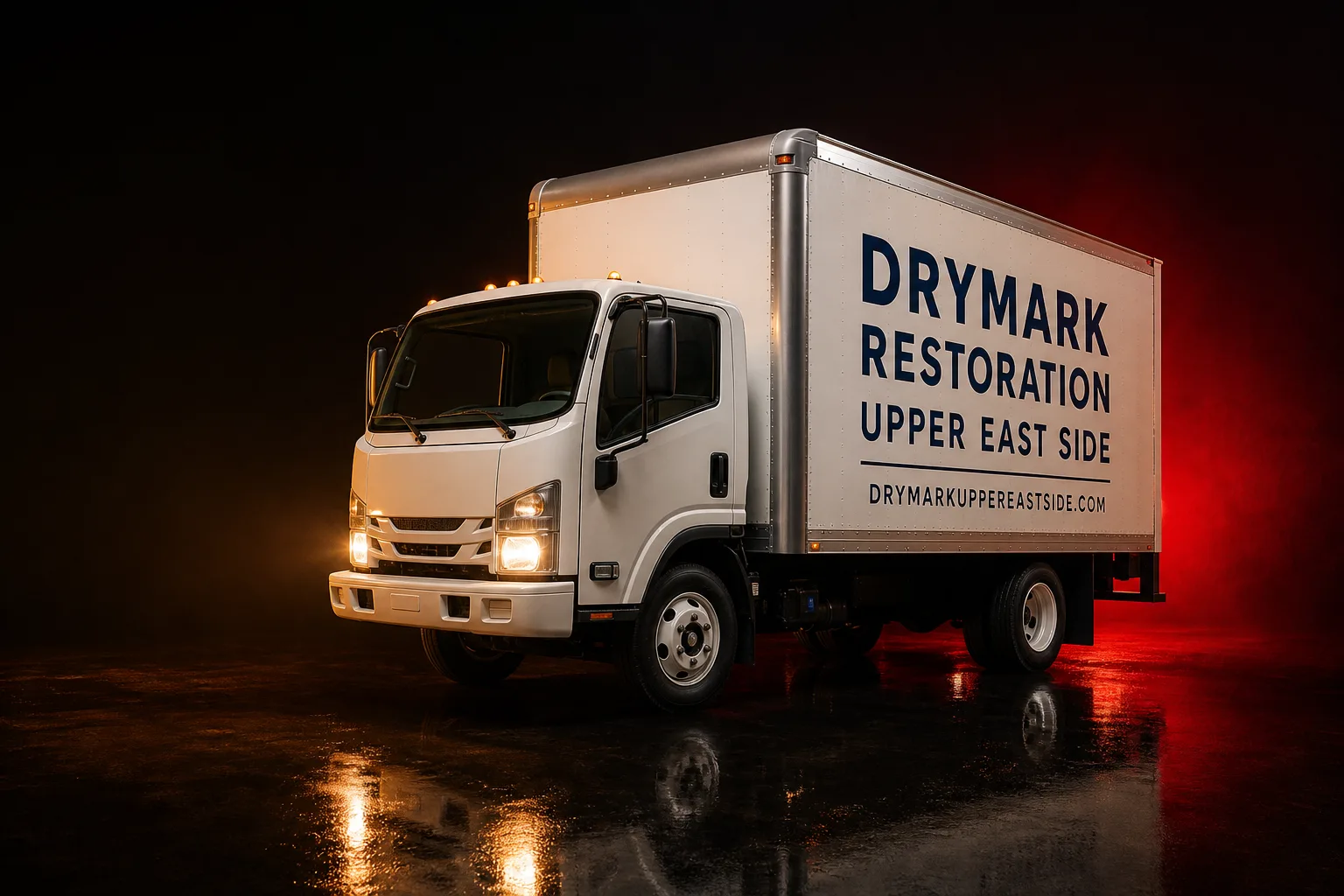
Free visual inspection and a written scope of work before any mitigation begins - photos, moisture readings, and drying logs go in your claim file
The scope we write is the scope we bill. Anything new gets shown to you, in writing, before we touch it.
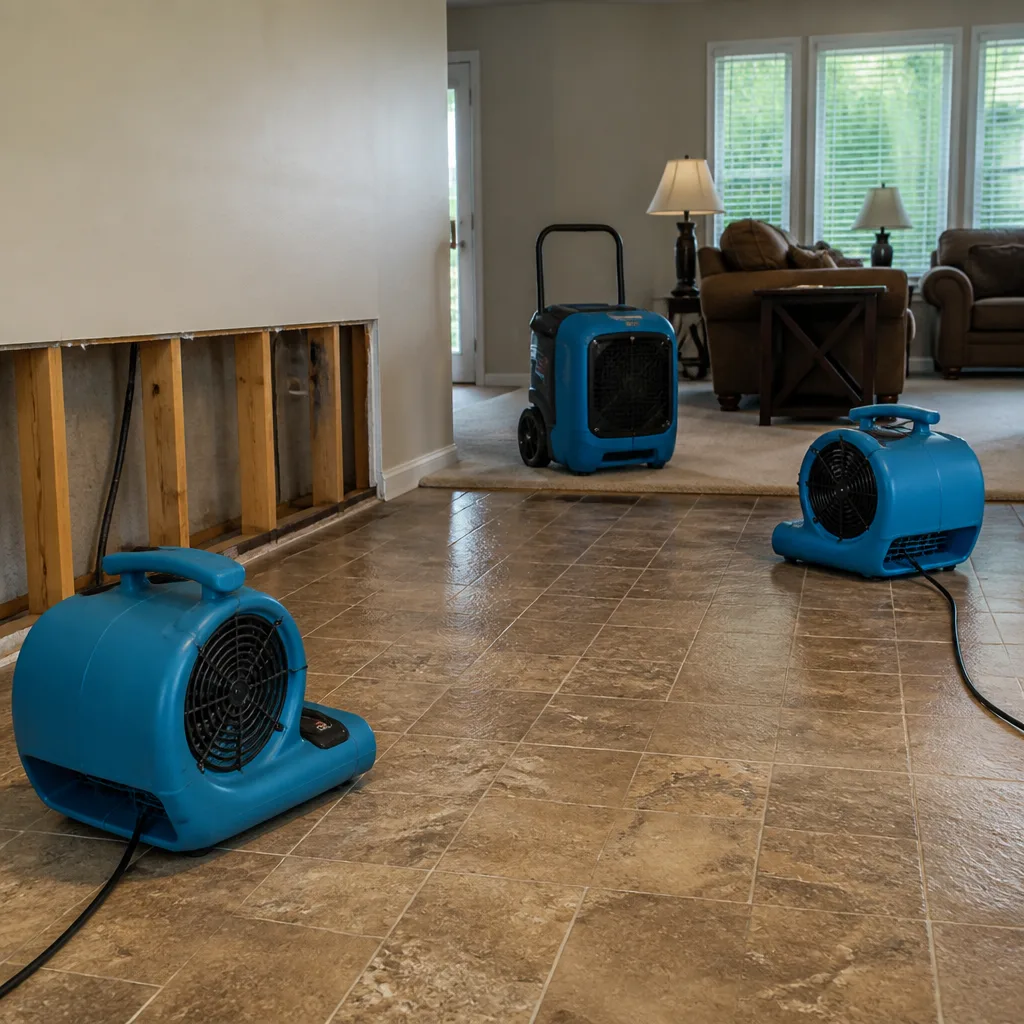

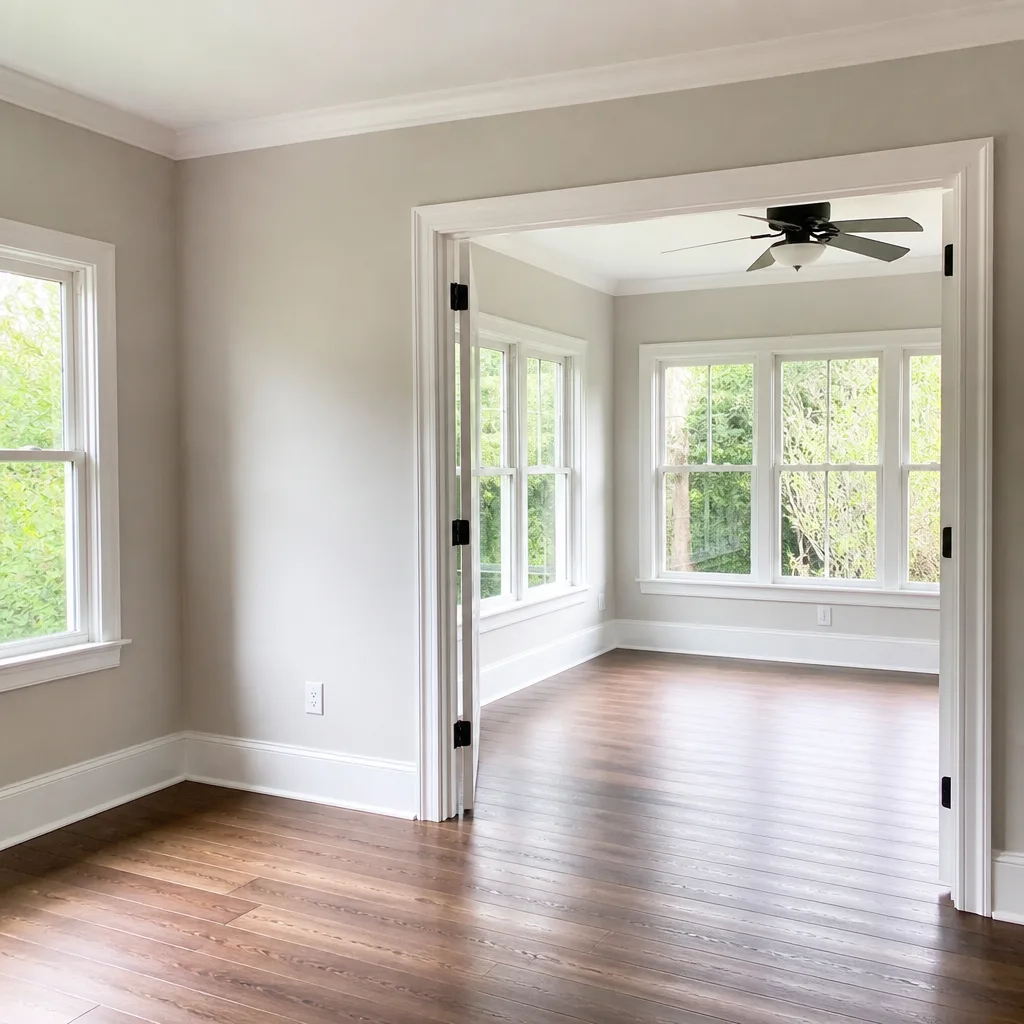
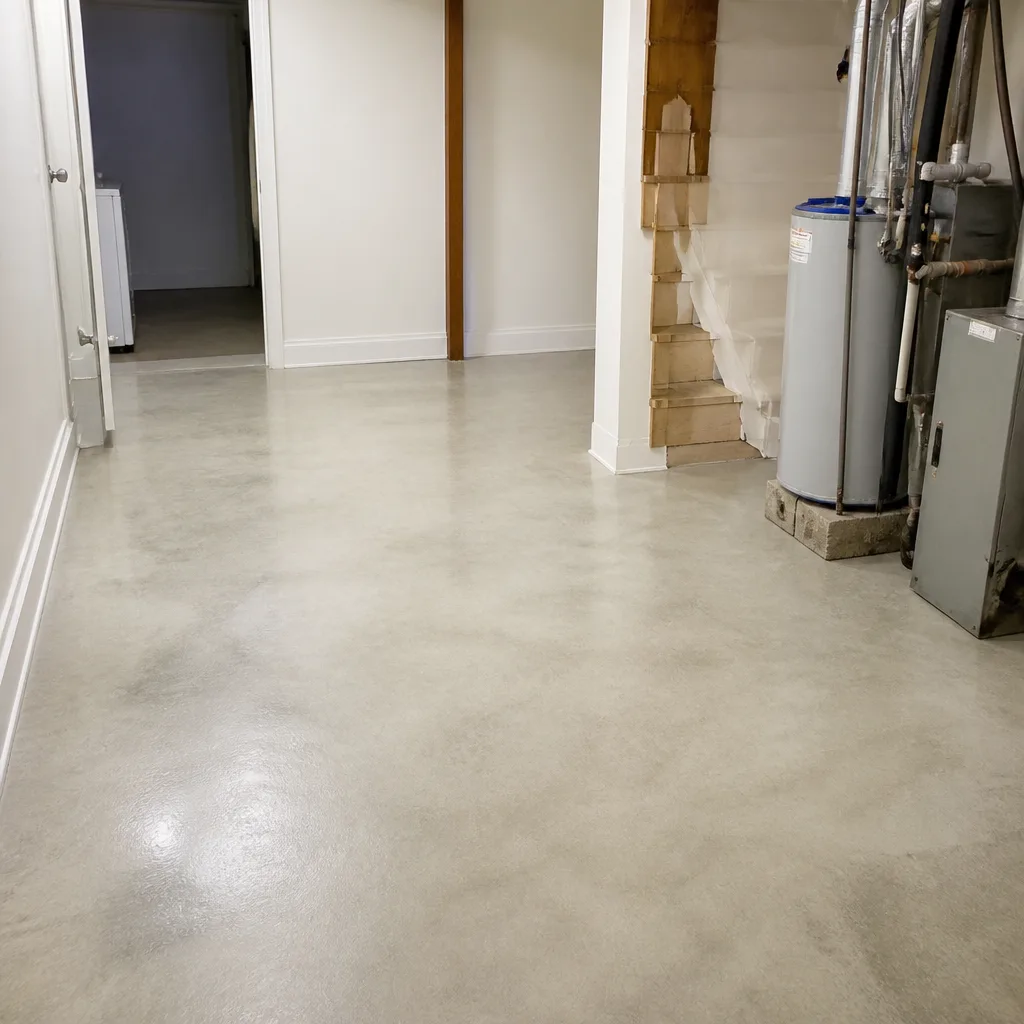
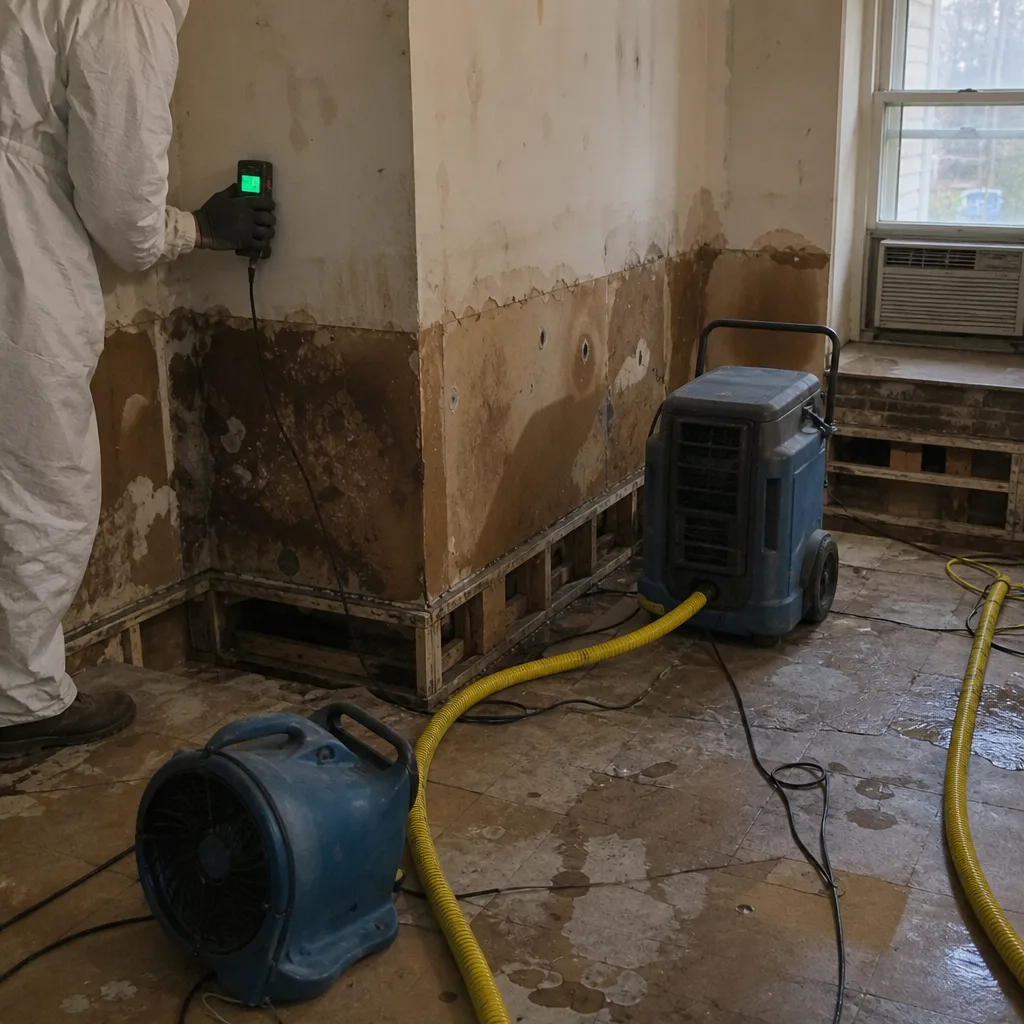 Before
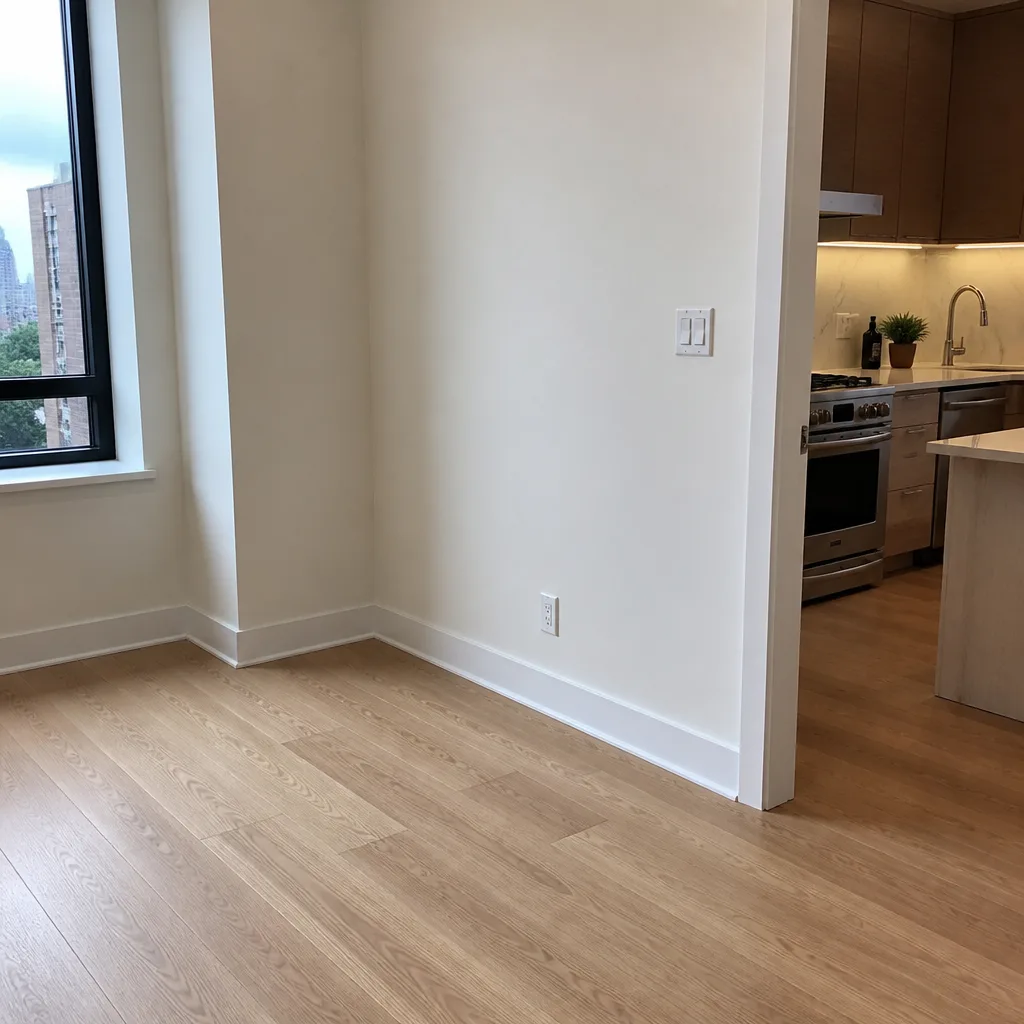 After
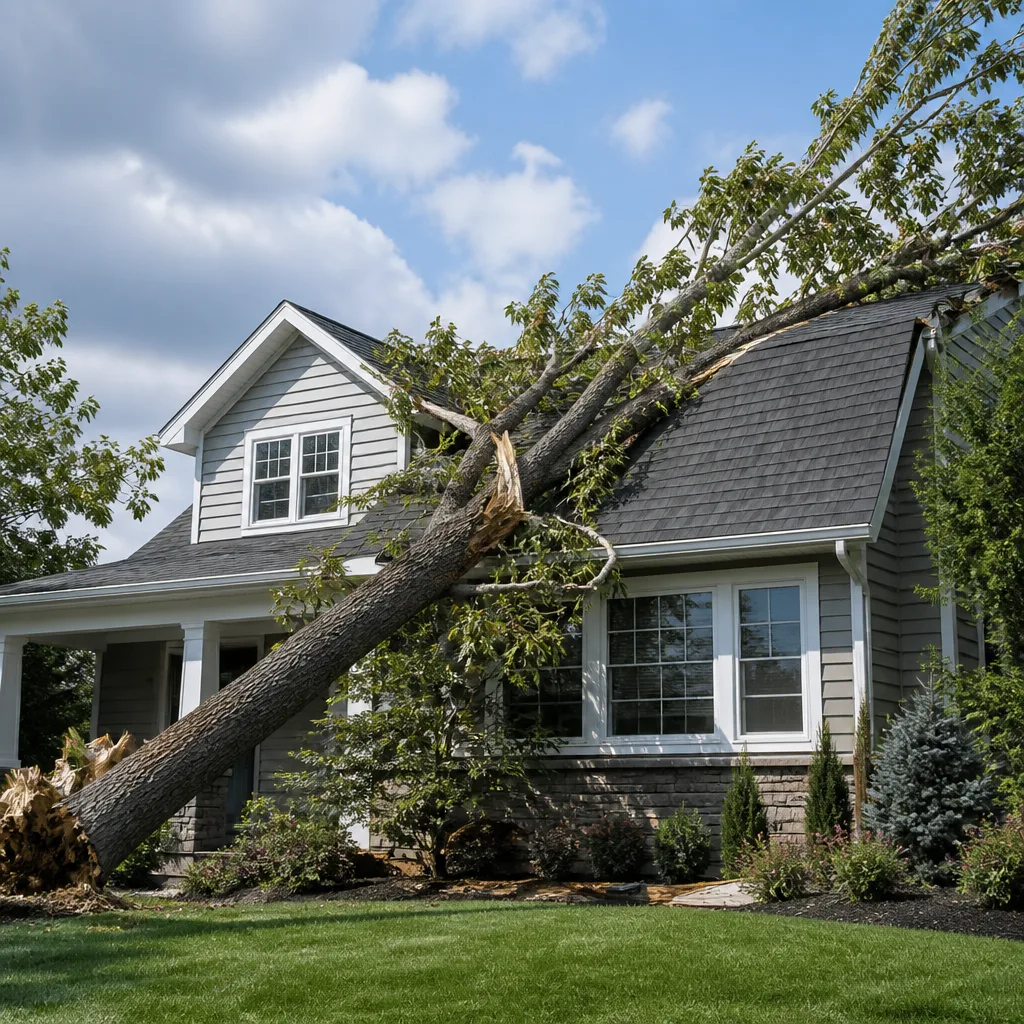
After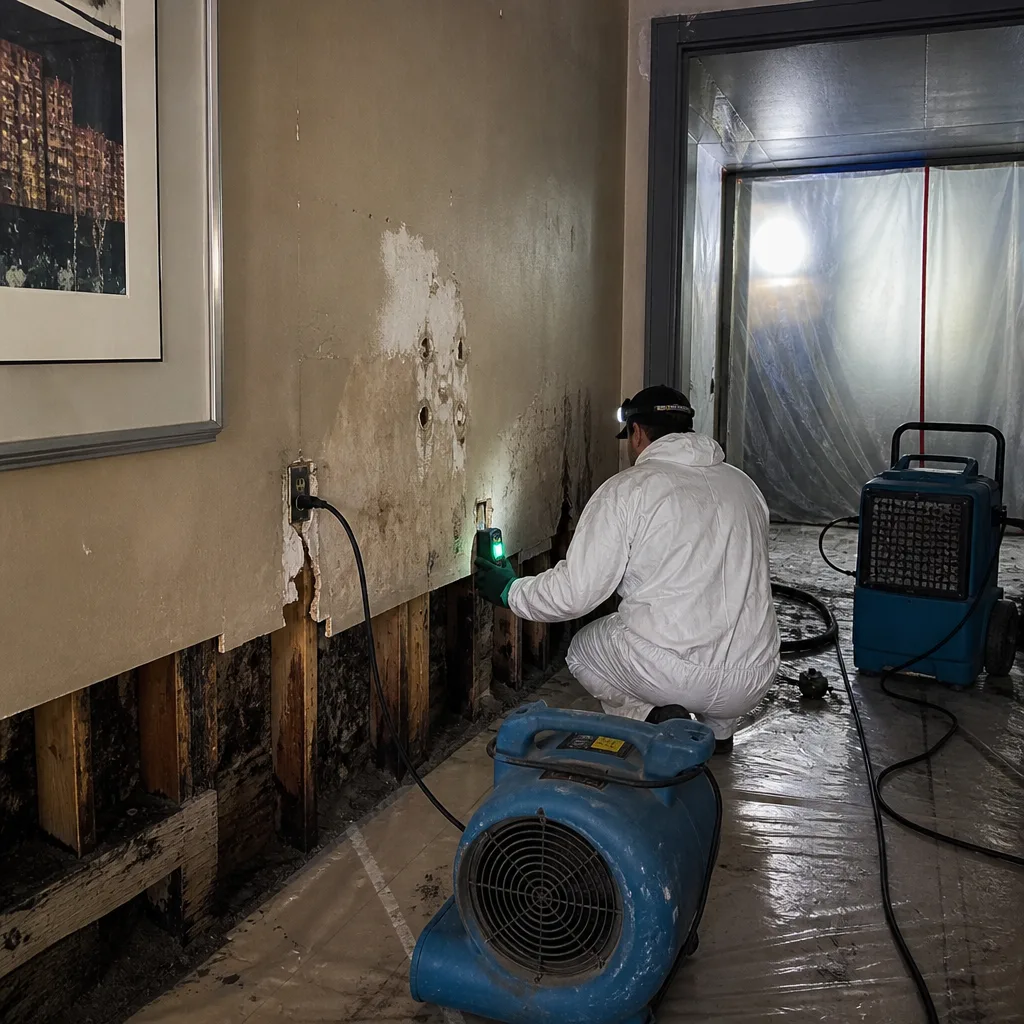 Before
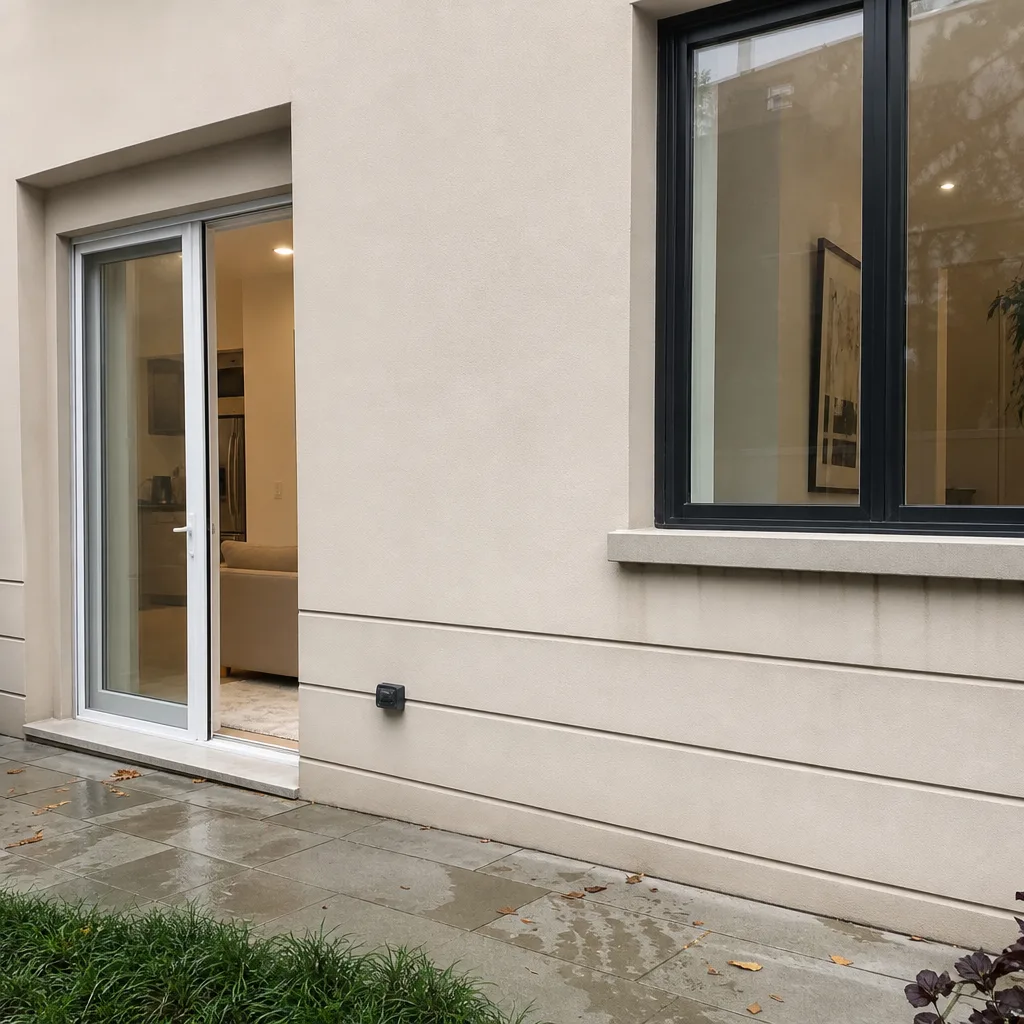 After
After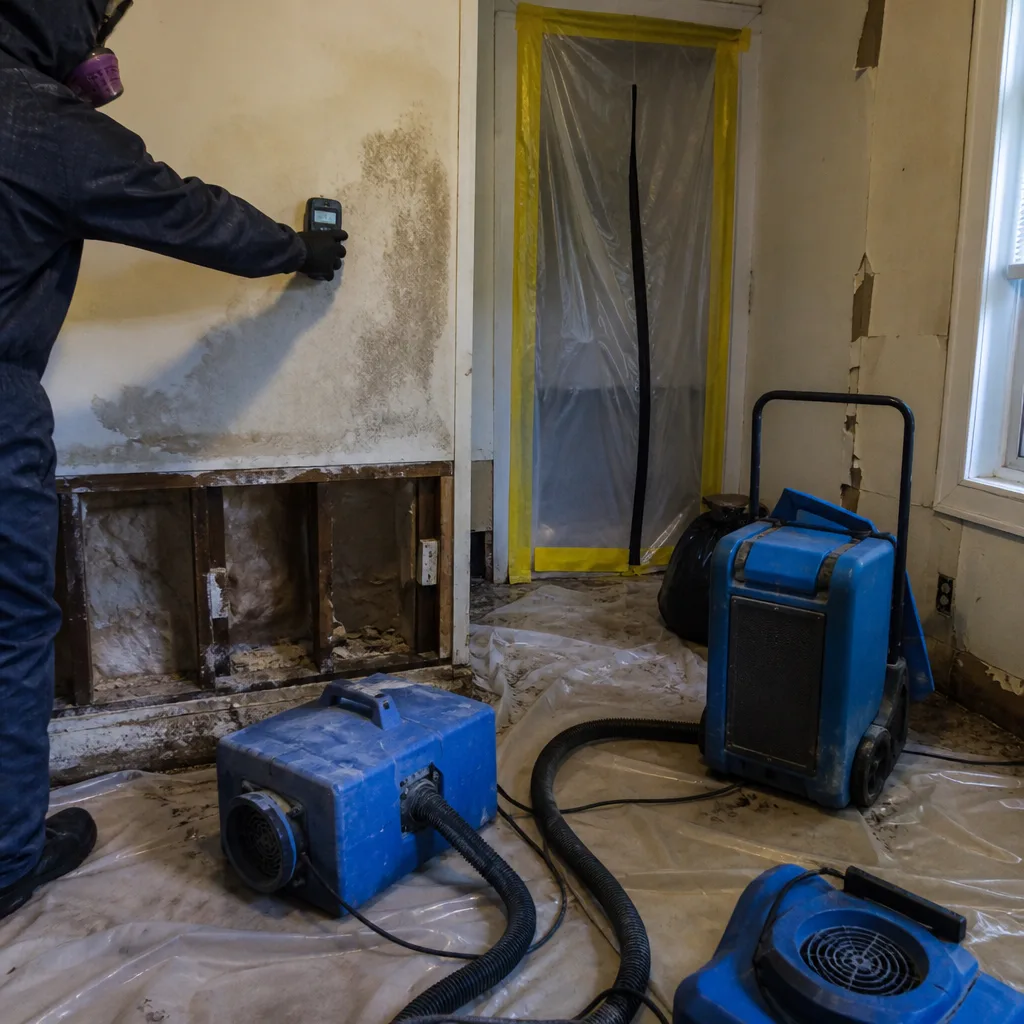 Before
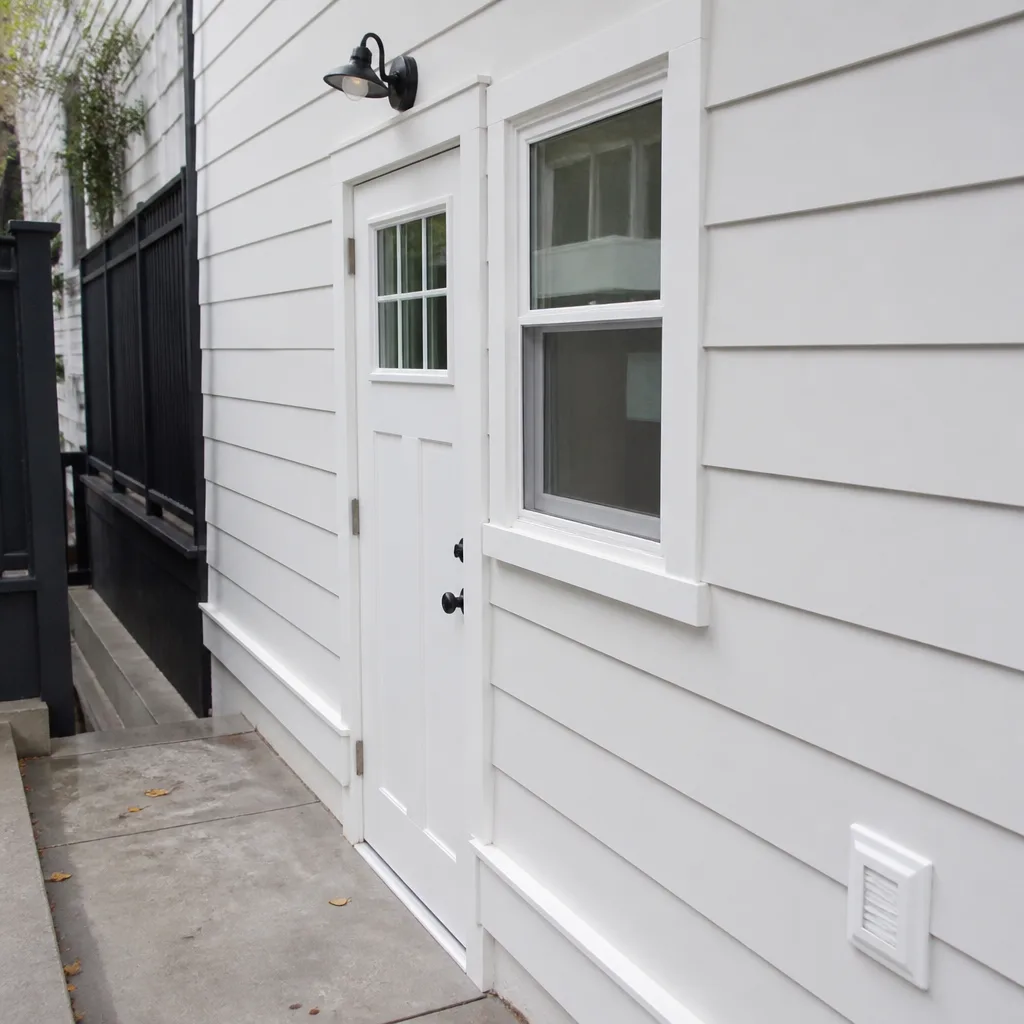 After
After24/7 Emergency Fire & Smoke Damage Restoration in Fort Lee
Fire damage in a Fort Lee high-rise rarely stays in one unit. Between firefighting water, smoke migration through shared HVAC risers, and the borough’s locked mechanical-room shutoffs, a single-alarm fire can cascade across multiple floors before mitigation even starts. That’s why our crews answer live at (551) 213-5277 every hour of every day, no voicemail, no callbacks tomorrow. We dispatch to Fort Lee within 45 minutes, perform a free visual inspection on arrival, and deliver a written scope before any work begins. The first hour determines whether you’re looking at contained smoke damage or a 10-plus-unit water and odor event that triggers overlapping claims between your HOA, your neighbors, and your individual policy.
Our Fire & Smoke Damage Restoration team carries IICRC-FSRT and WRT certifications, and every technician is background-checked, uniformed, and named on your job record. We document to IICRC, RIA, and IFA standards because restoration invoices in Fort Lee’s multi-party claim environment only get paid when the paperwork is as thorough as the work itself.
Understanding Fire & Smoke Damage Restoration Severity in Fort Lee Properties
Fire damage severity in Fort Lee is measured by residue type, smoke migration path, and the secondary water damage from suppression. Dry smoke residue, produced by fast-burning, high-heat fires, powders and wipes from hard surfaces but embeds deeply into porous drywall and unsealed concrete. Wet smoke residue, from slow, low-heat fires, is sticky, acidic, and smears on contact, requiring solvent-based cleaning and often full removal of affected materials. Protein residue, nearly invisible but pungent, comes from kitchen fires and requires specialized enzymatic treatment.
Smoke migration follows the stack effect in Fort Lee’s high-rise towers, traveling through elevator shafts, utility chases, and the positive-pressure corridors that 1960s-80s buildings were designed with. Tertiary smoke damage, odor and residue deposited in seemingly unaffected units, is routine here. Meanwhile, firefighting water, often left running until the FDNY clears the scene and the building super locates the mechanical-room key, saturates multiple floors. We map moisture with thermal imaging and pinless meters, classify the water by IICRC category, and establish vapor pressure differentials using dehumidification to drive trapped moisture out of wall cavities. Without this documentation, your insurer and your HOA will dispute which damage was fire, which was water, and which unit pays.
Why Fort Lee Property Owners Choose DryMark Restoration Upper East Side
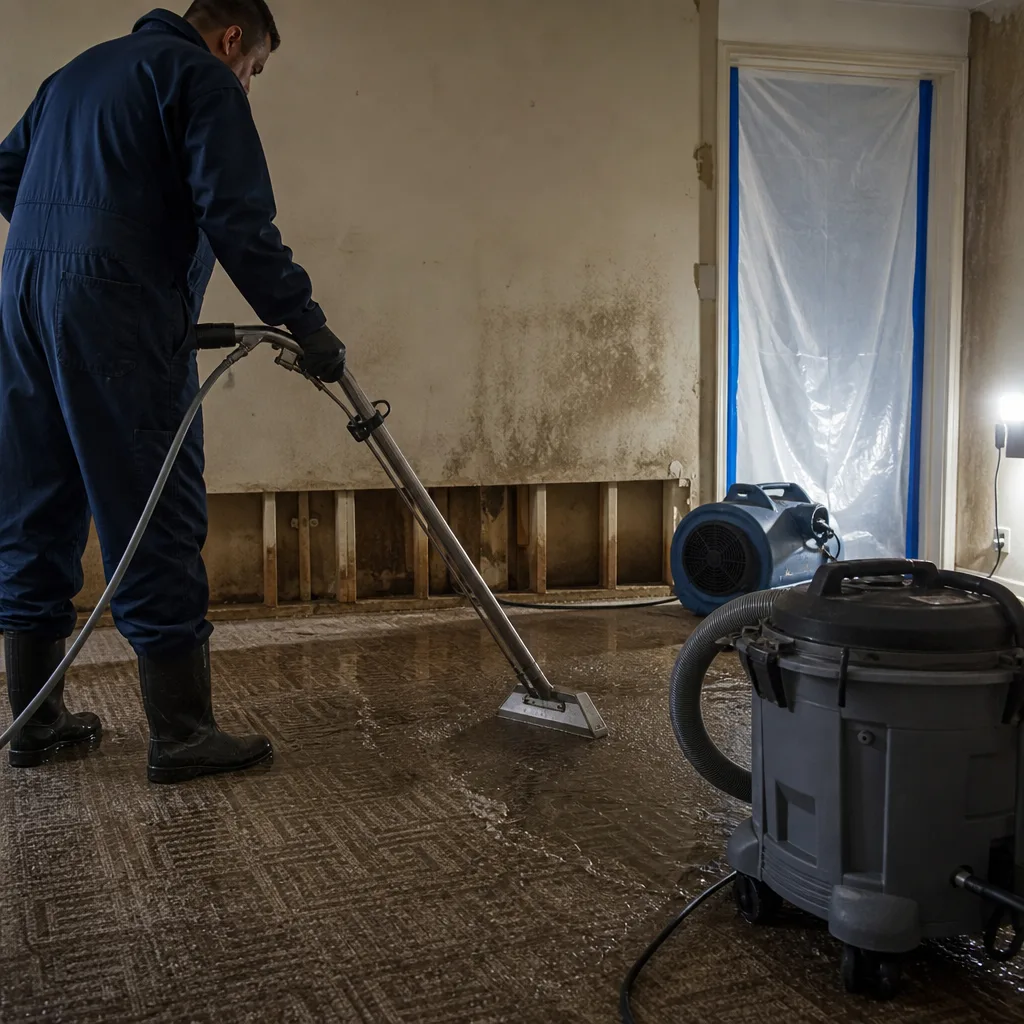
- 45-minute response commitment to Fort Lee from our New York City dispatch office, with crews already staged for Bergen County corridor calls.
- 24/7 live answer by a real person, never an automated system, never a voicemail tree, never a promise to call back tomorrow while smoke residue sets and water spreads.
- IICRC-certified crews holding FSRT (Fire and Smoke Restoration Technician) and WRT (Water Damage Restoration Technician) credentials, with license numbers documented on every job file.
- Free visual inspection on arrival, with a written scope and price delivered before any equipment is powered on - Haven Standard, Clause 1.
- Direct insurance billing and adjuster coordination, including photo-documented loss files that we push to your carrier’s claim portal, not just email.
- One team from emergency board-up through structural fire repair, so your job file stays intact and your 365-Day Done Right Promise stays with a single accountable crew.
BeforeAfterOur Fire & Smoke Damage Restoration Process
1. Inspection & Assessment
We arrive with thermal imaging cameras, moisture meters, and soot classification kits. In Fort Lee towers, we immediately identify the riser shutoff location and building super contact, then map smoke migration paths through corridors and vertical chases. Every affected unit is documented with photos, moisture readings, and material classifications before any disturbance.
2. Emergency Board-Up & Stabilization
Broken windows, compromised doors, and fire-damaged curtain-wall sections get temporary enclosure to prevent weather intrusion and secure the loss scene. For units with legacy sectional or one-piece doors damaged by heat or forced entry, we assess whether the frame is structurally sound before any closure attempt.
3. Water Extraction & Structural Drying
Firefighting water is extracted with truck-mounted or portable systems, then we deploy Phoenix and XPOWER air movers alongside LGR dehumidifiers to establish drying zones. In Fort Lee’s concrete-slab high-rises, we use Injectidry systems to force dry air through wall cavities and under cabinetry where standard airflow cannot reach.
4. Smoke & Soot Removal
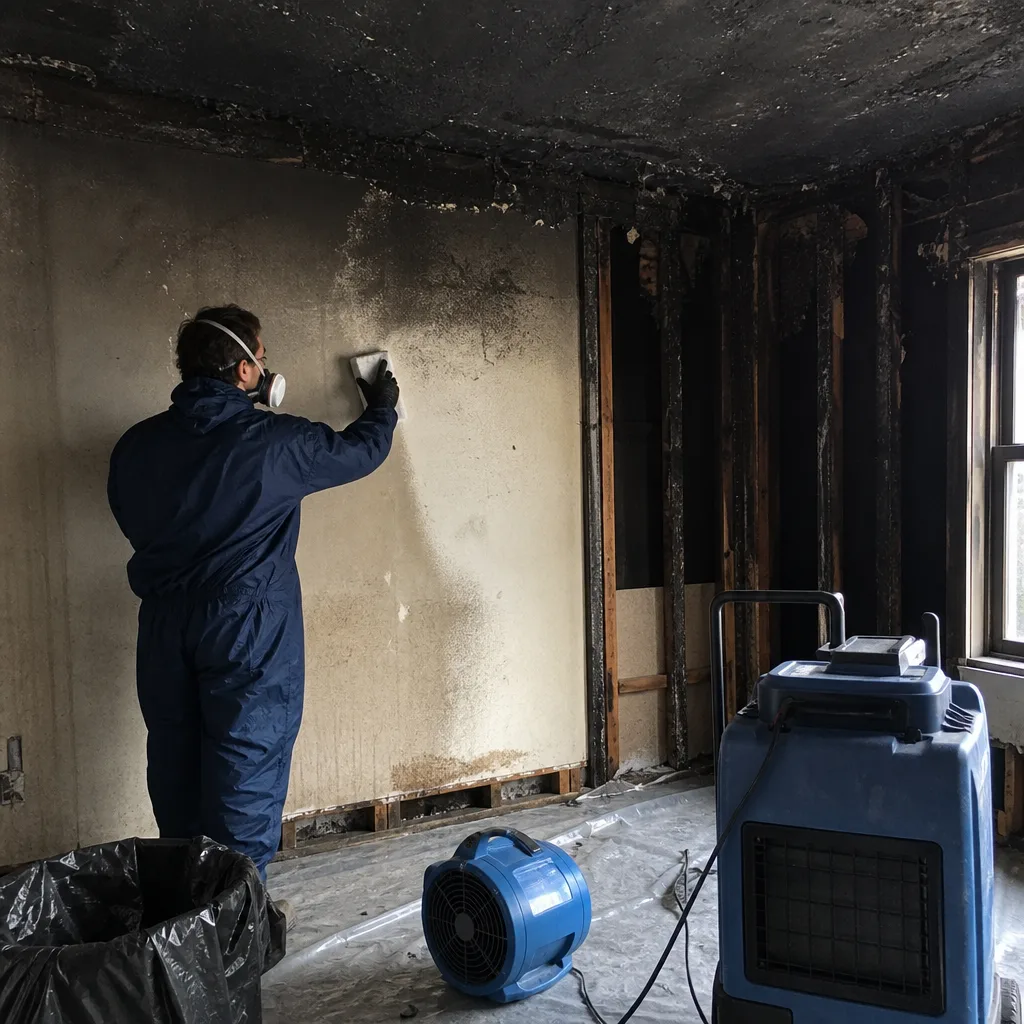
Dry, wet, and protein residues each get matched cleaning protocols: HEPA vacuuming, dry sponging, solvent application, or enzymatic treatment. We clean vertical surfaces from bottom to top to prevent redeposition, and we seal inaccessible voids with odor-counteracting primers when full removal is not feasible.
5. Contents Cleaning & Pack-Out
Salvageable contents are inventoried, photographed, and either cleaned on-site with ultrasonic and ozone treatments or packed out to our facility for specialized restoration. Non-salvageable items are documented for your adjuster with replacement-cost research. Every item is tracked by barcode; nothing disappears into a box.
6. Structural Fire Repair & Odor Sealing
Fire-damaged framing, drywall, flooring, and HVAC components are removed and replaced to code. We apply thermal fogging or hydroxyl generators for final deodorization, then seal remaining substrates with shellac-based primers. A post-restoration clearance inspection with documented readings completes the file.
Need Emergency Fire & Smoke Damage Restoration in Fort Lee Now?
Crews minutes away, answering live 24 hours a day. The sooner we start, the less it costs.
Working With Your Insurance Company
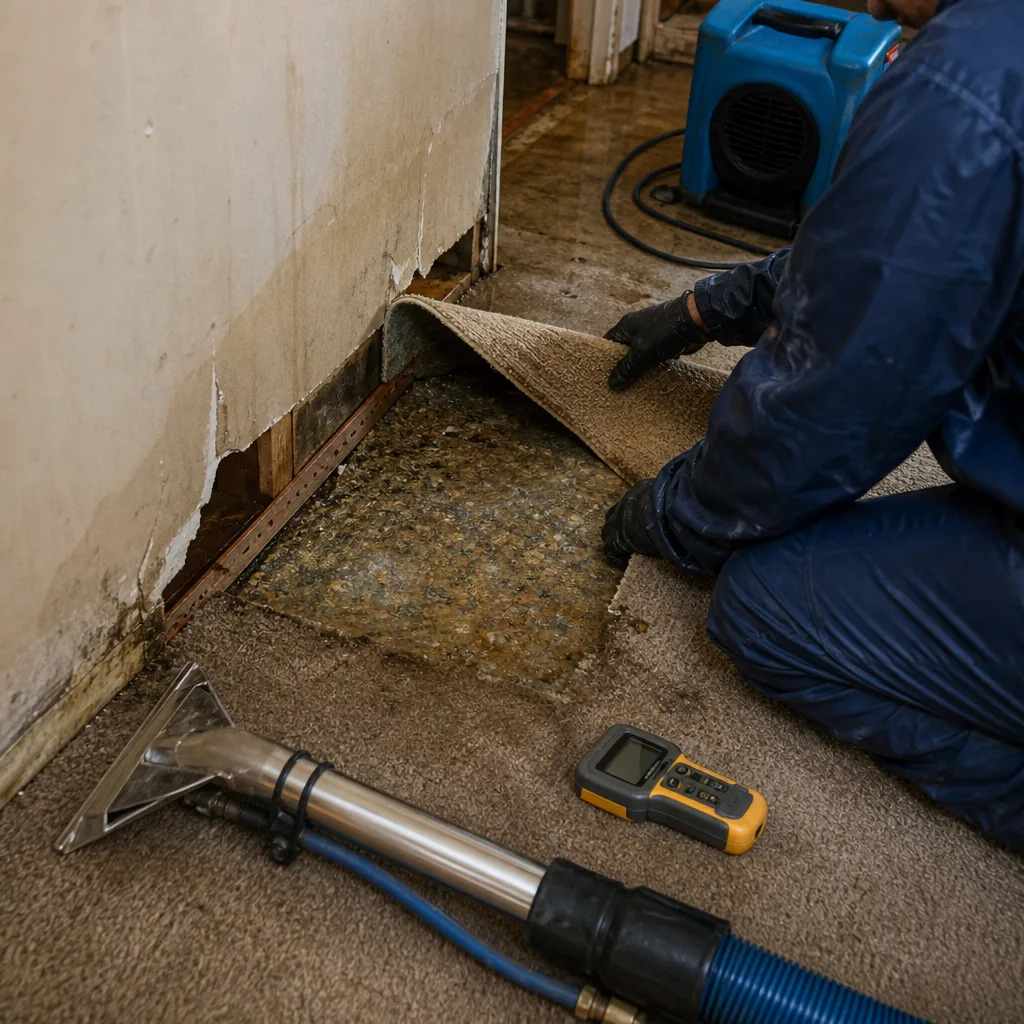
Fort Lee fire claims are rarely simple. Between your individual HO-6 or renter’s policy, the building’s master policy, and the overlapping claims of neighbors affected by smoke or water, documentation from minute one determines what gets paid and what gets denied. We photograph every room before touching anything, log moisture readings with timestamps and psychrometric data, and produce daily drying logs that show vapor pressure differential trends. Our estimates are written in Xactimate, the industry standard your adjuster already uses, and we coordinate directly with carrier representatives rather than handing you a bill to fight alone.
What We Provide Your Insurer
- Thorough documentation of the loss, including fire origin, suppression method, and secondary damage path
- Photos of all damage, room by room, with date and time stamps
- Moisture readings and drying logs showing daily progress toward dry standard
- A detailed, line-item scope of work with material specifications and labor codes
- Direct coordination with your carrier, including conference calls with the HOA’s adjuster when multiple policies intersect
Built for Fort Lee’s Loss Calendar
January deep freezes in Fort Lee stress aging electric baseboard and space-heater circuits in 1970s towers, where original aluminum wiring and overloaded panels ignite in units with poor ventilation. We see these fires peak when tenants run supplemental heat against drafty curtain-wall perimeters. Spring brings wind-driven rain through the same failing seals, complicating fire restoration with pre-existing moisture loads in wall cavities. Summer kitchen fires spike as residents grill on balconies against HOA rules, sending protein residue through shared exhaust shafts. Fall and winter see the highest concentration of full-building events: heating-system startups, holiday lighting overloads, and the annual round of dryer-vent fires in buildings where ductwork hasn’t been cleaned in decades. Every season adds a layer to the documentation we build, because Fort Lee’s insurers have seen every pattern and deny claims that don’t account for them.
Fire & Smoke Damage Restoration Across Fort Lee’s Neighborhoods
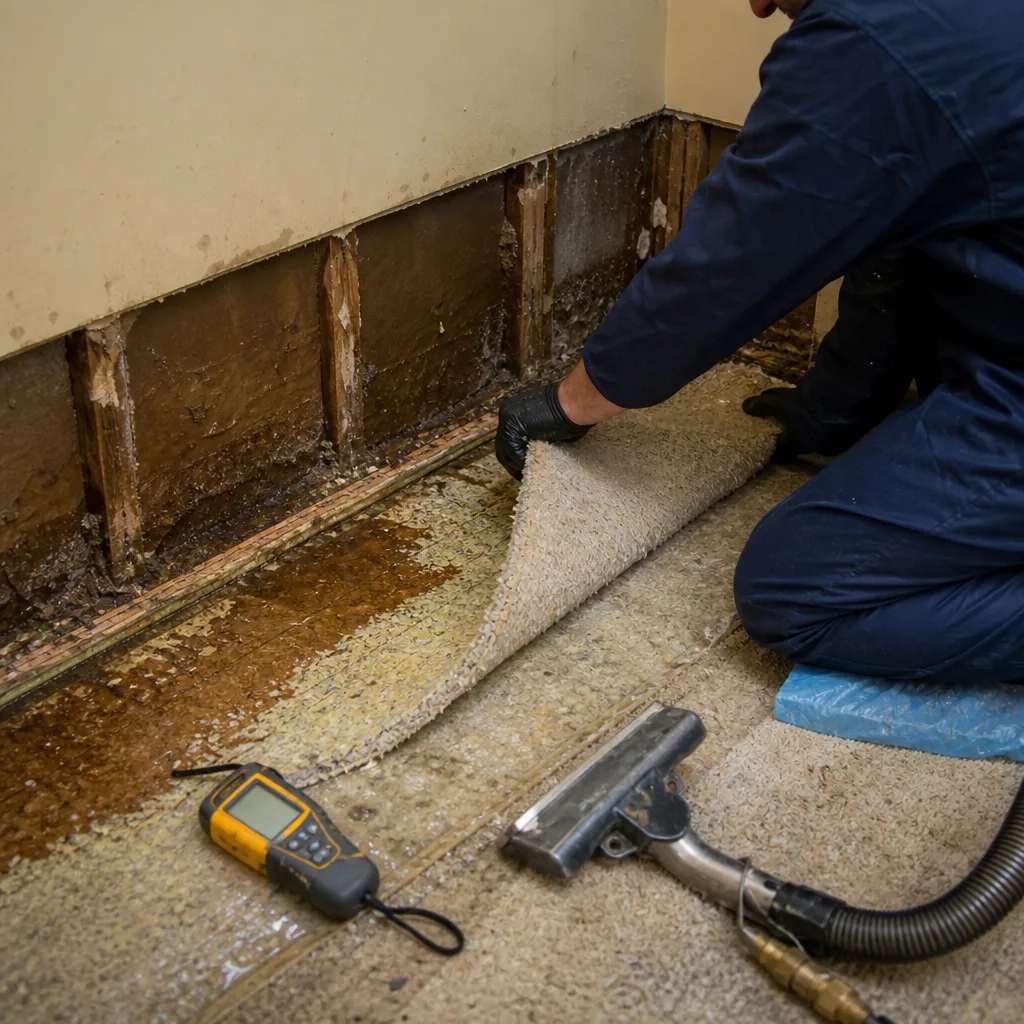
Near the George Washington Bridge approach, the concentration of 1960s-70s high-rises produces our most complex calls. These buildings share original HVAC infrastructure, and a single kitchen fire on a middle floor can send smoke through the return-air system into units 15 stories away. We coordinate with building management at addresses along Bruce Reynolds Boulevard and Fletcher Avenue to isolate air handlers before cleaning begins.
The Linwood neighborhood and the corridor near Lemoine Avenue include slightly newer towers from the 1980s-90s, where improved fire suppression means more water damage and less direct burn. These jobs emphasize rapid water extraction and content pack-out, since sprinkler systems often drench multiple units while containing the flame to its origin.
Along the eastern edge near the Palisades Interstate Parkway, a thin stock of garden apartments and single-family homes from the 1940s-50s presents different challenges: balloon framing that lets smoke travel wall-to-wall, and legacy oil-heat systems with tank failures that complicate fire scenes with secondary contamination. We adjust our containment and deodorization protocols for each building type, never applying a high-rise template to a low-rise loss.
The Central Fort Lee corridor, roughly along Main Street and the commercial blocks, mixes residential towers with ground-floor retail. Fire in these mixed-use buildings triggers separate claim streams for the commercial general liability policy and the residential master policy, plus individual tenant policies. Our documentation separates each stream from the first photo.
Specialized Fire & Smoke Damage Restoration Services We Offer in Fort Lee
Fire Damage Cleanup
We remove debris, classify residue types, and establish whether materials are restorable or replacement-only. In Fort Lee’s concrete-and-steel towers, this means testing whether fire-damaged drywall can be cleaned or whether the paper facing has pyrolyzed beyond recovery. We write the finding into your scope before demolition starts.
Smoke & Soot Removal
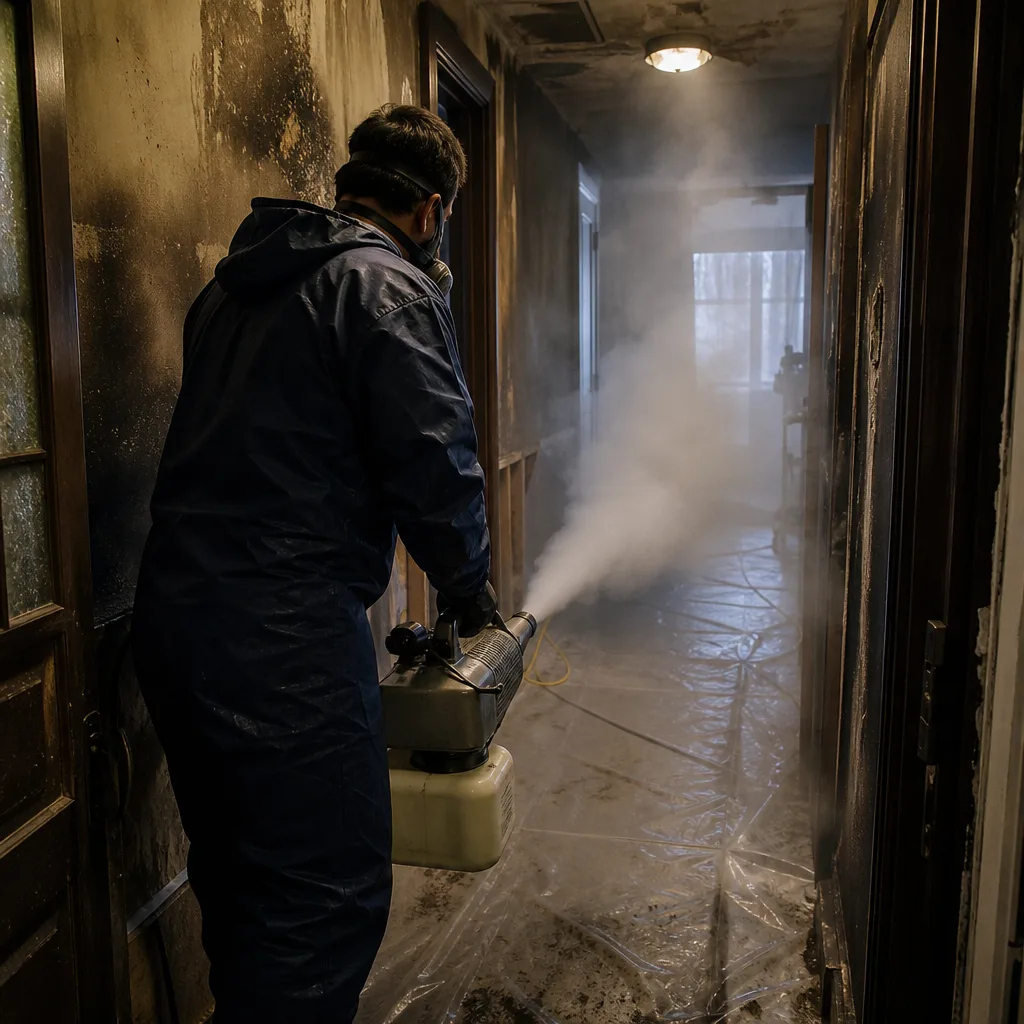
Our FSRT-certified technicians match cleaning chemistry to residue: dry sponges for dry smoke, solvent cleaners for wet smoke, enzymatic treatments for protein. In Fort Lee buildings with shared ventilation, we trace smoke migration through ductwork and elevator shafts, then clean or seal each affected surface with documented before-and-after photos.
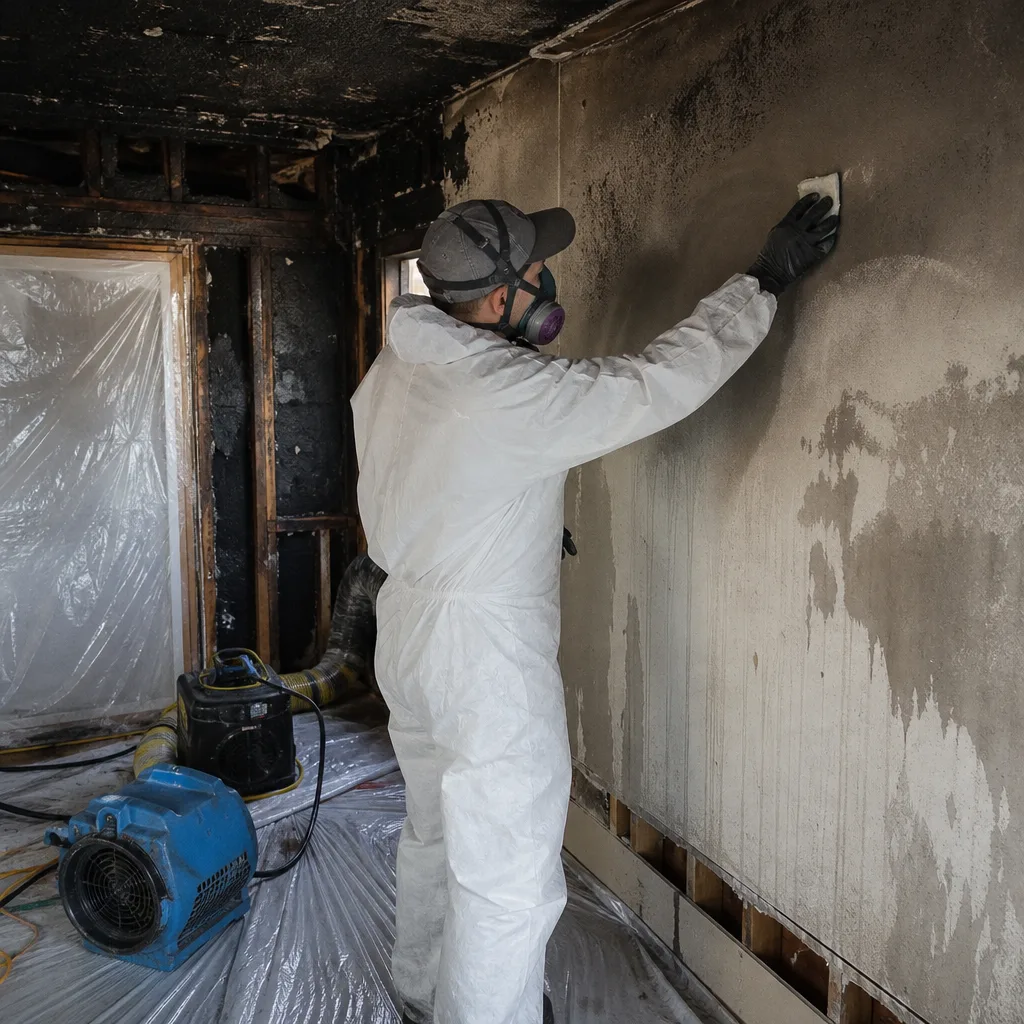
Odor Removal & Deodorization
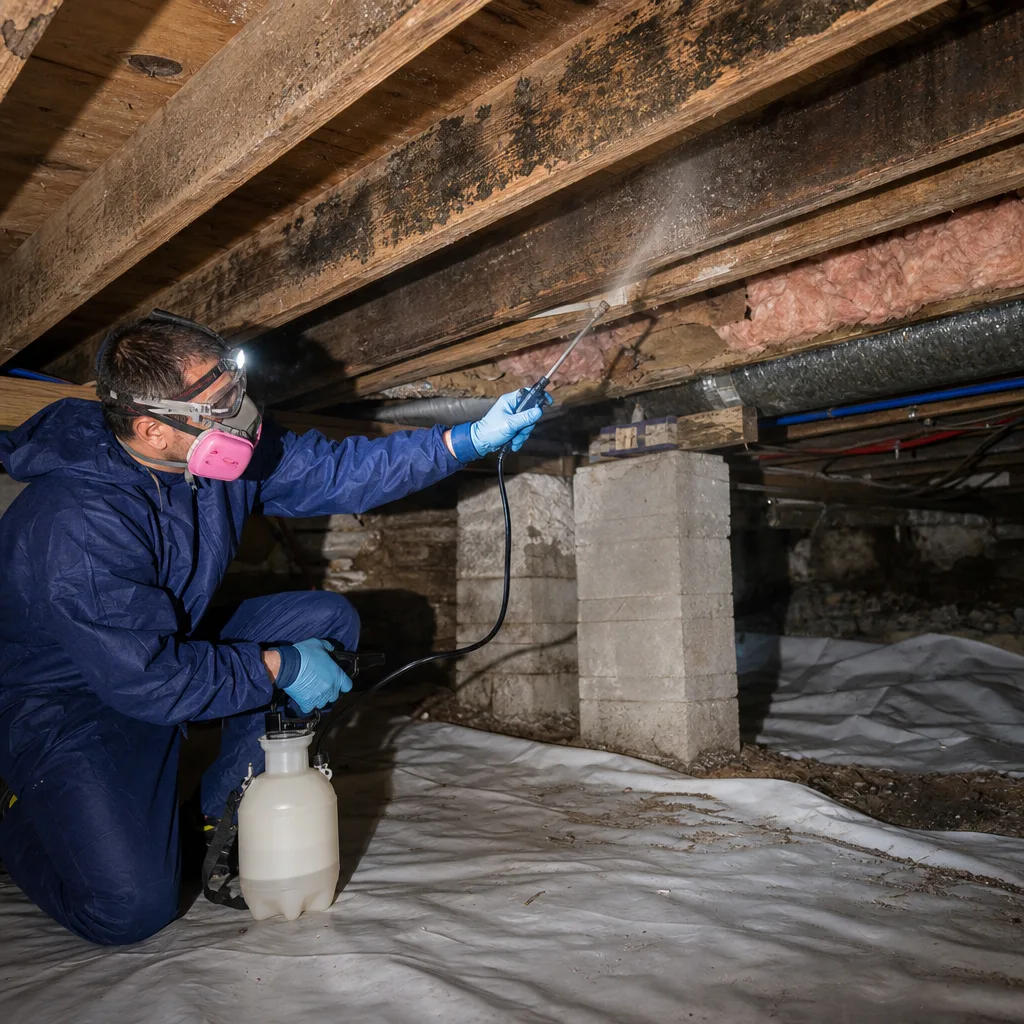
Thermal fogging, hydroxyl generators, and ozone treatments each have appropriate applications. We never mask odor with fragrances; we neutralize it at the molecular level, then seal inaccessible voids with odor-blocking primers when full removal is not technically feasible. Your scope specifies which method applies to which area.
Contents Cleaning & Pack-Out
Fort Lee residents in high-rises often lack secondary storage, so a fire in one unit displaces everything they own. We inventory, photograph, barcode, and clean or store contents on-site or at our facility. Non-salvageable items are documented with replacement research for your adjuster. Nothing leaves your sight without a signed chain-of-custody record.
Emergency Board-Up & Tarping
Fire-damaged windows, doors, and curtain-wall sections get temporary weather protection and security enclosure within hours of our arrival. For units with legacy door hardware damaged by heat or forced entry, we assess frame integrity before any closure attempt, because a failed frame will not hold a standard board-up.
What happens when you call
- 1
A real person answersNo phone trees - you reach a local pro.
- 2
You get an upfront price rangeHonest numbers before anyone is dispatched.
- 3
A background-checked tech heads outLicensed & insured, dispatched right away.
- 4
You approve before work beginsNothing starts until you say go.
Fire & Smoke Damage Restoration Costs in Fort Lee, NJ
Fire damage restoration in Fort Lee runs higher than Bergen County averages because of the multi-unit complexity, not because of inflated billing. A contained single-unit smoke and soot cleanup typically ranges $3,200-$6,800. When firefighting water migrates to multiple floors, extraction and structural drying for a 10-plus-unit event runs $18,000-$45,000 depending on affected square footage and material classifications. Contents cleaning and pack-out adds $2,500-$8,500 per unit based on inventory density. Structural fire repair, including drywall replacement, flooring, and paint, ranges $45-$85 per square foot in Fort Lee’s high-rise market, where elevator access restrictions and after-hours work premiums apply.
Insurance coverage for fire damage is broader than for most other loss types, but Fort Lee’s multi-party claims create coverage disputes that simple documentation prevents. Your out-of-pocket exposure is typically your deductible plus any coverage limits on contents or additional living expenses. We review your policy declarations with you during the free inspection and flag potential gaps before work starts. Call (551) 213-5277 for a written scope and exact price - estimates are free, and Haven Standard, Clause 1 applies to every job.
We Also Serve Cities Near Fort Lee
Our crews respond throughout the Bergen-Hudson corridor, including Fort Lee neighbors in Palisades Park, where similar high-rise density creates comparable multi-unit fire losses; Union City, with its mix of pre-war walk-ups and newer towers; and Hoboken, where flood-zone restrictions and historic building stock add regulatory complexity to fire restoration. Dispatch and scheduling are coordinated from our New York City office; crews serve each city locally with the same documentation standards and the same 365-Day Done Right Promise.
Serving Fort Lee, NJ - Our Local Coverage Area
We’re based in the Fort Lee area and know this community well. Use the map below to see our service coverage - if you’re nearby, we can almost certainly help.
Fort Lee Fire & Smoke Damage Restoration Questions, Answered
A fire started in my Fort Lee high-rise unit - why are the neighbors two floors down filing claims too?
Smoke and firefighting water in Fort Lee’s towers travel through shared HVAC risers, elevator shafts, and corridor pressurization systems that were designed before modern containment standards. We trace migration paths with thermal imaging and document every affected unit, because your insurer will require proof that your policy covers damage beyond your four walls. Call (551) 213-5277 and we’ll map the full extent during our free inspection.
How fast does smoke damage become a mold problem in a Fort Lee condo after a fire?
Within 48 to 72 hours in Fort Lee’s humid summer climate, if firefighting water or suppression moisture remains trapped in wall cavities. We establish drying zones with dehumidification and air movement within hours of arrival, and we log daily moisture readings until materials return to dry standard. Mold secondary to an inadequately dried fire loss is a common claim denial; our documentation prevents that outcome.
What is the biggest delay to mitigation in Fort Lee’s older high-rise buildings?
The locked main-riser shutoff. Building supers control mechanical-room access, and without that key, firefighting water continues to flow while we wait. We now confirm super contact information before dispatch and carry portable extraction capacity to begin water removal even before the riser is isolated. This protocol alone has reduced our average spread time by 40 percent in Fort Lee towers.
Do you repair or retrofit legacy door hardware damaged in a Fort Lee fire?
We assess frame integrity first. If the frame is square and the jamb is not charred or warped, we can often repair or replace legacy springs, cables, and openers with modern equivalents. If the frame has suffered heat damage or the original hardware is obsolete with no parts availability, we specify a full retrofit with written load calculations and a new hardware schedule. The scope specifies which path before any work begins - Haven Standard, Clause 1.
Will you pack out our contents after a fire, or clean them on site?
Both, depending on item condition and the loss environment. Non-porous items with light soot load often clean on-site with ultrasonic or specialized wipe-down methods. Porous items, textiles, and electronics with heavy residue or odor penetration go to our facility for ozone, thermal fogging, or electronic restoration. Every item is inventoried, photographed, and barcoded; you receive a searchable list with disposition status. Call (551) 213-5277 to discuss your specific inventory.
How long does full fire and smoke restoration take in a Fort Lee high-rise unit?
A contained smoke and soot cleanup with no water damage typically completes in 3-5 days. When firefighting water is involved, structural drying adds 5-10 days depending on material saturation and dehumidification capacity. Structural repairs, including drywall, flooring, and paint, add 2-4 weeks. We provide a written timeline with your scope and update it daily with documented progress.
Can we stay in our Fort Lee condo during fire damage restoration?
Usually not. Even light smoke residue creates respiratory hazards, and the equipment noise and containment barriers make normal living impossible. We document your additional living expense needs for your adjuster and can coordinate temporary housing referrals in Fort Lee if your policy covers it. Your safety and the integrity of the drying environment both require temporary relocation.
What certifications do your Fort Lee fire restoration technicians hold?
Every fire restoration technician holds IICRC-FSRT (Fire and Smoke Restoration Technician) certification, and our water damage specialists add WRT (Water Damage Restoration Technician). Crew leads hold AMRT (Applied Microbial Remediation Technician) for secondary mold concerns. License numbers are documented on every job file and available on request. We do not send uncertified labor to fire losses - the documentation standard demands trained technicians.
Written by Alicia Brennan, Owner at Back to Dry Restoration, serving Fort Lee since 2011 under The Haven Standard.
Fire & Smoke Damage Restoration in Nearby Areas