
Free visual inspection and a written scope of work before any mitigation begins - photos, moisture readings, and drying logs go in your claim file
The scope we write is the scope we bill. Anything new gets shown to you, in writing, before we touch it.

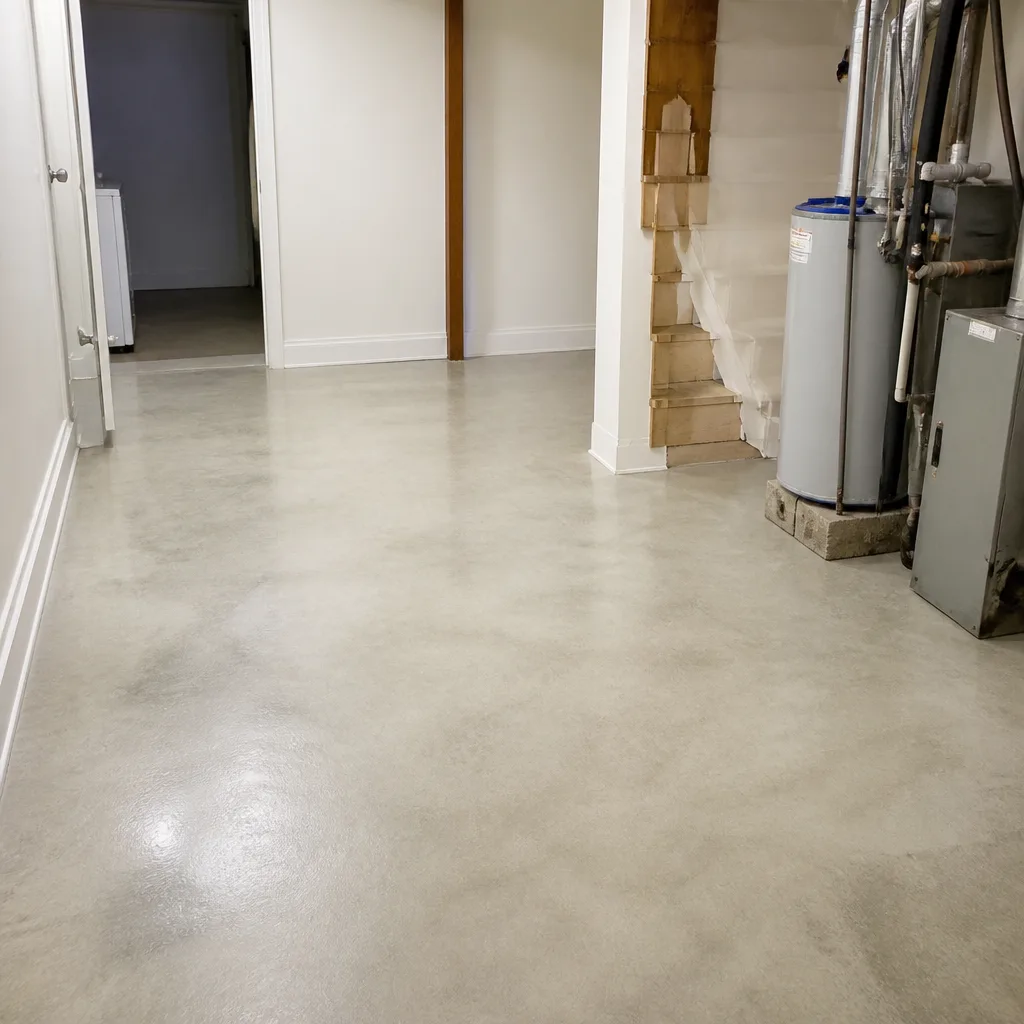
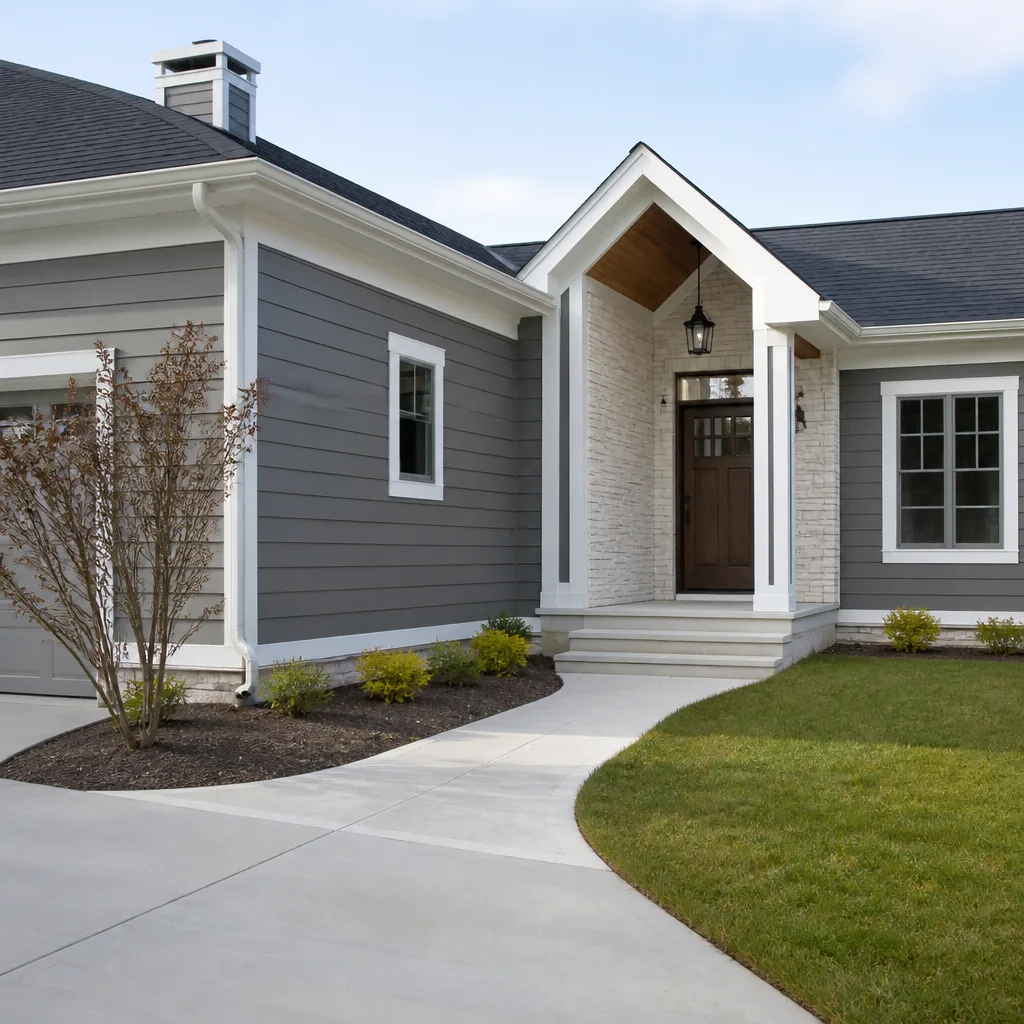
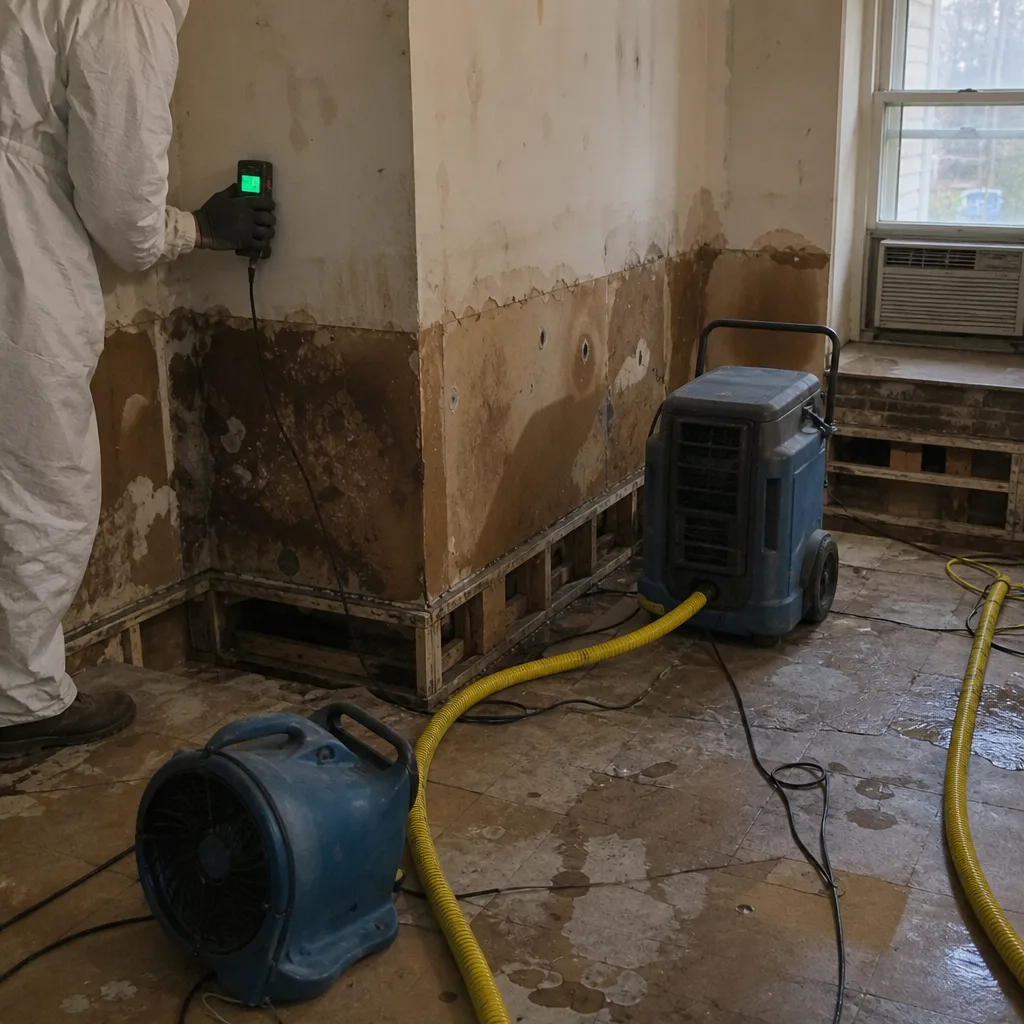 Before
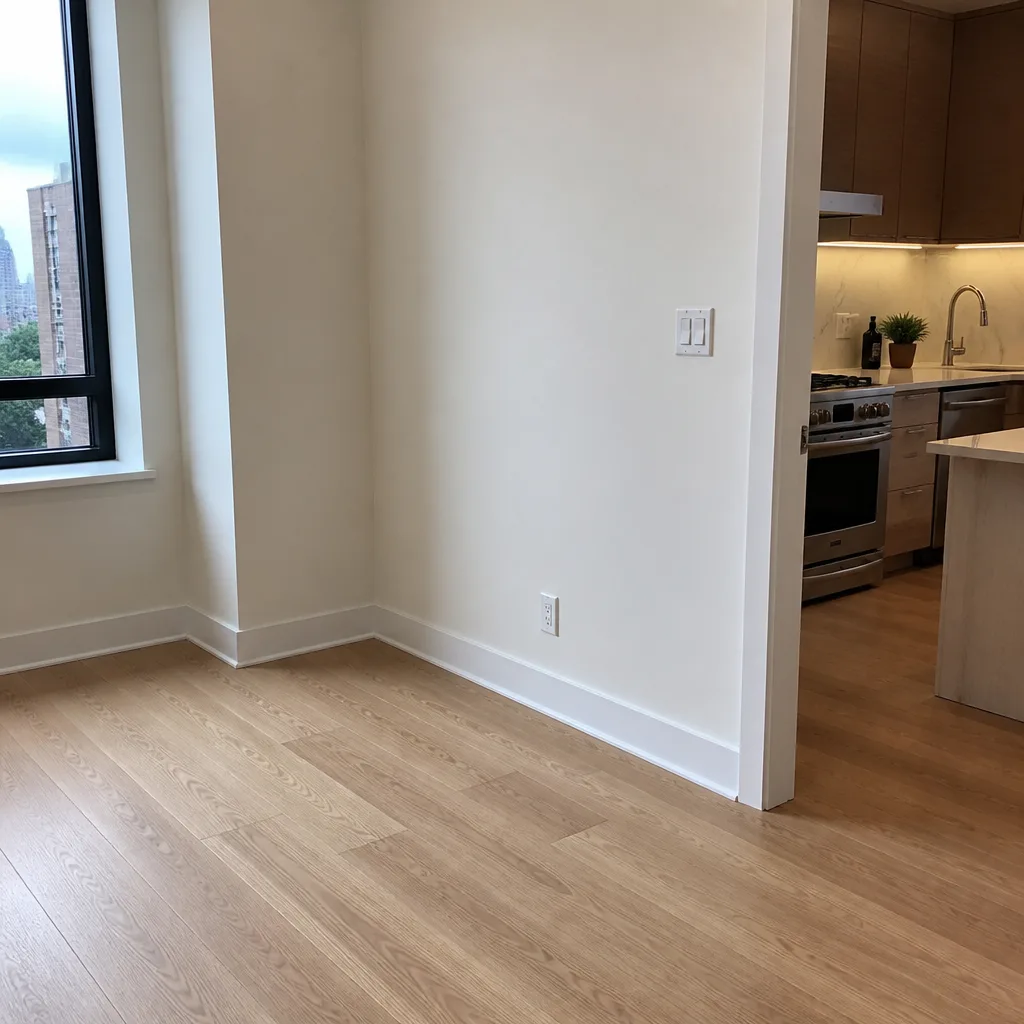 After
After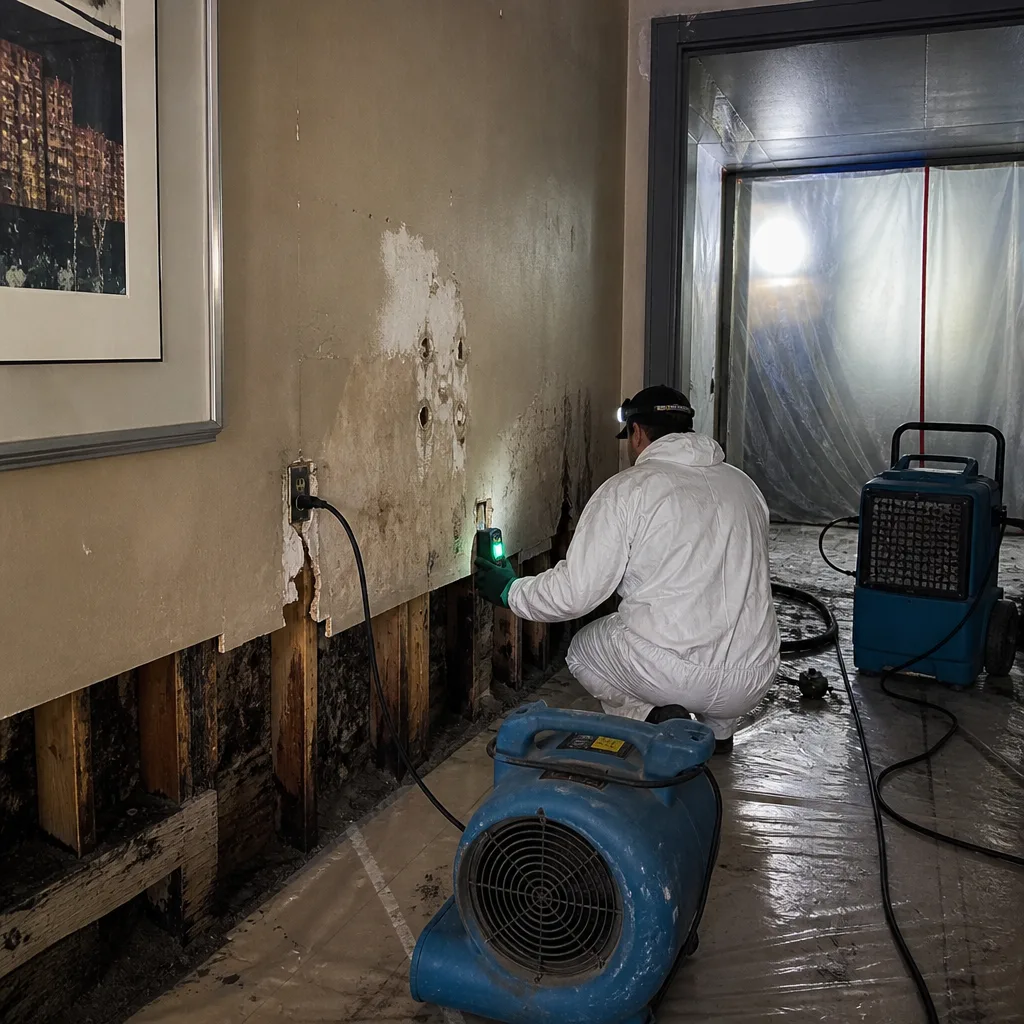 Before
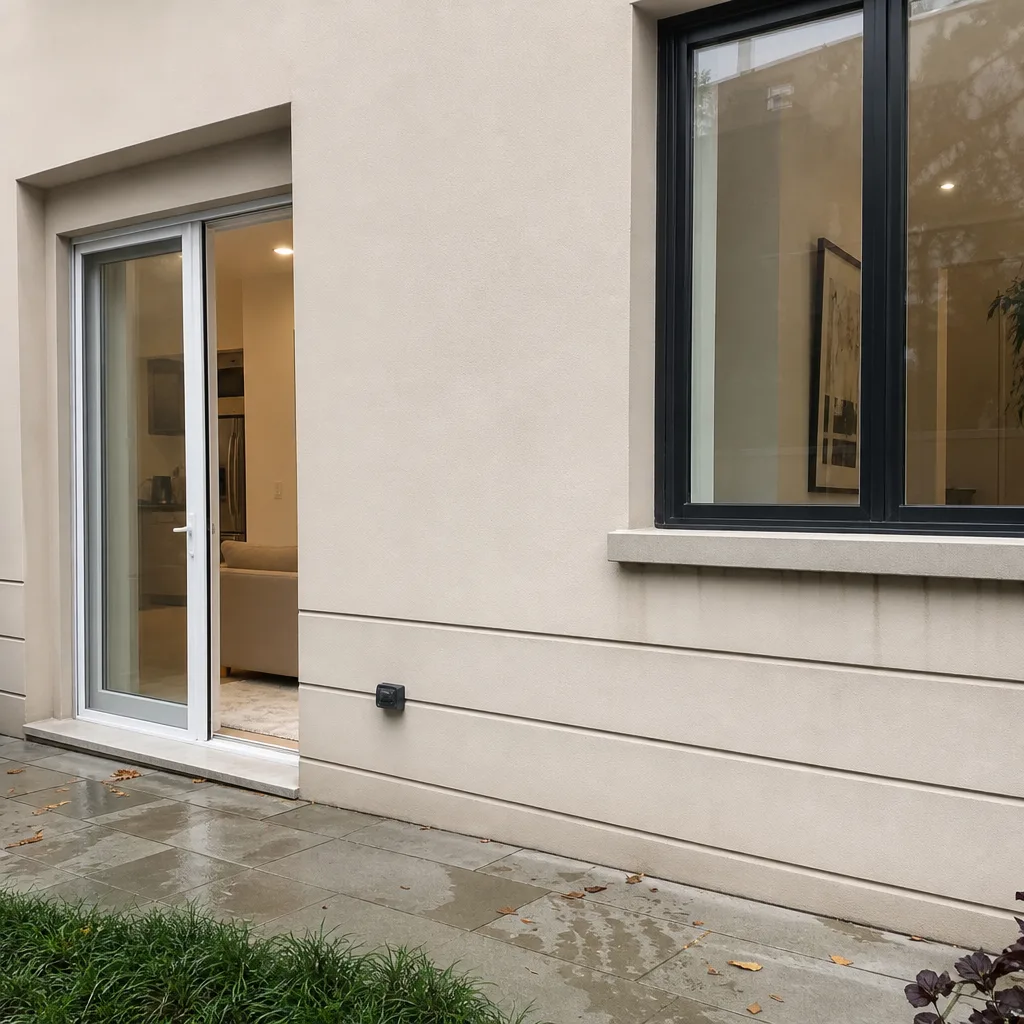 After
After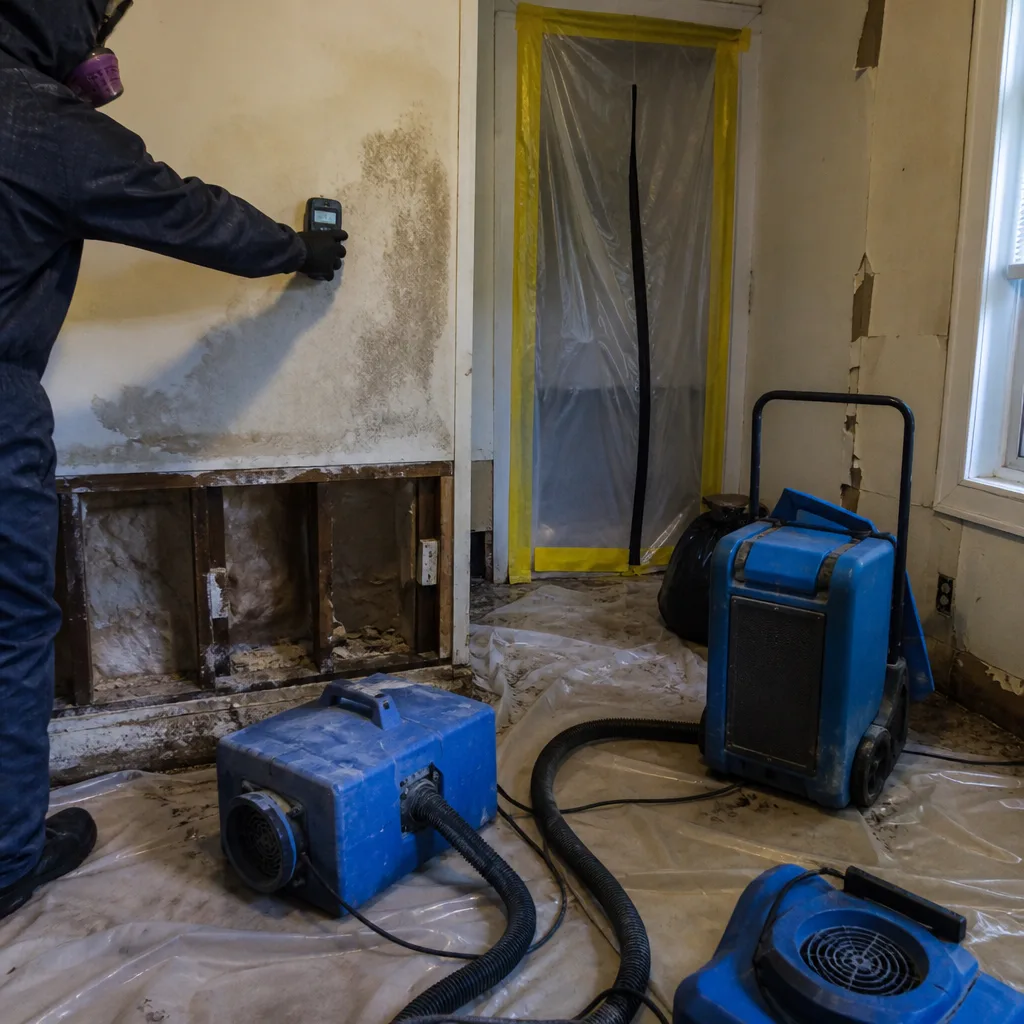 Before
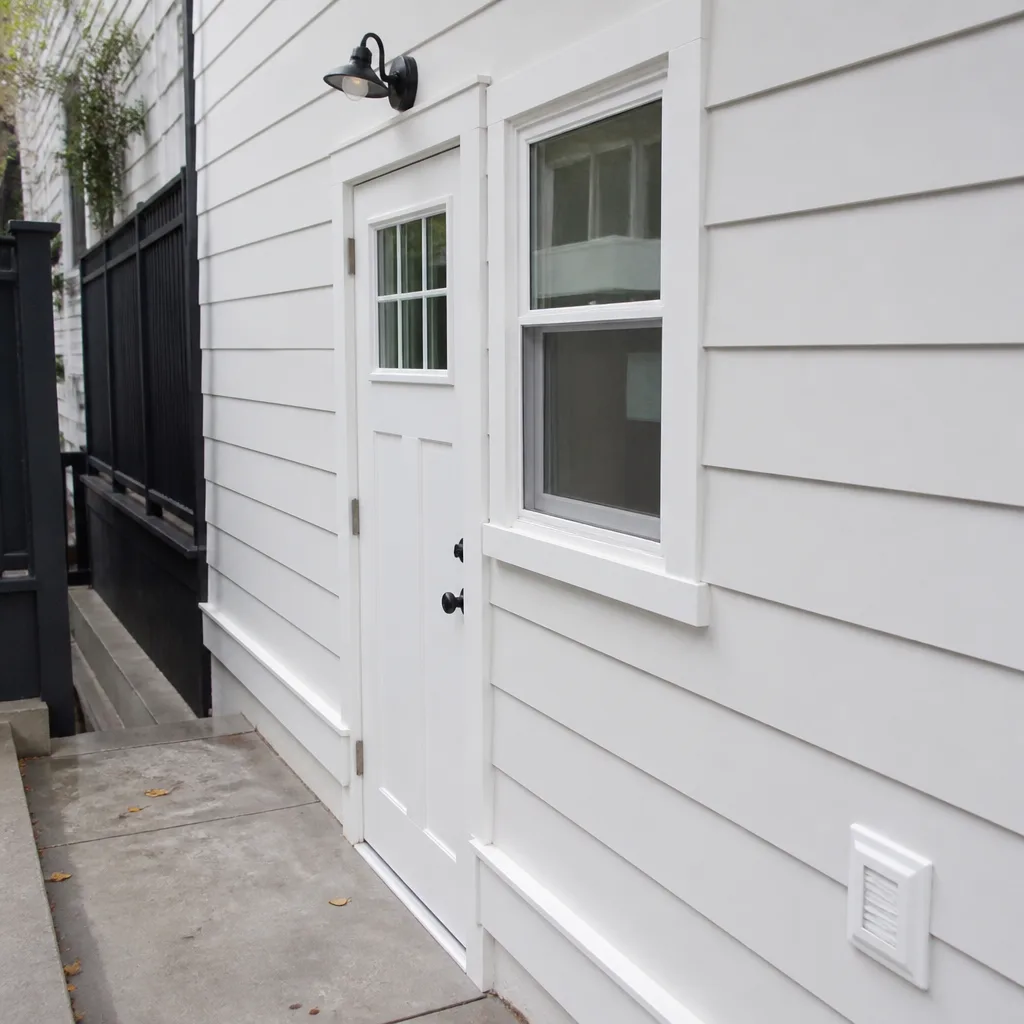 After
After24/7 Emergency Fire & Smoke Damage Restoration in Long Island City
A fire in your Long Island City home or loft typically leaves three simultaneous problems: flame damage at the source, smoke and soot migration through every open cavity, and the Category 2 or 3 water left by firefighting operations. Our crews are dispatched from our New York City office to Long Island City addresses within 45 minutes of your call, and a live person answers at (551) 213-5277 at any hour - no voicemail, no next-day callback. The first hour determines whether smoke residues set permanently into plaster and brick, whether water reaches subflooring, and whether your contents can be restored or must be replaced. We arrive with moisture meters, thermal imaging, and containment materials to stop the damage from spreading while we document everything for your insurer.
Understanding Fire & Smoke Damage Restoration Severity in Long Island City Properties
Fire damage in Long Island City sorts into three severity bands that dictate equipment, timeline, and cost. Dry smoke residue - powdery, non-smeary - results from fast-burning, high-heat fires common in modern kitchen grease events and responds to dry sponging and HEPA vacuuming. Wet smoke residue - sticky, odorous, acidic - comes from slow-burning, oxygen-starved fires in synthetic materials and requires solvent-based cleaning and thermal fogging. Protein residue, nearly invisible but pungent, is typical of kitchen fires and needs enzymatic treatment.
Long Island City’s building stock amplifies every type. The converted masonry lofts along Jackson Avenue and the Hunters Point waterfront have original plaster over brick, open floor plans that allow smoke to travel hundreds of feet laterally, and legacy HVAC ductwork that redistributes soot to every room. Post-2010 glass high-rises present the opposite problem: sealed curtain-wall construction traps smoke odor in unit cavities, and centralized ventilation systems can contaminate dozens of stacked units from a single kitchen fire on one floor. We classify every job by residue type, affected square footage, and structural penetration depth before writing the scope.
Why Long Island City Property Owners Choose DryMark Restoration Upper East Side
- 45-minute response commitment to any Long Island City address, with crews staged for Queens dispatch from our New York City office.
- 24/7 live answer - a real person, never an automated system - on every call to (551) 213-5277.
- IICRC-certified crews holding FSRT (Fire and Smoke Restoration Technician) and WRT (Water Damage Restoration Technician) certifications, with license numbers provided on request.
- Free visual inspection and written estimate before any work begins, per Haven Standard, Clause 1.
- Direct insurance billing with photo-documented drying logs and room-by-room moisture readings that adjusters recognize and pay without dispute.
- One team from emergency board-up through structural fire repair and final walkthrough - no handoffs to unknown subcontractors.
BeforeAfterOur Fire & Smoke Damage Restoration Process
1. Inspection & Assessment
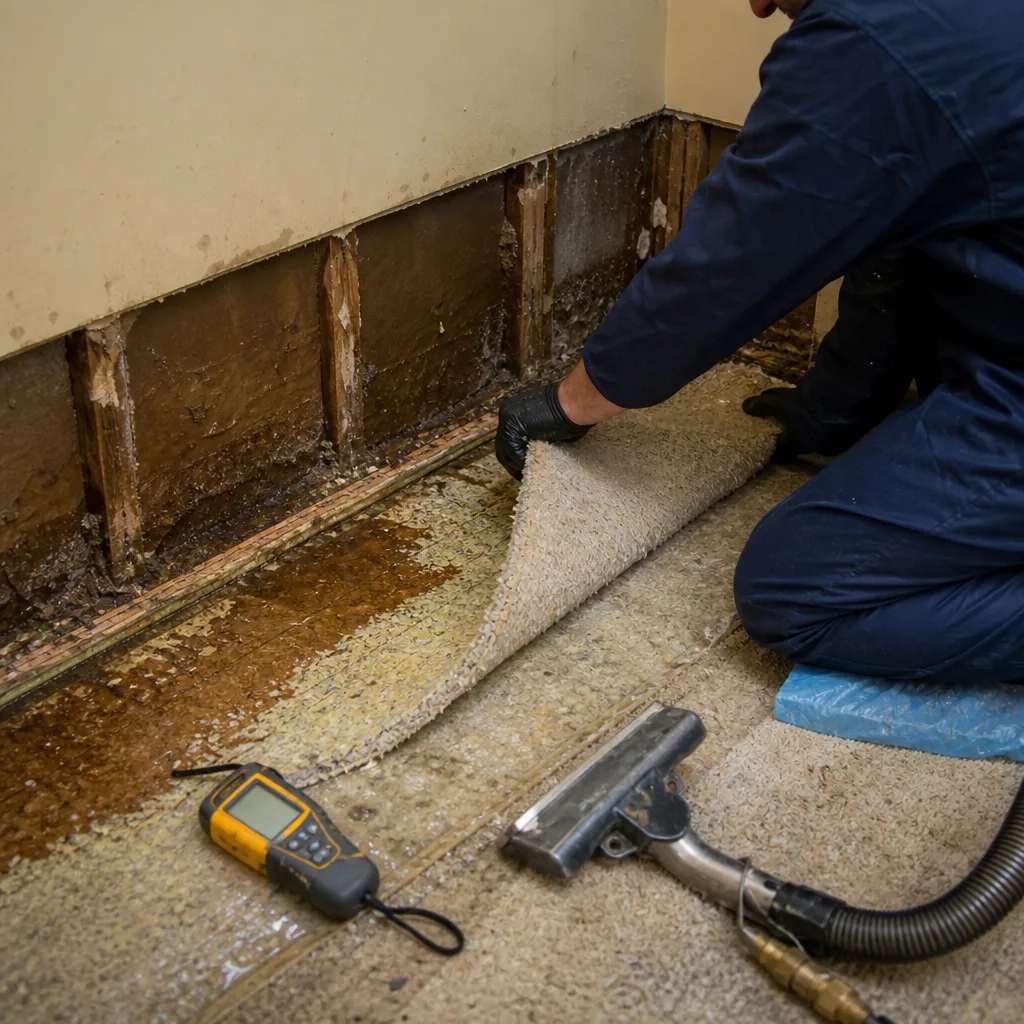
We arrive with thermal imaging cameras, moisture meters, and combustible gas indicators to map flame damage, smoke migration paths, and the water saturation left by firefighting. Every surface is photographed, every moisture reading logged, and residue samples classified before we write the scope.
2. Emergency Board-Up & Tarping
Broken windows, compromised roof sections, and damaged door frames are secured with fire-rated plywood and weatherproof membrane to prevent secondary water intrusion and unauthorized entry. In Long Island City’s Zone AE floodplain, we spec hardware that meets both fire code and NFIP wet-proofing requirements.
3. Water Extraction & Structural Drying
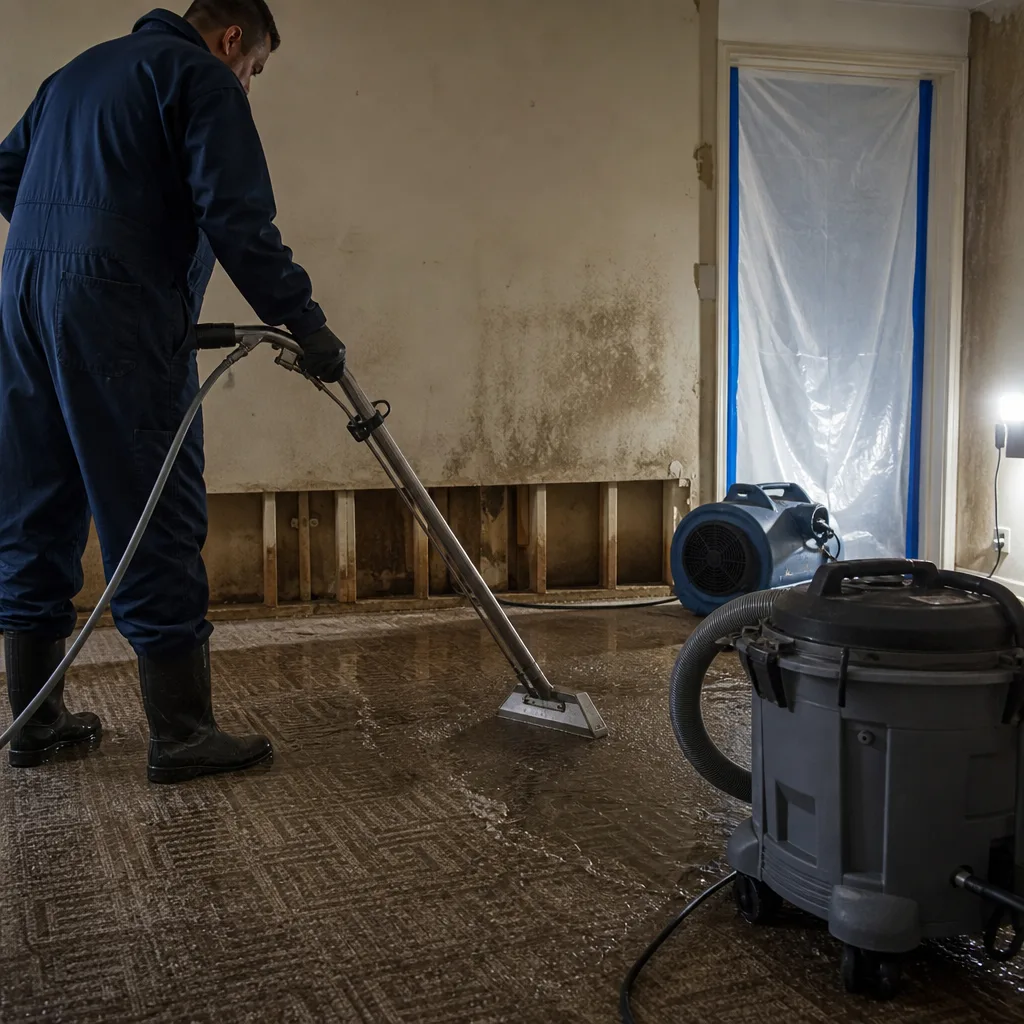
Firefighting water is extracted with truck-mounted systems, then we deploy Phoenix and XPOWER air movers with LGR dehumidifiers to drop structural moisture below 16% wood moisture equivalent. Daily psychrometric readings - temperature, relative humidity, vapor pressure differential - are logged to IICRC S500 standards.
4. Smoke & Soot Removal
HEPA air scrubbers establish negative pressure containment while technicians use dry sponges, solvent cleaners, and ultrasonic baths for contents. In LIC’s converted lofts with exposed brick, we apply chemical sponging to porous masonry before soot sets permanently into the substrate.
5. Odor Removal & Deodorization
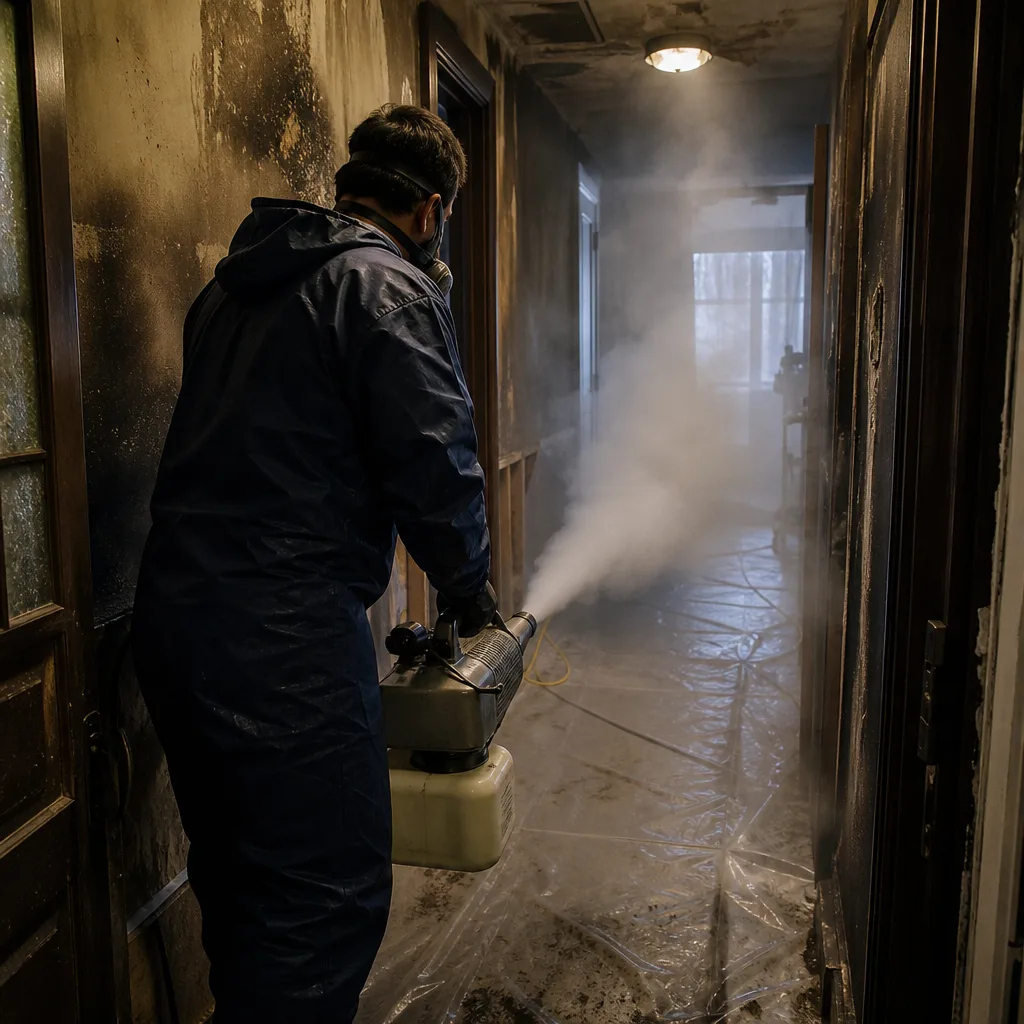
Thermal fogging recreates the smoke’s penetration path with odor-neutralizing particles, while ozone and hydroxyl generators break odor molecules at the source. We verify results with olfactory testing and, where required, third-party air quality clearance before releasing containment.
6. Structural Fire Repair & Reconstruction
Fire-rated door frames, wind-rated hardware, and flood-vent-compliant wall assemblies are rebuilt to NYC Building Code and NFIP standards for Zone AE properties. A final photo record, signed warranty under The Haven Standard, and 365-Day Done Right Promise close every job.
Need Emergency Fire & Smoke Damage Restoration in Long Island City Now?
Crews minutes away, answering live 24 hours a day. The sooner we start, the less it costs.
Working With Your Insurance Company
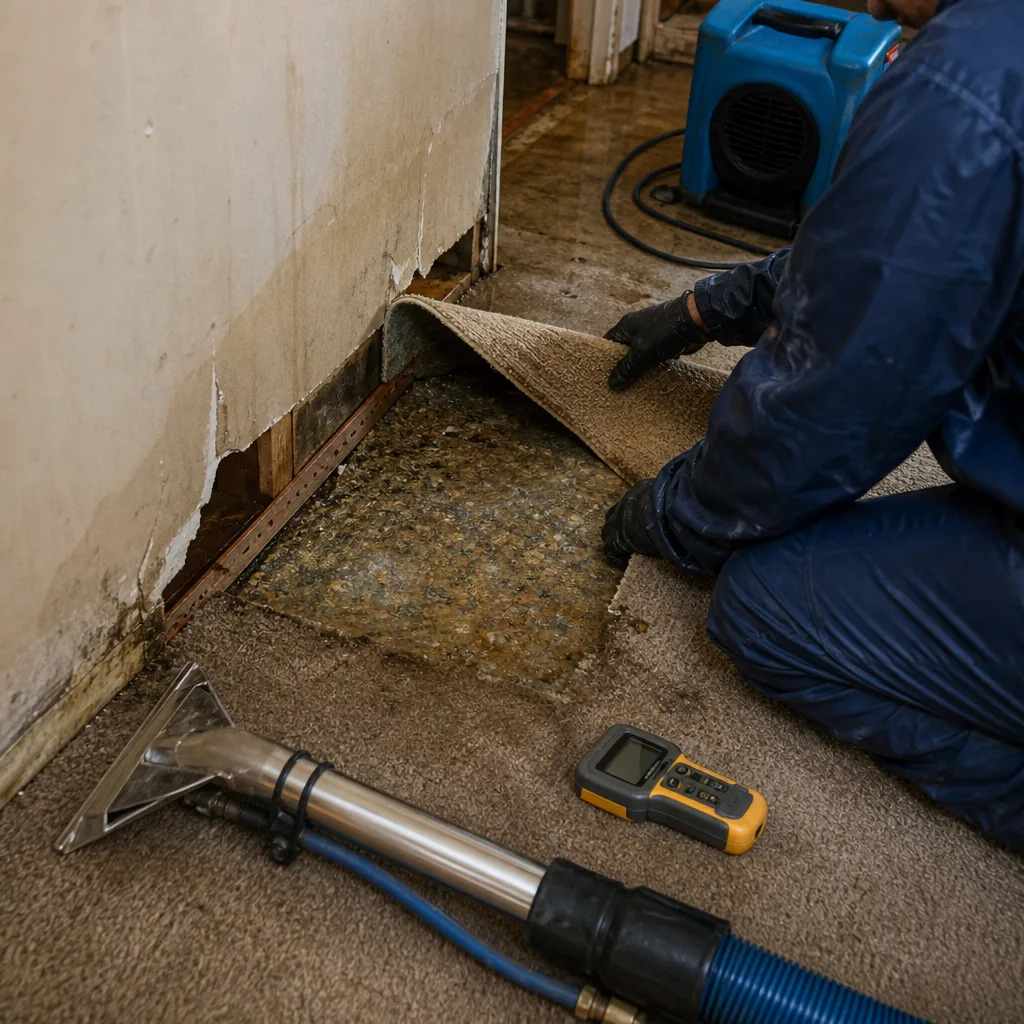
Documentation from minute one is how we keep claims moving. Alicia Brennan founded Back to Dry Restoration in 2011 after years as a claims adjuster watching homeowners lose coverage over missing photos and undocumented moisture readings. Every Long Island City fire job produces a complete file: dated photos of each room at arrival, daily drying logs with specific humidity and grain depression figures, line-item scopes with material classifications, and direct adjuster coordination through our office. We do not hand you an invoice and wish you luck with your carrier.
What We Provide Your Insurer
- Thorough documentation of the loss
- Photos of all damage, room by room
- Moisture readings and drying logs
- A detailed, line-item scope of work
- Direct coordination with your carrier
Built for Long Island City’s Loss Calendar
Long Island City’s fire damage calendar follows the metro New York pattern with local wrinkles. January and February bring the highest frequency of space-heater and electrical fires in converted loft buildings, where original 1920s knob-and-tube or 1960s aluminum wiring struggles under modern loads. Spring sees kitchen grease fires spike as open-window ventilation pulls cooking vapors into smoke detectors, causing residents to disable them. Summer thunderstorm lightning strikes hit the Hunters Point and Queens West high-rises, traveling through curtain-wall grounding systems to ignite electrical panels. Fall and early winter bring the most complex jobs: heating-system startup fires in buildings where summer flooding from Zone AE storm surge has corroded gas lines and electrical conduits, creating ignition sources that standard seasonal inspections miss. Every season, the same post-fire complication: water damage from FDNY suppression that must be dried and documented before mold establishes in Long Island City’s humid riverfront microclimate.
Fire & Smoke Damage Restoration Across Long Island City’s Neighborhoods
Our crews know the response routes and building-specific risks in every Long Island City corridor. In Hunters Point, the waterfront high-rises along Center Boulevard and 44th Drive present stacked-unit smoke migration through shared ventilation risers; we coordinate with building management to isolate affected floors before deodorization begins. The Jackson Avenue loft district between 21st Street and the Queensboro Bridge is where we most often hit the DEP asbestos hold - original factory buildings with ACM floor tile, pipe insulation, or joint compound that must be abated before structural drying or reconstruction can proceed legally. Dutch Kills, north of Queens Plaza, mixes pre-war brick rowhouses with new construction; the older stock has balloon framing that lets smoke travel vertically inside walls for multiple stories. Sunnyside Yards-adjacent blocks near Thomson Avenue see frequent electrical fires in aging multi-family conversions where certificate-of-occupancy changes never updated the panel capacity. Each zone gets a different equipment loadout and a different compliance checklist.
Specialized Fire & Smoke Damage Restoration Services We Offer in Long Island City
Fire Damage Cleanup
We remove charred structural elements, debris, and compromised insulation, then treat remaining substrates with antimicrobial agents to prevent secondary damage. In Long Island City’s converted industrial buildings, this often means working around cast-iron columns and terrazzo floors that cannot be demolished without engineering review.
Smoke & Soot Removal
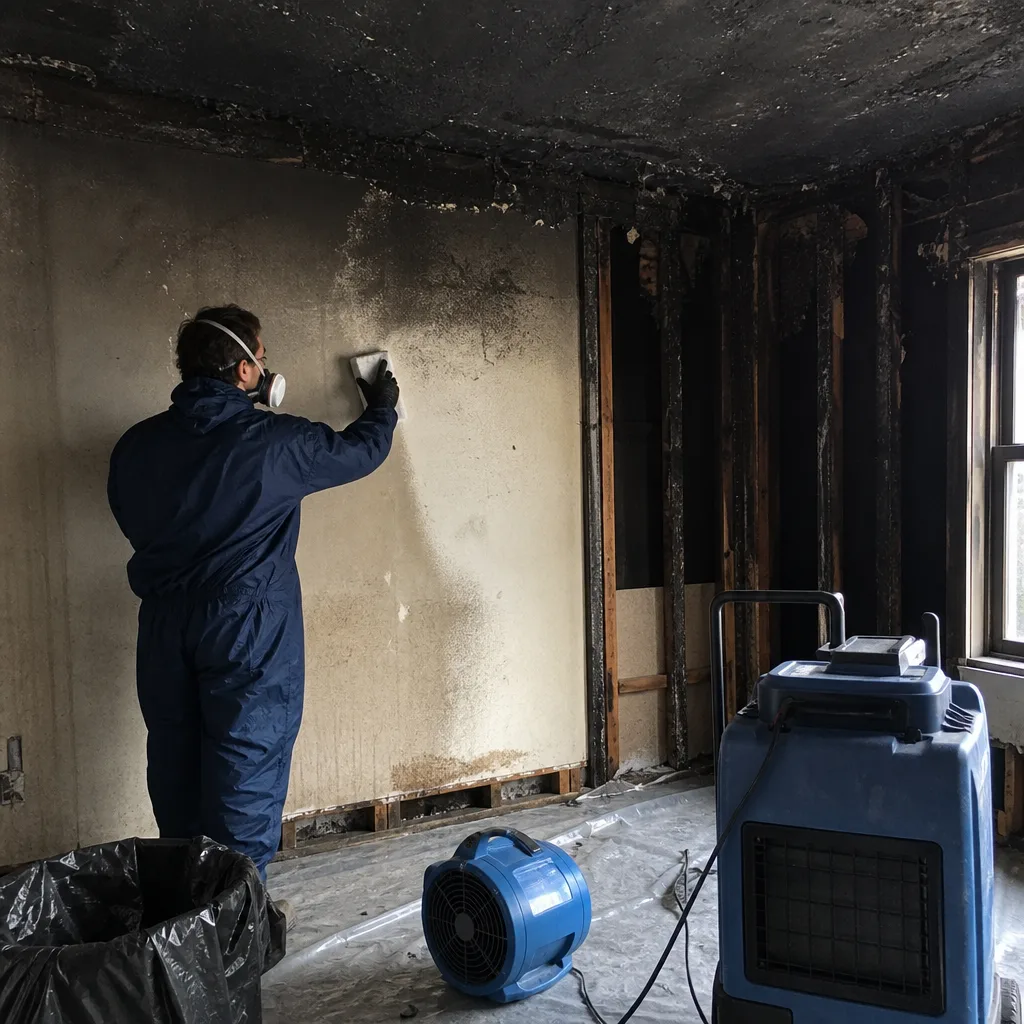
Our FSRT-certified technicians classify residue type before selecting cleaning chemistry - alkaline cleaners for acid soot, acid cleaners for alkaline soot, solvents for synthetic smoke. In LIC lofts with exposed brick and original tin ceilings, we use chemical sponging and controlled media blasting to reach porous surfaces without destroying the architectural finish.
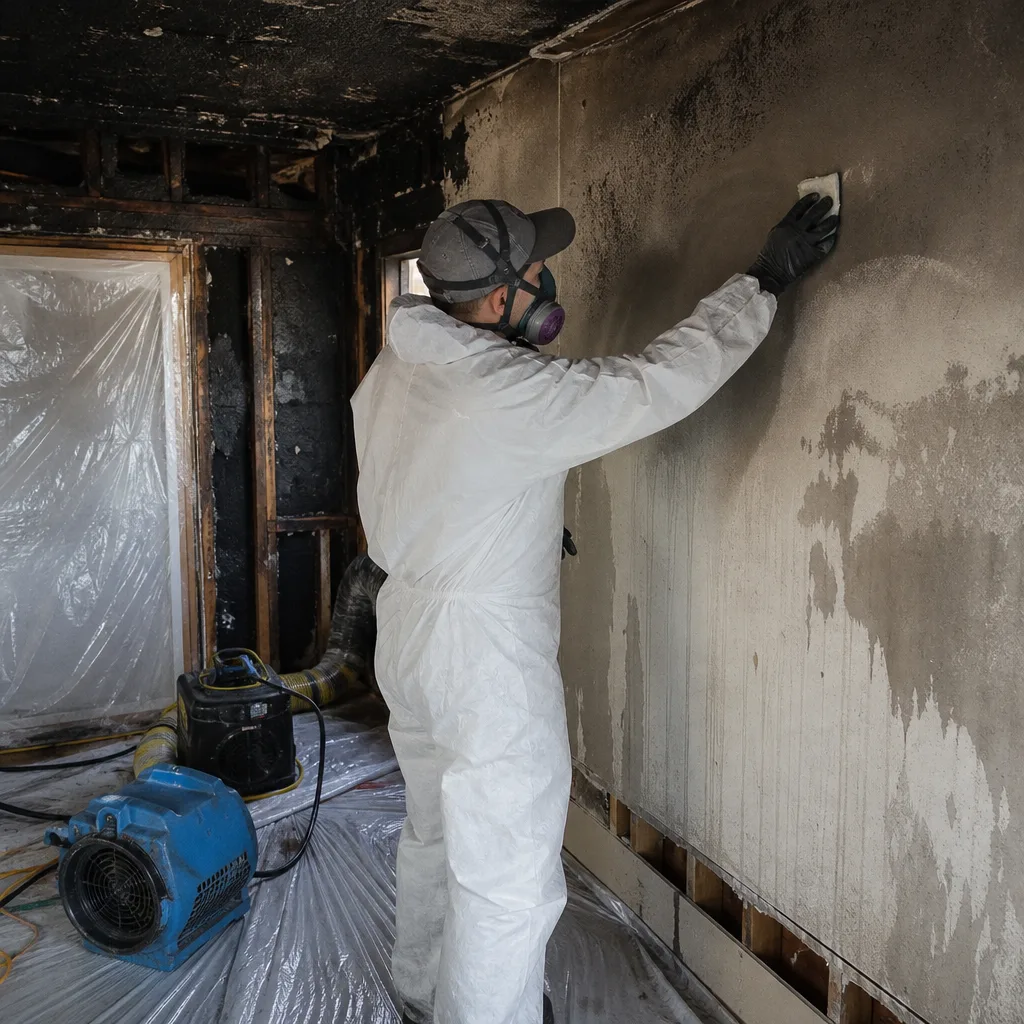
Odor Removal & Deodorization
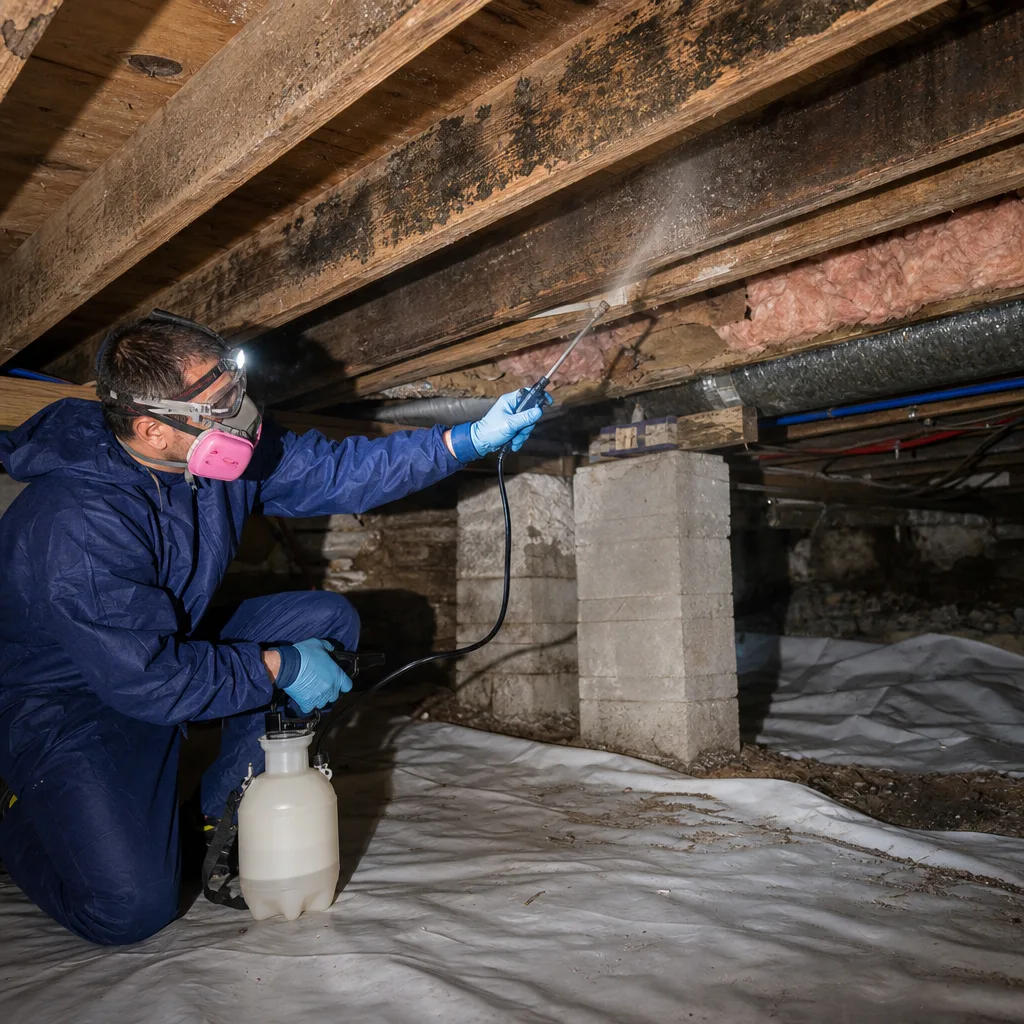
Thermal fogging, ozone generation, and hydroxyl treatment break odor molecules rather than masking them. High-rise units in buildings like those along Center Boulevard require sealed containment and negative air pressure to prevent odor migration to neighboring units during treatment.
Contents Cleaning & Pack-Out
Smoke-damaged furniture, electronics, and textiles are inventoried, photographed, and transported to our facility for ultrasonic cleaning, ozone treatment, and specialized textile restoration. Delicate items receive hand-cleaning with pH-balanced agents matched to the fire’s residue type.
Emergency Board-Up & Tarping
Fire-damaged openings are secured with fire-rated plywood and weatherproof membrane, with hardware spec’d to Long Island City’s wind-load and flood-vent requirements. We document pre-existing damage photographically before installing protection, so insurers cannot dispute what the fire caused versus what we addressed.
Structural Fire Repair
Charred studs, compromised floor joists, and damaged door frames are replaced with fire-rated materials, with wind-rated hardware installed where Zone AE compliance requires it. We coordinate permit applications with NYC DOB and, where DEP abatement holds apply, sequence reconstruction to follow clearance testing.
What happens when you call
- 1
A real person answersNo phone trees - you reach a local pro.
- 2
You get an upfront price rangeHonest numbers before anyone is dispatched.
- 3
A background-checked tech heads outLicensed & insured, dispatched right away.
- 4
You approve before work beginsNothing starts until you say go.
Fire & Smoke Damage Restoration Costs in Long Island City, NY
Smoke and soot cleanup for a contained kitchen fire in a Long Island City one-bedroom typically runs $2,800-$5,500. Full-service fire restoration with water damage drying, structural repair, and contents pack-out in a converted Jackson Avenue loft ranges $18,000-$45,000 depending on square footage and whether DEP abatement holds apply. Emergency board-up and tarping alone: $800-$2,200. Odor removal and deodorization for a high-rise unit with HVAC contamination: $3,500-$7,500. Structural fire repair, including fire-rated door and frame replacement with Zone AE-compliant hardware: $4,500-$12,000 per opening.
What moves the price: residue type (wet smoke costs more than dry), water damage volume from suppression, asbestos or lead abatement requirements, and whether smoke traveled through a centralized ventilation system. Insurance typically covers direct fire and smoke damage plus reasonable mitigation; our written scope, delivered before work starts per Haven Standard, Clause 1, separates covered from non-covered items so you know your out-of-pocket before authorization. Call (551) 213-5277 for a free visual inspection and firm written estimate.
We Also Serve Cities Near Long Island City
Our crews respond daily to Long Island City and the surrounding Queens neighborhoods: Astoria to the north, with its dense stock of pre-war brick apartment buildings; Maspeth to the south, where industrial-to-residential conversions mirror LIC’s own; Jackson Heights to the east, with its large-format co-op buildings and complex insurance claim environments; and Elmhurst, where post-1960 high-rise construction presents the same stacked-unit smoke migration challenges we manage in Long Island City’s newer towers.
Serving Long Island City, NY - Our Local Coverage Area
We’re based in the Long Island City area and know this community well. Use the map below to see our service coverage - if you’re nearby, we can almost certainly help.
Long Island City Fire & Smoke Damage Restoration Questions, Answered
Why does a fire in a Long Island City loft take longer to restore than a fire in a typical Queens house?
Because the same converted industrial building that gives a loft its character - exposed brick, open floor plans, legacy HVAC - also creates complex smoke migration paths and frequently contains friable asbestos or pre-1978 lead paint that triggers a mandatory DEP abatement hold before mitigation can proceed. We regularly see two-day jobs become two-week projects when bulk sampling reveals ACM floor tile or pipe insulation that was left in place during the 1990s residential conversion. Call (551) 213-5277 and we’ll assess your specific building’s compliance status during the free inspection.
Does Long Island City’s FEMA Zone AE status affect fire damage repair?
Yes. Properties on the western waterfront, including much of Hunters Point and Dutch Kills, must meet NFIP flood-vent and wet-proofing requirements when any ground-floor wall assembly is opened for fire repair. We spec flood-vent-compliant wall openings and wind-rated hardware as standard on Zone AE jobs, a compliance layer most inland Queens fire crews never encounter. Our written scope identifies Zone AE requirements before reconstruction begins. Call (551) 213-5277 for documentation specific to your address.
After a fire, how do you handle the Category 1/2/3 water left behind by the fire department?
We classify the water during initial assessment - firefighting water is typically Category 2 or 3 depending on what it contacted - then extract with truck-mounted systems and deploy Phoenix LGR dehumidifiers and XPOWER air movers to dry structures to IICRC S500 standards. Daily moisture logs document grain depression and specific humidity, producing the drying record your insurer and NFIP adjuster require. Call (551) 213-5277 for same-day water extraction and documentation.
Can smoke odor in a Long Island City high-rise travel between stacked units?
Absolutely. Centralized ventilation risers, elevator shafts, and curtain-wall cavity gaps allow smoke and odor to migrate vertically and horizontally through dozens of units from a single source. We isolate affected floors, establish negative pressure containment, and coordinate with building management to inspect and treat interconnected spaces before releasing the job. Call (551) 213-5277 if you suspect smoke odor in your unit from a fire elsewhere in the building.
What does smoke and soot removal actually involve in a converted LIC warehouse building?
We establish HEPA-contained work zones, classify residue type from sampling, then apply dry sponging or solvent cleaning to original brick, tin ceilings, and tongue-and-groove flooring. Where bulk sampling reveals asbestos-containing materials, we coordinate DEP notification and licensed abatement before structural cleaning proceeds. Post-abatement, we complete antimicrobial treatment, dehumidification, and deodorization with thermal fogging or hydroxyl generation. Call (551) 213-5277 for a scope written to your building’s specific material profile.
How fast can your crew actually get to Long Island City?
We commit to 45 minutes from call to arrival for any Long Island City address, with crews staged for Queens dispatch from our New York City office. A live person answers at (551) 213-5277 24 hours a day - no voicemail, no callback queue. The first hour after a fire determines whether smoke residues set permanently and whether water reaches subflooring; we do not waste it.
Will my insurance cover the full restoration, or just the fire damage?
Standard HO-3 and HO-5 policies typically cover direct fire and smoke damage plus reasonable mitigation costs, including water extraction, drying, and odor removal. NFIP flood policies cover flood-vent and wet-proofing repairs required by Zone AE compliance. We separate covered from non-covered items in our written scope before work begins, then provide the photo documentation and drying logs that keep adjusters from disputing line items. Call (551) 213-5277 for a free second opinion on any competitor’s estimate.
What should I do in the first 30 minutes after the fire is out?
Do not re-enter until the FDNY fire marshal clears the structure. Once cleared, shut off HVAC to stop smoke circulation, open windows only if weather permits and structural integrity is confirmed, and call (551) 213-5277 for immediate board-up and assessment. Do not attempt to clean soot yourself - improper cleaning drives residues deeper into porous surfaces and can void insurance coverage for subsequent professional remediation.
Every fire in Long Island City carries a compliance layer that inland Queens jobs do not. Zone AE floodplain requirements, DEP asbestos and lead abatement holds, and the specific material profiles of converted industrial buildings mean your restoration company must write scopes that anticipate regulatory stops before they happen. Our Fire & Smoke Damage Restoration team has handled these exact conditions across thousands of metro New York jobs since 2011. We arrive with the documentation mindset that turns restoration invoices into paid claims, and we do not start work until you have a written price in hand.
Call (551) 213-5277 now for 24/7 live answer, 45-minute response to any Long Island City address, and a free visual inspection with written estimate before any work begins. Haven Standard, Clause 1: written price before work starts. Every time. No exceptions.
Written by Alicia Brennan, Owner at Back to Dry Restoration, serving Long Island City since 2011.
Fire & Smoke Damage Restoration in Nearby Areas