
Free visual inspection and a written scope of work before any mitigation begins - photos, moisture readings, and drying logs go in your claim file
The scope we write is the scope we bill. Anything new gets shown to you, in writing, before we touch it.
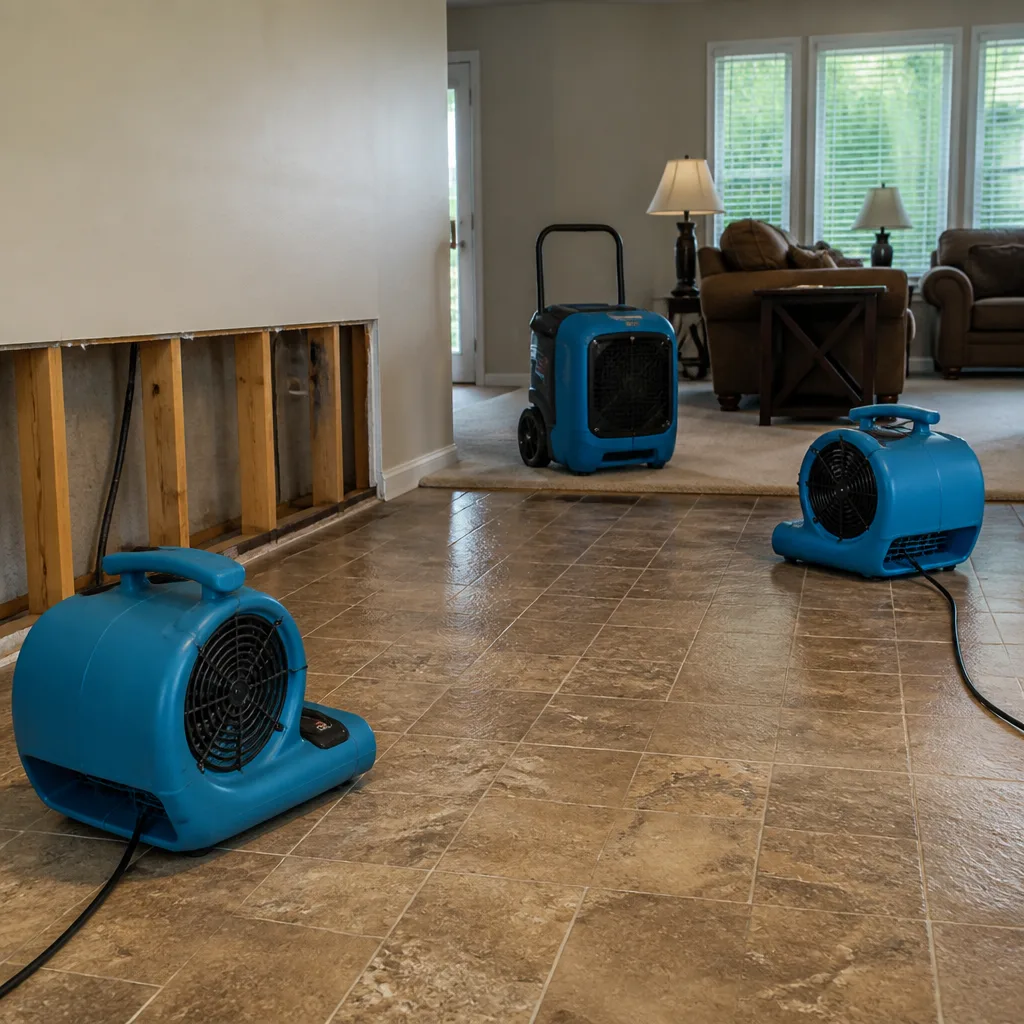

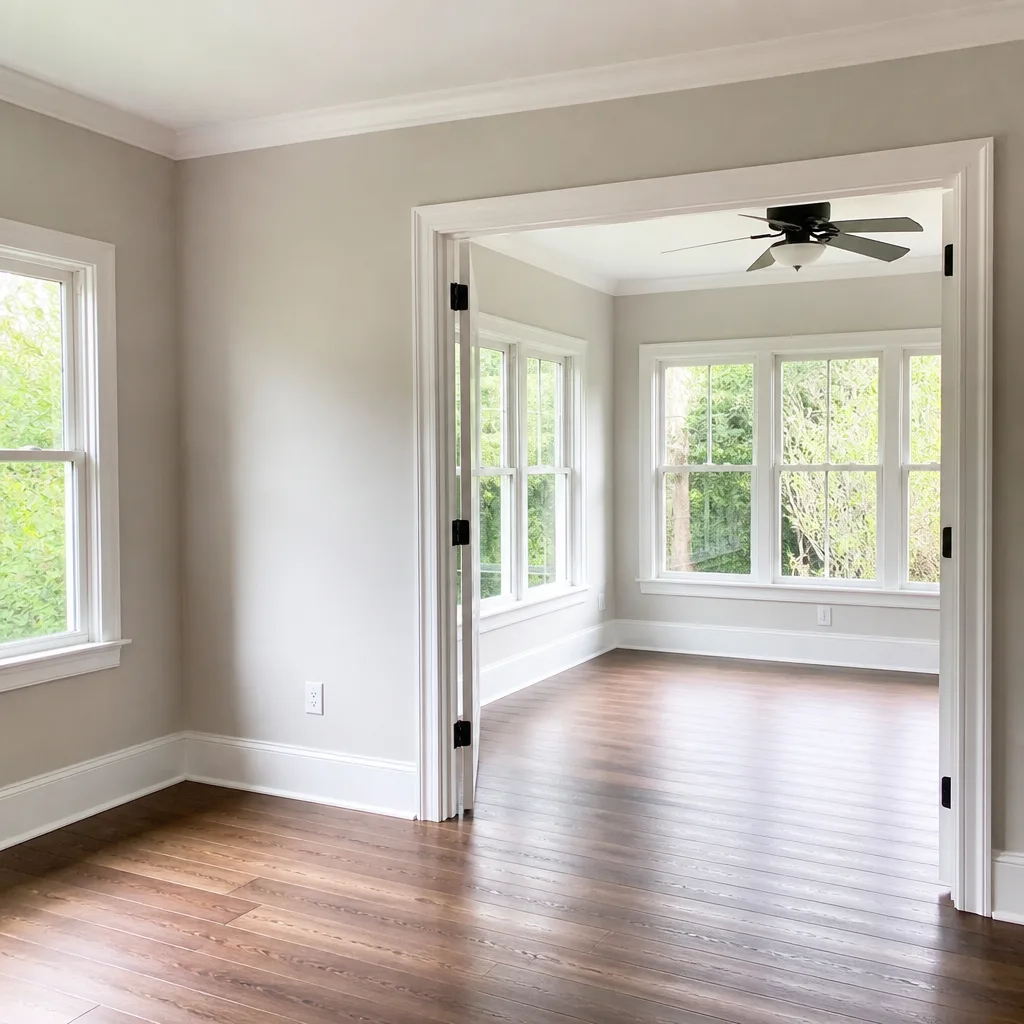
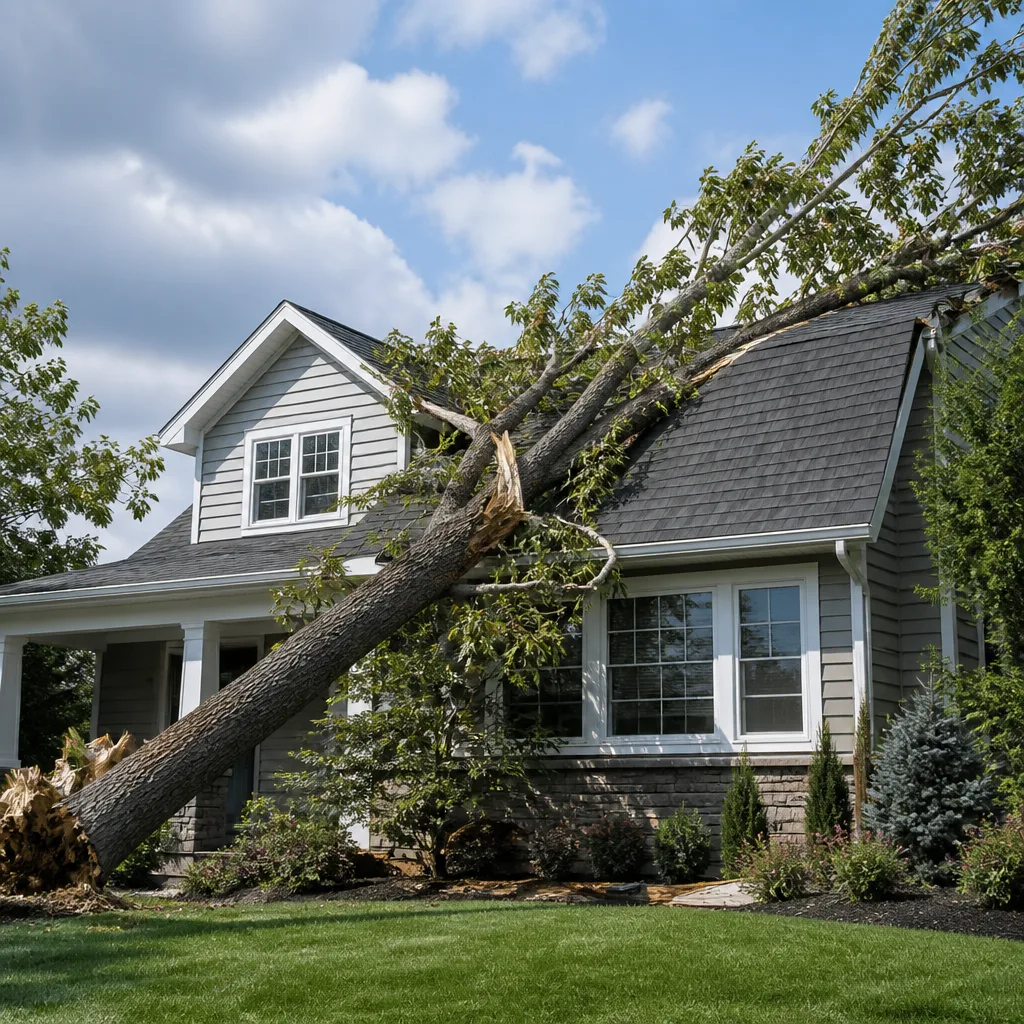
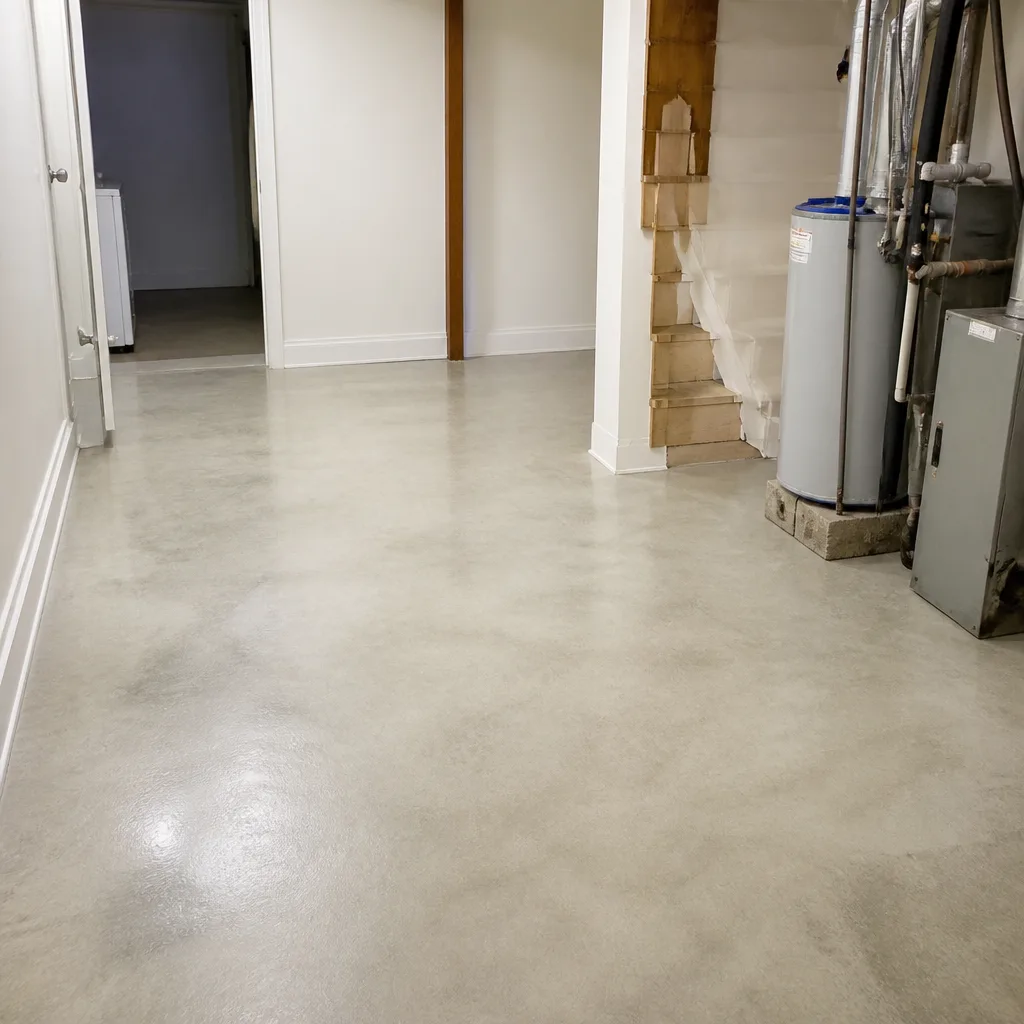
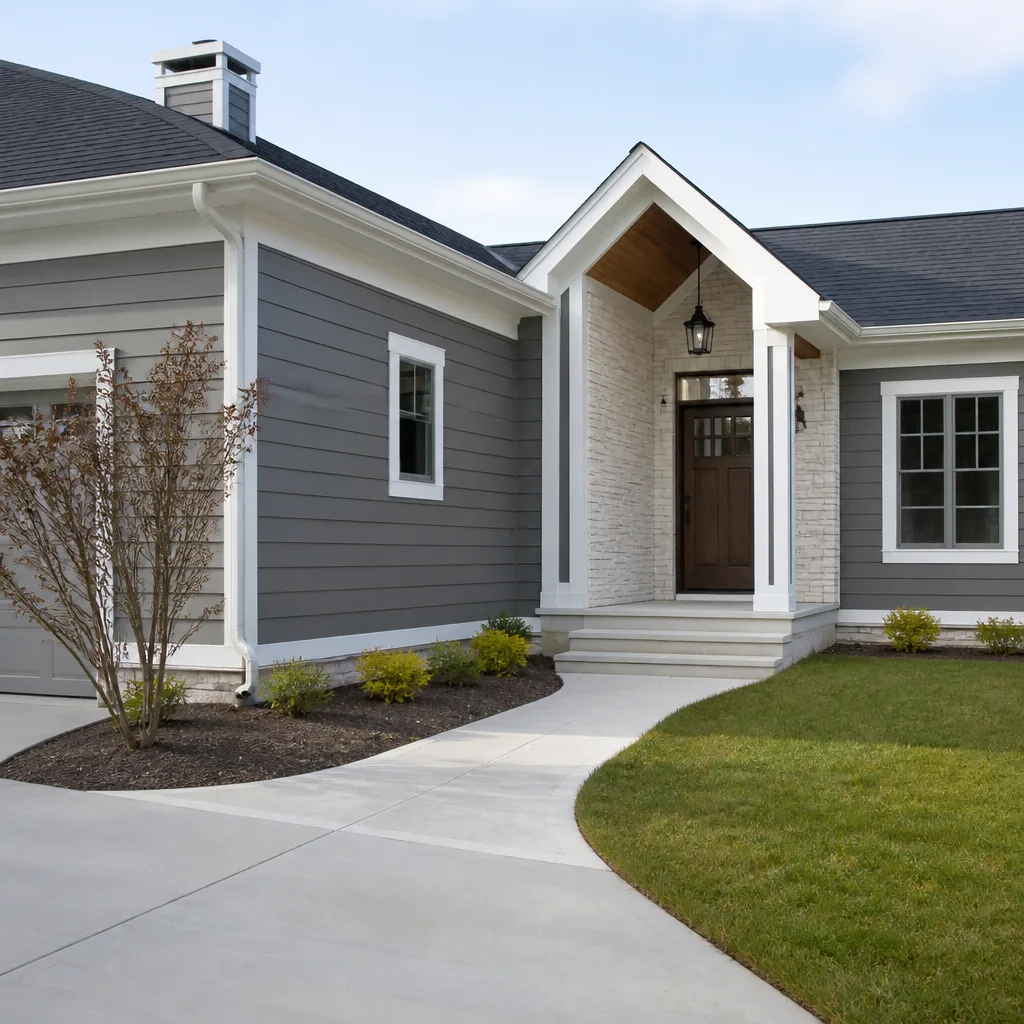
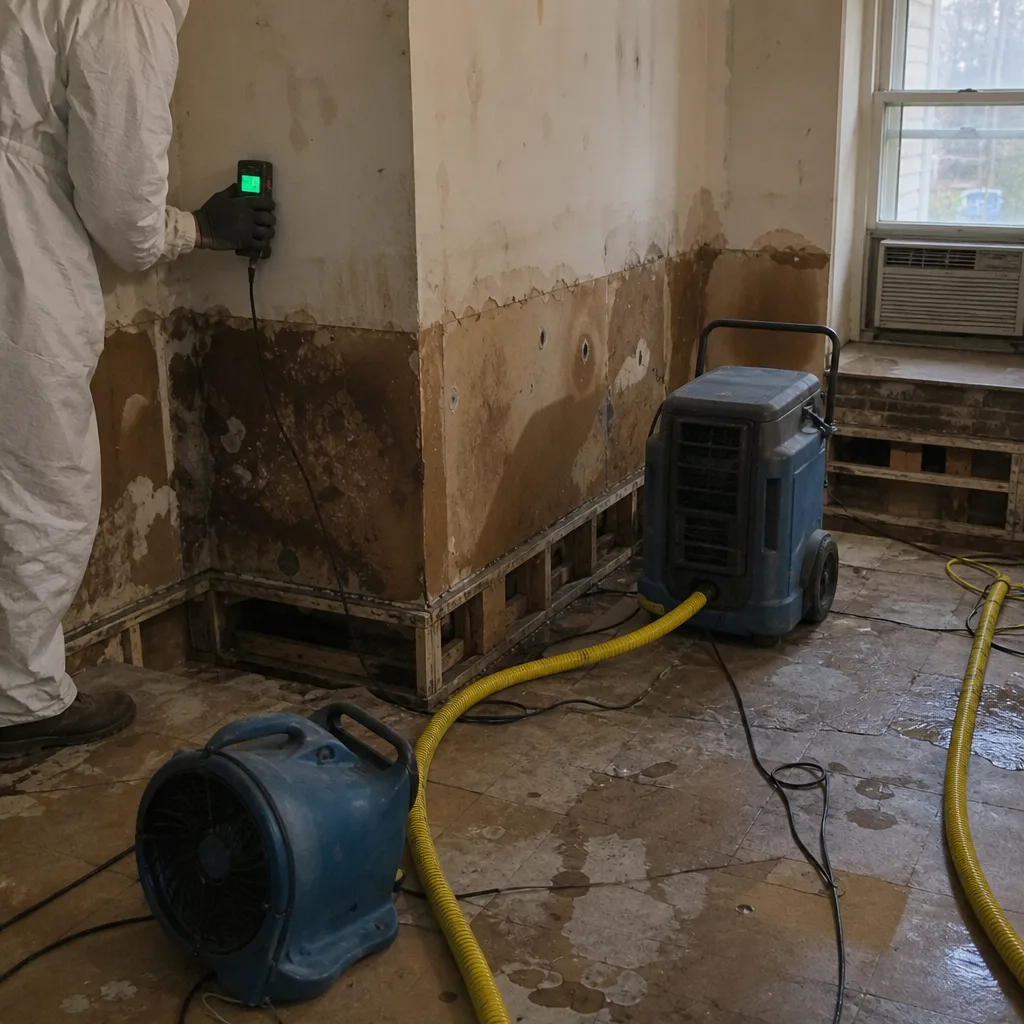 Before
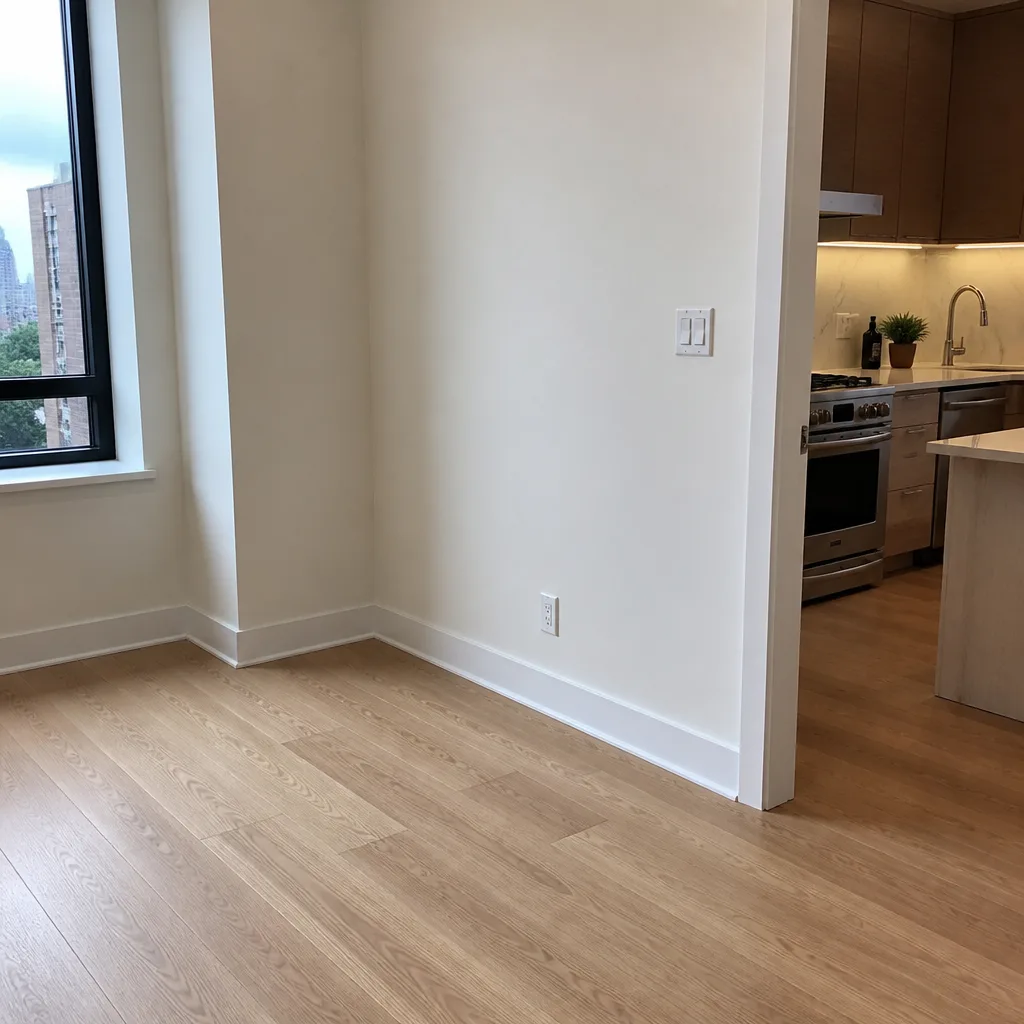 After
After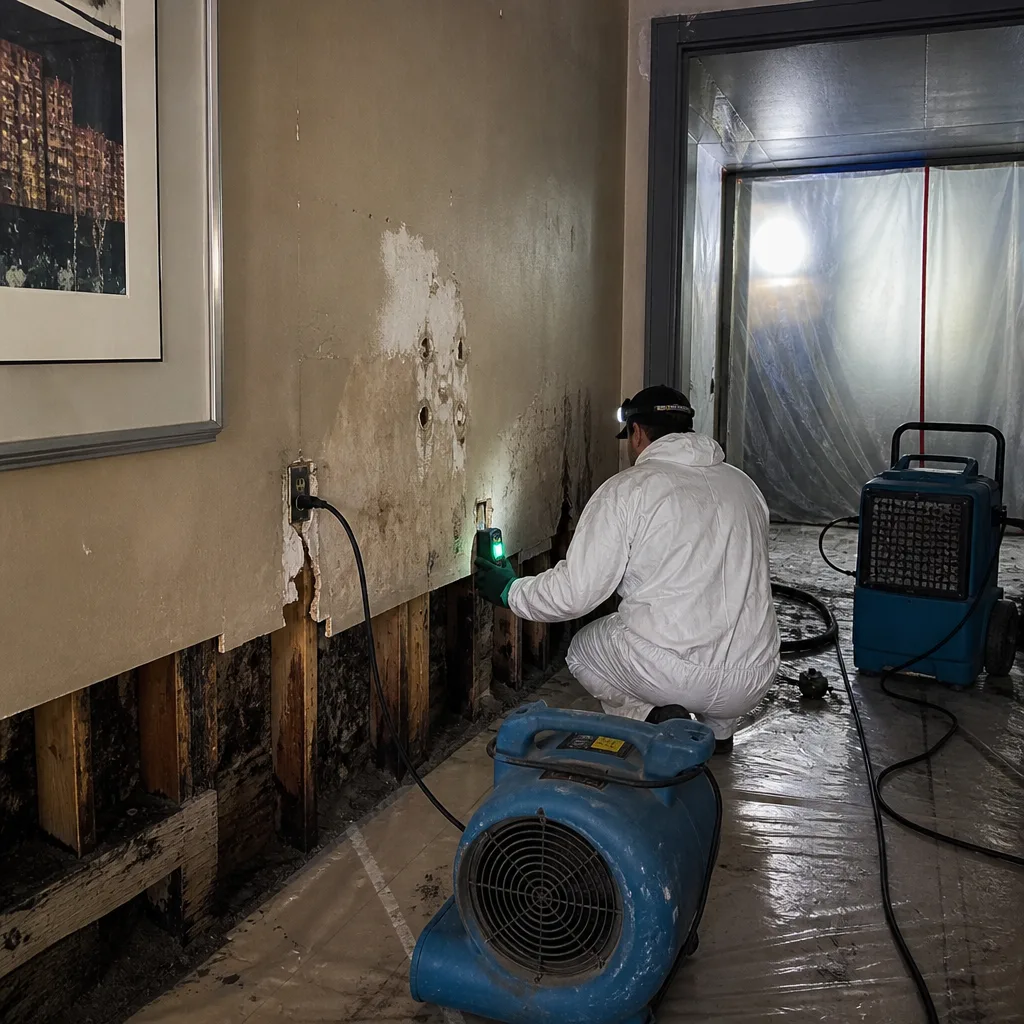 Before
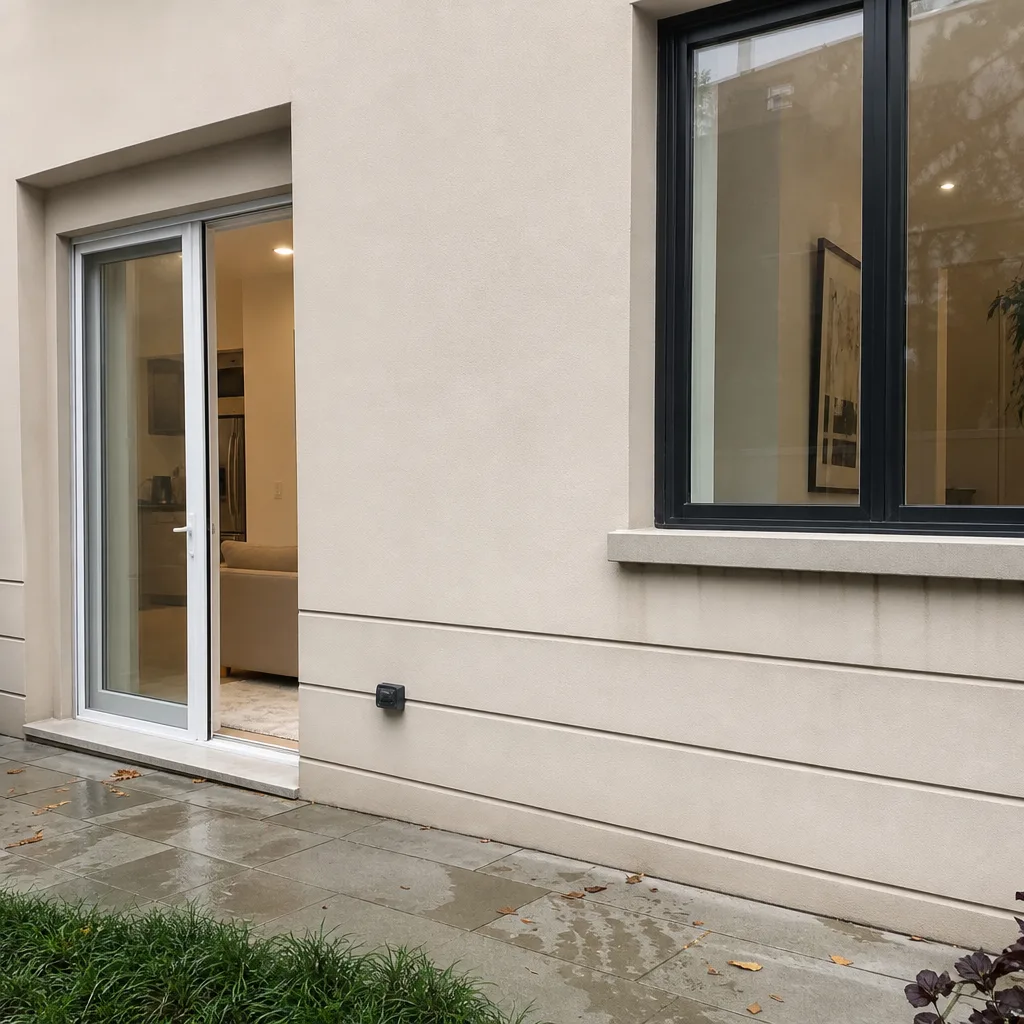 After
After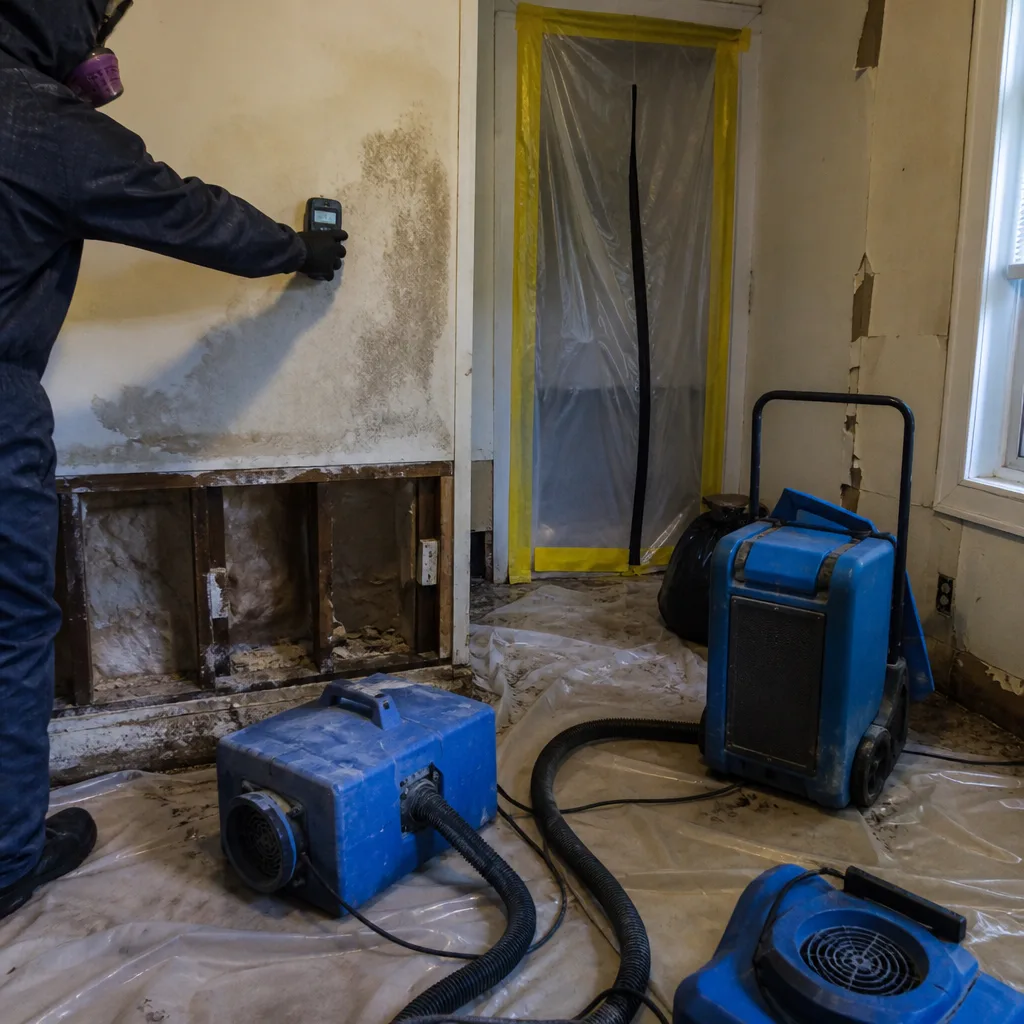 Before
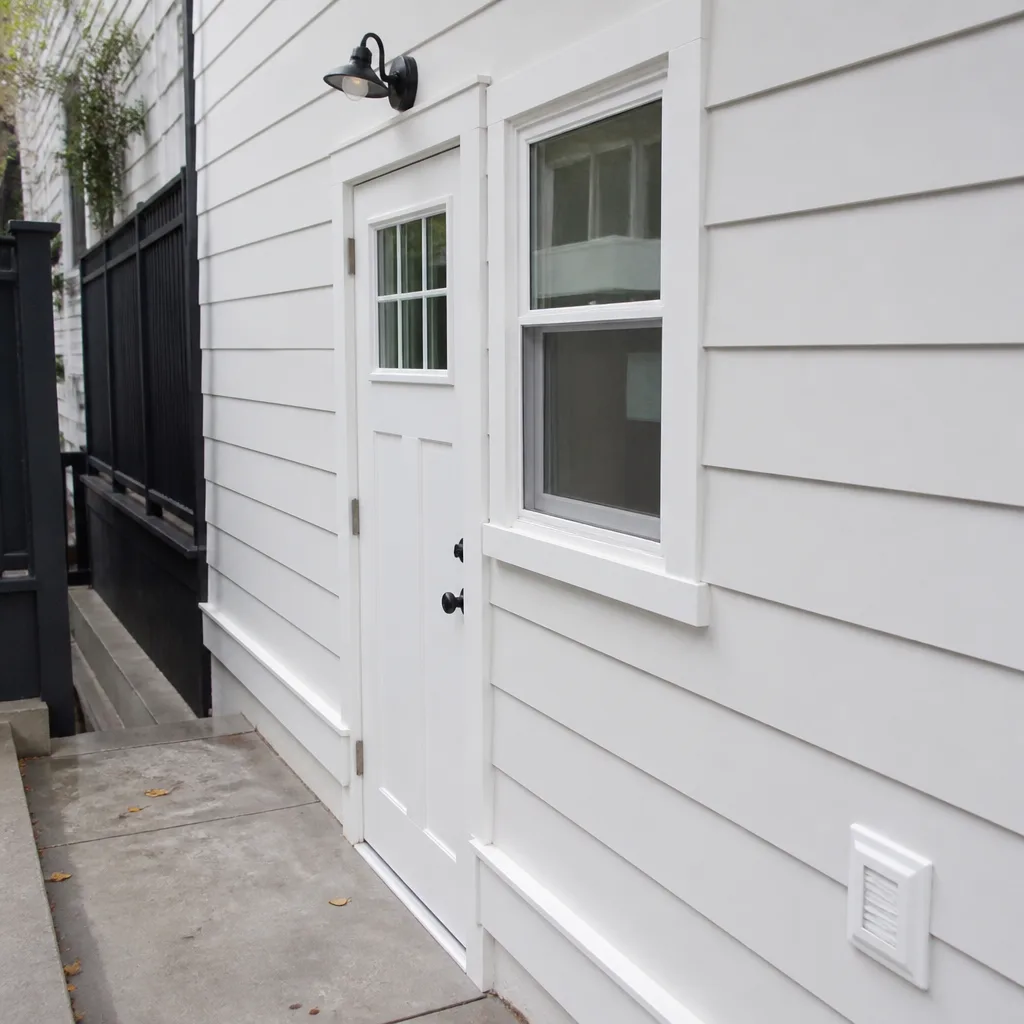 After
After24/7 Emergency Mold Remediation in Long Island City
Mold remediation in Long Island City typically costs $1,800-$6,500 depending on contamination size and material type, and our crews can be on-site in Long Island City within 45 minutes of your call to (551) 213-5277. We answer live, 24 hours a day, 7 days a week - no voicemail, no callback queues. The first 24-48 hours after water intrusion are when mold colonies establish; after that, spore counts multiply exponentially. If you’re in a Hunters Point loft, a Queens Plaza high-rise, or a basement unit near Newtown Creek, speed matters, but so does sequencing the job legally from the start.
Our Mold Remediation team provides a free visual inspection, documents moisture readings with calibrated hygrometers, and delivers a written scope and price before any containment or removal begins. Haven Standard, Clause 1: written price before work starts. Every time.
Understanding Mold Remediation Severity in Long Island City Properties
Mold contamination is classified by affected square footage, material porosity, and whether the source water was clean (Category 1), gray (Category 2), or black/sewage (Category 3). In Long Island City, Category 3 events dominate the mold calendar: the neighborhood’s combined sewer system overflows during nor’easters, pushing sewage backflow into basement and ground-floor units. Porous materials - drywall, carpet pad, insulation, unfinished wood - that absorb Category 3 water must be removed, not dried in place. Attempting to save them guarantees mold recurrence.
Containment barriers of 6-mil polyethylene separate the work zone from occupied spaces. Negative air pressure, maintained by HEPA-filtered air scrubbers, prevents cross-contamination. Air quality clearance testing, performed by a third-party industrial hygienist, confirms spore counts at or below outdoor baseline before we remove containment. In LIC’s converted industrial lofts, we add one step before any of this: bulk sampling of wall cavities for asbestos-containing joint compound, pipe insulation, or floor tile, and testing for pre-1978 lead paint. NYC DEP notification and abatement, if triggered, must complete before mold work resumes. Inland crews miss this routinely. We don’t.
Why Long Island City Property Owners Choose DryMark Restoration Upper East Side
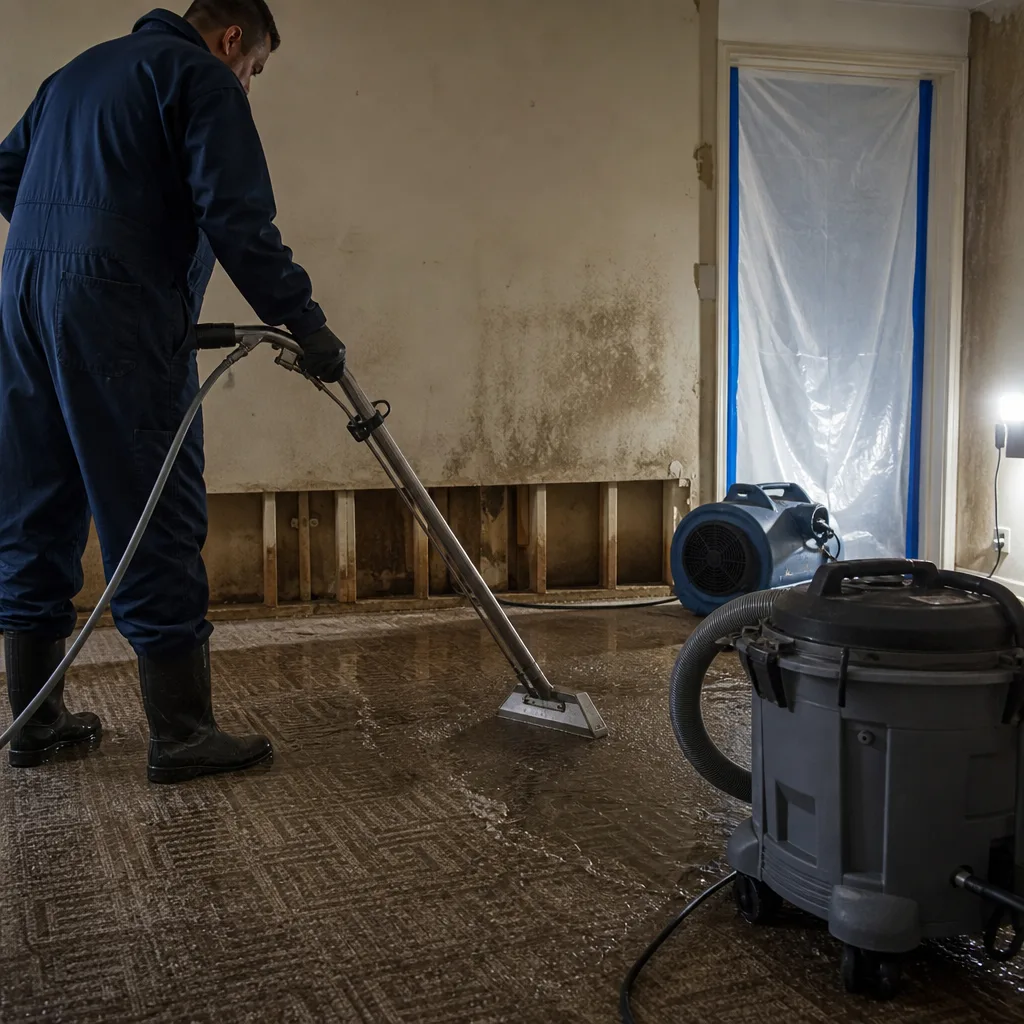
- 45-minute response commitment to any Long Island City address, from the Hunters Point waterfront to the Sunnyside Yards corridor.
- 24/7 live answer - a real person picks up every call, never an automated system or voicemail tree, because mold doesn’t wait for business hours.
- IICRC-certified crews trained to WRT (Water Damage Restoration Technician), AMRT (Applied Microbial Remediation Technician), and FSRT (Fire & Smoke Restoration Technician) standards.
- Free visual inspection with moisture mapping, documented photos, and a written scope delivered before you decide.
- Direct insurance billing with photo-documented loss files and daily drying logs that adjusters pay without dispute.
- One team from containment to reconstruction - no handoffs to unknown subcontractors, no gaps in documentation.
BeforeAfterOur Mold Remediation Process
1. Inspection & Assessment
We map moisture intrusion with thermal imaging and calibrated hygrometers, identify the water category, and test suspect materials for asbestos and lead paint per NYC Local Law 76. You receive a written scope, line-item price, and photo record before work starts. Haven Standard, Clause 1.
2. Containment & Stabilization
6-mil poly barriers seal the work zone. Negative air machines with HEPA filtration run continuously. If DEP abatement holds are triggered, we coordinate notification and licensed abatement before proceeding.
3. Removal & Demolition
Non-salvageable porous materials come out: wet drywall, insulation, carpet pad, subfloor if saturated. Hard surfaces are HEPA-vacuumed and wet-cleaned with antimicrobial agents. We document every square foot removed.
4. Drying & Dehumidification
Structural drying with Dri-Eaz and XPOWER dehumidifiers, plus axial air movers, reduces moisture content to IICRC-specified levels. Daily psychrometric readings - temperature, relative humidity, vapor pressure differential - go into your drying log.
5. Antimicrobial Treatment & Air Scrubbing
EPA-registered antimicrobial agents treat remaining structural materials. HEPA air scrubbers run through clearance testing to capture airborne spores. In Long Island City’s high-rises, we coordinate with building management on HVAC isolation.
6. Clearance Testing & Restoration
Third-party air and surface sampling confirms remediation success. Reconstruction - drywall, paint, flooring - follows the pre-loss scope, documented with photos at every stage. The 365-Day Done Right Promise applies.
Need Emergency Mold Remediation in Long Island City Now?
Crews minutes away, answering live 24 hours a day. The sooner we start, the less it costs.
Working With Your Insurance Company
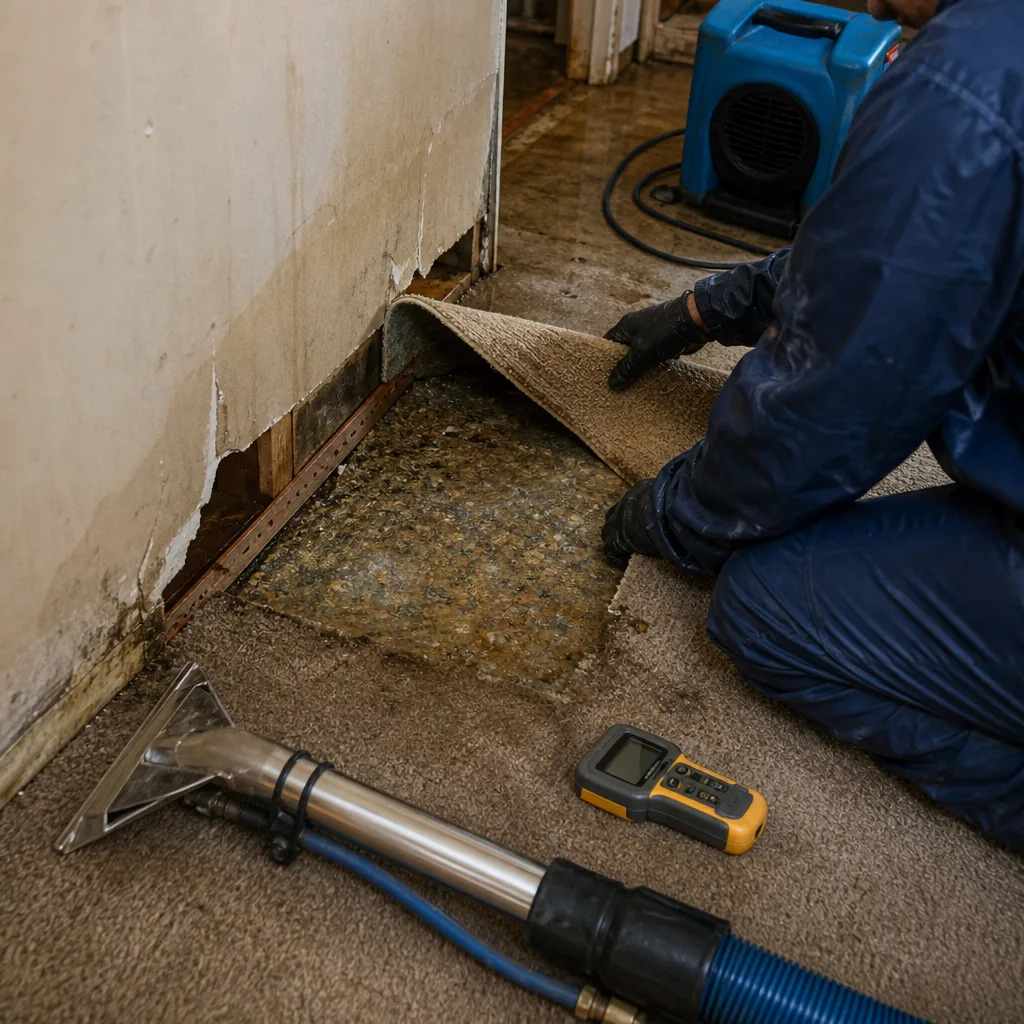
Insurance claims succeed or fail on documentation. We begin building your file from the first phone call: time-stamped photos, moisture readings with make and model of instruments, material classifications by trade name, and a line-item scope written to Xactimate standards. Our estimates speak the language adjusters recognize.
For Long Island City properties in FEMA Zone AE, we coordinate NFIP documentation requirements including elevation certificates, flood-vent compliance, and pre-loss condition photos that satisfy both private carriers and federal flood adjusters. Alicia Brennan founded Back to Dry Restoration in 2011 after seeing how many homeowner claims were denied for gaps in the file. We don’t leave gaps.
What We Provide Your Insurer
- Thorough documentation of the loss
- Photos of all damage, room by room
- Moisture readings and drying logs
- A detailed, line-item scope of work
- Direct coordination with your carrier
Built for Long Island City’s Loss Calendar
January’s deep freezes split supply lines in LIC’s converted loft buildings, where original cast-iron plumbing runs through uninsulated perimeter walls. Spring thaw brings groundwater rise and seepage through century-old foundations along the Jackson Avenue corridor. Summer thunderstorms overwhelm the combined sewer in minutes, pushing Category 3 backflow into basement units from Dutch Kills to Hunters Point. Nor’easters in fall and winter drive East River water against waterfront properties, while wind-driven rain finds every failing seal in glass-curtain-wall high-rises from Queens Plaza to Court Square.
Each season produces different mold vectors, but the pattern is consistent: water finds the path of least resistance, sits undetected in wall cavities or beneath flooring, and colonizes within 48-72 hours. Our crews know the building stock - where the vulnerabilities hide, which management companies respond fast, and when to escalate to DEP before demolition begins.
Mold Remediation Across Long Island City’s Neighborhoods
Hunters Point and the western waterfront carry the highest mold risk in Long Island City. FEMA Zone AE flood exposure, combined with converted industrial lofts containing legacy hazardous materials, means every water intrusion triggers a multi-agency response sequence. We’ve coordinated DEP asbestos abatement holds on jobs where out-of-market crews had already started demolition.
Queens Plaza and the Court Square corridor present the opposite problem: post-2010 luxury high-rises with glass-curtain-wall envelopes that leak at balcony door thresholds and storefront systems. Wind-driven rain penetrates, tracks through stacked units, and pools in subflooring where tenants never look. Moisture mapping with thermal imaging finds what visual inspection misses.
Dutch Kills, east of the Sunnyside Yards, mixes pre-war rowhouses with light industrial buildings. Basement seepage is chronic here; the water table sits high, and foundation waterproofing is often original. We install permanent moisture and humidity control systems after remediation to prevent recurrence.
Astoria Boulevard and the northern edge border the rail yards, where vibration from constant train traffic stresses building envelopes and opens micro-fractures in masonry. Water intrusion follows. Our response routes account for the traffic patterns around the Queens-Midtown Tunnel and the BQE approaches.
Specialized Mold Remediation Services We Offer in Long Island City
Mold Inspection & Testing
Air sampling, surface sampling, and ERMI dust analysis identify species and spore counts. In Long Island City’s converted lofts, we add bulk material sampling for asbestos and lead paint before any invasive inspection - because finding mold is only useful if you can legally address it.
Mold Removal
Containment, HEPA-controlled demolition, and antimicrobial treatment of structural materials. We remove only what testing confirms is non-salvageable; Haven Standard pricing means no scope-creep additions once containment is up.
Black Mold Remediation
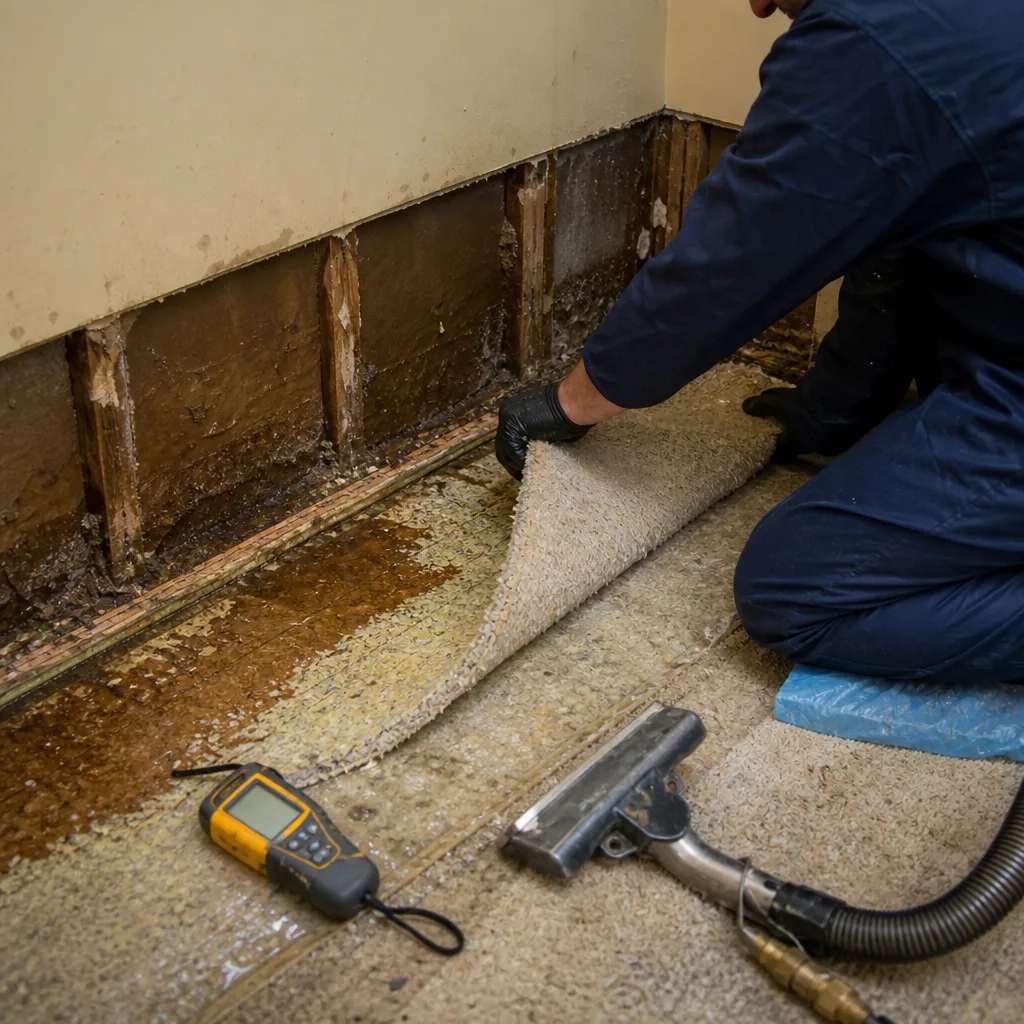
Stachybotrys chartarum and other toxigenic species require enhanced PPE, strict containment, and extended air scrubbing. In LIC’s basement units with sewage-backflow history, we treat black mold as a Category 3 contamination until proven otherwise.
Air Quality Restoration
Post-remediation, third-party clearance testing confirms spore counts at or below outdoor baseline. For high-rise units with shared HVAC, we coordinate duct inspection and cleaning to prevent recontamination.
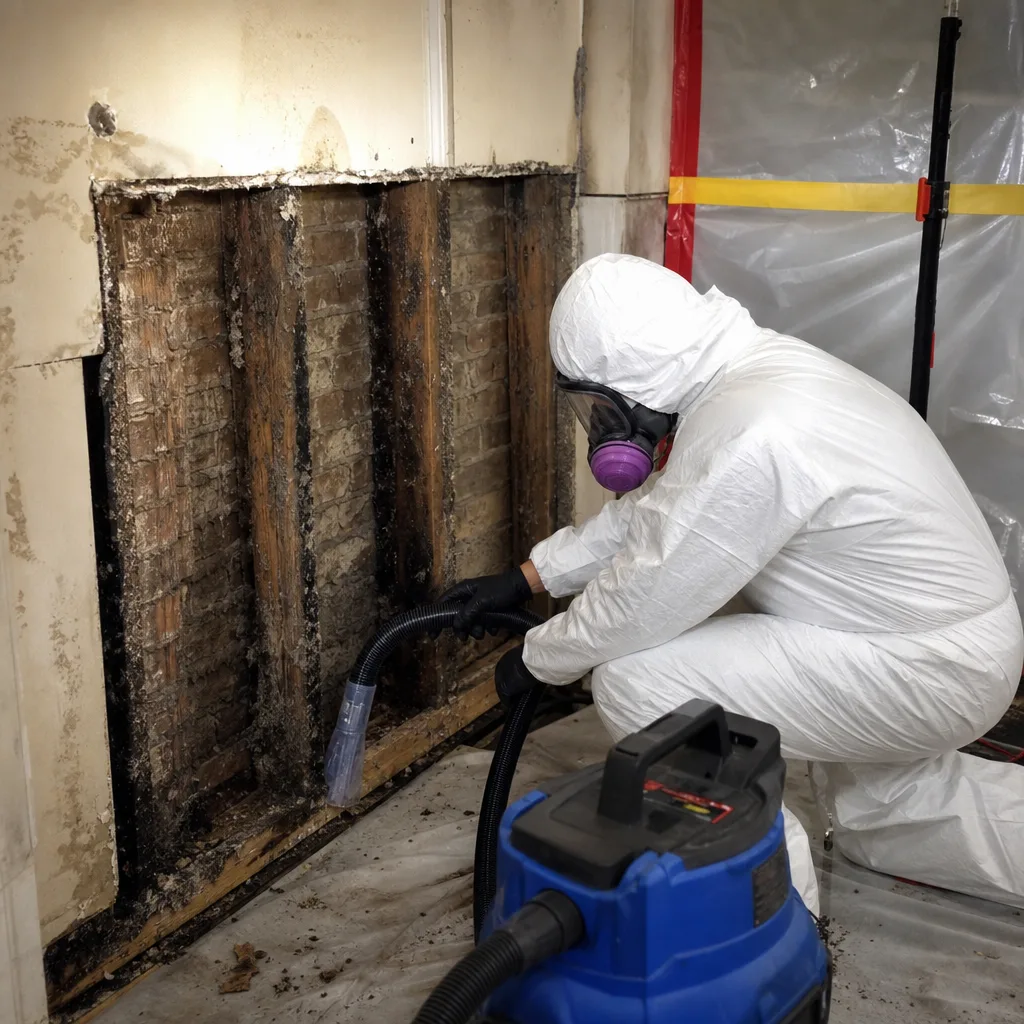
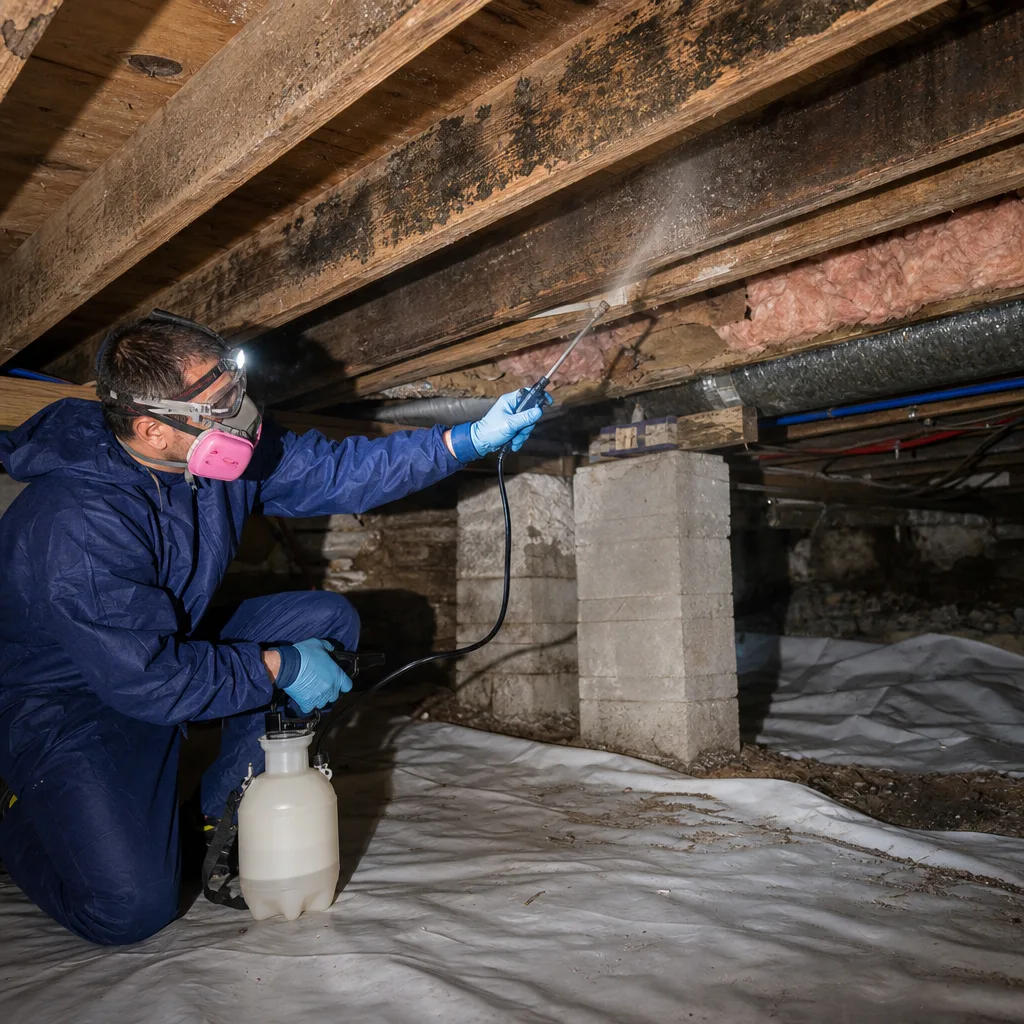
Crawl Space Treatment
Where accessible in Long Island City’s older rowhouses and semi-basement structures, we install vapor barriers, dehumidification, and permanent moisture control to eliminate the conditions that grow mold.
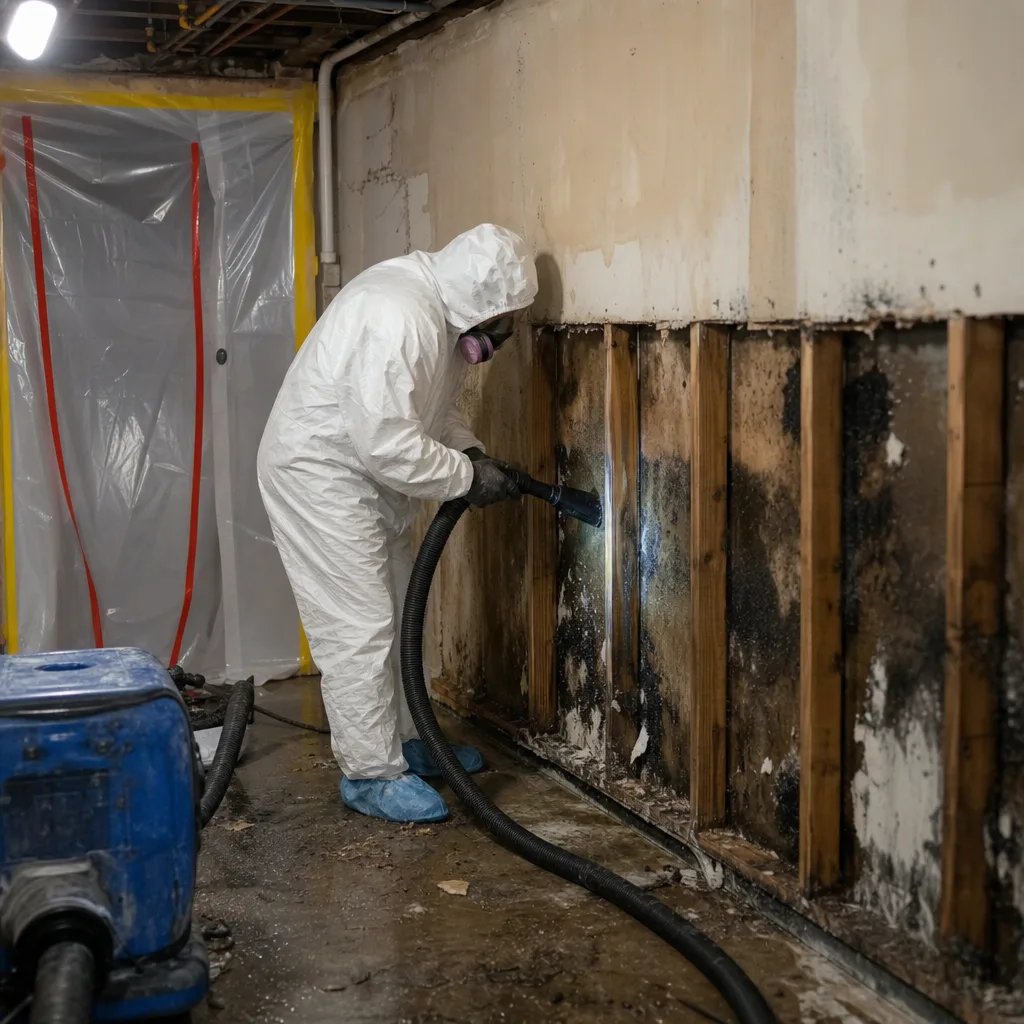
Moisture & Humidity Control
Permanent solutions for chronic damp: commercial-grade dehumidifiers, foundation sealing, drainage improvements, and ventilation correction. We specify equipment from B-Air and XPOWER sized to the cubic footage and infiltration rate of your specific space.
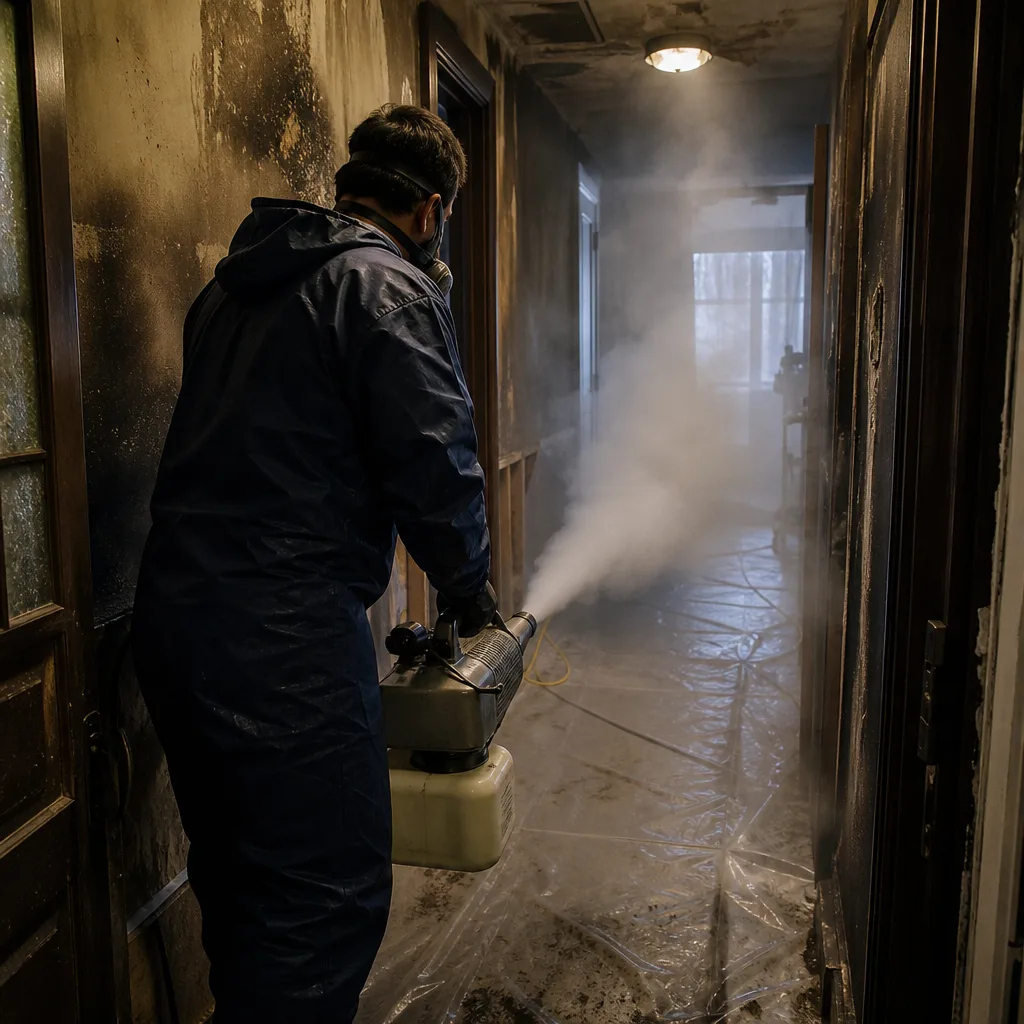
What happens when you call
- 1
A real person answersNo phone trees - you reach a local pro.
- 2
You get an upfront price rangeHonest numbers before anyone is dispatched.
- 3
A background-checked tech heads outLicensed & insured, dispatched right away.
- 4
You approve before work beginsNothing starts until you say go.
Mold Remediation Costs in Long Island City, NY
A typical mold inspection and testing package in Long Island City runs $350-$650. Contained mold removal in a single room: $1,800-$3,400. Whole-unit remediation in a converted loft with asbestos abatement sequencing: $4,500-$8,200. High-rise units with HVAC isolation and multi-room containment: $3,200-$6,500.
What moves the price: square footage of contamination, whether materials contain asbestos or lead (triggering DEP abatement), Category 3 water source requiring more extensive removal, and whether reconstruction is included. Insurance typically covers mold remediation when the water source is a covered peril - burst pipe, storm intrusion, appliance failure - but may exclude long-term maintenance issues. We review your policy language and document the cause for your adjuster. Free visual inspection. Written price before work starts. Call (551) 213-5277.
We Also Serve Cities Near Long Island City
Our crews respond throughout western Queens: Astoria to the north, Maspeth and Jackson Heights to the east, and Elmhurst to the southeast. Dispatch and scheduling are coordinated from our New York City office; crews serve Long Island City locally with no out-of-market travel delays.
Serving Long Island City, NY - Our Local Coverage Area
We’re based in the Long Island City area and know this community well. Use the map below to see our service coverage - if you’re nearby, we can almost certainly help.
Long Island City Mold Remediation Questions, Answered
Does a mold problem in a Long Island City Zone AE loft need special handling before removal starts?
Yes. Because many Hunters Point and Jackson Avenue corridor lofts contain friable asbestos pipe insulation, floor tile, or pre-1978 lead paint in wall cavities, NYC DEP rules require bulk sampling and, if positive, licensed abatement before any mold containment or demolition begins. Starting mold work without this sequencing triggers a mandatory work stoppage that extends timeline and cost. We sample first, coordinate DEP notification when needed, and sequence the job legally from day one. Call (551) 213-5277 to schedule inspection.
Why does mold come back so fast after a sewage backup in a Long Island City basement unit?
Because sewage backflow is Category 3 water, and porous materials that absorb it - drywall, carpet pad, insulation, unfinished wood - cannot be sanitized in place. Crews that attempt to dry and save these materials leave viable mold food and spore reservoirs behind. The combined sewer system in western LIC overflows chronically during heavy rain; if the source isn’t addressed with backflow prevention, recurrence is guaranteed. We remove contaminated porous materials, treat structural elements with antimicrobial agents, and can specify permanent moisture control. Call (551) 213-5277 for assessment.
How quickly can mold start in a Long Island City apartment after a pipe burst?
Mold colonization begins 24-48 hours after water intrusion if moisture content in organic materials exceeds 16%. In Long Island City’s tightly sealed high-rises, humidity gets trapped; in converted lofts with uninsulated masonry walls, it wicks deep into the structure. Speed of response matters more than source type. Our 45-minute commitment to Long Island City addresses this window. Call (551) 213-5277 for immediate dispatch.
Does wind-driven rain through a failing balcony door really lead to a mold claim in LIC?
Yes, regularly. Glass-curtain-wall high-rises from Queens Plaza to Court Square experience seal failure at balcony door thresholds and storefront systems. Wind-driven rain penetrates, tracks beneath flooring, and saturates subflooring and wall cavities before visible damage appears. By the time tenants smell mustiness, colonies are established behind finished surfaces. Thermal imaging finds the moisture path; our scope documents the source for insurance. Call (551) 213-5277 for inspection.
Will my Long Island City mold remediation need documentation for an NFIP claim?
If your property is in FEMA Zone AE and the water source was flood or storm surge, yes. NFIP claims require elevation certificates, pre-loss condition documentation, and proof that repairs meet current flood-resistant building codes. We provide photo-documented assessments, drying logs, and code-compliant scope language that federal adjusters accept. Alicia Brennan’s background as a claims adjuster shaped this documentation protocol specifically. Call (551) 213-5277 to begin your file.
How long does mold remediation take in a typical Long Island City apartment?
Contained, single-room remediation without abatement holds: 3-5 days. Add 1-2 weeks if DEP asbestos or lead abatement is required, which is common in pre-1978 Hunters Point lofts. High-rise units with HVAC isolation and multi-room containment: 5-8 days. Reconstruction time depends on material lead times and building management access protocols. We provide a written timeline with every scope. Call (551) 213-5277 for your specific estimate.
Can my family stay in the home during mold remediation?
Sometimes, for small contained areas with no toxigenic species and intact HVAC isolation. For whole-unit remediation, Category 3 water sources, or Stachybotrys contamination, temporary relocation is safer and often required by the scope. We specify occupancy status in every written plan before work begins. Haven Standard, Clause 1: no surprises once containment is up. Call (551) 213-5277 to discuss your situation.
What certifications do your mold remediation technicians carry?
Our lead technicians hold IICRC WRT (Water Damage Restoration Technician) and AMRT (Applied Microbial Remediation Technician) certifications, with ongoing education to RIA and IFA standards. All are background-checked, uniformed, and verified before arriving at your property. License numbers are available on request. Equipment deployed includes Dri-Eaz, XPOWER, and B-Air dehumidification and air movement systems, documented to manufacturer specifications. Call (551) 213-5277 to confirm current certifications for your assigned crew.
Back to Dry Restoration has completed 12,000+ jobs since 2011, every one with a written price before work started and a documented record when the crew left. Our Free Second Opinion on any competitor’s written estimate is available at no charge. The 365-Day Done Right Promise, backed by The Haven Standard, applies to every mold remediation we perform in Long Island City.
Call (551) 213-5277 now. We answer live, 24 hours a day.
Written by Alicia Brennan, Owner at Back to Dry Restoration, serving Long Island City since 2011.
Mold Remediation in Nearby Areas