
Free visual inspection and a written scope of work before any mitigation begins - photos, moisture readings, and drying logs go in your claim file
The scope we write is the scope we bill. Anything new gets shown to you, in writing, before we touch it.
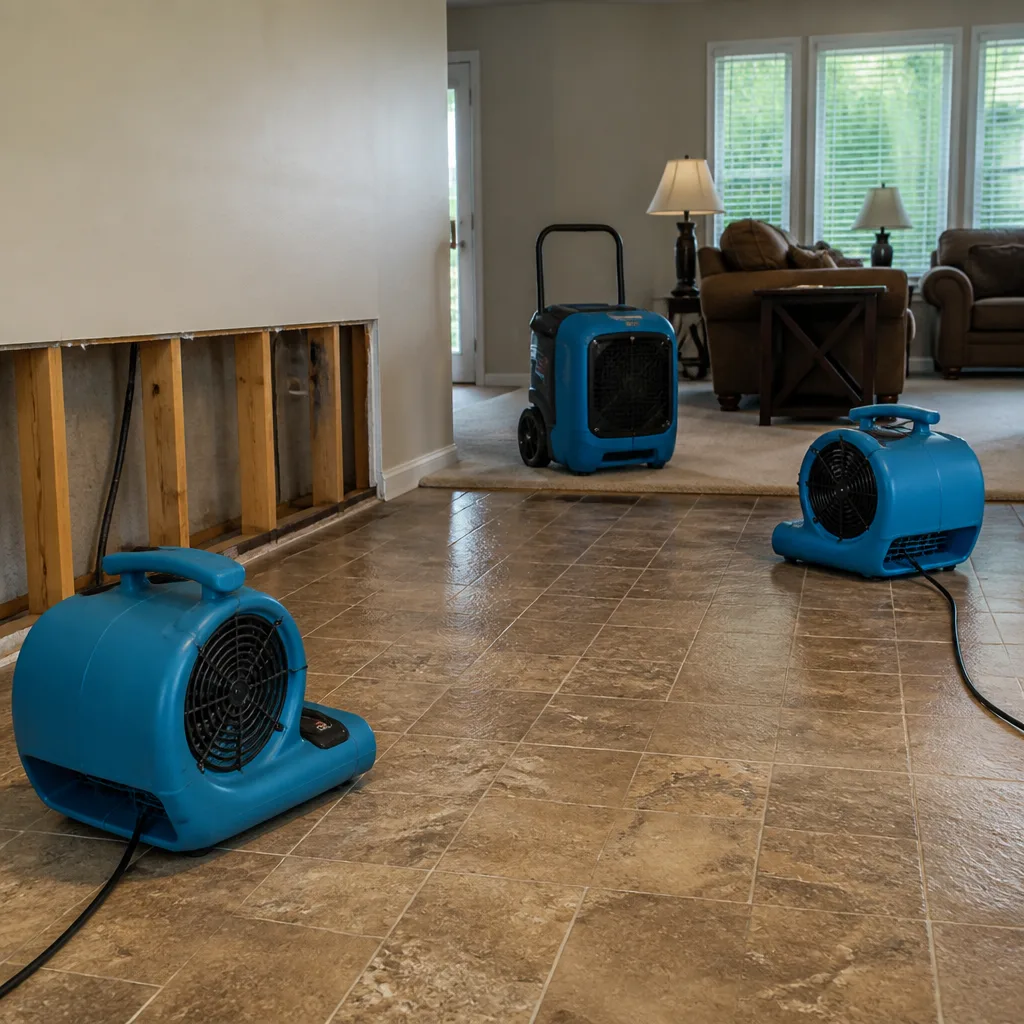
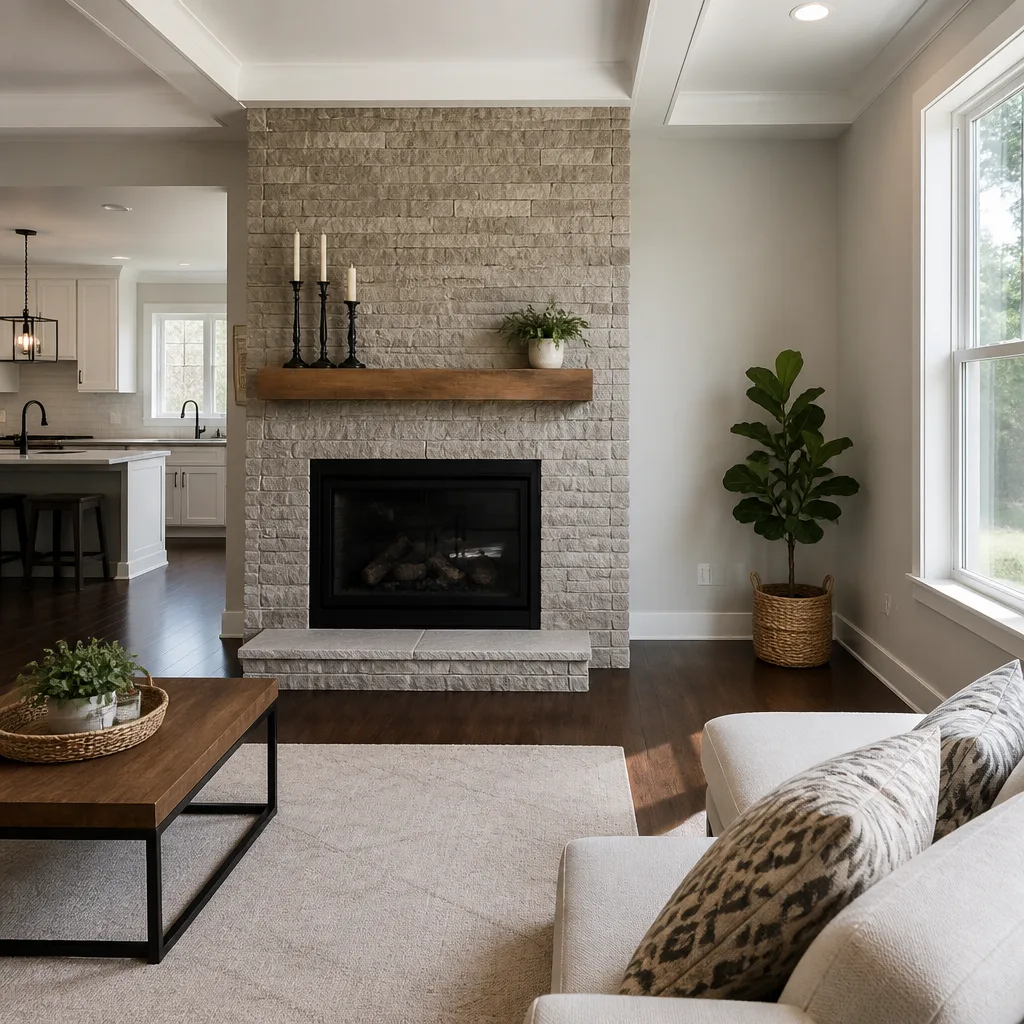
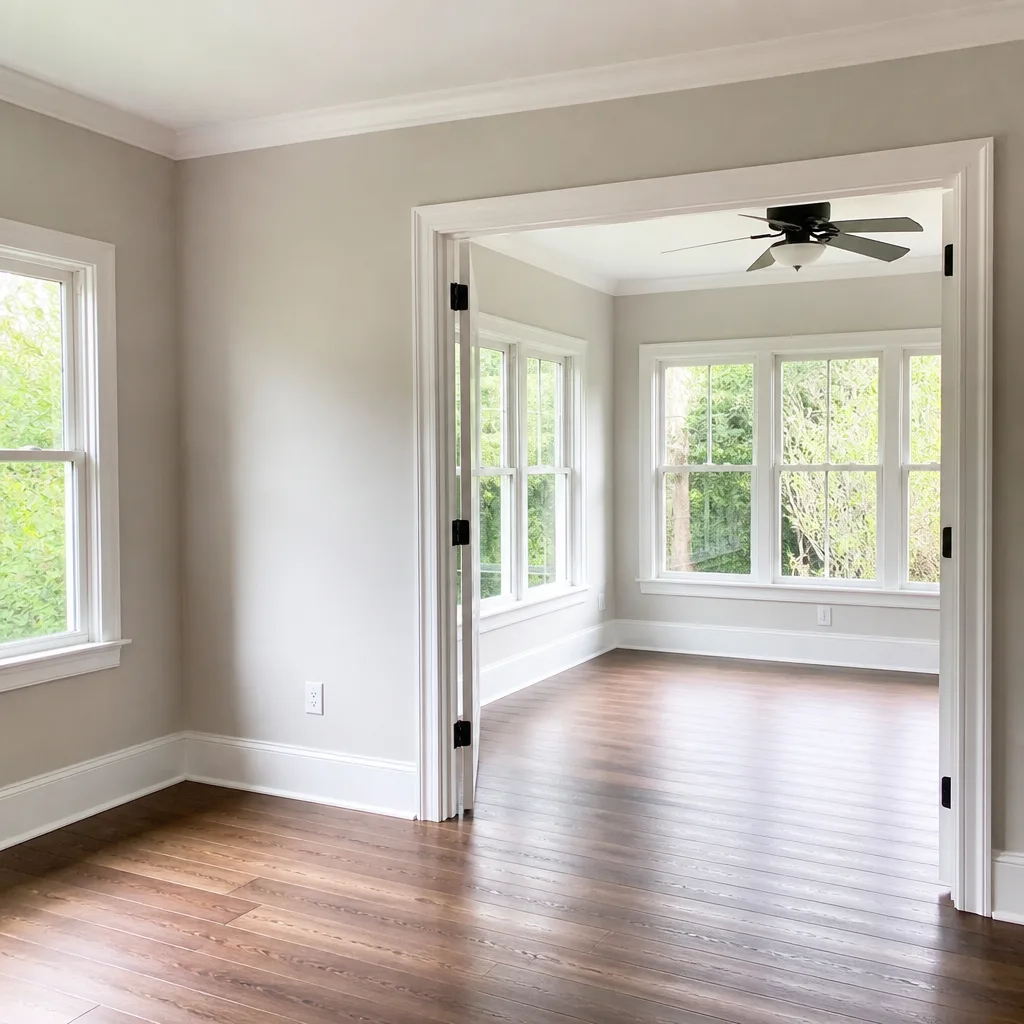
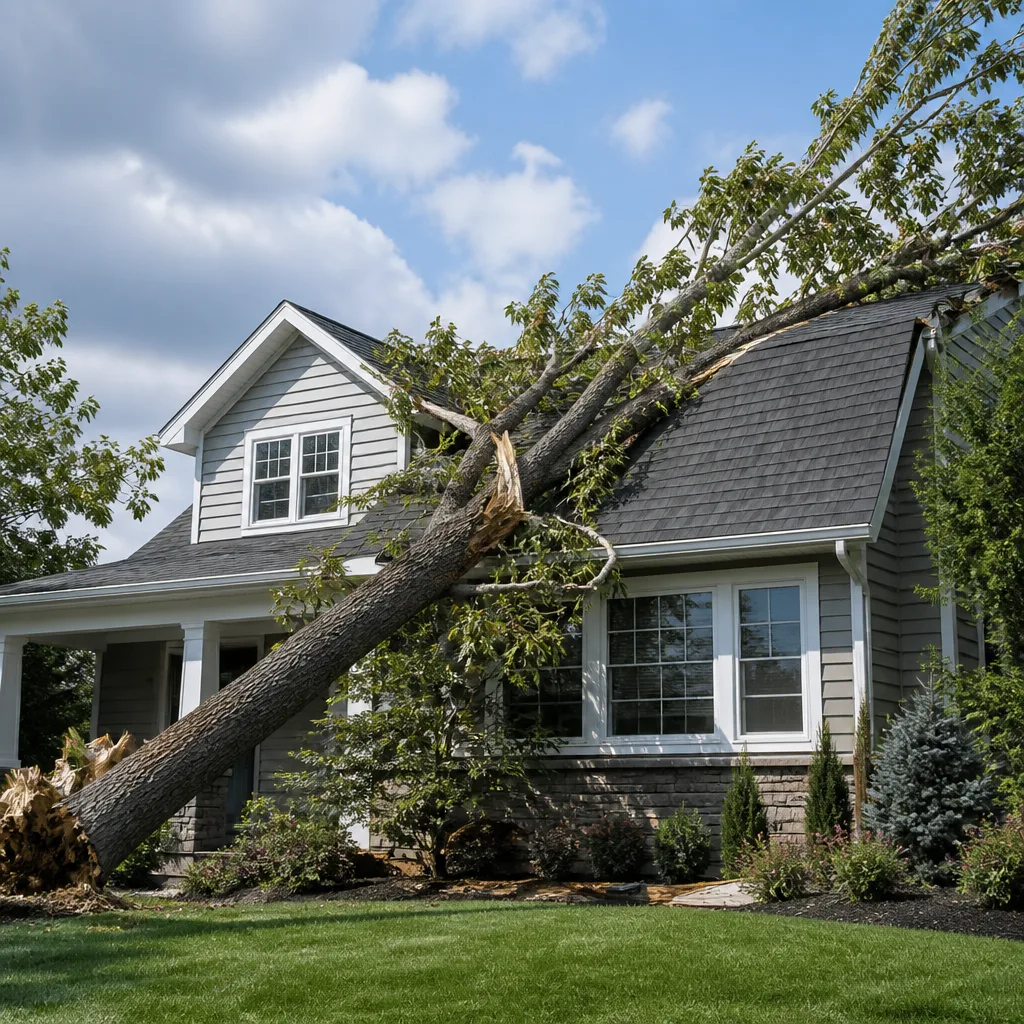
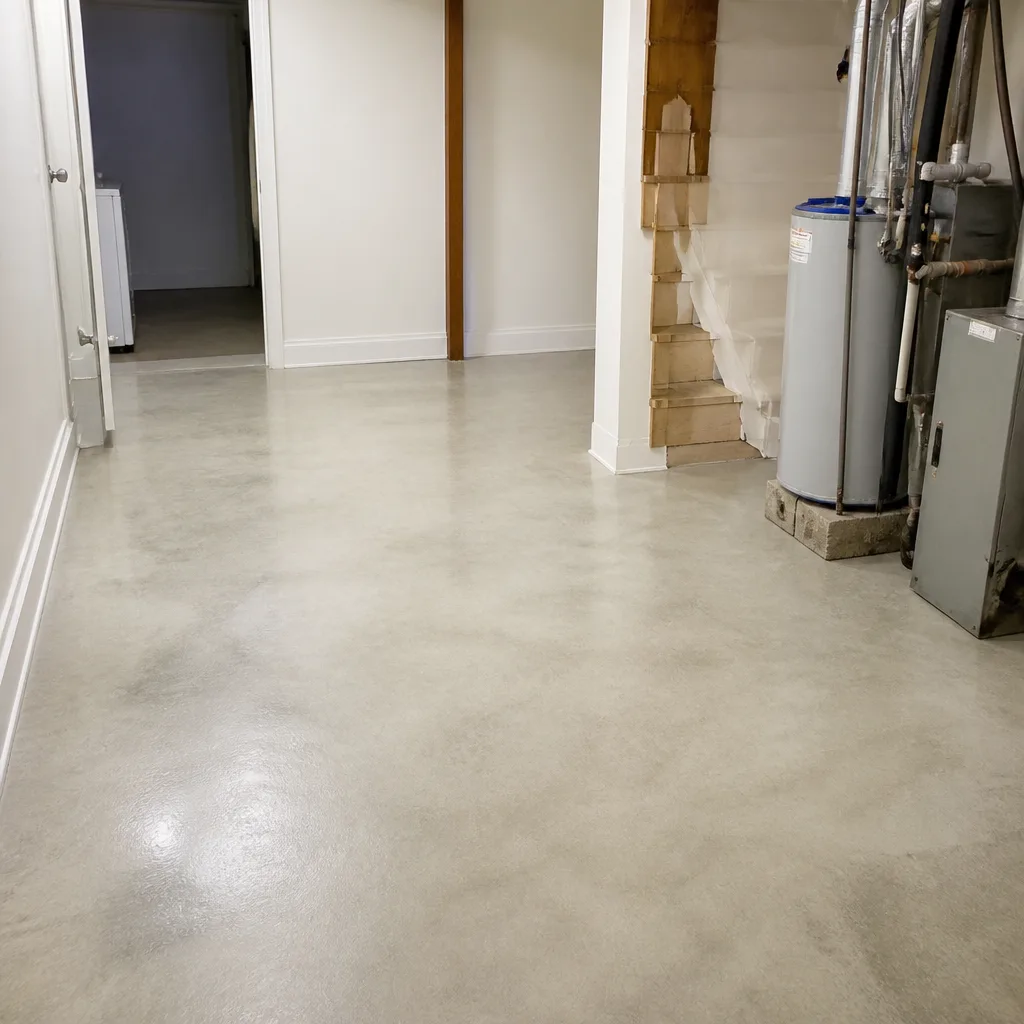
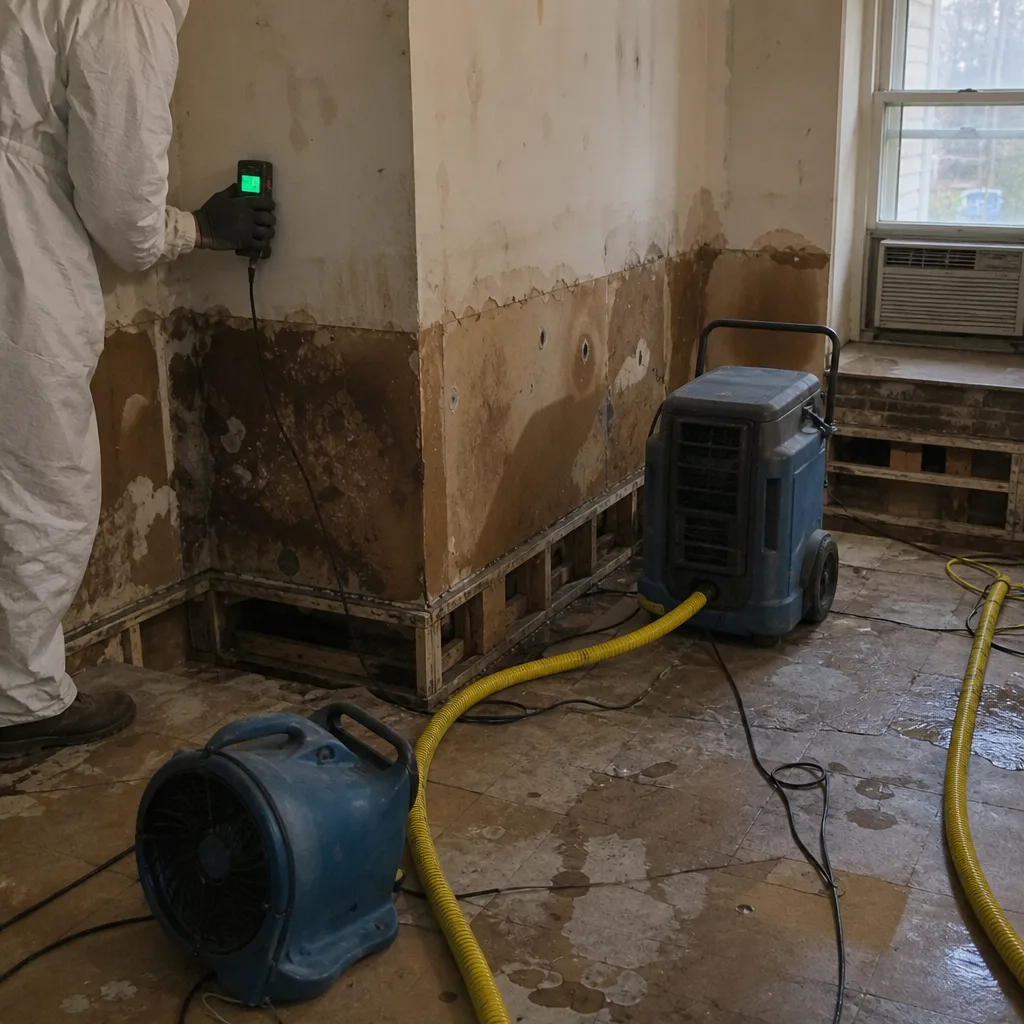 Before
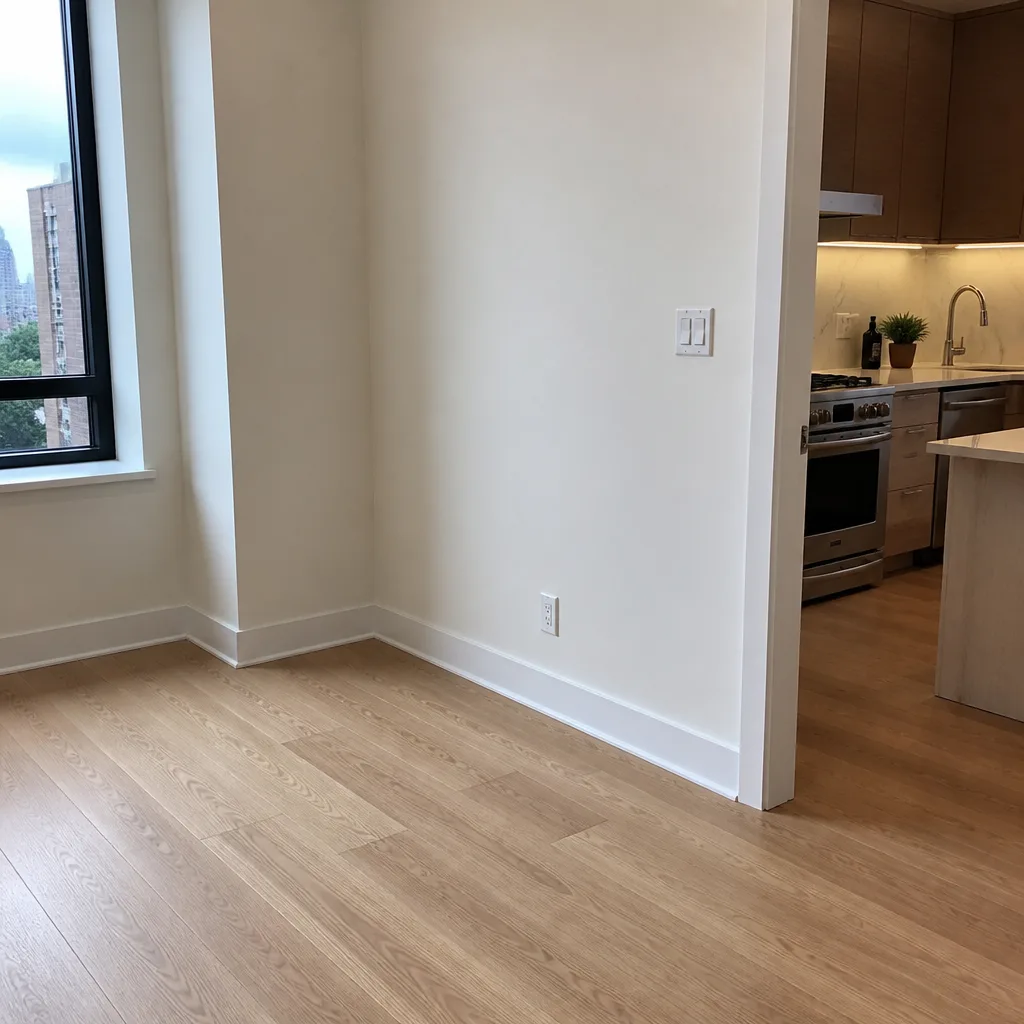 After
After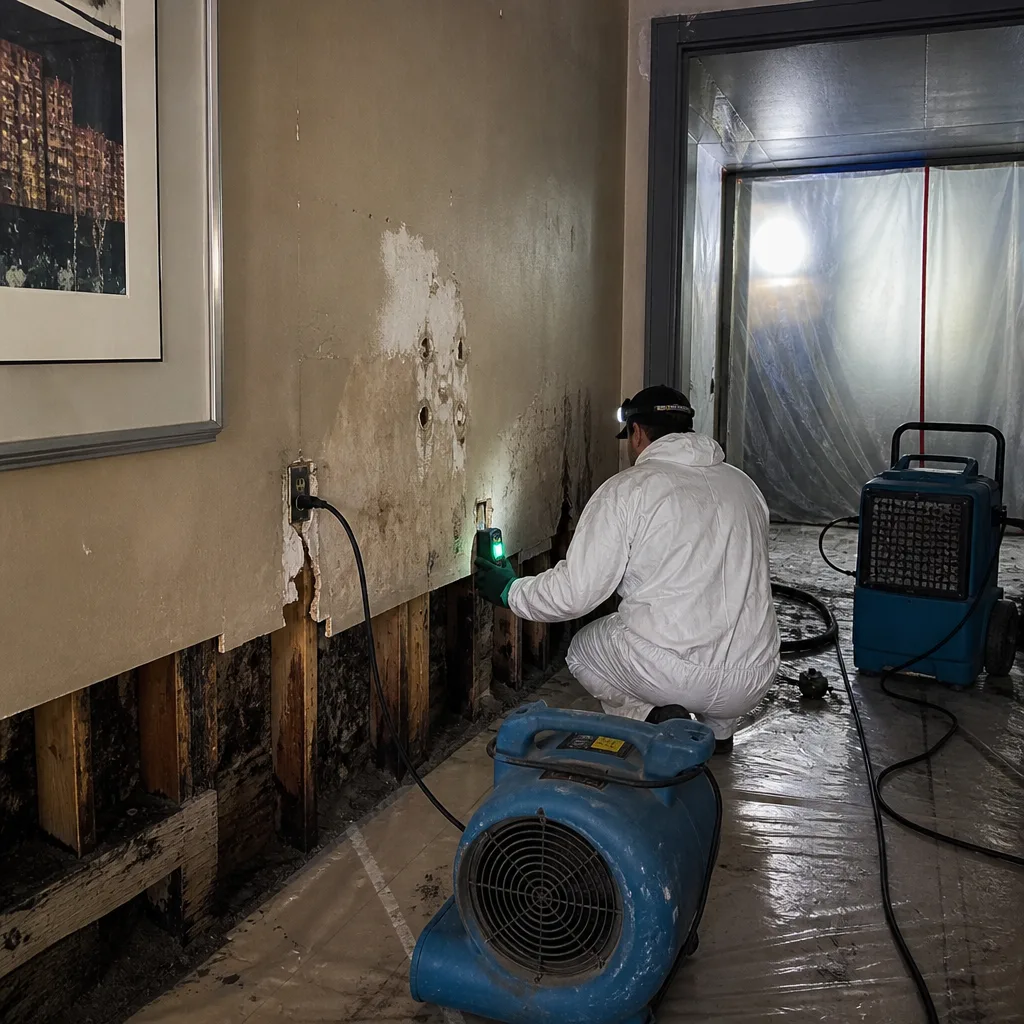 Before
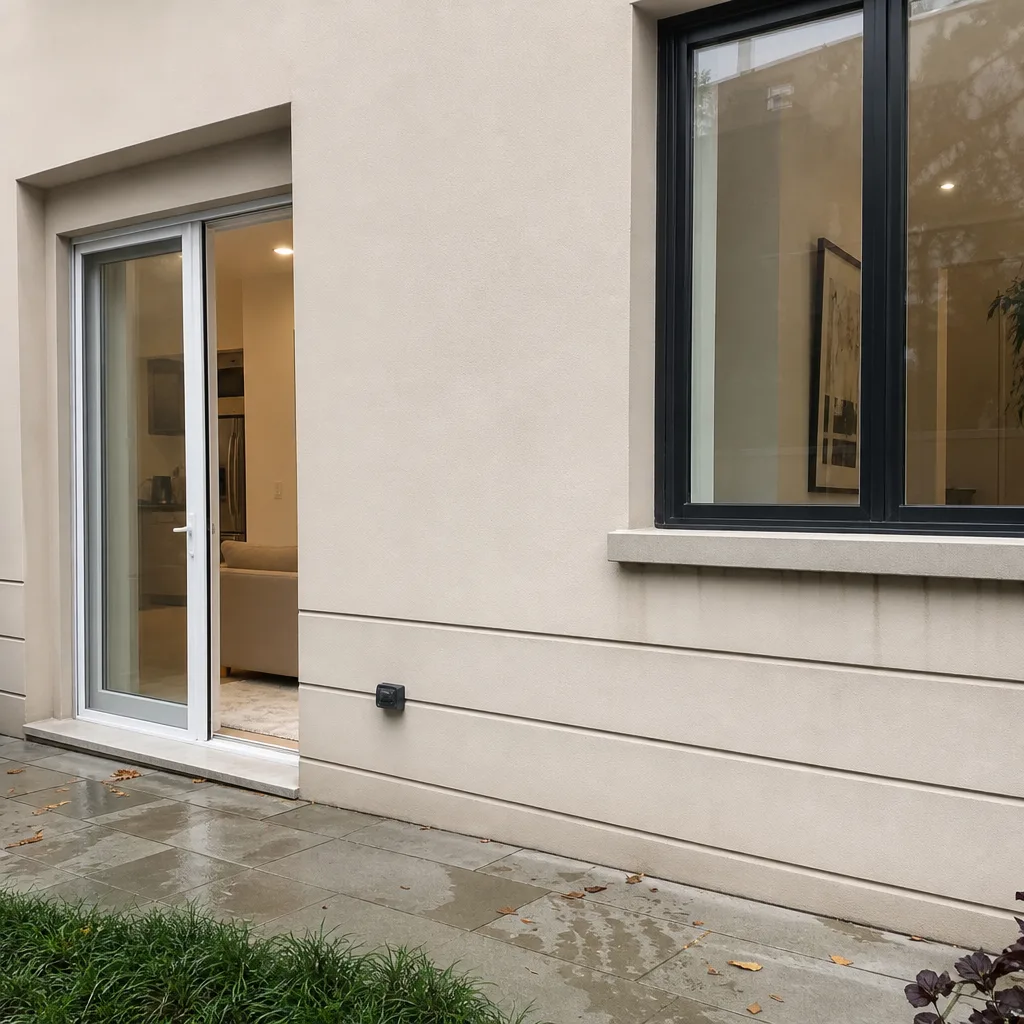 After
After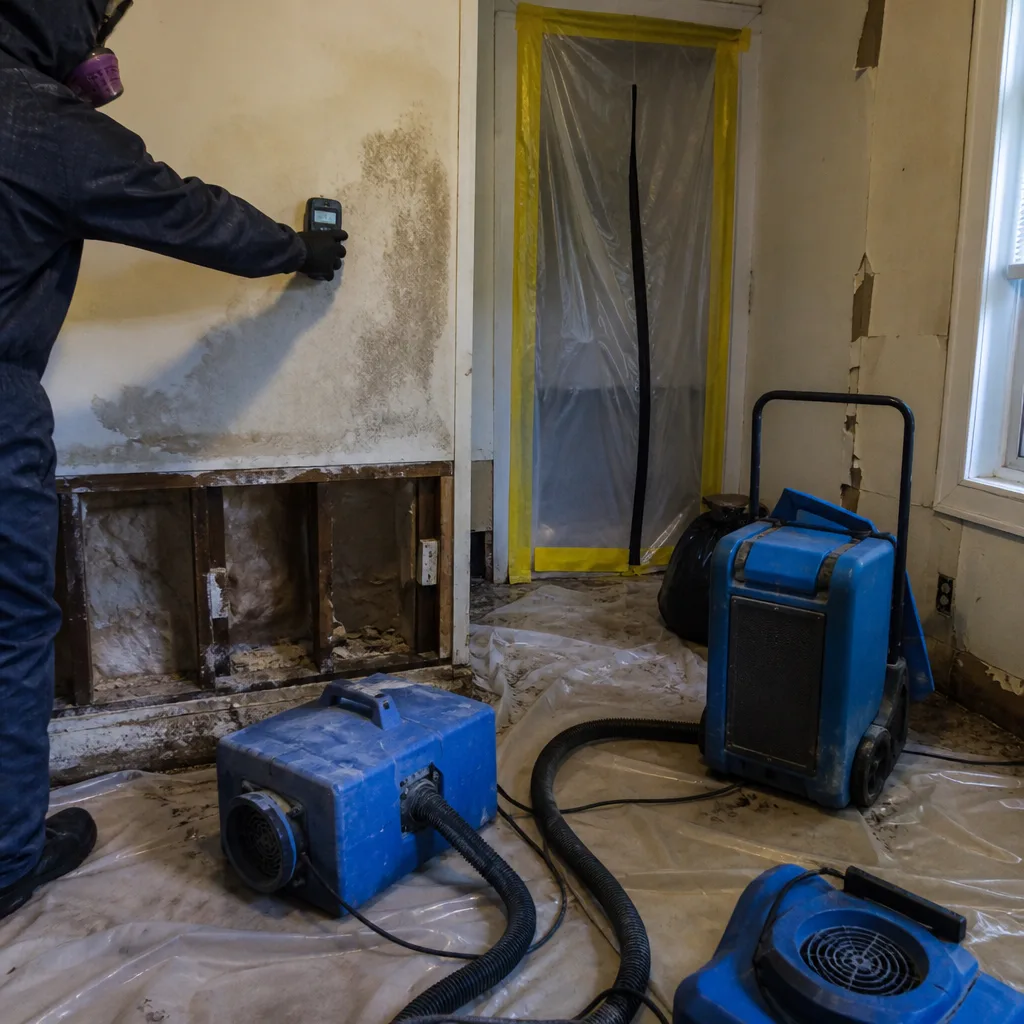 Before
 After
After24/7 Emergency Mold Remediation in Jackson Heights
Mold remediation in Jackson Heights typically runs $1,800-$6,500 depending on affected square footage, contamination category, and whether the source is a shared plumbing stack affecting multiple units. Most active mold jobs we see in this neighborhood trace back to a hidden leak in a pre-war steam riser or a backed-up combined sewer line - neither of which a surface cleaning can fix. Our crews answer live at (551) 213-5277, 24 hours a day, 7 days a week, with no voicemail trees. We dispatch from our New York City office and can be on-site in Jackson Heights within 45 minutes. The first hour matters because mold doubles its colony footprint in 24-48 hours under the humid conditions common in pre-war masonry buildings, and Category 3 sewer backup requires immediate hazmat containment to prevent cross-contamination into common hallways and neighboring units.
Understanding Mold Remediation Severity in Jackson Heights Properties
We classify Jackson Heights mold losses by three factors: contamination category, affected square footage, and whether the moisture source is still active. Category 1 mold growth follows clean-water supply line leaks - rare here, since most supply lines in pre-war garden apartments are original galvanized steel with pinhole corrosion patterns. Category 2 involves gray water from appliance drains or steam-condensate overflows. Category 3, the most common we see in Jackson Heights, originates from combined-sewer surcharge events or long-standing steam-riser leaks that have fermented behind plaster walls for weeks.
Containment strategy changes with the building type. A single-family rowhouse on 81st Street gets sealed polyethylene containment and negative air pressure with HEPA scrubbers. A garden-apartment co-op on 35th Avenue near the Jackson Heights Historic District requires multi-unit containment, coordination with the building super, and often a written protocol approved by the co-op board before we can cut into any wall touching a common element. Moisture mapping with thermal imaging and hygrometers tells us whether the source is isolated or migrating through shared masonry - a distinction that determines whether we’re quoting one unit or five.
Why Jackson Heights Property Owners Choose DryMark Restoration Upper East Side
- 45-minute response commitment to Jackson Heights from dispatch, with crews staged for Queens emergency calls.
- 24/7 live answer - a real person picks up every call, never an automated system or next-business-day callback.
- IICRC-certified crews holding WRT (Water Damage Restoration Technician), AMRT (Applied Microbial Remediation Technician), and FSRT (Fire & Smoke Restoration Technician) credentials where cross-training applies to combined-loss scenarios.
- Free visual inspection and moisture assessment before any commitment or charge.
- Direct insurance billing with photo-documented scopes that adjusters recognize and pay without dispute.
- One team from microbial remediation through reconstruction - no handoffs to unknown subcontractors, no gaps in the documentation chain.
BeforeAfterOur Mold Remediation Process
1. Inspection & Assessment
We arrive with thermal imaging cameras, penetrating and non-penetrating moisture meters, and hygrometers to map the full moisture envelope. In Jackson Heights co-ops, we trace beyond the visible mold to identify whether the source is a shared stack, a steam riser, or a unit-specific supply line. A written scope with line-item pricing follows before any work begins - Haven Standard, Clause 1.
2. Containment & Stabilization
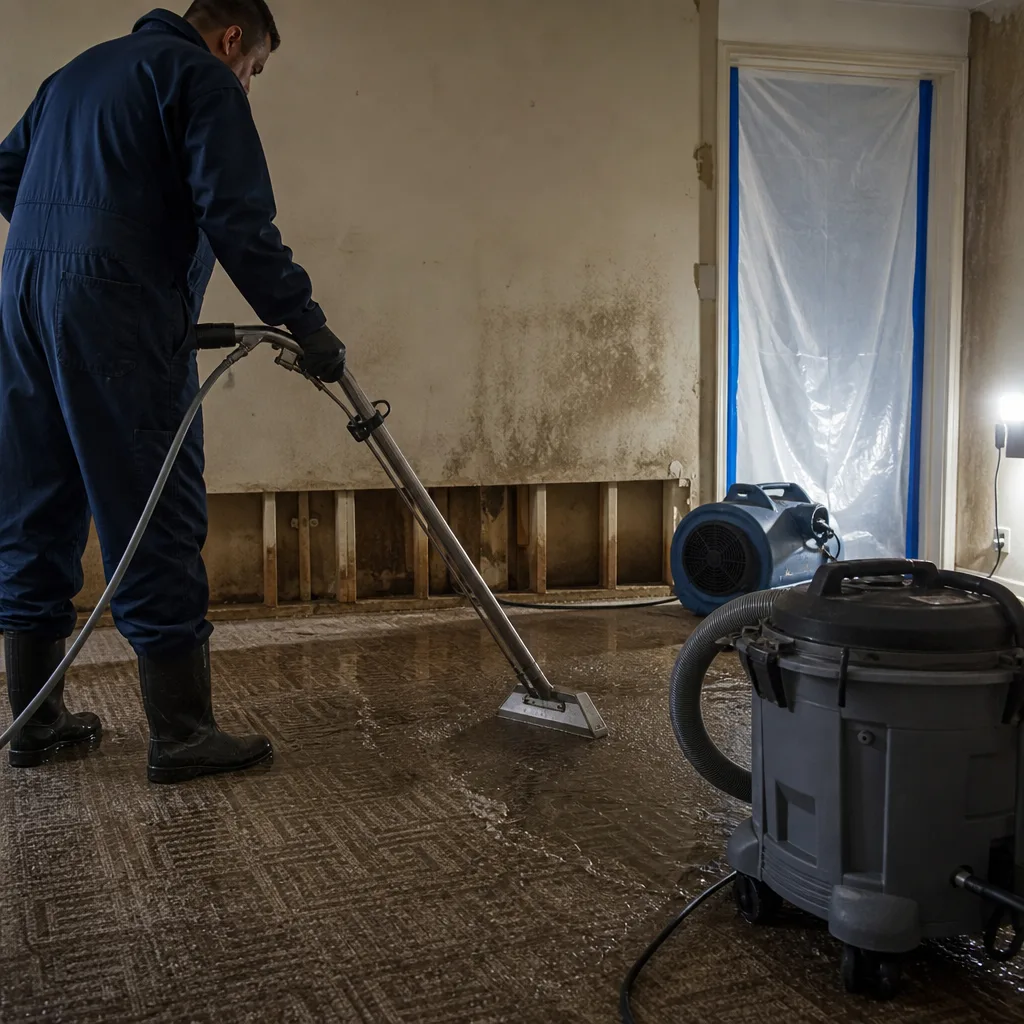
Active mold colonies get sealed with 6-mil polyethylene barriers and negative air pressure maintained by HEPA-filtered air scrubbers. Multi-unit buildings receive expanded containment zones to protect common corridors. We document every seal point with photographs for the insurance file and co-op board review.
3. Structural Drying & Dehumidification
We deploy Dri-Eaz and Phoenix LGR dehumidifiers alongside XPOWER and B-Air air movers to drop relative humidity below 60% and prevent new growth. Daily moisture logs track grain-per-pound readings and equilibrium moisture content in wood framing until materials read dry per IICRC S520 standards.
4. Cleaning & Sanitization
HEPA vacuuming precedes antimicrobial application to non-porous surfaces. Porous materials - drywall, insulation, carpet pad - are removed when mold penetration exceeds surface level. We follow IICRC S520 remediation protocols and document disposal manifests for hazardous materials.
5. Air Quality Restoration & Clearance Testing
Post-remediation, we run air sampling with spore traps and indoor air quality monitors to verify colony-forming units have dropped below outdoor baseline levels. Third-party lab analysis is available for co-op boards and insurers who require independent verification before sign-off.
6. Repairs & Reconstruction
Our reconstruction crew replaces removed materials with moisture-resistant equivalents where code allows. In Jackson Heights Historic District properties, we prepare LPC permit packages and coordinate with the co-op’s engineer for any exterior or structural repair that triggers Landmarks Preservation Commission review.
Need Emergency Mold Remediation in Jackson Heights Now?
Crews minutes away, answering live 24 hours a day. The sooner we start, the less it costs.
Working With Your Insurance Company
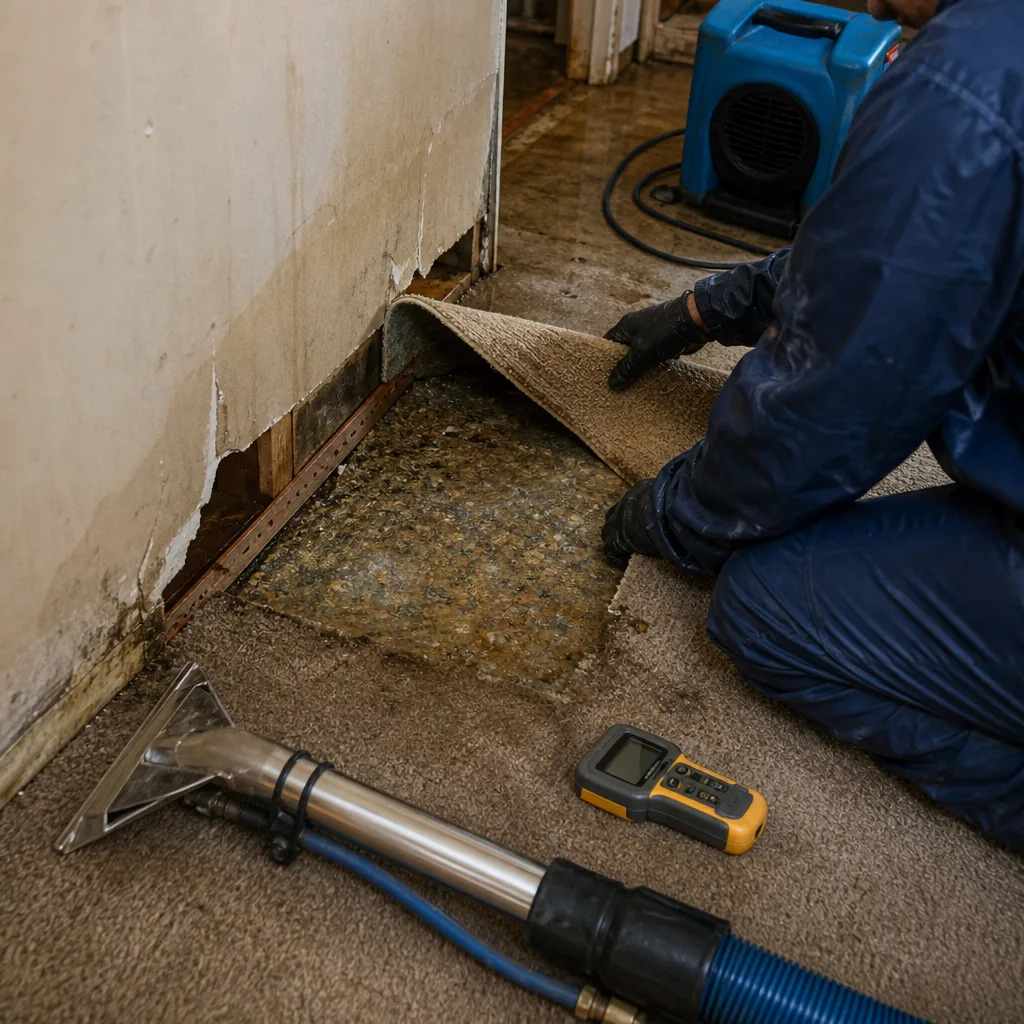
Every Jackson Heights mold claim we handle begins with documentation from the first hour. Alicia Brennan founded Back to Dry Restoration in 2011 after seeing how many restoration invoices were denied for lack of supporting evidence - missing moisture readings, no photo record, scopes written in language adjusters couldn’t verify. We don’t let that happen on our jobs.
Our estimates follow industry-standard Xactimate pricing with line-item detail. We speak directly with your adjuster, provide additional documentation on request, and never ask you to chase payment. The photo record, drying logs, and written scope are standard deliverables on every visit - not upsells, not afterthoughts.
What We Provide Your Insurer
- Thorough documentation of the loss
- Photos of all damage, room by room
- Moisture readings and drying logs
- A detailed, line-item scope of work
- Direct coordination with your carrier
Built for Jackson Heights’s Loss Calendar
January deep freezes split original cast-iron radiators and steam risers in garden apartments built between 1920 and 1940 - the core of Jackson Heights housing stock. The superheated release pressurizes the system, weeps through valve packings, and saturates plaster lath for days before anyone notices the bubbling paint. Spring thaw brings basement seepage through century-old mortar joints in rowhouse foundations. Summer convective storms overwhelm the combined-sewer infrastructure on Northern Boulevard and Roosevelt Avenue corridors, pushing Category 3 black water up through floor drains in below-grade garden units.
Fall nor’easters compound the problem: wind-driven rain finds every failed flashing on flat roofs common to co-op complexes, while dropping atmospheric pressure reduces vapor pressure differential and slows natural evaporation from already-saturated wall cavities. Winter steam-heat failures remain the most expensive single event type we see - one ruptured riser can generate five or six simultaneous unit claims in a vertical stack, each with its own insurer, each requiring independent documentation before the co-op’s master policy will engage.
Mold Remediation Across Jackson Heights’s Neighborhoods
The Jackson Heights Historic District, roughly bounded by Northern Boulevard, Roosevelt Avenue, and the BQE corridor, presents our most complex jobs. LPC oversight applies to any repair touching exterior masonry, rooflines, or decorative terracotta. We prepare permit packages as a standard service, not a surcharge, because we’ve learned that stalling the rebuild for paperwork costs more than doing it right the first time.
North of 37th Avenue toward LaGuardia Airport flight paths, the 1930s Tudor and Colonial Revival garden apartments share the same steam-heat infrastructure but sit on slightly higher drainage - fewer sewer backups, more roof and flashing failures from jet noise vibration and aging tar. The 74th Street-Broadway commercial corridor creates a different pattern: mixed-use buildings with residential above retail, where a grease-trap backup or sprinkler line failure in the ground-floor restaurant sends moisture up through shared chase walls into residential units.
West of 82nd Street toward the Grand Central Parkway, post-war brick apartments and some 1960s slab construction offer newer plumbing but poorer ventilation - bathroom exhaust often dumps into attic spaces rather than ducting outside, creating chronic humidity reservoirs that bloom surface mold every summer. Each zone gets a different containment strategy, different equipment staging, and different documentation priorities for the insurers involved.
Specialized Mold Remediation Services We Offer in Jackson Heights
Mold Inspection & Testing
We don’t guess at contamination scope. Our Mold Remediation inspections in Jackson Heights include air sampling, surface tape lifts, and ERMI dust analysis where occupants report health symptoms. In co-op buildings, we inspect adjacent units and common-wall cavities - the mold you see is rarely the full extent.
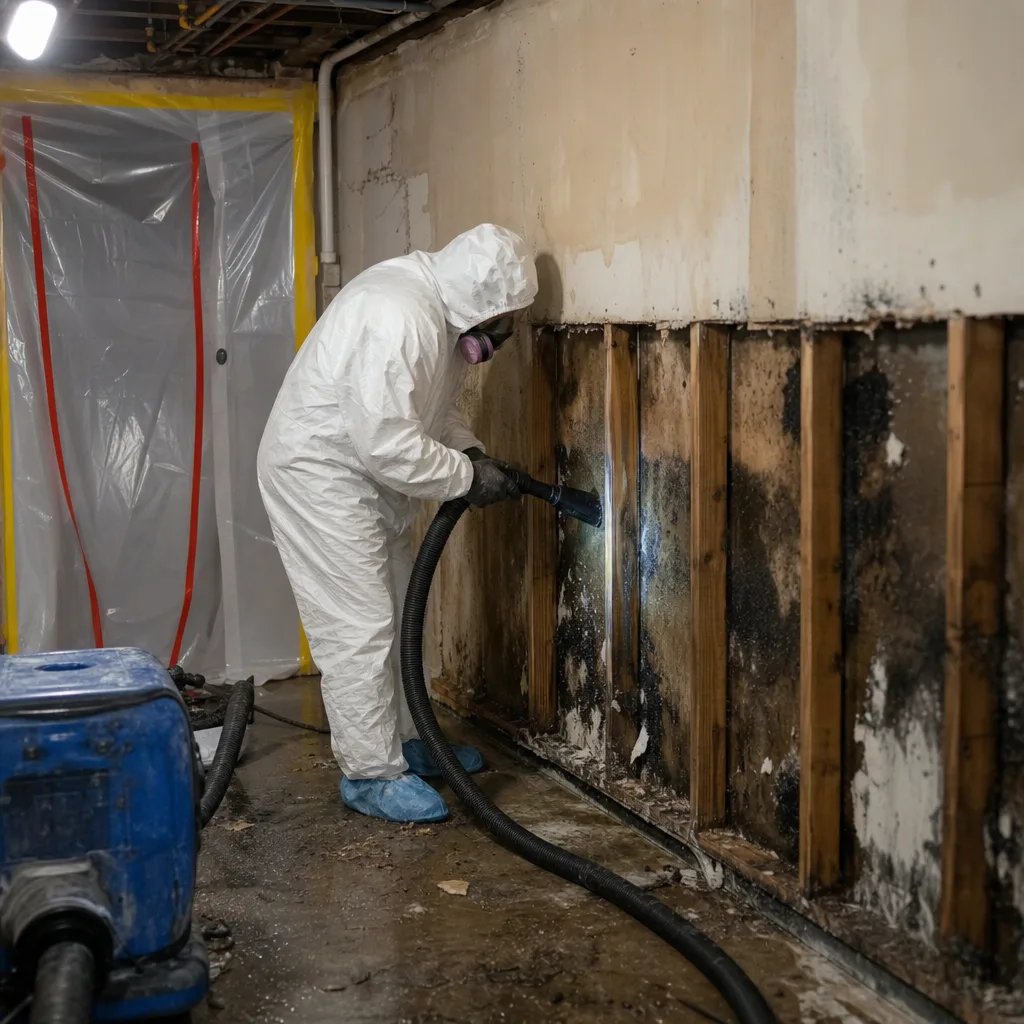
Mold Removal
Removal follows containment, never precedes it. We establish negative air pressure, HEPA-scrub the workspace, and remove only materials that IICRC S520 defines as non-salvageable. In pre-war Jackson Heights buildings with asbestos floor tile or lead paint, abatement-licensed subcontractors handle regulated materials before our reconstruction crew enters.
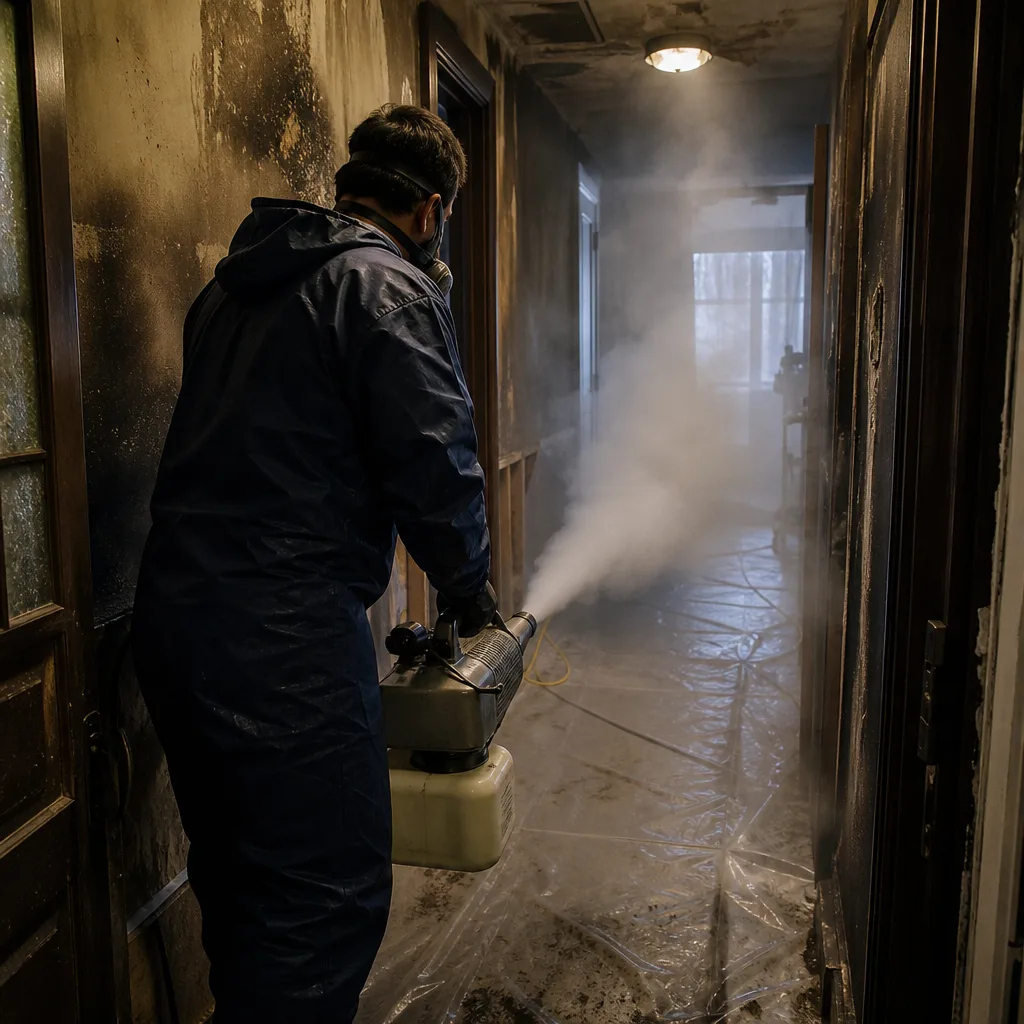
Black Mold Remediation
Stachybotrys chartarum and other toxigenic species require full PPE, contained decon corridors, and specialized disposal. We don’t use the term “black mold” as a scare tactic - we identify the species through lab analysis, then apply the appropriate remediation protocol. Jackson Heights Category 3 sewer backups almost always harbor multiple species requiring this level of response.
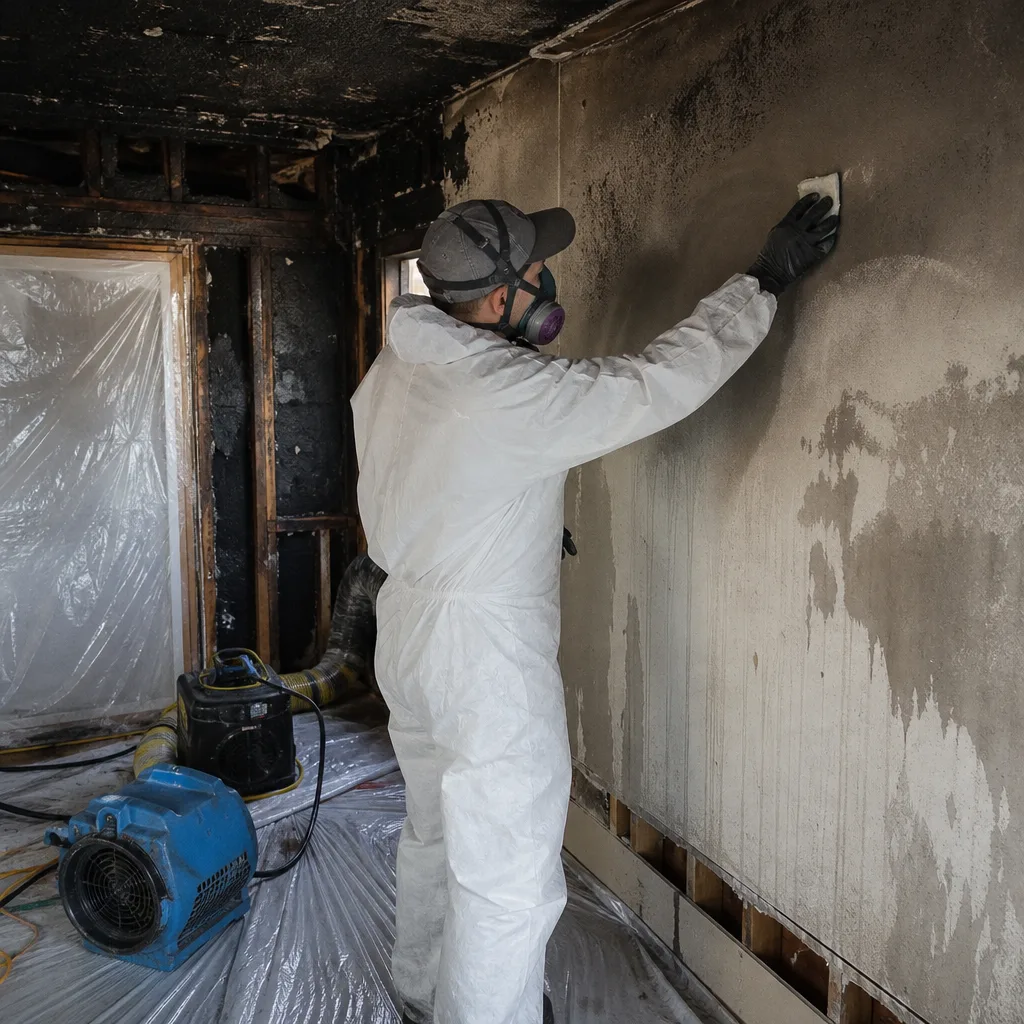
Air Quality Restoration
Post-remediation air scrubbing runs 24-72 hours depending on cubic footage and ACH (air changes per hour) requirements. We verify clearance with spore trap samples compared to outdoor baseline, documented to the drying log that accompanies your final invoice.
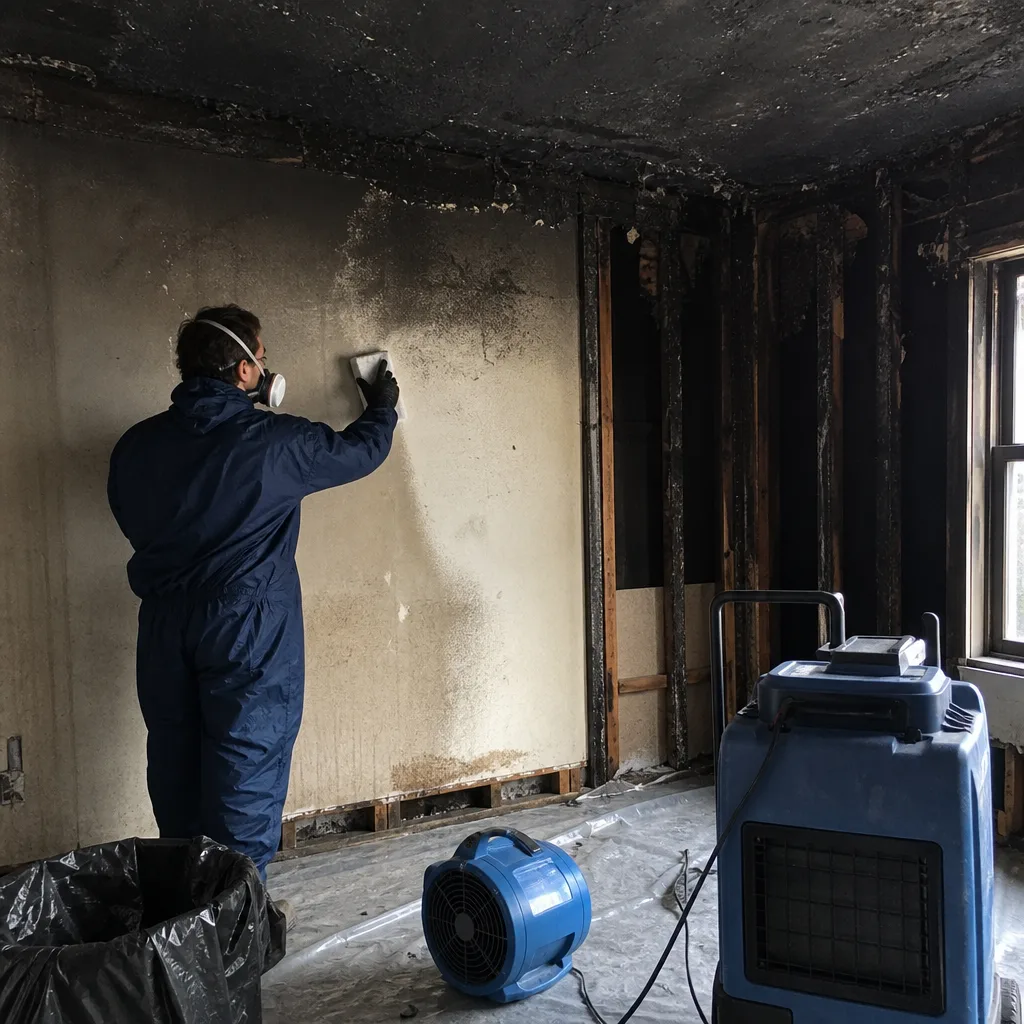
Crawl Space Treatment
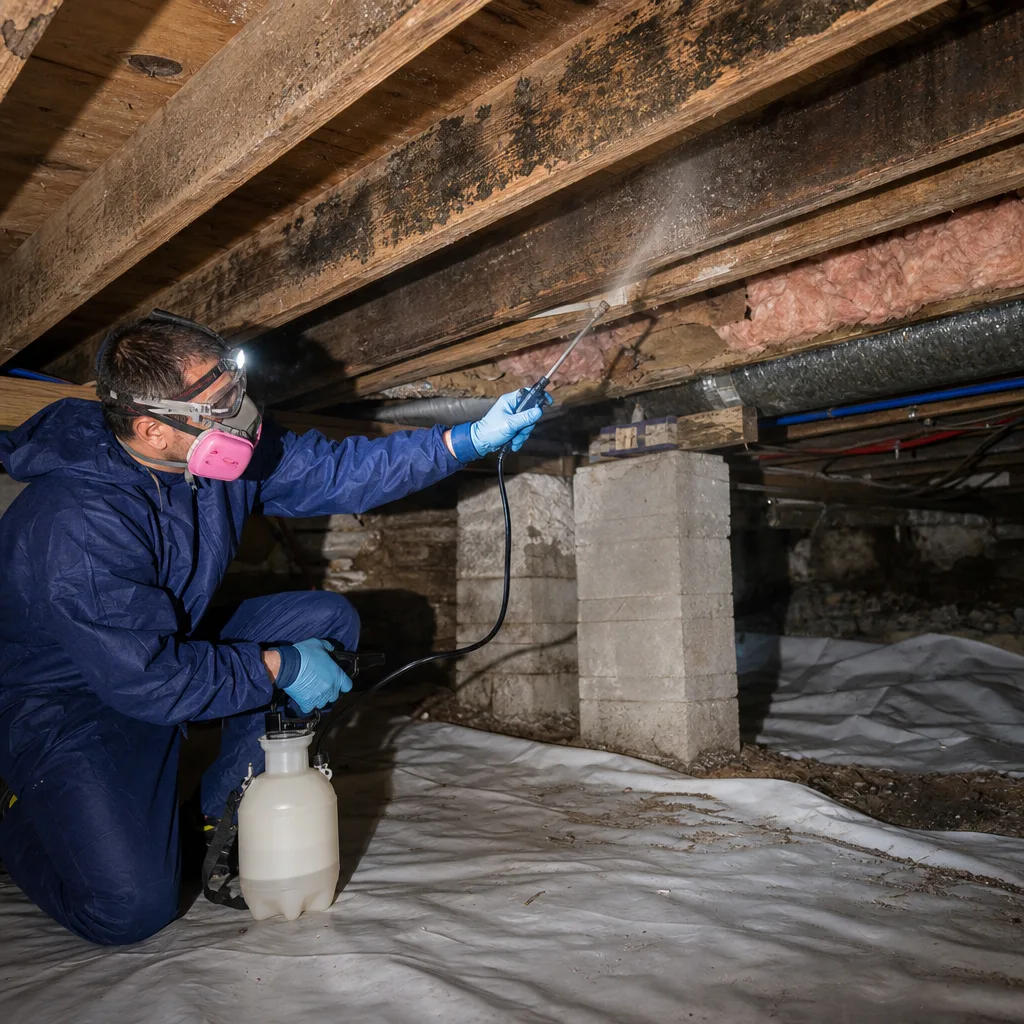
Rare in Jackson Heights’s vertical garden apartments, but common in converted rowhouse basements and some 1960s slab-on-grade construction near the Grand Central Parkway. We install vapor barriers, dehumidify to 50% RH, and treat joist bays with borate-based preservatives where fungal decay has begun.
Moisture & Humidity Control
The permanent fix for recurring mold. We identify and document the moisture source - steam-riser valve, failed flashing, sewer backup, or condensation - then specify the repair that prevents recurrence. Without this step, every remediation is temporary. We provide the written specification for your contractor or ours.
What happens when you call
- 1
A real person answersNo phone trees - you reach a local pro.
- 2
You get an upfront price rangeHonest numbers before anyone is dispatched.
- 3
A background-checked tech heads outLicensed & insured, dispatched right away.
- 4
You approve before work beginsNothing starts until you say go.
Mold Remediation Costs in Jackson Heights, NY
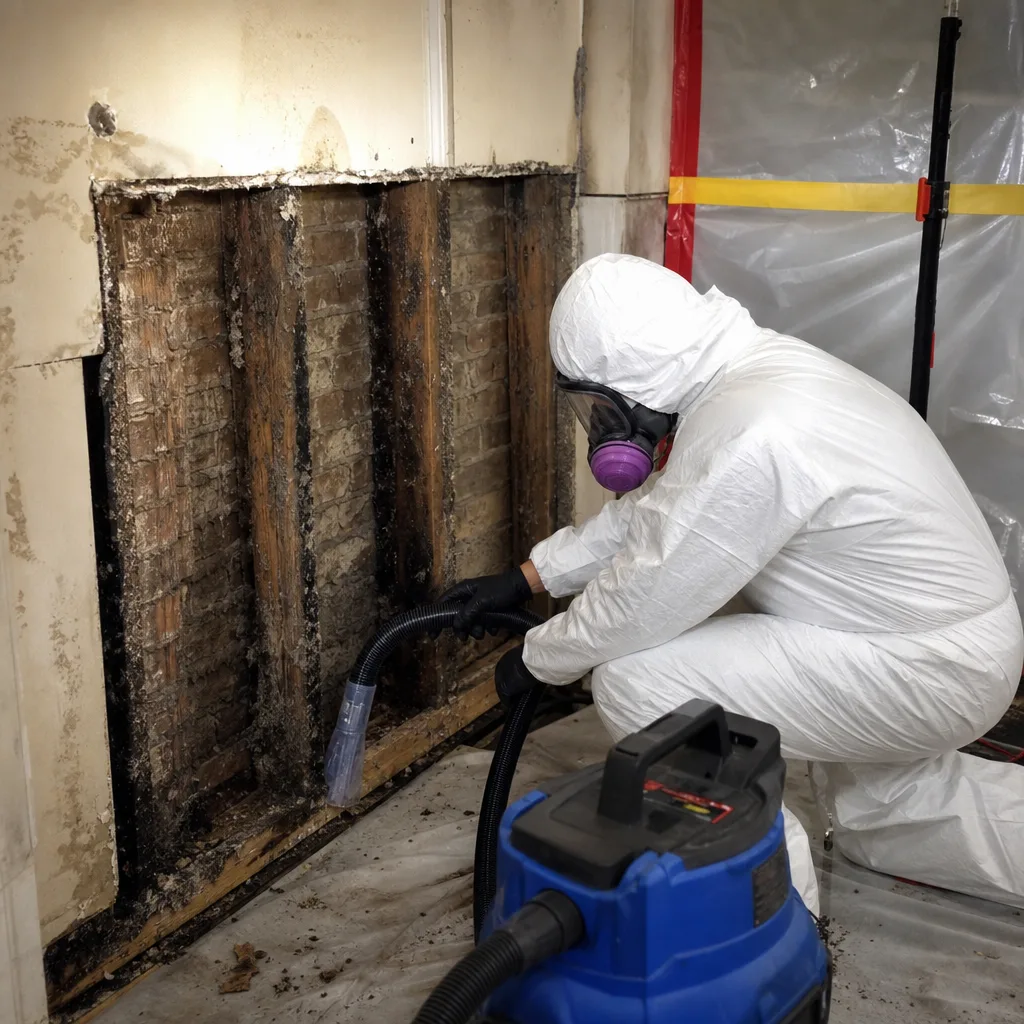
Small, contained mold growth in a single Jackson Heights bathroom, source identified and stopped: $1,800-$3,200. This covers containment, HEPA remediation, antimicrobial treatment, and air clearance testing.
Moderate contamination affecting multiple rooms or involving a shared-wall cavity in a co-op: $3,500-$5,500. Price moves with the number of units requiring access, the extent of drywall removal, and whether asbestos or lead abatement is triggered by the disturbance.
Large-scale Category 3 loss from sewer backup or multi-floor steam-riser failure with hazmat protocols, multi-unit containment, and reconstruction: $5,500-$6,500 and up. These jobs require the most documentation - and produce the most insurance disputes when documentation is missing.
What moves the price: affected square footage, contamination category (Category 3 requires more PPE and disposal cost), presence of regulated materials requiring abatement, and whether the co-op board requires engineer review before work begins. Insurance typically covers sudden and accidental water damage with resulting mold; long-term maintenance-related moisture is often excluded. We review your policy language and document the loss origin to support your claim. Call (551) 213-5277 for a free visual inspection and written scope - Haven Standard, Clause 1, no exceptions.
We Also Serve Cities Near Jackson Heights
Our crews respond daily to mold emergencies in Jackson Heights and surrounding Queens neighborhoods. We also serve Elmhurst to the south, with its similar pre-war housing stock and combined-sewer infrastructure; Maspeth to the west, where industrial-to-residential conversions create unique moisture problems; Astoria to the northwest, with its own concentration of 1920s apartments and newer high-rise mixed construction; and Long Island City to the west, where rapid development has left aging utility infrastructure struggling to serve both old and new buildings.
Serving Jackson Heights, NY - Our Local Coverage Area
We’re based in the Jackson Heights area and know this community well. Use the map below to see our service coverage - if you’re nearby, we can almost certainly help.
Jackson Heights Mold Remediation Questions, Answered
Why does mold keep coming back in Jackson Heights co-ops even after a wipe-down?
Because the moisture source is almost never in the unit where mold is visible. In a six-story co-op off 37th Avenue near the Jackson Heights Historic District, we traced a mold bloom on a third-floor bedroom ceiling to a steam-riser valve that had been weeping behind the second-floor wall for weeks. Our tech set containment, took moisture readings, and ran structural drying with Dri-Eaz dehumidifiers and XPOWER air movers across three affected units before any antimicrobial treatment or rebuild could start. The board only approved exterior-touching scope after the co-op’s engineer signed off with the LPC package attached. Surface cleaning without finding and drying the source just prepares a fresh food source for the next colony. Call (551) 213-5277 and we’ll trace it properly.
A basement unit flooded after a Queens storm - is that really “black water”?
Yes, if it came up through a floor drain or sewer connection. Jackson Heights sits on combined-sewer infrastructure; during intense storms the mains surcharge and backflow into building basements. That water carries raw sewage, industrial discharge, and street runoff - Category 3 contamination under IICRC standards. It requires full hazmat PPE, contained removal of porous materials, and antimicrobial treatment of all affected surfaces. Contractors who treat this as clean-water drying miss the contamination, leave viable pathogens, and expose occupants to serious health risk. We document the source category in our initial assessment for your insurance file. Call (551) 213-5277 for immediate Category 3 protocol response.
Does mold really need to be addressed within a day or two?
Active mold colonies in Jackson Heights’s humid pre-war masonry can double in 24-48 hours. More critically, the longer moisture sits behind plaster, the more likely it is to reach adjacent units through shared walls or to trigger asbestos/lead abatement requirements when disturbed. Same-day response lets us establish containment before spores migrate, identify the source while it’s still traceable, and document the loss origin for insurance before evidence degrades. Call (551) 213-5277 - we answer live and dispatch within 45 minutes.
Will the co-op board or Landmarks commission slow down a Jackson Heights mold job?
They can, if the documentation isn’t ready. Co-op boards require engineer sign-off before any work affecting common elements. The NYC Landmarks Preservation Commission reviews any repair to exterior masonry, rooflines, or decorative features in the Historic District. We prepare these packages as standard - engineer letters, LPC permit applications, photo documentation, and written scopes - because we’ve learned that a two-week paperwork delay costs more than doing it right the first time. Our documentation-first approach, built since 2011 by a former claims adjuster, is designed for exactly these bureaucratic requirements. Call (551) 213-5277 and we’ll explain what’s needed for your specific building.
What does mold remediation actually look like in a pre-war garden apartment?
It looks like containment first: polyethylene sheeting sealed with tape, negative air machines running, HEPA scrubbers filtering to 0.3 microns. Then moisture mapping to find the source - often a steam riser or cast-iron drain behind plaster lath. Then controlled demolition of non-salvageable materials, with asbestos and lead testing before disturbance if the building dates to the 1920s-1940s. Then structural drying with dehumidifiers and air movers, daily moisture logs, antimicrobial treatment, air clearance testing, and finally reconstruction - sometimes with LPC review if exterior elements are involved. Every step is photographed, every reading logged, every cost line-itemed in writing before work begins. Haven Standard, Clause 1. Call (551) 213-5277 for a free visual inspection and written scope.
How fast can someone actually get to my Jackson Heights building?
We dispatch from our New York City office and commit to 45 minutes for Jackson Heights emergency calls. Live answer 24/7, no voicemail. Crews carry containment materials, moisture detection equipment, and initial drying gear on every truck - no return-to-warehouse delays. The sooner we start containment and source identification, the smaller the affected area and the lower the final cost. Call (551) 213-5277 now.
Will insurance cover mold remediation in a Jackson Heights co-op?
Usually, if the mold resulted from a sudden and accidental water loss - burst pipe, appliance failure, storm damage - and you report promptly. Your individual HO-6 policy covers your unit’s contents and improvements; the co-op’s master policy covers building structure and common elements. The dispute point is almost always where one ends and the other begins, which is why our documentation specifies moisture origin, migration path, and affected materials by location. We coordinate directly with both carriers when needed. Long-term maintenance issues - slow leaks, unventilated bathrooms - are typically excluded. We’ll review your situation and policy language during the free inspection. Call (551) 213-5277.
Can my family stay in the unit during mold remediation?
For small, contained jobs with the source stopped and negative air established, sometimes yes - with the work area sealed and HVAC isolated. For Category 3 contamination, multi-unit projects, or any job involving asbestos/lead abatement, we recommend temporary relocation. We specify occupancy status in our written scope before work begins, so there’s no surprise displacement. Your insurance may cover additional living expenses; we document the recommendation to support that claim. Call (551) 213-5277 to discuss your specific situation.
Written by Alicia Brennan, Owner at Back to Dry Restoration, serving Jackson Heights since 2011.
Mold Remediation in Nearby Areas