
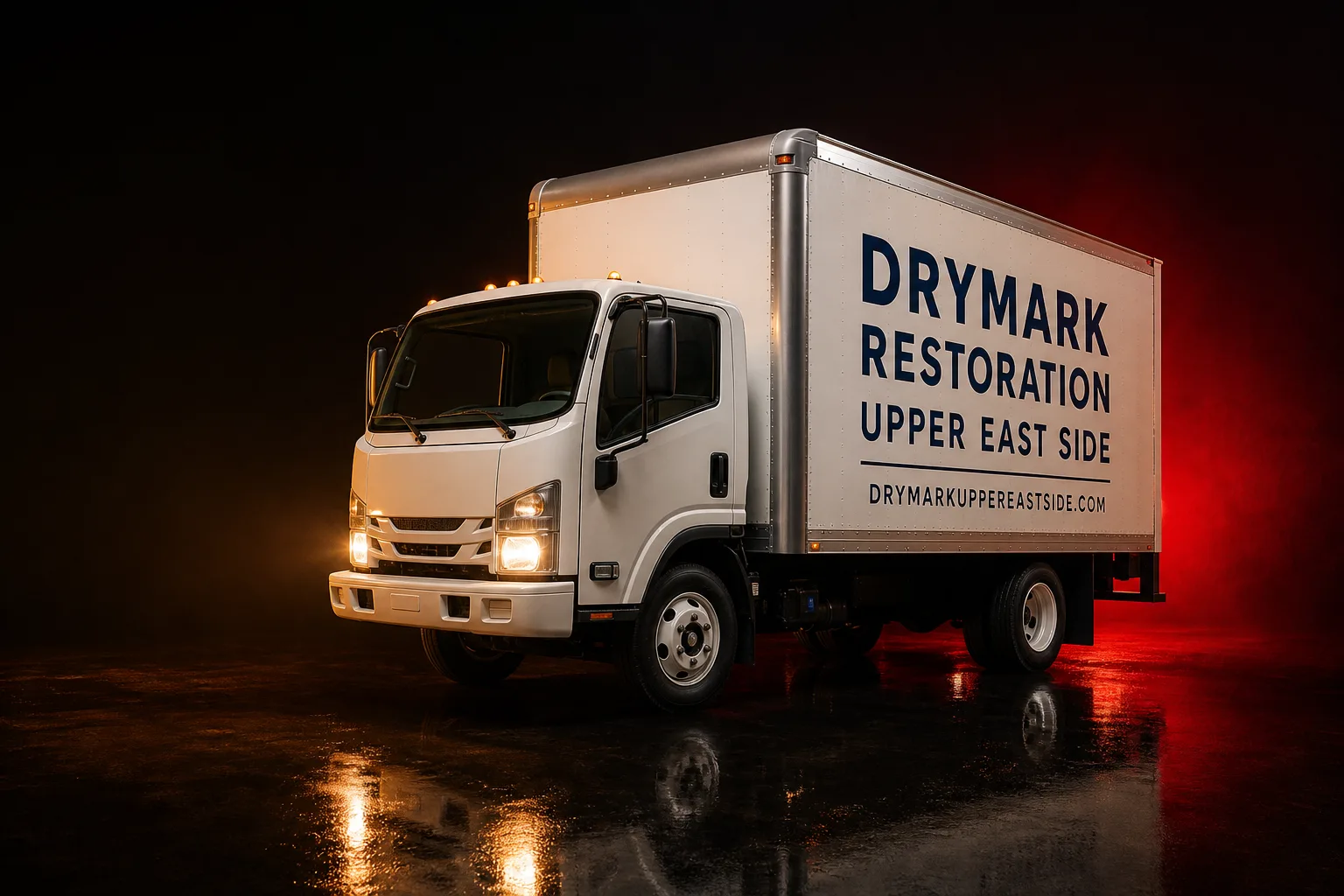
Free visual inspection and a written scope of work before any mitigation begins - photos, moisture readings, and drying logs go in your claim file
The scope we write is the scope we bill. Anything new gets shown to you, in writing, before we touch it.
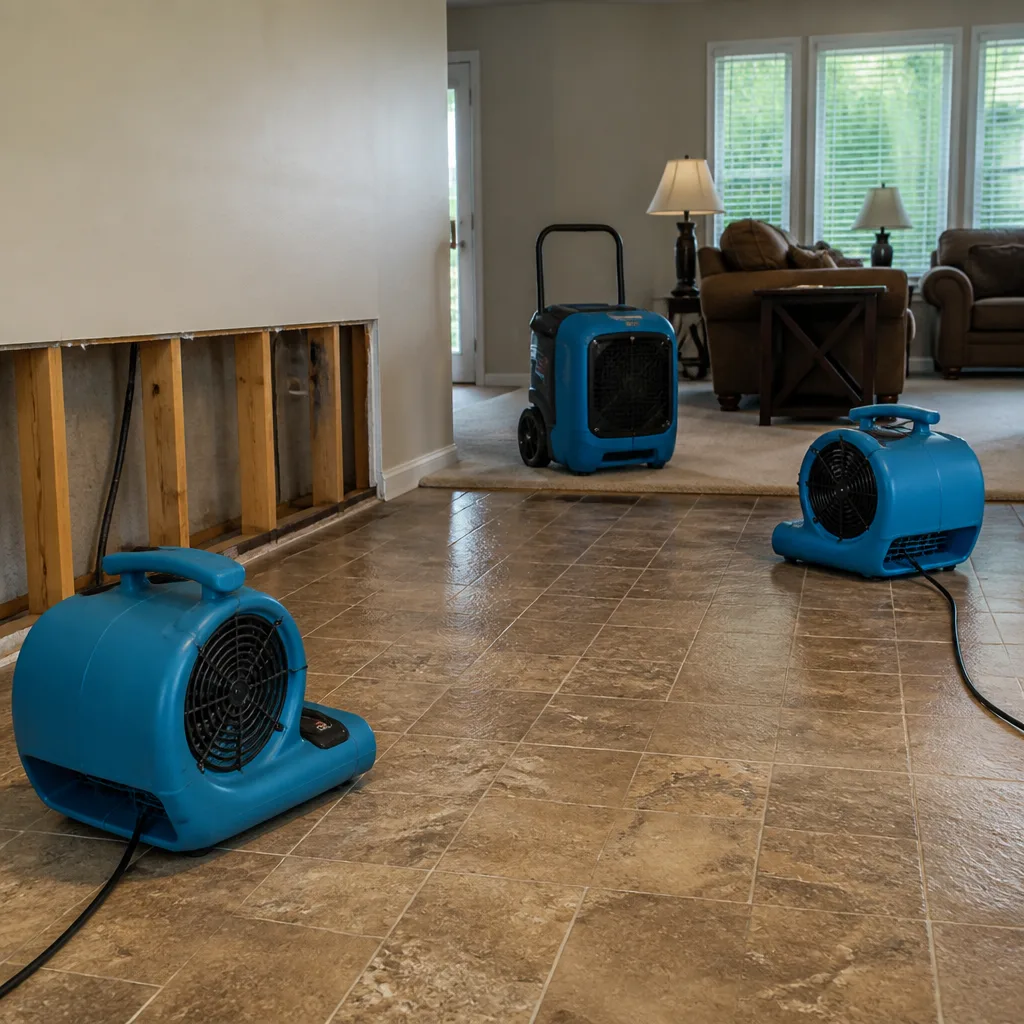
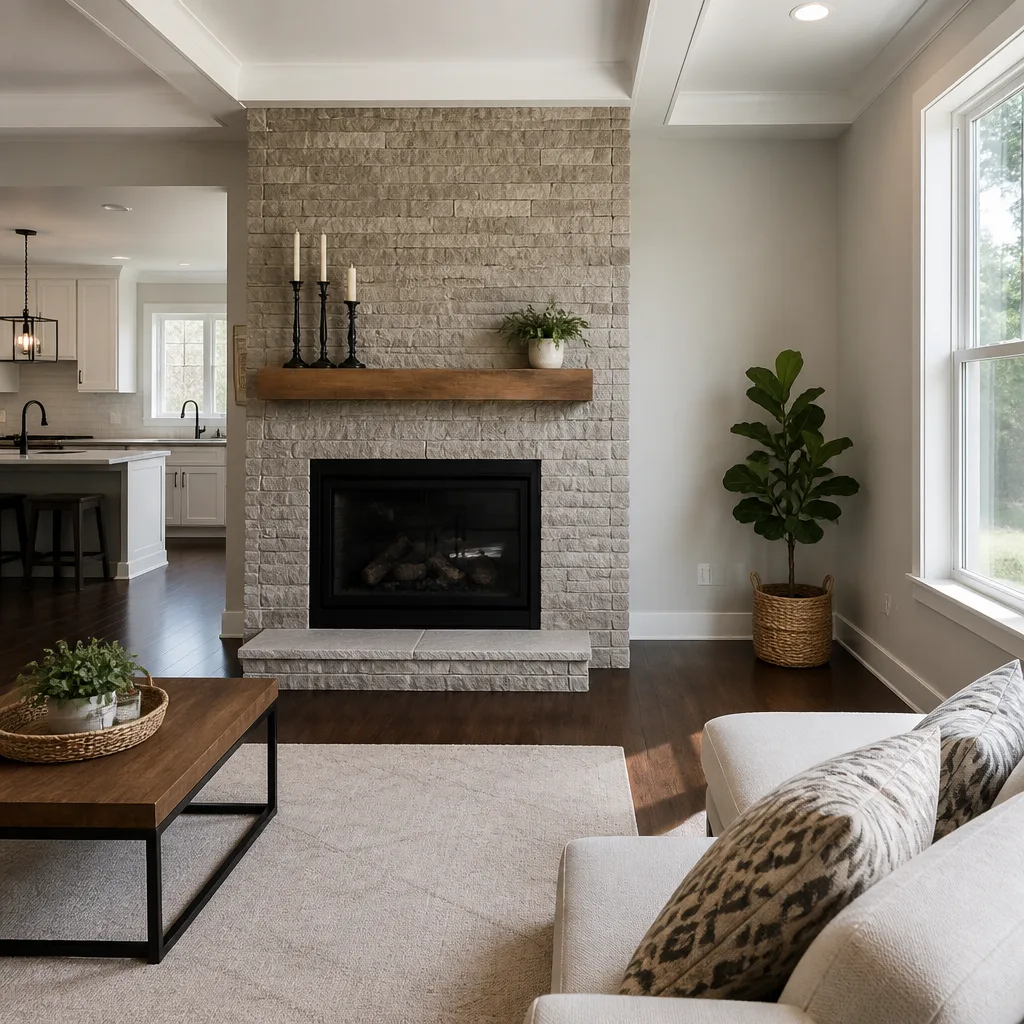
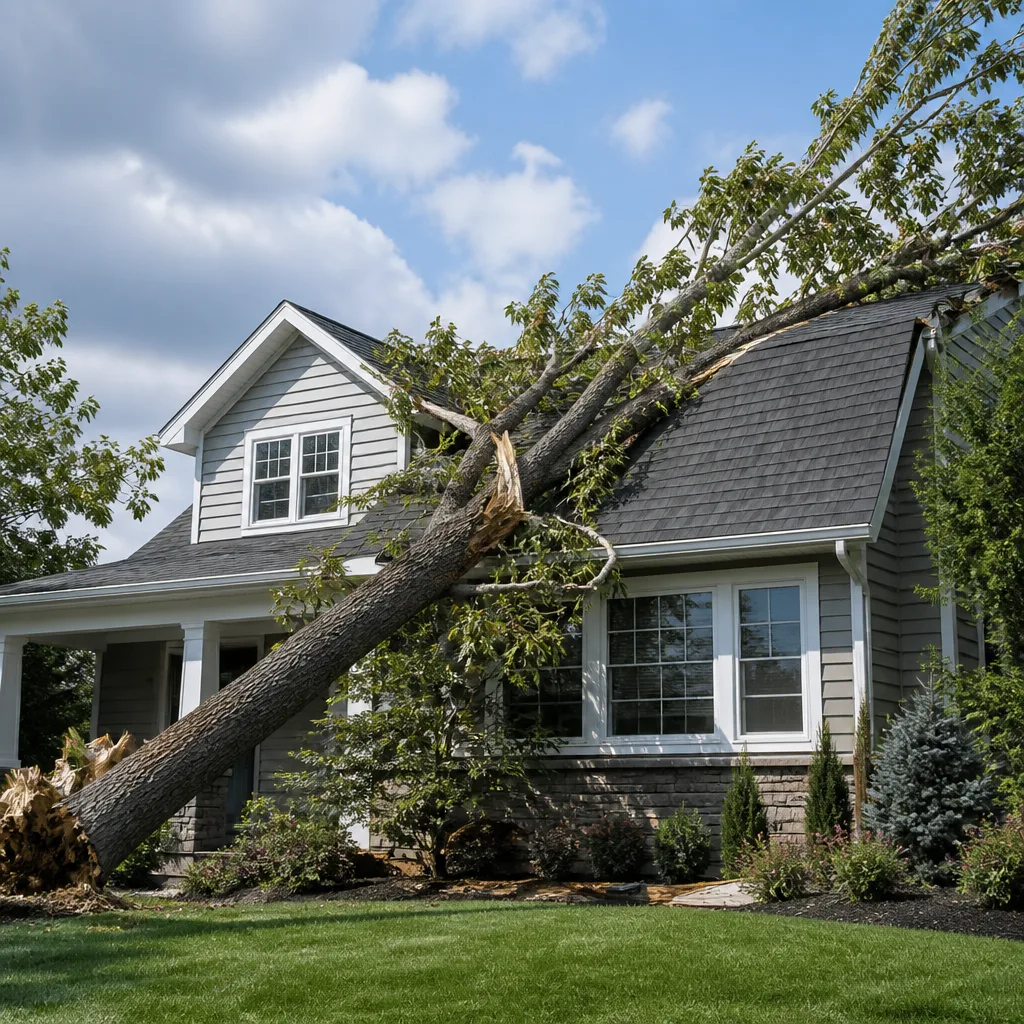
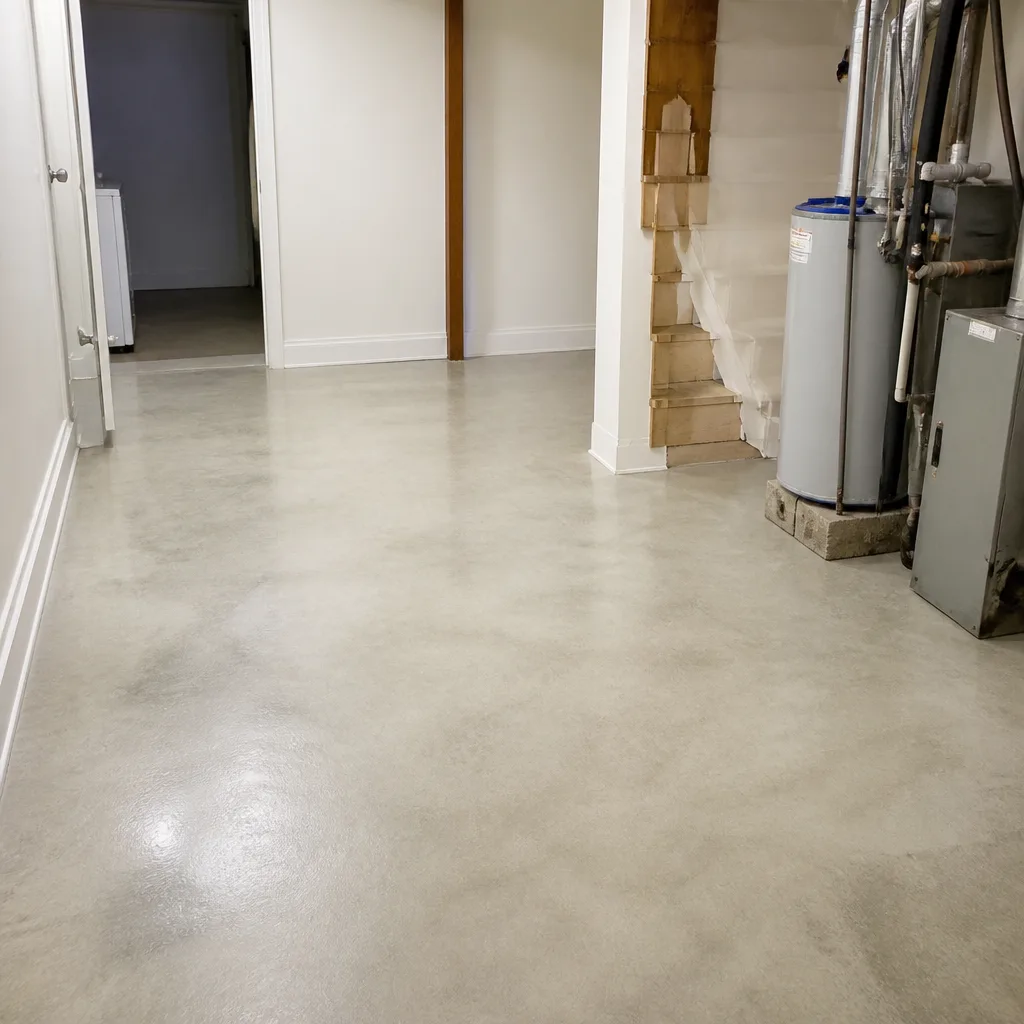
 Before
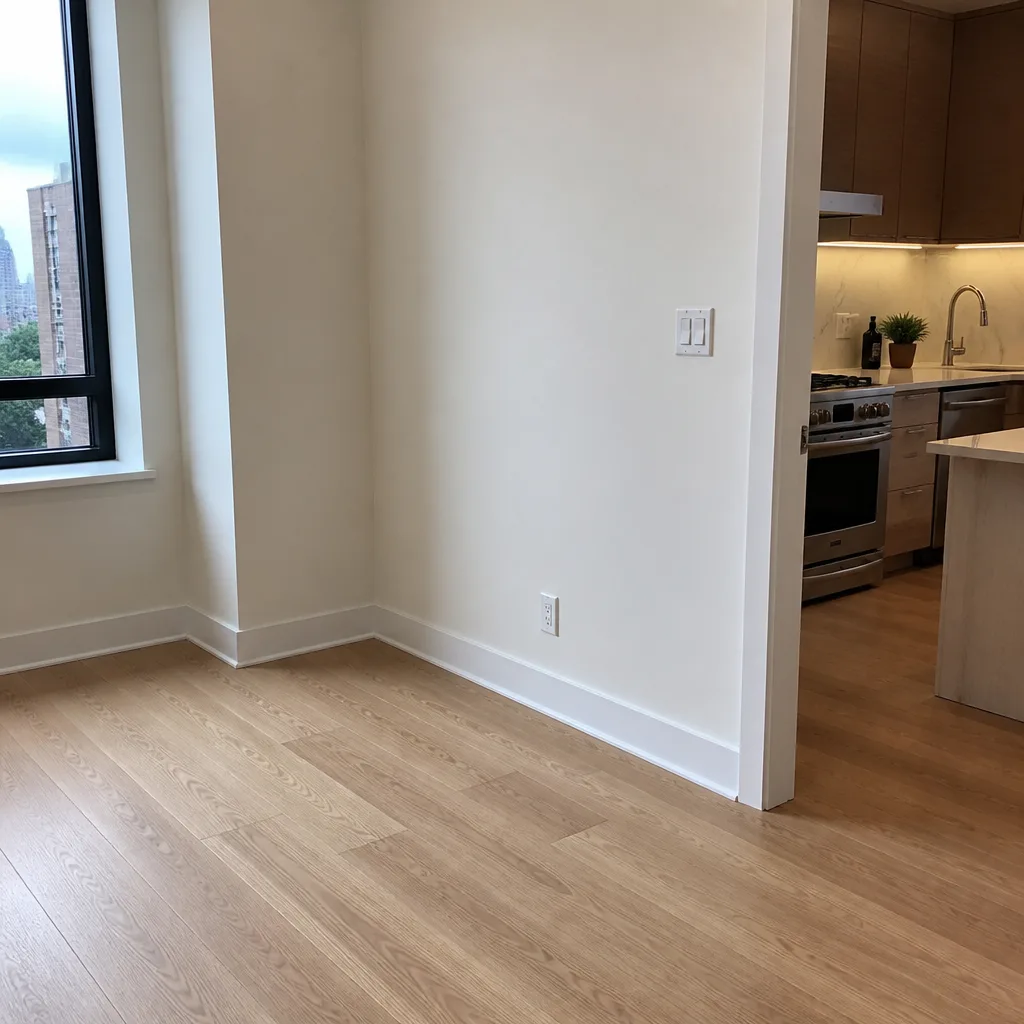 After
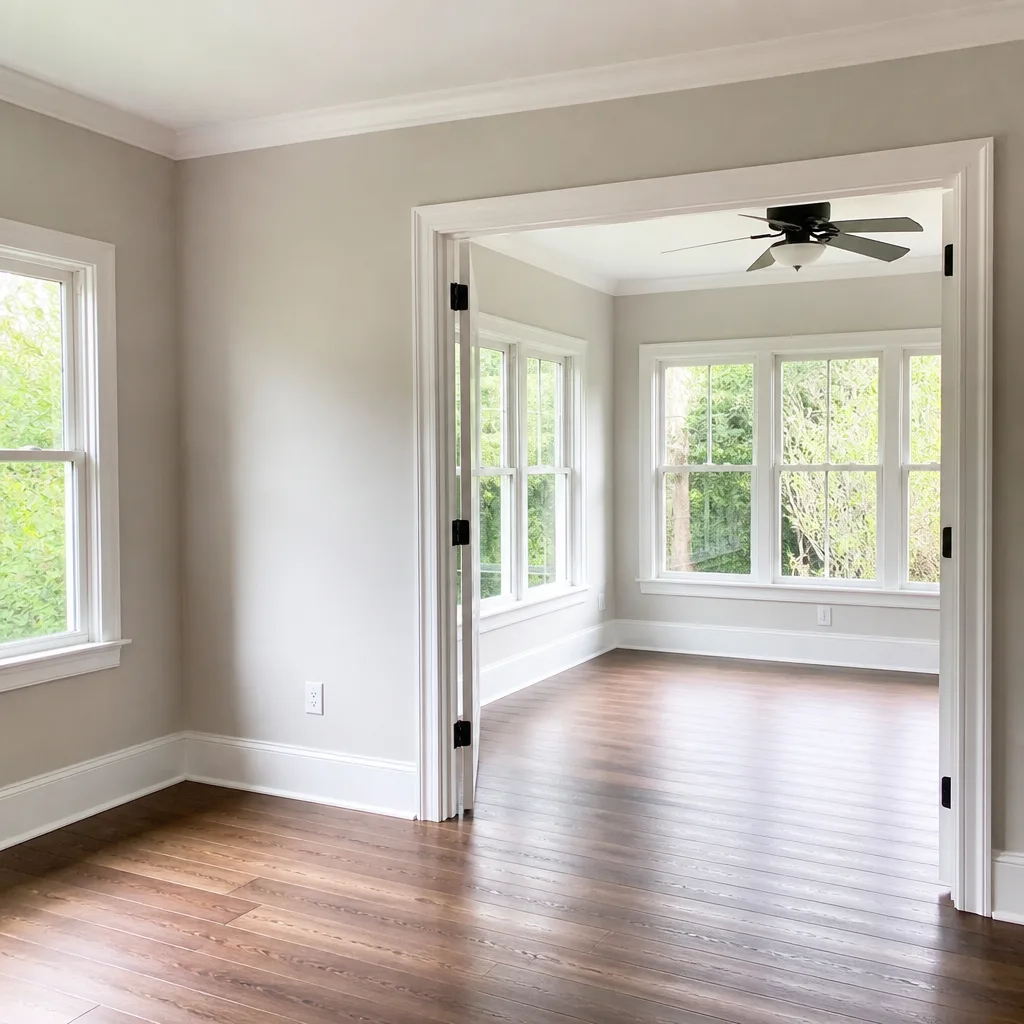
After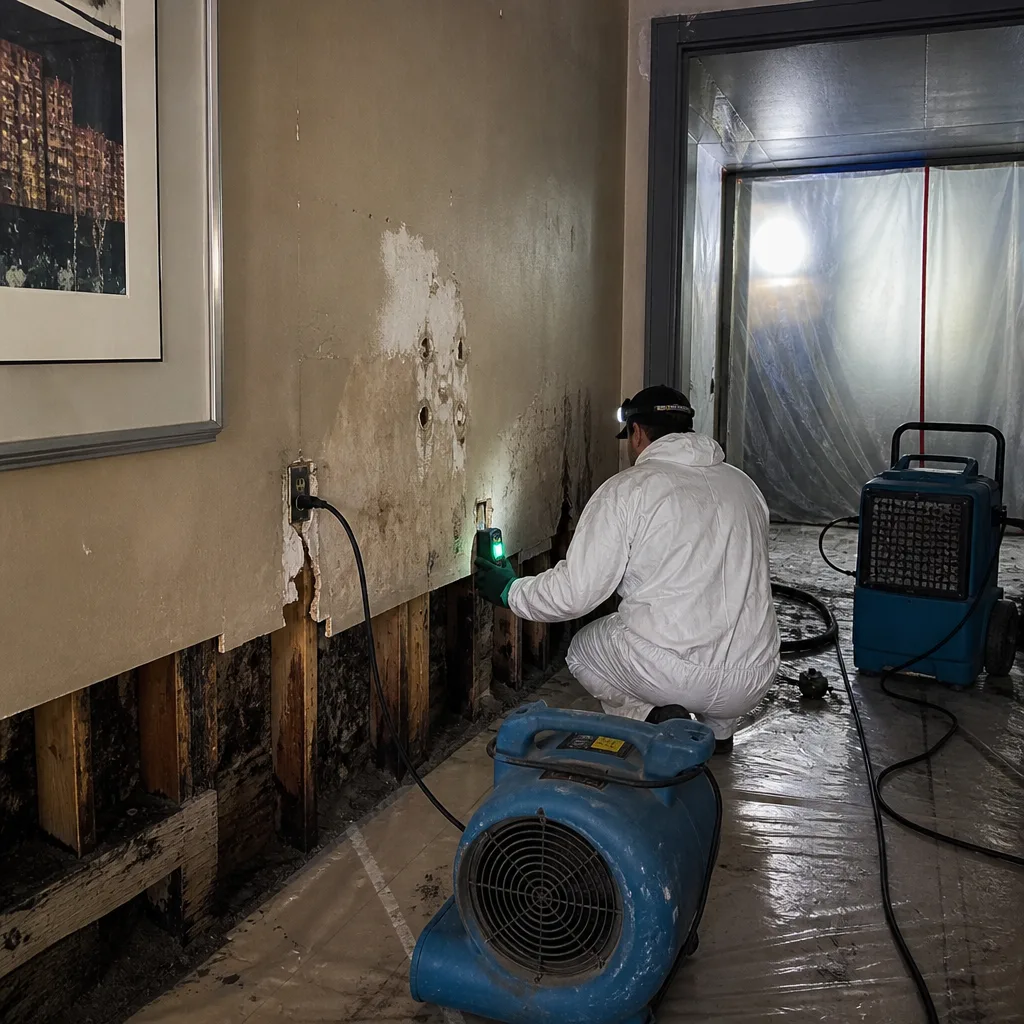 Before
 After
After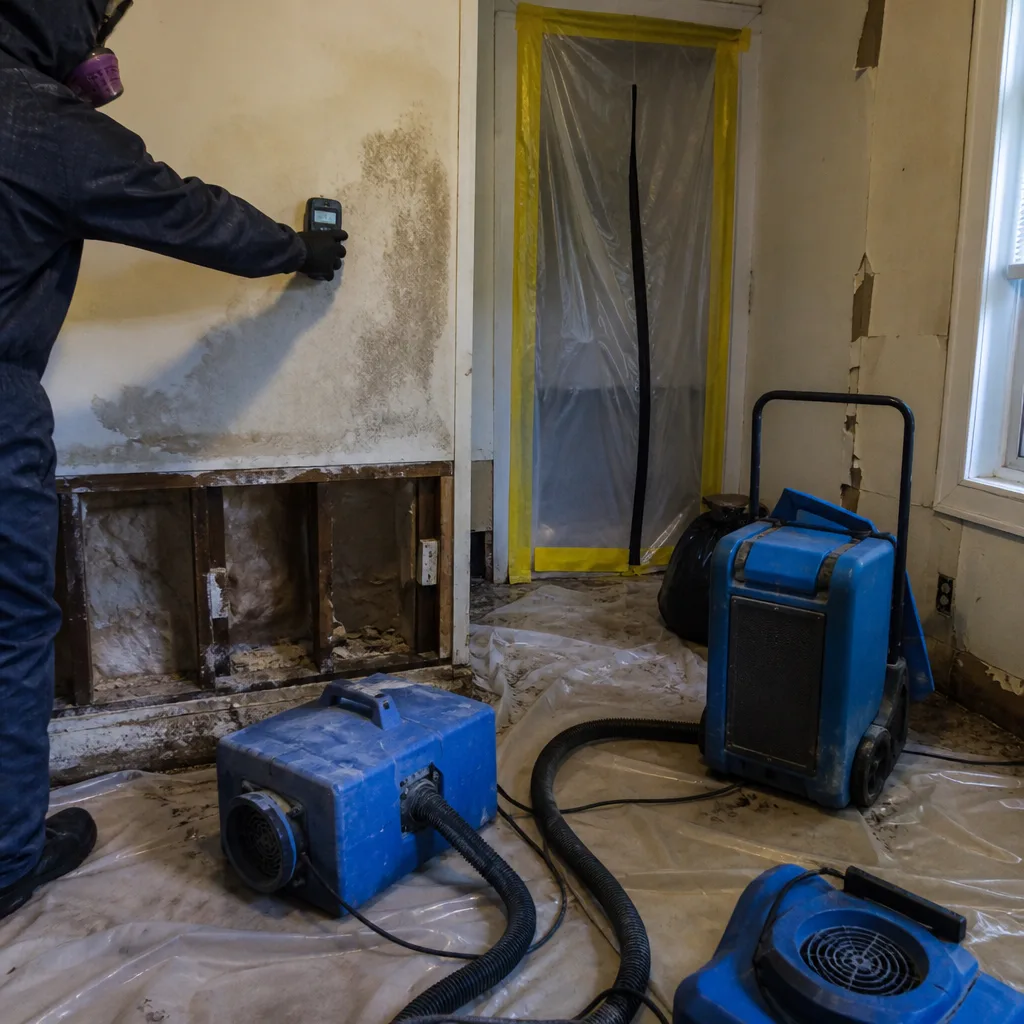 Before
 After
After24/7 Emergency Mold Remediation in Astoria
Mold remediation in Astoria typically costs $1,800-$6,500 depending on affected square footage and whether the job spans multiple attached units, and our crews are dispatched from our New York City office with live answer on every call. Call (551) 213-5277 now - a real person picks up 24 hours a day, no voicemail trees, and we arrive with moisture meters and containment gear already loaded. The first hour matters because mold in Astoria’s pre-war plaster-on-wire-lath assemblies doesn’t stay where it starts; it wicks laterally through shared masonry floor-joist pockets into adjoining rowhouses, turning one unit’s slow leak into a multi-address job before the surface ever shows color. We provide a free visual inspection, document the moisture footprint with thermal imaging, and deliver a written price before any work begins - Haven Standard, Clause 1.
Understanding Mold Remediation Severity in Astoria Properties
Mold severity in Astoria isn’t measured by what you can see. We classify contamination by square footage of visible growth, the class of water damage that preceded it, and whether the affected assembly is modern drywall or original plaster-on-wire-lath over masonry - the latter holds moisture like a reservoir and releases it over weeks, supporting secondary colonization long after the source leak is fixed.
Category 1 water from a clean supply line becomes Category 2 within 48 hours in a warm wall cavity, and Category 3 if it sits longer or picks up contaminants from corroded cast iron waste stacks - common in Astoria’s 1920s-1940s buildings. Our crews map vapor pressure differential across party walls to identify hidden lateral migration, then establish containment with negative air pressure using HEPA-scrubbed exhaust. Air quality restoration requires clearance testing with spore trap samples compared to outdoor baselines, not visual judgment alone. In Astoria’s dense rowhouses, a Class 2 moisture intrusion (affecting whole rooms with wicking into plaster) routinely demands Injectidry mat drying through finished surfaces rather than destructive removal - the difference between a $2,400 contained remediation and a $7,000 gut-and-rebuild.
Why Astoria Property Owners Choose DryMark Restoration Upper East Side
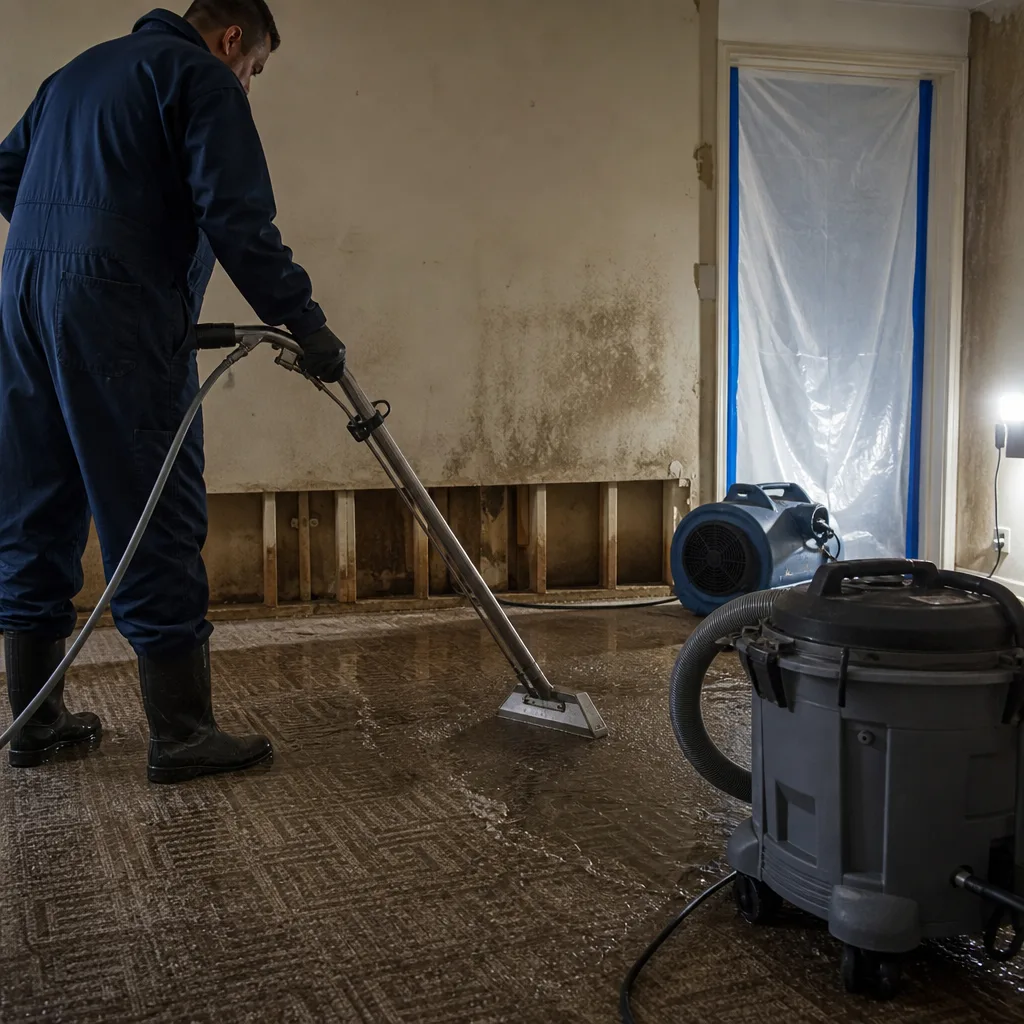
- 45-minute response commitment to Astoria from our New York City dispatch office - crews carry moisture meters, thermal cameras, and containment materials on every truck, so assessment begins the moment we arrive.
- 24/7 live answer - a real person, never an automated system or callback queue; when mold is spreading through party walls, waiting until morning costs square footage.
- IICRC-certified crews holding WRT (Water Damage Restoration Technician), AMRT (Applied Microbial Remediation Technician), and FSRT (Fire & Smoke Restoration Technician) credentials - the specific codes that matter for mold jobs with combined water loss history.
- Free visual inspection with moisture mapping and thermal imaging included; you receive a written scope and price before any remediation begins.
- Direct insurance billing with photo-documented drying logs and room-by-room moisture readings formatted for adjuster review - the documentation that turns restoration invoices into payable claims.
- One team from containment to clearance - same crew, same foreman, same daily log; no handoffs between mitigation and reconstruction that lose the moisture history.
BeforeAfterOur Mold Remediation Process
1. Inspection & Assessment
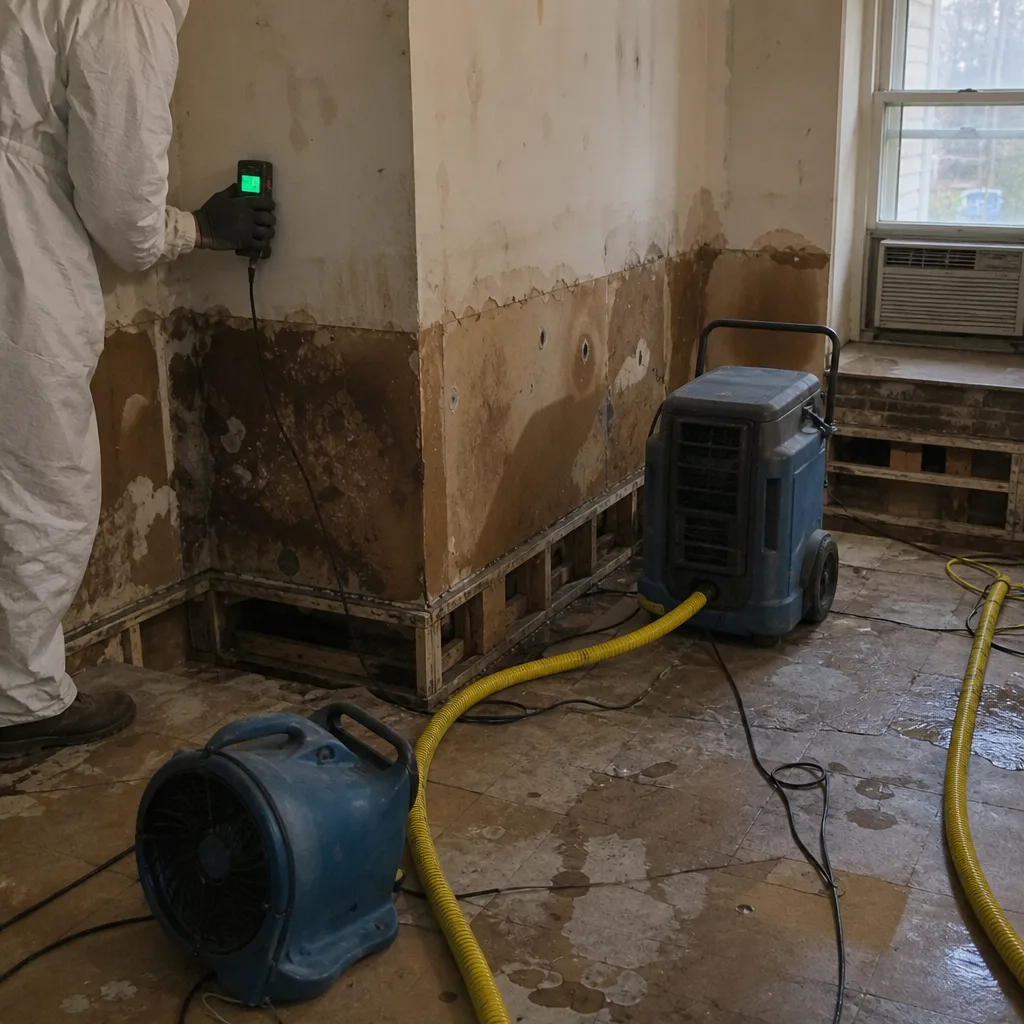
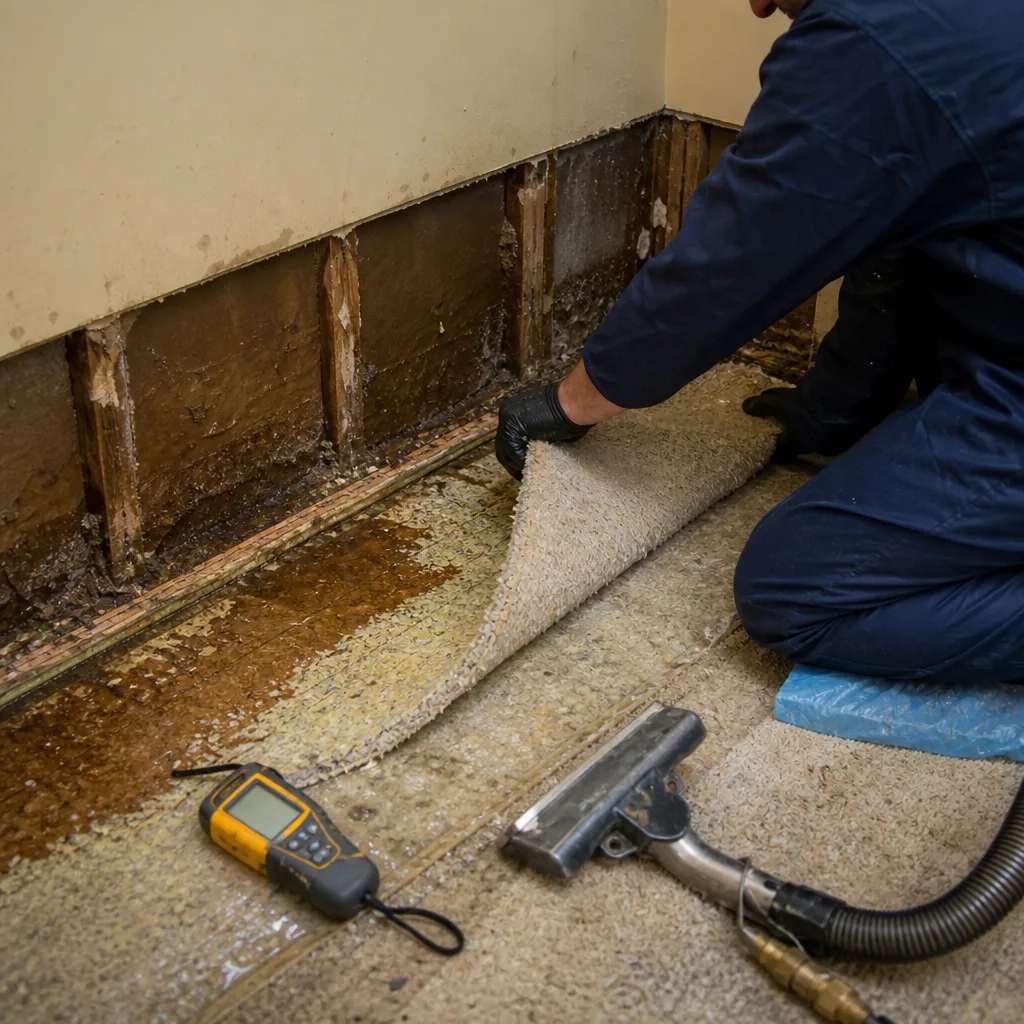
We arrive with Dri-Eaz moisture detection systems and FLIR thermal imaging to map the hidden moisture footprint behind your plaster-on-wire-lath walls. In Astoria’s attached rowhouses, we inspect the party wall cavity and the adjoining unit’s exposure - moisture mapping with our meters regularly reveals lateral migration two feet or more past the visible stain, and we document each reading in a pre-loss condition report.
2. Containment & Air Filtration
We establish polyethylene containment barriers with negative air pressure, exhausting through HEPA scrubbers to prevent cross-contamination. For multi-address Astoria jobs, we run separate containment zones on each side of the party wall with independent air filtration - critical when two owners share a wall but not an insurance policy.
3. Structural Drying
Plaster-on-wire-lath over masonry won’t dry with air movers alone. We deploy Injectidry mat systems and XPOWER axial air movers to force dry air through the wall cavity, supplemented by Phoenix LGR dehumidifiers sized for the latent load. Daily psychrometric data - temperature, relative humidity, and specific humidity - goes into your drying log until readings confirm equilibrium.
4. Cleaning & Antimicrobial Treatment
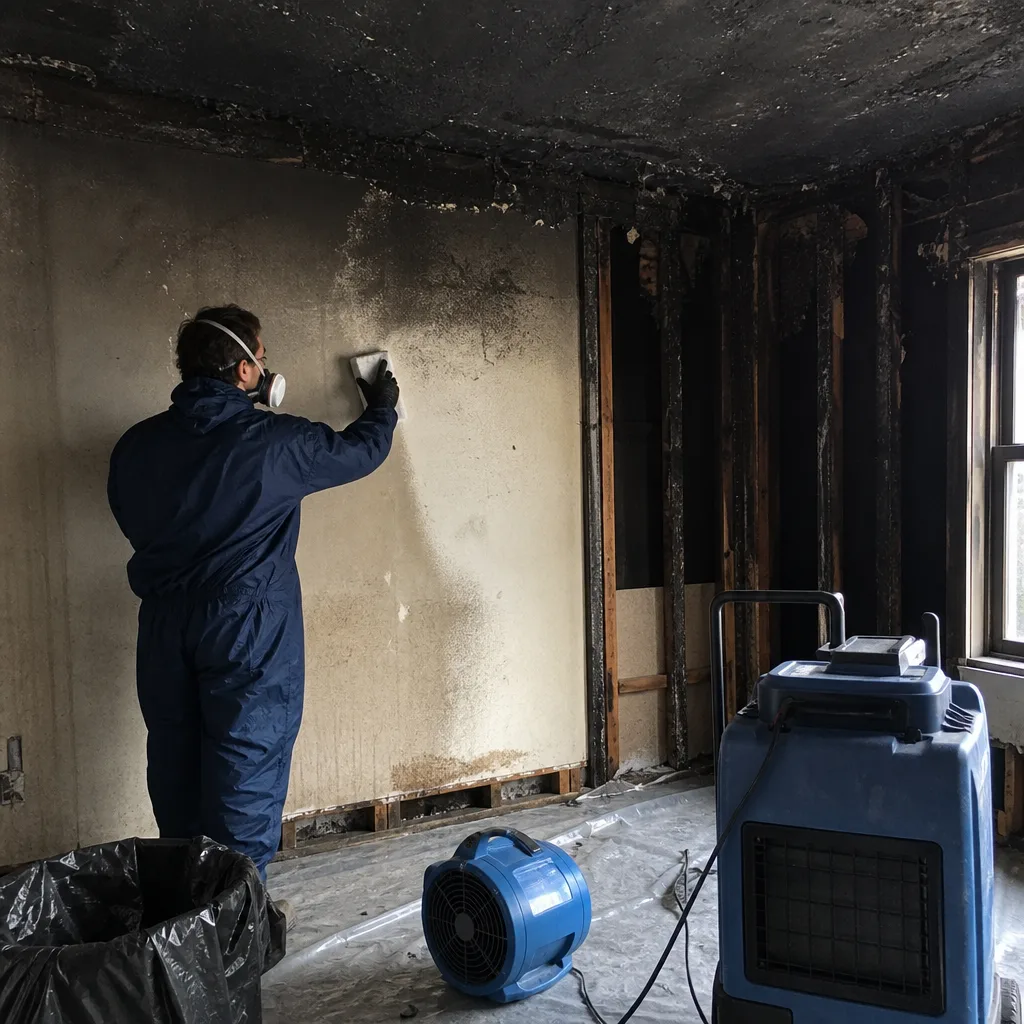
Wire lath and plaster receive HEPA vacuuming followed by antimicrobial application formulated for porous masonry and gypsum substrates, not the quick-wipe treatment used on modern drywall. We treat the full affected cavity, not just the visible growth, because Astoria’s plaster systems harbor spores in the void spaces between lath strips.
5. Black Mold Remediation & Air Quality Restoration
Stachybotrys and other toxigenic species require enhanced containment, PAPR respirators for technicians, and post-remediation clearance testing with spore trap analysis compared to outdoor baselines. We coordinate third-party laboratory testing when required by your carrier or when occupants have respiratory sensitivity - documented and delivered with your final report.
6. Repairs & Moisture Control
Our reconstruction crew repairs opened plaster with matching techniques for pre-war finishes, then installs permanent moisture and humidity control - exhaust ventilation, dehumidification sizing, or vapor barrier installation - to prevent recurrence. Every job closes with a signed 365-Day Done Right Promise under The Haven Standard.
Need Emergency Mold Remediation in Astoria Now?
Crews minutes away, answering live 24 hours a day. The sooner we start, the less it costs.
Working With Your Insurance Company
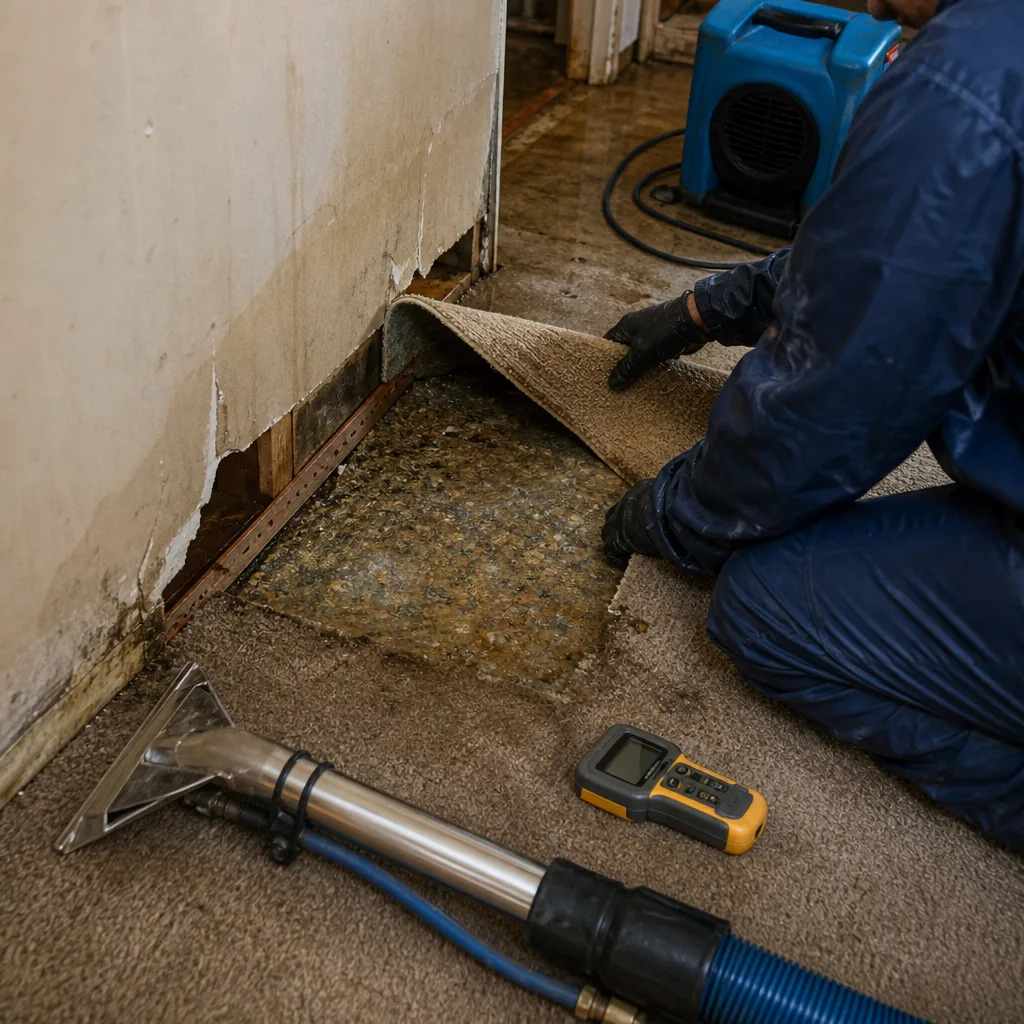
Insurance claims for mold in Astoria rowhouses fail when documentation gaps let adjusters dispute whether the loss was sudden and accidental or long-term maintenance neglect. We close those gaps from the first hour. Our foreman photographs every room, records moisture readings on a standardized grid, and maintains daily drying logs that track specific humidity decline - the psychrometric proof that drying was achieved, not just attempted.
We write industry-standard estimates with line-item scopes, coordinate directly with your adjuster, and provide the photo record and moisture documentation that supports your coverage position. When a job spans multiple addresses with different carriers - routine in Astoria’s party-wall buildings - we deliver separate, complete file packages to each claim representative, each with its own pre-loss condition report and written scope signed before work began.
What We Provide Your Insurer
- Thorough documentation of the loss
- Photos of all damage, room by room
- Moisture readings and drying logs
- A detailed, line-item scope of work
- Direct coordination with your carrier
Built for Astoria’s Loss Calendar
Astoria’s mold season runs year-round, but the drivers shift. January and February bring hard freeze-thaw cycles that burst galvanized supply lines and ice-damaged flat roofs - water finds the wall cavity, sits undetected behind plaster for weeks, and colonizes before anyone smells it. Spring nor’easters push storm surge up the East River, inundating ground floors and basements in the FEMA flood zones near Astoria Park and Hallets Point; these are acute, high-volume losses with immediate mold pressure.
Summer humidity settles into Astoria’s masonry rowhouses with minimal cross-ventilation, reactivating dormant spores in previously wetted cavities. And autumn’s return to heating season drives warm, moist interior air against cold exterior plaster, creating condensation zones inside walls that were never properly dried from last winter’s leak. The common thread: Astoria’s building stock doesn’t forgive delayed response. Plaster-on-wire-lath over masonry extends the detection timeline and the drying timeline both, which is why our crews carry Injectidry equipment on every truck and why we moisture-map the party wall as standard practice.
Mold Remediation Across Astoria’s Neighborhoods
Near Astoria Park and the Hallets Point peninsula, we respond to recurrent tidal and storm-surge flooding in ground-floor and basement units - jobs where the water source is exterior, the mold is often Cladosporium or Aspergillus in masonry and concrete, and FEMA documentation requirements layer onto standard insurance claims. The 1920s six-story elevator buildings along 30th Avenue and Steinway Street present a different profile: aging flat roofs with modified-bitumen membranes that pond water until they fail, delivering slow leaks through multiple floors of plaster-and-lath that each require separate containment and drying plans.
The attached two-to-four-family rowhouses between 21st Street and 31st Street, north of Broadway to the waterfront, are where our party-wall expertise matters most. A call from 27th Street or 35th Avenue routinely becomes two scopes. Ditmars Boulevard’s mixed-use corridor - residential above commercial with shared walls and often shared mechanical systems - adds grease-laden exhaust and compromised fire separations to the moisture problem. We know which Astoria blocks sit in AE flood zones, which buildings have original cast iron stacks reaching end-of-life, and which loss patterns to expect before we park the truck.
Specialized Mold Remediation Services We Offer in Astoria
Mold Inspection & Testing
We don’t guess. Our Astoria inspections combine FLIR thermal imaging, Dri-Eaz penetrating moisture meters, and air sampling when visible growth is ambiguous or health concerns are present. In pre-war plaster buildings, we test the cavity air behind outlet openings to distinguish active colonization from old staining - a critical difference for accurate scope and pricing.
Mold Removal
Removal in Astoria means full containment, HEPA-controlled demolition where plaster is unsalvageable, and antimicrobial treatment of remaining masonry and lath. We don’t encapsulate over active growth, and we don’t treat wire lath like drywall - the restoration technique changes with the substrate, and our crews are trained to the distinction.
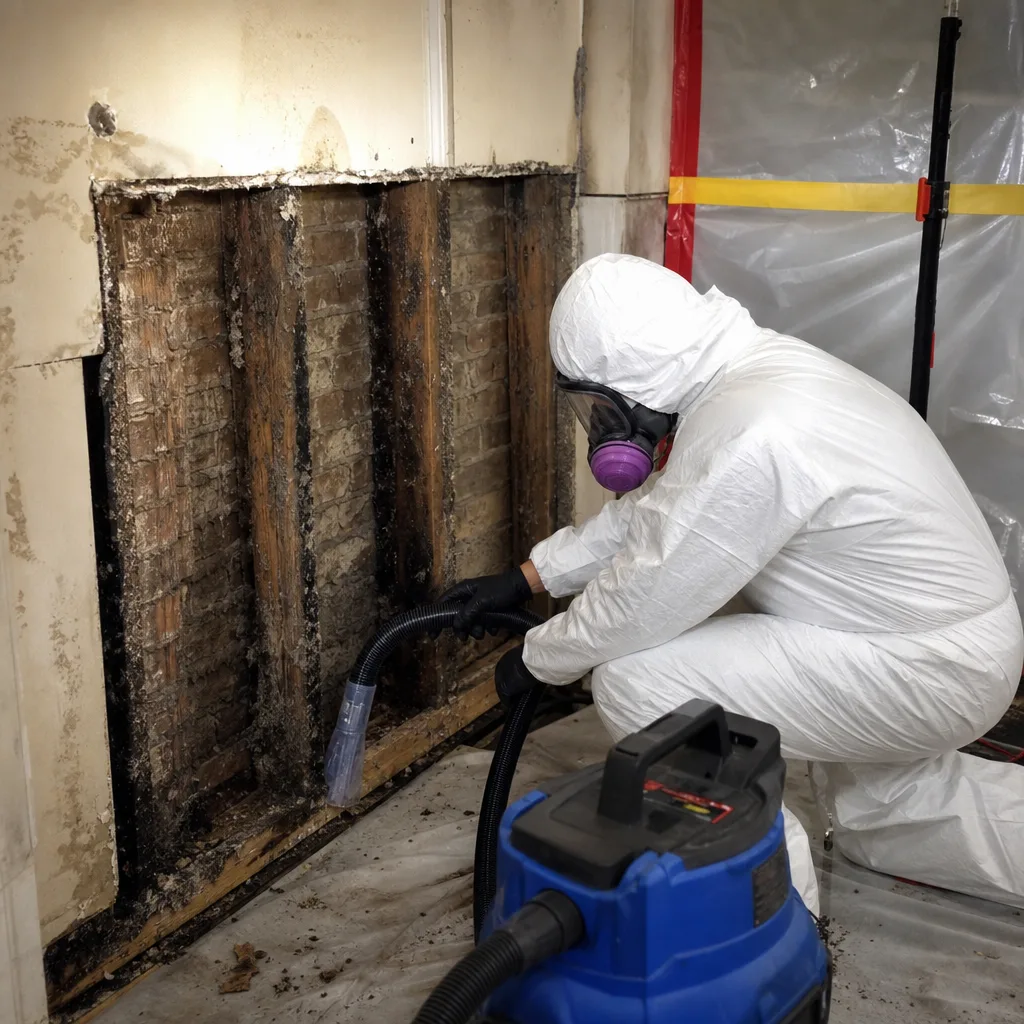
Black Mold Remediation
Stachybotrys chartarum and other toxigenic species require enhanced PPE, negative air pressure at higher exchange rates, and post-remediation clearance testing with laboratory spore analysis. In Astoria’s dense housing, we also test the adjoining unit when party-wall migration is suspected - black mold doesn’t respect property lines.
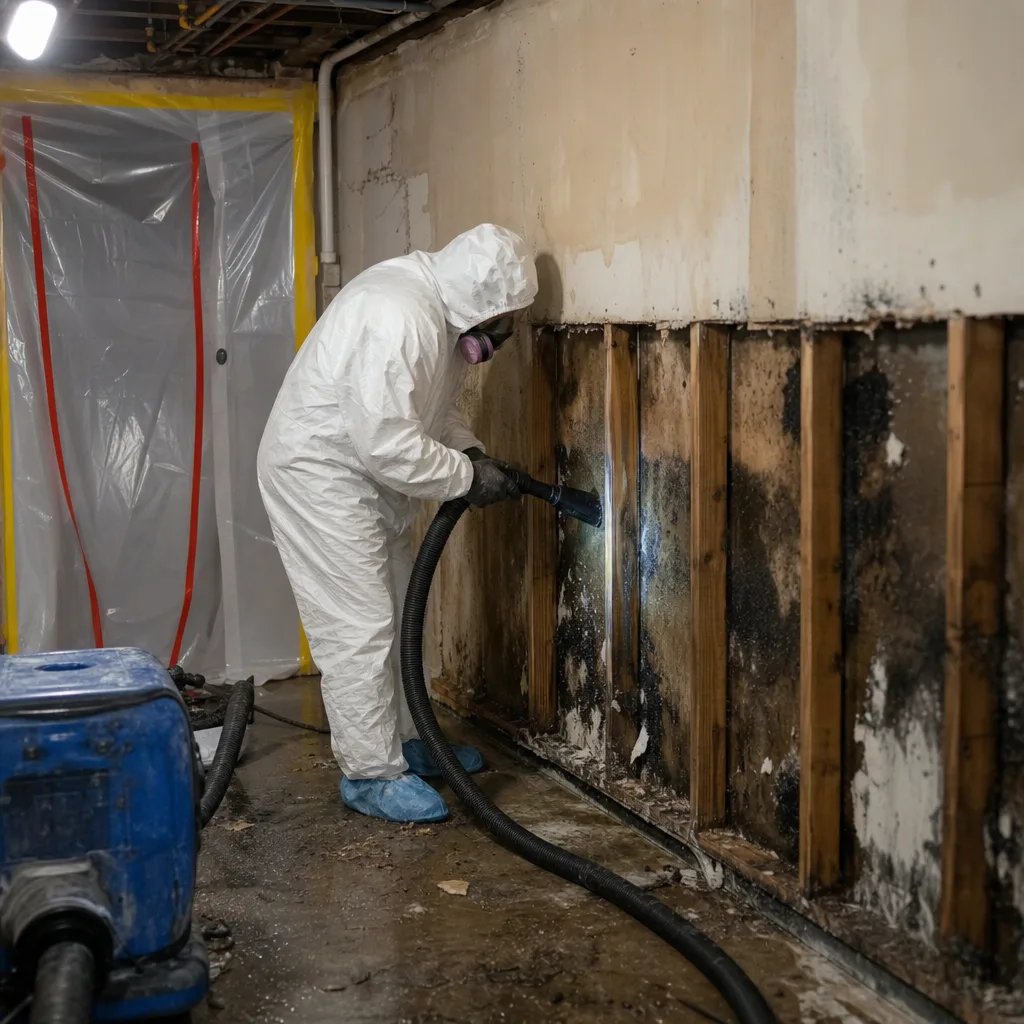
Air Quality Restoration
After remediation, we restore breathable air through HEPA filtration, duct cleaning where contamination has entered HVAC systems, and third-party clearance testing. Astoria’s older buildings often have no central air, so we size standalone air scrubbers to room volume and document particulate reduction before occupancy resumes.
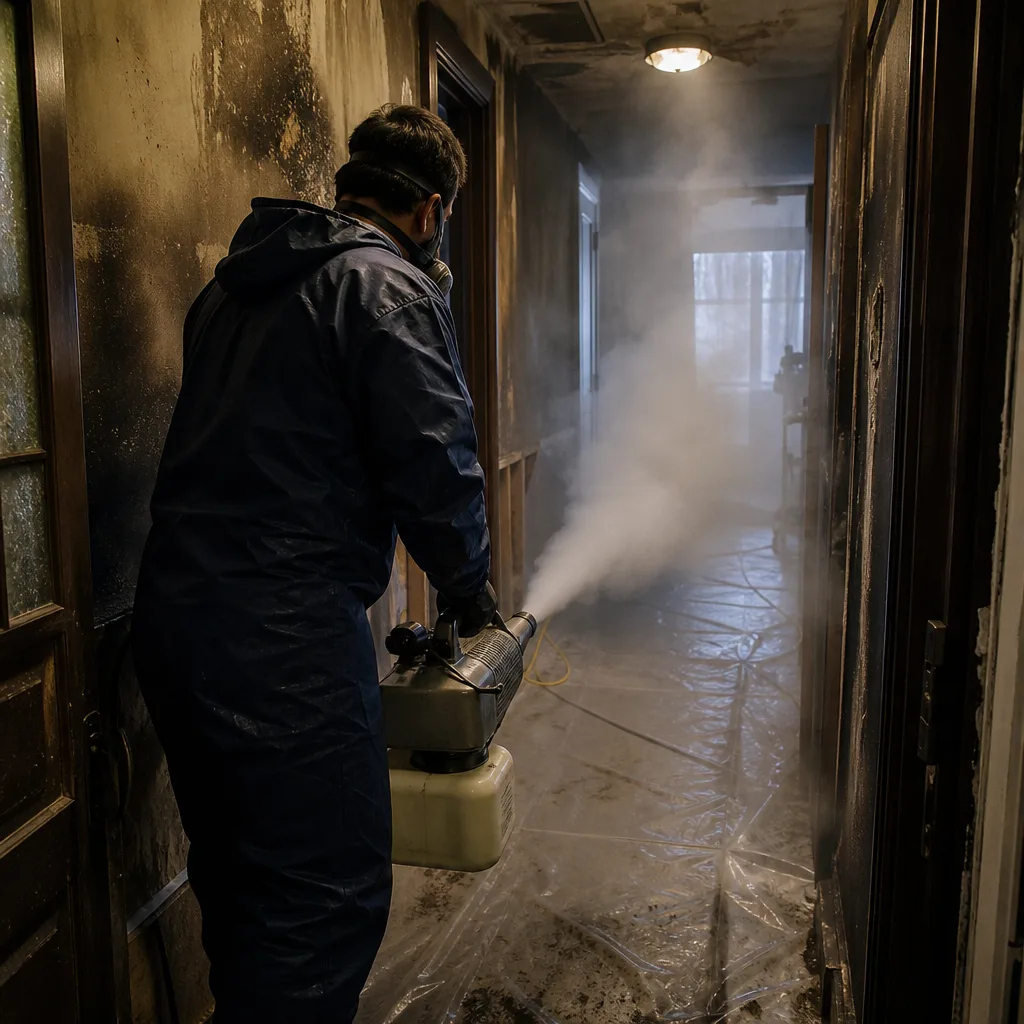
Crawl Space Treatment
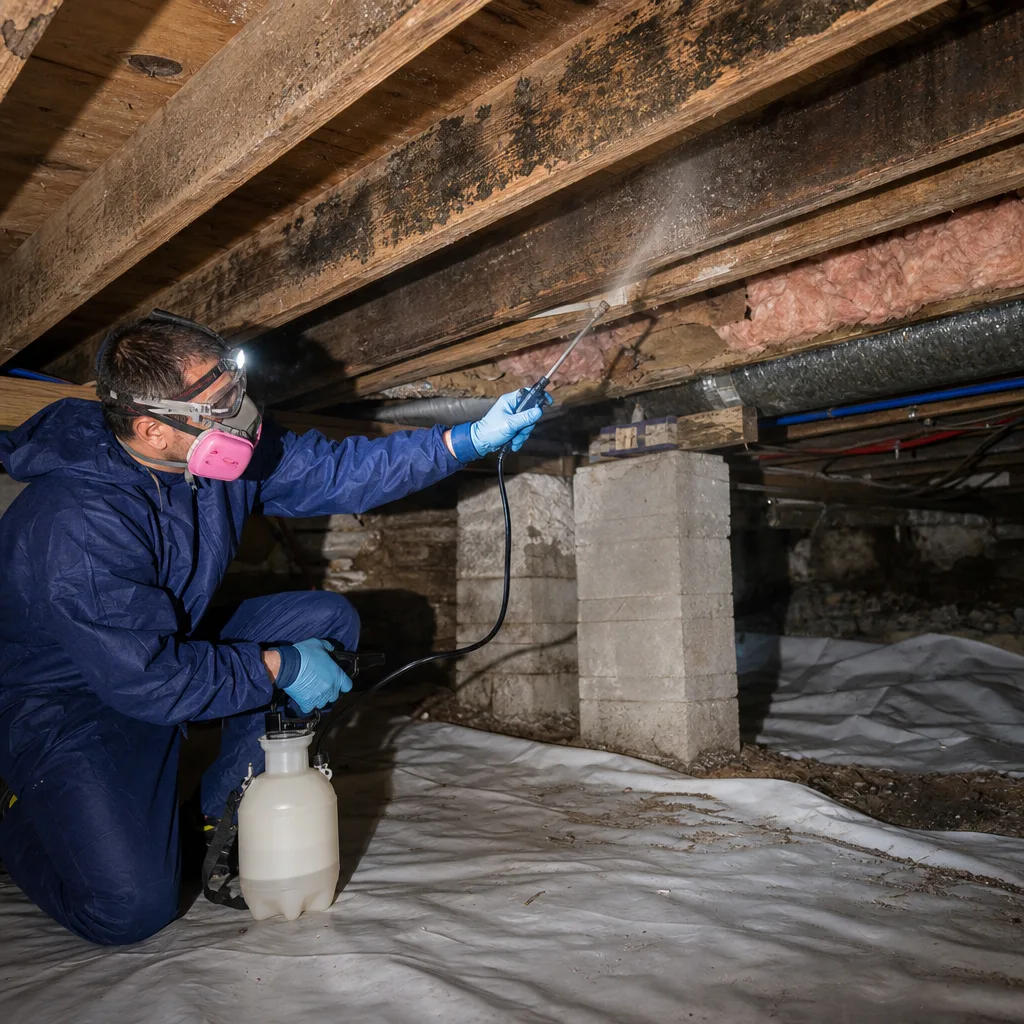
Partial basements and crawl spaces under Astoria’s rowhouses - common in the lower-lying blocks near the waterfront - suffer chronic humidity and groundwater vapor drive. We install vapor barriers, mechanical dehumidification, and ventilation solutions sized to the cubic footage and soil conditions.
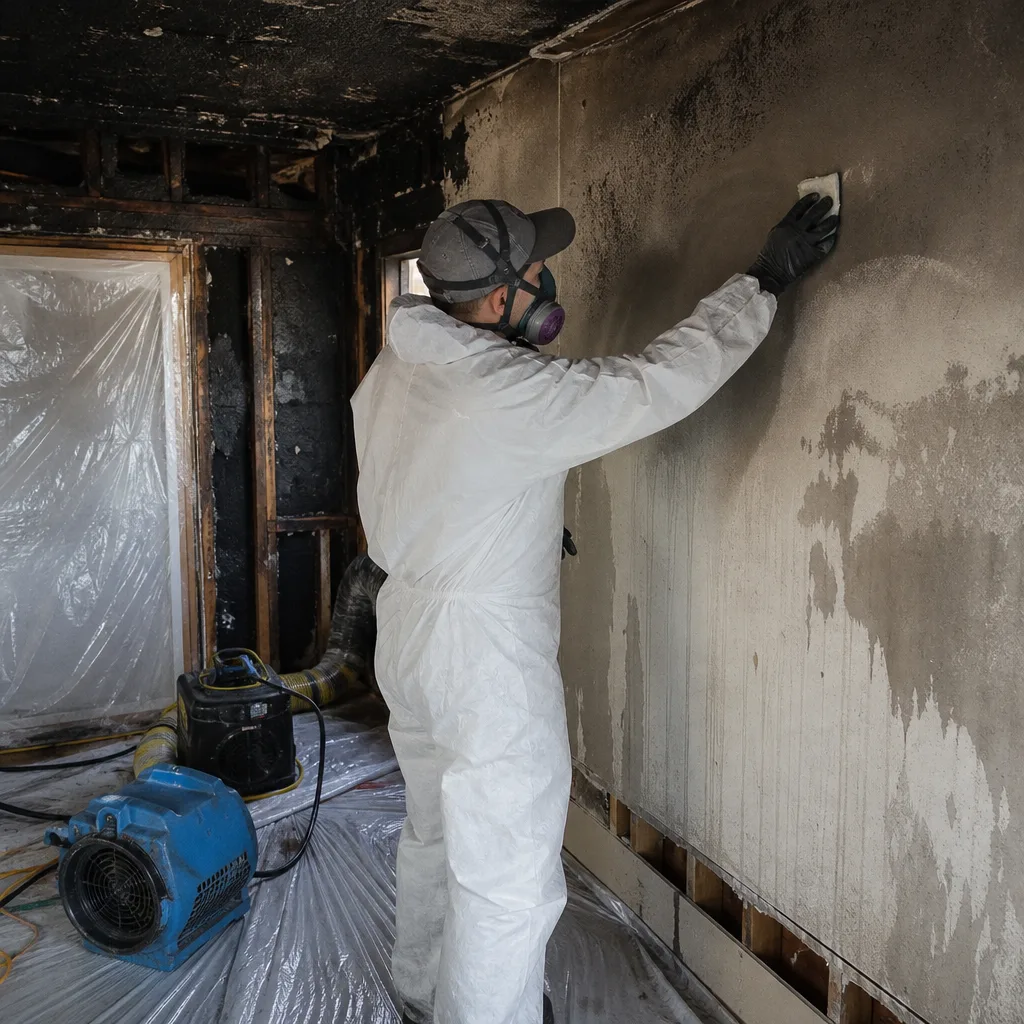
Moisture & Humidity Control
The permanent fix for Astoria mold is controlling the moisture that feeds it. We assess ventilation, dehumidification capacity, and building envelope performance, then specify solutions - from bathroom exhaust upgrades to whole-building dehumidification - with written performance targets and our 365-Day Done Right Promise.
What happens when you call
- 1
A real person answersNo phone trees - you reach a local pro.
- 2
You get an upfront price rangeHonest numbers before anyone is dispatched.
- 3
A background-checked tech heads outLicensed & insured, dispatched right away.
- 4
You approve before work beginsNothing starts until you say go.
Mold Remediation Costs in Astoria, NY
| Service | Typical Range in Astoria |
|---|---|
| Contained mold removal, single room (drywall) | $1,800 - $3,400 |
| Plaster-on-wire-lath remediation with Injectidry drying | $3,200 - $5,800 |
| Multi-address party-wall job (two units) | $4,500 - $8,200 |
| Black mold remediation with clearance testing | $4,000 - $7,500 |
| Crawl space / basement treatment | $2,400 - $5,200 |
| Air quality restoration (post-remediation) | $800 - $1,800 |
What moves the price: affected square footage, whether the substrate is plaster or drywall, whether the job spans multiple units with separate containment, and whether third-party clearance testing is required. Insurance typically covers sudden and accidental water damage with resulting mold when documented properly; long-term maintenance-related mold may fall to the owner. We provide a free visual inspection and written scope before any work begins - Haven Standard, Clause 1 - and offer a Free Second Opinion on any competitor’s written estimate.
We Also Serve Cities Near Astoria
Our crews respond throughout western Queens from our New York City office, including Mold Remediation in Astoria and surrounding communities: Long Island City with its high-rise water losses and podium-level flooding, Jackson Heights and its pre-war co-op inventory with shared mechanical systems, Maspeth’s industrial-to-residential conversions with legacy building envelope issues, and Elmhurst’s dense multi-family stock with similar party-wall dynamics. The building types change block by block, and we scope accordingly.
Serving Astoria, NY - Our Local Coverage Area
We’re based in the Astoria area and know this community well. Use the map below to see our service coverage - if you’re nearby, we can almost certainly help.
Astoria Mold Remediation Questions, Answered
Why does mold from a leak in my Astoria rowhouse keep showing up in my neighbor’s unit?
Because your buildings share masonry floor-joist pockets and party walls that wick moisture laterally, and most contractors treat only the visible unit without moisture-mapping the shared cavity. We inspect both sides of the party wall with thermal imaging and penetrating meters, then establish separate containment and drying plans for each address with individual documentation for each carrier. Call (551) 213-5277 for a free inspection that maps the full footprint.
How fast does mold actually start in an Astoria apartment after a water leak?
Mold colonization begins 24 to 48 hours after water contacts organic material in temperatures above 60°F, which means Astoria’s heated pre-war interiors can support growth within a day of a leak. Plaster-on-wire-lath extends this timeline by holding moisture longer than drywall, but also hides the problem longer - by the time you see staining, the cavity may have been active for weeks. Speed matters; our 45-minute response commitment exists because every hour of delay expands the remediation scope.
Does the original plaster-on-wire-lath in my pre-war Astoria building change how mold is removed?
Yes. Plaster and wire lath are far more moisture-retentive than drywall, and demolition is more labor-intensive - the lath must be cut by hand, the plaster crumbles unpredictably, and the underlying masonry requires HEPA vacuuming and antimicrobial treatment rather than simple replacement. We use Injectidry mat drying to salvage plaster where possible, documenting moisture readings daily until the assembly reaches equilibrium. This approach costs more upfront than a drywall tear-out, but preserves original finishes and reduces reconstruction scope.
My Astoria building’s leak involved a corroded cast iron stack - is that a Category 3 job?
Water from a corroded cast iron waste stack is Category 2 at minimum, and Category 3 if it has sat longer than 48 hours or contains visible contamination. Cast iron corrosion releases ferric oxide and biofilm into the water, and the porous plaster substrate absorbs these contaminants. We test the water classification during inspection, adjust PPE and antimicrobial protocols accordingly, and document the classification for your insurance file. Category 3 requires more extensive removal and more rigorous clearance testing; we scope and price this honestly before work begins.
Can you handle a mold job that spans two Astoria addresses with different owners and insurance carriers?
We do this regularly. Each address receives its own written scope, its own pre-loss condition report with photo documentation, its own drying log, and its own moisture equilibrium verification - all delivered to the respective carrier. We coordinate access with both owners, establish independent containment zones, and never commingle documentation. The Haven Standard requires a written price before work begins on every job; Clause 1 applies to each address separately. Call (551) 213-5277 to discuss your specific situation.
How long does mold remediation take in an Astoria rowhouse?
Single-room contained removal in drywall: 2-3 days. Plaster-on-wire-lath with Injectidry drying: 4-7 days to reach documented equilibrium, plus 1-2 days for repair. Multi-address party-wall jobs: 5-10 days depending on how far lateral migration extended. Black mold remediation adds 1-2 days for enhanced containment and clearance testing. We don’t guess at completion; we log specific humidity readings until the numbers confirm dry.
Can my family stay in the home during mold remediation?
For small, contained jobs in isolated rooms with no HVAC connection, often yes - with the work area sealed and under negative air pressure. For whole-unit jobs, black mold remediation, or any job with airborne spore levels above outdoor baseline, we recommend temporary relocation until clearance testing passes. We test airborne spore counts during work and communicate real data, not blanket reassurances, so you can make an informed decision.
What should I do in the first 30 minutes after discovering mold in my Astoria property?
Stop the water source if you can do so safely, then call (551) 213-5277 - don’t disturb the visible growth, which releases spores, and don’t run HVAC systems that may distribute contamination. Take photos for your records, note when you first noticed the problem, and gather your insurance policy number. We’ll arrive with moisture meters and containment materials, assess whether lateral migration into the adjoining unit is likely, and deliver a written scope and price before any remediation begins.
Back to Dry Restoration’s Mold Remediation team serves Astoria with the documentation-first approach that turns restoration invoices into payable claims. Every job starts with a written price, ends with a photo record, and carries our 365-Day Done Right Promise under The Haven Standard.
Written by Alicia Brennan, Owner at Back to Dry Restoration, serving Astoria since 2011.
Mold Remediation in Nearby Areas