
Free visual inspection and a written scope of work before any mitigation begins - photos, moisture readings, and drying logs go in your claim file
The scope we write is the scope we bill. Anything new gets shown to you, in writing, before we touch it.
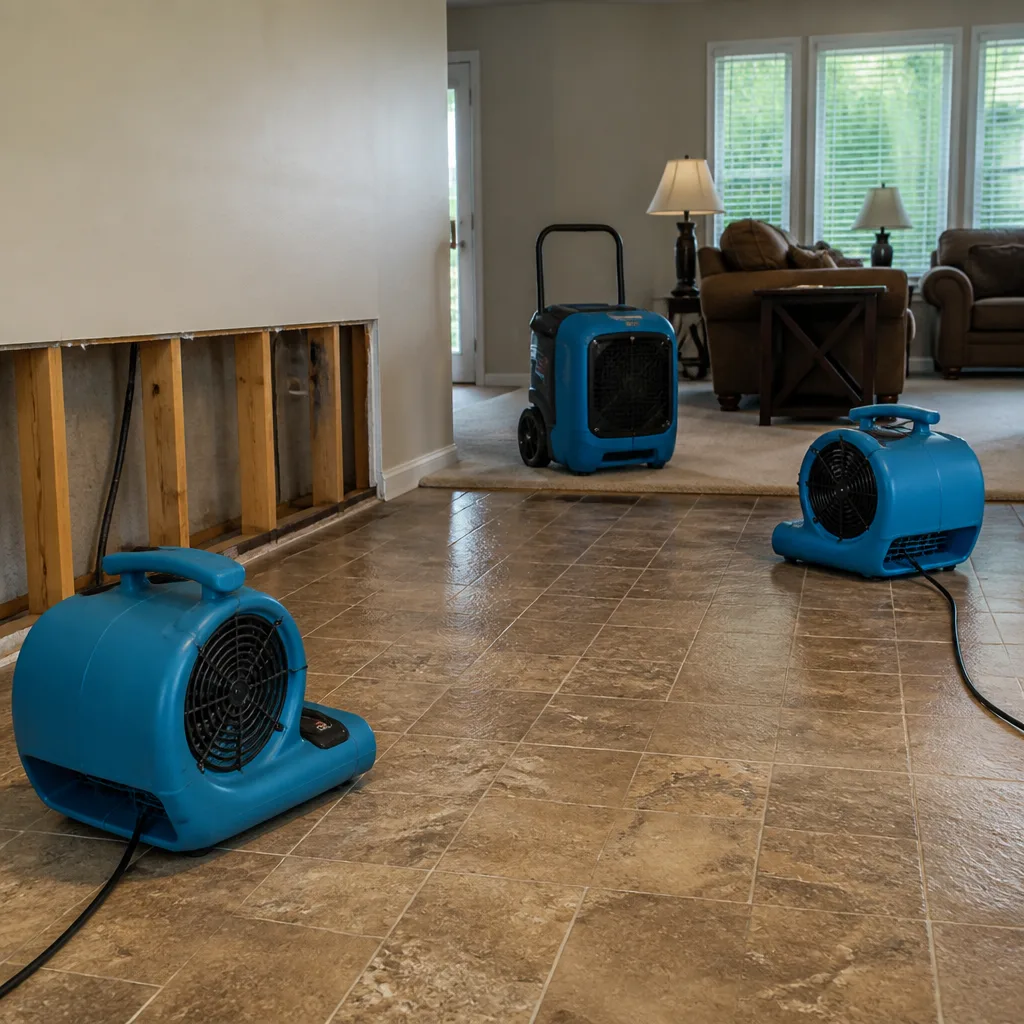
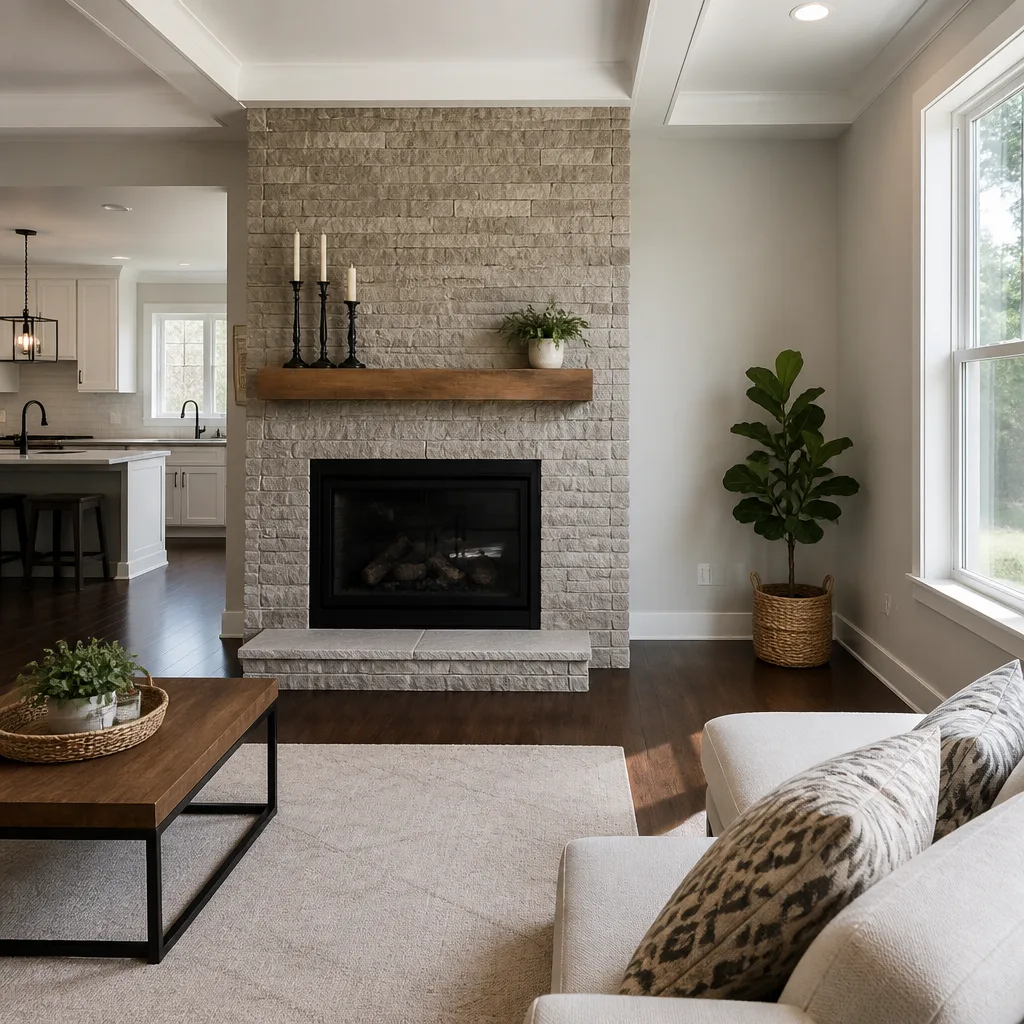
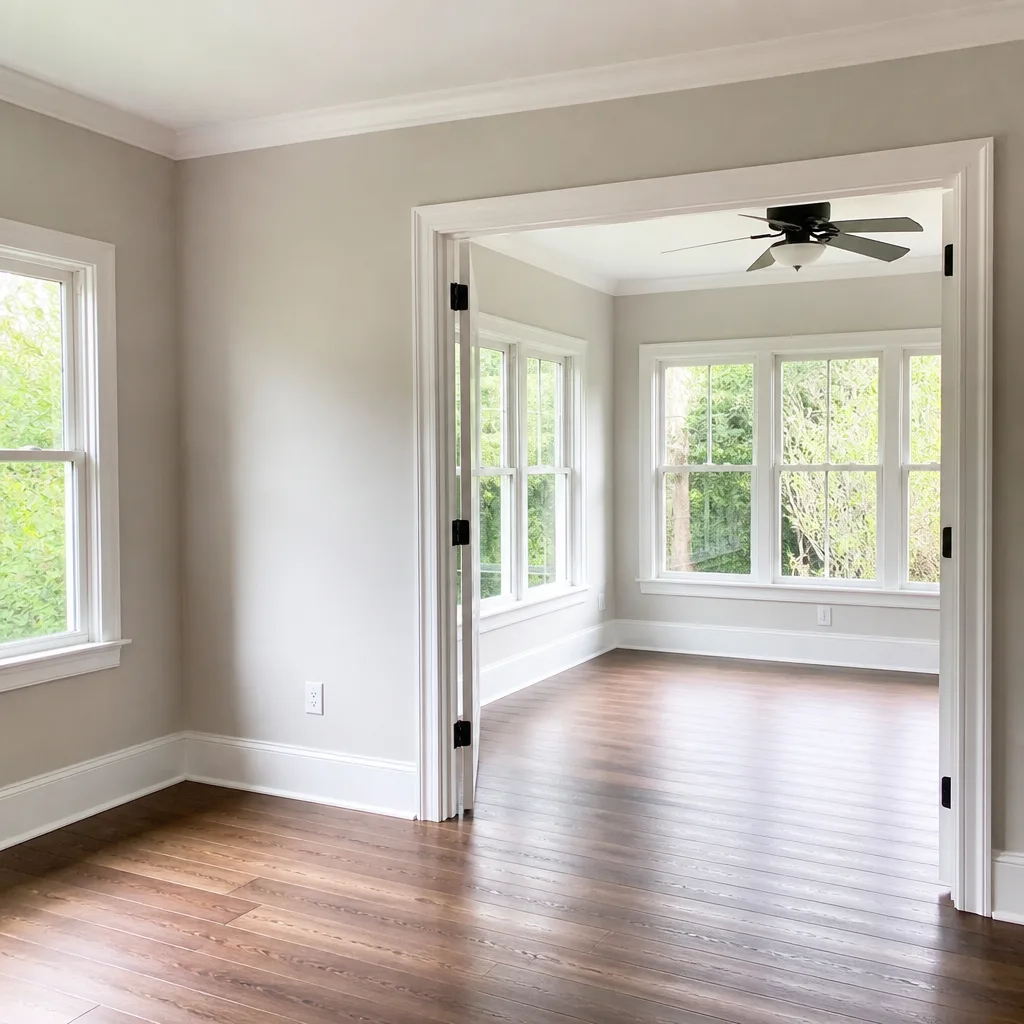
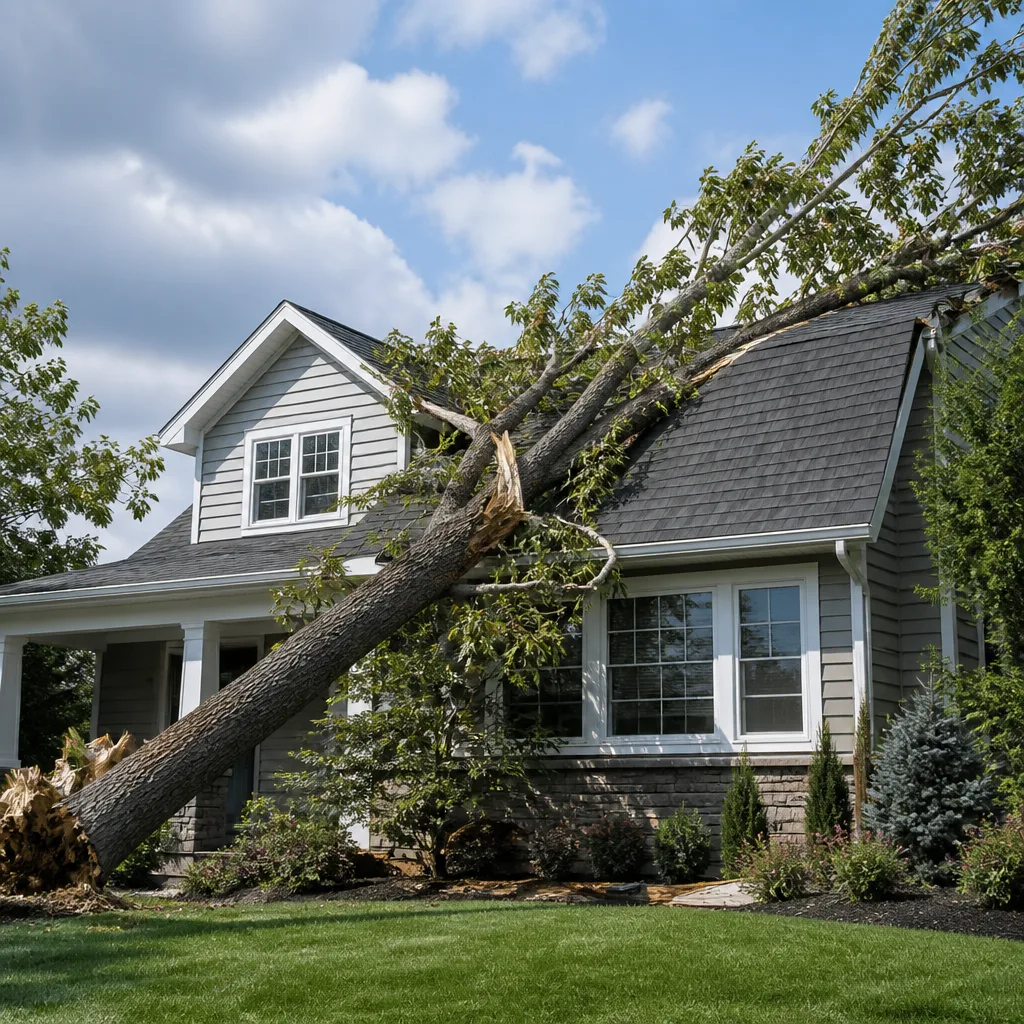
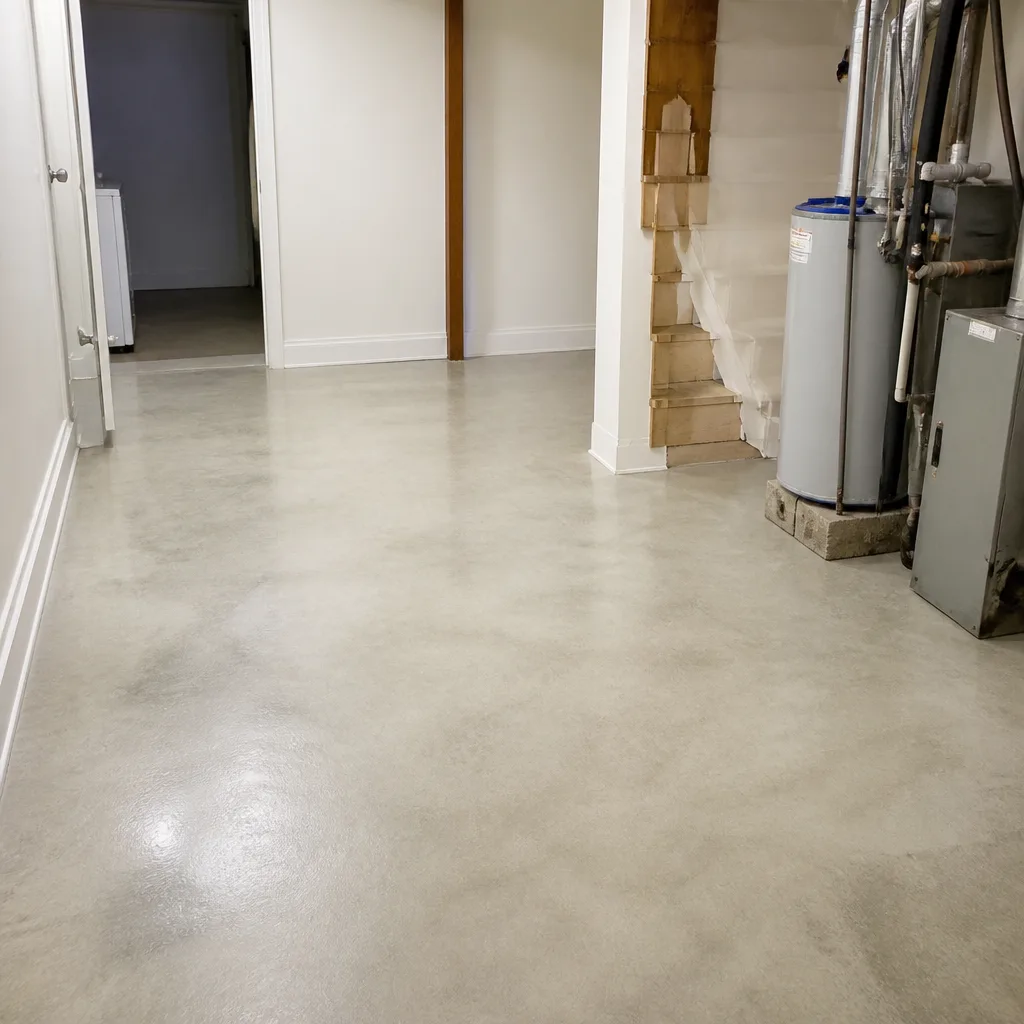
 Before
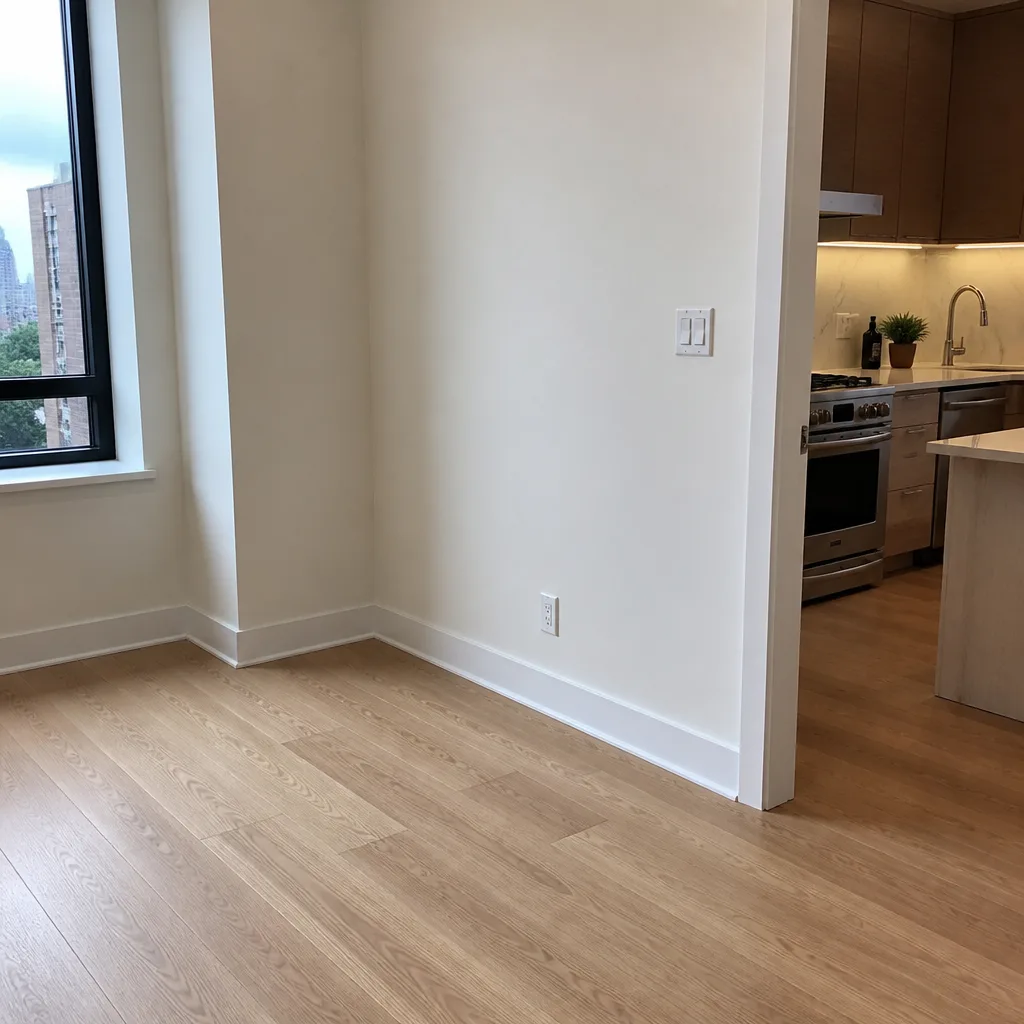 After
After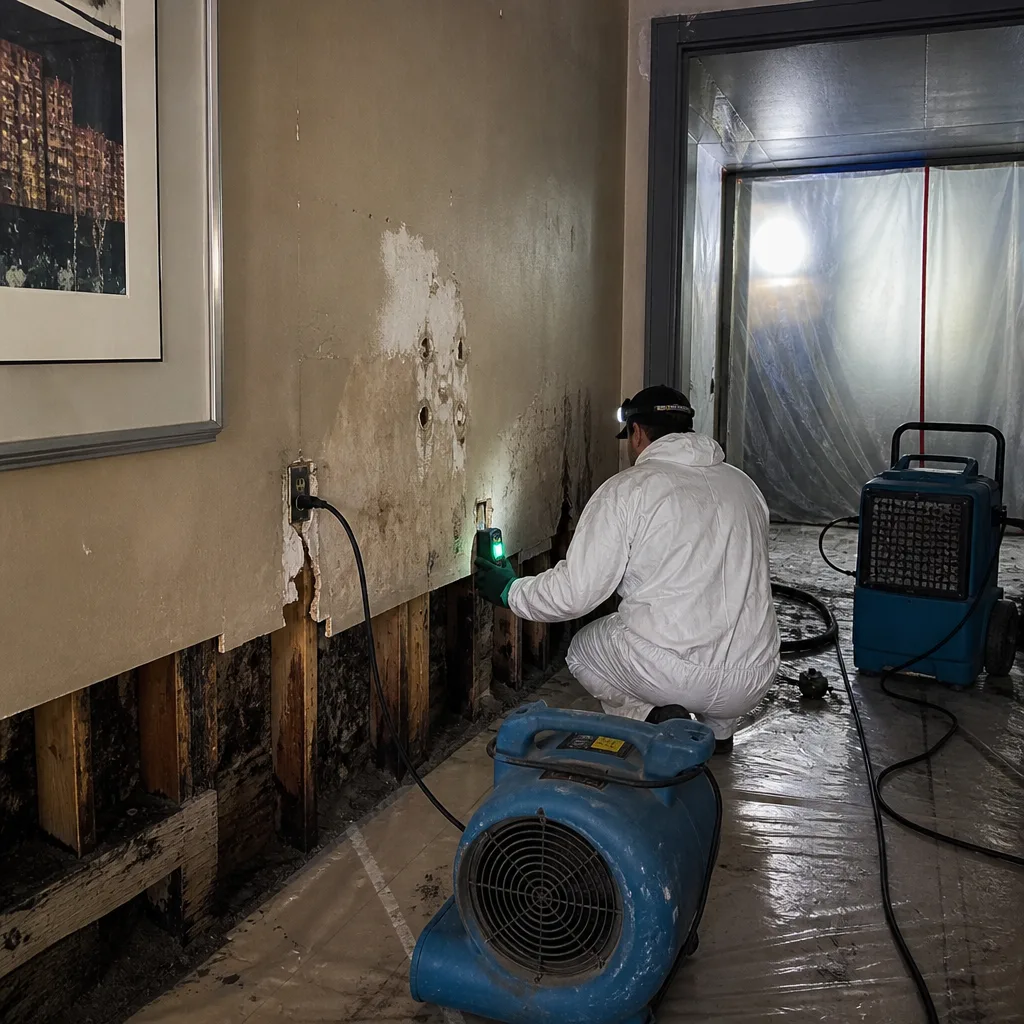 Before
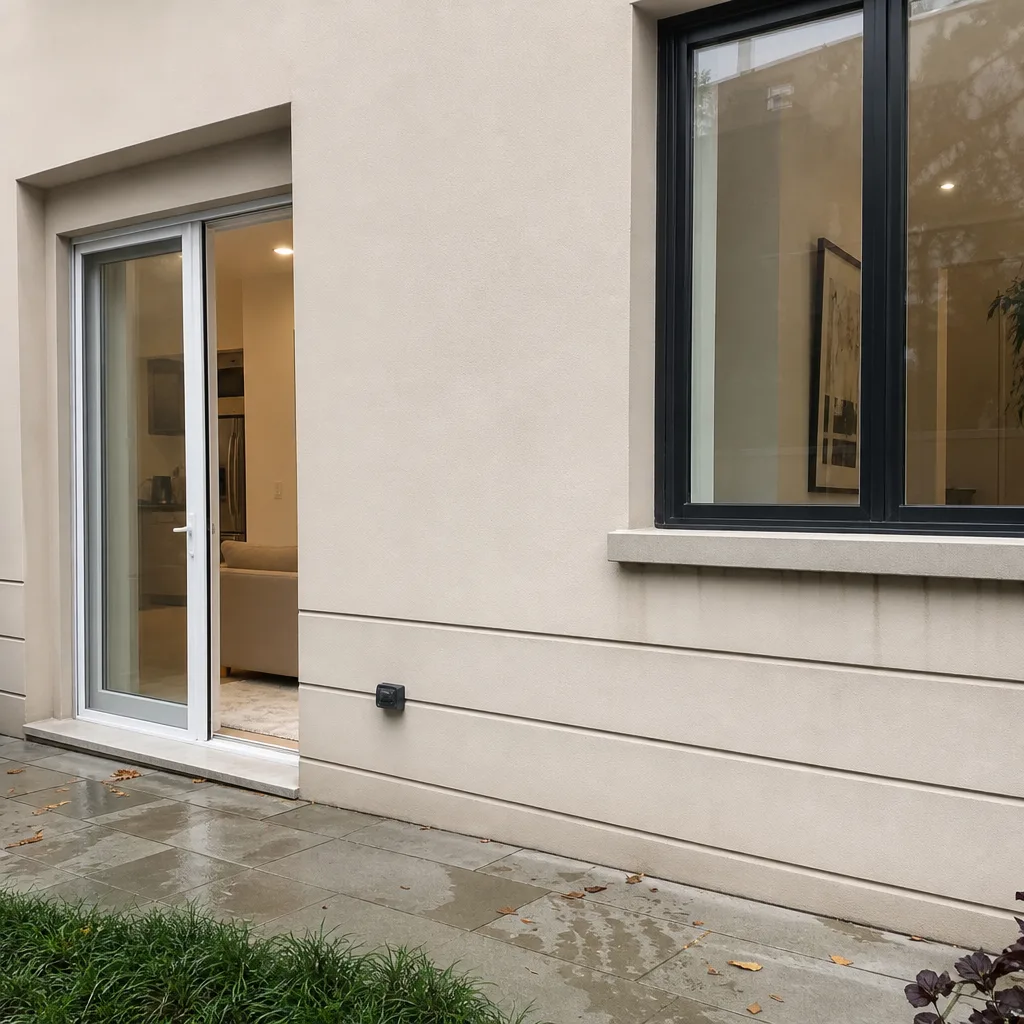 After
After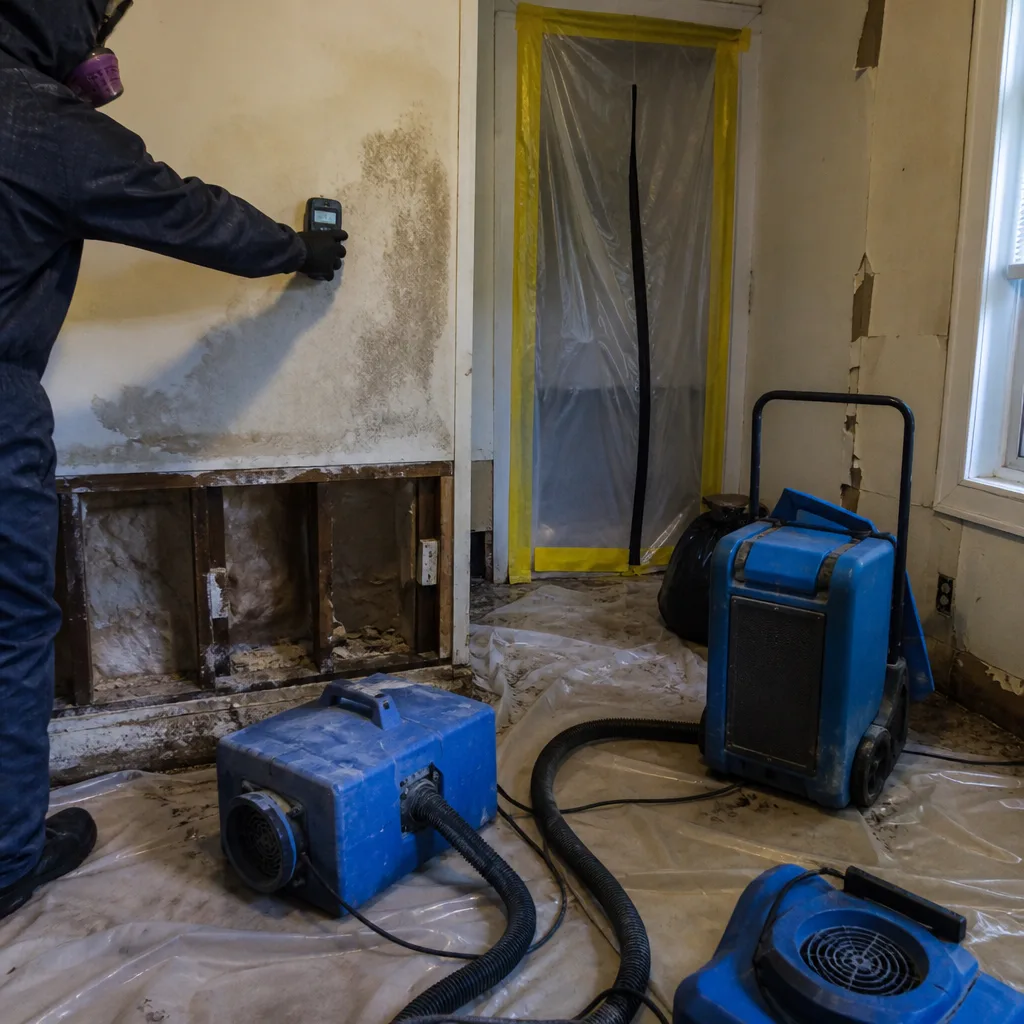 Before
 After
After24/7 Emergency Water Damage Restoration in Greenpoint
Water damage restoration in Greenpoint typically costs $2,800-$7,500 for a standard residential mitigation, with emergency extraction starting at $1,200-$2,400 and full structural drying running $3,500-$6,000 depending on affected square footage and contamination level. Most Greenpoint properties can have crews on-site within 45 minutes of a live call, and our phones are answered by a real person 24 hours a day, 7 days a week - no voicemail trees, no next-business-day callbacks while water is still moving through your walls. Call (551) 213-5277 now. The first hour determines whether you’re looking at a $3,000 extraction or a $15,000 rebuild with mold remediation and material replacement.
Greenpoint’s late-19th century brick tenements and converted industrial lofts absorb water differently than modern construction. Cast-iron drain lines fail without warning. Basements near Newtown Creek can pull petroleum-contaminated groundwater that triggers NYSDEC hazmat protocols no standard restoration crew is equipped to handle. We dispatch from our New York City office with equipment sized for these realities: Phoenix and XPOWER air movers, Injectidry cavity drying systems, and moisture mapping tools that read behind plaster and brick.
Understanding Water Damage Restoration Severity in Greenpoint Properties
Water damage falls into three categories that dictate every decision we make on-site. Category 1 is clean water from a broken supply line or overflowing sink - still urgent, but manageable with extraction and rapid structural drying. Category 2 carries significant contamination, typically from dishwasher discharge, washing machine overflow, or sump pump failures with particulate load. Category 3 is grossly contaminated: sewage backup, seawater intrusion, or - unique to Greenpoint - petroleum-tainted groundwater from the historic ExxonMobil/Mobil spill plume beneath the neighborhood.
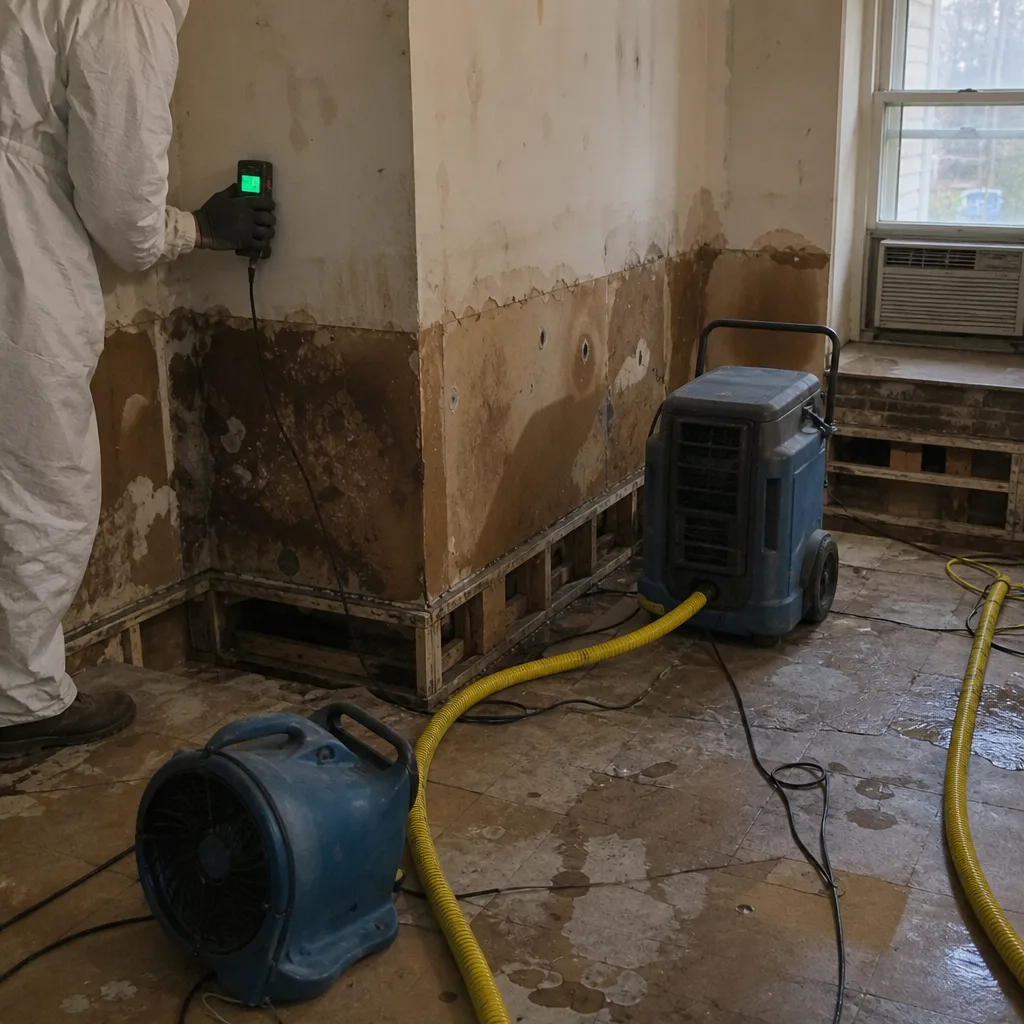
Moisture mapping with thermal imaging and pinless moisture meters lets us see what Greenpoint’s thick plaster walls and original hardwood floors hide. A reading of 16% moisture content in oak flooring means active water migration; 20% in plaster indicates the lath behind is still wet. Structural drying targets equilibrium with ambient conditions, typically 12% or below for wood materials in this climate. Psychrometric data - temperature, relative humidity, and vapor pressure differential - guides our equipment placement and daily adjustments. Tertiary drying, the final phase, addresses bound moisture in dense materials that release water slowly.
Greenpoint’s housing stock amplifies every severity level. Pre-1980 buildings commonly contain asbestos tile and lead paint, which means abatement contractors must precede or parallel any demolition. Aging cast-iron drain lines crack from internal corrosion, releasing Category 2 or 3 water without warning. No interior drainage systems exist in most tenements. Deteriorating brick facades let wind-driven rain penetrate cavity walls that were never designed to dry quickly.
Why Greenpoint Property Owners Choose DryMark Restoration Upper East Side
- 45-minute response commitment to Greenpoint addresses from our New York City dispatch center, with crews carrying equipment for both standard extraction and NYSDEC-coordinated hazmat response.
- 24/7 live answer - a real person picks up every call, never an automated system or voicemail tree, because water doesn’t wait for business hours and neither do we.
- IICRC-certified crews holding WRT (Water Damage Restoration Technician), FSRT (Fire & Smoke Restoration Technician), and AMRT (Applied Microbial Remediation Technician) certifications, with license numbers documented on every job file.
- Free visual inspection and moisture assessment, with a written scope and price delivered before any work begins - Haven Standard, Clause 1.
- Direct insurance billing and adjuster coordination, including photo-documented estimates formatted to carrier standards from the first hour.
- One team from extraction through reconstruction, eliminating handoff gaps that leave moisture undetected and mold growing in wall cavities.
BeforeAfterOur Water Damage Restoration Process
1. Inspection & Assessment
We arrive with moisture meters, thermal imaging cameras, and hygrometers to map the full extent of water migration. In Greenpoint’s pre-war buildings, we pay particular attention to plaster-and-lath assemblies, terra cotta block partitions, and the condition of original cast-iron drains. On basement calls near Newtown Creek, we test for petroleum odor and visible sheen before any extraction begins - a step that saved a West Street job from NYSDEC violation when our tech caught contaminated groundwater.
2. Extraction & Stabilization
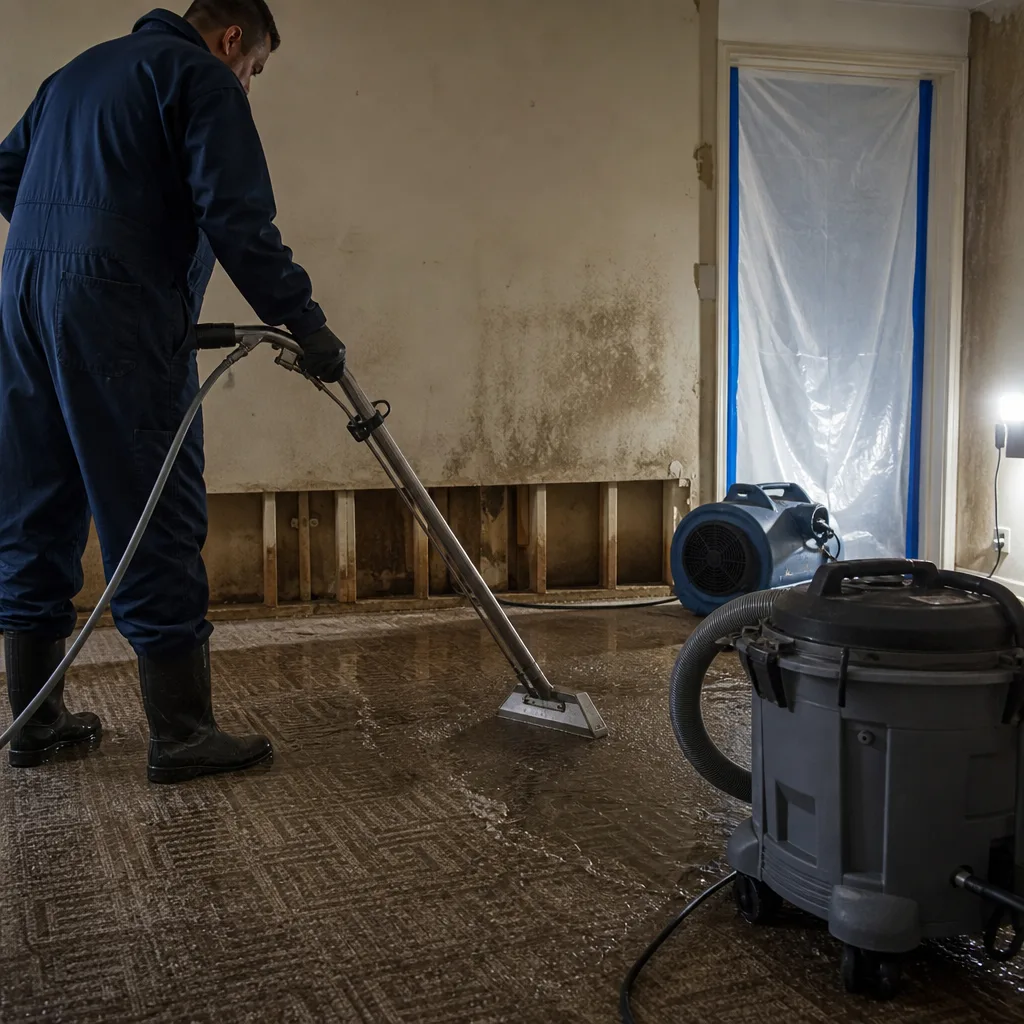
Standing water comes out first with truck-mounted extraction systems and portable submersible pumps. We remove saturated carpet pad, classify damaged materials by salvageability, and set up containment if Category 2 or 3 conditions exist. For petroleum-contaminated water, we stop here, document everything, and coordinate with NYSDEC before proceeding.
3. Structural Drying & Dehumidification
We deploy Phoenix and XPOWER low-grain refrigerant dehumidifiers alongside high-velocity air movers positioned for laminar airflow across wet surfaces. Injectidry systems dry inside wall cavities and under hardwood floors without demolition. Daily moisture readings track progress; we don’t move to the next phase until materials hit dry standard.
4. Cleaning & Sanitization
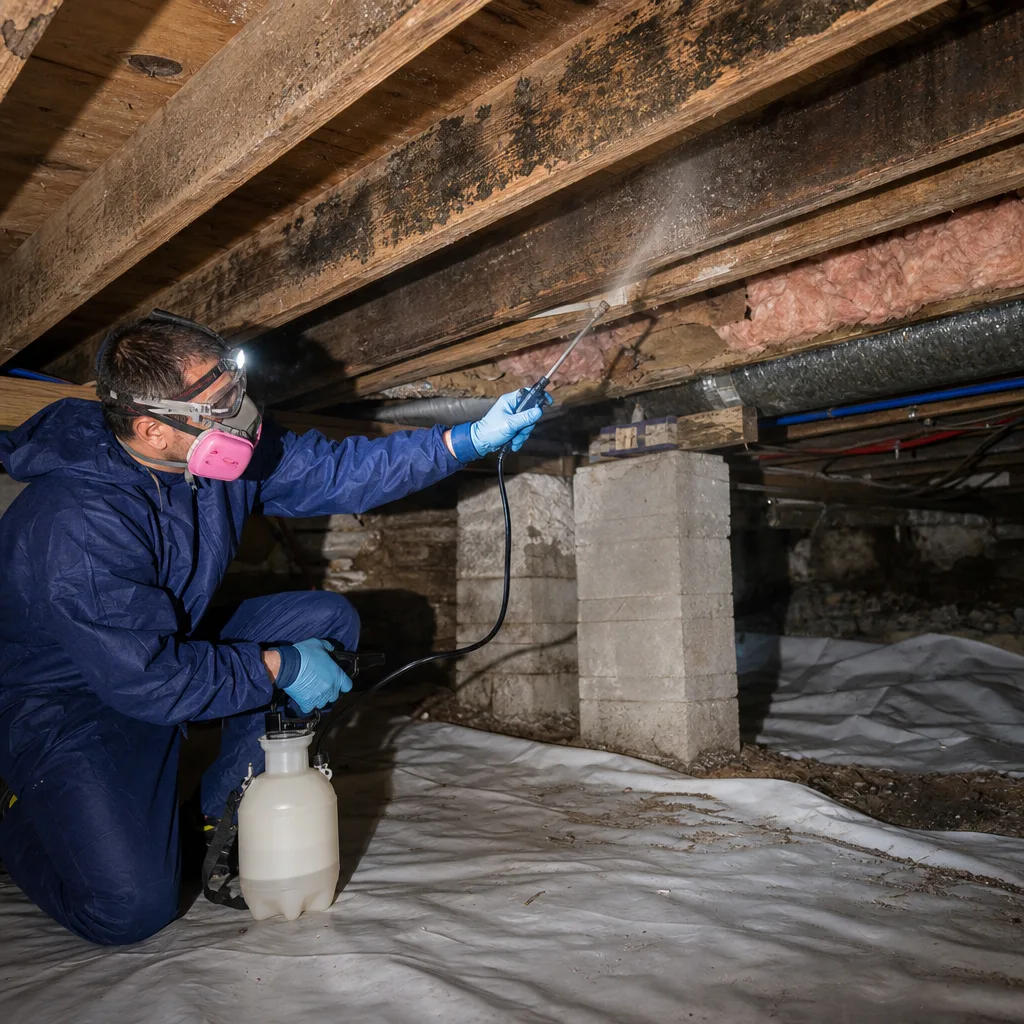
All affected surfaces receive antimicrobial treatment appropriate to contamination level. HEPA air scrubbers run continuously during this phase, capturing airborne particles down to 0.3 microns. In Greenpoint’s dense housing, we coordinate with adjacent units when shared walls or floors are involved.
5. Hazardous Material Coordination
When pre-1980 materials or petroleum contamination is present, we engage certified abatement contractors and NYSDEC oversight before any demolition. This specialty step, rarely needed outside industrial corridors like Newtown Creek, prevents legal liability and protects occupant health.
6. Repairs & Restoration
Our reconstruction team replaces drywall, flooring, trim, and fixtures to match existing finishes. A written scope governs every line item; the 365-Day Done Right Promise under The Haven Standard covers all workmanship. Photo documentation from every visit supports your insurance claim and our warranty.
Need Emergency Water Damage Restoration in Greenpoint Now?
Crews minutes away, answering live 24 hours a day. The sooner we start, the less it costs.
Working With Your Insurance Company
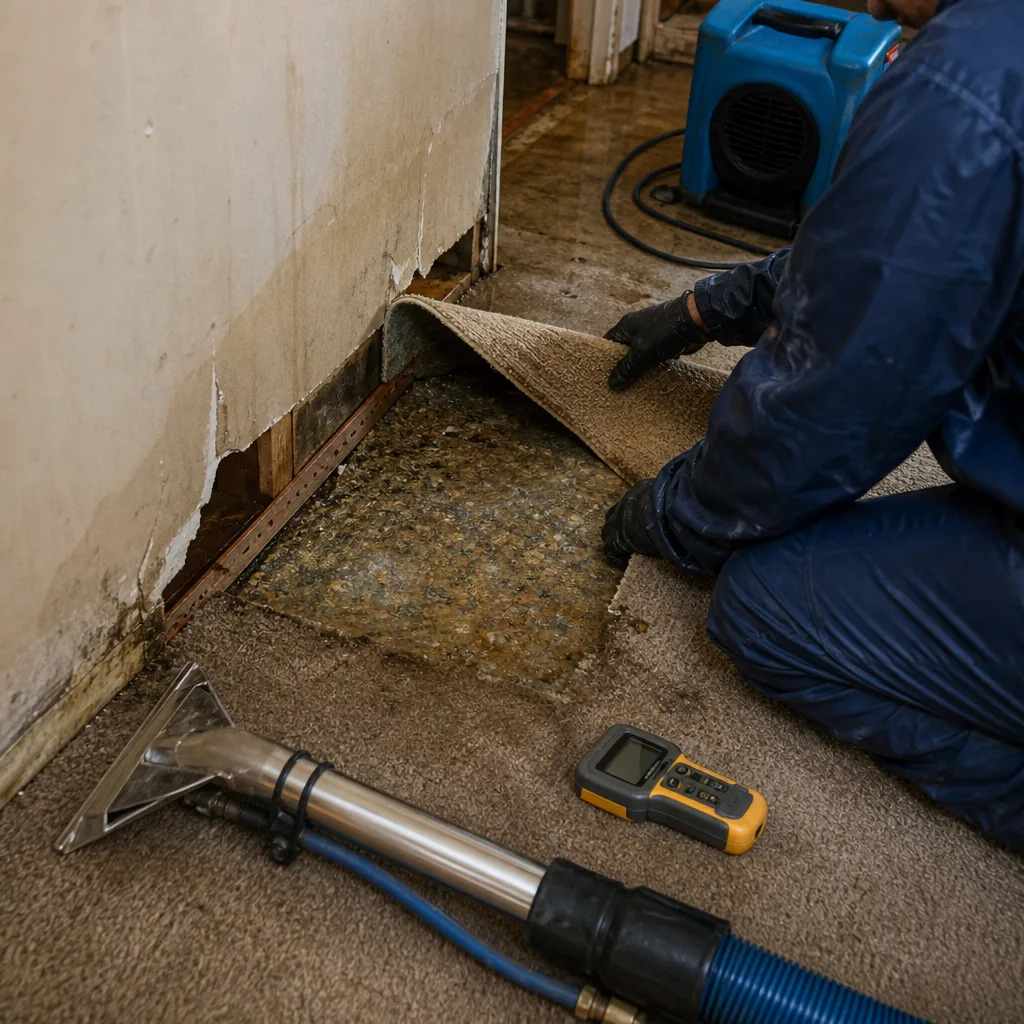
Insurance claims succeed or fail on documentation. We learned this from our founder’s years as a claims adjuster before building Back to Dry Restoration in 2011. Every Greenpoint job starts with a photo record, continues with daily moisture logs and drying charts, and ends with a line-item scope that matches carrier estimating software. We don’t guess at what your adjuster needs; we deliver it in the format their desk already accepts.
Direct adjuster communication is standard, not an upsell. We conference with your carrier’s representative, explain moisture readings in plain language, and defend the scope when questions arise. Our Water Damage Restoration team has handled claims with every major carrier writing policies in Brooklyn. The photo record from every visit, included as standard, prevents disputes about what was damaged and when.
What We Provide Your Insurer
- Thorough documentation of the loss
- Photos of all damage, room by room
- Moisture readings and drying logs
- A detailed, line-item scope of work
- Direct coordination with your carrier
Built for Greenpoint’s Loss Calendar
January deep freezes split copper supply lines in unheated Greenpoint basements and crawl spaces where original construction never anticipated modern plumbing. The thaw that follows reveals cracks in aging cast-iron drains that held through fall but fail under thermal stress. Spring brings the predictable pattern: basement seepage through deteriorating brick foundations as groundwater rises, compounded by Greenpoint’s combined sewer system backing up during heavy rain.
Summer thunderstorms deliver flash flooding to low-lying blocks between the East River and Newtown Creek, the same FEMA Special Flood Hazard zones that took Hurricane Sandy’s surge in 2012. Nor’easters in October through March drive wind-driven rain through failed pointing and window seals in tenements built before waterproofing was a concept. Every season has its signature loss, and our equipment roster - including B-Air and Dri-Eaz systems - is configured for the humidity swings and contamination risks each brings.
Water Damage Restoration Across Greenpoint’s Neighborhoods
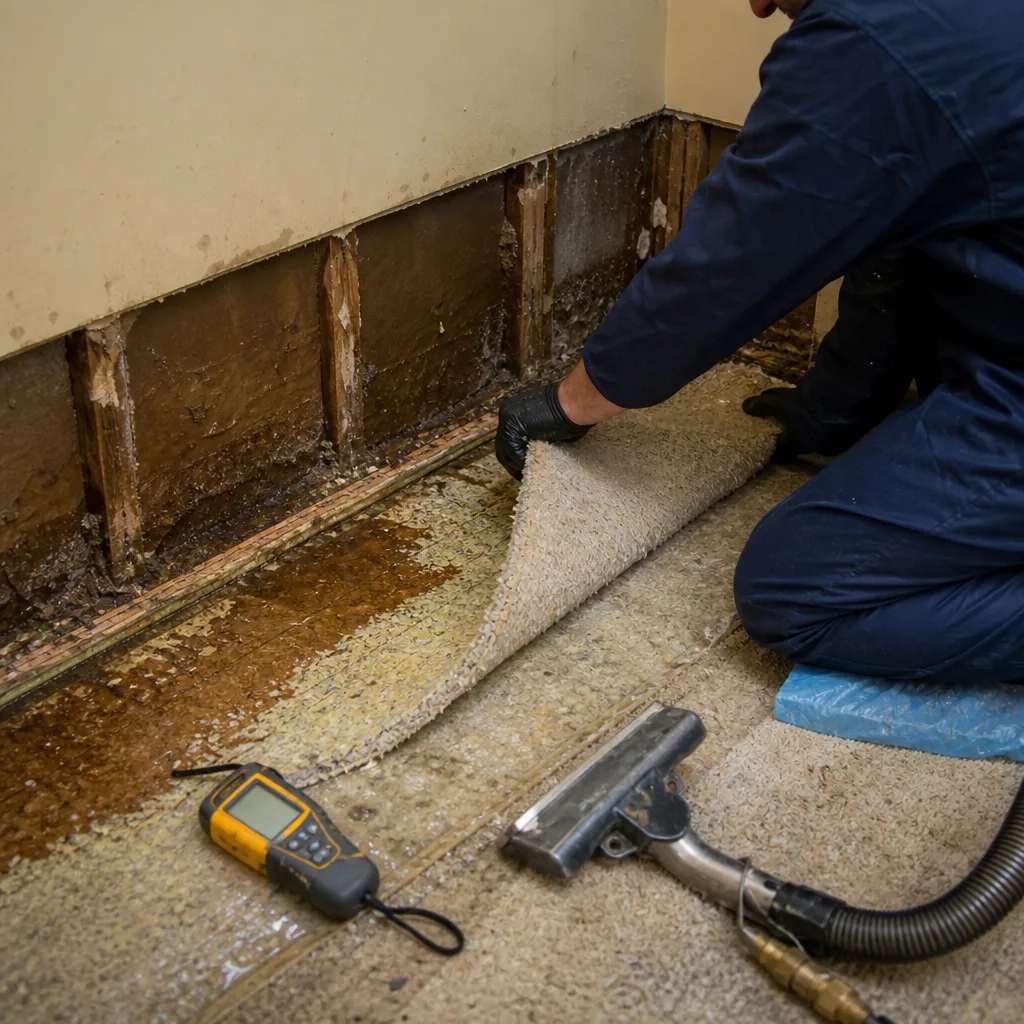
Greenpoint’s character shifts block by block, and so do its water damage patterns. Near the waterfront along West Street and the India Street pier, we’re often responding to basement flooding in converted industrial buildings where original slab foundations sit below the water table and lack perimeter drainage. The petroleum plume from the historic refinery operations adds a layer of complexity that crews from Williamsburg wouldn’t expect; we’ve learned to check for sheen and odor on every extraction call within three blocks of Newtown Creek.
Franklin Street and the commercial corridor running south toward McCarren Park see more burst pipe and supply line failures in mixed-use buildings where residential units sit above restaurants and retail. The thermal cycling of commercial kitchens stresses shared walls and floors. Manhattan Avenue’s dense tenement blocks, many with original 1920s plumbing still in service, generate steady call volume for drain backups and ceiling leaks from corroded waste lines.
Near McGolrick Park, the residential pocket of two- and three-family row houses tends toward roof leak water damage and ice dam infiltration in winter. These buildings often have unfinished attics with inadequate ventilation, so when warm interior air meets cold roof decking, condensation and subsequent ceiling damage follow. Nassau Avenue’s newer construction, relatively speaking, still dates to pre-war stock with the same plaster-and-lath assemblies that hold moisture for weeks if not properly dried.
Specialized Water Damage Restoration Services We Offer in Greenpoint
Emergency Water Extraction
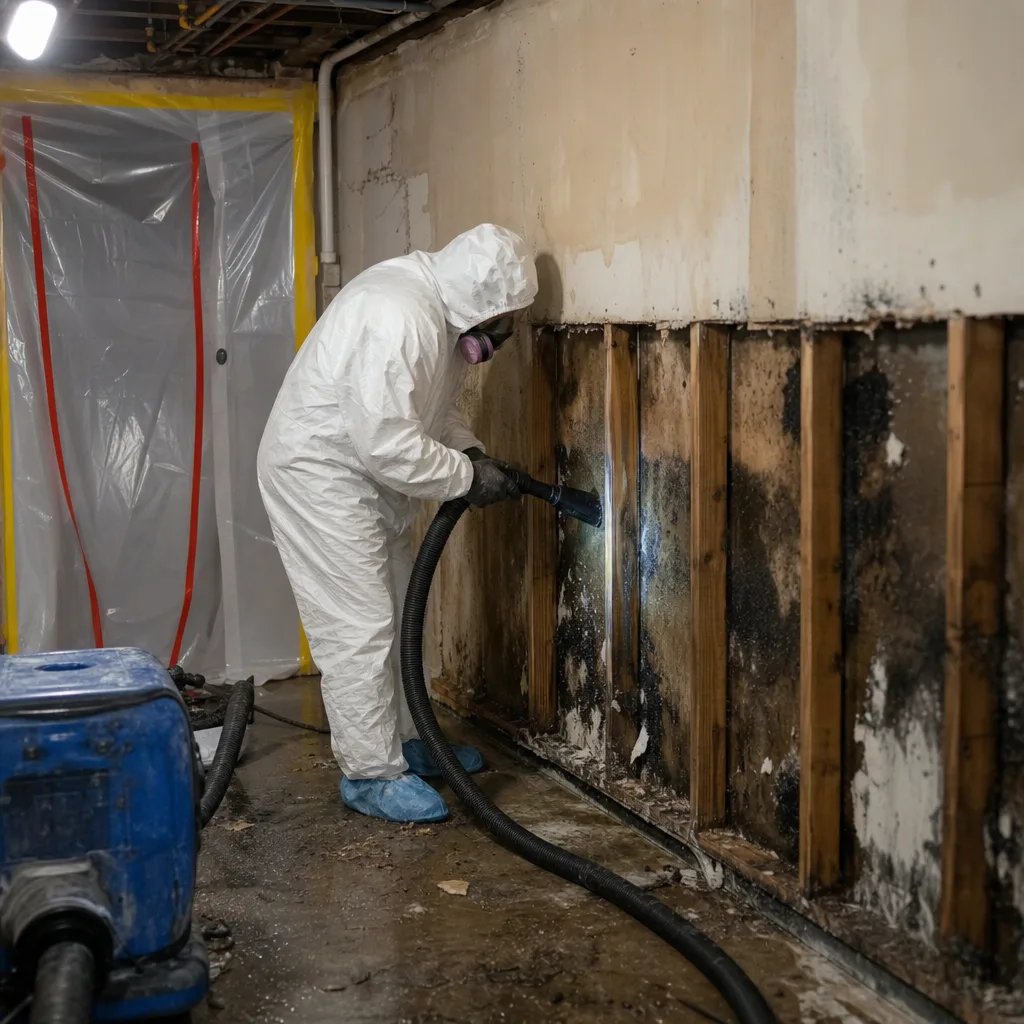
Standing water doesn’t wait. Our truck-mounted extraction systems remove thousands of gallons per hour from Greenpoint basements, ground-floor commercial spaces, and residential units. On a recent call off Nassau Avenue, we extracted 4 inches of Category 2 water from a converted loft’s ground floor in under 90 minutes, preventing wicking into the original pine subfloor above.
Structural Drying & Dehumidification
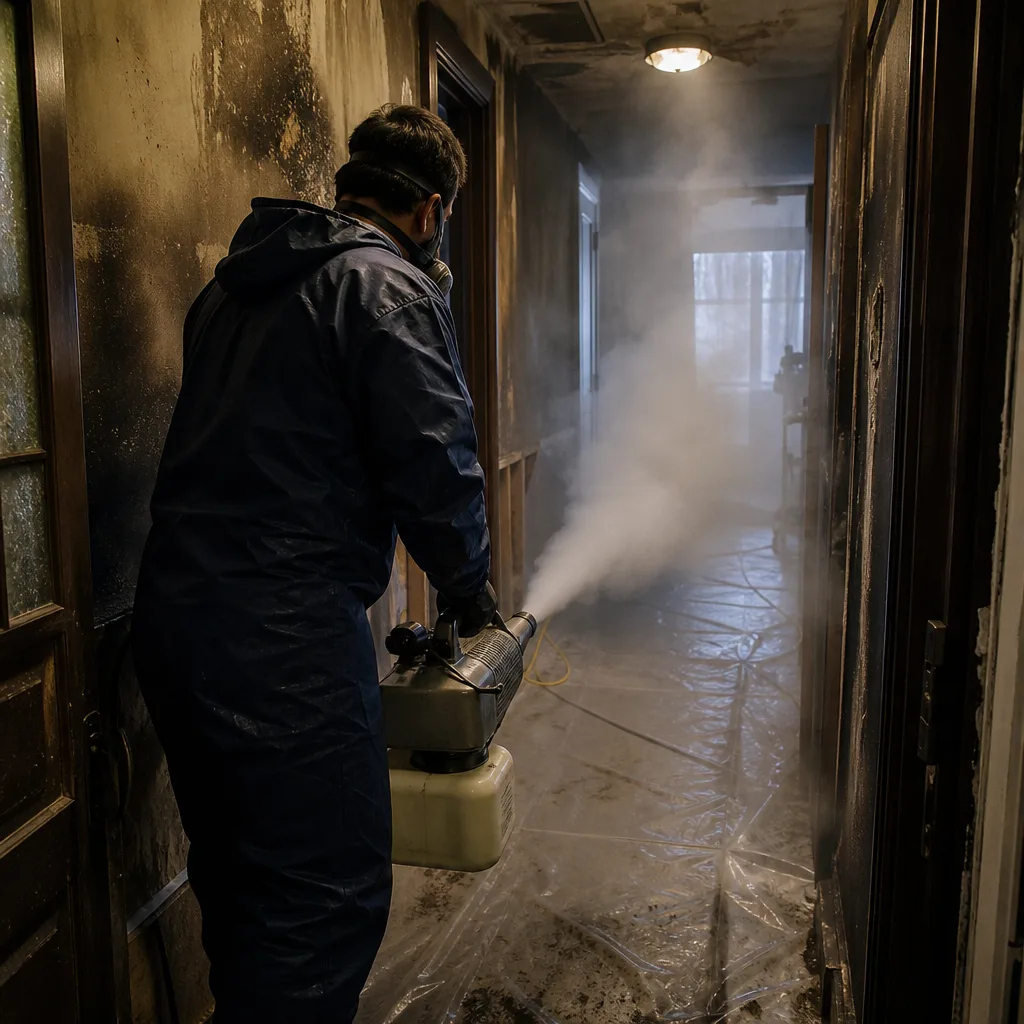
Extraction is only the visible water. Structural drying targets the moisture trapped in plaster, lath, hardwood, and masonry that Greenpoint’s old buildings are built from. We calculate vapor pressure differentials to position dehumidifiers and air movers for maximum efficiency, then log daily readings until materials reach equilibrium. A typical Greenpoint tenement unit requires 3-5 days of controlled drying; cavity systems like Injectidry extend reach without destructive demolition.
Flood Cleanup
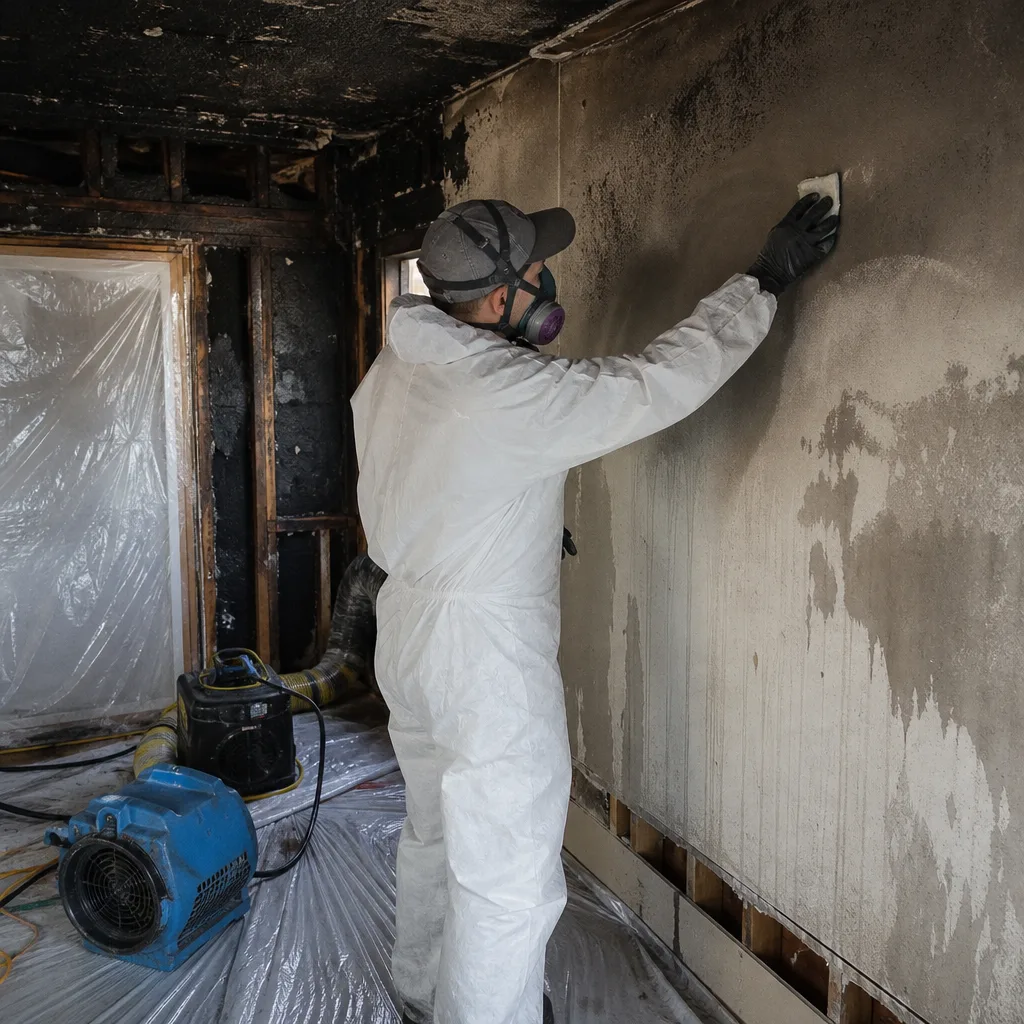
Greenpoint’s flood risk comes from multiple sources: storm surge, combined sewer overflow, roof and facade failure, and - near Newtown Creek - petroleum-contaminated groundwater. Each source demands different PPE, disposal protocols, and documentation. We classify floodwater correctly on arrival and adjust our response accordingly, including NYSDEC coordination when the plume is present.
Burst Pipe Restoration
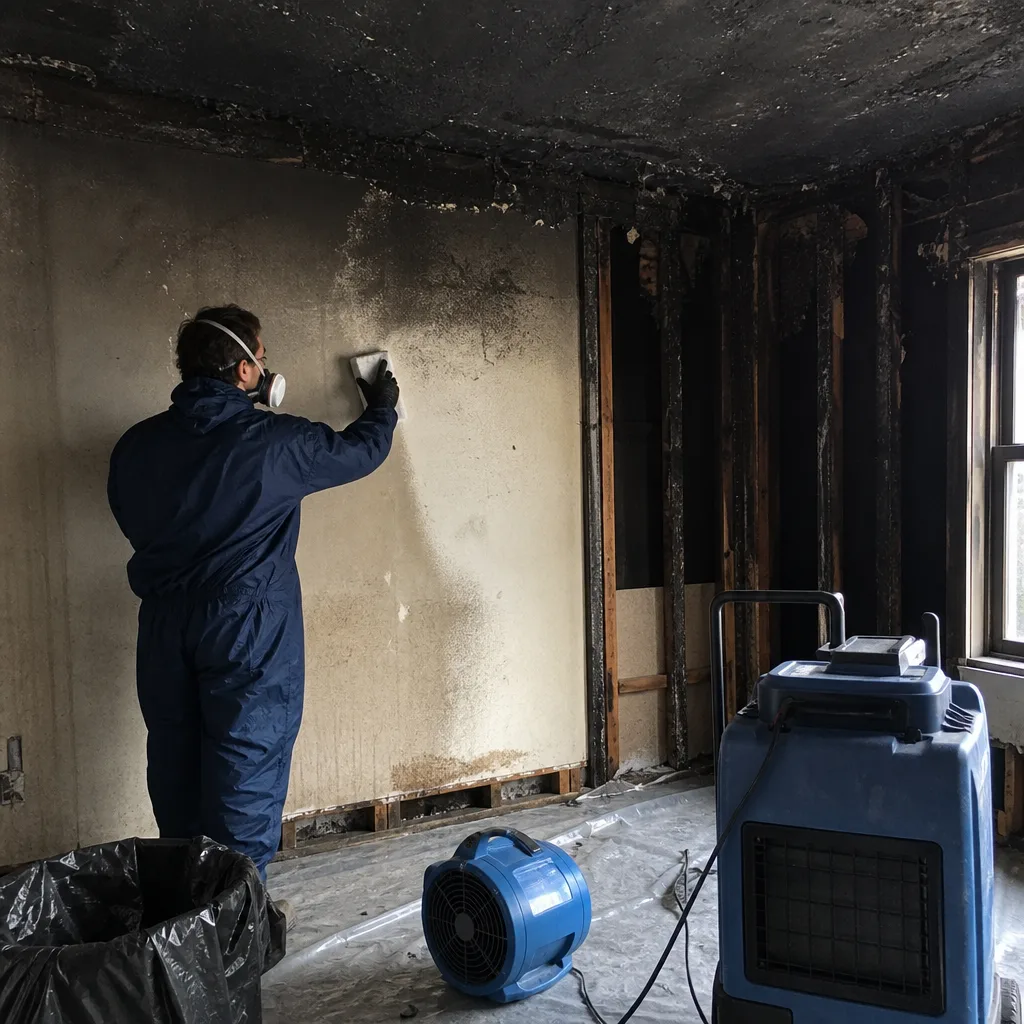
January freezes and corroded cast-iron waste lines are the leading culprits. We extract, dry, and document the full extent of migration, including water that traveled through wall cavities to adjacent units - common in Greenpoint’s shared-tenement construction. The written scope includes plumbing repair coordination and material replacement to match existing finishes.
Basement Water Removal
Greenpoint basements are particularly vulnerable: below-grade, often unheated, with original waterproofing long since failed. Near Newtown Creek, basement water removal requires pre-extraction testing for petroleum contamination. On a basement water removal call off West Street near Newtown Creek, our tech hit a visible petroleum sheen in the standing water and immediately stopped normal water extraction. We documented the conditions, switched to containment, and brought in NYSDEC before any structural drying or dehumidification could start - standard Category 3 protocol doesn’t cover that plume. The job ran as a hazmat-coordinated mitigation, not a routine flood cleanup.
What happens when you call
- 1
A real person answersNo phone trees - you reach a local pro.
- 2
You get an upfront price rangeHonest numbers before anyone is dispatched.
- 3
A background-checked tech heads outLicensed & insured, dispatched right away.
- 4
You approve before work beginsNothing starts until you say go.
Water Damage Restoration Costs in Greenpoint, NY
Emergency water extraction in Greenpoint runs $1,200-$2,400 for a typical residential basement or ground-floor unit, with commercial spaces scaling to $3,500-$6,000 depending on square footage and access. Structural drying and dehumidification adds $3,500-$6,000 for a standard 3-5 day protocol in a one- to two-bedroom unit. Full mitigation with material removal, cleaning, and initial repairs typically totals $5,500-$12,000; reconstruction beyond that is scoped separately.
Several factors move these numbers. Category 3 contamination, including petroleum-tainted water, requires hazmat disposal at $800-$1,500 per cubic yard. Pre-1980 materials trigger asbestos or lead abatement, typically $2,000-$5,000 additional. Multiple affected floors, shared-wall buildings with adjacent unit involvement, or limited access for equipment all add scope. Insurance covers sudden and accidental water damage in most policies; gradual leaks and maintenance-related failures often don’t. We review your coverage with you and coordinate directly with your adjuster. Call (551) 213-5277 for an exact quote - estimates are free, and Haven Standard, Clause 1 means the written price comes before any work starts.
We Also Serve Cities Near Greenpoint
Our crews respond throughout the immediate area, including Water Damage Restoration in Greenpoint and surrounding neighborhoods: Upper East Side, Manhattan, Upper West Side, and Astoria. Dispatch and scheduling are coordinated from our New York City office with local crews serving each area.
Serving Greenpoint, NY - Our Local Coverage Area
We’re based in the Greenpoint area and know this community well. Use the map below to see our service coverage - if you’re nearby, we can almost certainly help.
Greenpoint Water Damage Restoration Questions, Answered
Why does a Greenpoint basement flood sometimes smell like gasoline or show a rainbow sheen?
That odor or sheen indicates petroleum-contaminated groundwater from the historic ExxonMobil/Mobil refinery spill beneath Greenpoint, estimated at 17-30 million gallons. Standard water extraction must stop immediately; NYSDEC hazmat protocols take over, and only documented, contained removal can proceed. Call (551) 213-5277 - we test for this on every basement call near Newtown Creek.
How fast does water damage turn into mold in a Greenpoint brick tenement or row house?
Mold can establish visible colonies in 48-72 hours on organic materials like plaster, paper-faced drywall, and wood lath, which Greenpoint’s pre-war buildings contain in abundance. Thick plaster walls can hide active growth for weeks while spore counts rise. Our moisture mapping finds it before it spreads. Call (551) 213-5277 for rapid assessment.
Does the petroleum plume near Newtown Creek change how you handle a routine burst pipe or ceiling leak?
Only if water reaches the basement or foundation level near the creek corridor, where the plume intersects the water table. A second-floor burst pipe in a Manhattan Avenue tenement proceeds as standard Category 1 extraction and drying. A basement flood off West Street gets the full contamination check before any pump starts. Our protocols match the actual conditions we find.
What Greenpoint-specific hazards do you plan for on a flood cleanup in a pre-1980 building?
Three hazards dominate: asbestos tile and lead paint requiring certified abatement before demolition; deteriorating cast-iron drain lines that may fail during the event or reveal pre-existing damage; and petroleum-contaminated groundwater in basements near Newtown Creek. We assess for all three on arrival and build the scope accordingly. Call (551) 213-5277 for a hazard-aware inspection.
How do you know when a Greenpoint structure is actually dry, not just surface-dry?
We measure moisture content at depth with pin-type meters in wood, pinless sensors for plaster and drywall, and thermal imaging to find temperature differentials that indicate hidden moisture. Daily readings must hit 12% or below for wood materials and show stable equilibrium with ambient conditions across three consecutive measurements. Surface dryness means nothing; we document to the standard.
Will my insurance cover water damage restoration in Greenpoint?
Sudden and accidental water damage - burst pipes, appliance failures, storm intrusion - is covered under most homeowners and commercial policies with standard deductibles. Gradual leaks, maintenance neglect, and flood damage from rising groundwater typically require separate flood insurance. We document everything for your carrier, coordinate directly with adjusters, and provide the photo record and drying logs that turn restoration invoices into payable claims. Call (551) 213-5277 for coverage guidance specific to your policy.
How long does structural drying take in a typical Greenpoint property?
Standard residential drying runs 3-5 days for a one- to two-bedroom unit with plaster walls and hardwood floors. Dense masonry, multiple affected floors, or limited ventilation can extend to 7-10 days. We don’t guess; daily moisture readings tell us when materials reach dry standard, and we show you the numbers. Call (551) 213-5277 for timeline estimates on your specific loss.
Can we stay in our home during water damage restoration?
Often yes for Category 1 losses limited to one room, provided equipment noise and airflow are tolerable. Category 2 or 3 contamination, multiple affected rooms, or required abatement work typically require temporary relocation for health and safety. We assess habitability on arrival and discuss options with you and your insurer. Call (551) 213-5277 to review your situation.
Water damage in Greenpoint carries risks that generic restoration crews miss: the petroleum plume, the pre-1980 materials, the aging infrastructure, the coastal humidity that slows natural drying. We’ve built our protocols around these realities, with documentation that supports your claim and a written price before any work begins. The 365-Day Done Right Promise under The Haven Standard backs every job we complete.
Written by Alicia Brennan, Owner at Back to Dry Restoration, serving Greenpoint since 2011.
Water Damage Restoration in Nearby Areas