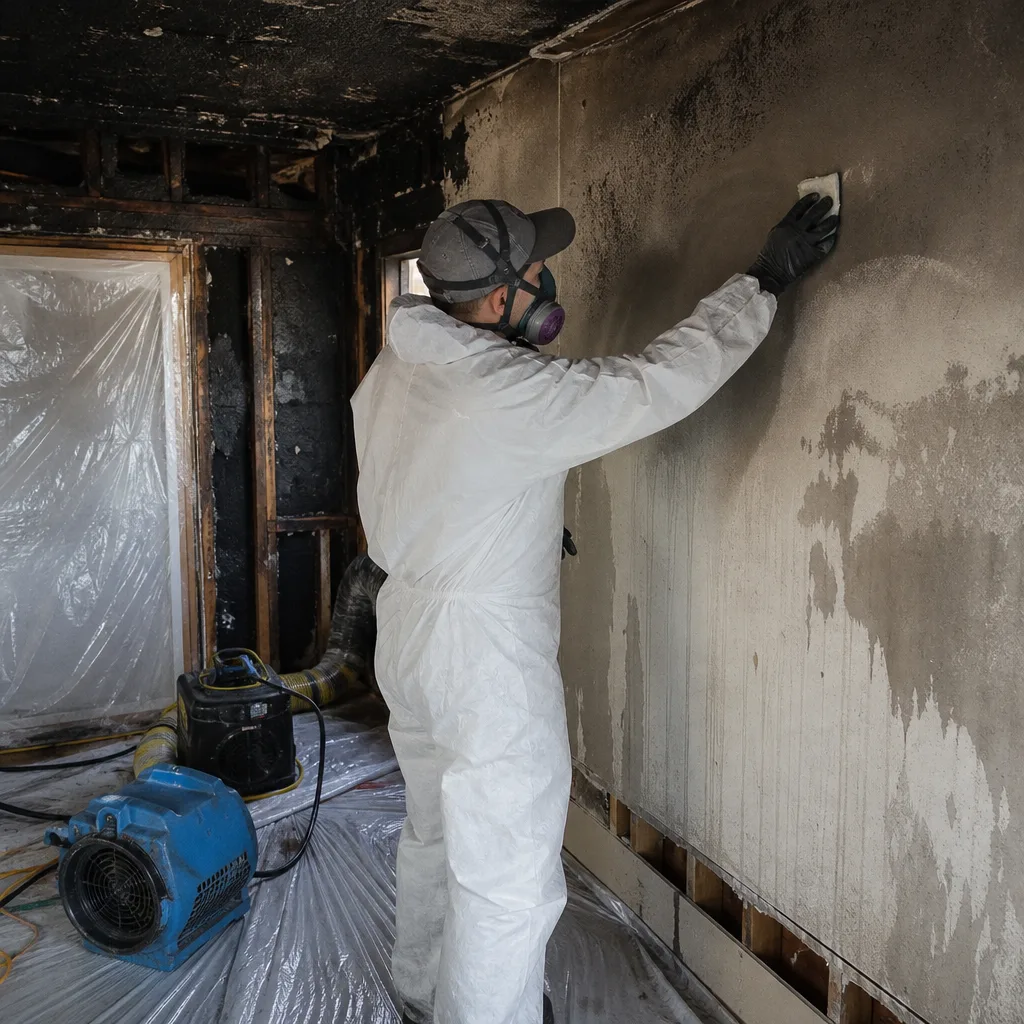
Free visual inspection and a written scope of work before any mitigation begins - photos, moisture readings, and drying logs go in your claim file
The scope we write is the scope we bill. Anything new gets shown to you, in writing, before we touch it.
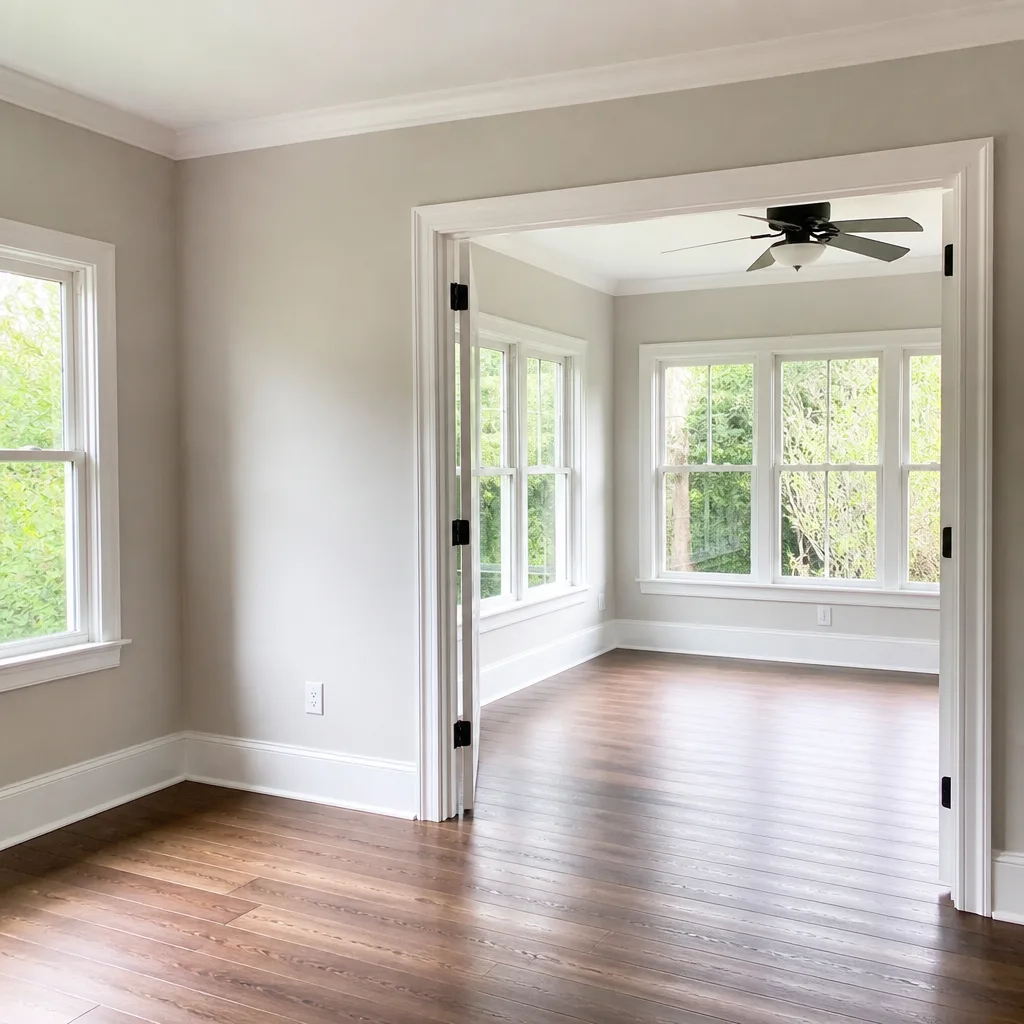
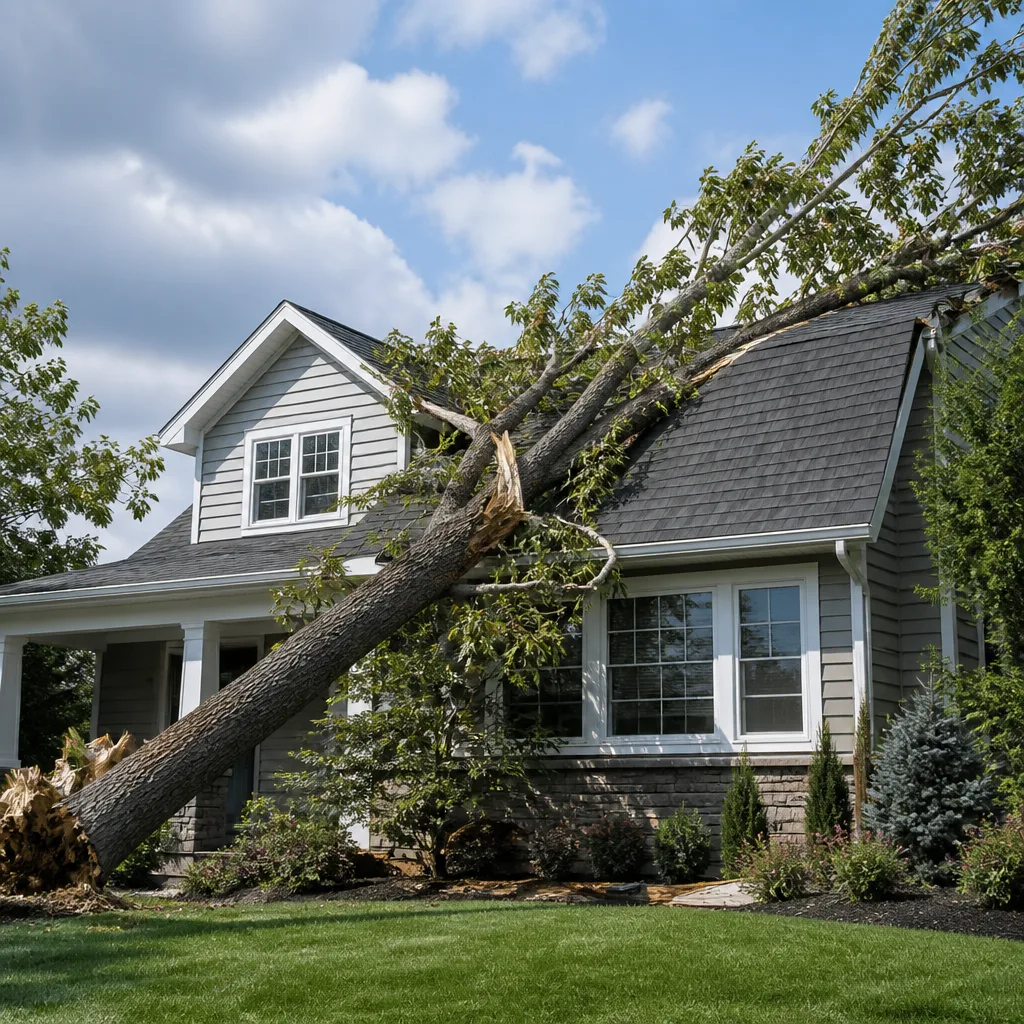
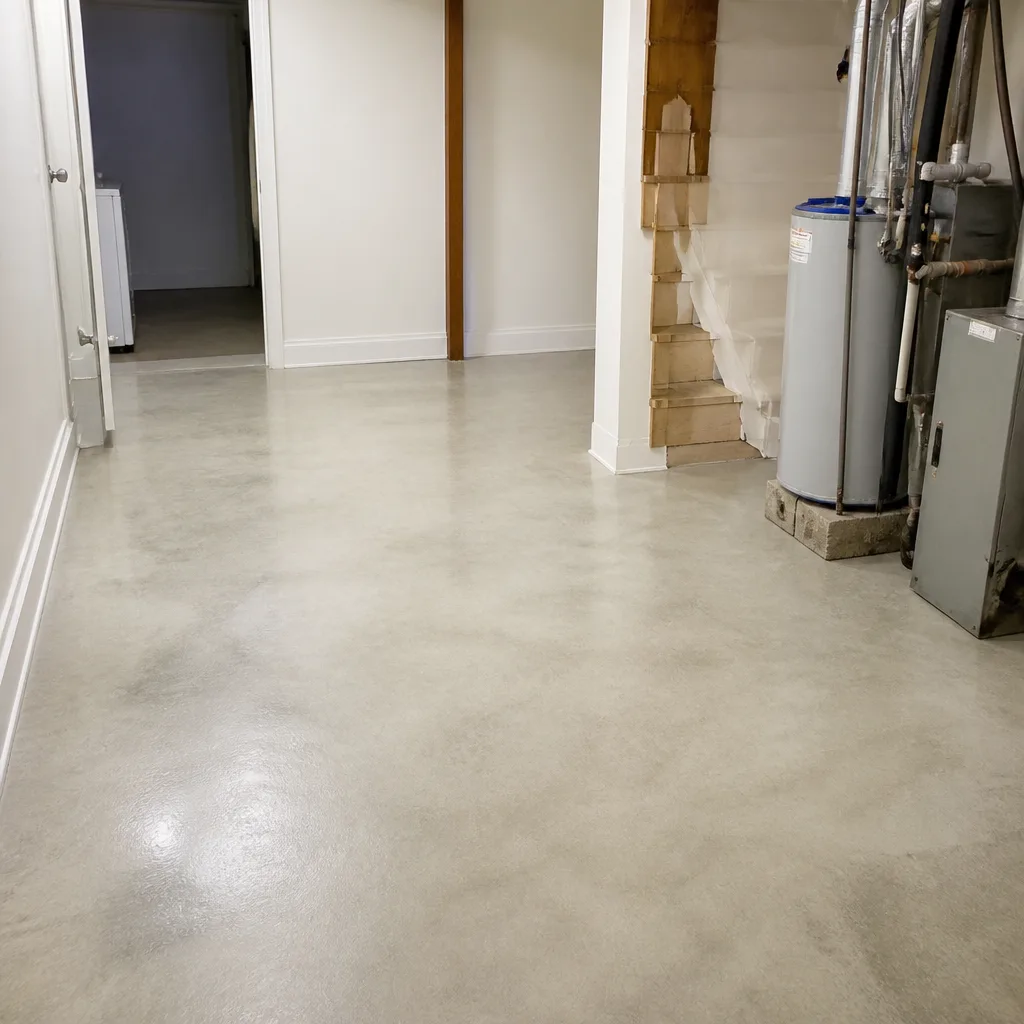
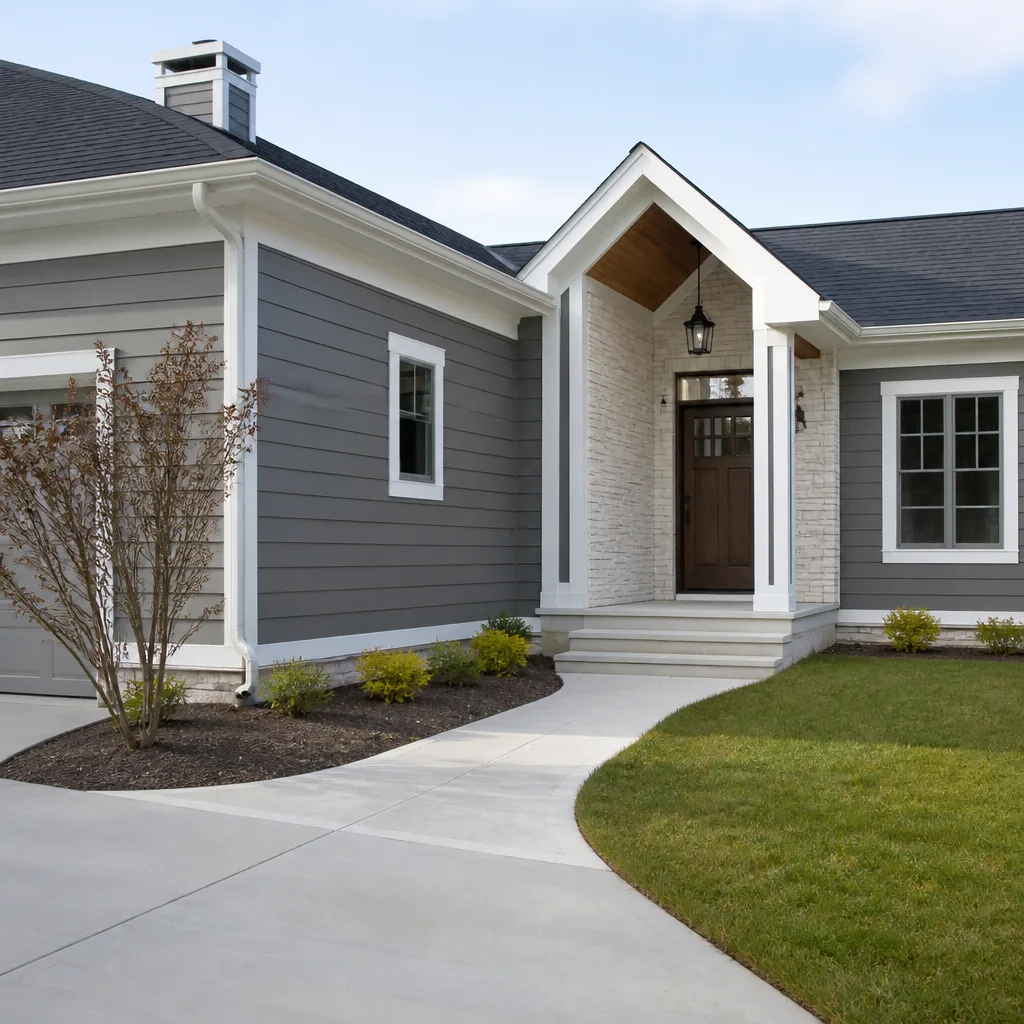
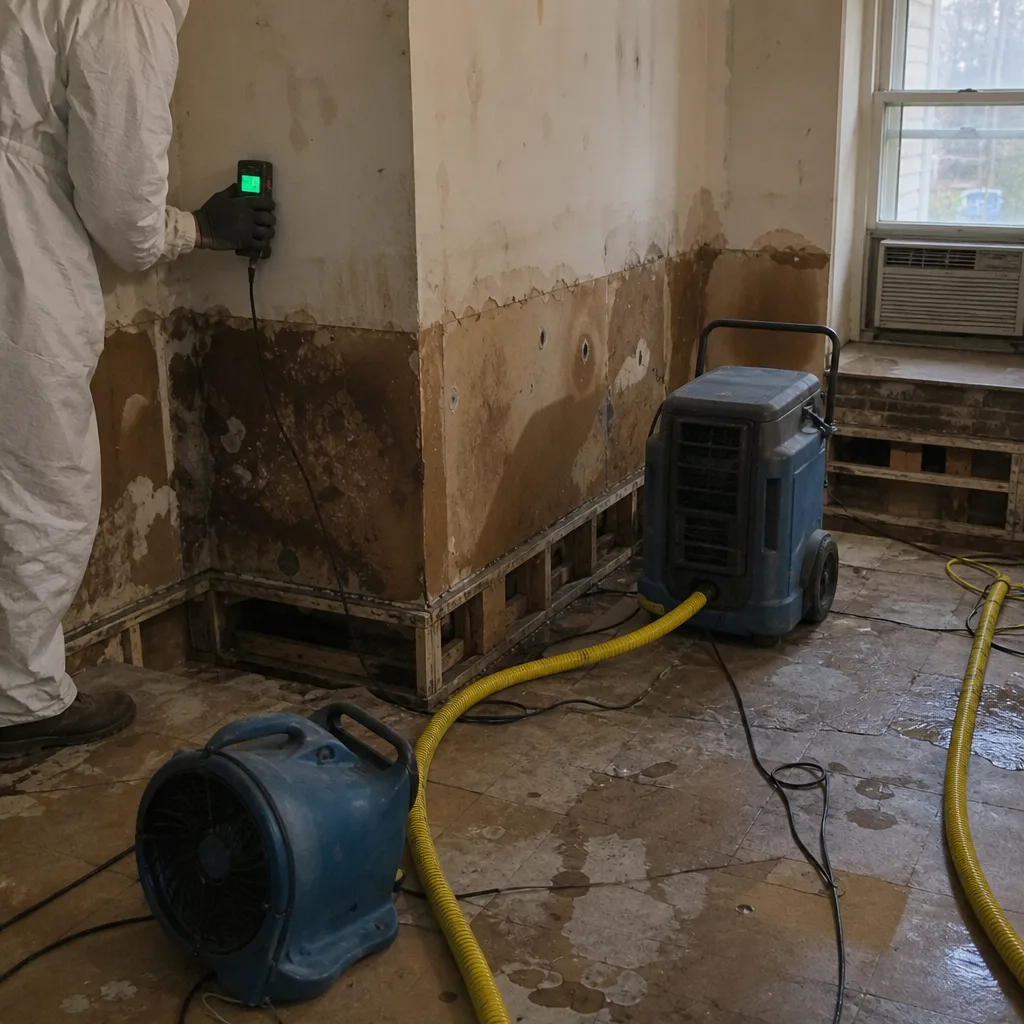 Before
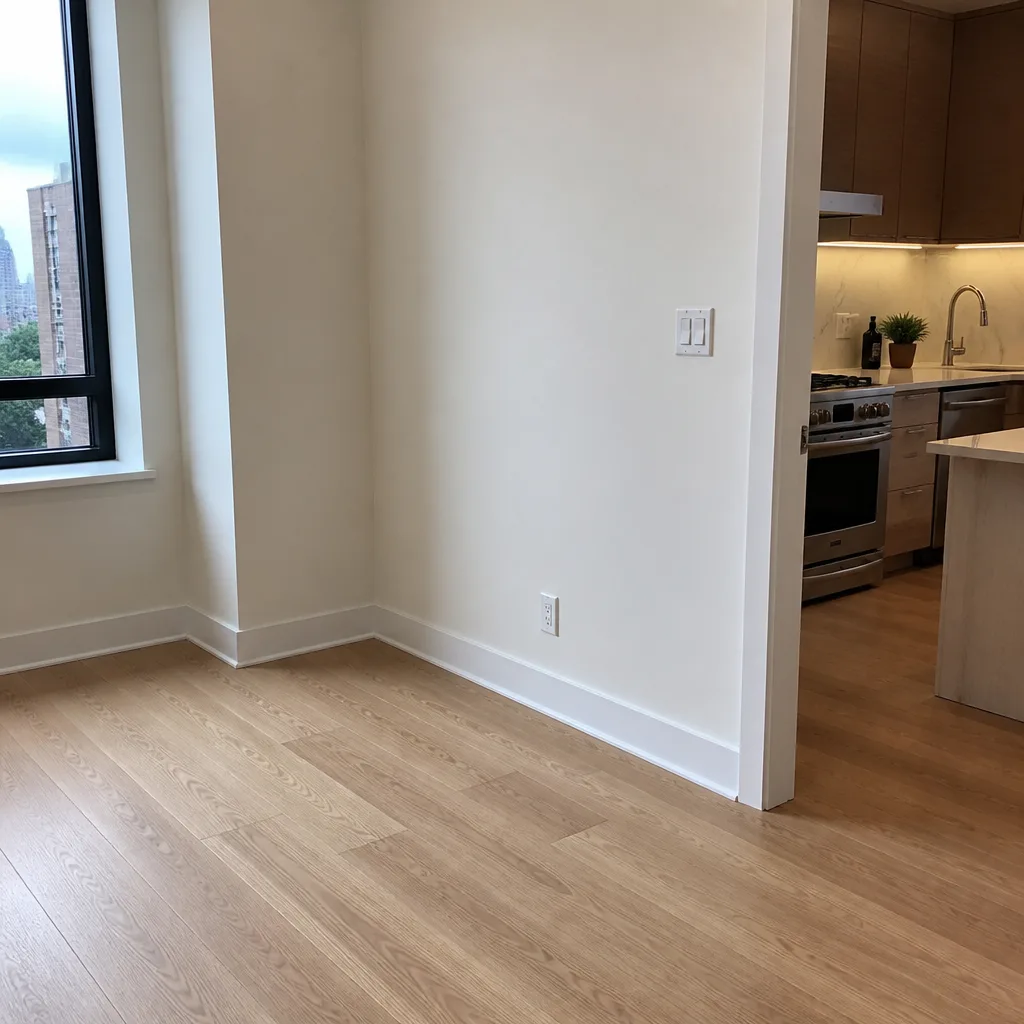 After
After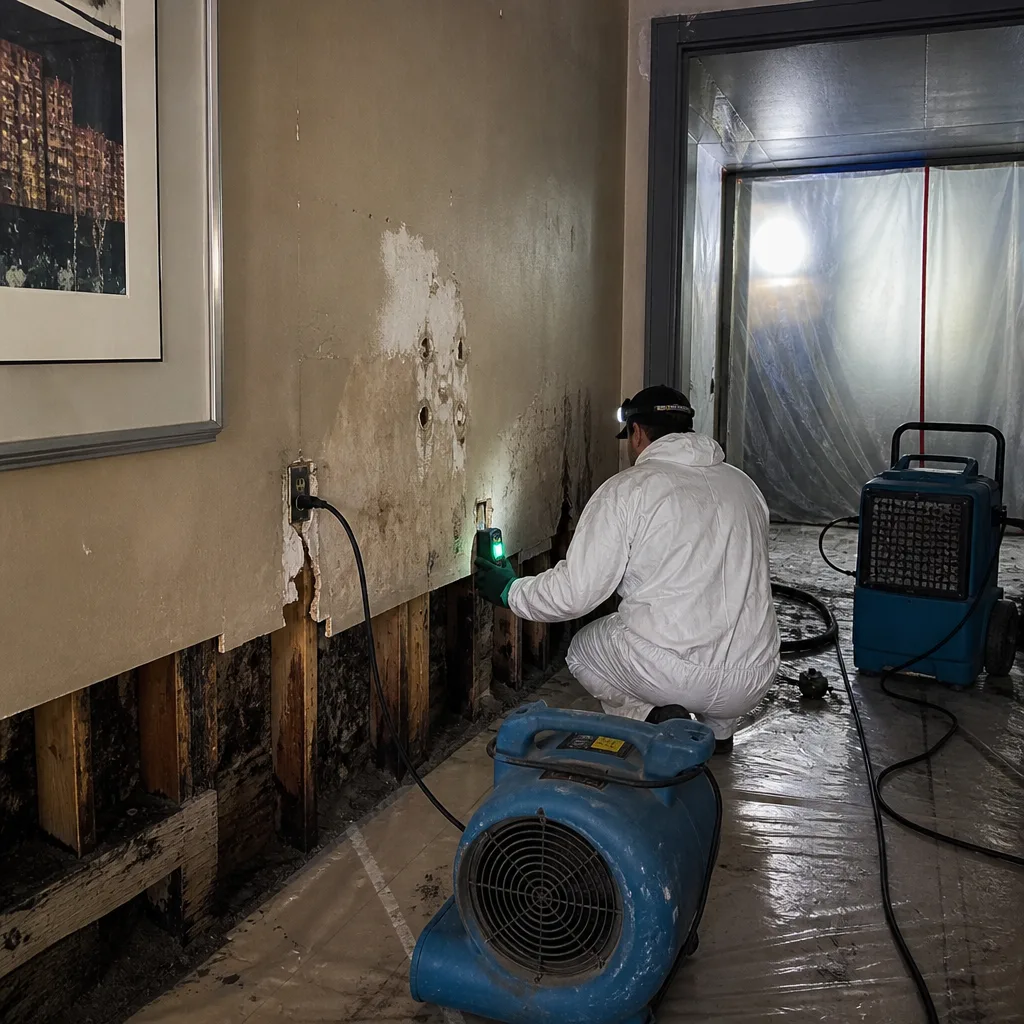 Before
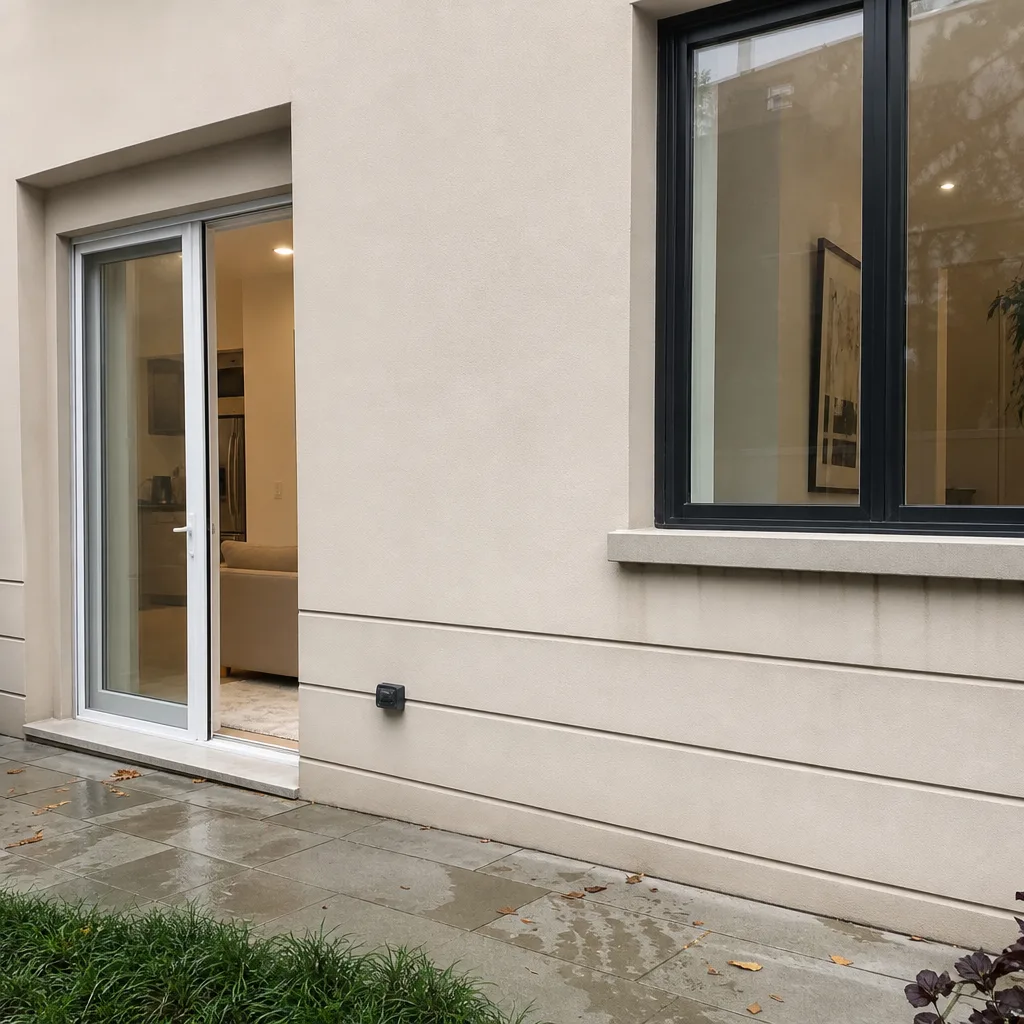 After
After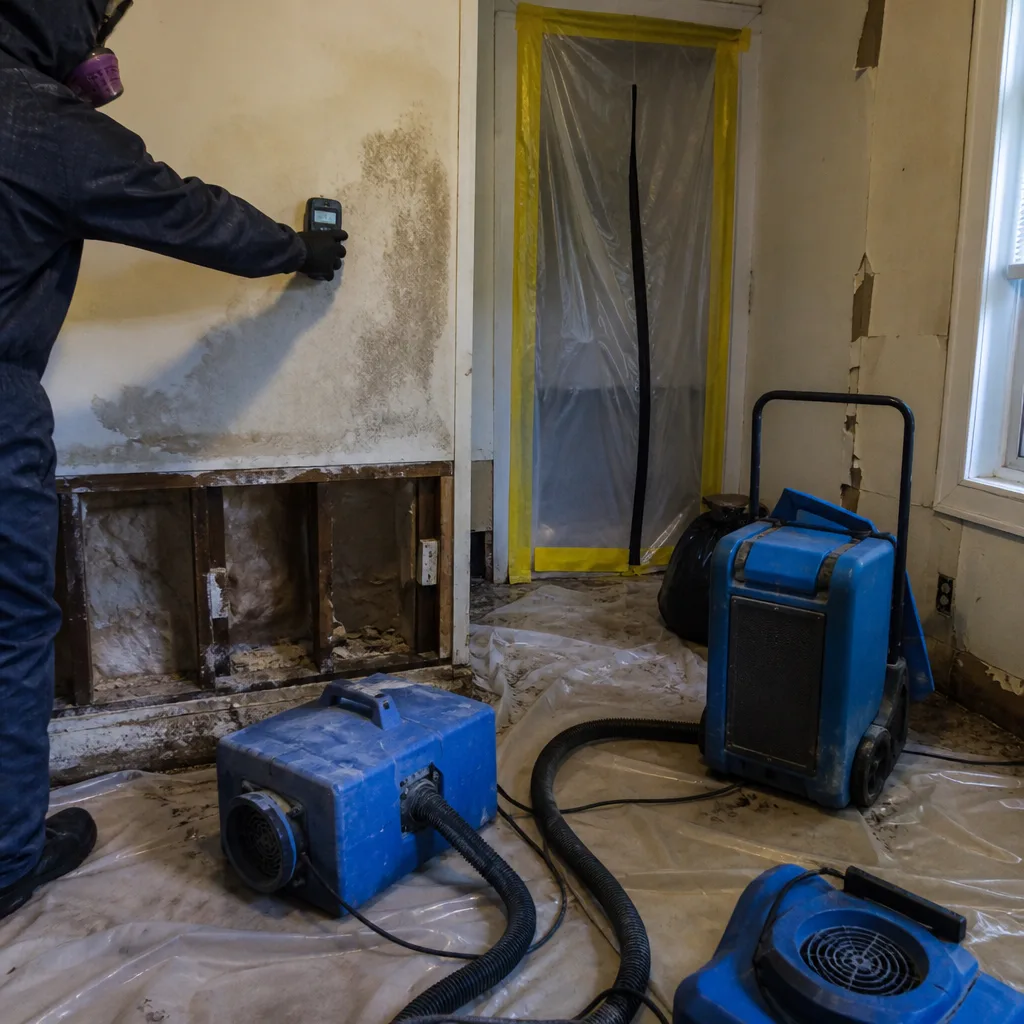 Before
 After
After24/7 Emergency Water Damage Restoration in Harlem
Water damage restoration in Harlem typically costs $2,800-$7,500 for a standard residential mitigation, with emergency extraction starting at $1,200-$2,400 and full structural drying adding $1,600-$5,100 depending on affected square footage and material type. Our crews are dispatched from our New York City office and can be on-site anywhere in Harlem within 45 minutes when you call (551) 213-5277. Every minute water sits unaddressed, it migrates through plaster-and-lath walls, warps original hardwood, and creates the moisture reservoirs that fuel mold in summer. We answer live, 24 hours a day, 7 days a week - no voicemail, no callback queue. The first hour determines whether a loss stays contained to one room or cascades through four floors of stacked units.
Understanding Water Damage Restoration Severity in Harlem Properties
Water damage in Harlem falls into three categories under IICRC S500 standards. Category 1 is clean water from a supply line - a burst copper pipe on West 125th Street, for instance. Category 2 is gray water with contaminants, common when a cast iron drain stack in a 1920s tenement pits at the hub. Category 3 is black water: sewage backup, groundwater intrusion, or any water that has passed through building materials. Harlem’s pre-war housing stock makes Category 2 losses far more common here than in postwar construction.
We classify severity by the area affected, the materials involved, and the dwell time before extraction begins. Moisture mapping with thermal imaging reveals what the eye cannot: water wicking through horsehair plaster, saturating the lath behind it, pooling in the firestopping between floors. A “small” kitchen leak in a brownstone on Astor Row can register 28-34 percent moisture content in plaster three rooms away. We document every reading. That psychrometric data - temperature, relative humidity, vapor pressure differential - becomes the drying log your adjuster needs to approve the invoice.
Why Harlem Property Owners Choose DryMark Restoration Upper East Side
- 45-minute response commitment to any Harlem address, with crews staged for dispatch from our New York City office.
- 24/7 live answer by a real person, never an automated system or voicemail tree - emergency lines are staffed around the clock.
- IICRC-certified crews holding WRT (Water Damage Restoration Technician) and ASD (Applied Structural Drying) certifications, with AMRT (Applied Microbial Remediation Technician) on mold-involved losses.
- Free visual inspection and moisture assessment before any work is authorized or priced.
- Direct insurance billing and adjuster coordination, with documentation packages that reduce claim disputes.
- One team from extraction through reconstruction - no handoffs between mitigation and rebuild contractors.
BeforeAfterOur Water Damage Restoration Process
1. Inspection & Assessment
We arrive with thermal imaging cameras, penetrating and non-penetrating moisture meters, and hygrometers to map the full extent of migration. In Harlem’s plaster-and-lath construction, surface dryness often masks saturation in the lath and studs behind. We classify the water category, identify affected materials by square footage, and photograph every room before anything is touched.
2. Extraction & Stabilization
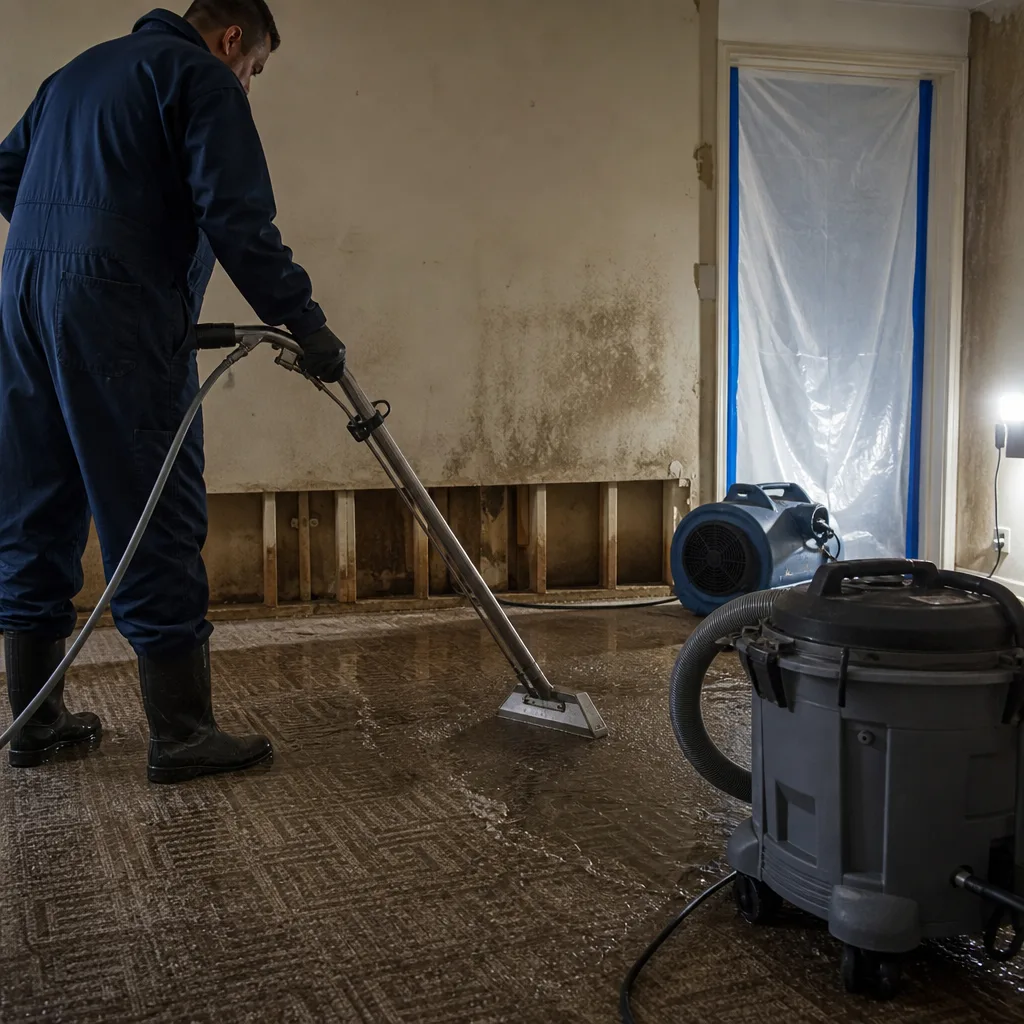
Standing water is removed with truck-mounted extraction systems and portable units for multi-story walk-ups without elevator access. We deploy weighted extraction tools on carpet where salvageable, and remove unsalvageable materials per the written scope. Containment is established to protect unaffected areas, critical in Harlem’s dense, multi-tenant buildings.
3. Drying & Dehumidification
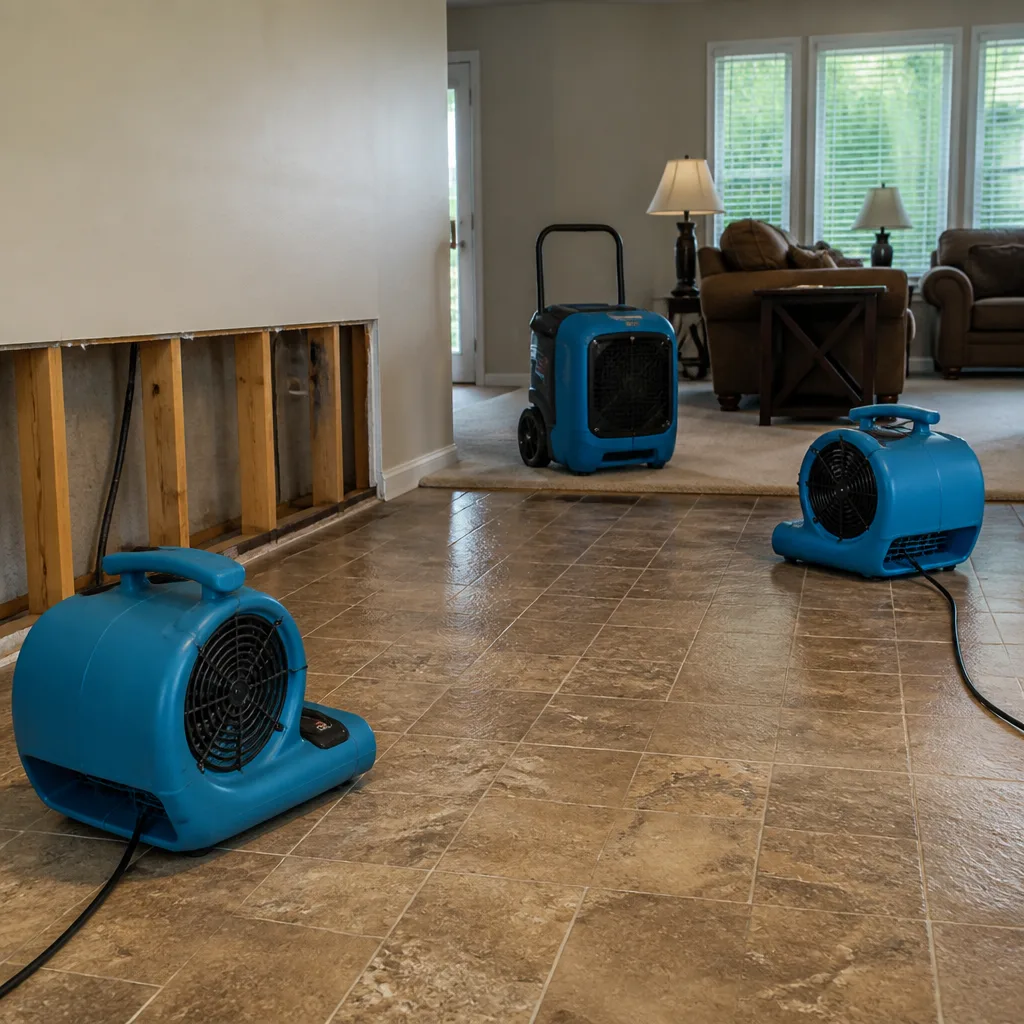
Air movers create airflow across wet surfaces while commercial dehumidifiers - LGR units from Dri-Eaz and Phoenix - remove moisture from the air. For enclosed cavities in plaster-and-lath walls, we use Injectidry systems with panel attachments to force dry air through the wall assembly without demolition. Daily moisture readings track progress to IICRC drying standards.
4. Cleaning & Sanitization
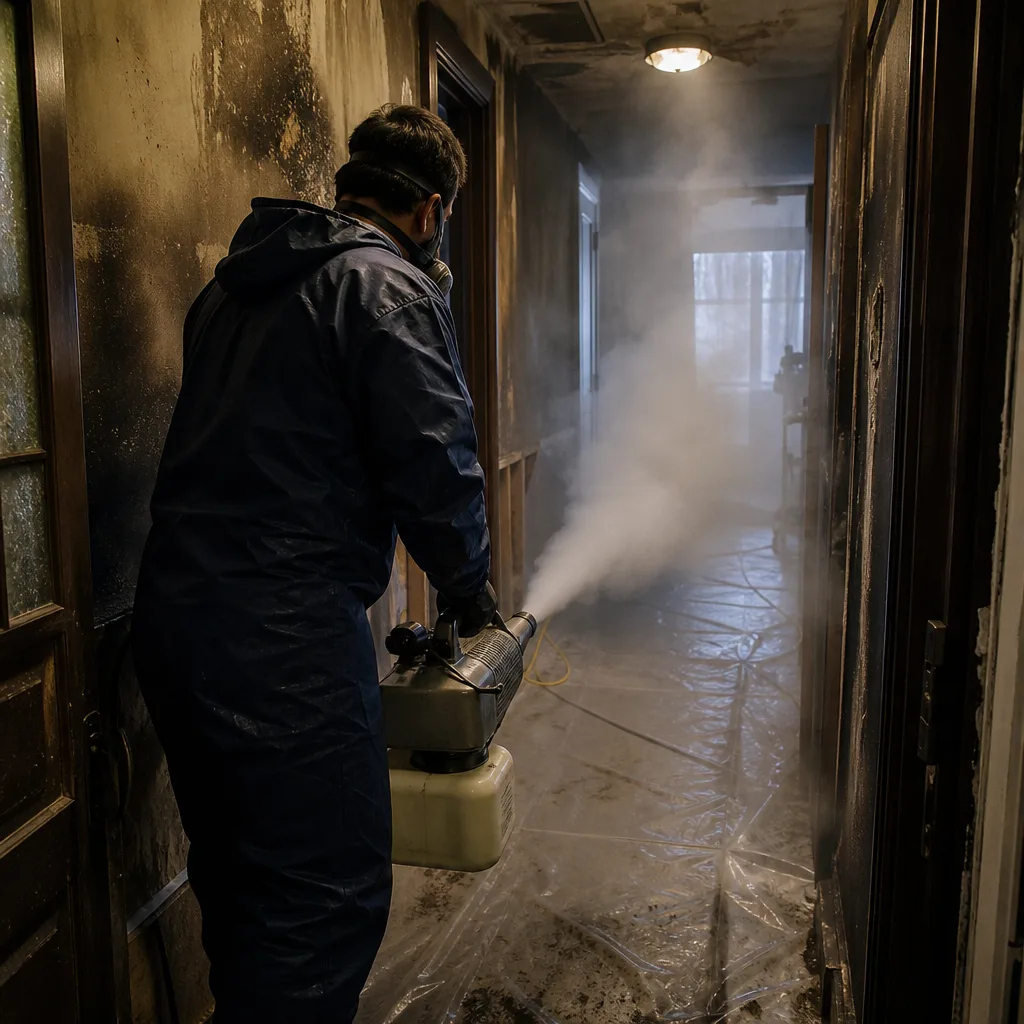
Category 2 and 3 losses receive antimicrobial treatment to affected surfaces. HEPA air scrubbers run during and after work to capture airborne particles. In Harlem’s older buildings, we pay particular attention to residual contamination in porous materials that standard cleaning cannot address.
5. Lead & Asbestos Coordination
Harlem’s pre-1978 housing stock triggers mandatory lead paint and asbestos testing under NYC Local Law and EPA RRP rules before any demolition begins. We coordinate certified hazmat testing, abatement where required, and clearance documentation. This layer is non-negotiable and adds days and cost that newer construction simply does not incur.
6. Repairs & Restoration
Once drying goals are met and documented, we rebuild: plaster repair or replacement, flooring, trim, painting. The same crew that extracted the water completes the reconstruction, with a written price for each phase approved before work begins. Every job closes with a photo record and our 365-Day Done Right Promise under The Haven Standard.
Need Emergency Water Damage Restoration in Harlem Now?
Crews minutes away, answering live 24 hours a day. The sooner we start, the less it costs.
Working With Your Insurance Company
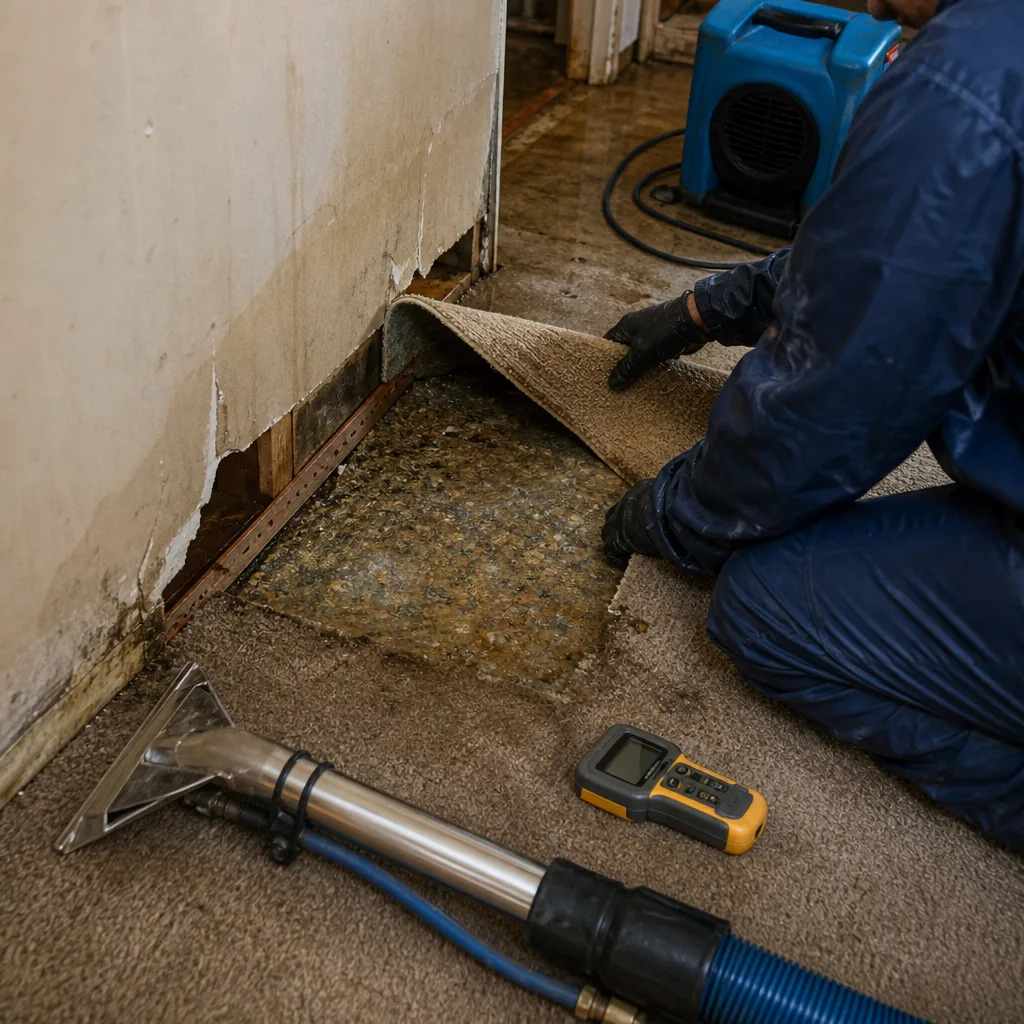
Documentation begins the moment we arrive. We photograph every angle of the loss, record moisture readings by room and material, and maintain daily drying logs that satisfy IICRC, RIA, and IFA standards. Your adjuster receives a line-item scope of work with unit pricing, not a lump-sum estimate open to negotiation. We speak directly with carriers, submit documentation through their preferred platforms, and dispute underpayments with the evidence we’ve already collected. Most of our Harlem clients never handle a single insurance call themselves.
What We Provide Your Insurer
- Thorough documentation of the loss
- Photos of all damage, room by room
- Moisture readings and drying logs
- A detailed, line-item scope of work
- Direct coordination with your carrier
Built for Harlem’s Loss Calendar
January and February bring the deep freezes that split copper supply lines in unheated brownstone basements and top-floor apartments where landlords have reduced heating. The freeze-thaw cycle is relentless on Harlem’s flat tar-and-gravel roofs: ponding water freezes, expands, and opens membrane seams. By March, those slow leaks have been dripping inside plaster walls for weeks.
Spring thaw overwhelms aging cast iron drain stacks and drives basement seepage through century-old foundations. Summer thunderstorms hit the urban heat island with flash flooding that overwhelms storm drains on corridors like Malcolm X Boulevard and Adam Clayton Powell Jr. Boulevard. July and August humidity turns any lingering moisture into mold within 48 hours. Fall nor’easters test roof integrity again before winter repeats the cycle. We plan drying protocols around this calendar, adjusting dehumidification loads for seasonal humidity and anticipating the hidden damage that freeze-thaw roofing failures leave behind.
Water Damage Restoration Across Harlem’s Neighborhoods
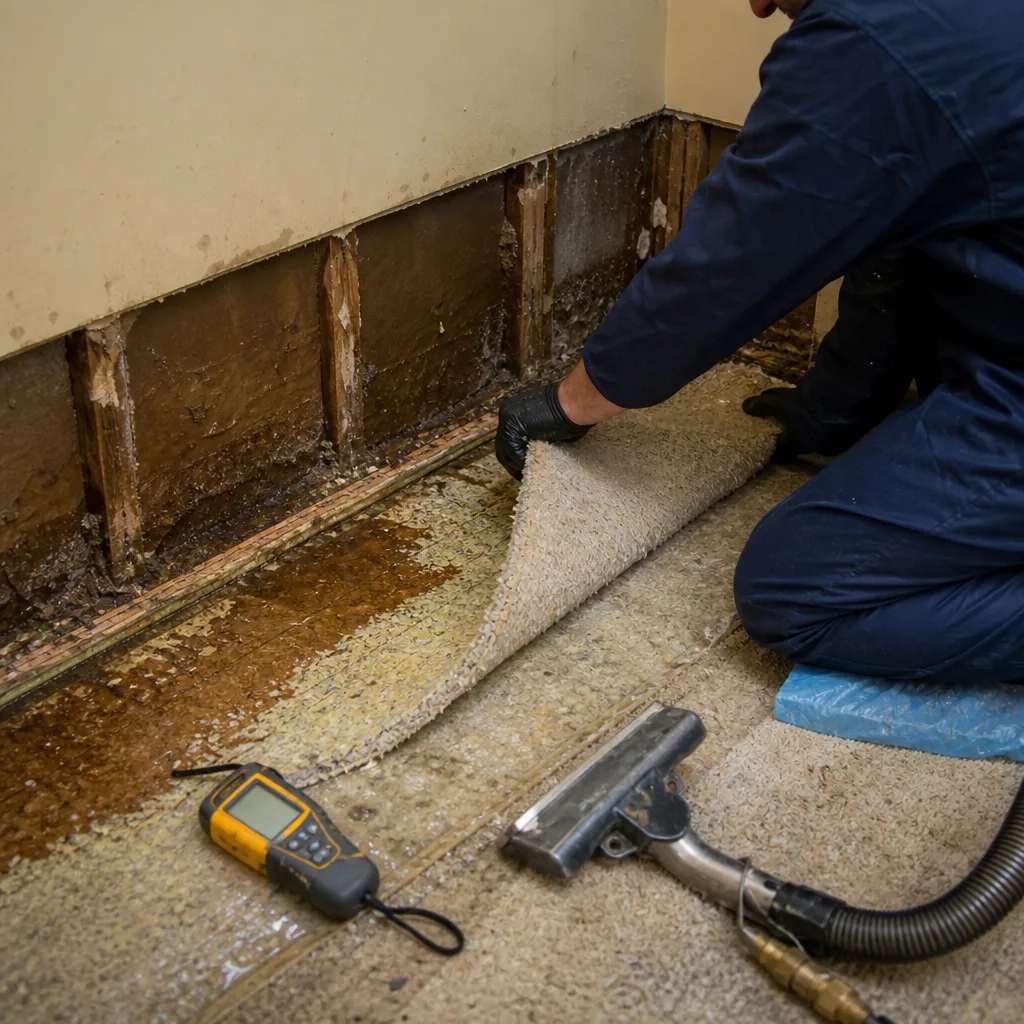
West Harlem, from Morningside Heights to Hamilton Heights, is brownstone and tenement country. The 140s and 150s off Broadway see frequent ceiling and roof leak water damage from flat-roof failures on 4-6 story rowhouses. We route crews up the West Side Highway and across 125th for fastest response to these blocks.
Central Harlem, including the Strivers’ Row historic district and the corridor along Lenox Avenue, presents the full complexity: rent-stabilized tenancies, pre-war construction, and the hazmat requirements that apply to virtually every job. We got a call from a 1905 brownstone on West 138th Street in Strivers’ Row where a cast iron drain stack had been weeping behind original plaster for weeks; moisture mapping with our Injectidry system showed saturation across three stacked units, so we ran water extraction, set air movers and dehumidification on every floor, and wrote drying logs that satisfied all three tenants’ insurance carriers. The landlord couldn’t require the rent-stabilized tenants on floors two and three to vacate, so we built containment around occupied rooms, monitored moisture readings through the lath, and finished structural drying without ever displacing a single household.
East Harlem, from East 96th to the Harlem River, mixes NYCHA tower complexes with older tenements and newer construction. The towers present their own challenges: centralized systems, multiple management layers, and the coordination required for vertical water migration through concrete floors. The older stock east of Lexington Avenue mirrors Central Harlem’s pre-war constraints.
South Harlem, the corridor below 125th toward 110th, has seen significant renovation but retains the same building fabric. We see burst pipe restoration calls spike here in January when landlords in converted brownstones discover that original plumbing cannot handle modern occupancy loads.
Specialized Water Damage Restoration Services We Offer in Harlem
Emergency Water Extraction
Standing water is removed within hours of your call, using truck-mounted systems for volume and portable extractors for walk-up buildings without elevator service. In Harlem’s dense blocks, rapid extraction prevents migration to neighboring units and common areas where liability multiplies.
Structural Drying & Dehumidification
We deploy LGR dehumidifiers and axial air movers sized to the cubic footage of the affected space, with Injectidry systems for cavity drying in plaster-and-lath walls. Drying goals are set by IICRC standards, not guesswork, and documented in daily logs. This is where Harlem’s legacy construction demands patience: plaster holds moisture longer than drywall, and crews who close out early leave hidden reservoirs.
Flood Cleanup
Flash flooding and storm surge cleanup in Harlem requires Category 3 protocols: removal of porous materials, antimicrobial treatment, and HEPA air scrubbing. We coordinate with building management and, in multi-tenant situations, with multiple insurers.
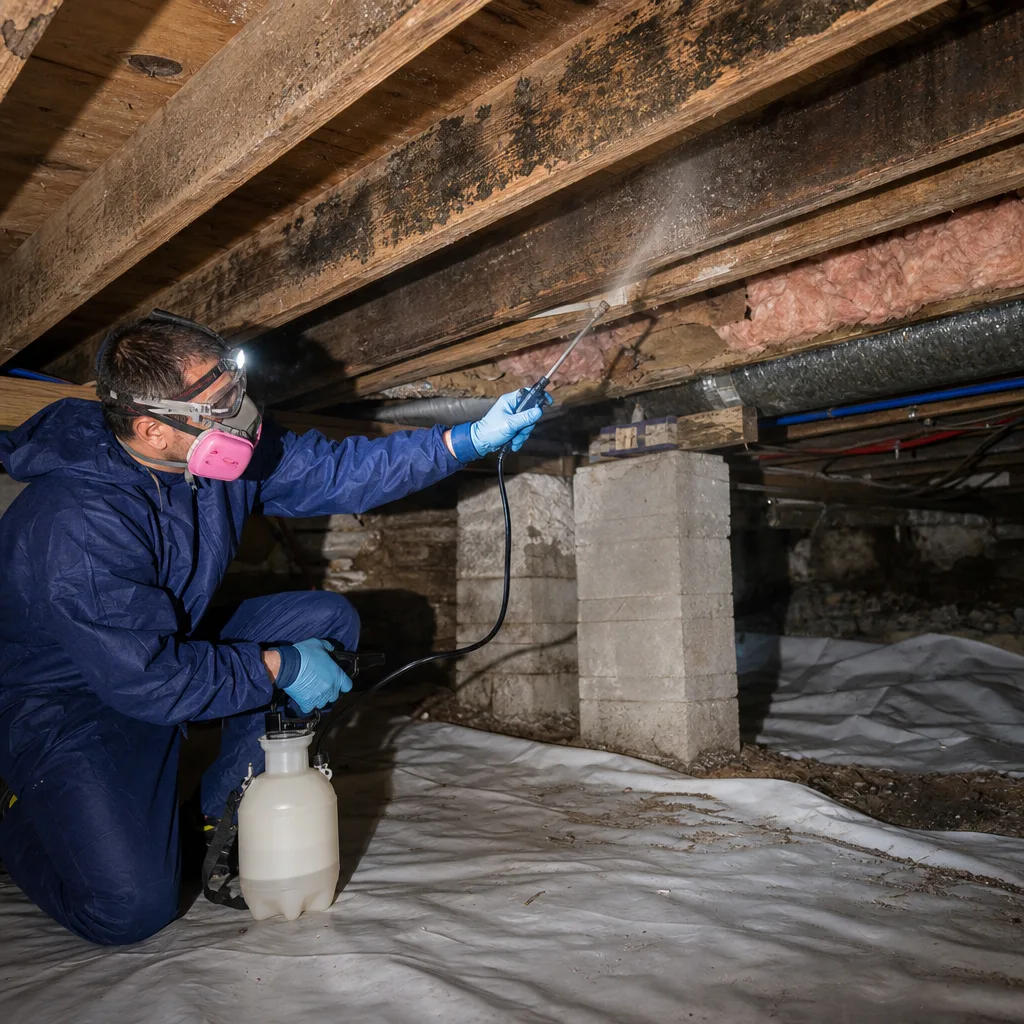
Burst Pipe Restoration
Freeze-split copper and failed cast iron are the two failure modes we see most. We extract, dry, and document the full extent of migration, then coordinate licensed plumbing repair before reconstruction begins. Every burst pipe job includes moisture mapping of adjacent units - in Harlem’s stacked tenements, the damage rarely stays on one floor.
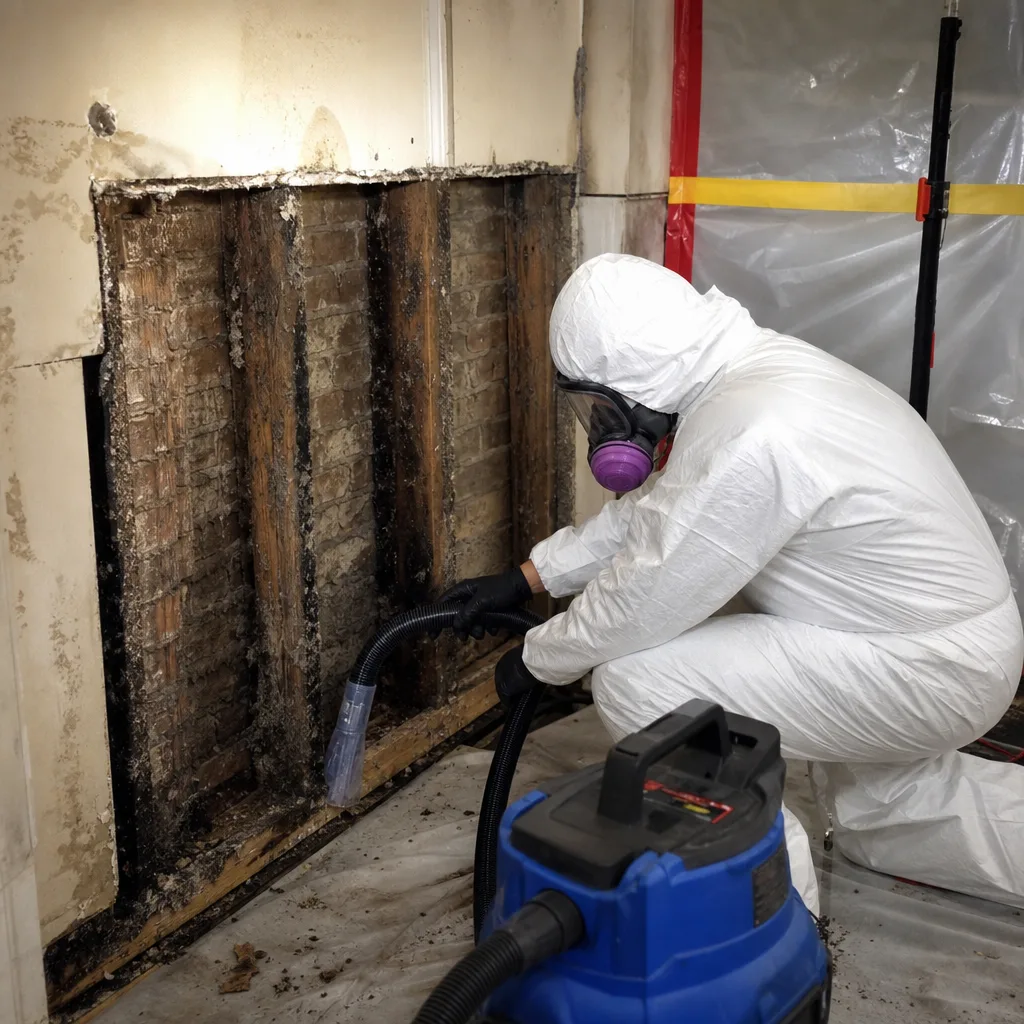
Basement Water Removal
Harlem’s below-grade spaces, whether in brownstones or NYCHA complexes, face hydrostatic pressure, failed sump systems, and sewer backup. We pump, extract, and deploy sub-slab drying where appropriate, with full documentation for insurance.
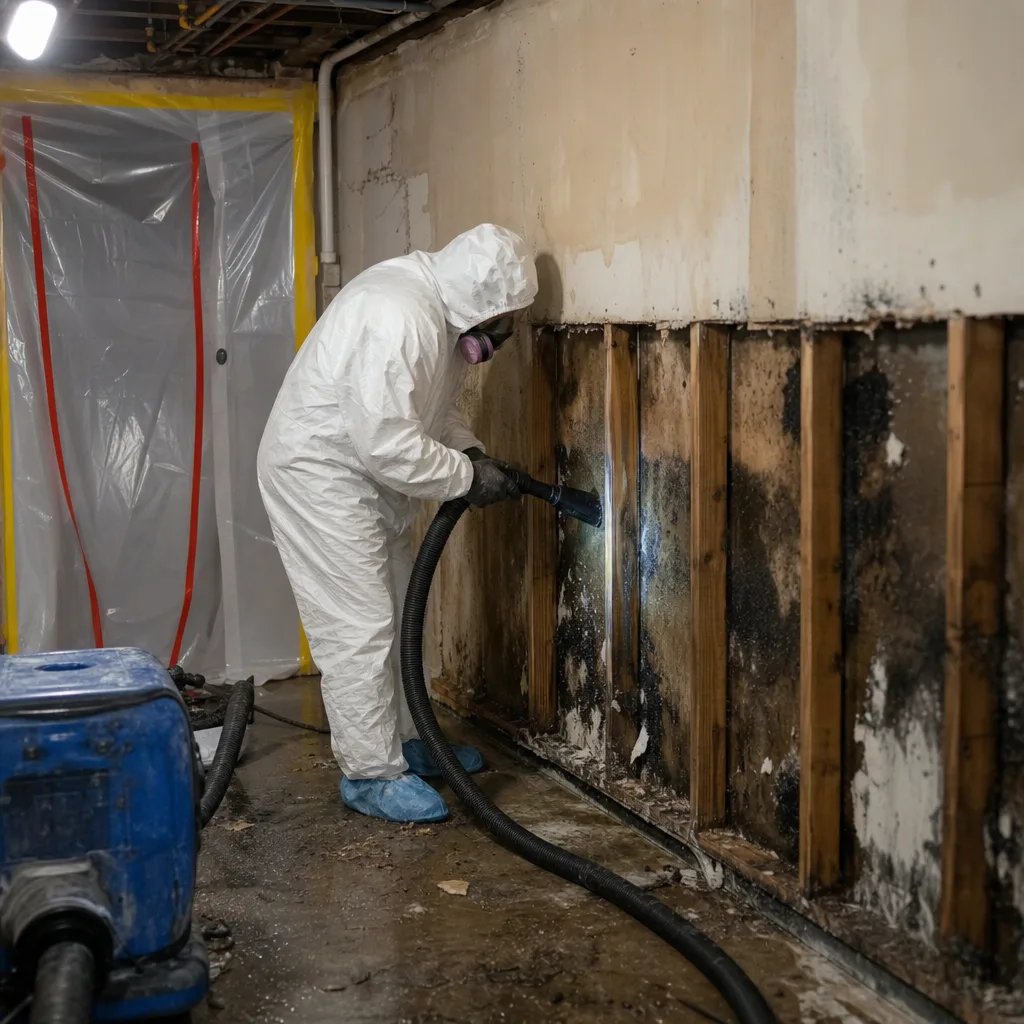
Ceiling & Roof Leak Water Damage
Flat tar-and-gravel roof failures are endemic in Harlem. We trace the leak path, map moisture in ceilings and walls, and dry the assembly while roofing contractors address the source. The plaster-and-lath ceiling itself often requires controlled demolition and replacement once drying goals are met.
What happens when you call
- 1
A real person answersNo phone trees - you reach a local pro.
- 2
You get an upfront price rangeHonest numbers before anyone is dispatched.
- 3
A background-checked tech heads outLicensed & insured, dispatched right away.
- 4
You approve before work beginsNothing starts until you say go.
Water Damage Restoration Costs in Harlem, NY
Here is what water damage restoration actually costs in Harlem’s market, based on losses we have documented since 2011:
- Emergency water extraction: $1,200-$2,400 for residential losses up to 1,500 square feet
- Structural drying and dehumidification: $1,600-$5,100 depending on equipment count and duration
- Plaster-and-lath demolition and removal: $3.50-$6.00 per square foot, with mandatory lead/asbestos testing adding $800-$2,400
- Category 3 flood cleanup with full sanitation: $4,500-$9,200
- Basement water removal with submersible pumping: $1,800-$3,600
What moves the price: the water category, the square footage affected, the materials involved (plaster costs more than drywall to restore), whether hazmat testing is triggered, and whether multiple units are involved. Insurance typically covers sudden and accidental water damage; gradual leaks and maintenance issues are often excluded. We provide a written price before any work begins, every time, with no scope-creep additions once the crew is inside. Haven Standard, Clause 1. Call (551) 213-5277 for your free inspection and exact scope.
We Also Serve Cities Near Harlem
Our crews respond throughout the metro area from our New York City office. We regularly perform Water Damage Restoration for property owners in the Upper East Side, Manhattan, Upper West Side, and Astoria. Each area has its own building stock and loss patterns, and we adjust our protocols accordingly.
Serving Harlem, NY - Our Local Coverage Area
We’re based in the Harlem area and know this community well. Use the map below to see our service coverage - if you’re nearby, we can almost certainly help.
Harlem Water Damage Restoration Questions, Answered
Why does water damage restoration in a Harlem brownstone take longer than a similar loss in the Bronx?
Harlem’s pre-war brownstones and tenements trigger mandatory lead paint and asbestos testing under NYC Local Law and EPA RRP rules before any demolition can begin, a requirement that simply does not apply to most postwar housing in the Bronx. The original plaster-and-lath walls also hold moisture longer than modern drywall, extending drying time by 2-4 days on typical jobs. Rent-stabilization laws may prevent full-unit evacuation, forcing crews to work around occupied spaces with containment and limited demo scope. Call (551) 213-5277 to discuss your specific timeline.
Our tenant has a rent-stabilized lease - do they have to move out while you dry the apartment?
No. Under New York rent-stabilization and rent-control laws, a landlord generally cannot require a long-term tenant to vacate during remediation. We build containment around occupied rooms, run drying equipment with noise and schedule accommodations, and complete structural drying without displacement. This constraint limits the practical scope of demolition and adds days to the project compared to unoccupied units, but it is legally required and we work within it regularly. Call (551) 213-5277 to discuss your building’s specific situation.
How do you dry original plaster-and-lath walls without demolishing them?
We use Injectidry panel systems to force dry, dehumidified air into the wall cavity through small access points, combined with strategic air mover placement to create vapor pressure differential across the plaster surface. Daily moisture readings with penetrating meters track progress through the lath until we reach IICRC drying goals. When plaster is structurally compromised or hazmat testing requires removal, we demolish only what is necessary and document every decision with photos for your insurer. Call (551) 213-5277 for a free moisture assessment.
A pipe burst on the top floor - how far down can water travel in a Harlem tenement?
In Harlem’s 4-6 story tenements with original cast iron stacks and minimal firestopping, we have documented water migration through three to five vertically stacked units from a single top-floor failure. Water follows the path of least resistance: along the stack, through ceiling penetrations, behind baseboards, and across subflooring. We moisture-map every unit below the loss until readings confirm the migration has stopped, not just the unit directly beneath. Call (551) 213-5277 immediately if you suspect vertical migration - the sooner we map it, the less demolition required.
How quickly do we need to start drying after a roof leak soaks our ceiling?
Within 24 hours, and preferably within 4-6 hours. Mold colonization begins in 24-48 hours on organic materials in humid conditions, and Harlem’s summer heat island accelerates this timeline significantly. Original plaster-and-lath assemblies compound the risk: the lath provides organic material, and the plaster’s porosity wicks moisture deep into the cavity where it is not visible. We answer live 24/7 and can begin extraction and drying the same day you call. Call (551) 213-5277 - estimates are free.
Will insurance cover our water damage restoration?
Sudden and accidental water damage - burst pipes, appliance failures, storm intrusion through a compromised roof - is typically covered under standard homeowner and landlord policies. Gradual leaks, maintenance issues, and groundwater intrusion are generally excluded. We document the cause and timeline from the first hour, photograph the loss before anything is disturbed, and write the scope in the format your adjuster expects. Direct billing is available with most major carriers. Call (551) 213-5277 and we will review your coverage specifics during the free inspection.
How long does structural drying take in a typical Harlem apartment?
Standard structural drying in modern drywall construction takes 3-5 days. In Harlem’s plaster-and-lath buildings, 5-8 days is typical, and complex multi-unit losses with occupancy constraints may extend to 10-14 days. We set drying goals by measurable moisture content, not by calendar, and we provide daily logs showing progress. No job is closed until readings confirm the assembly is dry to IICRC standards. Call (551) 213-5277 for a timeline estimate based on your specific loss.
What should we do in the first 30 minutes after discovering water damage?
Stop the source if you can do so safely - shut off the main water valve for supply line failures, or call a plumber for drain stack issues. Do not enter standing water if electrical outlets or equipment are submerged. Remove small valuables and documents from the affected area. Then call (551) 213-5277. We will talk you through immediate safety steps while a crew is dispatched. Do not begin demolition or discard materials before we document - your insurer will need that evidence.
Back to Dry Restoration has served Harlem and the broader New York City metro since 2011, with 12,000+ homes restored under The Haven Standard. Every job receives a written price before work begins, a photo record on every visit, and our 365-Day Done Right Promise. We offer a Free Second Opinion on any competitor’s written estimate. Call (551) 213-5277 for emergency response or to schedule your free inspection.
Written by Alicia Brennan, Owner at Back to Dry Restoration, serving Harlem since 2011.
Water Damage Restoration in Nearby Areas