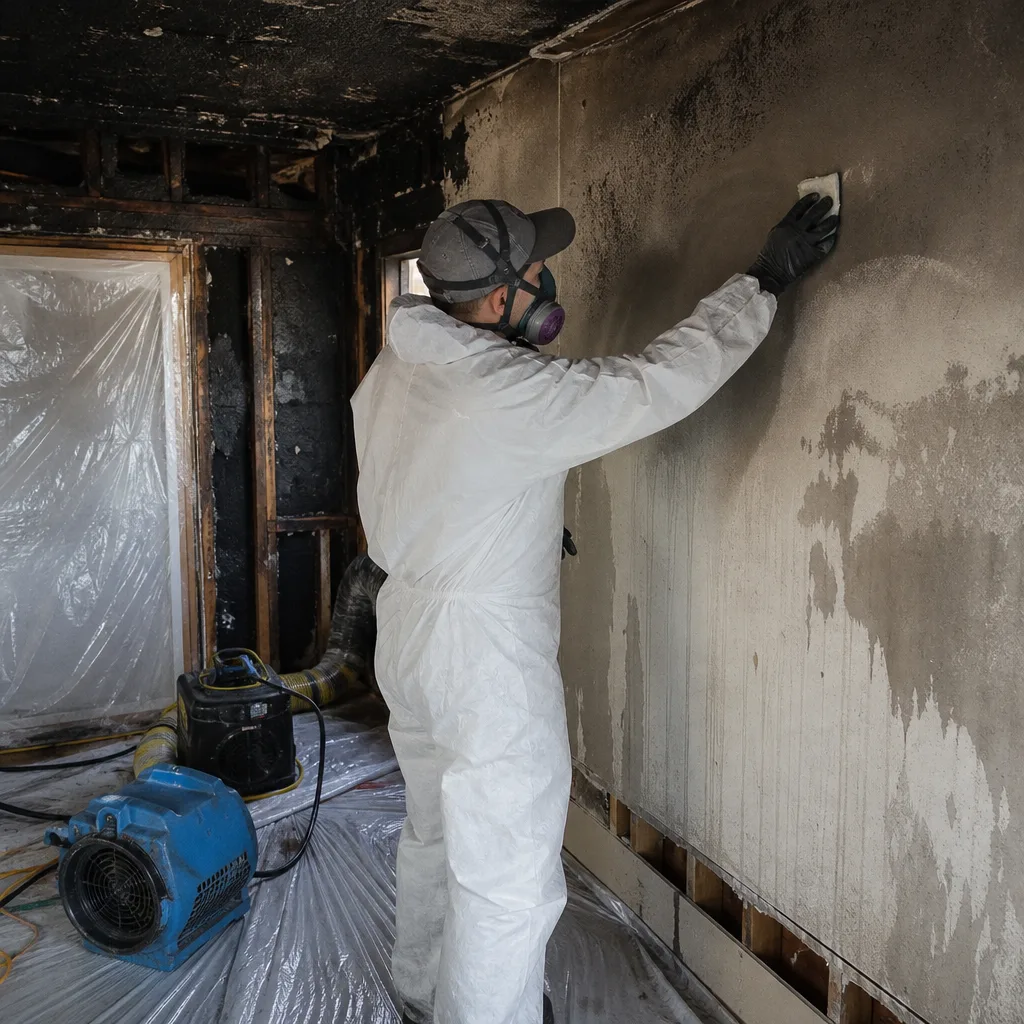
Free visual inspection and a written scope of work before any mitigation begins - photos, moisture readings, and drying logs go in your claim file
The scope we write is the scope we bill. Anything new gets shown to you, in writing, before we touch it.
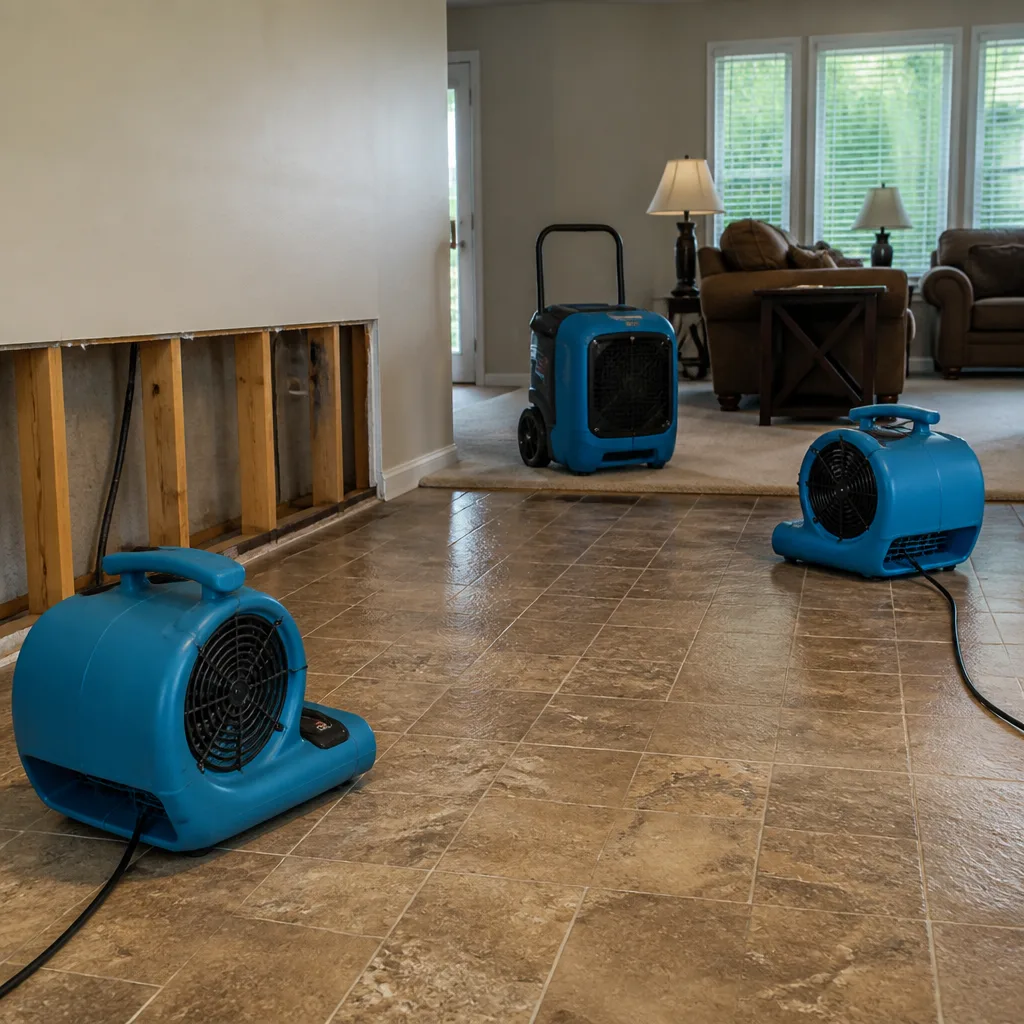

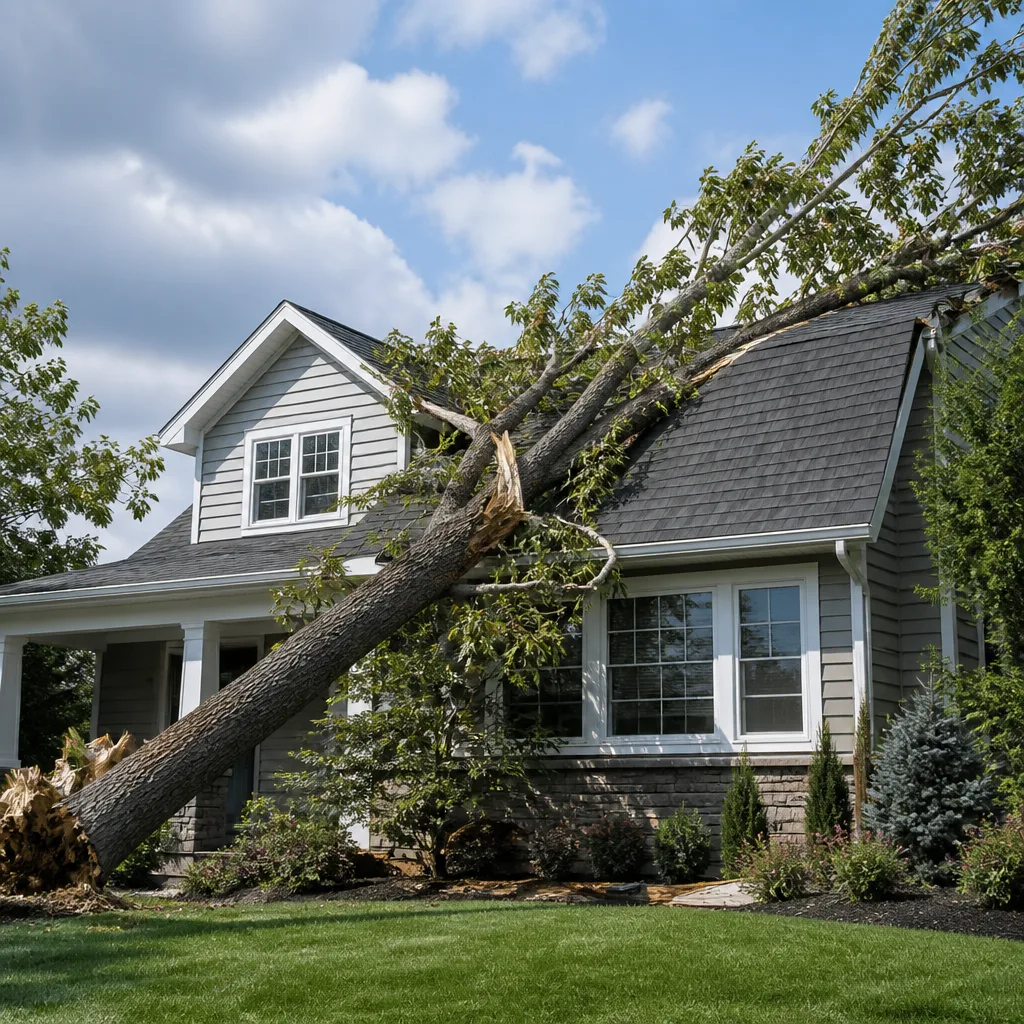
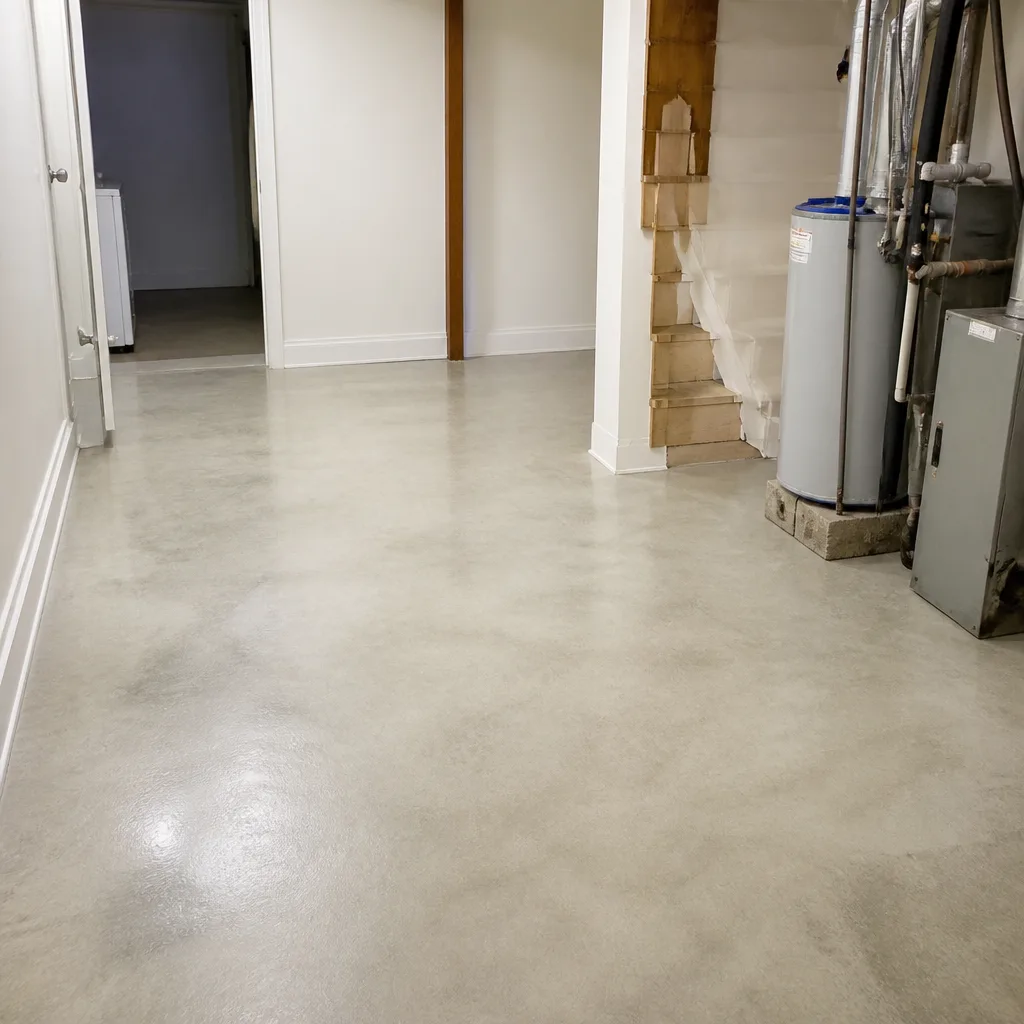
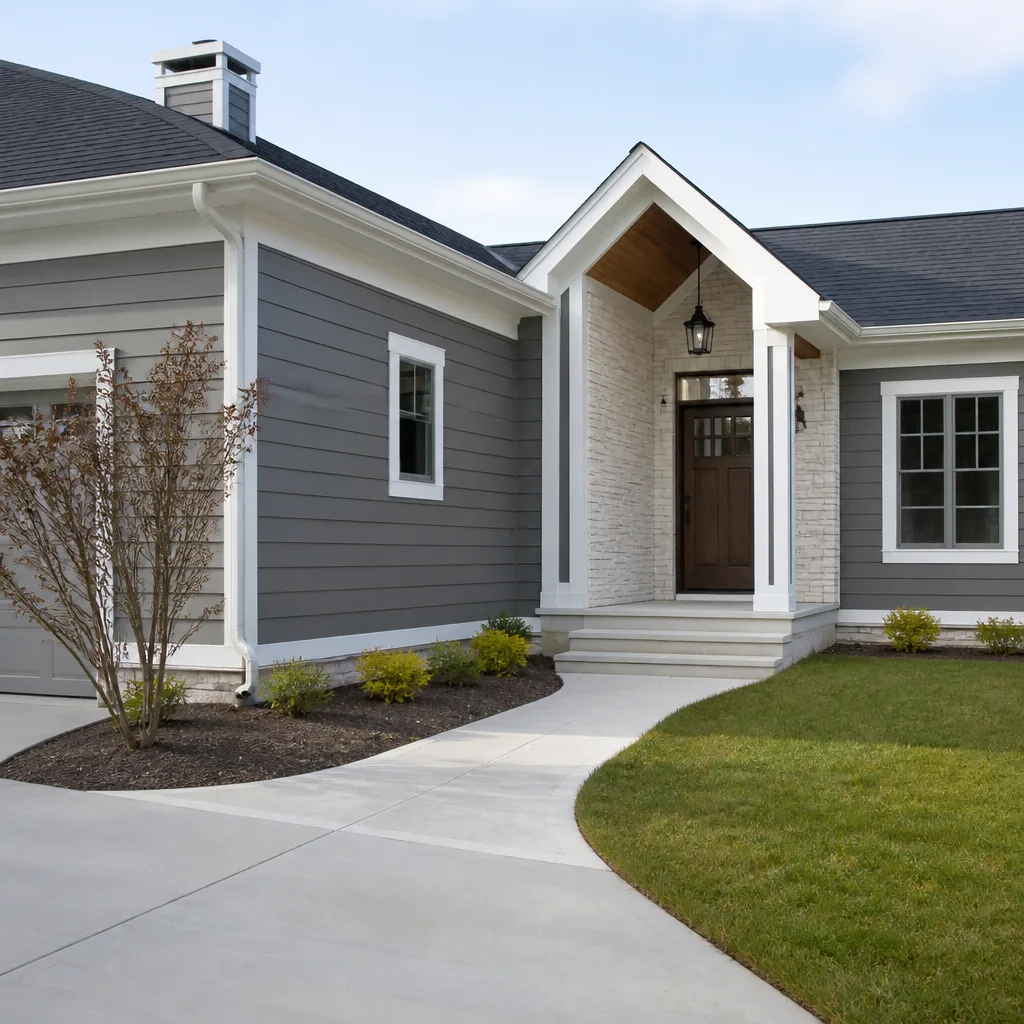
 Before
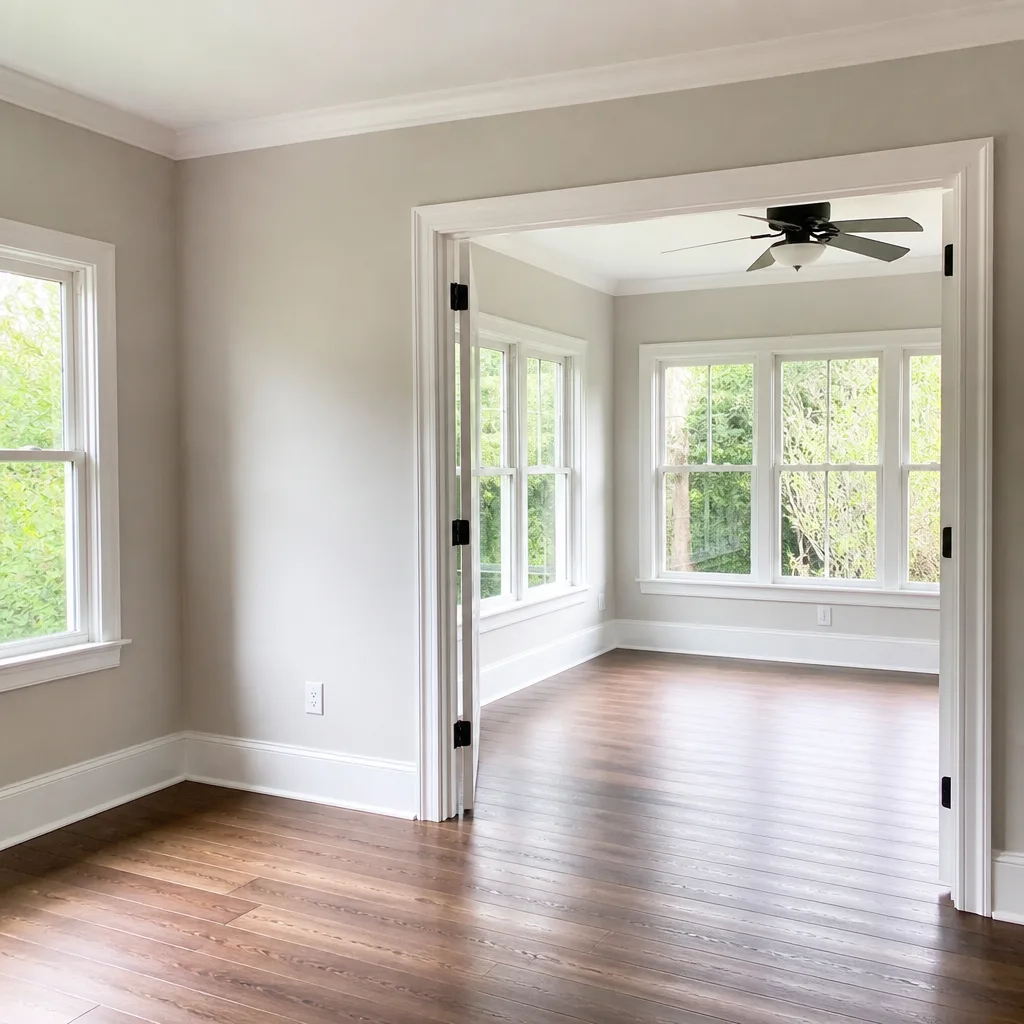
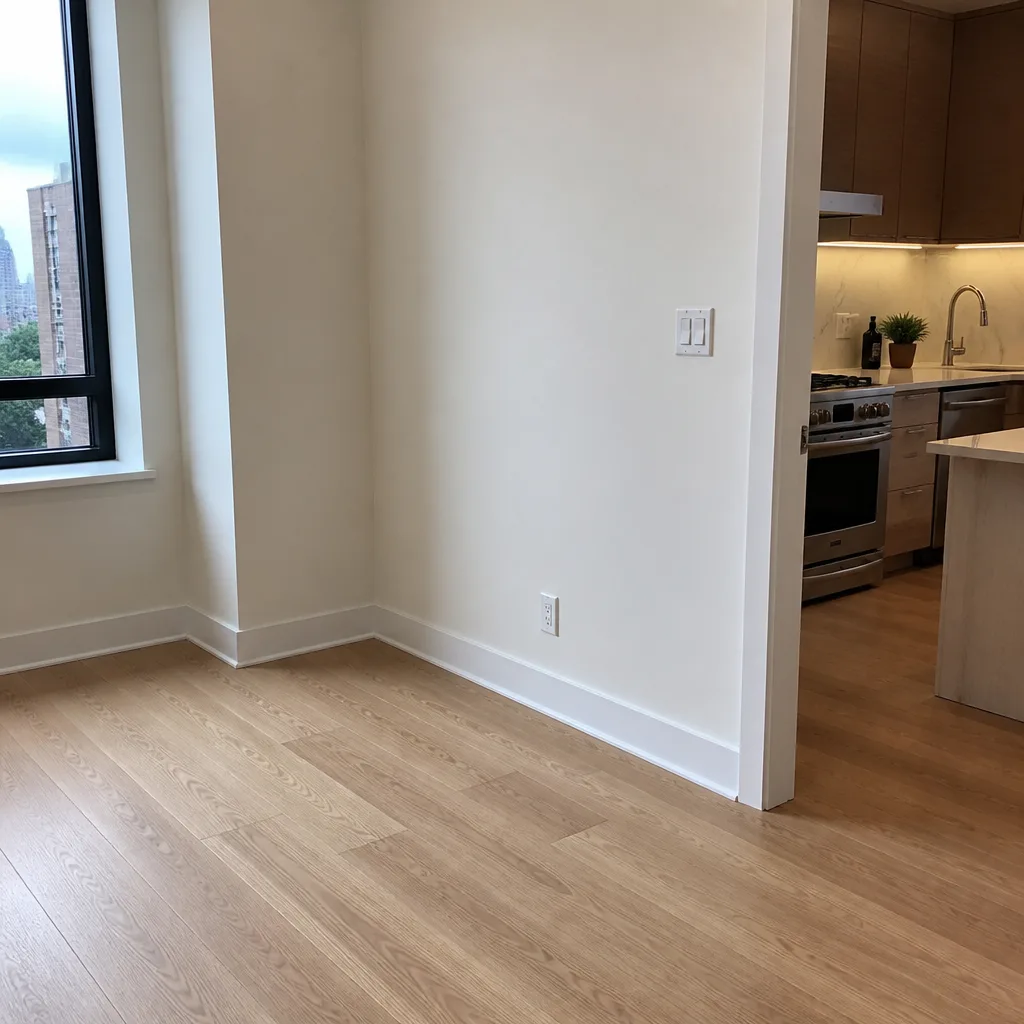 After
After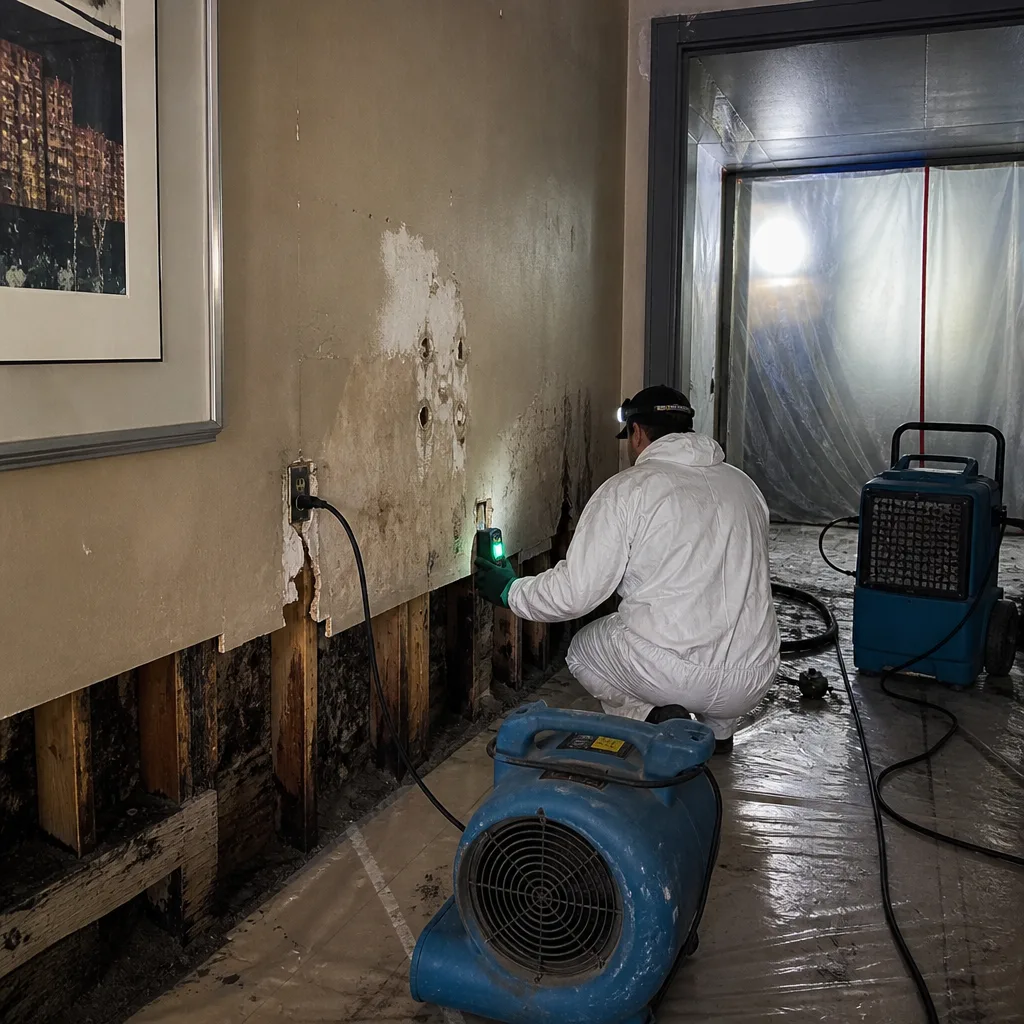 Before
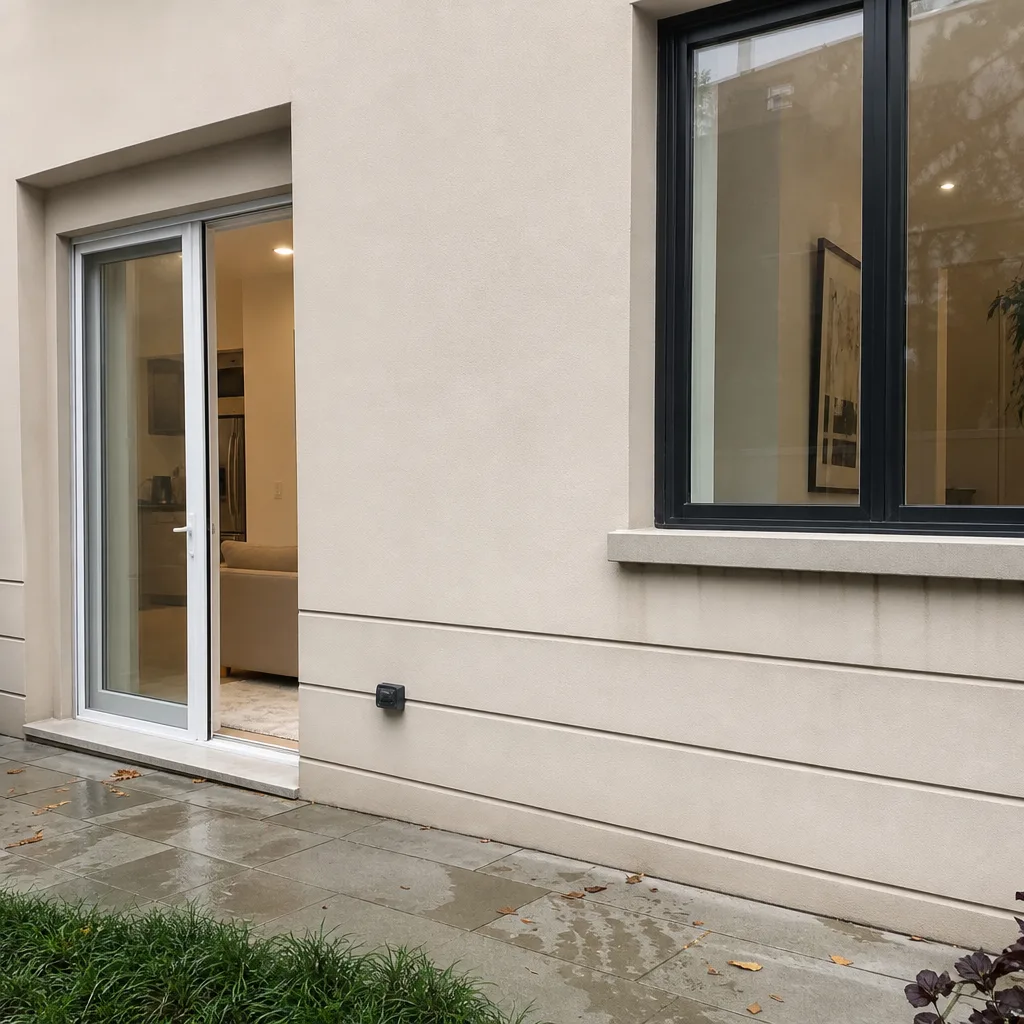 After
After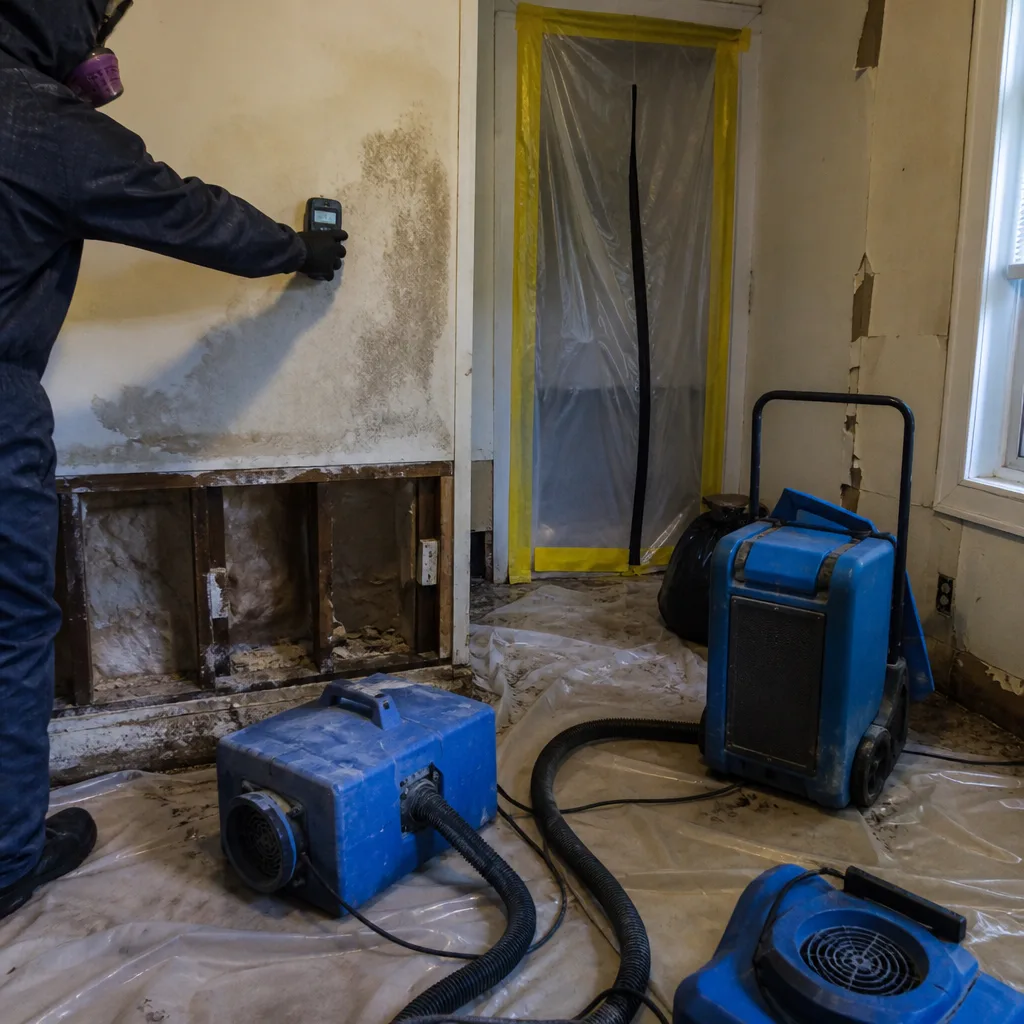 Before
 After
After24/7 Emergency Water Damage Restoration in Midtown Manhattan
Water damage in a Midtown Manhattan high-rise moves fast, and so do we. Call (551) 213-5277 and a live person answers, 24 hours a day, no voicemail, no callback queue. Our crews are dispatched from our New York City office and typically reach Midtown Manhattan properties within 45 minutes. The first hour determines whether you’re looking at extraction and drying or a full gut-and-rebuild - water doesn’t wait, and neither should your response.
We start every emergency with a free visual inspection, a written scope, and a firm price before any equipment runs. That’s Haven Standard, Clause 1. No exceptions. In Midtown’s vertical environment, where a single supply line failure can cascade through 15 occupied floors, that clarity matters more than speed alone.
Understanding Water Damage Restoration Severity in Midtown Manhattan Properties
Water damage classification follows three categories. Category 1 is clean water from a broken supply line or overflowing sink. Category 2 is gray water with contaminants, typical of dishwasher discharge or washing machine failures. Category 3 is black water - sewage, ground flooding, or any water that has passed through soil or waste systems. Midtown Manhattan’s building stock tilts the severity scale quickly: a burst pipe in a pre-war residential tower off West 57th Street isn’t just Category 1 if it saturates asbestos-containing fireproofing from the 1930s. The water picks up fibers, and the loss becomes a regulated abatement event before drying can legally begin.
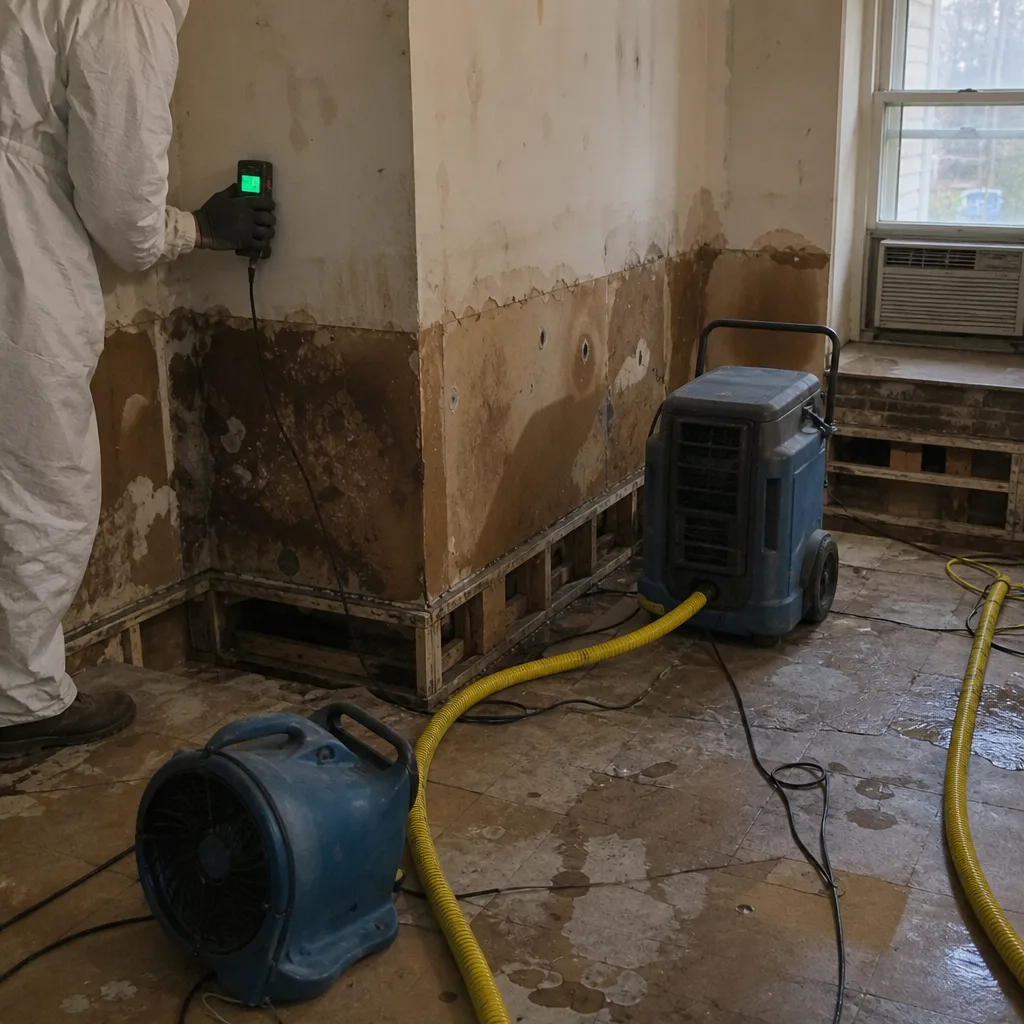
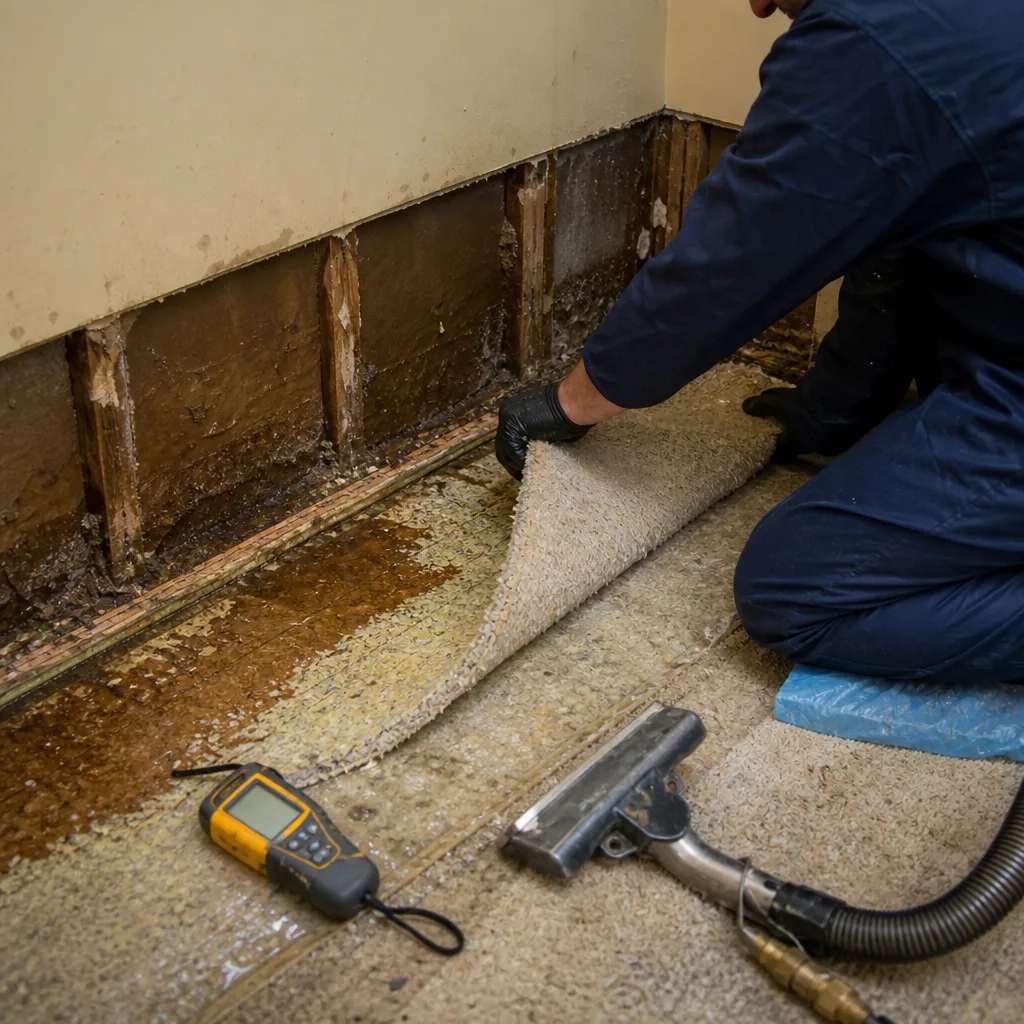
Moisture mapping with thermal imaging and calibrated hygrometers tells us where water has traveled behind wall assemblies and under floor decks. In Midtown’s post-war steel-and-glass towers, curtain-wall systems hide water migration paths that skip floors through perimeter spandrel beams. Structural drying requires psychrometric data - temperature, relative humidity, and vapor pressure differential - to set equipment that actually removes moisture rather than just moving air around. We document every reading, every visit, in a drying log your adjuster can follow line by line.
Why Midtown Manhattan Property Owners Choose DryMark Restoration Upper East Side
- 45-minute response commitment to Midtown Manhattan addresses, because water traveling through a 40-story standpipe system doesn’t observe business hours.
- 24/7 live answer - a real person, never an automated system or voicemail tree, picks up every call to (551) 213-5277.
- IICRC-certified crews holding WRT (Water Damage Restoration Technician), FSRT (Fire & Smoke Restoration Technician), and AMRT (Applied Microbial Remediation Technician) credentials, with license numbers documented on every job file.
- Free visual inspection with a written scope and firm price delivered before any work begins, per Haven Standard, Clause 1.
- Direct insurance billing with photo-documented estimates and daily drying logs that turn restoration invoices into payable claims without adjuster pushback.
- One team from extraction to reconstruction - no handoffs between mitigation and rebuild contractors that lose documentation in the gap.
BeforeAfterOur Water Damage Restoration Process
1. Inspection & Assessment
We arrive with moisture meters, thermal imaging cameras, and borescopes to map the full extent of water migration. In Midtown towers, this means checking not just the visible damage floor but the two floors above and below - water follows conduit runs and column enclosures vertically. We identify the water category, document asbestos-containing materials per NYC DEP requirements, and deliver a written scope with a firm price before any equipment starts.
2. Water Extraction & Stabilization
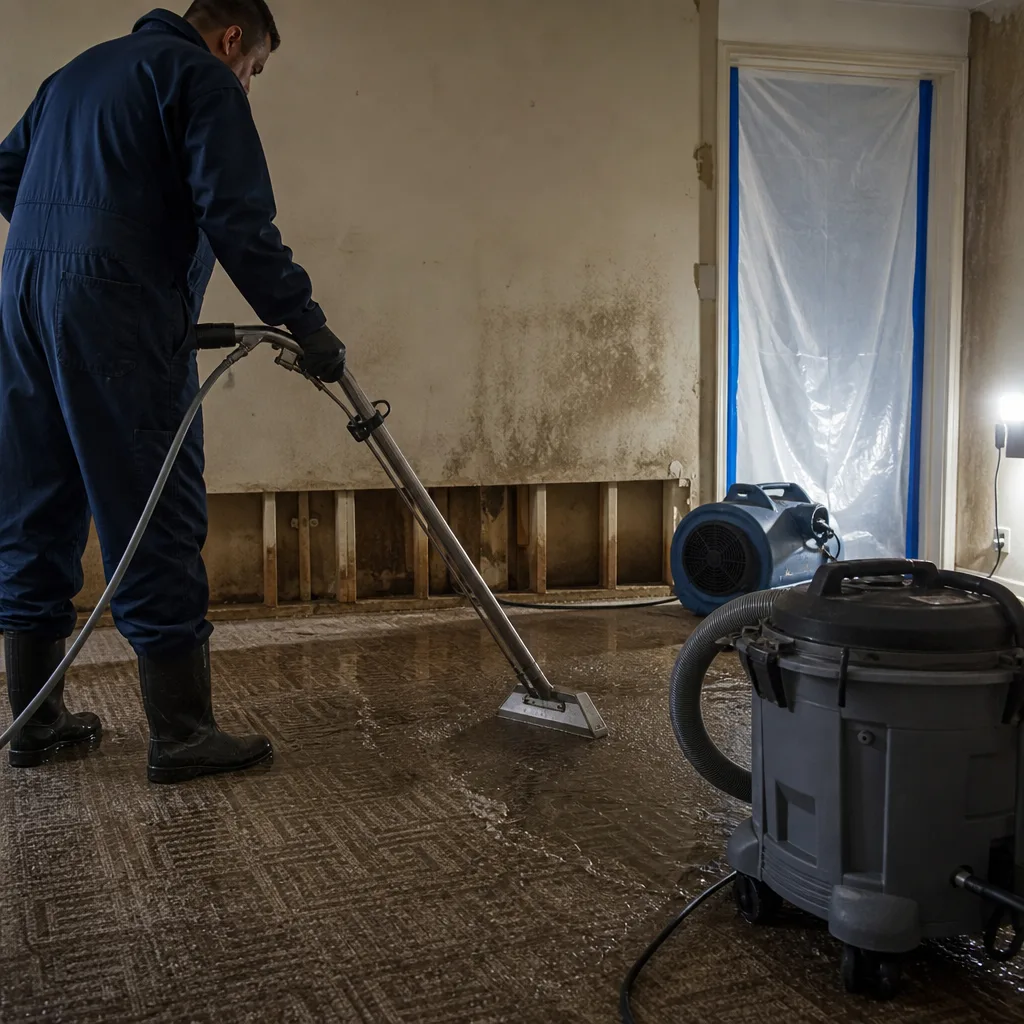
Truck-mounted and portable extraction systems remove standing water. Midtown’s tight freight-elevator clearances and narrow service entrances often require us to hand-carry hose and equipment floor by floor, so we plan extraction sequences that minimize elevator downtime and respect building security protocols. We deploy containment barriers immediately to protect unaffected units and common corridors.
3. Structural Drying & Dehumidification
We set Dri-Eaz and XPOWER low-grain refrigerant dehumidifiers alongside axial and centrifugal air movers positioned for optimal airflow patterns. Drying targets are set by IICRC S500 standards, with daily moisture readings logged to prove progress. In pre-1980 buildings, we coordinate drying schedules around asbestos abatement timelines so no equipment runs in a contained work zone.
4. Cleaning & Sanitization
Category 2 and 3 losses receive antimicrobial treatment and HEPA air scrubbing to capture airborne particulates. In Midtown’s dense occupancy, we seal HVAC returns to prevent cross-contamination and run negative air pressure where required. All surfaces are cleaned to a documented standard, not just “looks dry.”
5. Steam-Source Identification & Correction
Midtown buildings on Con Edison’s district steam loop present a unique failure mode: failed steam traps or distribution valves produce condensation that mimics plumbing leaks. We test vapor temperature and source pressure to distinguish cold-water intrusion from superheated steam condensation. Equipment calibrated for the wrong source extends drying times and masks ongoing damage. Our field teams carry dual-calibration gear for this exact scenario.
6. Repairs & Restoration
Once moisture readings hit dry standard, we deliver a reconstruction scope with the same written-price guarantee. Our crew handles drywall, flooring, paint, and finish carpentry, or we coordinate specialty trades for historic restoration where Midtown’s pre-war character requires matched materials. The 365-Day Done Right Promise covers every phase.
Need Emergency Water Damage Restoration in Midtown Manhattan Now?
Crews minutes away, answering live 24 hours a day. The sooner we start, the less it costs.
Working With Your Insurance Company
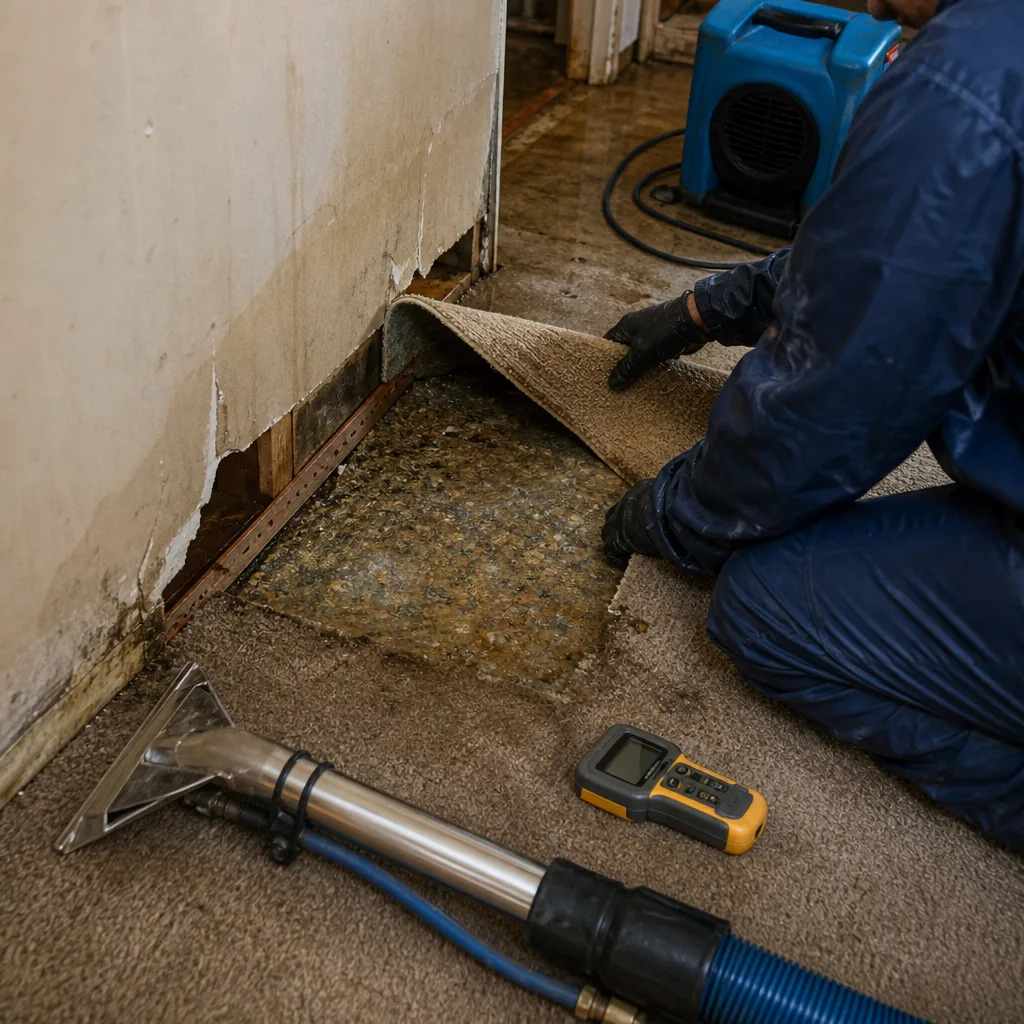
Documentation starts the moment we arrive. Alicia Brennan built this company in 2011 after years as a claims adjuster watching homeowners lose legitimate payouts to sloppy paperwork. We photograph every room, log every moisture reading, and produce a line-item scope that matches industry-standard estimating platforms. Your adjuster receives the same file we give you: no withheld information, no surprise add-ons once work is underway.
Direct coordination means we speak with your carrier, not at you about them. We understand policy limits, code-upgrade coverage, and the difference between recoverable and non-recoverable depreciation. When a Midtown loss spans multiple units or triggers commercial coverage layers, we document each party’s damage separately to prevent claim confusion.
What We Provide Your Insurer
- Thorough documentation of the loss
- Photos of all damage, room by room
- Moisture readings and drying logs
- A detailed, line-item scope of work
- Direct coordination with your carrier
Built for Midtown Manhattan’s Loss Calendar
January’s deep freezes stress rooftop infrastructure across Midtown’s skyline. Cooling towers, HVAC plenums, and parapet flashings crack in freeze-thaw cycles, sending water down through dozens of floors before anyone notices the ceiling stain. Spring thaw brings basement seepage to the limited below-grade spaces near the Hudson and East River corridors. Summer humidity inside older buildings with inadequate vapor barriers accelerates mold colonization behind wall assemblies faster than in less densely built environments - a 72-hour window to mold in standard conditions can compress to 36 hours in a steam-heated pre-war tower with poor air exchange.
Atlantic storm season and nor’easters drive wind-driven rain through curtain-wall joints and window perimeters in post-war towers. The aging cast-iron drain stacks in pre-war residential buildings along corridors like West 57th Street and Park Avenue routinely fail at hub joints, sending water into units two floors below the actual break. Each season carries a distinct loss pattern, and our response protocols adjust accordingly.
Water Damage Restoration Across Midtown Manhattan’s Neighborhoods
Midtown Manhattan isn’t a single market - it’s a patchwork of building eras, each with its own failure modes. In the Theater District around Times Square and West 42nd Street, we handle water losses in century-old office conversions where original cast-iron plumbing shares walls with modern data infrastructure, creating complex access problems. The extraction hose has to clear historic marble lobbies and narrow passenger elevators sized for 1920s traffic.
East of Fifth Avenue, the Plaza District’s 1950s-1970s international-style towers present different challenges: flat roof membranes past their service life, internal drain leaders that clog with construction debris, and curtain-wall systems where perimeter sealant failure channels water behind interior gypsum for weeks before detection. We regularly deploy moisture mapping across multiple floors to trace these lateral migration paths.
West 57th Street’s Billionaires’ Row corridor mixes ultra-slim new construction with pre-war residential stock. The new towers have their own issues - pressurized mechanical floors, complex greywater systems, and facade access equipment that can leak - but the pre-war buildings nearby still run on Con Edison steam and still carry asbestos fireproofing that stops work until NYC DEP clears the abatement plan.
Near the Hudson Yards transition zone, we’re seeing more losses from infrastructure-adjacent construction dewatering and disturbed century-old utility tunnels. Each corridor demands different equipment configurations, different building access protocols, and different documentation for insurers who may not know Midtown’s regulatory landscape.
Specialized Water Damage Restoration Services We Offer in Midtown Manhattan
Emergency Water Extraction
Standing water in a Midtown tower doesn’t stay put. We deploy truck-mounted and portable extraction systems sized to the loss, with crews trained to navigate freight elevators, service corridors, and loading dock schedules that limit equipment access. Every minute of delay means water reaching another floor through vertical chases.
Structural Drying & Dehumidification
Our drying protocols use Dri-Eaz and XPOWER equipment to hit target equilibrium moisture content for each material class: wood framing, concrete, gypsum, and hardwood. Daily psychrometric logs track specific humidity, dew point, and vapor pressure differential so we can prove drying progress to your adjuster and avoid premature teardown of salvageable assemblies.
Flood Cleanup
Midtown’s limited flood exposure comes mainly from infrastructure failures, not storm surge - burst water mains, combined sewer backups in older connections, and construction-site dewatering errors. Category 3 flood losses require full PPE, antimicrobial treatment, and documented clearance testing before reconstruction. We handle the regulatory filing, not just the cleanup.
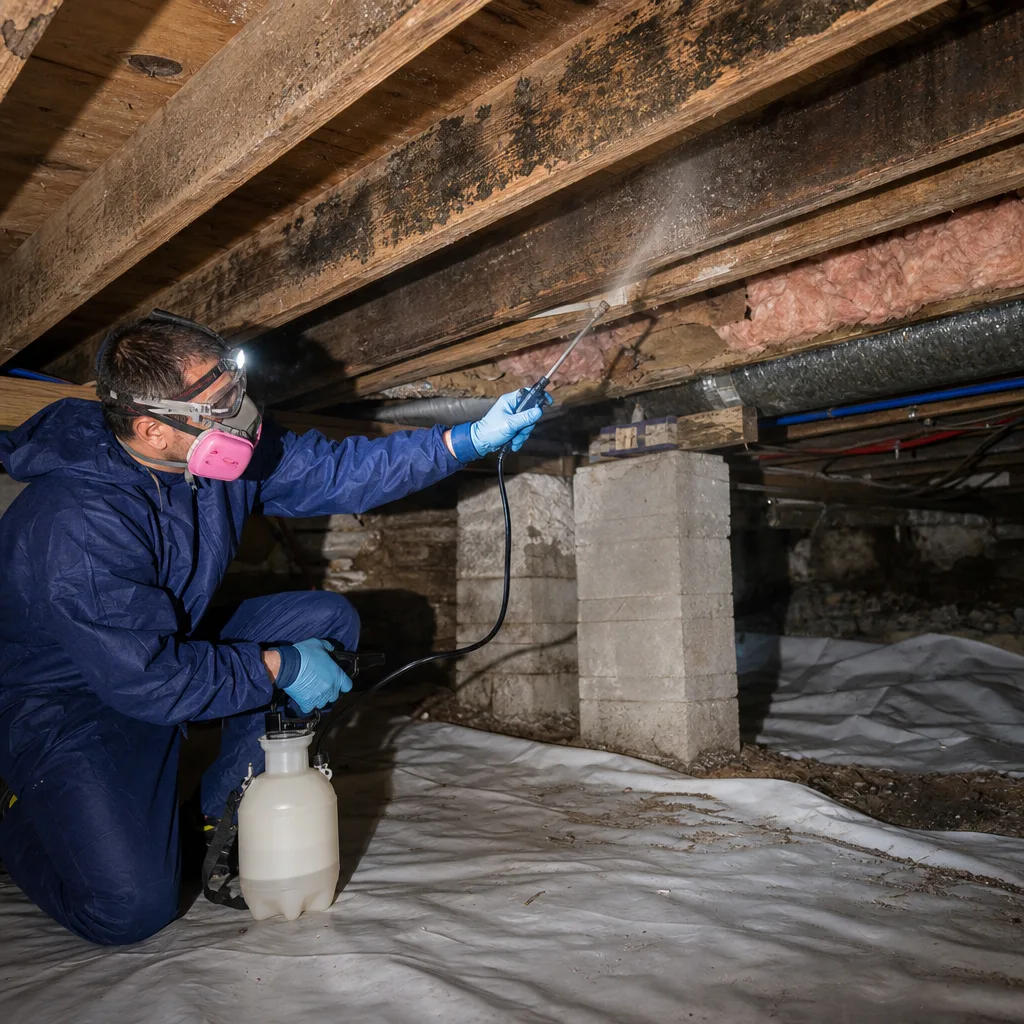
Burst Pipe Restoration
Pre-war cast-iron stacks, mid-century copper, and modern PEX each fail differently. We identify the pipe material, document the failure mode for your insurer, and scope replacement to code requirements that may trigger upgrade coverage in older buildings. Our reconstruction crew handles repiping through finished walls without unnecessary demolition.
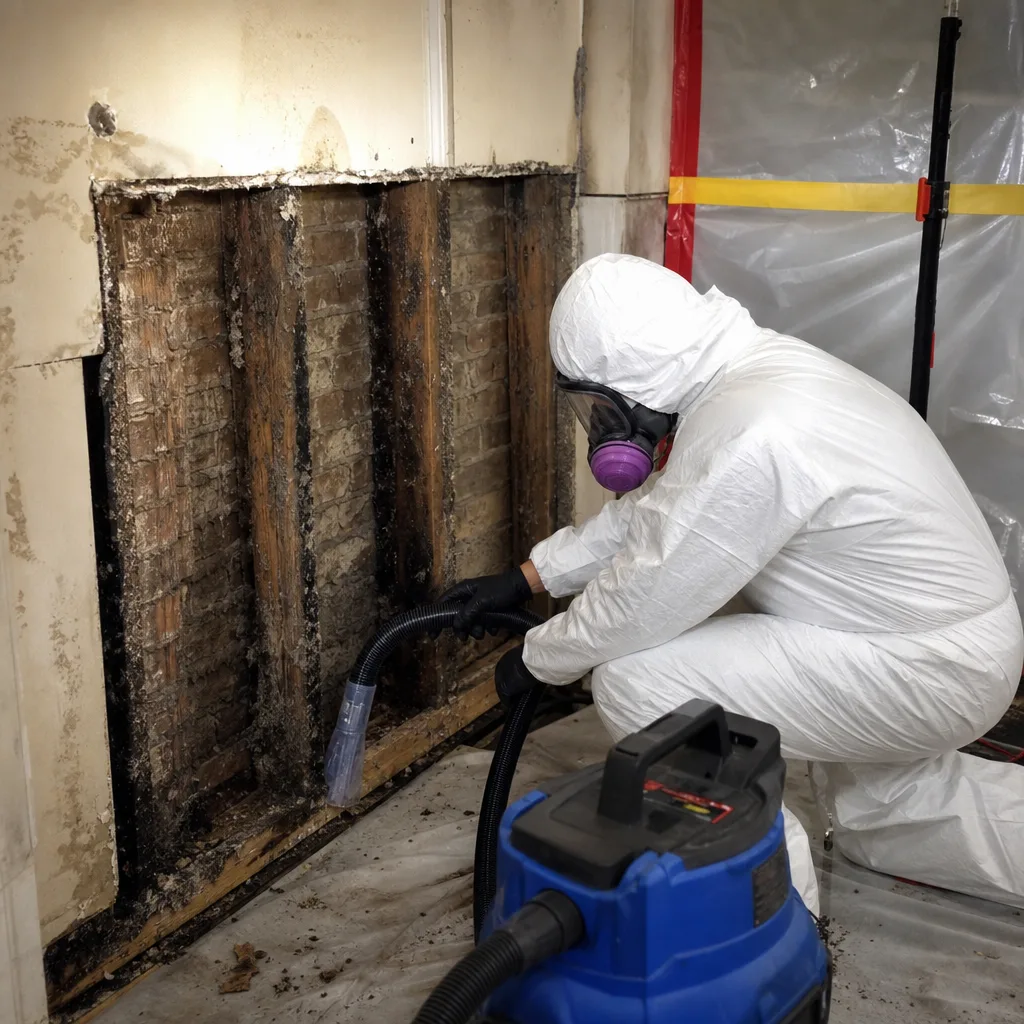
Basement Water Removal
Midtown’s few below-grade spaces - utility vaults, mechanical rooms, and the occasional historic building cellar - require specialized submersible pumps and confined-space protocols. We document water origin and map seepage paths that may indicate foundation or sewer lateral issues requiring separate remediation.
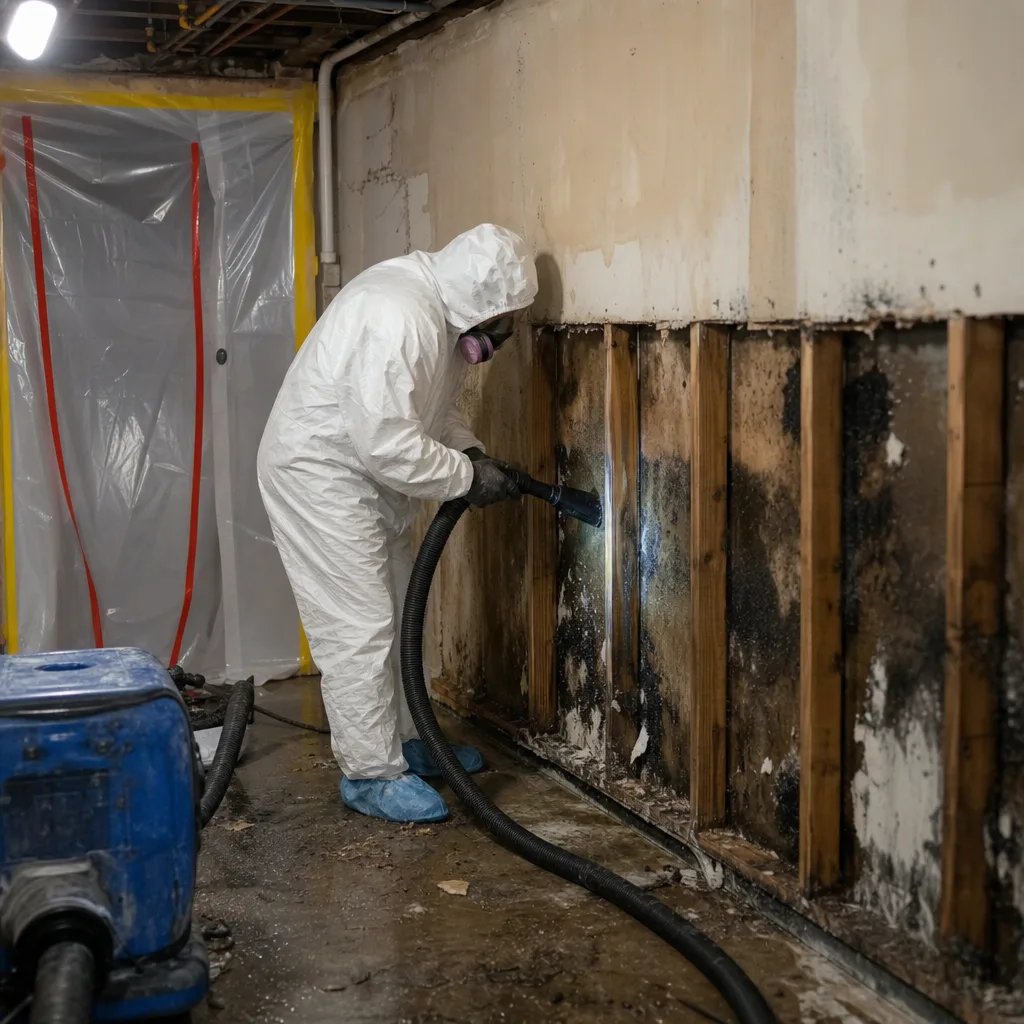
Ceiling & Roof Leak Water Damage
Rooftop-origin water intrusion is a leading loss source in Midtown, where freeze-thaw damage to cooling towers and parapet flashings sends water down through dozens of floors. We trace the actual entry point, document the roof condition for your property manager or insurer, and coordinate drying across multiple affected units with individual scopes for each party’s coverage.
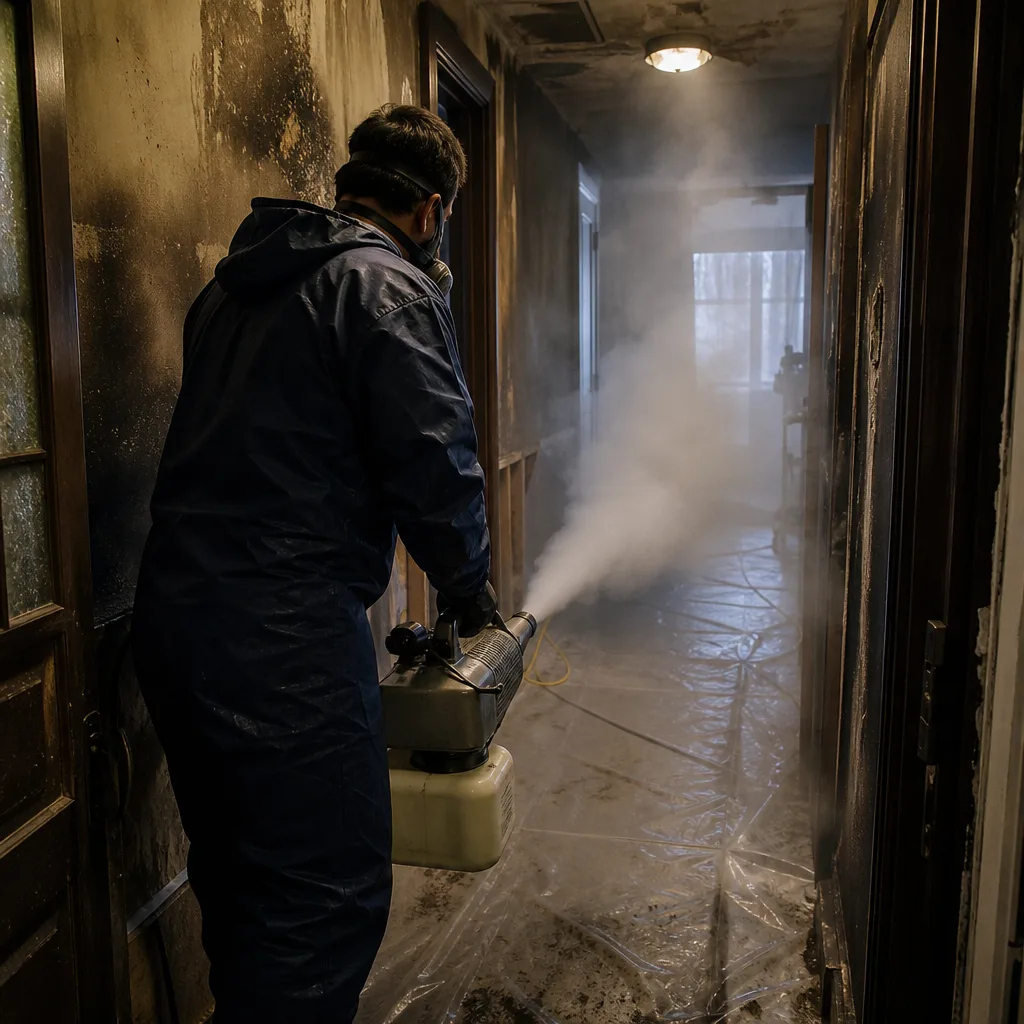
What happens when you call
- 1
A real person answersNo phone trees - you reach a local pro.
- 2
You get an upfront price rangeHonest numbers before anyone is dispatched.
- 3
A background-checked tech heads outLicensed & insured, dispatched right away.
- 4
You approve before work beginsNothing starts until you say go.
Water Damage Restoration Costs in Midtown Manhattan, NY
Water damage restoration in Midtown Manhattan typically runs higher than outer-borough or suburban markets due to vertical access constraints, asbestos abatement requirements, and the density of high-value finishes. Here’s what we see in our written scopes:
| Service | Typical Range in Midtown Manhattan |
|---|---|
| Emergency water extraction (per affected floor) | $800 - $2,400 |
| Structural drying & dehumidification (per day, equipment rental) | $350 - $750 |
| Asbestos abatement coordination (pre-1980 buildings, per containment area) | $1,500 - $4,000 |
| Ceiling/roof leak water damage repair (per unit, moderate) | $3,200 - $8,500 |
| Burst pipe restoration with drywall repair (per room) | $2,800 - $6,500 |
| Full reconstruction after major loss (per affected floor) | $15,000 - $45,000+ |
What moves the price: number of floors affected, presence of asbestos-containing materials requiring NYC DEP abatement before drying, after-hours or weekend emergency rates, and the class of finishes being restored. Insurance typically covers sudden and accidental water damage; gradual leaks and maintenance-related failures often fall to the property owner. We provide a free visual inspection and written scope so you know exactly where you stand before any work begins. Call (551) 213-5277 for your estimate.
We Also Serve Cities Near Midtown Manhattan
Our crews respond throughout the immediate metro from our New York City office. We regularly handle losses in Midtown Manhattan and the surrounding areas: Upper East Side, Manhattan, Upper West Side, and Astoria. Each market has distinct building stock and regulatory requirements, and our documentation protocols adapt to each.
Serving Midtown Manhattan, NY - Our Local Coverage Area
We’re based in the Midtown Manhattan area and know this community well. Use the map below to see our service coverage - if you’re nearby, we can almost certainly help.
Midtown Manhattan Water Damage Restoration Questions, Answered
Does a water leak in a Midtown high-rise always require asbestos testing before drying?
No, but in practice, almost every significant loss in a pre-1980 Midtown tower does. Asbestos fireproofing on structural steel and pipe insulation was standard construction practice through 1980. Once water saturates these materials, NYC DEP protocols mandate abatement containment before drying or reconstruction equipment can operate in the space. We test during our initial assessment and coordinate abatement contractors so the drying timeline isn’t stalled by regulatory surprises. Call (551) 213-5277 and we’ll walk through your building’s specific requirements.
A pipe burst in my pre-war Midtown condo - how fast can mold start?
Mold colonization can begin within 24 to 72 hours of water intrusion, but in Midtown’s pre-war buildings, the timeline compresses. Con Edison district steam heating maintains elevated interior temperatures year-round, and older buildings often lack adequate vapor barriers behind wall assemblies. We’ve documented active mold growth in 36 hours in steam-heated towers with poor air exchange. Immediate extraction and dehumidification are critical. Our crews carry antimicrobial pretreatment for Category 1 losses that show elevated humidity readings. Call (551) 213-5277 for emergency dispatch.
Why did my condo get water damage two floors below the actual leak?
Water in high-rise construction travels vertically through structural chases, conduit runs, and column enclosures that connect floors. In Midtown’s pre-war towers, cast-iron drain stacks with hub-and-spigot joints can leak at connections and channel water down the pipe exterior. Post-war towers have perimeter spandrel beams and curtain-wall cavities that create hidden lateral paths. Our moisture mapping traces the actual route so your scope addresses all affected areas, not just the visible stain. Call (551) 213-5277 for a free inspection with thermal imaging.
My Midtown building runs on Con Edison district steam - could my leak be steam condensation, not plumbing?
Yes, and this misdiagnosis is common enough that we carry dual-calibration equipment specifically for it. Failed steam traps or distribution valves produce condensation that drips from ceilings and walls, appearing identical to a cold-water pipe leak. Standard drying equipment calibrated for cold water won’t handle superheated steam vapor, and running the wrong gear masks the ongoing intrusion until the trap is replaced. We test vapor temperature and source pressure during assessment to identify the true origin. Our field teams have handled this exact scenario in towers from West 57th Street to the Plaza District. Call (551) 213-5277 for source identification.
How do you handle pack-out and contents in a Midtown tower with tight freight-elevator access?
We plan pack-out sequences around building elevator schedules and service corridor availability, often staging contents in a secured ground-floor area for cleaning and storage rather than removing them from the building entirely. For high-value residential units, we photograph every item before movement and document condition with the owner present. In buildings with no freight elevator, we use compact stair-climbing equipment and crew teams trained to navigate tight turns without damaging common-area finishes. The pack-out plan is written into your scope before any item moves. Call (551) 213-5277 to review access options for your building.
How long does structural drying take in a Midtown high-rise?
Standard residential drying takes 3 to 5 days, but Midtown towers often run longer. Pre-1980 buildings with asbestos abatement requirements add 2 to 5 days for DEP containment setup and clearance before drying equipment can operate. Steam-source misdiagnosis can extend timelines by 3 to 7 days if the original crew set cold-water gear. Dense concrete construction and limited ventilation in mechanical floors also slow evaporation. We provide daily moisture logs so you and your insurer can track progress against documented dry standards, not guesswork. Call (551) 213-5277 for a timeline estimate specific to your loss.
Can we stay in the unit during water damage restoration?
Sometimes, for Category 1 losses limited to a single room with contained equipment and no demolition. For Category 2 or 3 losses, any loss with asbestos abatement in progress, or multi-room drying with significant air mover noise, temporary relocation is usually necessary. We specify occupancy status in your written scope before work begins so there are no surprises at 10 PM when the dehumidifiers hit full cycle. For Midtown residents, we can coordinate with building management on access protocols that minimize disruption to neighboring units. Call (551) 213-5277 to discuss your situation.
What certifications do your technicians carry?
Our water damage restoration technicians hold IICRC WRT (Water Damage Restoration Technician) certification at minimum, with senior staff carrying FSRT (Fire & Smoke Restoration Technician) and AMRT (Applied Microbial Remediation Technician) credentials. All work is documented to IICRC S500, RIA, and IFA standards. License numbers are recorded on every job file and available to your insurer on request. Background checks and verification are completed before any technician enters a Midtown building. Call (551) 213-5277 to confirm current credentials for your scheduled crew.
We got the call from a property manager on a pre-war residential tower off West 57th Street after a Con Edison steam trap failure on an upper floor - condensation was dripping into a tiled bathroom two units down, and the first responder had set cold-water drying equipment that masked the ongoing superheated-steam intrusion. Our techs did moisture mapping across three floors, replaced the misapplied setup with gear matched to the steam source, ran Dri-Eaz dehumidifiers and XPOWER air movers, logged daily moisture readings in a drying log, and handed the board a clear scope of work showing the trap repair as the true source. That documentation got the insurance claim paid without dispute.
Midtown Manhattan’s pre-1980 towers are loaded with asbestos fireproofing on structural steel and asbestos pipe insulation, so nearly every significant water loss here trips mandatory NYC DEP asbestos abatement protocols before drying or reconstruction can legally start - a regulatory layer you rarely hit at this density in any neighboring market. Our Water Damage Restoration team coordinates abatement contractors, DEP filings, and drying schedules as a single managed timeline so your claim doesn’t stall between phases.
Every job we handle in Midtown Manhattan carries the same guarantees: a written price before work begins, a photo record on every visit, daily moisture logs, and the 365-Day Done Right Promise backed by The Haven Standard. We’ve restored 12,000+ homes since 2011, and every one started with documentation, not a sales pitch. If you’ve received a competitor’s written estimate, we’ll review it free under our Second Opinion program.
Call (551) 213-5277 now. A live person answers, 24 hours a day, and we’ll have a crew moving toward your Midtown Manhattan property within the hour.
Written by Alicia Brennan, Owner at DryMark Restoration Upper East Side, serving Midtown Manhattan since 2011.
Water Damage Restoration in Nearby Areas