
Free visual inspection and a written scope of work before any mitigation begins - photos, moisture readings, and drying logs go in your claim file
The scope we write is the scope we bill. Anything new gets shown to you, in writing, before we touch it.
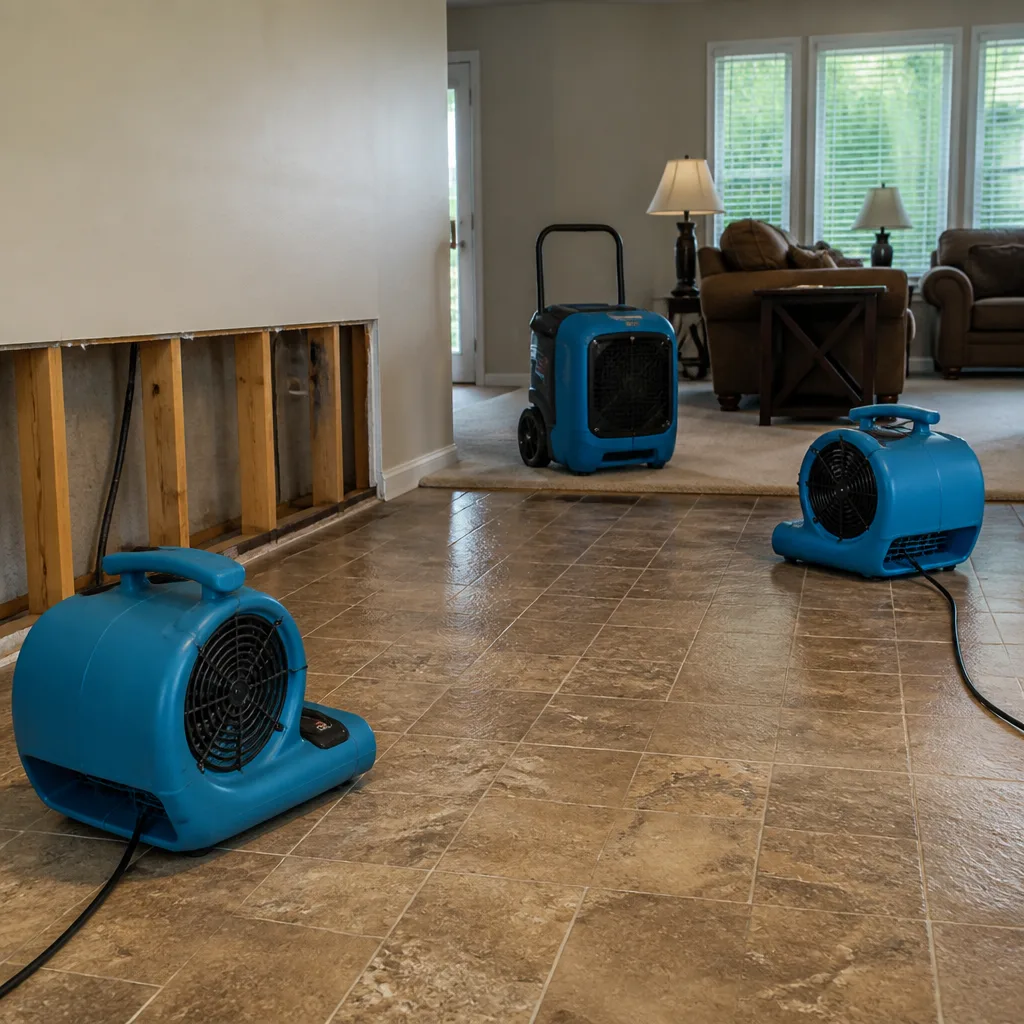
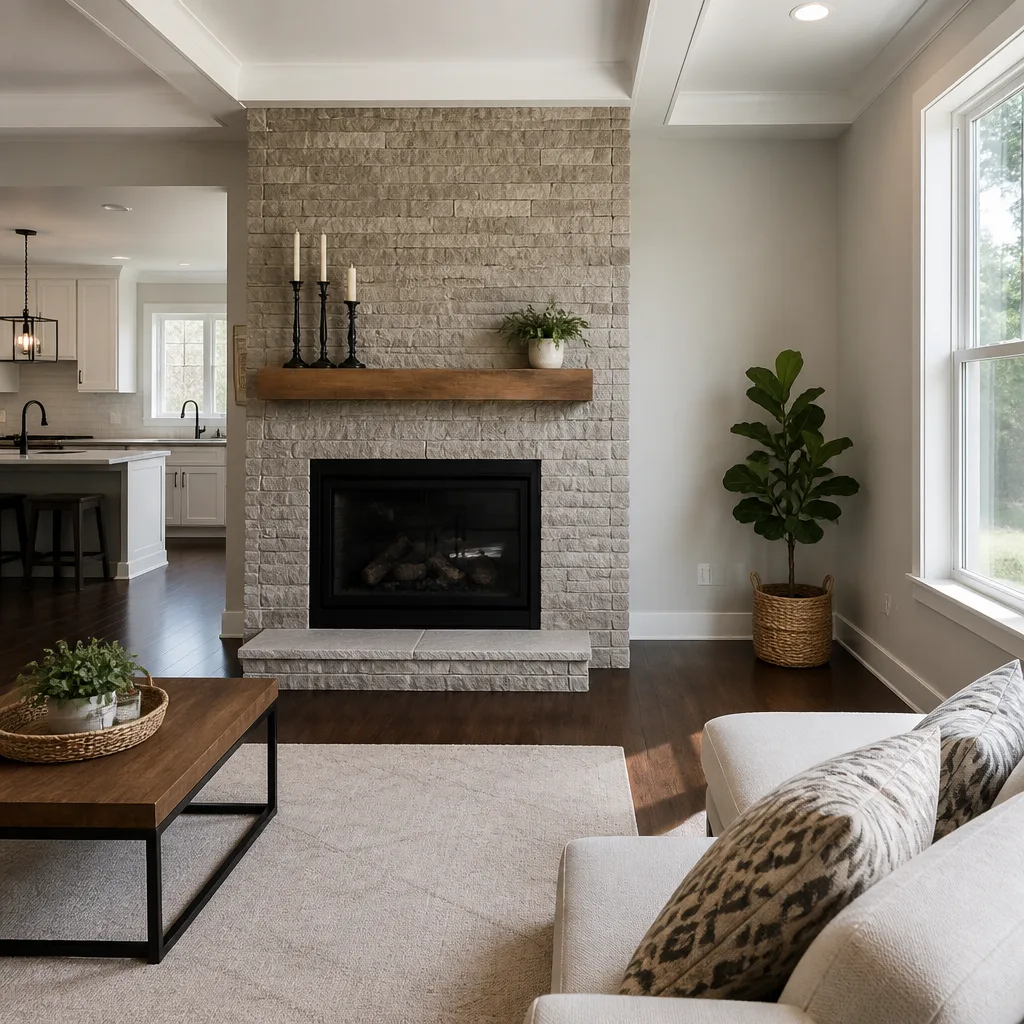
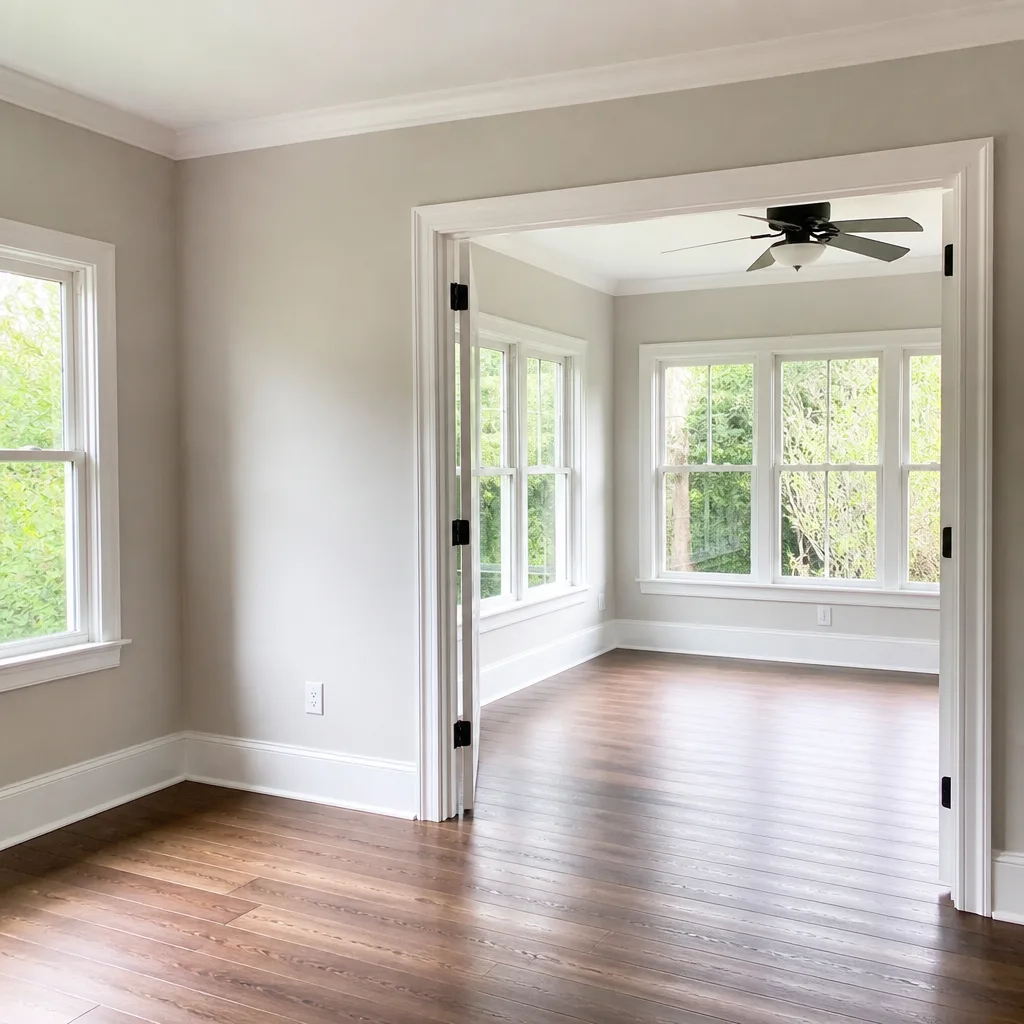
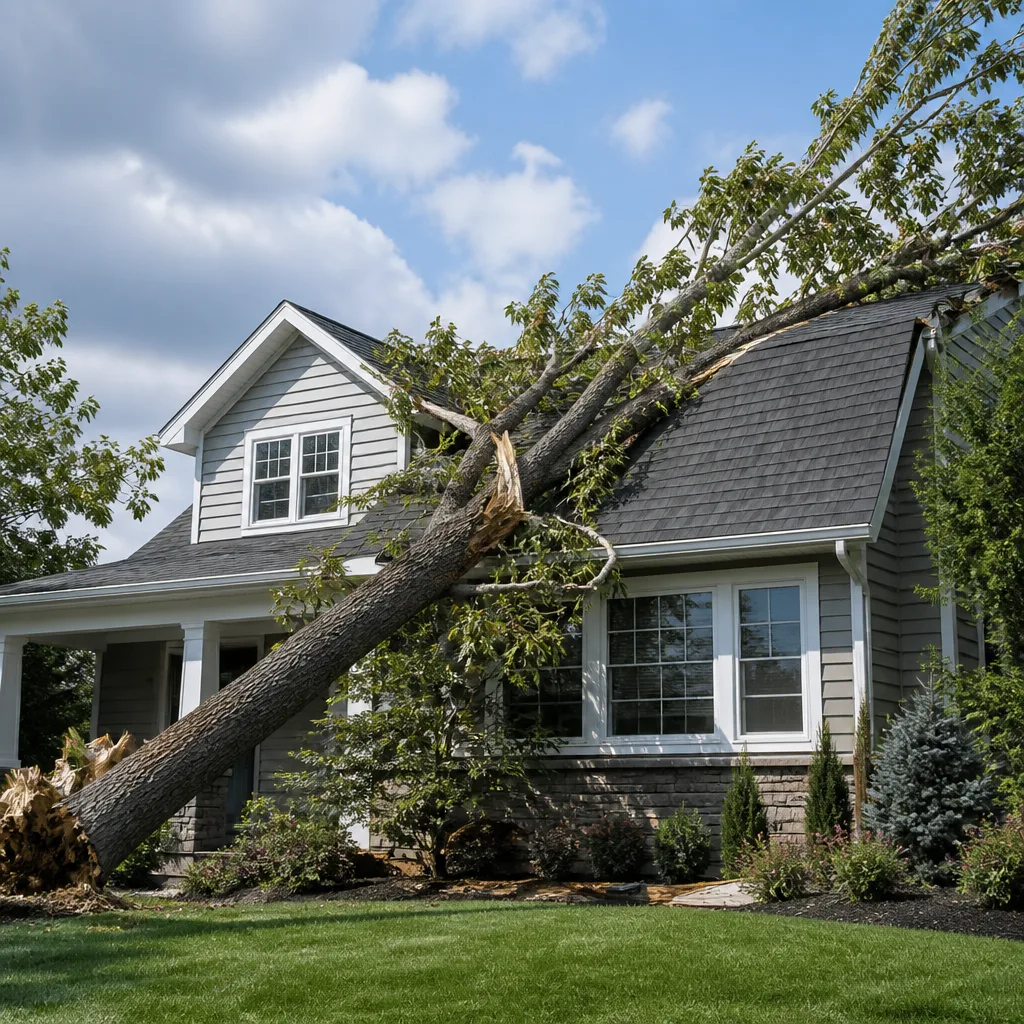
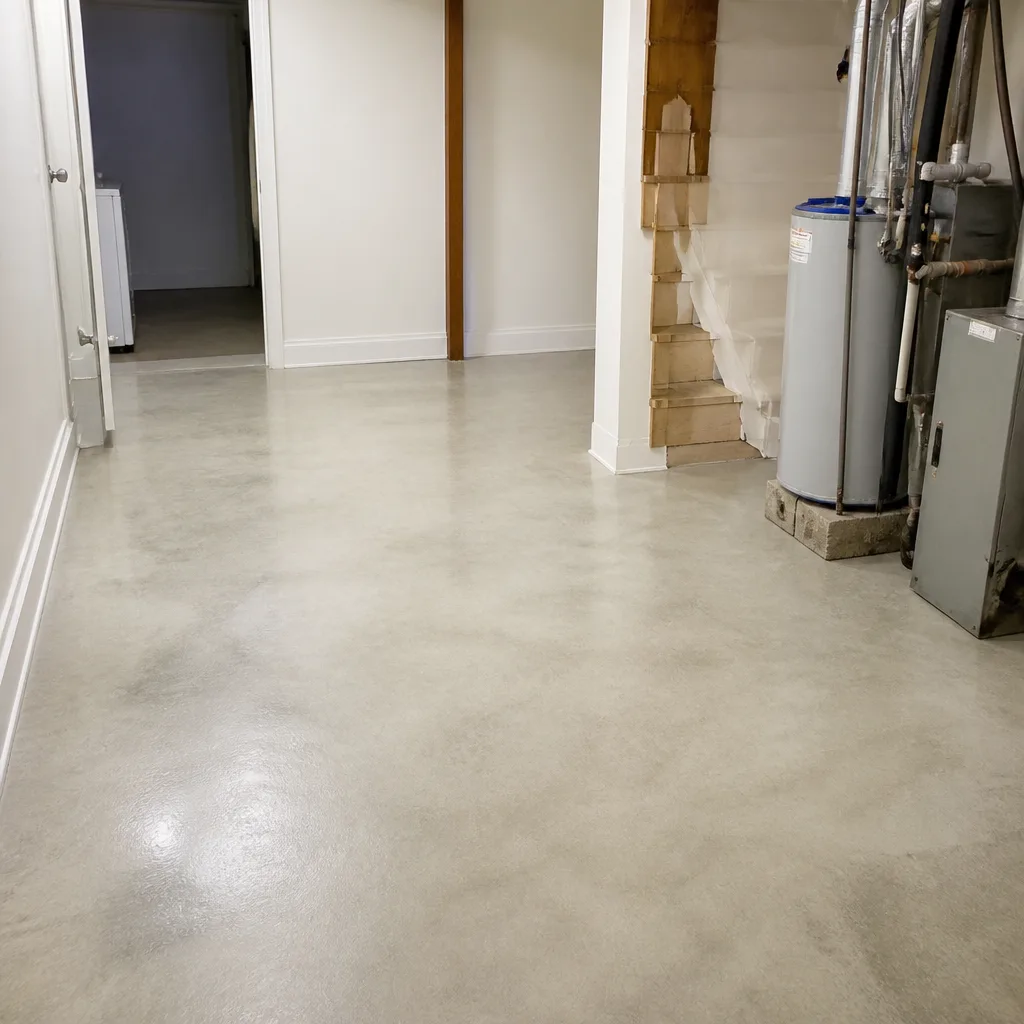
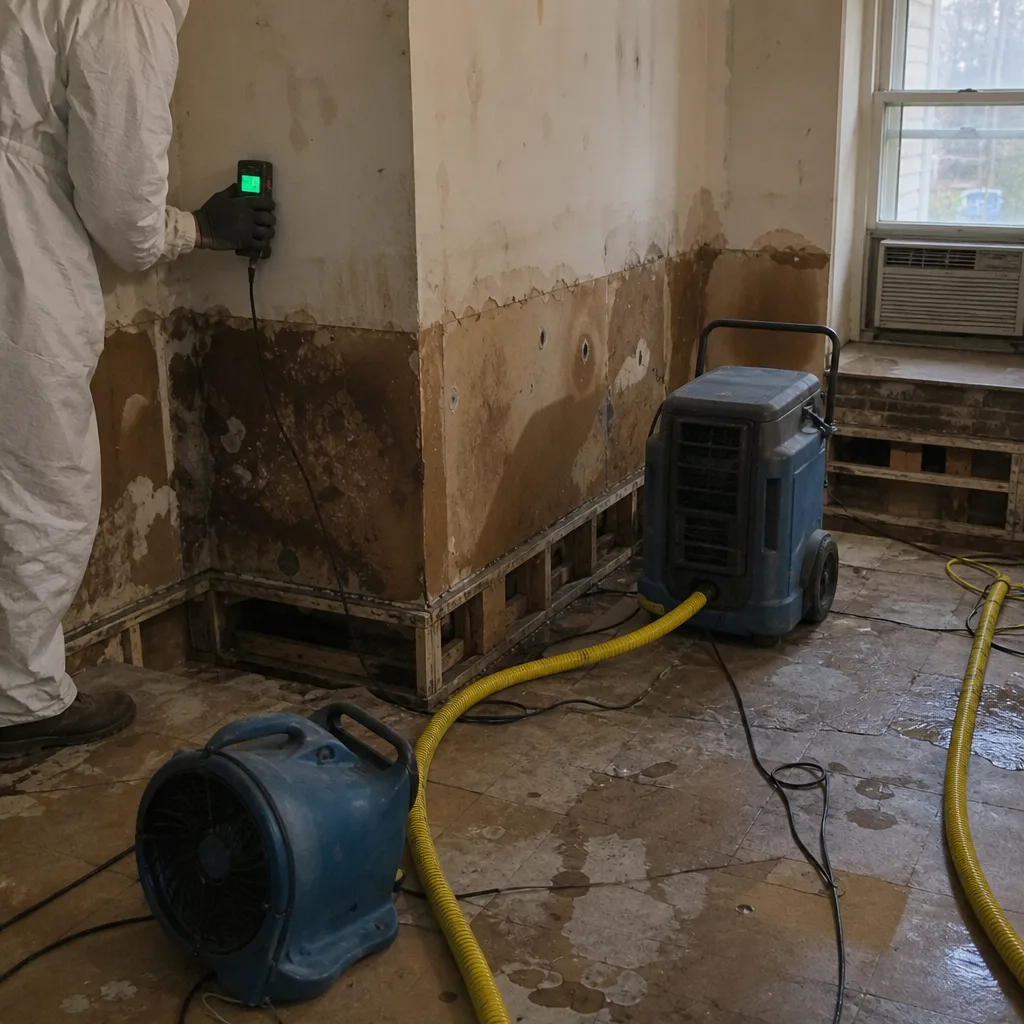 Before
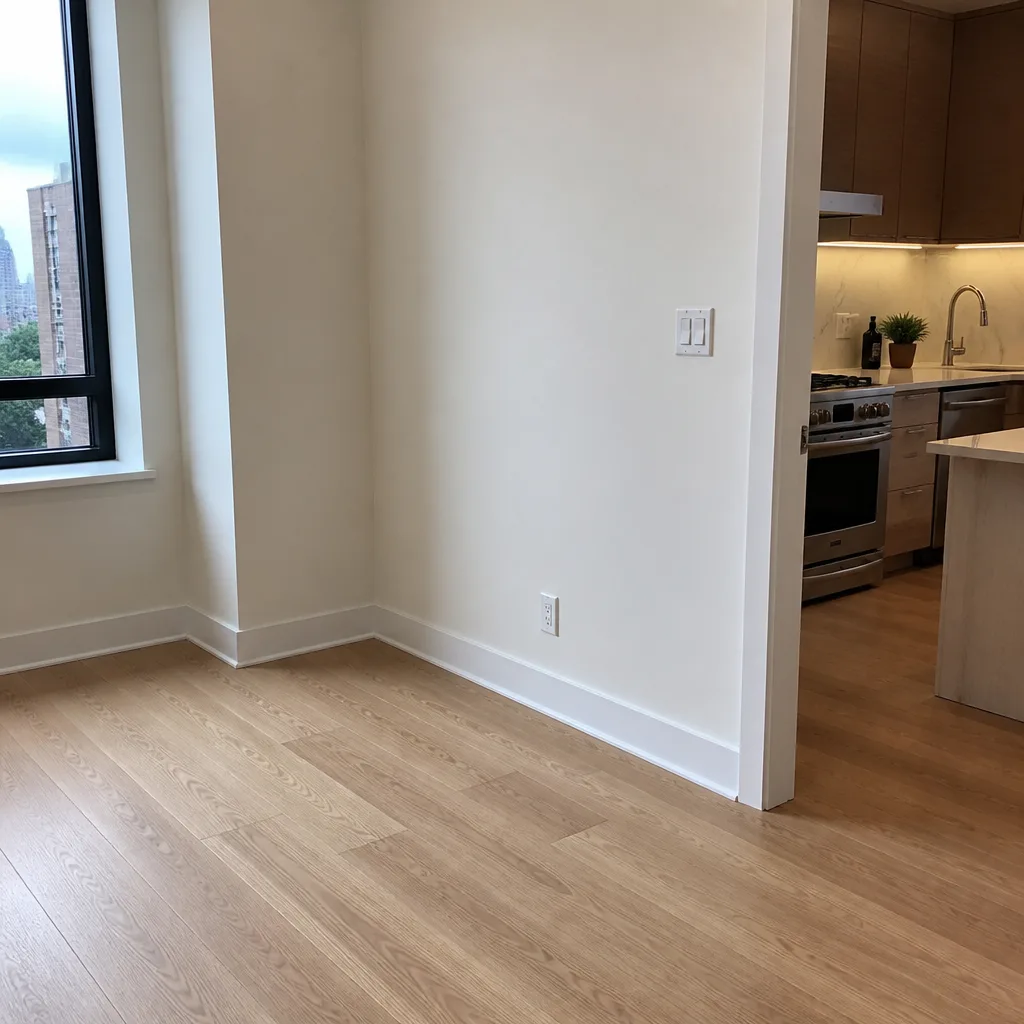 After
After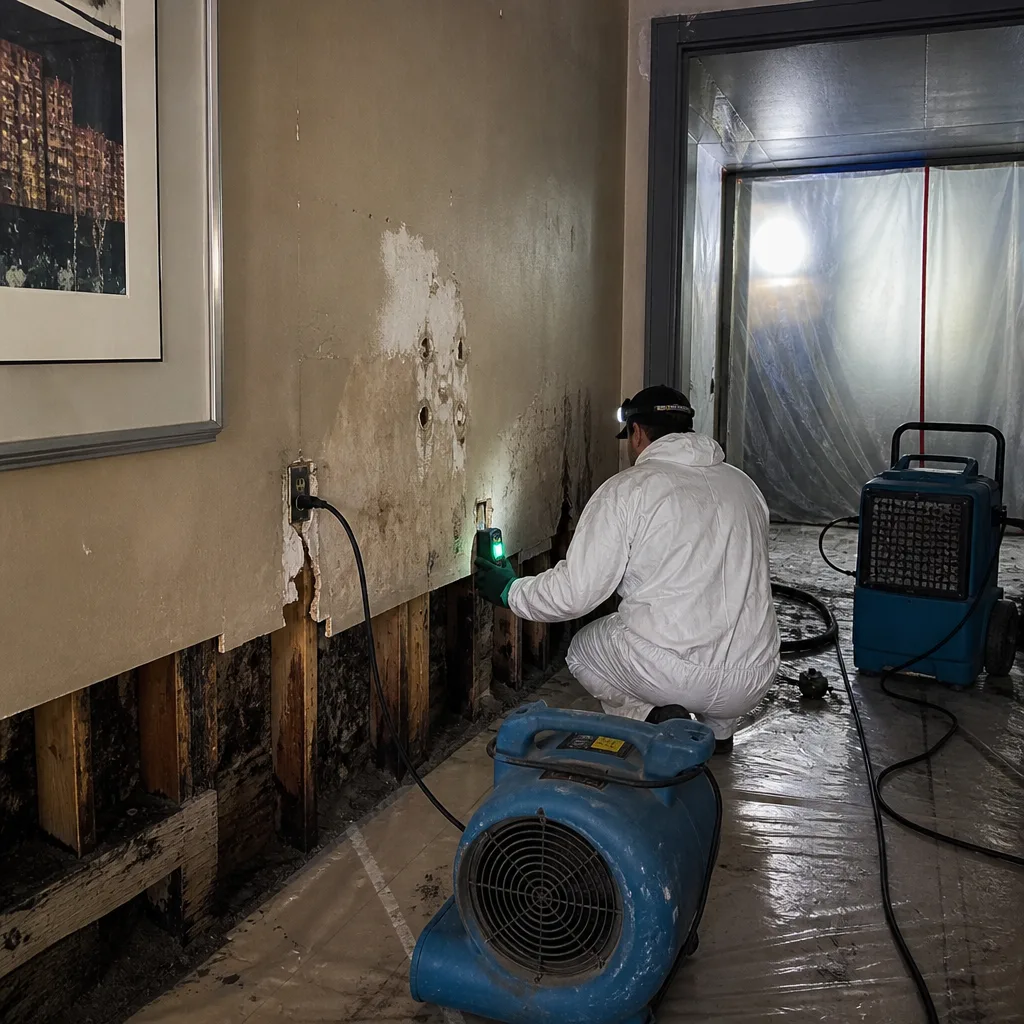 Before
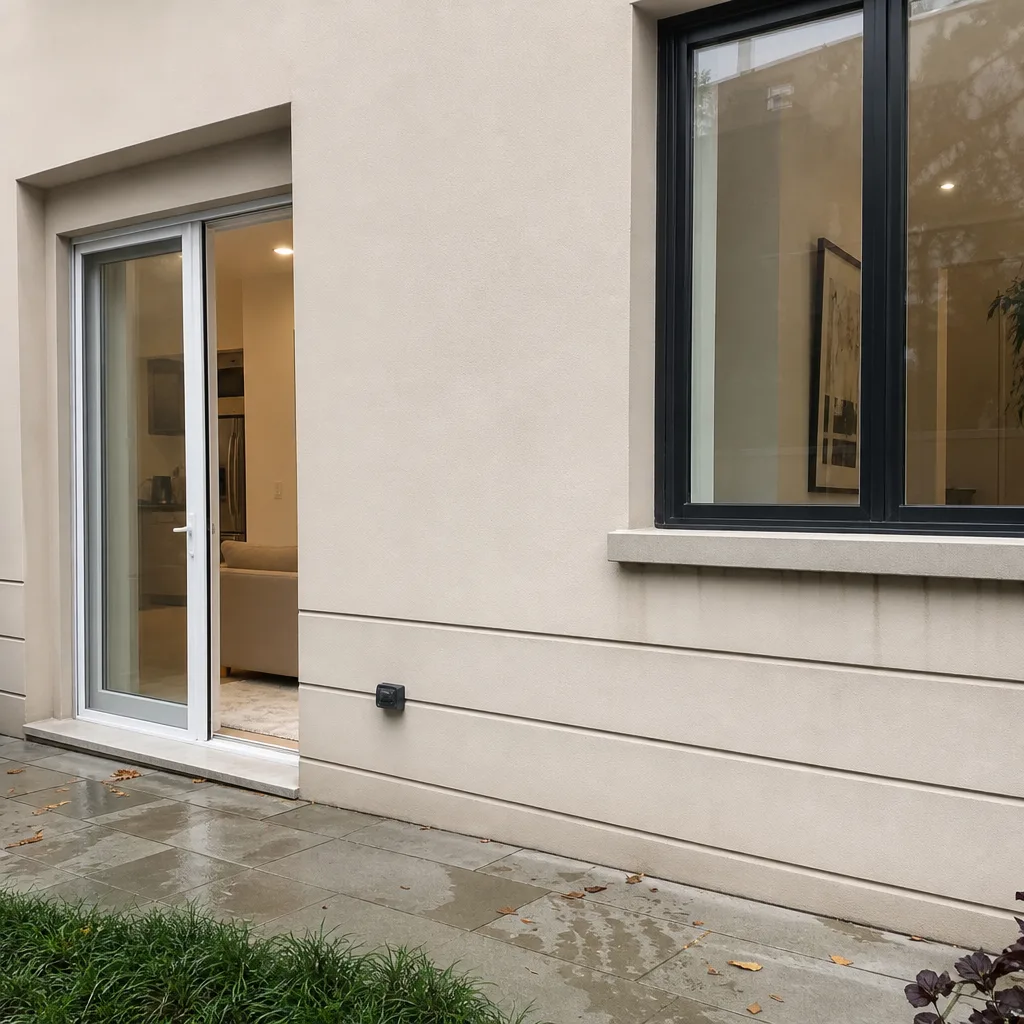 After
After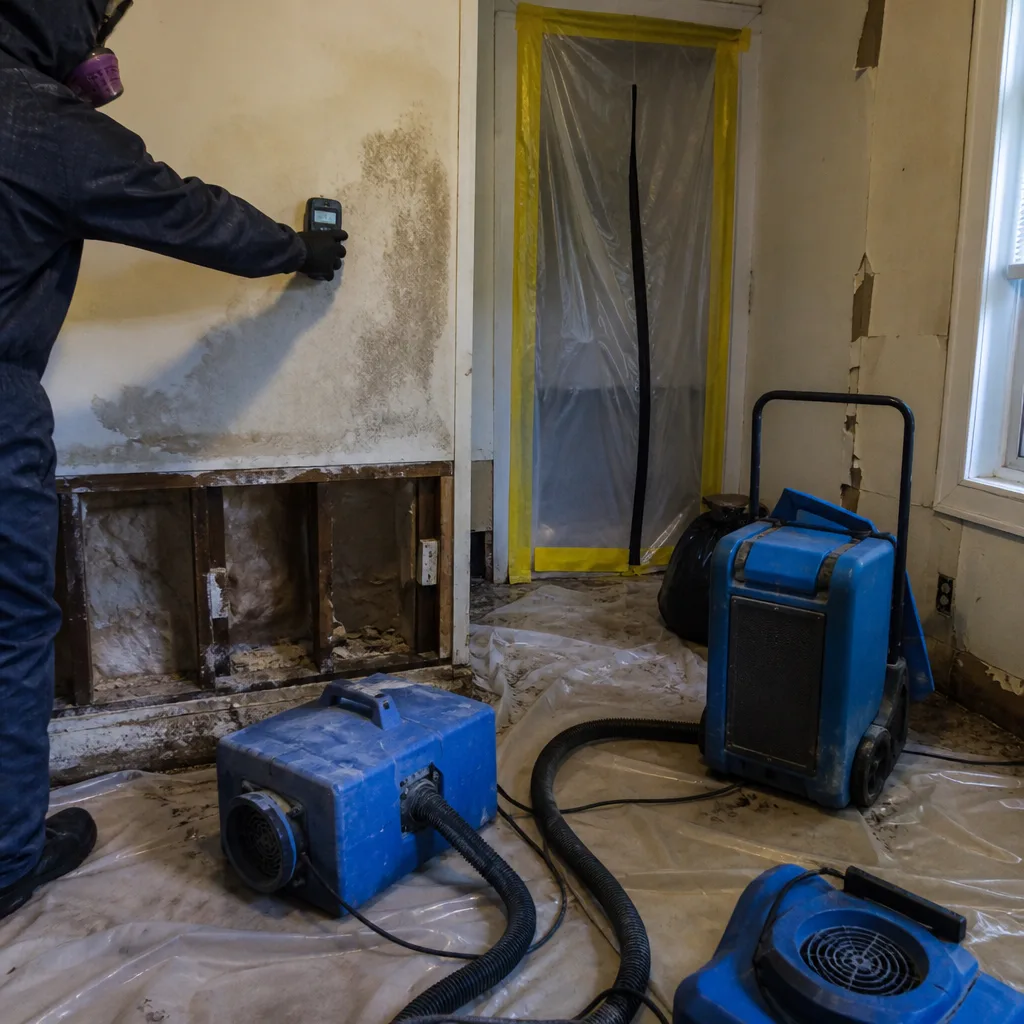 Before
 After
After24/7 Emergency Water Damage Restoration in Upper West Side
Water damage in an Upper West Side prewar building moves fast. Call (551) 213-5277 and a live person answers, 24 hours a day. We dispatch crews into the Upper West Side from our New York City office, and we arrive with moisture meters, thermal imaging, and the documentation kit that starts your claim file from minute one. The first hour determines whether water stays contained to one room or wicks through horsehair plaster into three neighboring units. We don’t guess. We measure, photograph, and start drying with a written scope in hand.
Understanding Water Damage Restoration Severity in Upper West Side Properties
Water damage in the Upper West Side falls into three categories under IICRC standards. Category 1 is clean water from a supply line, still urgent in a 1910 co-op with horsehair plaster over wood lath because that plaster can hold 20% moisture by weight before it shows visible damage. Category 2 carries contaminants, common when a 1920s cast-iron drain stack fails and mixes with soap and organic matter. Category 3 is black water, sewage or ground flooding, and triggers full gut protocols on any porous material it touches.
Upper West Side buildings built 1895-1940 present a unique severity profile. Their limestone and brick envelopes absorb Hudson River wind-driven rain through micro-cracks, then hold that moisture against original plaster. Steam-heat piping runs through wall cavities, creating vapor pressure differentials that push moisture sideways into units the leak never directly touched. Our crews map this with FLIR thermal imaging and pinless moisture meters, then document psychrometric data, the temperature, relative humidity, and vapor pressure that tells us whether we’re actually drying the material or just the air around it. If your property has also suffered fire damage, we offer Fire & Smoke Damage Restoration in Upper West Side as well.
Why Upper West Side Property Owners Choose DryMark Restoration Upper East Side
- 45-minute response commitment to the Upper West Side from our New York City office, with crews carrying board-specific documentation packets.
- 24/7 live answer by a real person, never an automated system, every call, every hour.
- IICRC-certified crews holding WRT (Water Damage Restoration Technician), ASD (Applied Structural Drying), and AMRT (Applied Microbial Remediation Technician) certifications.
- Free visual inspection with moisture mapping and a written scope before any equipment runs.
- Direct insurance billing with photo-documented drying logs that adjusters pay without dispute.
- One team from extraction through reconstruction, no handoffs that lose your file’s thread.
BeforeAfterOur Water Damage Restoration Process
1. Inspection & Assessment
We arrive with thermal imaging cameras, pin and pinless moisture meters, and a documentation tablet. Every affected surface is photographed, every moisture reading logged with room coordinates, and a preliminary category classification assigned before any water moves.
2. Extraction & Stabilization
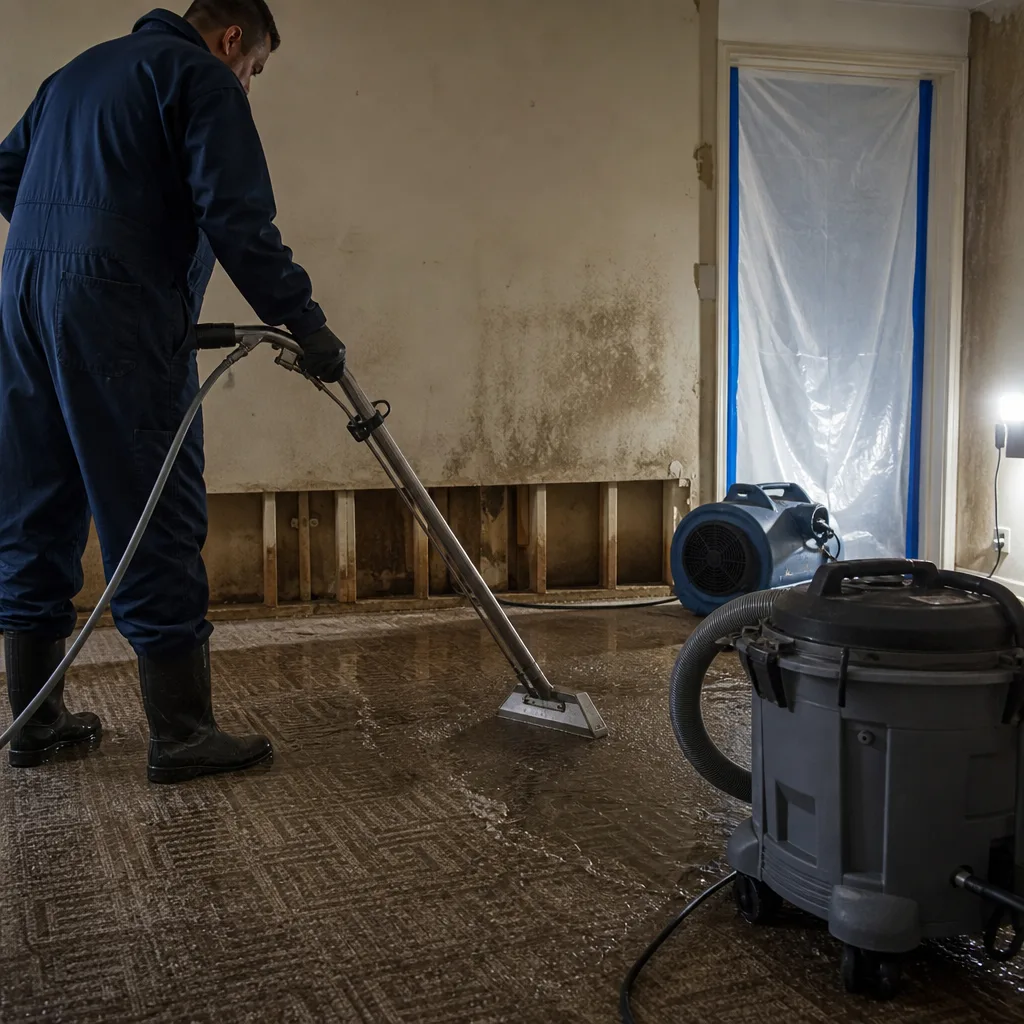
Standing water comes out first, truck-mounted or portable extractors depending on building access. We identify and stop the source, whether that’s a burst copper supply line, a failed cast-iron stack, or wind-driven infiltration through spalled limestone. Containment barriers go up to protect unaffected units.
3. Drying & Dehumidification
We deploy Phoenix and XPOWER air movers with LGR dehumidifiers sized to the cubic footage and vapor load. In Upper West Side prewar buildings, we calculate drying curves differently, horsehair plaster releases moisture slowly, and over-drying cracks it irreparably. Daily moisture logs track progress to pre-loss equilibrium.
4. Cleaning & Sanitization
Category 2 and 3 losses get antimicrobial treatment on all affected surfaces. HEPA air scrubbers run during this phase to capture airborne particulates. We document every product used, its EPA registration number, and application coordinates for your insurer and any co-op board review.
5. Co-op Board & LPC Coordination
On landmarked Central Park West and Riverside Drive facades, we prepare the written scope, material match specifications, and LPC permit applications before walls open. For full-block courtyard buildings, we coordinate with multiple shareholder attorneys and the superintendent’s elevator-access window. This is not an afterthought. It is built into our timeline from day one.
6. Repairs & Restoration
Final repairs match original finishes, herringbone white oak, horsehair plaster skimmed to original profile, hand-carved millwork replicated where salvageable pieces can’t be dried. We deliver a photo record of every phase, signed drying logs, and the 365-Day Done Right Promise under The Haven Standard.
Need Emergency Water Damage Restoration in Upper West Side Now?
Crews minutes away, answering live 24 hours a day. The sooner we start, the less it costs.
Working With Your Insurance Company
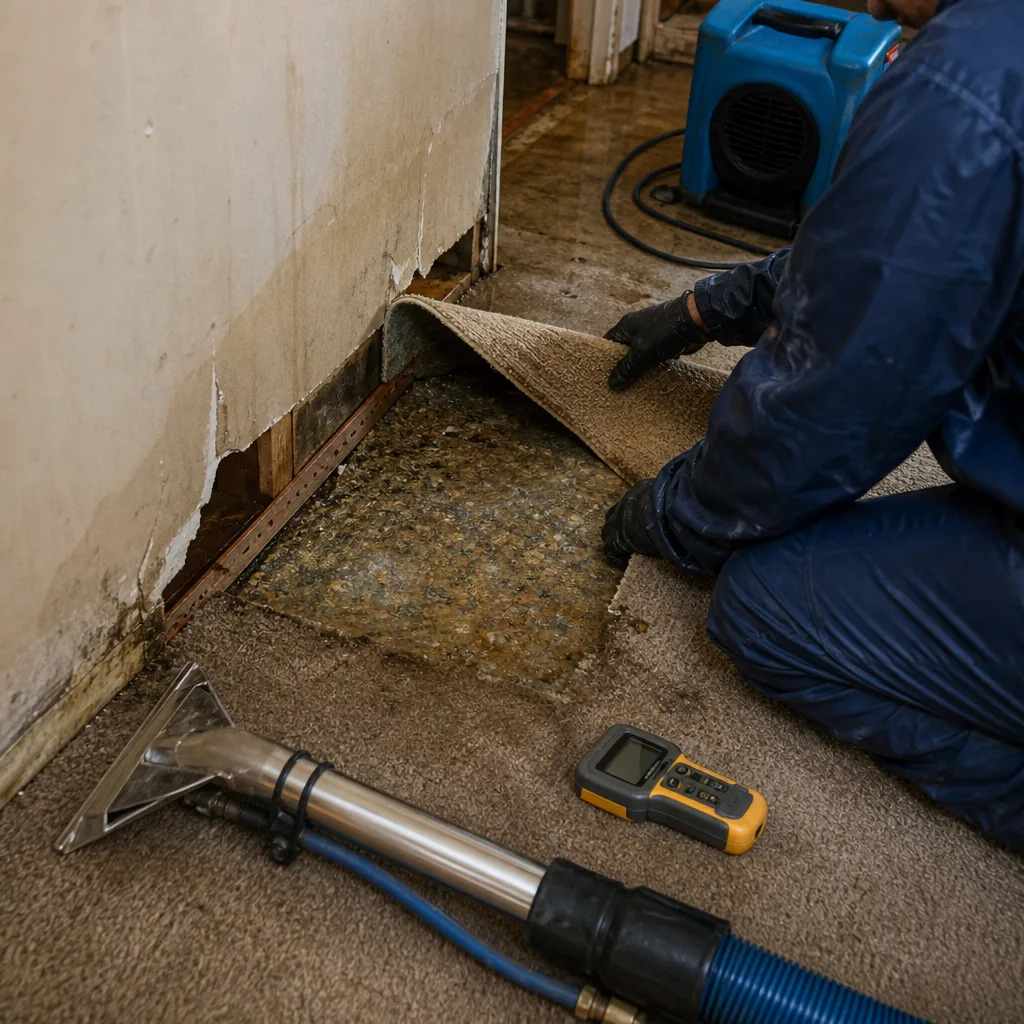
Every Upper West Side water claim starts with evidence, not argument. We photograph every room before touching anything, record moisture readings with time stamps, and build a line-item estimate in the format your adjuster’s software accepts. Direct communication means your adjuster speaks to our documentation team, not to you at 10 p.m. while you’re still finding new wet spots.
Our Water Damage Restoration team has handled claims on prewar co-ops where six units shared one riser loss, and where the carrier needed separate scopes for each shareholder’s policy. We know how to partition documentation so each claim stands alone while the overall drying strategy stays coordinated.
What We Provide Your Insurer
- Thorough documentation of the loss
- Photos of all damage, room by room
- Moisture readings and drying logs
- A detailed, line-item scope of work
- Direct coordination with your carrier
Built for Upper West Side’s Loss Calendar
January brings the deep freeze. Upper West Side buildings face 20-30 freeze-thaw events each winter, and century-old cast-iron drain stacks contract, crack, and split at joints. The west-facing blocks along Riverside Drive and West End Avenue catch Hudson wind head-on, accelerating the cycle. We see burst pipe calls spike the week after the first sustained cold snap, often in buildings where owners left for Florida and thermostats dropped too low.
March thaw shifts the pattern to basement seepage and foundation infiltration. Summer thunderstorms overwhelm aging roof drains on 12-18 story prewar buildings, sending water through parapet walls. Late-season hurricanes and nor’easters drive the loss calendar into October and November, with wind-driven rain finding every limestone crack the freeze-thaw opened the winter before. We schedule preventive moisture surveys in September for west-facing units with repeat intrusion history.
Water Damage Restoration Across Upper West Side’s Neighborhoods
Central Park West from 59th to 110th is landmarked corridor, LPC jurisdiction on most facades. A ceiling leak here means board approval, then LPC filing, then work. We maintain template documentation packages for the major buildings to compress that timeline. The side streets between Columbus and Amsterdam, the West 70s and West 80s, hold smaller 6-8 story prewars with their own board protocols but fewer landmark restrictions. Response routes here favor smaller equipment that fits service elevators built in the 1920s.
Riverside Drive buildings face the Hudson directly and take the worst wind-driven rain. We got called to a Riverside Drive prewar co-op after a 1920s cast-iron drain stack failed between the 6th and 7th floors, pushing Category 2 water through horsehair-plaster ceilings on the riser below. After the board’s written approval to open the wall, our techs ran moisture mapping across four units, staged Phoenix dehumidification and XPOWER air movers through elevator-access windows on the super’s 9 a.m.-5 p.m. schedule, and logged daily drying readings until each unit hit its pre-loss condition.
The full-block courtyard buildings, the Apthorp, the Belnord, and dozens of equivalents, present the most complex coordination environment in residential restoration. A single wet riser floods 8-12 shareholder-owned apartments at once. Every water job becomes a multi-party coordination problem with different attorneys and co-op boards before a single air mover gets placed. We assign a dedicated project documentation manager to these buildings, one point of contact who knows every superintendent, every board president, and every managing agent’s preferred communication protocol.
West 90s and 100s toward Manhattan Valley see more basement water removal calls, older infrastructure, more frequent main line backups, and buildings where the original sewer connection has never been replaced. The drying strategy differs here, more concrete, less plaster, but the documentation standard stays identical.
Specialized Water Damage Restoration Services We Offer in Upper West Side
Emergency Water Extraction
Standing water in a prewar lobby or unit gets extracted within the hour of our arrival. We carry portable extractors for buildings where truck-mounted units can’t access, and we document gallons removed for your claim file. In Upper West Side co-ops, we coordinate with doormen and supers to protect common areas during extraction.
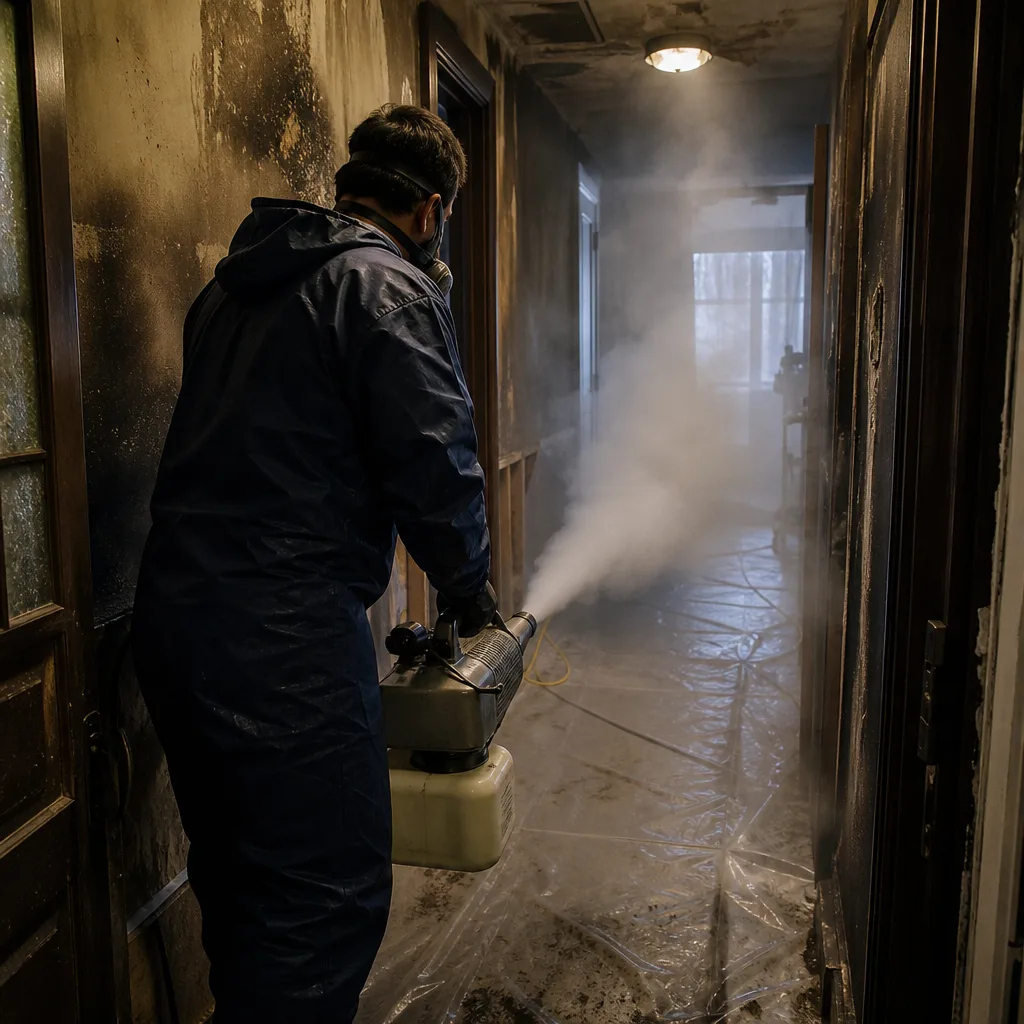
Structural Drying & Dehumidification
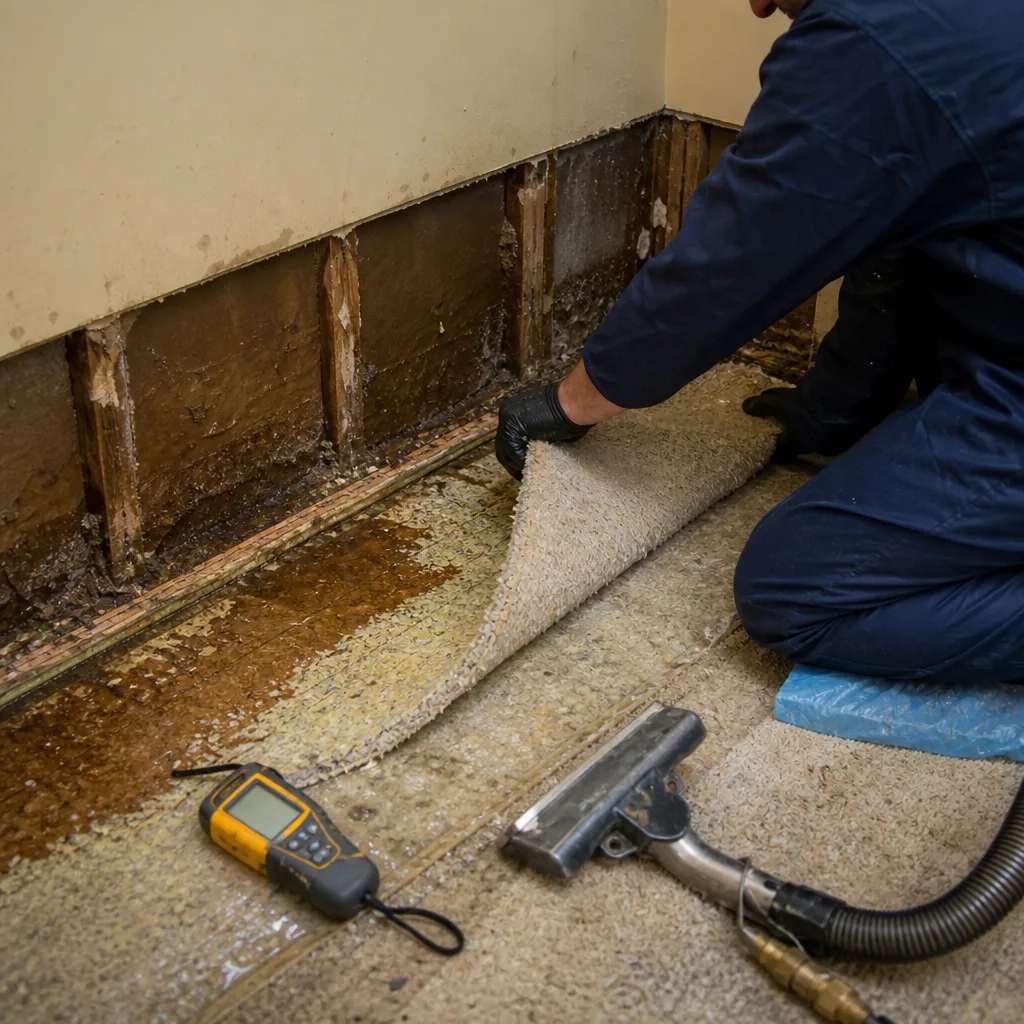
Horsehair plaster over wood lath requires controlled, gradual drying. We set vapor pressure differentials low enough to pull moisture without cracking plaster, and we monitor daily with calibrated hygrometers. Our Phoenix LGR dehumidifiers and XPOWER air movers are staged to create laminar airflow across wet surfaces, not turbulent air that drives moisture deeper into lath cavities.
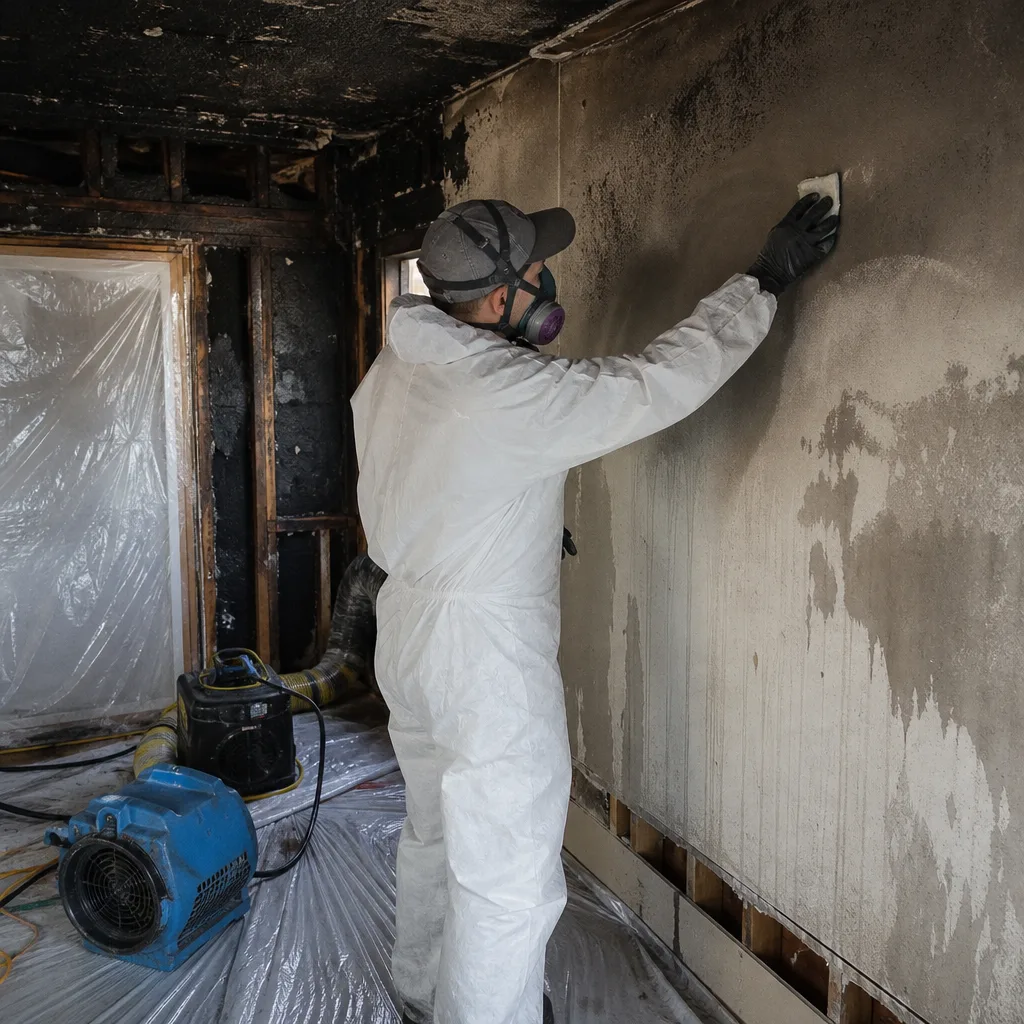
Flood Cleanup
Ground-level flooding in UWS basement units, whether from sewer backup or storm infiltration, gets Category 3 protocol. Porous materials are removed, hard surfaces sanitized with EPA-registered antimicrobials, and HEPA air scrubbers run until clearance. We photograph every removed item for contents claims.
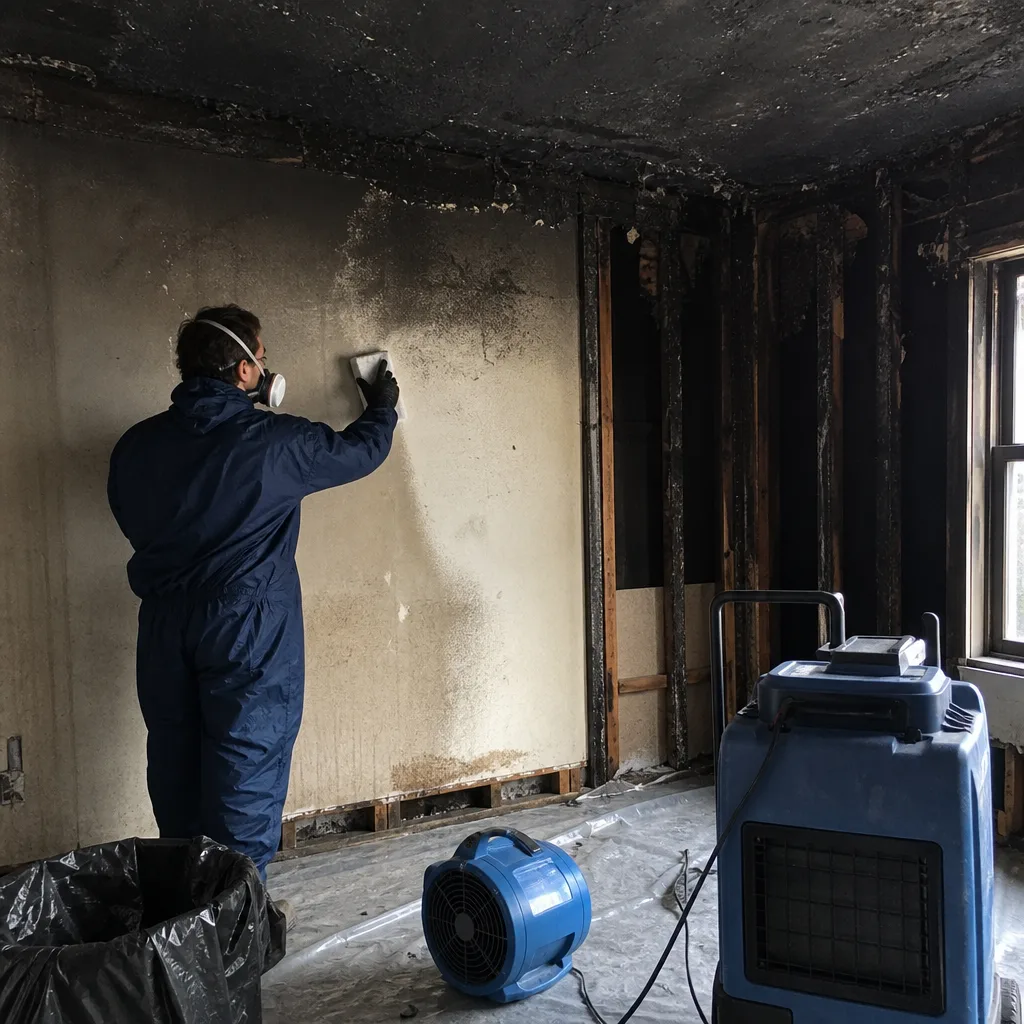
Burst Pipe Restoration
Freeze-thaw splits in cast-iron stacks and copper supplies are our most common January call. We locate the break, stop the flow, extract standing water, and map moisture migration through shared walls. Then we coordinate with licensed plumbers for repair and document the restoration scope separately for your carrier.
Basement Water Removal
Below-grade units in the West 90s and 100s see seasonal seepage and main line backups. We pump, extract, and deploy sub-slab dehumidification where the foundation allows access. Every job includes moisture mapping of adjacent common areas, water travels through limestone foundations in ways that surprise unit owners.
Ceiling & Roof Leak Water Damage
Parapet and roof drain failures on 12-18 story buildings send water through multiple floors. We trace the migration path with thermal imaging, open only what drying requires, and specify material matches for co-op board approval. Ceiling plaster in these buildings often holds ornate medallions and crown molding that cannot be replicated with modern stock.
What happens when you call
- 1
A real person answersNo phone trees - you reach a local pro.
- 2
You get an upfront price rangeHonest numbers before anyone is dispatched.
- 3
A background-checked tech heads outLicensed & insured, dispatched right away.
- 4
You approve before work beginsNothing starts until you say go.
Water Damage Restoration Costs in Upper West Side, NY
Water damage restoration in Upper West Side runs higher than outer-borough averages because every job carries board coordination, material matching, and potential LPC filing costs. Here is what we typically see:
| Service | Typical Range in Upper West Side |
|---|---|
| Emergency water extraction (single unit) | $450-$1,200 |
| Structural drying & dehumidification (2-3 room loss) | $1,800-$4,500 |
| Full mitigation with plaster repair and material matching | $6,500-$18,000 |
| Multi-unit co-op riser failure (4+ apartments) | $15,000-$45,000+ |
| Basement flood cleanup (Category 3) | $3,500-$9,000 |
Insurance typically covers sudden and accidental water damage, supply line bursts, stack failures, wind-driven rain through compromised envelopes. Gradual leaks and maintenance issues are usually excluded. We review your policy language during our free inspection and flag coverage questions before work starts. Haven Standard, Clause 1: written price before work begins, every time, with no scope-creep additions once the crew is inside. Call (551) 213-5277 for an exact quote, estimates are free.
We Also Serve Cities Near Upper West Side
Our crews respond throughout the immediate area: Upper West Side, Upper East Side, Manhattan, Astoria, and East Harlem. Dispatch and scheduling are coordinated from our New York City office, with local crews positioned for rapid response to each neighborhood.
Serving Upper West Side, NY - Our Local Coverage Area
We’re based in the Upper West Side area and know this community well. Use the map below to see our service coverage - if you’re nearby, we can almost certainly help.
Upper West Side Water Damage Restoration Questions, Answered
A cast-iron drain stack failed in our UWS prewar co-op and water is spreading through several units - what should we expect?
Expect a multi-unit mitigation with board approval required before walls open. We map moisture across all affected units, present a single coordinated scope to the board, and assign a documentation manager to handle shareholder attorney communication. Drying equipment gets staged through elevator-access windows on the superintendent’s schedule. The job takes longer than a single-family extraction, but the documentation package supports every shareholder’s separate insurance claim. Call (551) 213-5277 and we’ll start the moisture map today.
Can you dry our horsehair-plaster walls without destroying them, or do they have to come out?
Most horsehair plaster can be dried in place if we catch it within 48-72 hours and control the drying rate. We use low vapor-pressure differentials and gradual dehumidification, monitoring daily with pinless meters. Over-drying cracks plaster irreparably, our protocols are designed to avoid that. Plaster that has delaminated from lath or held Category 3 water must be removed, and we specify matching repair in the scope. Call (551) 213-5277 for a moisture assessment.
Do you handle the co-op board and Landmarks Preservation Commission approvals, or is that on us?
We prepare and submit the technical documentation, moisture maps, proposed scope, material specifications, and restoration methodology. The board and LPC review and approve, we do not sign their legal documents, but our paperwork is formatted to their requirements and we have template packages for most major UWS buildings. This compresses a process that can take weeks into days. Call (551) 213-5277 and we’ll review your building’s specific protocol.
How fast does mold become a problem after a UWS water leak?
In Upper West Side prewar buildings with horsehair plaster and steam-heat cavities, mold colonization can begin in 48-72 hours because plaster holds moisture and wall cavities run warm. We deploy HEPA air scrubbers and antimicrobial treatment during drying on any Category 2 or 3 loss, and we recommend air quality sampling if the leak was hidden for more than 72 hours before discovery. Call (551) 213-5277 for same-day assessment.
Our west-facing UWS apartment keeps getting water intrusion every winter - is that the freeze-thaw cycle?
Almost certainly. West-facing Upper West Side facades take direct Hudson wind and the full freeze-thaw load, typically 20-30 cycles per winter. Water enters micro-cracks in limestone as liquid, freezes and expands, widens the crack, and repeats. The solution is exterior masonry repair, not interior restoration, but we document the interior damage pattern to support your claim for the structural repair. Call (551) 213-5277 for a moisture survey that isolates the intrusion path.
How long does structural drying take in a prewar Upper West Side building?
Single-room Category 1 losses in modern construction dry in 3-5 days. Horsehair plaster in a UWS prewar building typically needs 7-14 days of controlled drying, with daily moisture logs showing progressive decline toward pre-loss equilibrium. Multi-unit riser failures with interstitial cavity moisture can extend to 3-4 weeks. We do not sign off until the numbers support it, and your insurer receives the complete drying log. Call (551) 213-5277 for a timeline estimate on your specific loss.
Can we stay in our apartment during water damage restoration?
Sometimes, for contained Category 1 losses in one room with no demolition. Category 2 or 3 losses, multi-unit coordination jobs, or any work requiring HEPA air scrubbers usually mean temporary relocation. We specify occupancy status in the written scope before work starts, so there is no surprise on day three. Call (551) 213-5277 to review your situation.
What certifications do your technicians hold for water damage work?
Our lead technicians hold IICRC WRT (Water Damage Restoration Technician), ASD (Applied Structural Drying), and AMRT (Applied Microbial Remediation Technician) certifications. All are background-checked, licensed, insured, and carry documentation of certification for board or adjuster review on request. Equipment operation is documented to IICRC, RIA, and IFA standards. Call (551) 213-5277 for technician credentials on your job.
Water damage in the Upper West Side is not a generic extraction job. It is a documentation-intensive, multi-party coordination operation with irreplaceable finishes on the line. We built our company around exactly that complexity. Call (551) 213-5277 now for a free inspection and written scope, or bring a competitor’s estimate for our Free Second Opinion. Every job starts with a price in writing, ends with a photo record, and carries the 365-Day Done Right Promise under The Haven Standard.
Written by Alicia Brennan, Owner at Back to Dry Restoration, serving Upper West Side since 2011.