
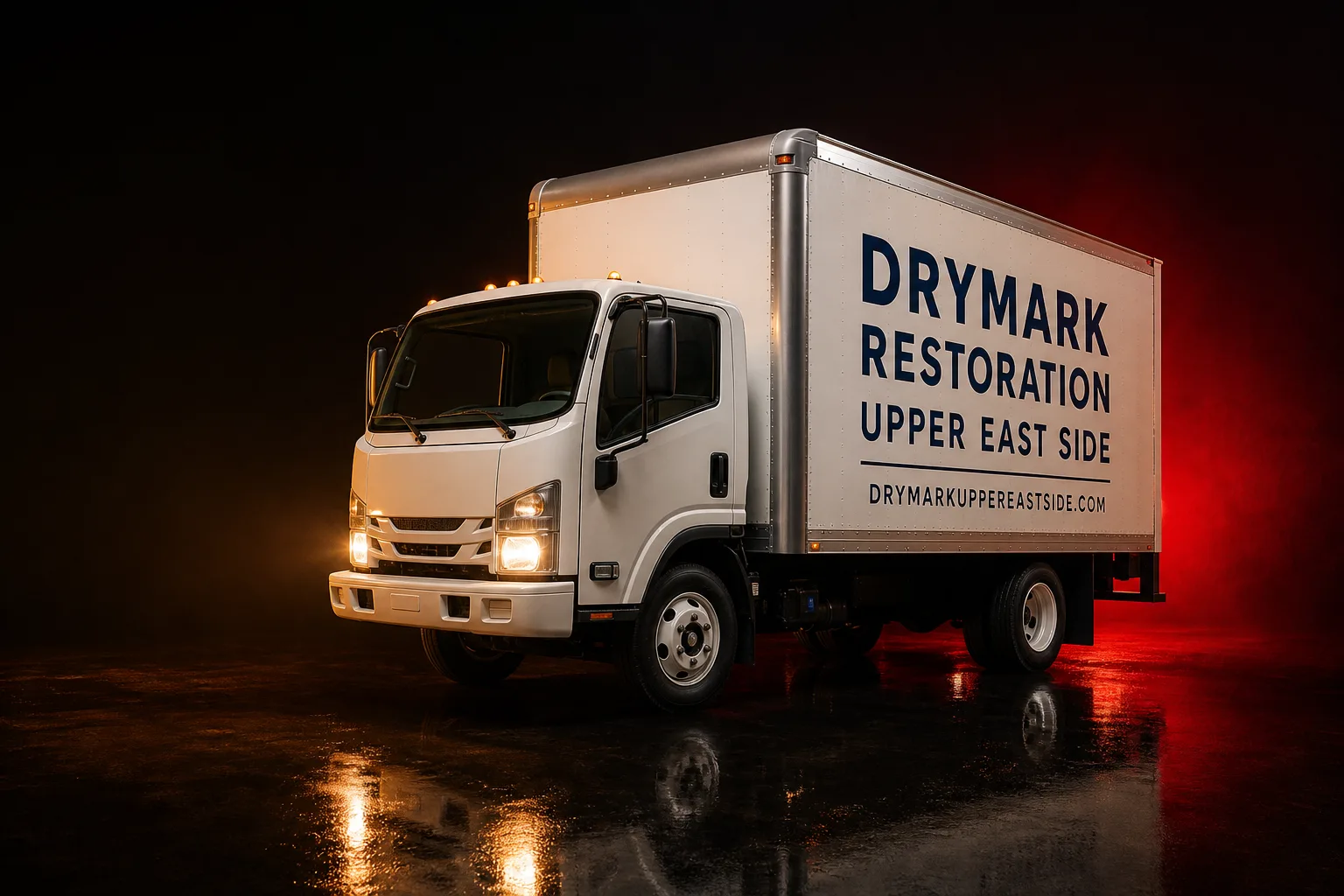
Free visual inspection and a written scope of work before any mitigation begins - photos, moisture readings, and drying logs go in your claim file
The scope we write is the scope we bill. Anything new gets shown to you, in writing, before we touch it.
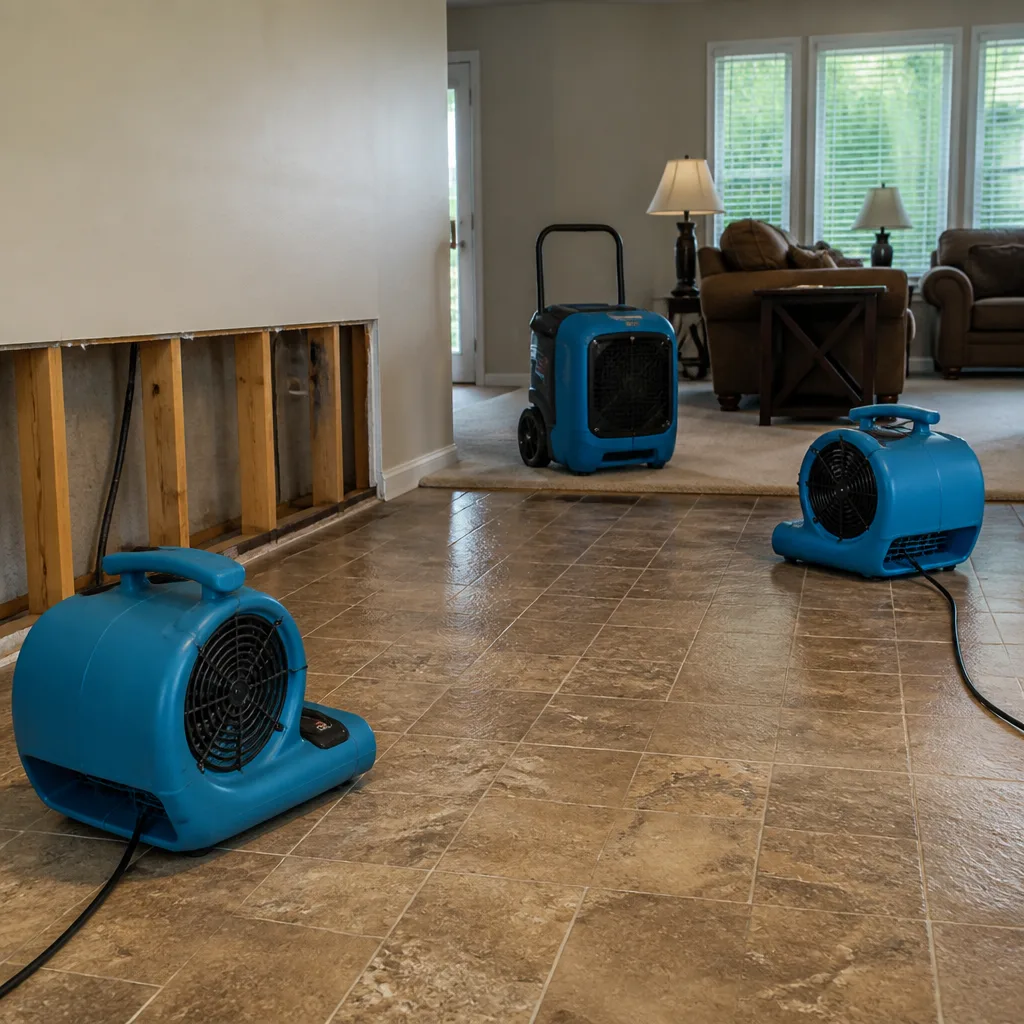
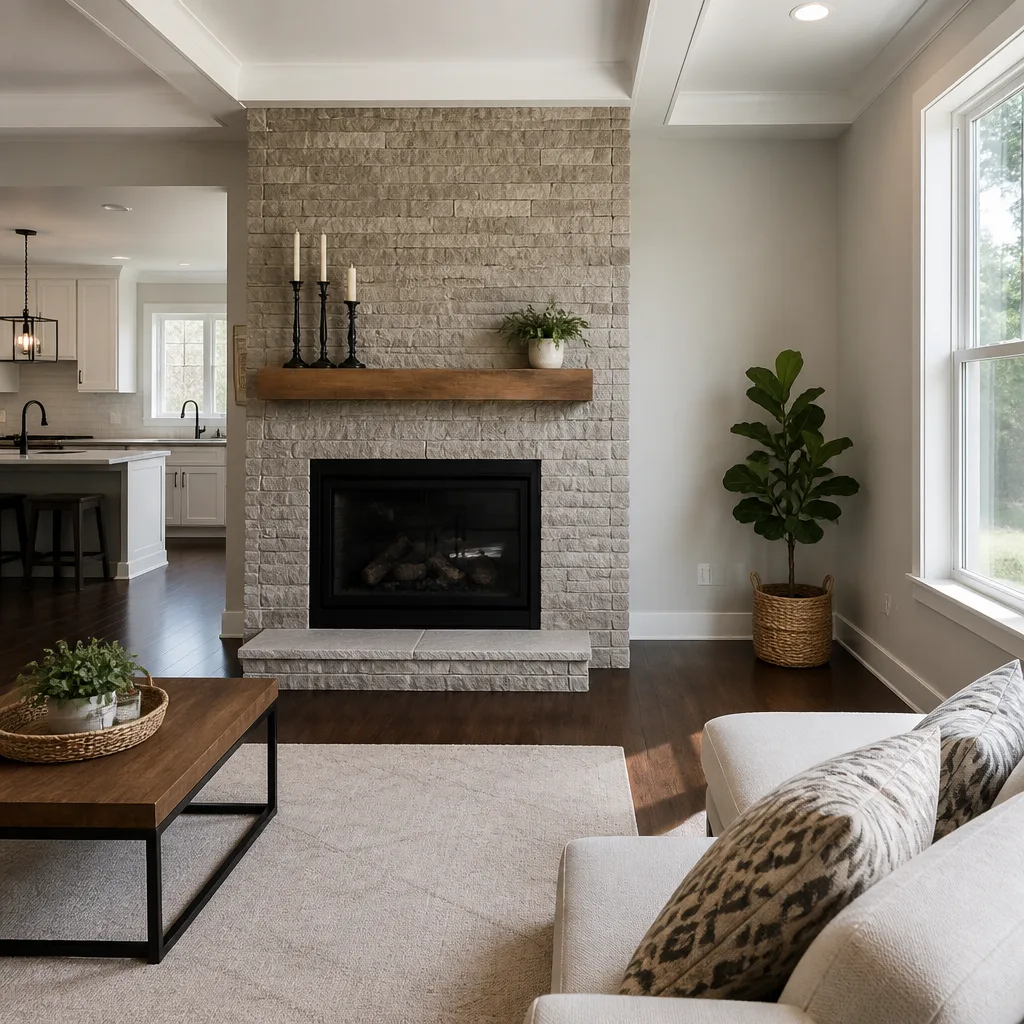
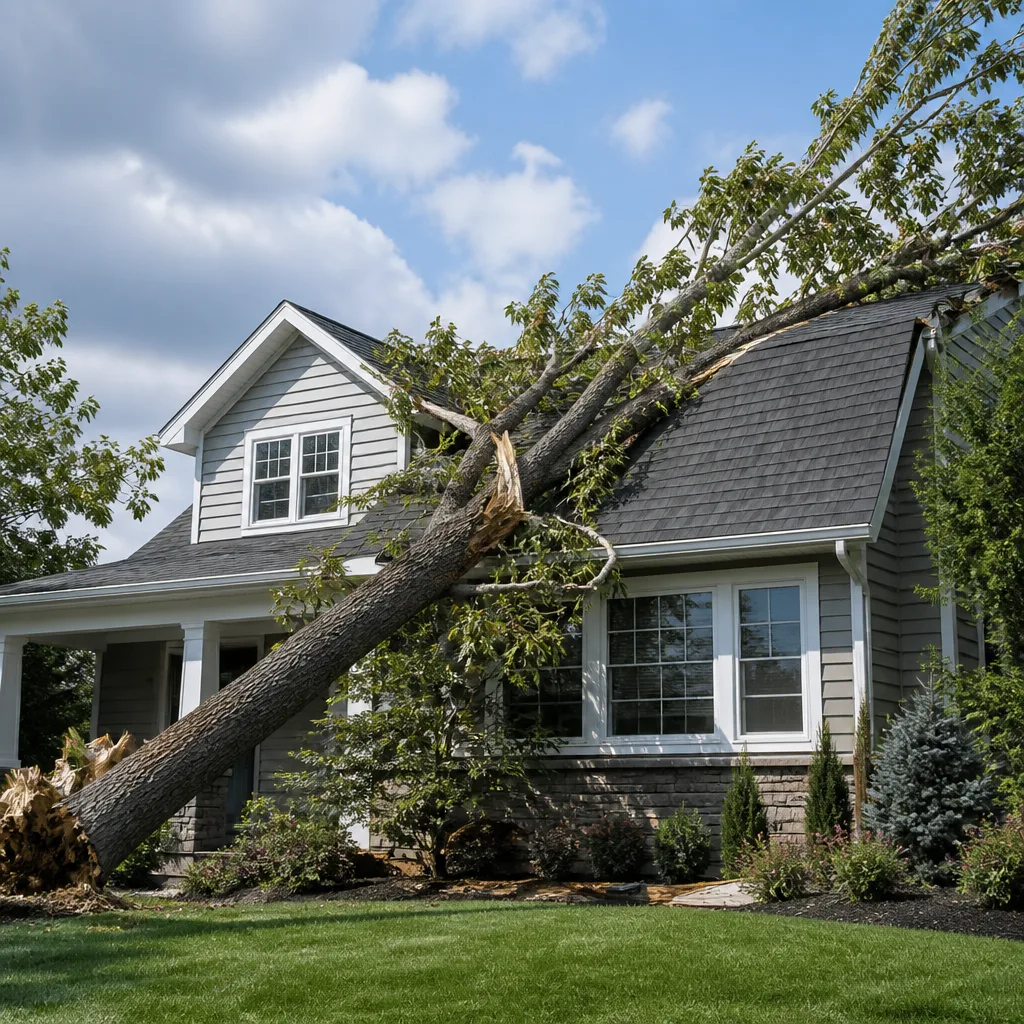
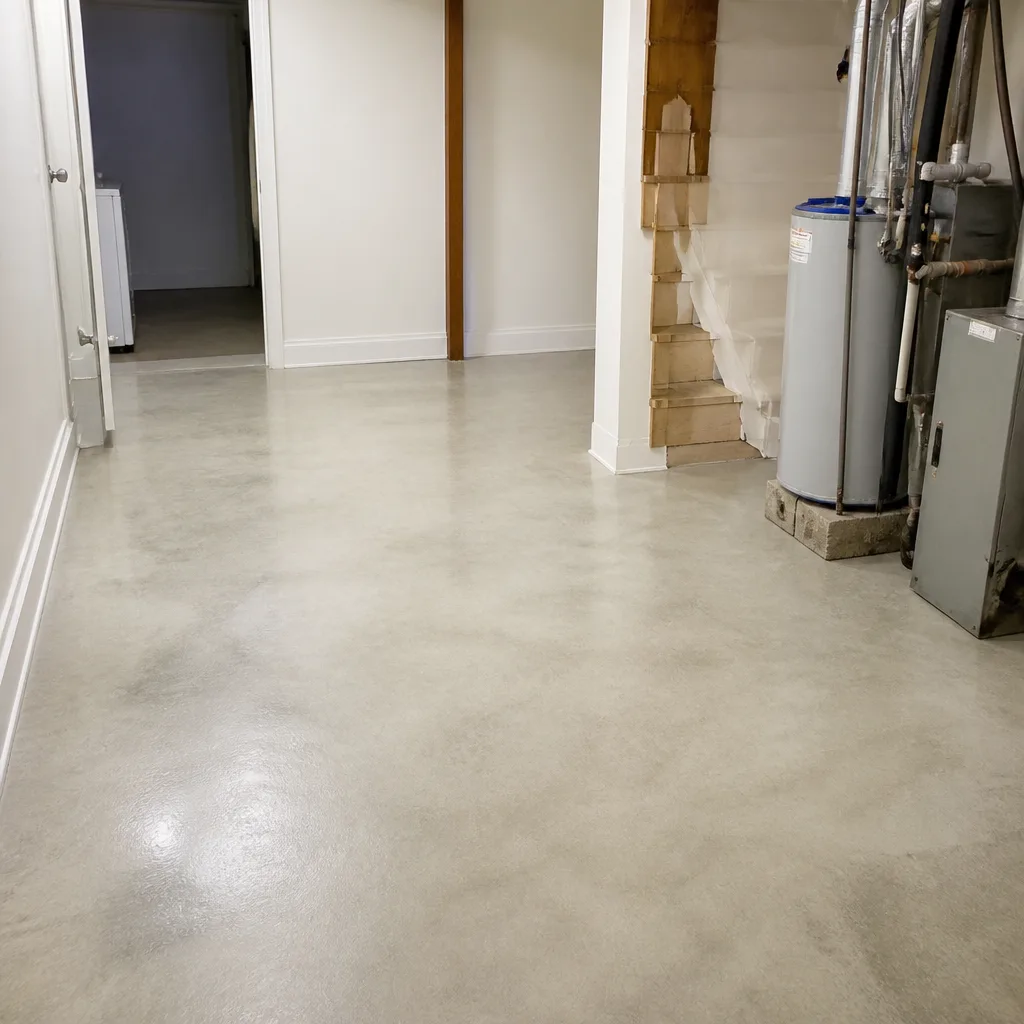
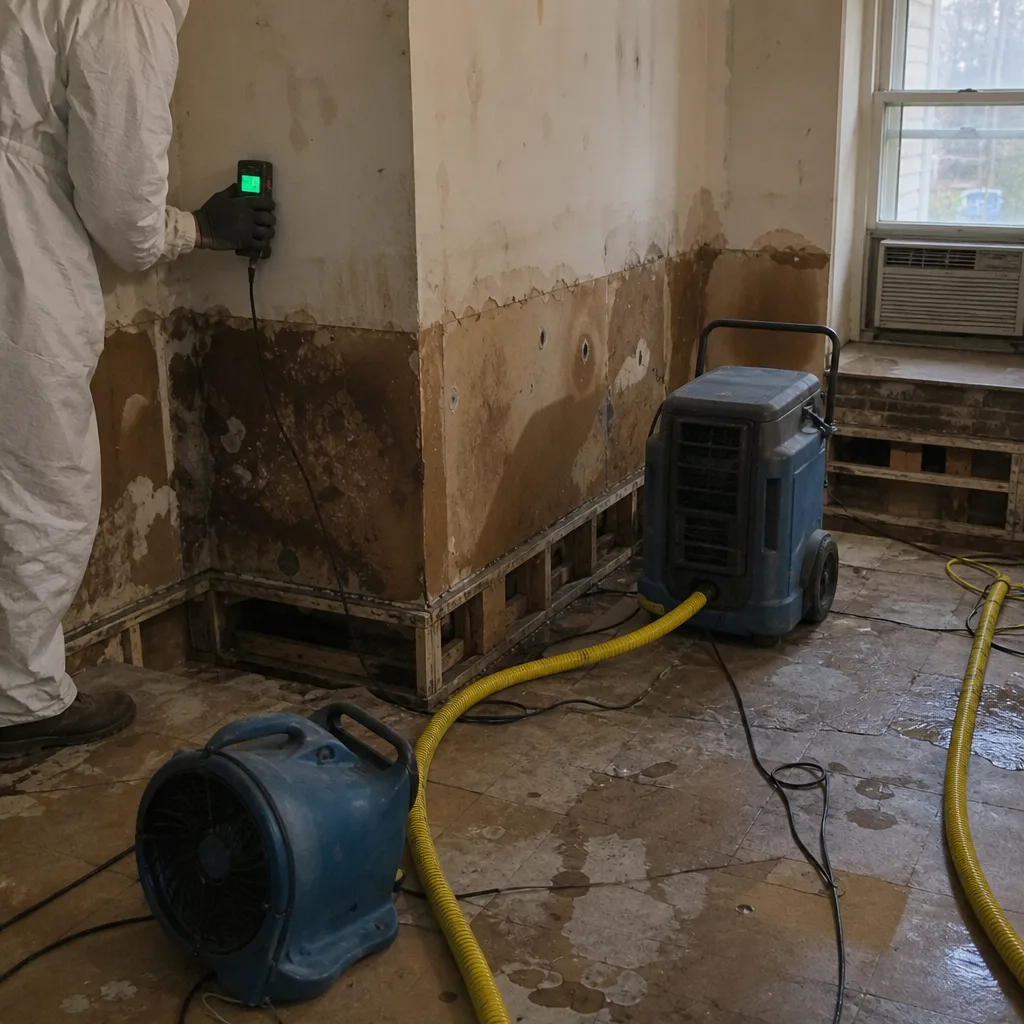 Before
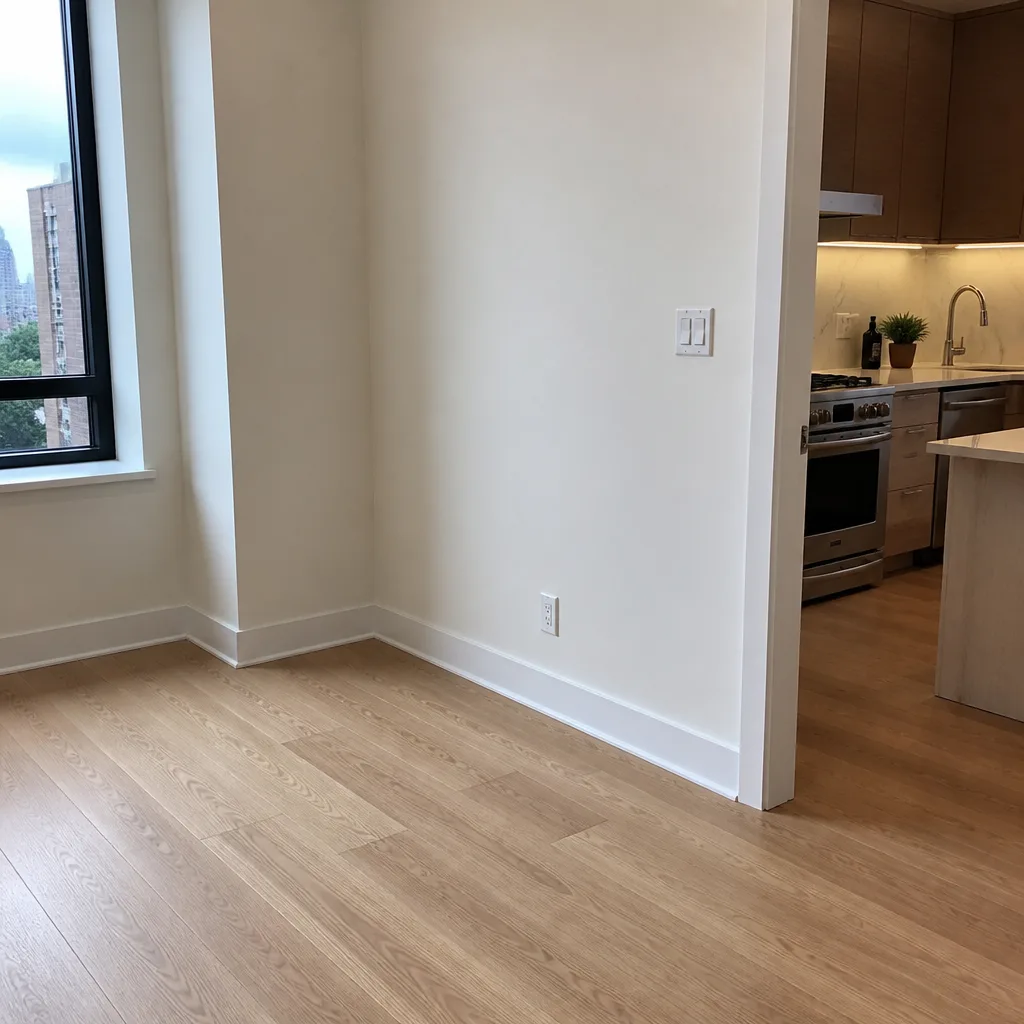 After
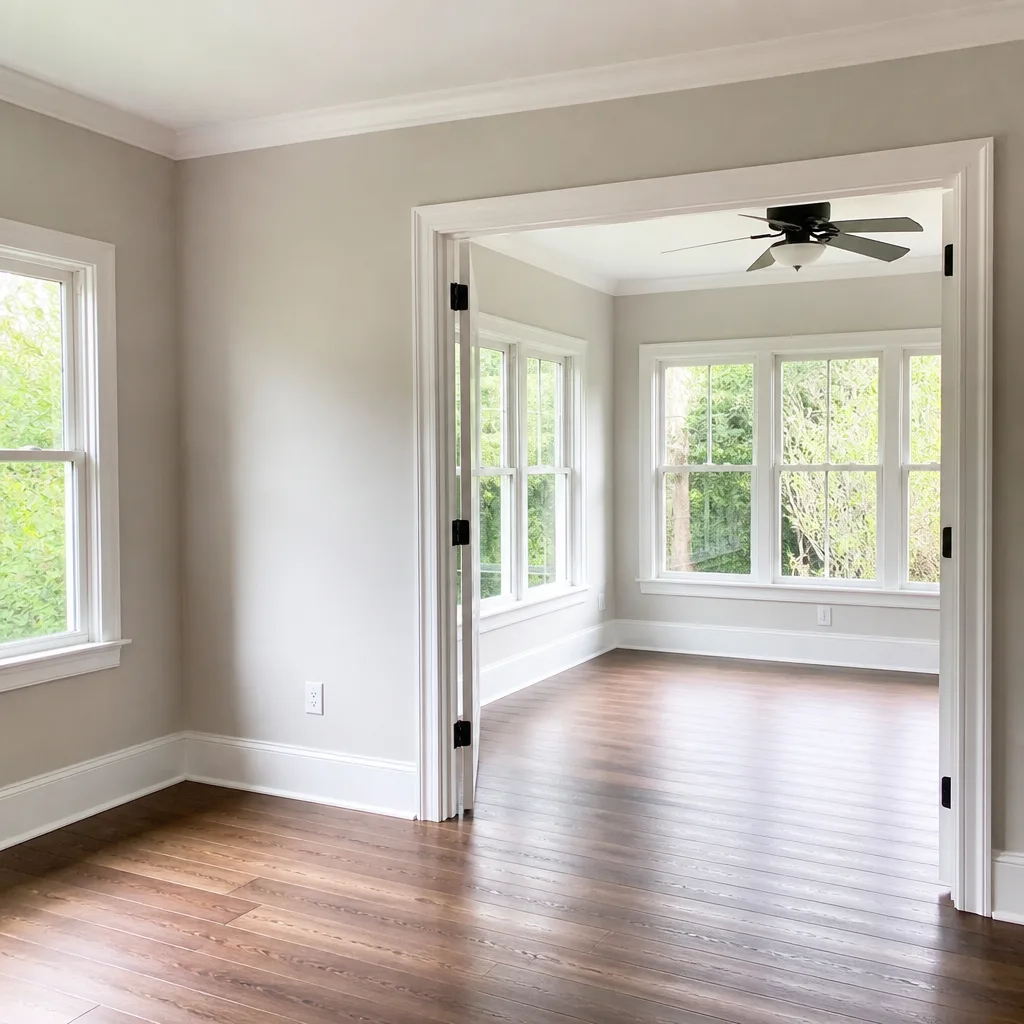
After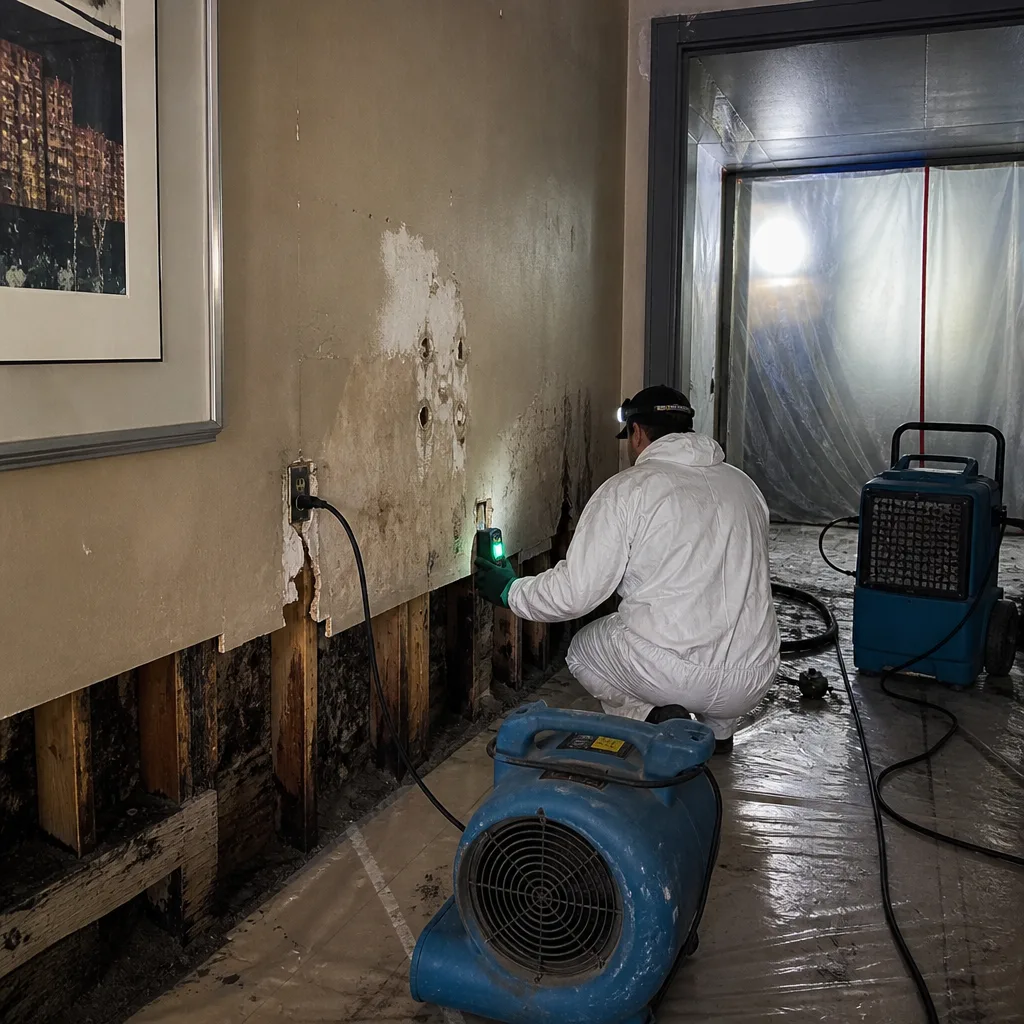 Before
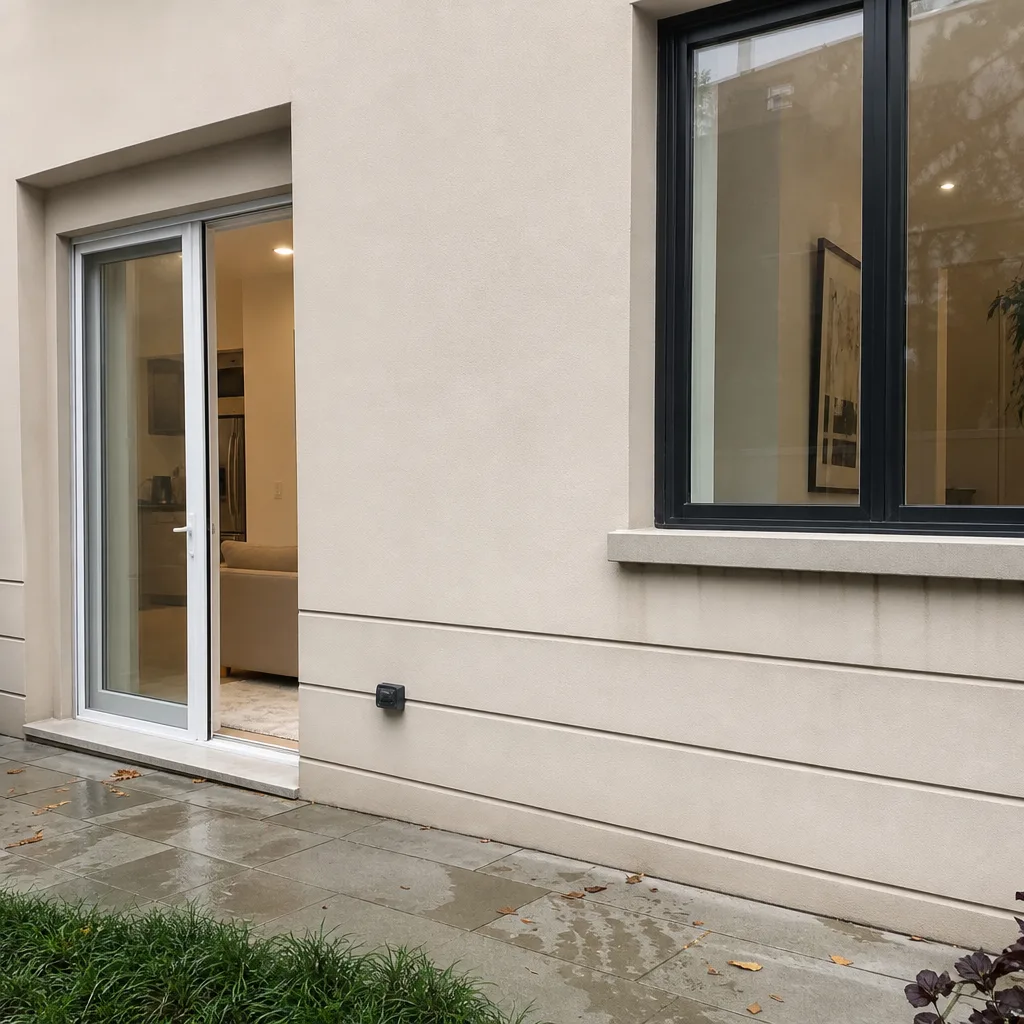 After
After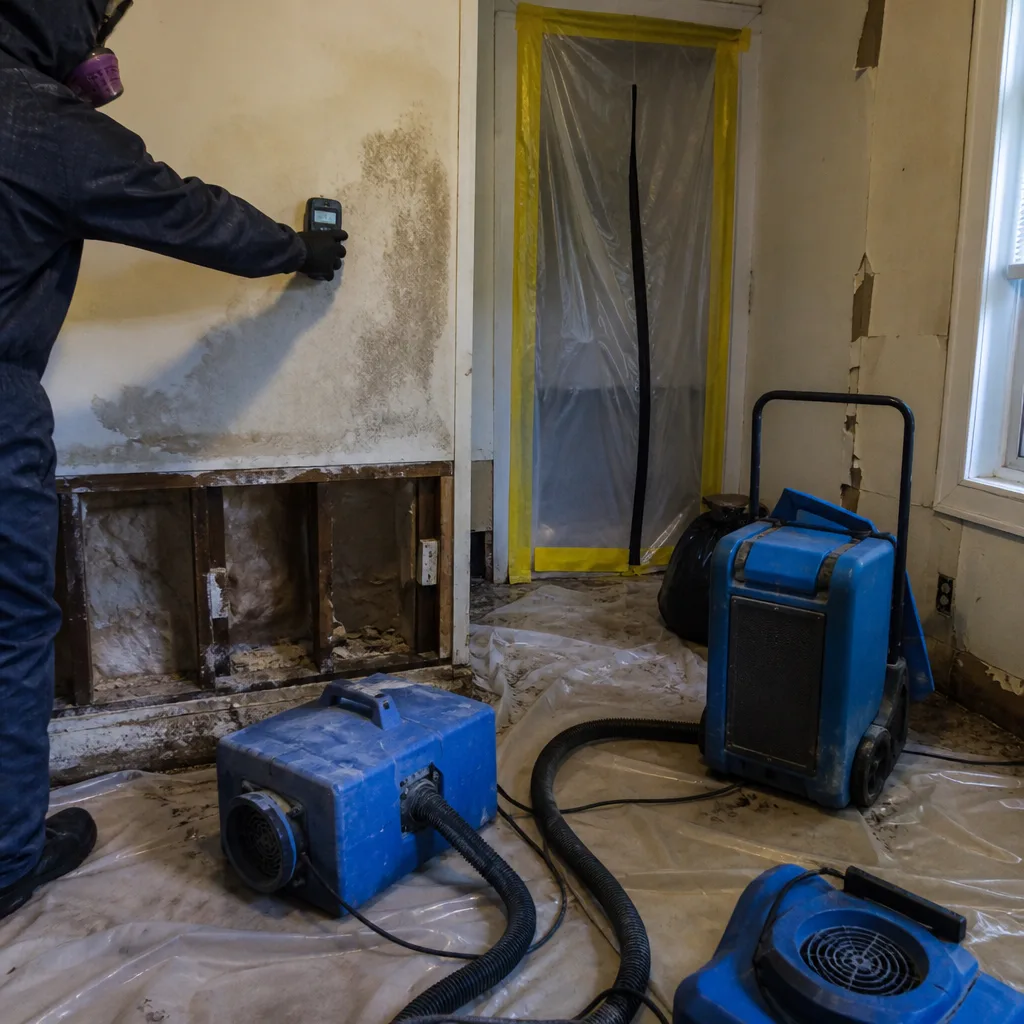 Before
 After
After24/7 Emergency Mold Remediation in East Harlem
Mold remediation in East Harlem typically costs $1,800-$6,500 depending on affected square footage and whether the source is a contained leak or a hidden shaft-fed infestation spreading through multiple floors. Most jobs begin with a free visual inspection and moisture assessment, and our crews can be on-site in East Harlem within 45 minutes when hidden mold is suspected behind pre-war masonry. Call (551) 213-5277 now - a live person answers every call, 24 hours a day, 7 days a week, with no voicemail trees while water keeps moving through your building’s walls.
The first hour matters because East Harlem’s dumbbell-plan tenements and NYCHA towers share a common trait: water travels vertically before it shows horizontally. A single failed stack or clogged air-shaft drain can saturate plaster and framing on three floors while only one tenant sees a stain. The longer drying is delayed, the more square footage requires containment, antimicrobial treatment, and reconstruction.
Understanding Mold Remediation Severity in East Harlem Properties
We classify mold contamination by affected material, airborne spore load, and the moisture source’s behavior - not by color alone. Category 1 mold growth, limited to surface contamination on non-porous materials like tile or sealed concrete, responds to HEPA vacuuming and antimicrobial wipe-down. Category 2 involves porous materials: plaster, drywall, carpet padding, and the horsehair plaster common in East Harlem’s pre-war tenements, where mold penetrates the material matrix and removal becomes necessary. Category 3 contamination, or black mold remediation, indicates either toxigenic species like Stachybotrys chartarum or extensive hidden colonization in wall cavities, HVAC systems, or the interior air shafts that define Old Law tenement architecture.
Containment strategy follows severity. A single-unit Category 1 job needs poly sheeting and negative air pressure at the doorway. A shaft-fed Category 2 or 3 job spanning multiple floors requires floor-to-ceiling containment on each affected level, duct sealing, and portable HEPA scrubbers running continuous air exchanges. Air scrubbing, the process of filtering airborne spores through HEPA media at 99.97% efficiency at 0.3 microns, runs until post-remediation clearance testing shows spore counts at or below outdoor baseline. Tertiary drying, the final phase where vapor pressure differential drives residual moisture from deep in masonry or framing to the surface for removal, often takes longest in East Harlem’s thick plaster walls.
East Harlem’s housing stock intensifies every severity classification. Pre-war tenements have horsehair plaster on wood lath, a hygroscopic assembly that holds moisture for weeks. NYCHA towers have concrete slab construction with embedded steel conduits where condensation tracks along cold lines. Neither building type forgives incomplete drying.
Why East Harlem Property Owners Choose DryMark Restoration Upper East Side
- 45-minute response commitment to East Harlem addresses - our dispatch is coordinated from our New York City office, with crews already positioned in the metro area.
- 24/7 live answer by a real person, never an automated system or voicemail tree; every call connects to a human who can dispatch immediately.
- IICRC-certified crews holding WRT (Water Damage Restoration Technician), AMRT (Applied Microbial Remediation Technician), and FSRT (Fire & Smoke Restoration Technician) credentials where the loss type requires cross-trained response.
- Free visual inspection and moisture assessment - we document what we find before quoting any work.
- Direct insurance billing and adjuster coordination, with photo-documented estimates formatted to carrier standards.
- One team from mold containment through reconstruction - no handoffs between separate contractors that fragment accountability.
BeforeAfterOur Mold Remediation Process
1. Inspection & Assessment
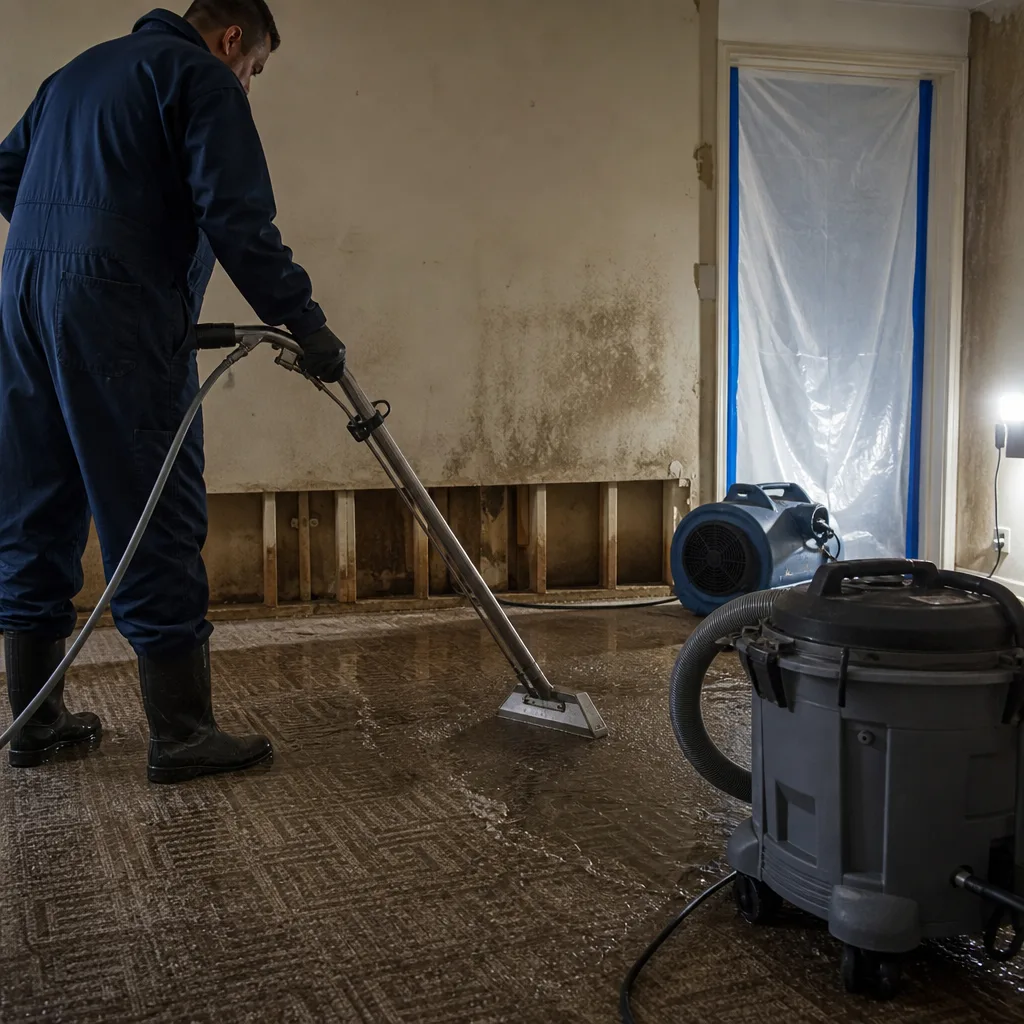
We start with moisture mapping using thermal imaging and pin-type hygrometers, then sample visible growth for lab identification if species is uncertain. In East Harlem’s tenements, we always inspect the interior air shaft and stack chases - the hidden pathways where water pools before showing at the surface. Every finding is photographed and logged.
2. Containment & Air Filtration
Poly sheeting barriers create negative pressure zones; HEPA scrubbers (Dri-Eaz and Phoenix units) run continuous filtration to prevent cross-contamination. Multi-floor jobs require separate containment per level, especially in dumbbell-plan buildings where the shaft connects all units vertically.
3. Source Elimination & Structural Drying
We stop the moisture source first - repairing the stack failure, clearing the shaft drain, or sealing the roof penetration. Then we deploy Injectidry cavity-drying systems, B-Air axial air movers, and LGR dehumidifiers to reduce moisture content in plaster, lath, and framing to below 16% wood moisture equivalent. Daily psychrometric readings track progress.
4. Cleaning & Antimicrobial Treatment
Non-porous surfaces receive HEPA vacuuming and EPA-registered antimicrobial application. Porous materials with confirmed mold penetration are removed per IICRC S520 standards. In East Harlem’s pre-war buildings, this phase includes mandatory lead-paint and asbestos abatement scope under NYC Local Law - no exceptions.
5. Air Quality Restoration & Clearance Testing
We run continuous HEPA filtration until third-party or in-house air sampling shows spore counts at or below outdoor baseline. Post-remediation verification includes airborne particle counts, surface tape lifts on rebuilt areas, and documentation that the moisture source is resolved. The customer receives the lab report.
6. Repairs & Moisture Control
Our crew rebuilds removed plaster, drywall, and trim, then installs or recommends permanent moisture control: dehumidification systems, improved ventilation, or stack relining. Every job closes with a written 365-Day Done Right Promise under The Haven Standard.
Need Emergency Mold Remediation in East Harlem Now?
Crews minutes away, answering live 24 hours a day. The sooner we start, the less it costs.
Working With Your Insurance Company
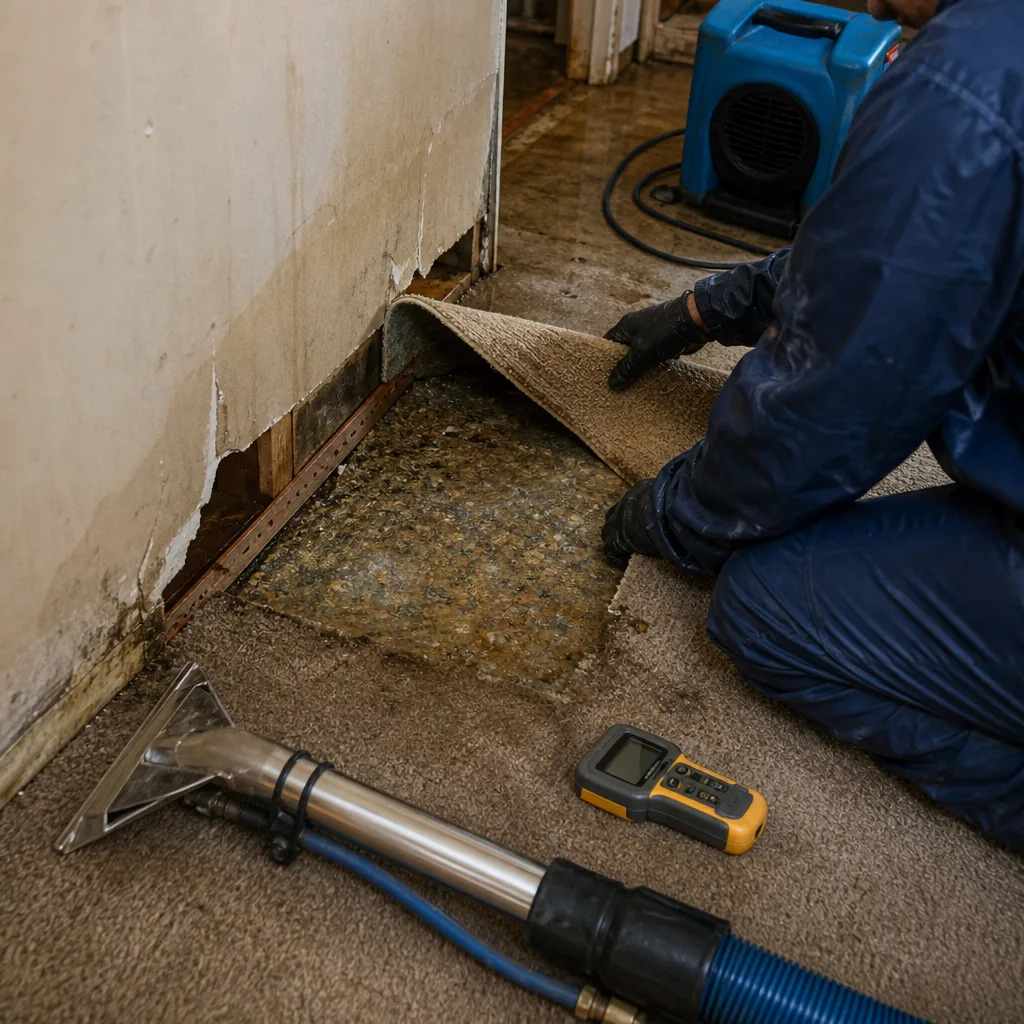
Documentation starts at the first phone call. Our field teams photograph every room, every moisture reading, and every square foot of affected material before anything is disturbed. We write estimates to Xactimate or Symbility standards - the same platforms adjusters use - and we speak their language: Category of water, class of loss, affected square footage, and line-item scope.
Direct adjuster coordination means we conference-call with your carrier, submit drying logs daily, and flag coverage questions before they become disputes. Our Mold Remediation team has handled claims with every major carrier writing policies in East Harlem. The photo record on every visit, included as standard, prevents the documentation gap that costs homeowners their settlements.
What We Provide Your Insurer
- Thorough documentation of the loss
- Photos of all damage, room by room
- Moisture readings and drying logs
- A detailed, line-item scope of work
- Direct coordination with your carrier
Built for East Harlem’s Loss Calendar
January and February bring the freeze-thaw cycle that defines Manhattan’s winter damage pattern. Temperatures cross 32°F repeatedly, stressing flat roof membranes on century-old tenements and cracking parapet copings where mortar has deteriorated. Water enters through these roof failures, runs down interior masonry, and pools in wall cavities where spring warmth triggers mold bloom by March.
March through May is our busiest mold season. The late-winter roof leaks that went unreported - because the water was hidden in shaft walls - now show as ceiling stains, bubbling paint, and musty odors. Summer humidity, July through September, sustains any residual moisture in horsehair plaster and unventilated NYCHA apartments. October nor’easters and November cold snaps start the cycle again.
East Harlem’s building stock makes this calendar predictable. The pre-war tenements were never built for modern HVAC loads. The NYCHA towers have institutional systems past their design life. Both produce the same outcome: water hides, mold grows, and the visible damage is always the tip of the problem.
Mold Remediation Across East Harlem’s Neighborhoods
El Barrio, the historic Puerto Rican corridor centered on East 116th Street between Lexington and First Avenues, contains some of the densest blocks of Old Law tenements in Manhattan. The dumbbell-plan buildings here, with their mandated interior air shafts, generate our most complex jobs. A single clogged shaft drain on a block near the East River Plaza can require containment and drying on four floors across multiple units, each with its own insurance carrier and landlord contact.
Italian Harlem, the area around Pleasant Avenue and East 115th Street, mixes pre-war tenements with mid-century walk-ups and newer infill. The older stock has the same shaft-and-stack problems; the 1960s buildings add aluminum-wiring-era electrical panels and early plastic plumbing that fails differently but no less destructively.
The NYCHA corridor - Wagner Houses on East 120th, Jefferson Houses on East 112th, Johnson Houses on East 115th - operates on a separate timeline. Any restoration work in public housing requires NYCHA work order approval, environmental health inspection, and a distinct documentation track. We have handled this bureaucracy on dozens of jobs. The approval adds days to the front end, so early notification matters.
Blocks near Marcus Garvey Park and the 125th Street corridor see a different pattern: mixed-use buildings with commercial kitchens below residential units. Grease-duct penetrations and shared plumbing between restaurant and apartment create moisture sources that standard residential assessment can miss.
Specialized Mold Remediation Services We Offer in East Harlem
Mold Inspection & Testing
We do not guess at species or extent. Air sampling, surface tape lifts, and ERMI dust analysis identify what is growing and where. In East Harlem’s tenements, we always sample the shaft cavity and the stack chase - the two locations where hidden mold outruns visible damage. Results arrive from the lab in 48 hours; we write the scope only after we have them.
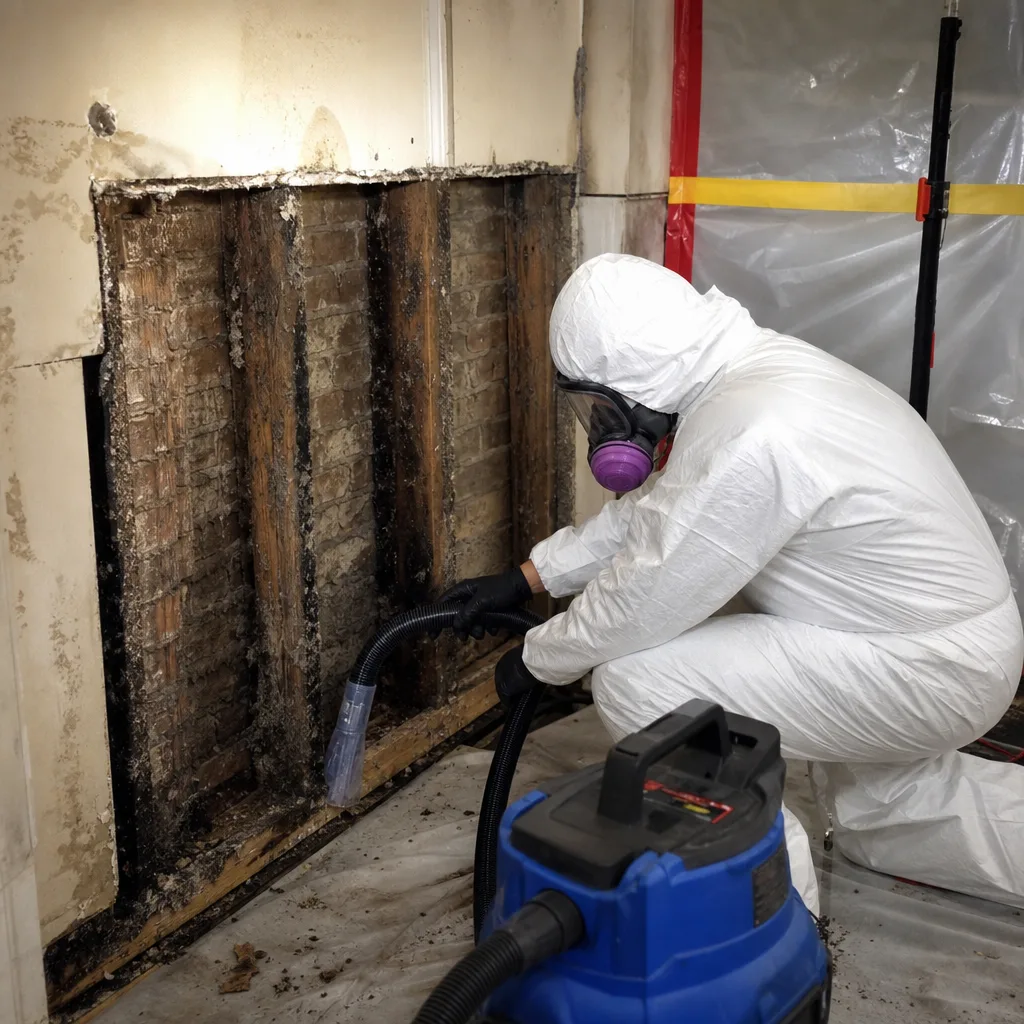
Mold Removal
Removal follows containment, never precedes it. We establish negative pressure, HEPA-filter the workspace, and remove only materials that lab analysis or field testing confirms as contaminated. In pre-war buildings, this means coordinating with licensed lead and asbestos abatement contractors before cutting plaster or disturbing pipe insulation. The scope is written; the price is fixed before work starts.
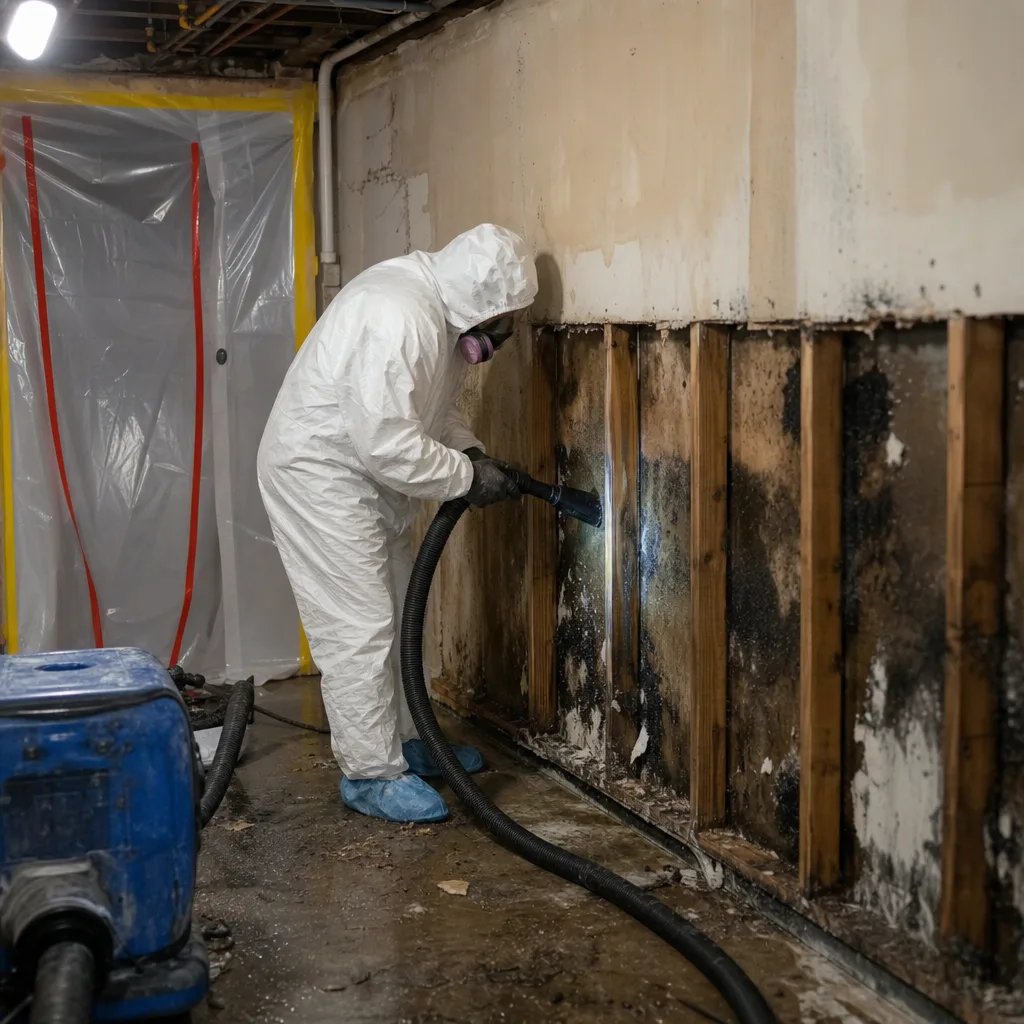
Black Mold Remediation
Stachybotrys chartarum and other toxigenic species require enhanced PPE, stricter containment, and longer air scrubbing cycles. We treat black mold remediation as a distinct protocol, not a marketing term. Every black mold job in East Harlem includes third-party clearance testing before containment comes down.
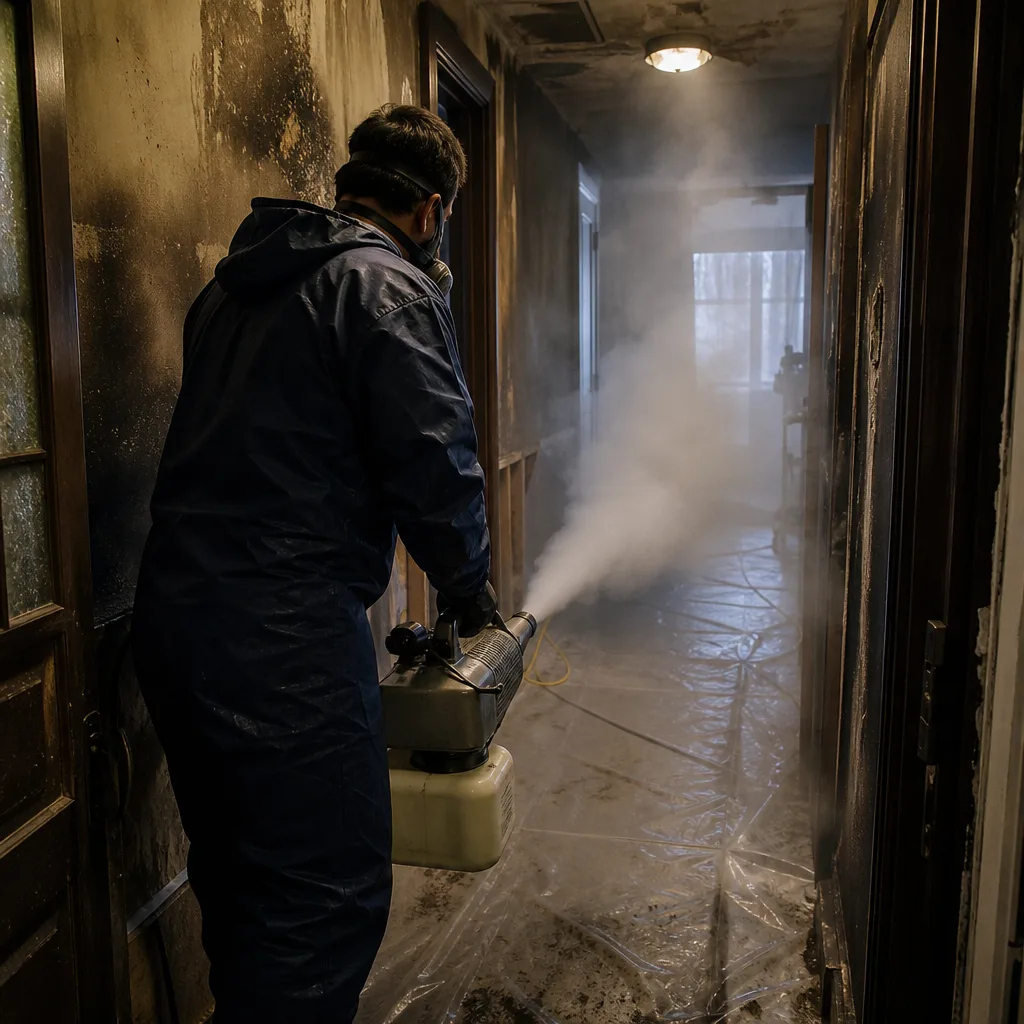
Air Quality Restoration
Post-remediation air quality is measurable, not assumed. We run continuous HEPA filtration with XPOWER and Dri-Eaz scrubbers, then verify with airborne particle counts and viable spore sampling. For East Harlem tenants with asthma or immune compromise - common in NYCHA’s aging population - we can specify MERV-16 or HEPA-grade HVAC upgrades as part of the rebuild.
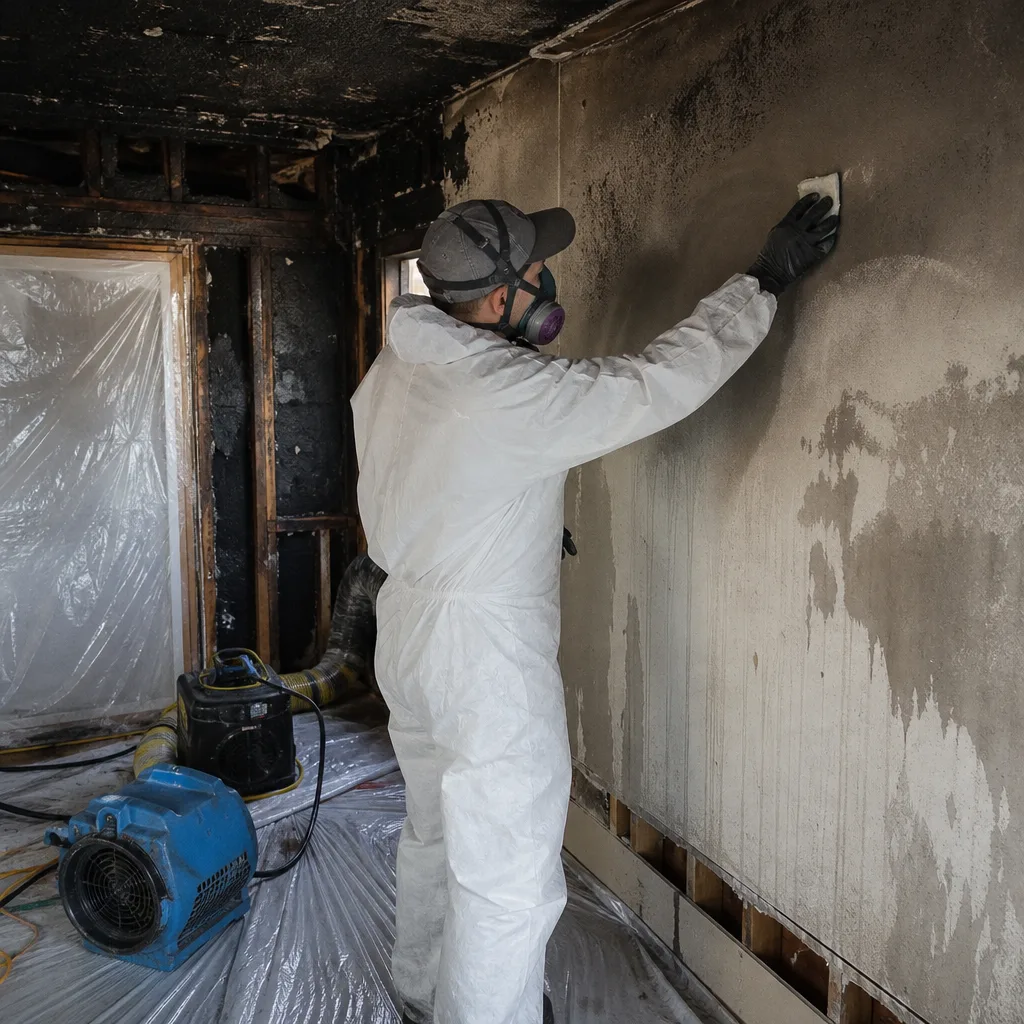
Crawl Space Treatment
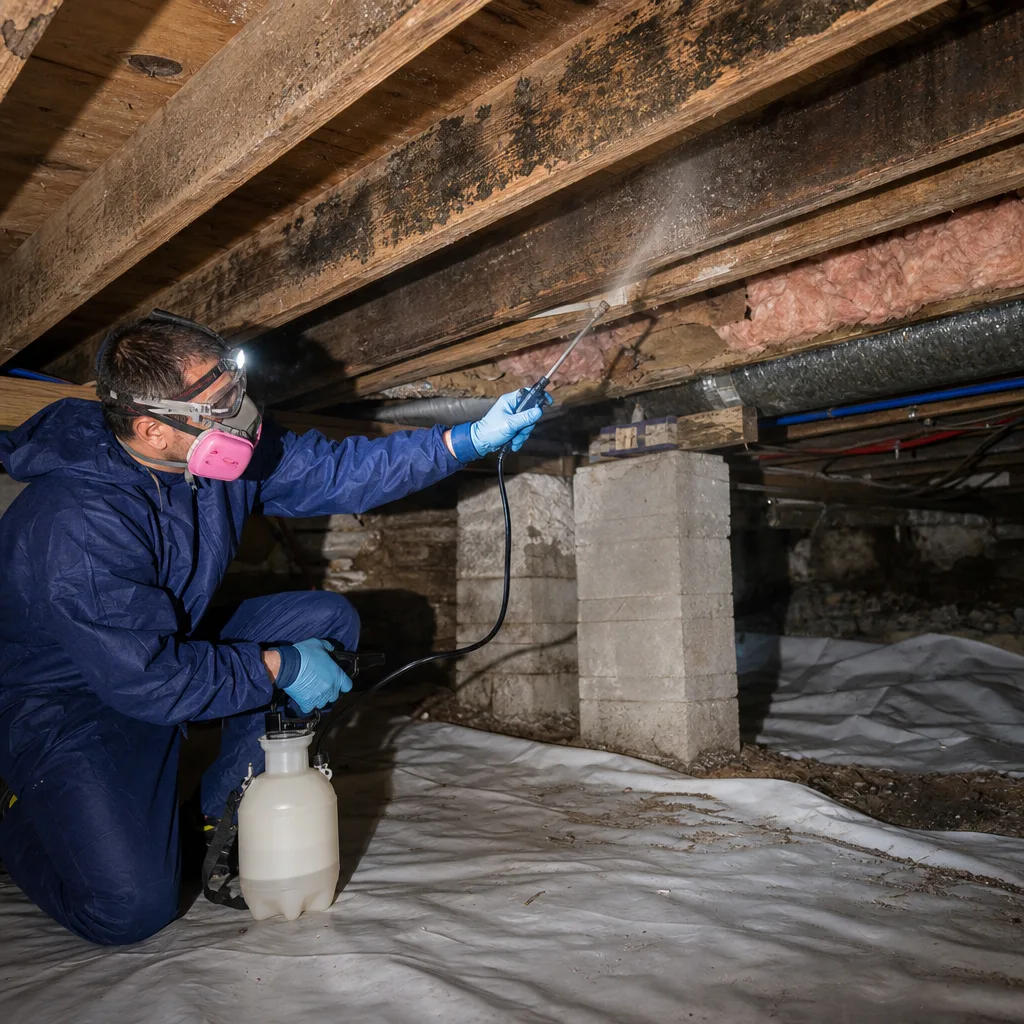
East Harlem has few traditional crawl spaces, but it has hundreds of sub-cellar utility vaults and basement mechanical rooms in tenement buildings. These below-grade spaces suffer groundwater intrusion, failed sump pumps, and condensate from aging steam boilers. We treat them with the same rigor as residential crawl spaces: vapor barrier installation, dehumidification, and structural drying to prevent upward moisture migration into first-floor units.
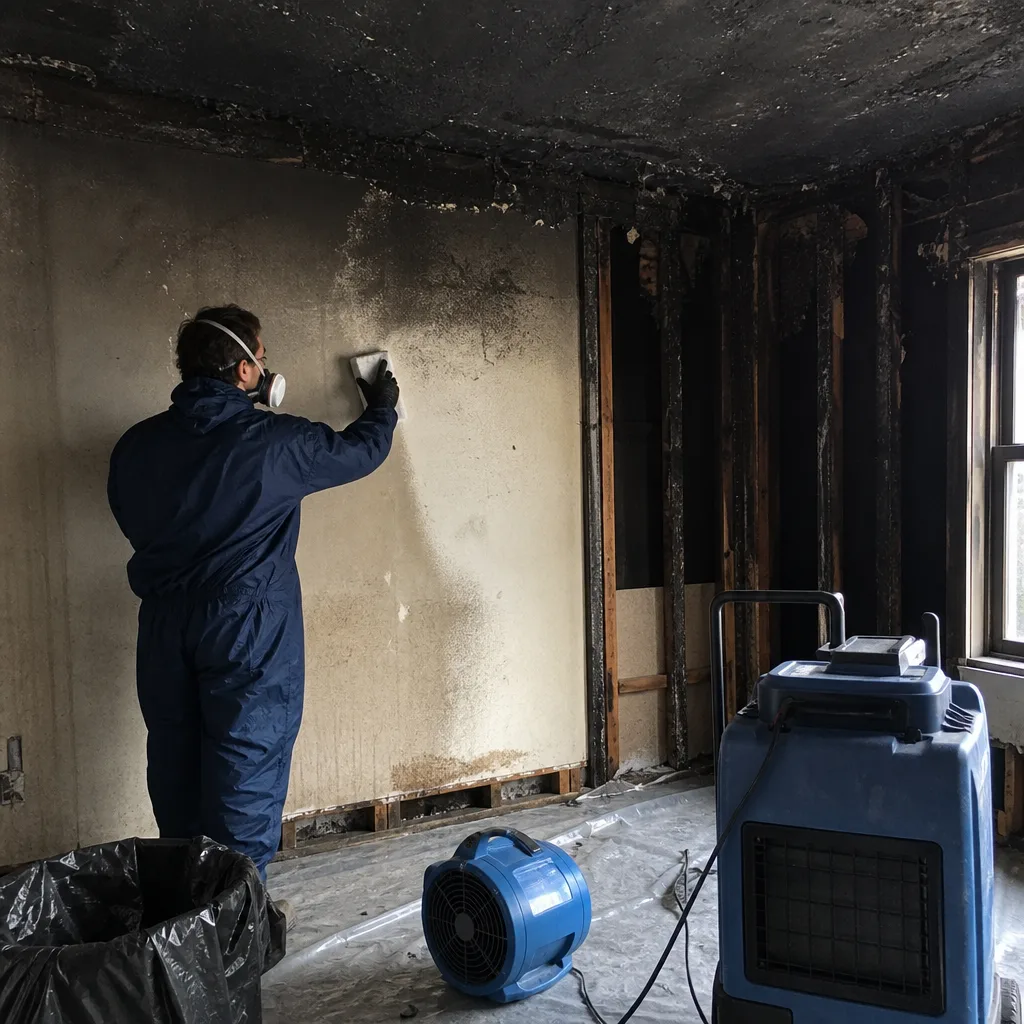
Moisture & Humidity Control
Permanent mold prevention requires controlling the conditions that allowed growth. We install whole-unit or whole-building dehumidification, improve ventilation in shaft-dependent bathrooms, and recommend stack relining or roof repair where the source is chronic. Every moisture control plan includes target humidity levels (below 60% RH) and monitoring protocols.
What happens when you call
- 1
A real person answersNo phone trees - you reach a local pro.
- 2
You get an upfront price rangeHonest numbers before anyone is dispatched.
- 3
A background-checked tech heads outLicensed & insured, dispatched right away.
- 4
You approve before work beginsNothing starts until you say go.
Mold Remediation Costs in East Harlem, NY
A typical mold inspection and air quality testing in East Harlem runs $350-$650. Contained single-room mold removal, where the source is identified and the growth is surface-only, typically costs $1,800-$3,200. Multi-room jobs involving hidden cavity mold, shaft-fed water damage, or plaster removal and reconstruction run $4,500-$8,500. Black mold remediation with enhanced containment and third-party clearance testing starts at $5,500 and can exceed $12,000 for whole-unit or multi-floor NYCHA jobs.
What moves the price: affected square footage, material type (horsehair plaster costs more to remove and replace than standard drywall), the presence of lead or asbestos requiring licensed abatement, and whether the job spans multiple units or floors. Insurance typically covers mold remediation when the underlying cause is a sudden, accidental water loss - a burst pipe, roof leak, or stack failure. Long-term maintenance neglect, slow leaks, or unresolved humidity are usually excluded.
We provide a written price before any work starts, every time, with no exceptions. Haven Standard, Clause 1. Bring a competitor’s written estimate and we will review it at no charge - our Free Second Opinion. Call (551) 213-5277 to schedule inspection.
We Also Serve Cities Near East Harlem
Our crews respond throughout the metro area from our New York City office. We regularly handle Mold Remediation in East Harlem and the surrounding communities: Upper East Side, Manhattan, Upper West Side, and Astoria. Each market has its own building stock and loss patterns; our documentation and pricing adjust to the local conditions.
Serving East Harlem, NY - Our Local Coverage Area
We’re based in the East Harlem area and know this community well. Use the map below to see our service coverage - if you’re nearby, we can almost certainly help.
East Harlem Mold Remediation Questions, Answered
Why does mold show up on multiple floors of my East Harlem tenement when only one apartment has a leak?
The dumbbell-plan tenements built under the 1879 Tenement House Act have narrow interior air shafts that connect all floors vertically. When a base drain clogs, water pools against the shared interior masonry wall and wicks upward through the plaster and lath on multiple levels. We routinely find mold established on two or three intermediate floors with no visible leak reported - the shaft hides the water until it has spread. Call (551) 213-5277 and we will moisture-map the full shaft run before writing any scope.
How fast does mold actually start after a water leak in an East Harlem pre-war building?
Mold colonization on organic material begins in 24 to 48 hours when moisture content stays above 16% and temperature is between 60°F and 80°F. East Harlem’s horsehair plaster and wood lath provide ideal substrate, and the masonry mass of pre-war walls retains moisture for weeks. In summer, we have seen active growth at 36 hours. The key is not when you see it; it is when the moisture reading confirms the wall is wet. We measure; we do not estimate.
Does a NYCHA apartment in East Harlem need a different mold remediation process?
Yes. NYCHA requires a separate work order approval and environmental health inspection track before any remediation begins. The process adds documentation steps and typically extends the pre-work timeline by several days. We have navigated this approval on dozens of jobs and coordinate directly with NYCHA management and resident associations. The remediation protocol itself - containment, HEPA filtration, antimicrobial treatment, clearance testing - follows the same IICRC standards, but the scheduling and documentation are distinct. Call (551) 213-5277 and we will walk you through the NYCHA-specific timeline.
Can you tell me which water leaks in my East Harlem building can be dried versus which materials have to come out?
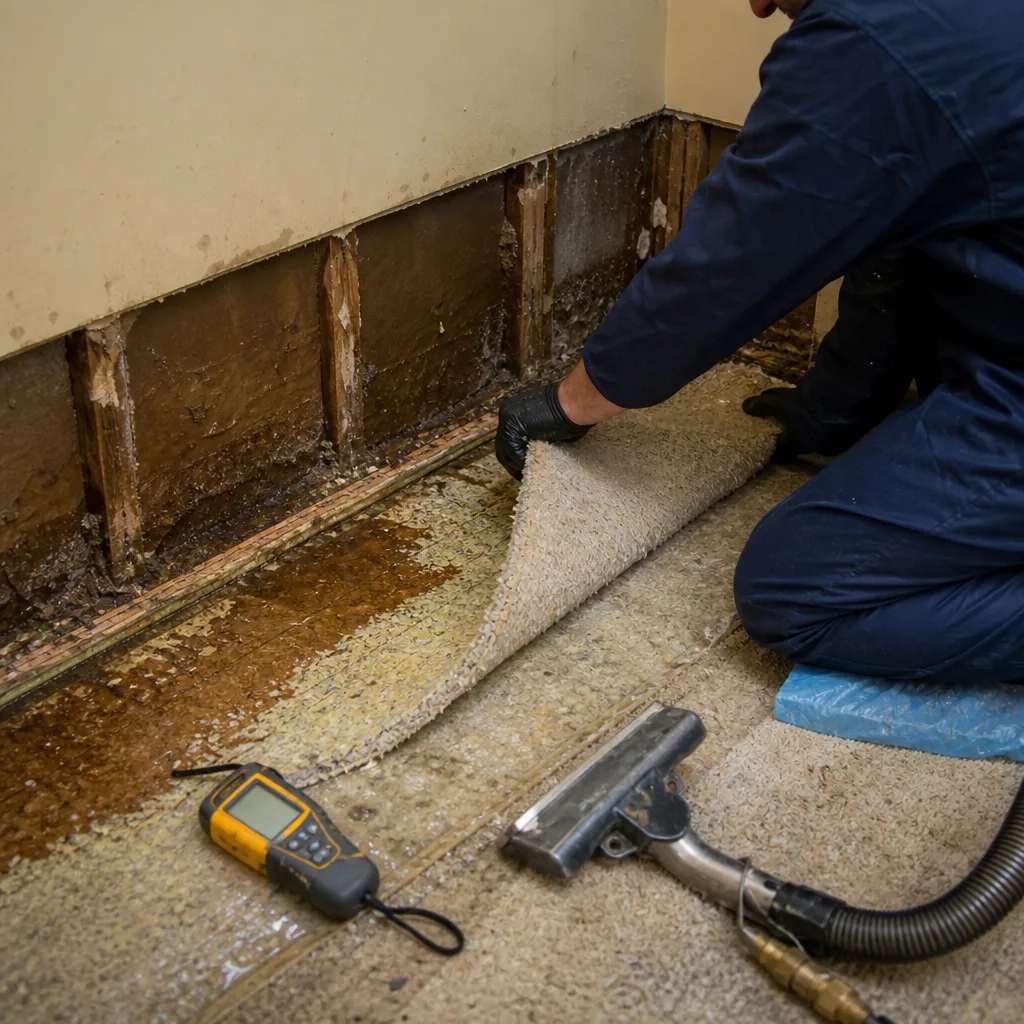
Non-porous materials - tile, sealed concrete, metal, glass - can almost always be dried and cleaned in place. Porous materials are case-specific: drywall with less than 24 hours of water exposure and no visible mold can often be dried and saved; horsehair plaster with any confirmed mold penetration must be removed because the mold colonizes the material matrix. Carpet and padding are almost always removed in Category 2 or 3 losses. We make these calls with moisture readings and borescope inspection, not guesswork. Every removal decision is photographed and explained in writing before work starts.
What does mold remediation involve in an East Harlem tenement with original cast iron stacks and steam piping?
Original cast iron drain stacks and steam-radiator piping create two distinct challenges. First, pinhole failures and joint leaks release water inside wall cavities where the stack chase runs; without moisture readings at the chase, the source is missed and drying shuts down too early. Second, cutting into walls that contain these systems triggers NYC Local Law lead-paint and asbestos abatement requirements - the pipe insulation on century-old steam lines is frequently asbestos-containing. Our scope always includes licensed abatement coordination before demolition begins. We have handled this specific combination on dozens of East Harlem jobs. Call (551) 213-5277 for inspection.
How fast can your crew actually get to East Harlem?
We commit to 45-minute response for East Harlem addresses, with dispatch coordinated from our New York City office. A live person answers every call, 24 hours a day, 7 days a week. Crews carry containment materials, HEPA scrubbers, and moisture detection equipment on every truck. The 45-minute clock starts when you hang up, not when we return a voicemail.
Will my insurance cover mold remediation in East Harlem?
Coverage depends on the water source. Sudden, accidental losses - burst pipes, roof failures, stack ruptures - typically trigger mold remediation coverage under the resulting damage provision. Slow leaks, maintenance neglect, or unresolved humidity are usually excluded. We document the loss as sudden and accidental when the evidence supports it, photograph the source before any repair, and write estimates to carrier standards for direct billing. Our documentation has supported hundreds of payable claims. Call (551) 213-5277 and we will review your policy specifics at inspection.
Can my family stay in the apartment during mold remediation?
For Category 1, limited surface contamination in a single room with door containment, residents often remain in the unit with the work area sealed. For Category 2 or 3 jobs, multi-room contamination, or any black mold remediation, we recommend relocation during active work. The containment creates negative pressure that is safe but disruptive, and the HEPA scrubbers run continuously at 65-70 decibels. We coordinate with your insurance for additional living expense documentation when coverage applies. Every job closes with clearance testing before re-occupancy.
Written by Alicia Brennan, Owner at Back to Dry Restoration, serving East Harlem since 2011.
Mold Remediation in Nearby Areas