
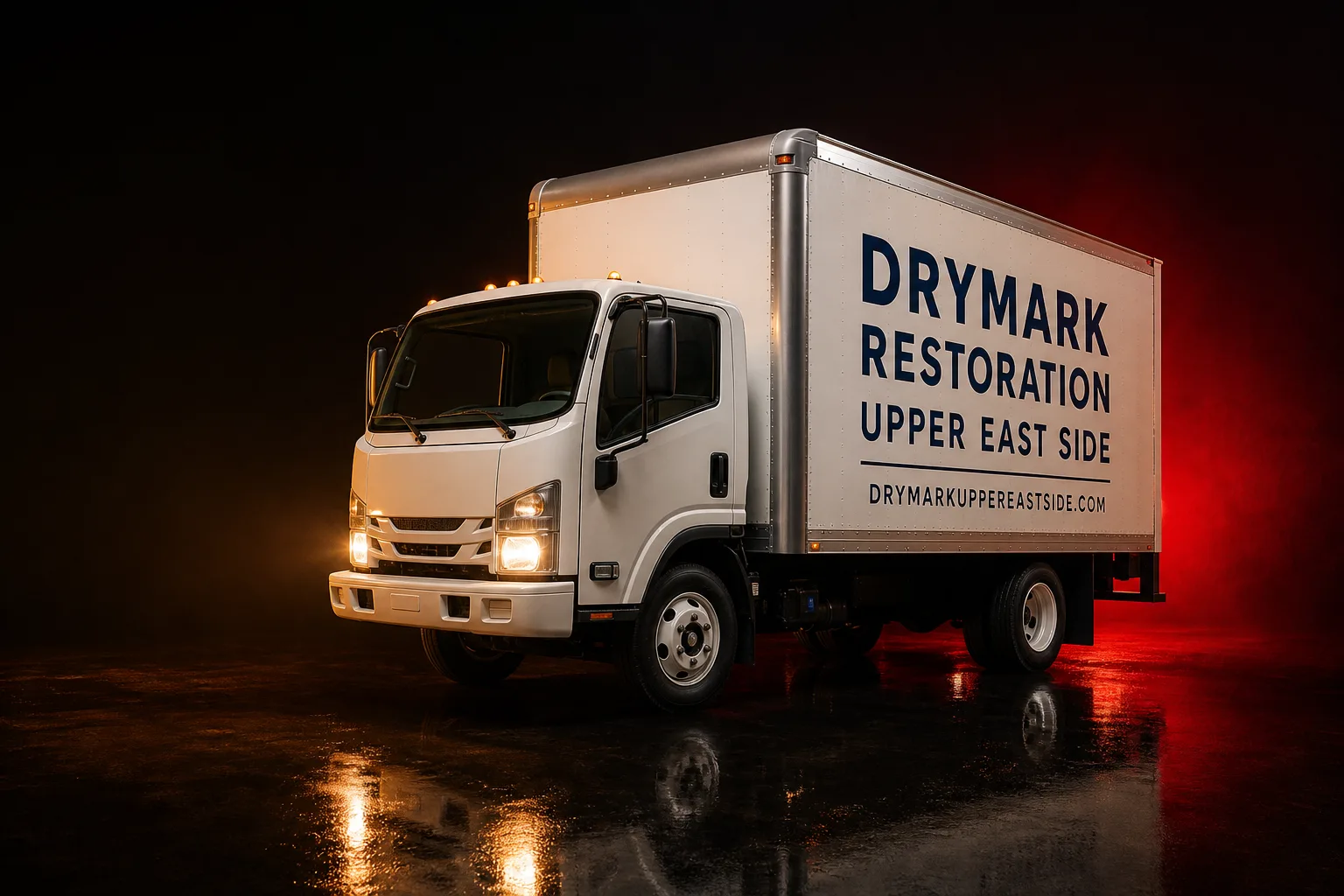
Free visual inspection and a written scope of work before any mitigation begins - photos, moisture readings, and drying logs go in your claim file
The scope we write is the scope we bill. Anything new gets shown to you, in writing, before we touch it.
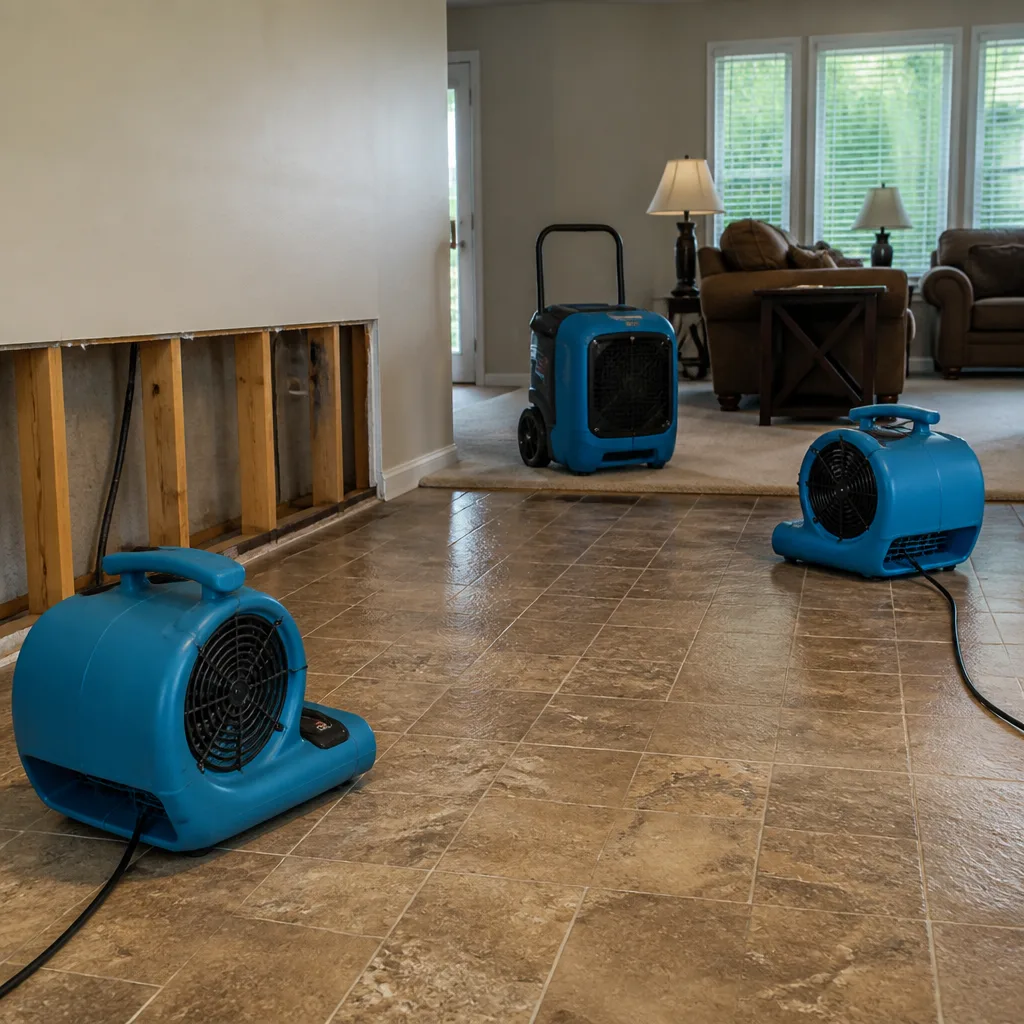

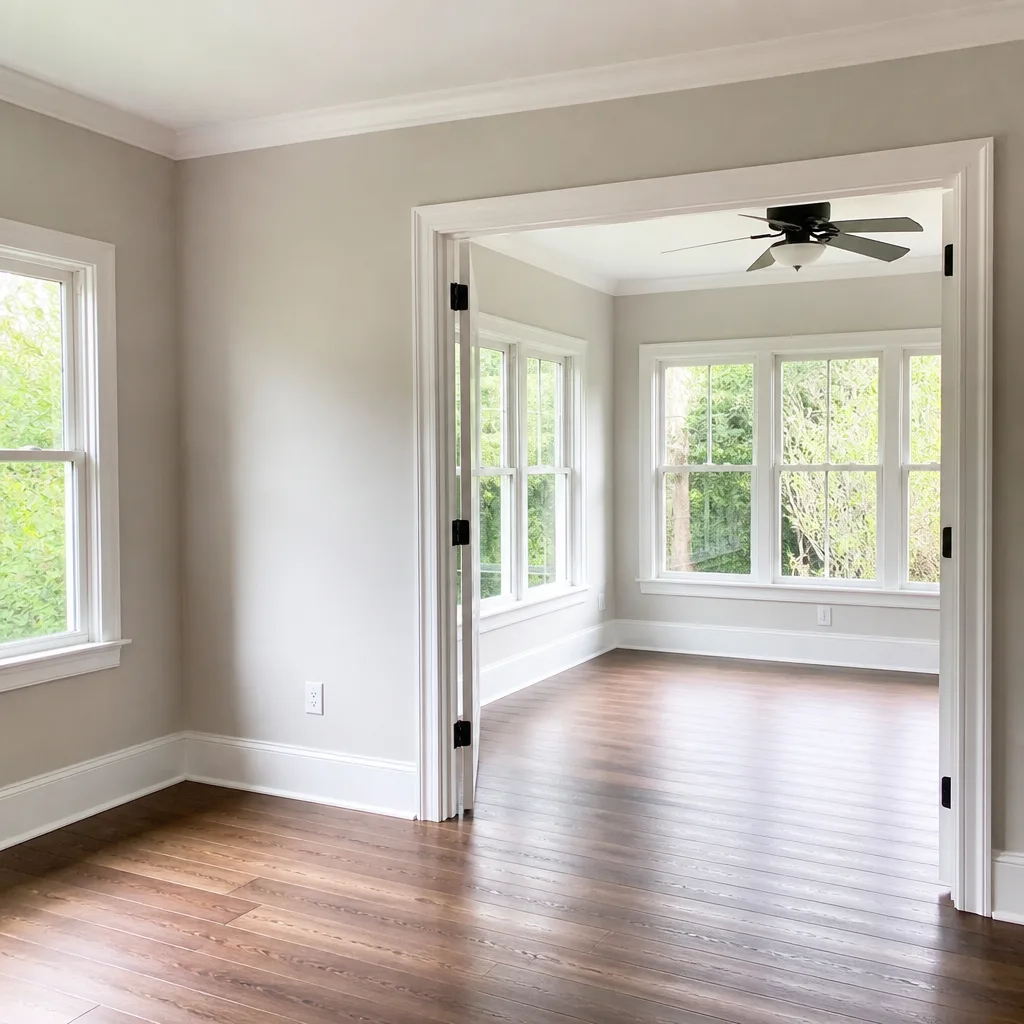
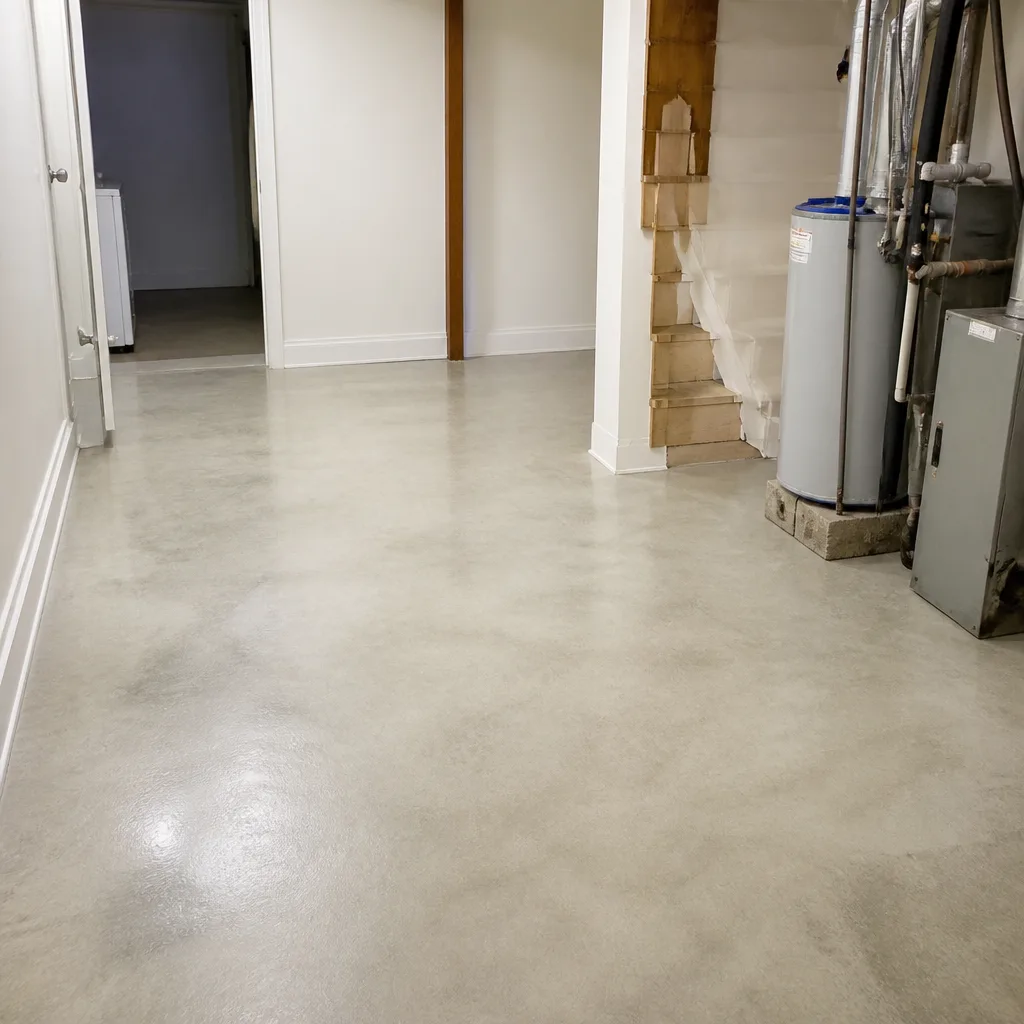
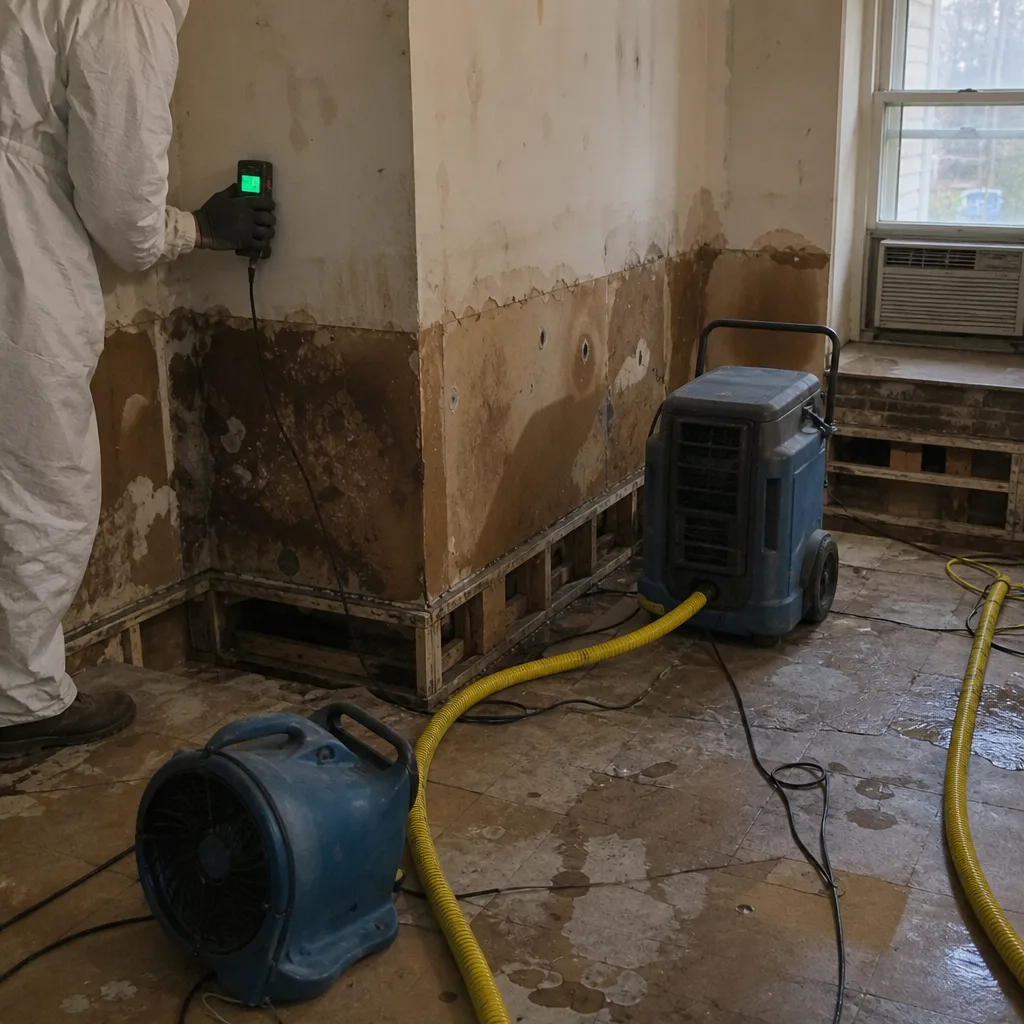 Before
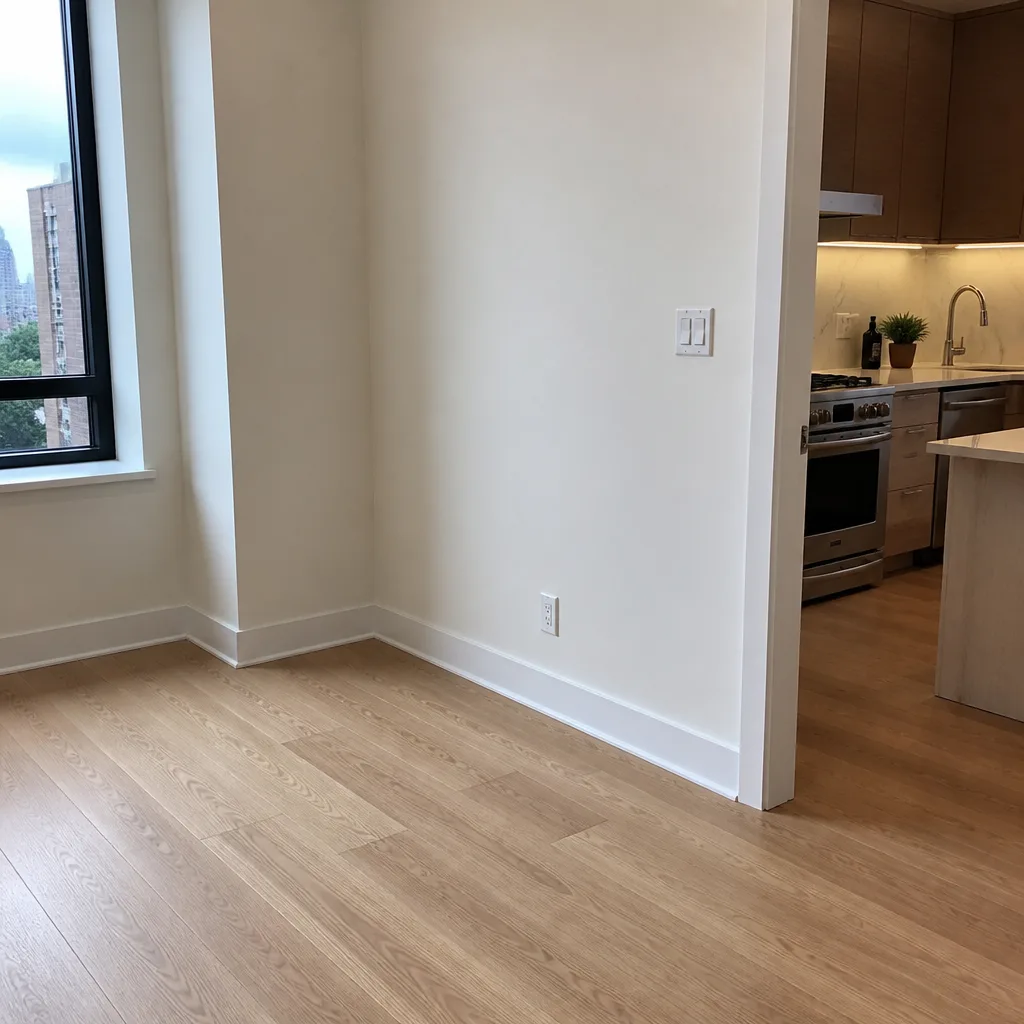 After
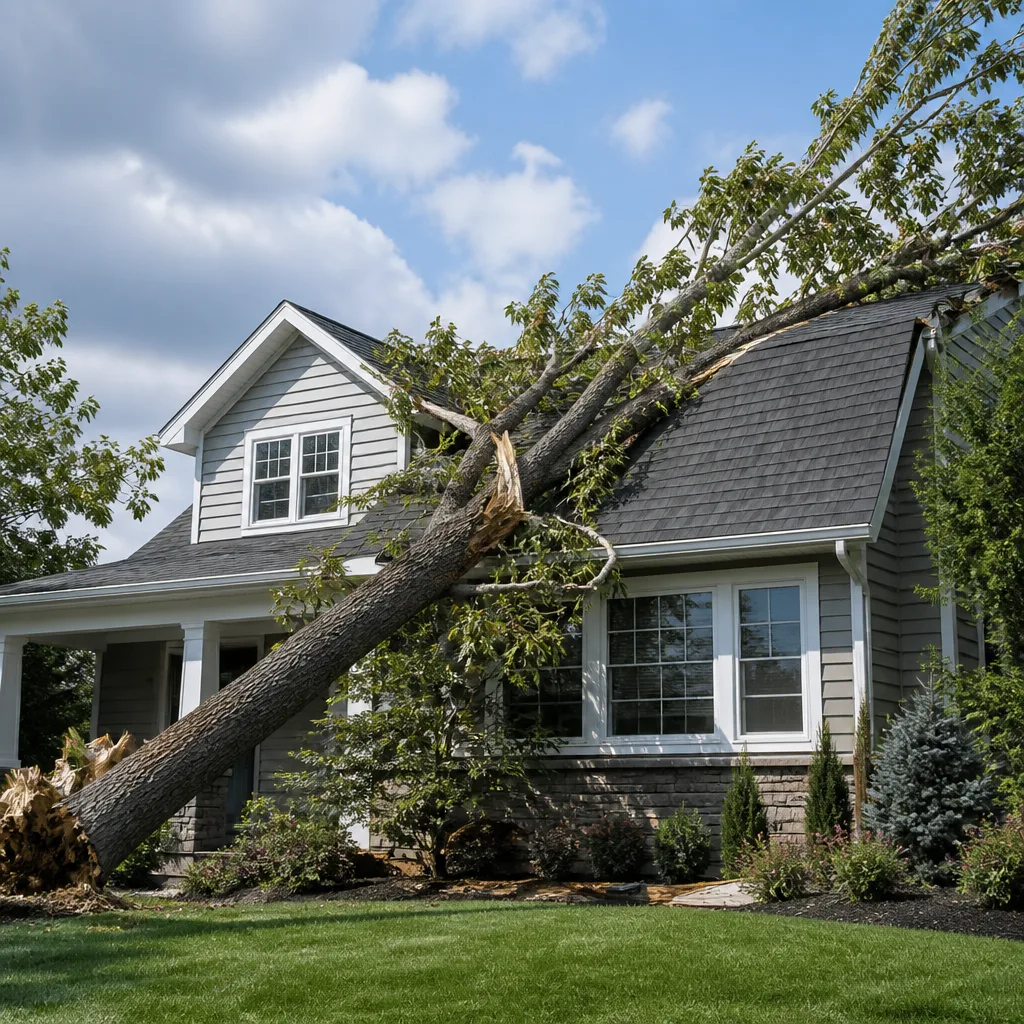
After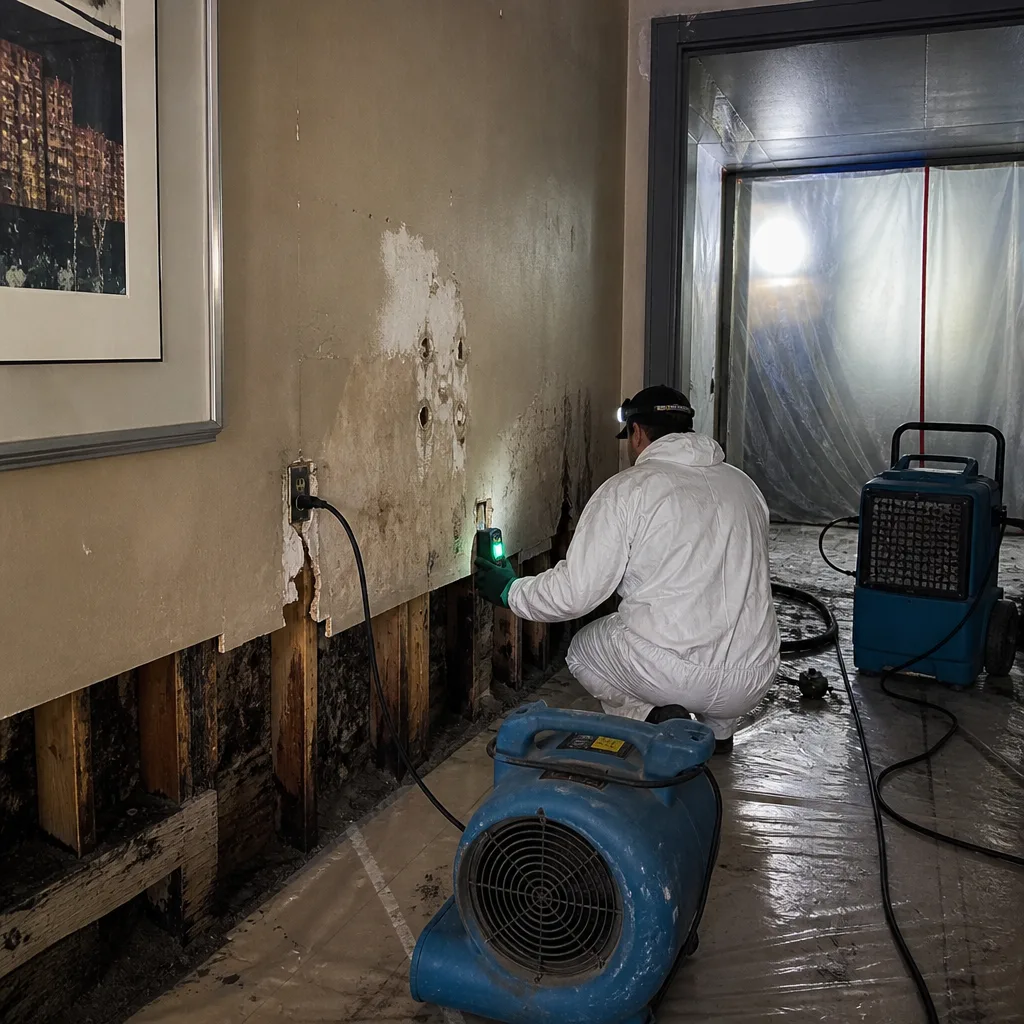 Before
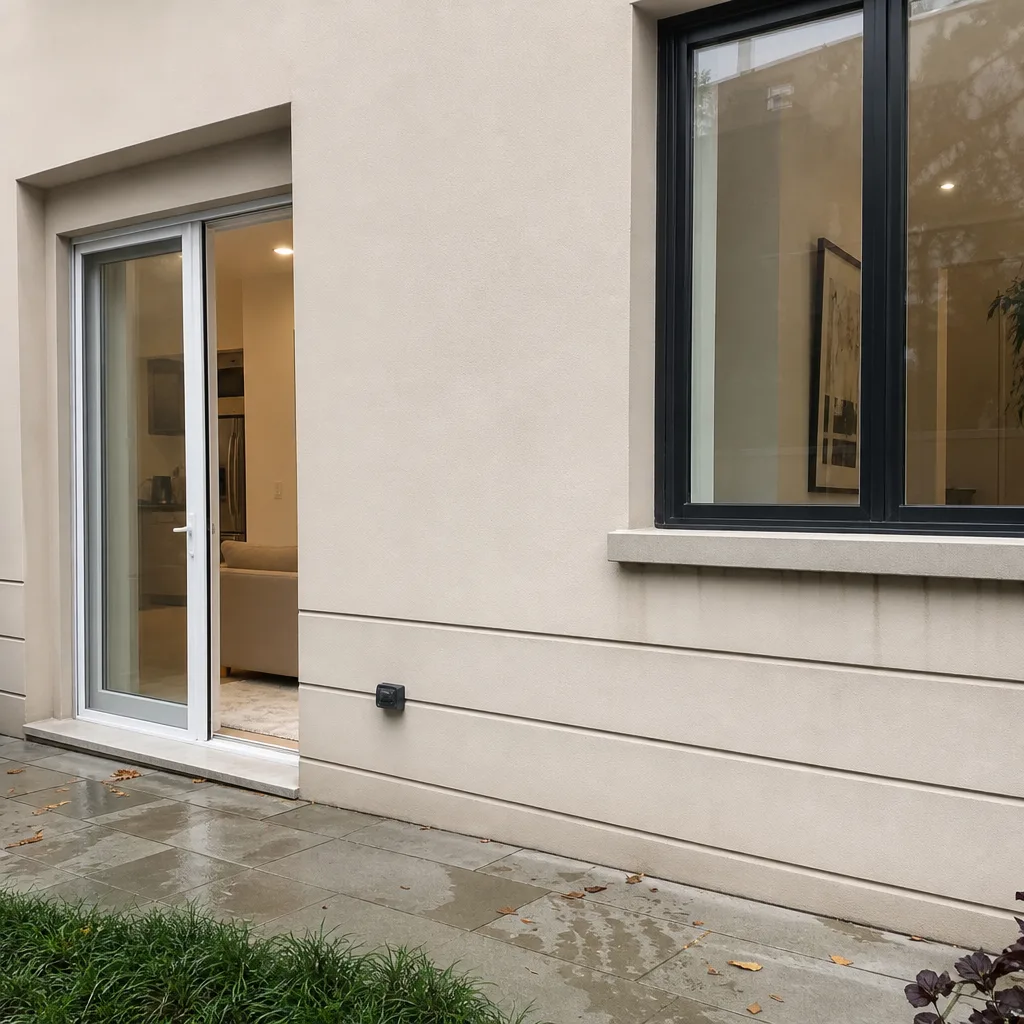 After
After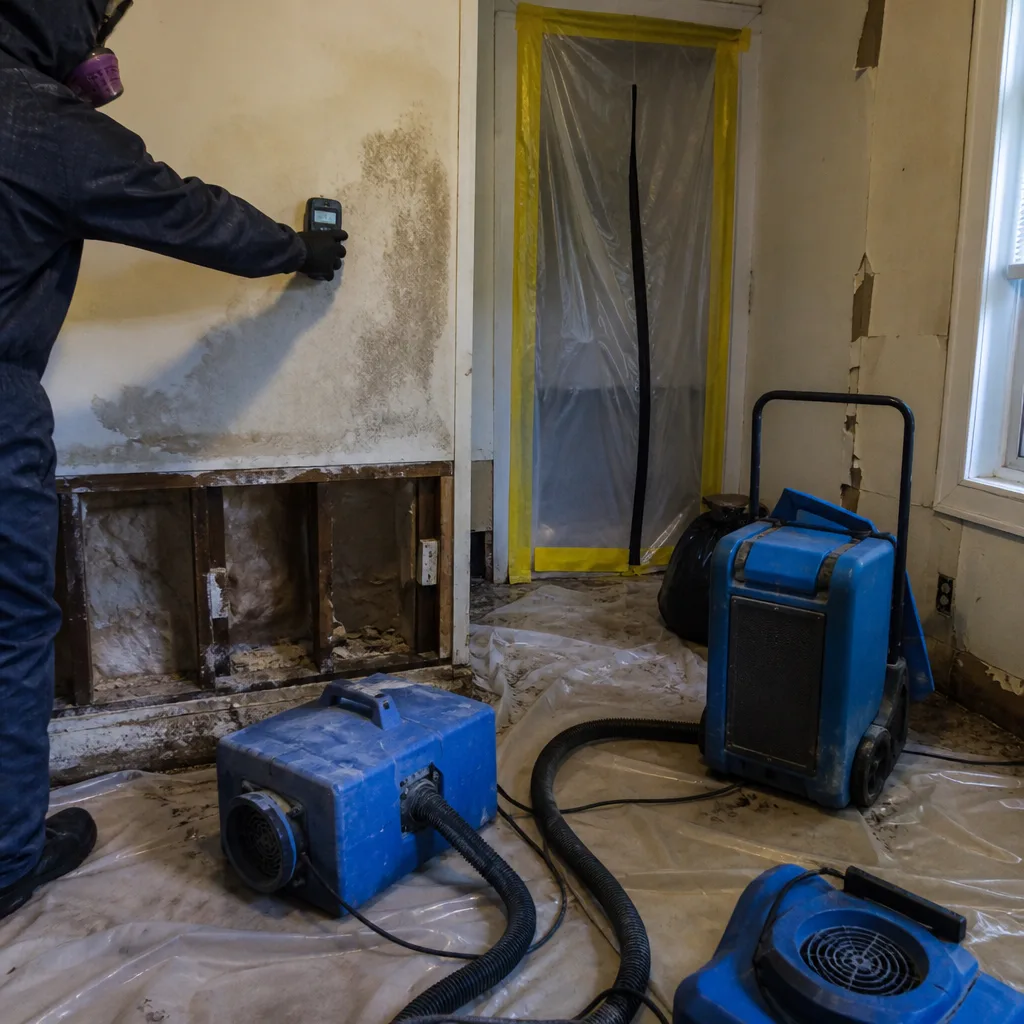 Before
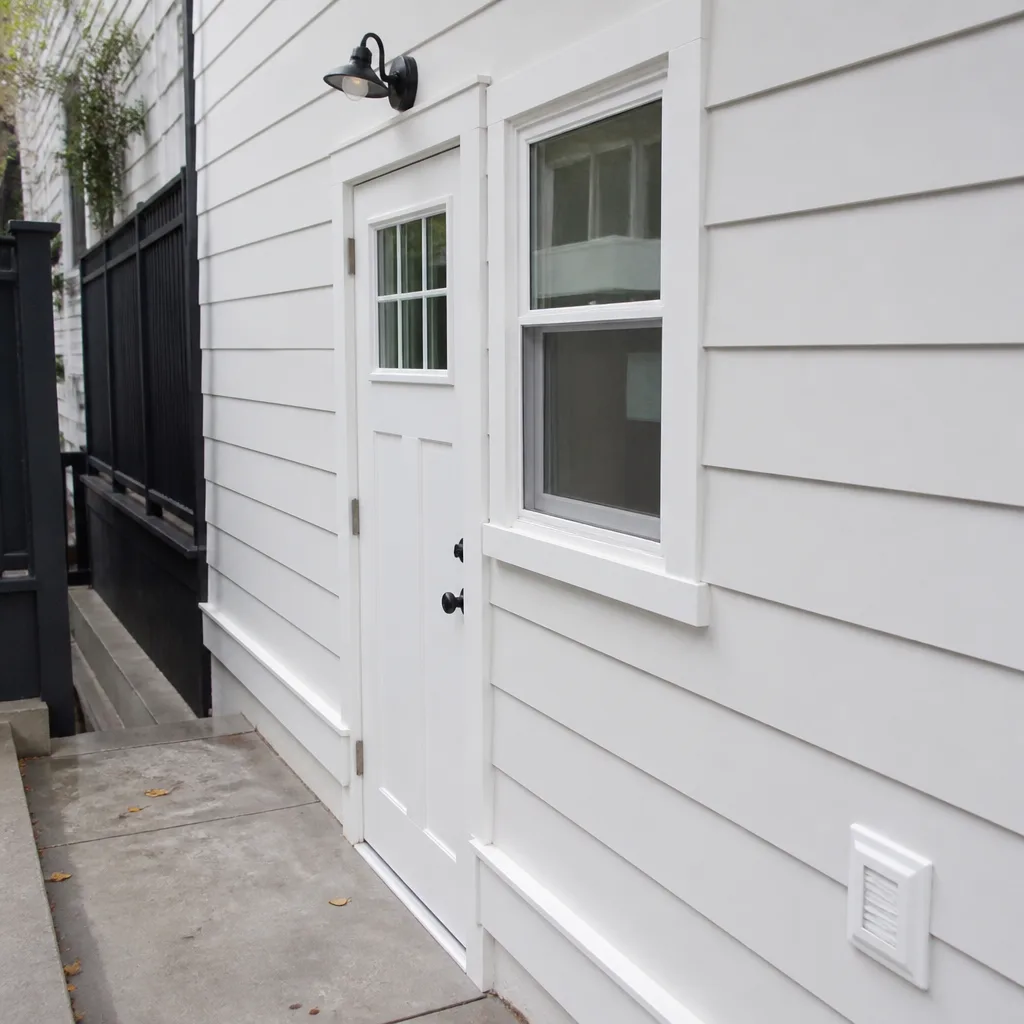 After
After24/7 Emergency Mold Remediation in Manhattan
Call (551) 213-5277 now. Our Mold Remediation in Manhattan crews answer live, 24 hours a day, 7 days a week, with no voicemail trees. We dispatch to every Manhattan neighborhood within 45 minutes of your call, from the Financial District to Harlem, because mold spreads through porous building materials in the first 24-48 hours after moisture intrusion. Every minute of delay means more square footage of drywall, horsehair plaster, or insulation that must be removed rather than dried and saved. We arrive with moisture meters, thermal imaging, and containment equipment, and we perform a free visual inspection on every call. The first hour determines whether we’re containing a contained problem or remediating a building-wide contamination.
Understanding Mold Remediation Severity in Manhattan Properties
Mold damage in Manhattan falls into three severity tiers, each dictating containment strategy, equipment deployment, and whether occupants can remain in place. Level 1 contamination covers under 10 square feet of visible growth, typically behind a single bathroom vanity or under a kitchen sink in a post-war condo. Level 2 spans 10-30 square feet, often involving multiple wall cavities or ceiling sections in pre-war units where horsehair plaster and lath create hidden reservoirs. Level 3 exceeds 30 square feet or involves HVAC contamination, common after vertical cascade events in high-rises where a single leak saturates multiple floors through shared riser chases.
Manhattan’s housing stock intensifies every level. Pre-war masonry buildings breathe differently than modern construction; their exterior walls wick moisture from failed parapets and window casements, producing chronic condensation behind intact plaster. Post-war concrete slabs and glass curtain walls trap vapor from seasonal humidity swings. We classify every Manhattan job by affected material, not just visible growth: Category 1 mold on clean drywall, Category 2 on contaminated organic substrates like horsehair plaster or cellulose insulation, and Category 3 on sewage-impacted or long-standing moisture damage requiring full removal and antimicrobial treatment. Air scrubbing with HEPA-negative machines, sealed containment under 0.02-inch poly sheeting, and post-remediation clearance testing with outdoor-control spore traps follow IICRC S520 and NYC Department of Health guidelines.
Why Manhattan Property Owners Choose DryMark Restoration Upper East Side
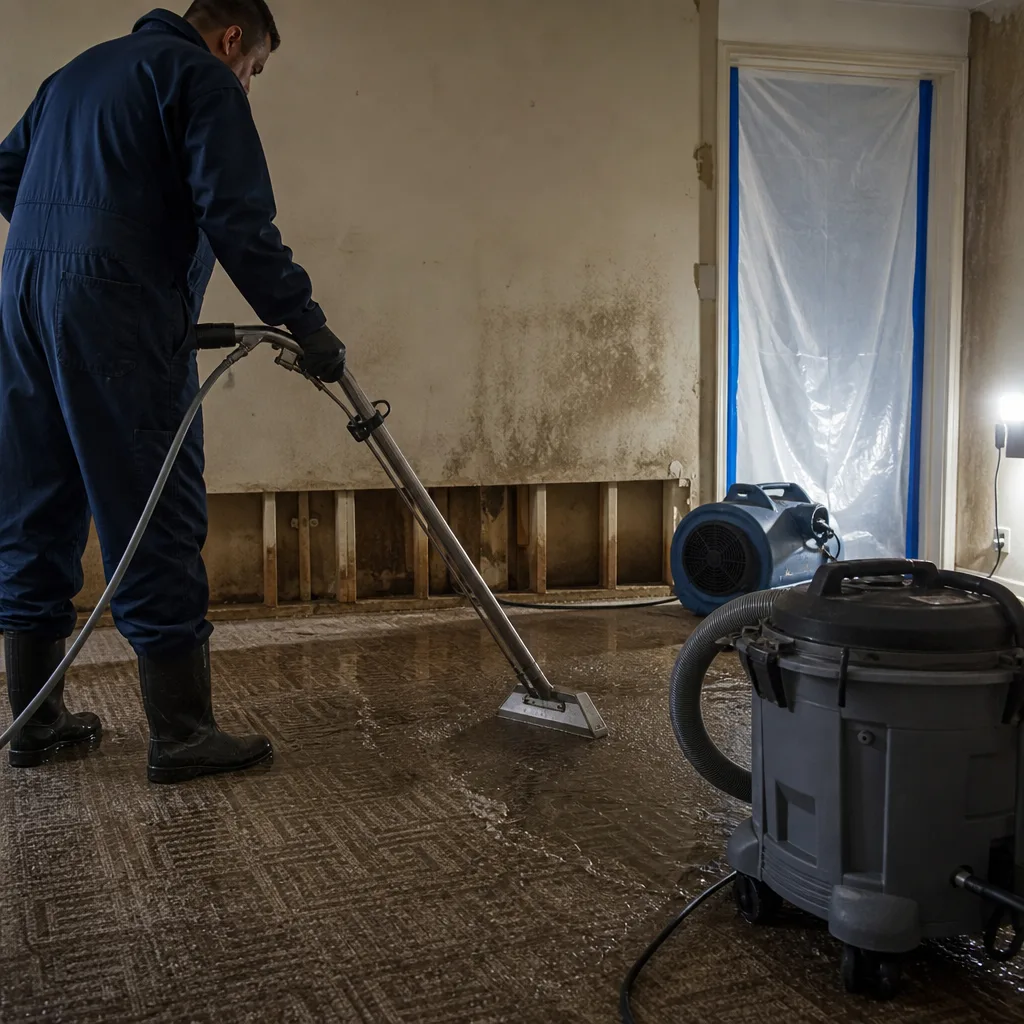
- 45-minute response commitment to any Manhattan address, with crews staged across the borough to beat bridge and tunnel delays.
- 24/7 live answer: a real person, never an automated system, who can dispatch containment equipment while you’re still on the line.
- IICRC-certified crews holding WRT (Water Damage Restoration Technician), AMRT (Applied Microbial Remediation Technician), and FSRT (Fire & Smoke Restoration Technician) credentials where cross-contamination applies.
- Free visual inspection on every call, with moisture mapping and thermal imaging included before any scope is proposed.
- Direct insurance billing with photo-documented estimates formatted to carrier specifications, reducing adjuster revision cycles.
- One team from containment through reconstruction, eliminating handoff gaps that leave hidden moisture unaddressed.
BeforeAfterOur Mold Remediation Process
1. Inspection & Assessment
We arrive with FLIR thermal cameras, penetrating and non-penetrating moisture meters, and hygrometers to map the full extent of moisture intrusion, not just visible mold. In Manhattan pre-war buildings, we probe horsehair plaster and lath cavities where mold colonies hide behind seemingly dry surfaces. Every reading is logged for the drying record.
2. Containment & Air Filtration
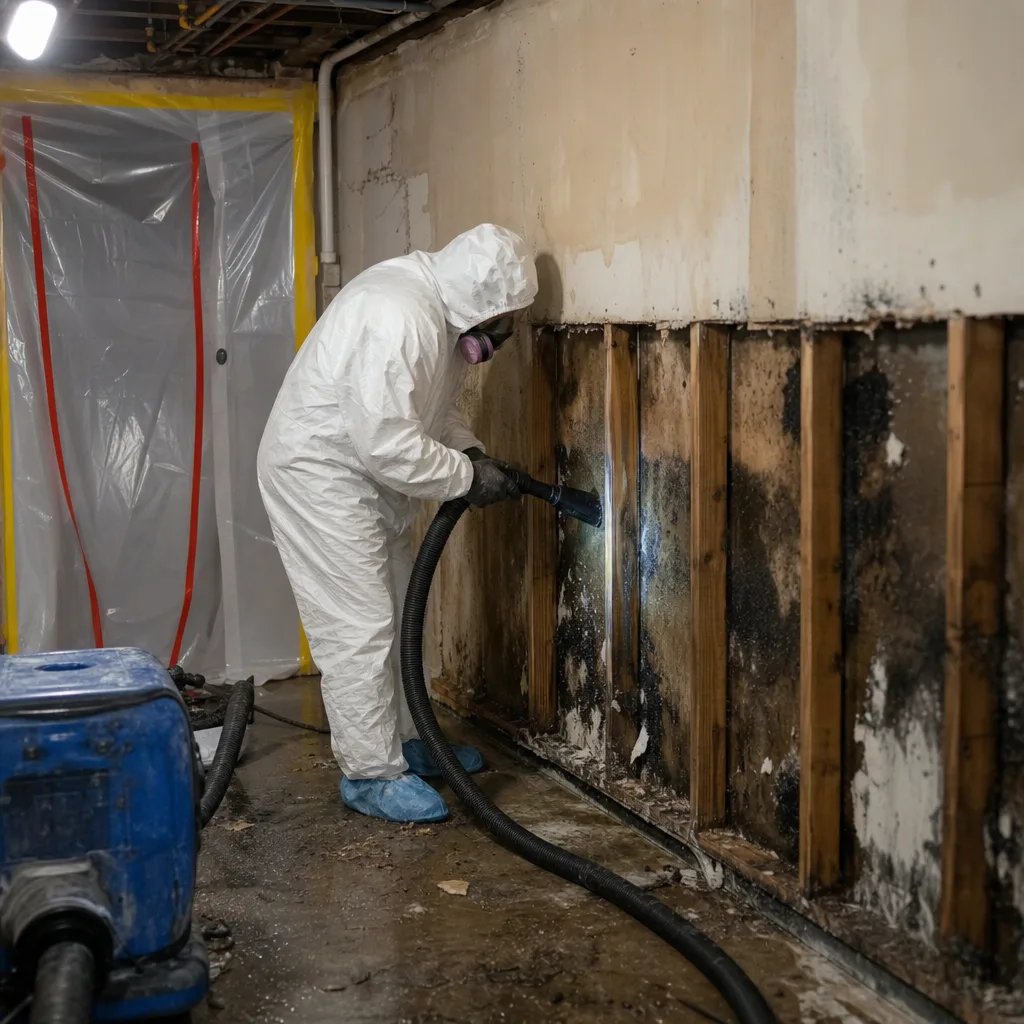
We establish negative-pressure containment with 6-mil poly sheeting and HEPA air scrubbers rated at 99.97% efficiency at 0.3 microns. In multi-unit Manhattan buildings, this prevents cross-contamination through shared HVAC risers and hallway pressurization. Equipment from Dri-Eaz and Phoenix maintains controlled airflow throughout.
3. Moisture Control & Structural Drying
Before remediation begins, we reduce ambient moisture to below 60% relative humidity using LGR dehumidifiers and targeted air movers. This halts active growth and prevents recontamination after removal. Daily psychrometric readings, logged to the drying record, track vapor pressure differential until materials reach equilibrium moisture content.
4. Mold Removal & Antimicrobial Treatment
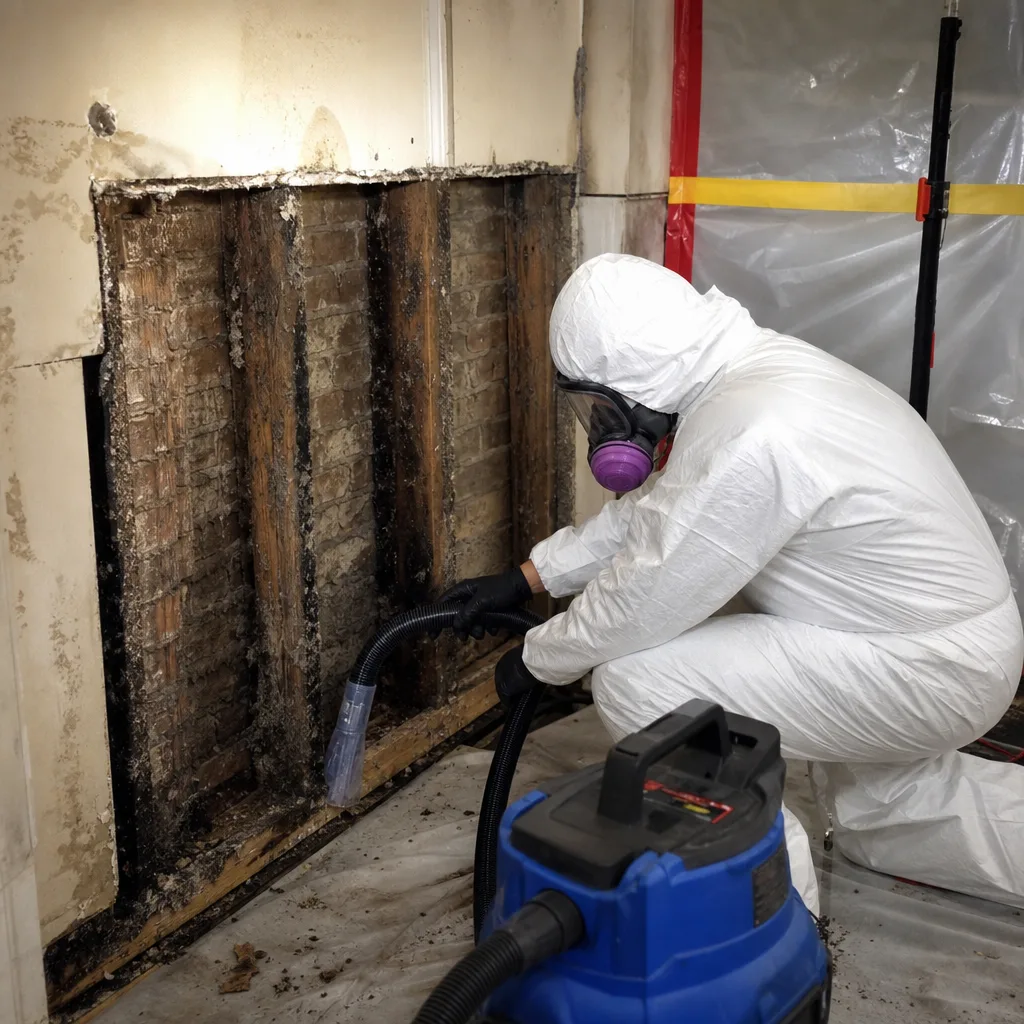
Non-salvageable materials are removed under containment with HEPA vacuum extraction at the point of disturbance. Remaining substrates receive EPA-registered antimicrobial application, followed by HEPA vacuuming and damp-wipe cleaning. We never apply sealants over active growth, a shortcut that traps moisture and guarantees recurrence.
5. Air Quality Restoration & Clearance Testing
Post-remediation, we run 24-hour air sampling with spore traps comparing indoor counts to outdoor baselines. Third-party laboratory analysis confirms clearance before containment is removed. For Manhattan co-op and condo boards, this documentation satisfies both insurance requirements and building management protocols.
6. Repairs, Reconstruction & Documentation
Our reconstruction team replaces removed materials to match existing finishes, from pre-war plaster skim-coats to modern drywall. Every phase is photo-documented, moisture-logged, and delivered to your insurer and board in a single file. The 365-Day Done Right Promise, stamped under The Haven Standard, covers all work.
Need Emergency Mold Remediation in Manhattan Now?
Crews minutes away, answering live 24 hours a day. The sooner we start, the less it costs.
Working With Your Insurance Company
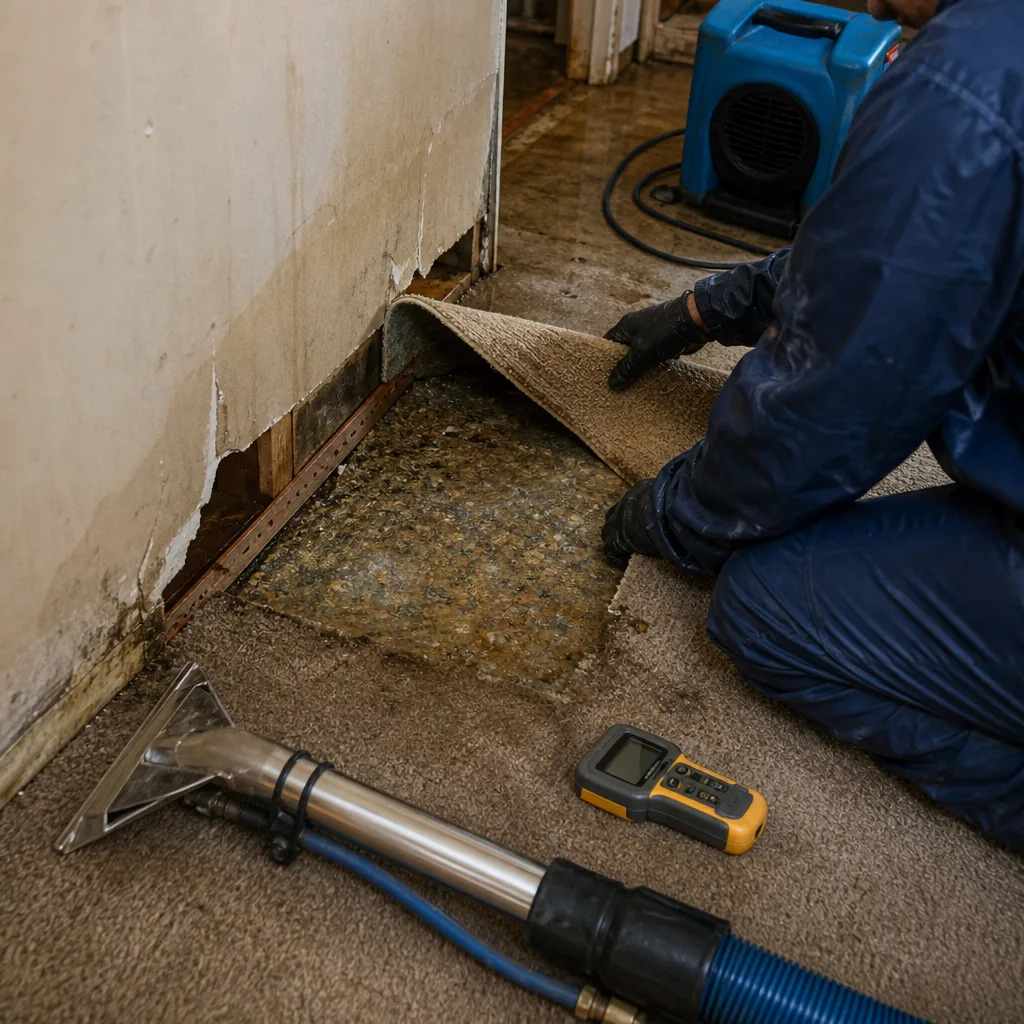
Insurance claims for mold damage in Manhattan fail most often at the documentation stage. Adjusters deny or reduce payouts when moisture intrusion dates are unclear, when drying logs are incomplete, or when scope-of-work descriptions use generic language that doesn’t match policy exclusions. We eliminate these failure points from the first hour.
Our technicians photograph every room, every elevation, every material classification before any equipment is placed. Moisture readings are GPS-tagged and time-stamped. Drying logs are updated daily with psychrometric data, equipment placement maps, and material moisture-content progression. Estimates are written in line-item Xactimate format, the industry standard, with trade-specific codes that adjusters recognize without revision. We communicate directly with your carrier’s assigned adjuster, attend inspections when requested, and provide supplemental documentation for any scope expansion. For Manhattan’s vertically stacked losses involving multiple units and carriers, we produce separate files per unit with cross-referenced causation documentation.
What We Provide Your Insurer
- Thorough documentation of the loss
- Photos of all damage, room by room
- Moisture readings and drying logs
- A detailed, line-item scope of work
- Direct coordination with your carrier
Built for Manhattan’s Loss Calendar
January and February bring freeze-thaw cycles that crack masonry parapets and rooftop infrastructure, sending meltwater into top-floor units through spalled concrete and failed flashing. We see this pattern every year on the Upper East Side and in Midtown pre-war buildings where original roofing has exceeded its service life. Spring thaw raises the water table in Battery Park City and the Financial District, pushing groundwater through slab foundations that Hurricane Sandy proved were vulnerable to hydrostatic pressure. Summer humidity, July through September, drives condensation on chilled surfaces in over-conditioned post-war towers and overwhelms dehumidification in older buildings with oversized HVAC and poor zoning. October nor’easters and tropical remnants saturate exterior walls through wind-driven rain, particularly on west-facing elevations along the Hudson. November freeze events catch owners who haven’t winterized terrace drains or rooftop mechanical. Each season produces distinct mold vectors in Manhattan’s building stock, and our crews carry season-specific protocols.
Mold Remediation Across Manhattan’s Neighborhoods
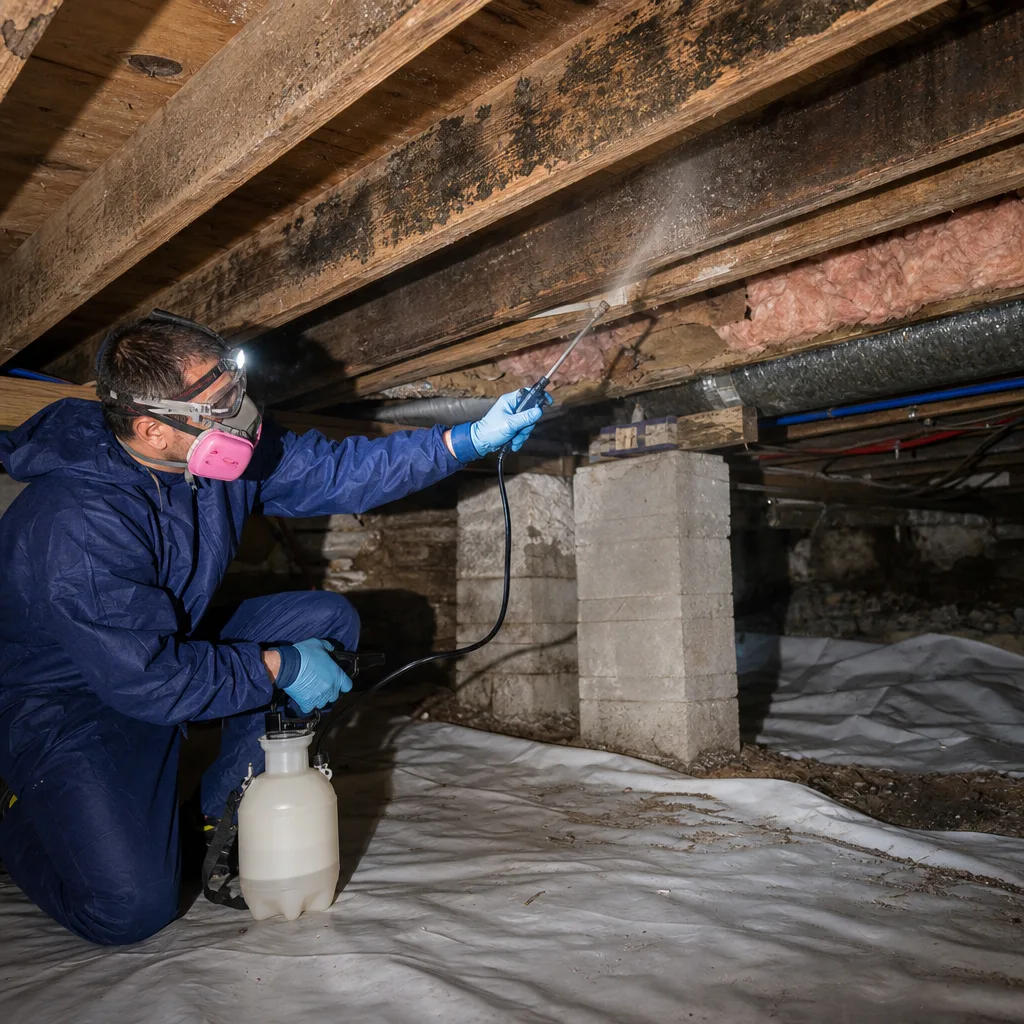
On the Upper East Side, we respond to pre-war co-ops between Park Avenue and Fifth where original bathroom plumbing and galley kitchens produce chronic leaks behind intact tile work. Board approval timelines here average 3-5 business days, and we maintain relationships with managing agents at major buildings to expedite scope review. In the Financial District and Battery Park City, flood restoration from tidal surge and high-water-table seepage dominates; these jobs require FEMA documentation familiarity and coordination with building engineers on basement-level mechanical rooms. Midtown’s mixed-use towers present unique challenges: residential units above commercial kitchens or data centers experience humidity loading from below, and our moisture mapping extends to shared slab assemblies. The South Street Seaport corridor, with its concentration of 19th-century mercantile buildings converted to residential, combines horsehair plaster, irregular framing, and rooftop water-tower supply in structures never designed for modern climate control. Harlem and Washington Heights bring their own patterns: aging galvanized plumbing in pre-war tenements, deferred roof maintenance on mid-century social housing, and seasonal radiator leaks that saturate plaster for months before visible growth appears. Our Manhattan crews don’t guess at building conditions; we know the stock by neighborhood and adjust containment, drying, and documentation accordingly.
Specialized Mold Remediation Services We Offer in Manhattan
Mold Inspection & Testing
Our Manhattan mold inspections combine visual assessment, moisture mapping, and air-quality sampling with laboratory analysis. In pre-war buildings, we focus on cavity probing behind intact plaster and on riser chases where shared plumbing creates hidden moisture reservoirs. Testing distinguishes active growth from settled spores, preventing unnecessary remediation.
Mold Removal
Removal in Manhattan requires containment scaled to building pressurization and shared HVAC systems. We remove only non-salvageable materials, preserving original plaster, trim, and architectural features where possible. Every removal action is HEPA-vacuumed at the source to prevent cross-contamination in densely occupied buildings.
Black Mold Remediation
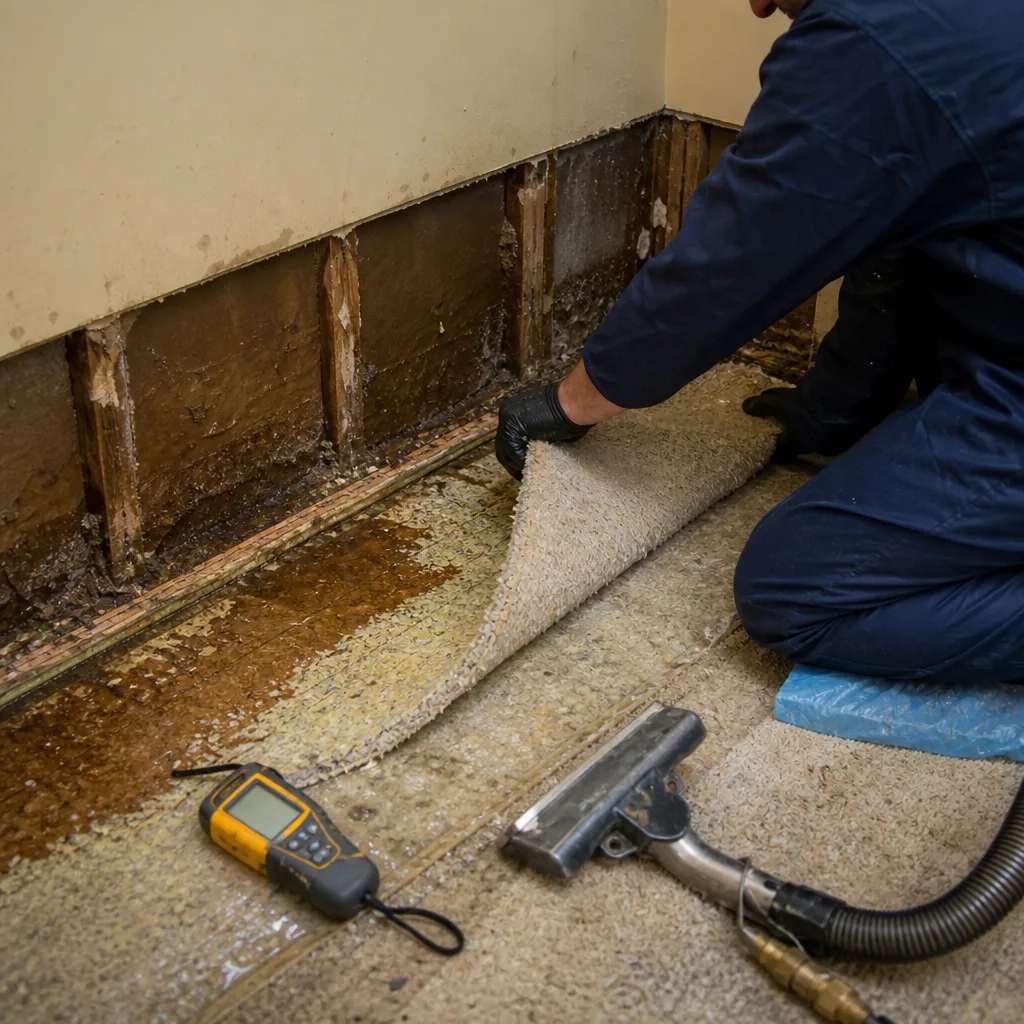
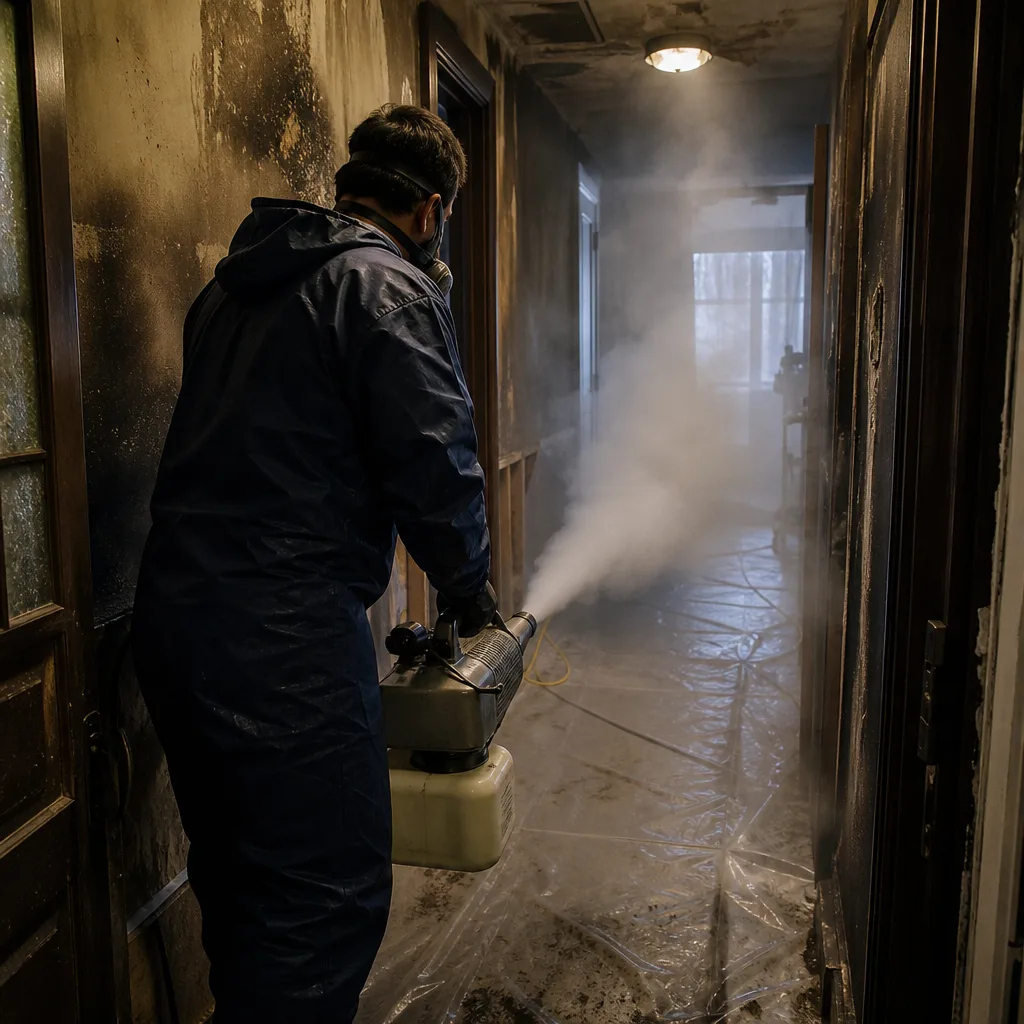
Stachybotrys chartarum and other toxigenic species require enhanced PPE, strict containment, and specialized disposal in Manhattan’s regulated environment. We coordinate with NYC Department of Health notification requirements where applicable and document chain-of-custody for laboratory confirmation of species identification.
Air Quality Restoration
Post-remediation, we restore breathable air quality through HEPA filtration, activated carbon treatment for volatile organic compounds, and balanced ventilation. In Manhattan’s sealed modern towers, we verify that mechanical systems aren’t reintroducing contaminated air from common plenums or rooftop intakes.
Crawl Space Treatment
While true crawl spaces are rare in Manhattan high-rises, we treat equivalent below-grade spaces: basement mechanical rooms, sub-slab utility tunnels in Financial District buildings, and converted cellar storage in brownstones. These spaces require vapor barrier installation, dehumidification, and often sump pump integration.
Moisture & Humidity Control
Our Mold Remediation team installs permanent humidity control solutions: dedicated dehumidification for chronically damp units, ventilation corrections for bathroom and kitchen exhaust, and building envelope assessments to identify external moisture entry. In Manhattan, controlling humidity is often the only alternative to repeated remediation in buildings with systemic moisture problems.
What happens when you call
- 1
A real person answersNo phone trees - you reach a local pro.
- 2
You get an upfront price rangeHonest numbers before anyone is dispatched.
- 3
A background-checked tech heads outLicensed & insured, dispatched right away.
- 4
You approve before work beginsNothing starts until you say go.
Mold Remediation Costs in Manhattan, NY
Manhattan’s market runs higher than national averages due to building access complexity, board-approval timelines, and the prevalence of pre-war materials requiring specialized handling. A typical Level 1 mold remediation in Manhattan, under 10 square feet in a contained area, runs $1,800-$3,500. Level 2 jobs, 10-30 square feet with containment and air scrubbing, range $3,500-$7,500. Level 3 or whole-unit contamination involving multiple rooms, HVAC systems, or reconstruction, starts at $7,500 and can exceed $25,000 in vertical cascade events affecting multiple floors. Asbestos or lead abatement triggered by pre-1978 materials adds $1,500-$5,000 depending on square footage and material type. Air quality testing and third-party clearance sampling run $400-$800 per sample set. Insurance typically covers mold remediation when tied to a covered water loss, but policies vary on mold-specific limits and exclusions; we review your coverage and document causation to maximize payable scope. Haven Standard, Clause 1: every job receives a written price before work begins, with no additions once the crew is inside. Call (551) 213-5277 for your free inspection and firm scope.
We Also Serve Cities Near Manhattan
Our crews dispatched from the New York City office serve Manhattan directly and respond to mold emergencies in Long Island City, Maspeth, Astoria, and Elmhurst when building systems or weather events create cross-borough contamination patterns.
Serving Manhattan, NY - Our Local Coverage Area
We’re based in the Manhattan area and know this community well. Use the map below to see our service coverage - if you’re nearby, we can almost certainly help.
Manhattan Mold Remediation Questions, Answered
Why does mold remediation in a Manhattan co-op take longer than in a suburban house?
Board approval and mandatory asbestos/lead assessments add 3-10 business days before work can begin. Co-op and condo boards legally gatekeep any work touching shared walls, risers, or building materials, and NYC Local Law requires certified abatement clearance on pre-1978 components before structural drying or reconstruction proceeds. We coordinate directly with building management to expedite this sequence, but the regulatory framework is non-negotiable. Call (551) 213-5277 and we’ll outline the timeline for your specific building.
What triggers a mold problem in a Manhattan high-rise even without visible water?
Condensation from humidity differentials, pressurization imbalances, and thermal bridging in exterior walls produces chronic moisture without a discrete leak event. In Manhattan’s pre-war buildings, horsehair plaster wicks moisture from failed parapets and window casements; in post-war towers, chilled surfaces in over-conditioned spaces sweat during humid months. We identify these hidden moisture sources with thermal imaging and humidity mapping. Call (551) 213-5277 for inspection.
How do you handle mold remediation when the water source is a shared riser or roof drain?
We map moisture across all potentially affected units, coordinate with building management to isolate the source, and establish containment that protects common areas and neighboring residences. Our documentation identifies causation and affected scope per unit for insurance purposes. Starting remediation without this cross-unit assessment leaves hidden moisture in shared walls and guarantees callback failures. Call (551) 213-5277 for coordinated multi-unit response.
Does mold remediation in Battery Park City or the Financial District differ from other Manhattan neighborhoods?
Yes. These neighborhoods sit in active FEMA flood zones with structurally recurring groundwater and tidal surge exposure. Basements and sub-grade mechanical rooms require flood-specific protocols, including evaluation of previous remediation history from Hurricane Sandy and later events. Building engineers often mandate additional moisture-barrier specifications. We maintain FEMA documentation familiarity and engineer-coordination experience for these properties. Call (551) 213-5277 for flood-zone-specific assessment.
What documentation do you provide for a Manhattan co-op board and insurance claim after mold remediation?
We deliver a complete file: dated photo record of pre- and post-condition, daily moisture logs with psychrometric data, equipment placement maps, material removal and replacement inventory, third-party air quality clearance report, and line-item scope in Xactimate format. For co-op boards, we include containment plans, disposal manifests, and proof of worker credentials and insurance. This documentation package satisfies both governance and carrier requirements. Call (551) 213-5277 to discuss your board’s specific requirements.
How fast can your crew actually get to my Manhattan building?
We commit to 45 minutes from call to arrival anywhere in Manhattan, with crews staged to avoid bridge and tunnel delays. Live dispatch operates 24 hours a day, 7 days a week. The first hour of mold response determines containment success; we don’t queue emergency calls for business hours. Call (551) 213-5277 now.
Will my insurance cover mold remediation, or is this out of pocket?
Coverage depends on your policy’s mold provisions and the causation documentation we establish. Most policies cover mold remediation when it’s a direct result of a covered water loss, but many impose sub-limits or require proof that the mold resulted from sudden and accidental damage rather than long-term neglect. We document causation from the first hour and format estimates to carrier specifications to maximize payable scope. Call (551) 213-5277 for free coverage review with your inspection.
Can my family stay in the apartment during mold remediation?
For Level 1 contamination under 10 square feet in a contained area, often yes. For Level 2 or 3, or when toxigenic species are suspected, we recommend temporary relocation until clearance testing confirms safe reoccupation. We coordinate with your insurer on additional living expense documentation when coverage applies. Call (551) 213-5277 to discuss your specific situation.
Written by Alicia Brennan, Owner at Back to Dry Restoration, serving Manhattan since 2011.
Mold Remediation in Nearby Areas