Free visual inspection and a written scope of work before any mitigation begins - photos, moisture readings, and drying logs go in your claim file
The scope we write is the scope we bill. Anything new gets shown to you, in writing, before we touch it.
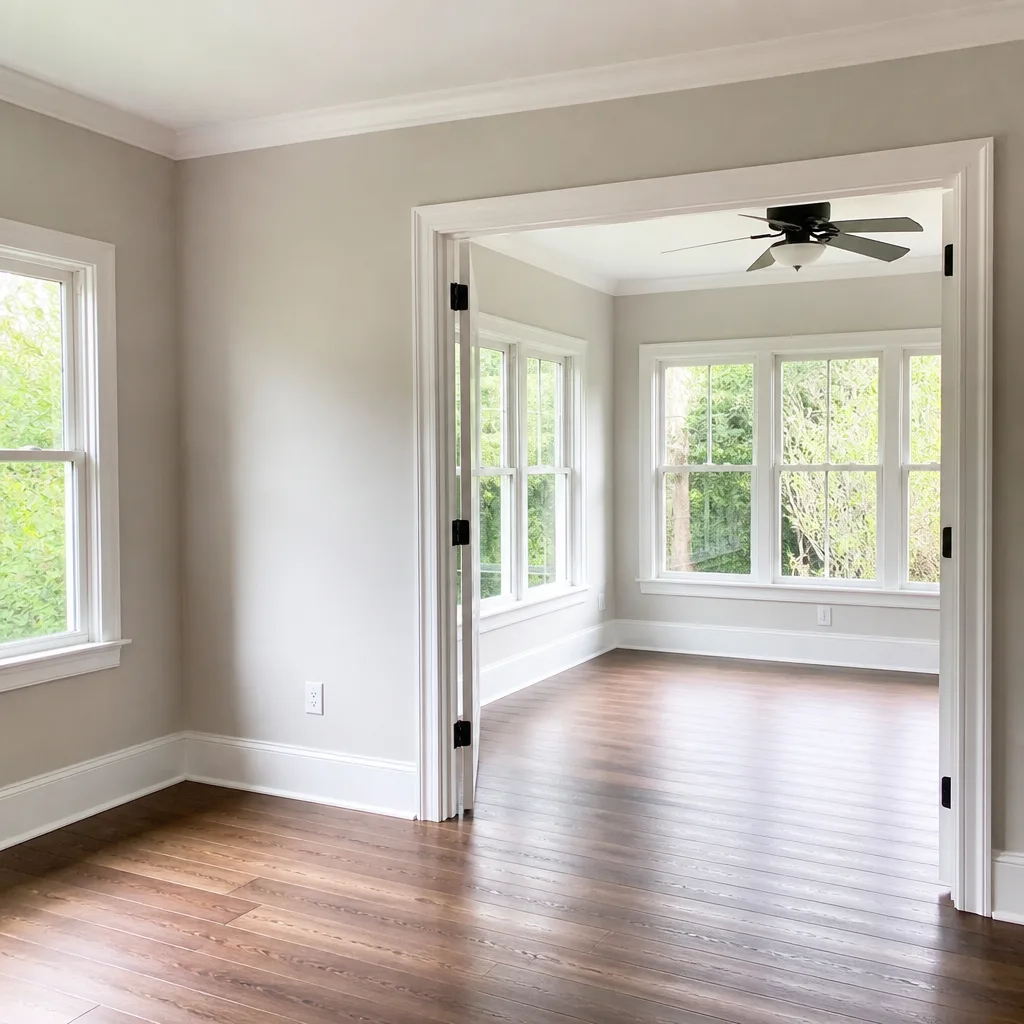
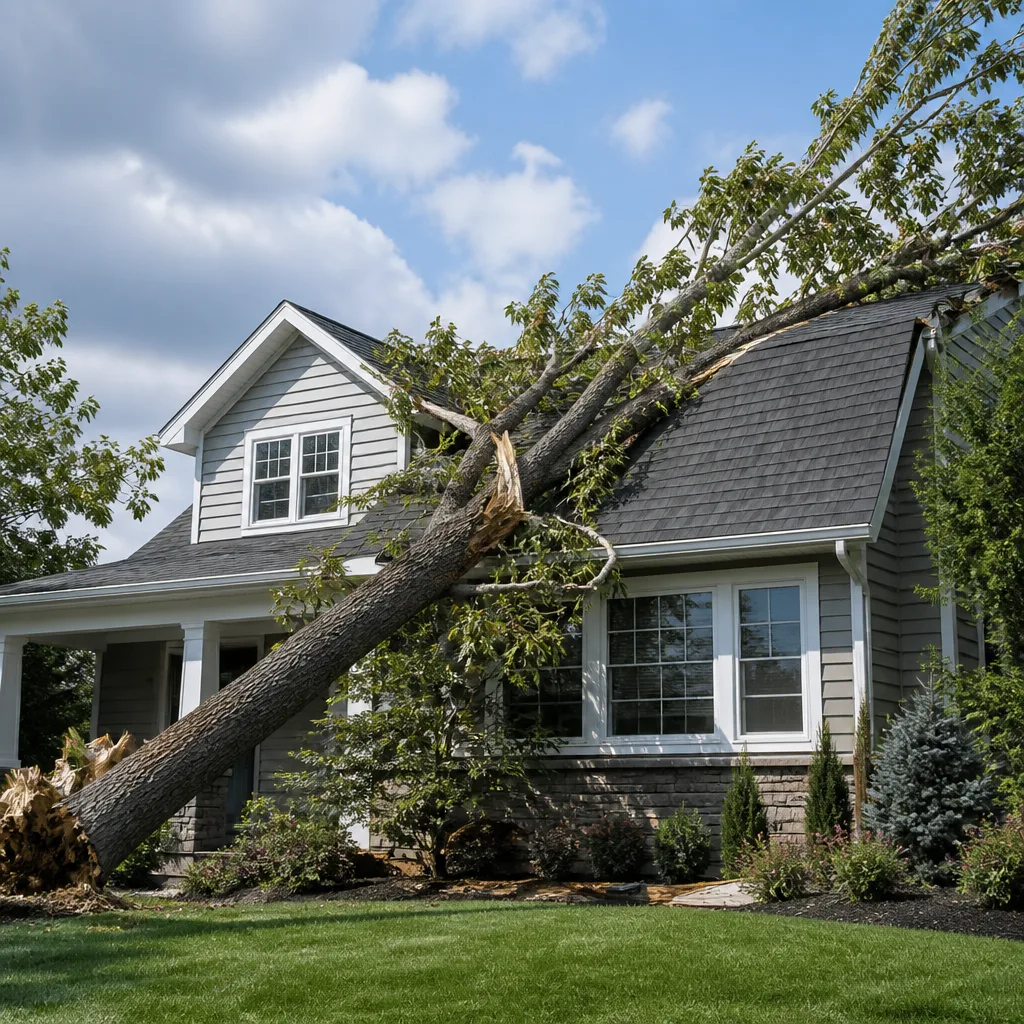
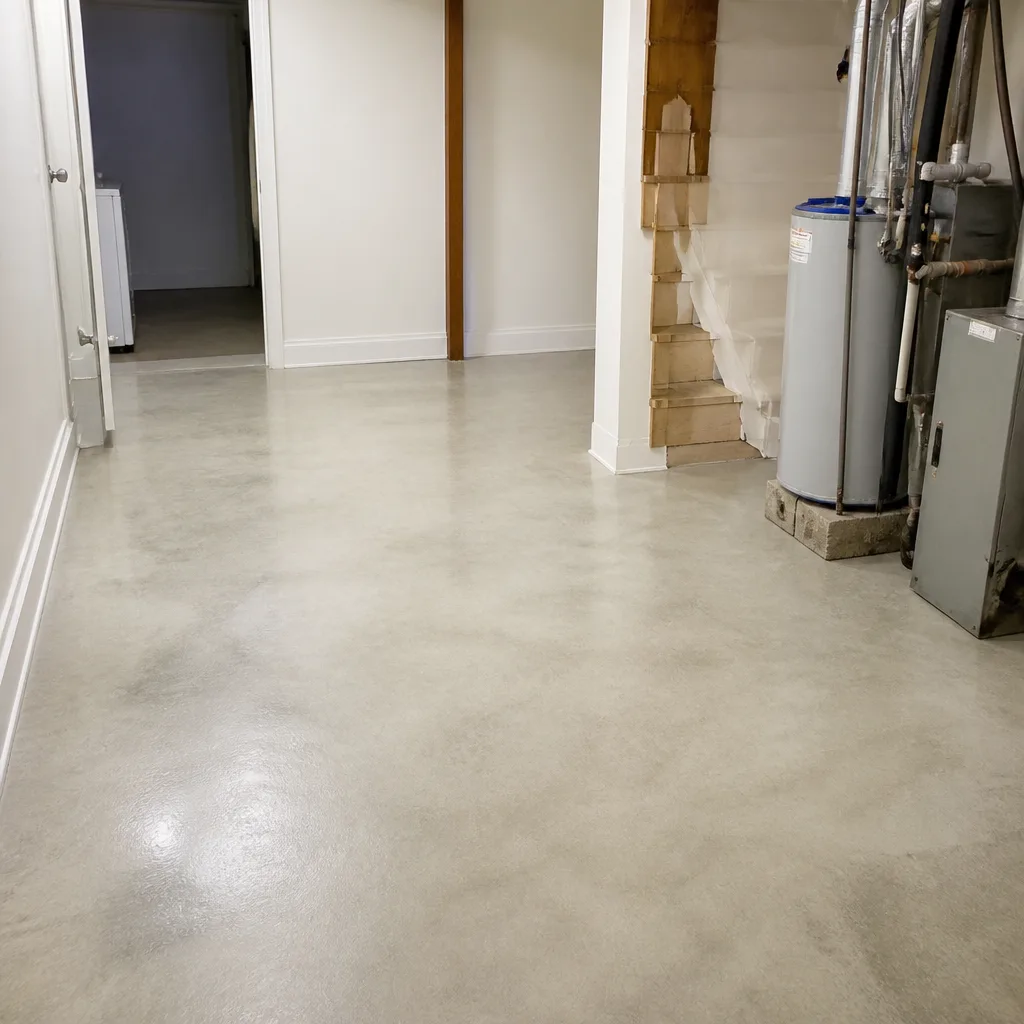
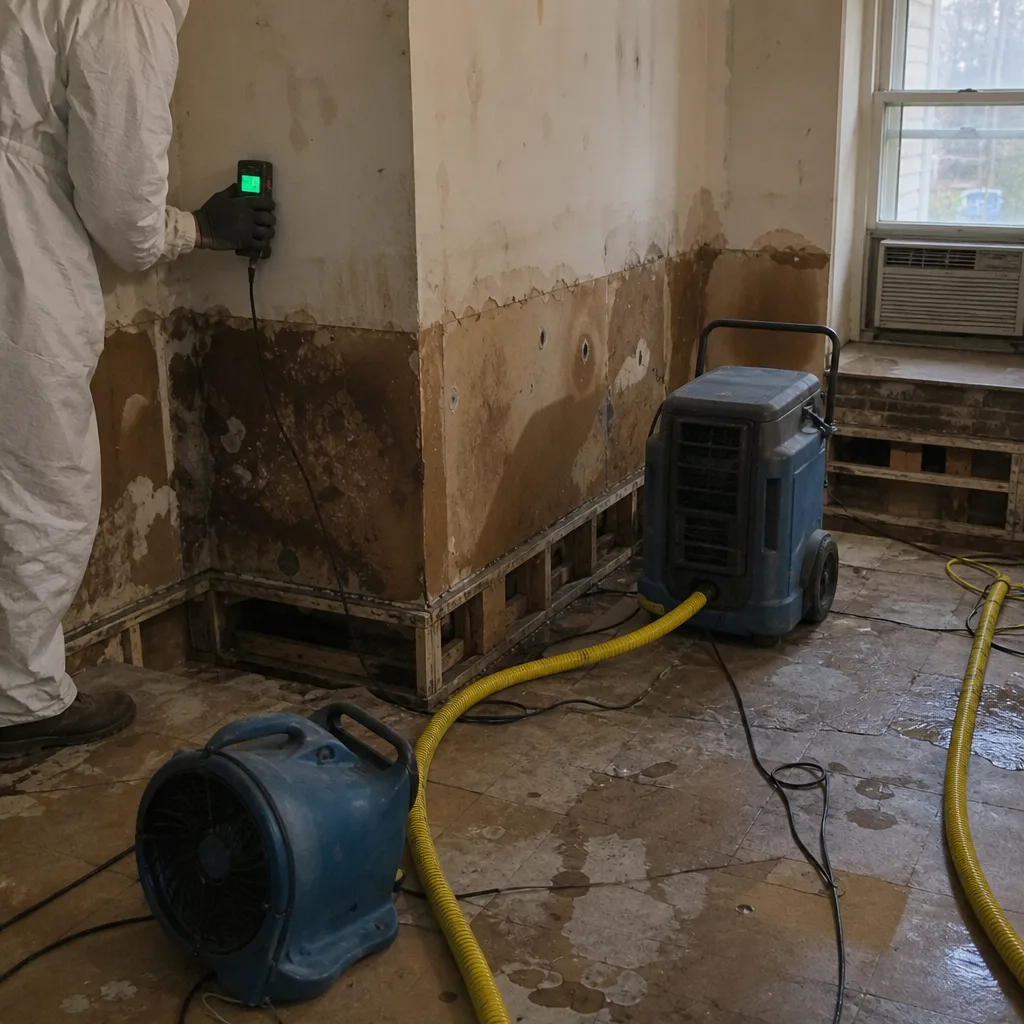 Before
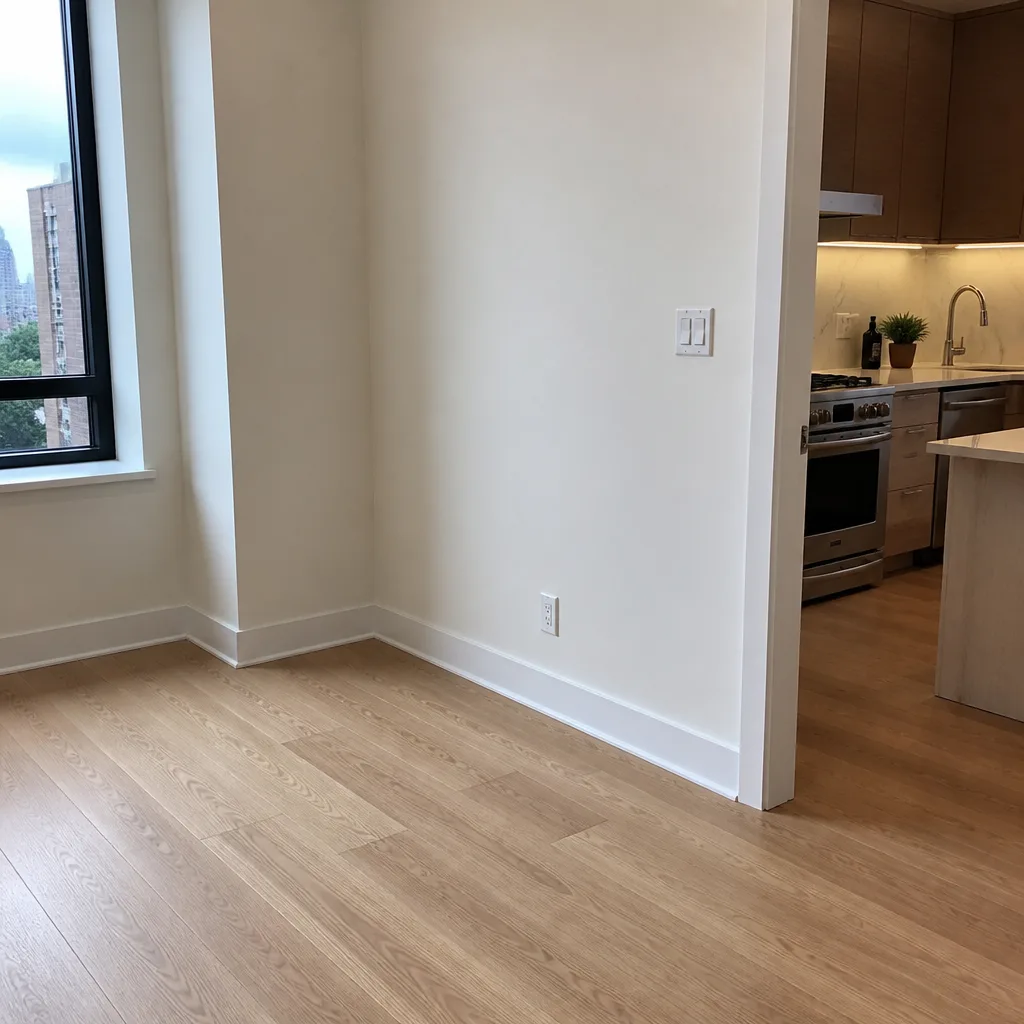 After
After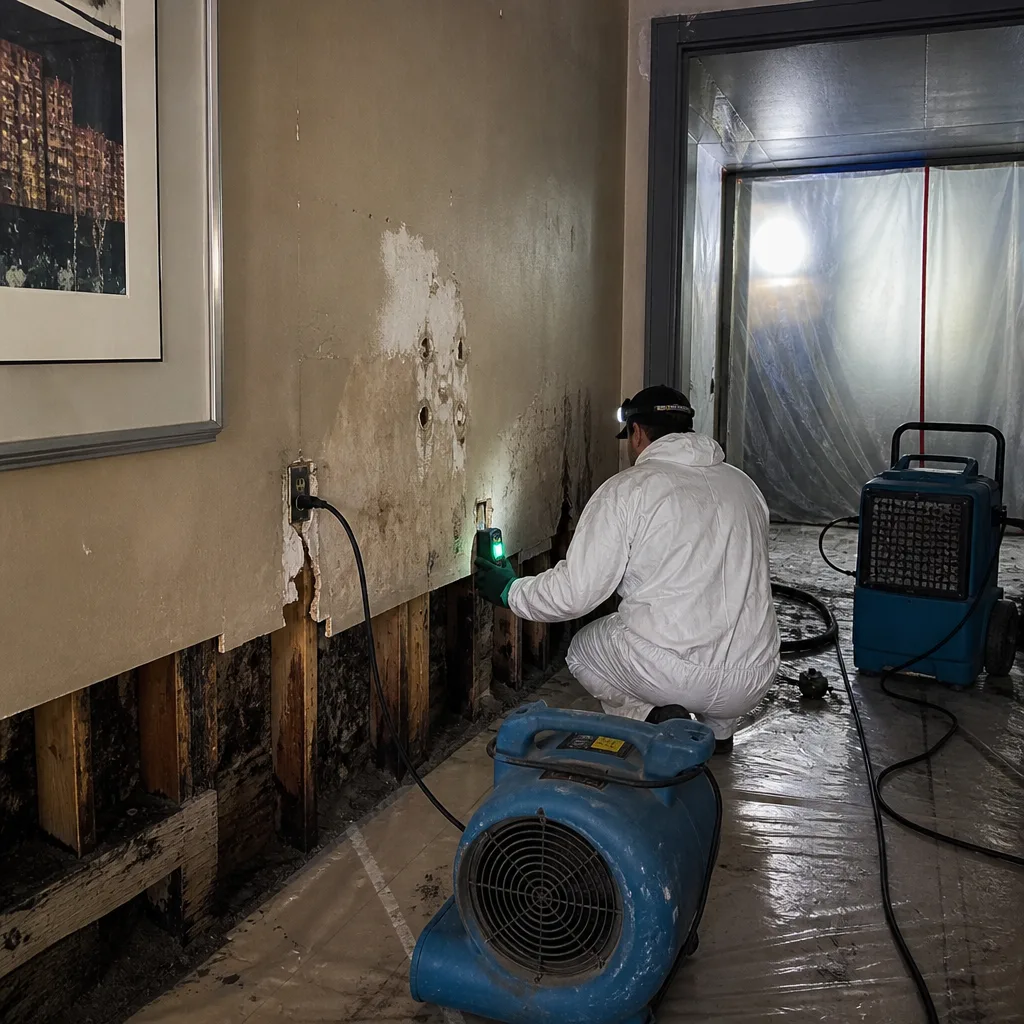 Before
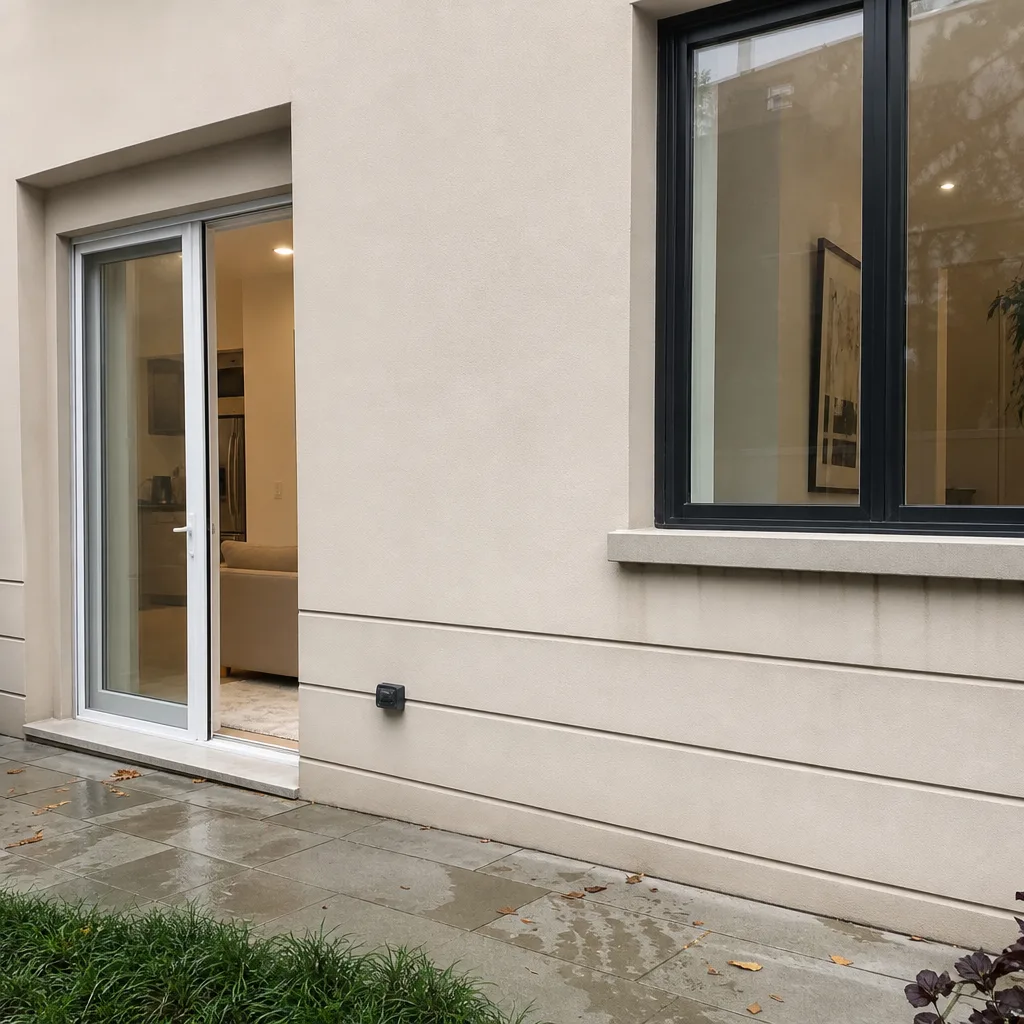 After
After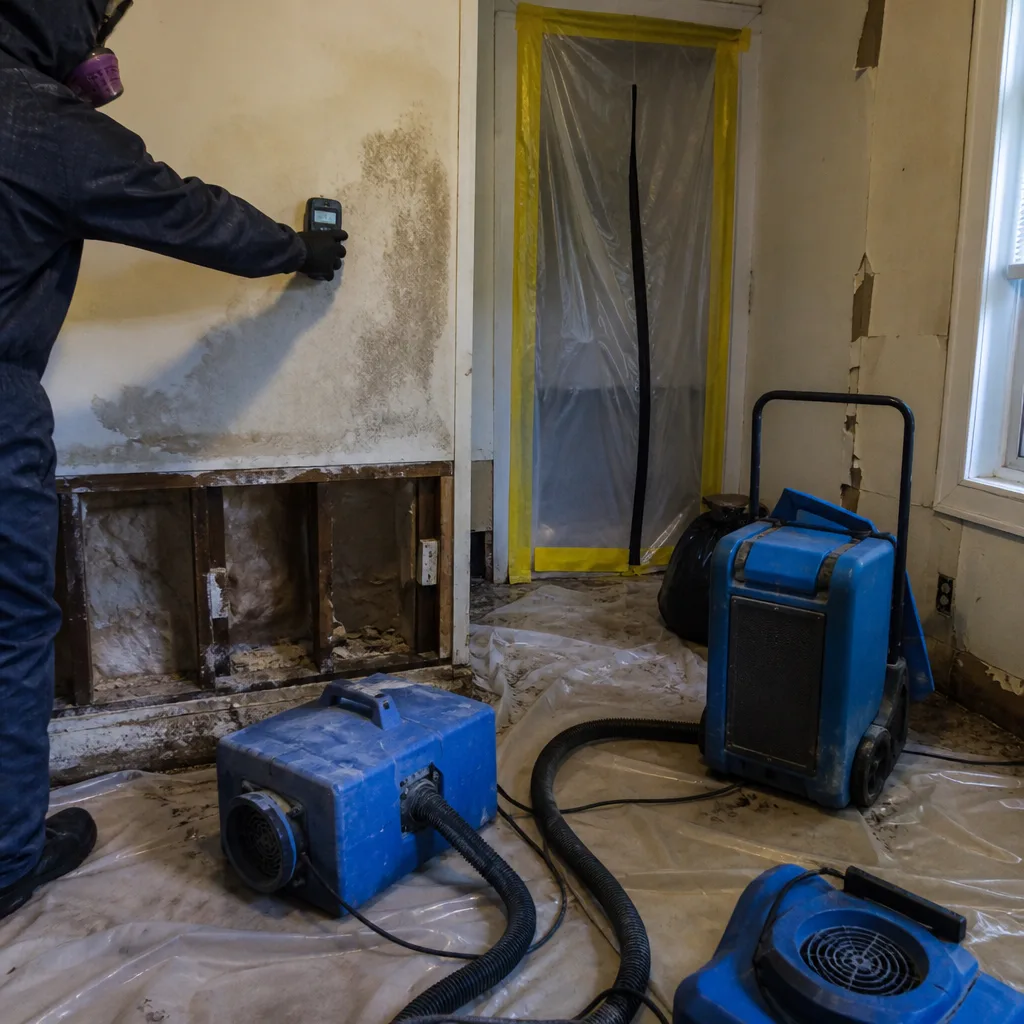 Before
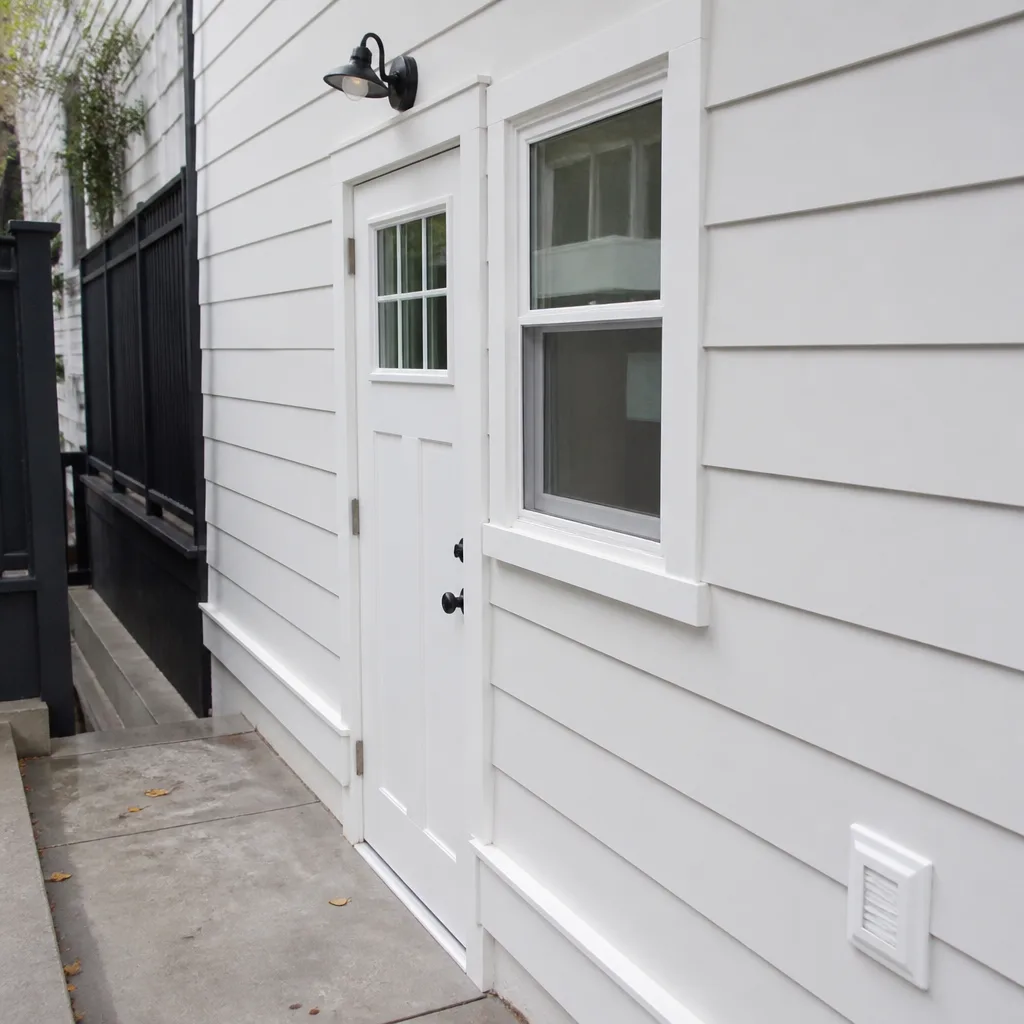 After
After24/7 Emergency Mold Remediation in Palisades Park
We answer live at (551) 213-5277, 24 hours a day, 7 days a week. A real person picks up, not a voicemail tree. Crews are dispatched throughout Palisades Park within 45 minutes of your call. The first hour after water intrusion is when mold colonies establish their foothold - after that, the job grows exponentially. We provide a free visual inspection on arrival, document moisture readings with thermal imaging and pin meters, and deliver a written scope and price before any containment goes up or any material comes out. In a borough where 20,000 residents share 1.4 square miles of attached housing, one slow leak can cross three units before anyone smells it. Speed matters. Documentation matters more.
Understanding Mold Remediation Severity in Palisades Park Properties
Mold remediation severity in Palisades Park is shaped by the borough’s housing stock: postwar garden apartments, attached two-family homes, and small multi-unit buildings from the 1950s through 1980s, many with original cast-iron drain stacks and galvanized supply lines that corrode in Bergen County’s hard water. We classify every job by affected square footage, material porosity, and whether the moisture source is still active.
Category 1 water - a clean supply line break - can become Category 2 or 3 within 48 hours in these older buildings, where decades of sediment in cast-iron drains creates a bacterial reservoir. Tertiary drying, the final phase of structural drying where we chase bound water out of dense assemblies, is often extended in Palisades Park because 1950s plaster-and-lath walls hold moisture long after drywall would read dry. We measure vapor pressure differential - the force that drives moisture from wet materials into the air - and adjust our dehumidifier capacity accordingly. Containment barriers are non-negotiable in attached units; negative air pressure, maintained by HEPA-filtered air scrubbers, prevents cross-contamination through shared wall cavities and common HVAC chases.
Why Palisades Park Property Owners Choose DryMark Restoration Upper East Side
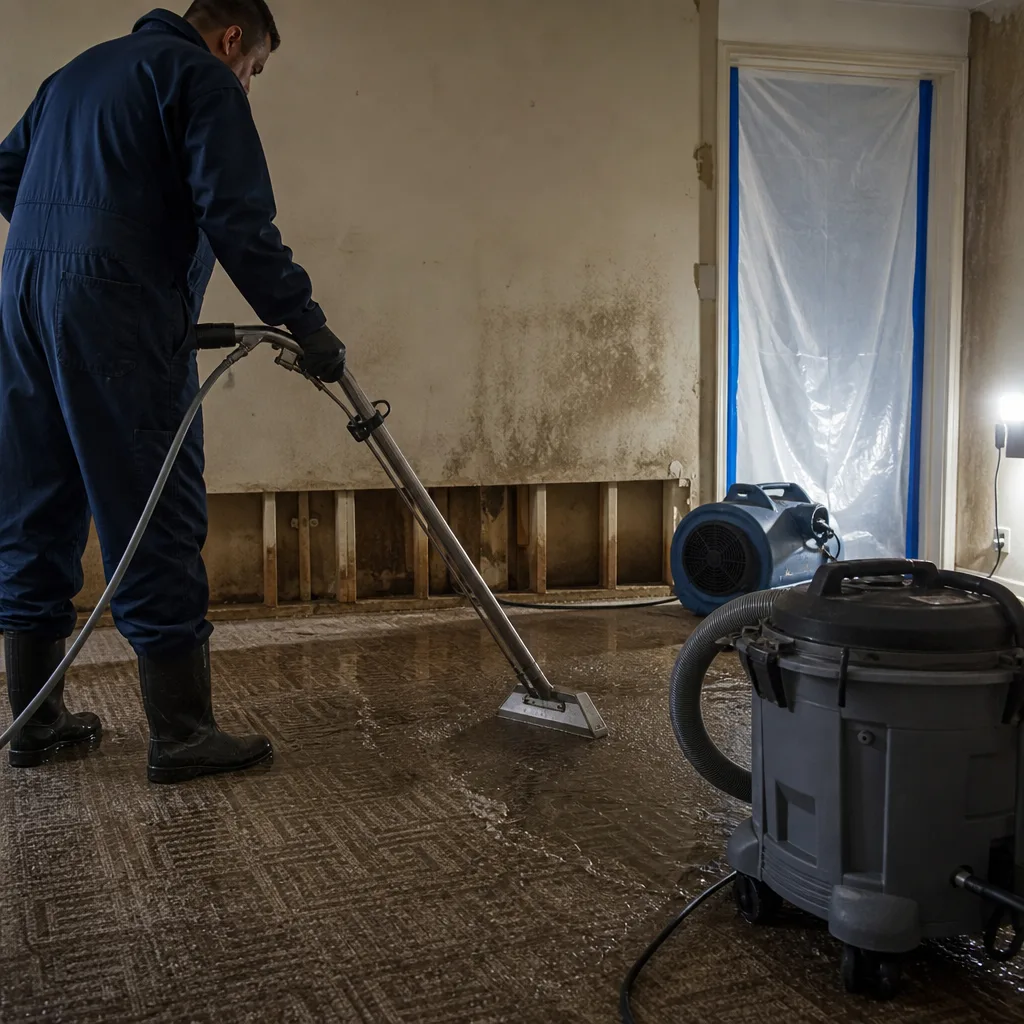
- 45-minute response commitment to Palisades Park - our dispatch is coordinated from the New York City metro office, with crews already positioned in Bergen County.
- 24/7 live answer: a real person, never an automated system or next-business-day callback while water keeps moving through your building.
- IICRC-certified crews holding WRT (Water Damage Restoration Technician), AMRT (Applied Microbial Remediation Technician), and FSRT (Fire & Smoke Restoration Technician) credentials.
- Free visual inspection on every call - moisture mapping, thermal imaging, and a written scope delivered before work begins.
- Direct insurance billing and adjuster coordination - we document to IICRC, RIA, and IFA standards so your claim processes without dispute.
- One team from extraction through reconstruction - no handoffs between contractors, no gaps in the documentation chain.
BeforeAfterOur Mold Remediation Process
1. Inspection & Assessment
We arrive with thermal cameras, pin and non-invasive moisture meters, and hygrometers to map the full extent of water and mold damage. In Palisades Park’s attached housing, we inspect adjacent units and shared wall cavities - the visible mold is rarely the whole story. A written scope and price follows before any work begins, per Haven Standard, Clause 1.
2. Containment & Air Filtration
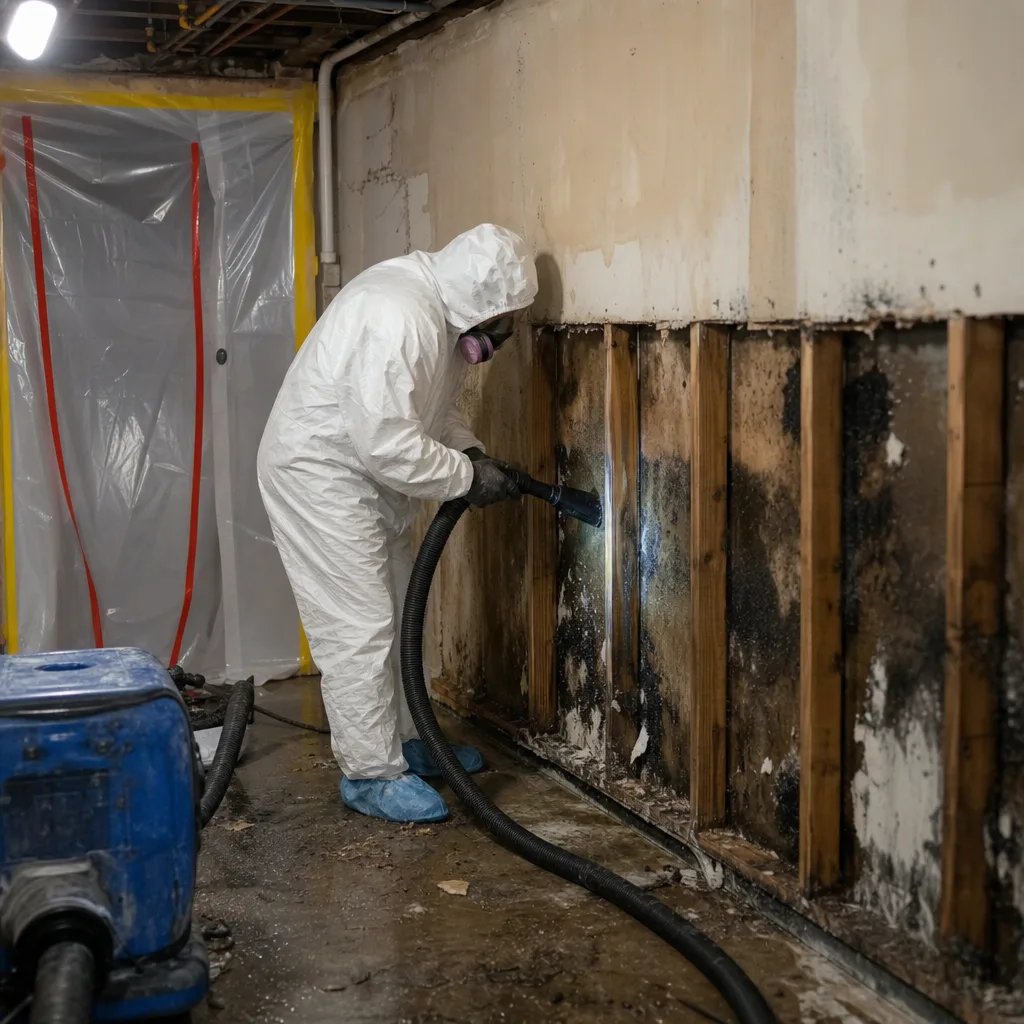
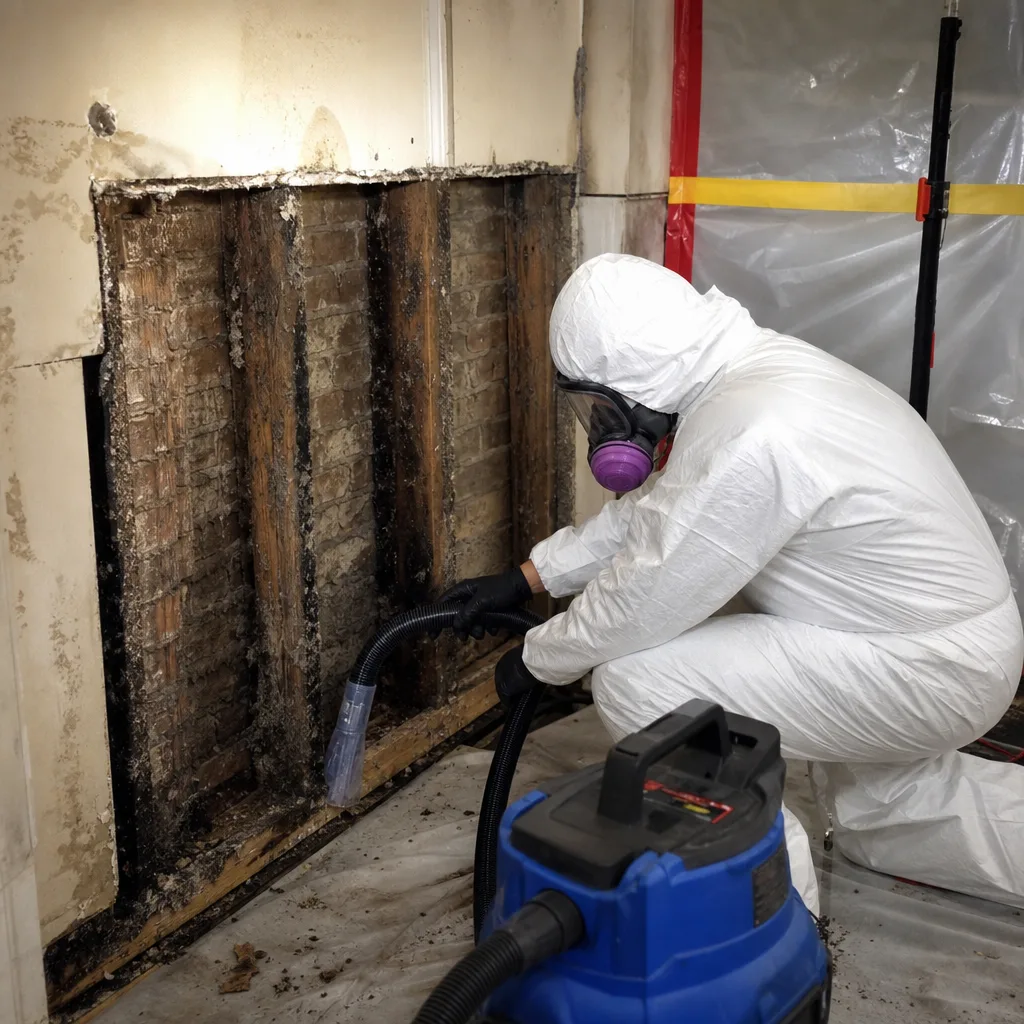
We establish polyethylene containment barriers and negative air pressure using HEPA-filtered air scrubbers. In multi-unit buildings, this step protects neighbors who may not even know their unit shares a wall cavity with the loss. Air quality readings are documented before and after.
3. Moisture Source Elimination
Active leaks from corroded cast-iron drains or galvanized supply lines are located and stopped. We coordinate with licensed plumbers when pipe replacement is needed. Drying cannot succeed while the water source remains active - this is where moisture mapping on 1950s-era plumbing pays off.
4. Drying & Dehumidification
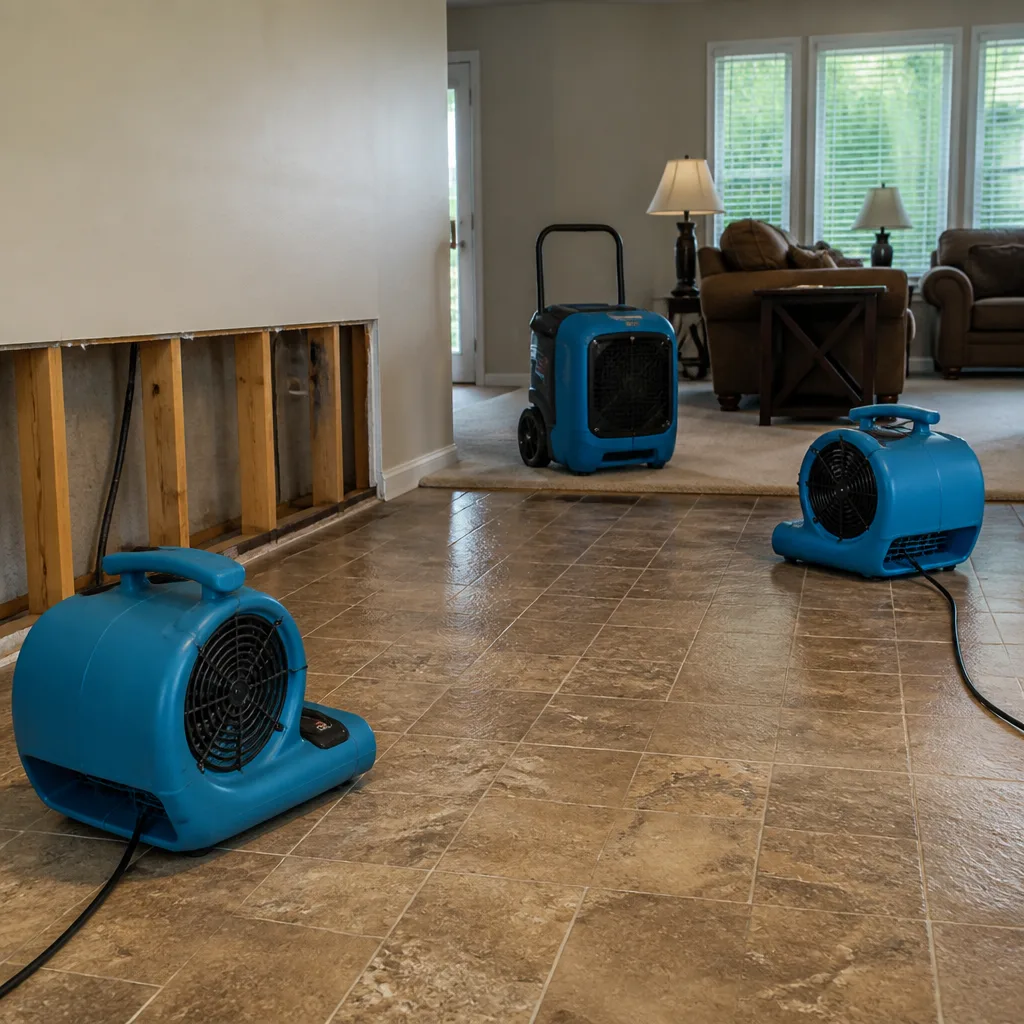
We deploy Dri-Eaz and Phoenix LGR dehumidifiers with XPOWER air movers sized to the cubic footage and material load. Daily psychrometric data - temperature, relative humidity, and specific humidity - is logged to prove dry standard to your insurer. Bound water in plaster and dimensional lumber takes longer than surface drying; we don’t guess, we measure.
5. Mold Removal & Antimicrobial Treatment
Affected porous materials are removed and bagged per IICRC S520 standards. Non-porous surfaces are HEPA-vacuumed and treated with antimicrobial solutions. In Broad Avenue mixed-use buildings, we coordinate with restaurant operators to schedule around health department hours and minimize business interruption.
6. Clearance Testing & Documentation
Post-remediation air and surface samples verify spore counts at or below outdoor baseline levels. We deliver your photo record, drying logs, and a 365-Day Done Right Promise under The Haven Standard. If it’s not done right, we make it right.
Need Emergency Mold Remediation in Palisades Park Now?
Crews minutes away, answering live 24 hours a day. The sooner we start, the less it costs.
Working With Your Insurance Company
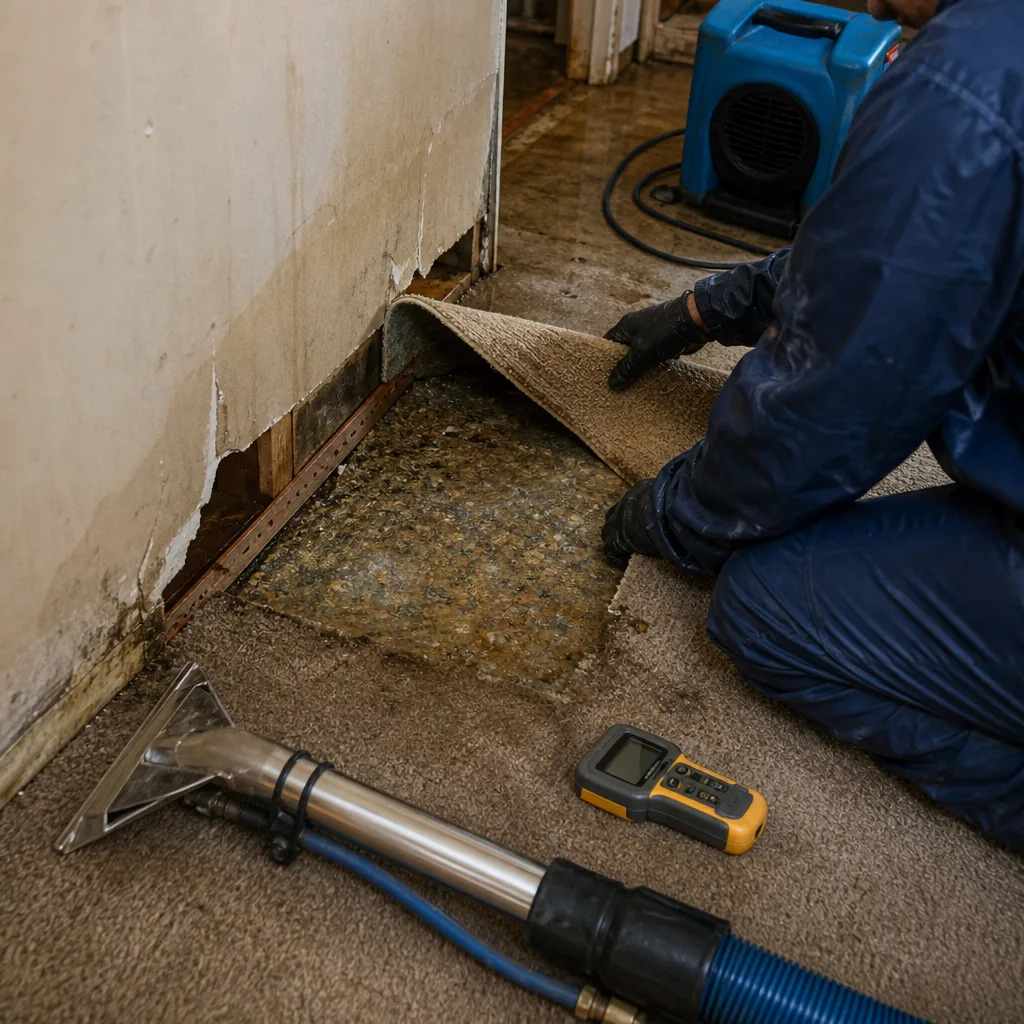
We document from the first hour because we’ve seen what sloppy documentation costs a homeowner. Our estimates are built to industry-standard pricing databases used by major carriers, and we communicate directly with your adjuster - no playing telephone through three parties. In Palisades Park’s dense housing, where one loss often involves multiple unit owners and policies, clear documentation prevents coverage disputes before they start.
What We Provide Your Insurer
- Thorough documentation of the loss, including moisture source identification
- Photos of all damage, room by room, with date and time stamps on every visit
- Moisture readings and daily drying logs with psychrometric data
- A detailed, line-item scope of work with material classifications by trade name
- Direct coordination with your carrier and, in multi-unit losses, with all affected carriers
Built for Palisades Park’s Loss Calendar
January freeze-thaw cycles split aging flat-roof membranes on Broad Avenue commercial buildings, sending water through grease-exhaust chases into residential units above and beside. Spring nor’easters channel heavy rain into basement apartments because the borough’s dense impervious surface coverage leaves stormwater nowhere to go. Summer humidity, compounded by outdated ventilation in 1960s garden apartments, pushes relative humidity above 60% in wall cavities where pinhole leaks from corroded galvanized lines go undetected. Fall is when we see the most callbacks - summer’s hidden moisture meets heating-season temperature differentials, and mold that colonized in August finally shows on surface paint. Each season demands different equipment configurations: more dehumidification capacity in summer, more heat in winter to drive vapor pressure in dense plaster assemblies.
Mold Remediation Across Palisades Park’s Neighborhoods
Broad Avenue’s flat-roofed Korean commercial corridor presents our most complex jobs. A single roof membrane failure in a restaurant kitchen routinely spreads through grease-exhaust chases into the apartment above and the neighboring commercial unit behind the shared party wall. We recently responded to exactly this scenario: water from a January freeze-thaw split ran through three occupancies before the first call. We extracted from all three units, mapped moisture through the shared wall with thermal cameras and pin meters, established containment in each space, and ran Dri-Eaz and Phoenix dehumidifiers with XPOWER air movers to hit dry standard. The restaurant’s tile hid mold on the drywall behind it - we removed and bagged the affected material, applied antimicrobial treatment, and documented pre-loss condition with daily drying logs for all three insurance carriers.
The garden apartment clusters near Central Boulevard and Highland Avenue, built in the 1950s and 1960s, share another pattern: corroded cast-iron drain stacks wick slow leaks through shared wall cavities, and mold appears in a neighbor’s closet before anyone in the source unit notices a problem. We always inspect the full stack and both sides of any shared wall. The newer mid-rise condos near the ridge, layered against these older structures, create their own containment challenges - we coordinate with building management to maintain negative pressure without affecting common hallways.
Two-family homes on the side streets off Grand Avenue often have original galvanized supply lines and minimal access to crawl spaces or basements. Moisture & Humidity Control is critical here - we install permanent dehumidification solutions where the building envelope can’t be easily modified.
Specialized Mold Remediation Services We Offer in Palisades Park
Mold Inspection & Testing
We don’t guess whether mold is present. Our inspections combine thermal imaging, moisture mapping, and air quality sampling to locate hidden colonies in shared wall cavities and behind tile - the exact conditions Palisades Park’s attached housing creates. A written report with photo documentation supports insurance claims and landlord-tenant disputes.
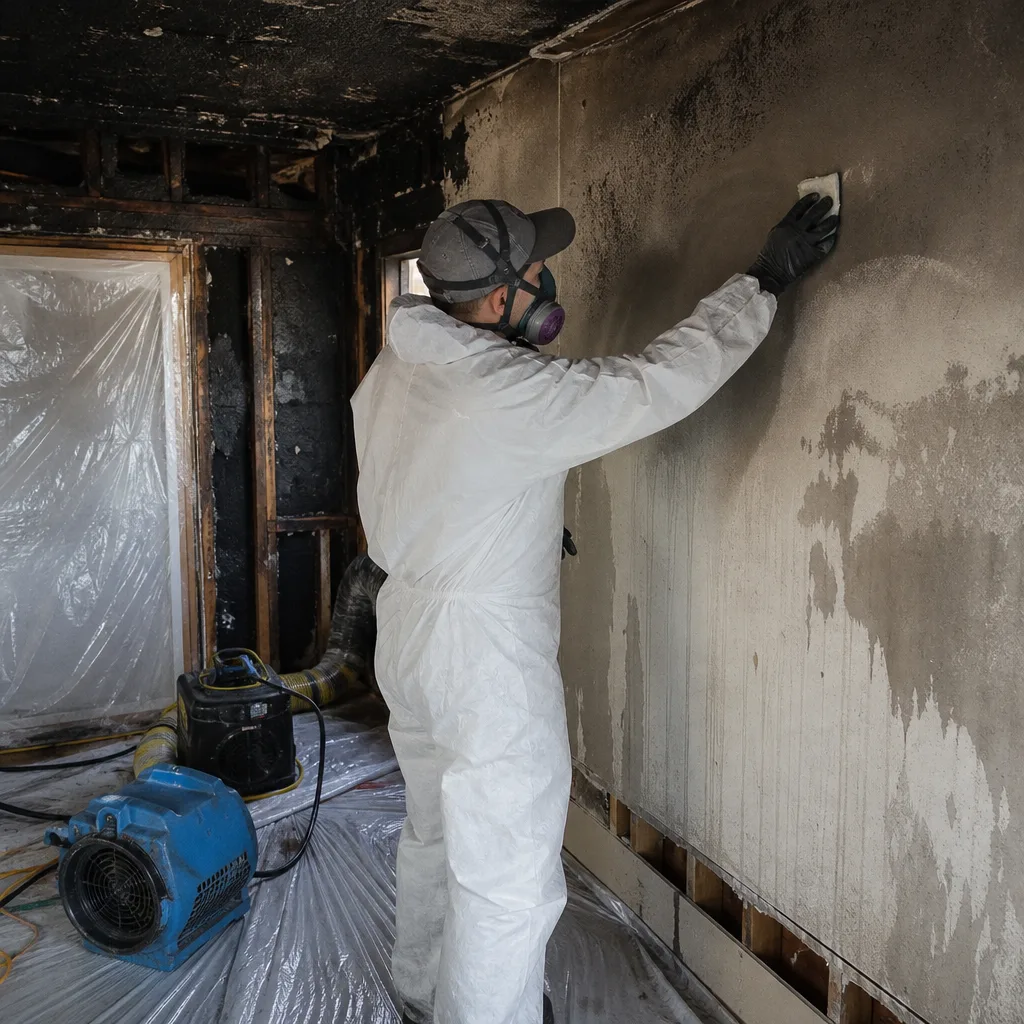
Mold Removal
Removal follows IICRC S520 standards: containment first, then source elimination, then controlled demolition of affected porous materials. In multi-unit buildings, we coordinate access with all affected owners and document chain-of-custody for insurance purposes.
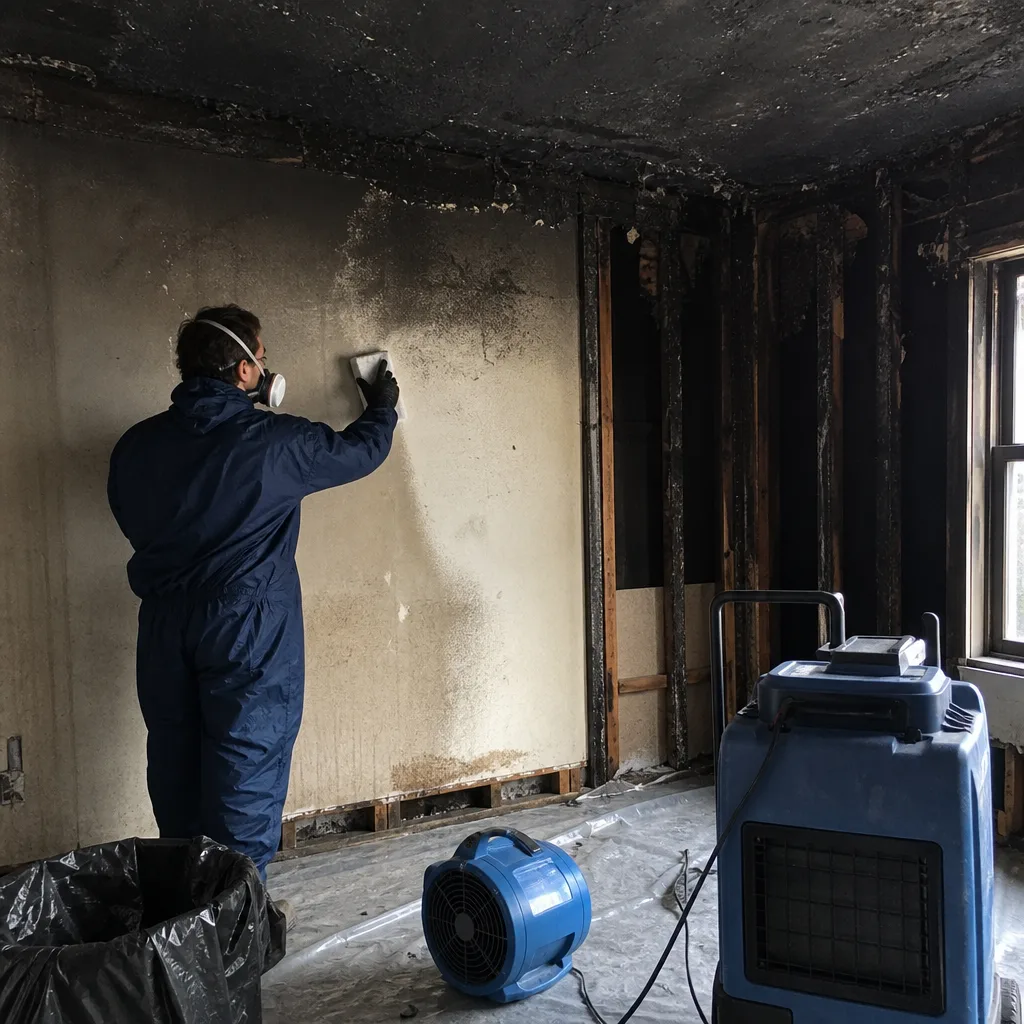
Black Mold Remediation
Stachybotrys chartarum and other toxigenic species require enhanced containment and PPE protocols. We don’t use scare tactics - we document spore counts, establish proper engineering controls, and verify clearance with laboratory analysis.
Air Quality Restoration
Post-remediation, we verify that airborne spore counts match or fall below outdoor baseline levels. HEPA air scrubbers run during and after the job. In Palisades Park’s dense housing, this step protects neighbors who share HVAC systems or wall cavities.
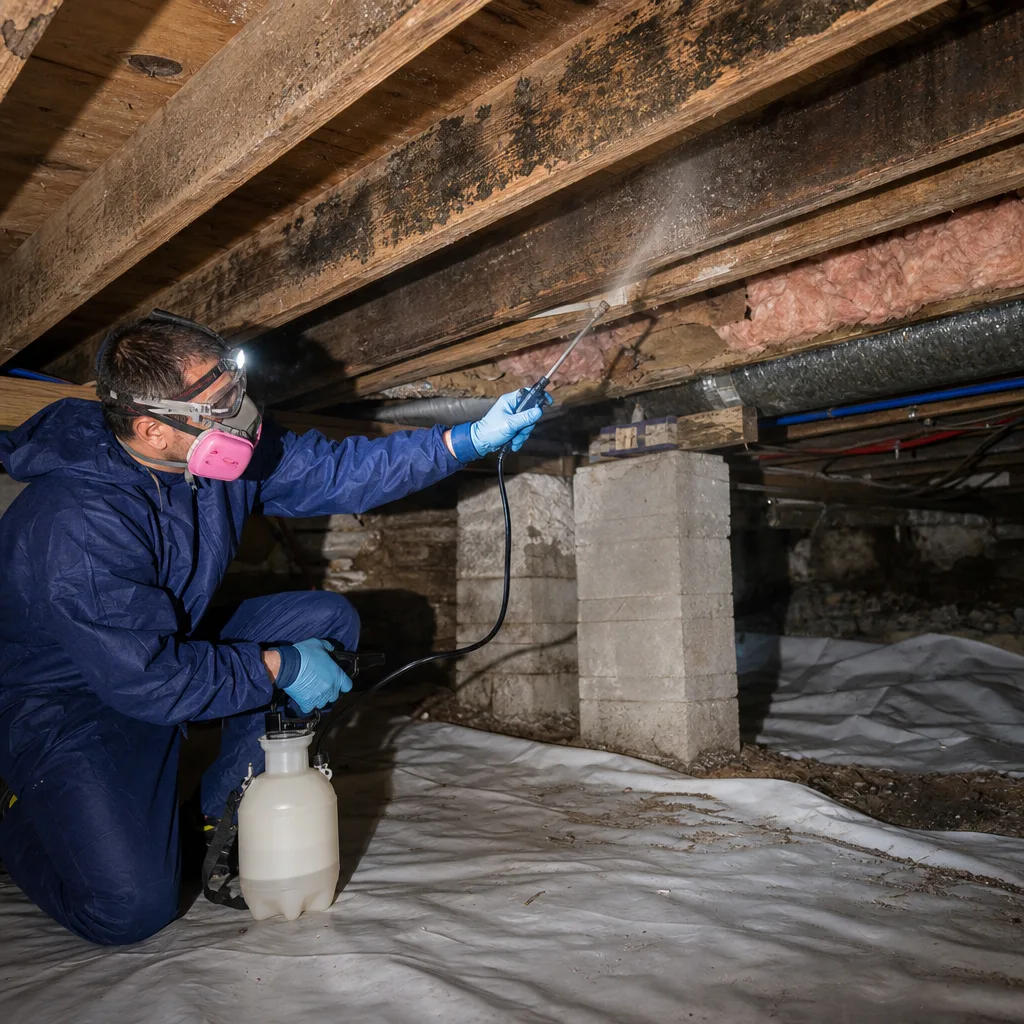
Crawl Space Treatment
Older two-family homes with accessible crawl spaces often show elevated humidity from foundation seepage. We install vapor barriers, permanent dehumidification, and ventilation solutions to prevent recurrence.
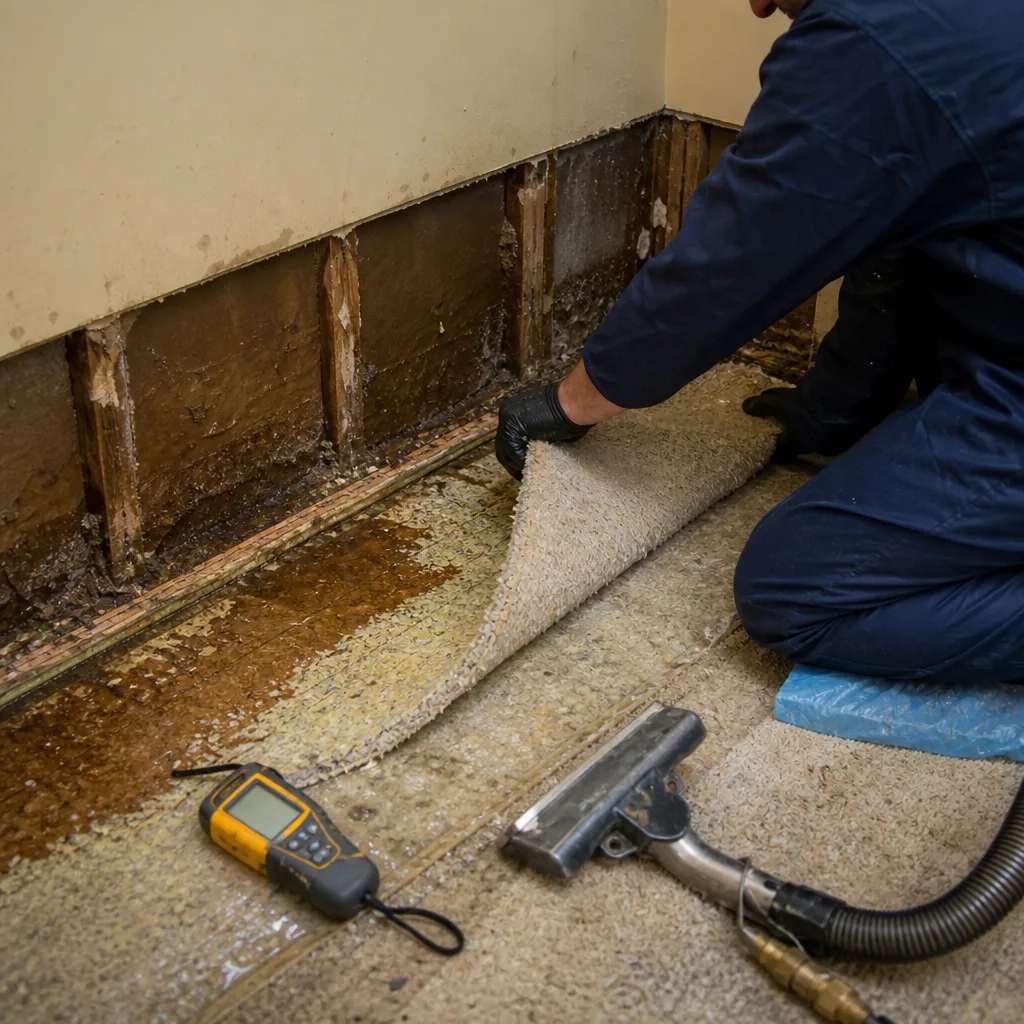
Moisture & Humidity Control
This is where Palisades Park properties most often fail after remediation. We identify the moisture source - corroded drain stack, foundation seepage, inadequate ventilation - and engineer a permanent solution. Without this step, mold returns. We warranty our work for 365 days under The Haven Standard.
What happens when you call
- 1
A real person answersNo phone trees - you reach a local pro.
- 2
You get an upfront price rangeHonest numbers before anyone is dispatched.
- 3
A background-checked tech heads outLicensed & insured, dispatched right away.
- 4
You approve before work beginsNothing starts until you say go.
Mold Remediation Costs in Palisades Park, NJ
| Service | Typical Range in Palisades Park |
|---|---|
| Visual inspection & moisture mapping | Free - included with every call |
| Localized mold removal (single room, contained) | $1,800 - $3,400 |
| Multi-room remediation with containment (typical garden apartment) | $4,200 - $7,800 |
| Whole-unit remediation with air quality restoration | $8,500 - $14,000 |
| Crawl space treatment with vapor barrier | $2,400 - $4,600 |
| Post-remediation clearance testing | $350 - $650 |
What moves the price: square footage of affected area, whether the moisture source requires plumbing repair, number of units requiring containment, and whether the job involves toxigenic species requiring enhanced protocols. Insurance typically covers mold remediation when it results from a covered water loss - we document the causal chain from the first photo. Out-of-pocket costs apply when mold results from long-term maintenance issues or when coverage limits are reached. Haven Standard, Clause 1: your written price is delivered before work begins, with no scope-creep additions once our crew is inside.
Call (551) 213-5277 for your free inspection and written scope.
We Also Serve Cities Near Palisades Park
Our crews respond throughout Bergen County and the immediate metro area. We regularly handle multi-unit losses in Palisades Park alongside calls in Fort Lee’s high-rise corridor, Union City’s dense housing stock, and Hoboken’s flood-prone ground floors. Same documentation standards, same written-price guarantee, same live answer at (551) 213-5277.
Serving Palisades Park, NJ - Our Local Coverage Area
We’re based in the Palisades Park area and know this community well. Use the map below to see our service coverage - if you’re nearby, we can almost certainly help.
Palisades Park Mold Remediation Questions, Answered
A pipe leaked in my upstairs neighbor’s unit and now there’s mold in my Palisades Park apartment - who pays to fix it?
In New Jersey, the unit where the water originated is typically responsible for the damage it causes to neighboring units, but recovery depends on insurance coverage, lease terms, and whether the leak resulted from negligence or normal wear.
We document the moisture path with thermal imaging and written reports that all parties - and their insurers - can use to establish causation. Our Mold Remediation team has handled dozens of these multi-unit losses in Palisades Park’s attached housing. Bring us your situation and any existing estimates for a free second opinion. Call (551) 213-5277.
How fast does mold actually grow after a water loss in these older Palisades Park buildings?
Mold colonization begins within 24 to 48 hours of water intrusion, but in Palisades Park’s plaster-and-lath construction, the timeline extends because bound water in dense assemblies feeds slow, hidden growth for weeks before surface visibility.
We’ve found active colonies six weeks after a pinhole leak in a cast-iron drain stack, with the surface reading “dry” to casual touch. Pin meters and thermal cameras find what eyes miss. If you’ve had any water event in the last two months, call (551) 213-5277 for moisture mapping - the inspection is free.
Why does mold keep coming back in my Broad Avenue storefront even after a previous cleanup?
The most common reason is treating only the visible mold without eliminating the moisture source or inspecting shared wall cavities.
Broad Avenue’s flat-roofed mixed-use buildings have aging membranes, shared party walls, and grease-exhaust chases that channel water between separately-owned units. A previous contractor who didn’t map the full moisture path, establish containment in all affected spaces, or verify dry standard with daily logs left the root cause intact. We start every callback job with a full moisture survey of adjacent units and the roof assembly above. Call (551) 213-5277 - we’ll review any previous estimate or scope at no charge.
Do you need to open walls to remediate mold in a Palisades Park garden apartment?
Yes, when moisture mapping shows elevated readings behind the surface or when the cavity has been wet for more than a few days.
Plaster and lath, common in 1950s and 1960s garden apartments, wicks water horizontally and vertically through the wood lath channels. Surface cleaning misses the colony growing behind. We remove only what’s necessary, contain the dust, and restore with matching materials. Your written scope specifies exactly what comes out and what stays before any demolition begins. Call (551) 213-5277 for a free inspection.
What is different about mold remediation in a mixed-use Palisades Park building versus a standalone house?
Containment complexity, multiple stakeholders, and business interruption constraints.
A standalone house has one owner and one insurance policy. A Broad Avenue mixed-use building has a restaurant owner, residential tenants, a landlord, and potentially separate carriers for commercial and residential coverage - all sharing walls and HVAC chases. Our process includes documented coordination with all parties, containment that protects operating businesses, and scheduling that respects health department hours. The technical work is the same; the project management is not. We’ve done both. Call (551) 213-5277 to discuss your building type.
Will my insurance cover mold remediation in Palisades Park?
Insurance covers mold remediation when it results from a sudden, accidental water loss that is itself a covered peril - a burst pipe, appliance failure, or storm intrusion.
Long-term maintenance issues - slow leaks from corroded drains, ongoing humidity problems, or neglected roof maintenance - are typically excluded. We document the causal chain from the first photo to support your coverage position. Our direct adjuster coordination and industry-standard estimates reduce disputes. Call (551) 213-5277 - we’ll inspect at no charge and advise on coverage likelihood before you file.
How long does mold remediation take in a typical Palisades Park two-family home?
Most jobs require 3 to 7 days of active work, plus 24 to 48 hours for post-remediation clearance testing results.
Timeline depends on affected square footage, whether the moisture source requires plumbing repair, and how many units need containment. Dense plaster assemblies dry slower than drywall; we don’t declare dry standard until the psychrometric data proves it. Your daily drying logs show progress in real time. Call (551) 213-5277 for a timeline estimate specific to your property.
Can we stay in the home during mold remediation?
It depends on the extent of contamination, the species present, and whether containment can isolate the work area from occupied spaces.
In Palisades Park’s smaller units, full containment often isn’t possible without displacing residents. For limited, contained jobs in a single room, occupants may remain with HEPA air scrubbers running. We assess this during the free inspection and specify occupancy status in your written scope before work begins. Your safety and the effectiveness of the remediation guide the decision, not convenience. Call (551) 213-5277 to discuss your situation.
Written by Alicia Brennan, Owner at DryMark Restoration Upper East Side, independently owned and operated under The Haven Standard since 2011.
Mold Remediation in Nearby Areas