
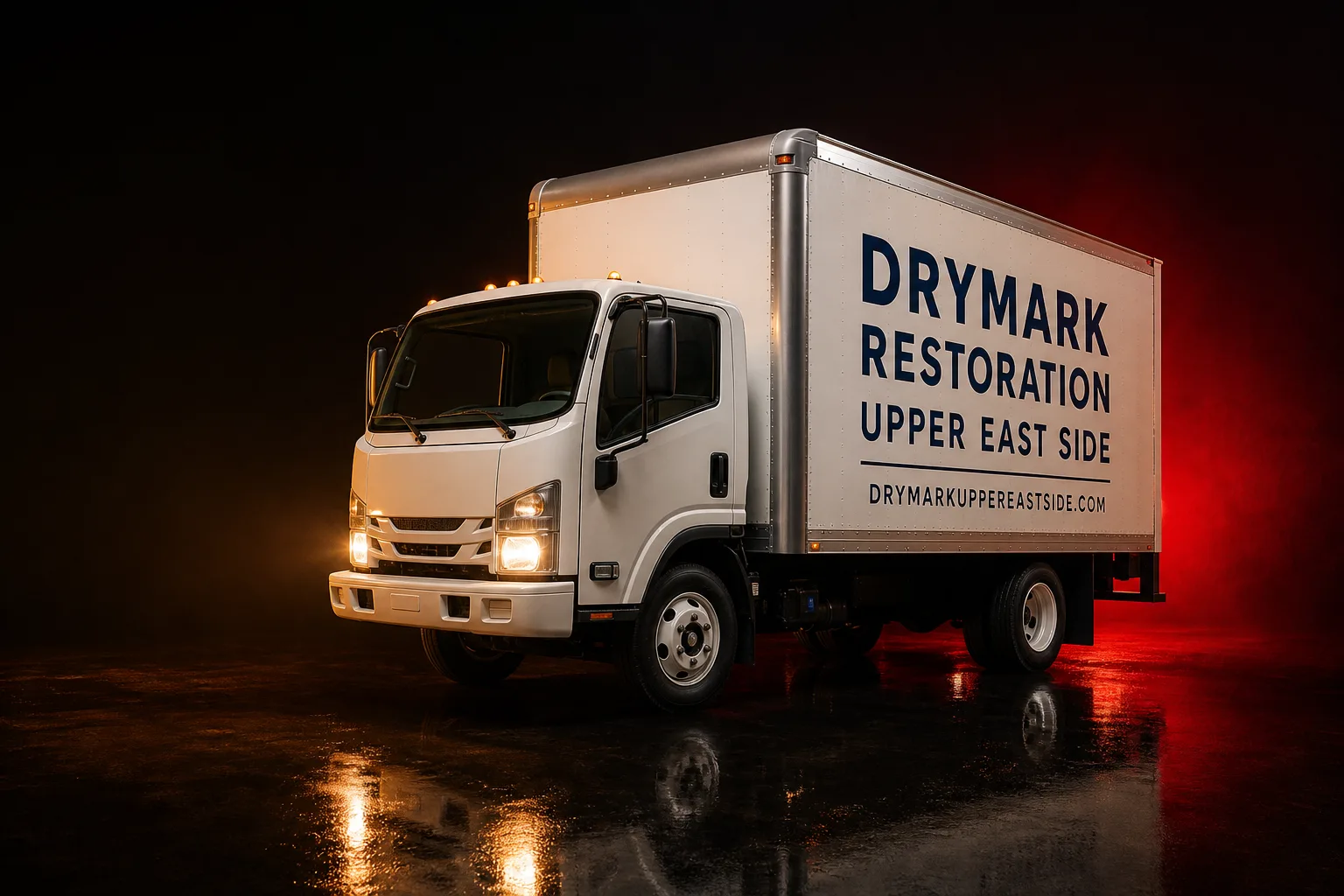
Free visual inspection and a written scope of work before any mitigation begins - photos, moisture readings, and drying logs go in your claim file
The scope we write is the scope we bill. Anything new gets shown to you, in writing, before we touch it.
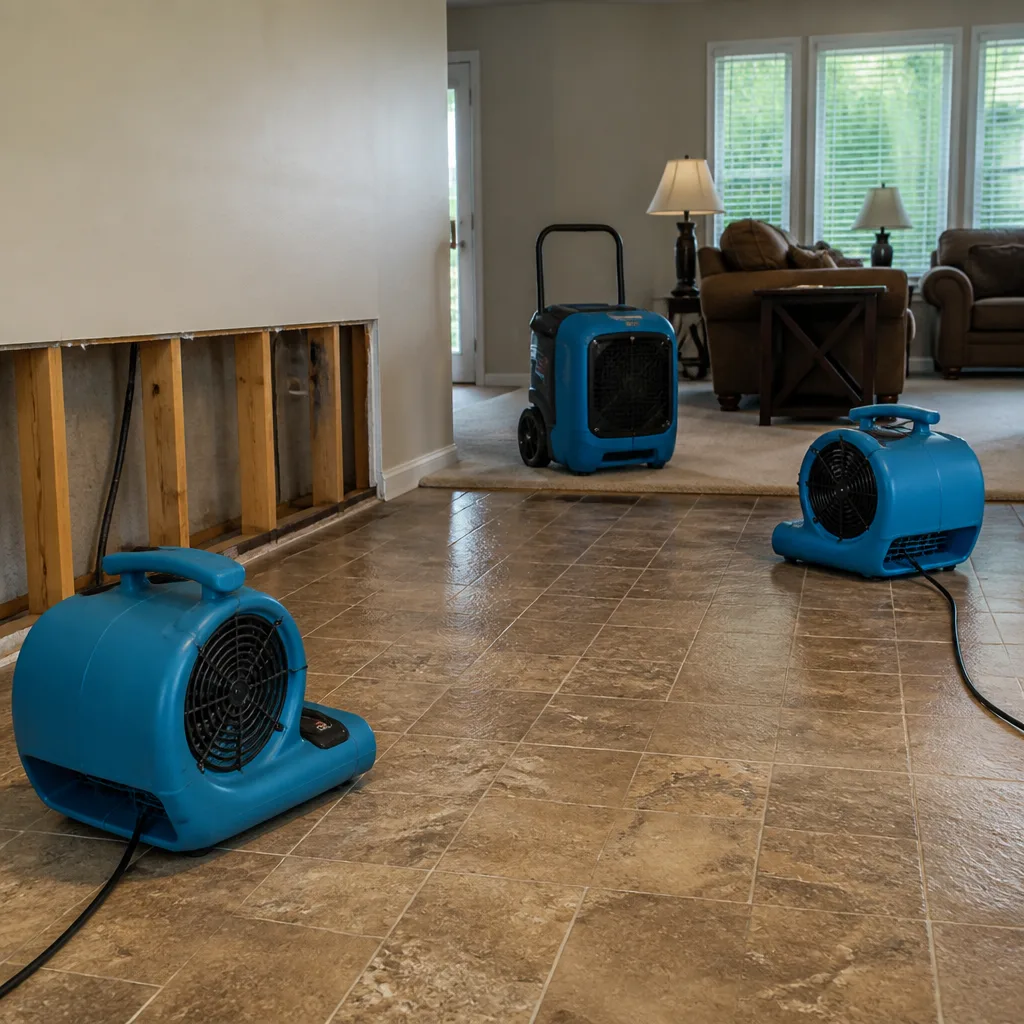

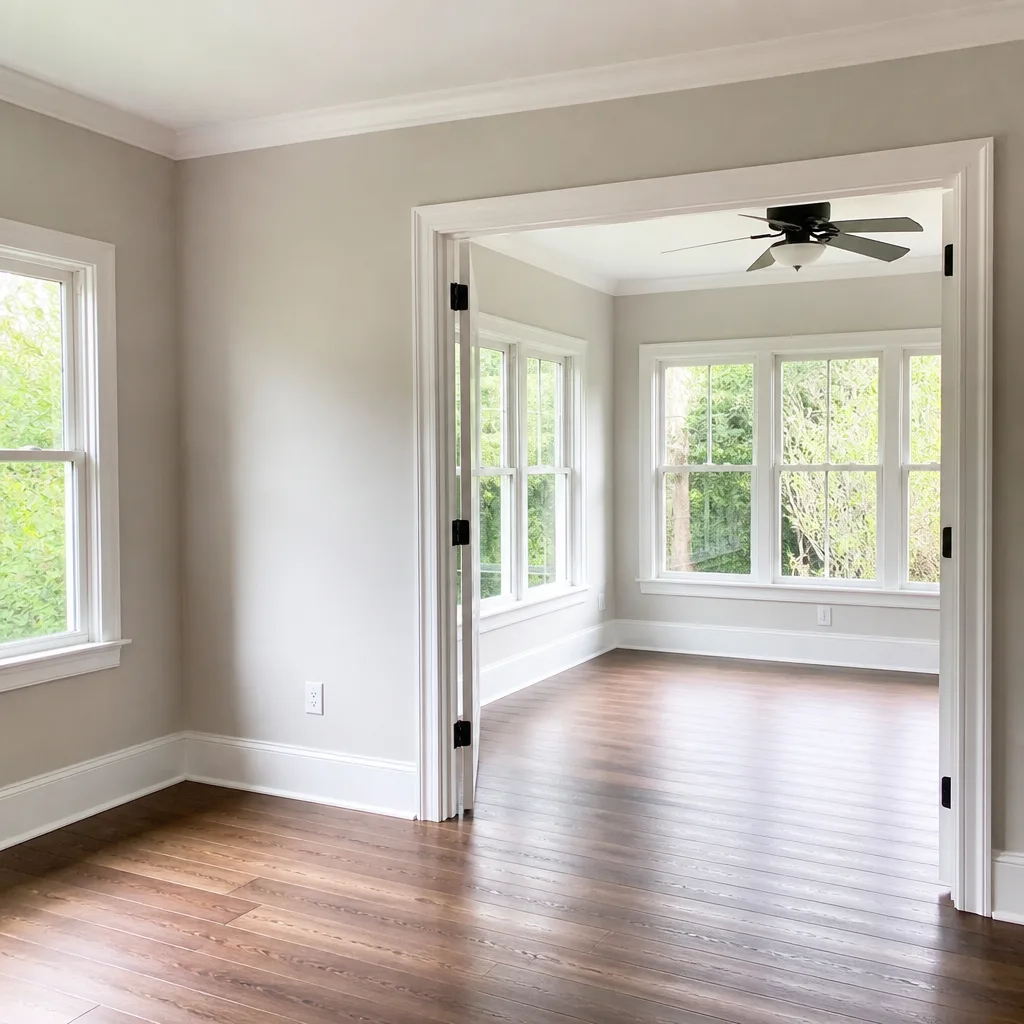
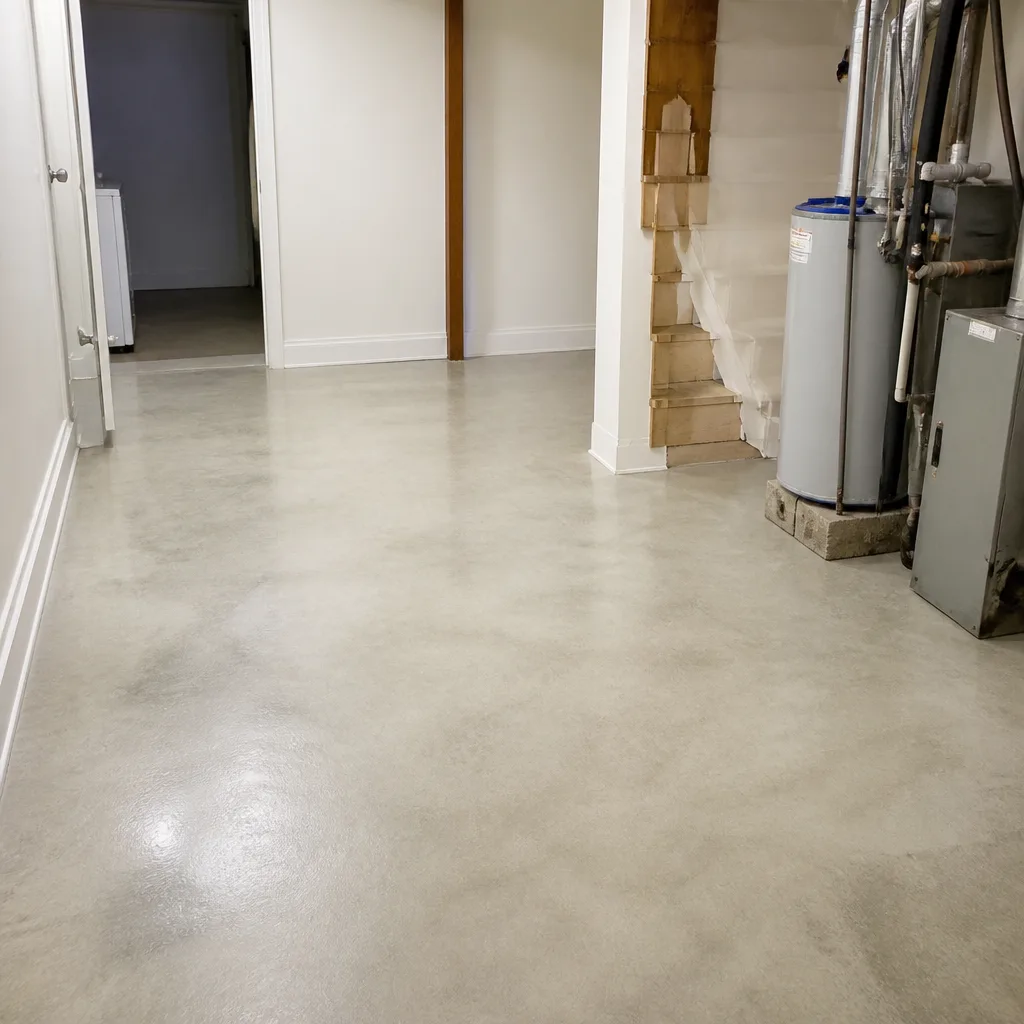
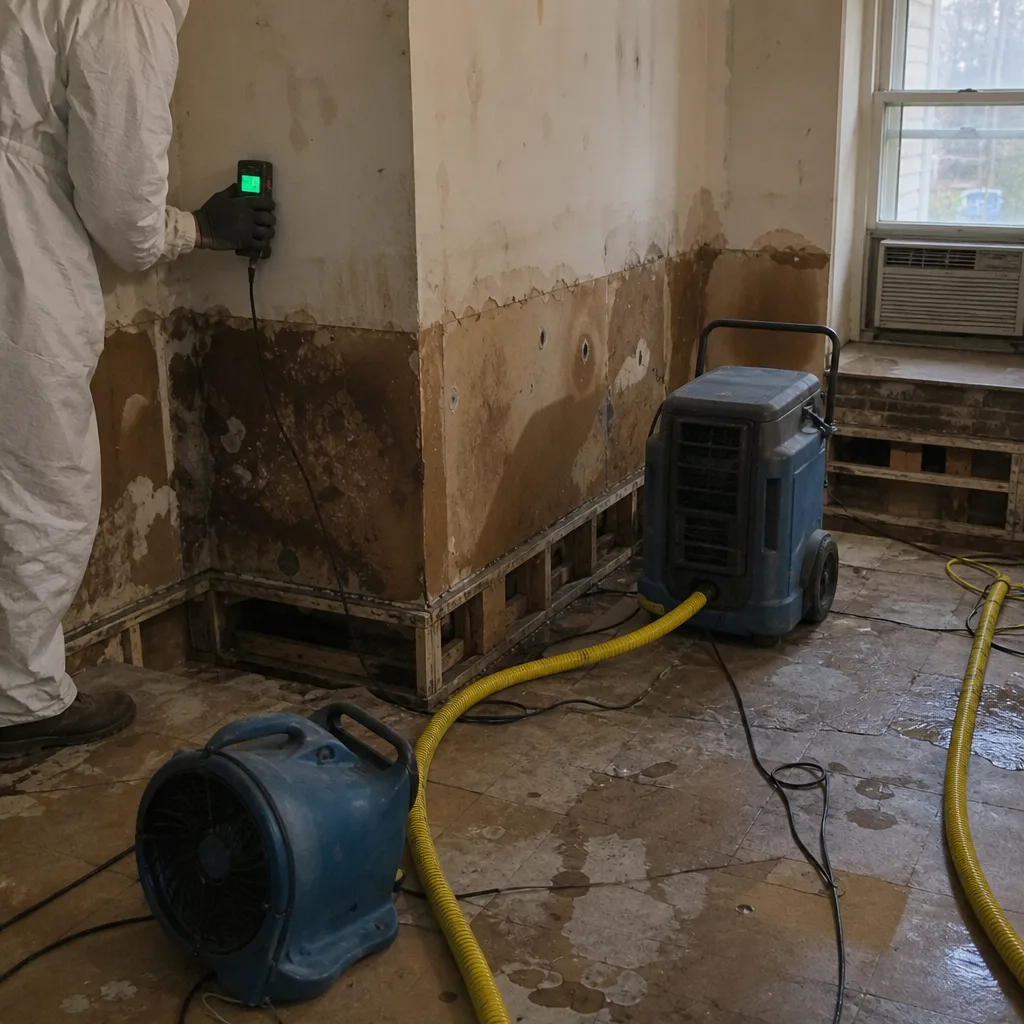 Before
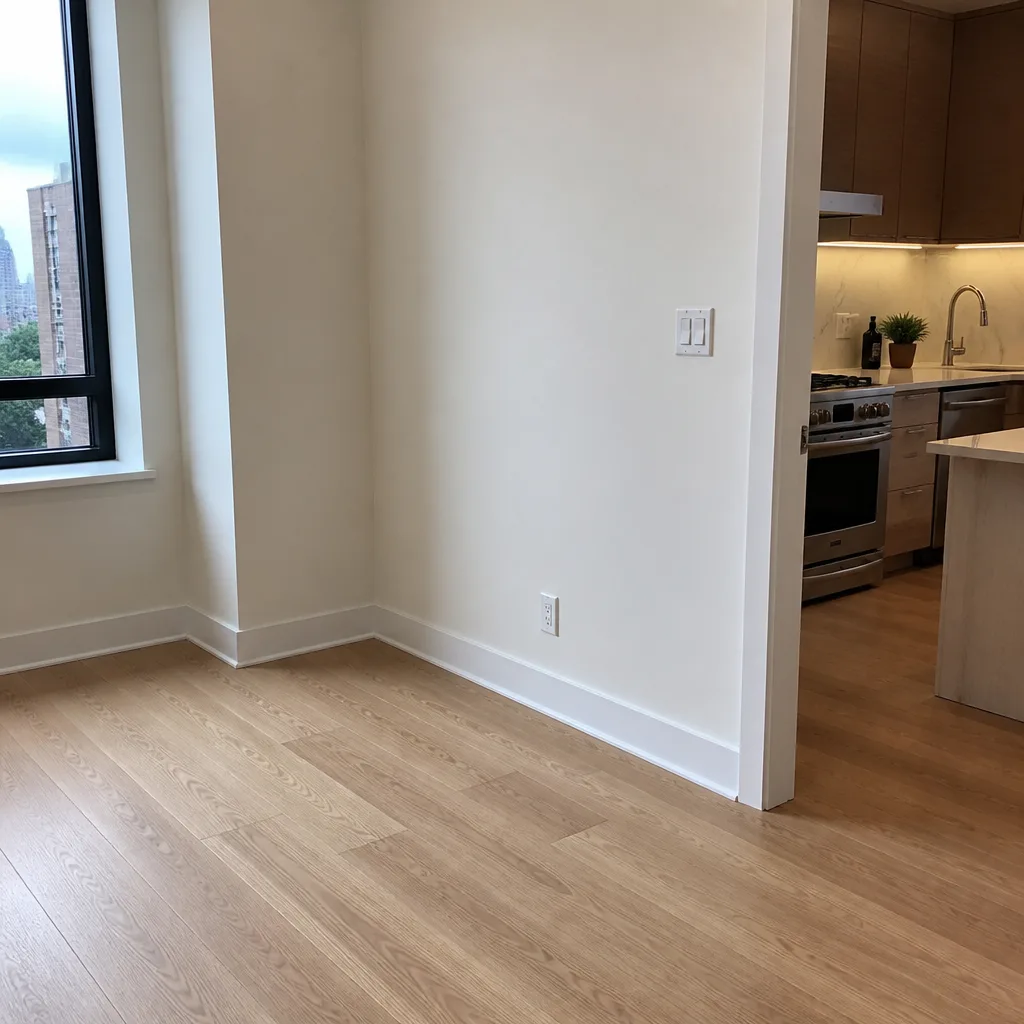 After
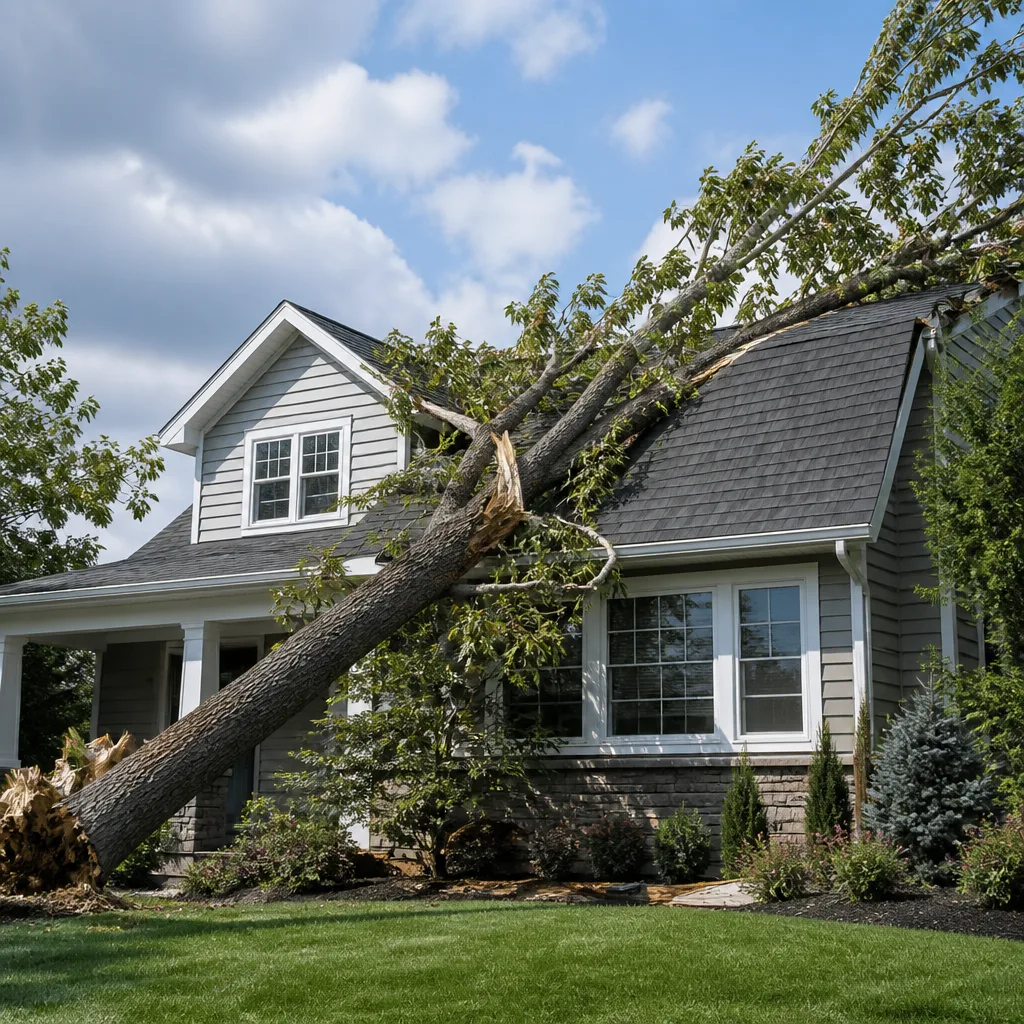
After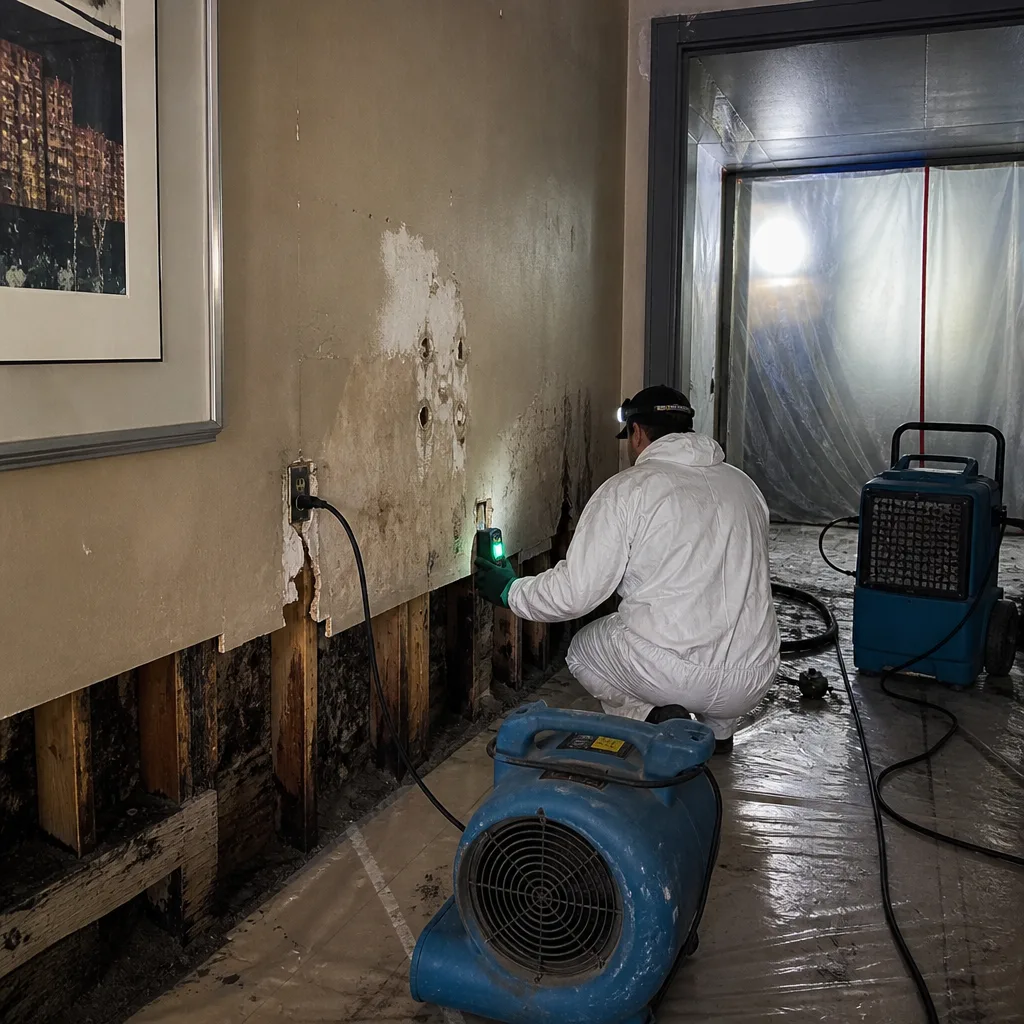 Before
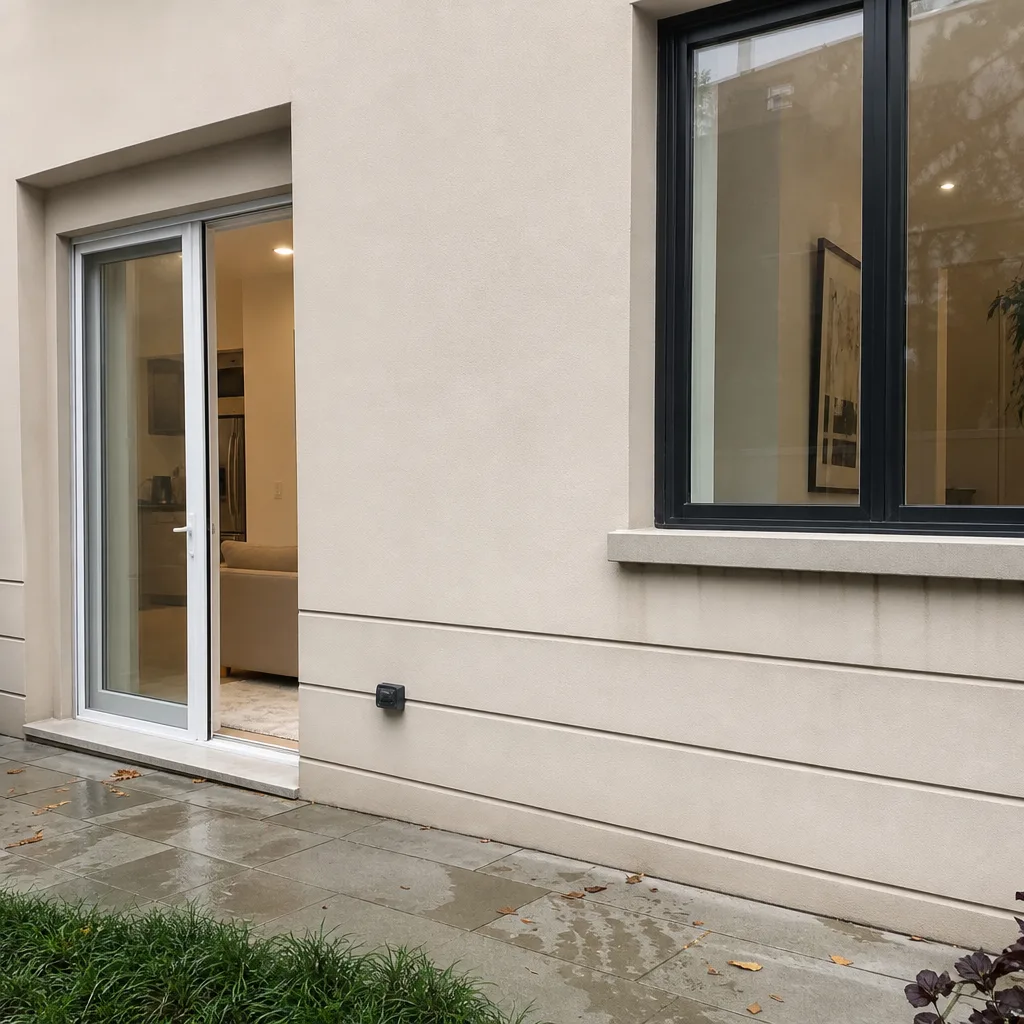 After
After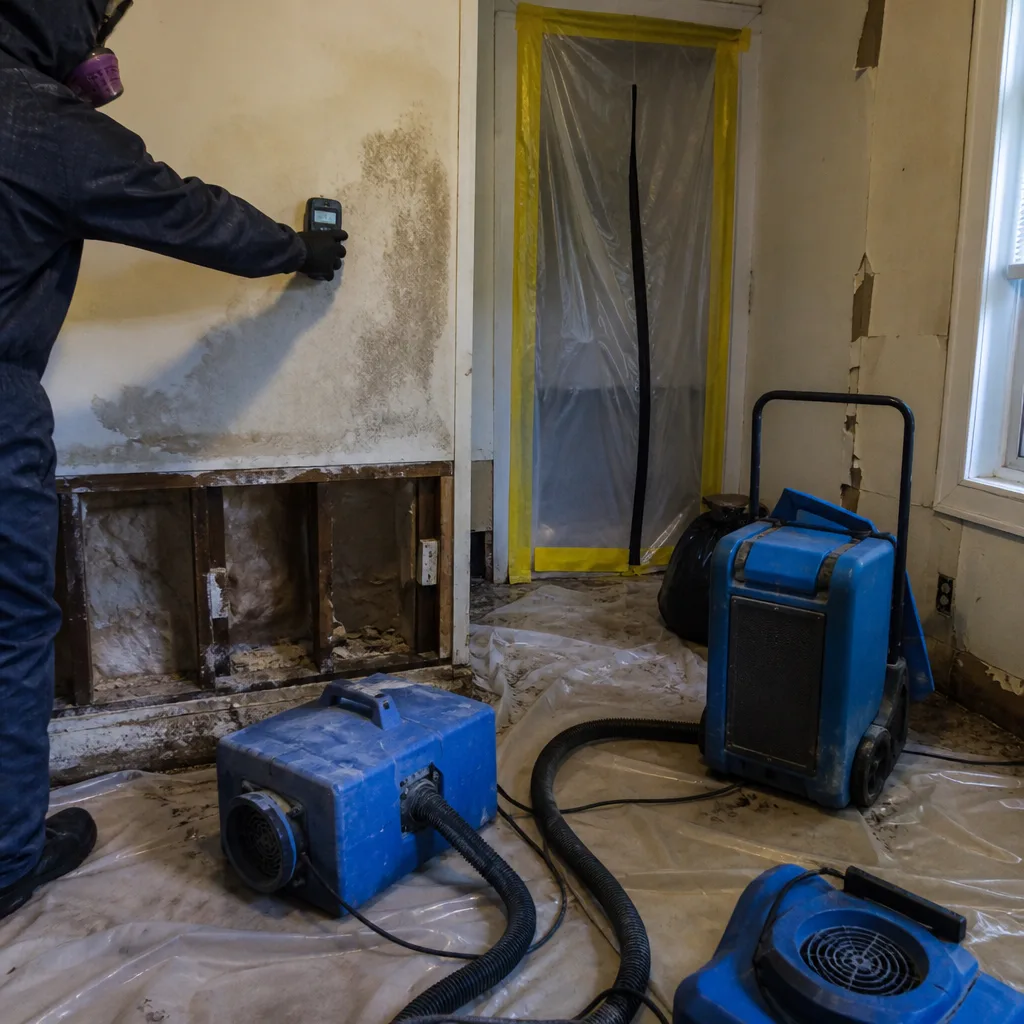 Before
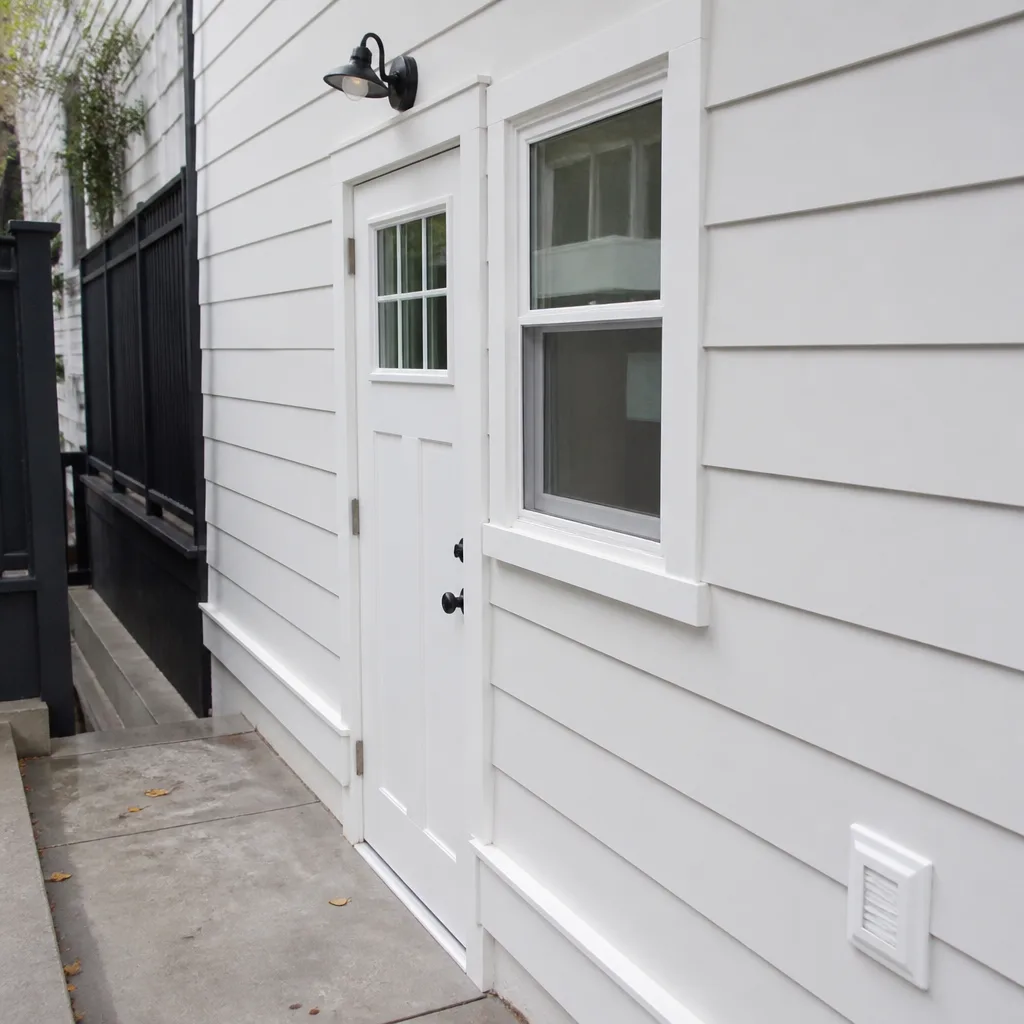 After
After24/7 Emergency Mold Remediation in Upper West Side
Mold remediation in Upper West Side prewar apartments typically costs $2,800-$7,500 for contained single-room jobs, with full-building stack failures running $15,000-$45,000 depending on how many apartments the moisture has traveled through. We’re available now at (551) 213-5277 with live answer, no voicemail, 24 hours a day. Crews dispatch from our New York City office and can be on-site in the Upper West Side within 45 minutes for active Category 3 water events that carry mold risk.
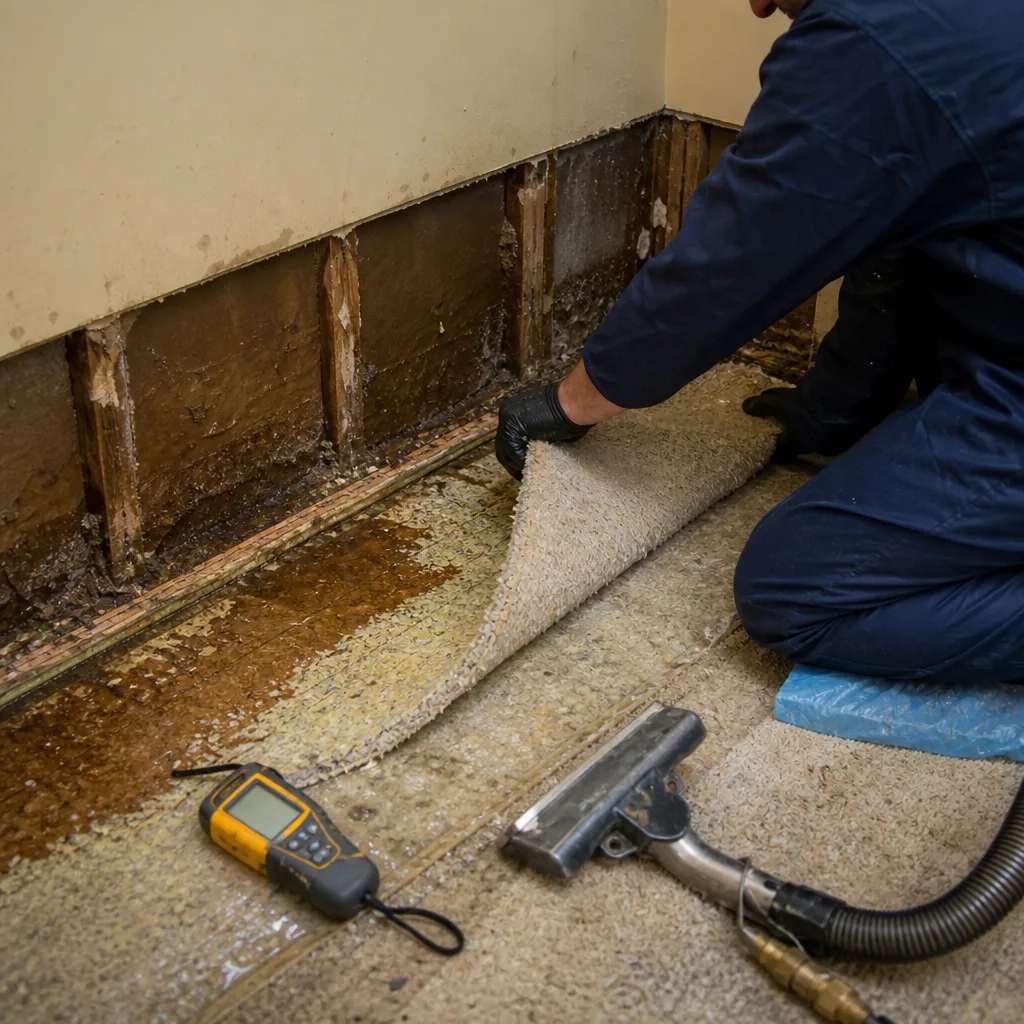
The first hour determines whether a moisture event becomes a mold event. In the Upper West Side’s 1895-1940 limestone and brick buildings, horsehair plaster over wood lath wicks water laterally through walls at rates that surprise homeowners who expect drywall behavior. By the time visible staining appears, the wet zone often extends 6-10 inches beyond - sometimes into the neighboring unit’s shared wall. We offer free visual inspections with moisture mapping to establish the true perimeter before any containment begins.
Understanding Mold Remediation Severity in Upper West Side Properties
We classify mold remediation by contamination extent, material porosity, and whether the moisture source is controlled. Category 1 sources - a clean supply line with under-48-hour exposure - may require only surface treatment on non-porous materials. Category 2, with 48-120 hours of saturation, demands removal of porous finishes and aggressive air scrubbing. Category 3, involving sewage backup or long-standing leaks in cast-iron drain stacks, triggers full containment, negative air pressure, and antimicrobial treatment of all affected structural materials.
Upper West Side buildings introduce variables no suburban template accounts for. Horsehair plaster is highly porous and irregular; it traps spores in its fiber matrix and releases them during disturbance. Original herringbone white oak floors over plank subfloors create vapor pressure differentials that pull moisture through assemblies modern OSB subfloors don’t permit. Our crews use thermal imaging to identify thermal bridges where Hudson River wind drives rain through limestone spalling, then confirm with penetrating moisture meters calibrated for plaster density, not gypsum board. Psychrometric data - temperature, relative humidity, and vapor pressure - governs every drying decision, documented to IICRC S520 and RIA standards.
Why Upper West Side Property Owners Choose DryMark Restoration Upper East Side
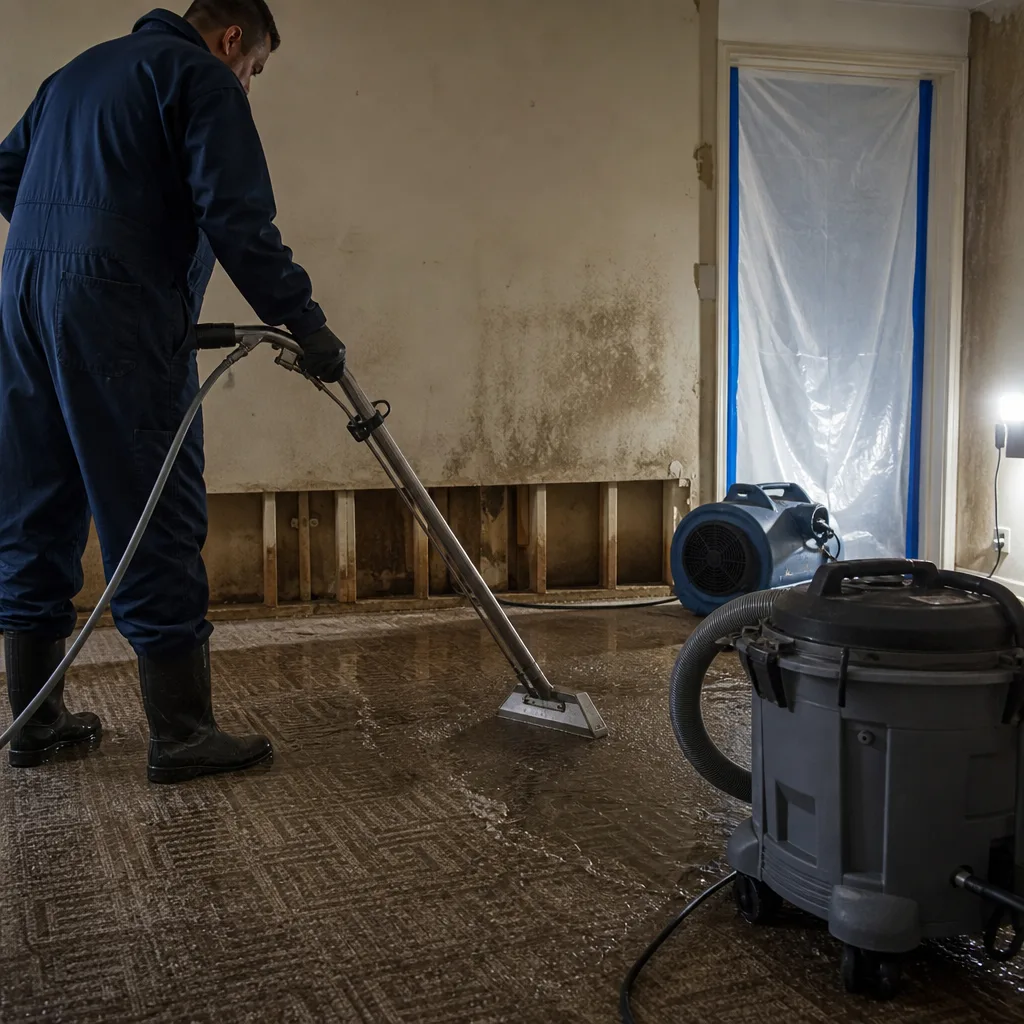
- 45-minute response commitment to Upper West Side addresses for active water events with mold risk, because plaster saturation moves faster than appointment calendars.
- 24/7 live answer - a real person, never an automated system or callback queue, on every call to (551) 213-5277.
- IICRC-certified crews holding WRT (Water Damage Restoration Technician), AMRT (Applied Microbial Remediation Technician), and FSRT (Fire & Smoke Restoration Technician) credentials where cross-contamination applies.
- Free visual inspection with moisture mapping and thermal imaging before any scope or pricing is discussed.
- Direct insurance billing with photo-documented estimates formatted to carrier specifications, plus direct adjuster coordination from day one.
- One team from containment to reconstruction - no handoffs between remediation and rebuild contractors that fragment documentation and delay co-op board sign-off.
BeforeAfterOur Mold Remediation Process
1. Inspection & Assessment
We map moisture with FLIR thermal cameras, Tramex penetrating meters, and hygrometers calibrated for horsehair plaster density. In Upper West Side prewar buildings, we inspect shared walls and ceiling/floor assemblies between stacked apartments - the path moisture takes through cast-iron stack chases. Every reading is logged with room location and photo reference.
2. Containment & Air Filtration
We establish polyethylene containment barriers and negative air pressure with HEPA-filtered air scrubbers (Dri-Eaz and Phoenix DefendAir units) before any disturbance of mold-affected materials. In co-op buildings, we coordinate containment footprint with superintendents to maintain egress and elevator access per building protocols.
3. Moisture Control & Drying
XPOWER axial air movers and Dri-Eaz LGR dehumidifiers target the drying environment; Injectidry systems dry cavities behind original plaster without removal when structurally sound. Tertiary drying - the final phase where vapor pressure differentials pull bound moisture from dense materials - is where most generic crews quit too early. We log daily moisture readings until materials reach established dry standards.
4. Cleaning & Antimicrobial Treatment
HEPA vacuuming of all surfaces, followed by EPA-registered antimicrobial application on porous materials that testing confirms can be restored. Non-salvageable horsehair plaster, water-damaged insulation, or compromised subflooring is removed with documented pre-loss photography for co-op board and insurance records.
5. Air Quality Restoration & Clearance
Post-remediation air sampling by independent third-party laboratories verifies spore counts at or below outdoor baseline levels per IICRC S520. We provide the lab report, our drying logs, and photo documentation as a single deliverable for your records, your board, and your carrier.
6. Repairs & Reconstruction
Where LPC or co-op board requirements mandate matching original finishes, our reconstruction team sources horsehair plaster specialists and millwork craftspeople experienced in prewar restoration. Every repair is photographed, scoped in writing, and covered by our 365-Day Done Right Promise under The Haven Standard.
Need Emergency Mold Remediation in Upper West Side Now?
Crews minutes away, answering live 24 hours a day. The sooner we start, the less it costs.
Working With Your Insurance Company
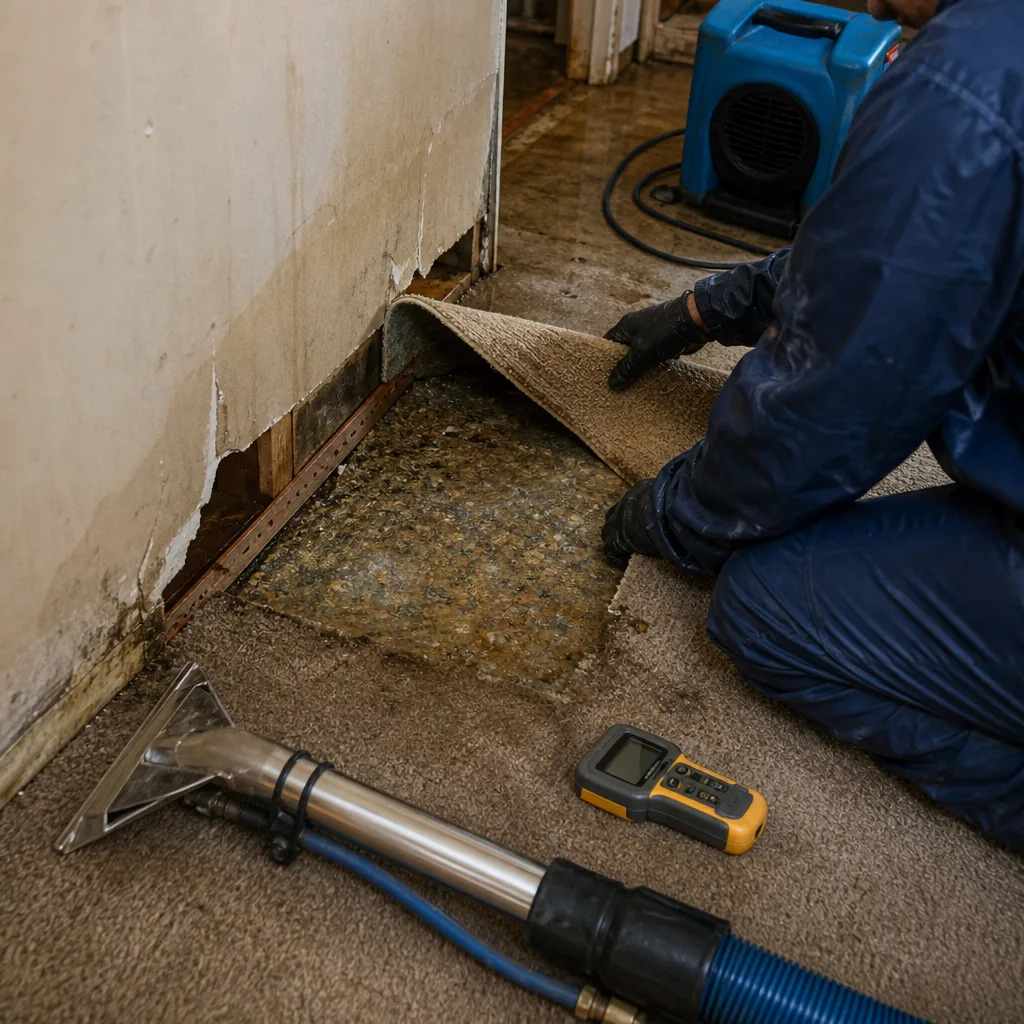
Documentation from the first hour is what turns a disputed mold claim into a paid one. Our founder built Back to Dry around the documentation gap that costs homeowners their settlements - the missing moisture log, the undated photo, the scope that doesn’t match the estimate. On every Upper West Side job, we produce industry-standard estimates formatted to carrier requirements, with direct adjuster communication so you’re not translating between two parties who’ve never seen your building.
What We Provide Your Insurer
- Thorough documentation of the loss origin, category, and progression
- Photos of all damage, room by room, with timestamp and moisture reading overlays
- Daily moisture readings and drying logs showing psychrometric conditions and material recovery
- A detailed, line-item scope of work with unit costs, referenced to The Haven Standard
- Direct coordination with your carrier’s adjuster, including field meetings when required
Built for Upper West Side’s Loss Calendar
January’s deep freezes burst aging cast-iron supply lines in 1920s full-block buildings, saturating multiple floors before anyone notices the radiator knock has gone silent. Spring thaw finds Hudson River wind-driven rain working into limestone spalling on west-facing facades - particularly along Riverside Drive and West End Avenue - creating recurring seasonal intrusion that lower Manhattan’s curtain-wall buildings simply don’t experience. Summer’s humidity spikes turn slow leaks into active mold blooms inside plaster cavities where no homeowner looks. And every nor’easter tests the flashing and parapet coping on century-old roofs, sending water down elevator shafts and stack chases to appear three floors below the actual breach.
The Upper West Side’s severe freeze-thaw cycle - typically 20-30 events per winter - accelerates masonry deterioration in ways that drive recurring mold jobs. Micro-cracks in limestone expand with each cycle, creating pathways for moisture that don’t exist in newer construction. Our Mold Remediation crews track these patterns building by building, season by season.
Mold Remediation Across Upper West Side’s Neighborhoods
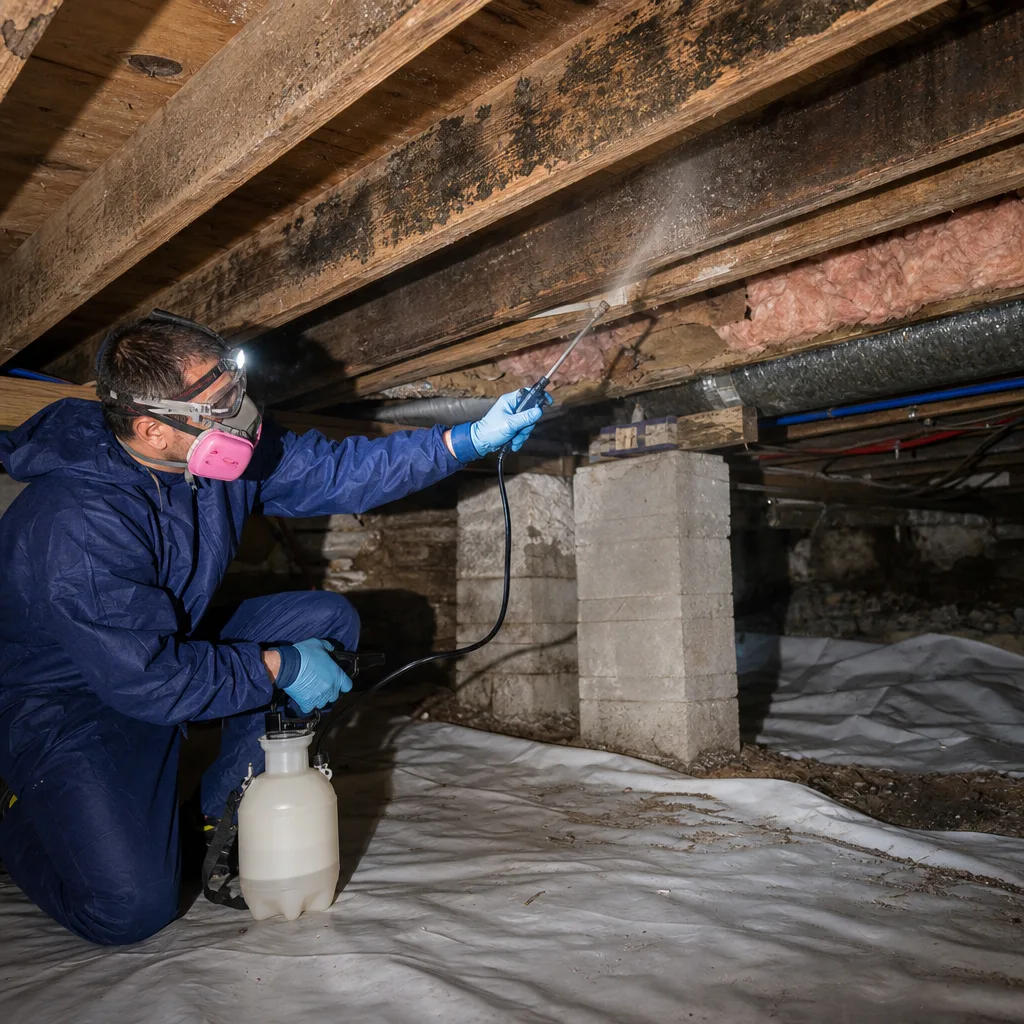
Central Park West’s landmarked 1890s-1930s co-ops - the Dakota, the San Remo, and their less famous neighbors - present the full complexity: LPC review for any exterior or common-area work, co-op board approval for wall access, and the obligation to preserve irreplaceable finishes. Our crews have worked with boards on this corridor enough to anticipate their documentation requirements and pre-package photo records in the format their attorneys expect.
Broadway’s corridor from 72nd to 96th mixes prewar rental buildings with newer construction, but the rental stock is itself 80-100 years old, with supers who’ve managed the same cast-iron stacks for decades and know exactly which risers fail every January. We coordinate directly with building maintenance to access stack chases and common areas without the delays that come from treating each apartment as an isolated job.
Riverside Drive’s western exposure to Hudson River wind creates the most aggressive moisture loading in the neighborhood. Buildings here show accelerated spalling, compromised pointing, and recurring leaks that appear to move floor-to-floor unpredictably because the water is traveling inside the masonry itself. Our moisture mapping in these buildings routinely finds lateral migration patterns that contradict the obvious leak path.
The full-block courtyard buildings - the Apthorp, the Belnord, and dozens of equivalents - represent the most logistically complex jobs we handle. Elevator access windows set by the superintendent (often 9 a.m.-5 p.m. only). Drying equipment staged across multiple apartments controlled by different shareholders with different attorneys. Co-op board written approval required before opening any wall. A bureaucratic gauntlet that can add weeks to a job that would take days in a single-family home. We’ve developed relationships with supers and managing agents on these blocks specifically to streamline this process without cutting procedural corners.
Specialized Mold Remediation Services We Offer in Upper West Side
Mold Inspection & Testing
Our inspections start with moisture mapping, not guesswork. In Upper West Side prewar apartments, we use penetrating meters calibrated for horsehair plaster density and thermal imaging to find the true wet zone - typically 6-10 inches beyond visible staining. Air and surface sampling goes to independent third-party labs; we don’t perform our own testing to avoid conflict of interest. A typical inspection in Upper West Side runs $450-$850 for apartments under 1,500 square feet, with multi-unit stack investigations starting at $1,200.
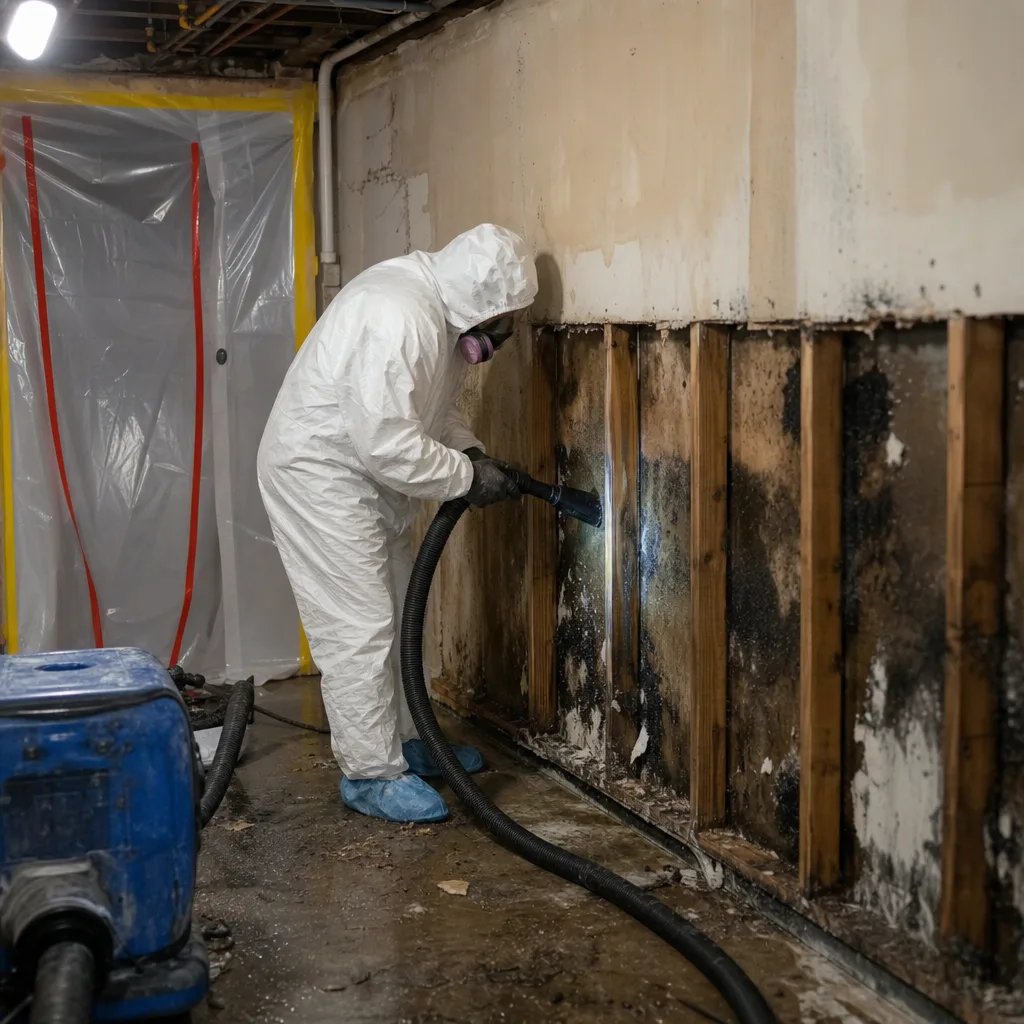
Mold Removal
Removal follows containment, never precedes it. We establish negative air pressure with HEPA scrubbers before disturbing any mold-affected material. In co-op buildings, our containment footprint is designed around building egress requirements and superintendent coordination. Single-room removal in Upper West Side apartments typically ranges $2,800-$5,500; multi-apartment stack failures run $15,000-$45,000 depending on affected square footage and material salvageability.
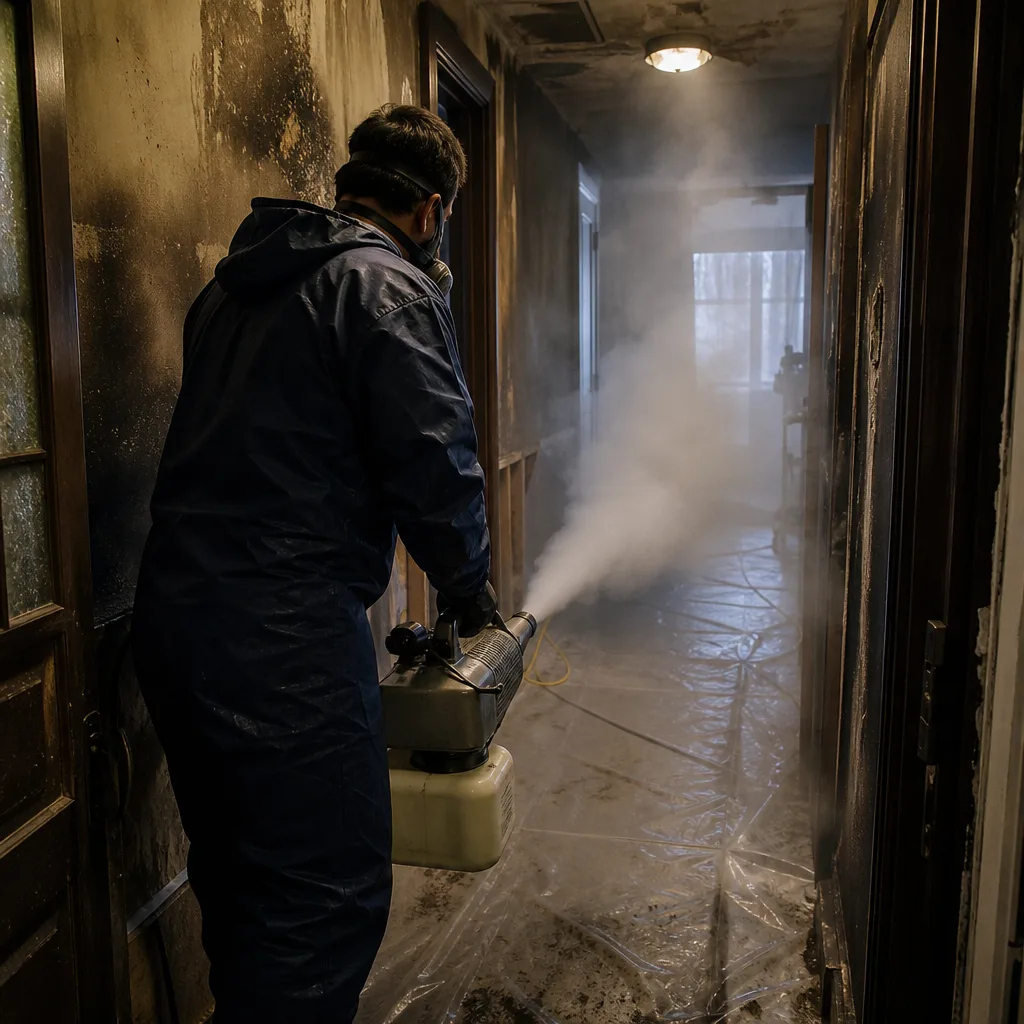
Black Mold Remediation
Stachybotrys chartarum and other toxigenic species require the same containment rigor as any Category 3 mold job, with additional PPE and decontamination protocols. We don’t use “black mold” as a scare tactic - we identify the species through lab analysis, then scope remediation to the actual contamination extent. In Upper West Side’s poorly ventilated prewar bathrooms and kitchens, we find these species in chronic leak scenarios where previous repairs addressed the symptom without drying the cavity.
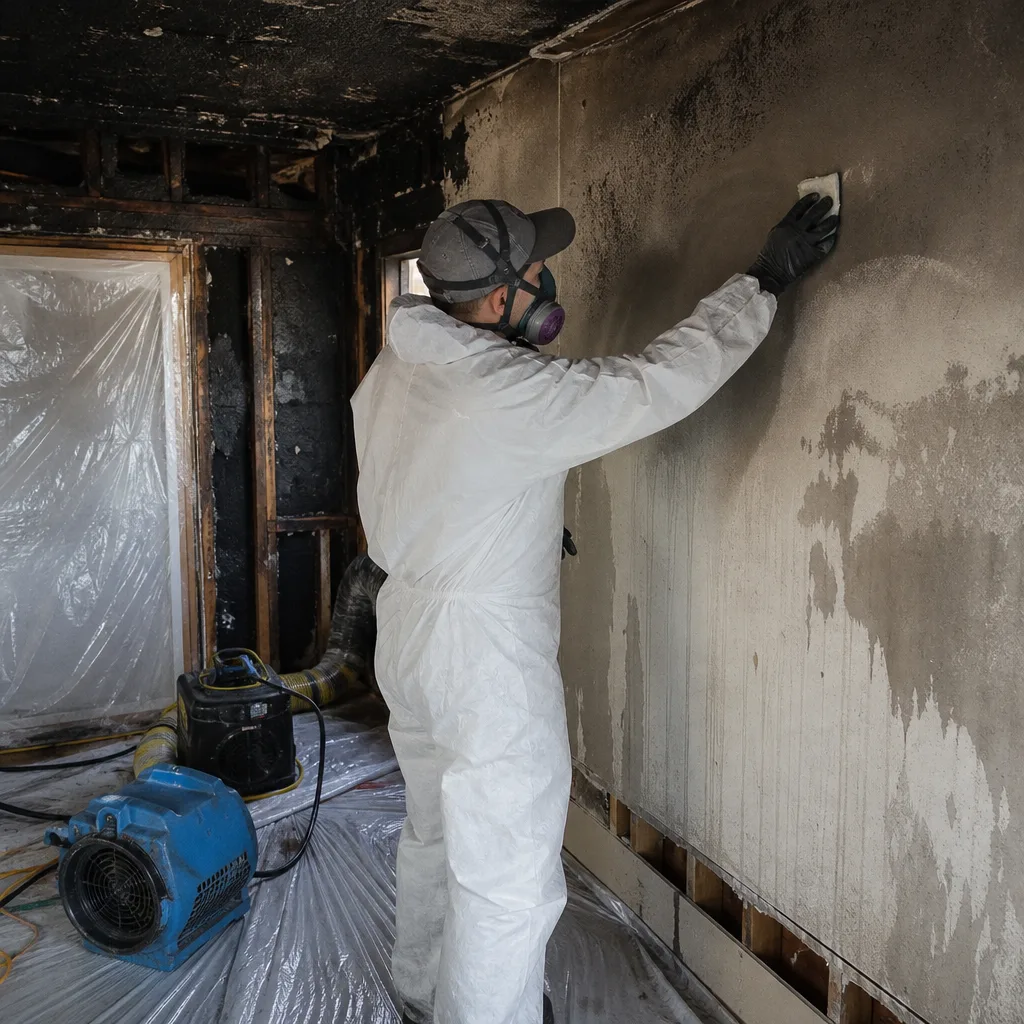
Air Quality Restoration
Post-remediation, we verify air quality through independent laboratory analysis comparing indoor spore counts to outdoor baseline. Our air scrubbing during remediation uses HEPA filtration rated at 99.97% efficiency at 0.3 microns. For Upper West Side residents with asthma, immunocompromised conditions, or infant occupancy, we can specify more stringent clearance criteria and extended air monitoring - documented in your final deliverable.
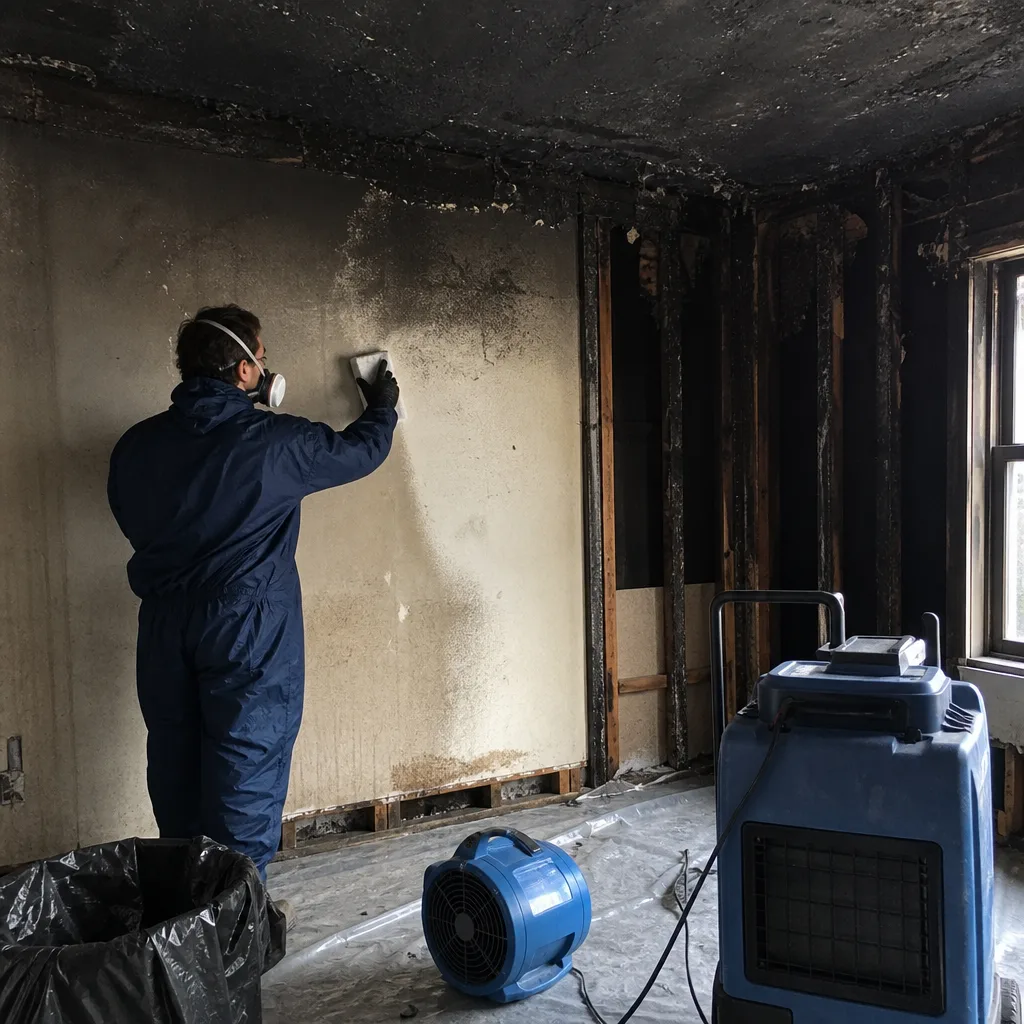
Crawl Space Treatment
While true crawl spaces are rare in Upper West Side high-rises, we treat the equivalent: sub-basement utility vaults, elevator pit areas, and the voids beneath raised first-floor lobbies in courtyard buildings. These spaces share crawl-space characteristics - limited ventilation, groundwater proximity, and neglected maintenance - and require the same moisture control and antimicrobial treatment.
Moisture & Humidity Control
The Upper West Side’s prewar construction lacks the vapor barriers and mechanical ventilation of modern buildings. We specify and install supplemental dehumidification for chronic problem areas, with humidity monitoring tied to building management systems where possible. For shareholders in buildings with recurring stack failures, we document moisture patterns across multiple events to support capital improvement requests to the board - a service that has helped our clients secure full-building repiping approvals.
What happens when you call
- 1
A real person answersNo phone trees - you reach a local pro.
- 2
You get an upfront price rangeHonest numbers before anyone is dispatched.
- 3
A background-checked tech heads outLicensed & insured, dispatched right away.
- 4
You approve before work beginsNothing starts until you say go.
Mold Remediation Costs in Upper West Side, NY
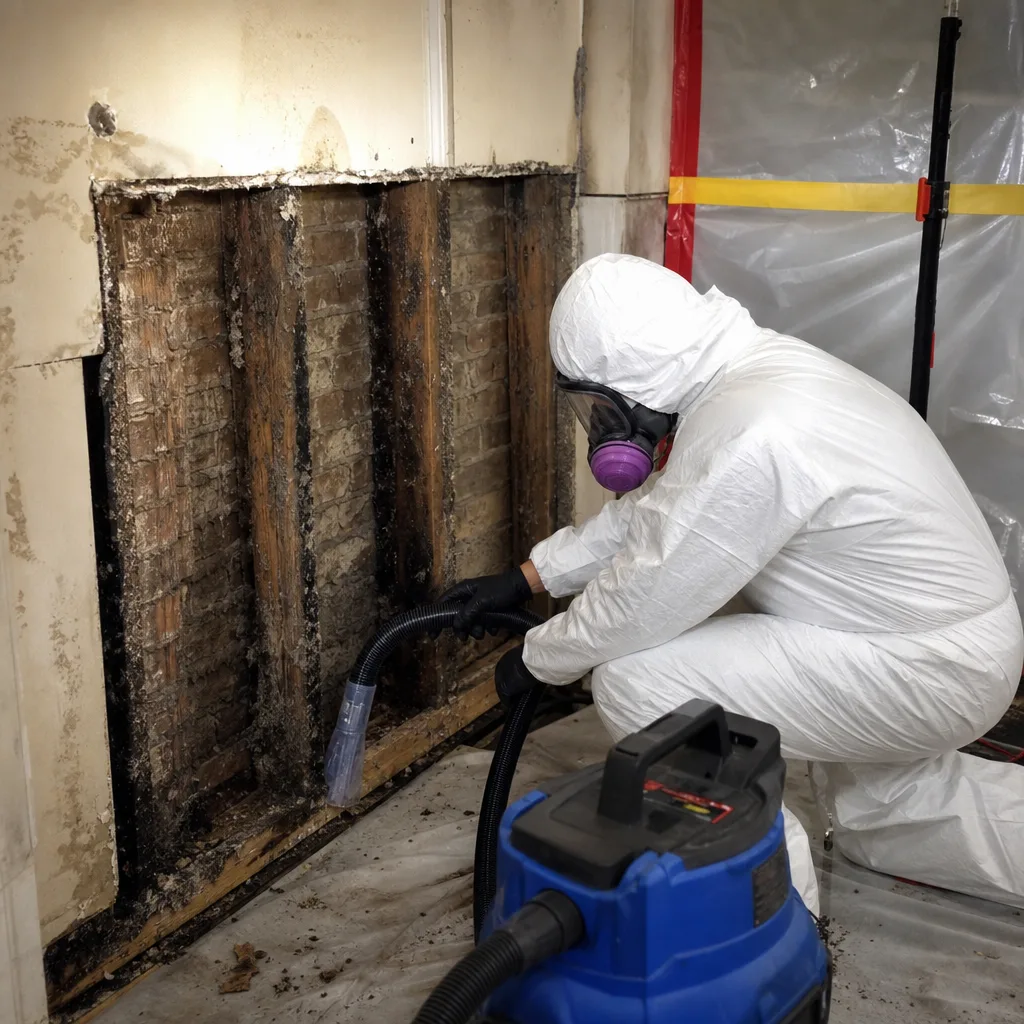
| Service | Typical Range |
|---|---|
| Visual inspection with moisture mapping | $450-$850 |
| Single-room mold remediation (contained, <100 sq ft) | $2,800-$5,500 |
| Multi-room apartment remediation | $6,500-$12,000 |
| Full-building cast-iron stack failure (3+ apartments) | $15,000-$45,000 |
| Post-remediation air quality testing | $350-$650 |
| Horsehair plaster reconstruction (LPC-compliant) | $85-$140/sq ft |
What moves the price: affected square footage, material type (horsehair plaster removal is slower than drywall), accessibility (elevator restrictions, board approval delays), and whether the moisture source is controlled. Insurance typically covers sudden and accidental water damage with resulting mold; long-term maintenance neglect is usually excluded. We provide a written price before any work begins, every time - Haven Standard, Clause 1 - and offer a Free Second Opinion on any competitor’s written estimate.
Call (551) 213-5277 for your free visual inspection and firm written scope.
We Also Serve Cities Near Upper West Side
Our crews respond throughout the immediate metro area, including Upper West Side, Upper East Side, Manhattan, Astoria, and East Harlem. Dispatch and scheduling are coordinated from our New York City office; crews serve Upper West Side locally with no subcontractor handoffs.
Serving Upper West Side, NY - Our Local Coverage Area
We’re based in the Upper West Side area and know this community well. Use the map below to see our service coverage - if you’re nearby, we can almost certainly help.
Upper West Side Mold Remediation Questions, Answered
Why does mold in Upper West Side prewar apartments spread beyond the room where the leak happened?
Horsehair plaster over wood lath is a porous, continuous assembly that wicks moisture laterally through walls and vertically through stack chases in ways modern drywall doesn’t permit.
Unlike gypsum board with paper facing and factory edges, horsehair plaster has no vapor barrier and irregular density that creates capillary pathways. We’ve mapped moisture 6-10 inches from visible stains in dozens of Upper West Side apartments, and found active mold in neighboring units sharing the same cast-iron drain chase. The only way to establish true containment is penetrating moisture meters calibrated for plaster density, not the drywall settings most crews use. Call (551) 213-5277 and we’ll show you the actual wet zone before any work is scoped.
What does a cast-iron drain stack failure mean for mold remediation in a full-block UWS courtyard building?
A single failing stack can push Category 3 water into 8-12 apartments simultaneously, requiring coordinated containment across multiple units controlled by different shareholders.
We’ve handled these jobs in buildings like the Apthorp and Belnord. The remediation isn’t technically different - containment, negative air, HEPA scrubbing, antimicrobial treatment - but the logistics are. Each apartment needs its own scope and insurance claim. The co-op board must approve wall access in common areas. Elevator windows are often restricted to 9 a.m.-5 p.m. And if the super treats it as a single-apartment leak, the neighboring units’ horsehair plaster continues wetting while the visible problem gets “fixed.” We coordinate directly with building management and document every unit’s pre-loss condition before any containment begins. Call (551) 213-5277 for a free inspection of the full affected zone.
How do you handle mold remediation when the building has LPC-protected or original finishes?
We document pre-loss condition with room-by-room photography before disturbing any material, then specify restoration methods and materials that match original finishes for board and LPC review.
Horsehair plaster, herringbone white oak floors, and hand-carved millwork cannot be swapped for modern equivalents in landmarked or architecturally significant Upper West Side buildings. Our reconstruction team sources specialists in prewar restoration, and our scopes specify matching materials and methods with line-item pricing. The photo record, drying logs, and written scope become the documentation package for your board, your carrier, and any LPC filing. We don’t open walls until written approvals are in hand - halting mid-job because of unapproved access is how moisture problems become mold disasters. Call (551) 213-5277 to discuss your building’s specific requirements.
Why is mold remediation on UWS west-side blocks different from other neighborhoods?
Direct Hudson River exposure accelerates masonry spalling and drives rain infiltration into aging limestone facades, creating recurring seasonal water intrusion that newer construction doesn’t experience.
The severe NYC freeze-thaw cycle - 20-30 events per winter - works into micro-cracks in century-old limestone, expanding them year over year. Buildings on Riverside Drive and West End Avenue show moisture patterns we don’t see in the East 70s: wind-driven rain penetrating at parapet level, traveling inside masonry cavities, and appearing three floors below as “mysterious” leaks. Our moisture mapping in these buildings accounts for lateral masonry migration, not just vertical stack travel. The remediation is the same; the diagnosis is different. Call (551) 213-5277 for inspection if your west-side building has recurring leaks that previous contractors couldn’t source.
Can you start mold remediation before the co-op board signs off?
No - and any contractor who says otherwise is exposing you to liability, work stoppage, and a half-contained mold environment.
Haven Standard, Clause 1 requires a written price before work begins; co-op board approval is a prerequisite for that written scope in common areas and shared walls. We’ve seen crews open walls on superintendent verbal approval, then halt when the board’s attorney intervenes - leaving a contained, drying cavity exposed to the building’s air for days or weeks. Our process: free visual inspection, moisture mapping, written scope with board submission package, then scheduled commencement upon written approval. The 45-minute response applies to emergency water extraction that prevents mold; remediation itself is scoped, scheduled, and executed with full documentation. Call (551) 213-5277 to start the inspection and documentation process.
How fast can someone actually get here for an active water event?
45 minutes to Upper West Side addresses for active Category 3 water with mold risk, with live answer on (551) 213-5277 24 hours a day.
This applies to water extraction and emergency drying that prevents mold proliferation. Full mold remediation requires containment setup that can’t be rushed through co-op protocols, but the initial response to stop moisture migration is what determines whether you’re facing a $3,000 surface treatment or a $30,000 multi-unit job. Our crews carry moisture meters, thermal imaging, and extraction equipment on every truck. Call (551) 213-5277 now if water is active in your building.
Will insurance cover mold remediation in my co-op?
Typically yes for sudden and accidental water damage with resulting mold; typically no for long-term maintenance neglect or pre-existing conditions.
The key is documentation that establishes the loss date, source, and progression. Our photo records, moisture logs, and written scopes are formatted to carrier specifications specifically to support this determination. For cast-iron stack failures, we document which apartment experienced the initial failure and how moisture traveled through common elements - critical for assigning coverage between individual HO-6 policies and the building’s master policy. We coordinate directly with your adjuster and provide the documentation package that supports your claim. Call (551) 213-5277 for a free inspection and insurance documentation review.
How long does mold remediation take in a prewar Upper West Side apartment?
Single-room contained jobs: 3-5 days of active remediation plus 48-72 hours clearance testing. Multi-unit stack failures: 2-4 weeks depending on board approval timelines and elevator access.
The drying phase is where most delays occur. Horsehair plaster releases bound moisture slower than drywall; tertiary drying to established standards can add 2-3 days to what a modern apartment would require. We don’t skip this phase - incomplete drying is how mold returns at 90 days. Our daily moisture logs show exactly when materials reach dry standard, documented for your records and your carrier. The 365-Day Done Right Promise covers any recurrence. Call (551) 213-5277 for a timeline specific to your building and contamination extent.
After a cast-iron drain stack failed between floors in a 1920s full-block courtyard building off Riverside Drive, we contained three apartments and ran Injectidry cavity drying behind the original horsehair plaster while XPOWER air movers and Dri-Eaz dehumidifiers held the hallway. Our moisture mapping found elevated readings two rooms beyond the initial complaint - an area the super had assumed was dry - and we documented pre-loss condition room by room before the co-op board approved wall access. That documentation package became the basis for three approved insurance claims and a capital improvement request that got the building’s risers replaced.
Written by Alicia Brennan, Owner at Back to Dry Restoration, serving Upper West Side since 2011 under The Haven Standard.
Mold Remediation in Nearby Areas