
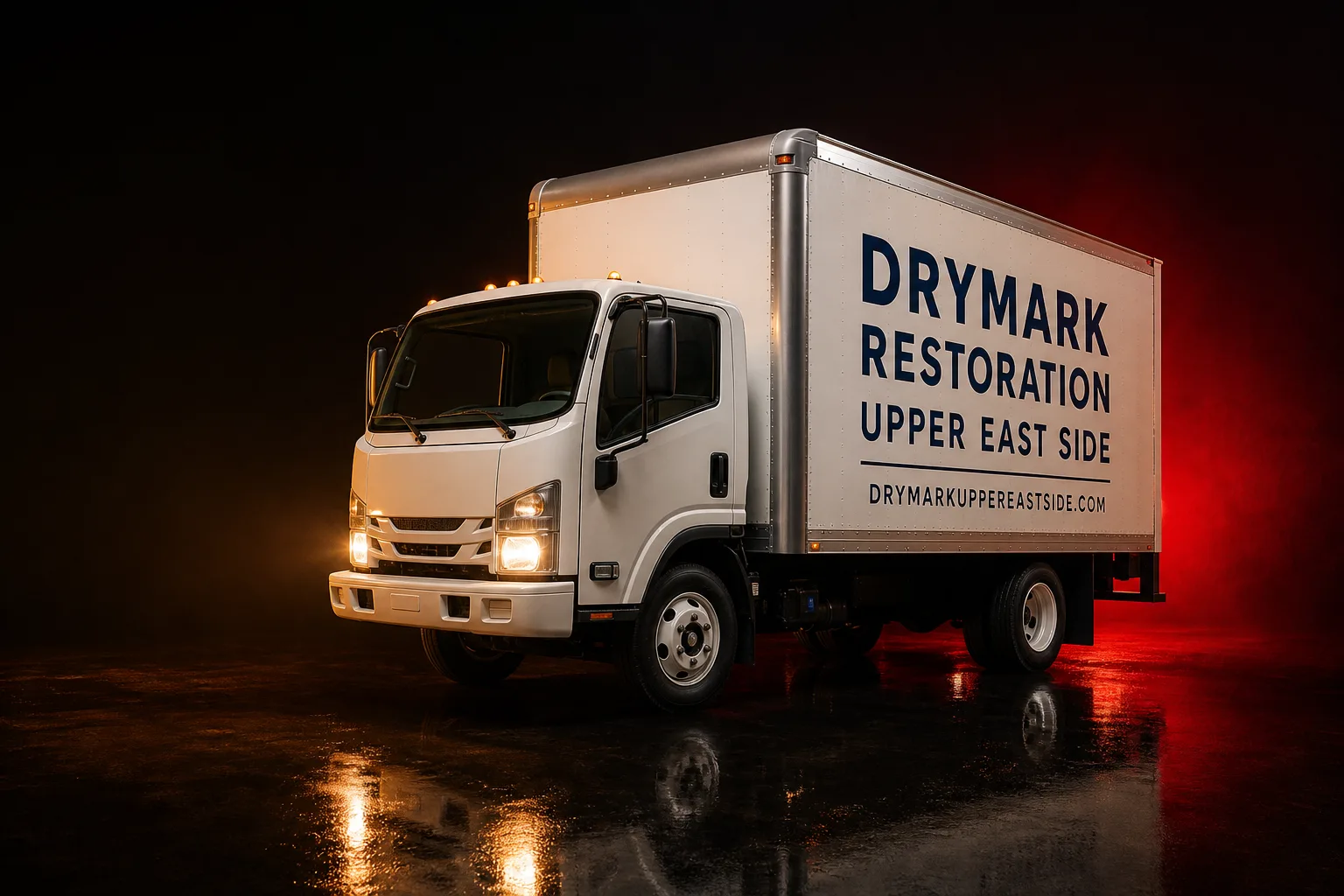
Free visual inspection and a written scope of work before any mitigation begins - photos, moisture readings, and drying logs go in your claim file
The scope we write is the scope we bill. Anything new gets shown to you, in writing, before we touch it.
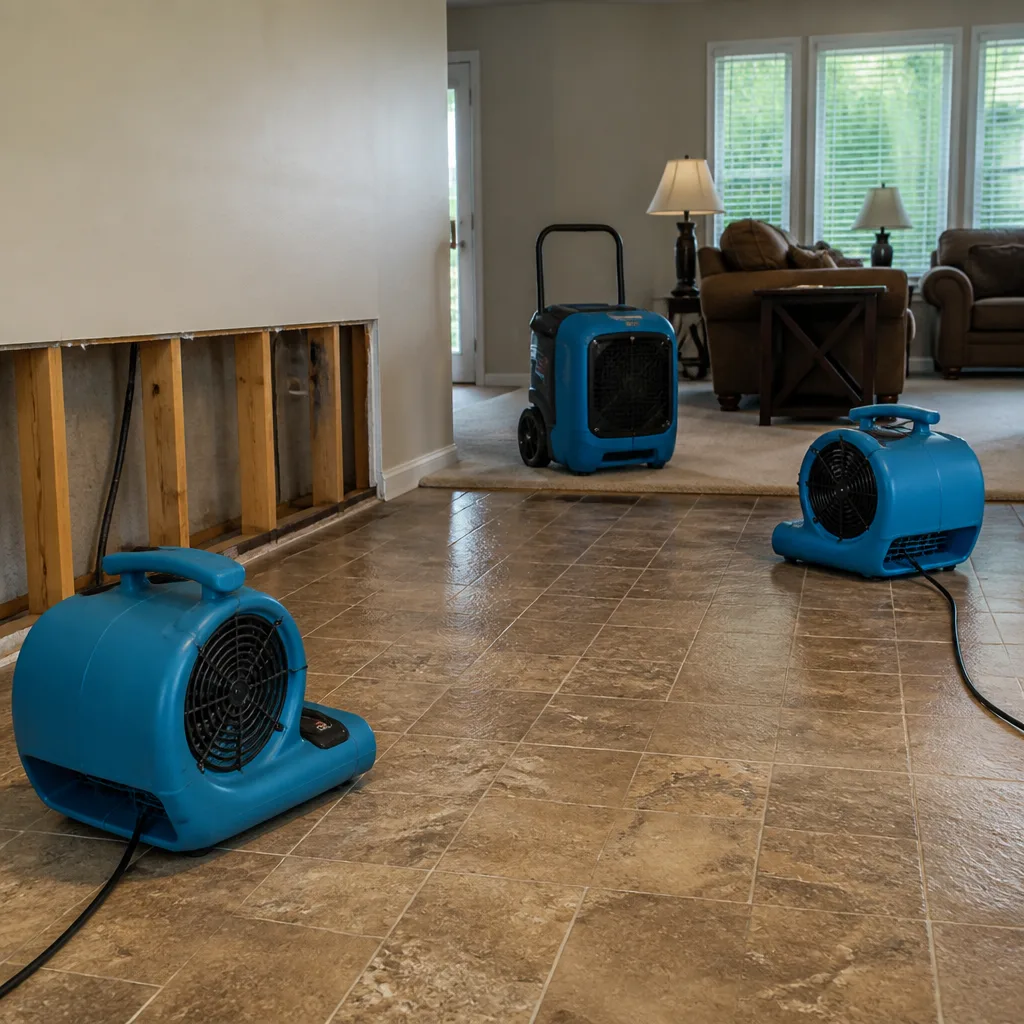

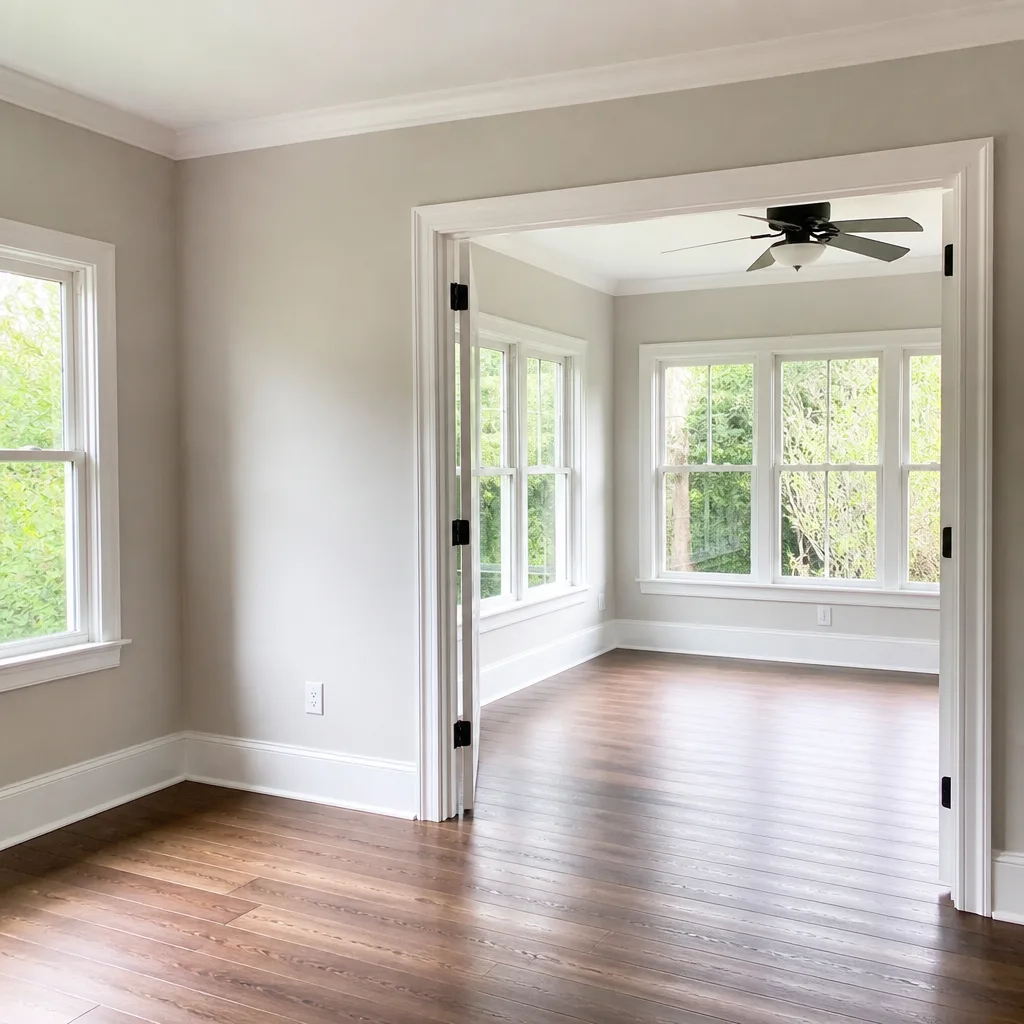
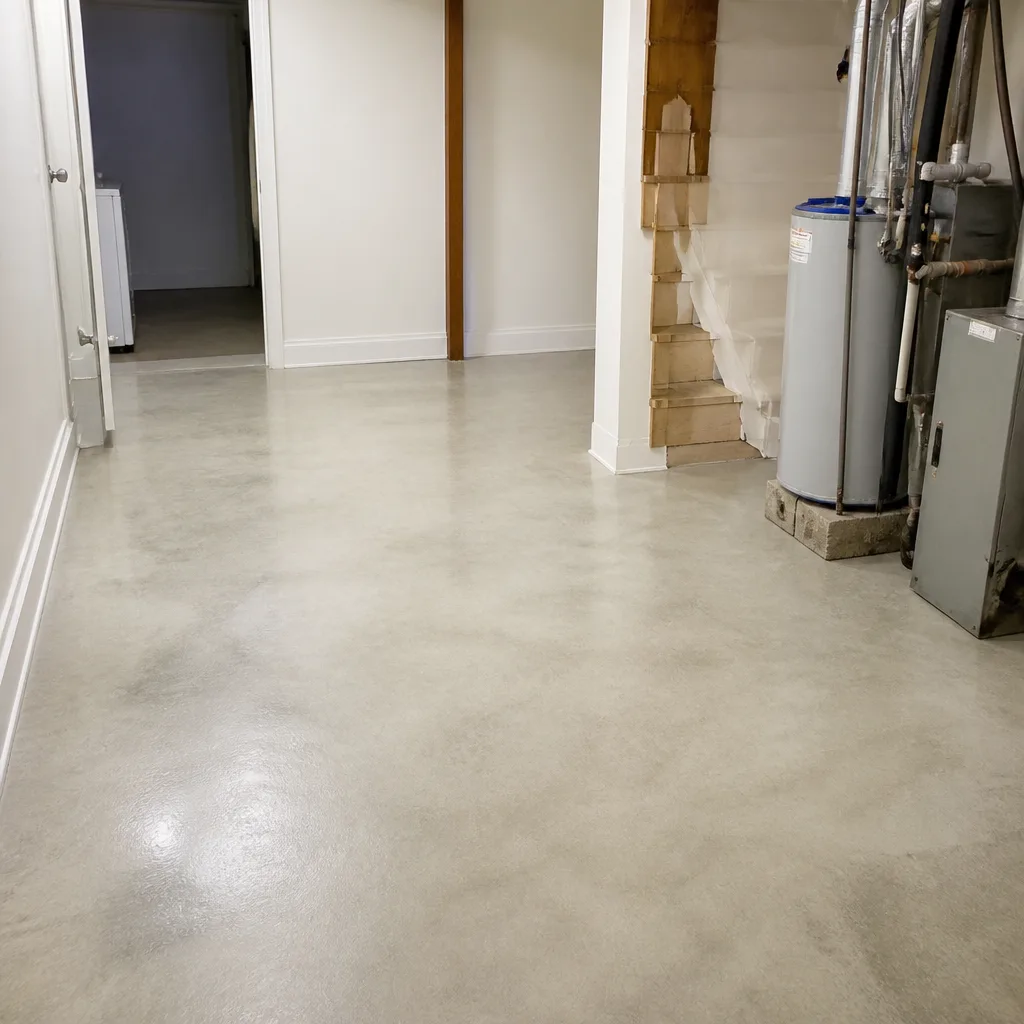
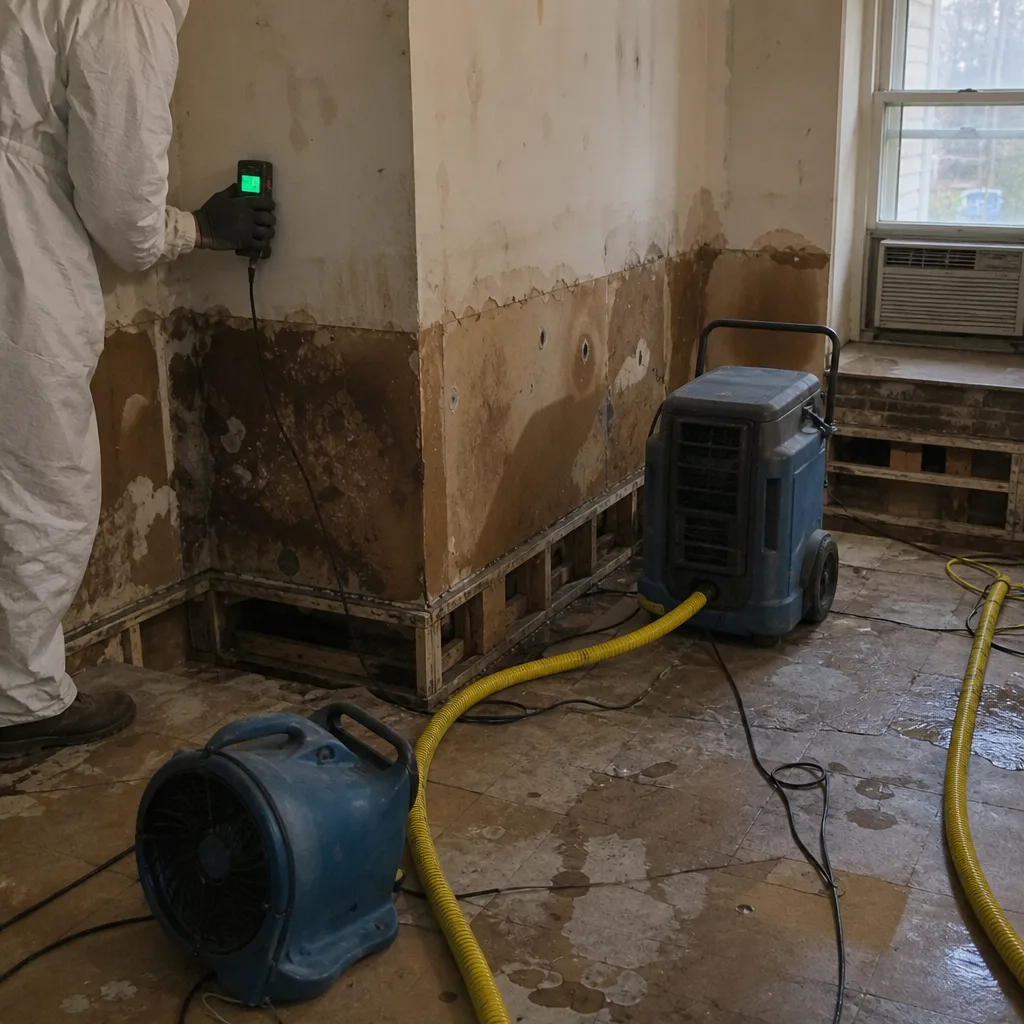 Before
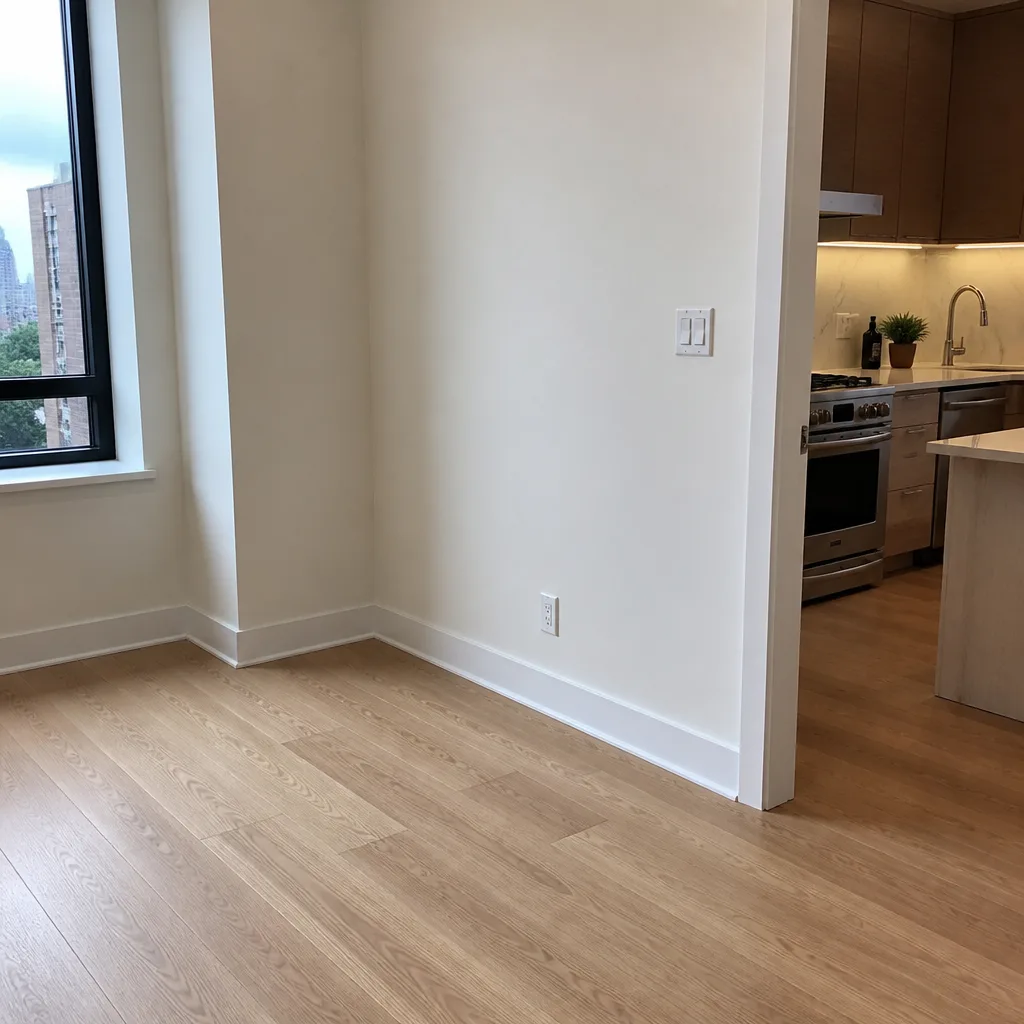 After
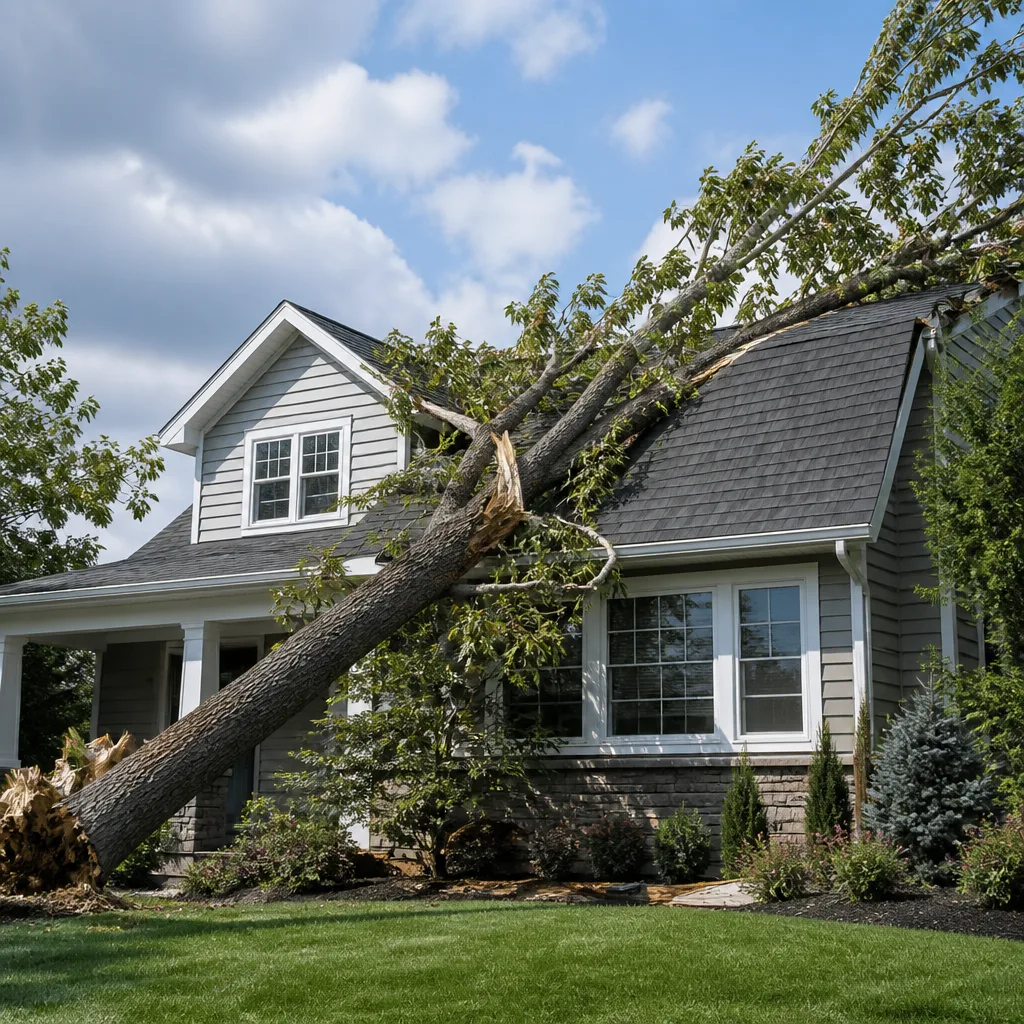
After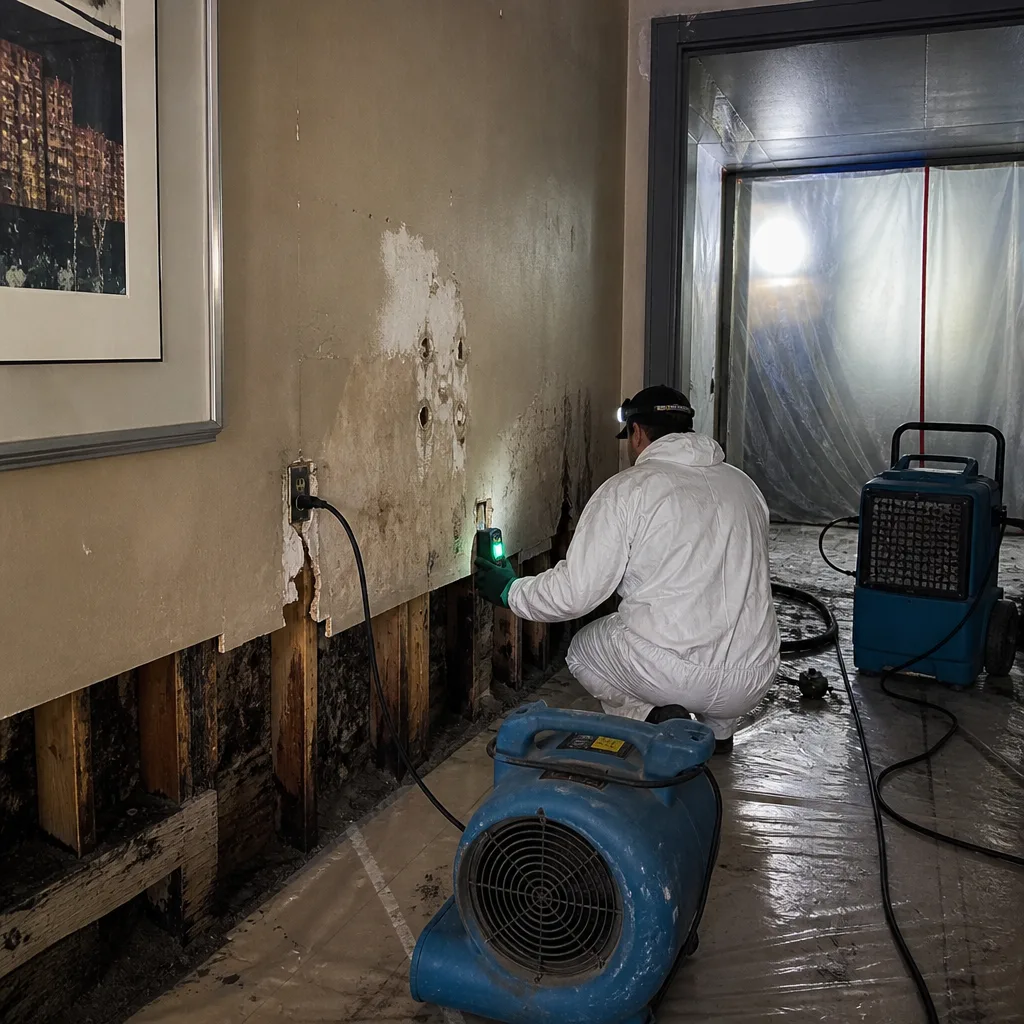 Before
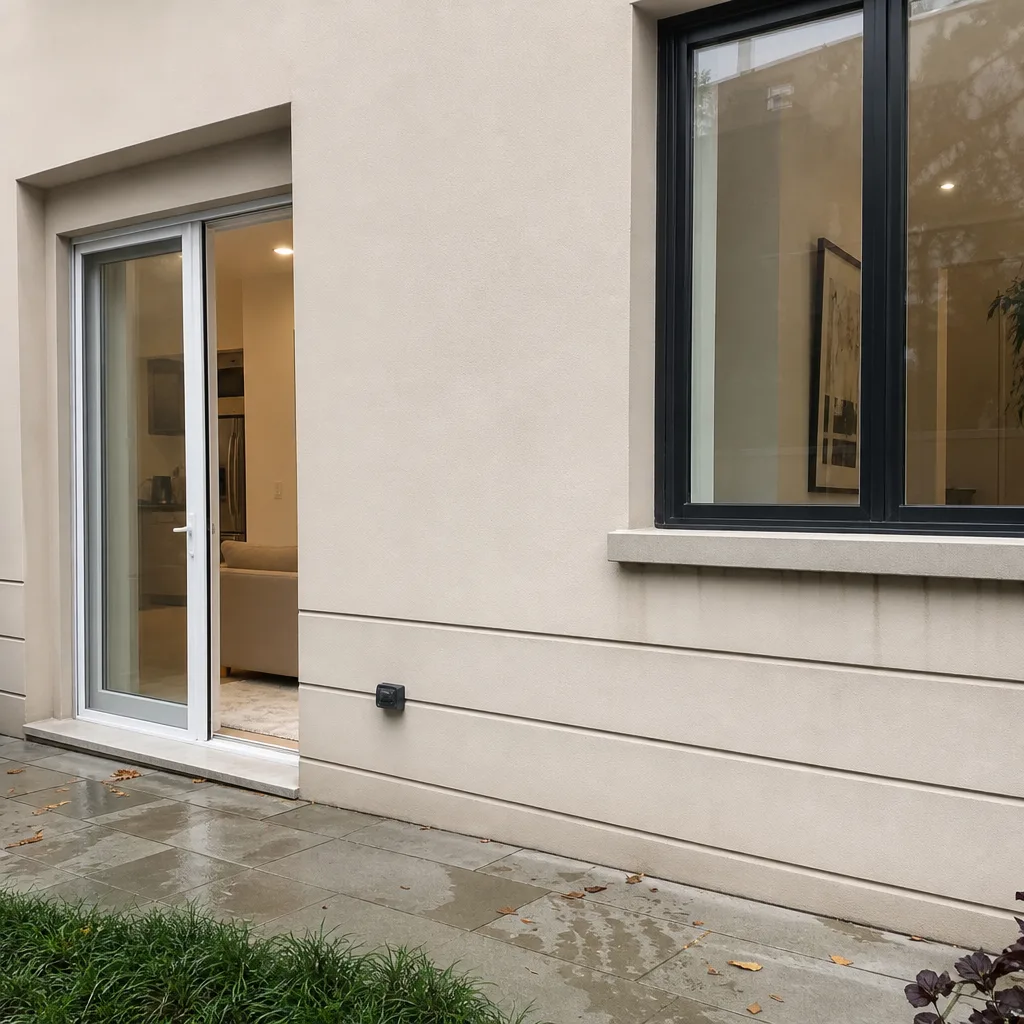 After
After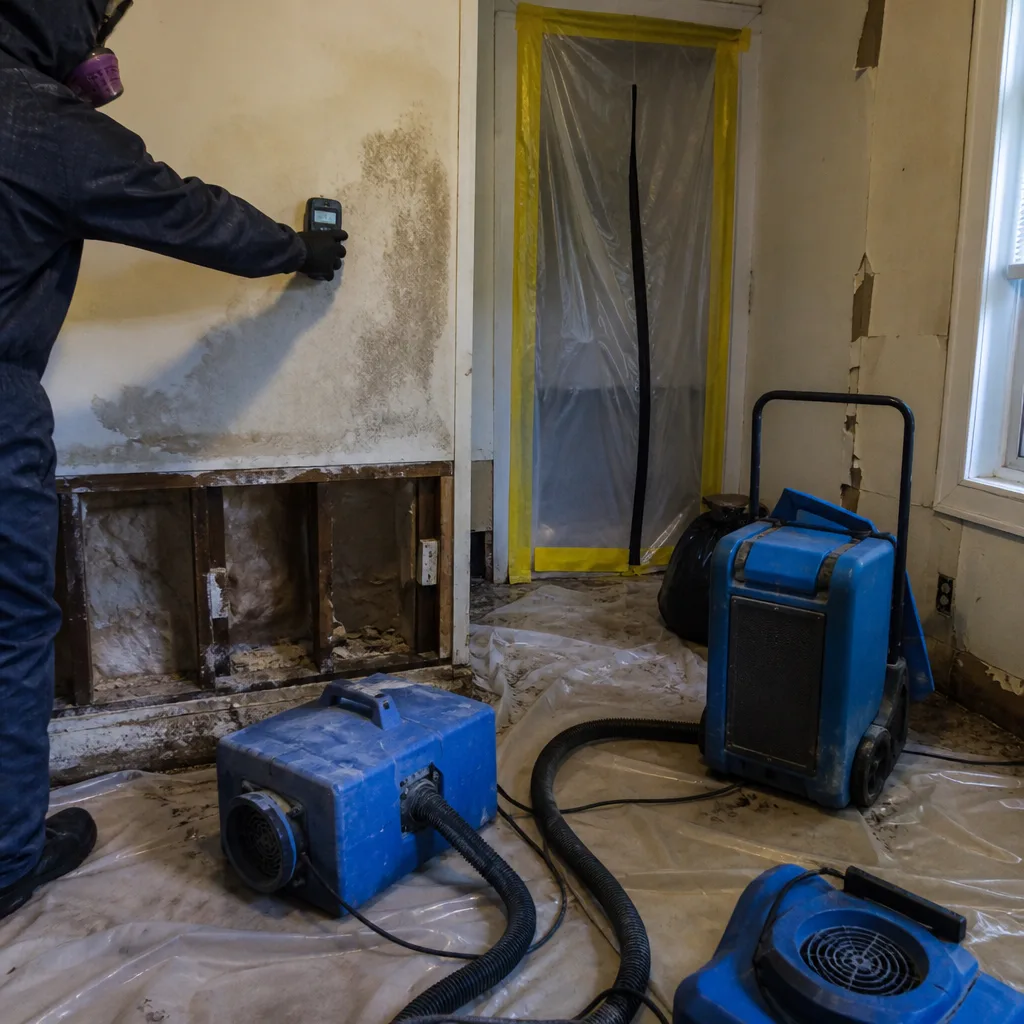 Before
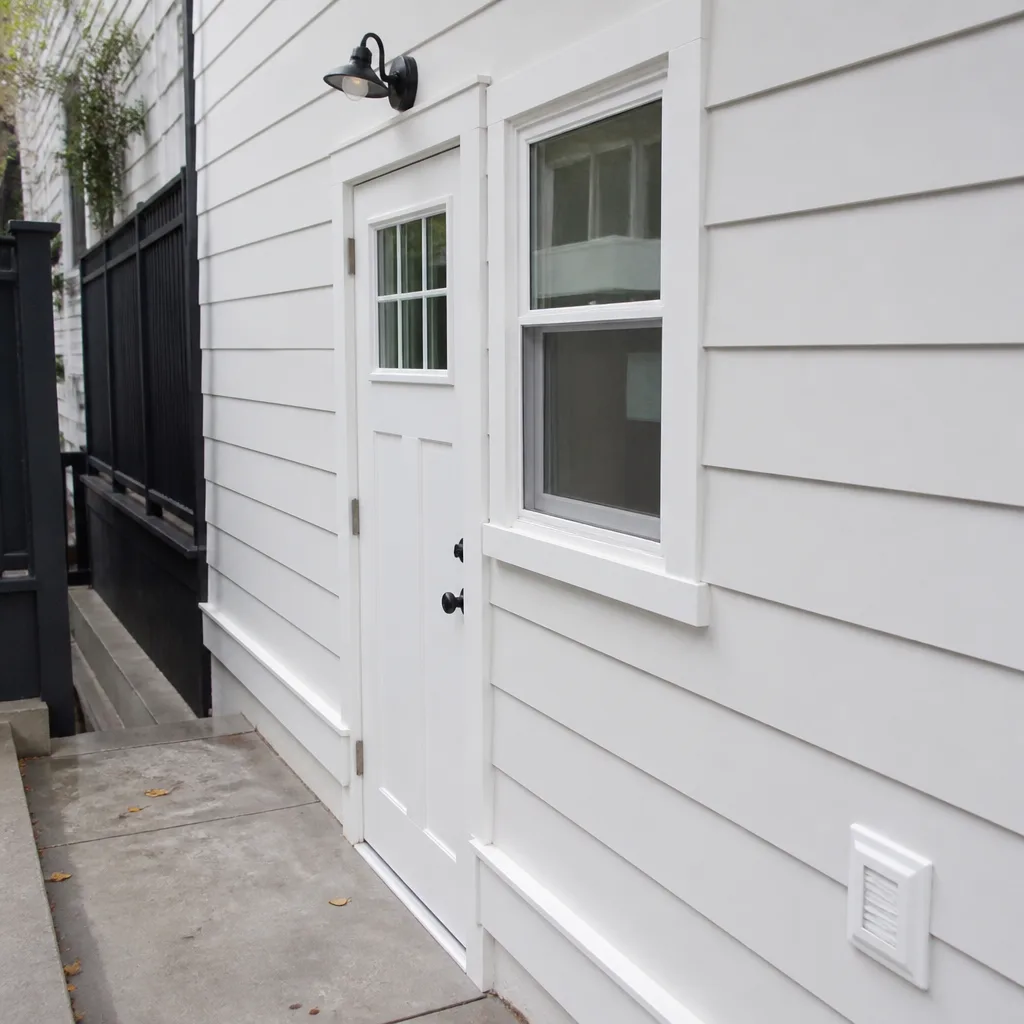 After
After24/7 Emergency Water Damage Restoration in Fort Lee
Water damage restoration in Fort Lee typically costs $1,800-$6,500 for a standard condo unit loss, with high-rise multi-unit events running $8,000-$25,000 depending on floors affected. Most extraction and stabilization work begins same day. Call (551) 213-5277 now - a live person answers, 24 hours a day, 7 days a week, no voicemail trees.
We’re minutes from Fort Lee with crews staged for the borough’s unique building profile: dense 1960s-90s high-rise towers where one failed riser can flood ten units before the super unlocks the mechanical room. Every minute of delay multiplies affected square footage. Our first response includes a free visual inspection, immediate moisture mapping with thermal imaging, and a written scope before any equipment runs - Haven Standard, Clause 1. We dispatch from our New York City office and serve Fort Lee properties directly.
Understanding Water Damage Restoration Severity in Fort Lee Properties
Water damage classification follows IICRC standards by category and class. Category 1 is clean water from a supply line; Category 2 carries significant contamination from washing machines or dishwasher discharge; Category 3 is grossly contaminated sewage or ground flooding. Class tracks evaporation load - Class 1 affects minimal porous material, Class 4 requires specialty drying of dense assemblies like plaster or concrete.
Fort Lee’s tower stock skews losses toward complex scenarios. A Category 1 supply-line break on the 14th floor of a 1970s building becomes Category 2 or 3 by the time it reaches the 8th floor, picking up contaminants from common corridors and elevator shafts. The borough’s aging galvanized and early copper risers, combined with locked mechanical-room shutoffs, routinely convert simple pipe failures into multi-class, multi-floor events. Moisture mapping with thermal imaging and penetrating hygrometers is non-negotiable here - surface dryness on upper floors masks migration through vertical chases and curtain-wall cavities that our Phoenix and Dri-Eaz systems must address floor by floor.
Why Fort Lee Property Owners Choose DryMark Restoration Upper East Side
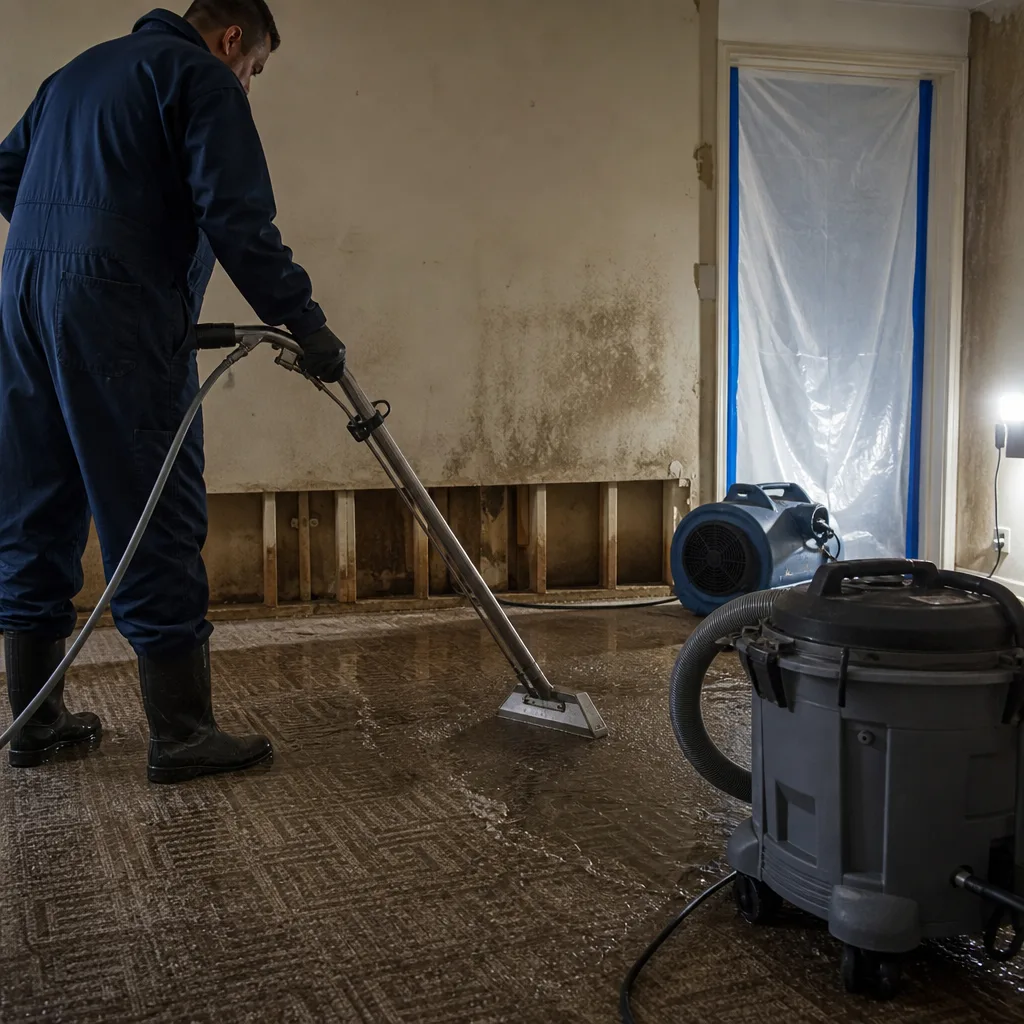
- 45-minute response commitment to Fort Lee addresses - we know the Lincoln Tunnel and local bridge patterns and route accordingly.
- 24/7 live answer: a real person, never an automated system, picks up every call to (551) 213-5277.
- IICRC-certified crews hold WRT (Water Damage Restoration Technician) and ASD (Applied Structural Drying) certifications, with AMRT (Applied Microbial Remediation Technician) on mold-prone tower losses.
- Free visual inspection and written scope before any work begins - Haven Standard, Clause 1, no exceptions.
- Direct insurance billing with photo-documented drying logs that adjusters accept without dispute.
- One team from extraction through reconstruction - no handoffs between mitigation and rebuild contractors.
BeforeAfterOur Water Damage Restoration Process
1. Inspection & Assessment
We arrive with thermal imaging cameras, penetrating and non-penetrating moisture meters, and hygrometers to map the full extent of migration. In Fort Lee towers, this means checking vertical chases, curtain-wall cavities, and common corridors above and below the obvious loss - water here travels farther than owners expect.
2. Extraction & Stabilization
Truck-mounted extraction removes standing water; portable units handle elevator lobbies and individual units where access is tight. If the building super hasn’t unlocked the riser shutoff, we extract continuously while coordinating with management to stop the source.
3. Drying & Dehumidification
We deploy Dri-Eaz and Phoenix LGR dehumidifiers, XPOWER and B-Air air movers, and Injectidry panel-drying systems for dense plaster and drywall assemblies. Psychrometric data - temperature, relative humidity, and vapor pressure differential - is logged daily to prove drying progress to insurers and HOAs.
4. Cleaning & Sanitization
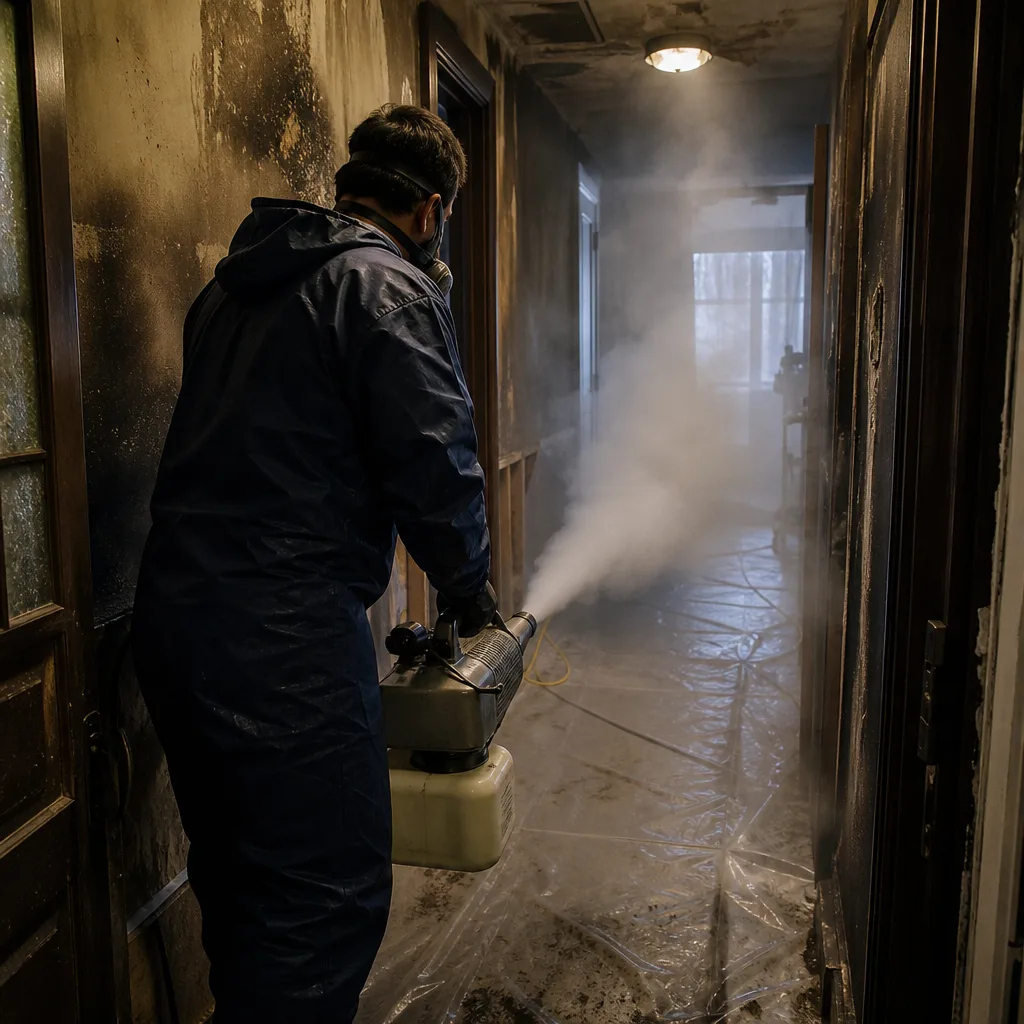
Antimicrobial treatment applies to affected porous materials; HEPA air scrubbers run during work to protect adjacent units. In Fort Lee’s shared-duct buildings, we coordinate with building management on HVAC isolation to prevent cross-contamination.
5. Moisture Verification & Documentation
We hold drying until moisture content readings match dry standards for the material - typically below 16% for wood framing, equilibrium with ambient conditions for drywall. Daily drying logs with photos go to the customer, HOA, and adjuster as standard, never as an upsell.
6. Repairs & Restoration
Our reconstruction crew repairs or replaces drywall, flooring, trim, and paint to match existing finishes. On Fort Lee’s older towers, we source period-appropriate materials and coordinate with building management on common-area repairs that match the original specification.
Need Emergency Water Damage Restoration in Fort Lee Now?
Crews minutes away, answering live 24 hours a day. The sooner we start, the less it costs.
Working With Your Insurance Company
Fort Lee’s multi-party tower losses create documentation complexity that sinks claims when handled poorly. Individual unit owners, condo or co-op HOAs, and building management each carry separate policies with overlapping coverage and dispute triggers. We produce the records that keep all parties aligned from day one.
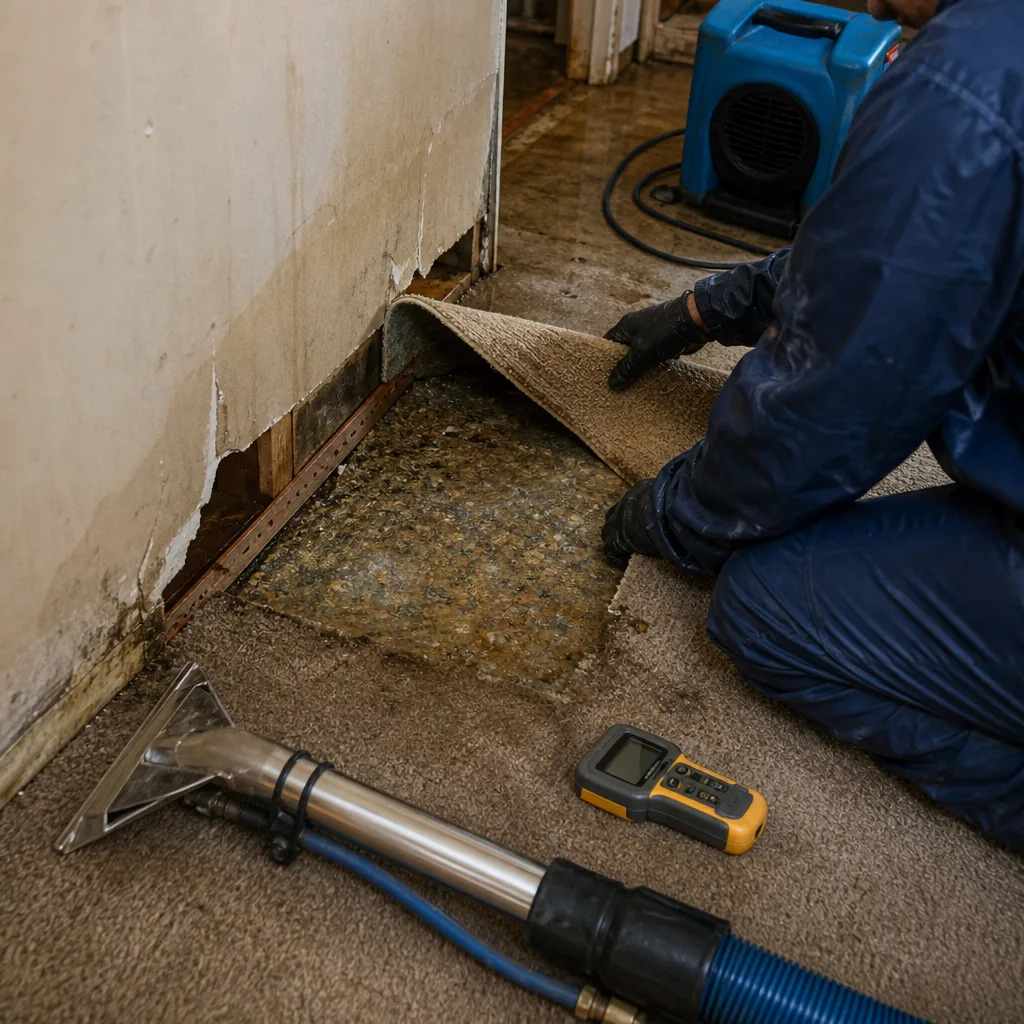
Our estimates follow Xactimate and Symbility industry standards. We photograph every room before, during, and after drying. We log moisture readings with equipment serial numbers and placement maps. We speak directly with adjusters, provide line-item scopes with material classifications by trade name, and flag coverage questions before they become disputes. Alicia Brennan built this company in 2011 after seeing how sloppy documentation cost homeowners their claims - our daily drying logs and photo records exist to prevent that outcome.
What We Provide Your Insurer
- Thorough documentation of the loss
- Photos of all damage, room by room
- Moisture readings and drying logs
- A detailed, line-item scope of work
- Direct coordination with your carrier
Built for Fort Lee’s Loss Calendar
January deep freezes split supply lines in rooftop mechanical rooms and perimeter units where aging insulation fails - losses that cascade when building heating systems struggle to keep risers above freezing. Spring thaw brings basement seepage to the handful of garden-apartment complexes along Fort Lee’s eastern edge, plus pressure on the borough’s combined sewer system that backs up into lower-level units. Summer thunderstorms hit the Palisades with wind-driven rain that penetrates 1960s-80s curtain walls and window seals; we see these calls spike after every nor’easter that tracks up the Hudson. Fall is when aging heating-system startups reveal corroded hydronic lines that failed over summer. And any season, a single riser failure in a tower on Lemoine Avenue or Hudson Terrace becomes the multi-unit event that defines our Fort Lee work.
Water Damage Restoration Across Fort Lee’s Neighborhoods
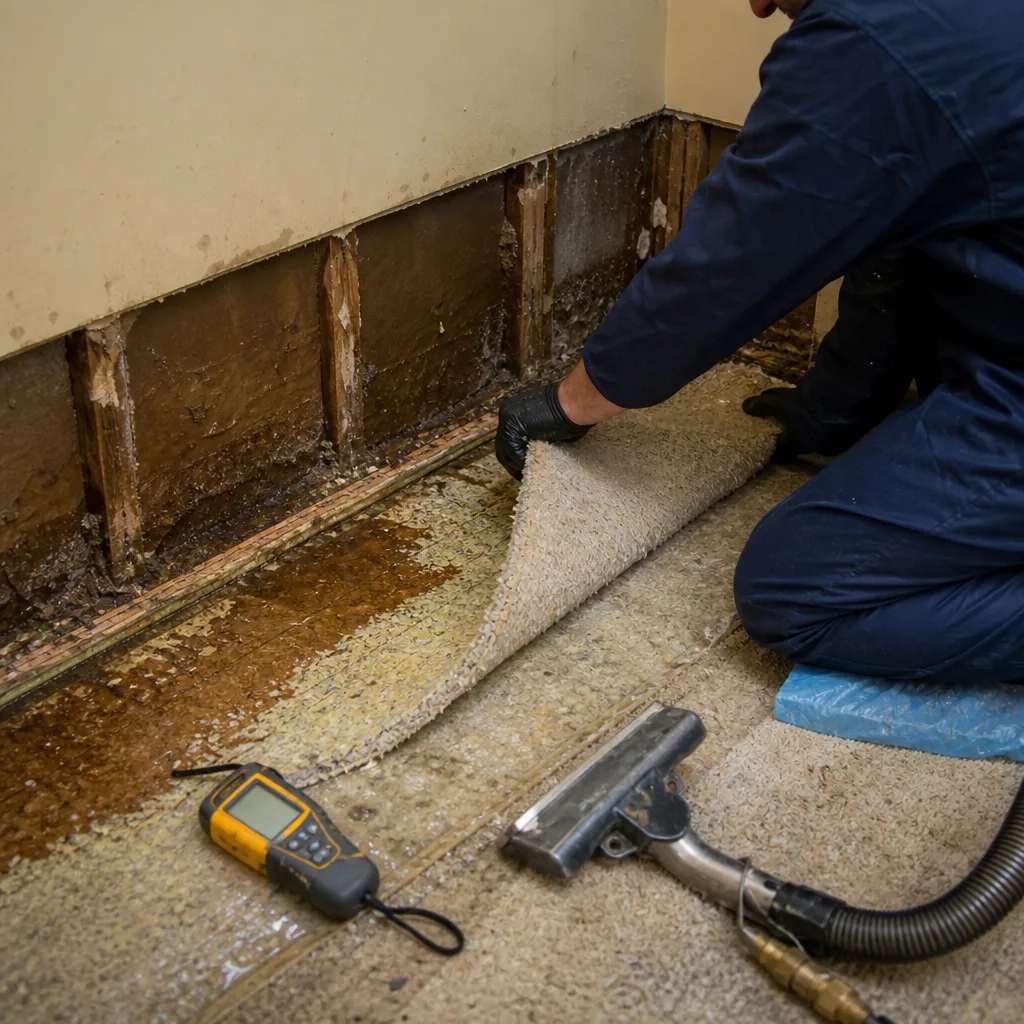
Our crews know the building patterns block by block. The Palisades corridor along the Hudson - towers like those on Gorge Road and Hudson Terrace - sees chronic wind-driven rain intrusion through curtain-wall systems that were never designed for sustained 40-knot exposure off the river. We moisture-map the envelope on these calls, not just the interior finish, because the leak path is rarely where the stain appears.
Lemoine Avenue and the central ridge hold the densest concentration of 1970s-80s high-rises, where vertical plumbing risers are past design life and building supers control the only shutoffs. A call here means coordinating with management before extraction can fully stabilize - we arrive with extraction running and phones open to the super simultaneously.
The eastern edge toward Route 9W and the Englewood Cliffs border has older garden apartments and a thin strip of single-family housing. Losses here are smaller in scale but still complex - slab-on-grade construction with limited drainage, older galvanized service lines, and the same freeze-thaw cycle compressed into tighter mechanical spaces.
Anderson Avenue and the commercial corridor near the George Washington Bridge approach see mixed-use buildings with retail below residential, where a upper-floor domestic line failure floods both the unit above and the business below. These claims involve three policy layers minimum: the unit owner, the commercial tenant, and the building master policy. Our documentation is built for that.
Specialized Water Damage Restoration Services We Offer in Fort Lee
Emergency Water Extraction
Truck-mounted and portable extraction for everything from single-unit overflows to ten-floor tower events. In Fort Lee, we often extract across multiple units simultaneously while coordinating with building management on common-area access.
Structural Drying & Dehumidification
Phoenix and Dri-Eaz LGR dehumidifiers, XPOWER and B-Air air movers, and Injectidry panel drying for dense assemblies. We calculate vapor pressure differential to determine when plaster and concrete are truly dry, not just surface-dry - critical in Fort Lee’s older towers where hidden moisture destroys structure slowly.
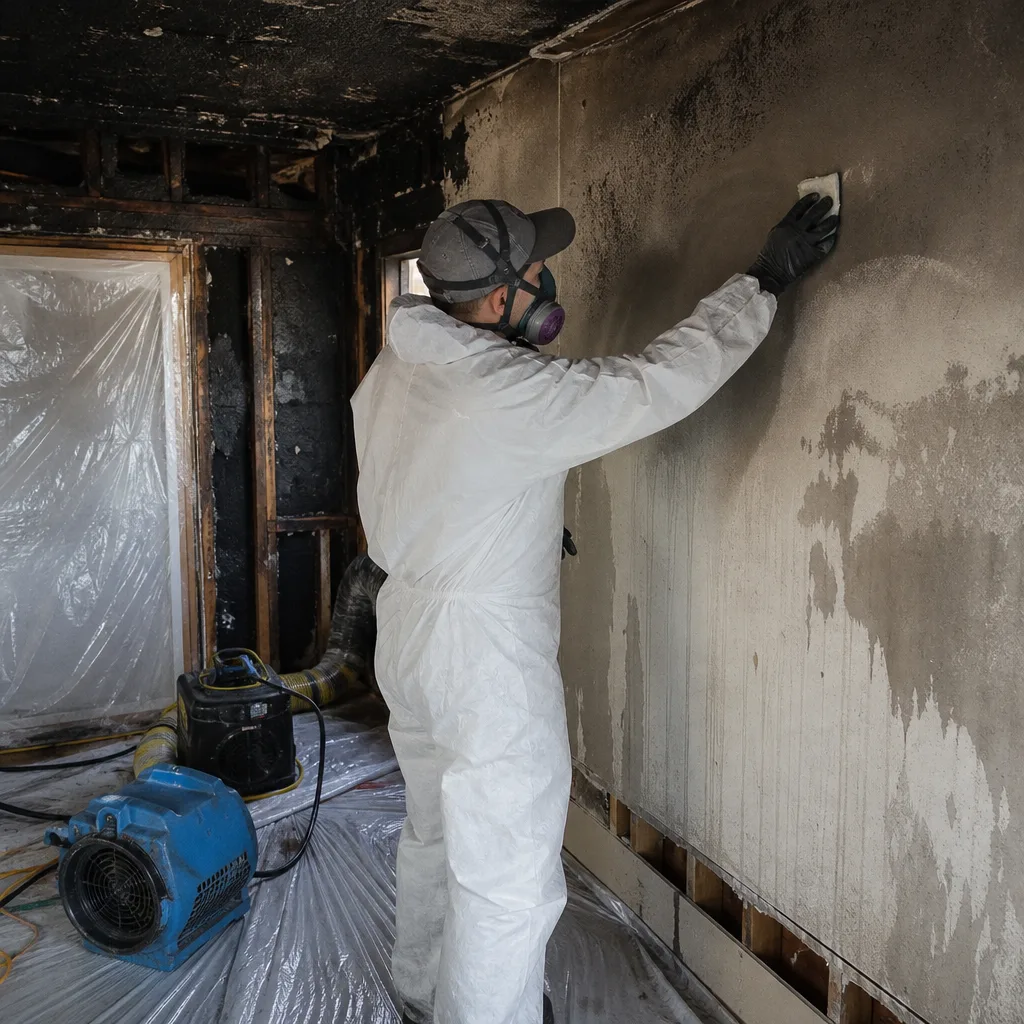
Flood Cleanup
Category 3 ground flooding and sewer backup remediation with full PPE, antimicrobial treatment, and disposal documentation. Fort Lee’s combined sewer system and low-lying eastern pockets see these calls after heavy rain events.
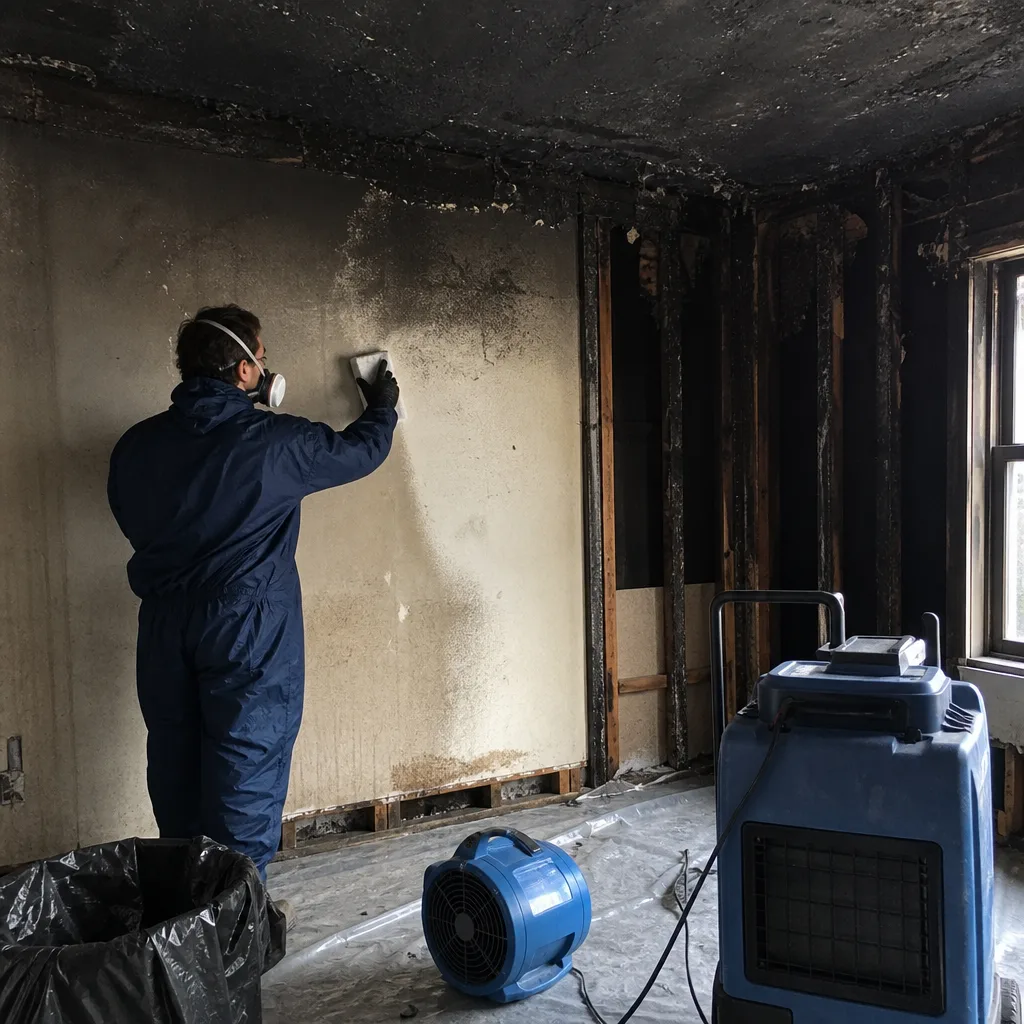
Burst Pipe Restoration
Supply-line, riser, and branch-line failure response with immediate extraction, source-isolation coordination with building management, and full reconstruction. This is our most common Fort Lee call - and the one where locked mechanical-room shutoffs make speed of response even more critical.
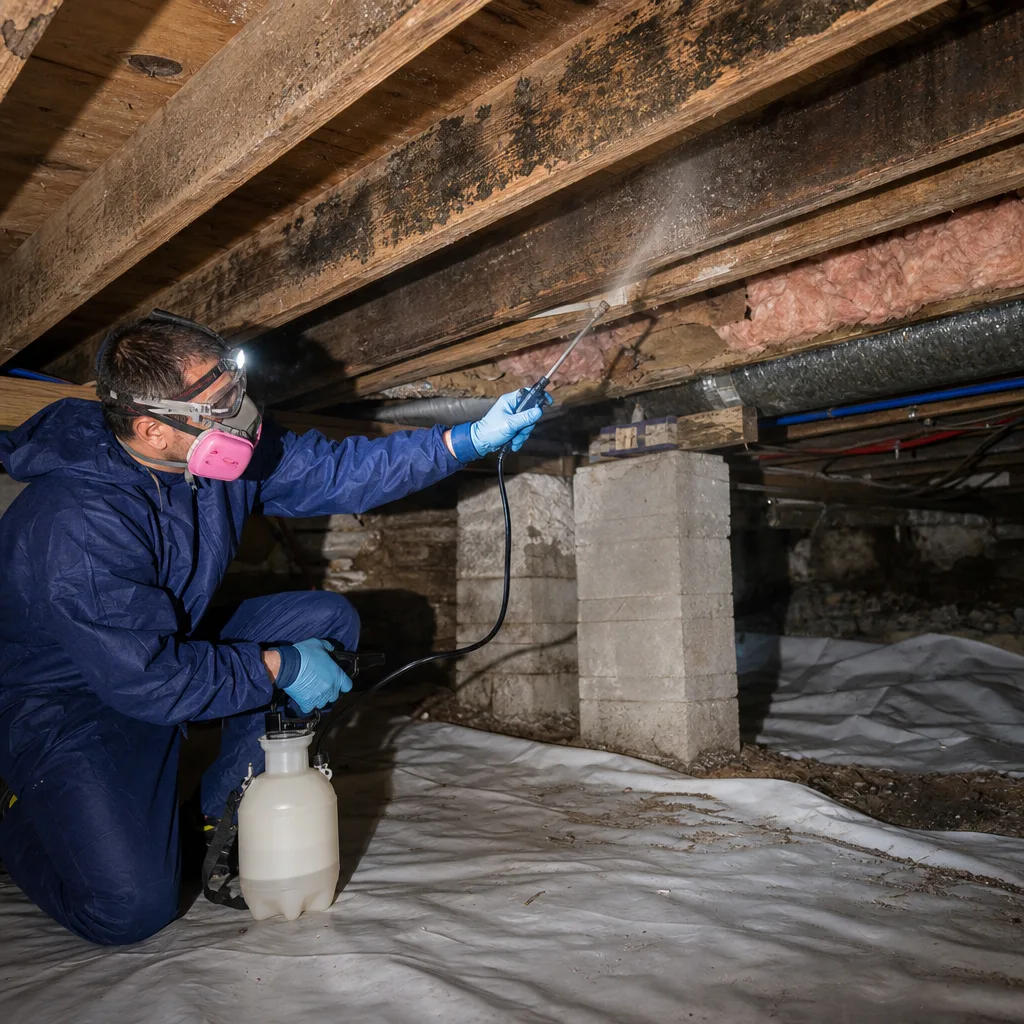
Basement Water Removal
Submersible and truck-mounted extraction for below-grade spaces, with sump-pump assessment and perimeter drainage evaluation. More common in Fort Lee’s garden-apartment and single-family inventory than its towers.
Ceiling & Roof Leak Water Damage
Roofing-system and mechanical-penetration leak response with interior drying and ceiling reconstruction. In Fort Lee’s high-rises, “roof leaks” often mean failed rooftop HVAC or elevator machine-room drains that back up through multiple floors - we trace the true source and document the full path for the claim.
What happens when you call
- 1
A real person answersNo phone trees - you reach a local pro.
- 2
You get an upfront price rangeHonest numbers before anyone is dispatched.
- 3
A background-checked tech heads outLicensed & insured, dispatched right away.
- 4
You approve before work beginsNothing starts until you say go.
Water Damage Restoration Costs in Fort Lee, NJ
A typical single-unit water extraction and drying in Fort Lee runs $1,800-$4,200. Multi-unit tower events with three or more affected floors start at $8,000 and range to $25,000 depending on unit count, common-area involvement, and reconstruction scope. Burst pipe restoration with wall and ceiling repair adds $2,500-$7,500 per unit. Category 3 flood cleanup runs higher due to PPE, disposal, and antimicrobial protocols - typically $3,500-$8,500 for a standard residential space.
What moves the price: affected square footage, material classification (plaster vs. drywall, hardwood vs. carpet), whether the source is stopped or still flowing, and how many parties share the loss. Insurance typically covers sudden and accidental water damage from supply lines and weather intrusion; gradual leaks and maintenance issues often fall outside coverage. We provide a written price before work starts - Haven Standard, Clause 1 - and offer a Free Second Opinion on any competitor’s written estimate. Call (551) 213-5277 for an exact quote; estimates are free.
We Also Serve Cities Near Fort Lee
Our crews respond throughout the immediate Hudson County and Bergen County corridor, including Fort Lee neighbors Palisades Park, Union City, and Hoboken. Each has its own building stock and loss patterns - Palisades Park’s similar high-rise density, Union City’s older multifamily housing, Hoboken’s flood-zone exposure - and we adjust our response accordingly.
Serving Fort Lee, NJ - Our Local Coverage Area
We’re based in the Fort Lee area and know this community well. Use the map below to see our service coverage - if you’re nearby, we can almost certainly help.
Fort Lee Water Damage Restoration Questions, Answered
Why does a single pipe leak in a Fort Lee high-rise so often turn into a 10-unit claim?
Vertical plumbing risers in Fort Lee’s 1960s-90s towers serve multiple floors through shared chases, and when one fails, water migrates through walls, corridors, and elevator shafts before anyone detects it. Compounding this, the main riser shutoff is typically locked in a building-controlled mechanical room, so the flow continues for hours while the super is located. By the time we stop the source, three to ten units plus common areas are affected, each with its own owner, policy, and deductible. We document everything floor by floor so all parties work from one consistent scope. Call (551) 213-5277 for an exact quote - estimates are free.
Can you start mitigation in a Fort Lee tower if the building super isn’t available to unlock the riser shutoff?
Yes. We begin extraction immediately with portable and truck-mounted equipment while simultaneously working to contact building management or the super. We can’t fully stabilize until the source is isolated, but removing standing water and starting air movement limits spread and reduces total damage. We also document the delay and its consequences for the insurance claim. Call (551) 213-5277 - we answer live 24/7.
What causes the wind-driven rain leaks we see on Fort Lee’s Palisades towers?
Fort Lee sits atop the Palisades escarpment with direct Hudson River exposure; sustained winds of 25-40 knots drive rain through aging curtain-wall joints, failed window perimeter seals, and rooftop mechanical penetrations that were never designed for this load. These leaks often appear as “mystery” interior stains far from the actual breach. We use thermal imaging and moisture mapping to trace the envelope failure, then dry affected assemblies with Injectidry panel systems and document the source for the property manager’s repair contractor. Call (551) 213-5277 for an exact quote - estimates are free.
How fast do we need to act after a Fort Lee water loss?
Mold colonization begins in 24-48 hours on wet organic material. In Fort Lee’s towers, the delay finding the super to unlock the riser shutoff already eats part of that window. We recommend calling immediately - our 45-minute response commitment applies to Fort Lee, and extraction started within the first hour typically halves the total restoration cost compared to a four-hour delay. Call (551) 213-5277; we answer live.
What does the category of water mean for a Fort Lee condo loss?
Category 1 clean water from a supply line becomes Category 2 or 3 as it migrinates through common corridors, elevator pits, and other building spaces before reaching lower floors. This classification change affects what materials can be salvaged, what PPE crews require, and how your insurer evaluates the claim. We test and document water category at each affected level so your coverage determination is based on actual conditions, not assumptions. Call (551) 213-5277 for an exact quote - estimates are free.
Will insurance cover my Fort Lee water damage restoration?
Sudden and accidental water damage from burst pipes, appliance failures, and weather intrusion is typically covered under standard HO-3 and HO-5 policies, though deductibles and coverage limits vary. Gradual leaks, maintenance issues, and flood damage from rising groundwater usually are not. We provide the documentation - photos, moisture logs, line-item scopes - that helps your adjuster make a favorable determination, and we bill your carrier directly when coverage is confirmed. Call (551) 213-5277 to discuss your specific situation.
How long does structural drying take in a Fort Lee high-rise unit?
Standard drywall and carpet assemblies dry in 3-5 days with professional dehumidification and air movement. Fort Lee’s older towers with plaster walls, concrete ceilings, and dense floor assemblies may require 5-8 days or longer. We hold equipment until moisture content readings meet IICRC dry standards, not an arbitrary calendar, and we log daily psychrometric data to prove progress to your insurer. Call (551) 213-5277 for an exact quote - estimates are free.
Can we stay in our Fort Lee condo during drying?
Often yes for Category 1 losses limited to one room, provided noise and airflow from drying equipment are tolerable. For Category 2 or 3 contamination, multi-room losses, or when electrical or HVAC systems are affected, temporary relocation is usually safer and may be covered under your policy’s additional living expenses provision. We assess this during our initial inspection and document our recommendation for your adjuster. Call (551) 213-5277 to discuss your specific situation.
At a 1970s tower on the Palisades above the Hudson in Fort Lee, a corroded branch line off the vertical riser failed behind a unit wall and migrated down through several floors of condos and common corridors before anyone noticed. Because the building’s main riser shutoff was locked in a shared mechanical room under the super’s control, we couldn’t isolate the flow immediately - so once inside we ran water extraction across the affected units, cut containment at each doorway, and set Dri-Eaz and Phoenix air movers with Injectidry panel drying along the wet corridor walls. We logged moisture readings floor by floor, applied antimicrobial treatment to the affected drywall, and delivered drying logs to each unit owner, the HOA, and building management so their overlapping claims could settle on one consistent scope of work.
Our Water Damage Restoration team serves Fort Lee with the documentation-first approach that turns complex multi-party losses into payable claims. Every job starts with a written price, includes photo-documented drying logs, and ends with our 365-Day Done Right Promise under The Haven Standard. Call (551) 213-5277 - a live person answers, 24 hours a day, 7 days a week.
Written by Alicia Brennan, Owner at DryMark Restoration Upper East Side, serving Fort Lee since 2011.
Water Damage Restoration in Nearby Areas