
Free visual inspection and a written scope of work before any mitigation begins - photos, moisture readings, and drying logs go in your claim file
The scope we write is the scope we bill. Anything new gets shown to you, in writing, before we touch it.
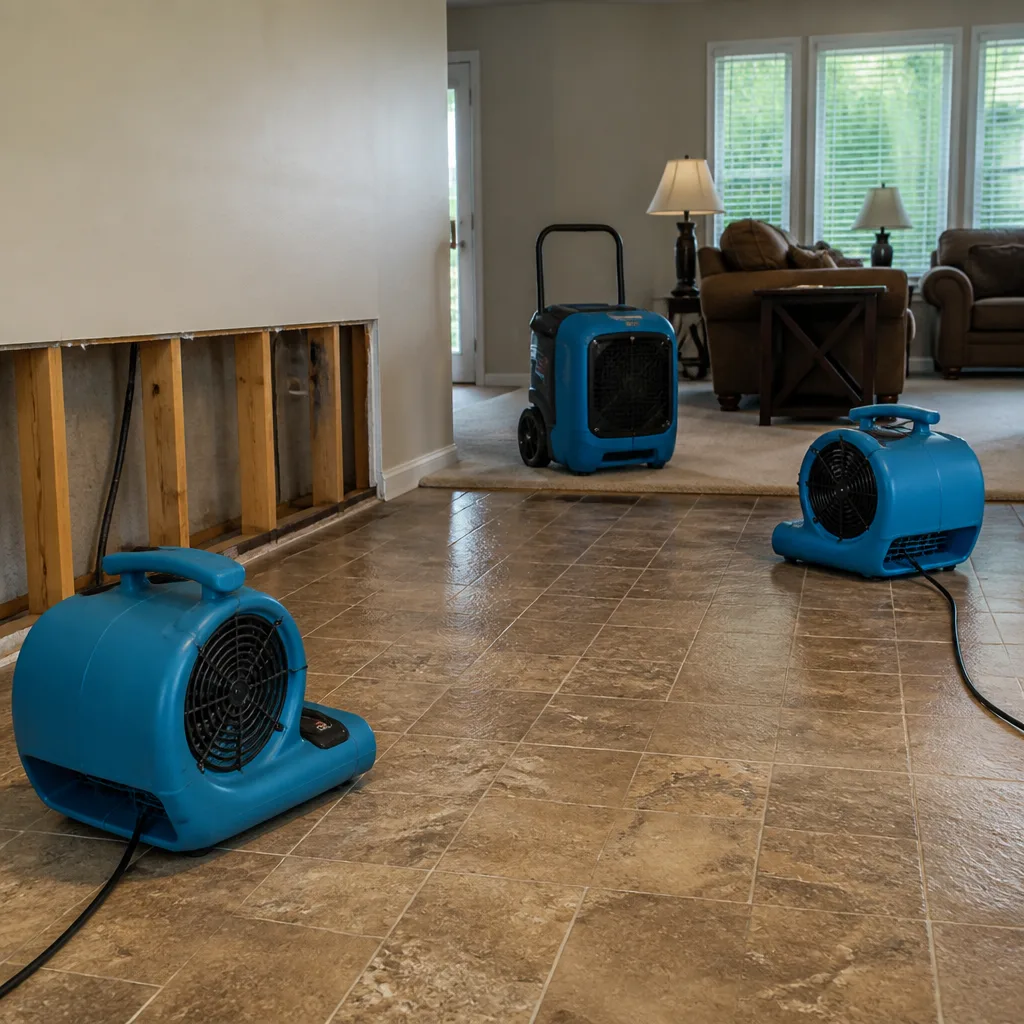
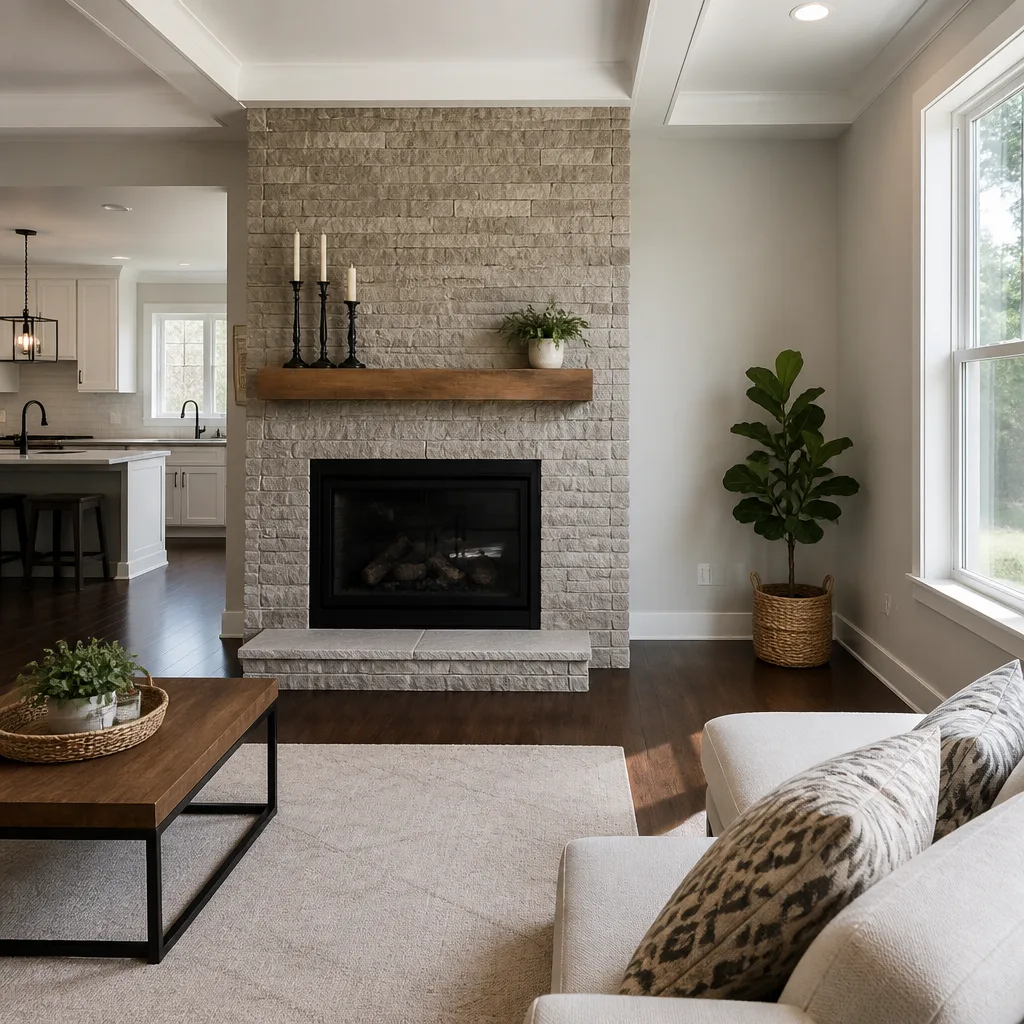
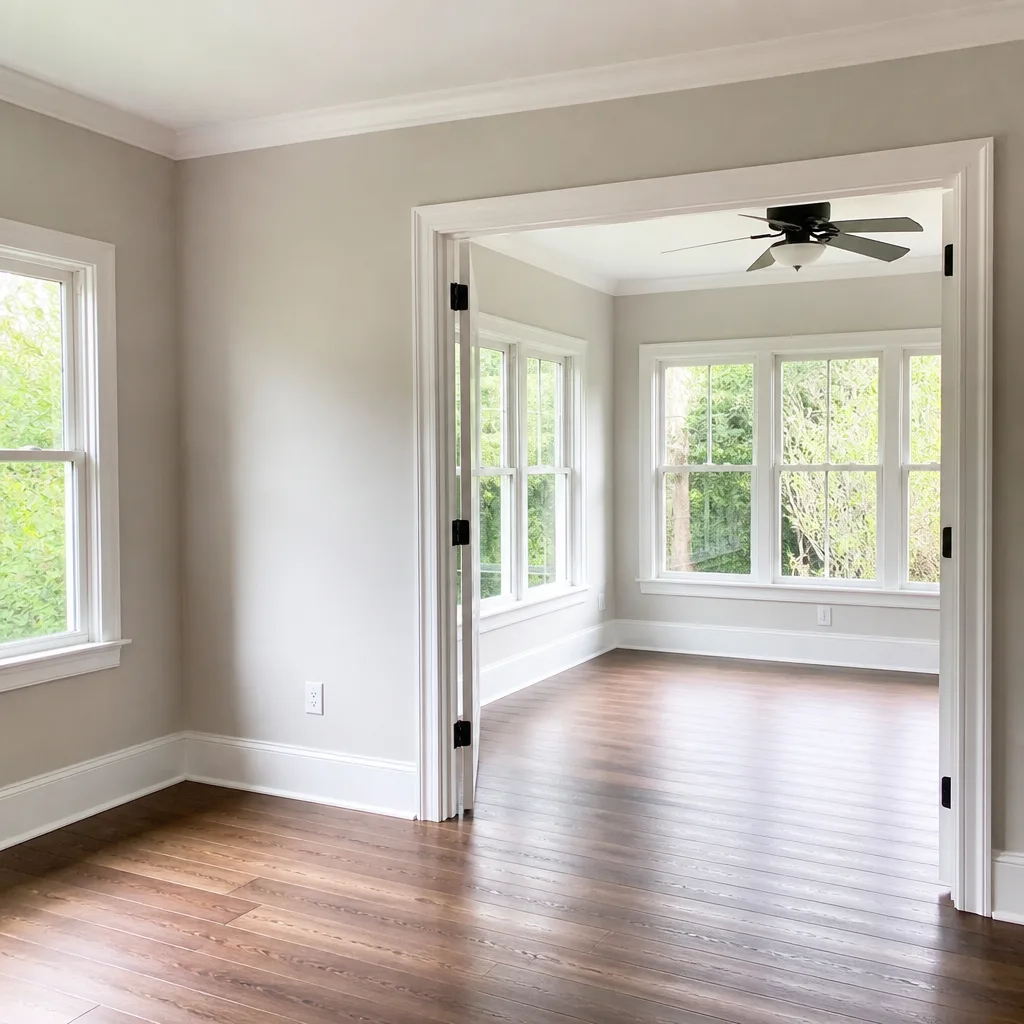
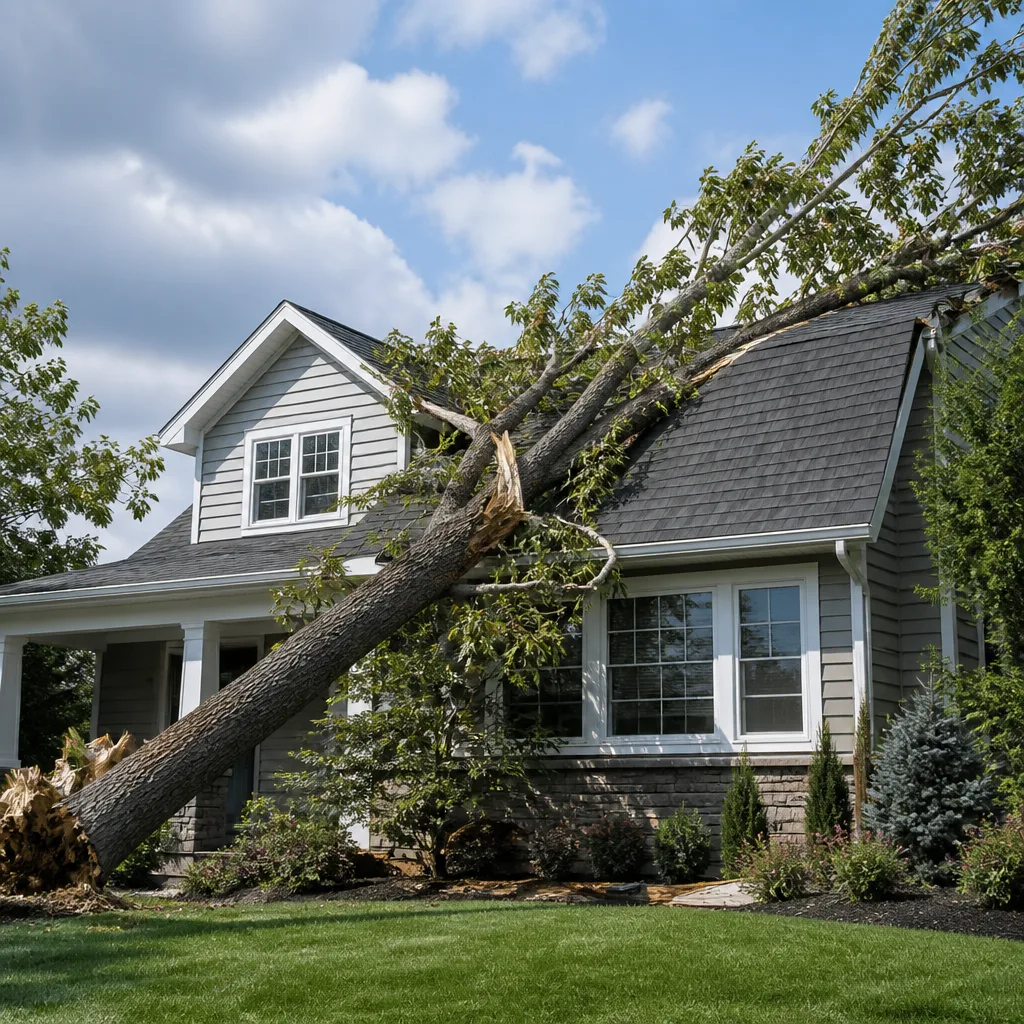
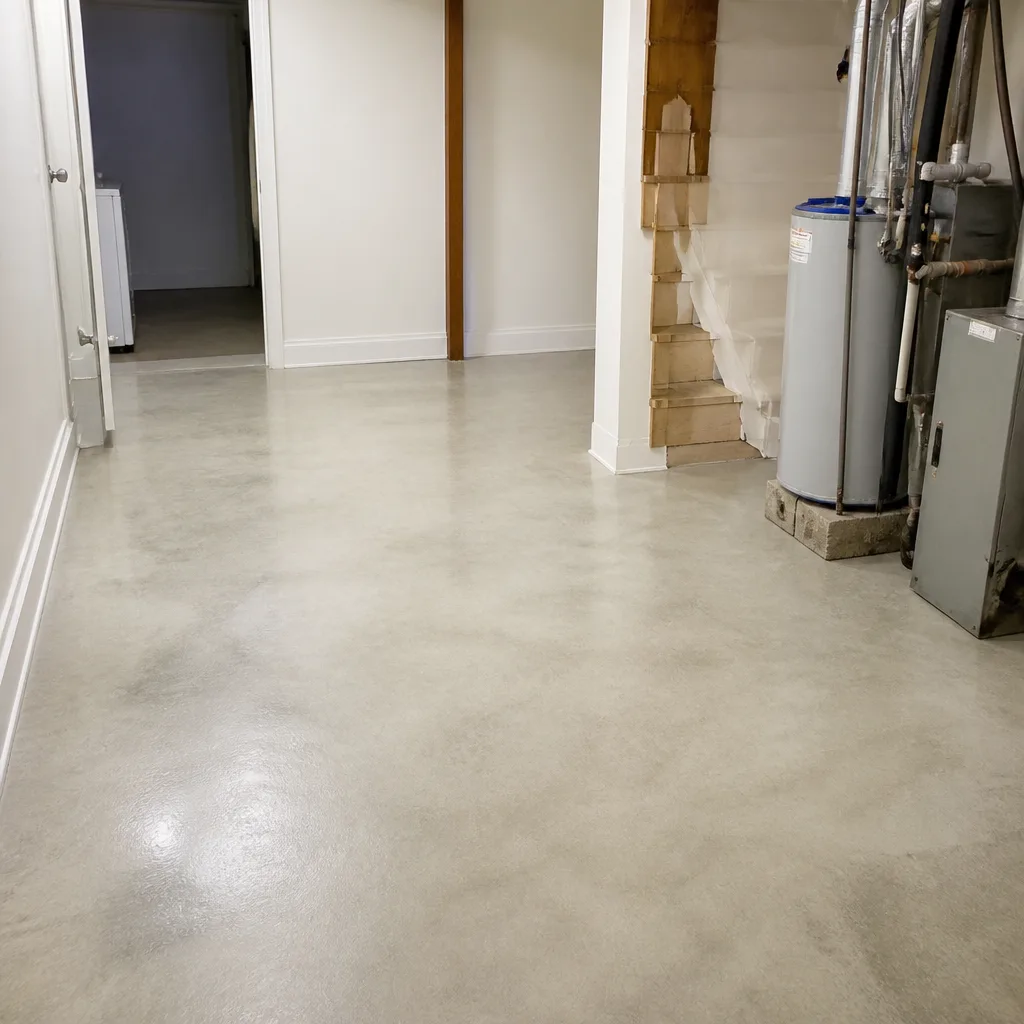
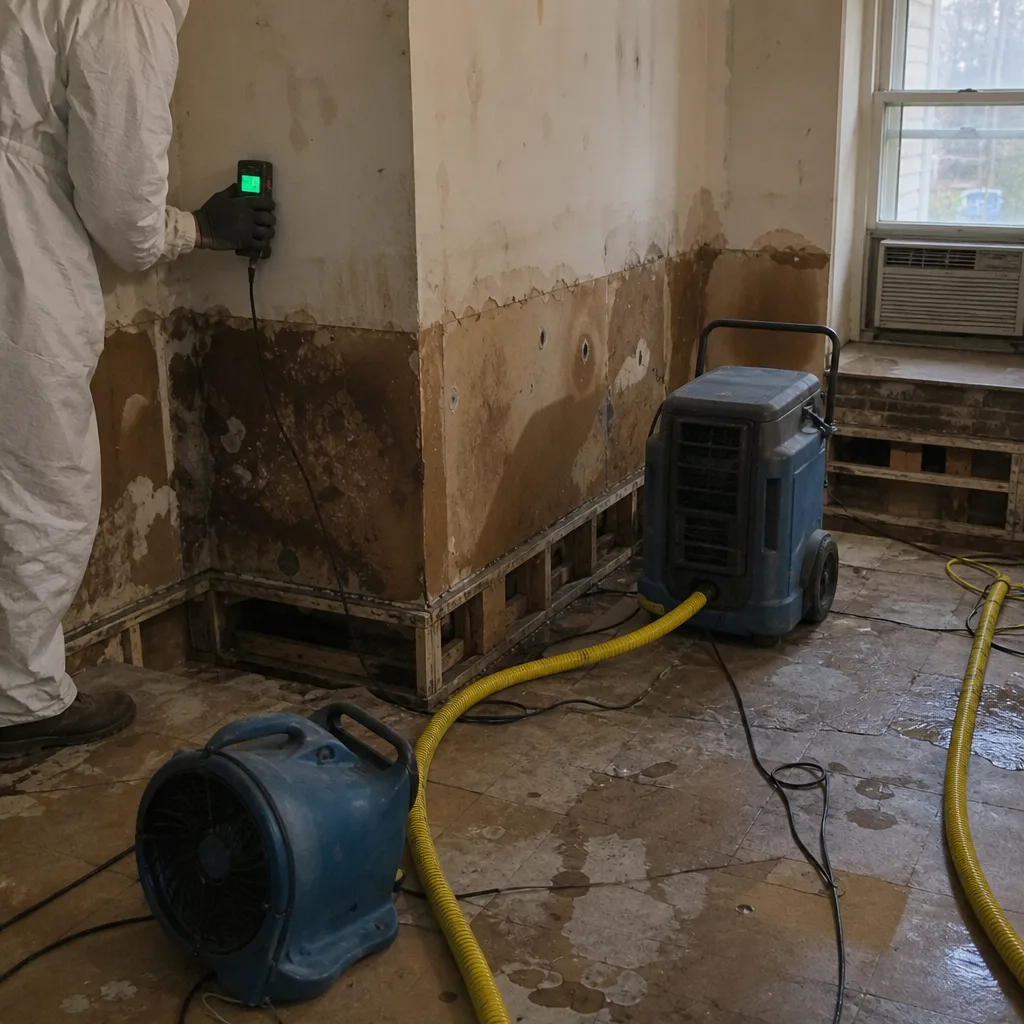 Before
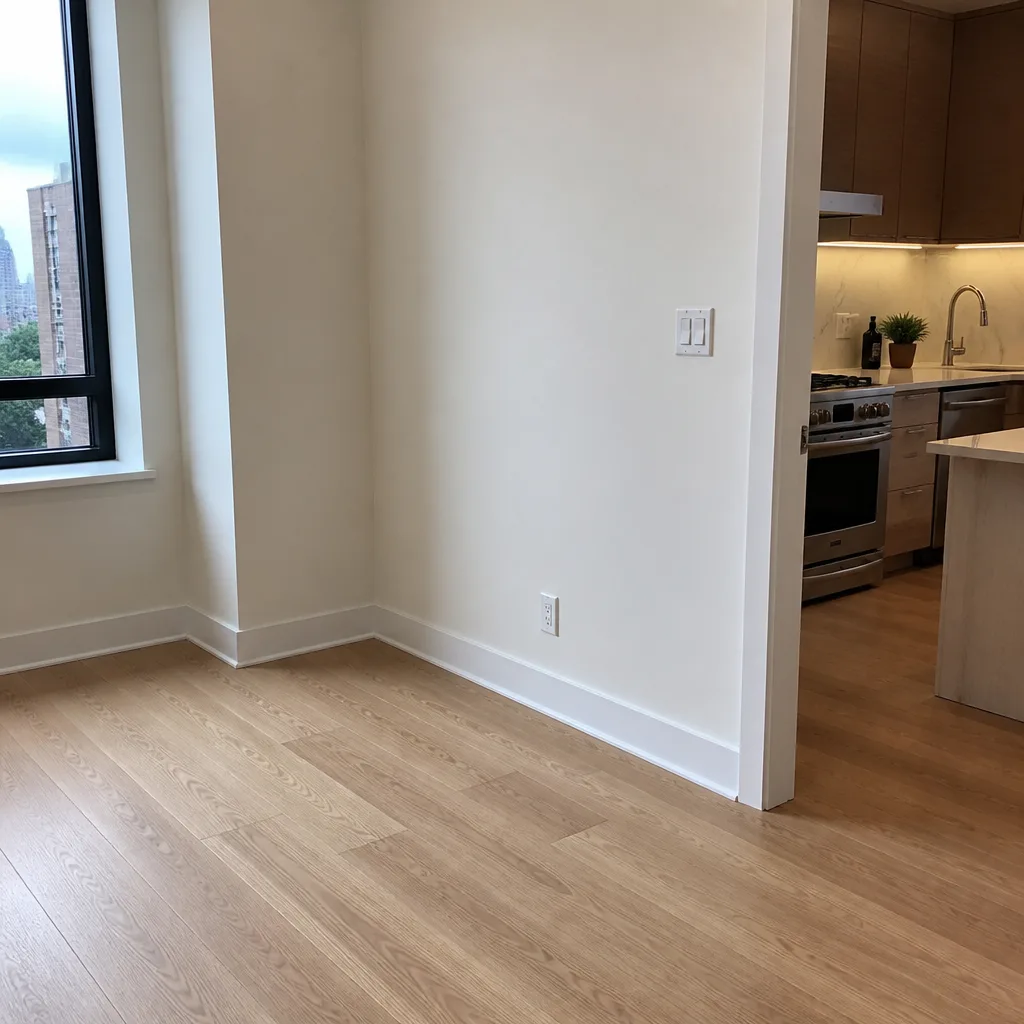 After
After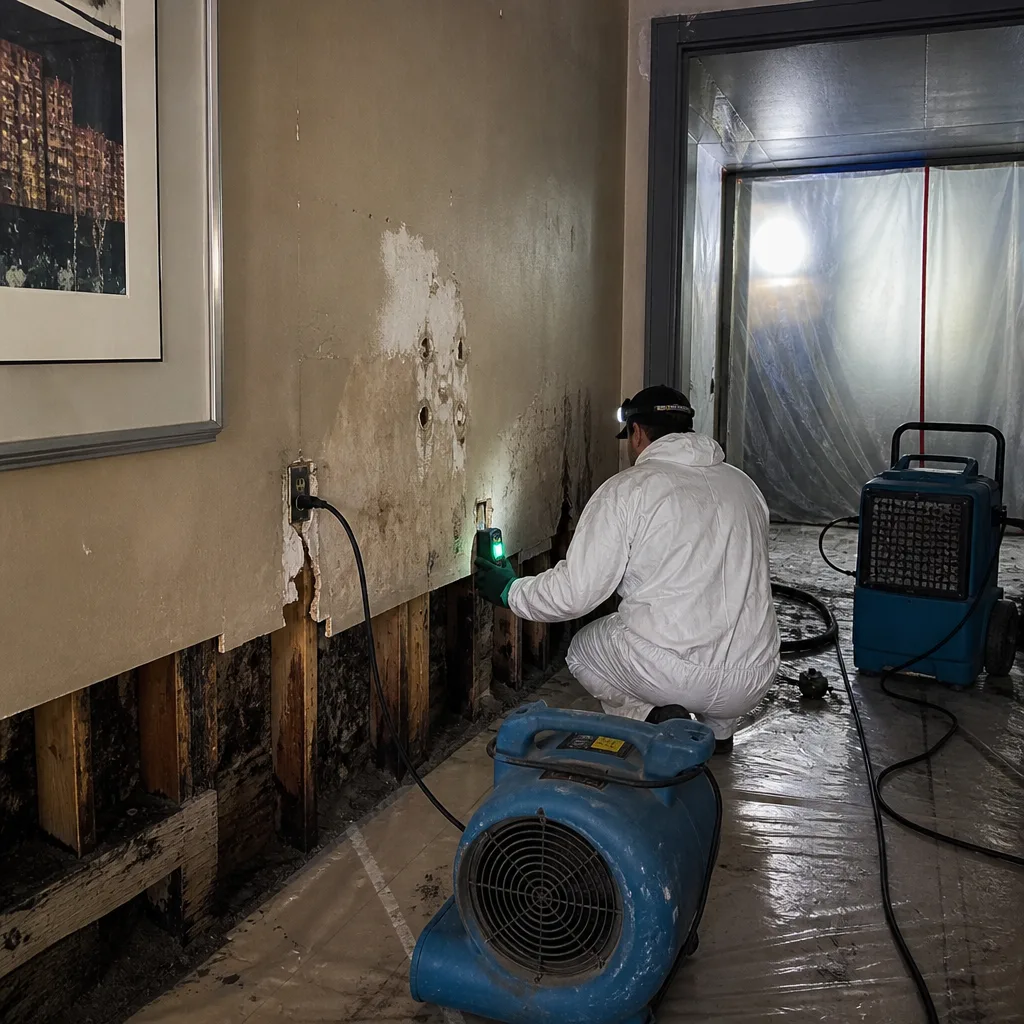 Before
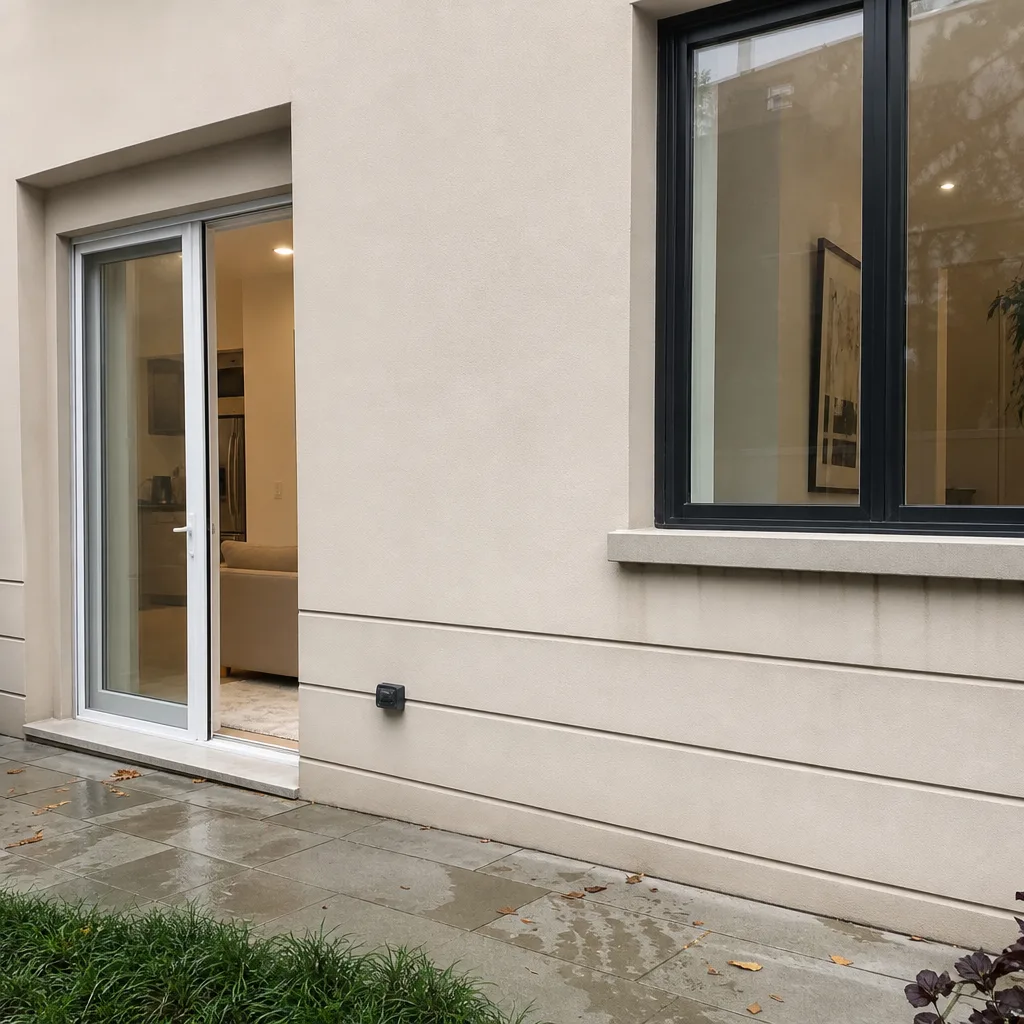 After
After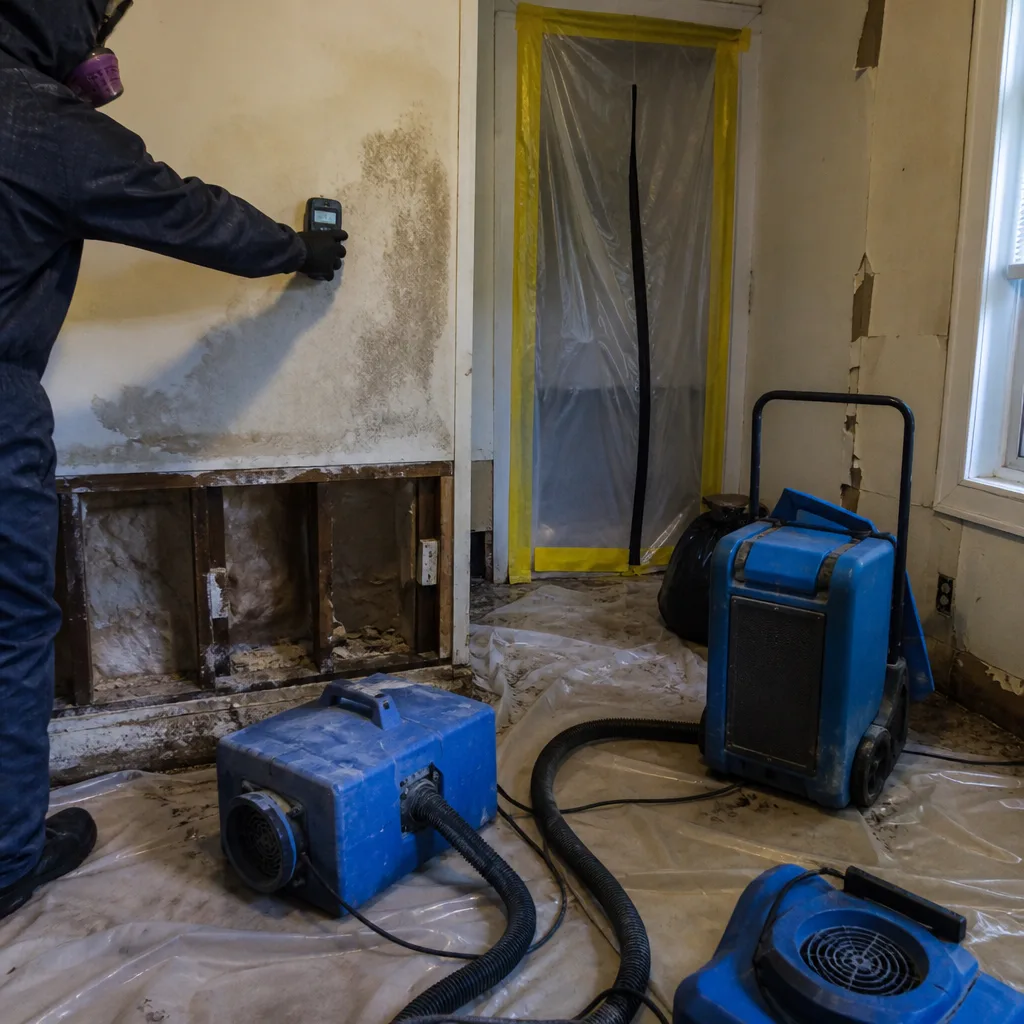 Before
 After
After24/7 Emergency Water Damage Restoration in Jackson Heights
A single steam riser failure in a Jackson Heights garden apartment co-op can send water through five floors before the super reaches the shutoff. Our crews are dispatched from our New York City office and typically arrive in Jackson Heights within 45 minutes of your call. Call (551) 213-5277 now - a live person answers 24 hours a day, 7 days a week, no voicemail trees, no next-business-day callbacks while water is still moving through your building.
The first hour determines whether a water loss stays a drying job or becomes a full reconstruction project. Original cast-iron and galvanized plumbing in Jackson Heights’s pre-war housing stock corrodes from the inside; when pressure meets a weakened joint, water doesn’t respect unit boundaries. Our free visual inspection includes moisture mapping of adjacent walls and floors, because in interconnected masonry construction, the visible damage is rarely the full damage.
Understanding Water Damage Restoration Severity in Jackson Heights Properties
Water damage in Jackson Heights falls into three categories that dictate every step of our response. Category 1 is clean water from a broken supply line - rare here, since most garden apartments still run original galvanized pipe that adds particulate contamination within hours. Category 2, gray water, covers dishwasher or washing-machine discharge and the majority of supply-line failures in older plumbing. Category 3, black water, describes combined-sewer backups that surge into Jackson Heights basements during summer convective storms and nor’easters; this water carries pathogens, chemicals, and debris from the municipal sewer main and triggers full hazmat-level remediation protocols.
Our moisture mapping uses thermal imaging and penetrating hygrometers to locate water trapped in masonry wall cavities and between floors - critical in garden apartments where plaster-and-lath construction wicks water horizontally into neighboring units. Psychrometric data, the measurement of temperature, humidity, and vapor pressure differential, tells us exactly how much moisture the air can hold and how fast we can extract it without damaging original plaster or disturbing asbestos-containing materials.
The Jackson Heights Historic District and surrounding pre-war blocks add a legal layer: many buildings contain asbestos floor tile, asbestos pipe insulation, and lead paint that mandate licensed abatement before any structural drying or demolition can proceed. A crew that skips this step risks LPC violations, co-op board fines, and a stopped work order that leaves moisture readings climbing while paperwork clears.
Why Jackson Heights Property Owners Choose DryMark Restoration Upper East Side
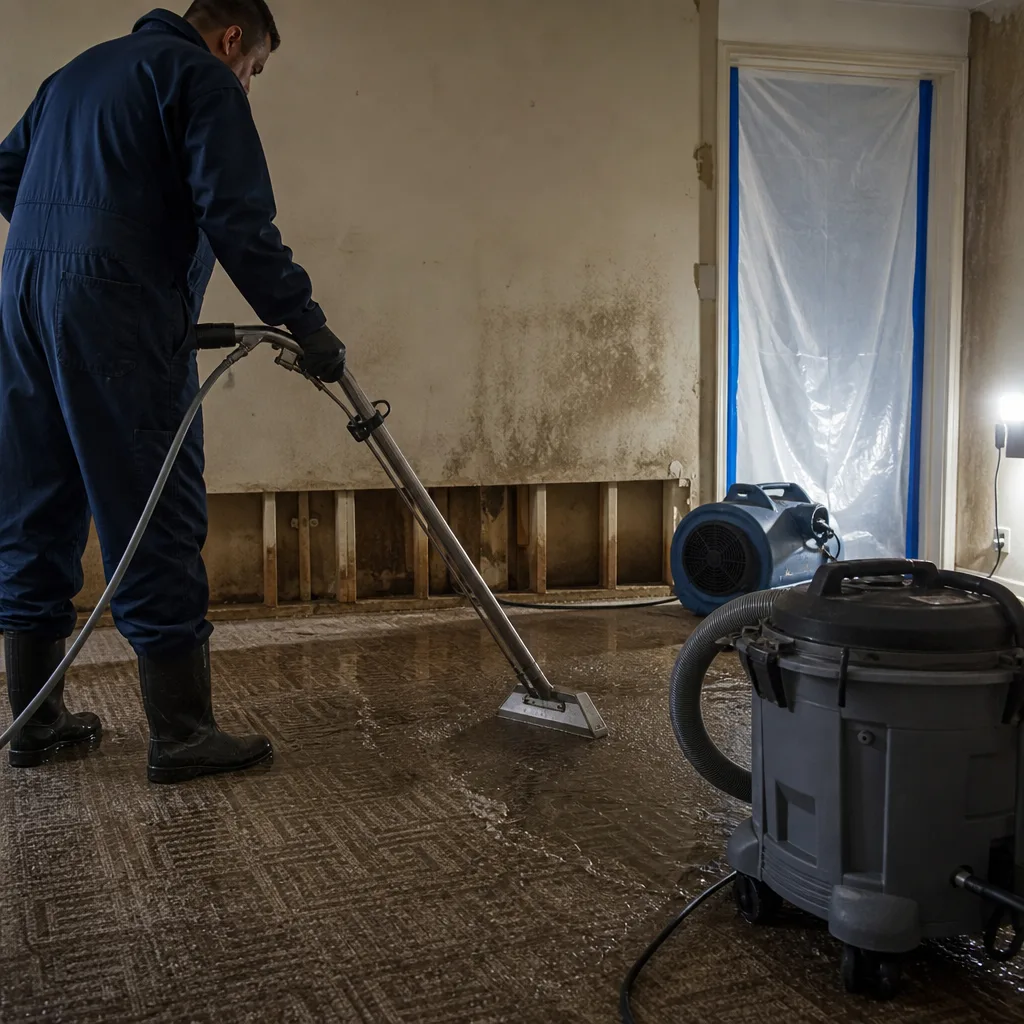
- 45-minute response commitment to Jackson Heights from our New York City dispatch office, with crews carrying extraction, drying, and containment equipment on every truck.
- 24/7 live answer - a real person, never an automated system or voicemail tree, because water losses don’t wait for business hours and neither do we.
- IICRC-certified crews holding WRT (Water Damage Restoration Technician), FSRT (Fire & Smoke Restoration Technician), and AMRT (Applied Microbial Remediation Technician) certifications - the industry codes that insurers recognize and that our documentation cites by number.
- Free visual inspection with moisture readings, photo documentation, and a written scope of work before any equipment is placed or any price is finalized.
- Direct insurance billing with daily drying logs, room-by-room moisture readings, and photo records formatted to the estimate standards adjusters expect.
- One team from extraction to reconstruction - no handoffs between mitigation and rebuild contractors that leave gaps in documentation and delays in completion.
BeforeAfterOur Water Damage Restoration Process
1. Inspection & Assessment
We document pre-loss condition with photos, take moisture readings on every affected surface and in adjacent units, and identify Category 1, 2, or 3 contamination. In Jackson Heights co-ops, we map the full vertical stack and notify building management before any work begins.
2. Extraction & Stabilization
Truck-mounted extraction removes standing water; portable units reach elevator lobbies and upper floors where garden apartment access is tight. We place containment barriers immediately in Category 3 losses to prevent cross-contamination through shared HVAC or open doorways.
3. Drying & Dehumidification
Air movers create airflow across wet surfaces while refrigerant dehumidifiers and desiccant systems pull moisture from the air. In pre-war masonry buildings, we use Injectidry systems to force dry air into wall cavities without removing intact plaster that LPC or co-op boards may require preserved.
4. Cleaning & Sanitization
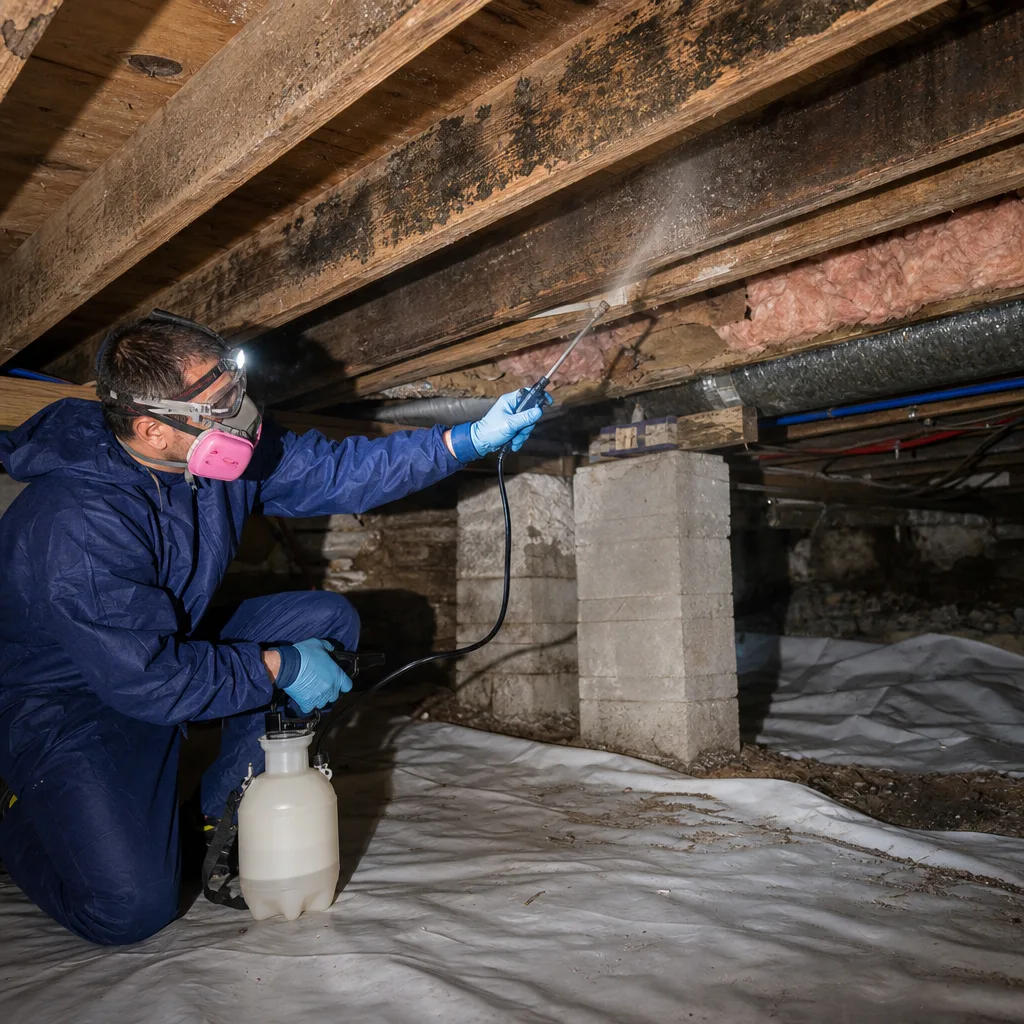
Antimicrobial treatment follows IICRC S520 standards for water-damaged structures. Category 3 losses receive full disinfection with EPA-registered biocides; porous materials that absorbed black water are removed and documented for adjuster review.
5. Licensed Abatement Coordination
When asbestos pipe insulation, floor tile, or lead paint is disturbed, we engage NYSDOL-licensed abatement contractors before structural drying proceeds. This step is non-negotiable in Jackson Heights’s pre-war housing stock and is documented in every scope we write.
6. Repairs & Restoration
Our reconstruction crew replaces drywall, flooring, and trim to match original profiles where LPC or co-op architectural guidelines apply. Every job closes with a final moisture reading, a completed drying log, and the 365-Day Done Right Promise signed under The Haven Standard.
Need Emergency Water Damage Restoration in Jackson Heights Now?
Crews minutes away, answering live 24 hours a day. The sooner we start, the less it costs.
Working With Your Insurance Company
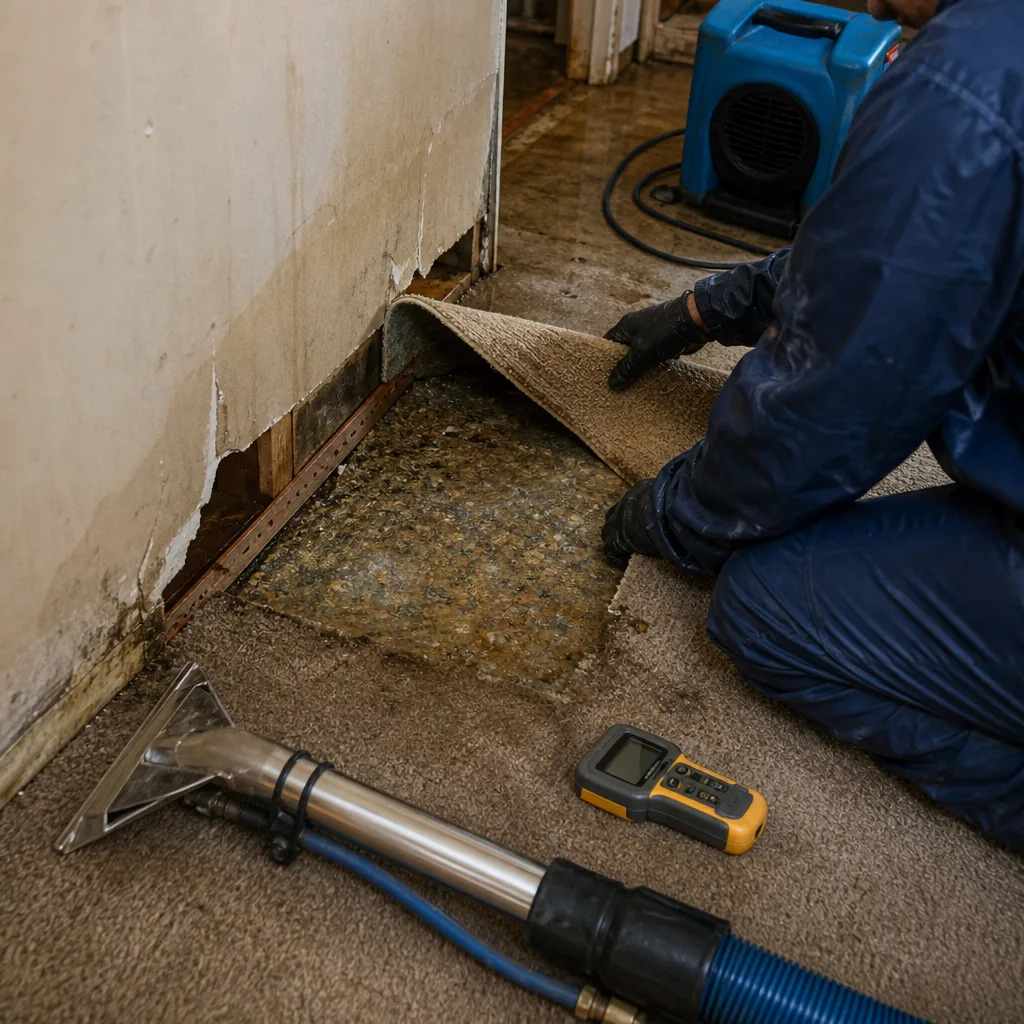
We built our documentation system around what a claims adjuster actually needs to approve an invoice without dispute. From the first hour on site, we photograph every room, label every moisture reading with location and time, and produce daily drying logs that track temperature, relative humidity, and vapor pressure differential. Our estimates follow Xactimate or Symbility industry standards, line-itemed so your adjuster can verify each charge against policy coverage.
Direct coordination with your carrier means we speak the same language: Category codes, material classifications, and IICRC procedural standards. We don’t inflate scopes and we don’t omit steps that leave you exposed later. The photo record on every visit is included as standard, never an upsell - Haven Standard, Clause 3.
What We Provide Your Insurer
- Thorough documentation of the loss
- Photos of all damage, room by room
- Moisture readings and drying logs
- A detailed, line-item scope of work
- Direct coordination with your carrier
Built for Jackson Heights’s Loss Calendar
January deep freezes split original galvanized supply lines in garden apartment basements and crawl spaces where insulation has settled over a century. February and March bring freeze-thaw cycles that open cracks in masonry foundations along 34th Avenue and Northern Boulevard, channeling groundwater into storage rooms and boiler rooms. Spring thunderstorm season, May through July, tests Jackson Heights’s combined-sewer infrastructure; when the mains surcharge, basement drains reverse and deliver Category 3 black water into buildings from the 70s streets to the 90s.
August and September tropical remnants can drop inches of rain in hours, overwhelming roof drains on flat-topped pre-war buildings and sending water through ceiling assemblies. October nor’easters repeat the pattern with wind-driven rain finding every failed flashing on original masonry parapets. Winter steam-heat season, November through March, is the silent threat: a failed riser valve in a six-story building on 82nd Street or 35th Avenue pressurizes the entire vertical stack with superheated water that breaches multiple floors before anyone reaches the basement shutoff.
Water Damage Restoration Across Jackson Heights’s Neighborhoods
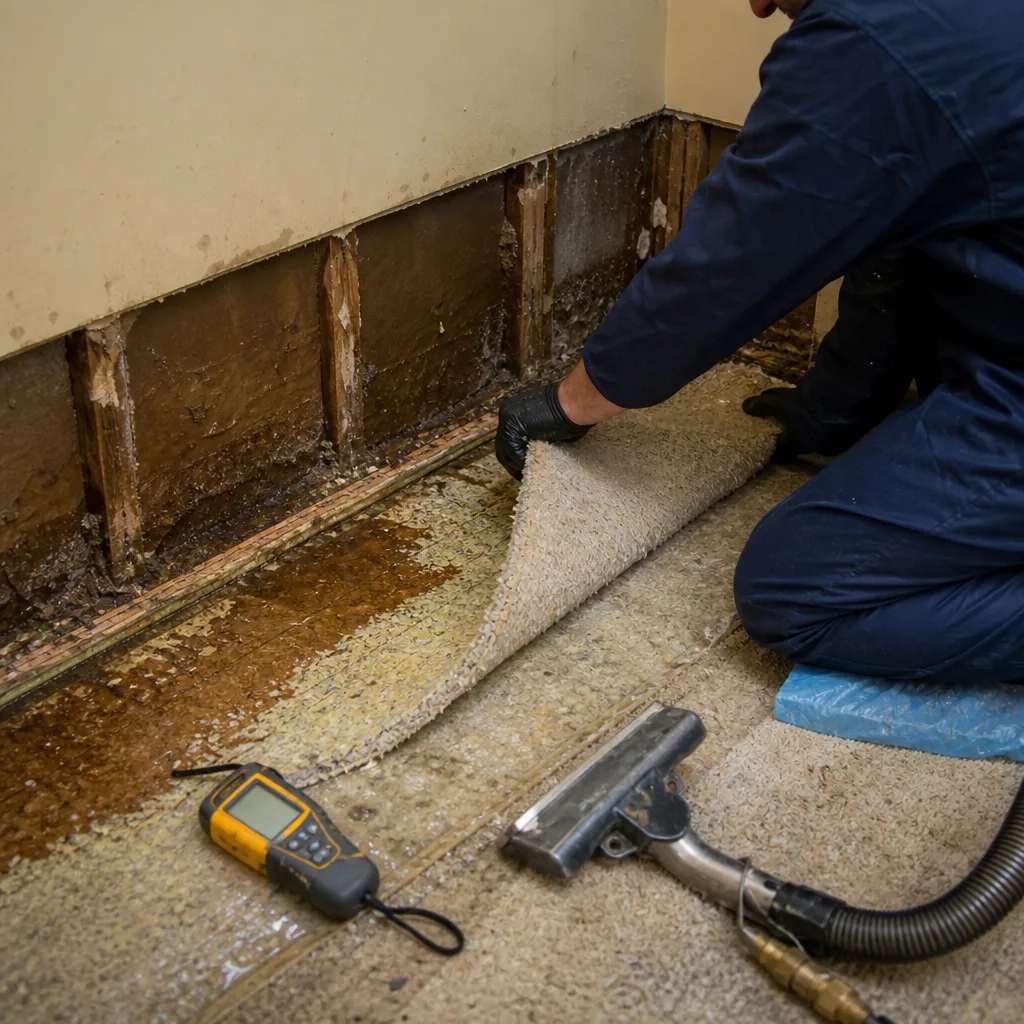
Our Water Damage Restoration team knows the building types and loss patterns on every Jackson Heights block. The Jackson Heights Historic District, roughly between Northern Boulevard and Roosevelt Avenue from 76th to 88th Streets, is dense with 1920s-1930s garden apartment co-ops whose shared plumbing stacks and LPC oversight make every loss a multi-party coordination exercise. We respond to these with board notification protocols pre-loaded and abatement contractors on standby.
North of Northern Boulevard, toward Astoria, the housing stock shifts to smaller attached brick rowhouses and mid-century walk-ups with private utility lines and fewer shared systems - simpler claims, but original cast-iron drains that fail without warning. Along Roosevelt Avenue and the 74th Street-Broadway transit corridor, mixed-use buildings combine residential units above ground-floor commercial kitchens and laundries, creating gray-water cross-contamination risks when upper-unit supply lines fail into lower-unit food-prep spaces.
The blocks west of 82nd Street, toward LaGuardia Airport and the Grand Central Parkway, sit lower in the watershed and see more basement seepage during heavy rain. East of Junction Boulevard, toward Elmhurst, larger 1960s apartment towers have modern plumbing but flat roofs with aging membrane systems that pond water and leak through ceiling assemblies. Each zone gets a different equipment loadout and a different documentation approach.
Specialized Water Damage Restoration Services We Offer in Jackson Heights
Emergency Water Extraction
Standing water in a Jackson Heights co-op basement or garden-level unit gets truck-mounted extraction within the hour. We prioritize buildings on combined-sewer blocks where Category 3 backup demands immediate containment, and we coordinate with building supers to access common utility spaces that single-family crews don’t know to check.
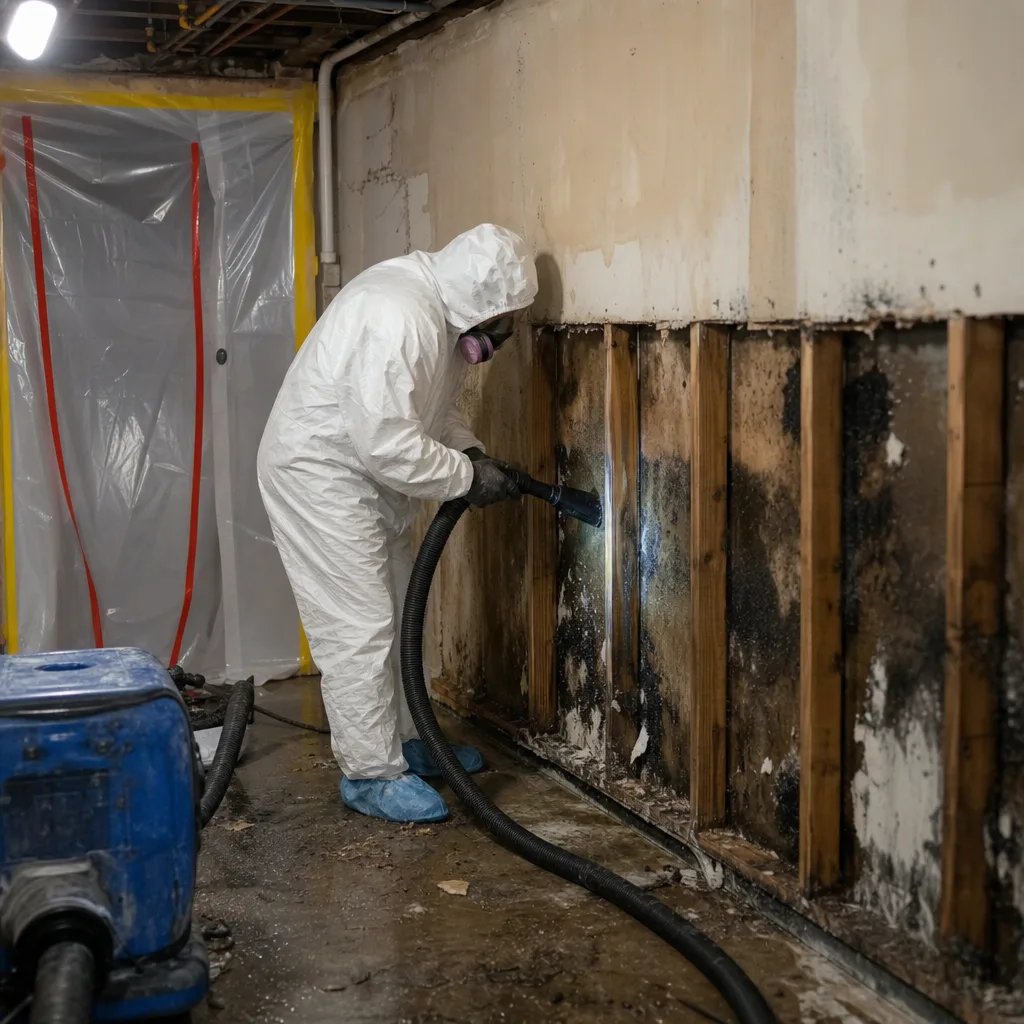
Structural Drying & Dehumidification
Pre-war masonry doesn’t dry like modern frame construction. We deploy refrigerant dehumidifiers, desiccant systems for tight cavities, and Injectidry positive-pressure drying to force airflow through plaster-and-lath walls without demolition that LPC or co-op boards must approve. Daily moisture readings go to your drying log and your adjuster.
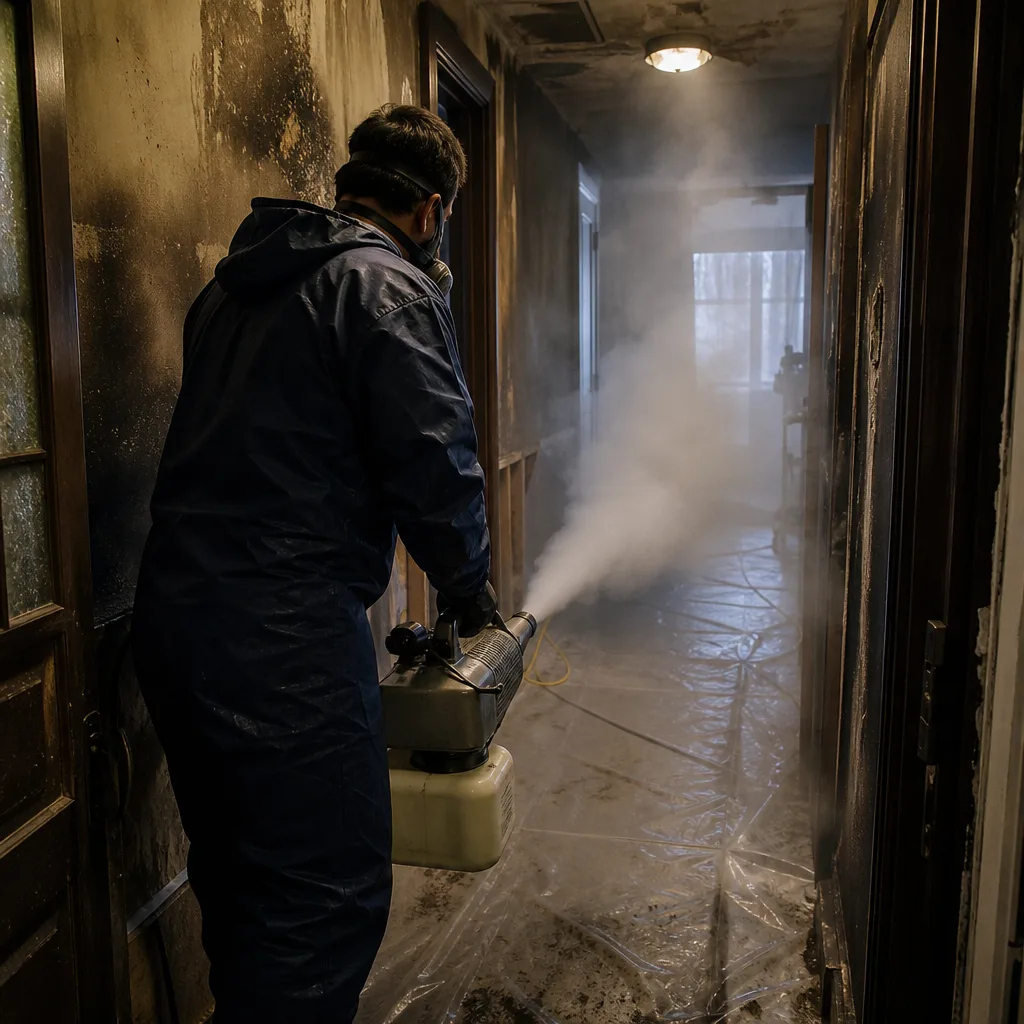
Flood Cleanup
Jackson Heights flood events come from two directions: stormwater overwhelming roof drains and combined-sewer backup reversing basement drains. We identify the source in the first 15 minutes, because the cleanup protocol for Category 3 sewer contamination - full removal of porous materials, EPA-registered disinfection, clearance testing - differs completely from clean-water storm damage.
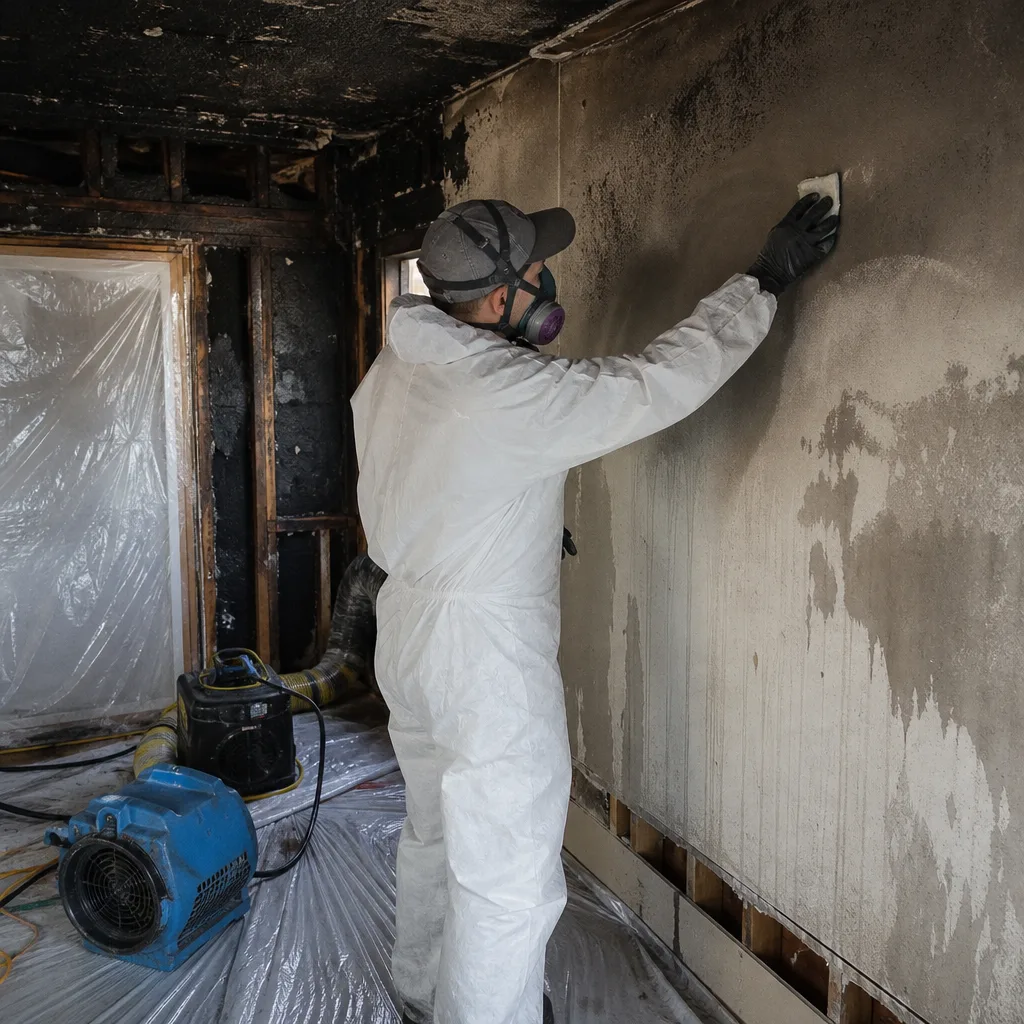
Burst Pipe Restoration
Original galvanized and cast-iron pipe in Jackson Heights’s pre-war housing stock corrodes from the inside until pressure finds the weak point. We extract the water, document the pipe condition for your insurance claim, and coordinate licensed plumbers for replacement - with abatement handled first if asbestos insulation or lead solder is present.
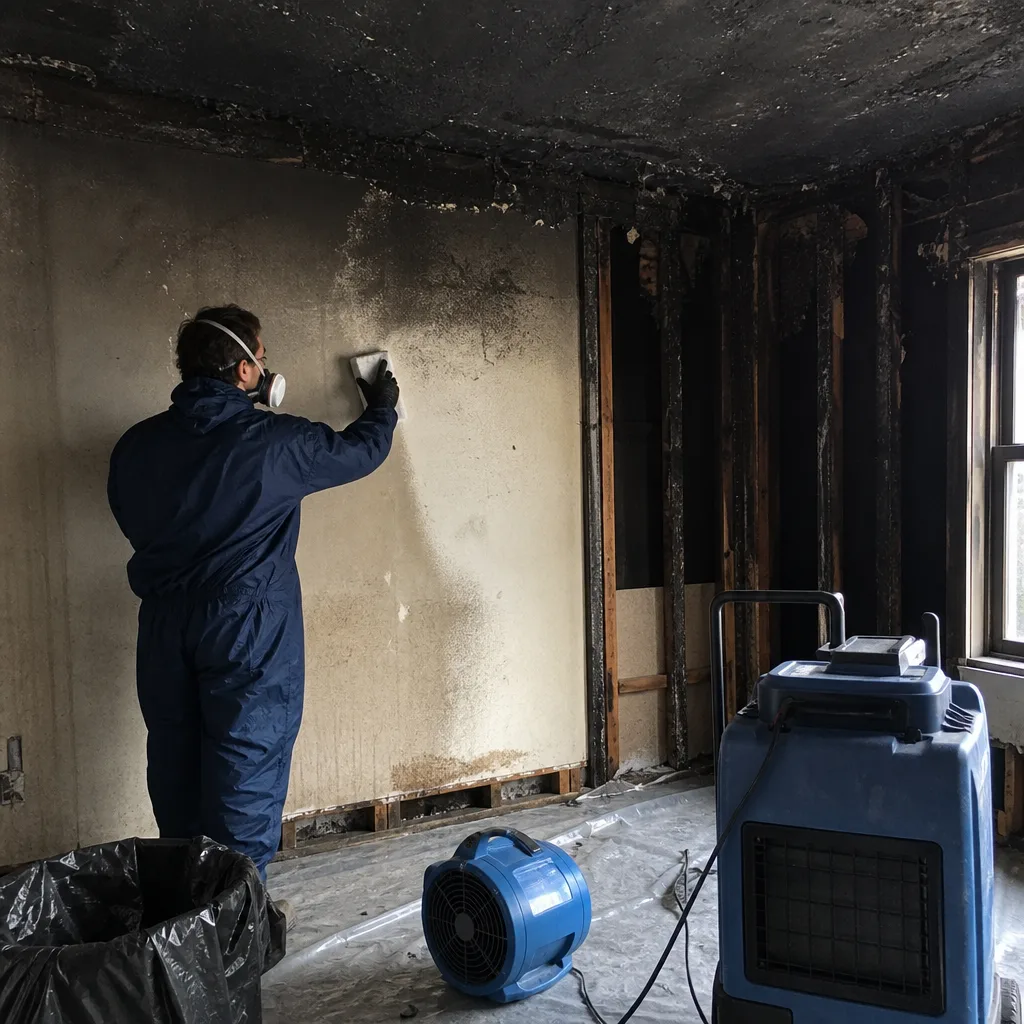
Basement Water Removal
Combined-sewer backup is the leading cause of basement flooding in Jackson Heights. We treat every basement loss as Category 3 until proven otherwise, with full PPE, containment, and antimicrobial treatment that satisfies both IICRC standards and the abatement requirements of pre-war building materials.
Ceiling & Roof Leak Water Damage
Flat roofs on garden apartment complexes and mid-century buildings pond water at drains and seams. We trace the leak path through multiple ceiling assemblies, document each affected layer for adjuster review, and dry in place where plaster integrity matters to LPC or co-op architectural committees.
What happens when you call
- 1
A real person answersNo phone trees - you reach a local pro.
- 2
You get an upfront price rangeHonest numbers before anyone is dispatched.
- 3
A background-checked tech heads outLicensed & insured, dispatched right away.
- 4
You approve before work beginsNothing starts until you say go.
Water Damage Restoration Costs in Jackson Heights, NY
We publish ranges because Haven Standard, Clause 1 requires a written price before work starts - and you can’t evaluate a written price without knowing the market.
| Service | Typical Range in Jackson Heights |
|---|---|
| Emergency water extraction (single room) | $450 - $950 |
| Structural drying & dehumidification (per day) | $275 - $550 |
| Category 3 flood cleanup with sanitization | $3,200 - $7,500 |
| Burst pipe restoration with drywall repair | $1,800 - $4,200 |
| Basement water removal (sewer backup) | $2,500 - $6,800 |
| Ceiling leak drying and repair | $1,200 - $3,400 |
What moves the price: Category 3 contamination requires more labor, more disposal, and more documentation than Category 1. Multi-unit co-op losses add coordination time but may split costs across multiple claims. Abatement of asbestos or lead is a separate licensed contract with its own pricing. Insurance typically covers sudden and accidental water damage from supply lines and storms; gradual leaks and maintenance issues may fall to the owner. Our free visual inspection produces a firm, line-item scope - not an estimate range, a single number - before any work begins.
Call (551) 213-5277 for your free inspection and written price.
We Also Serve Cities Near Jackson Heights
Our crews respond daily to Jackson Heights and the surrounding Queens communities: Elmhurst to the southeast, with its own concentration of pre-war apartments and combined-sewer infrastructure; Maspeth to the south, where industrial-to-residential conversions create hybrid water-loss scenarios; Astoria to the northwest, sharing Jackson Heights’s garden apartment stock and steam-heat risks; and Long Island City to the west, with newer high-rise construction but aging utility connections at street level. Dispatch and scheduling are coordinated from our New York City office; crews serve each neighborhood locally with equipment matched to its building types.
Serving Jackson Heights, NY - Our Local Coverage Area
We’re based in the Jackson Heights area and know this community well. Use the map below to see our service coverage - if you’re nearby, we can almost certainly help.
Jackson Heights Water Damage Restoration Questions, Answered
A steam riser failed and water reached three floors of our Jackson Heights co-op - what does restoration actually involve?
Restoration starts with water extraction across all affected units, moisture mapping of the full vertical stack including adjacent walls and floors, and documentation of pre-loss condition for each co-op board and insurance claim. Because steam-heat failures in pre-war buildings often disturb asbestos pipe insulation, we engage licensed abatement before structural drying can legally proceed, then place Injectidry and dehumidification equipment on every affected floor while coordinating with building management for utility access. Call (551) 213-5277 and we’ll walk through the exact sequence for your building.
Why does water from a Jackson Heights basement backup need different handling than a clean supply-line leak?
Basement backups in Jackson Heights come from combined-sewer mains that carry raw sewage, street runoff, and industrial discharge - legally Category 3 black water under IICRC standards, not the Category 1 or 2 that a supply-line leak produces. Category 3 requires full PPE, containment barriers, removal of all porous materials that absorbed water, EPA-registered disinfection, and clearance testing before reoccupancy. Skipping any step leaves pathogens in pre-war asbestos-floor and lead-paint environments where they can persist for years. Call (551) 213-5277 for immediate Category 3 response.
Do Jackson Heights co-op boards or the Landmarks Preservation Commission slow down water damage repairs?
Co-op boards and LPC add approval layers that single-family neighborhoods don’t face, but they don’t have to delay drying if the documentation is prepared correctly from hour one. We notify boards immediately, photograph pre-loss condition to their standards, and scope abatement and structural work separately so emergency moisture control can proceed while paperwork clears for reconstruction. Our crews have worked in the Jackson Heights Historic District and understand the LPC’s material-matching requirements for visible repairs. Call (551) 213-5277 for a response that keeps moisture readings from climbing during approval waits.
How fast do we need to act after a water loss in a pre-war Jackson Heights apartment?
Within 24 hours, moisture in plaster-and-lath walls and original hardwood floors triggers mold growth and permanent dimensional change; within 48 hours, Category 2 water becomes Category 3 as bacterial colonies establish. In interconnected masonry garden apartments, water wicks horizontally into neighboring units within hours, so the visible damage is never the full damage. Our 45-minute response commitment exists because we’ve measured what happens to moisture readings between hour one and hour six in pre-war construction. Call (551) 213-5277 - we answer live, 24 hours a day.
What equipment do you use for structural drying in older Jackson Heights buildings?
We deploy Dri-Eaz and Phoenix refrigerant dehumidifiers for open-area moisture removal, XPOWER and B-Air air movers for surface airflow, and Injectidry positive-pressure systems to force dry air into wall cavities and between floors without demolishing plaster that LPC or co-op boards may require preserved. Thermal imaging cameras locate hidden moisture in masonry construction; penetrating hygrometers verify actual wood-moisture content, not just surface readings. Every equipment placement is photographed, logged, and reported to your adjuster. Call (551) 213-5277 to schedule drying equipment matched to your building’s construction.
Will my insurance cover water damage restoration in my Jackson Heights co-op?
Most homeowner and co-op policies cover sudden and accidental water damage from burst pipes, storm intrusion, and appliance failures; they typically exclude gradual leaks, maintenance issues, and sewer backup unless you’ve purchased separate riders. We document the loss origin, produce IICRC-standard estimates in Xactimate format, and coordinate directly with your adjuster to establish coverage before work proceeds. Our Free Second Opinion on any competitor’s written estimate helps you verify that scopes aren’t missing covered items or adding unnecessary charges. Call (551) 213-5277 for documentation that turns restoration invoices into payable claims.
How long does structural drying take in a Jackson Heights garden apartment?
Typical drying cycles run 3-5 days for Category 1 or 2 losses in open areas; Category 3 contamination, pre-war plaster-and-lath construction, and multi-floor co-op losses extend to 7-10 days or more. We don’t guess - daily moisture readings track progress against IICRC drying goals, and equipment stays until wood-moisture content and relative humidity meet documented standards, not just “feels dry.” Tertiary drying, the final phase where vapor pressure differential drives residual moisture out of dense materials, is where many crews pull equipment too early and leave hidden damage. Call (551) 213-5277 for a drying schedule based on your actual moisture readings.
Can we stay in our Jackson Heights apartment during water damage restoration?
Occupancy depends on contamination category, equipment noise, and whether abatement is required. Category 1 losses with localized drying may allow continued residence; Category 3 sewer backups, multi-unit co-op losses with shared HVAC contamination, and any asbestos or lead abatement require temporary relocation for health and legal compliance. We tell you explicitly in our written scope whether your unit is safe to occupy and what conditions would change that answer. Call (551) 213-5277 for a frank assessment of your specific situation.
Water damage in Jackson Heights doesn’t follow single-family patterns. A failed steam riser, a combined-sewer backup, a roof drain overwhelmed by a summer storm - each cascades through interconnected masonry and shared plumbing in ways that demand a crew who knows the building stock, the board protocols, and the documentation standards that get claims paid. We’ve restored 12,000+ homes since 2011, every one with a written price before work started and a documented record when the crew left. The 365-Day Done Right Promise under The Haven Standard means if it’s not done right, we make it right - signed, not spoken.
Call (551) 213-5277 now. A live person answers. Crews are minutes from Jackson Heights. Your free visual inspection, moisture readings, and written scope are waiting.
Written by Alicia Brennan, Owner at DryMark Restoration Upper East Side, serving Jackson Heights since 2011 under The Haven Standard.
Water Damage Restoration in Nearby Areas