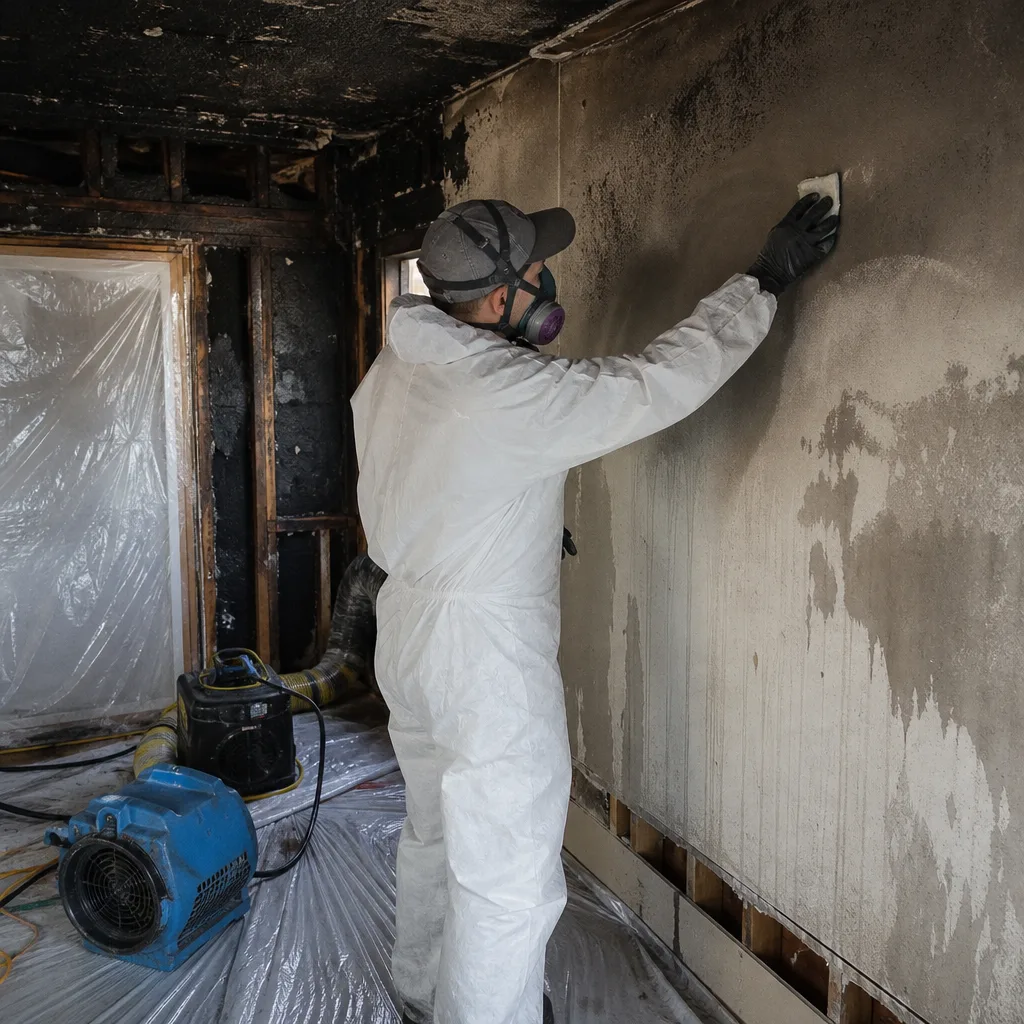
Free visual inspection and a written scope of work before any mitigation begins - photos, moisture readings, and drying logs go in your claim file
The scope we write is the scope we bill. Anything new gets shown to you, in writing, before we touch it.
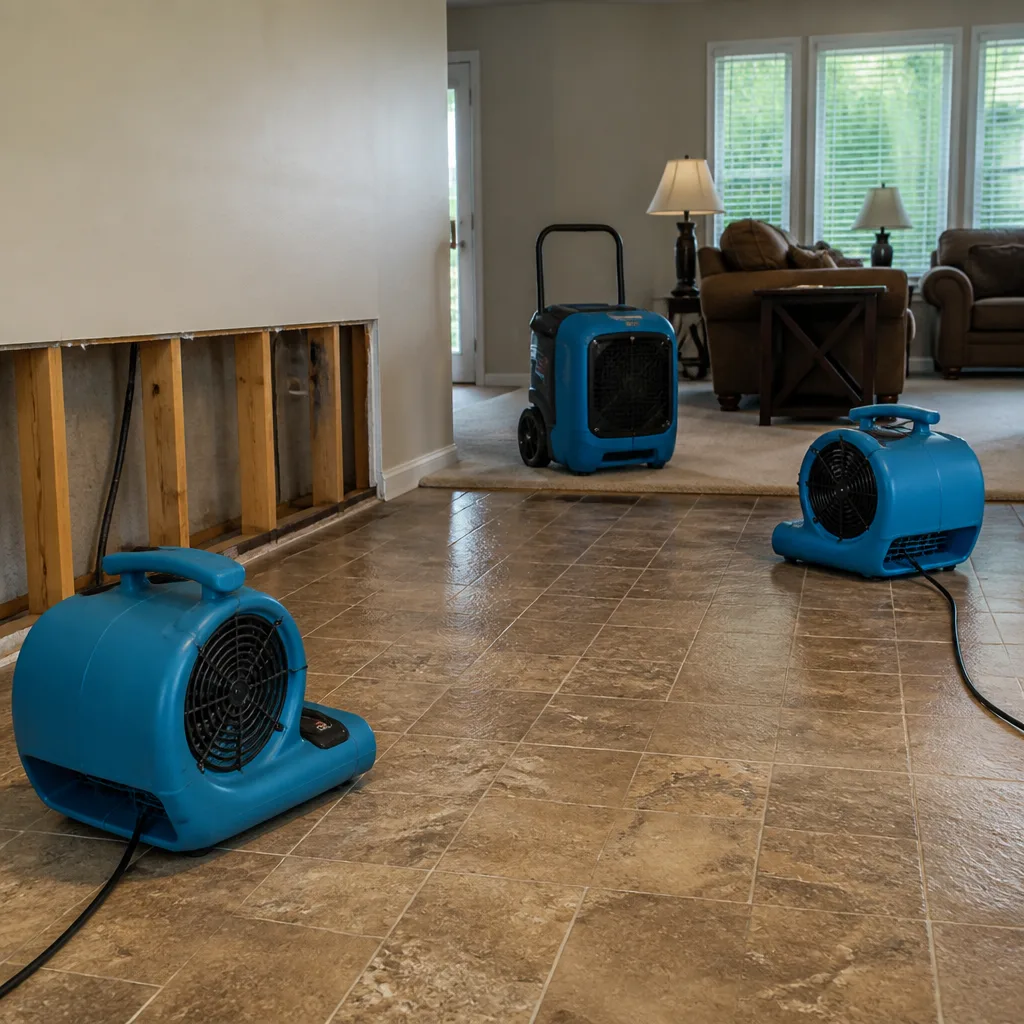

 Before
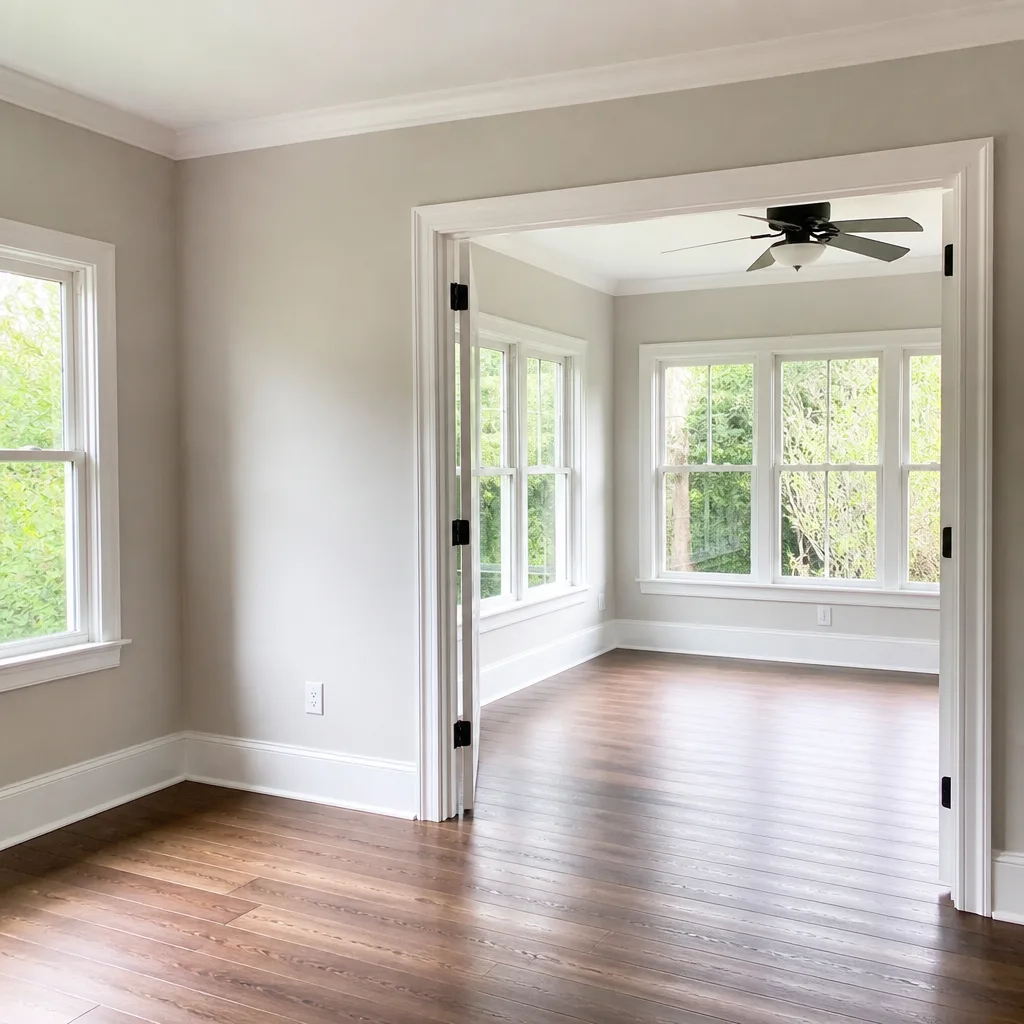
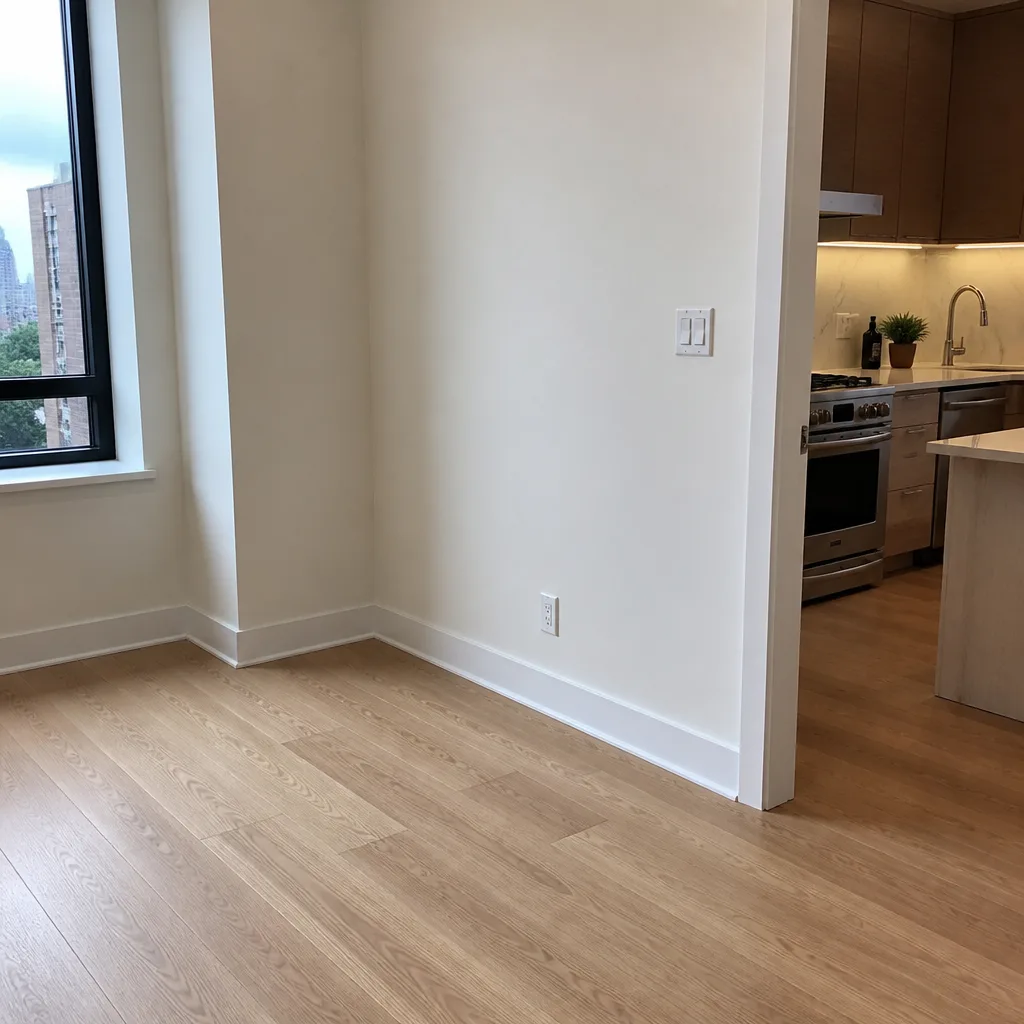 After
After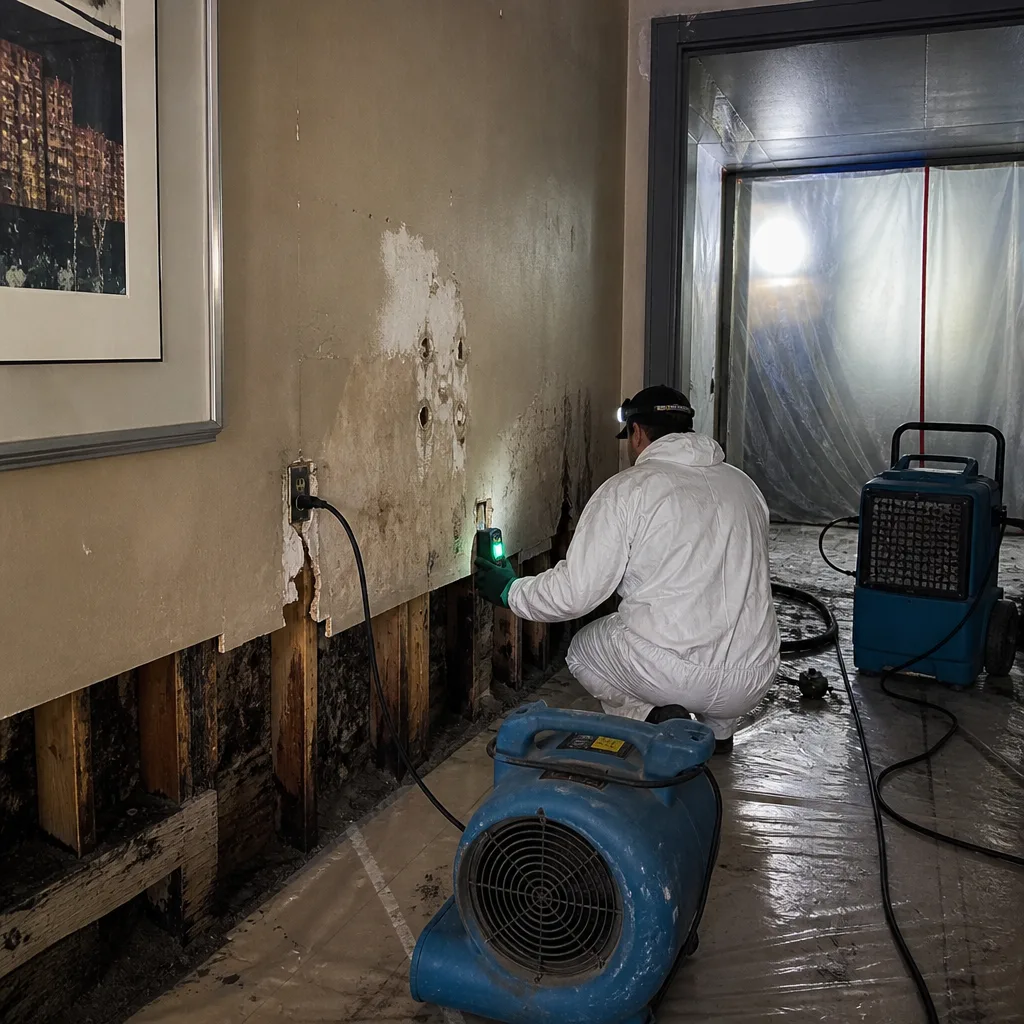 Before
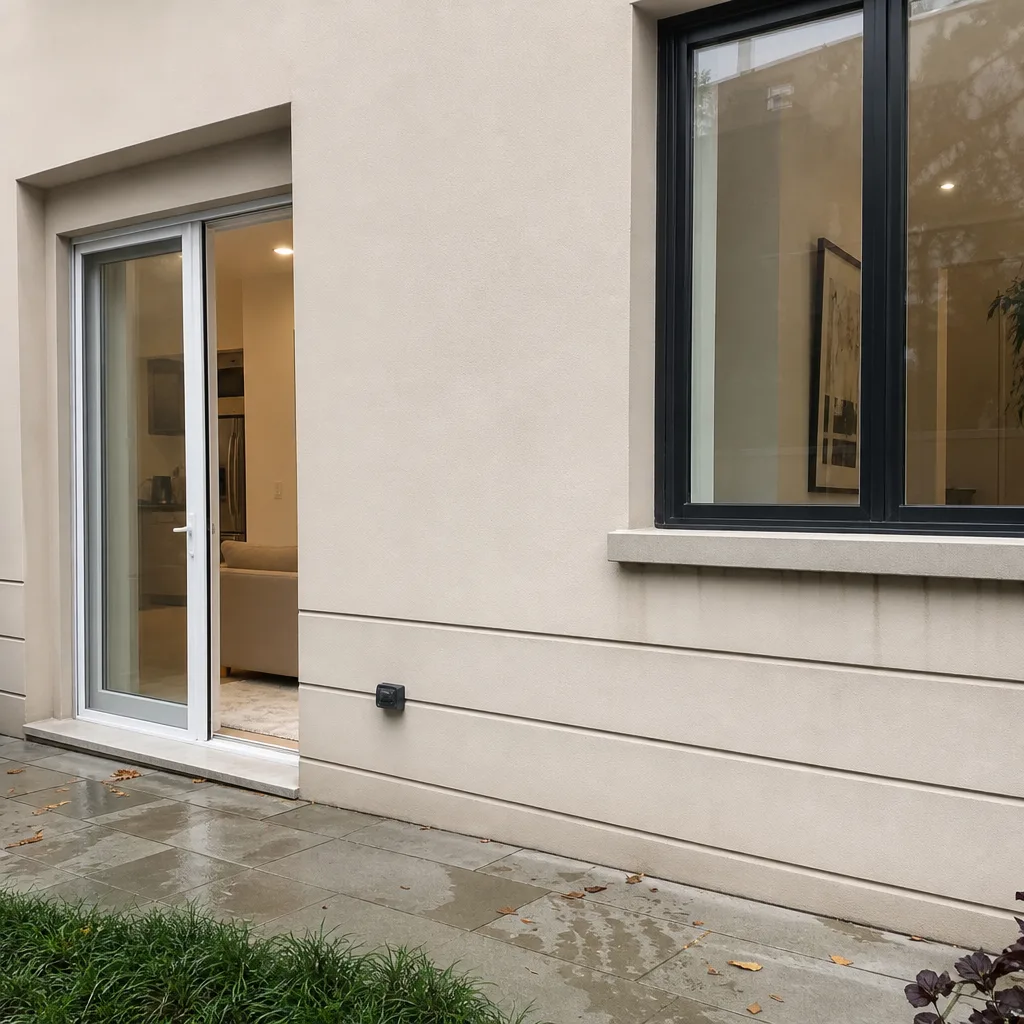 After
After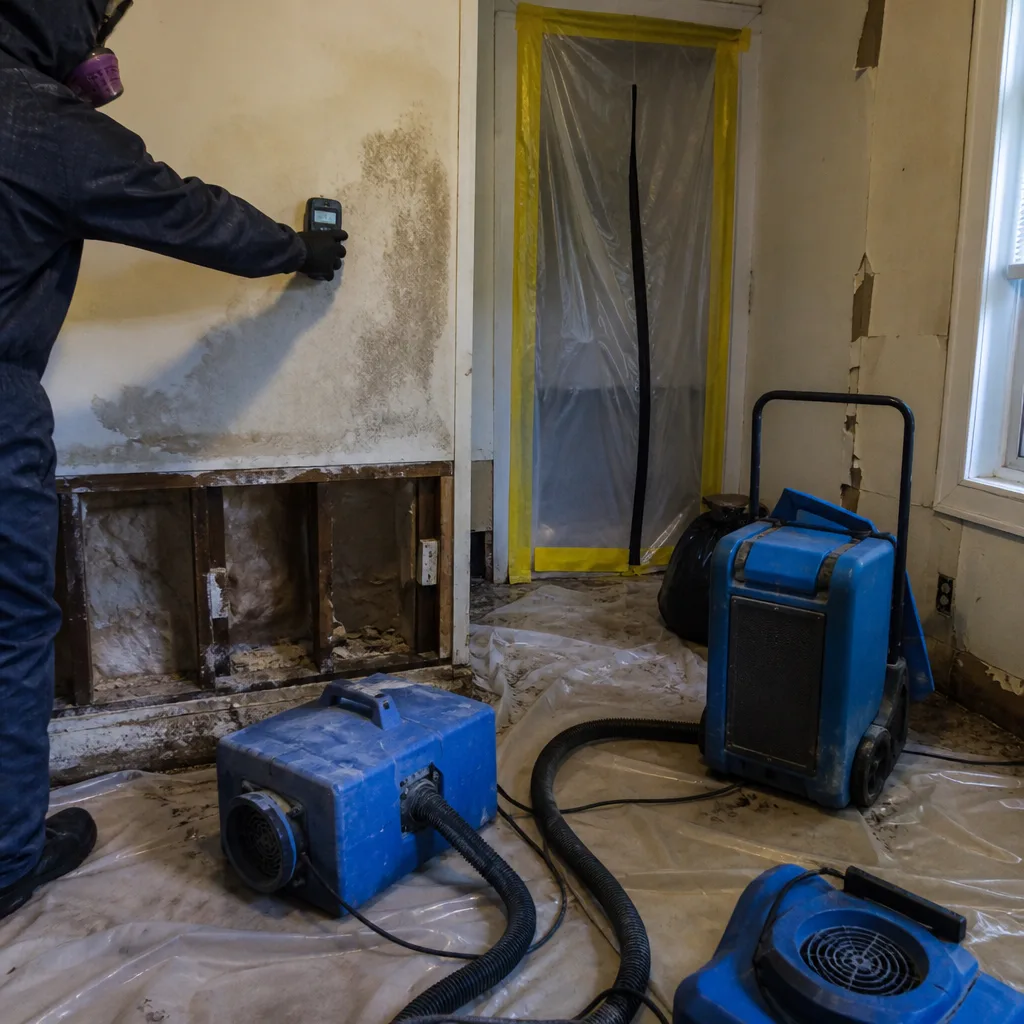 Before
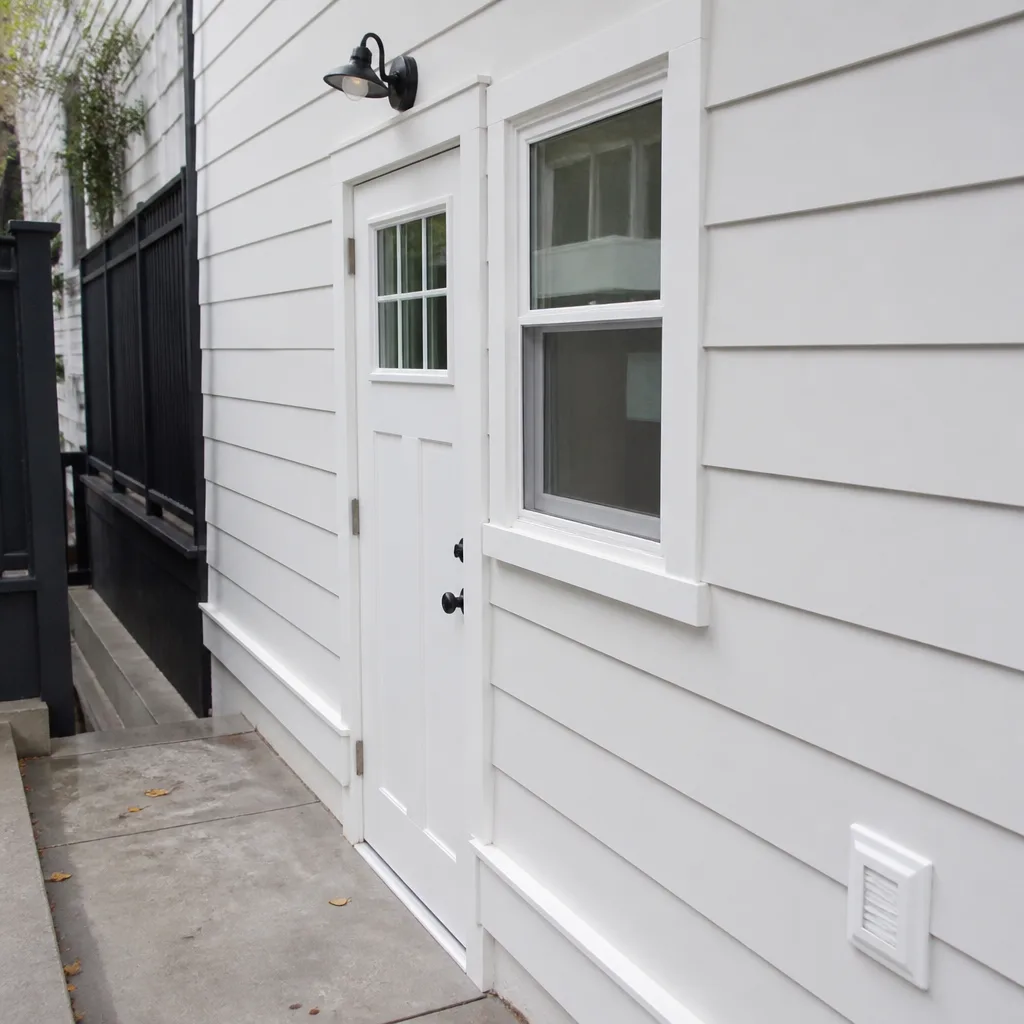 After
After24/7 Emergency Water Damage Restoration in Union City
Water damage restoration in Union City typically costs $2,800-$7,500 for a standard multi-unit residential mitigation, with emergency extraction starting at $450-$950 and structural drying running $1,200-$3,400 depending on affected square footage and material type. Most Union City jobs require same-day dispatch because water moves fast through shared walls in dense tenement buildings. Call (551) 213-5277 - a live person answers, 24 hours a day, no voicemail trees - and we’ll have a crew en route with moisture meters, thermal imaging, and extraction equipment. The first hour determines whether we’re drying plaster and lath or demolishing it.
Understanding Water Damage Restoration Severity in Union City Properties
Water damage in Union City falls into three categories under IICRC standards: Category 1 (clean water from supply lines), Category 2 (gray water with contaminants, including steam condensate and dishwasher discharge), and Category 3 (black water from sewage backups or ground flooding). Most Union City losses we see are Category 2 or 3 because aging cast-iron drainage stacks and combined sewer systems in pre-WWII buildings back up under pressure.
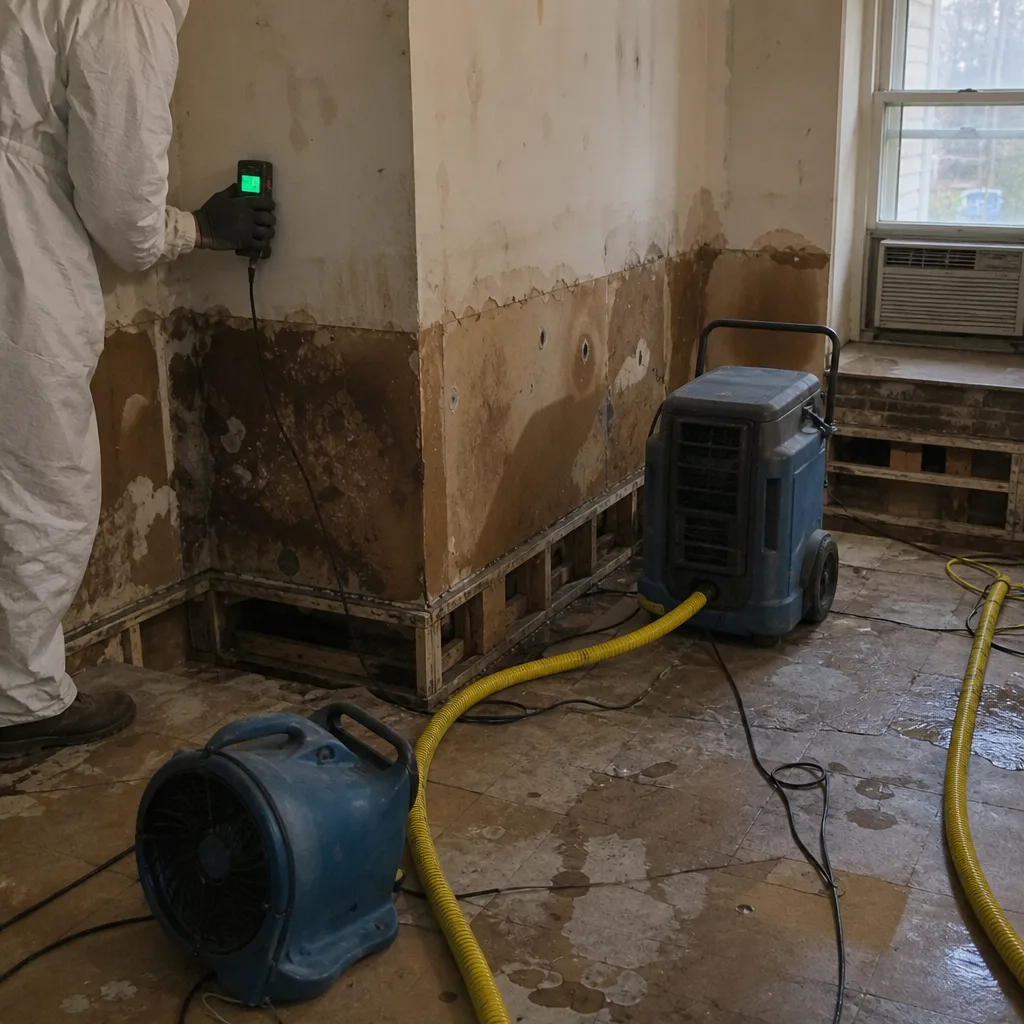
Moisture mapping with thermal imaging and penetrating hygrometers reveals what visual inspection cannot: water migration behind original plaster-and-lath walls, saturation of brick wythes, and wicking into hardwood subfloors over terra cotta fireproofing. Structural drying requires calculating vapor pressure differential - the force that drives moisture from wet materials into dry air - then matching air mover count and dehumidifier capacity to the specific load. In Union City’s 3-to-6-story brick tenements, that load is almost always higher than standard formulas predict because plaster holds 2-3 times the moisture of modern drywall, and steam-heated wall cavities stay warm and humid long after the source is stopped.
The building stock here, constructed roughly 1910 to 1950, compounds every severity factor: original plaster-and-lath walls, cast-iron or galvanized supply lines, flat tar roofs with decades of patchwork, and shared structural elements that transmit water horizontally across multiple units before vertical migration becomes visible.
Why Union City Property Owners Choose DryMark Restoration Upper East Side
- 45-minute response commitment to Union City from our New York City dispatch office - crews cross the Hudson via the Lincoln Tunnel or George Washington Bridge depending on traffic patterns, with GPS-tracked arrival.
- 24/7 live answer - a real person, never an automated system or callback queue, because water doesn’t wait for business hours and neither do we.
- IICRC-certified crews holding WRT (Water Damage Restoration Technician), ASD (Applied Structural Drying), and AMRT (Applied Microbial Remediation Technician) certifications - the credentials insurers recognize and adjusters trust.
- Free visual inspection with moisture readings, thermal imaging documentation, and a written scope delivered before any work begins - Haven Standard, Clause 1.
- Direct insurance billing with photo-documented estimates, daily drying logs, and adjuster coordination handled by our in-house claims team - no third-party billing surprises.
- One team from extraction to reconstruction - the same crew that moisture-maps your loss completes the dry-out, the pack-out, and the rebuild, so nothing gets lost in handoffs.
BeforeAfterOur Water Damage Restoration Process
1. Inspection & Assessment
We arrive with FLIR thermal cameras, Tramex moisture meters, and penetrating probes to map the full extent of water migration behind walls and above ceilings. In Union City’s multi-unit buildings, this means checking adjacent units, common areas, and riser chases - not just the room with the visible stain. You receive a written scope with line-item pricing before any equipment runs.
2. Extraction & Stabilization
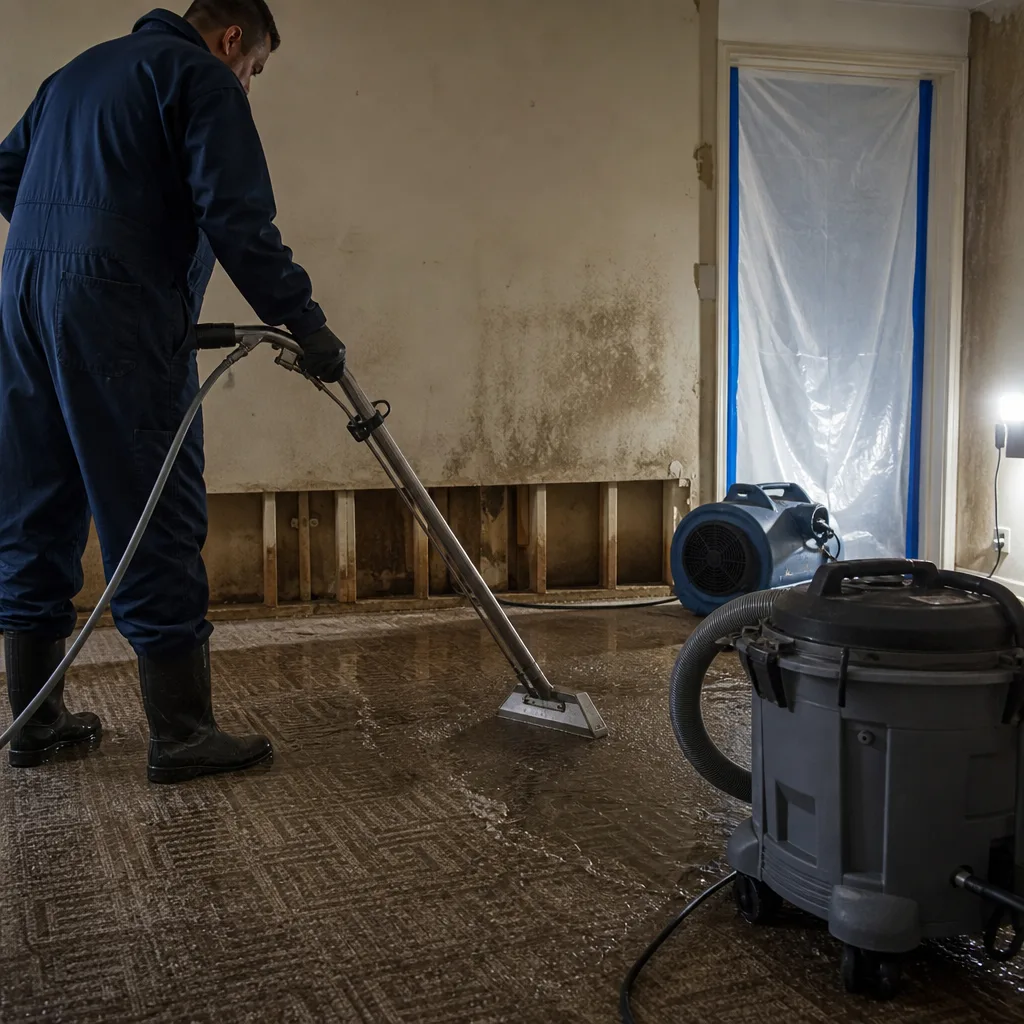
Standing water comes out first with truck-mounted extractors and weighted vacuum squeegees on hard surfaces, then portable units for carpet and pad. We identify and stop the source - whether it’s a burst steam pipe, failed cast-iron drainage stack, or compromised flat roof membrane - and document everything for your insurer.
3. Drying & Dehumidification
We deploy Phoenix 200 HT dehumidifiers, Dri-Eaz Revolution axial air movers, and XPOWER centrifugal units in calculated ratios based on cubic footage and material porosity. In Union City’s plaster-and-lath buildings, we extend standard drying timelines and log psychrometric data twice daily - temperature, relative humidity, and specific humidity - to prove progress to your adjuster.
4. Cleaning & Sanitization
Category 2 and 3 losses receive antimicrobial treatment with EPA-registered products, HEPA air scrubbing for airborne particulates, and detailed cleaning of salvageable contents. We document all product applications with lot numbers and dwell times for insurance records.
5. Multi-Unit Coordination & Pack-Out
Union City’s density means most water losses affect multiple tenants and multiple policies. We coordinate with landlords, property managers, and individual unit insurers simultaneously, inventory affected contents with photo documentation, and store salvageable items in our climate-controlled facility until reconstruction is complete.
6. Repairs & Restoration
Our crew returns to repair or replace damaged plaster, lath, flooring, and finishes - matching original materials where required by historic preservation or landlord specifications. Every repair is covered by our 365-Day Done Right Promise under The Haven Standard.
Need Emergency Water Damage Restoration in Union City Now?
Crews minutes away, answering live 24 hours a day. The sooner we start, the less it costs.
Working With Your Insurance Company
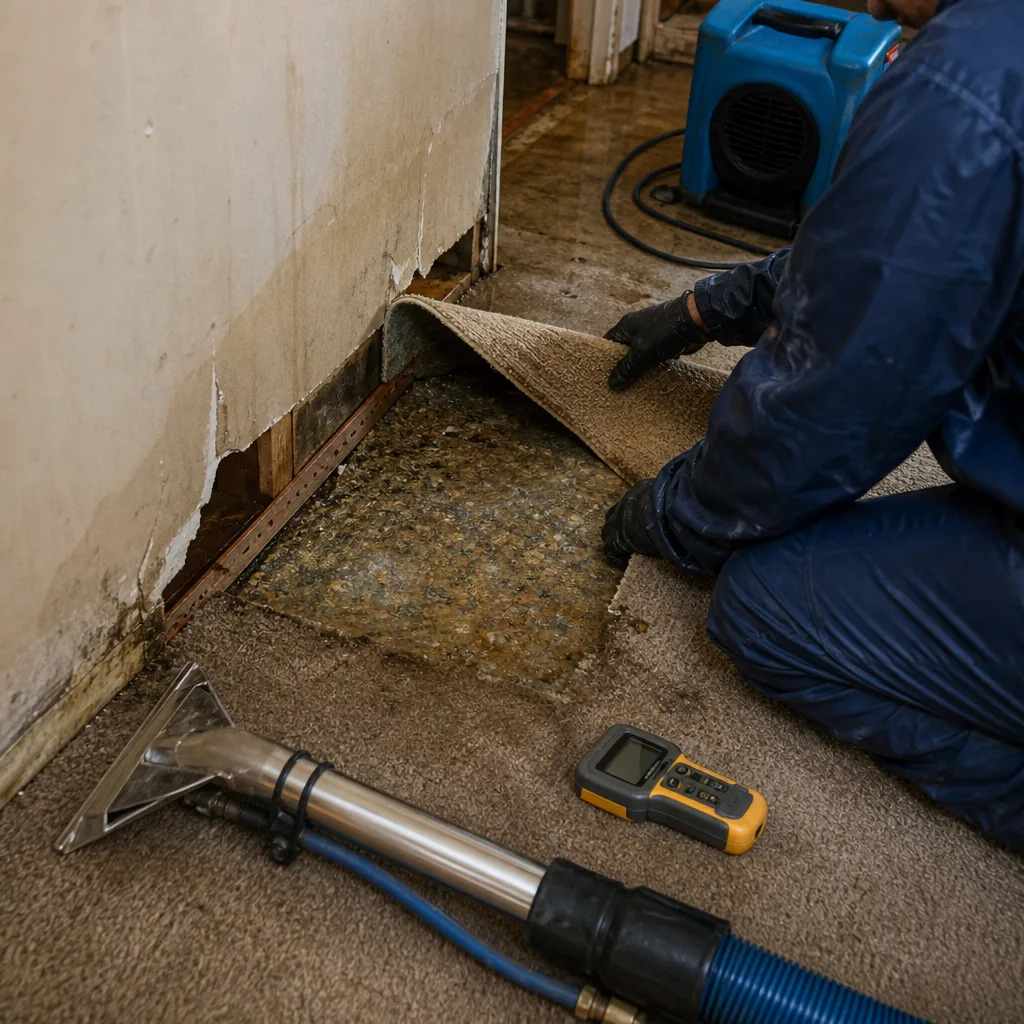
From the first moisture reading, we build a claim file that adjusters pay without dispute. Our documentation includes thermal images showing hidden water, daily psychrometric logs proving drying progress, and a line-item scope tied to industry-standard pricing. We speak directly with your carrier’s adjuster, submit supplements when hidden damage extends the scope, and never ask you to front costs for covered losses.
Union City’s multi-unit buildings add complexity: multiple tenant policies, landlord commercial coverage, and disputes over which policy covers common areas versus individual units. We’ve handled thousands of these claims since 2011. We know the documentation that prevents coverage gaps.
What We Provide Your Insurer
- Thorough documentation of the loss
- Photos of all damage, room by room
- Moisture readings and drying logs
- A detailed, line-item scope of work
- Direct coordination with your carrier
Built for Union City’s Loss Calendar
January deep freezes split cast-iron and galvanized supply lines in uninsulated wall cavities and crawl spaces, with steam heating systems particularly vulnerable when tenants close radiators in vacant units. Spring thaw brings basement seepage through century-old foundations along Summit Avenue and the lower elevations near the Hudson waterfront. Summer thunderstorms overwhelm aging flat roofs with clogged drains, sending water through multiple ceiling layers. Fall and winter nor’easters drive wind-driven rain through deteriorated mortar joints and failed flashing on masonry facades - accelerated by Union City’s exposed position atop the Palisades Escarpment, where wind speeds run higher than in sheltered Hudson County towns below.
The freeze-thaw cycle is relentless on Union City’s older masonry. Water enters hairline cracks in fall, expands when temperatures drop, and widens those cracks for the next storm. By February, we’re often responding to the third or fourth call from the same building in a single season.
Water Damage Restoration Across Union City’s Neighborhoods
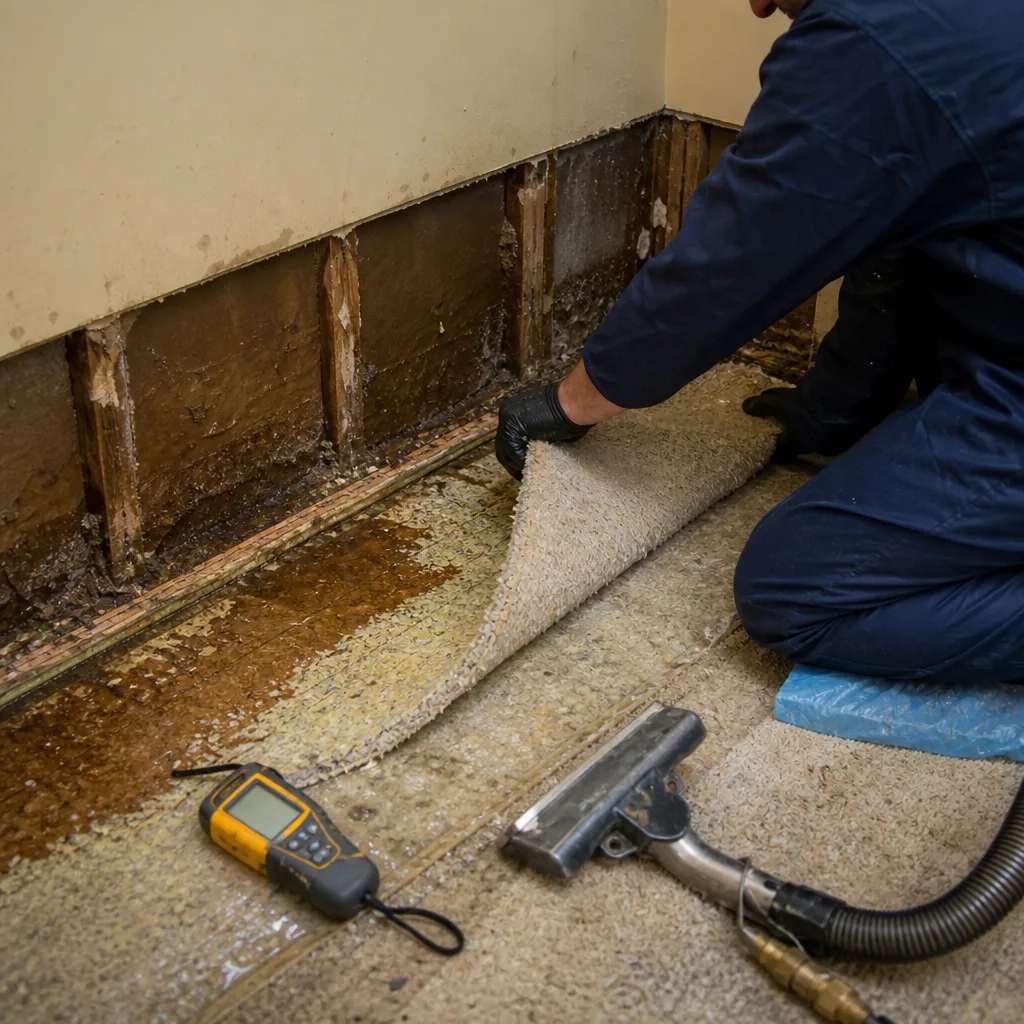
West of Bergenline Avenue, the dense grid of 1920s brick tenements between 30th and 49th Streets produces our highest volume of multi-unit steam pipe failures - original 100-year-old cast-iron risers running through shared walls, with plaster-and-lath that hides saturation until it reaches three or four units. We know these buildings by their construction era and can predict water migration patterns before we unload equipment.
Along Palisade Avenue and the cliff-top blocks, pre-war apartment buildings with Hudson River views suffer accelerated facade spalling and roof membrane failure from constant wind exposure. Water intrusion here often presents as chronic staining rather than sudden flooding, which means homeowners delay calling until mold becomes visible - complicating both the mitigation scope and the insurance claim.
The lower blocks toward Paterson Plank Road and the Route 495 corridor sit on softer fill with higher water tables. Basement seepage is endemic after heavy rain, and sump pump failures during power outages are common. These jobs require sub-slab moisture assessment and often involve sewage backup when combined sewers surcharge.
Near the border with Weehawken around Kennedy Boulevard, attached row houses share party walls that transmit water laterally with surprising speed. A burst pipe in one unit can affect three or four connected structures before anyone locates the source. Our moisture mapping protocol here includes adjacent properties as standard practice.
Specialized Water Damage Restoration Services We Offer in Union City
Emergency Water Extraction
Standing water in a Union City basement or first-floor unit demands immediate removal before wicking climbs walls and saturates electrical systems. Our truck-mounted extractors handle thousands of gallons per hour, and we deploy portable units for buildings without elevator access or where street parking limits hose runs. Call (551) 213-5277 for immediate dispatch.
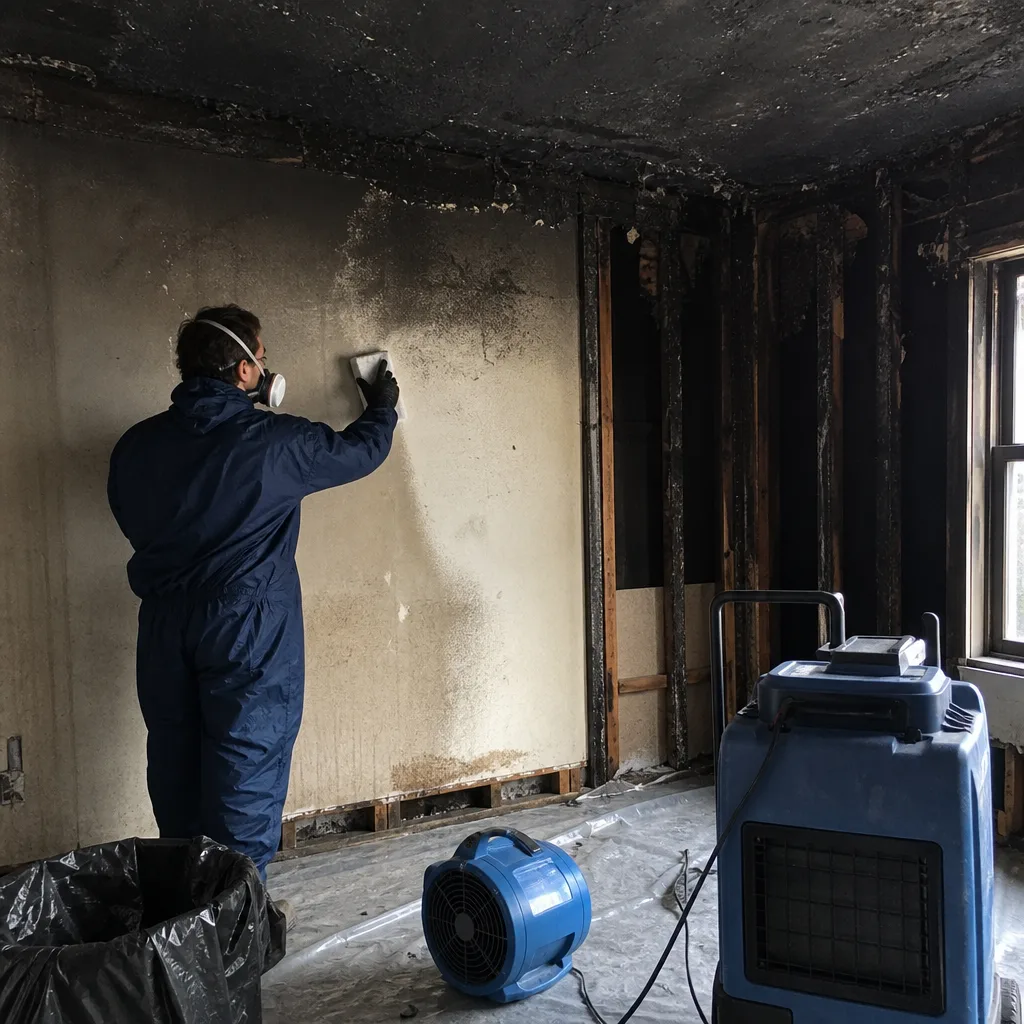
Structural Drying & Dehumidification
Standard drying formulas fail in Union City’s plaster-and-lath buildings. We calculate extended timelines based on actual material moisture content, deploy Phoenix and Dri-Eaz equipment in dense arrays, and log readings twice daily. The documentation proves to your insurer that extra days were necessary, not padded.
Flood Cleanup
Union City’s combined sewer system surcharges during intense rainfall, pushing Category 3 black water into basements through floor drains and foundation cracks. These losses require full PPE, antimicrobial treatment, and often removal of porous materials that cannot be safely decontaminated.
Burst Pipe Restoration
Cast-iron steam lines, galvanized supply pipes, and frozen copper lateral lines - we’ve restored losses from every pipe type in Union City’s housing stock. We document the failure point with photos for your insurer, extract standing water, and complete the full dry-out and repair scope.
Basement Water Removal
Union City’s older buildings often have terra cotta or brick sewer laterals, dirt-floored utility areas, and no sump pump. We pump, extract, and dry these challenging spaces with specialized low-grain refrigerant dehumidifiers and targeted air movement.
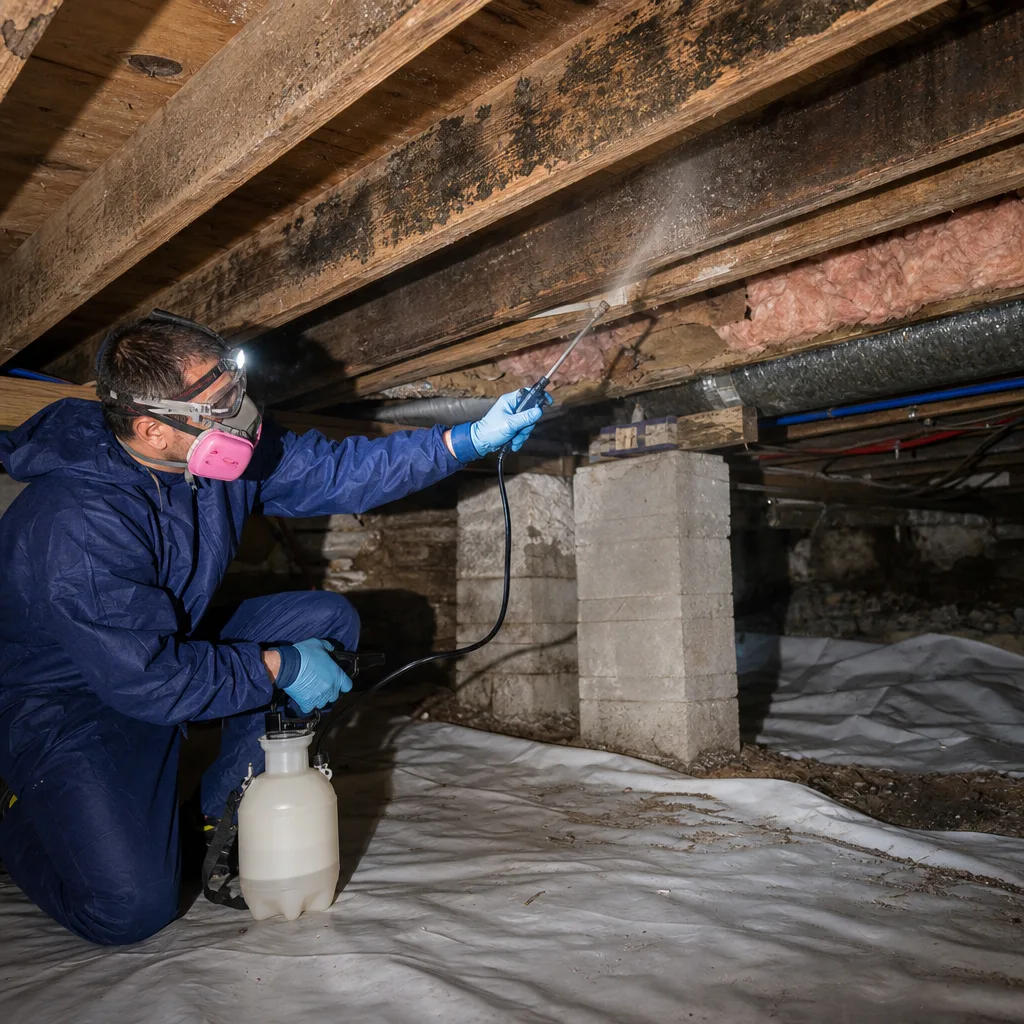
What happens when you call
- 1
A real person answersNo phone trees - you reach a local pro.
- 2
You get an upfront price rangeHonest numbers before anyone is dispatched.
- 3
A background-checked tech heads outLicensed & insured, dispatched right away.
- 4
You approve before work beginsNothing starts until you say go.
Water Damage Restoration Costs in Union City, NJ
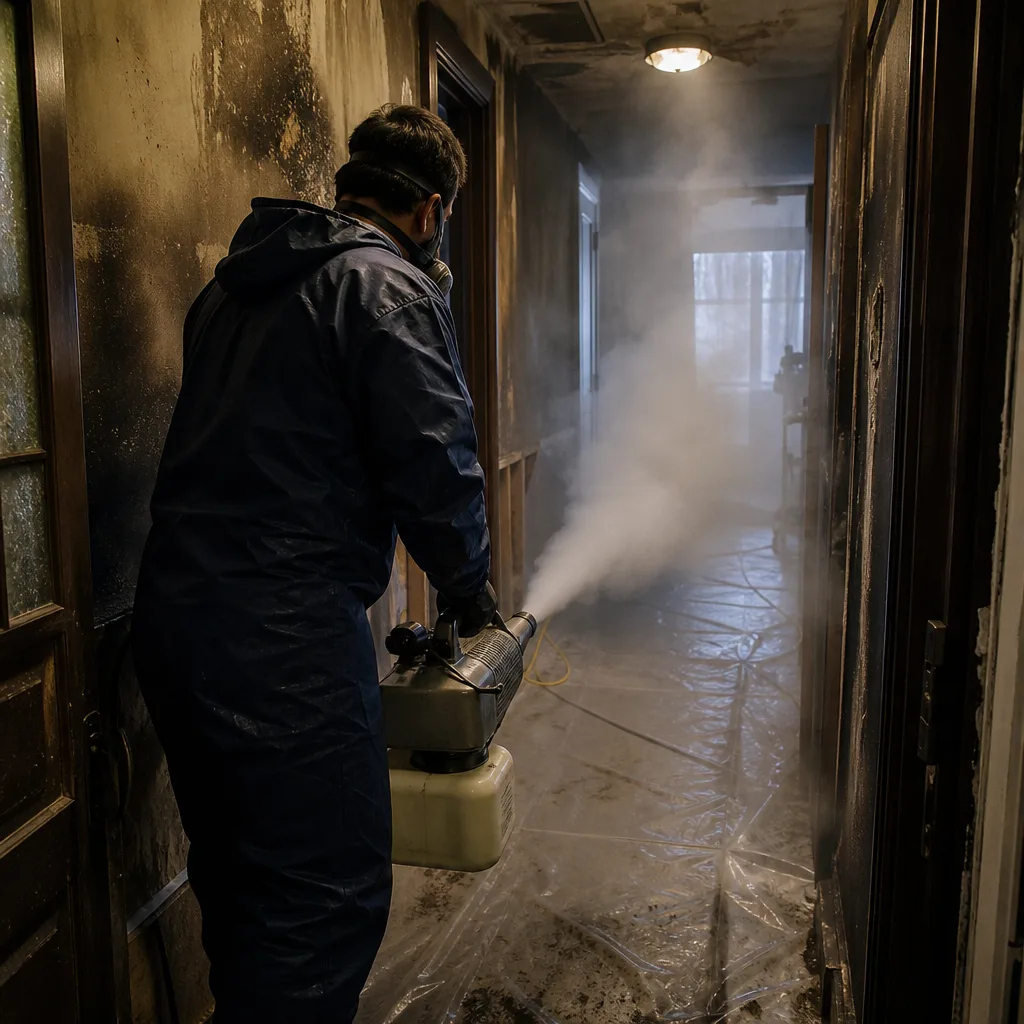
Our Water Damage Restoration pricing in Union City reflects the complexity of dense, multi-unit, pre-WWII buildings - not suburban single-family rates.
| Service | Typical Range in Union City |
|---|---|
| Emergency water extraction (up to 500 sq ft) | $450 - $950 |
| Structural drying & dehumidification (per day) | $380 - $720 |
| Full mitigation (Category 1, single unit) | $2,800 - $4,200 |
| Full mitigation (Category 2-3 or multi-unit) | $5,500 - $7,500+ |
| Pack-out and contents cleaning | $800 - $2,400 |
| Antimicrobial treatment | $350 - $650 |
What moves your price: the water category (clean vs. contaminated), the number of affected units, whether plaster-and-lath requires extended drying, and whether asbestos or lead testing is needed before demolition. Most Union City water losses are insurance claims - we bill your carrier directly and provide the documentation they require for approval. Haven Standard, Clause 1: your written price before any work starts, every time, with no exceptions. Bring a competitor’s written estimate for a free second opinion.
We Also Serve Cities Near Union City
Our crews respond throughout Hudson County and across the river from our New York City dispatch office. We regularly handle Water Damage Restoration in Union City and neighboring communities including Hoboken (where Hurricane Sandy flooding reshaped basement construction standards), Palisades Park (with its own dense multi-family stock and similar steam heating systems), and Fort Lee (where high-rise and mid-century buildings present distinct drying challenges). Each city gets the same documentation-first protocol and written-price guarantee.
Serving Union City, NJ - Our Local Coverage Area
We’re based in the Union City area and know this community well. Use the map below to see our service coverage - if you’re nearby, we can almost certainly help.
Union City Water Damage Restoration Questions, Answered
A steam pipe burst in my Union City tenement and water crossed into three apartments - whose claim covers what?
The building owner’s commercial policy typically covers the building structure and common areas, while each tenant’s renters or condo policy covers their personal contents and any improvements they’ve made to their unit. We document which unit the failure originated in, which units received water migration, and the damage path through shared walls and ceilings - then coordinate with all involved adjusters simultaneously. Call (551) 213-5277 and we’ll sort the claim complexity before equipment runs.
Why does drying take longer in a pre-WWII Union City building with plaster-and-lath walls?
Plaster holds 2-3 times the moisture of modern drywall, and the wood lath behind it creates capillary channels that keep water moving through the wall cavity long after the surface feels dry. Standard IICRC drying estimates assume gypsum board; we extend timelines based on actual moisture readings and log the data twice daily for your insurer’s review.
Is a leak inside a Union City steam-heating wall always a burst pipe, or can it be something else?
Not always. Condensate return line corrosion, failed packing on radiator valves, and steam trap malfunctions can all produce moisture that mimics a pipe burst. We use thermal imaging to distinguish active leaks from condensation patterns, and our written scope identifies the actual source before demolition begins - so you’re not paying to open walls for the wrong repair.
My Union City walk-up has repetitive basement seepage after nor’easters - is it worth drying or just cleanup?
Repetitive seepage indicates a chronic source - failed foundation waterproofing, clogged perimeter drains, or a compromised sewer lateral - that cleanup alone won’t solve. We dry the current moisture load, document the source with photos and moisture mapping, and provide a written scope for permanent repair. Without fixing the source, you’ll be calling again next storm. Call (551) 213-5277 for a free inspection and written repair scope.
How fast do we need to act after water soaks plaster in a Union City building?
Within 24-48 hours for plaster, though steam-heated walls stay warm and humid longer than ambient-temperature structures - which can accelerate microbial growth even as it delays visible staining. The real urgency is documenting the full migration path before evaporation patterns confuse the source location. We answer live 24/7 and can have a crew moisture-mapping within the hour.
Will my insurance cover water damage restoration in Union City?
Sudden and accidental water damage from burst pipes or appliance failures is typically covered under standard homeowners and commercial policies; gradual leaks and maintenance-related seepage usually are not. We document the cause, timeline, and extent with photos and moisture logs written to insurance standards, then bill your carrier directly for covered losses. Haven Standard, Clause 1 applies: your written scope and price before any work begins.
Can we stay in our Union City apartment during water damage restoration?
Sometimes, for Category 1 losses limited to one room with no electrical compromise. Category 2 or 3 contamination, multi-unit work with containment barriers, or demolition of plaster walls generally requires relocation - which your policy may cover under Additional Living Expenses or Loss of Use. We note habitability status in our written scope for your adjuster.
What certifications do your Union City water damage restoration crews hold?
Our technicians hold IICRC WRT (Water Damage Restoration Technician), ASD (Applied Structural Drying), and AMRT (Applied Microbial Remediation Technician) certifications. All are background-checked, licensed, and insured, with license numbers documented on every job file. Equipment is maintained to manufacturer specifications and documented to IICRC, RIA, and IFA standards.
We got a call from a landlord on Palisade Avenue after a second-floor steam supply pipe let go overnight in a 1920s brick tenement - water ran behind the original plaster-and-lath down through three units and pooled against the cast-iron risers in the basement. Our techs moisture-mapped every affected wall cavity, set up containment and a full air mover/dehumidification grid (Phoenix and Dri-Eaz units), and ran antimicrobial treatment on the saturated plaster. Because the lath held water for days, we logged moisture readings twice daily and extended structural drying well past the standard timeline, then completed the pack-out and repair scope for all four tenant claims.
That’s the difference between a franchise template and a crew that knows Union City’s buildings. We don’t guess at drying timelines. We measure, document, and prove what the structure actually needs.
Written by Alicia Brennan, Owner at Back to Dry Restoration, serving Union City and the greater metro area since 2011.
Water Damage Restoration in Nearby Areas