
Free visual inspection and a written scope of work before any mitigation begins - photos, moisture readings, and drying logs go in your claim file
The scope we write is the scope we bill. Anything new gets shown to you, in writing, before we touch it.
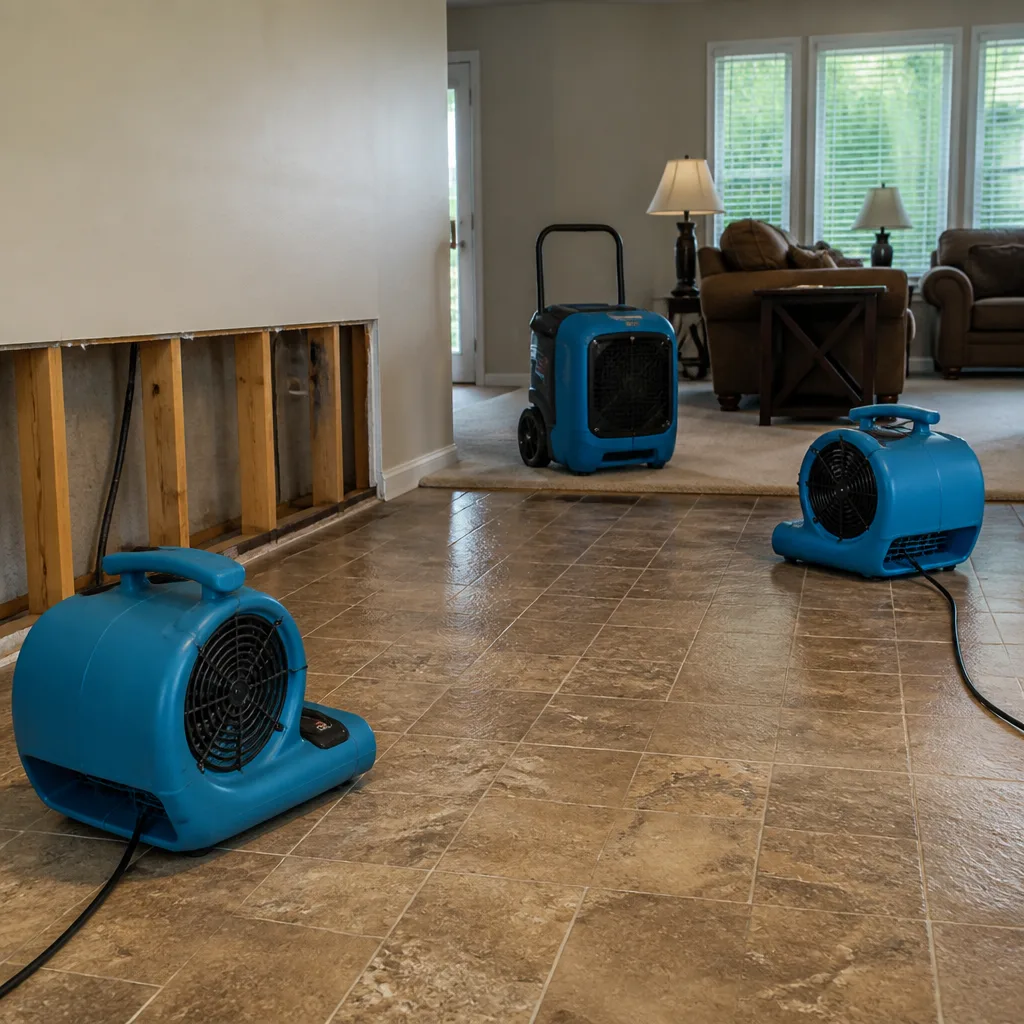
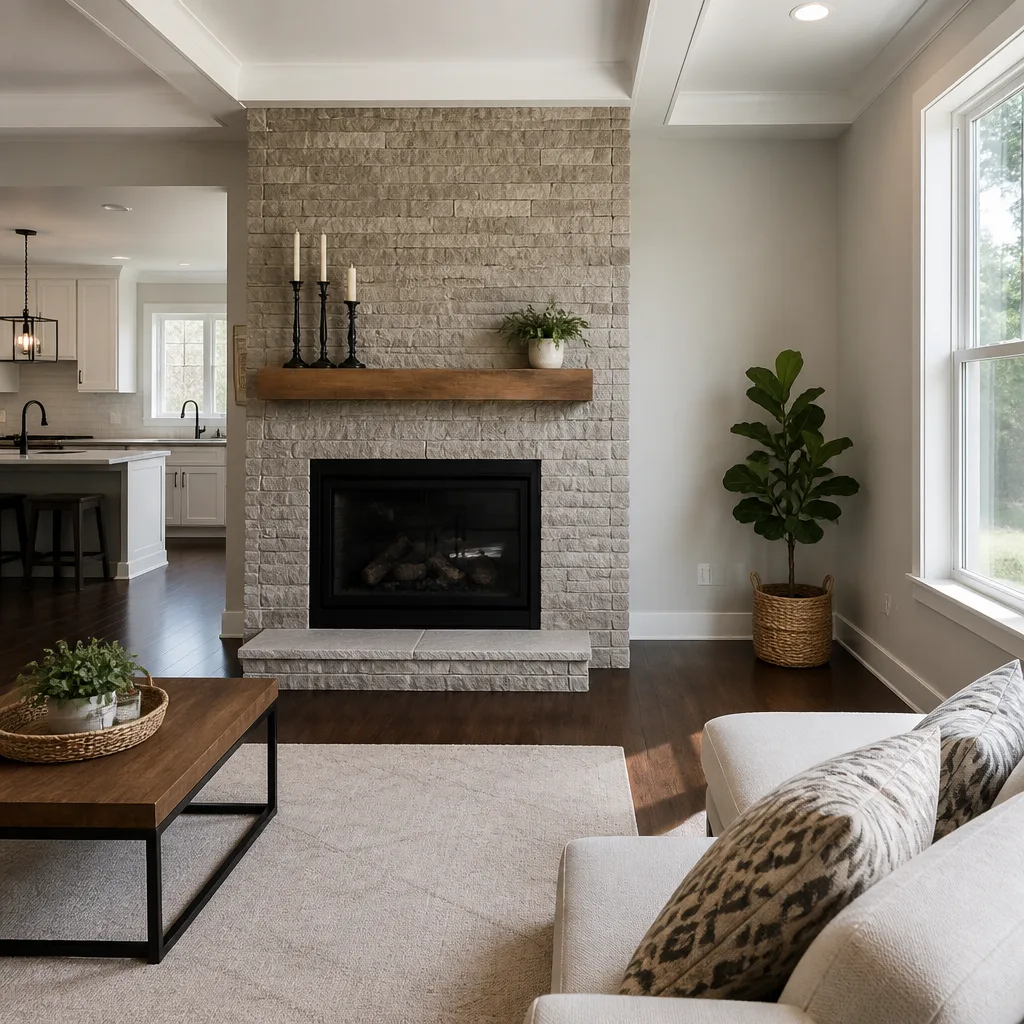
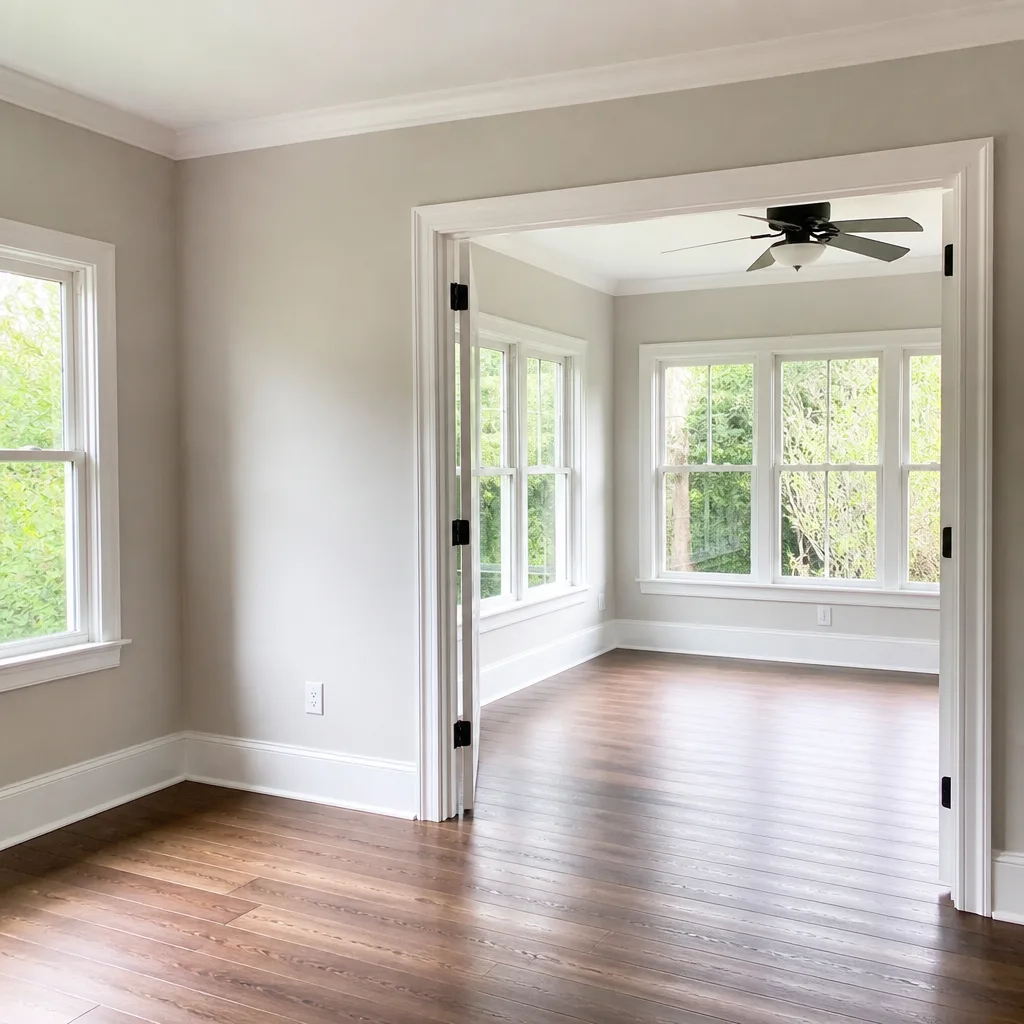
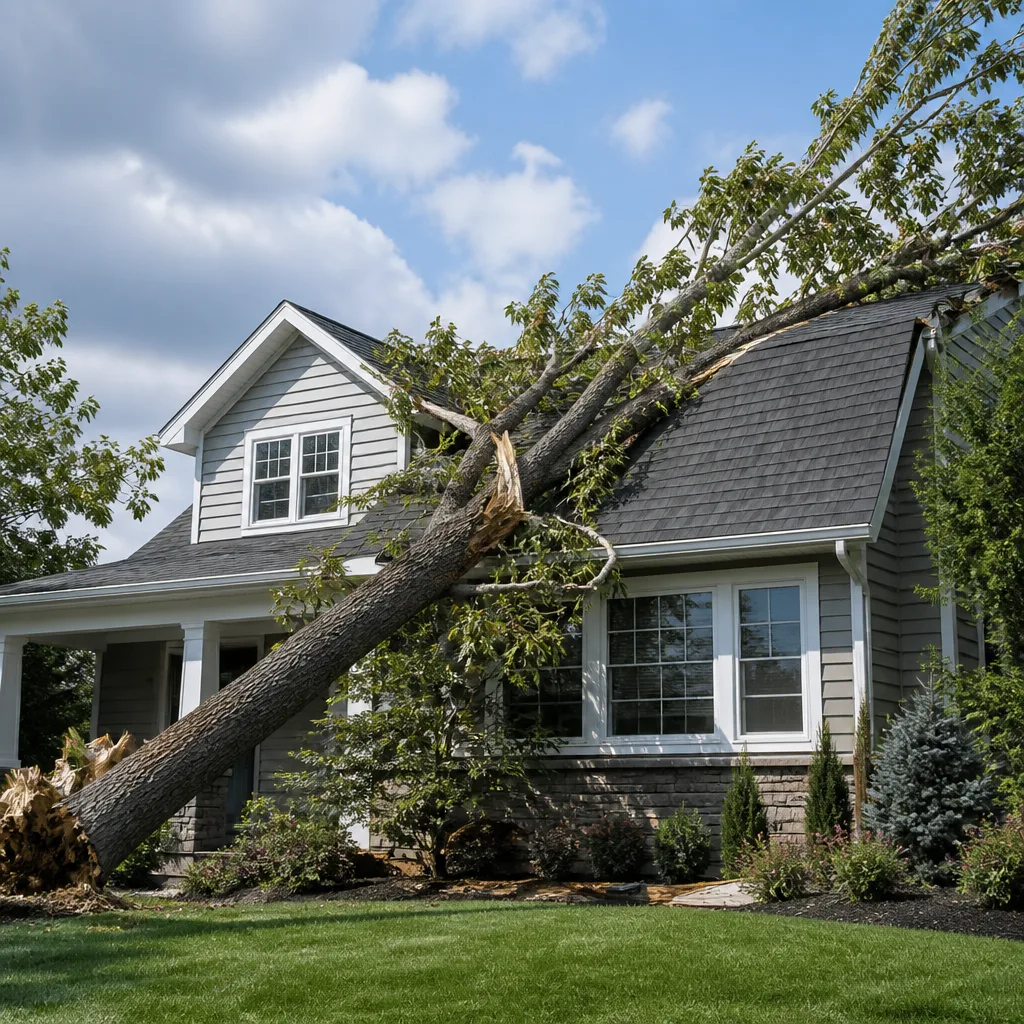
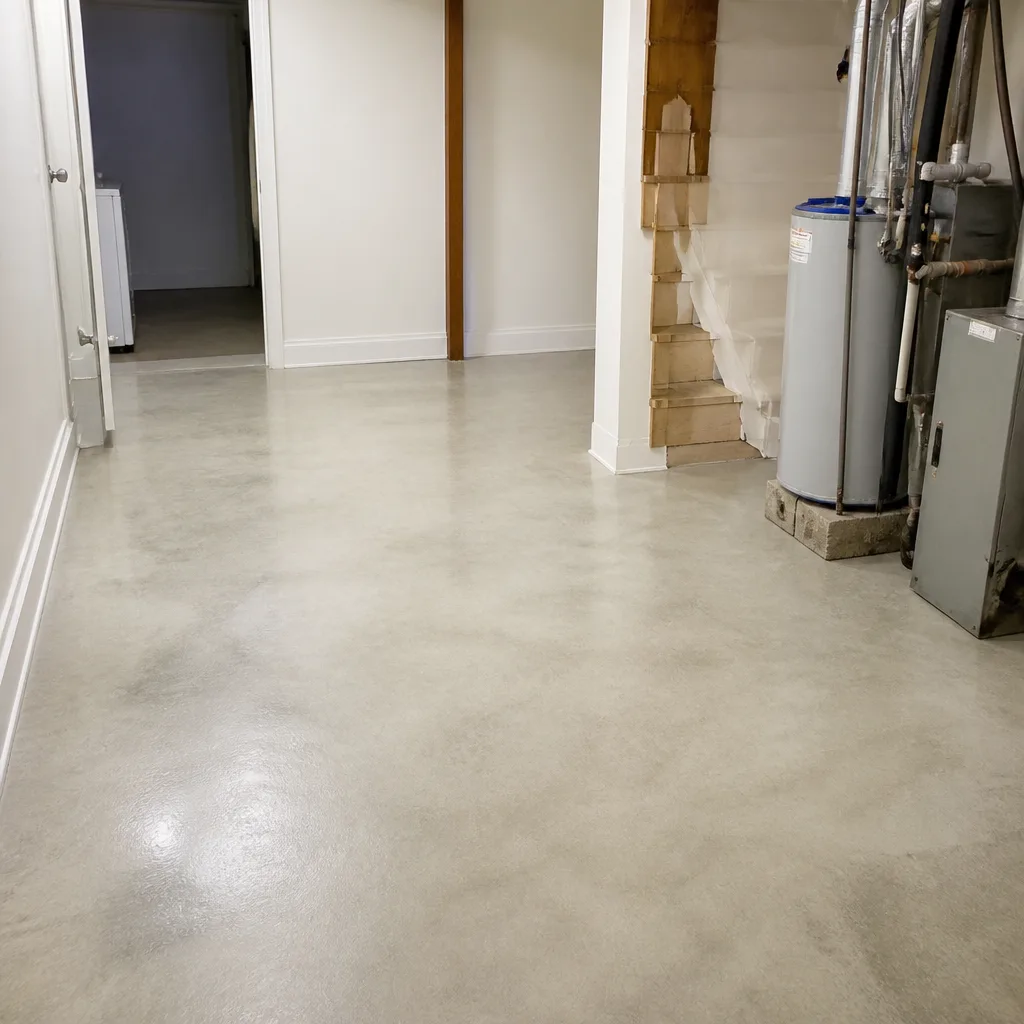
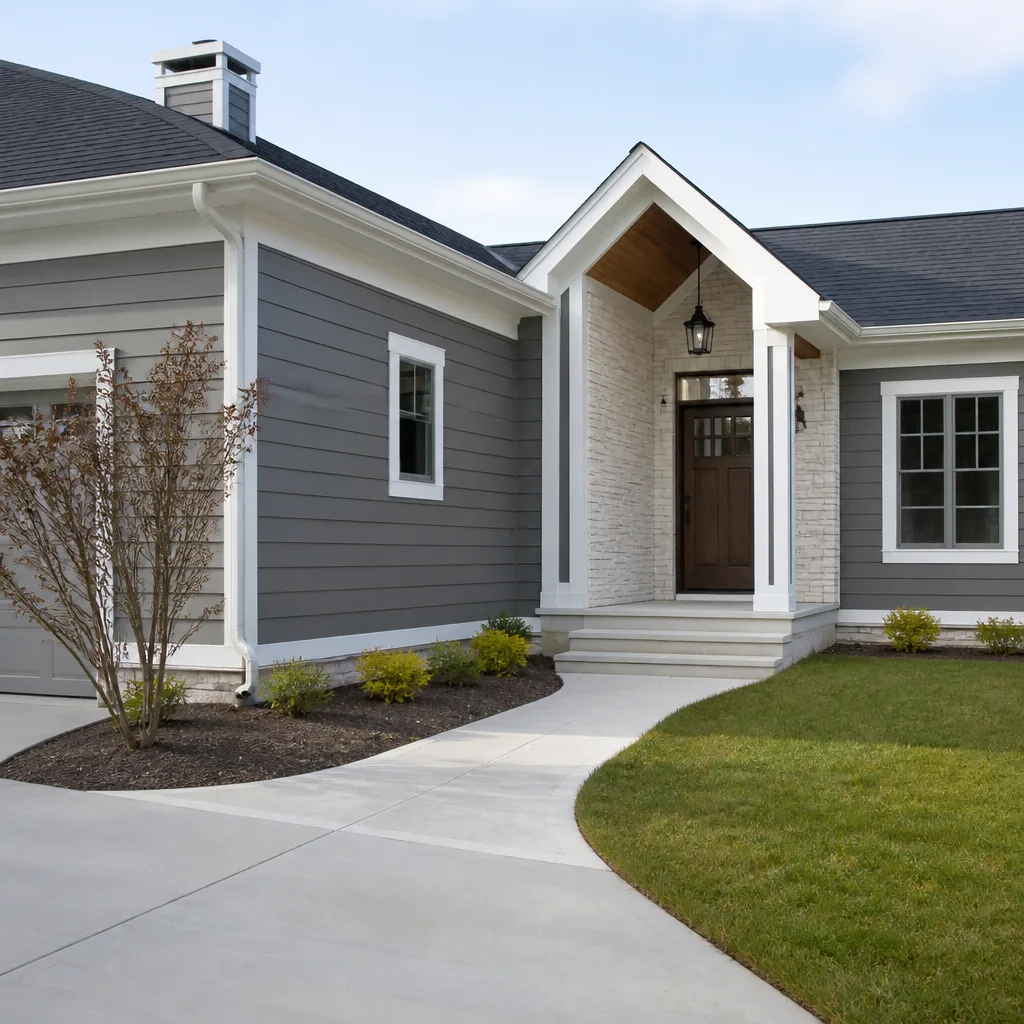
 Before
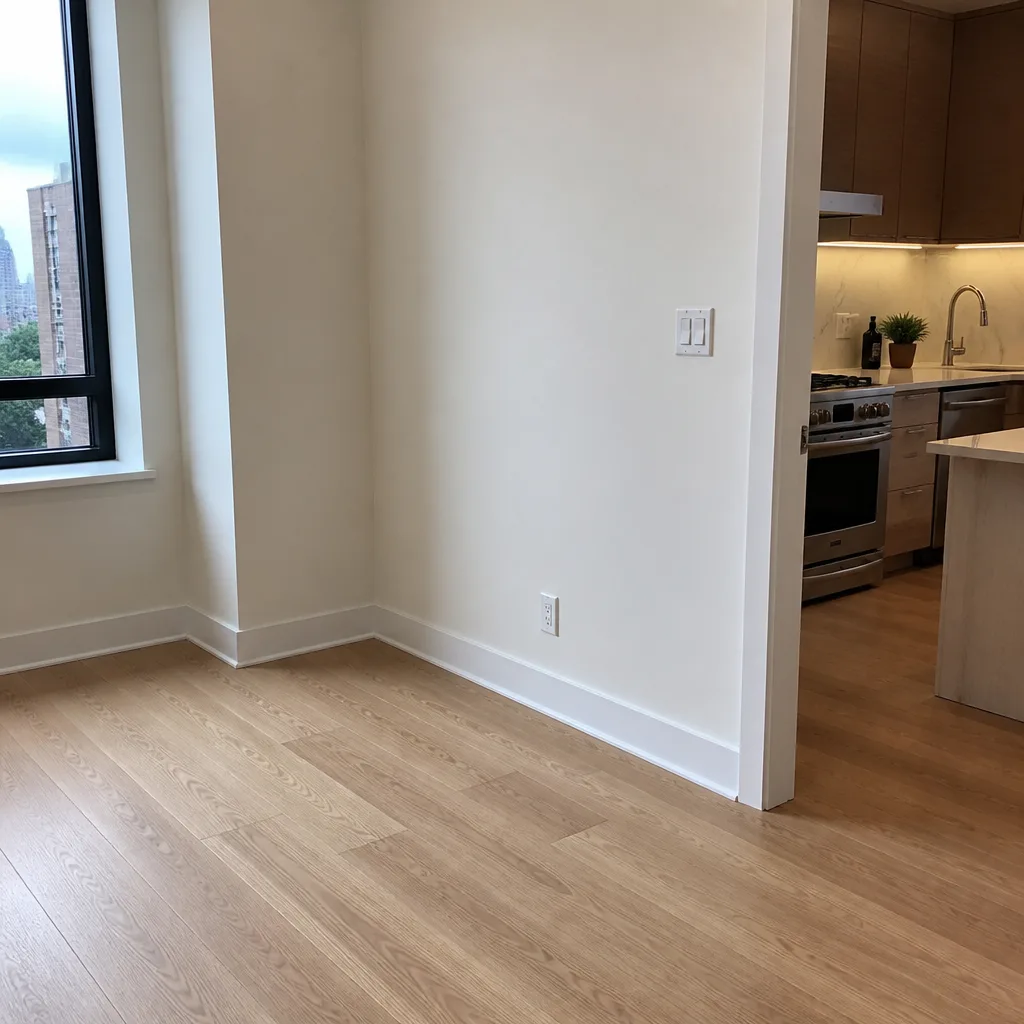 After
After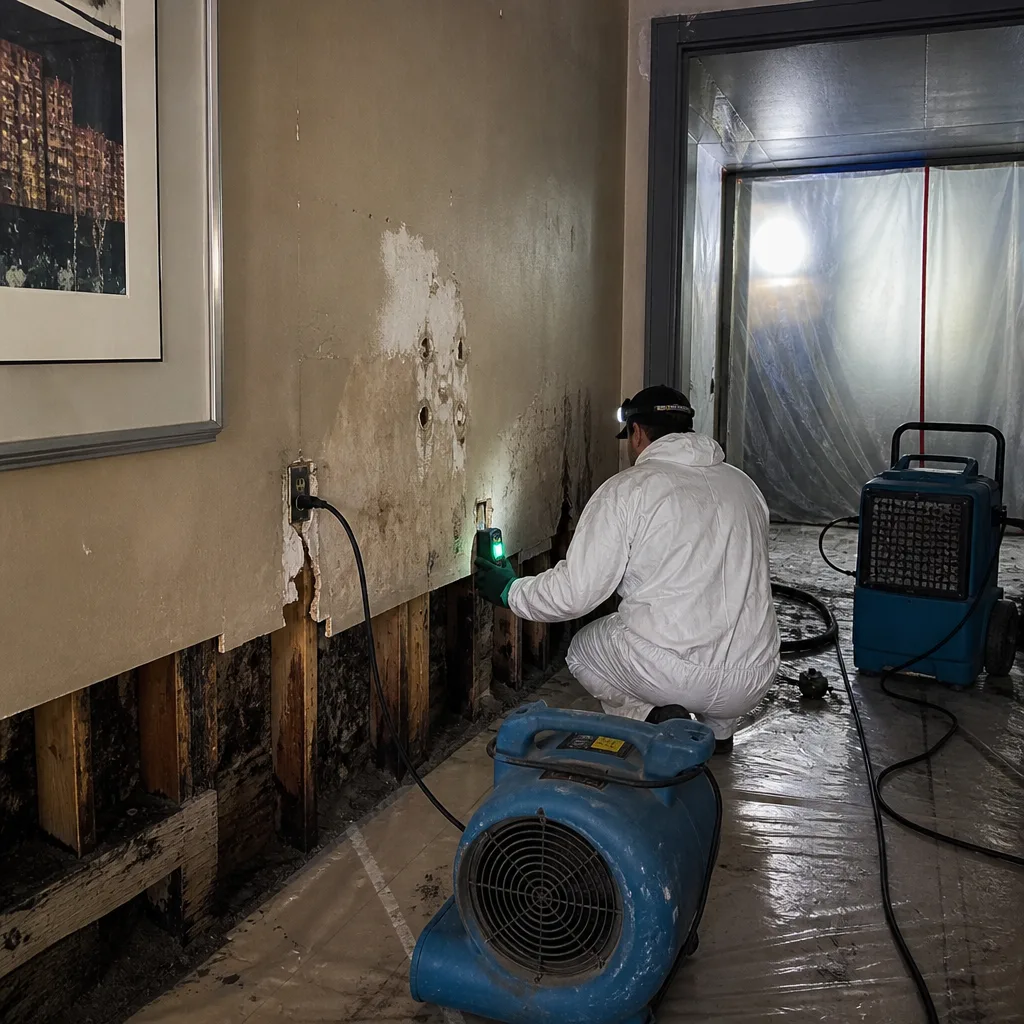 Before
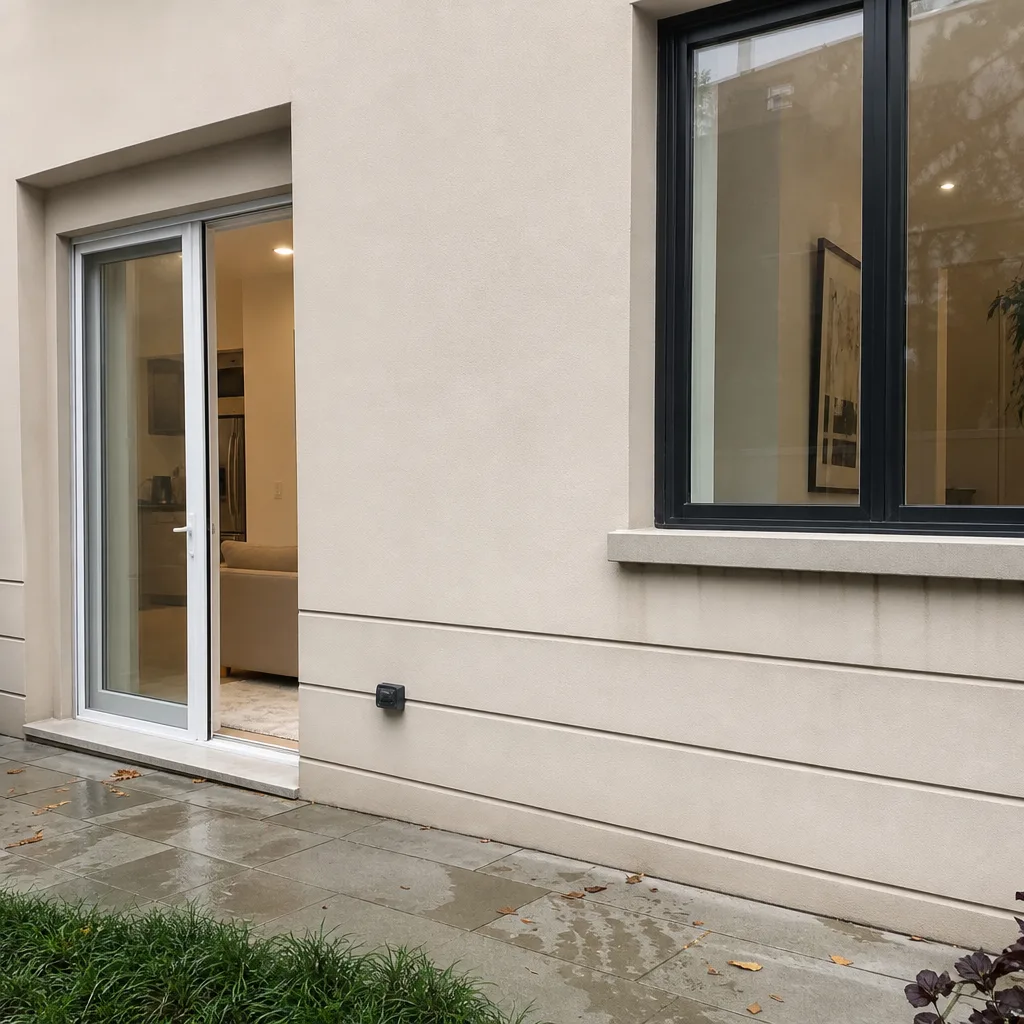 After
After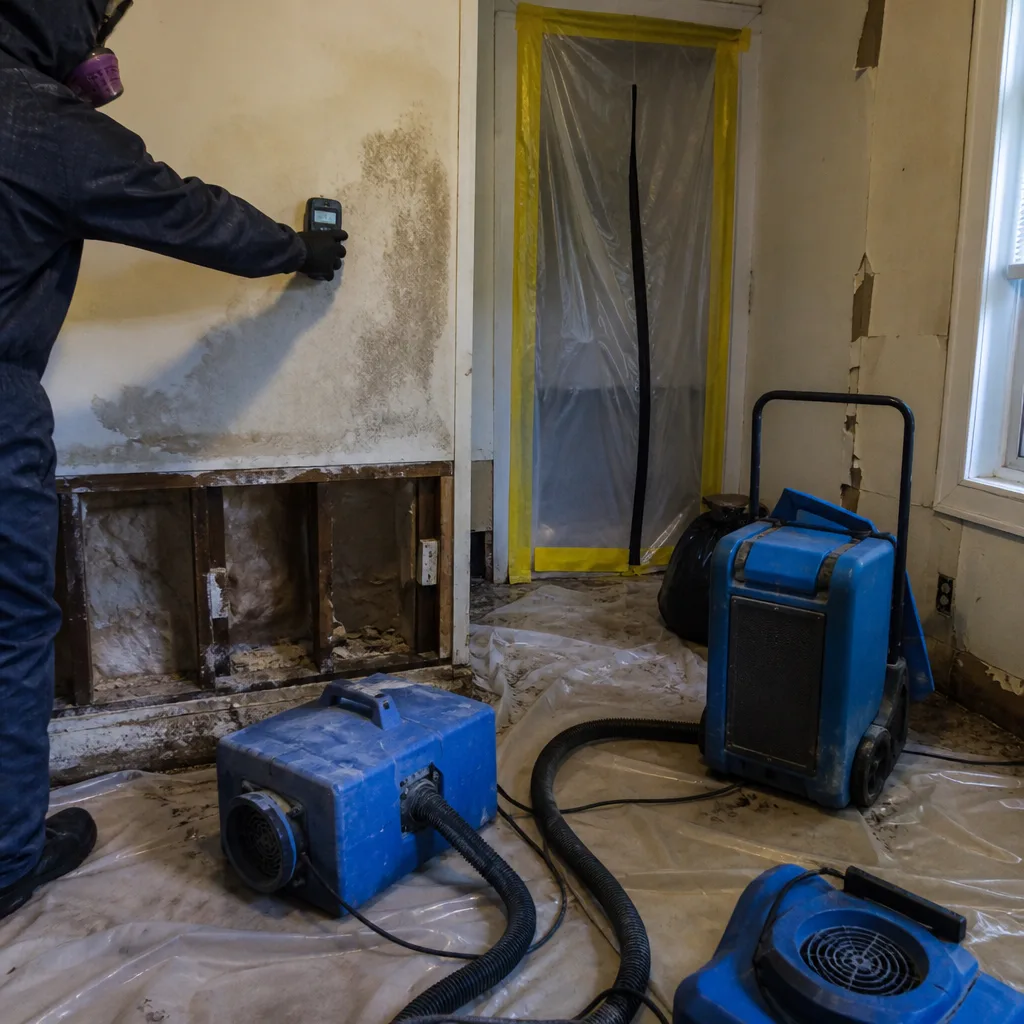 Before
 After
After24/7 Emergency Water Damage Restoration in West New York
Water damage restoration in West New York typically runs $2,800-$7,500 for a standard apartment-unit dry-down, with same-day emergency extraction available when you call (551) 213-5277. Our phones are answered live, 24 hours a day, 7 days a week, by a real person who can dispatch crews already positioned in Hudson County. The first hour determines whether a leak becomes a total gut - drywall wicks water upward at roughly one inch per minute, and in West New York’s dense brick buildings, that moisture can migrate laterally through masonry to neighboring units before anyone notices visible staining.
We provide a free visual inspection, a written price before any work starts, and photo-documented moisture mapping that traces the true source rather than treating the symptom. Dispatch and scheduling are coordinated from our New York City office; crews serve West New York locally and understand the building types that dominate this market.
Understanding Water Damage Restoration Severity in West New York Properties
Water damage in West New York falls into three categories under IICRC standards. Category 1 is clean water from a supply line - a burst copper riser, a failed washing-machine hose. Category 2 is gray water with contaminants - dishwasher discharge, sump-pump failures, water that has passed through another material. Category 3 is black water: sewage, ground flooding, or any water that has sat long enough to support bacterial growth. In West New York’s aging multi-family housing stock, a Category 1 leak often becomes Category 2 within 48 hours as it picks up debris from corroded cast-iron stacks, and Category 3 if it reaches the porous terra-cotta or brick substrate where microbial colonization begins.
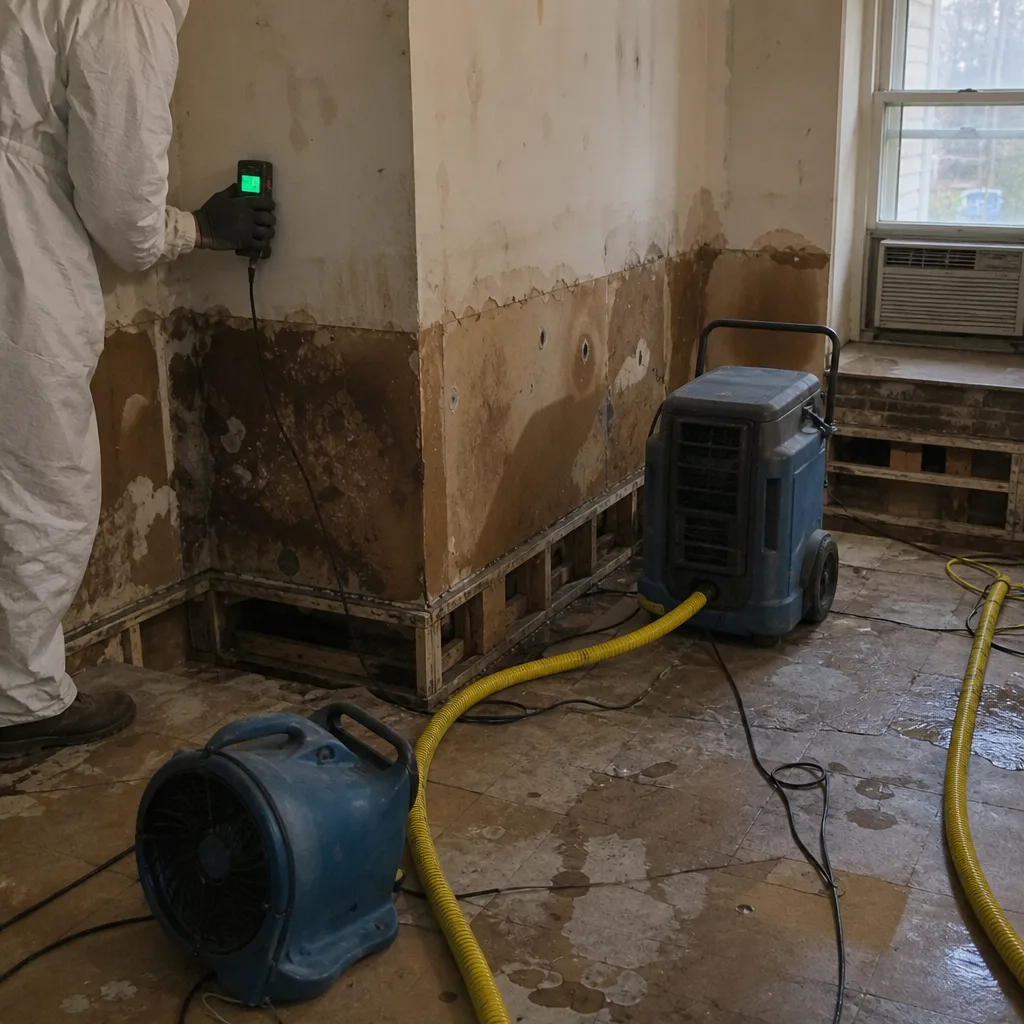
Moisture mapping with thermal imaging and pinless meters is non-negotiable here. The 4-6 story pre-WWII and postwar brick apartment buildings that make up most of West New York’s housing stock absorb water into masonry walls slowly and release it slowly. A surface that reads dry to the touch can hold saturated substrate for weeks. Structural drying requires calculating vapor pressure differential - the force that drives moisture from wet materials into the air - then maintaining that differential with controlled heat, air movement from axial fans, and dehumidification. Tertiary drying, the final phase where dense materials like plaster and mortar release bound moisture, often takes 5-8 days in these buildings rather than the 3-day cycle typical of wood-framed construction.
Why West New York Property Owners Choose DryMark Restoration Upper East Side
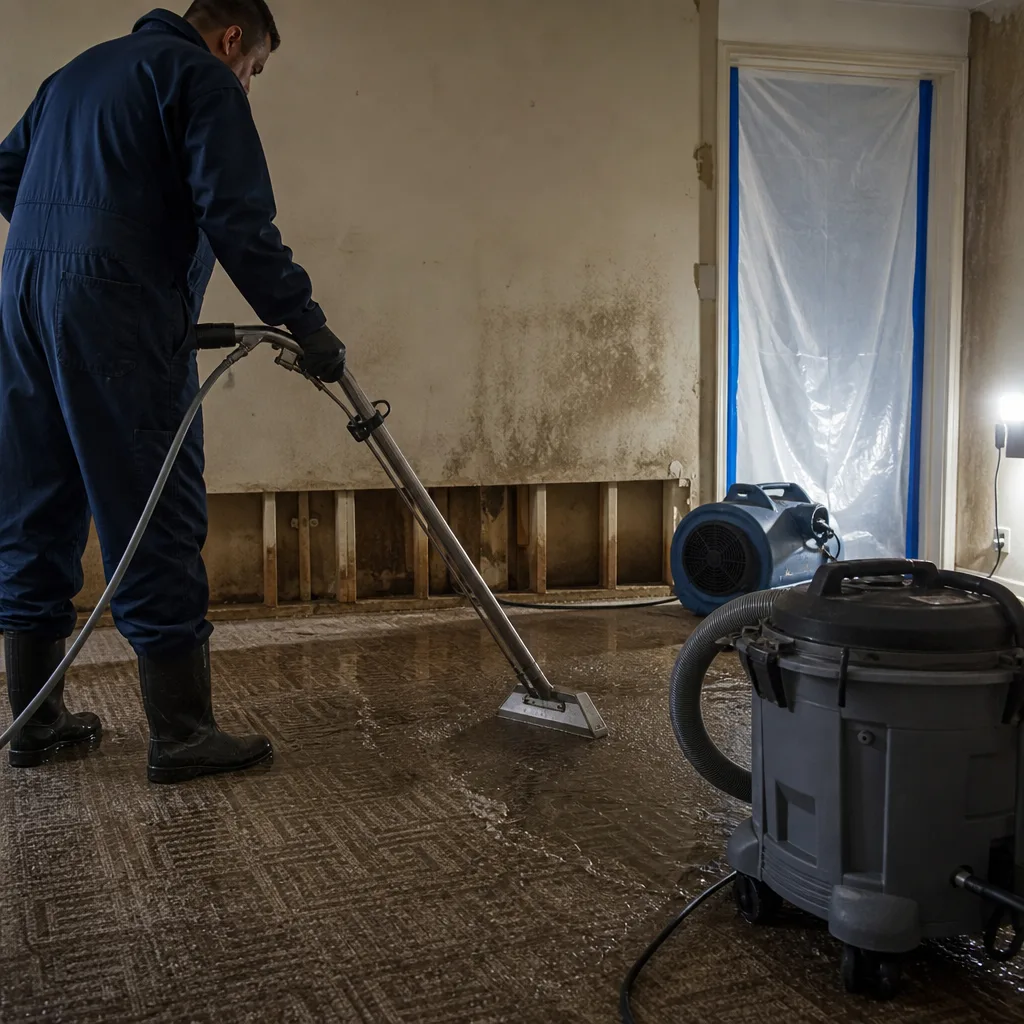
- 45-minute response commitment to West New York addresses - crews are staged in Hudson County, not dispatched from a distant depot.
- 24/7 live answer by a real person, never an automated system or voicemail tree; emergency lines ring to our dispatch center where a human being answers, logs your address, and confirms crew ETA.
- IICRC-certified crews holding WRT (Water Damage Restoration Technician), FSRT (Fire & Smoke Restoration Technician), and AMRT (Applied Microbial Remediation Technician) credentials - license numbers provided on request.
- Free visual inspection with moisture readings, documented in writing, before any commitment or charge.
- Direct insurance billing with photo-documented estimates formatted to carrier standards; we coordinate with your adjuster so you are not the intermediary.
- One team from extraction through reconstruction - no handoffs between a mitigation contractor and a rebuild contractor, no finger-pointing when the finished floor does not match.
BeforeAfterOur Water Damage Restoration Process
1. Inspection & Assessment
We arrive with thermal imaging cameras, pin and pinless moisture meters, and hygrometers to map the full extent of water migration. In West New York’s brick buildings, this means tracing beyond the visible stain to identify lateral movement through masonry and the true roof or plumbing source. You receive a written scope and price before any equipment is deployed.
2. Extraction & Stabilization
Standing water is removed with truck-mounted extractors and portable submersible pumps. We deploy weighted extraction tools on saturated carpet and apply antimicrobial treatment to Category 2 and 3 losses. Containment barriers isolate unaffected areas to prevent cross-contamination in multi-tenant buildings.
3. Drying & Dehumidification
We calculate the specific psychrometric conditions of your space - temperature, relative humidity, and dew point - then deploy Dri-Eaz and Phoenix LGR dehumidifiers, XPOWER and B-Air axial air movers, and Injectidry cavity-drying systems for dense plaster and masonry walls. Daily moisture logs track progress to IICRC standards.
4. Cleaning & Sanitization
All affected surfaces receive HEPA vacuuming followed by antimicrobial application appropriate to the water category. In multi-unit buildings, we treat common-wall cavities and coordinate with property management to verify no residual contamination in adjacent units.
5. Ceiling & Roof Leak Source Remediation
Our crews trace parapet-wall flashing breaches, failed built-up roofing seams, and compromised masonry coping - the leading failure modes in West New York’s flat-roofed stock. We document the source location with photos and measurements, then coordinate roofing contractors or building engineers for permanent repair before closing the drying plan.
6. Repairs & Restoration
We replace drywall, plaster, flooring, and trim to pre-loss condition, matching existing finishes. A final moisture verification confirms all substrates read within acceptable ranges. The 365-Day Done Right Promise under The Haven Standard covers our work; if it is not done right, we make it right.
Need Emergency Water Damage Restoration in West New York Now?
Crews minutes away, answering live 24 hours a day. The sooner we start, the less it costs.
Working With Your Insurance Company
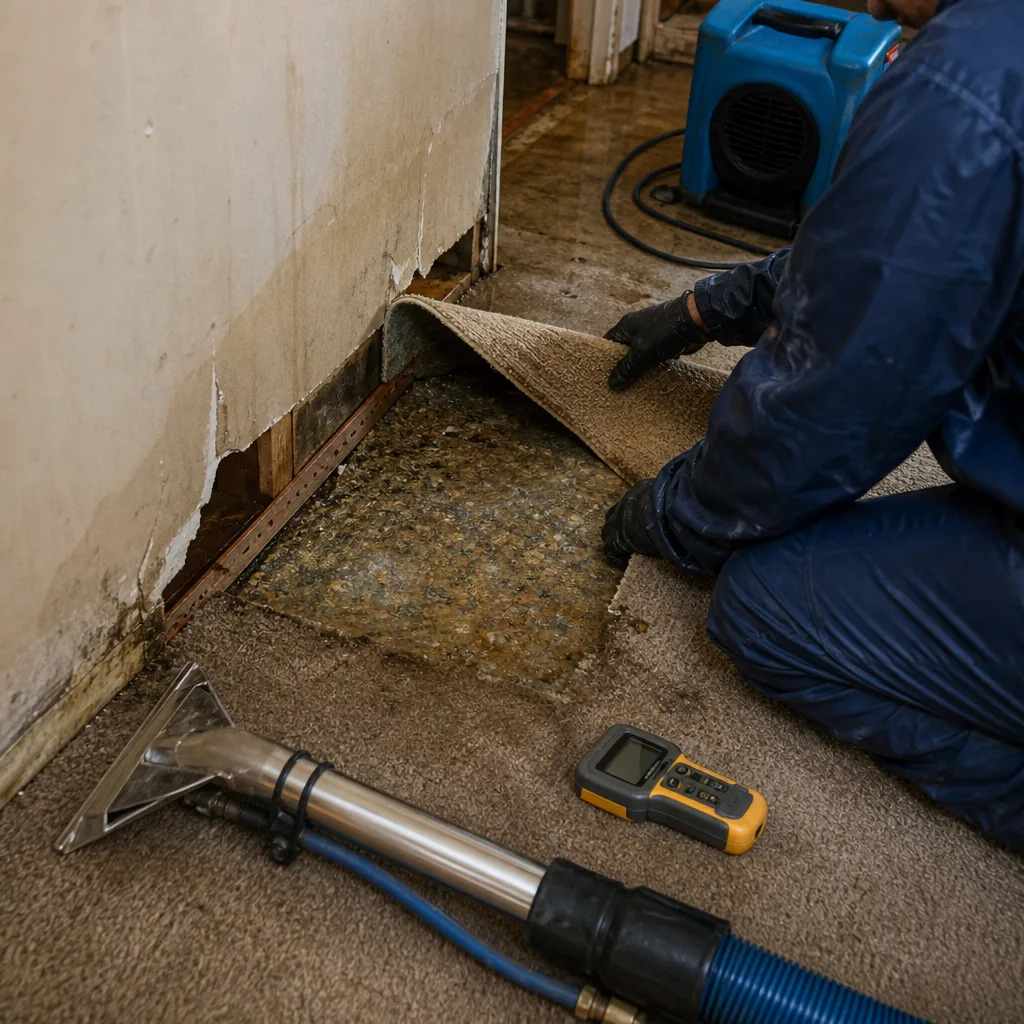
Insurance claims for water damage in West New York’s multi-tenant buildings are inherently more complex than single-family losses. Multiple unit owners, a master policy, and individual HO-6 policies may all be in play. We begin documentation from the first hour: photos of the loss origin, moisture readings from every affected unit, and a written scope that separates building-owned from tenant-owned materials. Our estimates are formatted to Xactimate standards accepted by all major carriers, and we communicate directly with your adjuster rather than routing everything through you.
The photo record on every visit is included as standard, never sold as an upsell. Daily drying logs show psychrometric data and moisture-content reductions that justify the duration of equipment rental. This documentation turns restoration invoices into payable claims.
What We Provide Your Insurer
- Thorough documentation of the loss origin and extent
- Photos of all damage, room by room, with date and time stamps
- Moisture readings and daily drying logs with equipment placement maps
- A detailed, line-item scope of work separating building and tenant responsibilities
- Direct coordination with your carrier’s adjuster and building management
Built for West New York’s Loss Calendar
January deep freezes split aging galvanized and copper supply lines in unheated utility chases - common in pre-WWII buildings where original construction did not anticipate modern HVAC gaps. The spring thaw brings basement seepage to lower-elevation blocks near the Hudson, particularly in buildings with compromised foundation waterproofing from Hurricane Sandy’s surge. Summer thunderstorms overwhelm flat built-up roofing that has exceeded its 15-20 year service life, and the rapid temperature swings of September and October cause expansion-contraction failures at parapet coping joints.
Nor’easters are the highest-volume event: wind-driven rain exploits failed flashing at the roof-wall intersection, and water enters at velocity that bypasses standard drainage paths. The upper Palisades slope sheds runoff onto lower streets, concentrating surface flooding at intersections near Bergenline Avenue and 60th Street during peak events. Buildings in the waterfront corridor below the cliff line face compound risk: storm surge potential plus the aging infrastructure of a neighborhood that predates modern flood-resistant construction codes.
Water Damage Restoration Across West New York’s Neighborhoods
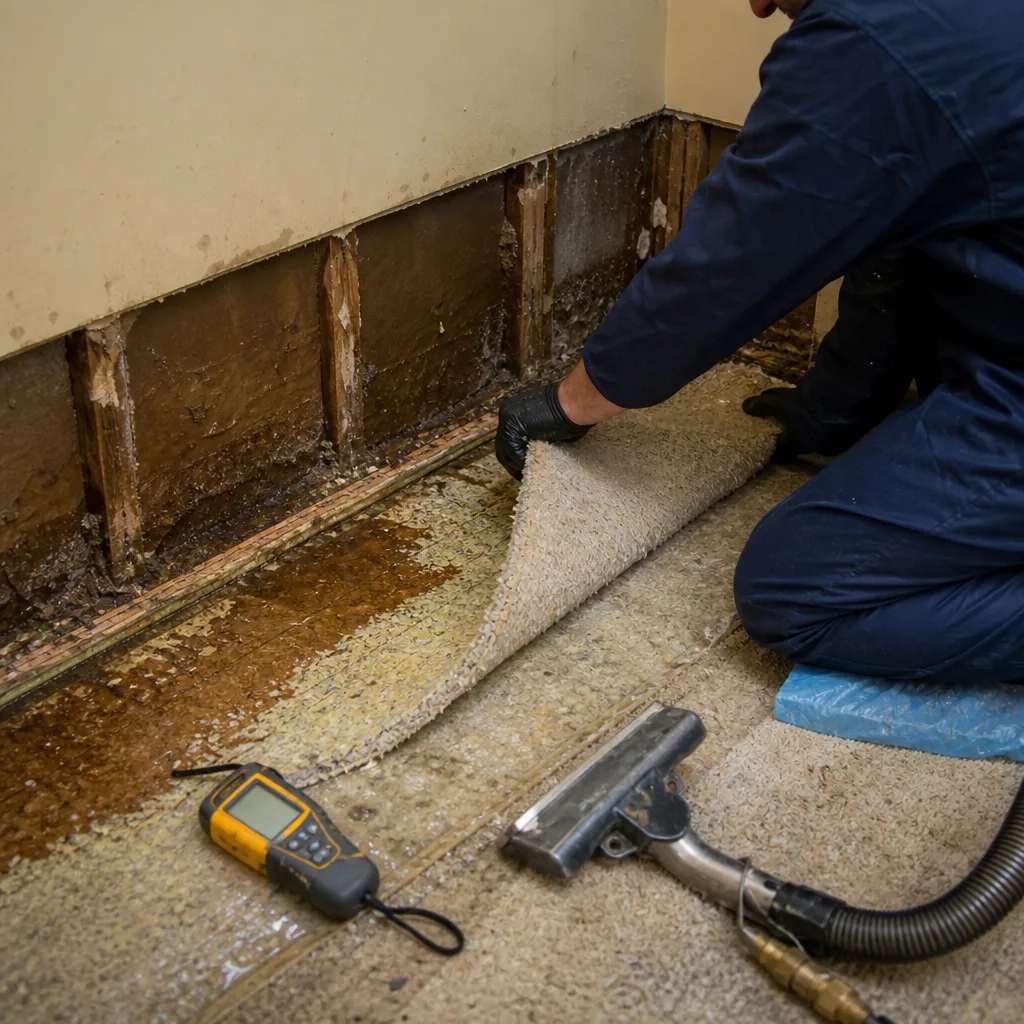
Boulevard East and the upper cliff corridor hold the city’s newer high-rise towers, where water damage follows commercial-loss patterns: elevator pits, mechanical floors, and curtain-wall weep-hole failures that require coordination with building engineers and condo associations. Our crews carry commercial-grade extraction capacity for these structures, and we understand the documentation protocols that high-rise property managers require.
The central grid between Bergenline Avenue and Kennedy Boulevard is dominated by the 4-6 story brick walk-ups where our Water Damage Restoration team spends most of its time. Buildings here share common plumbing risers and masonry party walls; a stack failure on the top floor typically produces damage on every floor below, and the lateral masonry migration means the worst-affected unit is rarely the one directly below the leak. We have developed specific protocols for these buildings: simultaneous moisture mapping of adjacent units, property-manager notification before entry, and coordinated drying plans that prevent the “ping-pong” callback when one unit is dried while the source remains active in another.
Lower West New York, toward the Hudson waterfront, includes the blocks that took water during Sandy. Some buildings here still show elevated foundation moisture readings years later, and we encounter secondary mold colonization in basements that were “dried” without proper dehumidification or vapor-barrier installation. Our assessments in this zone always include foundation-wall moisture probing and, where indicated, sub-slab humidity testing.
60th Street and the commercial corridors present their own pattern: mixed-use buildings with residential above retail, where a failed grease-trap or domestic water line affects both occupancy types and requires separate scope lines for the business owner’s BOP policy and the residential HO-6 policies above.
Specialized Water Damage Restoration Services We Offer in West New York
Emergency Water Extraction
Truck-mounted and portable extraction units remove standing water within hours of your call. In West New York’s dense building stock, this often means navigating narrow stairwells and coordinating with superintendents for roof-access to trace the source. We carry portable units specifically for buildings without service elevators.
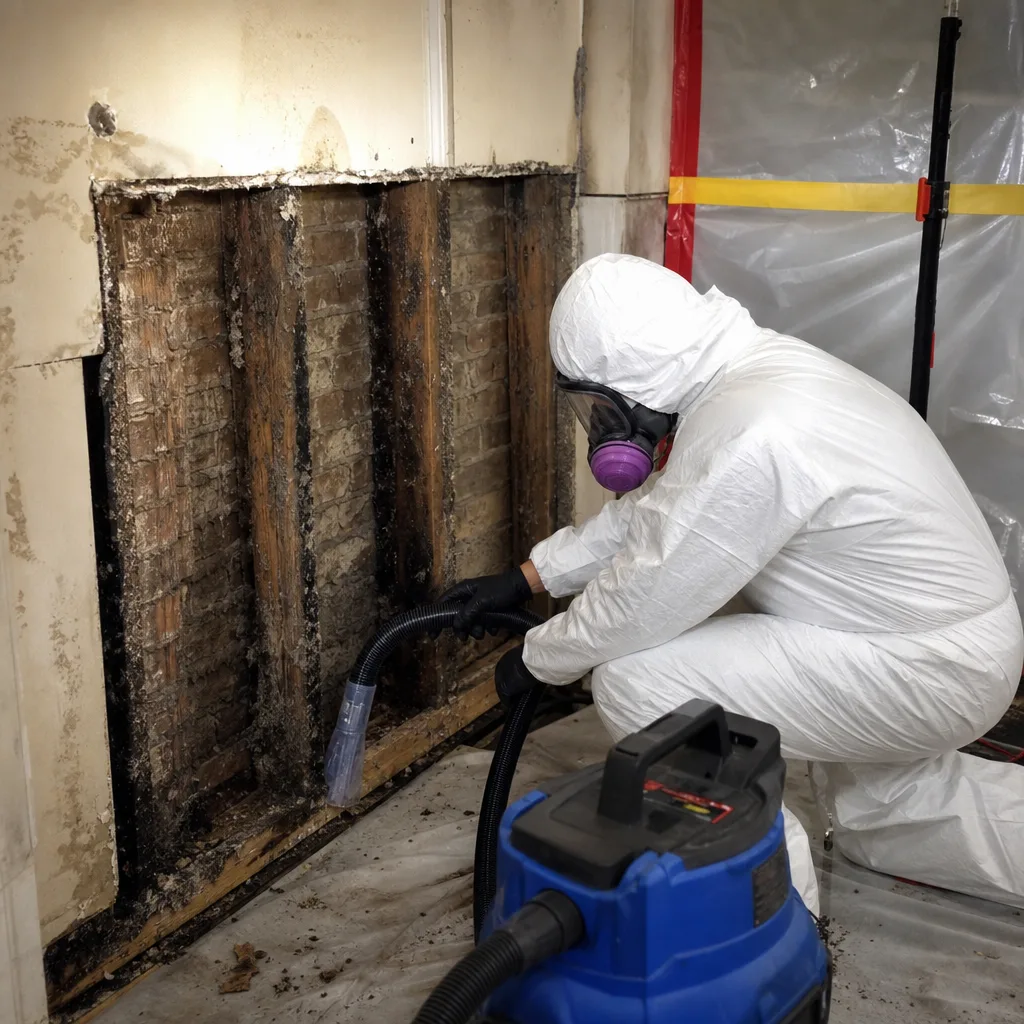
Structural Drying & Dehumidification
Dense brick, plaster, and terra-cotta substrate in West New York’s pre-war buildings do not release moisture on standard residential drying timelines. We deploy Injectidry cavity-drying systems and calculate extended vapor-pressure differentials to achieve true dry-down, documented with daily moisture logs to IICRC standards.
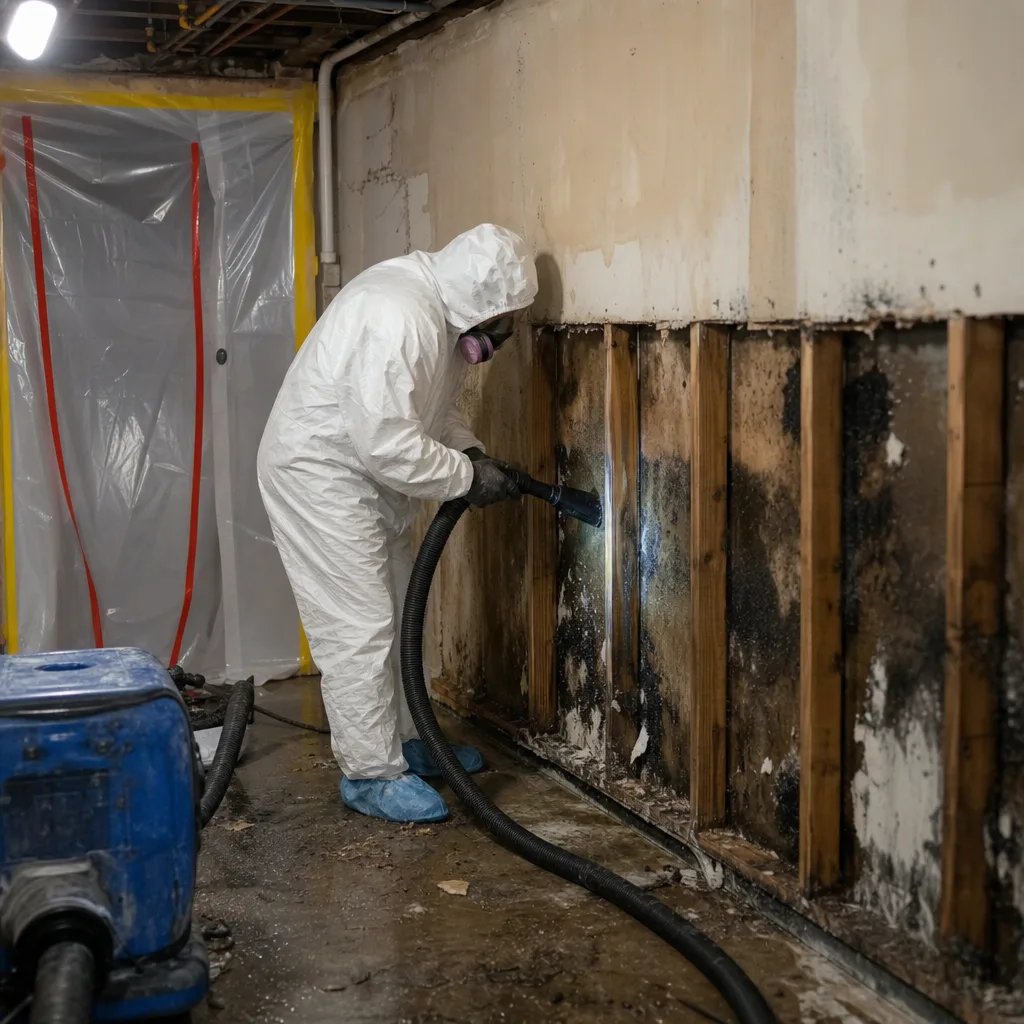
Flood Cleanup
Ground flooding and storm surge events bring Category 3 contamination requiring full PPE, antimicrobial treatment, and disposal of porous materials per RIA guidelines. Lower-elevation buildings near the waterfront receive priority assessment for foundation integrity and sub-slab moisture.
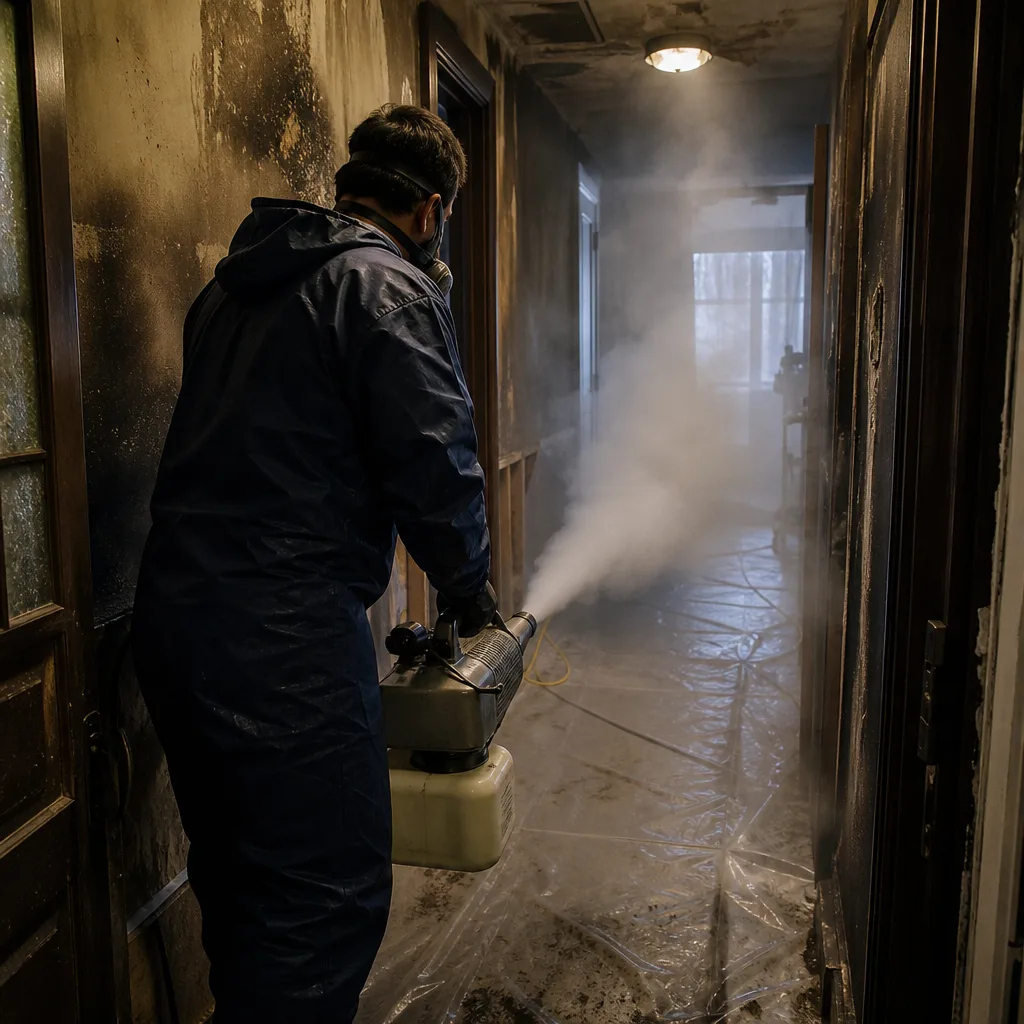
Burst Pipe Restoration
Cast-iron and galvanized stacks in West New York’s older buildings corrode from the interior, producing pinhole failures that spray pressurized water into wall cavities for hours before detection. We trace the full extent of hidden saturation with thermal imaging, then scope replacement versus drying based on material classification and water category.
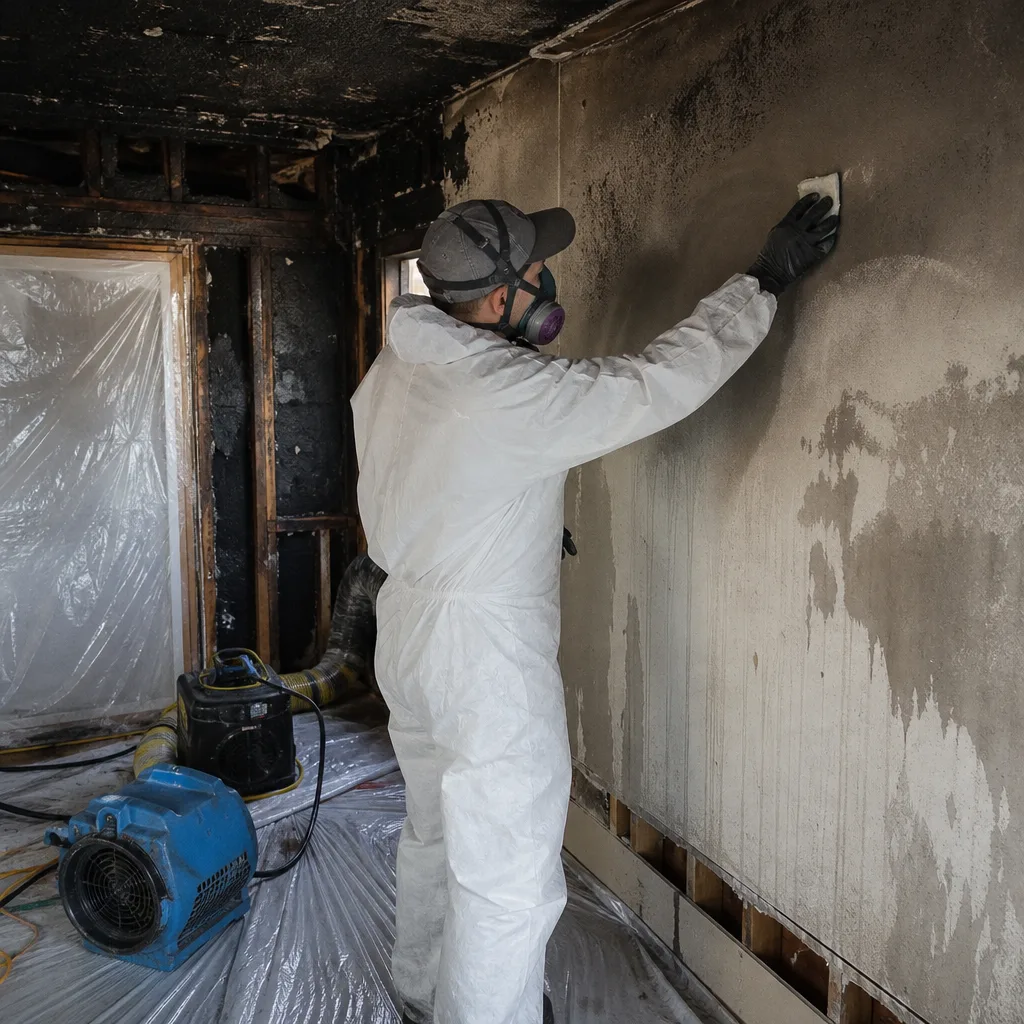
Basement Water Removal
Below-grade spaces in West New York’s cliff-side geology face hydrostatic pressure and, in Sandy-impacted zones, residual foundation compromise. We assess sump-pump adequacy, install temporary pumping as needed, and verify dry-down with concrete moisture readings before any flooring replacement.
Ceiling & Roof Leak Water Damage
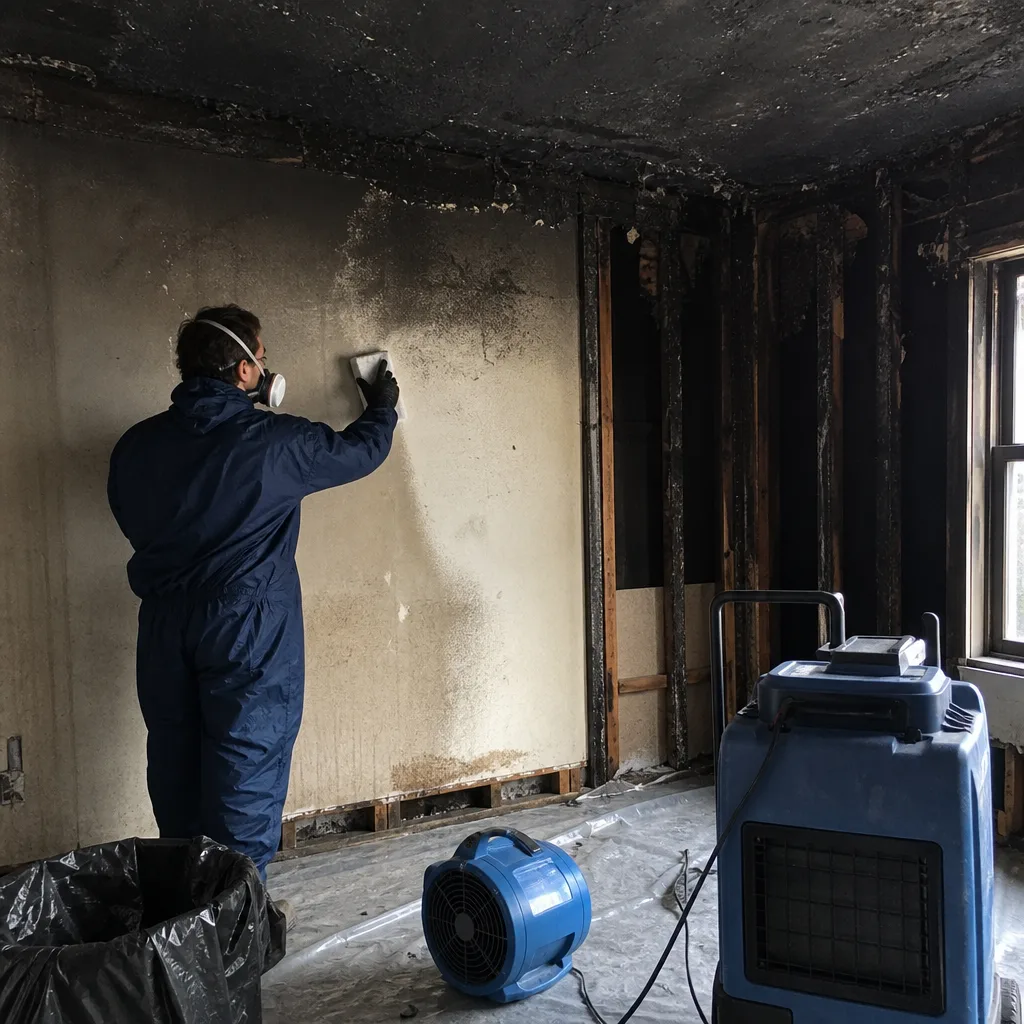
This is our most frequent call type in West New York. We trace parapet-flashing breaches and failed built-up roofing to their true source, document the lateral masonry migration path, and coordinate permanent roof repair before closing the drying plan. Treating the ceiling stain without addressing the roof source guarantees a callback.
What happens when you call
- 1
A real person answersNo phone trees - you reach a local pro.
- 2
You get an upfront price rangeHonest numbers before anyone is dispatched.
- 3
A background-checked tech heads outLicensed & insured, dispatched right away.
- 4
You approve before work beginsNothing starts until you say go.
Water Damage Restoration Costs in West New York, NJ
Emergency water extraction for a single West New York apartment unit typically runs $800-$1,800. Structural drying and dehumidification for a standard one-bedroom with plaster walls and hardwood or tile flooring adds $2,000-$4,500 depending on the number of affected rooms and the days required to reach IICRC dry standards. Full restoration including drywall, flooring, and trim replacement in a gutted unit ranges $6,500-$14,000.
Multi-unit events scale differently: a top-floor leak affecting four units in a brick walk-up typically runs $8,000-$18,000 for extraction and drying across all affected spaces, with reconstruction quoted separately per unit. Insurance covers sudden and accidental water damage in most cases; gradual leaks and maintenance-related failures are typically excluded. We provide a written scope and price before any work begins, and we offer a Free Second Opinion on any competitor’s written estimate.
We Also Serve Cities Near West New York
Our crews respond throughout Hudson County and across the river to West New York neighbors including Union City to the north, Hoboken to the south, and Fort Lee and Palisades Park across the George Washington Bridge corridor in Bergen County. Building types and loss patterns in these markets share characteristics with West New York’s dense multi-family stock, and we apply the same documentation-first protocols and The Haven Standard guarantees.
Serving West New York, NJ - Our Local Coverage Area
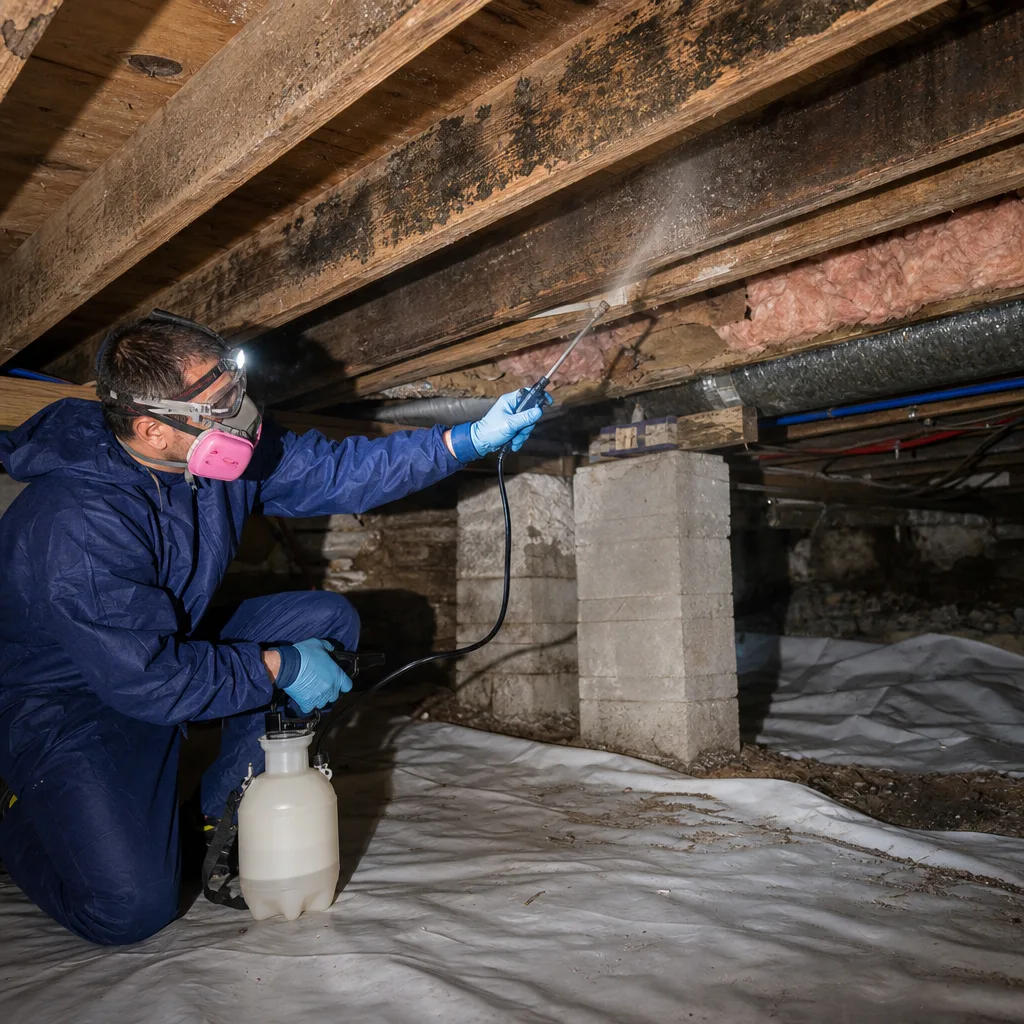
We’re based in the West New York area and know this community well. Use the map below to see our service coverage - if you’re nearby, we can almost certainly help.
West New York Water Damage Restoration Questions, Answered
Why does water damage in West New York’s brick apartment buildings spread to more than one unit?
Water migrates laterally through masonry party walls and shared plumbing chases before it becomes visible, so a roof leak or stack failure in one unit routinely produces damage in adjacent units and on floors below.
The brick construction absorbs water slowly and releases it slowly, expanding the affected zone over days. Our moisture mapping protocol includes adjacent units and common-wall cavities to catch this hidden migration. Call (551) 213-5277 for a free inspection with thermal imaging.
How fast does mold become a problem after a leak in a West New York apartment building?
Mold colonization can begin on wet organic material within 24-48 hours, and in West New York’s dense buildings with limited ventilation, that timeline compresses further.
Plaster with horsehair binder, wet drywall paper facing, and dust-laden masonry cavities all provide nutrient sources. We begin antimicrobial treatment during extraction and maintain negative air pressure with HEPA scrubbers in affected units to prevent spore migration through shared HVAC or hallways. The sooner drying starts, the less likely remediation becomes necessary.
What does water category mean for whether my West New York building’s materials can be dried or must be removed?
Category 1 clean water allows drying of most structural materials if started promptly; Category 2 gray water requires removal of porous materials like carpet pad and lower drywall; Category 3 black water requires disposal of all porous materials and often requires antimicrobial treatment of structural elements.
In West New York’s older buildings, the porous terra-cotta and unsealed brick substrate in wall cavities often forces removal of plaster and lath even in Category 1 events, because the material cannot be dried to safe moisture content within practical timeframes. We document the classification and our material decisions with photos for your insurer.
Does West New York’s location on the Palisades change how we handle water damage?
Yes. The upper Palisades slope sheds surface water onto lower streets and building foundations, concentrating runoff and increasing hydrostatic pressure on below-grade walls during heavy rain.
Buildings on the cliff line face wind-driven rain at elevation with limited natural windbreaks, accelerating roofing and flashing degradation. Lower waterfront buildings carry Sandy-era foundation compromise in some cases. Our assessments account for these geographic factors in moisture-source identification and drying-plan design.
Who is responsible for drying a West New York apartment building after a pipe failure - the tenant, the landlord, or a restoration company?
Responsibility depends on the source: building-owned plumbing stacks and common-area failures are typically the landlord or HOA’s obligation; in-unit fixtures and appliances fall to the tenant or their insurer.
In practice, the restoration company works under the direction of whoever signs the work authorization, and we document our scope to clarify building versus tenant materials for all policies in play. We have protocols for multi-party jobs: separate unit scopes, coordinated access, and clear documentation of who authorized what. Call (551) 213-5277 and we will walk through the specifics of your building’s situation.
How fast can your crews actually get to a West New York address?
Our commitment is 45 minutes from call to on-site for emergency water damage calls in West New York, with crews staged in Hudson County.
Live dispatch confirms your address and gives you a real ETA, not a window. The first crew carries extraction equipment, moisture meters, and thermal imaging; larger drying equipment follows if the scope requires it. Night or holiday, the response time is the same.
Will my insurance cover water damage restoration in West New York?
Sudden and accidental water damage from burst pipes, appliance failures, or storm intrusion is covered by most HO-6 and master policies; gradual leaks, maintenance neglect, and flood damage from rising ground water typically require separate flood coverage.
We document the loss origin to support your coverage position, format estimates to carrier standards, and coordinate directly with your adjuster. Our photo record and drying logs provide the evidence base that turns claims into payments. Bring any competitor’s written estimate for a Free Second Opinion at no charge.
What should I do in the first 30 minutes after discovering water damage?
Shut off the water source if you can locate and safely operate the valve, then call (551) 213-5277 for immediate dispatch.
Do not enter standing water if electrical outlets or equipment are submerged. Remove small valuables and documents from the affected area if safe to do so. Do not attempt DIY extraction in multi-unit buildings - uncontrolled airflow can push moisture into adjacent units, and untrained extraction often leaves the hidden masonry saturation that produces mold callbacks. Our crews handle containment, source tracing, and documentation from arrival.
Written by Alicia Brennan, Owner at Back to Dry Restoration, serving West New York under The Haven Standard since 2011.
Water Damage Restoration in Nearby Areas