
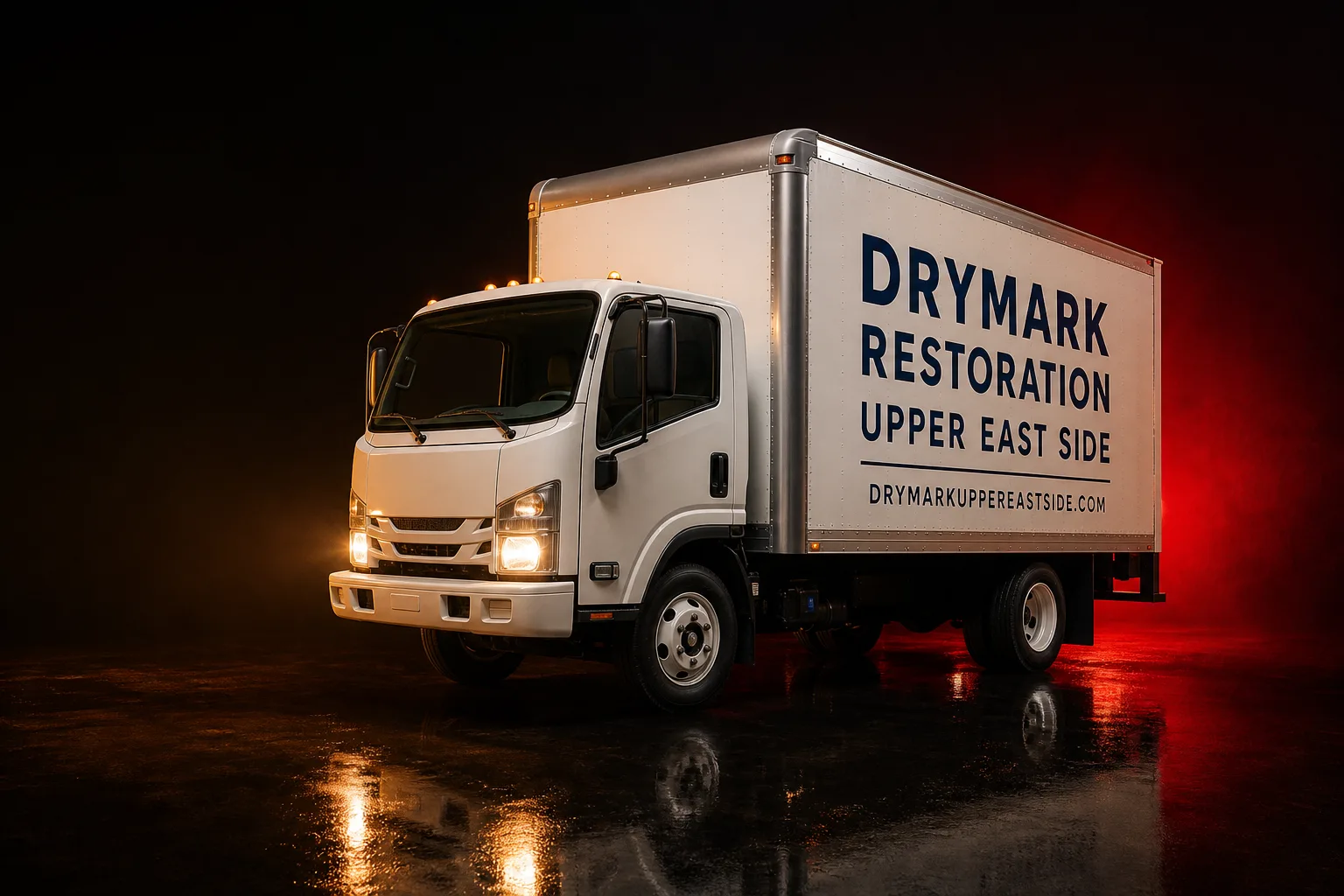
Free visual inspection and a written scope of work before any mitigation begins - photos, moisture readings, and drying logs go in your claim file
The scope we write is the scope we bill. Anything new gets shown to you, in writing, before we touch it.

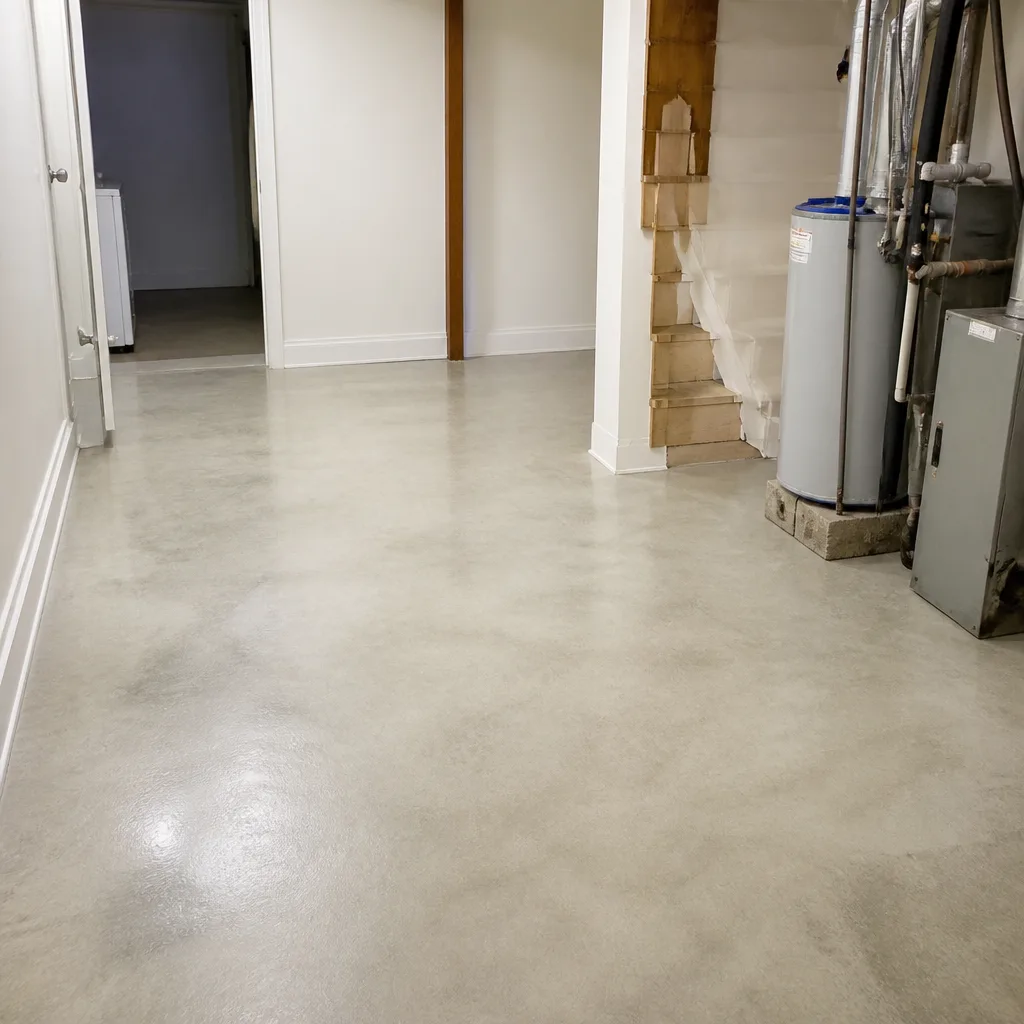
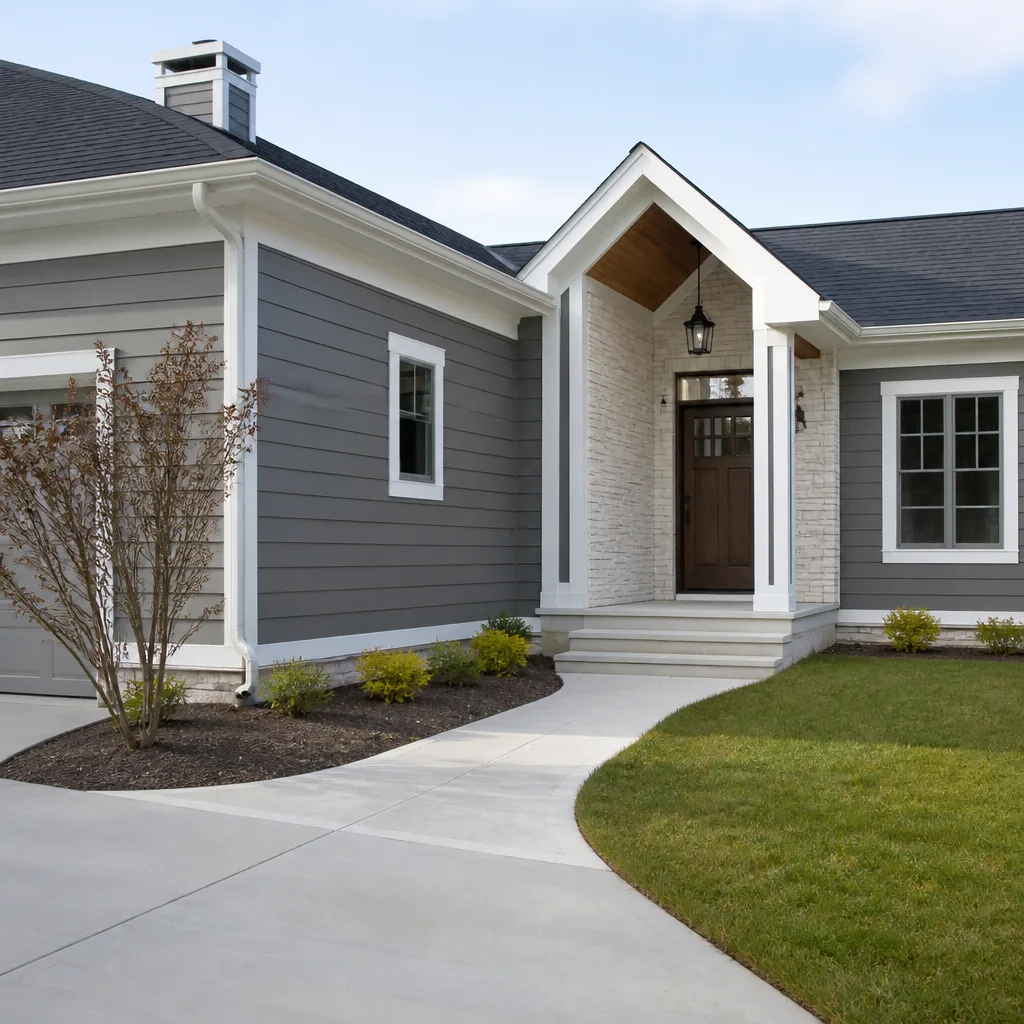
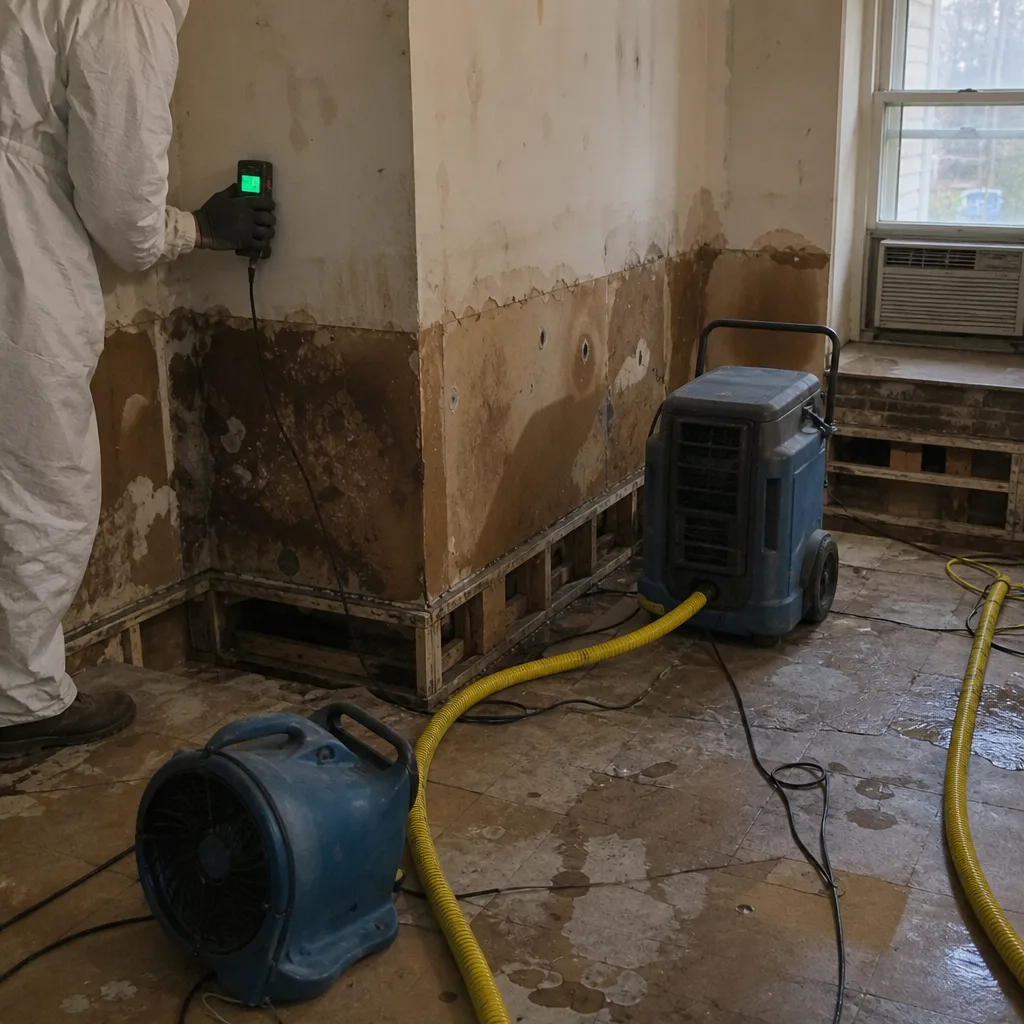 Before
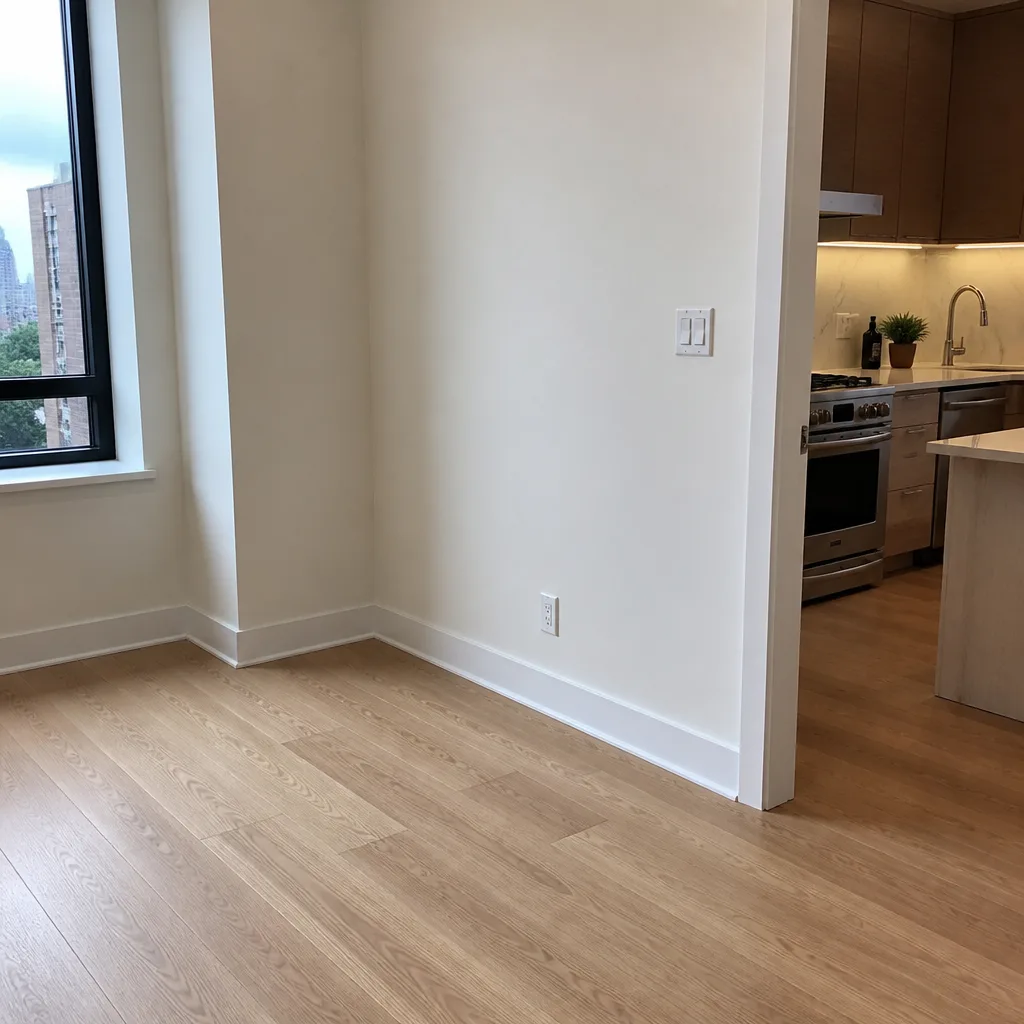 After
After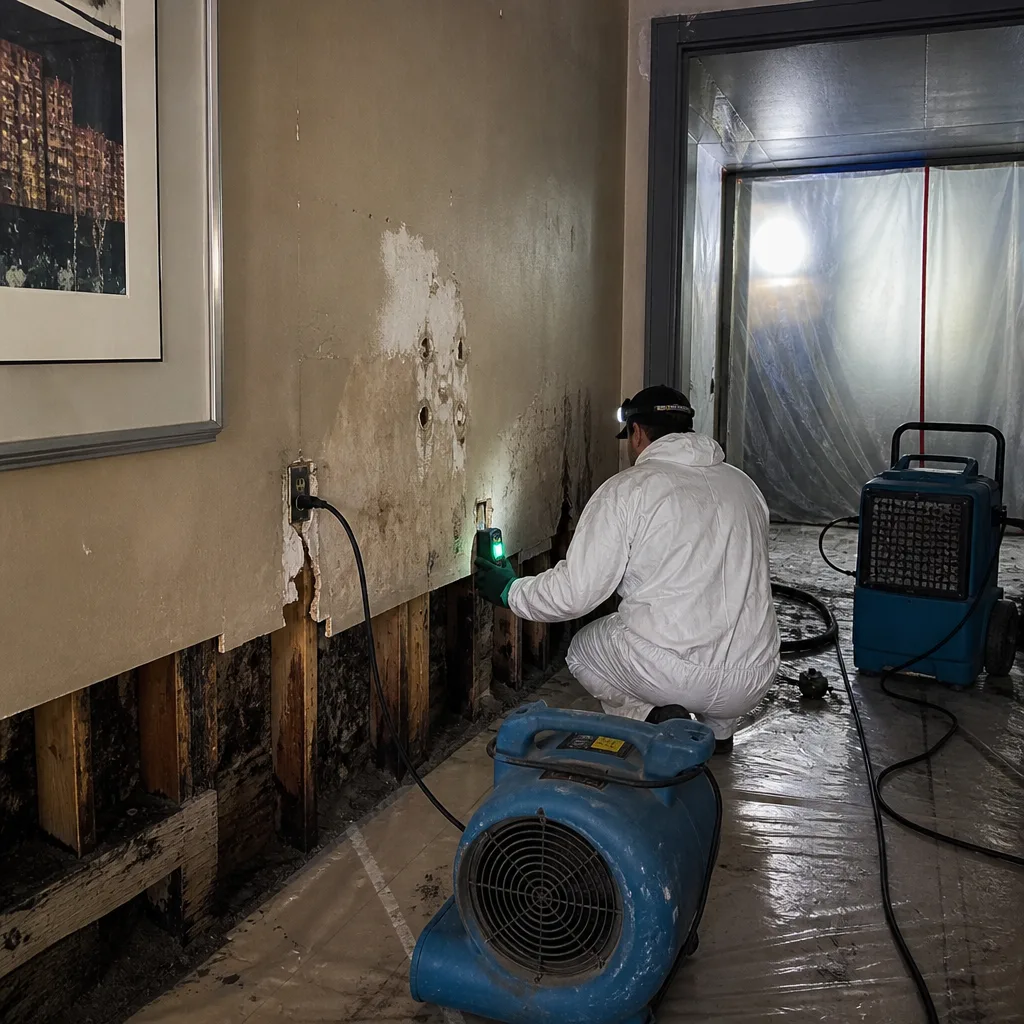 Before
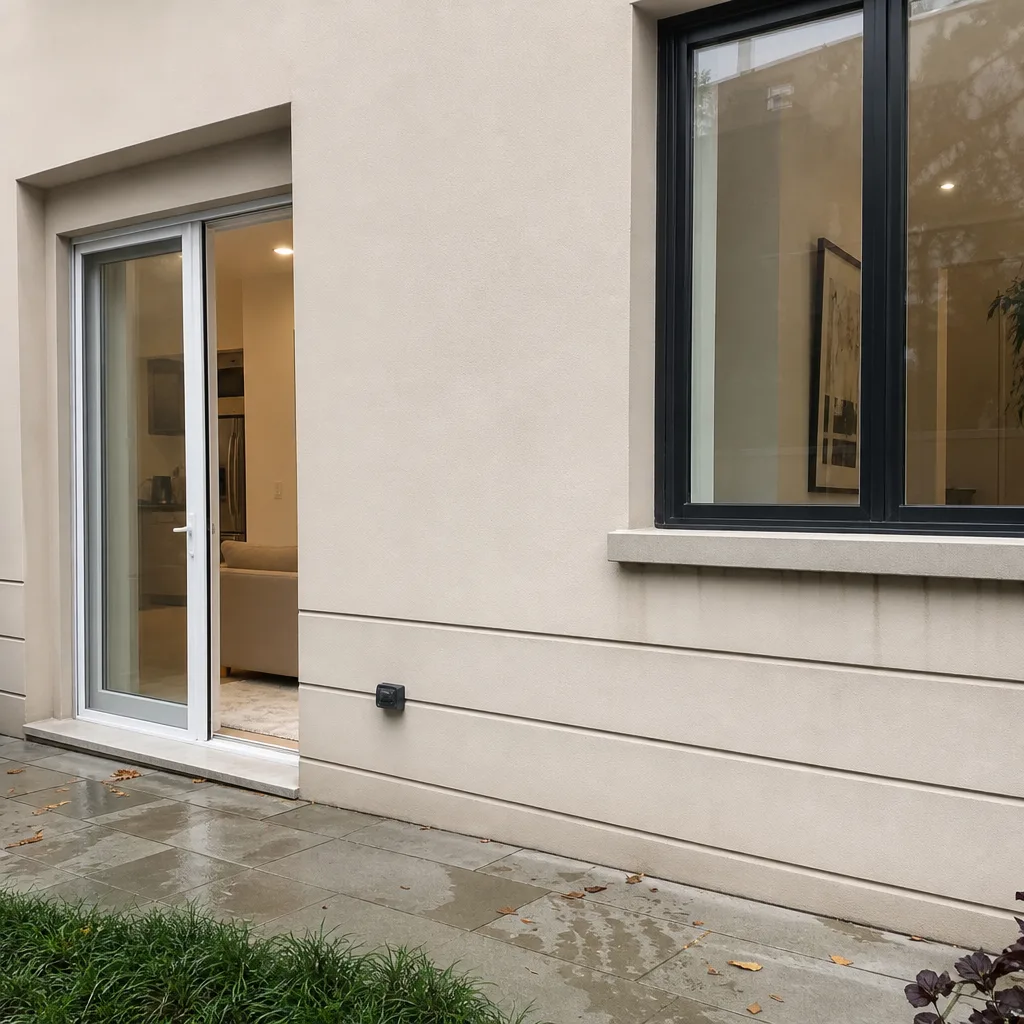 After
After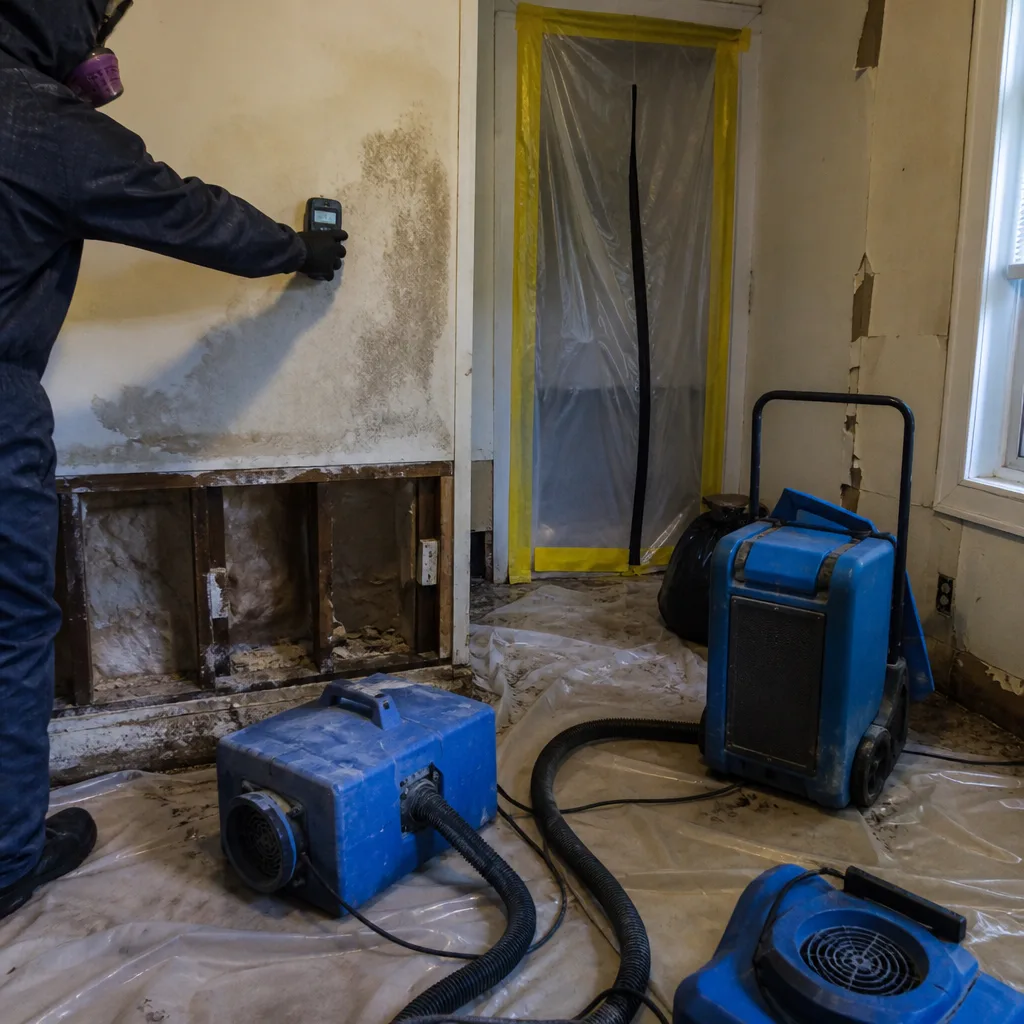 Before
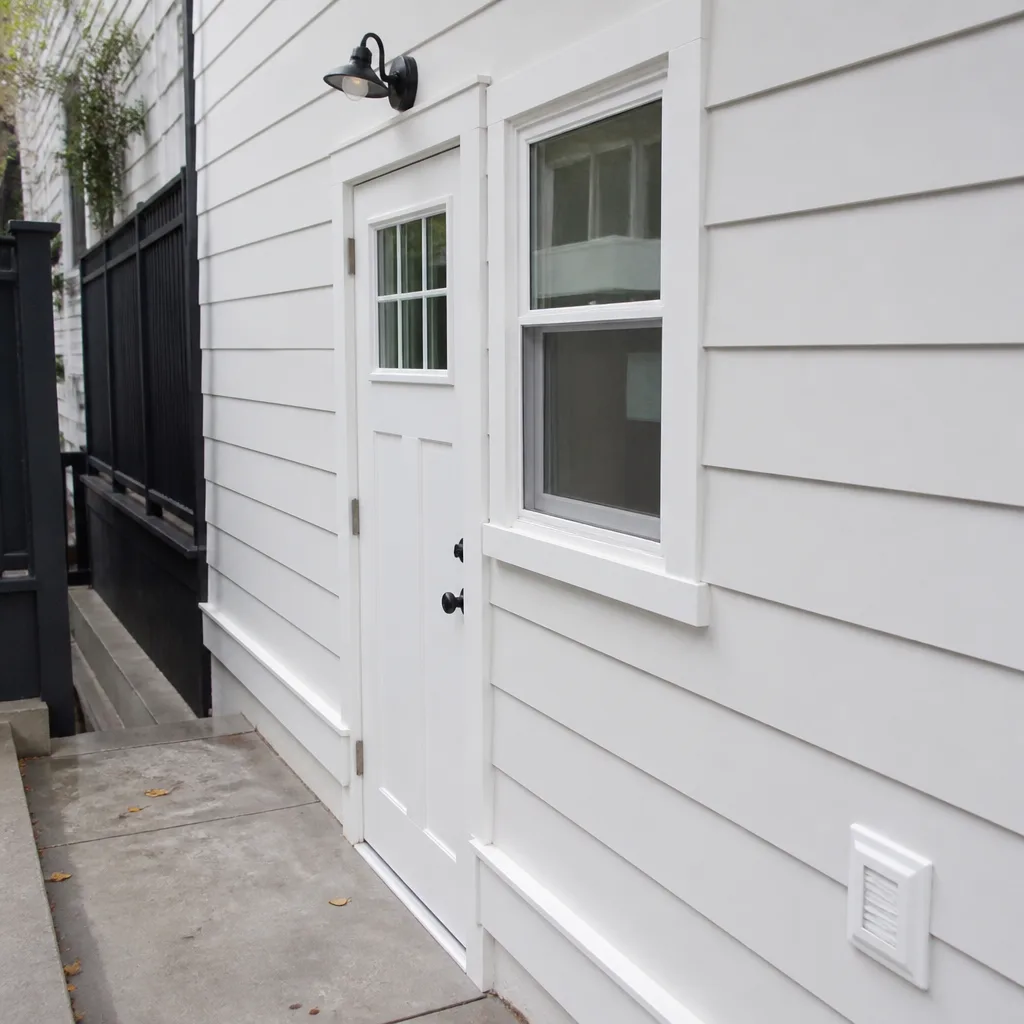 After
After24/7 Emergency Fire & Smoke Damage Restoration in East Harlem
A fire in an East Harlem tenement spreads damage faster than in any other building type in Manhattan. Smoke migrates through shared air shafts. Firefighting water pools in wall cavities two floors down. Call (551) 213-5277 now and a live person answers, 24 hours a day, no voicemail, no callback queue. We dispatch crews to East Harlem within 45 minutes, coordinate parking and standpipe access with FDNY when needed, and perform a free visual inspection on arrival. The first hour determines whether you’re looking at contained smoke cleanup or a six-unit remediation. Our Fire & Smoke Damage Restoration team is built for the access constraints of your building type: narrow townhome doors, walk-up stairs, alley-load entries. We bring equipment that breaks down, not equipment that doesn’t fit.
Understanding Fire & Smoke Damage Restoration Severity in East Harlem Properties
Fire damage in East Harlem follows a severity scale that maps directly to the neighborhood’s dual housing stock. In pre-war Old Law and New Law tenements, we’re grading soot residue type, smoke migration path, and water category from suppression efforts. Dry smoke residues from fast-burning, high-heat fires behave differently from wet smoke residues from slow, oxygen-starved burns. Protein residues from kitchen fires are nearly invisible but carry the most persistent odor. The real severity driver, though, is what the FDNY left behind.
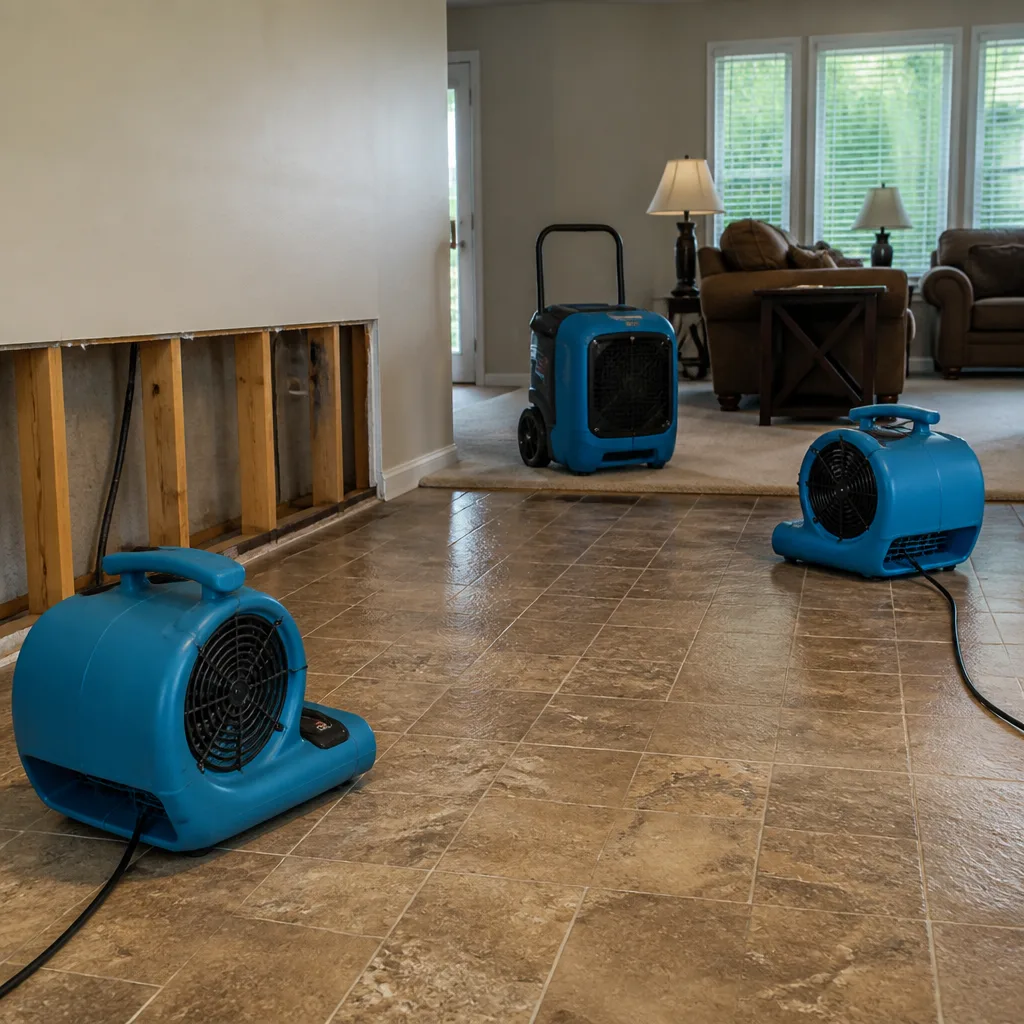
Category 1 water is clean supply line discharge. Category 2 carries significant contamination. Category 3 is grossly contaminated, including firefighting water that has picked up soot, char, and whatever was in the shaft or on the roof. In East Harlem’s dumbbell tenements, that water hits the 1879-mandated air shaft, funnels down shared masonry, and enters wall cavities as Category 3 before any tenant reports it. We moisture-map every shaft-facing wall on every floor below the fire origin. Tertiary drying, using Injectidry hose systems and controlled vapor pressure differentials, is standard on these jobs, not an upsell. Vapor pressure differential is the force that moves moisture from wet materials to drier air; we measure it with calibrated hygrometers and adjust equipment daily.
Why East Harlem Property Owners Choose DryMark Restoration Upper East Side
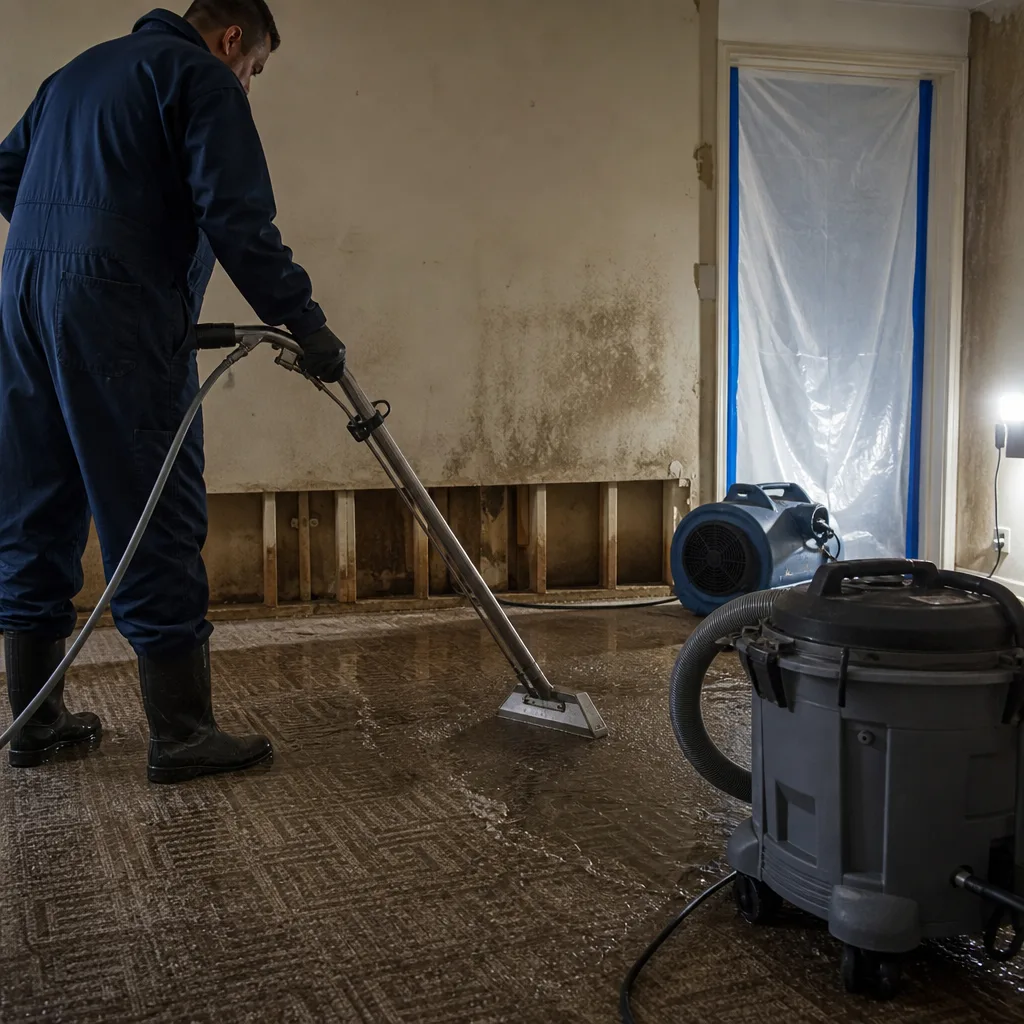
- 45-minute response commitment to East Harlem, with crews staged for Manhattan dispatch from our New York City office.
- 24/7 live answer - a real person, never an automated system, never a voicemail tree, never a next-business-day callback while smoke residue is still settling into porous surfaces.
- IICRC-certified crews holding FSRT (Fire and Smoke Restoration Technician) and WRT (Water Damage Restoration Technician) certifications, with AMRT (Applied Microbial Remediation Technician) on jobs where Category 3 water has been in contact with pre-war building materials for more than 24 hours.
- Free visual inspection on every call, documented with a photo record before any equipment is placed or any price is discussed.
- Direct insurance billing with adjuster coordination handled by our documentation team, not handed off to a third-party biller.
- One team from board-up to rebuild, including in-house reconstruction capability for plaster and lath repair, lead-safe carpentry, and finish matching that passes NYCHA or private-building inspection.
BeforeAfterOur Fire & Smoke Damage Restoration Process
1. Inspection & Assessment
We document the fire origin, map smoke migration through the air shaft and common walls, and moisture-map all shaft-facing surfaces on floors below the fire. Every reading is logged. Every photo is time-stamped. This is the documentation that turns your restoration invoice into a payable claim.
2. Emergency Board-Up & Tarping
Broken windows, compromised doors, and roof holes get secured immediately. In East Harlem’s dense blocks, we coordinate with building management and NYPD to maintain sidewalk safety and prevent secondary water intrusion from Manhattan’s frequent rain events.
3. Water Extraction & Structural Drying
Firefighting water is extracted from floors, carpets, and subfloors. We deploy Dri-Eaz and Phoenix dehumidifiers, XPOWER air movers, and Injectidry cavity-drying systems to pull moisture from behind plaster and lath where the air shaft deposited it. Daily moisture logs track progress to IICRC S500 standards.
4. Smoke & Soot Removal
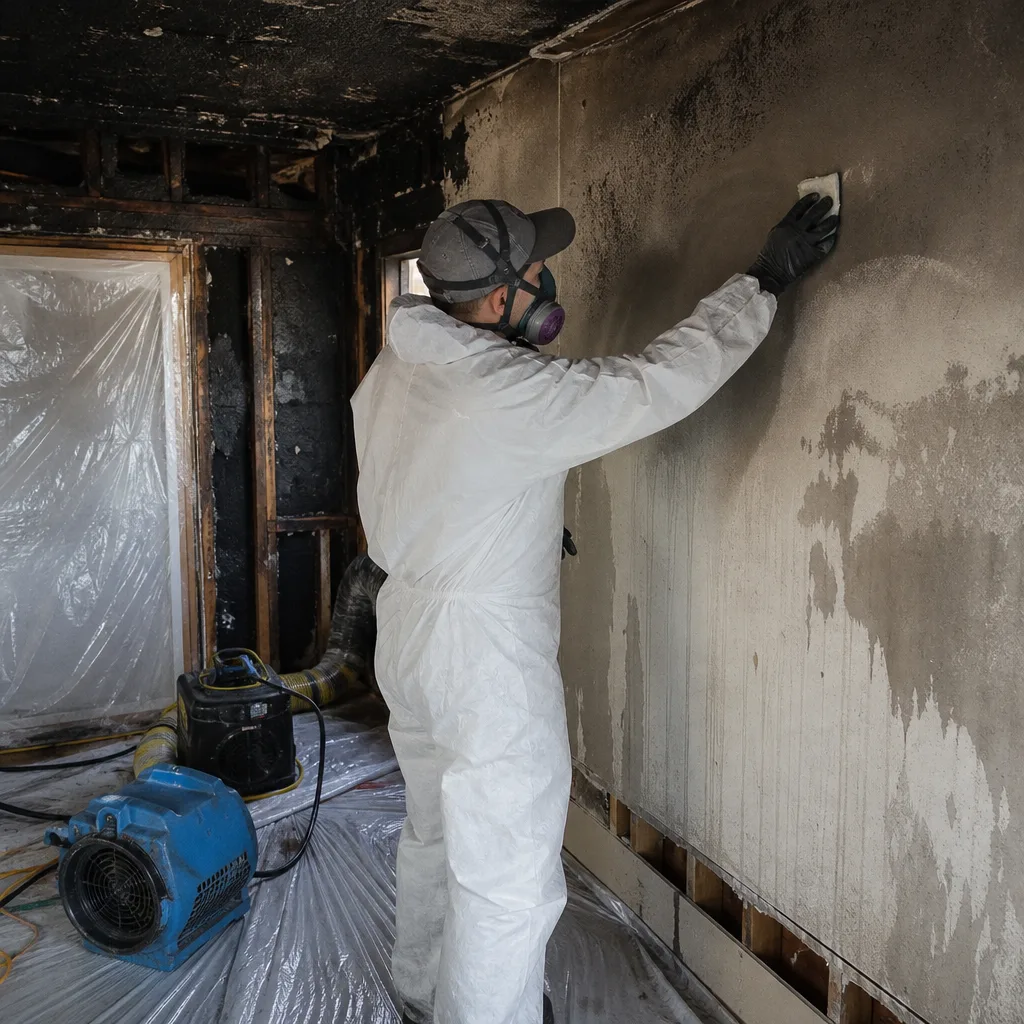
Dry, wet, and protein soot residues each demand specific cleaning chemistry and mechanical action. We HEPA-vacuum all surfaces before applying solvent-based or water-based cleaners, testing on an inconspicuous area first. Pre-war plaster is porous; aggressive methods destroy it.
5. Odor Removal & Deodorization
Thermal fogging, ozone treatment, and hydroxyl generation break odor molecules at the source. In East Harlem tenements, we run HEPA air scrubbers continuously during this phase to prevent cross-contamination through the shared air shaft. The deodorization isn’t complete until a neutral nose verifies it.
6. Repairs & Restoration
Plaster repair, lath replacement, trim carpentry, paint, and finish. All work follows NYC Local Law lead-paint and asbestos abatement protocols where required. We deliver a written scope, a photo record of every phase, and the 365-Day Done Right Promise stamped under The Haven Standard.
Need Emergency Fire & Smoke Damage Restoration in East Harlem Now?
Crews minutes away, answering live 24 hours a day. The sooner we start, the less it costs.
Working With Your Insurance Company
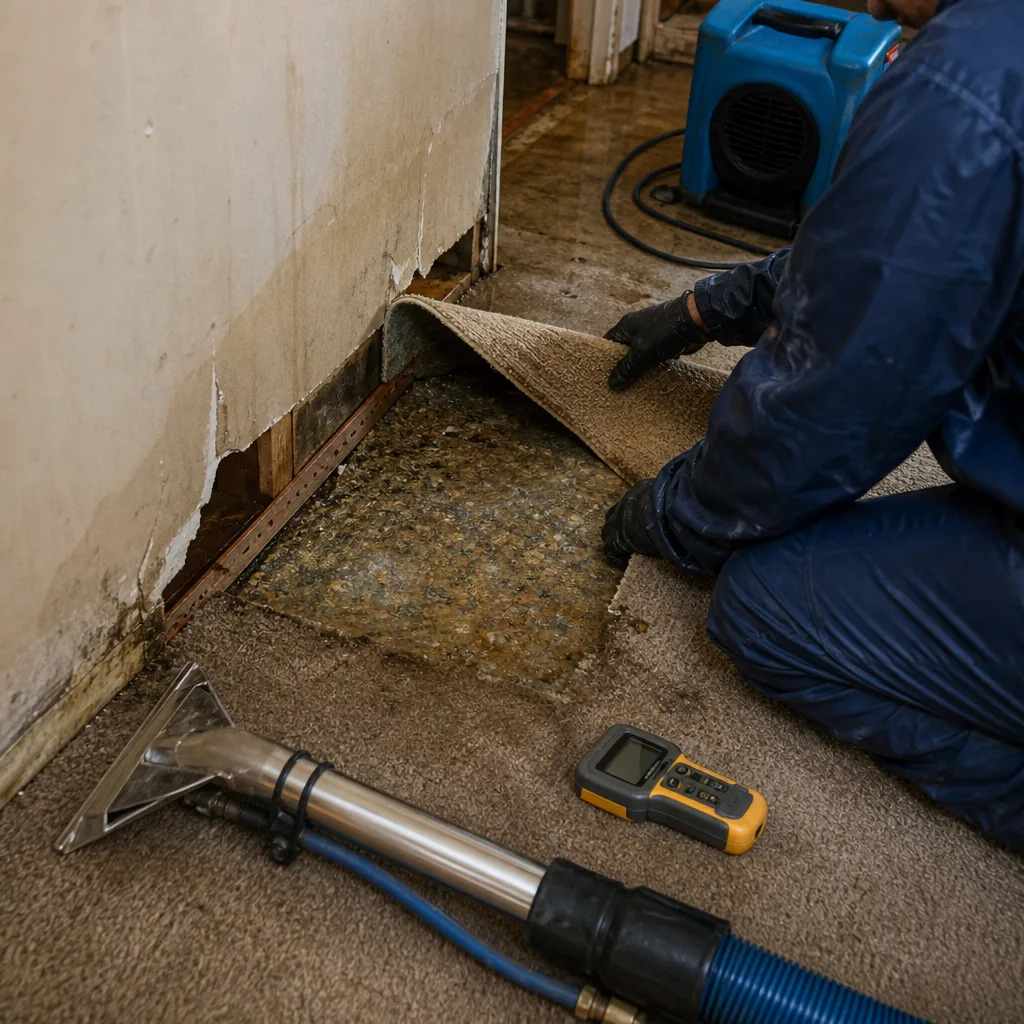
We built our documentation system because our founder, Alicia Brennan, spent years as a claims adjuster watching homeowners lose legitimate payouts over missing paperwork. Every East Harlem fire job starts with a photo record in the first hour. We produce industry-standard line-item estimates, not lump-sum guesses, and we communicate directly with your adjuster rather than handing you a bill to fight alone.
The Haven Standard requires it. Clause 1: written price before work begins. Clause 2: documented photo record on every visit. The result is a claim file that moves through review without the back-and-forth that delays rebuilds by weeks.
What We Provide Your Insurer
- Thorough documentation of the loss
- Photos of all damage, room by room
- Moisture readings and drying logs
- A detailed, line-item scope of work
- Direct coordination with your carrier
Built for East Harlem’s Loss Calendar
East Harlem’s fire damage season doesn’t follow the weather calendar exactly, but it has patterns. January through March, heating system failures in pre-war steam-radiator systems spike fire calls: aging galvanized lines, sediment-blocked risers, and tenant-supplied space heaters where the building heat failed. The freeze-thaw cycles that stress roof membranes also drive electrical fires from compromised insulation in century-old knob-and-tube remnants.
April and May bring the spring thaw recovery: the fires that happened in deep winter now need full rebuilds, and we’re often opening walls that have been wet since February. Summer kitchen fires peak when windows are closed and air conditioning concentrates heat loads. Fall returns to heating-system stress. Year-round, the common denominator is the building stock itself: 1880s-1920s tenements with original electrical services, shared shafts, and no fire suppression beyond what FDNY brings.
Fire & Smoke Damage Restoration Across East Harlem’s Neighborhoods
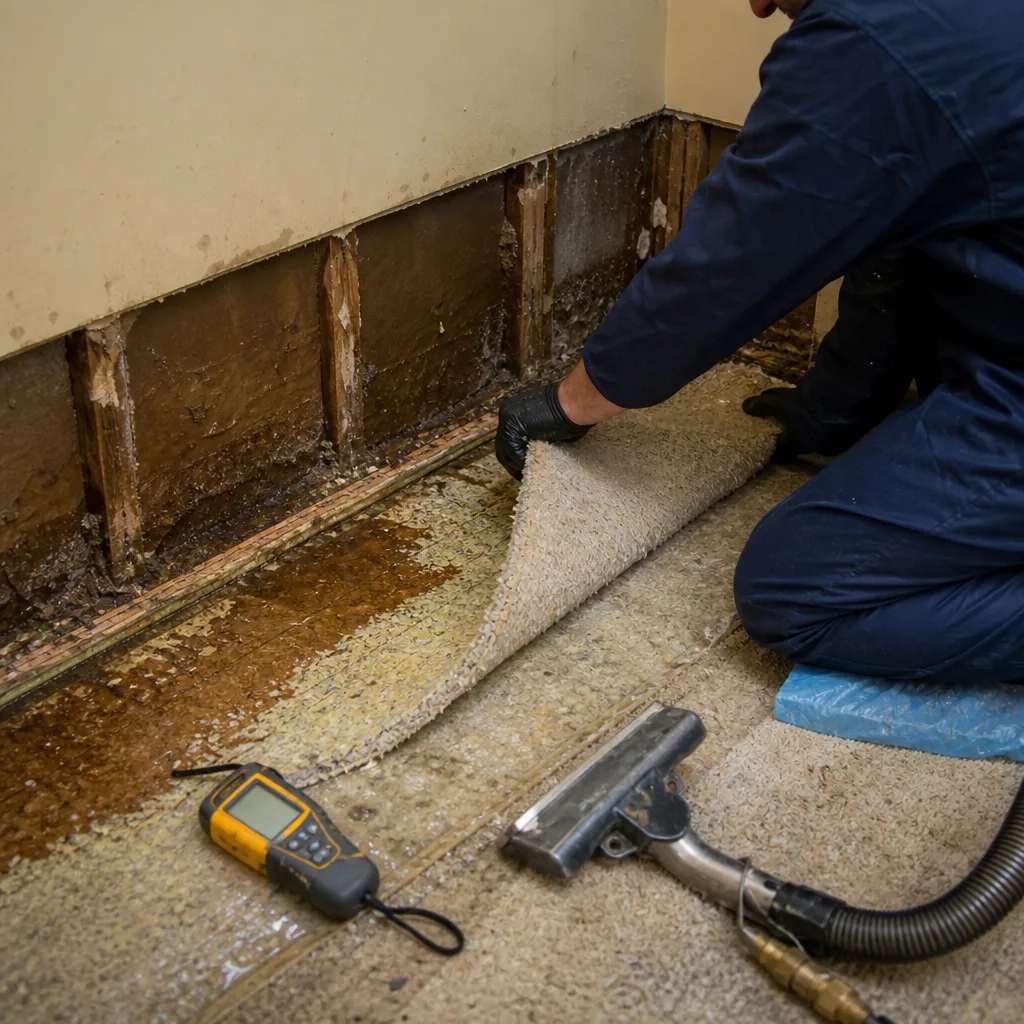
We respond across East Harlem’s full footprint, and the work changes block by block.
On the blocks east of Lexington Avenue, the Old Law dumbbell tenements dominate. These are the buildings with the 1879-mandated air shafts that make fire restoration a multi-floor operation by default. After a kitchen fire in a fifth-floor walk-up on East 111th Street, our crew packed out the unit through the narrow townhome door, set up containment around the shaft opening, and used Injectidry to dry the wall cavities behind the shared masonry that the air shaft had funneled black water into - moisture mapping showed readings spiking two floors below the fire. We logged every moisture reading in a drying log alongside the pre-loss condition photos, ran Dri-Eaz dehumidifiers and XPOWER air movers on the shaft-facing walls, and returned the two affected lower units to pre-fire condition with antimicrobial treatment after abatement cleared.
West of Lexington, closer to the Harlem River, the housing stock mixes pre-war tenements with NYCHA towers: Wagner, Jefferson, and Johnson Houses. Any NYCHA job requires navigating a separate bureaucratic approval and inspection track that has no equivalent in the private-building restoration market. We maintain current NYCHA contractor credentials and understand the documentation chain for work orders, inspections, and sign-offs.
Along 116th Street and the East Harlem commercial corridor, mixed-use buildings with ground-floor retail and residential above present their own challenges: fire damage that crosses occupancy types, separate insurance policies, and FDNY access complicated by sidewalk dining structures and bike lanes. We’ve worked these blocks enough to know which buildings have roof rights, which have alley access, and which require advance coordination with the MTA for any street-level equipment placement.
Our East Harlem coverage extends to every block between the Harlem River and Fifth Avenue, from East 96th Street to East 142nd Street.
Specialized Fire & Smoke Damage Restoration Services We Offer in East Harlem
Fire Damage Cleanup
Structural cleaning after fire requires identifying the combustion source to select the right cleaning chemistry. Synthetic materials produce acidic residues that corrode metal and etch glass; natural materials produce dry, powdery residues. In East Harlem’s pre-war buildings, we also test for lead and asbestos before any aggressive cleaning or demolition begins.
Smoke & Soot Removal
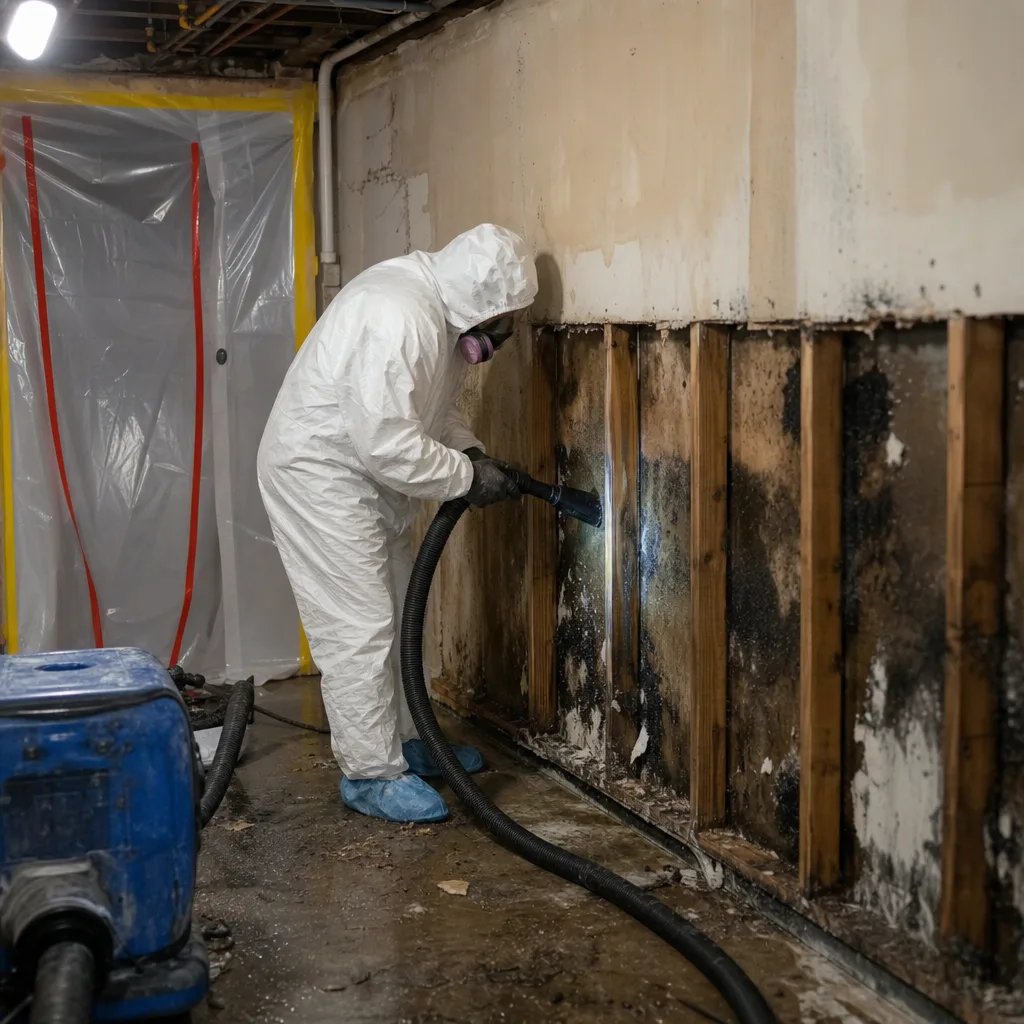
Soot is classified by type: dry, wet, protein, or complex. Each demands different equipment and technique. We HEPA-vacuum before wet-cleaning to prevent smearing, and we treat pre-war plaster with the gentleness it requires. In tenements with shared air shafts, smoke & soot removal extends to shaft-facing walls on adjacent floors that never saw flame.
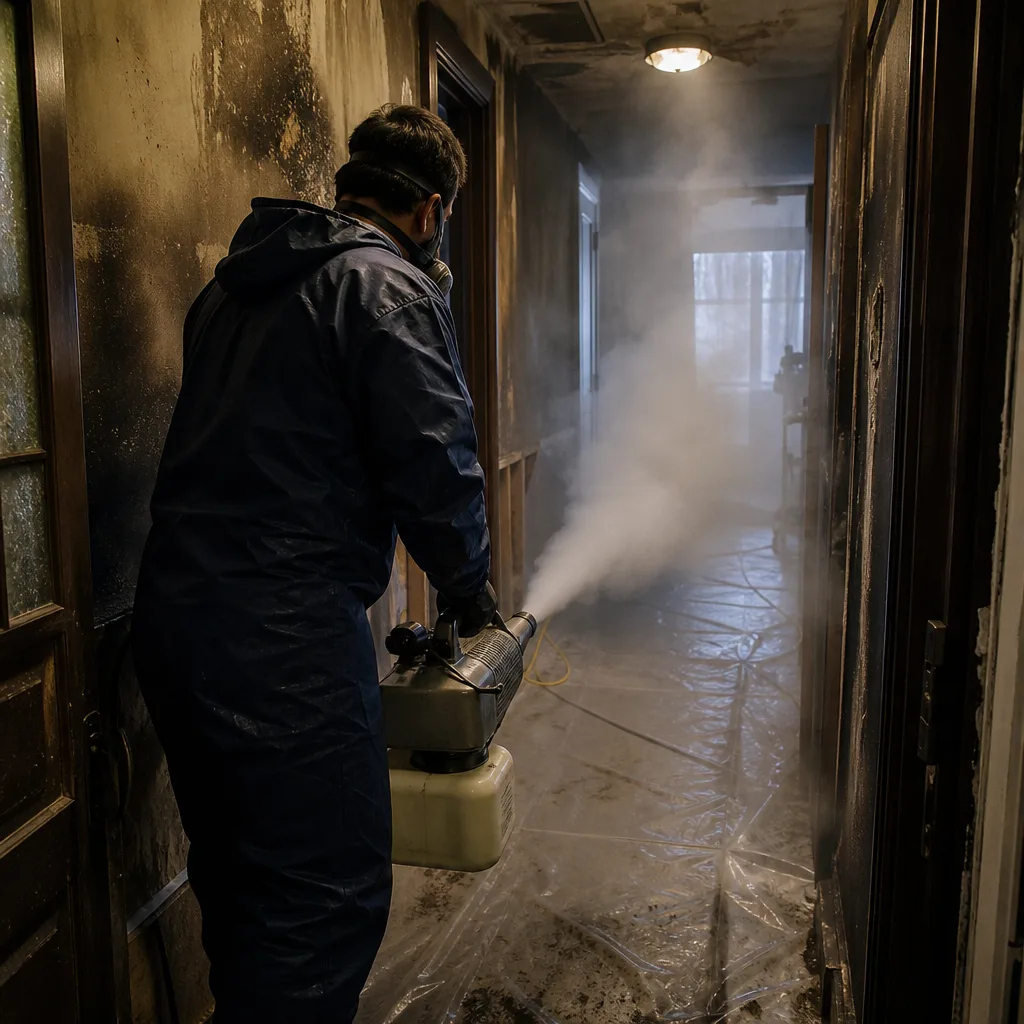
Odor Removal & Deodorization
Smoke odor persists because odor molecules penetrate porous materials: plaster, wood, insulation, textiles. Thermal fogging recreates the heat that opened pores during the fire, allowing deodorizing agents to enter and neutralize. Ozone and hydroxyl generators run during unoccupied periods. In East Harlem’s dense housing, we seal the treated space and run HEPA air scrubbers to prevent cross-contamination.
Contents Cleaning & Pack-Out
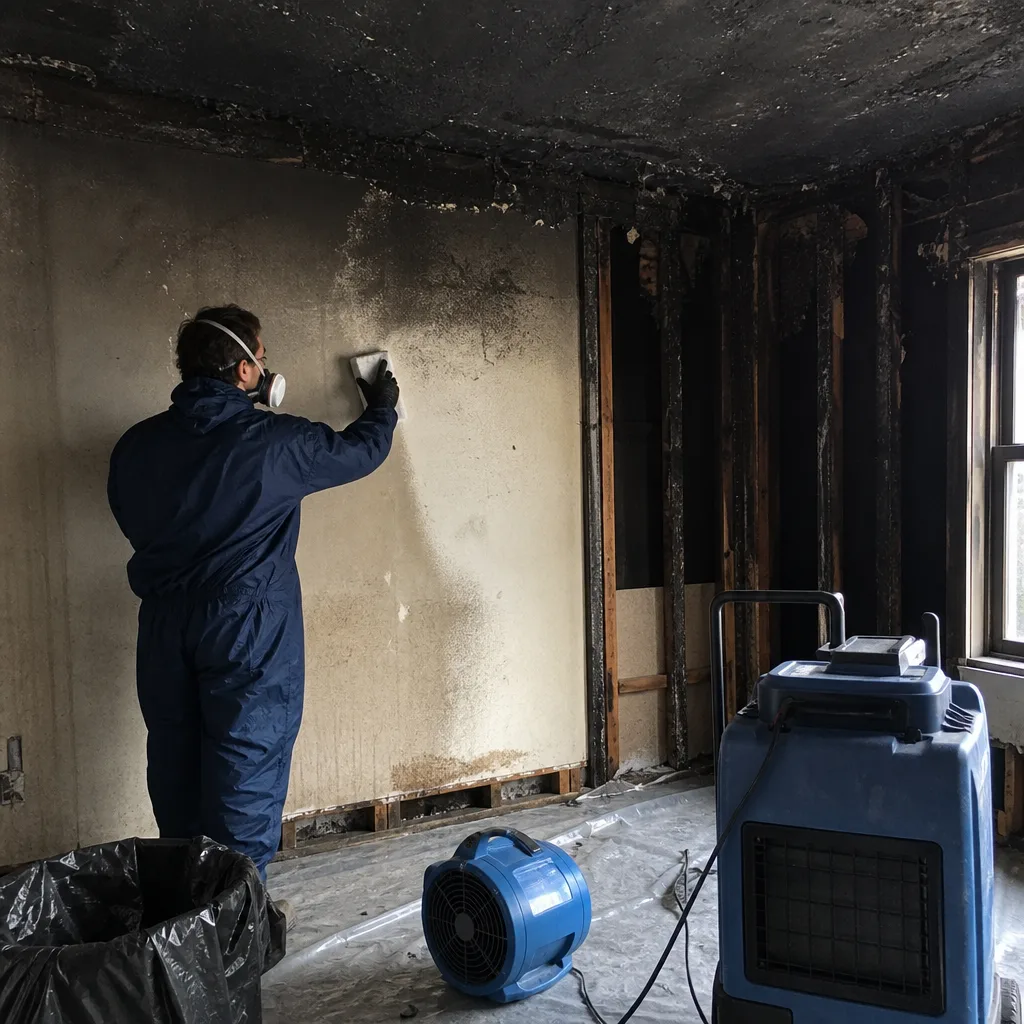
Salvageable contents are inventoried, photographed, packed, and transported to our facility for ultrasonic cleaning, ozone treatment, or specialized textile restoration. Non-salvageable items are documented for insurance with pre-loss photos and detailed descriptions. In walk-up tenements, we carry out through narrow doors and landings that won’t accommodate standard moving equipment.
Emergency Board-Up & Tarping
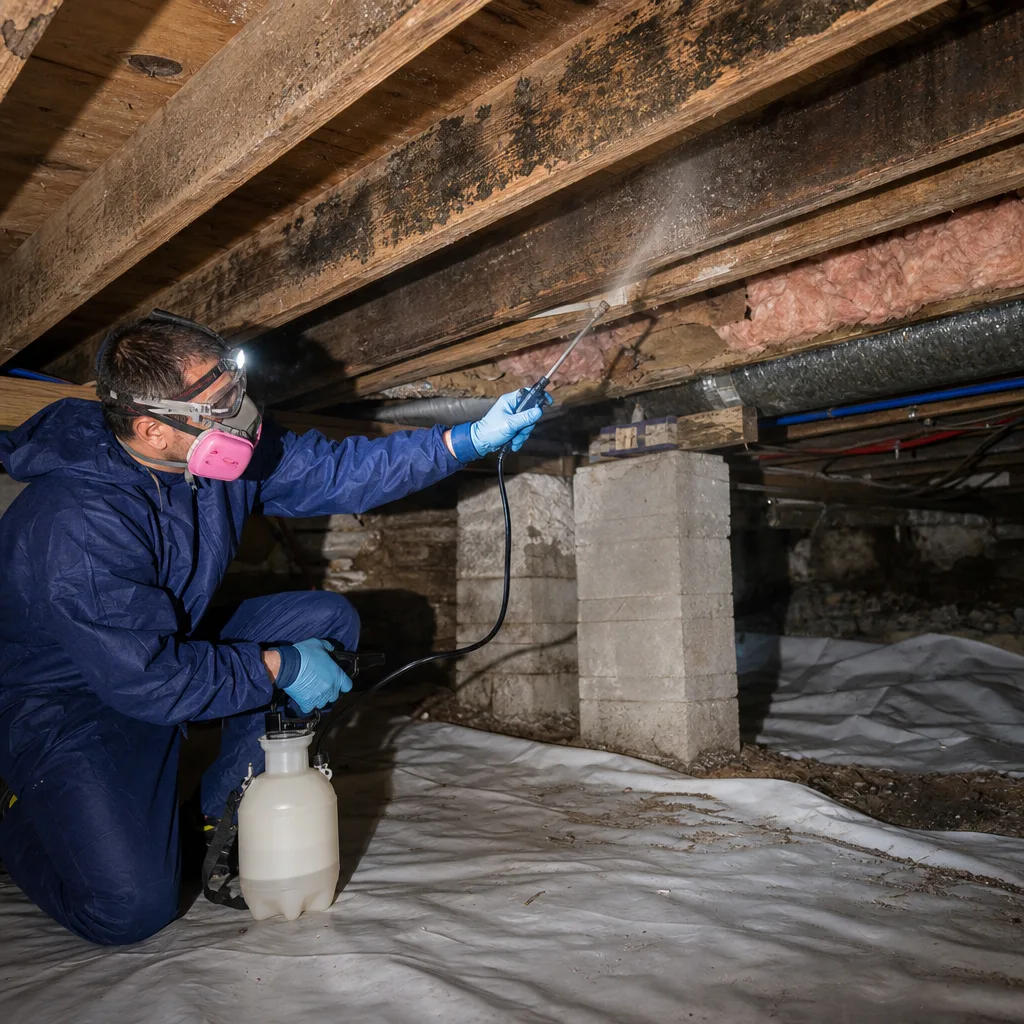
Broken windows, damaged doors, and compromised roof areas get secured within hours of our arrival. We maintain 24-hour board-up capability because East Harlem’s weather doesn’t wait: a fire-damaged roof membrane that isn’t tarped before the next rain becomes a water damage claim layered on top of the fire claim.
What happens when you call
- 1
A real person answersNo phone trees - you reach a local pro.
- 2
You get an upfront price rangeHonest numbers before anyone is dispatched.
- 3
A background-checked tech heads outLicensed & insured, dispatched right away.
- 4
You approve before work beginsNothing starts until you say go.
Fire & Smoke Damage Restoration Costs in East Harlem, NY
Fire restoration pricing in East Harlem reflects Manhattan labor rates, the complexity of pre-war building systems, and the multi-floor scope that air-shaft migration typically creates.
| Service | Typical Range in East Harlem |
|---|---|
| Emergency board-up & tarping | $800 - $2,400 |
| Smoke & soot cleanup (single room) | $1,800 - $4,500 |
| Smoke & soot cleanup (full apartment, walk-up) | $4,500 - $12,000 |
| Odor removal & deodorization | $1,200 - $3,600 |
| Contents pack-out & cleaning | $2,000 - $6,500 |
| Water extraction & structural drying (fire-related) | $2,500 - $7,500 |
| Lead/asbestos abatement (mandatory pre-work) | $1,500 - $5,000+ |
| Structural repairs & reconstruction | $5,000 - $35,000+ |
What moves the price: the number of floors affected by air-shaft migration, the presence of Category 3 water requiring antimicrobial treatment, lead or asbestos abatement scope, and whether NYCHA or private-building inspection protocols apply. Insurance typically covers direct fire and water damage, plus necessary abatement. Our free visual inspection produces a written scope and firm price before any work begins. Haven Standard, Clause 1. Call (551) 213-5277 to schedule.
We Also Serve Cities Near East Harlem
Our crews respond daily to Upper East Side co-ops and condos with their own pre-war stock and board-approval requirements; Manhattan broadly for commercial and residential fire restoration; Upper West Side brownstones and elevator buildings; and Astoria in Queens for the growing inventory of converted industrial and residential properties with unique access and ventilation challenges.
Serving East Harlem, NY - Our Local Coverage Area
We’re based in the East Harlem area and know this community well. Use the map below to see our service coverage - if you’re nearby, we can almost certainly help.
East Harlem Fire & Smoke Damage Restoration Questions, Answered
After a fire in my East Harlem tenement, why is smoke odor showing up in apartments on other floors?
The 1879 Tenement House Act required narrow interior air shafts in dumbbell-plan buildings, and those shafts still connect every floor today. Smoke, heat, and pressure from a fire find the path of least resistance: up, down, and across through the shaft. Soot-laden air enters wall cavities through gaps around plumbing and electrical penetrations, then migrates into adjacent units through outlets, baseboards, and any opening in the plaster. We map this migration with thermal imaging and moisture meters, then set containment and HEPA scrubbing before cleaning begins. Call (551) 213-5277 and we’ll inspect the full shaft line, not just the fire unit.
How fast does mold grow after firefighting water soaks your walls in a pre-war building?
In Manhattan’s climate, mold colonization on wet gypsum, plaster, or wood begins in 24 to 48 hours. Pre-war plaster with horsehair or wood-fiber reinforcement is especially hospitable: it’s porous, often already contains dormant spores, and is typically backed by uninsulated masonry that stays cool and damp. In East Harlem tenements, the air shaft funnels water into wall cavities that don’t dry without mechanical intervention. We deploy dehumidification and air movement within hours, document every moisture reading, and treat with antimicrobial agents where Category 3 water has been present. Delay beyond 48 hours typically doubles the remediation scope. Call (551) 213-5277 for immediate response.
Does lead or asbestos abatement have to happen before you can dry or repair after a fire?
Yes. NYC Local Law requires lead-paint and asbestos testing before any disturbance of pre-1978 building materials, and East Harlem’s housing stock is overwhelmingly pre-1920. Original plaster, pipe insulation, and flooring mastics are presumed hazardous until tested negative. We coordinate certified abatement contractors, obtain NYC Department of Environmental Protection permits, and schedule air clearance monitoring before structural drying or rebuild begins. This is not optional, and any contractor who skips it exposes you to liability and your insurer to a coverage dispute. We build abatement into our initial scope and timeline. Call (551) 213-5277 for a written plan that includes this phase.
Can you get equipment into a walk-up with an alley-load entrance and a narrow townhome door?
We spec equipment for East Harlem’s access constraints. Our dehumidifiers and air movers break down to components that fit through 28-inch openings. Injectidry systems use hoses, not bulky cabinets. HEPA scrubbers run in stackable configurations. For buildings with alley-only access, we coordinate with building management and, when necessary, NYPD for temporary parking relief. We’ve done fifth-floor walk-ups on East 111th Street with equipment that never touched a sidewalk. Call (551) 213-5277 and we’ll confirm access for your specific building before dispatch.
What’s the difference between category 2 and category 3 water after a fire, and does it change the cleanup?
Category 2 water carries significant contamination: bacteria, chemicals, or particulate matter that make it unsafe for contact. Category 3 water is grossly contaminated and potentially pathogenic, including sewage, seawater, and firefighting water that has contacted hazardous materials, soot, or building debris. In East Harlem tenements, firefighting water that has run through an air shaft or across charred materials is Category 3 by definition. This changes everything: porous materials like carpet, pad, and lower gypsum board must be removed, not dried in place. Antimicrobial treatment is mandatory, not optional. PPE requirements escalate. And documentation for insurance must explicitly classify the water to justify the scope. We test and classify on arrival, log it, and build the scope accordingly. Call (551) 213-5277 for classification and a written cleanup plan.
Will my insurance cover the full restoration, or will I pay out of pocket?
Homeowners insurance typically covers direct fire damage, smoke damage, and water damage from fire suppression efforts, including necessary mold remediation and code-required abatement. Coverage limits and deductibles vary by policy. Where insurers sometimes push back is on scope: they may classify multi-floor air-shaft damage as “unrelated” or dispute the necessity of lead-asbestos abatement. Our documentation, written to IICRC and RIA standards with photo evidence and moisture logs, is designed to answer those disputes before they arise. We bill directly and coordinate with your adjuster. For a free review of your coverage and our scope, call (551) 213-5277.
How long does fire and smoke restoration typically take in an East Harlem tenement?
A contained single-room fire with no air-shaft migration can be cleaned and deodorized in 3 to 5 days. A typical East Harlem tenement fire with shaft-affected lower floors, Category 3 water, and required abatement runs 2 to 4 weeks from initial call to final clearance. Reconstruction adds time based on material availability and inspection scheduling. We provide a written timeline with the written price, update it daily, and never extend scope without written authorization. Call (551) 213-5277 for a timeline specific to your building and loss.
Can we stay in the apartment during fire restoration?
Usually not. Even contained fires leave airborne particulate, elevated VOCs from cleaning chemistry, and ozone or hydroxyl treatment that requires unoccupied space. In East Harlem’s dense housing, cross-contamination risk through shared shafts and common walls makes temporary relocation the safer choice. We document pre-loss condition, secure contents, and work with your insurer on additional living expense documentation when policy coverage applies. For a specific occupancy plan based on your unit’s condition, call (551) 213-5277.
Every fire in East Harlem is a documentation problem before it’s a restoration problem. The building stock, the air shafts, the Local Law requirements, and the insurance process all demand a company that treats evidence as the product. That’s what we built.
Written by Alicia Brennan, Owner at DryMark Restoration Upper East Side, serving East Harlem since 2011 under The Haven Standard.
Fire & Smoke Damage Restoration in Nearby Areas