
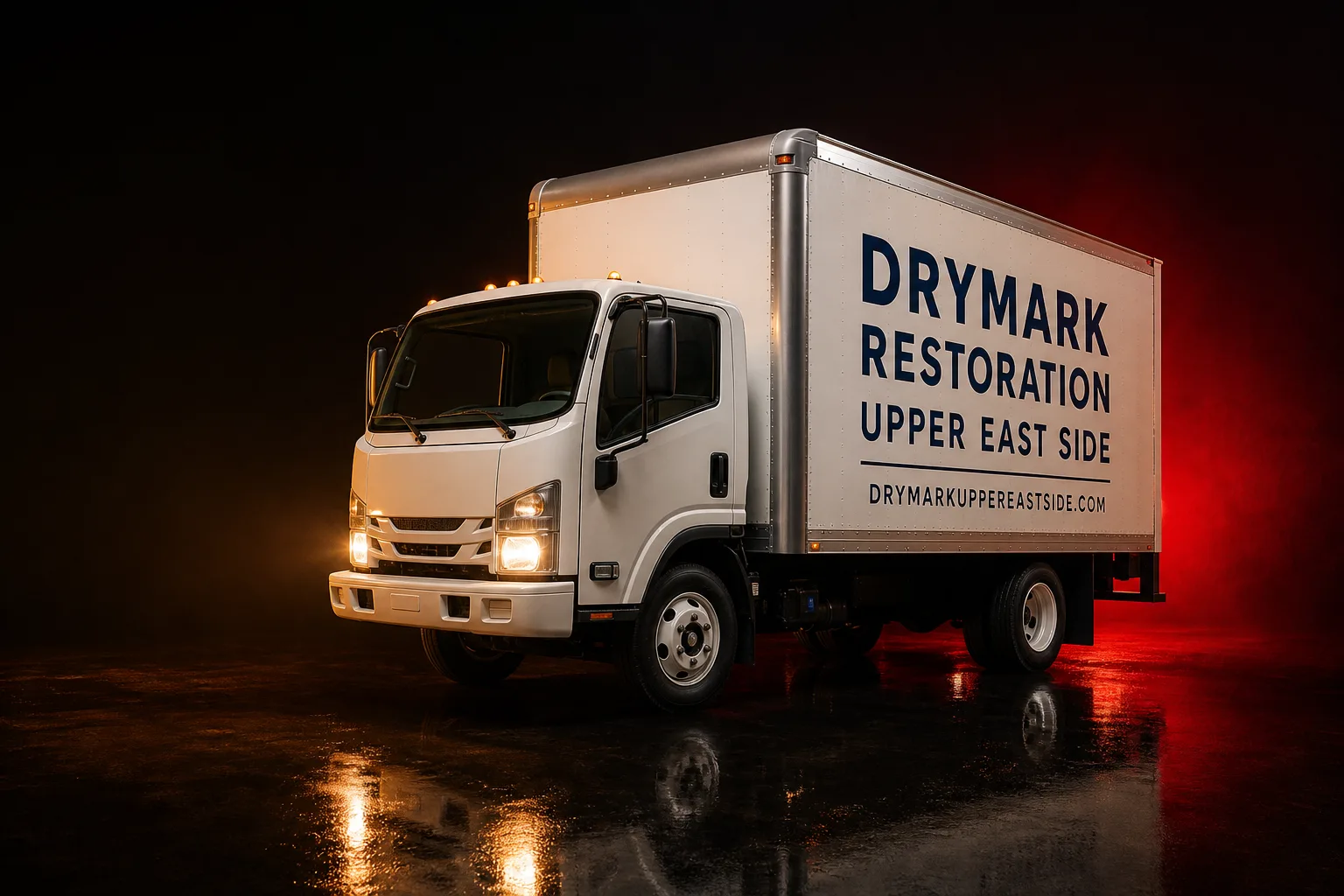
Free visual inspection and a written scope of work before any mitigation begins - photos, moisture readings, and drying logs go in your claim file
The scope we write is the scope we bill. Anything new gets shown to you, in writing, before we touch it.
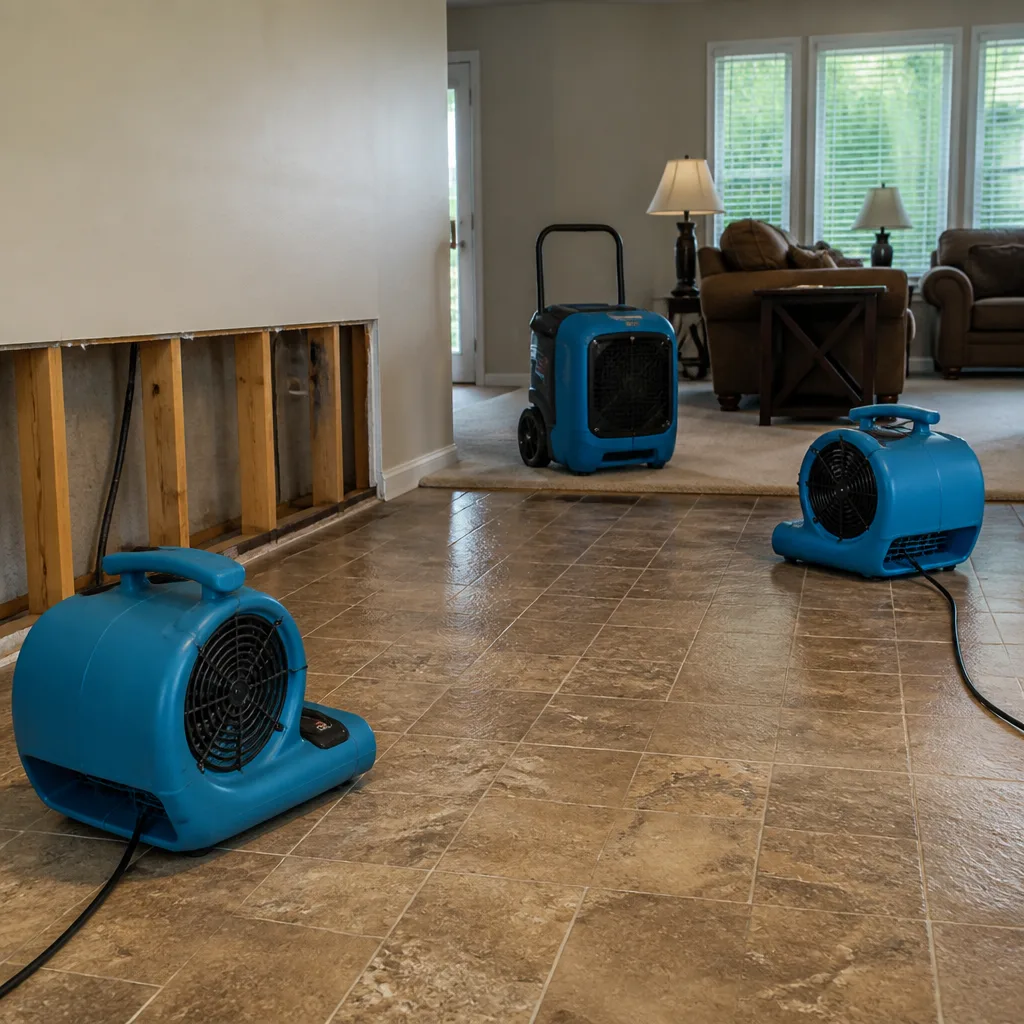

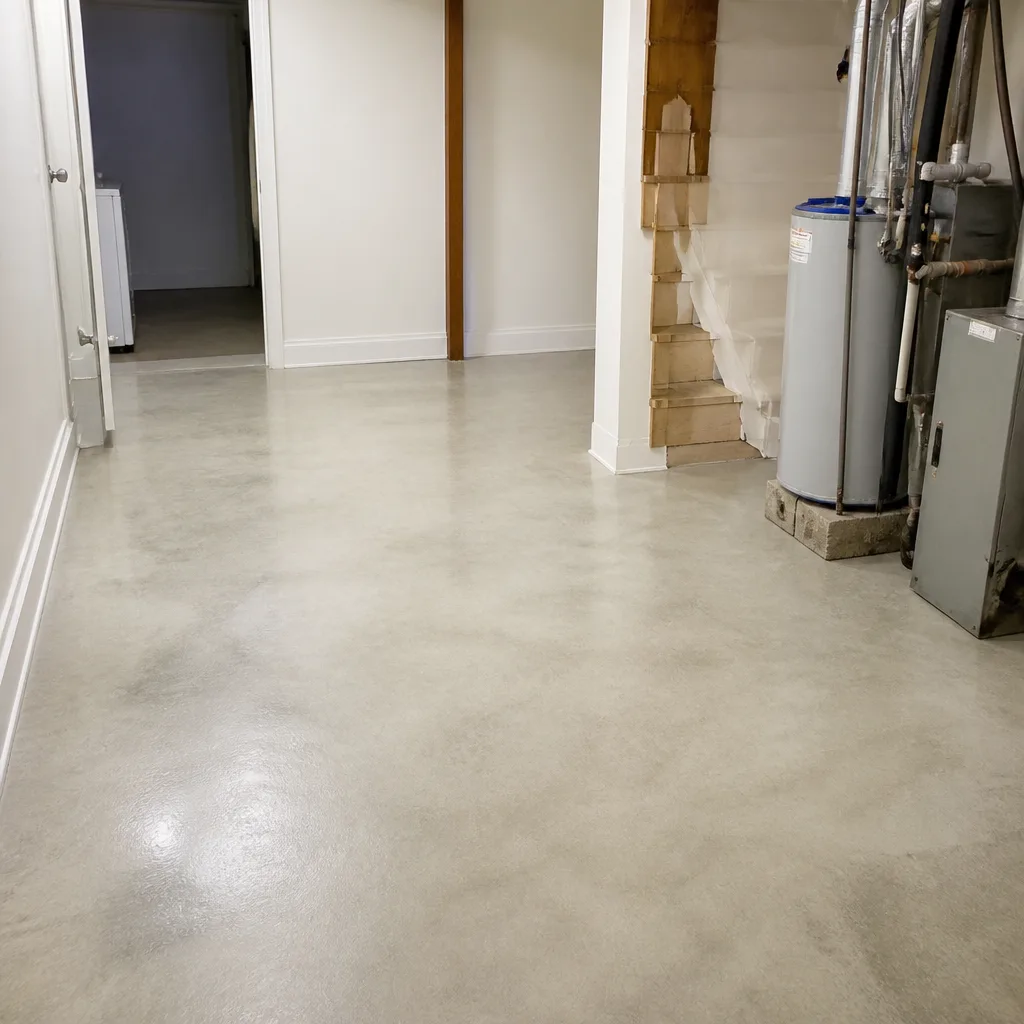
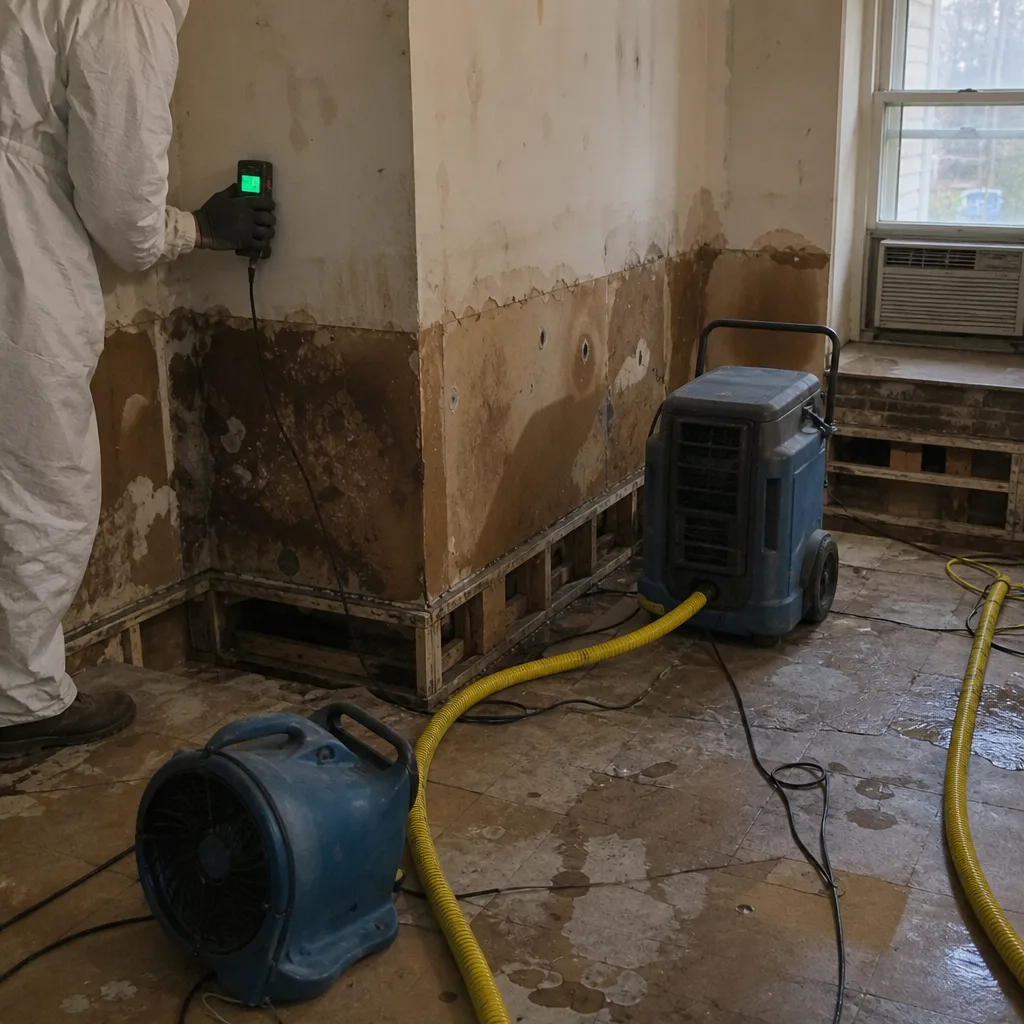 Before
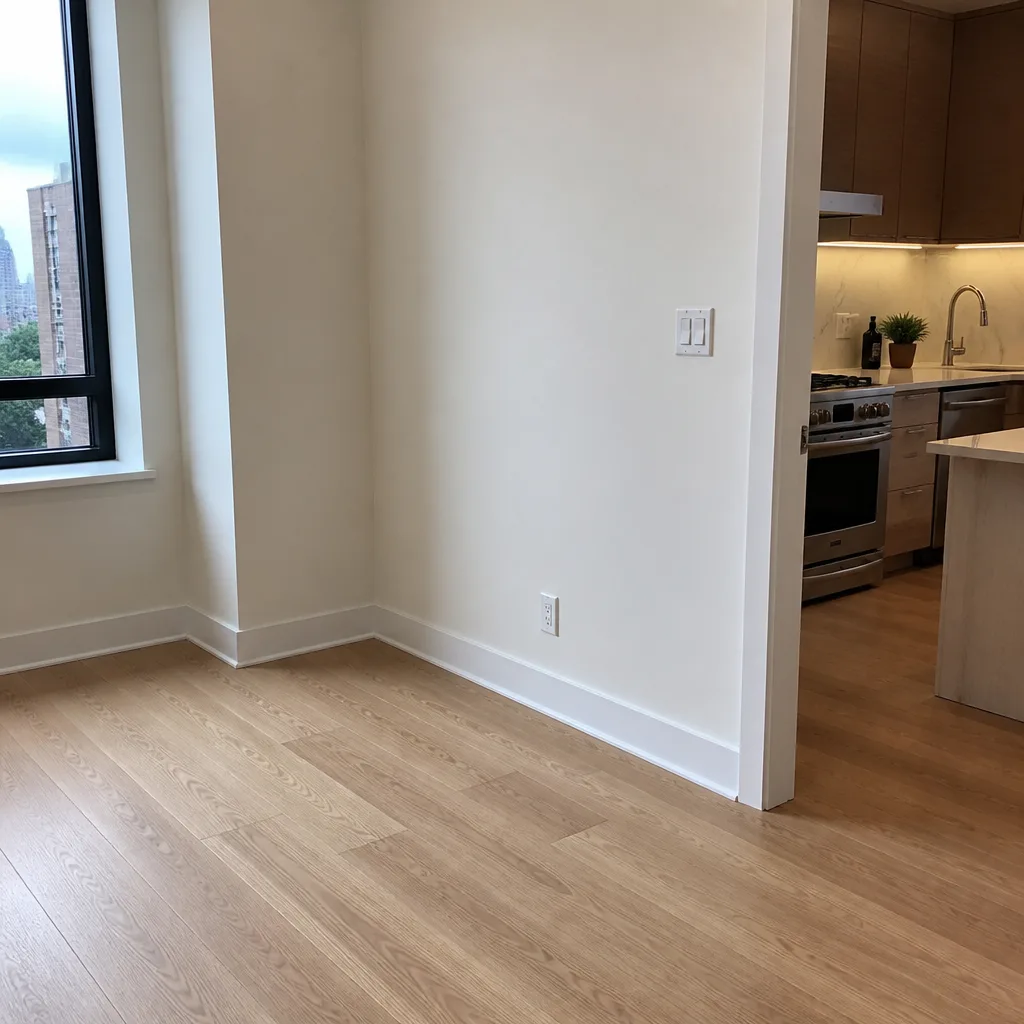 After
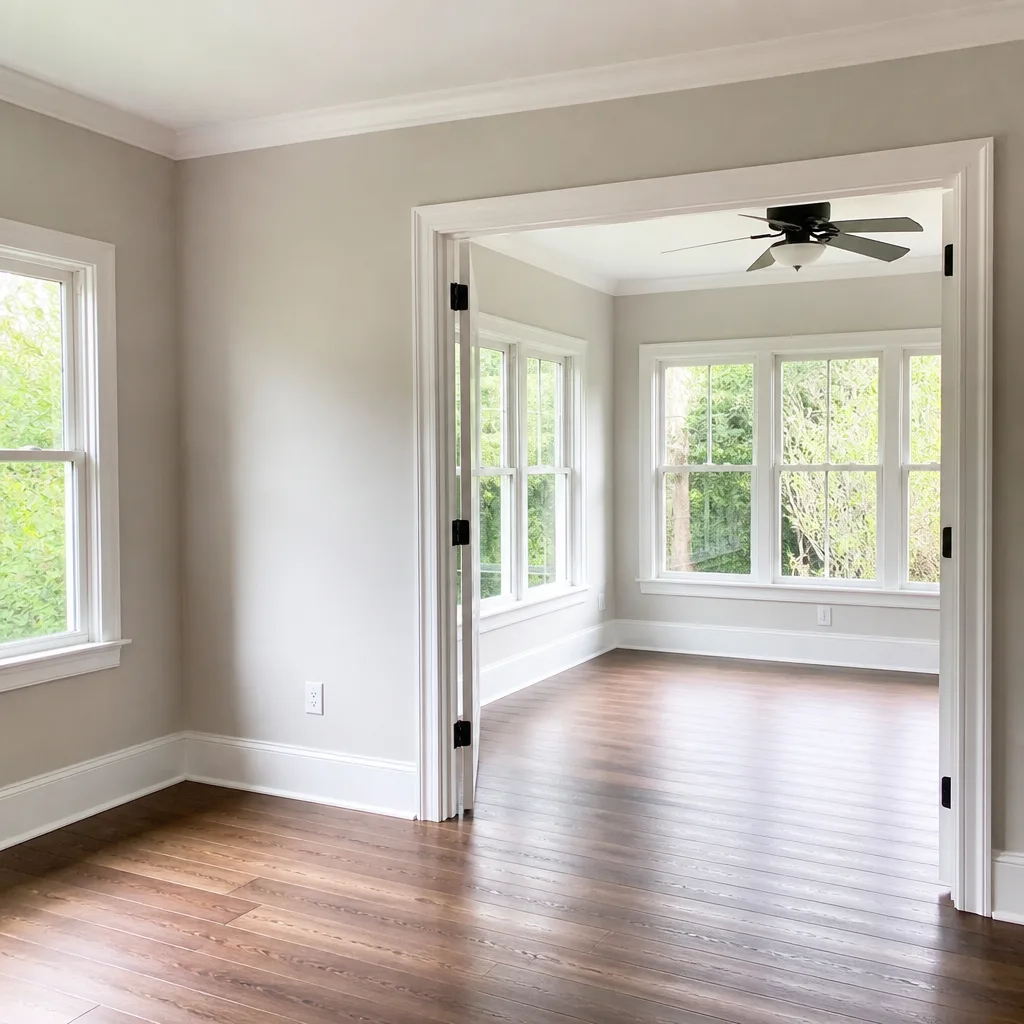
After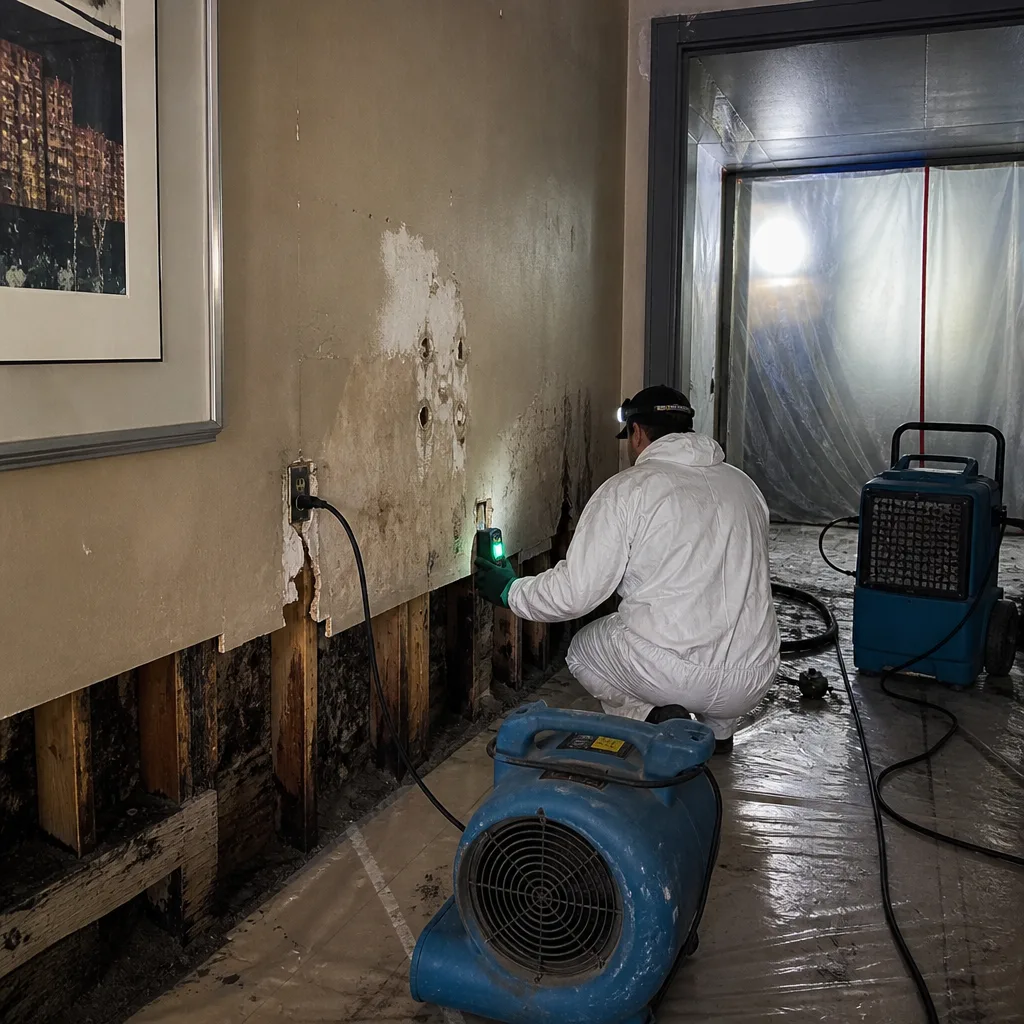 Before
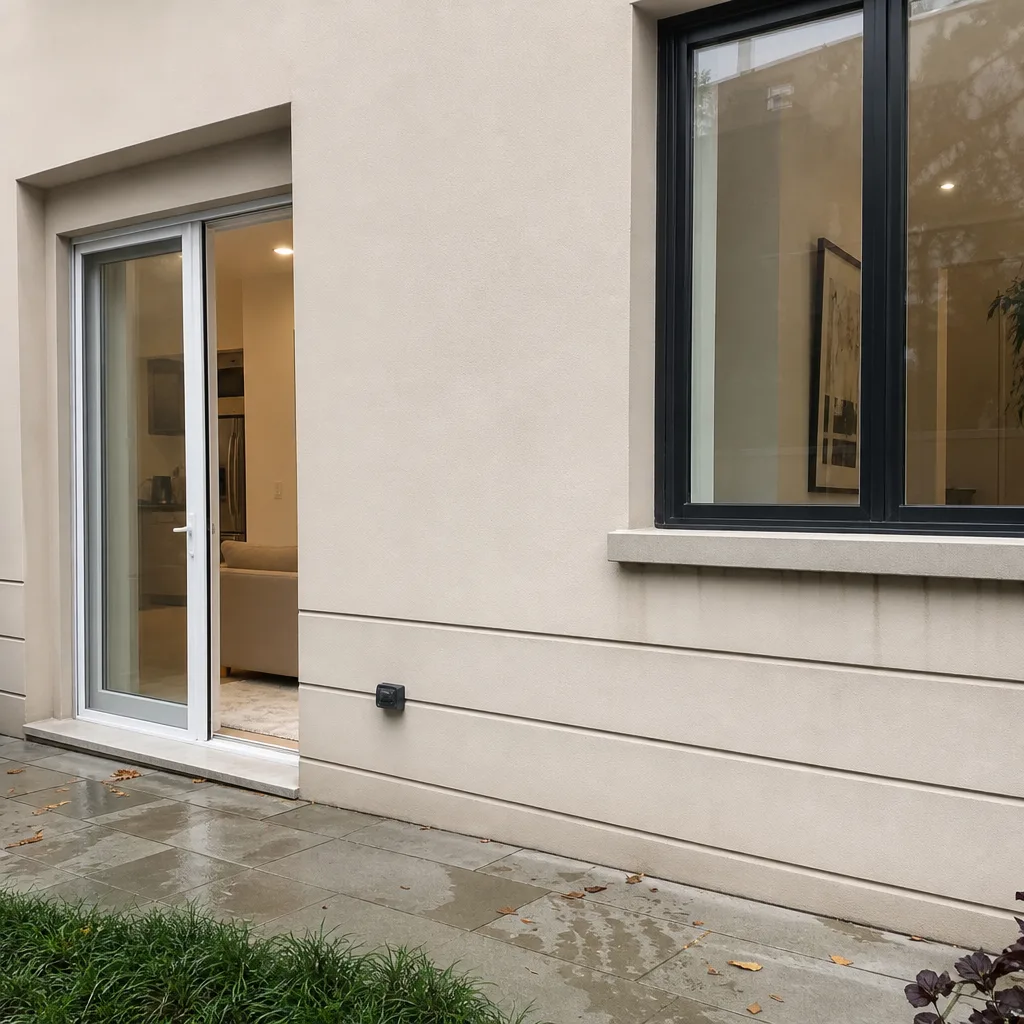 After
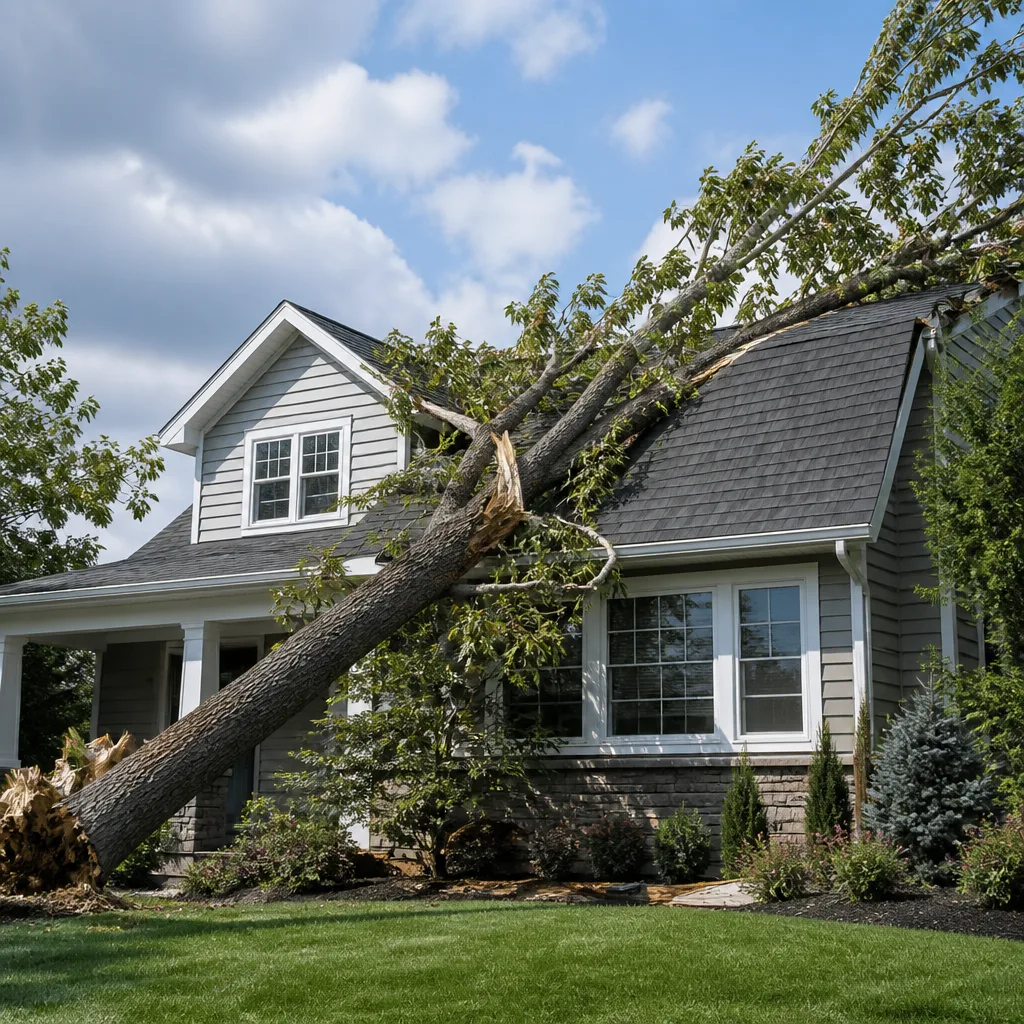
After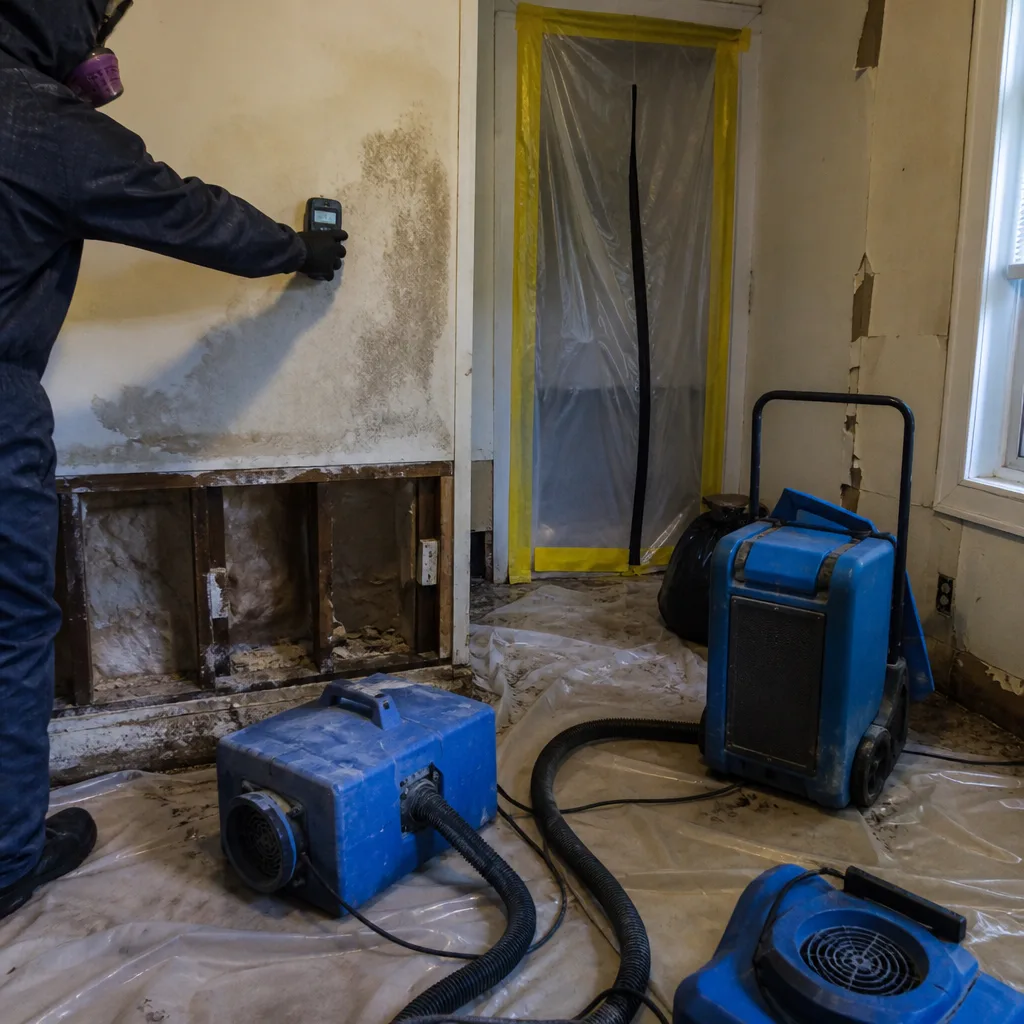 Before
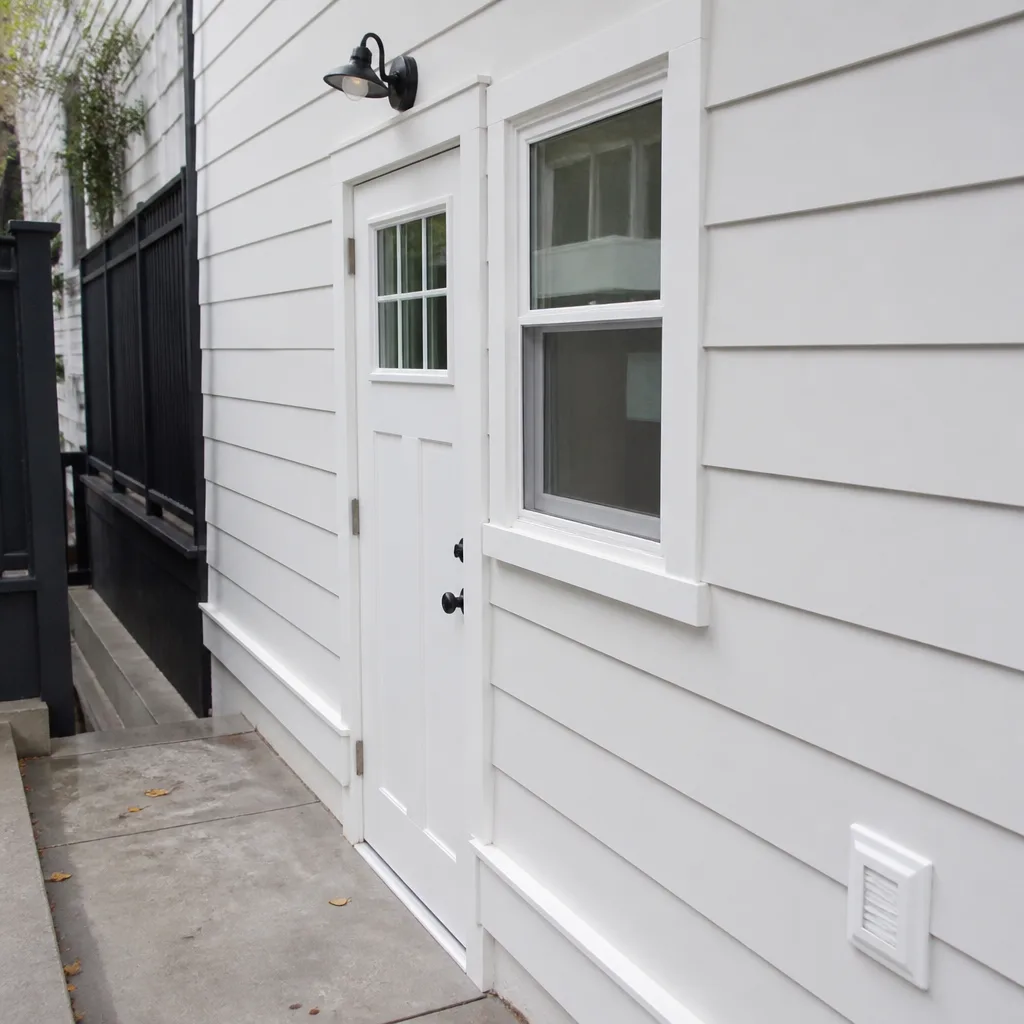 After
After24/7 Emergency Fire & Smoke Damage Restoration in Manhattan
Fire and smoke damage restoration in Manhattan typically costs $3,800-$12,500 for a standard apartment unit, with emergency board-up and stabilization running $800-$2,400 and full smoke remediation with odor removal reaching $6,000-$18,000 in pre-war buildings with horsehair plaster. Our crews answer live at (551) 213-5277, 24 hours a day, with no voicemail trees - a real person picks up every call. We dispatch within 45 minutes to any Manhattan address, from Battery Park City to Inwood, because the first hour after a fire determines whether smoke residues set permanently into porous surfaces and whether water damage from suppression efforts compounds the loss. Every emergency response includes a free visual inspection and a written price before any work begins, per Haven Standard, Clause 1.
Understanding Fire & Smoke Damage Restoration Severity in Manhattan Properties
Fire damage in Manhattan breaks into three severity tiers that map directly to the borough’s housing stock. Light damage - surface soot on painted drywall, localized odor, minimal water from suppression - typically affects post-war condos above 14th Street with modern gypsum board and sealed concrete floors. Moderate damage penetrates horsehair plaster, charred lath, and original millwork in pre-war co-ops and brownstones built before 1940, which comprise the majority of Manhattan’s residential inventory. Severe damage involves structural compromise, extensive water saturation from sprinkler or hose lines, and Category 3 water contamination when fire debris enters the building’s domestic water supply - a failure mode we see repeatedly when rooftop wooden water towers are involved.
Smoke migration behaves differently in Manhattan’s vertical buildings than in suburban single-family homes. Hot smoke rises through pipe chases, elevator shafts, and the gaps around cast-iron plumbing stacks that riddle pre-war construction. We map smoke patterns with thermal imaging and document residue types by surface: dry smoke (fast-burning, powdery), wet smoke (slow-burning, sticky, from plastics and synthetics), protein residue (nearly invisible, pungent, from kitchen fires), and fuel oil soot from heating system puff-backs common in older buildings with aging burners. Each requires distinct cleaning chemistry and agitation methods. Tertiary smoke damage - odor particles that have adsorbed into porous materials at the molecular level - demands vapor pressure differential techniques using thermal fogging or ozone treatment, not surface cleaning alone.
Why Manhattan Property Owners Choose DryMark Restoration Upper East Side
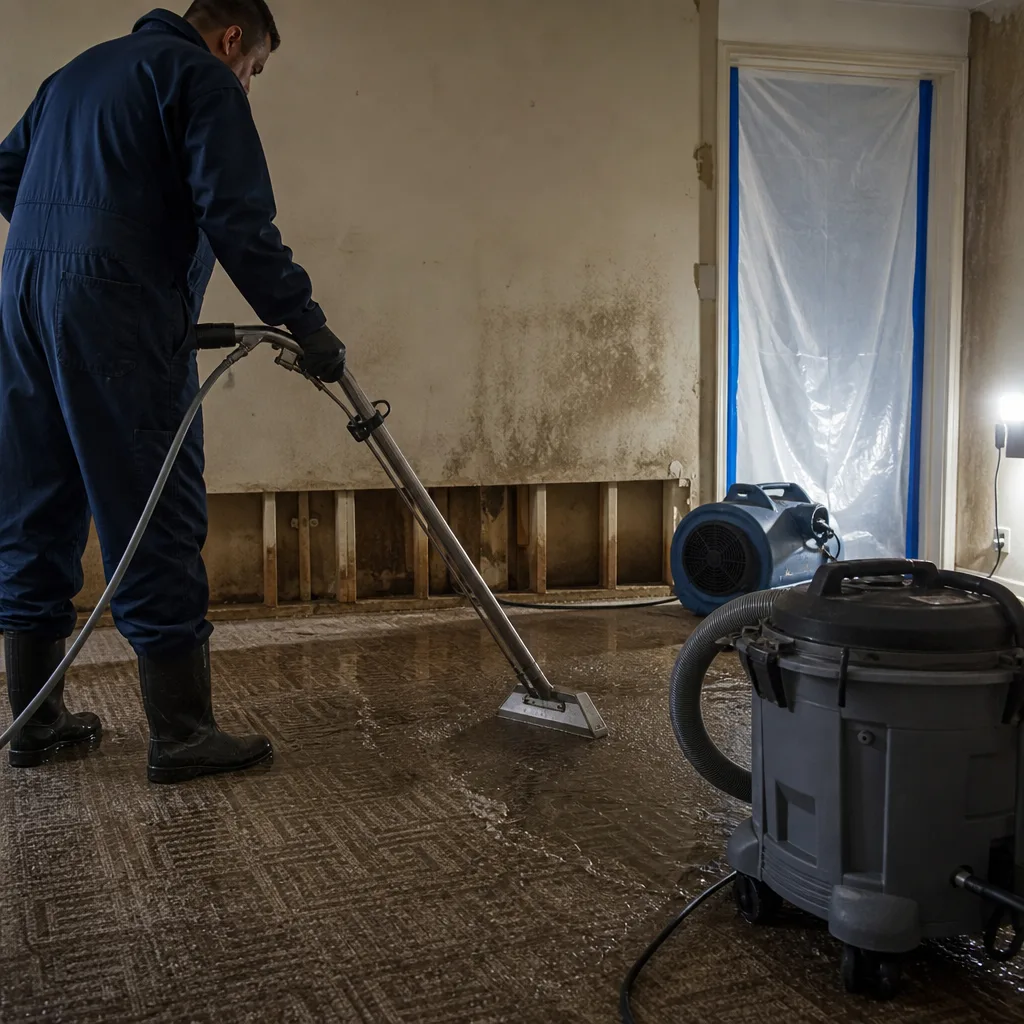
- 45-minute response commitment to any Manhattan address, with crews staged for Upper East Side, Midtown, and Lower Manhattan dispatch.
- 24/7 live answer - a real person, never an automated system or voicemail callback queue, because fire losses don’t wait for business hours.
- IICRC-certified crews holding FSRT (Fire and Smoke Restoration Technician) and WRT (Water Damage Restoration Technician) credentials, with AMRT (Applied Microbial Remediation Technician) certification for the water damage that accompanies nearly every fire suppression.
- Free visual inspection with a written scope and price delivered before any equipment enters your building, per Haven Standard, Clause 1.
- Direct insurance billing with photo-documented estimates formatted to carrier specifications, plus direct adjuster coordination so you’re not chasing paperwork.
- One team from board-up to reconstruction - no handoffs between mitigation and rebuild contractors that delay co-op board approval and extend displacement.
BeforeAfterOur Fire & Smoke Damage Restoration Process
1. Emergency Inspection & Assessment
We arrive within 45 minutes, document pre-loss condition with photo and video, identify smoke residue types by surface, test for asbestos and lead in pre-1978 materials per NYC Local Law, and deliver a written scope and price before work begins. In Manhattan co-ops and condos, we simultaneously notify building management and begin board-approval documentation.
2. Emergency Board-Up & Stabilization
We secure compromised windows, doors, and roofing with plywood and weatherproof tarping to prevent secondary damage and satisfy insurance policy conditions. For high-rise units, we coordinate with building engineers for safe facade access and service elevator scheduling.
3. Water Extraction & Structural Drying
Fire suppression leaves Category 2 or 3 water in floors, walls, and ceilings. We deploy truck-mounted extractors, then air movers and LGR dehumidifiers from Phoenix and Dri-Eaz to achieve target equilibrium moisture content. Daily psychrometric readings document drying progress for your adjuster.
4. Smoke & Soot Removal
We match cleaning chemistry to residue type: dry sponges for dry smoke, alkaline cleaners for wet smoke, enzyme digesters for protein residue. HEPA air scrubbers run continuously during agitation to capture airborne particles. In horsehair plaster buildings, we test for depth of penetration before committing to removal vs. replacement.
5. Odor Removal & Deodorization
Surface cleaning removes visible residue; odor removal requires reaching adsorbed particles. We sequence thermal fogging, ozone treatment, or hydroxyl generation based on material sensitivity and occupancy status. XPOWER and B-Air equipment supports negative air containment during this phase.
6. Repairs, Reconstruction & Documentation
Our rebuild team restores structural elements, finishes, and fixtures to pre-loss condition, with a photo record at every visit. The final packet includes moisture logs, drying charts, cleaning receipts, and the signed 365-Day Done Right Promise under The Haven Standard.
Need Emergency Fire & Smoke Damage Restoration in Manhattan Now?
Crews minutes away, answering live 24 hours a day. The sooner we start, the less it costs.
Working With Your Insurance Company
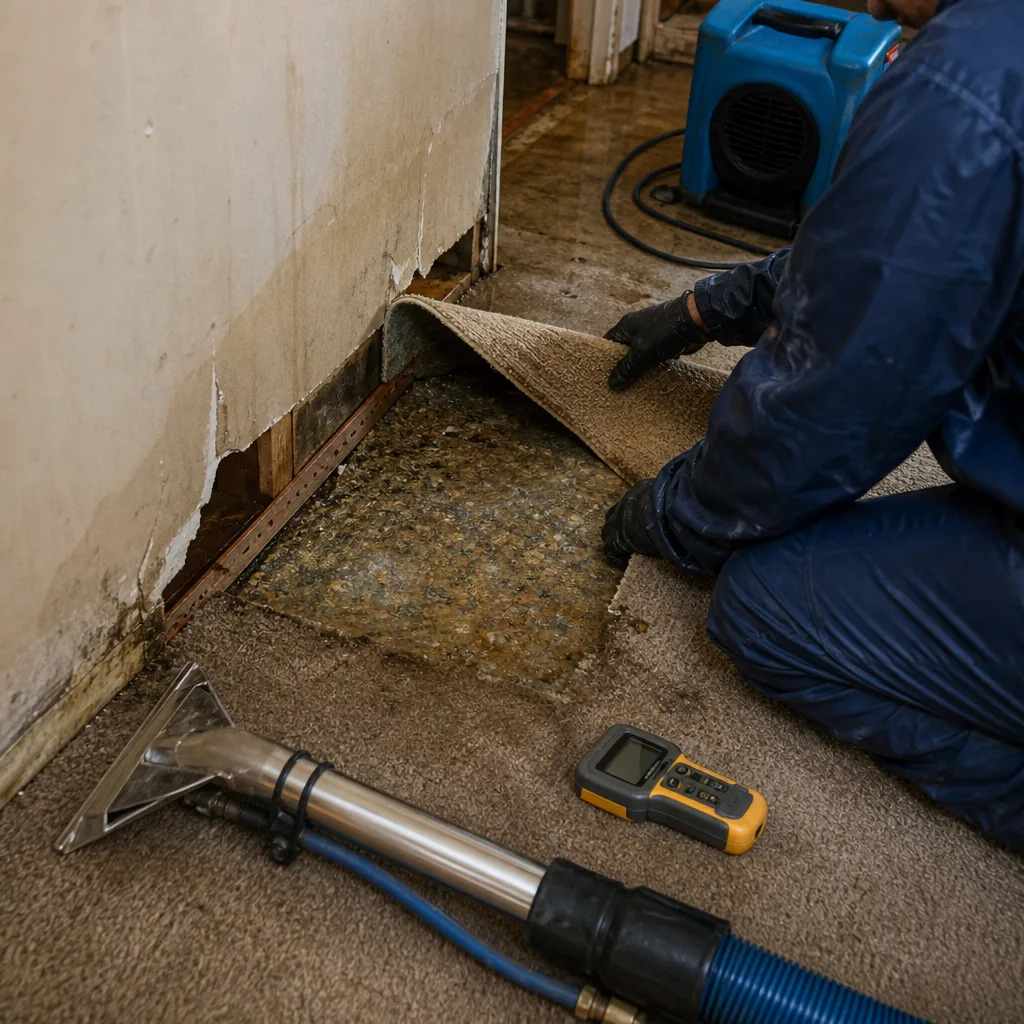
Fire claims in Manhattan involve complexities that suburban adjusters rarely encounter: multi-party losses in stacked buildings, co-op master policies overlapping with individual HO-6 unit policies, and the mandatory abatement assessments that delay mitigation timelines. We document from the first hour because we’ve seen what incomplete files cost homeowners. Our estimates follow Xactimate and Symbility standards that carriers recognize, and we communicate directly with your adjuster rather than routing through a third-party administrator.
Our Fire & Smoke Damage Restoration team handles the documentation burden that follows a Manhattan fire loss. Alicia Brennan built this company in 2011 after watching homeowners lose legitimate claims to gaps in the restoration record. That origin shapes every estimate we write.
What We Provide Your Insurer
- Thorough documentation of the loss
- Photos of all damage, room by room
- Moisture readings and drying logs
- A detailed, line-item scope of work
- Direct coordination with your carrier
Built for Manhattan’s Loss Calendar
Manhattan’s fire and smoke damage follows patterns tied to its climate, infrastructure, and density. January brings heating system puff-backs as aging oil burners in pre-war buildings misfire, sending fuel oil soot through ductwork and into apartments. February’s freeze-thaw cycles stress rooftop infrastructure, including the wooden water towers that supply floors above six stories; cracked staves or clogged overflows can drain thousands of gallons through multiple units, compounding any fire loss with water damage. Spring sees electrical fires spike as window air conditioners are reconnected to aging knob-and-tube or aluminum wiring in buildings that were never fully rewired. Summer kitchen fires surge in buildings where residents grill on balconies against co-op rules, sending grease fires up exterior facades. Fall’s nor’easters and the lingering threat of hurricane remnants stress emergency systems, while the holiday season brings candle and decoration fires that disproportionately affect buildings with original horsehair plaster, where smoldering materials penetrate walls before detection.
Fire & Smoke Damage Restoration Across Manhattan’s Neighborhoods
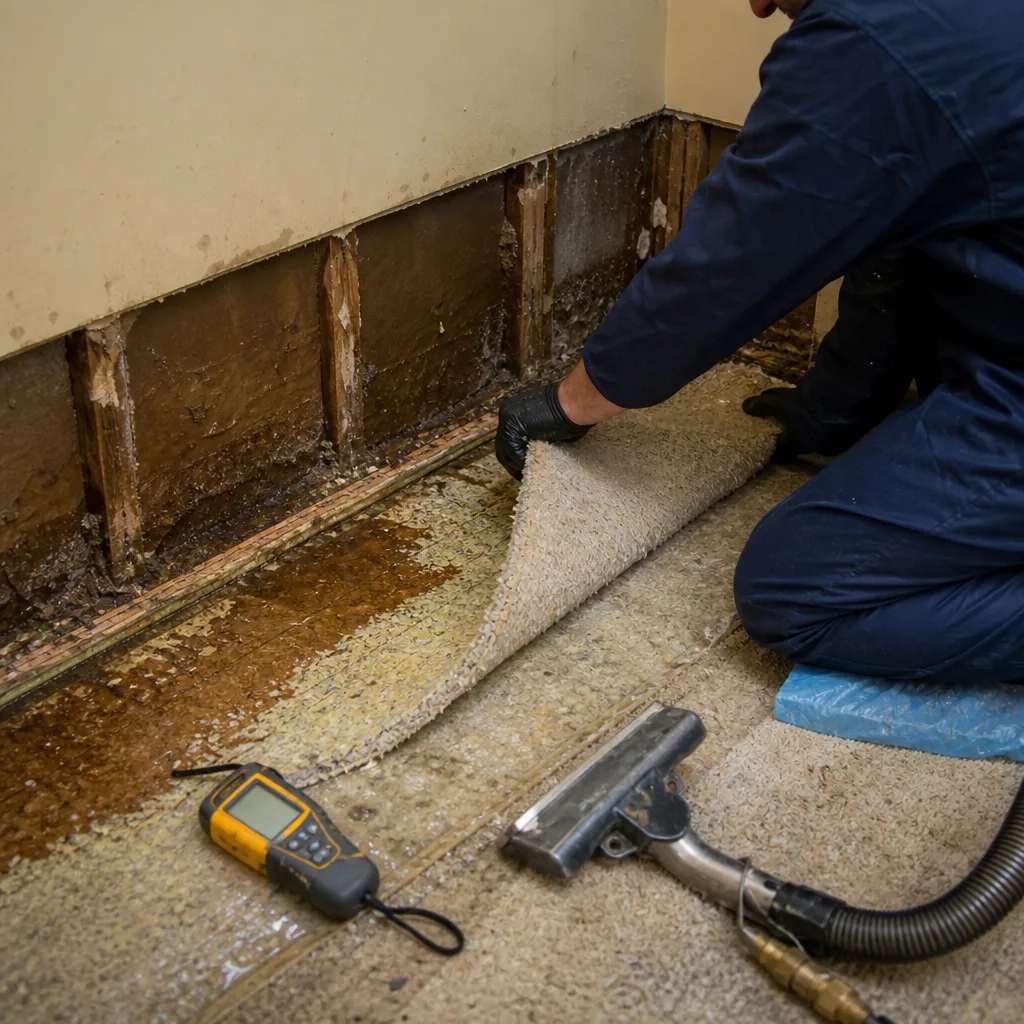
Our crews serve Manhattan from the Financial District to Washington Heights, and building type shapes every response.
On the Upper East Side, we work in Park Avenue and Fifth Avenue co-ops where board approval can take 48-72 hours and white-glove buildings require contained entry through service corridors. Smoke damage in these buildings often involves wet smoke from synthetic furnishings that demands specialized cleaning chemistry, and we coordinate with building staff to protect common areas during pack-out.
In the West Village and Chelsea, pre-war walk-ups and converted tenements present horsehair plaster, original tin ceilings, and lead-paint layers that trigger mandatory abatement pauses. We’ve restored units on West End Avenue where kitchen fires sent smoke through shared walls into adjacent apartments, requiring multi-party claim coordination.
Lower Manhattan’s Battery Park City and Financial District high-rises - many built post-1980 but still dependent on rooftop wooden water towers - face flood-restoration demand from FEMA-designated flood zones that complicates fire response. A fire on a lower floor can trigger sprinkler activation that then requires water damage mitigation in a building already rated for flood risk.
Harlem and Washington Heights contain some of Manhattan’s oldest housing stock, with brownstones and tenements built before 1900. These buildings have seen multiple renovation layers, and our asbestos assessments often reveal vermiculite insulation, asbestos pipe wrap, or floor tiles that must be abated before structural work proceeds. The density of these neighborhoods also means faster response matters: smoke spreads quickly through buildings with shared ventilation.
Specialized Fire & Smoke Damage Restoration Services We Offer in Manhattan
Fire Damage Cleanup
We remove charred debris, compromised structural elements, and unsalvageable contents, with all demolition sequenced after asbestos and lead clearance. In Manhattan’s pre-war buildings, this means distinguishing original materials from later renovations to preserve historically significant elements when possible and document everything for the adjuster.
Smoke & Soot Removal
Our FSRT-certified techs identify residue types by surface and apply matched cleaning protocols. Dry smoke from fast-burning paper and wood responds to dry sponging and vacuuming; wet smoke from plastics and synthetics requires alkaline cleaners and agitation; protein residue from kitchen fires needs enzyme digesters. We test cleaning agents on inconspicuous areas first, especially on original millwork common in Manhattan brownstones.
Odor Removal & Deodorization
Smoke odor that has adsorbed into porous materials - horsehair plaster, unsealed wood, upholstery - won’t respond to surface cleaning or masking agents. We deploy thermal fogging, ozone generators, or hydroxyl processors based on material sensitivity and occupancy. In occupied Manhattan apartments where displacement is costly, we often sequence hydroxyl treatment during business hours to minimize tenant relocation.
Contents Cleaning & Pack-Out
We inventory, photograph, and transport salvageable contents to our facility for ultrasonic cleaning, ozone deodorization, and specialized textile restoration. In Manhattan’s space-constrained buildings, pack-out must be scheduled around service elevator availability and building hours. We provide a detailed inventory with pre-loss photos for insurance replacement valuation of non-salvageable items.
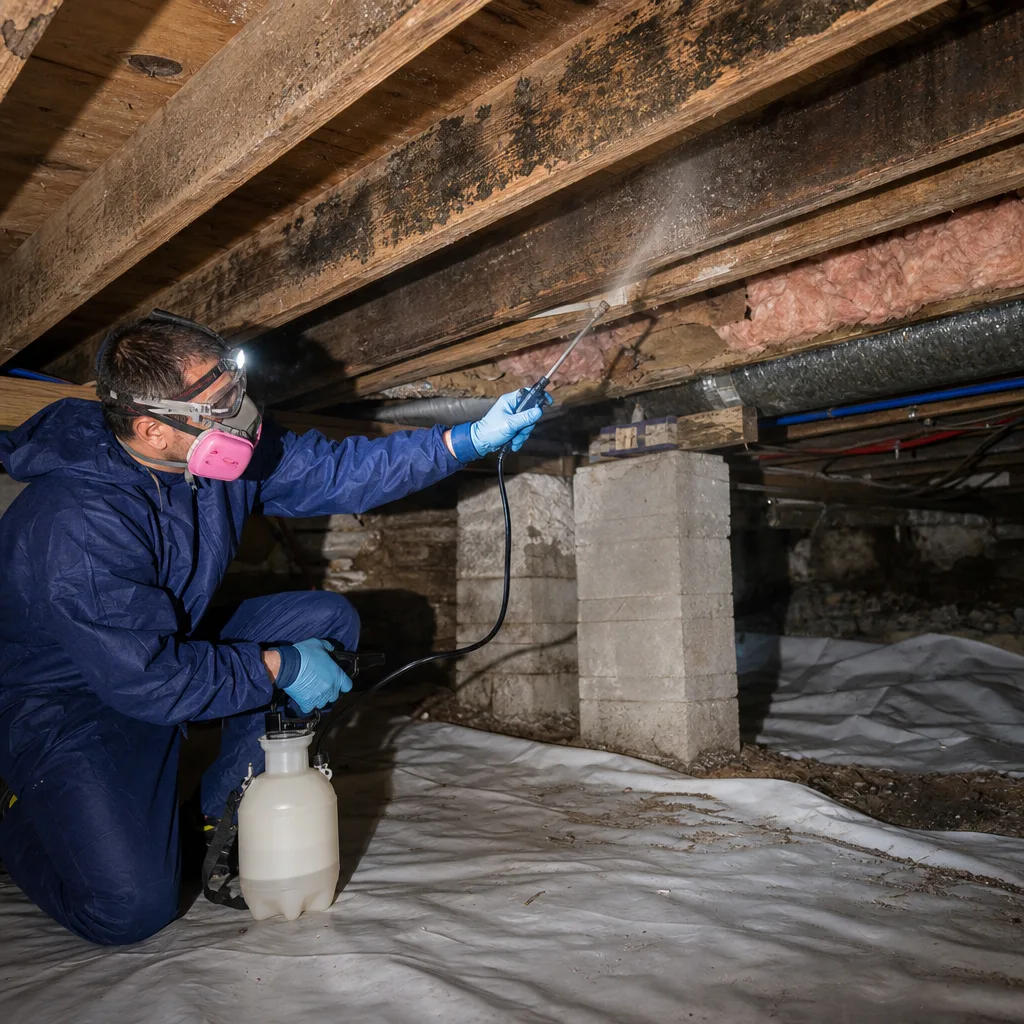
Emergency Board-Up & Tarping
We secure fire-damaged openings within hours of the loss to prevent weather intrusion, vandalism, and policy violations. For high-rise units, we coordinate with building management for safe facade access and proper tie-off, with all work documented for the carrier.
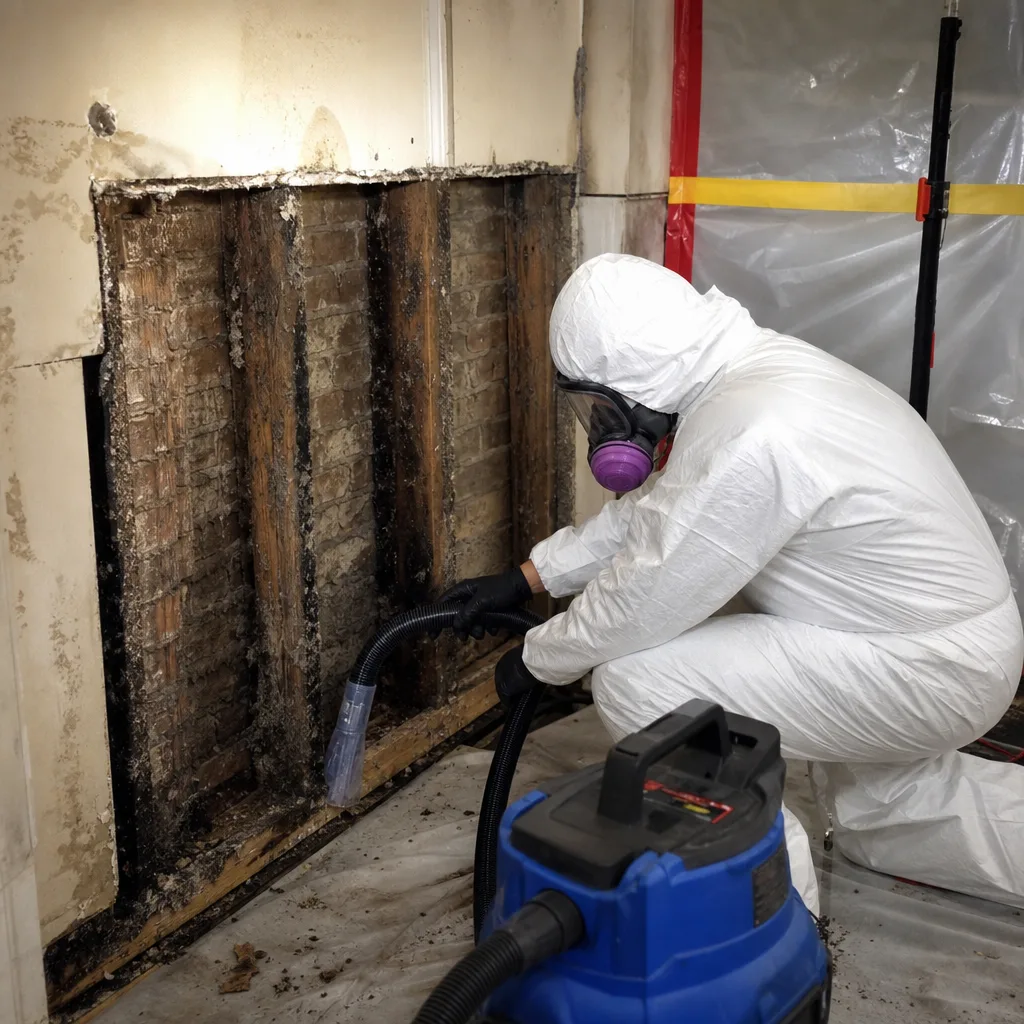
What happens when you call
- 1
A real person answersNo phone trees - you reach a local pro.
- 2
You get an upfront price rangeHonest numbers before anyone is dispatched.
- 3
A background-checked tech heads outLicensed & insured, dispatched right away.
- 4
You approve before work beginsNothing starts until you say go.
Fire & Smoke Damage Restoration Costs in Manhattan, NY
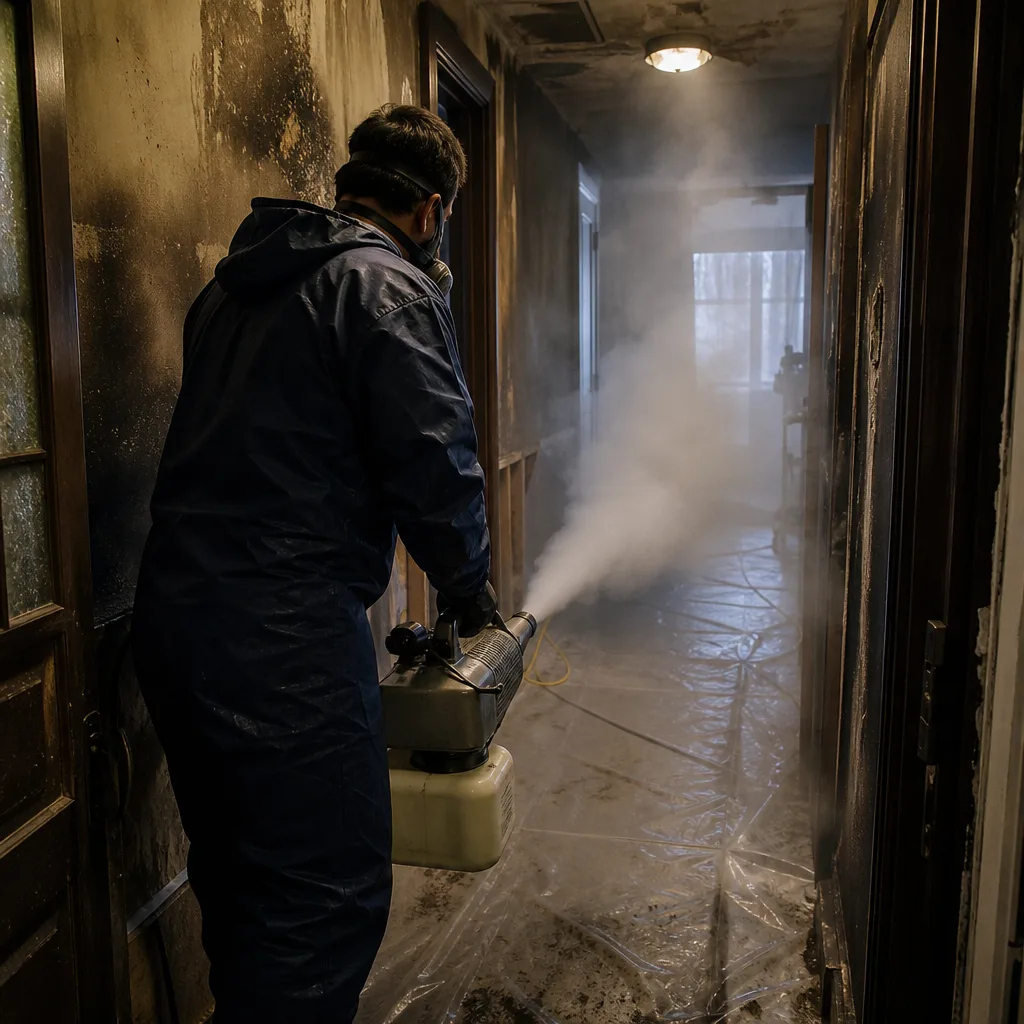
Manhattan’s market runs higher than outer boroughs due to building access complexity, co-op board coordination, and the prevalence of pre-war materials requiring specialized handling. Here’s what we see on actual jobs:
| Service | Typical Range in Manhattan |
|---|---|
| Emergency board-up and stabilization | $800 - $2,400 |
| Smoke and soot removal (per affected room) | $1,200 - $3,500 |
| Odor removal and deodorization | $1,500 - $4,800 |
| Contents cleaning and pack-out | $2,000 - $7,500 |
| Water extraction and structural drying (fire suppression water) | $2,500 - $6,000 |
| Full restoration with reconstruction (typical pre-war apartment) | $15,000 - $45,000 |
What moves the price: square footage affected, number of floors with smoke migration, whether asbestos or lead abatement is required, and the extent of water damage from suppression. Most Manhattan fire losses are insurance claims; we provide the documentation that keeps them moving. Call (551) 213-5277 for a free inspection and written scope - estimates carry no obligation.
We Also Serve Cities Near Manhattan
Our New York City office dispatches crews throughout the metro area. We regularly respond to fire and smoke damage in Long Island City, where converted industrial lofts present unique ventilation challenges; Maspeth, with its mix of residential and commercial properties; Astoria’s dense pre-war apartment stock; and Elmhurst’s high-rise residential towers. Each market has distinct building codes and loss patterns, and we adjust our documentation and response protocols accordingly.
Serving Manhattan, NY - Our Local Coverage Area
We’re based in the Manhattan area and know this community well. Use the map below to see our service coverage - if you’re nearby, we can almost certainly help.
Manhattan Fire & Smoke Damage Restoration Questions, Answered
Do I need co-op board approval before fire and smoke restoration can begin in my Manhattan building?
Yes, in nearly every Manhattan co-op and most condos, the board or management company must approve the scope of work before restoration crews enter common areas or perform demolition that affects building systems. We prepare the documentation package - scope, insurance authorization, contractor insurance certificates, and abatement clearances - and submit it directly to your building manager to expedite approval. Call (551) 213-5277 and we’ll coordinate the submission with your first inspection.
Why does my Manhattan fire restoration crew need to pause for asbestos and lead testing?
NYC Local Law requires asbestos and lead-paint assessment before any structural disturbance in pre-1978 buildings, which covers the majority of Manhattan’s housing stock. Skipping this step triggers stop-work orders, fines, and denied insurance claims. We build this pause into every timeline and use certified assessors so the job proceeds without regulatory interruption. Call (551) 213-5277 for an inspection that includes abatement sequencing.
How does a rooftop wooden water tower affect fire and smoke damage in my building?
Manhattan’s roughly 10,000 rooftop wooden water towers supply floors above six stories, and fire debris or heat can crack cedar staves or clog overflow lines, contaminating or draining the building’s water supply. Our techs coordinate with the super to isolate tower supply before equipment enters the service elevator, preventing expanded water damage and Category 3 contamination. This step is unique to Manhattan high-rises and built into our emergency response. Call (551) 213-5277 for immediate dispatch.
Can smoke odor really be removed from old horsehair plaster walls, or do they need to be replaced?
Smoke odor can often be removed from horsehair plaster through a combination of HEPA vacuuming, chemical sponging, and thermal fogging or ozone treatment that reaches adsorbed particles at the molecular level. Replacement becomes necessary when plaster is structurally compromised by charring, water saturation, or when odor penetration exceeds treatable depth - a determination we make with moisture meters and borescope inspection, not guesswork. Call (551) 213-5277 for an assessment that specifies removal vs. restoration.
What should I do immediately after a fire in my Manhattan apartment to limit damage?
Do not re-enter until the FDNY clears the building; then, if safe, open windows for ventilation, turn off HVAC to prevent smoke circulation, and avoid touching soot-covered surfaces (oils from skin set residues permanently). Photograph visible damage for your insurer, then call (551) 213-5277. Our live-answer dispatch will guide you through immediate steps while crews are en route.
How long does fire and smoke restoration take in a typical Manhattan apartment?
Light smoke damage with no structural impact: 3-5 days. Moderate damage with water extraction and soot removal: 1-2 weeks. Severe damage requiring abatement, reconstruction, and multi-party claim coordination: 4-8 weeks or longer. Manhattan’s board-approval and abatement sequencing adds 2-5 days to most timelines compared to single-family homes. We provide a written schedule with every scope. Call (551) 213-5277 for a timeline specific to your loss.
Will my insurance cover the full cost of fire and smoke restoration?
Most Manhattan homeowner and HO-6 policies cover fire and smoke damage, including mitigation, contents, and additional living expenses during displacement. Coverage disputes typically arise around causation (was the fire accidental?), scope of necessary work, and the distinction between repair and improvement. Our documentation - photo records, moisture logs, line-item scopes - is built to answer these questions before they’re asked. We bill carriers directly and coordinate with adjusters. Call (551) 213-5277 to review your policy and loss.
Are your technicians certified for fire and smoke restoration specifically?
Yes. Our lead technicians hold IICRC FSRT (Fire and Smoke Restoration Technician) certification, with WRT (Water Damage Restoration Technician) for the suppression water that accompanies nearly every fire loss, and AMRT (Applied Microbial Remediation Technician) for the mold risk that develops when drying is delayed, the same expertise we apply in our Mold Remediation in Manhattan work. All technicians are background-checked, uniformed, and licensed, with credentials available on request. Call (551) 213-5277 to confirm certification for your specific job.
Fire and smoke damage in Manhattan demands more than standard restoration protocols. The borough’s pre-war construction, vertical density, co-op governance, and unique infrastructure like rooftop wooden water towers create failure modes that generic crews miss. Our Fire & Smoke Damage Restoration team documents every variable, sequences every regulatory requirement, and delivers a written price before work begins - because sloppy documentation costs homeowners their claims, and we have no interest in repeating that mistake.
Call (551) 213-5277 now. A live person answers, 24 hours a day. Your inspection is free. Your scope and price will be in writing before any equipment enters your building. That’s Haven Standard, Clause 1. And it’s how we’ve restored 12,000 homes since 2011.
Written by Alicia Brennan, Owner at Back to Dry Restoration, serving Manhattan since 2011.