
Free visual inspection and a written scope of work before any mitigation begins - photos, moisture readings, and drying logs go in your claim file
The scope we write is the scope we bill. Anything new gets shown to you, in writing, before we touch it.
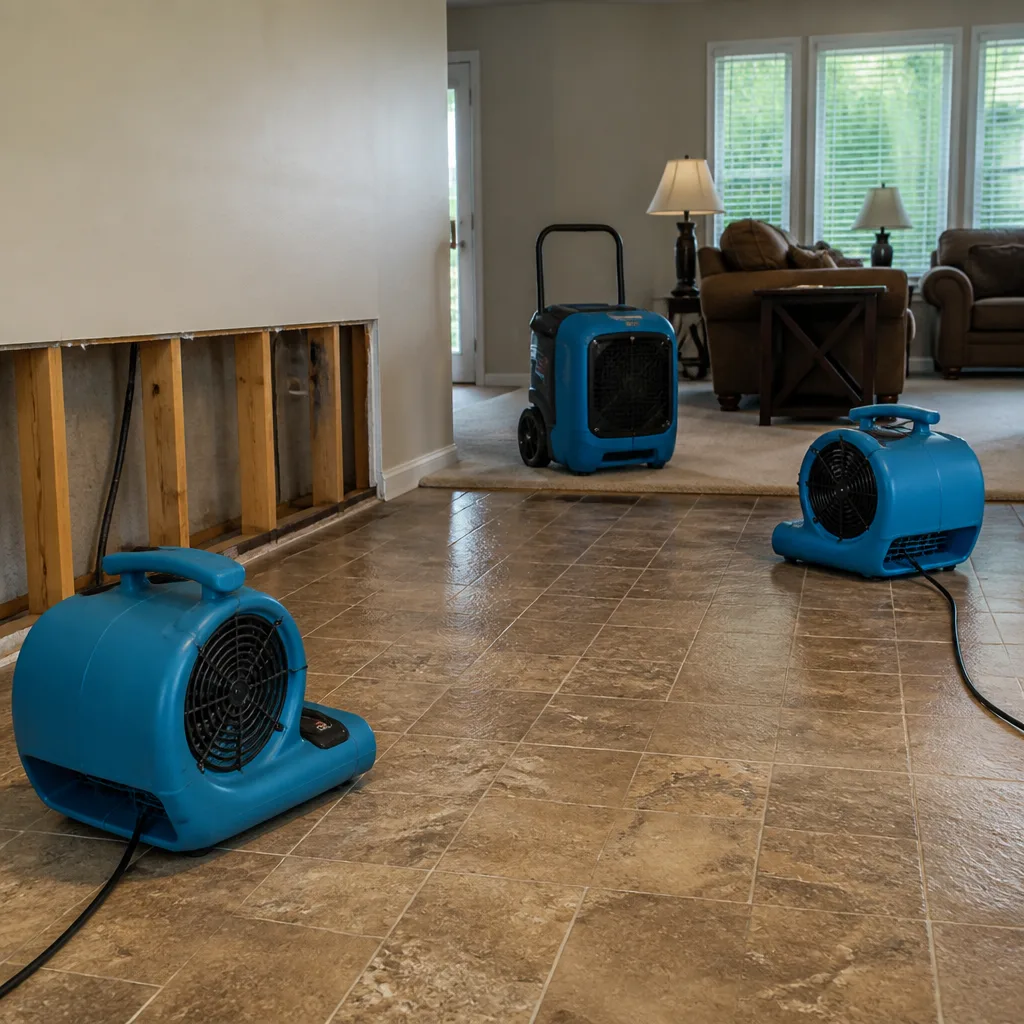

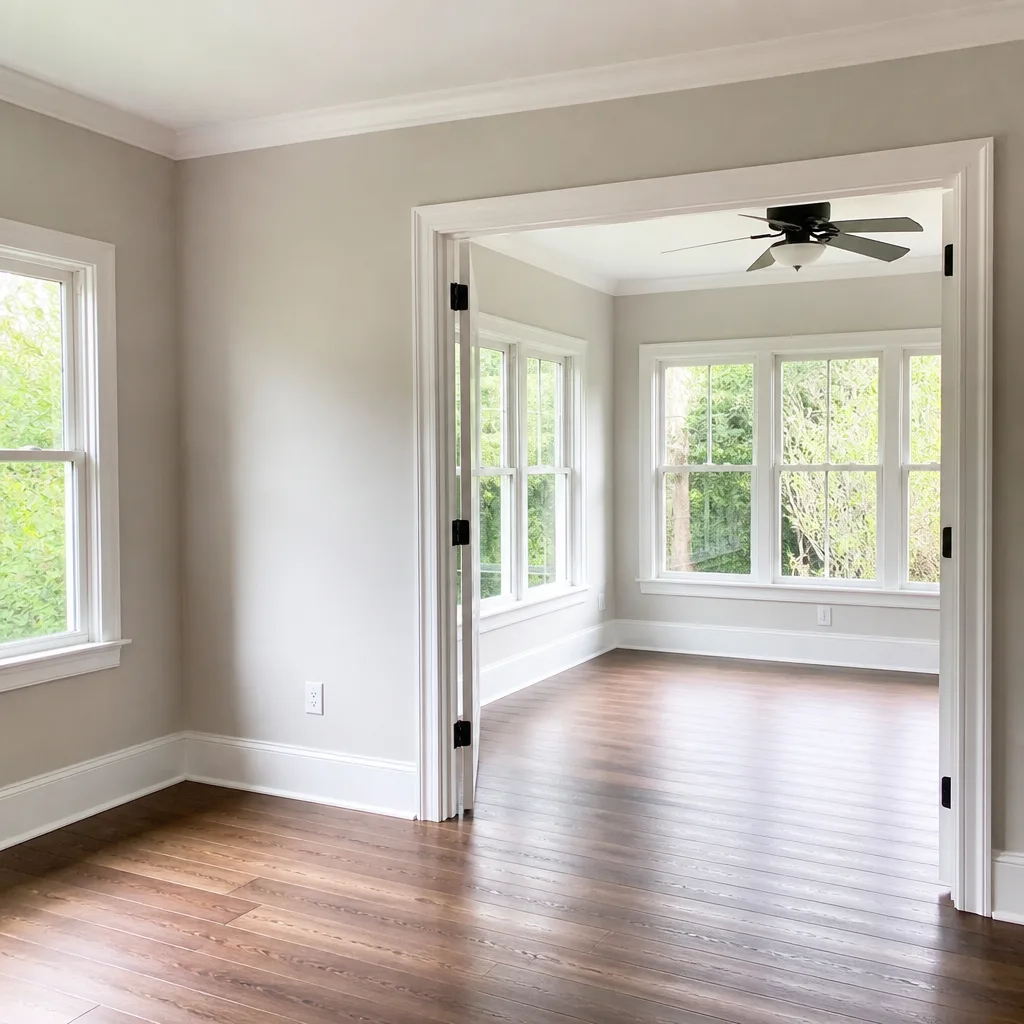
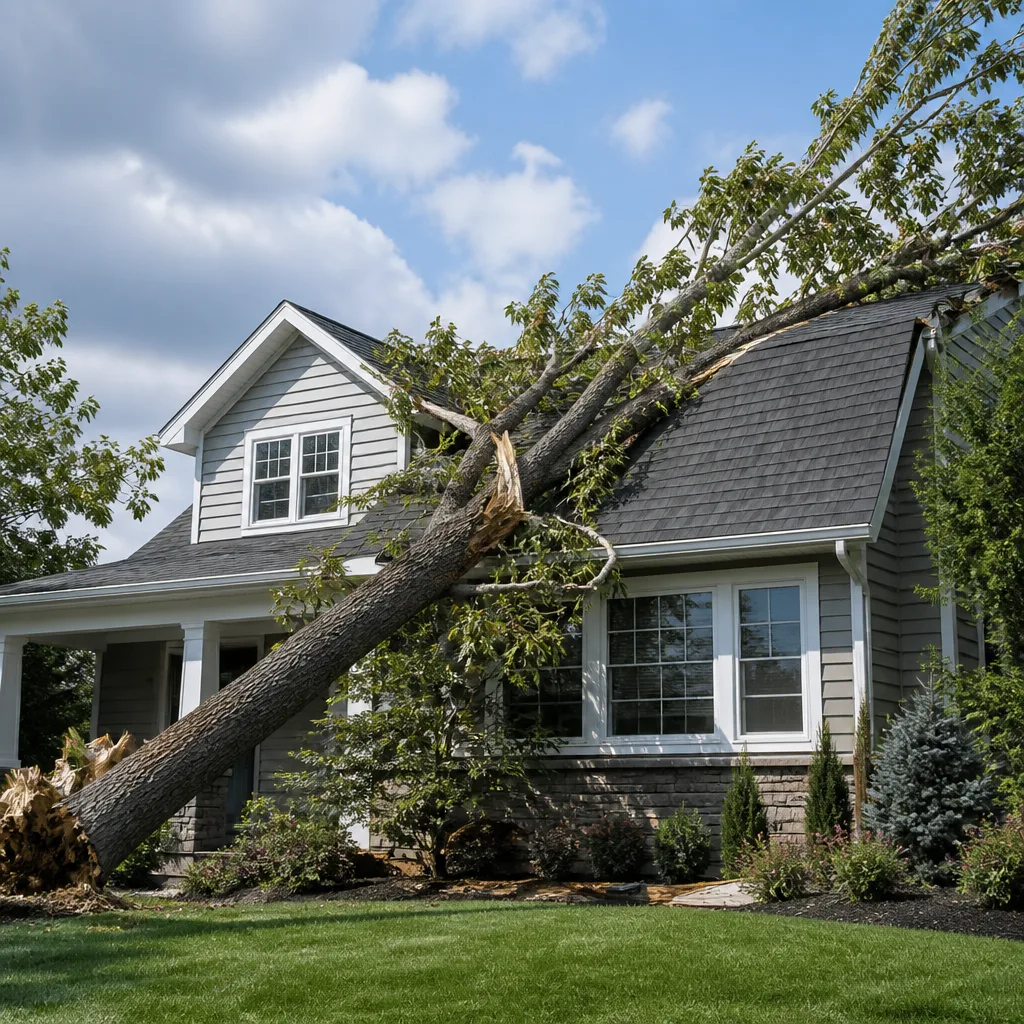
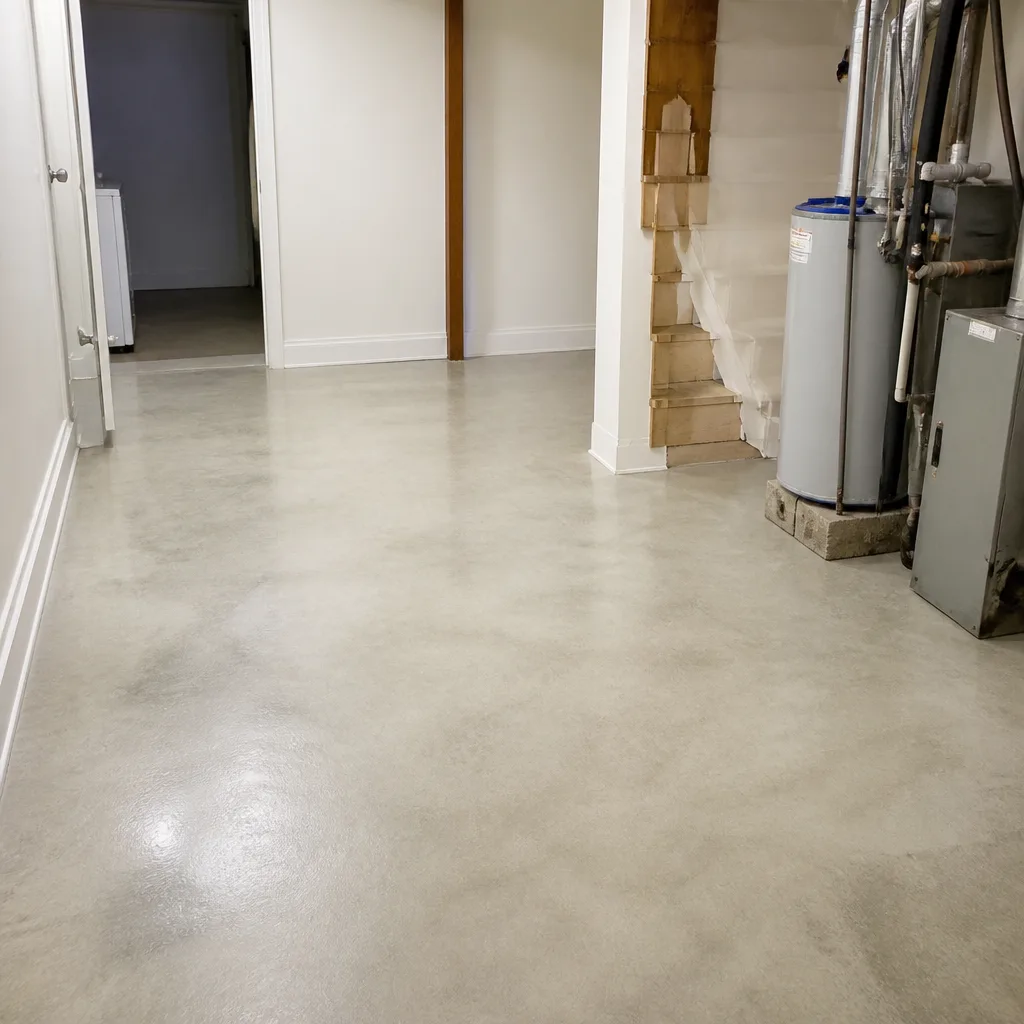
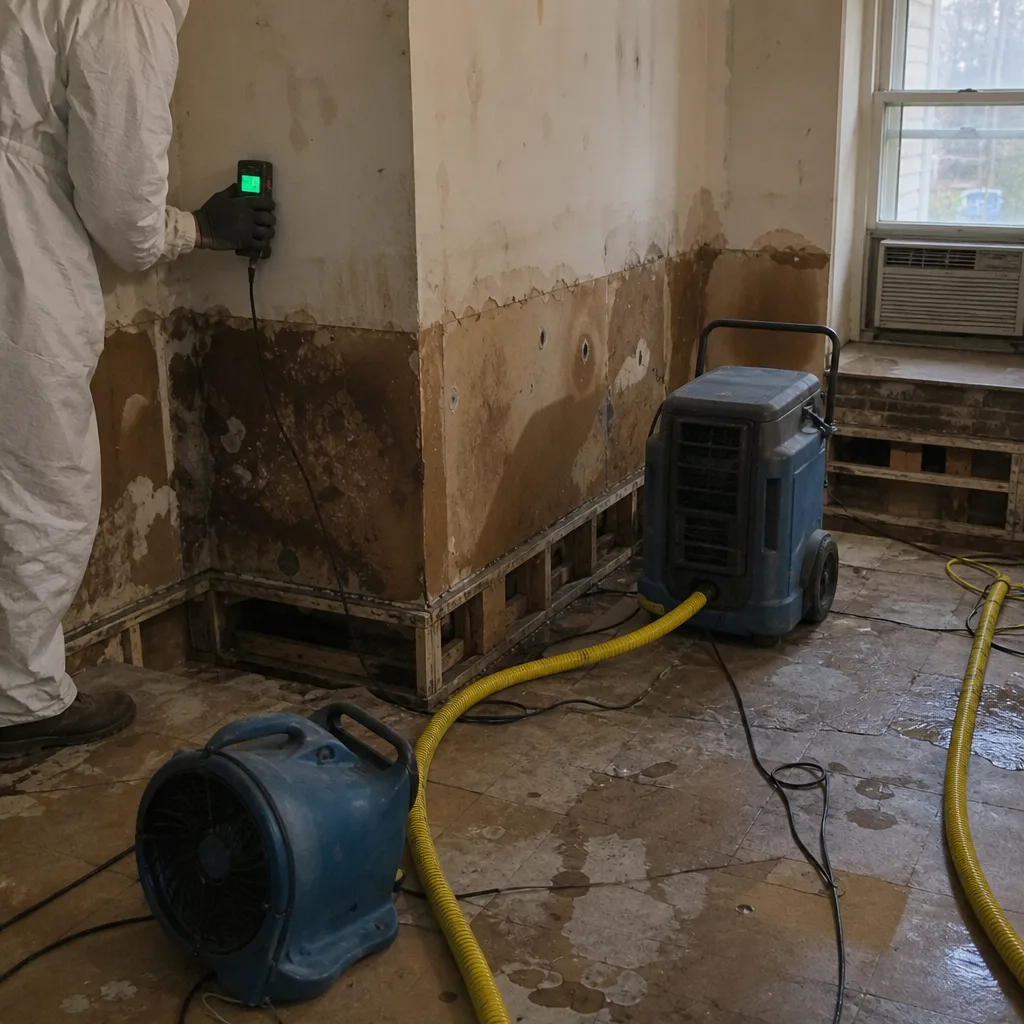 Before
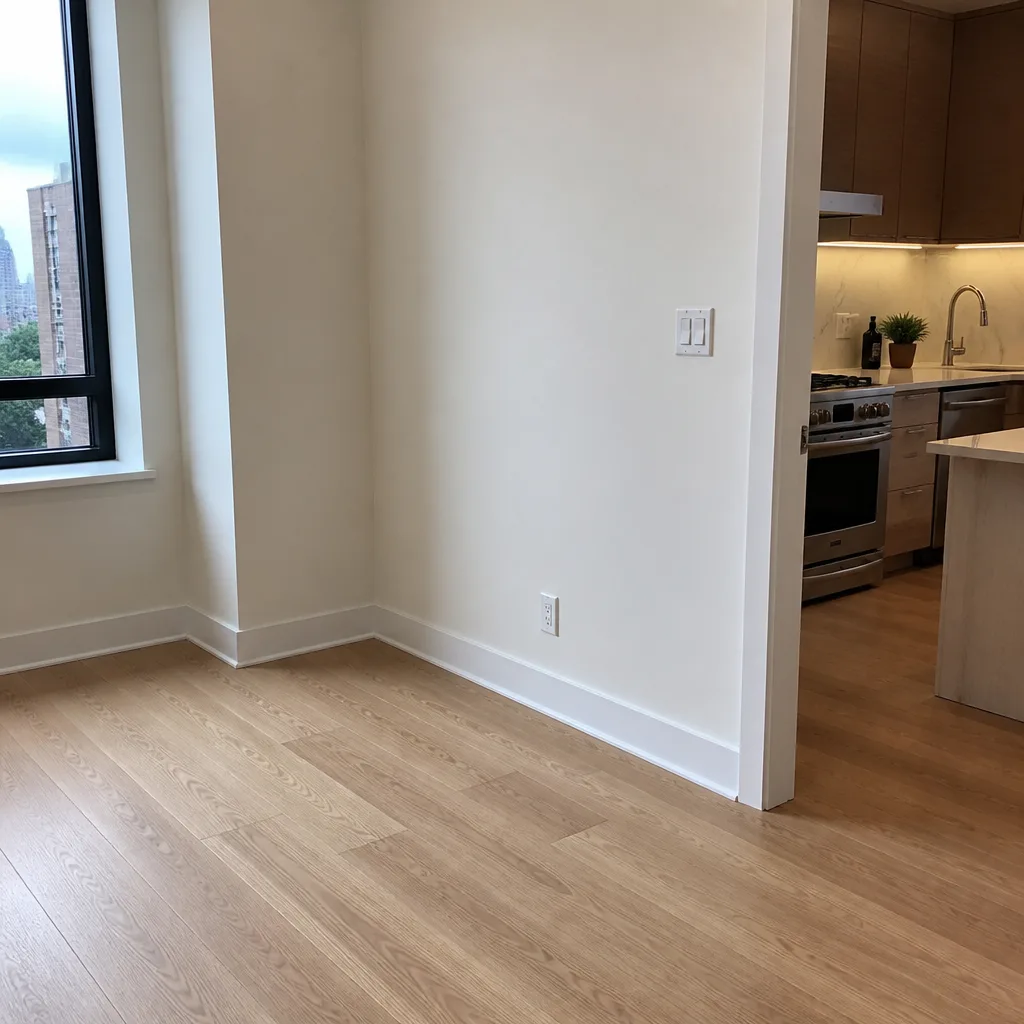 After
After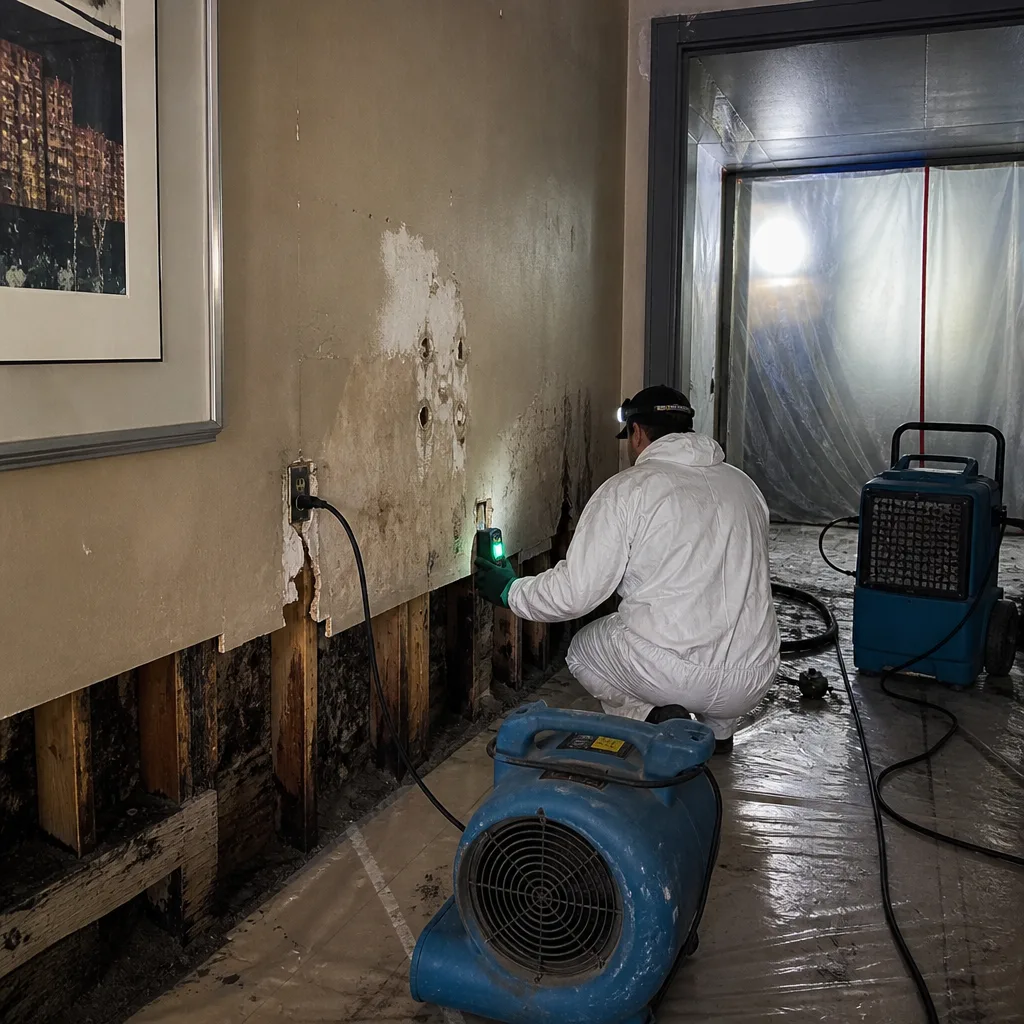 Before
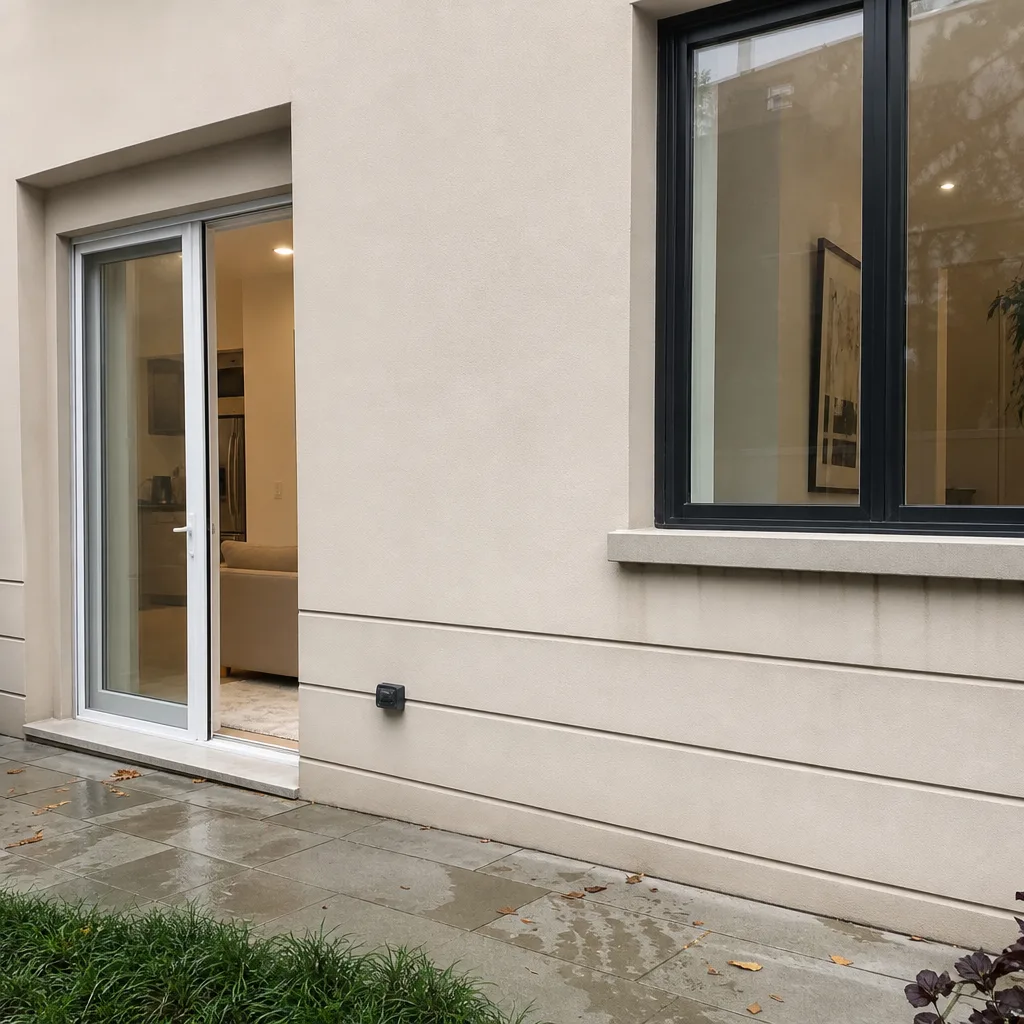 After
After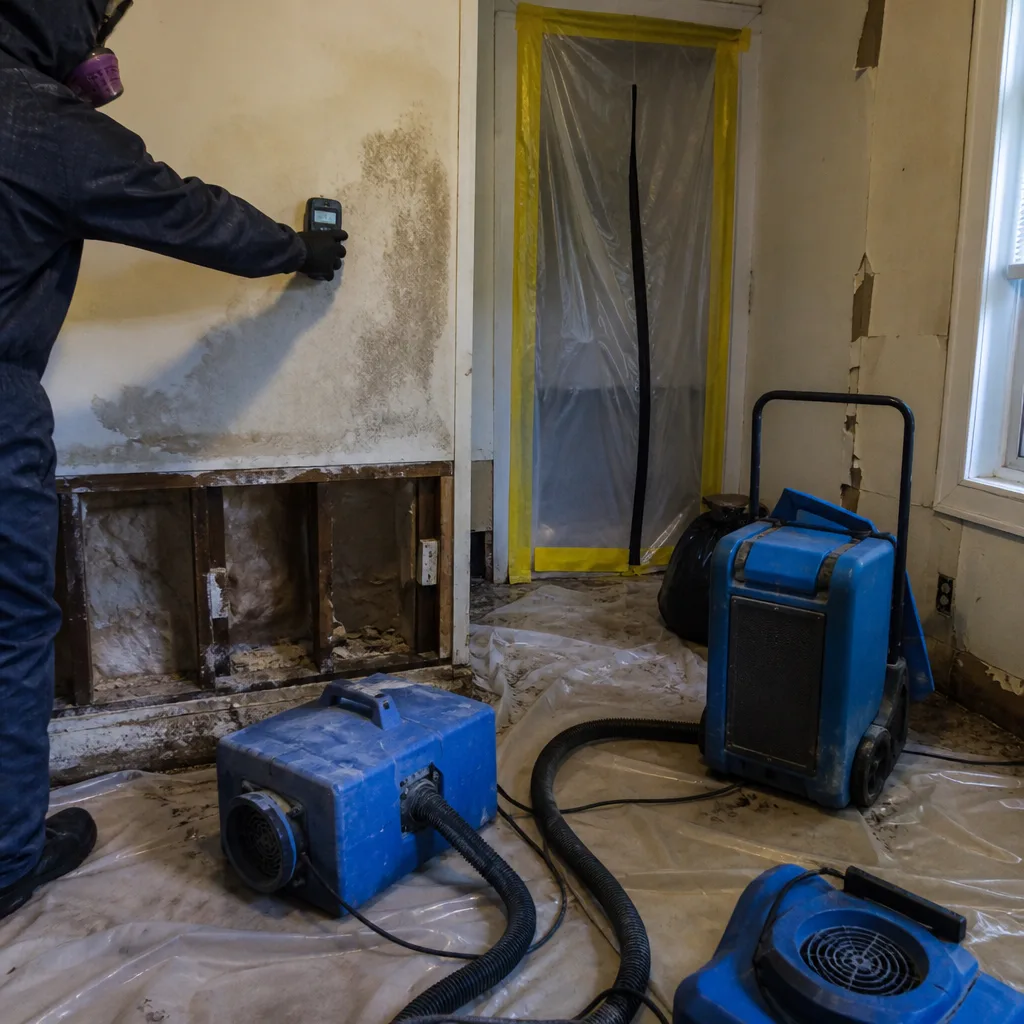 Before
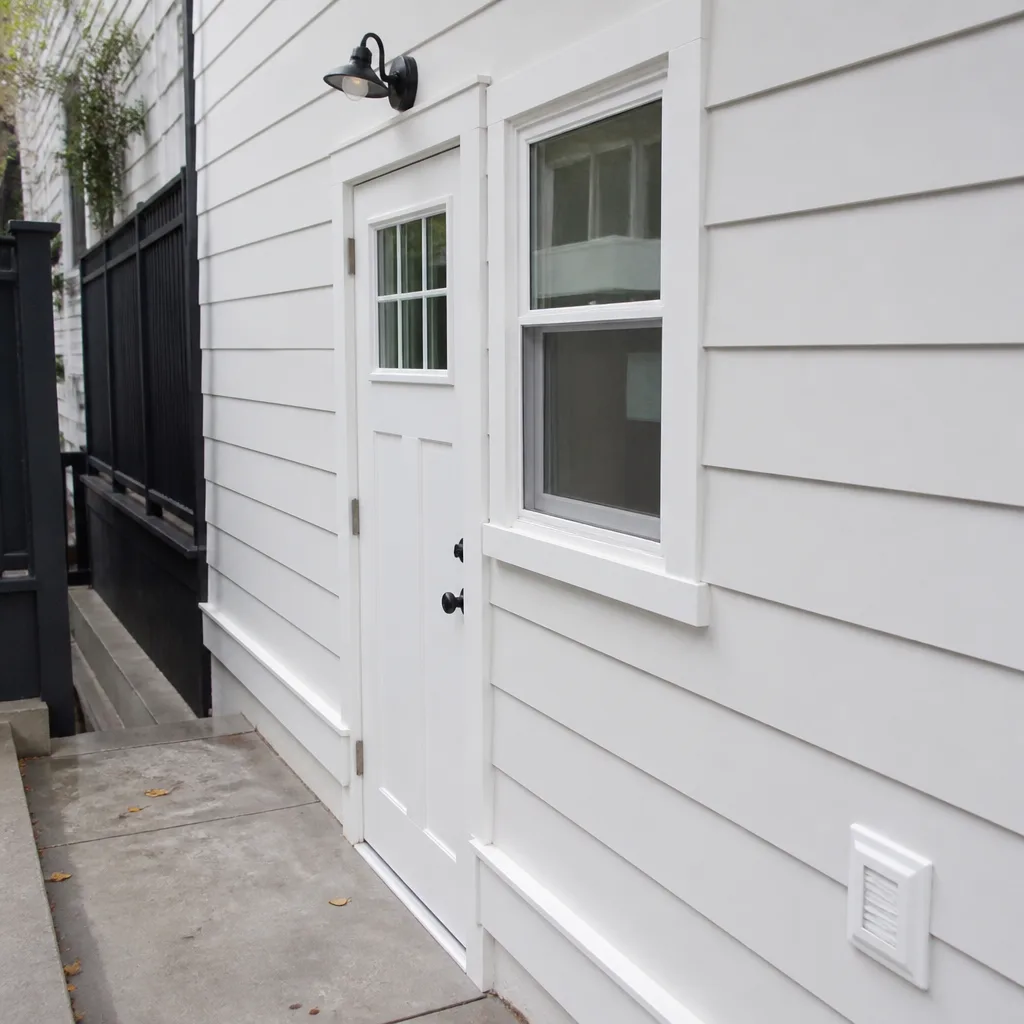 After
After24/7 Emergency Fire & Smoke Damage Restoration in Upper East Side
A fire in an Upper East Side apartment, even a contained kitchen flare-up, sends smoke through plaster walls and shared riser chases faster than most owners expect. Call (551) 213-5277 and a live person answers now, 24 hours a day. We dispatch crews across the Upper East Side within 45 minutes of your call, and we arrive with the certificate of insurance your co-op board requires already in process. The first hour determines whether soot etches your marble fixtures permanently or wipes clean, whether smoke odor stays trapped in horsehair plaster for months or gets neutralized at the source. Our free visual inspection includes moisture mapping of fire-suppression water damage and a written scope before any equipment crosses your threshold. Haven Standard, Clause 1: no exceptions.
Understanding Fire & Smoke Damage Restoration Severity in Upper East Side Properties
Fire damage in Upper East Side buildings breaks into three severity tiers, each demanding different documentation and technique. Light smoke exposure - a stovetop flare-up with no structural char - typically deposits dry, powdery soot on surfaces and requires HEPA vacuuming and thermal fogging of affected rooms. Moderate damage involves protein residues from kitchen fires that bond to pre-war plaster and require alkaline-based cleaners followed by sealing primers; here, smoke has traveled through door undercuts and shared wall cavities into adjacent rooms or neighboring units. Severe loss means structural char, compromised electrical, and water damage from sprinkler or FDNY suppression - the point where we test horsehair plaster and original millwork for asbestos and lead before touching a surface.
The Upper East Side’s building stock makes severity assessment more complex than in newer construction. Cast-iron riser chases run vertically through dozens of floors; smoke migrates through these shafts and reappears in apartments three floors removed from the origin. Plaster-and-lathe walls, common in classic sixes and sevens from Carnegie Hill to Lenox Hill, absorb odor compounds drywall would simply hold on the surface. We map migration paths with thermal imaging and borescopes, then document each affected cavity for your insurer. Psychrometric data - temperature, relative humidity, and vapor pressure differential - guides our drying strategy so we don’t force moisture deeper into irreplaceable materials.
Why Upper East Side Property Owners Choose DryMark Restoration Upper East Side
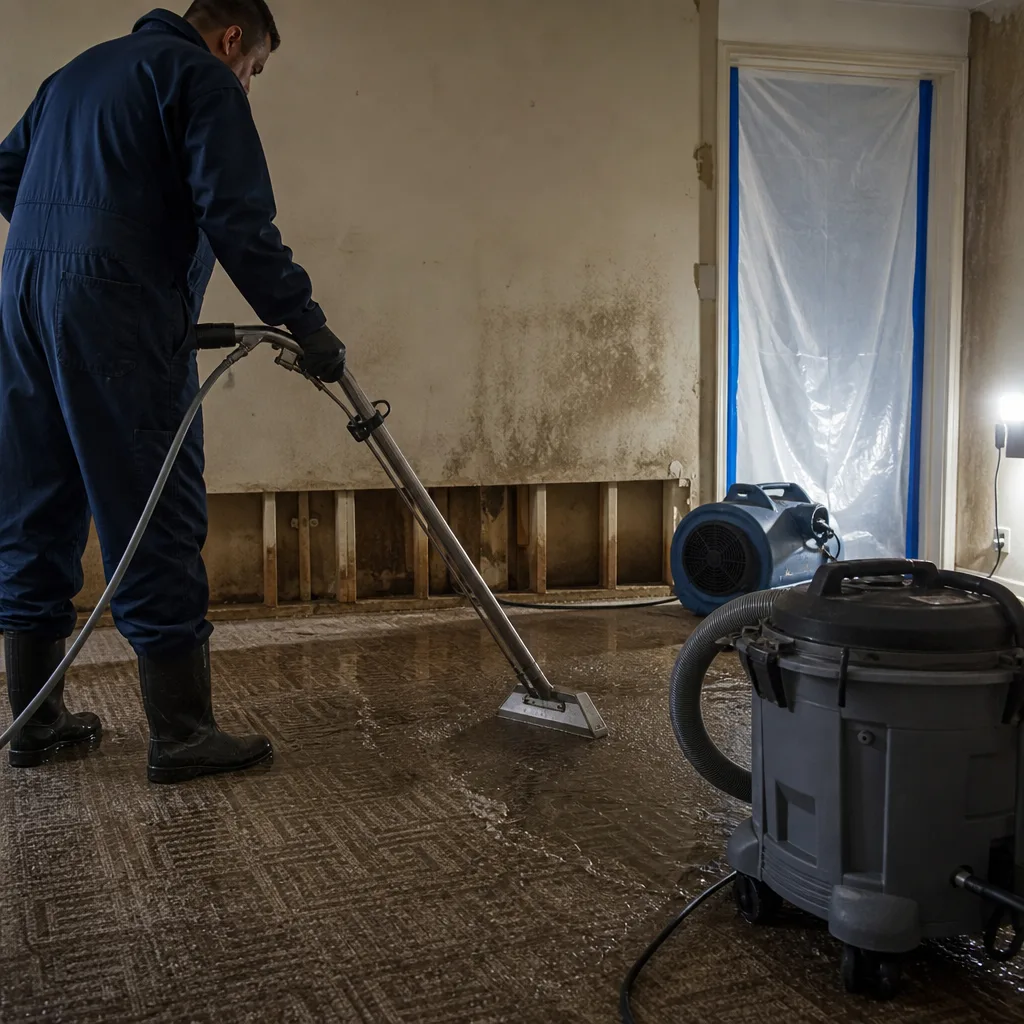
- 45-minute response commitment to any Upper East Side address, with crews staged for immediate deployment from our New York City office.
- 24/7 live answer by a real person, never an automated system - emergency lines ring through to dispatchers who understand co-op board protocols.
- IICRC-certified crews holding FSRT (Fire & Smoke Restoration Technician) and WRT (Water Damage Restoration Technician) credentials, with license numbers verified and provided on request.
- Free visual inspection with a written price before any work starts, every time, with no scope-creep additions once the crew is inside - Haven Standard, Clause 1.
- Direct insurance billing with photo-documented assessments and daily drying logs that adjusters recognize and pay without dispute.
- One team from emergency board-up through final reconstruction, so no handoff gaps and no conflicting documentation between mitigation and rebuild.
BeforeAfterOur Fire & Smoke Damage Restoration Process
1. Inspection & Assessment
We arrive with thermal imaging cameras, moisture meters, and borescopes to trace smoke migration through plaster walls and shared riser chases. Every affected surface is photographed, moisture readings are logged by room, and we test pre-1978 materials for asbestos-containing plaster and lead-based paint before proposing any demolition. A written scope and price follows within hours - Haven Standard, Clause 1.
2. Emergency Board-Up & Stabilization
Broken windows, compromised doors, and fire-damaged facades get secured with plywood and weatherproof tarping. On Upper East Side co-ops, we coordinate with building staff for alley-load access and elevator windows, and our certificate of insurance naming the building corporation as additional insured clears before equipment enters common corridors.
3. Smoke & Soot Extraction
Dry soot gets HEPA-vacuumed with contactless technique so oils from skin don’t drive residues deeper. Protein and wet smoke residues, common in kitchen fires, receive pH-specific cleaning agents matched to the substrate - alkaline cleaners for greasy protein soot on plaster, solvent-based products for synthetic smoke on painted trim. We deploy HEPA air scrubbers with activated carbon filtration to capture airborne particulate.
4. Odor Neutralization & Deodorization
Surface cleaning doesn’t reach odor molecules absorbed into horsehair plaster, parquet herringbone, or upholstered contents. We seal charred substrates with shellac-based primers, run ozone or hydroxyl generators in contained spaces, and send smoke-affected textiles and furniture to our off-site deodorization chamber for thermal fogging and particulate extraction.
5. Contents Cleaning & Pack-Out
Smoke-damaged furniture, artwork, rugs, and personal items are inventoried, photographed, and transported to our climate-controlled facility for ultrasonic cleaning, dry-cleaning, or specialized restoration. Each item is tracked with a barcode system so nothing disappears into a warehouse. Delicate Upper East Side collections - antique textiles, gilded frames, leather-bound libraries - get conservator-level assessment.
6. Structural Repair & Restoration
Charred framing gets replaced to code. Original plaster ceilings receive three-coat restoration with lime-based compounds matched to pre-loss texture, not cheap drywall overlays. Parquet herringbone floors are repaired plank-by-plank where possible, replaced with reclaimed stock where necessary. A final walkthrough with photo documentation, moisture verification, and your signed 365-Day Done Right Promise closes the file.
Need Emergency Fire & Smoke Damage Restoration in Upper East Side Now?
Crews minutes away, answering live 24 hours a day. The sooner we start, the less it costs.
Working With Your Insurance Company
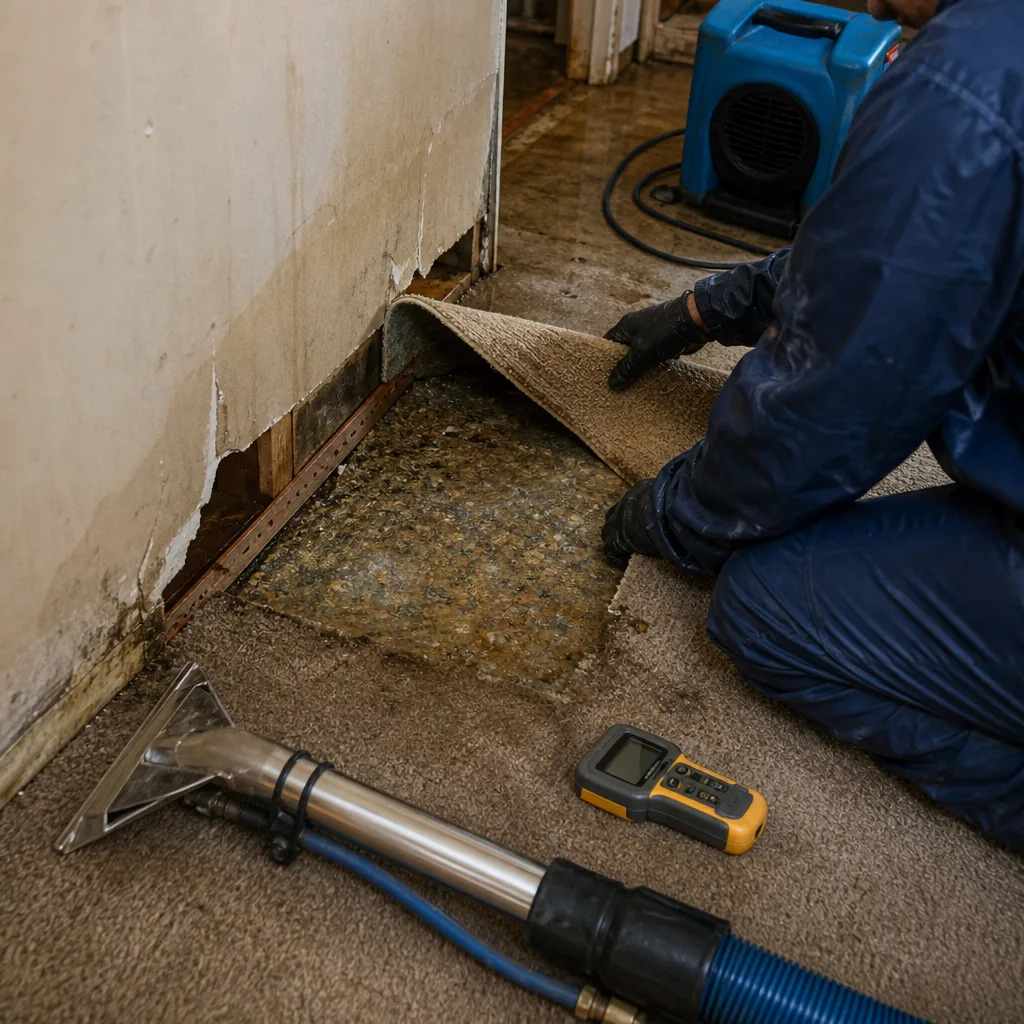
Fire claims in Upper East Side co-ops and condos involve multiple interested parties: your carrier, the building’s master policy, and sometimes a neighbor’s insurer if smoke migrated. We begin documentation the moment we arrive - photo records of every room, moisture readings with timestamps, and a line-item scope written to Xactimate standards that adjusters process without revision. Our team speaks directly with your adjuster, submits supplemental documentation when hidden damage extends the scope, and never asks you to float costs while waiting for approval.
What We Provide Your Insurer
- Thorough documentation of the loss
- Photos of all damage, room by room
- Moisture readings and drying logs
- A detailed, line-item scope of work
- Direct coordination with your carrier
Built for Upper East Side’s Loss Calendar
January deep freezes strain aging steam and hydronic systems in pre-war buildings along Park and Fifth Avenues, and when a radiator valve fails, the resulting moisture damage often coincides with space-heater fires started by tenants compensating for uneven heat. Spring brings the thaw and basement seepage in river-facing buildings near Carl Schurz Park, where older drain infrastructure backs up and forces emergency pumping. Summer thunderstorm flash flooding hits rooftop mechanical rooms and sends water down elevator shafts, sometimes triggering electrical fires in aged panel boxes. Fall and winter nor’easters drive the highest volume of calls: wind-driven rain breaches window seals in limestone high-rises, and the FDR-adjacent blocks from the East 80s to East 90s see recurring storm-surge backup that overwhelms sump systems installed decades ago. Our Fire & Smoke Damage Restoration crews carry the season-specific equipment to handle each pattern - from desiccant dehumidifiers for winter freeze events to high-volume extraction for summer mechanical failures.
Fire & Smoke Damage Restoration Across Upper East Side’s Neighborhoods
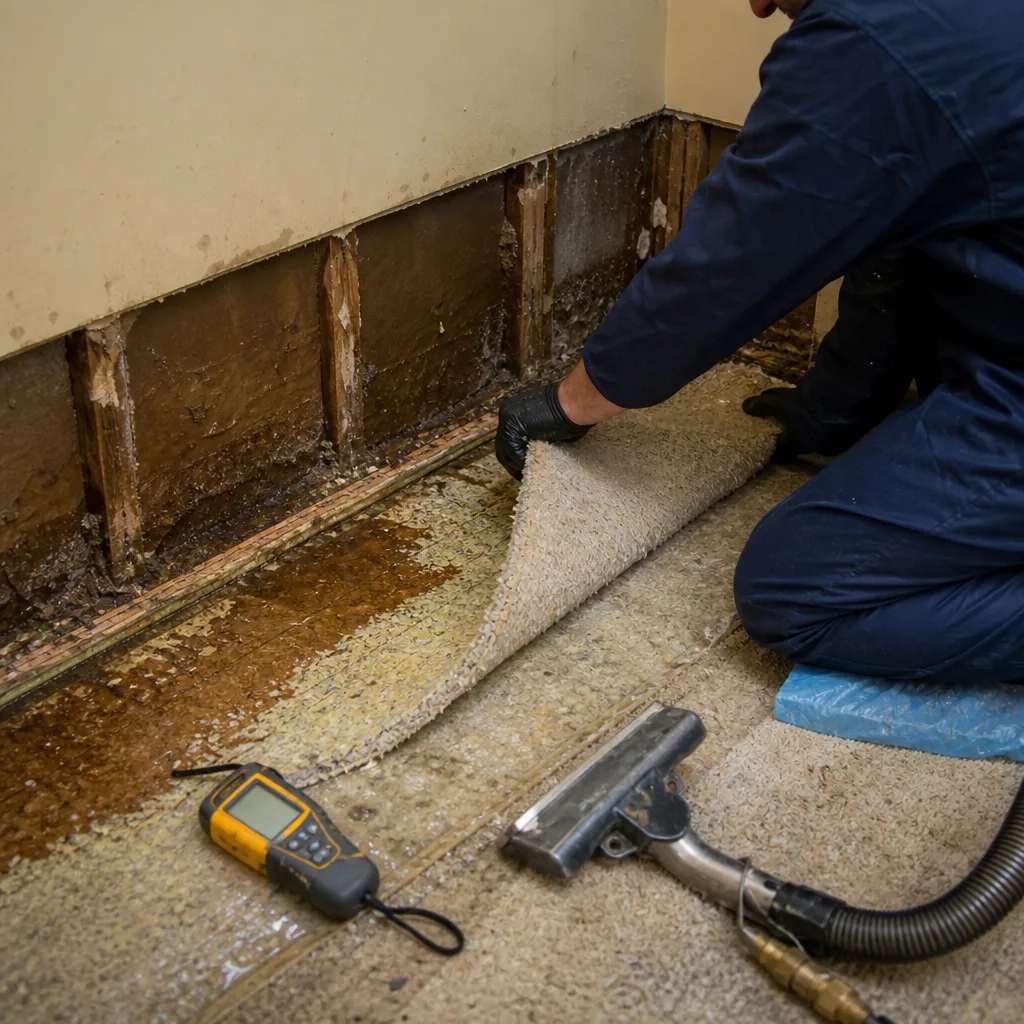
Carnegie Hill, roughly East 86th to East 96th Street east of Fifth Avenue, holds some of the finest pre-war co-op stock in Manhattan. A grease fire in a classic six here doesn’t stay in one apartment. Smoke finds the gaps around cast-iron risers, travels through door undercuts into common corridors, and leaves soot on limestone wainscoting that building staff will notice before the owner does. We know to tent hallways with zip-wall containment before running air movers, and we know which managing agents process certificates of insurance in two hours versus two days.
Lenox Hill, from East 60s to East 77th between Fifth and the East River, mixes 1960s white-glove high-rises with smaller 1920s walk-ups and townhouses. The high-rises have central HVAC systems that can distribute smoke building-wide if dampers fail; the walk-ups have original plaster-and-lathe walls that hold odor for months if not properly sealed. Our response routes account for Lenox Hill’s tighter street grid and hospital-zone traffic patterns.
Yorkville, running east of Third Avenue to the river, includes post-war towers and the remaining tenement-era stock. The towers have modern drywall and straightforward restoration protocols; the older buildings have the same plaster-and-lathe construction as Carnegie Hill but with fewer on-site staff to manage access. We coordinate directly with supers and managing agents so crews aren’t left waiting at service entrances.
The East 90s corridor near Carl Schurz Park presents a specific risk profile: waterfront exposure to storm surge, basement mechanical rooms at or below sea level, and some of the oldest active plumbing in the neighborhood. Fire suppression water here often carries the additional complication of Category 3 contamination from backed-up drains, requiring antimicrobial treatment beyond standard smoke restoration.
Specialized Fire & Smoke Damage Restoration Services We Offer in Upper East Side
Fire Damage Cleanup
From contained kitchen flare-ups to full-room char, we remove compromised materials, test for asbestos and lead in pre-1978 construction, and stabilize the structure for repair. In Upper East Side co-ops, this means coordinating with building engineers and filing alteration agreements before any demolition that affects common elements.
Smoke & Soot Removal
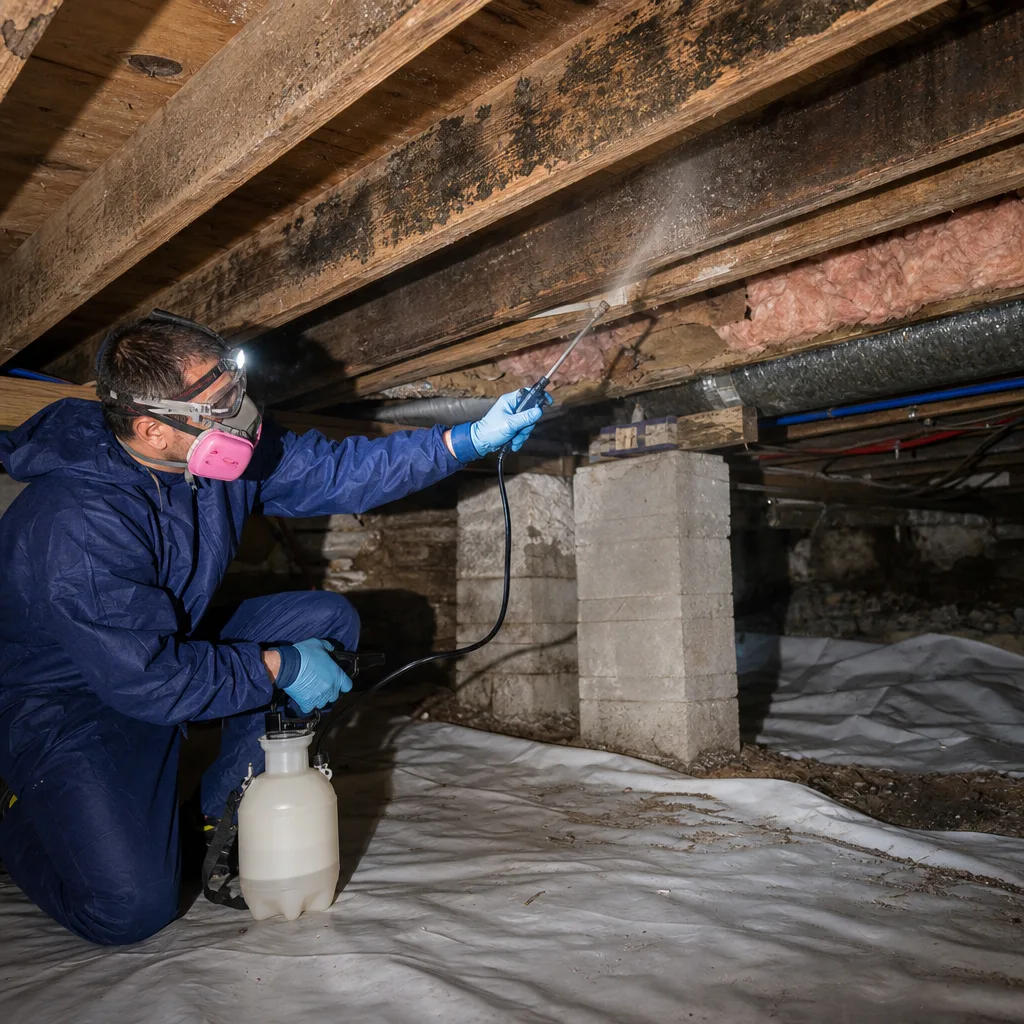
Dry, wet, and protein soot each demand different chemistry and technique. We identify residue type through field testing, then select cleaning agents matched to the substrate - never the one-size-fits-all approach that etches marble mantels or drives grease soot deeper into plaster pores. HEPA air scrubbers run continuously during this phase to protect unaffected spaces.
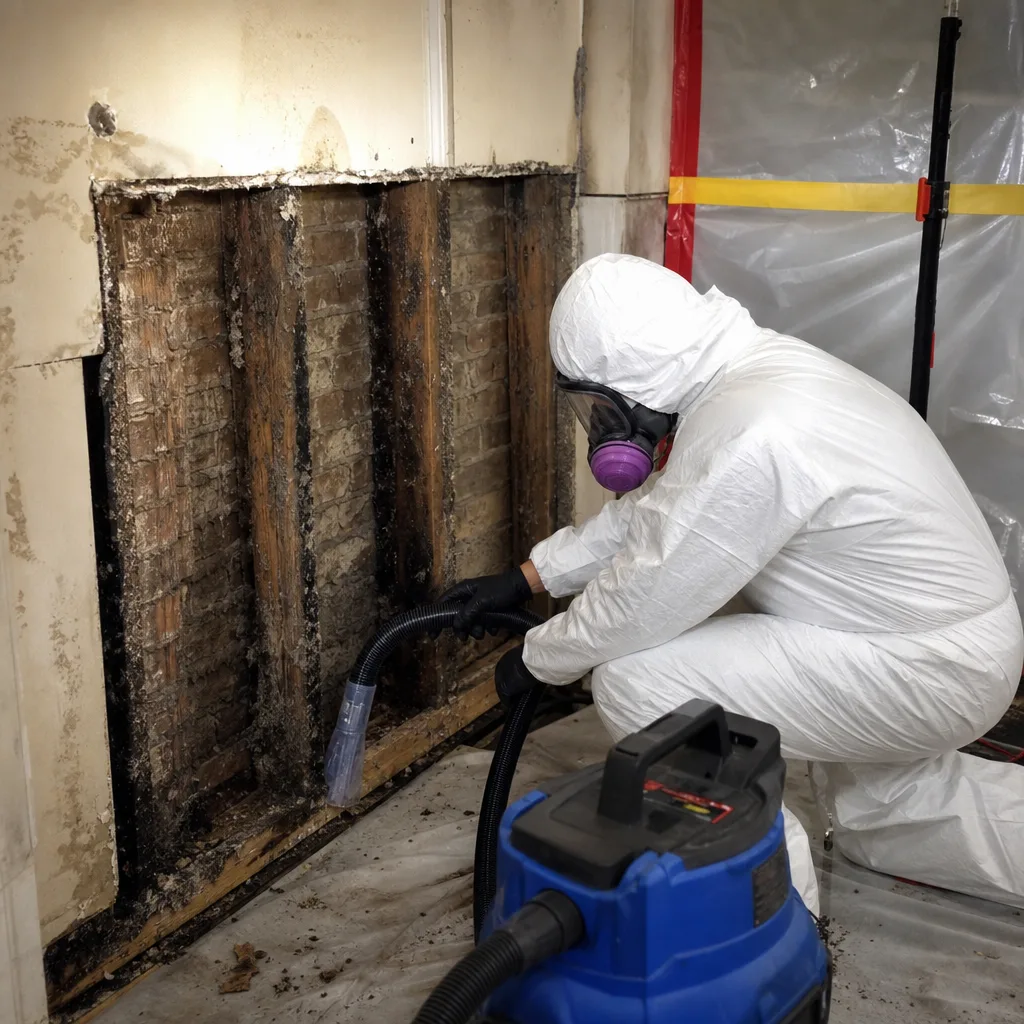
Odor Removal & Deodorization
Smoke odor in Upper East Side apartments rarely responds to surface cleaning alone. We deploy thermal fogging, ozone generators, and hydroxyl machines in contained sequences, seal charred substrates with odor-blocking primers, and verify results with olfactory testing and air sampling before declaring the space cleared. Neighboring units get inspected for migration reservoirs.
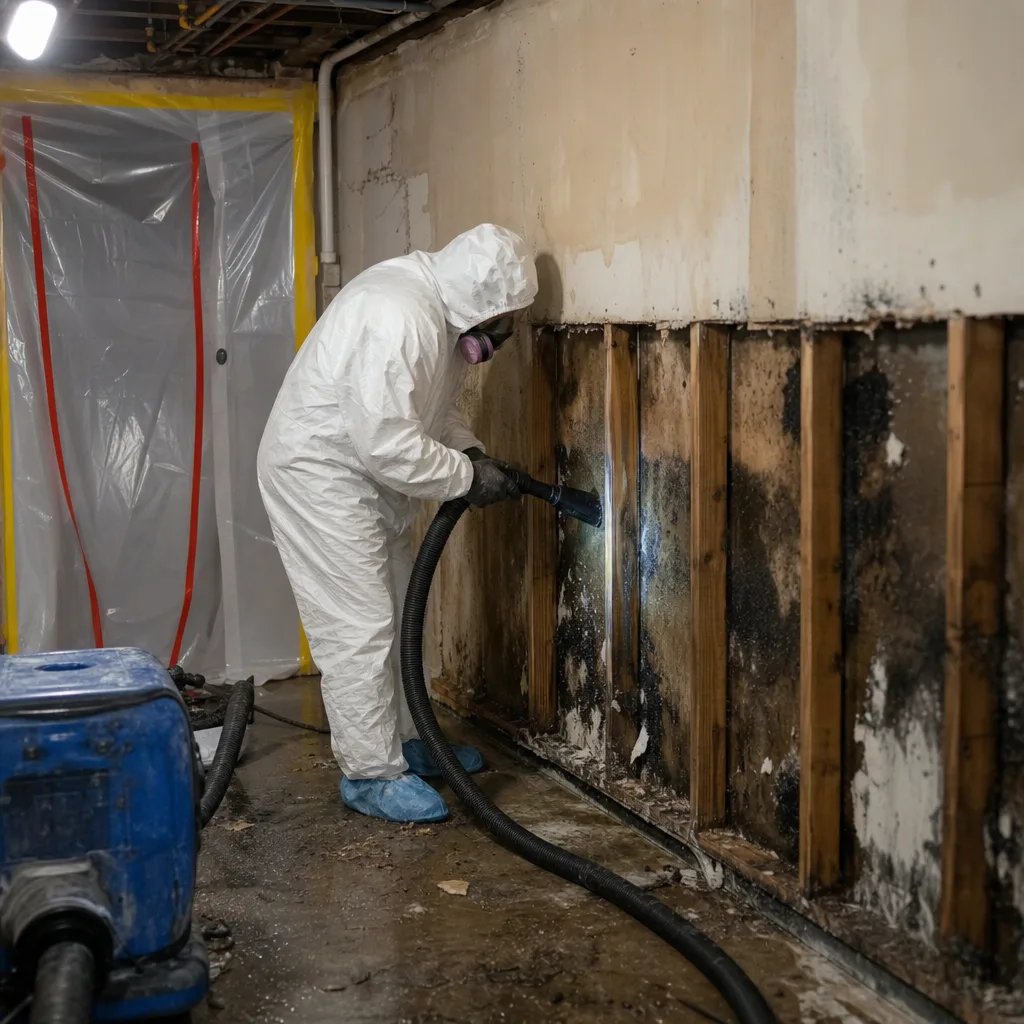
Contents Cleaning & Pack-Out
Smoke-damaged furniture, artwork, rugs, and personal items are inventoried with photo documentation, barcoded, and transported to our facility for specialized cleaning. Antique textiles receive conservator assessment; leather and suede get pH-balanced treatment; framed artwork gets ozone chamber deodorization before re-framing. Every item is trackable through our portal.
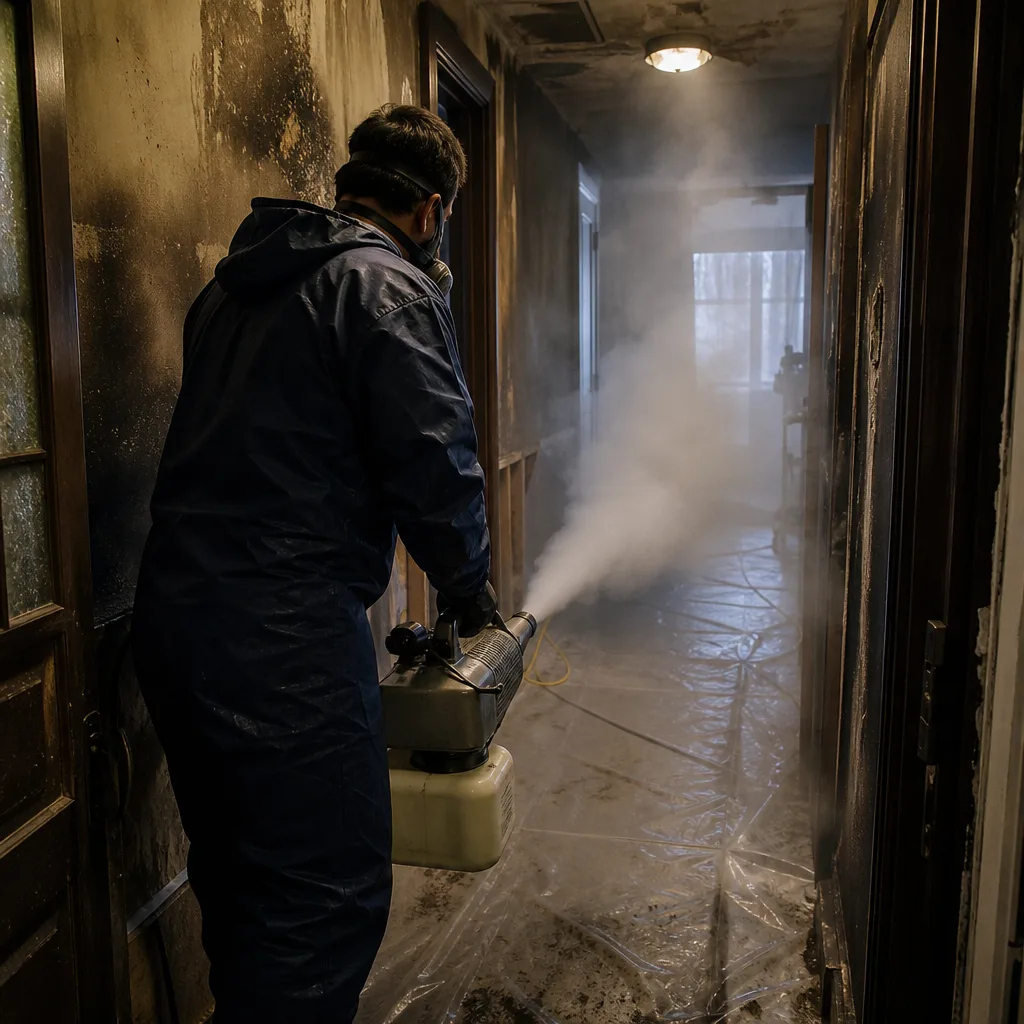
Emergency Board-Up & Tarping
Broken windows and compromised facades get secured within hours of your call, with plywood and weatherproof materials matched to the exposure. On Upper East Side buildings with landmark or LPC oversight, we use materials and methods that satisfy preservation requirements while protecting the interior from further damage.
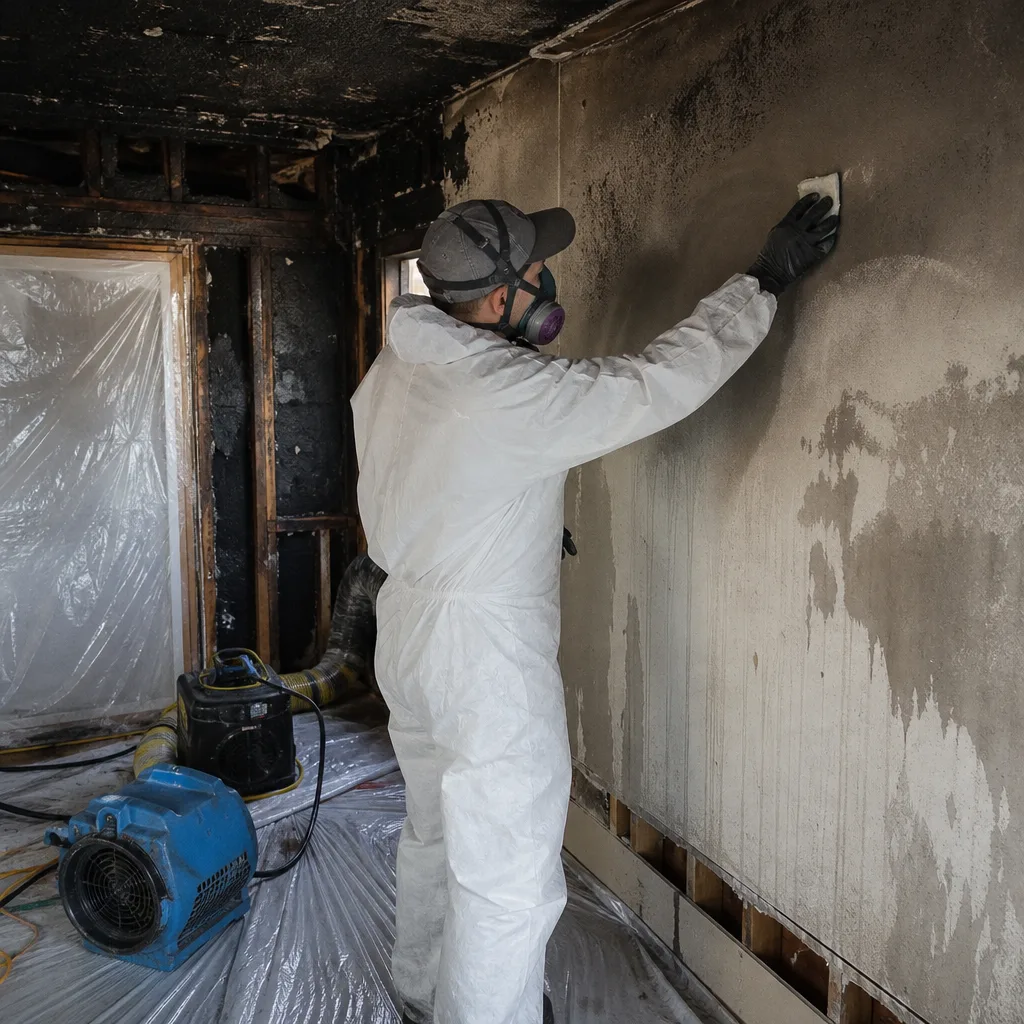
What happens when you call
- 1
A real person answersNo phone trees - you reach a local pro.
- 2
You get an upfront price rangeHonest numbers before anyone is dispatched.
- 3
A background-checked tech heads outLicensed & insured, dispatched right away.
- 4
You approve before work beginsNothing starts until you say go.
Fire & Smoke Damage Restoration Costs in Upper East Side, NY
Fire and smoke restoration in Upper East Side runs higher than national averages because of co-op compliance costs, specialized material restoration, and Manhattan labor rates. Here’s what we typically see:
| Service | Typical Range in Upper East Side |
|---|---|
| Light smoke cleanup (single room, no structural damage) | $1,800 - $4,500 |
| Moderate smoke & soot removal (multiple rooms, plaster sealing) | $4,500 - $12,000 |
| Contents pack-out and deodorization | $2,500 - $8,000 |
| Structural repair with plaster restoration | $8,000 - $35,000+ |
| Emergency board-up and stabilization | $800 - $2,500 |
What moves the price: square footage affected, smoke migration distance (neighboring units add complexity), asbestos or lead abatement requirements, and whether original materials like horsehair plaster and parquet herringbone can be restored versus replaced. Most Upper East Side fire claims carry substantial insurance coverage; we provide the documentation that gets scopes approved. Call (551) 213-5277 for a free visual inspection and written price - Haven Standard, Clause 1, every time.
We Also Serve Cities Near Upper East Side
Our New York City office dispatches crews throughout the metro area. We provide Fire & Smoke Damage Restoration in Upper East Side and neighboring communities including Manhattan, Upper West Side, Astoria, and East Harlem. Each market has its own building stock and compliance environment; our documentation protocols adapt to each.
Serving Upper East Side, NY - Our Local Coverage Area
We’re based in the Upper East Side area and know this community well. Use the map below to see our service coverage - if you’re nearby, we can almost certainly help.
Upper East Side Fire & Smoke Damage Restoration Questions, Answered
Can you start emergency board-up or tarping on an Upper East Side co-op before the board approves the work?
Emergency stabilization to prevent further damage - boarding broken windows, tarping compromised roofs, shutting off utilities - can proceed immediately under most co-op proprietary leases as a life-safety measure.
However, any work that enters common corridors, uses building elevators for equipment, or affects shared systems requires the certificate of insurance naming the building corporation as additional insured. We begin that paperwork the moment you call, and our relationships with most Upper East Side managing agents mean clearance typically takes two to four hours, not days. We document every emergency action with photos for the board’s review. Call (551) 213-5277 and we’ll coordinate directly with your super or managing agent.
How do you handle smoke odor that has seeped into a neighboring apartment through shared plaster walls on the Upper East Side?
We inspect the neighboring unit at no charge, map odor migration with thermal imaging and moisture meters, and treat affected cavities through strategic access points or from the origin side.
Shared plaster walls in pre-war buildings act like wicks for smoke gases; surface cleaning in the origin unit leaves odor reservoirs that reappear weeks later. We use borescopes to inspect inside wall cavities, then deploy vapor-phase deodorization or controlled demolition and replacement of fire-affected insulation. The co-op board’s engineer reviews our findings before we open common walls. Documentation goes to both your insurer and the neighbor’s carrier if liability is shared.
What is the biggest mistake a restoration crew can make in a pre-war Upper East Side apartment after a fire?
Demolishing original horsehair plaster or parquet herringbone without first testing for asbestos-containing plaster and lead-based paint, which triggers a stop-work order and converts a contained restoration into a full abatement project.
The second-biggest mistake is overlooking vertical smoke migration through shared cast-iron riser chases, leaving hidden odor reservoirs that reappear in neighboring apartments and generate callback claims months later. We test before touching anything, and we map migration paths before declaring any room cleared. Call (551) 213-5277 for an inspection that follows the right sequence.
How does the co-op board’s noise-hour restriction affect your fire and smoke restoration timeline?
Most Upper East Side co-ops restrict noisy work to 9 a.m. to 5 p.m. weekdays, with limited Saturday hours and no Sunday construction.
We schedule demolition and equipment-intensive phases within these windows, and use quieter HEPA air scrubbers and low-decibel dehumidifiers during restricted hours to maintain progress. Emergency stabilization and board-up proceed regardless of hour; the restoration phase gets calendarized with the managing agent upfront. Our written scope includes a realistic timeline that accounts for these constraints, so you’re not surprised by a two-week stretch where nothing visible happens because we’re waiting for the next noise window.
Can you clean and store my upholstered furniture and rugs during a fire restoration in a classic six?
Yes. We inventory, photograph, barcode, and transport smoke-affected contents to our climate-controlled facility for specialized cleaning and storage.
Upholstered furniture receives dry-cleaning or wet-cleaning matched to fabric type and smoke residue chemistry; rugs get dusting, immersion washing, and controlled drying in our facility. Delicate or antique pieces get conservator assessment before treatment. You receive portal access to track each item, and contents return only after the apartment passes final odor clearance and moisture verification. Storage is included during active restoration; extended storage is available if reconstruction timelines extend.
How fast can your crew actually get to my Upper East Side building?
We commit to 45 minutes from call to arrival anywhere in the Upper East Side, and we typically beat that for addresses between East 60th and East 96th Streets.
Crews stage from our New York City office with pre-loaded equipment including HEPA air scrubbers, thermal imaging cameras, and the containment materials needed for co-op corridor protection. The phone at (551) 213-5277 rings to a live dispatcher, not a menu tree, who begins your certificate of insurance while the truck is moving. Call now and we’ll give you an exact ETA.
Will my insurance cover the full cost of fire and smoke restoration?
Most Upper East Side homeowners and condo policies cover fire and smoke damage restoration, including smoke migration to neighboring units, subject to your deductible and policy limits.
The key is documentation: insurers pay scopes that are thoroughly documented with photos, moisture readings, and line-item pricing in Xactimate format. We provide this documentation from hour one and communicate directly with your adjuster, which reduces back-and-forth and speeds approval. If your carrier disputes scope, our daily drying logs and photo records provide the evidence to support supplements. We also offer a Free Second Opinion on any competitor’s written estimate - bring their scope and we’ll review it at no charge.
What should I do in the first 30 minutes after a fire is extinguished in my Upper East Side apartment?
Call (551) 213-5277 first, then ventilate if weather permits by opening windows - but do not run your HVAC system, which will distribute smoke particulate throughout the building.
Avoid touching soot-covered surfaces; skin oils drive residues deeper and complicate later cleaning. If the fire department used water suppression, place aluminum foil or wood blocks under furniture legs to prevent staining. Do not attempt to evaluate structural integrity yourself; plaster ceilings in pre-war buildings can hold water weight before failing suddenly. Our crew will assess, document, and stabilize while you contact your insurer.
Written by Alicia Brennan, Owner at Back to Dry Restoration, serving Upper East Side since 2011.
Fire & Smoke Damage Restoration in Nearby Areas