
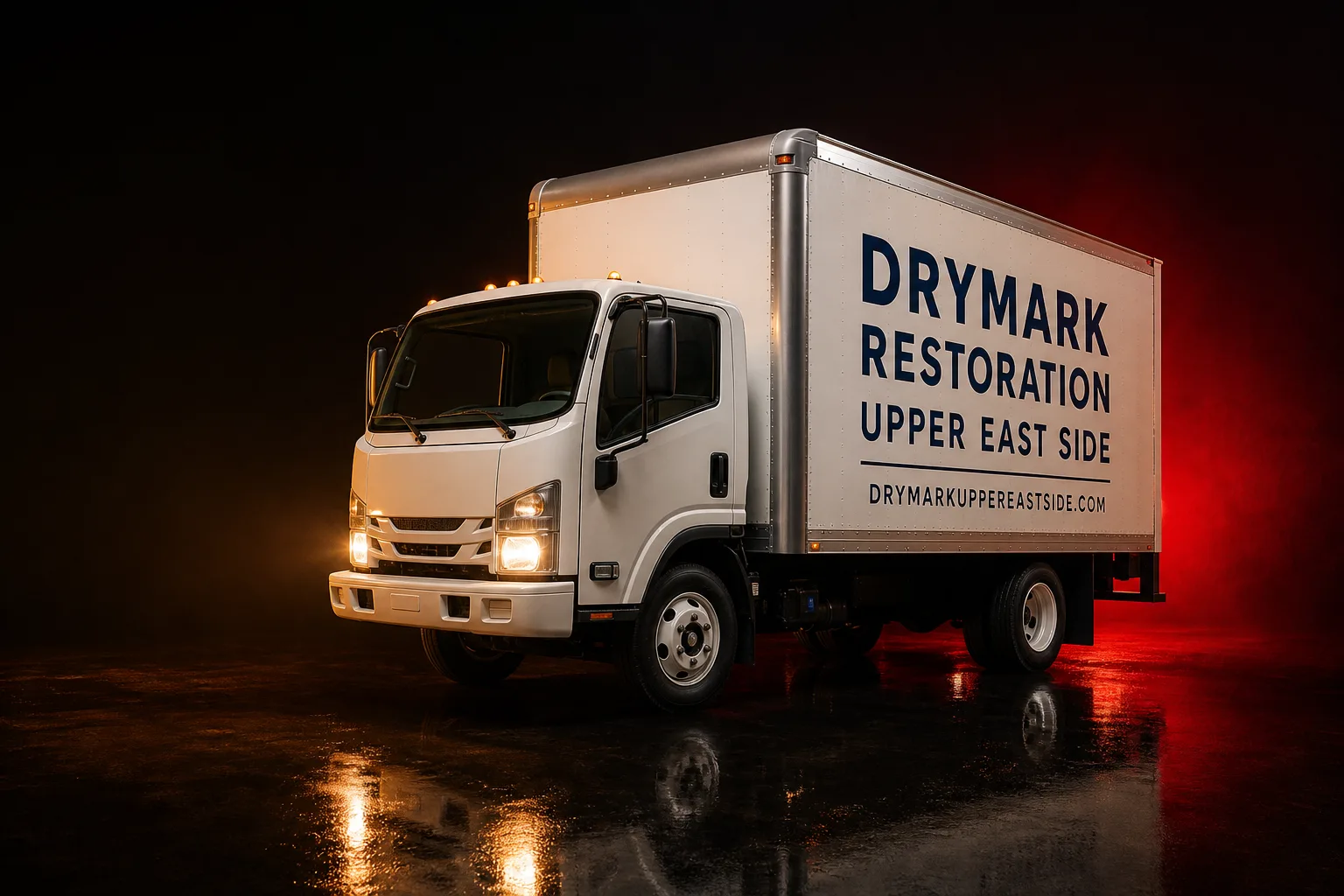
Free visual inspection and a written scope of work before any mitigation begins - photos, moisture readings, and drying logs go in your claim file
The scope we write is the scope we bill. Anything new gets shown to you, in writing, before we touch it.
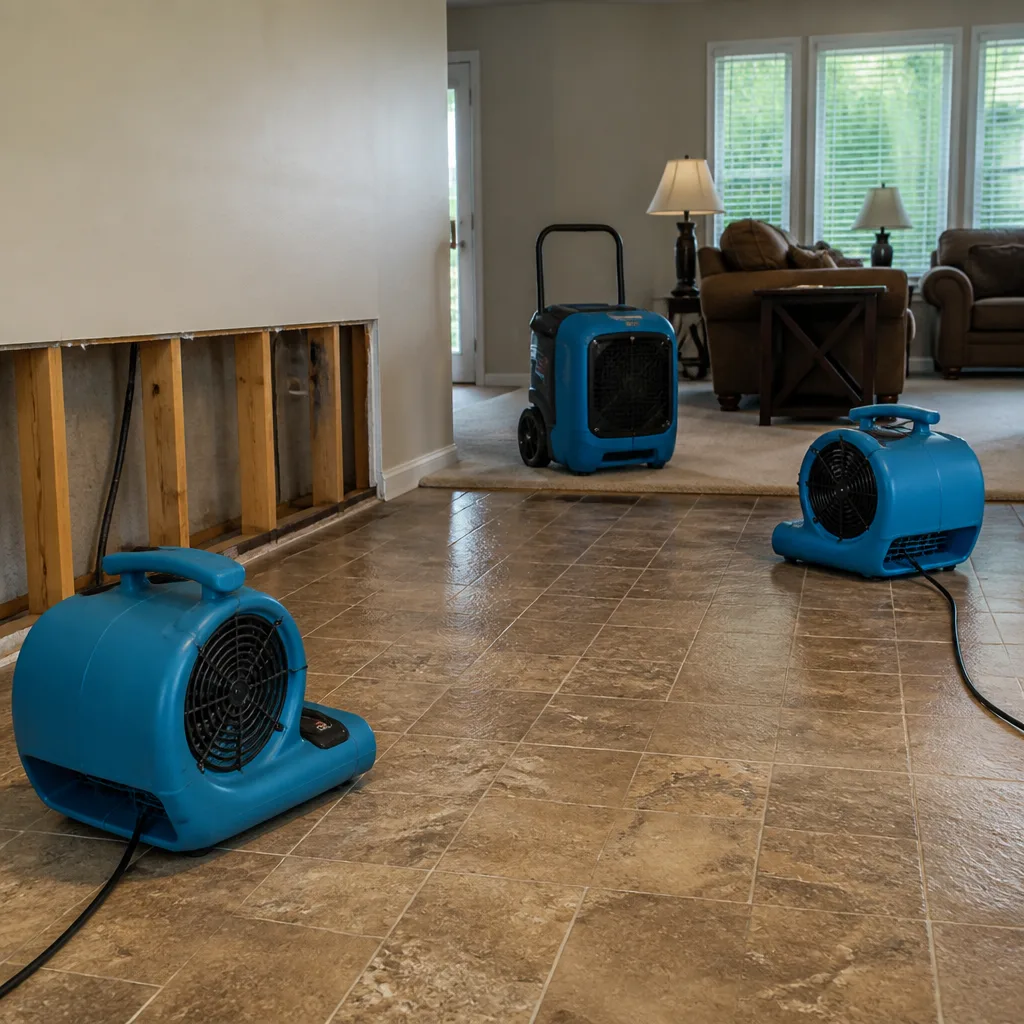

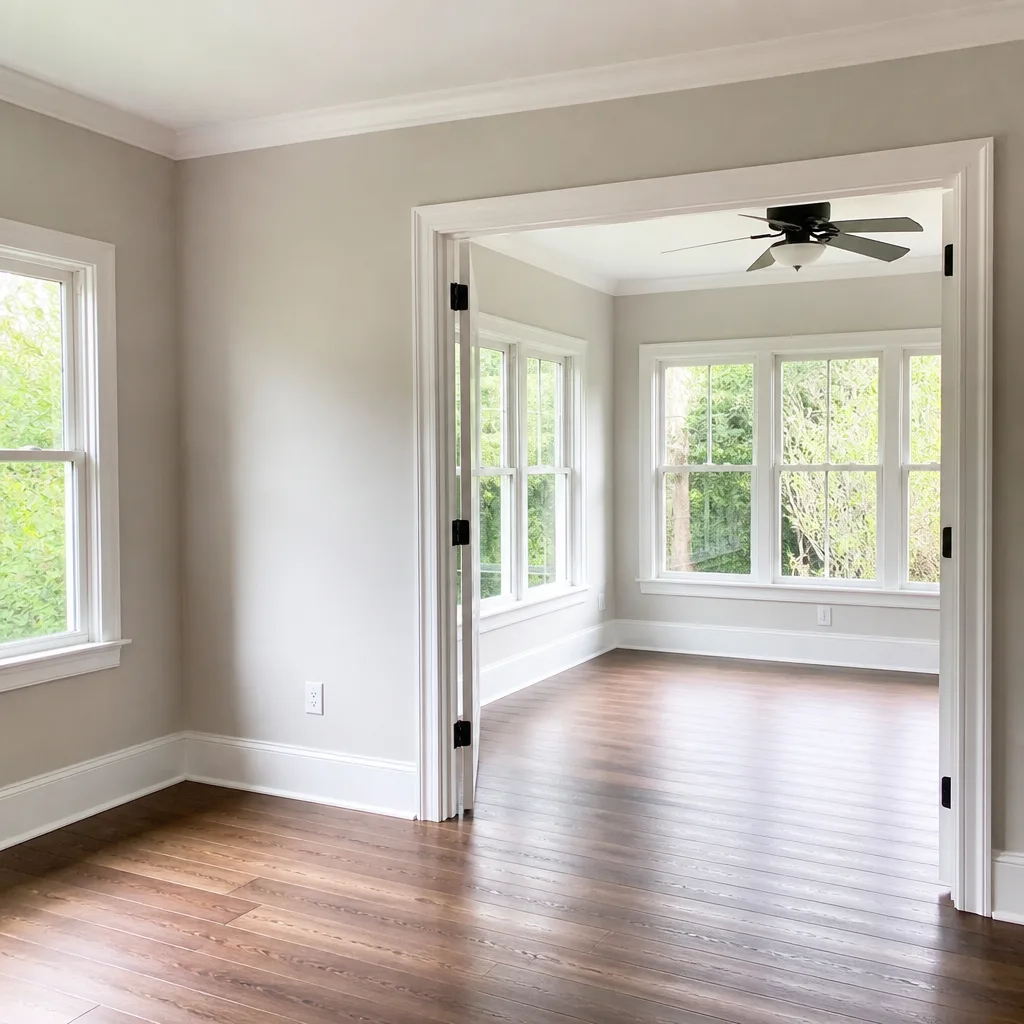
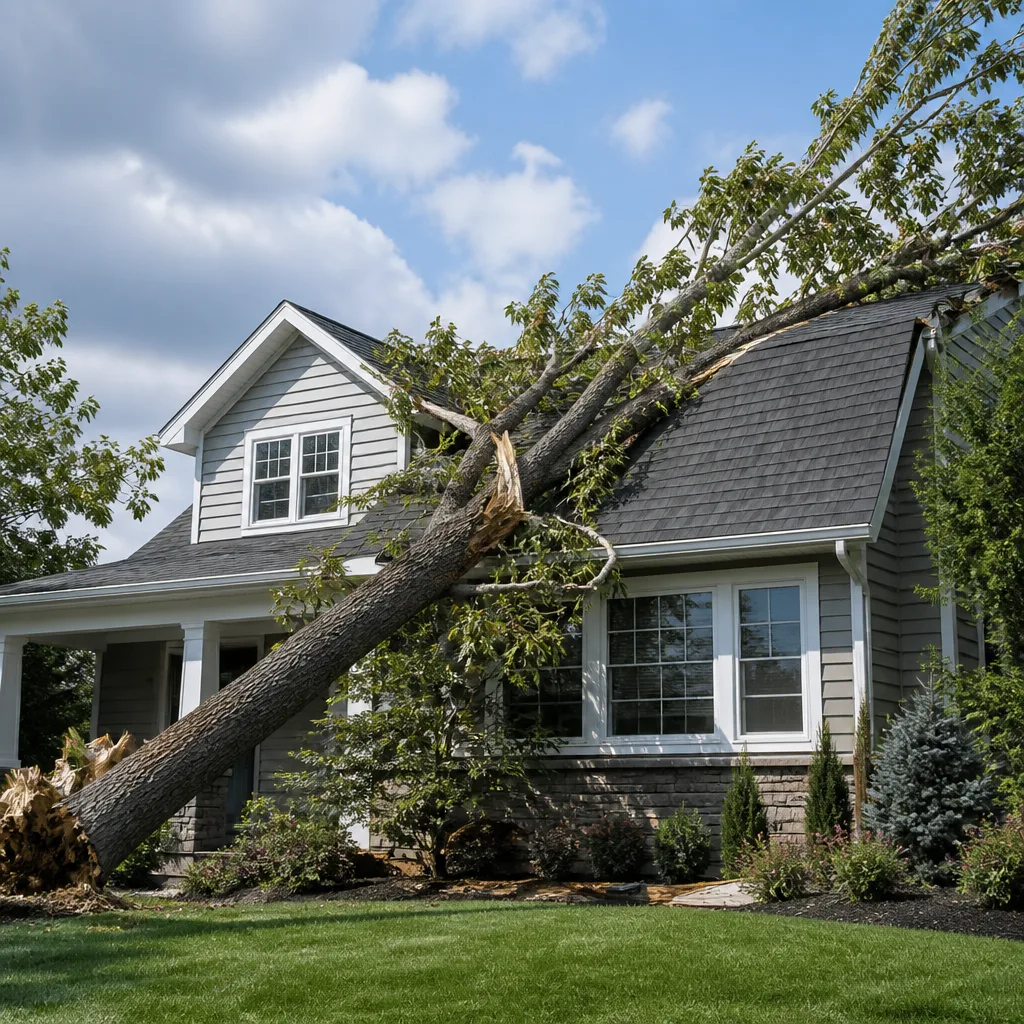
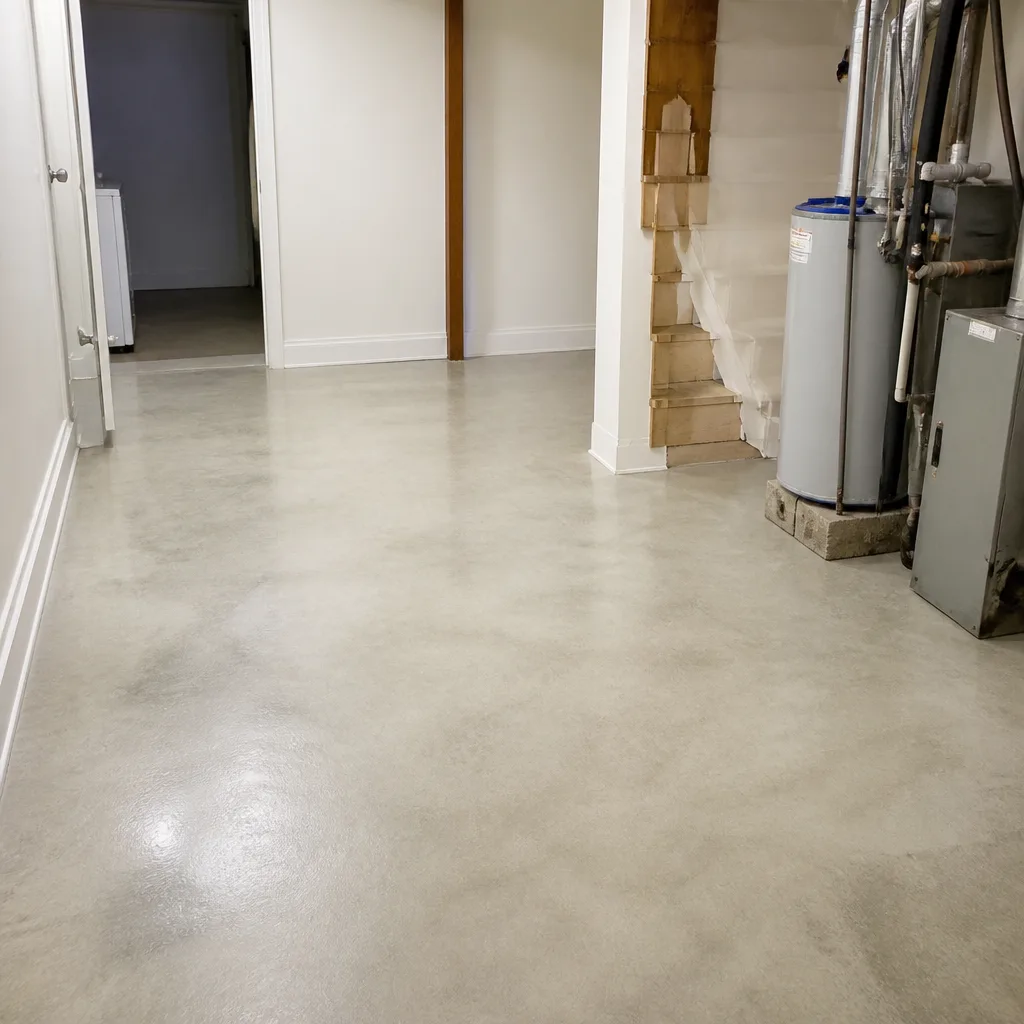
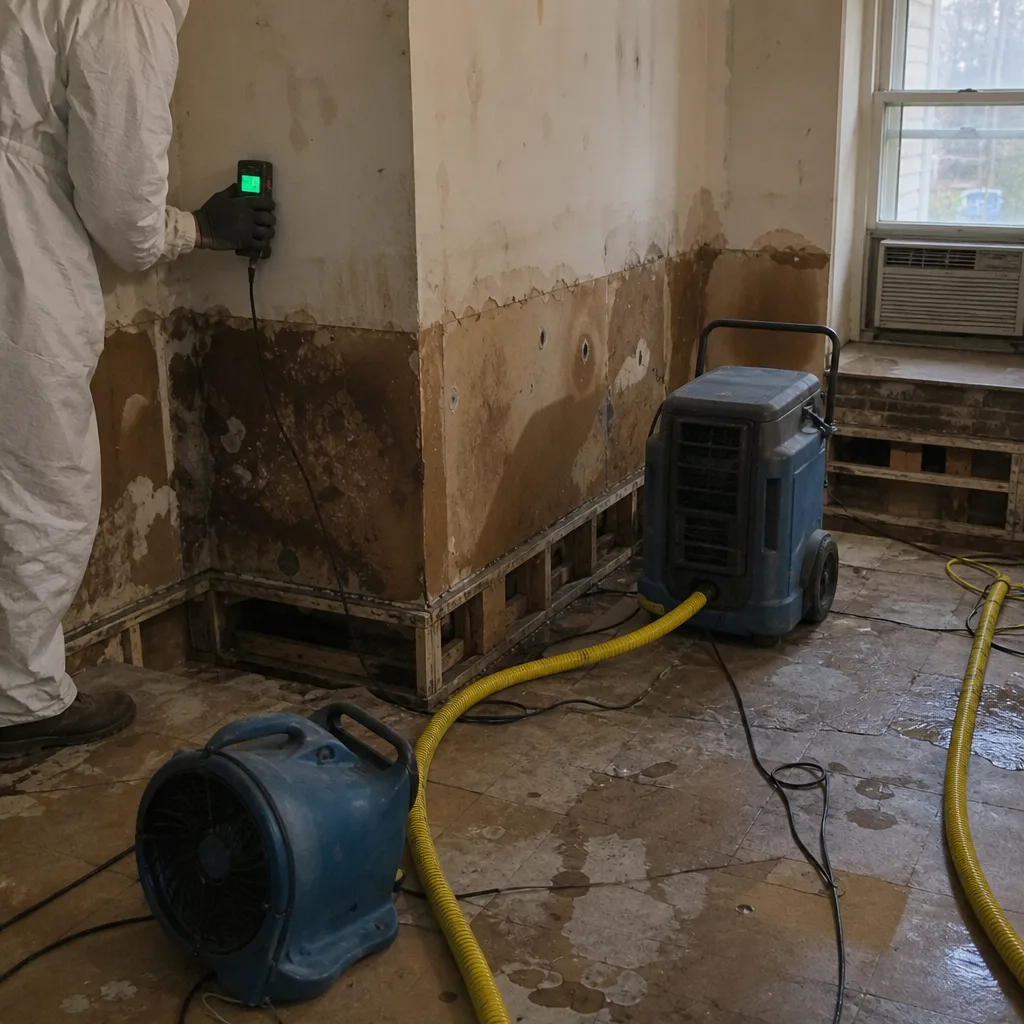 Before
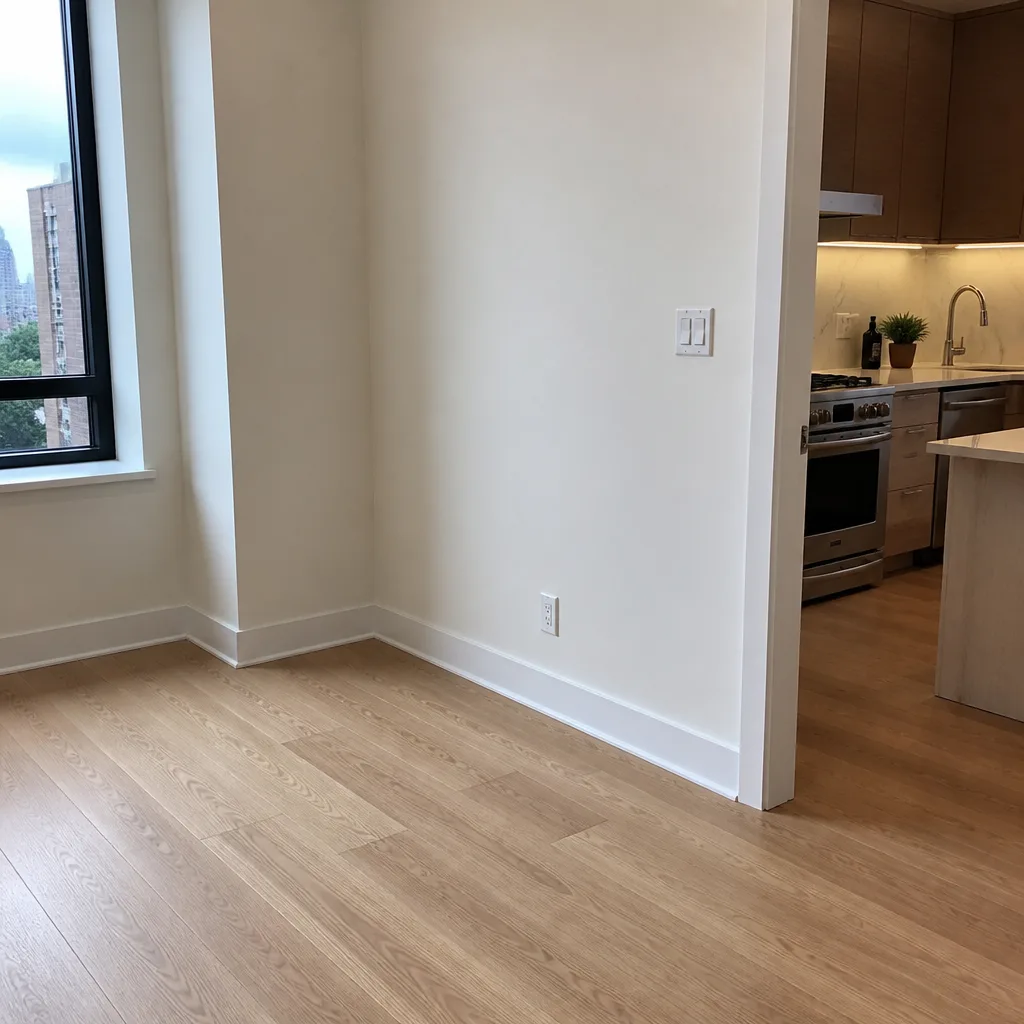 After
After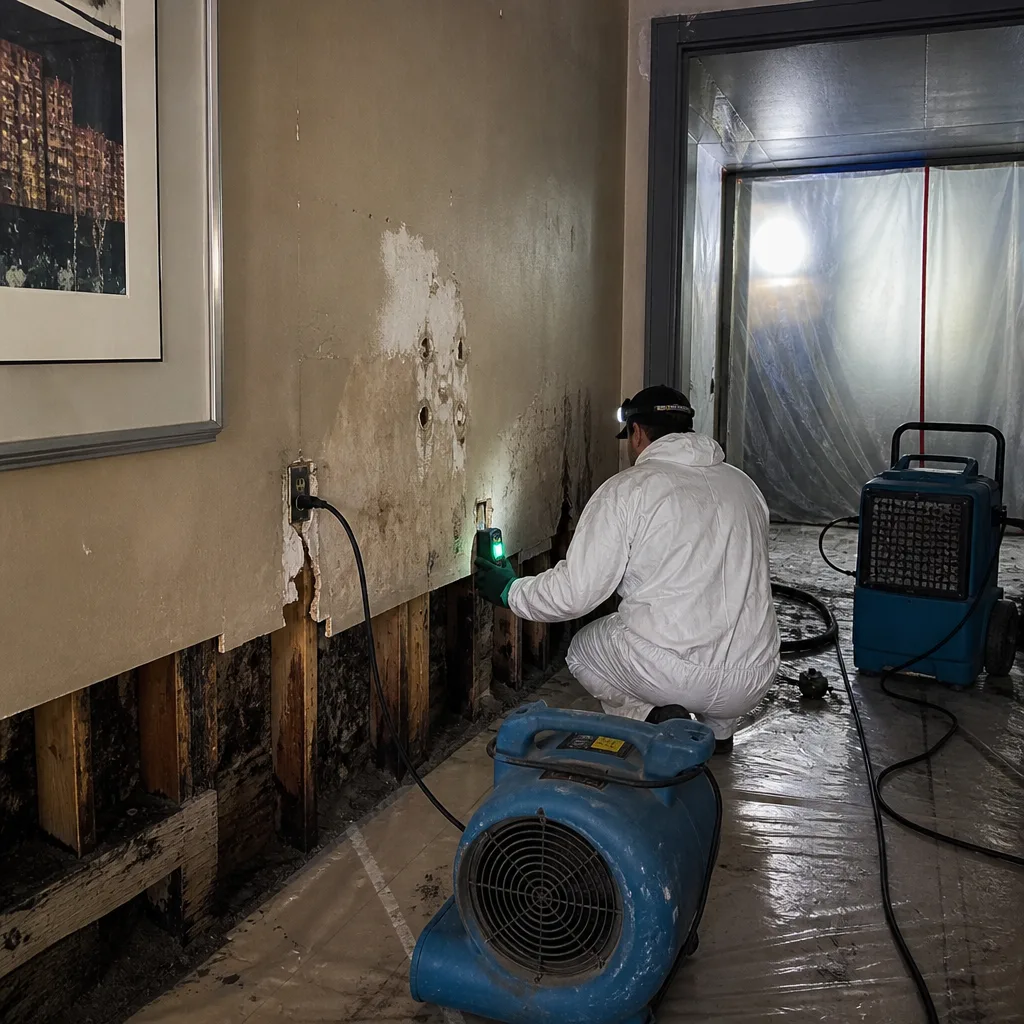 Before
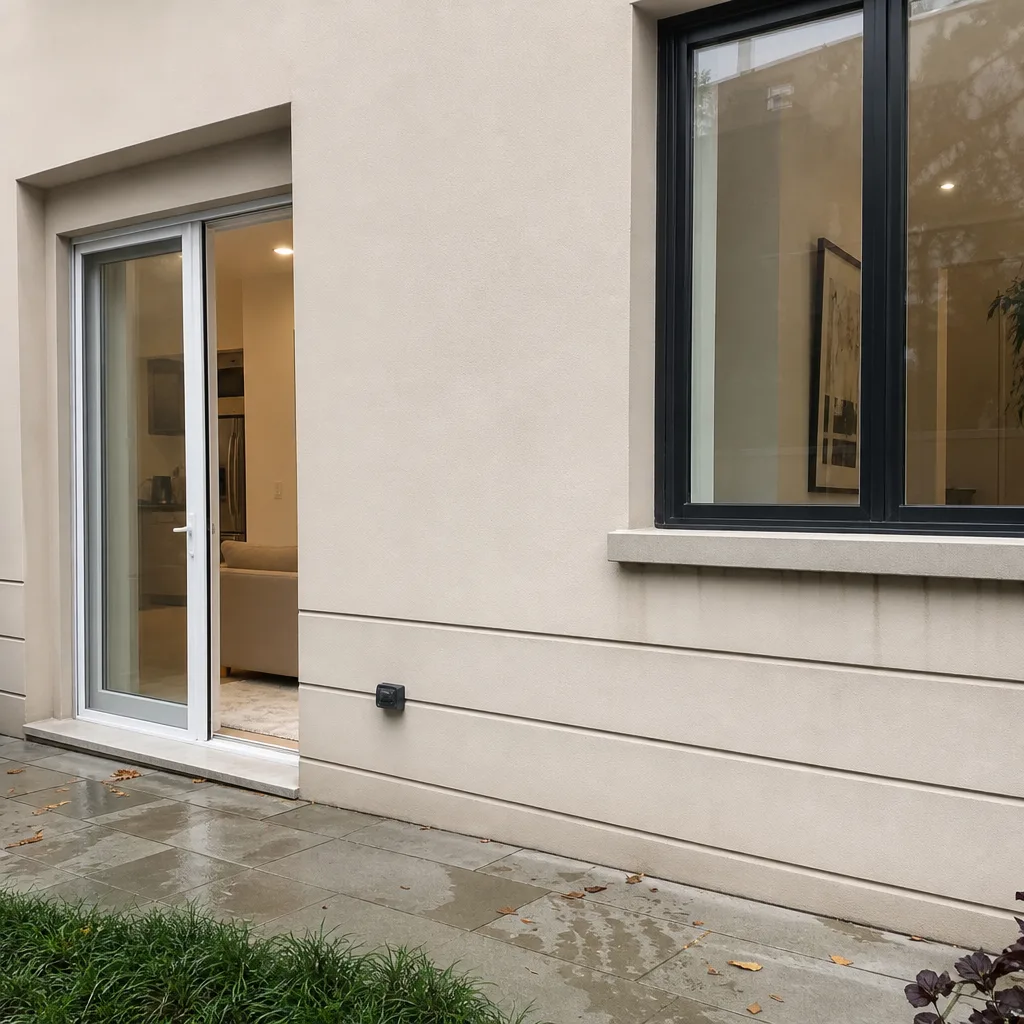 After
After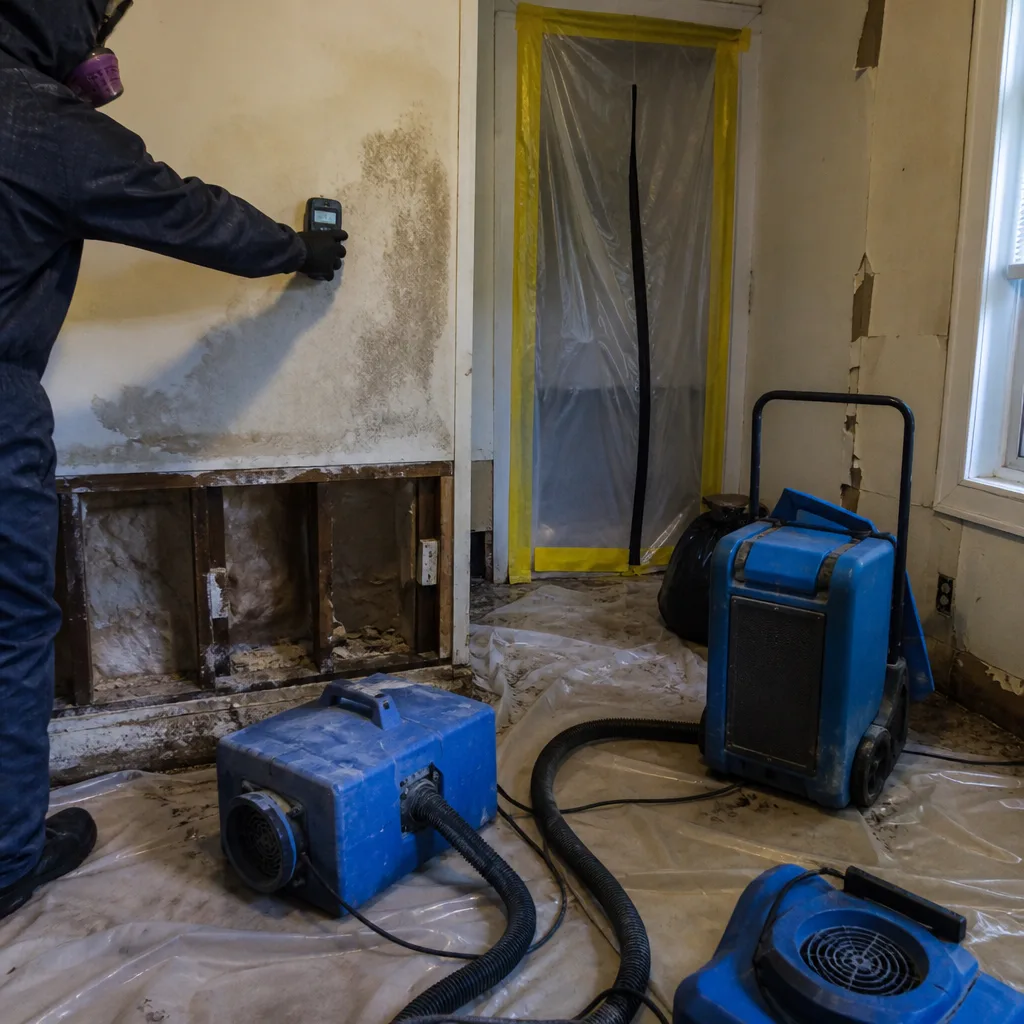 Before
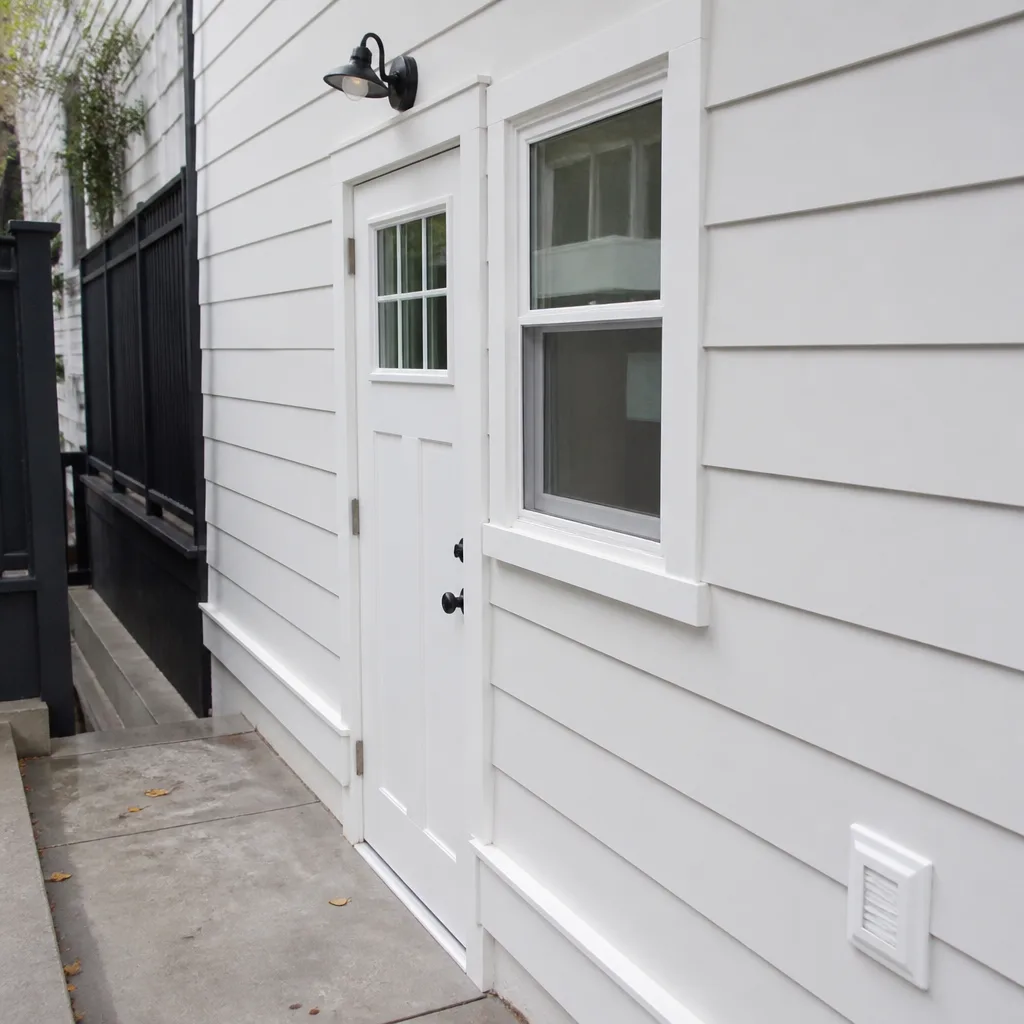 After
After24/7 Emergency Fire & Smoke Damage Restoration in Murray Hill
A fire in a Murray Hill pre-war building doesn’t stay put. Smoke migrates through original cast-iron steam risers and unsealed plaster wall cavities, spreading soot and odor across multiple floors before the FDNY clears the scene. That’s why our crews answer live at (551) 213-5277 twenty-four hours a day, seven days a week - no voicemail, no callback queue. We dispatch from our New York City office and typically arrive in Murray Hill within forty-five minutes. The first hour determines whether smoke residue sets into porous surfaces permanently or can be lifted with proper cleaning. We provide a free visual inspection on arrival, document pre-loss condition with photos in every affected unit, and deliver a written scope and price before any work begins - Haven Standard, Clause 1.
Understanding Fire & Smoke Damage Restoration Severity in Murray Hill Properties
Fire damage in Murray Hill’s housing stock breaks into three severity tiers tied directly to building age and construction. Light damage - surface soot on painted drywall, localized odor - typically affects single units in post-war buildings with sealed wall cavities. Moderate damage involves smoke penetration into porous materials: unsealed plaster-and-lath walls in 1920s co-ops, original hardwood flooring, wool carpets. Heavy damage means structural compromise: charred framing in converted brownstones, melted electrical conduit, water saturation from suppression systems that demands full gut-to-studs reconstruction.
The complicating factor in Murray Hill is smoke migration pattern. In pre-war elevator buildings, dry smoke from fast-burning synthetic materials drifts upward through riser chases; wet smoke from slow, oxygen-starved fires smears oily residue across cool surfaces in lower units. Protein fires from kitchen grease leave nearly invisible, pungent films that standard cleaning misses entirely. Our crews classify residue type on arrival - dry, wet, protein, or fuel-oil smoke - because each demands distinct cleaning chemistry and equipment. Tertiary smoke damage, the odor that resurfaces weeks later when humidity rises, is what we prevent by treating the full migration path, not just the fire unit.
Why Murray Hill Property Owners Choose DryMark Restoration Upper East Side
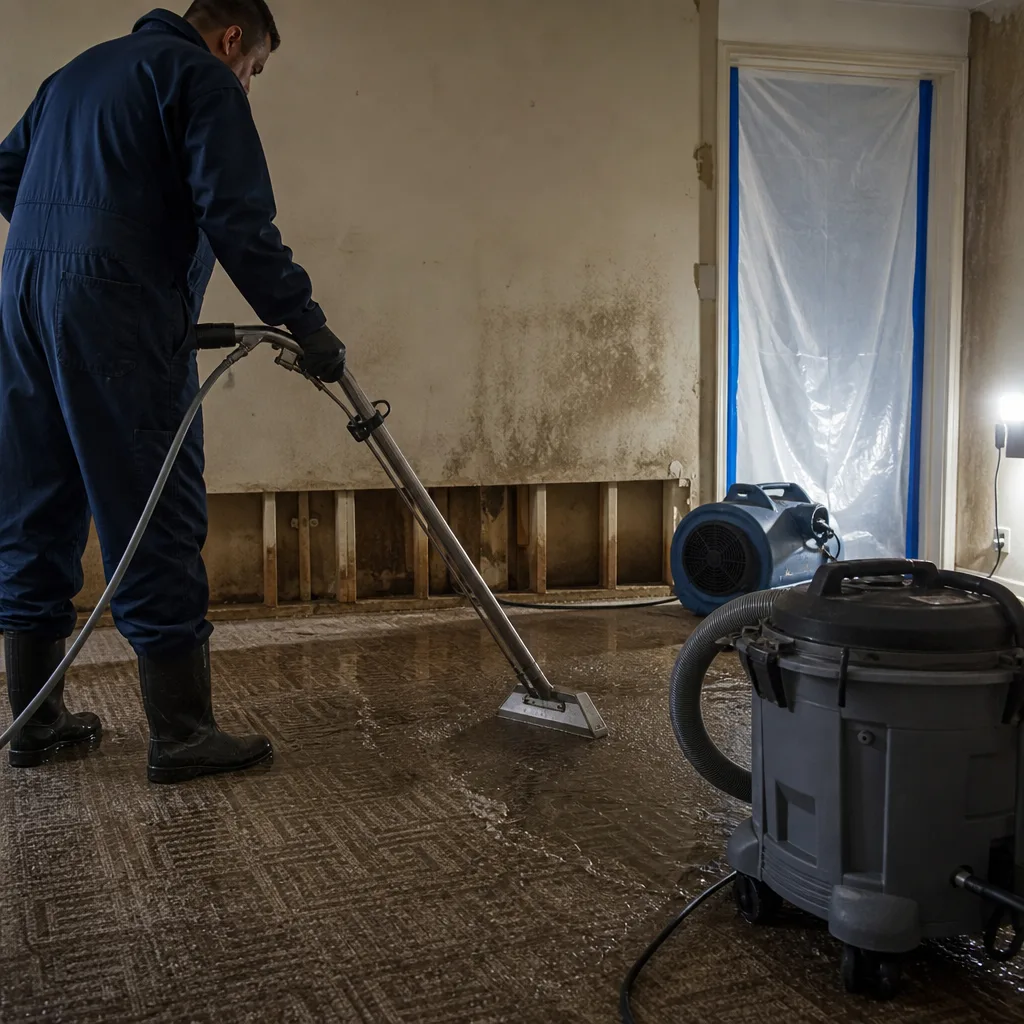
- Forty-five-minute response commitment to Murray Hill, with crews staged for midtown Manhattan density and parking constraints.
- Twenty-four-hour live answer: a real person, never an automated system or voicemail tree, on every call.
- IICRC-certified crews holding FSRT (Fire and Smoke Restoration Technician) and WRT (Water Damage Restoration Technician) certifications, with AMRT (Applied Microbial Remediation Technician) for secondary mold prevention.
- Free visual inspection and written estimate before any work begins - no charge to assess, no pressure to commit.
- Direct insurance billing with photo-documented estimates in Xactimate format, the industry standard adjusters expect.
- One team from emergency board-up through final reconstruction: no handoff confusion, no competing scopes, no gaps in documentation.
BeforeAfterOur Fire & Smoke Damage Restoration Process
1. Inspection & Assessment
We arrive with thermal imaging cameras to trace heat signatures behind walls, moisture meters to map water from suppression systems, and HEPA-filtered air quality monitors to measure particulate load. In Murray Hill’s pre-war buildings, we specifically inspect cast-iron steam riser chases and plaster wall cavities for smoke migration paths that visual inspection misses. Every affected unit gets photo documentation before anything moves.
2. Emergency Board-Up & Tarping
Broken windows, compromised roof sections, and damaged entry doors get secured immediately with fire-rated plywood and weatherproof tarps. For Murray Hill’s narrow townhome entries and alley-load service doors, we carry compact staging equipment that fits pre-war hallway clearances without blocking resident egress - a detail crews accustomed to suburban driveways routinely overlook.
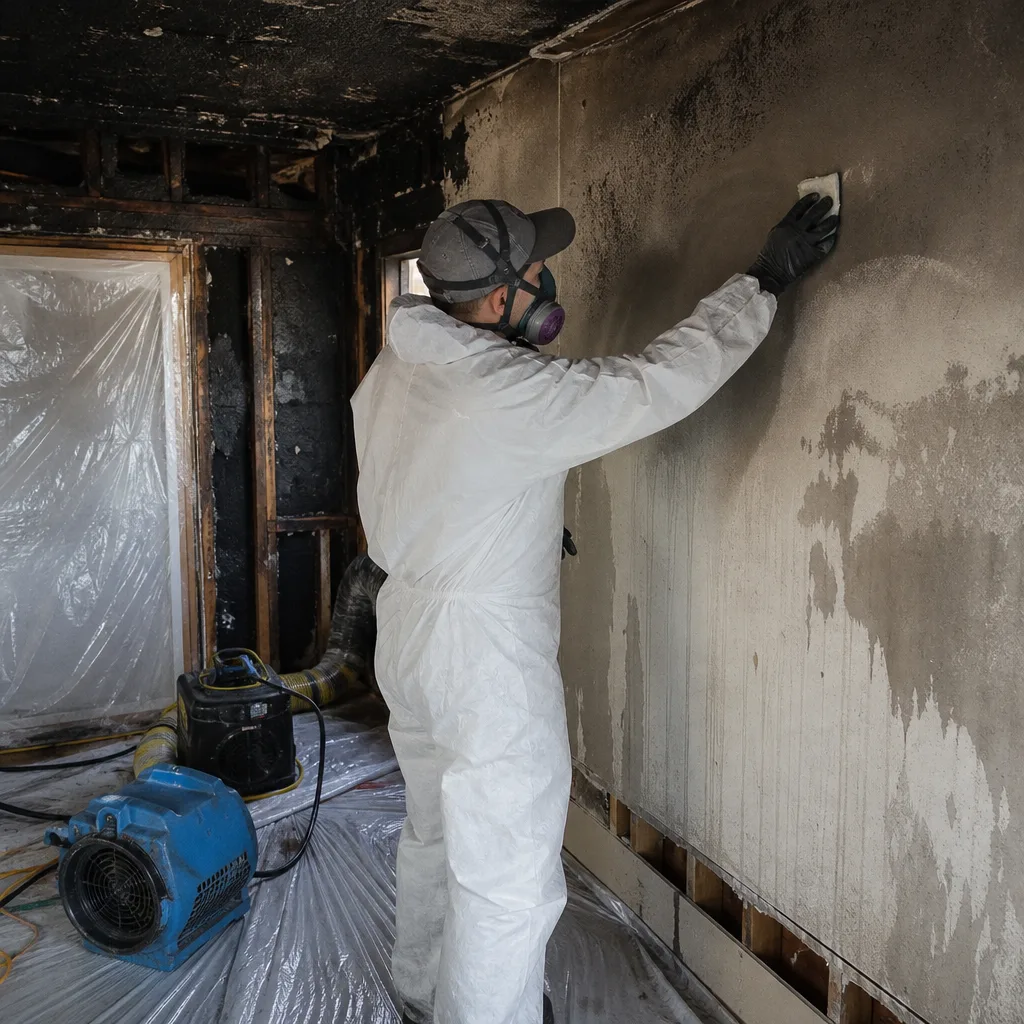
3. Smoke & Soot Removal
Residue type determines chemistry: dry smoke gets lifted with dry sponges and HEPA vacuuming; wet smoke demands solvent-based cleaners on non-porous surfaces; protein fires require enzyme digesters. We deploy Phoenix and Dri-Eaz HEPA air scrubbers at negative pressure to capture airborne particulate during cleaning, with vapor pressure differential monitoring to ensure containment holds.
4. Odor Removal & Deodorization
Surface cleaning removes visible soot; odor removal penetrates where smoke has adsorbed into porous materials. We use thermal fogging for open cavities, ozone treatment for contents in controlled chambers, and hydroxyl generators for occupied spaces - each documented with pre- and post-treatment air quality readings. In Murray Hill’s dense buildings, we coordinate treatment timing with building management to avoid exposing residents to process byproducts.
5. Contents Cleaning & Pack-Out
Salvageable items - textiles, electronics, documents, furniture - get inventoried, photographed, and transported to our facility for ultrasonic cleaning, deodorization, and climate-controlled storage. Non-salvageable items are documented for insurance replacement value with itemized lists and photos. We provide this documentation directly to your adjuster, not as an upsell, but as standard deliverable under The Haven Standard.
6. Structural Repairs & Reconstruction
Charred framing, compromised drywall, and damaged flooring get rebuilt to pre-loss condition with NYC DOB permits pulled where required. In Murray Hill’s co-op buildings, we submit our written scope to the board for approval before demolition begins, avoiding the timeline freeze that catches less experienced contractors. Our 365-Day Done Right Promise covers all reconstruction work: if it’s not right, we make it right.
Need Emergency Fire & Smoke Damage Restoration in Murray Hill Now?
Crews minutes away, answering live 24 hours a day. The sooner we start, the less it costs.
Working With Your Insurance Company
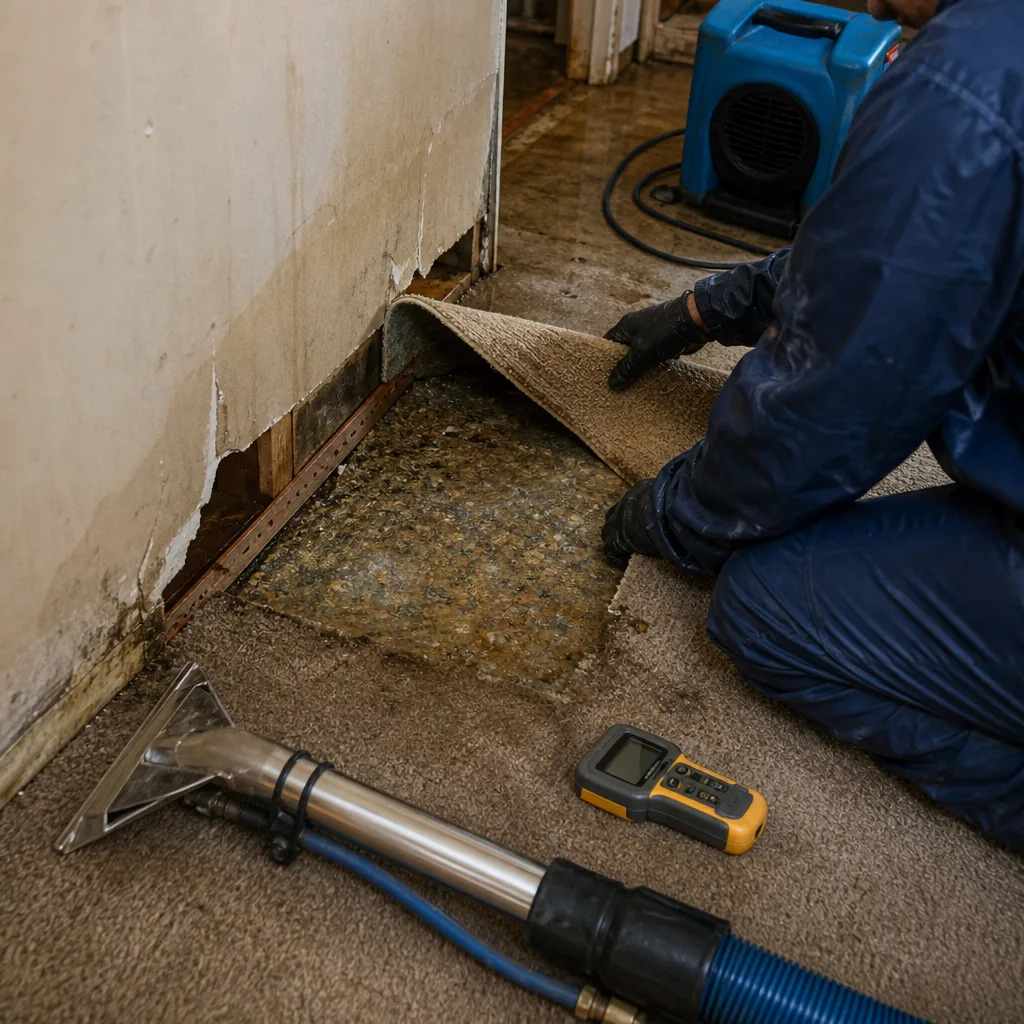
Fire claims fail on documentation gaps. Adjusters deny line items they can’t verify, and homeowners eat costs that should be covered. We close that gap from the first hour.
Our process produces a claim file adjusters pay without fight: time-stamped photos of every room, moisture mapping with specific readings and equipment serial numbers, daily drying logs with psychrometric data (temperature, relative humidity, vapor pressure), and a line-item scope in Xactimate format that matches what carriers expect. We coordinate directly with your adjuster, attend site visits when requested, and provide supplemental documentation if the initial estimate proves insufficient. Alicia Brennan founded Back to Dry Restoration in 2011 after working as a claims adjuster and watching homeowners lose thousands to sloppy contractor paperwork. That origin shapes every file we build.
What We Provide Your Insurer
- Time-stamped photo documentation of the loss, room by room, unit by unit
- Moisture readings and daily drying logs with equipment deployment records
- Line-item scope of work in Xactimate, the industry-standard estimating platform
- Contents inventory with salvageability determination and replacement valuations
- Direct adjuster coordination, including site visit attendance and supplemental filing
Built for Murray Hill’s Loss Calendar
Murray Hill’s fire damage patterns track Manhattan’s seasonal rhythms and building-age vulnerabilities. January deep freezes stress original cast-iron steam systems in pre-war buildings, causing radiator valve failures that spark electrical fires when water contacts aging knob-and-tube remnants. Spring thaw brings no major fire spike, but summer’s intense heat drives air conditioning overload in buildings with 1940s electrical capacity, triggering panel fires and extension-cord meltdowns in units running window units beyond design load.
September and October see the highest kitchen fire volume as residents return from summer travel and resume regular cooking patterns in buildings where grease residue has accumulated in shared ventilation ducts. Holiday season brings candle and decoration fires, particularly in brownstone conversions with original wood trim and inadequate egress lighting. Year-round, the underlying risk is Murray Hill’s electrical infrastructure: many pre-war buildings still rely on 60-amp service to individual units, insufficient for modern appliance loads, with aluminum wiring retrofits from the 1970s that present known fire hazards at connection points.
Fire & Smoke Damage Restoration Across Murray Hill’s Neighborhoods
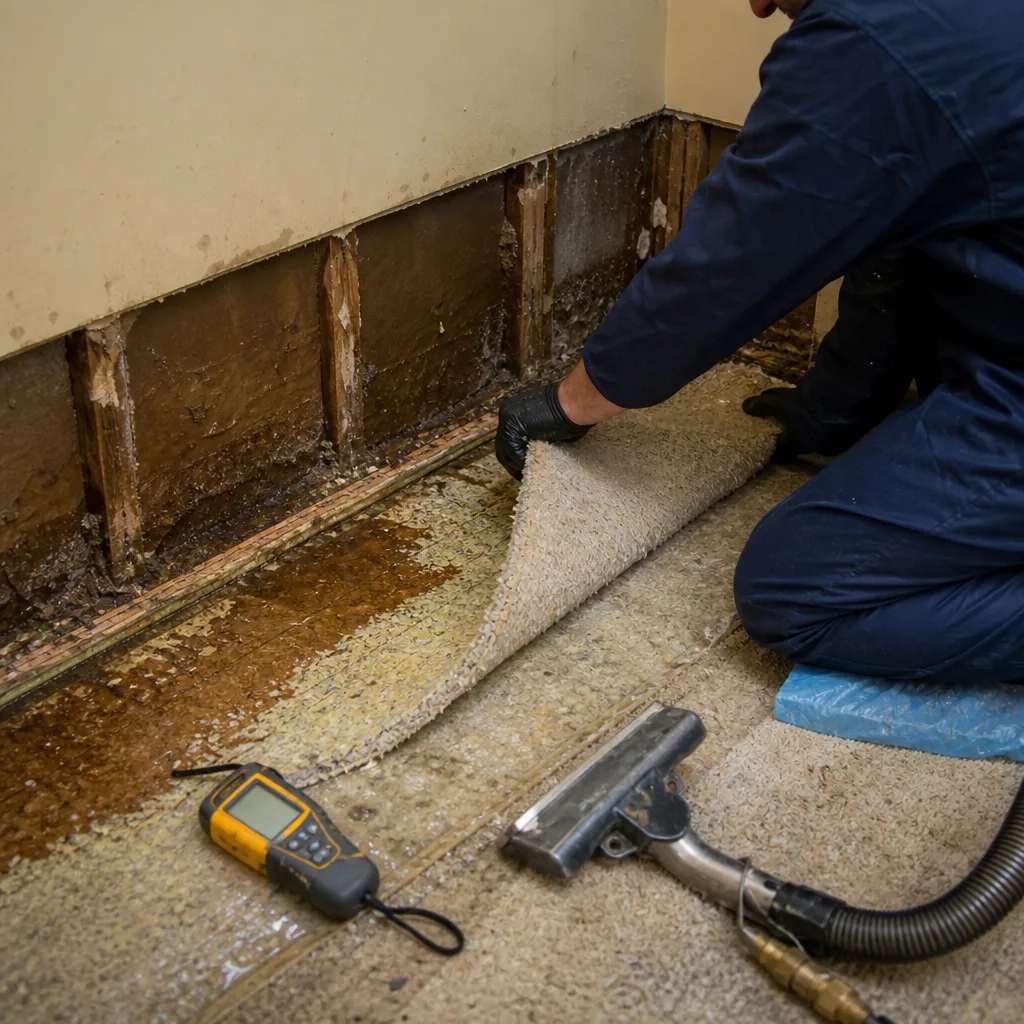
Our crews know the building stock block by block. East 34th to East 40th Streets, between Park and Third Avenues, holds the densest concentration of pre-war elevator co-ops - the 1920s-1940s brick buildings where smoke migration through riser chases is our standard assumption, not a surprise. We carry compact HEPA scrubbers and negative-air machines sized for these buildings’ narrow service elevators, and we know which structures require advance notice to building staff for after-hours access.
The brownstone belt along the numbered cross streets between Second and Third Avenues - East 35th, East 37th, East 39th - presents different constraints. These late-19th-century structures, converted to multi-unit rentals, have alley-load entries too narrow for standard staging equipment. We deploy XPOWER and B-Air compact air movers that fit through 28-inch basement doors, and we tarp roof damage from interior ladder access rather than exterior scaffolding that would block sidewalk passage.
Near the East River, newer construction along First Avenue brings its own pattern: glass curtain-wall buildings with sealed HVAC systems that contain smoke effectively but concentrate odor in ductwork requiring specialized cleaning. The Murray Hill Historic District, roughly East 35th to East 38th Streets between Park and Lexington, adds Landmarks Preservation Commission review for any exterior alteration - a permit layer we navigate when board-up or reconstruction affects street-facing elements.
We responded to a kitchen fire in a 1920s pre-war co-op on East 36th Street between Second and Third Avenues, where soot had migrated through the building’s original steam riser chases into units two floors above. Our crew set containment and ran air movers while performing smoke & soot removal and antimicrobial treatment, then discovered asbestos pipe wrap buried in the wall cavity - halting the job until NYC DEP-compliant abatement cleared the site before we could finish structural fire repair and deodorization. The board approved our scope of work only after we documented pre-loss condition in every affected unit with moisture mapping and drying logs.
Specialized Fire & Smoke Damage Restoration Services We Offer in Murray Hill
Fire Damage Cleanup
From surface soot removal to full gut-to-studs demolition, we scale response to actual damage. In Murray Hill’s pre-war buildings, we assume hidden damage until thermal imaging proves otherwise - charred studs behind intact plaster, compromised electrical in shared walls, water saturation in floor cavities from suppression systems. Every demolition boundary is photo-documented and written into the scope before work begins.
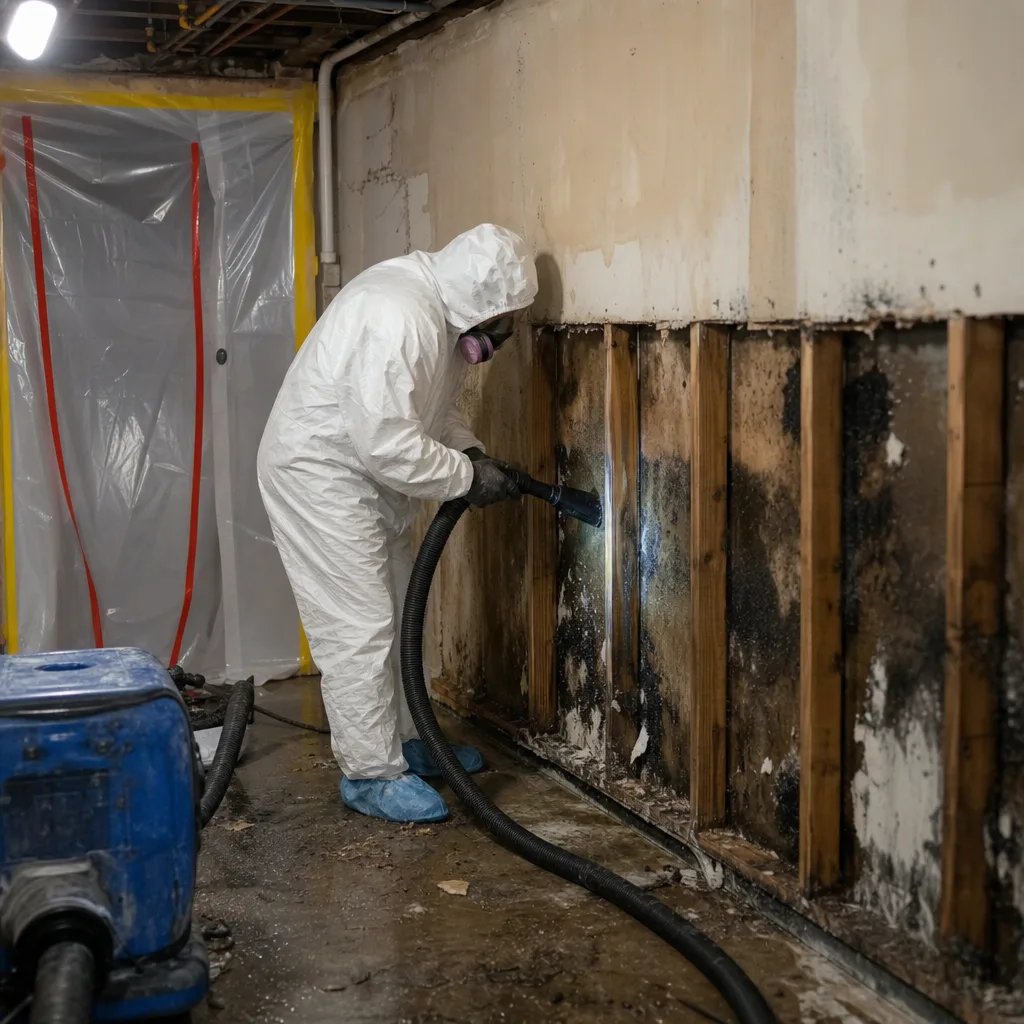
Smoke & Soot Removal
This is where most fire restoration fails. Visible soot cleans easily; migrated smoke residue does not. We trace the full migration path through riser chases, wall cavities, and HVAC returns, treating every surface that testing shows exceeds acceptable particulate levels. In Murray Hill’s multi-unit buildings, we coordinate access with neighboring residents and document their units’ pre- and post-condition to protect against future liability claims.
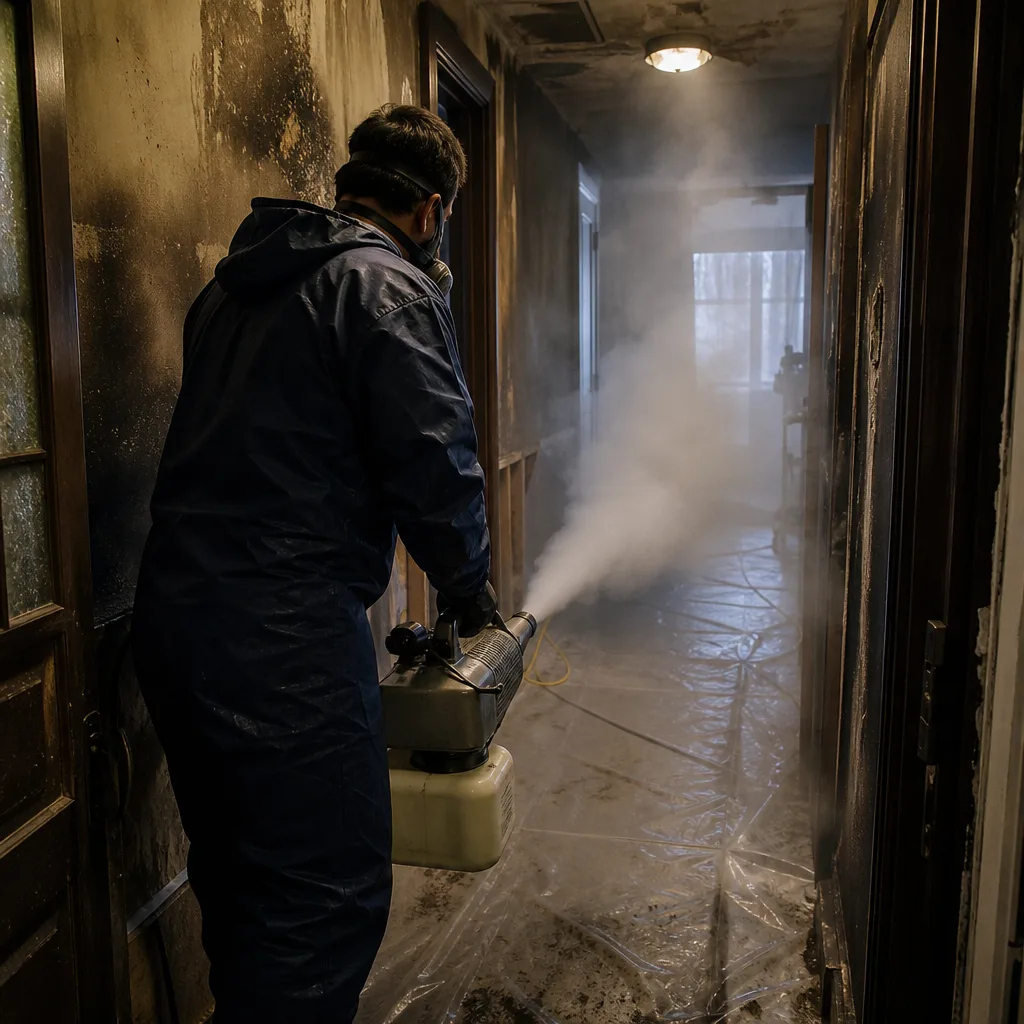
Odor Removal & Deodorization
Smoke odor adsorbs into porous materials - unsealed plaster, original hardwood, wool carpets, insulation - and resurfaces when humidity rises. We don’t mask; we neutralize at the molecular level with thermal fogging, ozone, or hydroxyl treatment selected for the specific odor compound and space occupancy requirements. Post-treatment verification with calibrated olfactometry or air quality monitoring confirms effectiveness before we sign off.
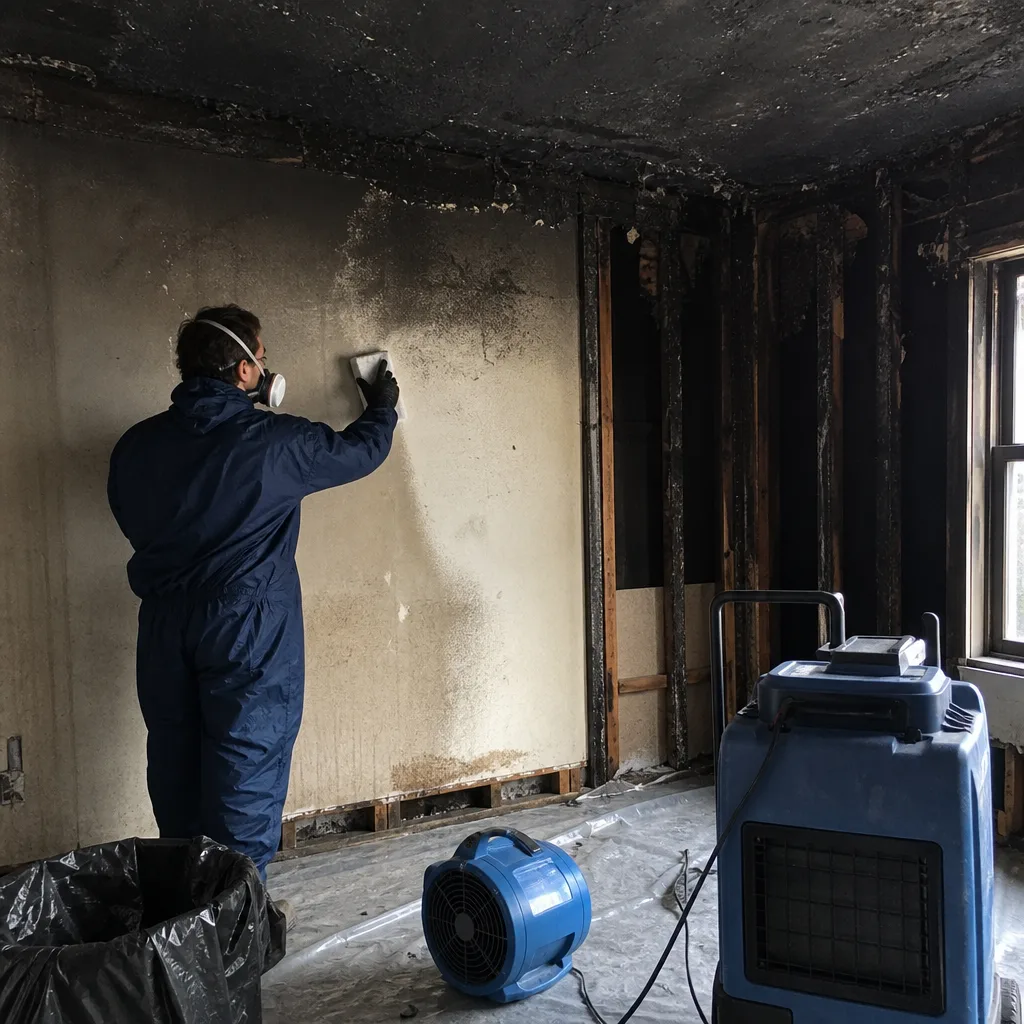
Contents Cleaning & Pack-Out
Salvageable items get inventoried, photographed, and transported to our facility for specialized cleaning: ultrasonic for non-porous items, dry cleaning for textiles, document freeze-drying for water-damaged paper. Non-salvageable items are documented for replacement value with itemized photos and descriptions. This inventory becomes part of your claim file, not a separate invoice.
Emergency Board-Up & Tarping
Fire-damaged openings compromise security and weather protection immediately. We board windows and doors with fire-rated plywood, tarp roof breaches, and secure entry points with temporary hardware that meets insurance requirements for vacancy coverage. For Murray Hill’s narrow townhome entries and alley-load doors, we carry compact equipment that stages without blocking resident egress - a detail we verify on every initial call.
What happens when you call
- 1
A real person answersNo phone trees - you reach a local pro.
- 2
You get an upfront price rangeHonest numbers before anyone is dispatched.
- 3
A background-checked tech heads outLicensed & insured, dispatched right away.
- 4
You approve before work beginsNothing starts until you say go.
Fire & Smoke Damage Restoration Costs in Murray Hill, NY
Fire restoration pricing in Murray Hill runs higher than outer-borough or suburban markets due to building access constraints, co-op board coordination, and the permit layers that dense Manhattan construction requires. Here’s what we typically see:
- Light smoke damage, single unit, surface cleaning only: $2,800-$5,500
- Moderate damage with smoke migration to adjacent units, including odor treatment: $8,500-$18,000
- Heavy structural damage requiring gut-to-studs demolition and reconstruction: $35,000-$85,000+
- Emergency board-up and tarping: $800-$2,400 depending on access height and opening count
- Contents pack-out and cleaning: $1,200-$4,500 based on volume and contamination level
- Asbestos abatement triggered mid-job (common in pre-war buildings): $3,500-$12,000 additional, typically insurance-covered when properly documented
What moves the price: number of affected units in multi-family buildings, presence of asbestos or lead requiring abatement, structural reconstruction scope, and whether NYC DOB permits are required. Most residential fire damage is covered by standard homeowner or renter insurance, subject to policy limits and deductible. We provide a free visual inspection and written estimate before any work begins - Haven Standard, Clause 1 - and we offer a free second opinion on any competitor’s written estimate. Call (551) 213-5277 for an exact quote on your specific loss.
We Also Serve Cities Near Murray Hill
Our crews dispatch throughout midtown Manhattan and across the river. We regularly restore fire and smoke damage in Murray Hill and neighboring Fire & Smoke Damage Restoration service areas including the Upper East Side, Manhattan broadly, the Upper West Side, and Astoria. Building stock varies by neighborhood - pre-war co-ops on the East Side, brownstones on the West Side, post-war high-rises in Astoria - and our equipment staging and permit knowledge adapts to each.
Serving Murray Hill, NY - Our Local Coverage Area
We’re based in the Murray Hill area and know this community well. Use the map below to see our service coverage - if you’re nearby, we can almost certainly help.
Murray Hill Fire & Smoke Damage Restoration Questions, Answered
Does fire and smoke damage in a Murray Hill pre-war co-op spread to other units?
Yes, routinely. Smoke pushes through original cast-iron steam riser chases and unsealed plaster-and-lath wall cavities, migrating across multiple floors in pre-war buildings. We inspect and document every potentially affected unit before beginning restoration, and we treat the full migration path to prevent tertiary odor resurgence. Call (551) 213-5277 for immediate assessment.
What happens if asbestos is found during fire damage tearout in Murray Hill?
All work stops until a licensed asbestos abatement contractor clears the site under NYC DEP Local Law 76 protocols. This is common in Murray Hill’s pre-war buildings, where asbestos pipe wrap and floor-tile mastic are routinely encountered. We document the finding with photos, notify your insurer immediately, and coordinate abatement scheduling to minimize timeline impact. The cost is typically covered when properly documented as part of the claim.
Can you board up and tarp a fire-damaged townhome on a numbered cross street in Murray Hill?
Yes. We carry compact equipment specifically for Murray Hill’s narrow alley-load entries and townhome doors, and we stage without blocking resident egress. Board-up and tarping is available twenty-four hours a day with our emergency response. Call (551) 213-5277 for immediate dispatch.
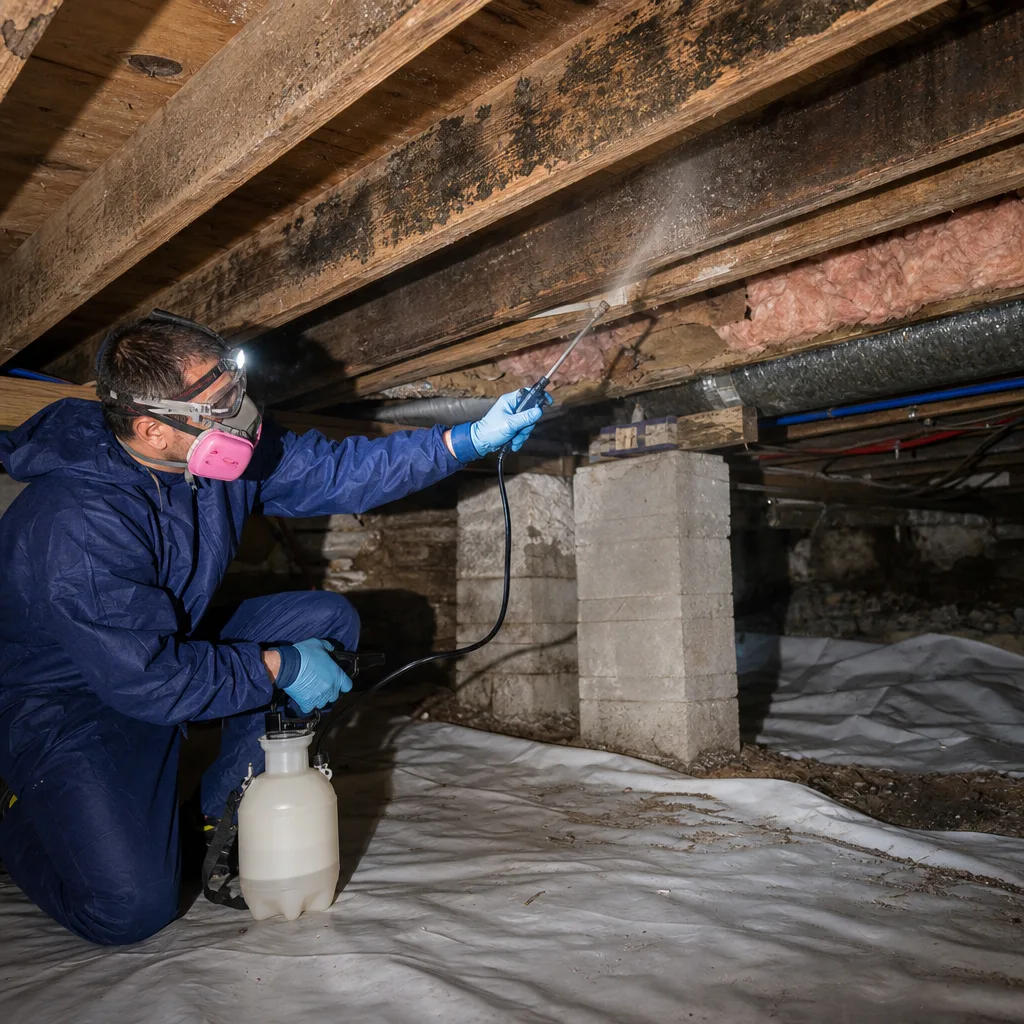
How quickly does mold become a problem after a fire in a Murray Hill apartment?
Mold can establish within forty-eight to seventy-two hours of water introduction from suppression systems. In Murray Hill’s humid summer months, that window shortens. We begin moisture mapping and deploy dehumidification immediately upon arrival, with daily drying logs to prove the structure is below mold-supporting moisture content before we sign off. Our AMRT-certified technicians handle secondary mold prevention as part of every fire restoration.
Does fire damage restoration in a Murray Hill apartment require pulling NYC permits?
Structural repairs, electrical replacement, and plumbing alterations require NYC Department of Buildings permits. In co-op and condo buildings, board approval is also required before work begins. We pull permits and submit scopes for board approval as standard practice, not as an add-on charge. This adds days of lead time that suburban single-family restorations don’t face, which we build into our project timeline from the start.
How fast can your crew actually get to Murray Hill?
We typically arrive within forty-five minutes of call confirmation. Our crews dispatch from our New York City office and know Murray Hill’s street grid, building access protocols, and parking constraints. Live answer at (551) 213-5277 twenty-four hours a day.
Will my insurance cover the full cost of fire restoration?
Most standard homeowner and renter policies cover fire damage restoration, including smoke and soot removal, odor treatment, contents cleaning, and structural repairs, subject to your policy limit and deductible. Documentation quality determines whether specific line items get approved. Our photo records, drying logs, and Xactimate estimates are built to adjuster standards from day one. We coordinate directly with your carrier and provide supplemental documentation if the initial scope proves insufficient.
Can we stay in our apartment during fire damage restoration?
Sometimes, for light smoke damage with surface cleaning only. For moderate to heavy damage, or when odor treatment requires ozone or thermal fogging, temporary relocation is necessary for health and safety. We coordinate with your insurer on additional living expense coverage when displacement is required, and we document the necessity with air quality readings and safety assessments.
Written by Alicia Brennan, Owner at Back to Dry Restoration, serving Murray Hill since 2011 under The Haven Standard.
Fire & Smoke Damage Restoration in Nearby Areas