

Free visual inspection and a written scope of work before any mitigation begins - photos, moisture readings, and drying logs go in your claim file
The scope we write is the scope we bill. Anything new gets shown to you, in writing, before we touch it.
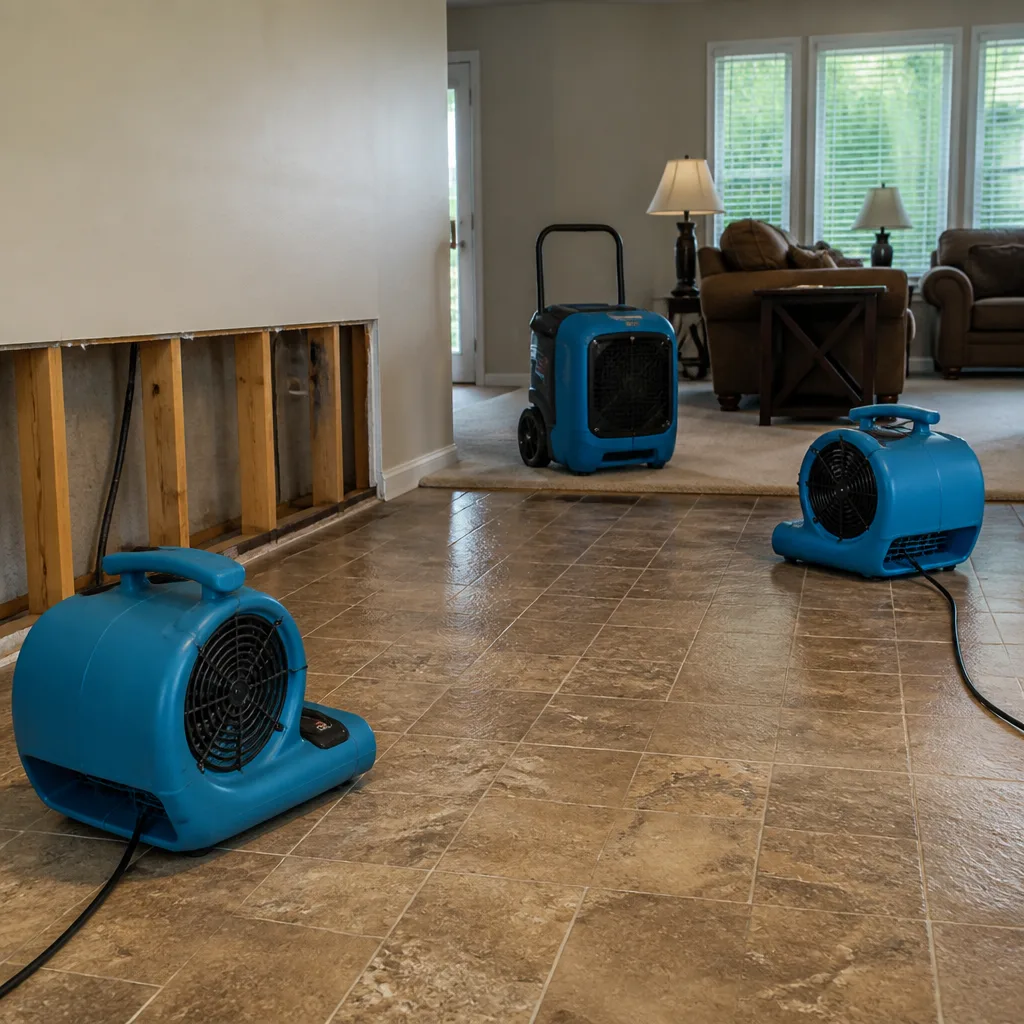
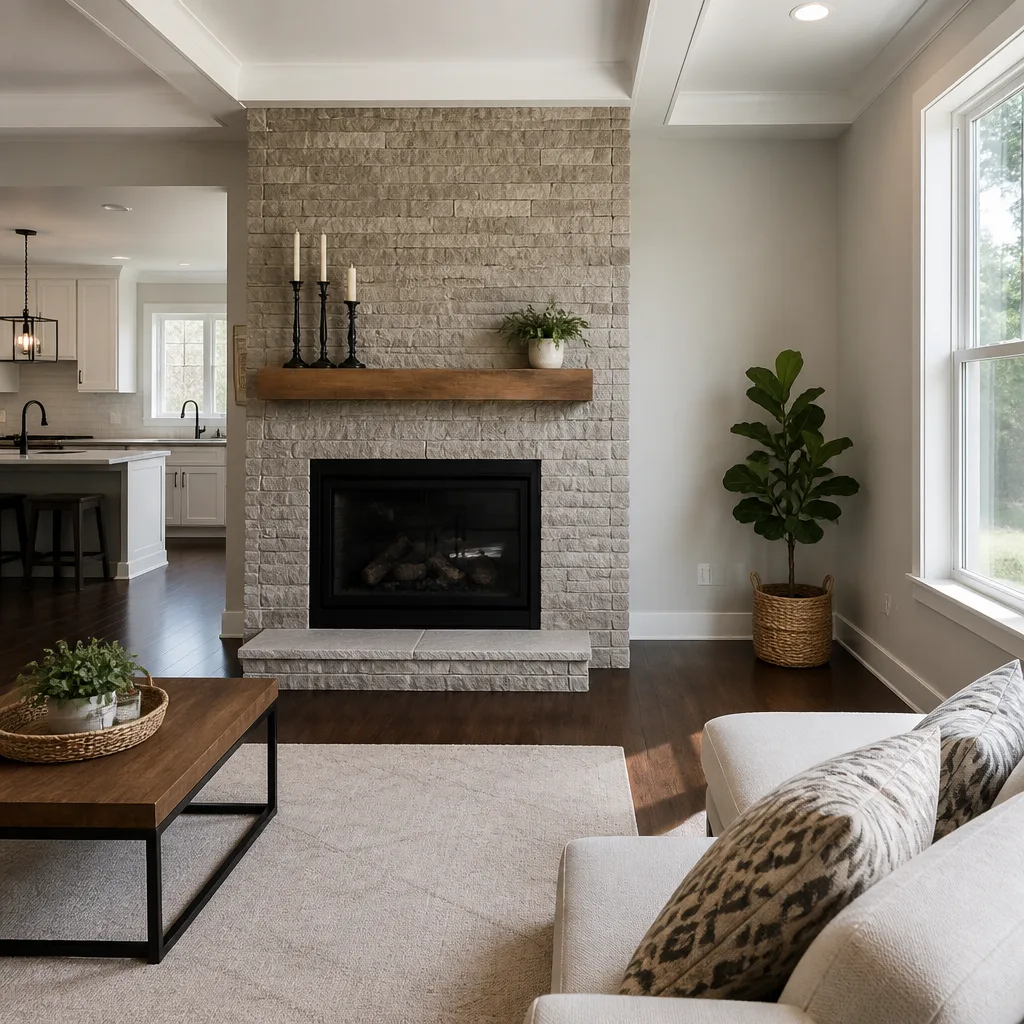
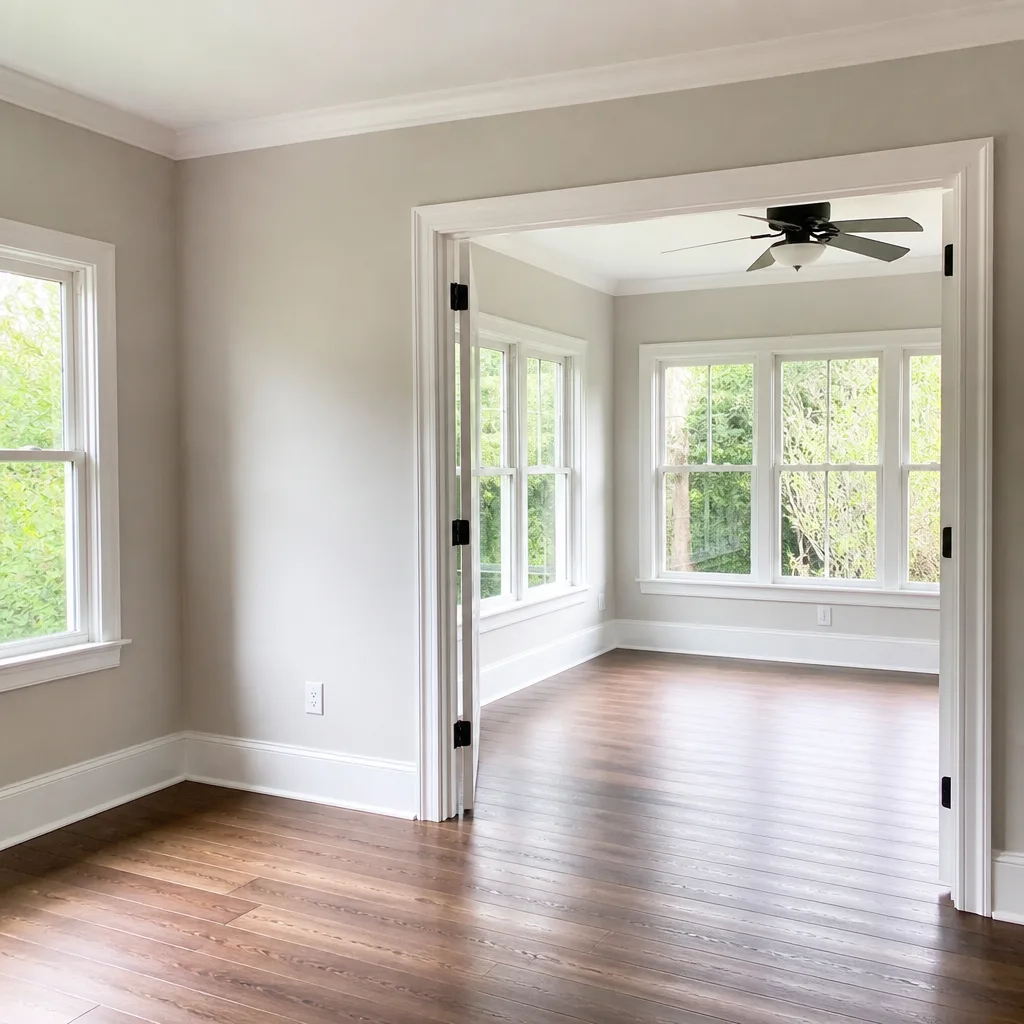
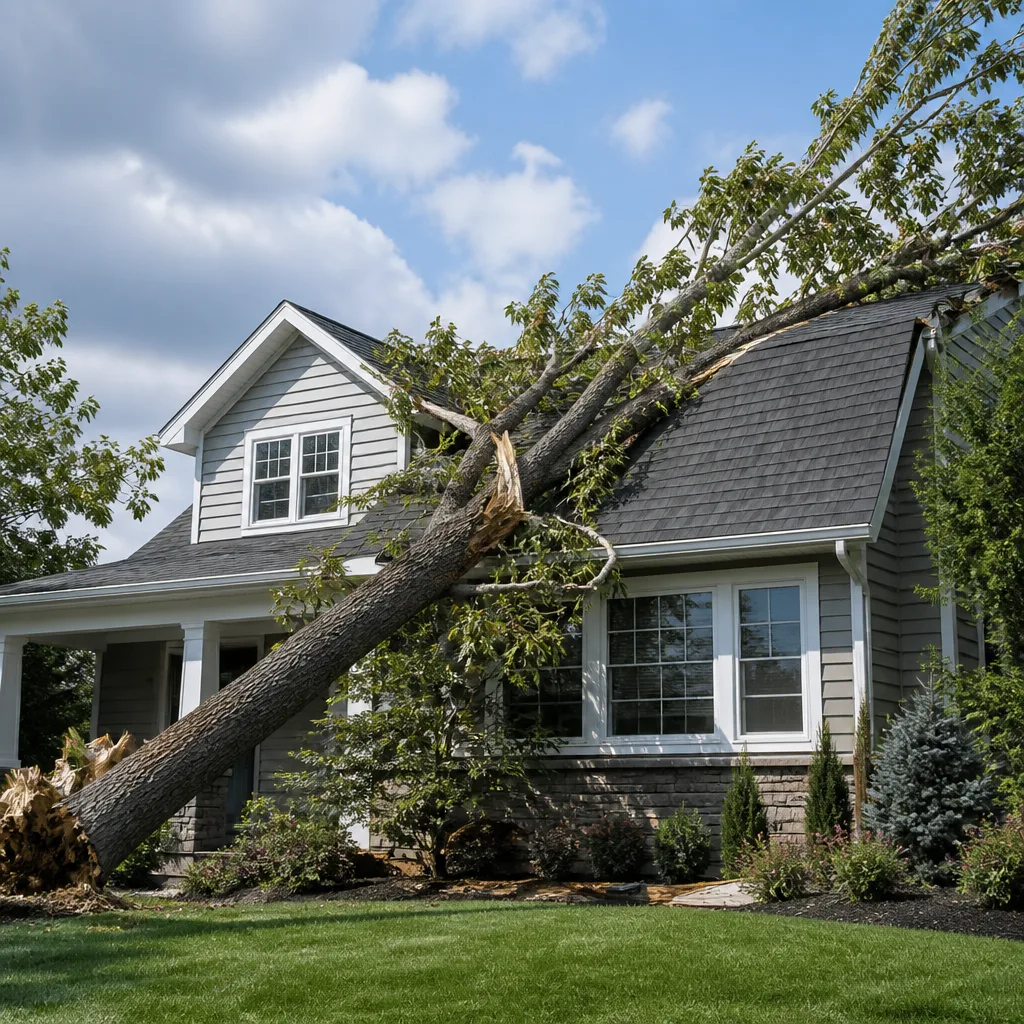
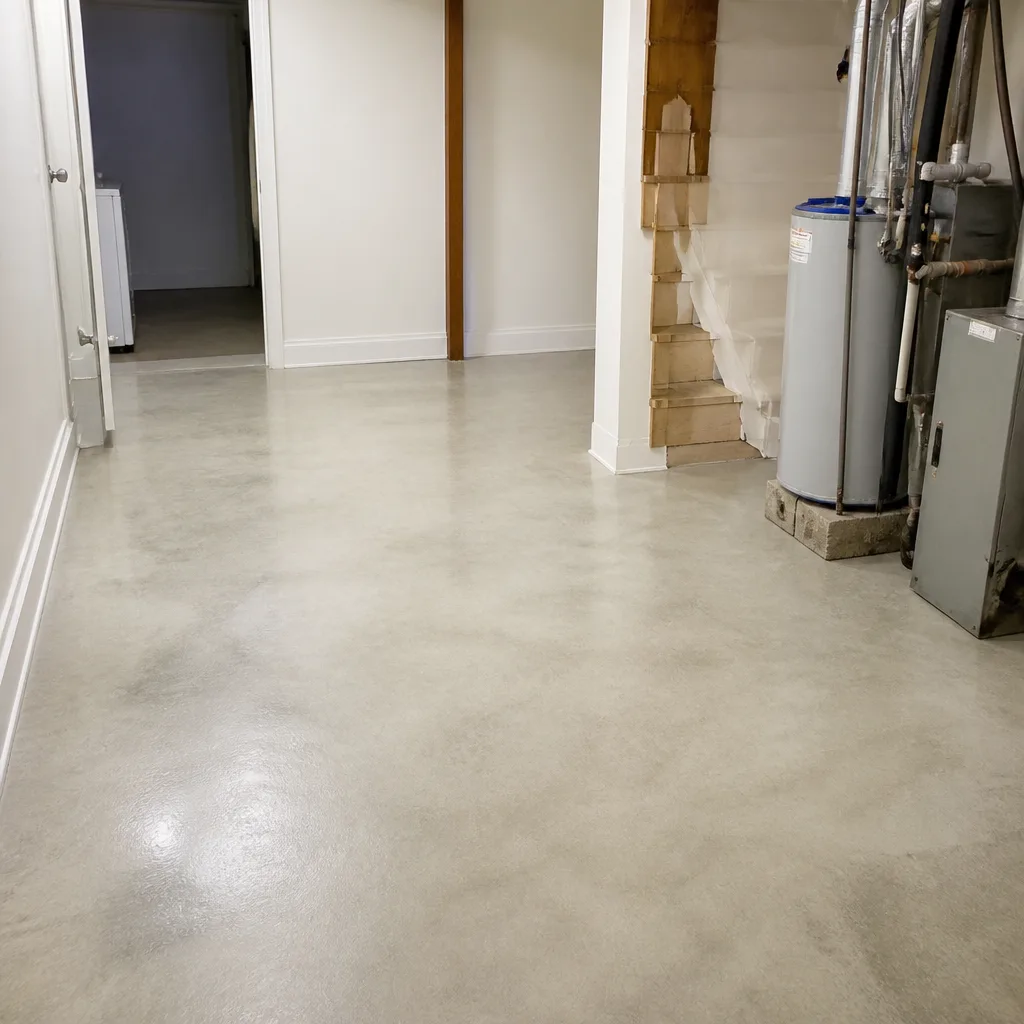
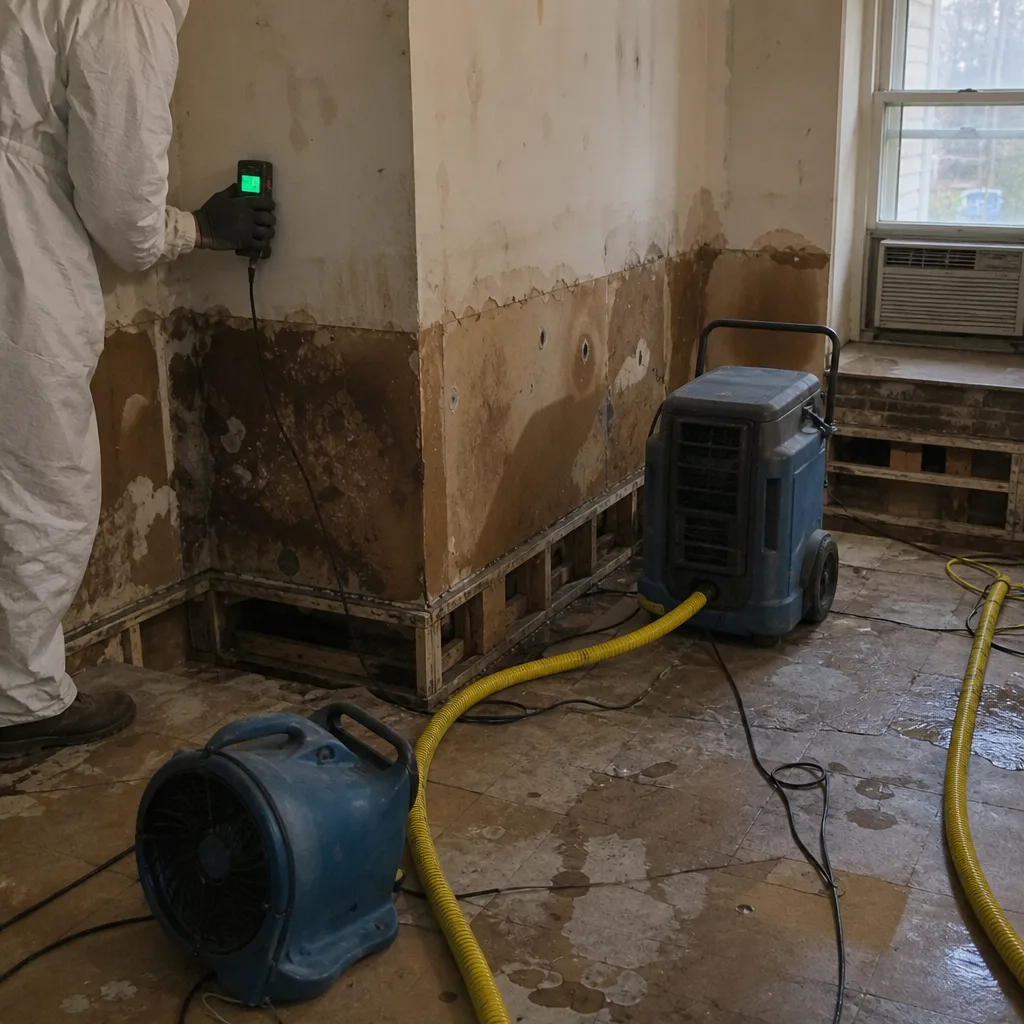 Before
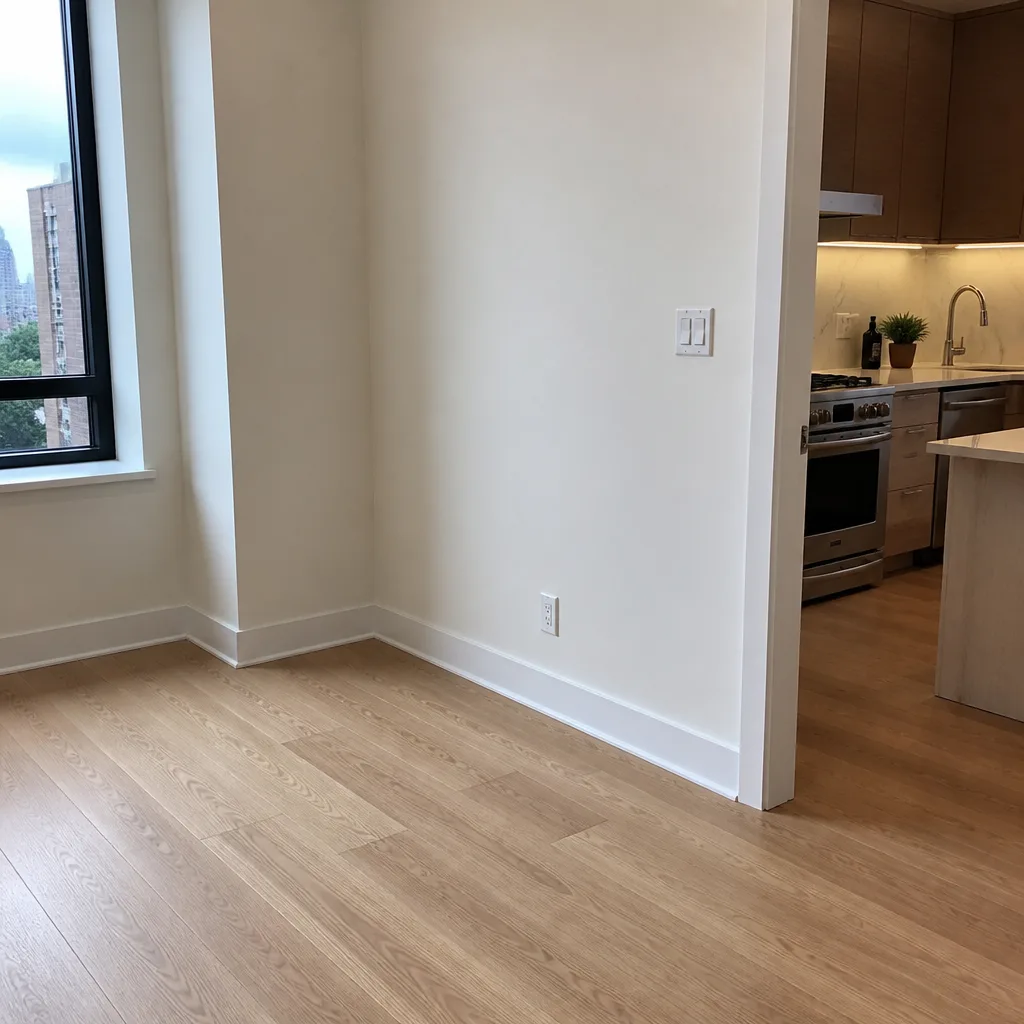 After
After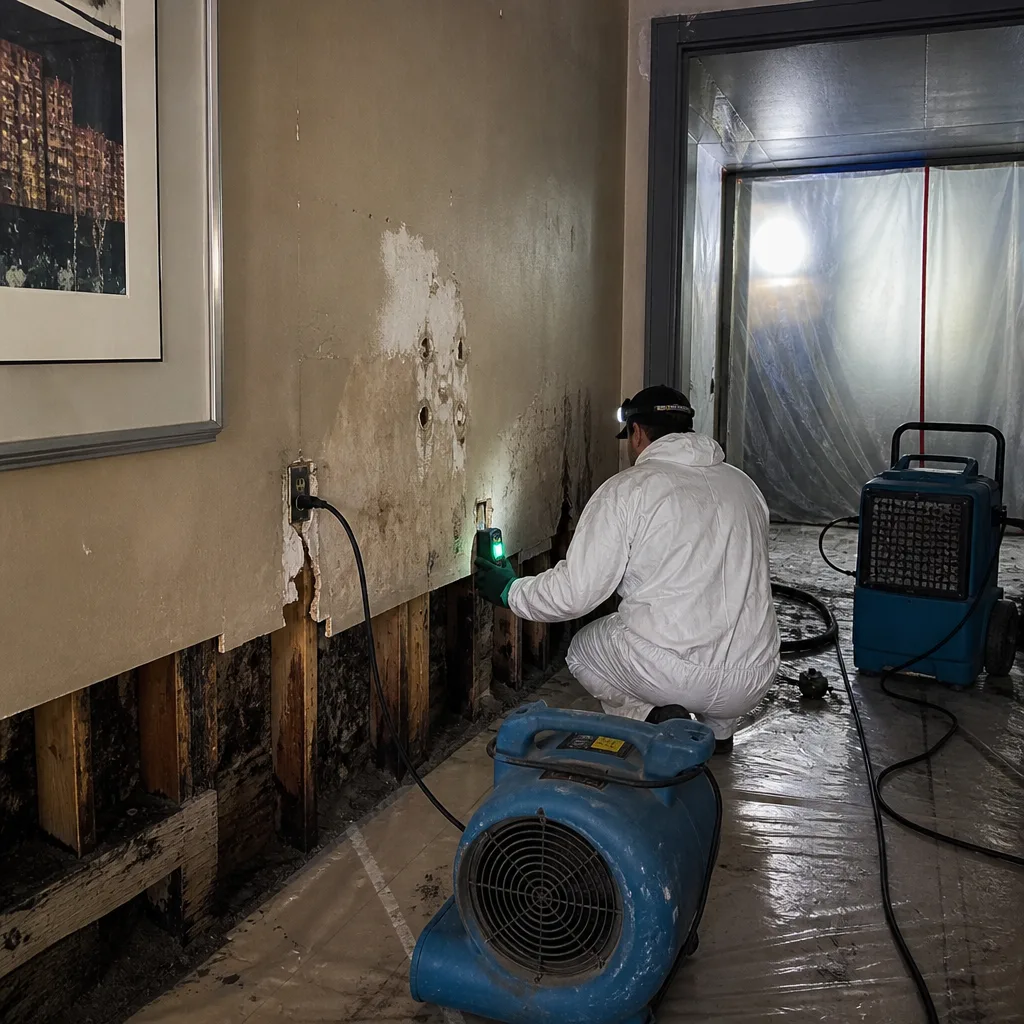 Before
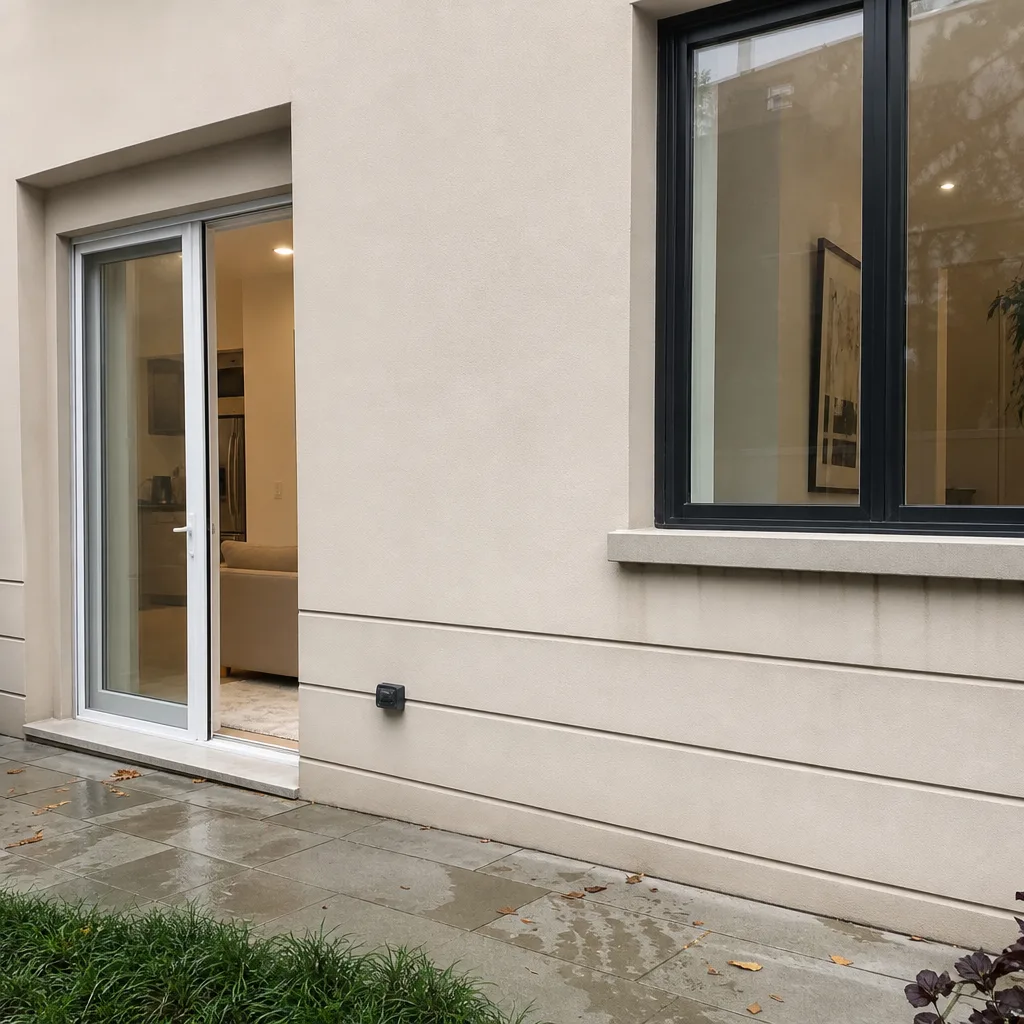 After
After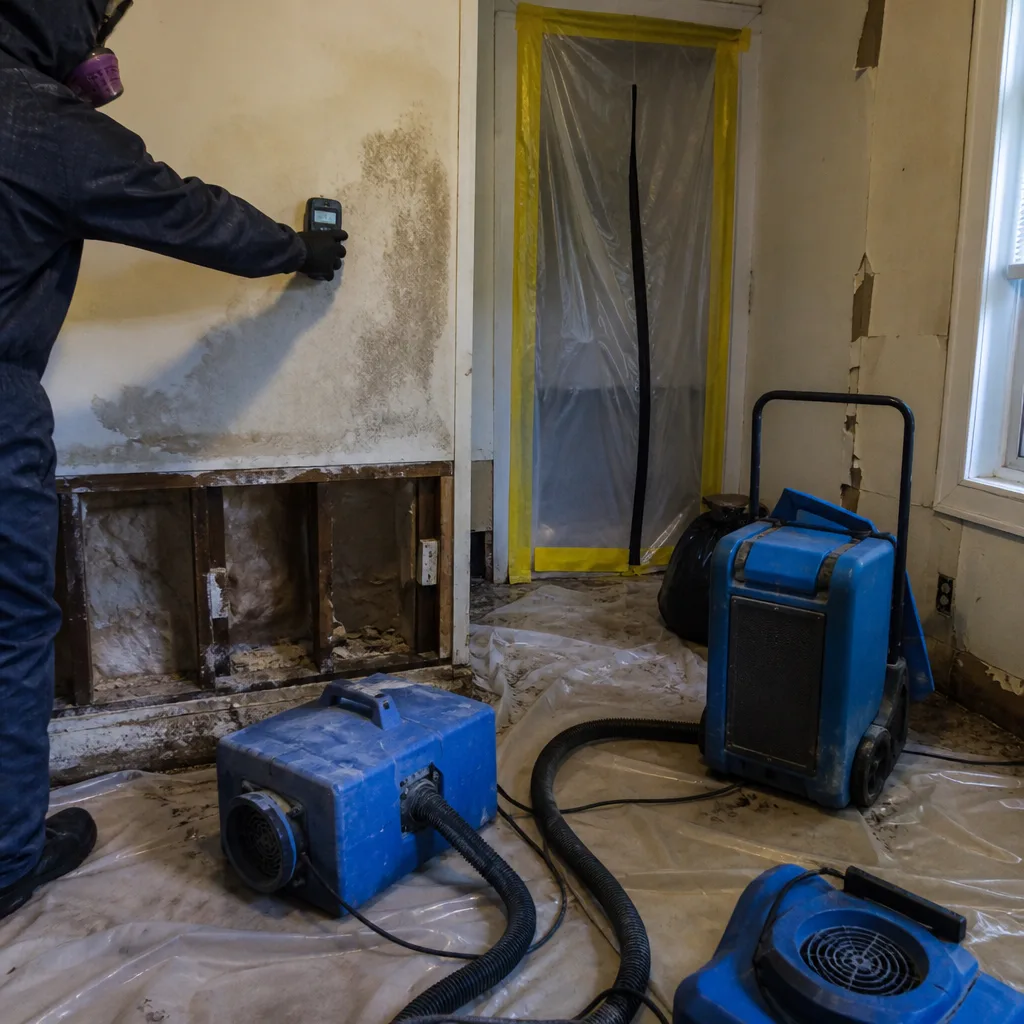 Before
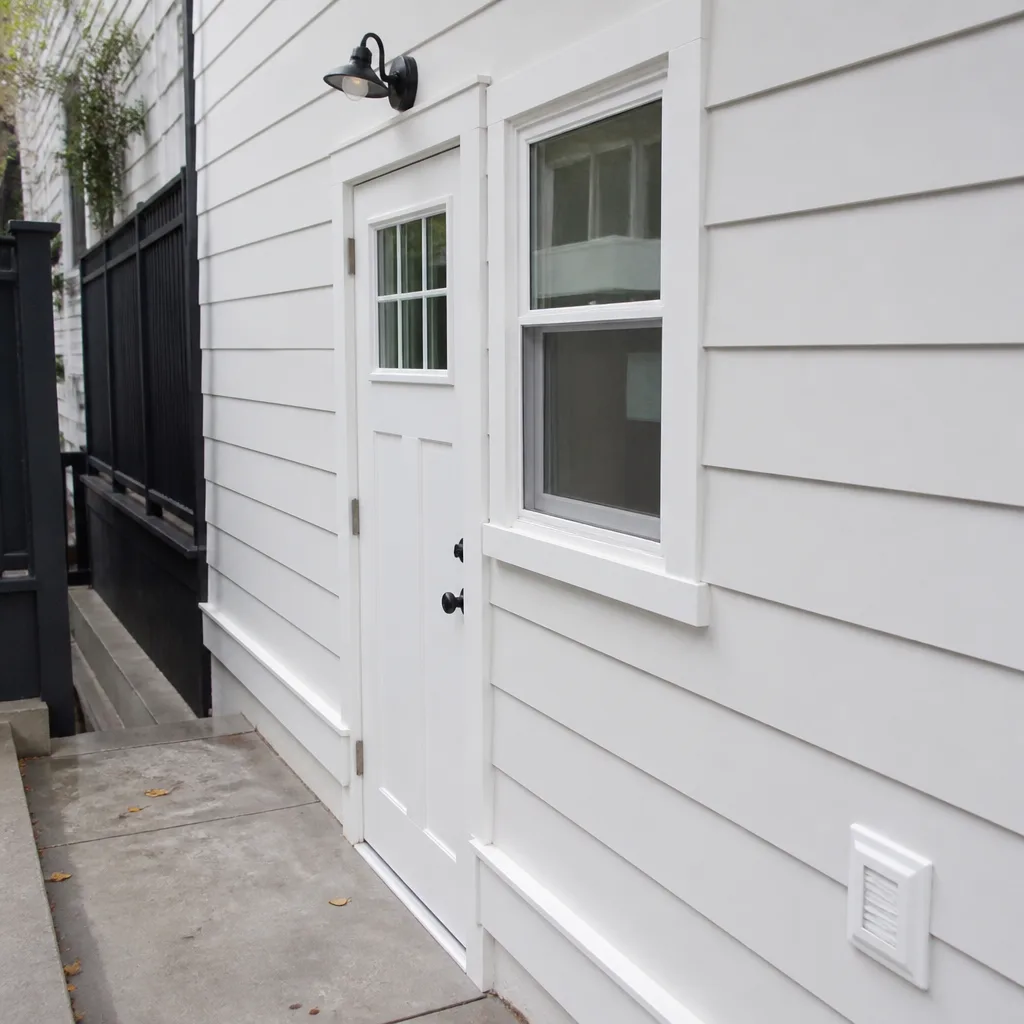 After
After24/7 Emergency Mold Remediation in Morningside Heights
Mold remediation in Morningside Heights typically runs $1,800-$6,500 depending on concealed damage behind plaster walls, and our crews are dispatched within 45 minutes for active containment emergencies. Call (551) 213-5277 any hour, day or night - a live person answers, never voicemail. We serve Morningside Heights directly from our New York City office, with technicians who know the pre-war building stock from Morningside Park to Riverside Drive.
The first hour matters because mold releases spores within 24-48 hours of moisture activation, and in Morningside Heights’s 1900-1930 masonry buildings, those spores travel through shared wall cavities and steam-heat risers to adjacent units. We offer free visual inspection with Morningside Heights Water Damage Restoration moisture mapping to locate hidden colonization before containment setup. Speed limits spread. Documentation protects your claim.
Understanding Mold Remediation Severity in Morningside Heights Properties
Mold severity in Morningside Heights is rarely what it appears on the surface. We classify jobs by affected square footage, material permeability, and moisture source classification - Category 1 (clean water origin), Category 2 (gray water with chemical or biological load), or Category 3 (black water, typically sewage or ground intrusion). The plaster-over-lath walls common to nearly every building here complicate every category: horsehair plaster is hygroscopic, meaning it wicks moisture vertically and horizontally behind intact paint, masking colonization until structural failure occurs.
Our Mold Remediation crews use thermal imaging and penetrating moisture meters to map vapor pressure differentials - the force that drives moisture from wet materials into dry air - because surface readings in these old walls mean almost nothing. Tertiary drying, the final phase where bound moisture is removed from dense materials, often requires Injectidry cavity systems or controlled demolition of plaster sections. We document psychrometric data daily: temperature, relative humidity, and specific humidity readings that prove drying progress to insurers and, in Columbia-managed properties, to university facilities reviewers.
Why Morningside Heights Property Owners Choose DryMark Restoration Upper East Side
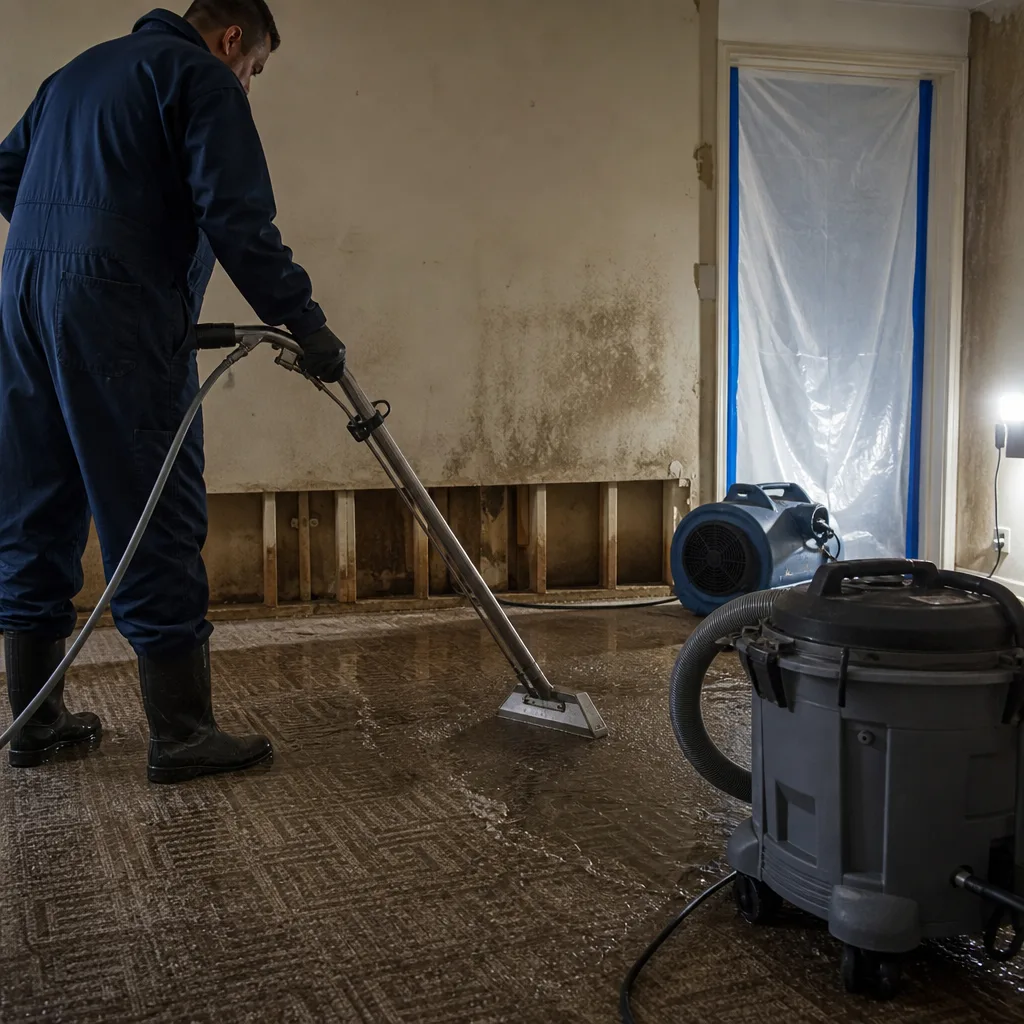
- 45-minute response commitment to Morningside Heights - our crews know the Riverside Drive, Broadway, and Amsterdam Avenue corridors without GPS.
- 24/7 live answer by a real person, never an automated system; your call rings to our dispatch floor, not a voicemail tree.
- IICRC-certified crews holding WRT (Water Damage Restoration Technician) and AMRT (Applied Microbial Remediation Technician) certifications, with license numbers provided on request.
- Free visual inspection with moisture mapping and photo documentation before any work is proposed.
- Direct insurance billing with adjuster coordination from first contact; we speak Xactimate and provide line-item scopes carriers recognize.
- One team from containment through reconstruction - no handoffs between mitigation and rebuild contractors, no blame-shifting.
BeforeAfterOur Mold Remediation Process
1. Inspection & Assessment
We perform moisture mapping with FLIR thermal cameras and penetrating probes, then classify the water source and document affected materials. In Morningside Heights pre-war buildings, we specifically inspect behind steam radiator lines and test plaster density where riser seepage is suspected. Every reading is logged with a timestamp and photo.
2. Containment & Air Quality Control
We establish negative-pressure containment with 6-mil poly barriers and HEPA-filtered air scrubbers to prevent cross-contamination. For Columbia or Barnard-managed properties, we coordinate access protocols before setup to avoid violating building security procedures.
3. Drying & Dehumidification
Our crews deploy LGR dehumidifiers from Dri-Eaz and Phoenix, plus Injectidry cavity-drying systems for plaster-over-lath walls where air movers cannot reach bound moisture. Daily moisture logs track specific humidity and vapor pressure differential until materials reach established drying goals.
4. Cleaning & Antimicrobial Treatment
HEPA vacuuming precedes application of EPA-registered antimicrobial agents to affected framing, lath, and masonry. We do not fog-and-hope; every surface is hand-wiped or mechanically cleaned, with photo documentation of before and after conditions.
5. Air Quality Restoration & Clearance Testing
Post-remediation, we run 24-hour air sampling with spore trap cassettes analyzed by independent laboratories. Clearance criteria follow IICRC S520 standards: indoor spore counts must match or fall below outdoor baseline levels for the Morningside Heights microclimate.
6. Repairs & Restoration
Our reconstruction team replaces removed plaster, repairs framing, and restores finishes to pre-loss condition. All work is scoped in writing before reconstruction begins, with a 365-Day Done Right Promise under The Haven Standard.
Need Emergency Mold Remediation in Morningside Heights Now?
Crews minutes away, answering live 24 hours a day. The sooner we start, the less it costs.
Working With Your Insurance Company
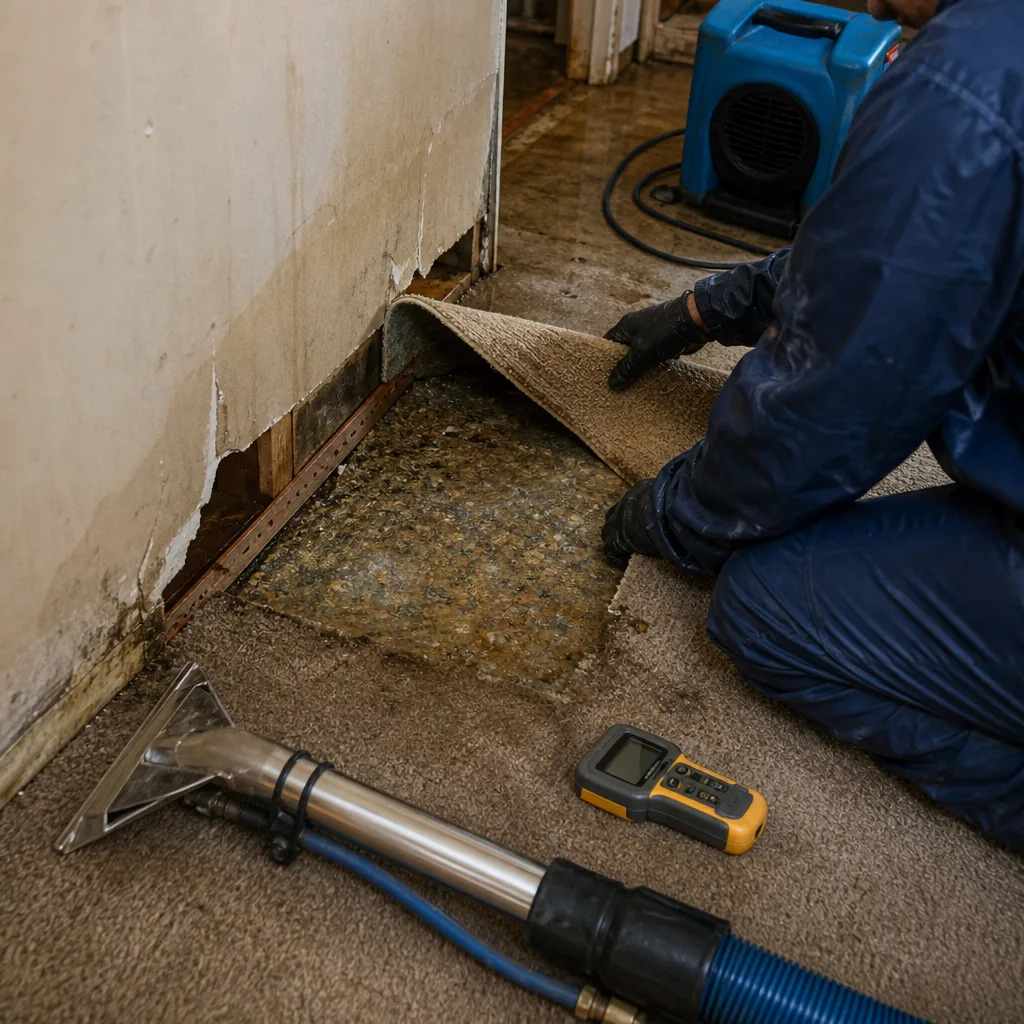
Insurance claims for mold in Morningside Heights fail most often on documentation gaps: no proof of sudden water origin, no moisture readings, no drying logs showing progress. We close those gaps from the first hour. Our estimates are written in Xactimate, the industry-standard pricing platform, and we provide direct adjuster communication rather than handing you a bill to dispute alone.
Haven Standard, Clause 1: a written price before work begins, every time, with no scope-creep additions once the crew is inside. For Columbia-owned properties, we also produce the documented photo record and drying logs that university risk management requires for vendor payment. Alicia Brennan founded Back to Dry Restoration in 2011 after working as a claims adjuster; the documentation protocols exist because she saw what sloppy records cost homeowners.
What We Provide Your Insurer
- Thorough documentation of the loss with cause-and-origin analysis
- Photos of all damage, room by room, with moisture readings visible
- Daily moisture logs and psychrometric data through completion
- A detailed, line-item scope of work in Xactimate format
- Direct coordination with your carrier’s adjuster, including field meetings
Built for Morningside Heights’s Loss Calendar
January deep freezes split original cast-iron risers in buildings where steam heat cycles stress metal already thinned by decades of corrosion. Spring thaw redirects meltwater through Morningside Park’s steep escarpment against building foundations on Morningside Drive and Manhattan Avenue, producing basement and sub-slab moisture that wicks upward through masonry. Summer convective storms overwhelm aging roof drains on flat pre-war roofs, sending water through parapet walls and down interior columns.
Nor’easters in October through March drive the worst losses: wind-driven rain penetrates window frames loosened by decades of thermal cycling, and simultaneous steam system overpressure creates condensate backup in radiator lines. The combination of external water intrusion and internal plumbing failure is common here, and it produces the slow, hidden saturation that breeds mold behind plaster for months before detection.
Mold Remediation Across Morningside Heights’s Neighborhoods
West 116th Street to 122nd Street, between Broadway and Amsterdam: the academic corridor where Columbia and Barnard own or manage a significant share of residential stock. Our crews here navigate university procurement protocols, including pre-work approvals and post-completion inspections by facilities staff. Buildings on this strip share mechanical systems across multiple addresses, so containment planning must account for inter-building air pathways.
Morningside Park-facing blocks on Morningside Drive and Manhattan Avenue: the escarpment topography concentrates storm runoff against foundations, making below-grade units especially vulnerable to chronic moisture. We’ve treated multiple garden-level apartments here where foundation seepage combined with failed steam traps produced recurring mold cycles until the moisture source was excavated and sealed.
Riverside Drive west of Broadway: slightly newer pre-war stock, but with the same galvanized plumbing and plaster construction. Buildings here often have original window assemblies with failed glazing putty, creating wind-driven rain pathways that saturate header framing above ornate plaster ceilings.
The 10025 ZIP core around Columbia University’s main campus: high tenant turnover in graduate and faculty housing means moisture complaints may go unreported between lease terms, allowing mold to establish across multiple rooms before discovery. Our inspection protocol here includes extended moisture mapping in adjacent units, not just the reported location.
Specialized Mold Remediation Services We Offer in Morningside Heights
Mold Inspection & Testing
We start with moisture mapping, air sampling, and surface tape-lift analysis - not guesswork. In Morningside Heights pre-war buildings, we specifically target steam riser cavities and areas below window headers where failed glazing channels water behind plaster. Testing determines species and concentration, which drives containment level and antimicrobial selection.
Mold Removal
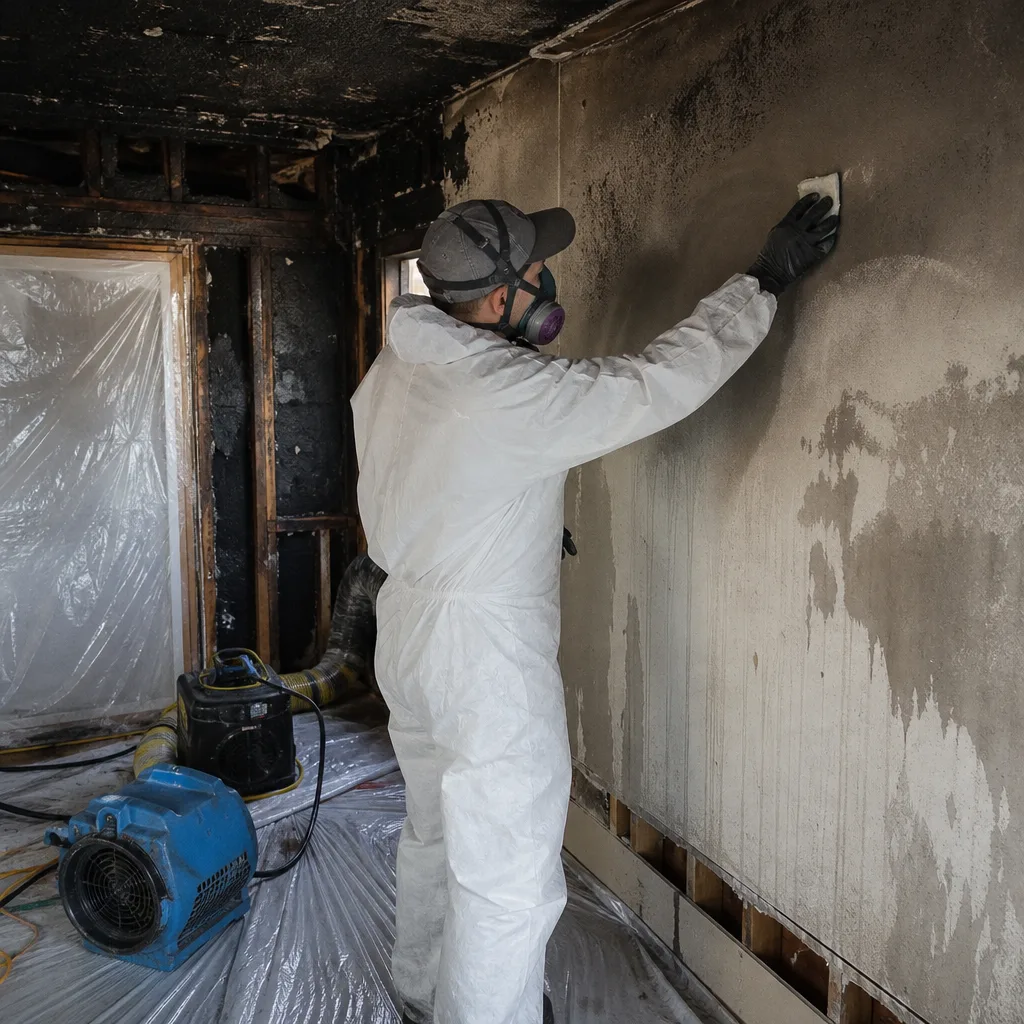
Removal means controlled demolition of non-salvageable materials, HEPA-contained disposal, and mechanical cleaning of remaining substrates. For horsehair plaster that has delaminated from lath, removal is often necessary; for intact plaster with surface colonization, abrasive cleaning with containment may suffice. We document every square foot.
Black Mold Remediation
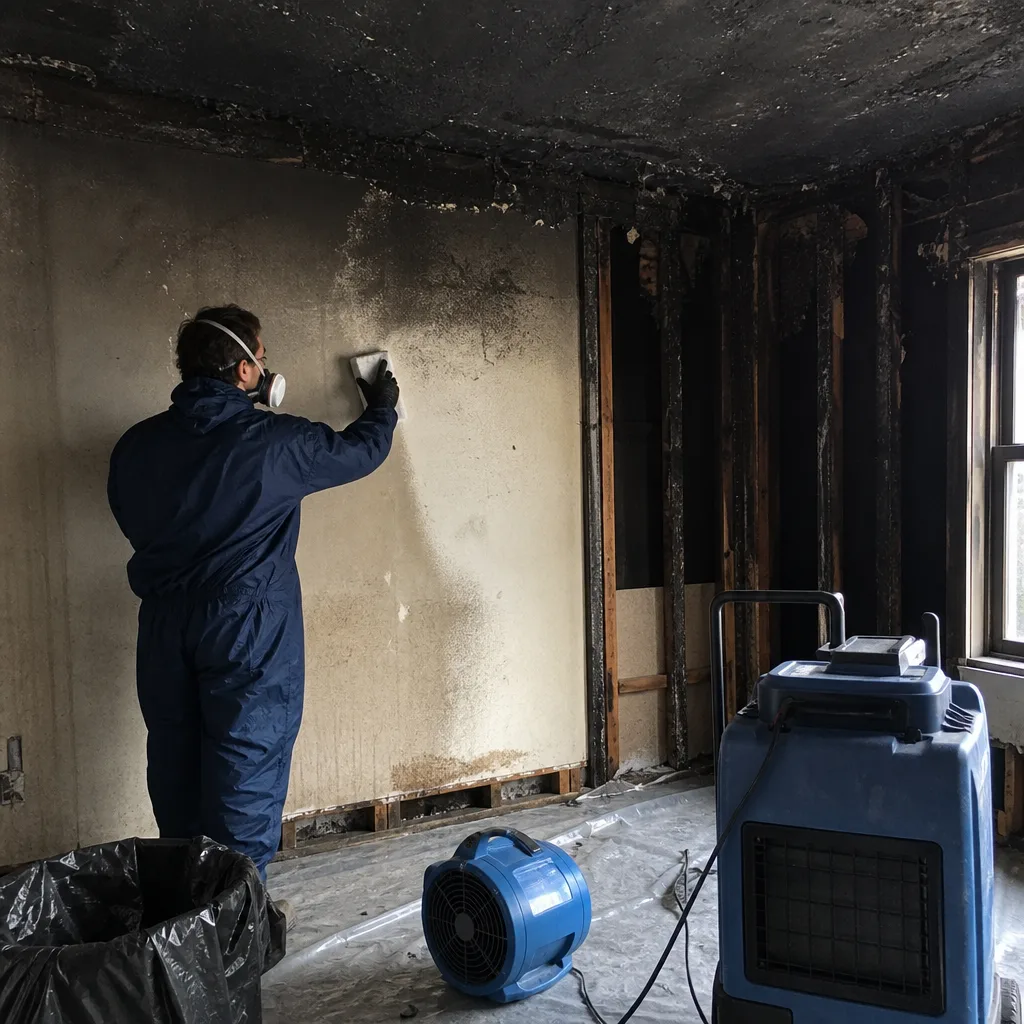
Stachybotrys chartarum and other toxigenic species require enhanced containment, full-face respirator protocols, and extended air scrubbing. We do not use scare tactics; we use lab identification and IICRC S520 protocols. In Morningside Heights, black mold most often follows chronic Category 2 or 3 water sources, typically failed drains or long-term riser seepage.
Air Quality Restoration
Post-remediation, we restore breathable air through HEPA filtration, activated carbon for volatile organic compounds, and independent clearance testing. For Columbia-managed properties, we provide third-party lab reports that satisfy university environmental health review.
Crawl Space Treatment
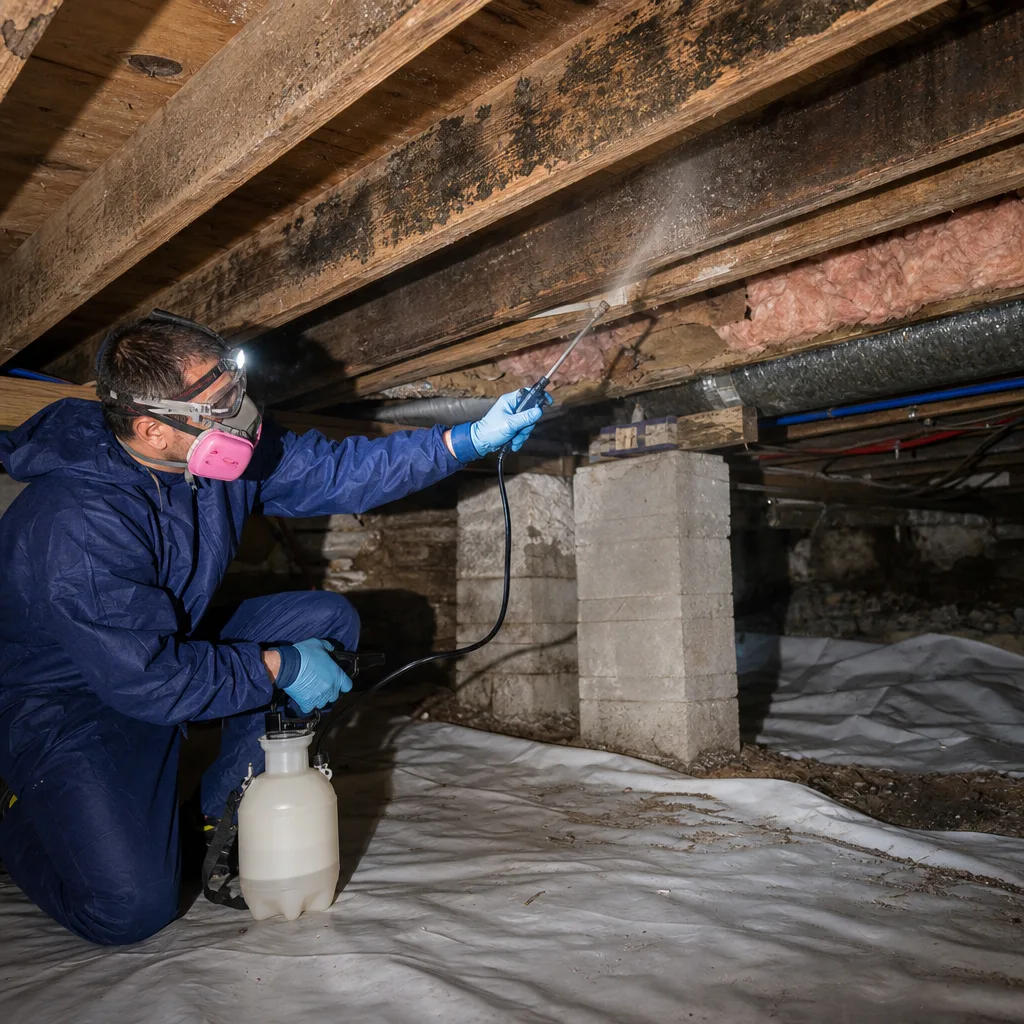
While rare in Morningside Heights’s mid-rise buildings, sub-basement utility tunnels and pipe chases function similarly: confined, poorly ventilated, and prone to condensation on cold masonry. We treat these with dehumidification, antimicrobial application, and vapor barrier installation where accessible.
Moisture & Humidity Control
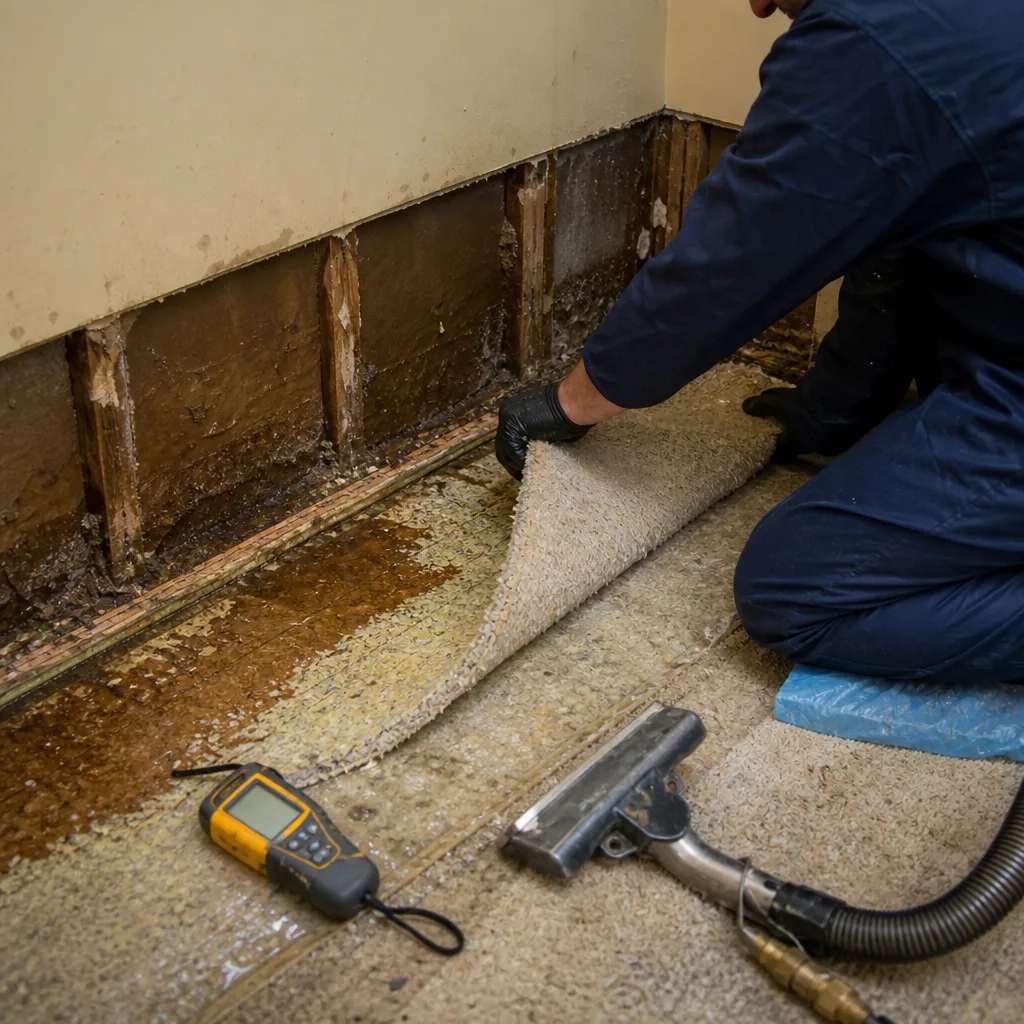
The root of mold is moisture. We install permanent dehumidification, improve ventilation pathways, and specify building envelope repairs to prevent recurrence. In steam-heated buildings, we coordinate with building engineers to address overpressure and condensate drainage that keeps walls wet.
What happens when you call
- 1
A real person answersNo phone trees - you reach a local pro.
- 2
You get an upfront price rangeHonest numbers before anyone is dispatched.
- 3
A background-checked tech heads outLicensed & insured, dispatched right away.
- 4
You approve before work beginsNothing starts until you say go.
Mold Remediation Costs in Morningside Heights, NY
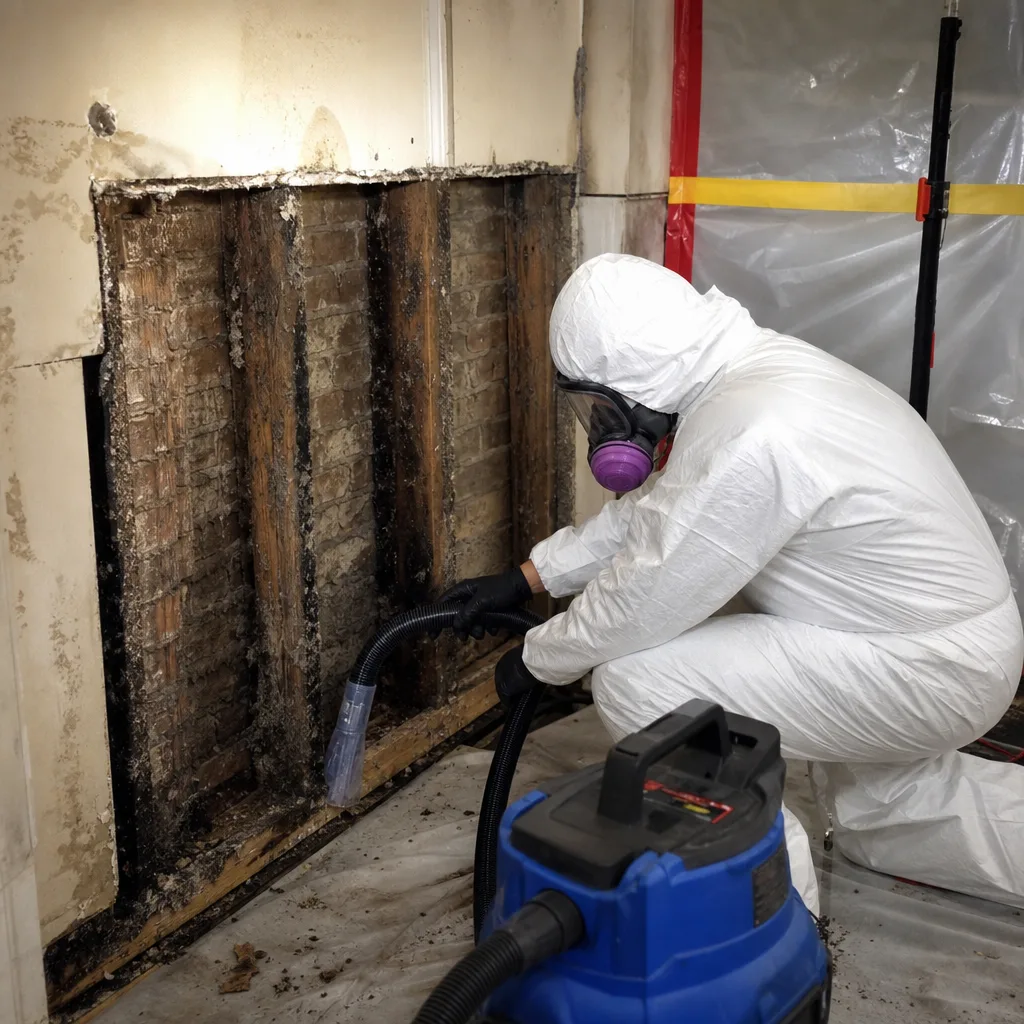
Typical mold remediation in Morningside Heights runs $1,800 for localized surface treatment in a single room to $6,500 for multi-room concealed colonization behind plaster with full containment and air quality restoration. Extensive whole-unit demolition with reconstruction can exceed $12,000.
What moves the price: concealed damage requiring plaster removal, elevated containment for toxigenic species, university-mandated after-hours work to minimize tenant disruption, and the need for independent clearance testing. Insurance typically covers sudden water origin mold; long-term maintenance-related mold often falls to the property owner. We provide a written scope and firm price before work begins, per Haven Standard, Clause 1. Call (551) 213-5277 for a free inspection and exact quote.
We Also Serve Cities Near Morningside Heights
Our crews respond throughout the immediate metro area, including Morningside Heights neighbors: Upper East Side, Manhattan, Upper West Side, and Astoria. Each area has distinct building stock and moisture patterns; our documentation protocols adapt to each.
Serving Morningside Heights, NY - Our Local Coverage Area
We’re based in the Morningside Heights area and know this community well. Use the map below to see our service coverage - if you’re nearby, we can almost certainly help.
Morningside Heights Mold Remediation Questions, Answered
Why does mold keep coming back in my Morningside Heights pre-war apartment?
Mold returns because the moisture source was never eliminated, only the visible growth. In Morningside Heights’s pre-war buildings, we most often find original galvanized supply risers weeping behind horsehair plaster, or steam condensate lines draining improperly. Our moisture mapping locates the actual source; surface cleaning without source elimination guarantees recurrence. Call (551) 213-5277 for inspection.
How quickly can mold grow after a water leak in a Morningside Heights building?
Mold colonization begins 24-48 hours after moisture activation on organic material. In Morningside Heights’s plaster-over-lath construction, horsehair plaster provides organic substrate, and the dense wall cavity retains moisture for weeks. We respond within 45 minutes to active leaks to begin drying before colonization threshold. Speed is containment.
Do you handle the university approval process for mold remediation in Columbia-owned buildings?
Yes. We coordinate directly with Columbia and Barnard facilities management for access protocols, pre-work documentation, and post-completion drying logs. Our written scopes and photo records are formatted for university procurement review. We do not start work until approvals are documented, per building management requirements.
What’s the difference between Category 1, 2, and 3 water when dealing with mold in Morningside Heights?
Category 1 is clean water origin - burst supply line, rainwater - and mold risk is lower if dried within 24-48 hours. Category 2 carries chemical or biological load - dishwasher discharge, sump pump failure - and requires antimicrobial treatment. Category 3 is sewage or ground water, demanding full PPE, removal of porous materials, and enhanced containment. Most Morningside Heights mold follows Category 2 or 3 due to aging drainage systems.
Why is mold remediation in Morningside Heights different from neighboring Manhattan neighborhoods?
Morningside Heights’s combination of 1900-1930 masonry buildings, original galvanized and steam systems, and Columbia/Barnard institutional management creates unique challenges: concealed riser seepage behind horsehair plaster, university procurement protocols, and shared mechanical systems across multiple addresses. Our crews are trained specifically for this building stock and these approval processes.
How long does mold remediation take in a Morningside Heights apartment?
Localized treatment: 2-3 days. Multi-room concealed colonization with plaster removal: 5-10 days. Full reconstruction adds 1-3 weeks depending on finish matching and university inspection scheduling. We provide a written timeline with the scope, updated daily in our moisture logs.
Can my family stay in the apartment during mold remediation?
For contained, single-room treatment with HEPA air scrubbing, often yes. For multi-room or toxigenic species remediation with enhanced containment, temporary relocation is recommended and may be covered by insurance. We specify occupancy status in our written scope before work begins.
What certifications do your Morningside Heights mold technicians hold?
Our technicians hold IICRC WRT (Water Damage Restoration Technician) and AMRT (Applied Microbial Remediation Technician) certifications, with ongoing education in IICRC S520 mold remediation standards. License numbers and certification details are provided on request. All technicians are background-checked and uniformed under The Haven Standard.
What should I do in the first 30 minutes after discovering mold?
Do not disturb the area - agitation releases spores. Turn off HVAC if the system serves the affected zone. Document with photos. Call (551) 213-5277 for our 24/7 live dispatch. We will guide immediate containment steps and dispatch a crew for free visual inspection with moisture mapping.
Written by Alicia Brennan, Owner at Back to Dry Restoration, serving Morningside Heights since 2011 under The Haven Standard.