Free visual inspection and a written scope of work before any mitigation begins - photos, moisture readings, and drying logs go in your claim file
The scope we write is the scope we bill. Anything new gets shown to you, in writing, before we touch it.
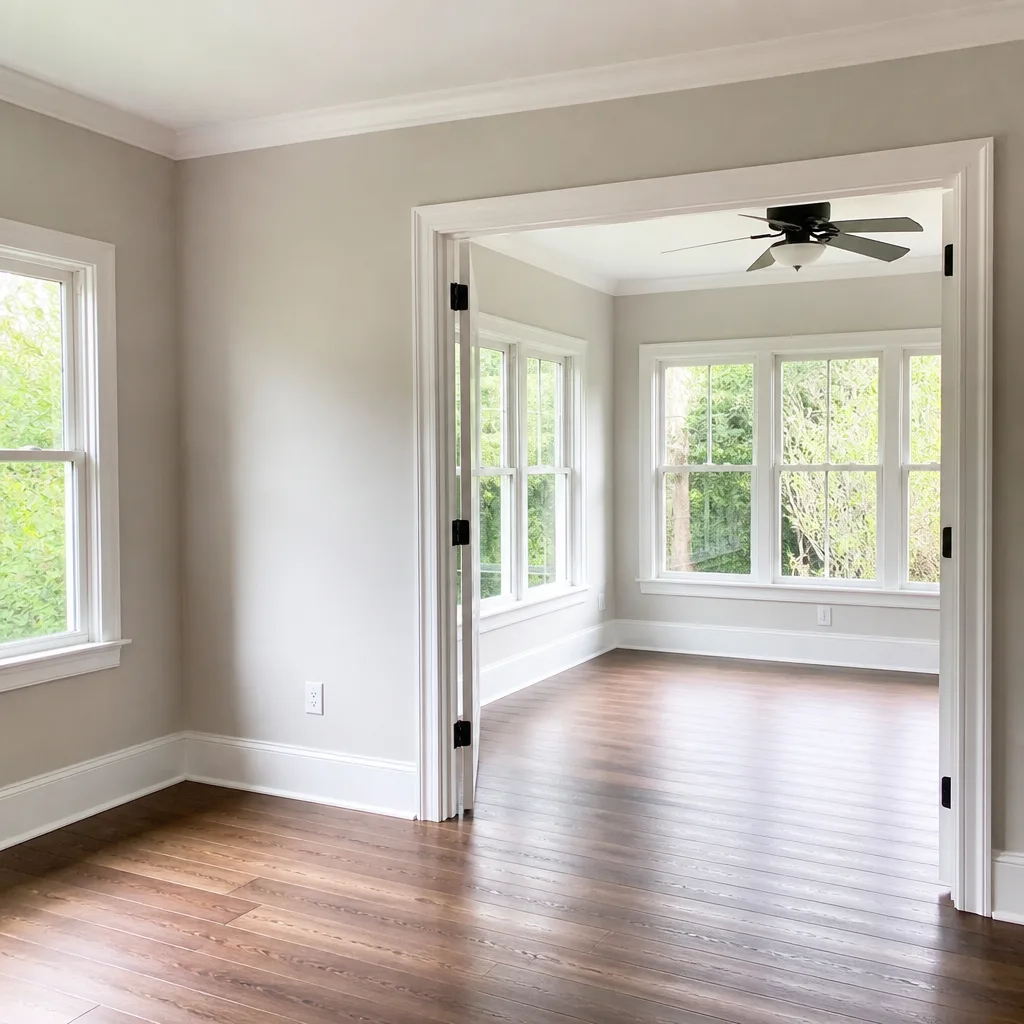
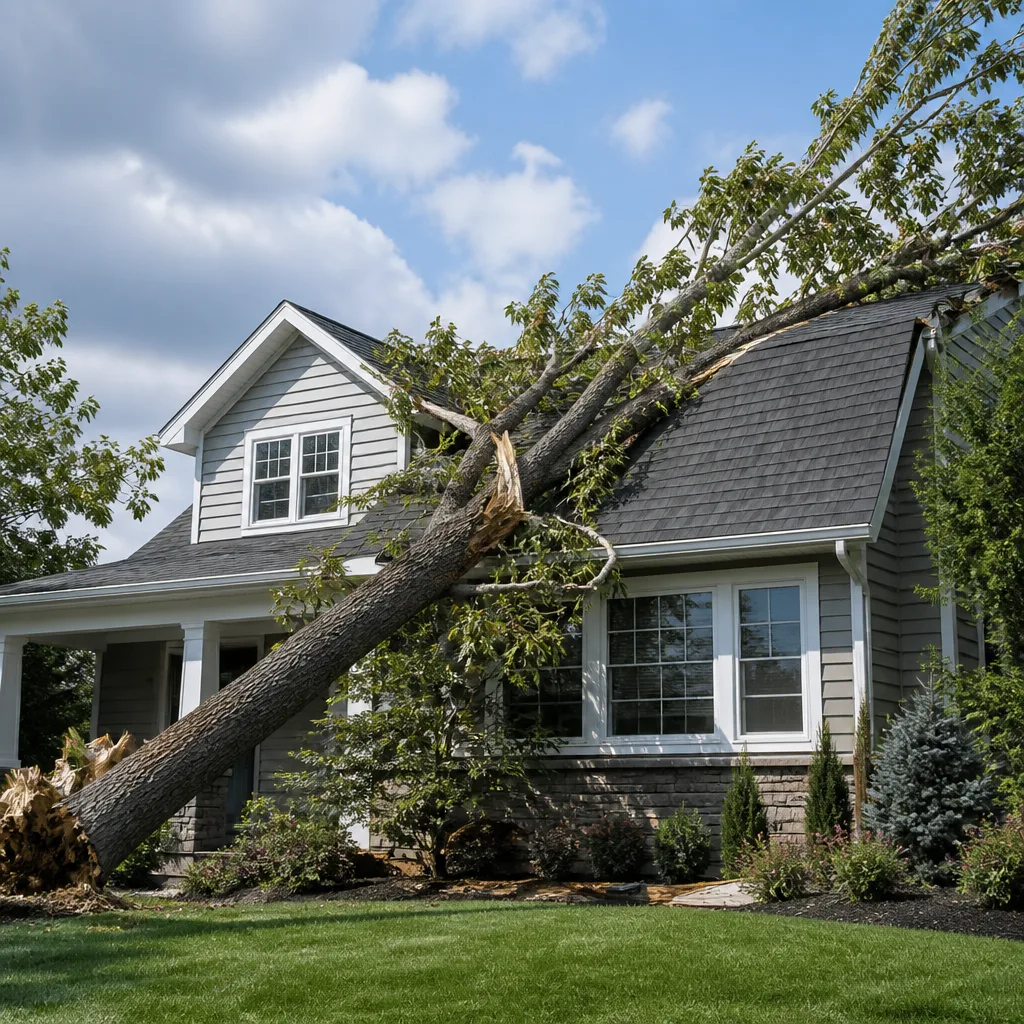
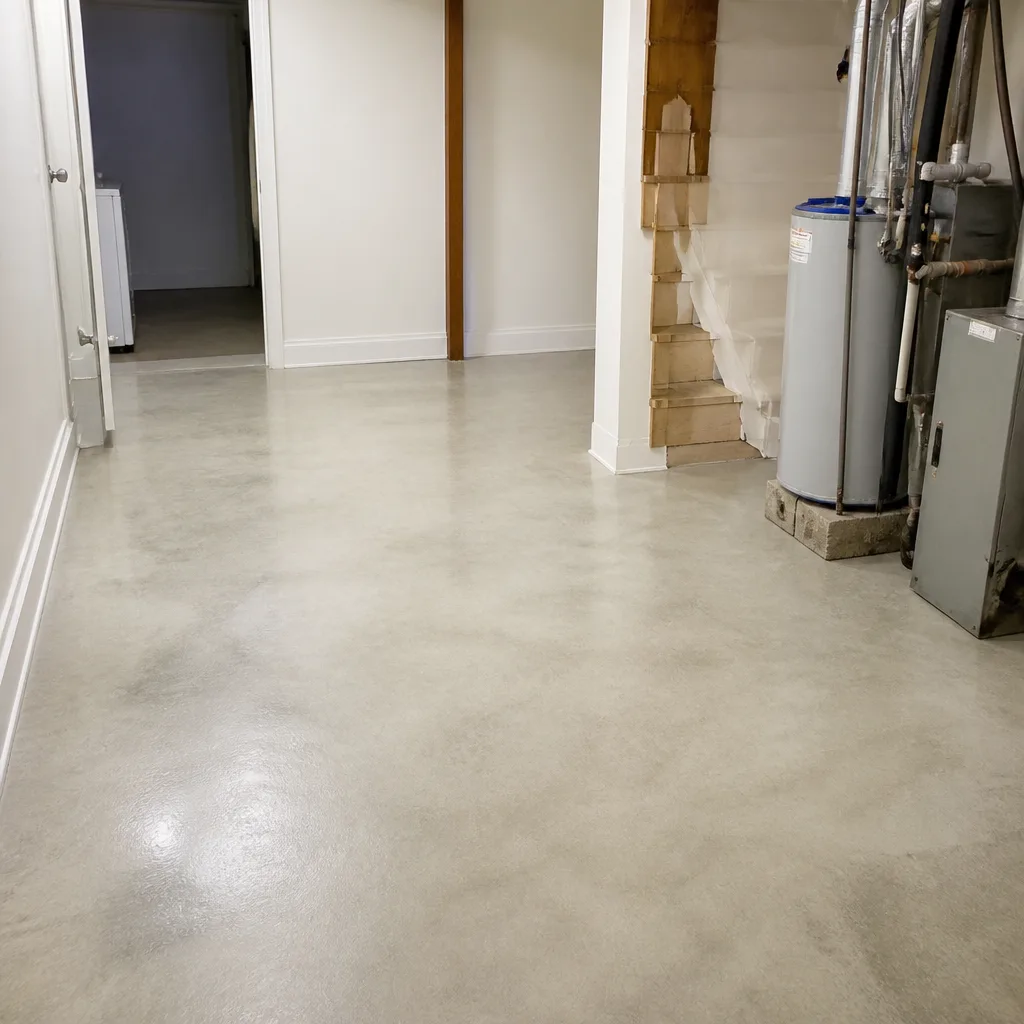
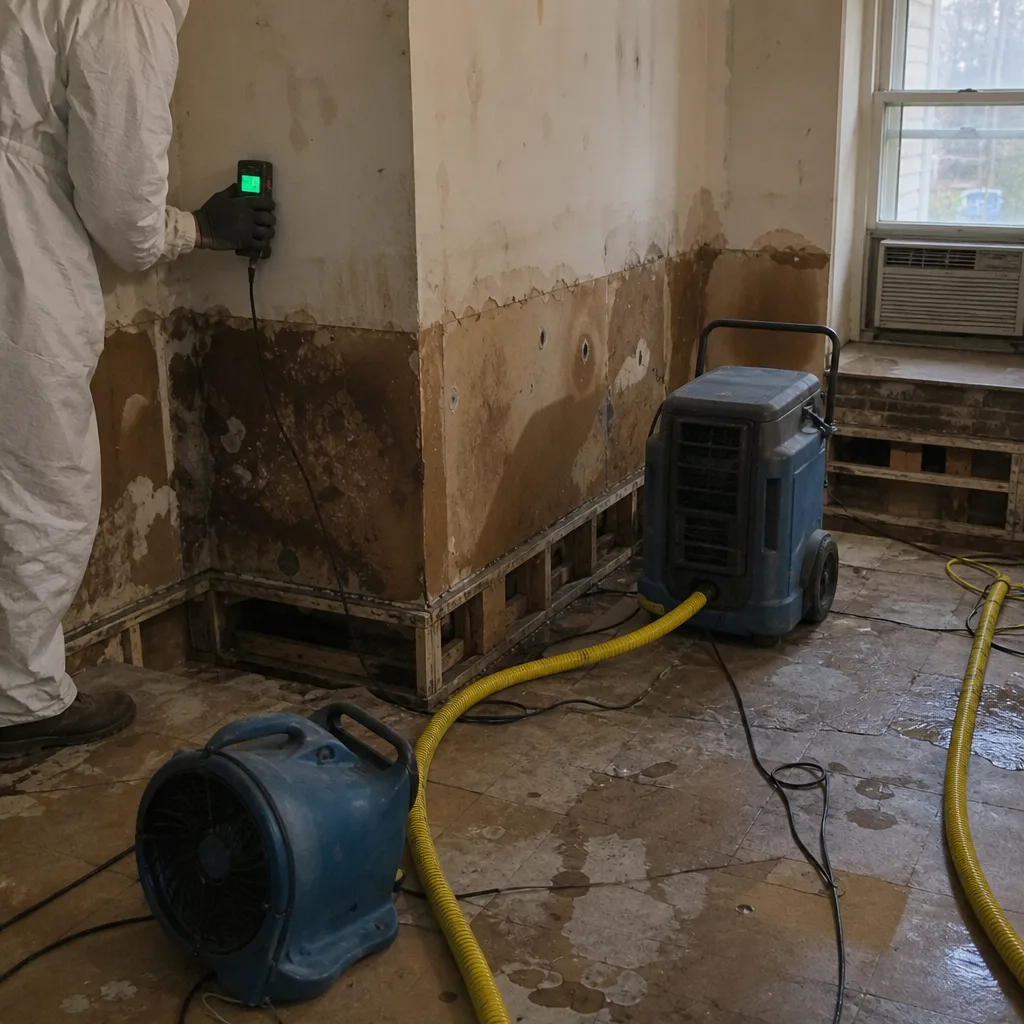 Before
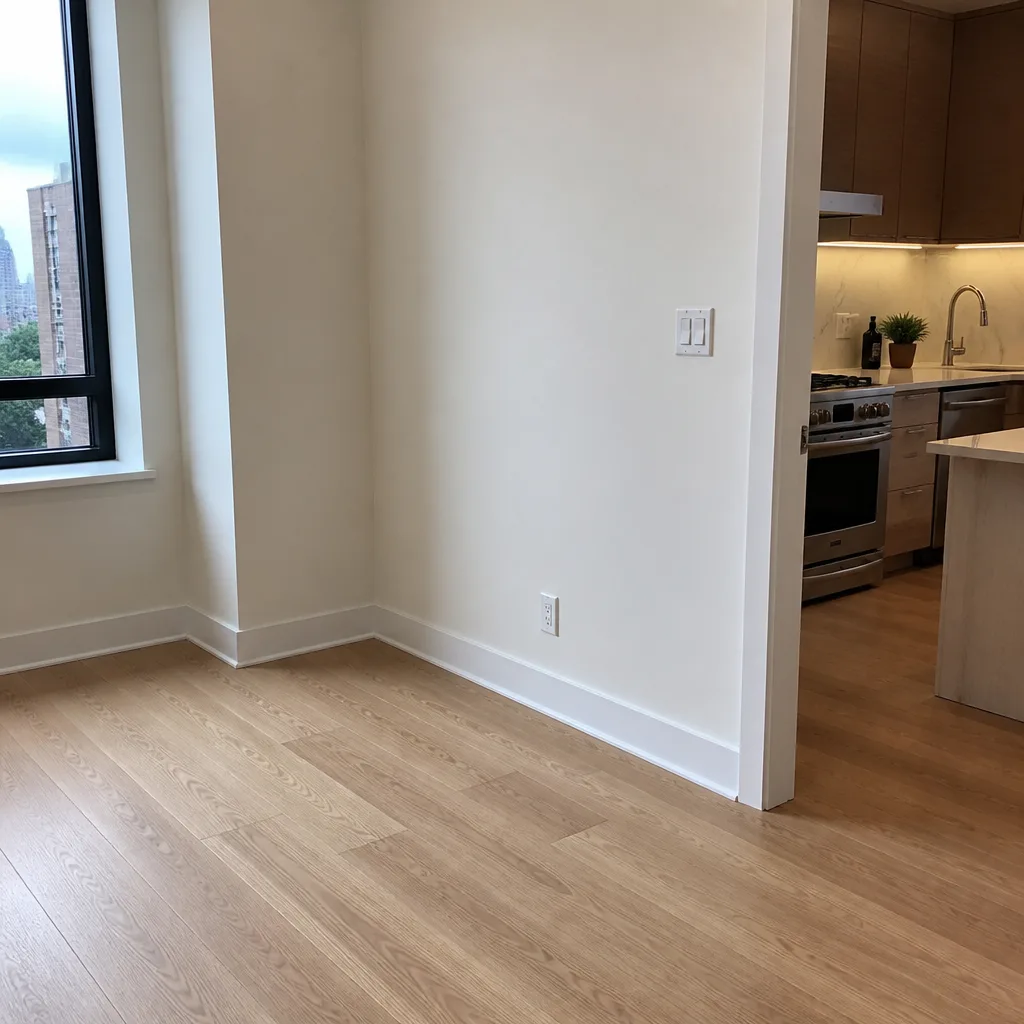 After
After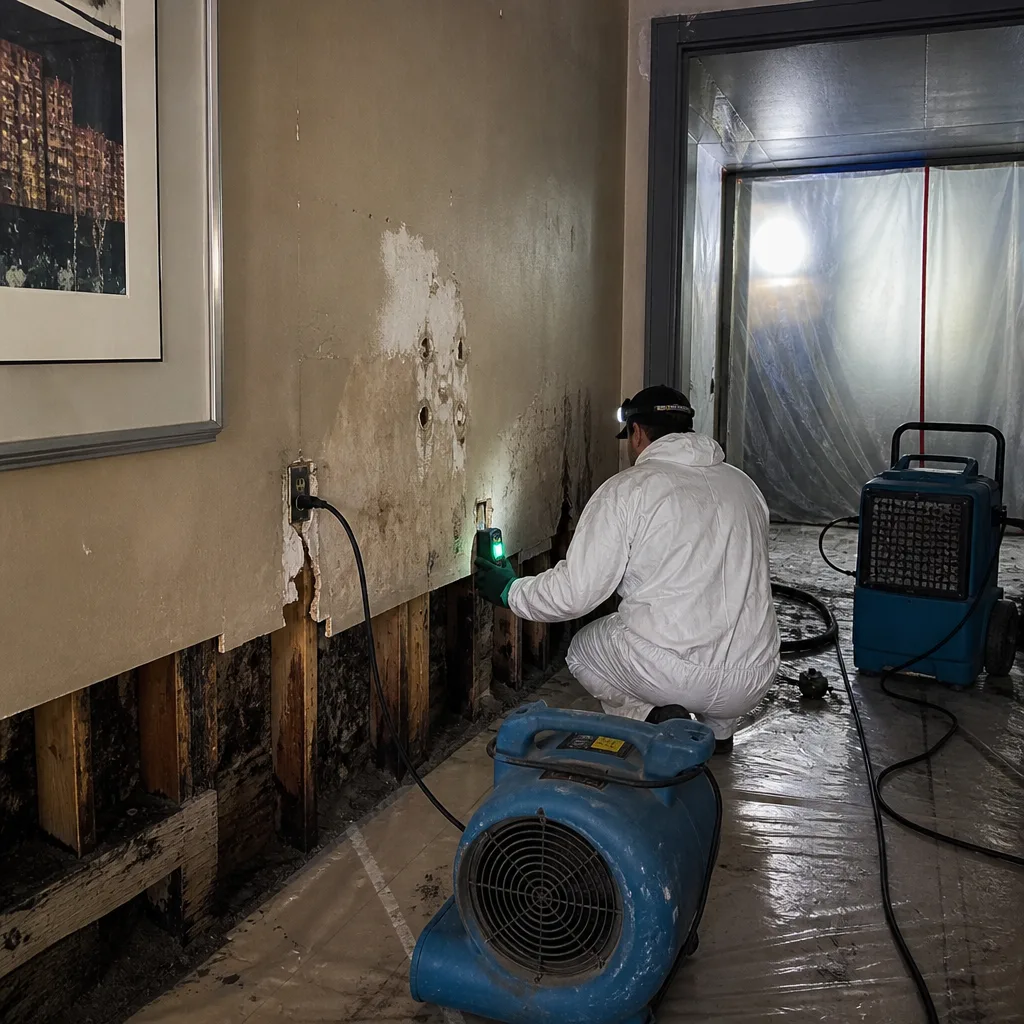 Before
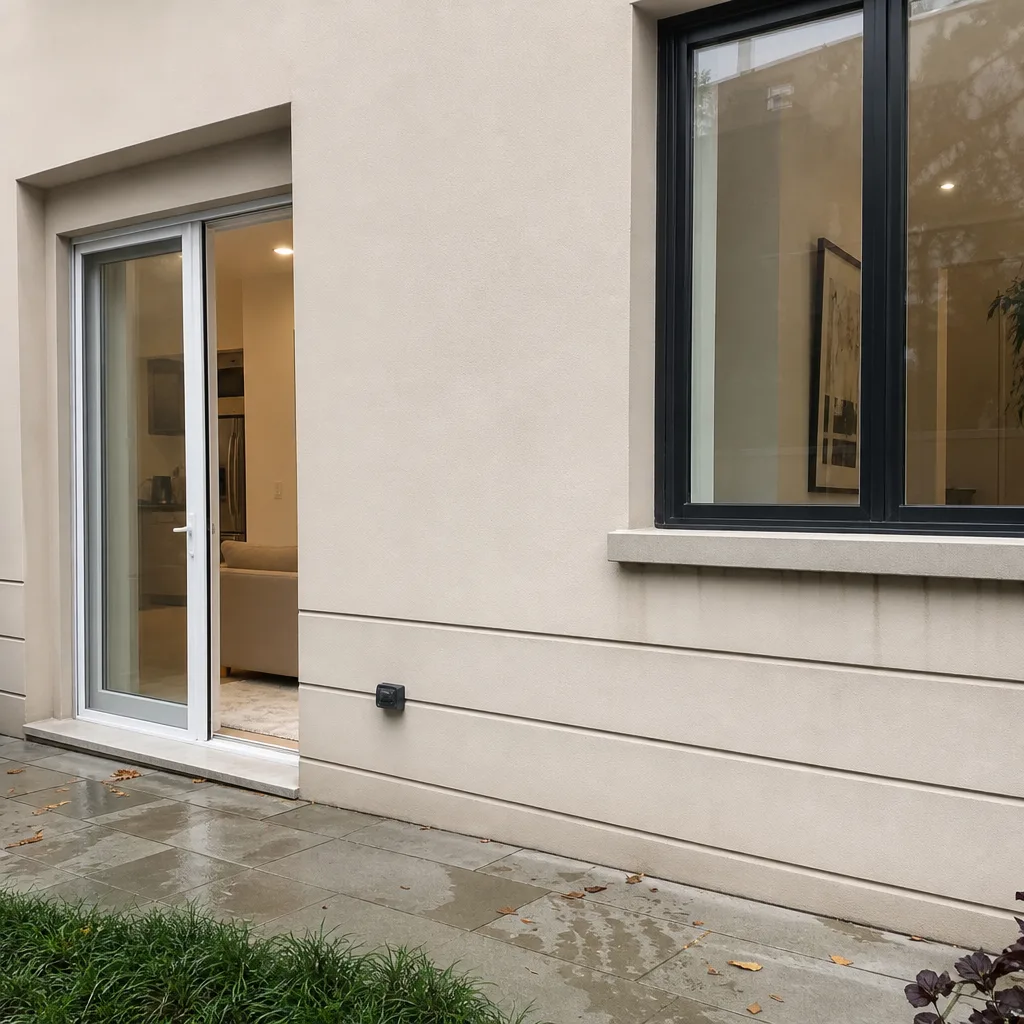 After
After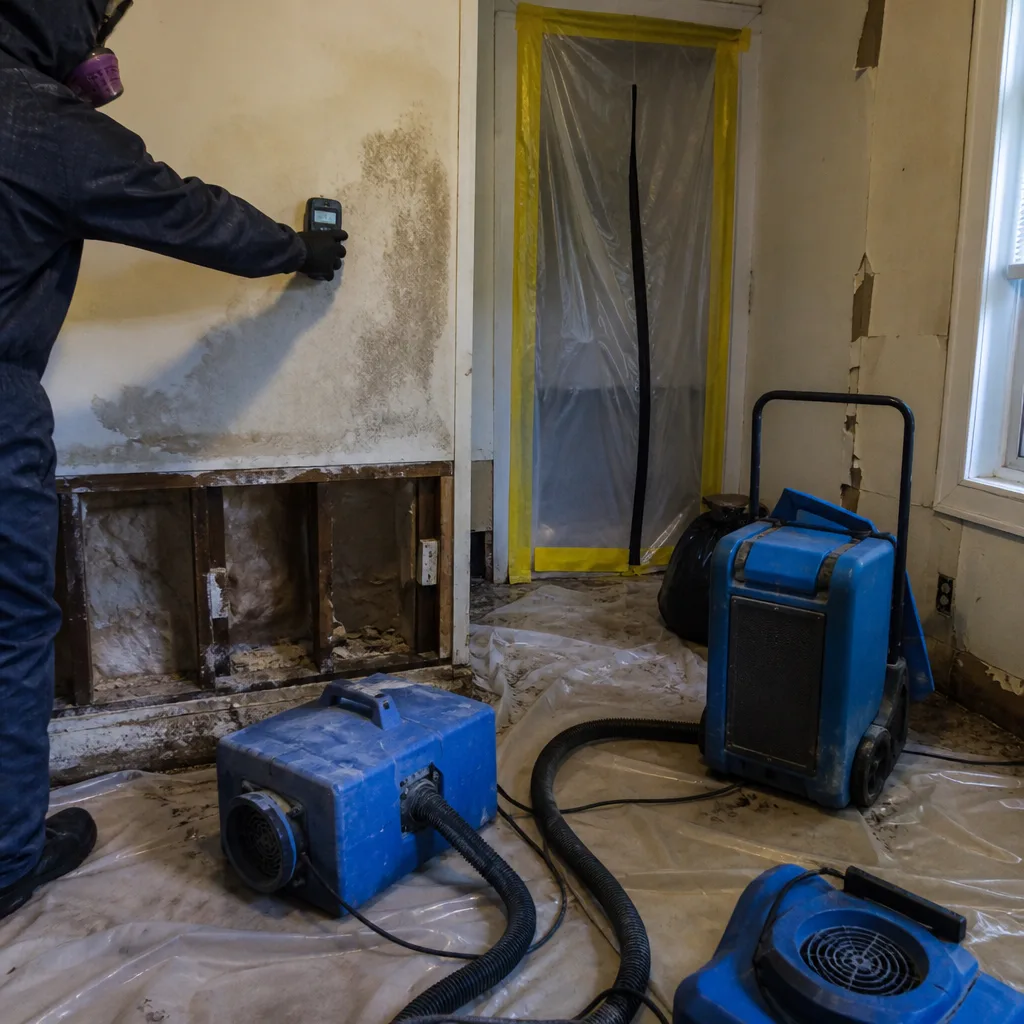 Before
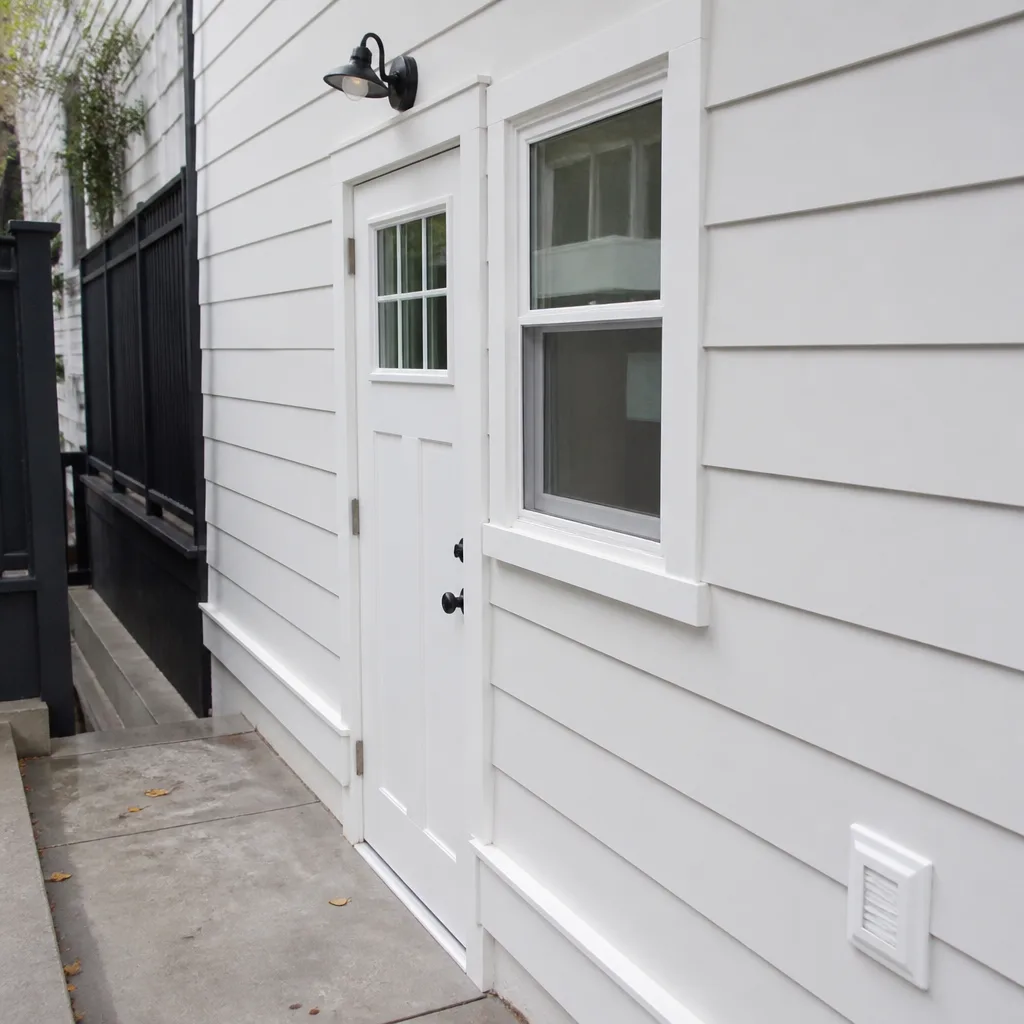 After
After24/7 Emergency Mold Remediation in Upper East Side
Mold in an Upper East Side pre-war apartment can spread behind horsehair plaster in 24 to 48 hours after water intrusion. Our crews answer live at (551) 213-5277, 24 hours a day, with no voicemail trees, and we dispatch within the Upper East Side area from our New York City office. The first hour determines whether we’re containing a single room or remediating three floors of shared cast-iron riser damage.
We provide a free visual inspection, document moisture readings with calibrated hygrometers, and deliver a written price before any work starts. Haven Standard, Clause 1. No exceptions.
Understanding Mold Remediation Severity in Upper East Side Properties
Mold remediation severity follows the water category that fed it. Category 1 water, clean supply-line breaks, can become Category 2 in 48 hours as microbial activity colonizes. Category 2, gray water from dishwasher or washing-machine discharge, carries enough nutrient load that mold establishes within 24 to 72 hours. Category 3, black water from sewage backup or storm surge through overwhelmed drains along the FDR, demands full antimicrobial remediation plus structural material removal.
In Upper East Side buildings, severity escalates differently than in modern construction. Shared cast-iron supply risers in limestone-clad high-rises along Park and Madison Avenues can wick water vertically for floors before visible staining appears on horsehair plaster ceilings. Moisture mapping with thermal imaging is non-negotiable here. We measure vapor pressure differential, the force that drives moisture through porous materials, to locate hidden colonization behind original millwork that no board wants demolished. Tertiary drying, the final phase where bound moisture is extracted from dense historic materials, often extends the timeline by days compared to drywall construction. Psychrometric data, temperature and relative humidity readings taken at multiple points, governs every equipment placement decision.
Why Upper East Side Property Owners Choose DryMark Restoration Upper East Side
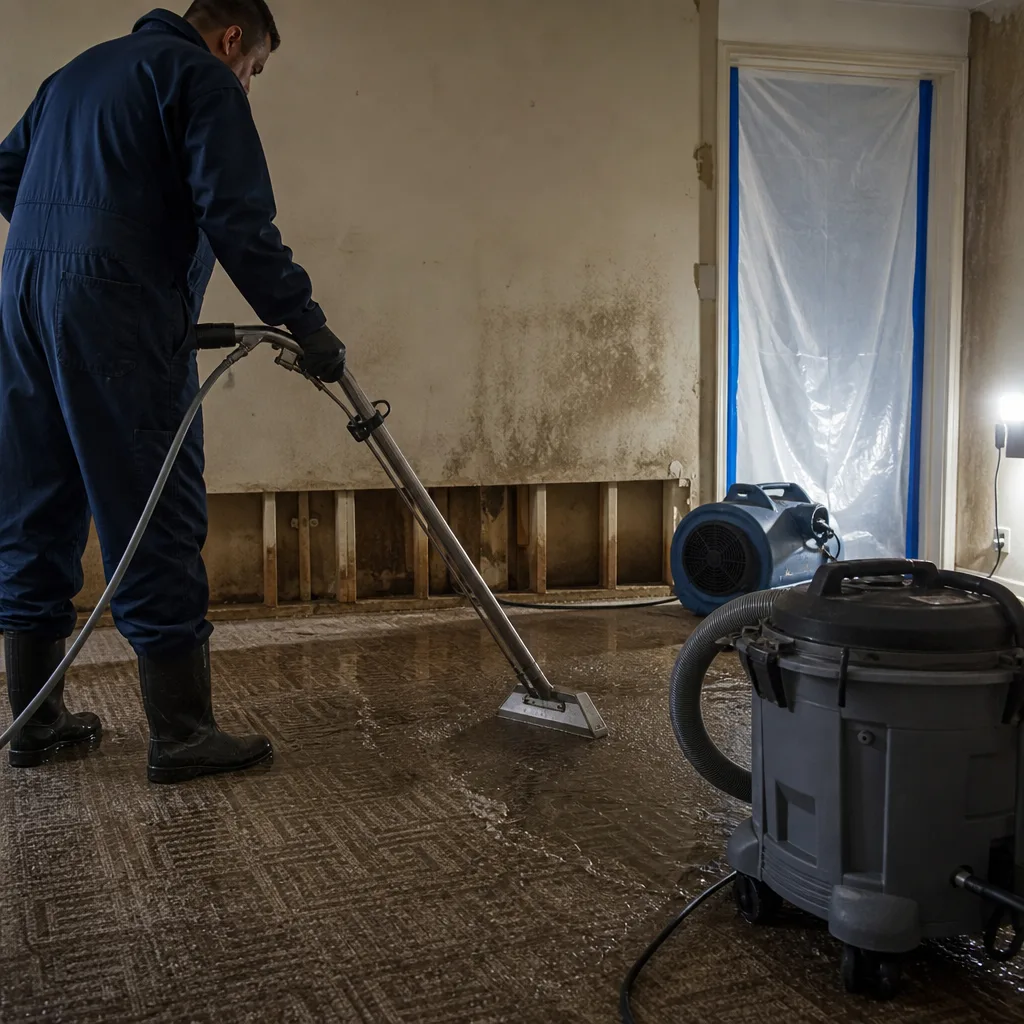
- 45-minute response commitment to addresses within the Upper East Side service area, because mold doesn’t wait for co-op board paperwork.
- 24/7 live answer by a real person, never an automated system - call (551) 213-5277 and a human picks up.
- IICRC-certified crews holding AMRT (Applied Microbial Remediation Technician) and WRT (Water Damage Restoration Technician) credentials, with license numbers documented on every job.
- Free visual inspection with moisture readings, photo documentation, and a written scope delivered before any equipment enters your building.
- Direct insurance billing with adjuster coordination, including certificates of insurance naming building corporations as additional insured, processed within hours.
- One team from containment through reconstruction, so the crew that mapped your moisture profile finishes the plaster repair.
BeforeAfterOur Mold Remediation Process
1. Inspection & Assessment
We arrive with thermal imaging cameras, penetrating and non-penetrating moisture meters, and hygrometers to map affected square footage. In Upper East Side pre-war buildings, we test for asbestos-containing plaster and lead-based paint before any invasive inspection, per co-op board requirements in Carnegie Hill and Lenox Hill.
2. Containment & Air Scrubbing
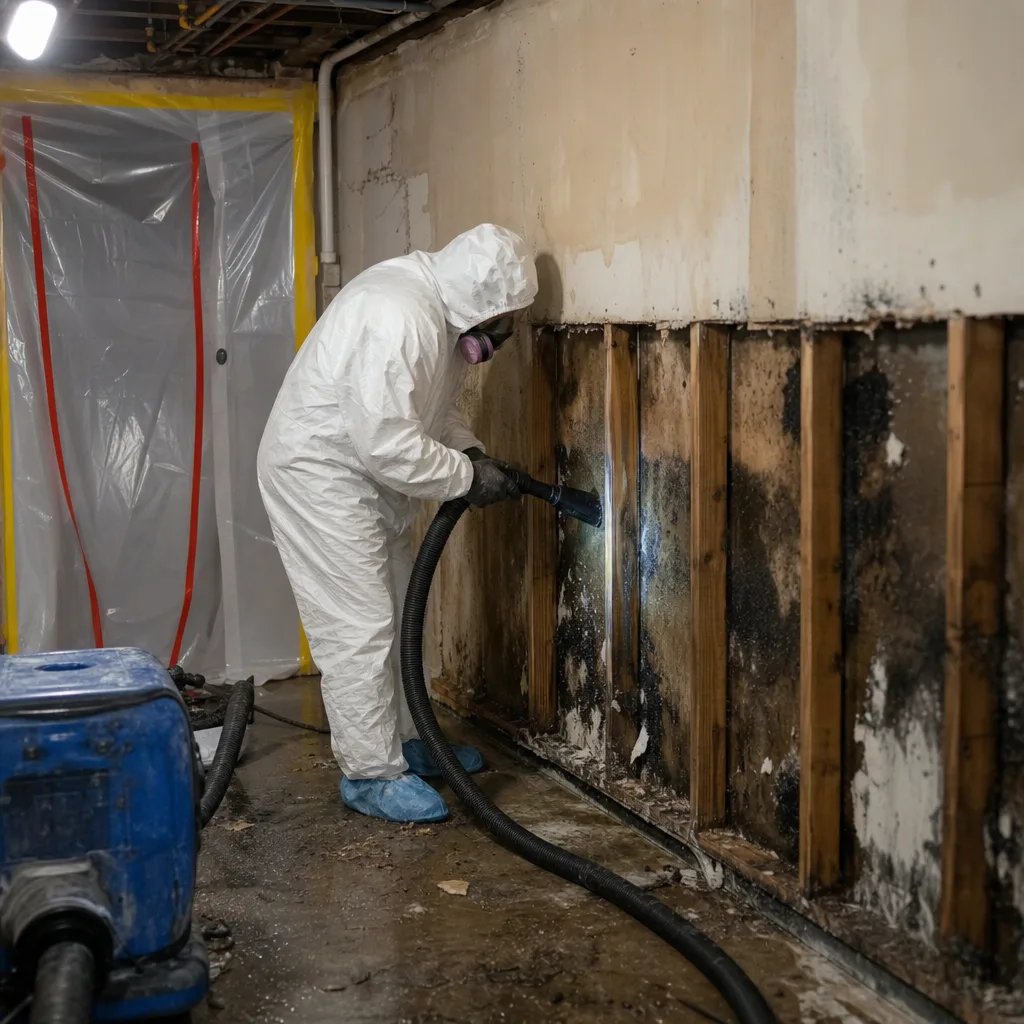
We establish negative-air containment with polyethylene barriers and HEPA-filtered air scrubbers to prevent cross-contamination. Our containment designs work around original gilded crown molding and ornate millwork that cannot be removed or replaced.
3. Moisture & Humidity Control
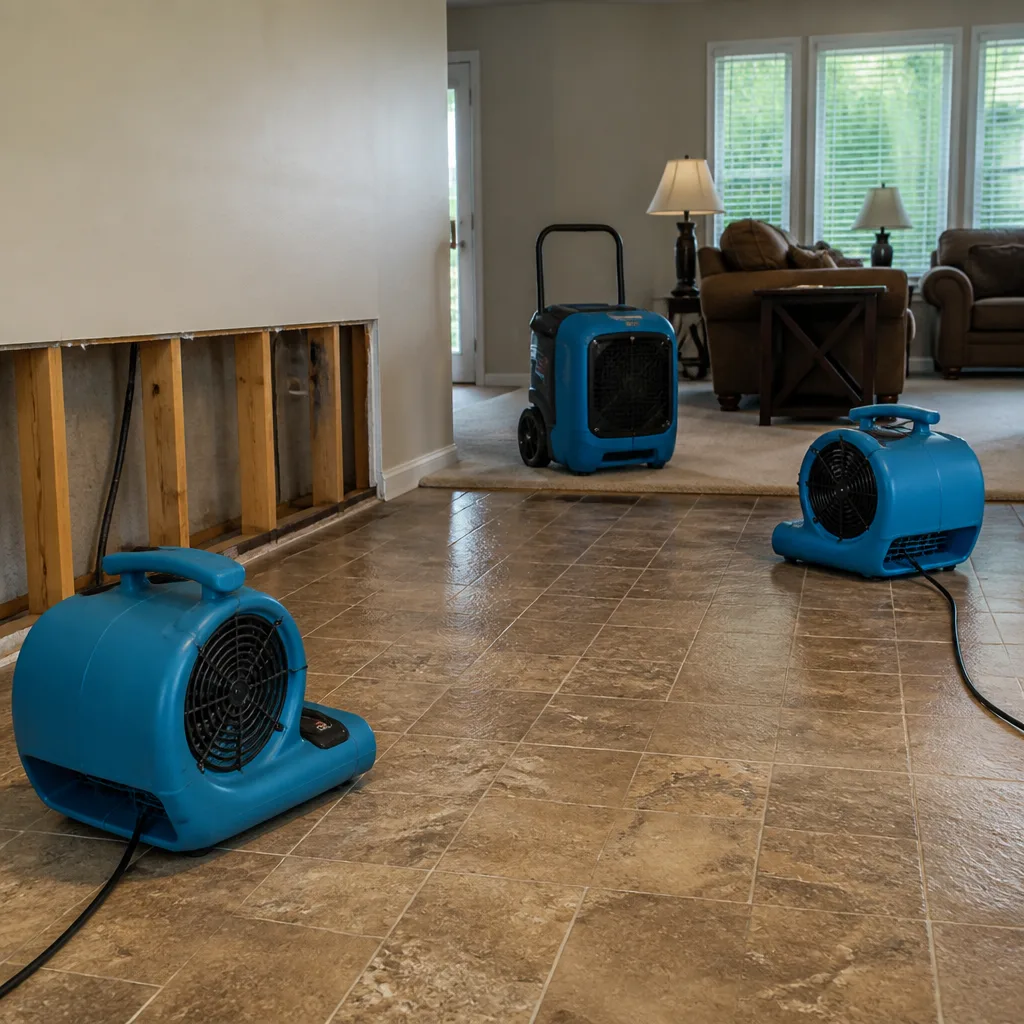
We deploy Dri-Eaz and XPOWER dehumidification systems sized to the cubic footage of affected spaces, plus Injectidry cavity-drying systems that force dry air through wall voids without demolishing horsehair plaster. Daily psychrometric readings document progress.
4. Mold Removal & Cleaning
HEPA vacuuming, antimicrobial application, and mechanical removal of non-salvageable materials. We distinguish between surface mold on painted plaster and embedded colonization in water-damaged lath, documenting each decision with photos for the board and insurer.
5. Air Quality Restoration
Post-remediation air sampling with spore trap analysis, compared against outdoor baseline readings. Clearance testing verifies that airborne mold concentrations meet or exceed IICRC S520 standards before containment is removed.
6. Repairs & Documentation
Plaster repair using compatible materials, finish matching to original specifications, and a complete photo record plus drying logs delivered to the owner, board, and adjuster. Haven Standard, Clause 1: the written price was agreed before day one.
Need Emergency Mold Remediation in Upper East Side Now?
Crews minutes away, answering live 24 hours a day. The sooner we start, the less it costs.
Working With Your Insurance Company
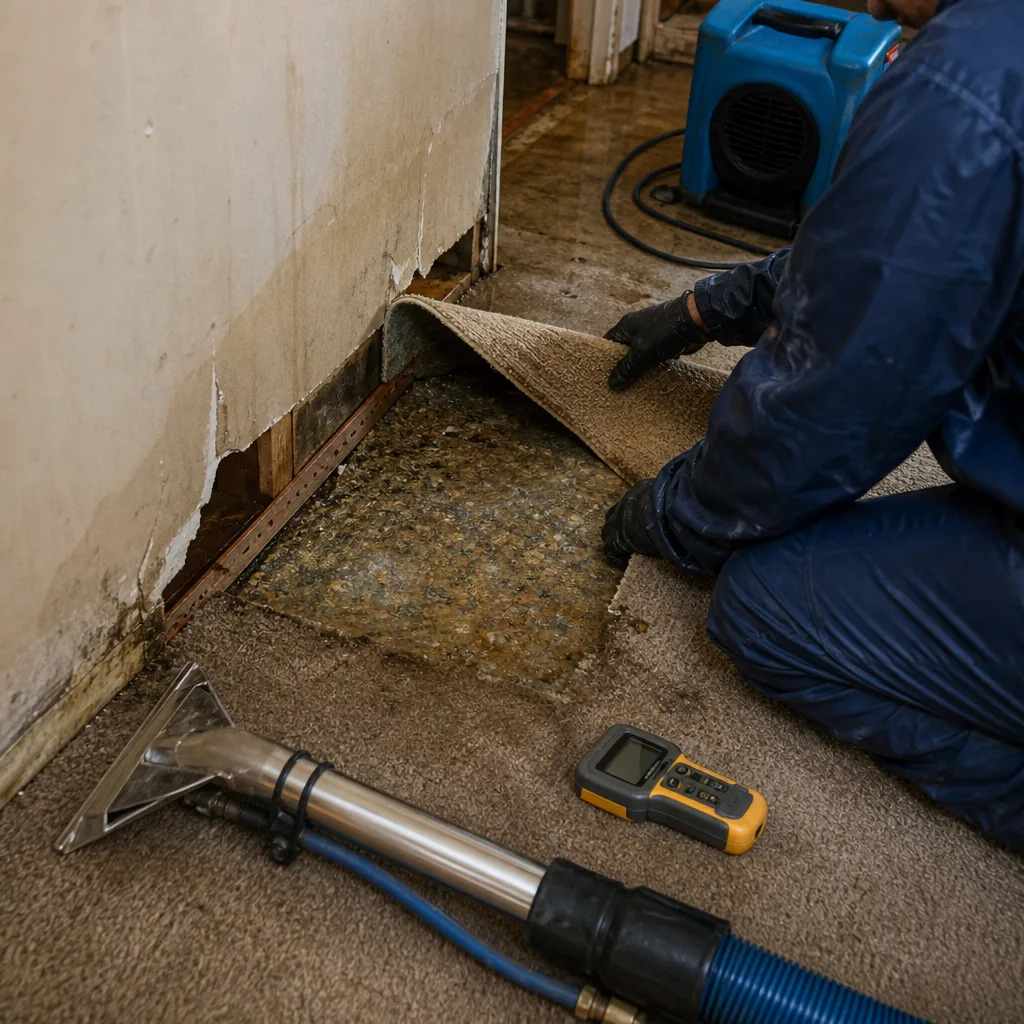
Documentation starts at the first moisture reading. Our estimates follow industry-standard pricing databases, and we communicate directly with adjusters rather than handing you a bill to dispute alone. The photo record we produce, room by room, with moisture readings and drying logs, turns restoration invoices into payable claims. We’ve handled enough Upper East Side co-op losses to know that a board will reject any scope it cannot audit line by line.
We coordinate certificates of insurance, additional insured endorsements, and building-specific compliance documents that many carriers require before approving emergency work in managed buildings.
What We Provide Your Insurer
- Thorough documentation of the loss
- Photos of all damage, room by room
- Moisture readings and drying logs
- A detailed, line-item scope of work
- Direct coordination with your carrier
Built for Upper East Side’s Loss Calendar
January deep freezes burst galvanized supply risers in buildings where pipes run along exterior walls. The thaw reveals mold colonies that grew unseen for weeks. Spring rains overwhelm aging drainage along East End Avenue and the FDR corridor, backing Category 2 water into basement storage and mechanical rooms. Summer humidity, compounded by air conditioning systems that cool but don’t dehumidify properly, drives secondary mold growth in already-damaged plaster.
Remnant tropical systems and nor’easters push storm surge against the East River seawall; buildings near Carl Schurz Park with sump pumps installed in the 1980s see recurring flooding in the same basement corners, year after year. Each event sends moisture up through shared cast-iron risers, creating the vertical migration pattern that defines Upper East Side mold remediation.
Mold Remediation Across Upper East Side’s Neighborhoods
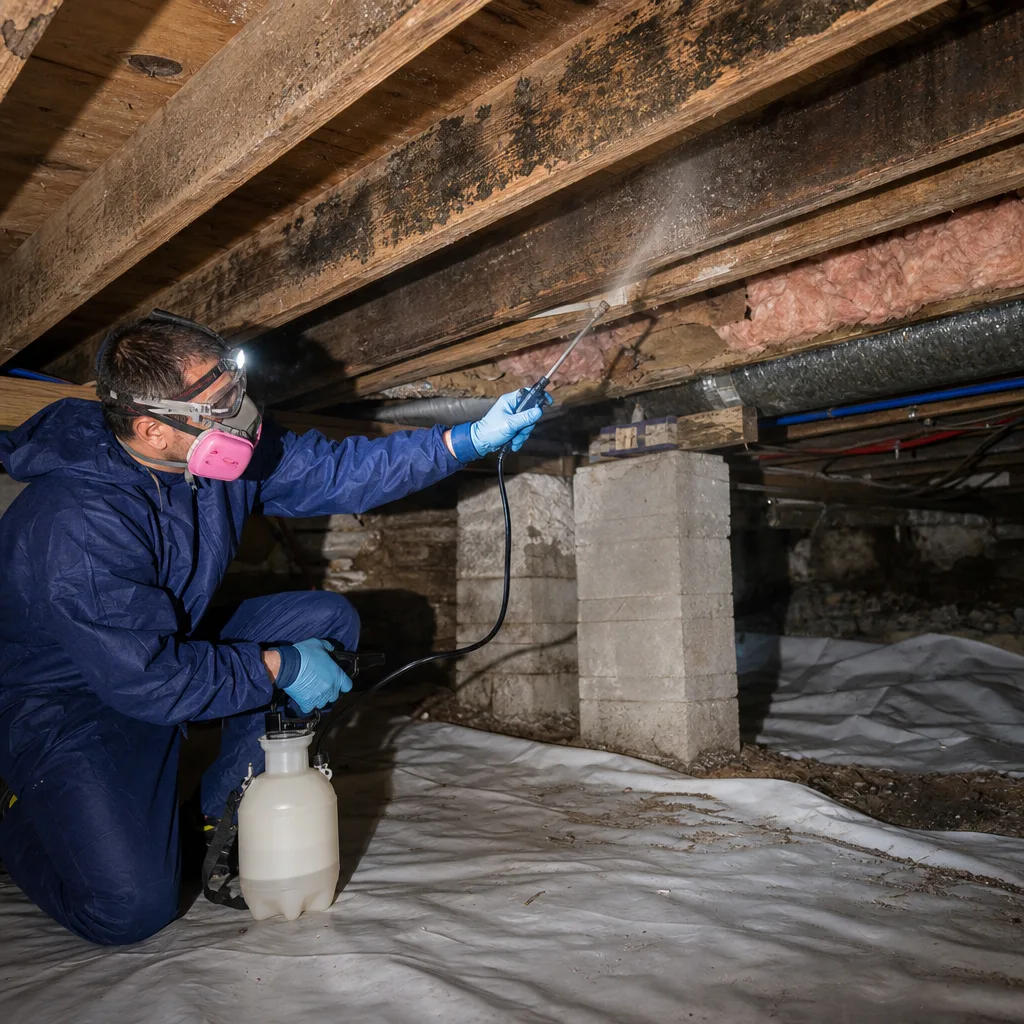
Carnegie Hill, from 86th to 96th Streets east of Fifth Avenue, holds some of the strictest co-op boards in Manhattan. Buildings along Madison Avenue here require vendor approval from a pre-cleared list, and our documentation-first approach was built for exactly this scrutiny. We arrive with certificates of insurance already formatted to name the building corporation, because we’ve learned that a board on East 91st won’t accept a generic COI.
Lenox Hill, between 60th and 77th Streets, mixes post-war white-glove buildings with older walk-ups. The walk-ups often lack central drainage systems, so basement seepage from heavy rain becomes a recurring mold source. We install permanent dehumidification solutions after remediation, not just temporary drying.
Yorkville, east of Third Avenue toward the river, sees the highest concentration of storm-surge backup calls. The FDR corridor buildings here, especially pre-war stock along East End Avenue, have cast-iron drains that corrode from salt-air exposure. We test drainage flow as part of our assessment, because mold returns if the water source isn’t eliminated.
The blocks near Carl Schurz Park, from East 84th to East 90th, combine riverfront exposure with some of the oldest plumbing infrastructure. Our response route to this area is mapped for the elevator-use windows and loading-dock restrictions that co-op buildings enforce.
Specialized Mold Remediation Services We Offer in Upper East Side
Mold Inspection & Testing
We use air sampling, surface sampling, and ERMI dust analysis to establish baseline contamination levels. In Upper East Side pre-war buildings, we pair this with asbestos and lead testing before any wall penetration, because disturbing ACM plaster without clearance halts the job and exposes the building to fines.
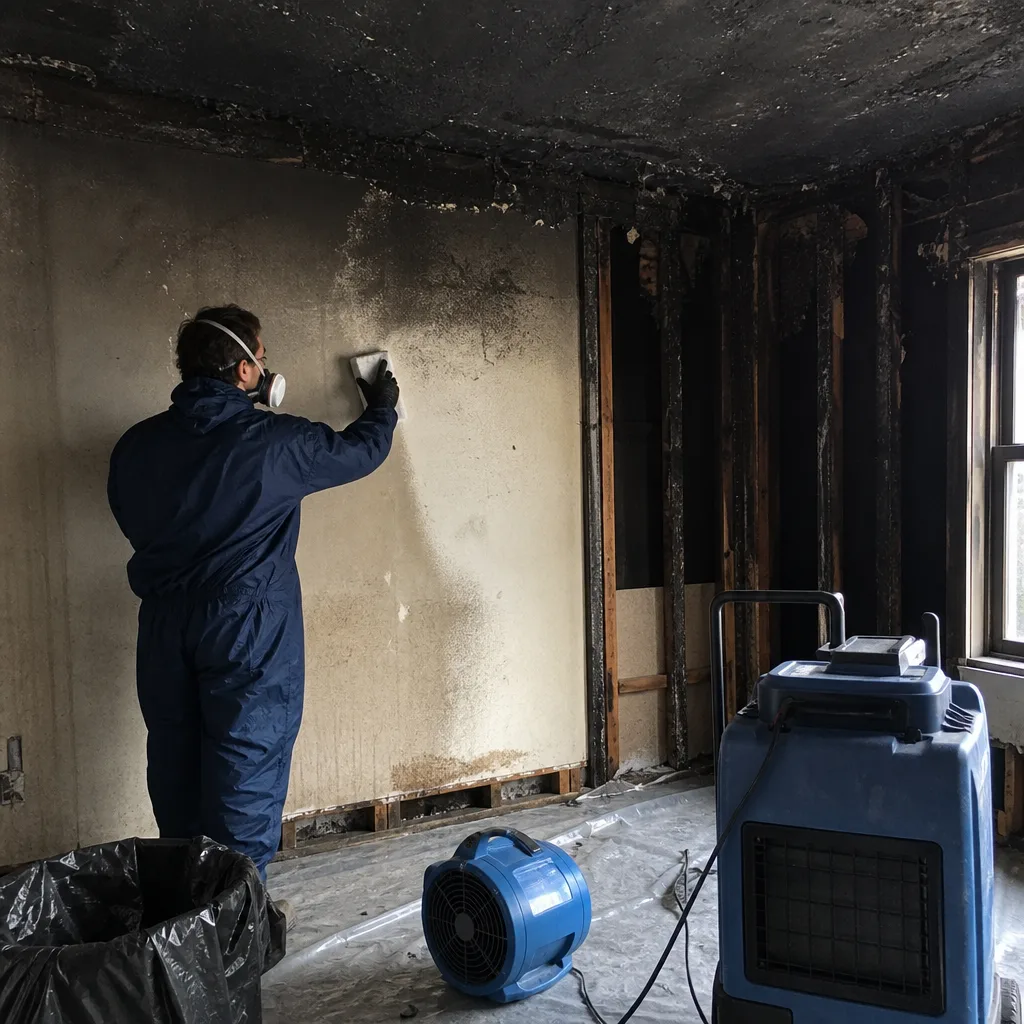
Mold Removal
Mechanical removal of contaminated materials, HEPA containment, and antimicrobial treatment of salvageable substrates. We preserve original horsehair plaster where moisture mapping confirms it’s dry to the core, documenting the decision with photos for board review.
Black Mold Remediation
Stachybotrys and other toxigenic species require full containment, negative air pressure, and specialized PPE. We don’t use scare tactics; we use spore counts and medical-grade clearance testing to verify safe reoccupancy.
Air Quality Restoration
Post-remediation air scrubbing, HVAC cleaning, and spore-trap verification. In buildings with shared ventilation systems, we coordinate with building engineers to prevent cross-contamination during remediation.
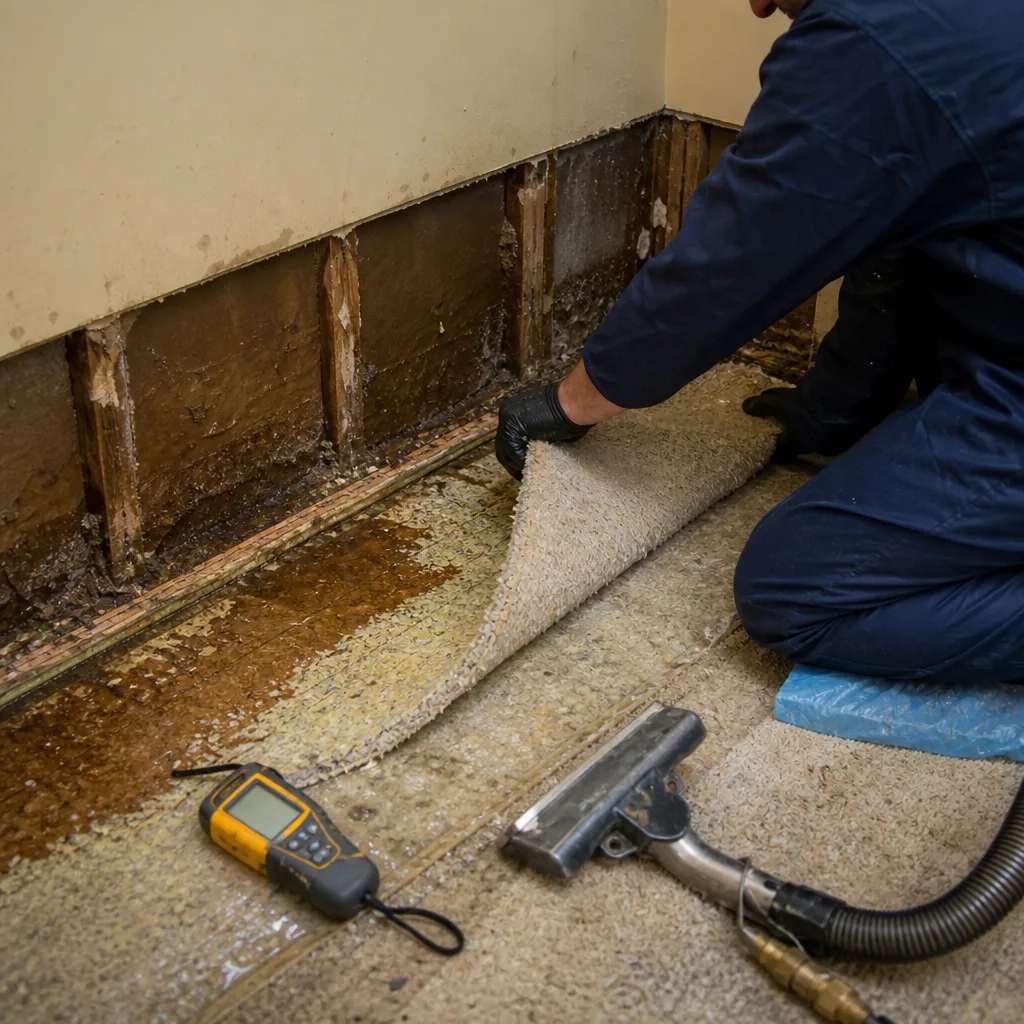
Crawl Space Treatment
Basement and sub-cellar spaces in FDR-adjacent buildings suffer chronic humidity. We install vapor barriers, permanent dehumidification, and drainage improvements to prevent recurrence.
Moisture & Humidity Control
Our permanent humidity control installations use equipment from B-Air and Dri-Eaz, sized to the cubic footage and airflow patterns of historic buildings. We monitor with remote hygrometers and provide quarterly reporting for building management.
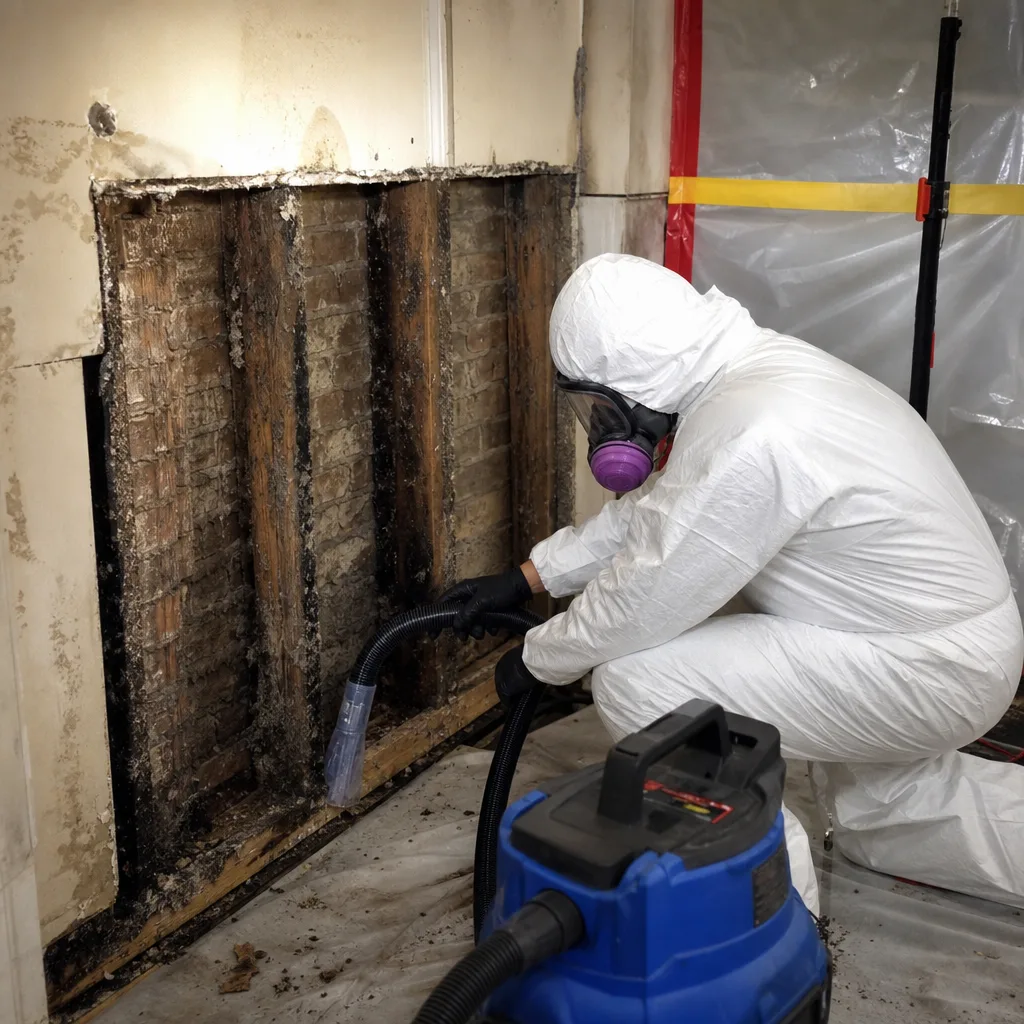
What happens when you call
- 1
A real person answersNo phone trees - you reach a local pro.
- 2
You get an upfront price rangeHonest numbers before anyone is dispatched.
- 3
A background-checked tech heads outLicensed & insured, dispatched right away.
- 4
You approve before work beginsNothing starts until you say go.
Mold Remediation Costs in Upper East Side, NY
A localized mold remediation in an Upper East Side one-bedroom apartment, contained to a single bathroom or kitchen area, typically runs $2,800 to $5,500. Multi-room remediation involving horsehair plaster cavity drying, full containment, and air quality restoration ranges from $6,500 to $14,000. Category 3 sewage or storm-surge losses requiring full gutting of finished basement spaces with reconstruction can reach $18,000 to $35,000.
What moves the price: square footage of visible and hidden damage, the water category that caused the mold, whether asbestos or lead abatement is required before remediation, and the co-op board’s documentation and insurance requirements. Insurance typically covers mold remediation when it results from a covered water loss, but policies vary on mold caps and secondary damage exclusions. Out-of-pocket costs apply when the source is long-term maintenance neglect or gradual leaks.
We provide a free visual inspection and written scope before any work begins. Haven Standard, Clause 1. Call (551) 213-5277 to schedule.
We Also Serve Cities Near Upper East Side
Our crews respond throughout the metro area from our New York City office. We regularly handle mold remediation in Upper East Side and surrounding neighborhoods including Manhattan, Upper West Side, Astoria, and East Harlem, with the same documentation standards and co-op board compliance on every job.
Serving Upper East Side, NY - Our Local Coverage Area
We’re based in the Upper East Side area and know this community well. Use the map below to see our service coverage - if you’re nearby, we can almost certainly help.
Upper East Side Mold Remediation Questions, Answered
How fast does mold start growing after a nor’easter floods an Upper East Side basement apartment?
Mold colonization begins 24 to 48 hours after water intrusion, faster in summer humidity. In UES basement units near the FDR, Category 2 backup water carries enough organic load that visible growth can appear within 36 hours. We recommend calling (551) 213-5277 immediately; our containment can be staged while co-op board paperwork processes, minimizing the delay.
Why do UES co-op boards delay mold remediation compared to other neighborhoods?
Boards in Carnegie Hill and Lenox Hill require certificates of insurance naming the building corporation as additional insured, approved vendor status verification, and sometimes elevator-use scheduling before any crew enters. This paperwork takes hours, not minutes. We pre-format our COIs for specific buildings and maintain relationships with managing agents to compress this window, but the delay is structural to UES co-op governance, not optional.
Can you remediate mold in a Gilded Age apartment without destroying original plaster and millwork?
Often yes, when moisture mapping confirms the plaster is dry to the core and surface mold hasn’t penetrated the lath. We use Injectidry cavity-drying systems and HEPA air scrubbing inside containment to treat the space without demolition. We document every salvage decision with photos, because the board will review. When plaster is saturated through, we specify compatible repair materials matched to original finish. Call (551) 213-5277 for an assessment.
What does Category 2 or Category 3 water mean for mold remediation in an UES high-rise?
Category 2 water, gray water from appliances or drainage backup, requires antimicrobial treatment and removal of porous materials that absorbed it. Category 3, black water from sewage or storm surge, demands full remediation including structural materials, plus more extensive air quality testing. In UES high-rises, both categories can travel vertically through shared cast-iron risers, expanding the remediation scope beyond the visible damage. We map the full migration path before writing the scope.
How do you prevent mold from returning in a UES crawl space or basement along the FDR?
Permanent dehumidification, vapor barriers, and drainage correction. We install equipment sized to the cubic footage and monitor with remote hygrometers. For buildings with recurring storm-surge backup, we coordinate with plumbers to evaluate check valves and sump pump capacity. The fix isn’t more drying; it’s controlling the moisture source. Call (551) 213-5277 for a moisture control assessment.
How long does mold remediation take in a typical Upper East Side apartment?
Contained, single-room remediation: 3 to 5 days. Multi-room with cavity drying: 7 to 12 days. Pre-war buildings with horsehair plaster extend timelines because dense materials release moisture slowly; we don’t declare completion until psychrometric readings confirm equilibrium. Co-op board inspection schedules can add 1 to 2 days. We provide daily drying logs so you can track progress without calling.
Can my family stay in the apartment during mold remediation?
Usually not during active remediation, especially with toxigenic species or Category 3 water damage. We establish negative-air containment that isolates the work area, but airborne spores and antimicrobial applications make temporary relocation advisable for sensitive individuals. We coordinate clearance testing and provide written safe-reoccupancy documentation before you return. Call (551) 213-5277 to discuss your specific situation.
What certifications should I look for in a mold remediation company?
IICRC AMRT (Applied Microbial Remediation Technician) and WRT (Water Damage Restoration Technician) are the baseline credentials for mold work. Ask for license numbers and verify them. Our crews carry both, with documentation on every job. We also follow RIA and IFA standards for documentation and equipment deployment. A company that can’t produce specific credentials and license numbers isn’t prepared for Upper East Side co-op board scrutiny.
Written by Alicia Brennan, Owner at Back to Dry Restoration, serving Upper East Side since 2011.
Mold Remediation in Nearby Areas