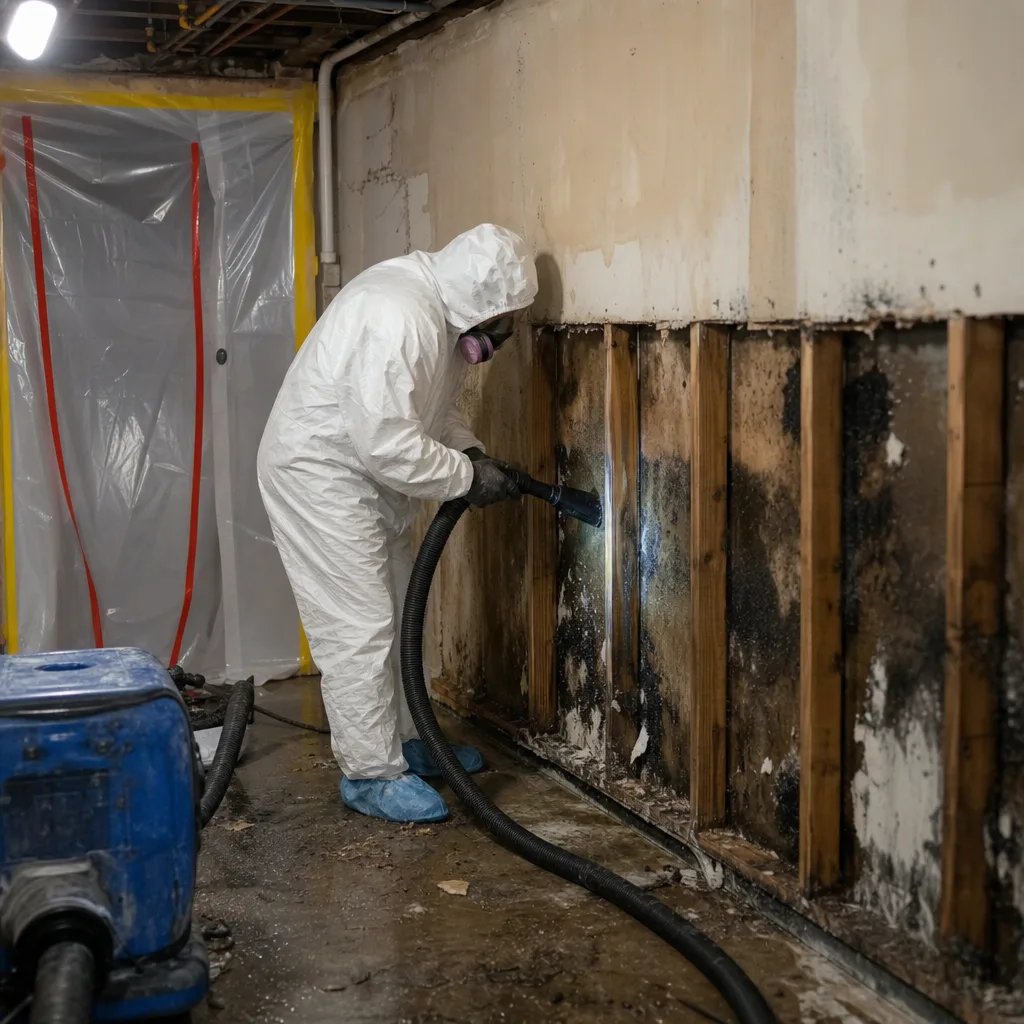
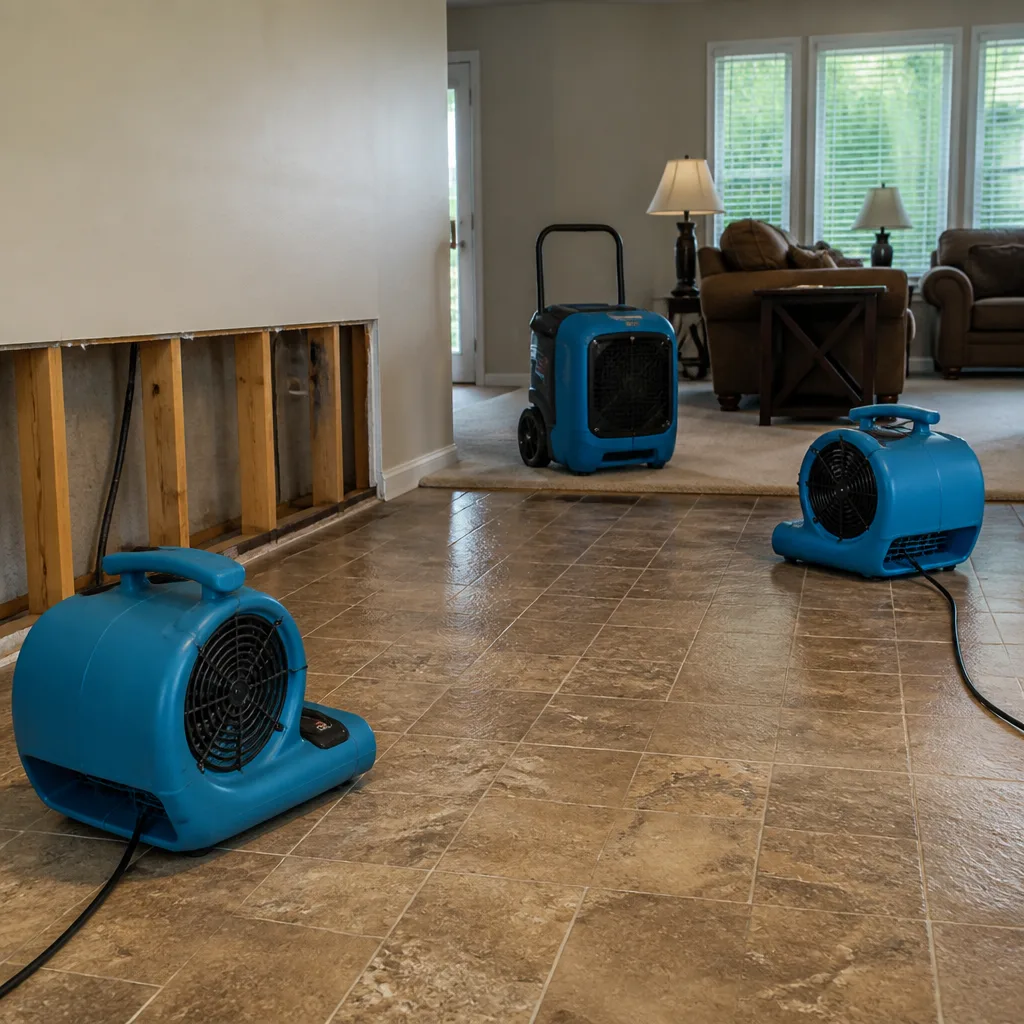
Free visual inspection and a written scope of work before any mitigation begins - photos, moisture readings, and drying logs go in your claim file
The scope we write is the scope we bill. Anything new gets shown to you, in writing, before we touch it.

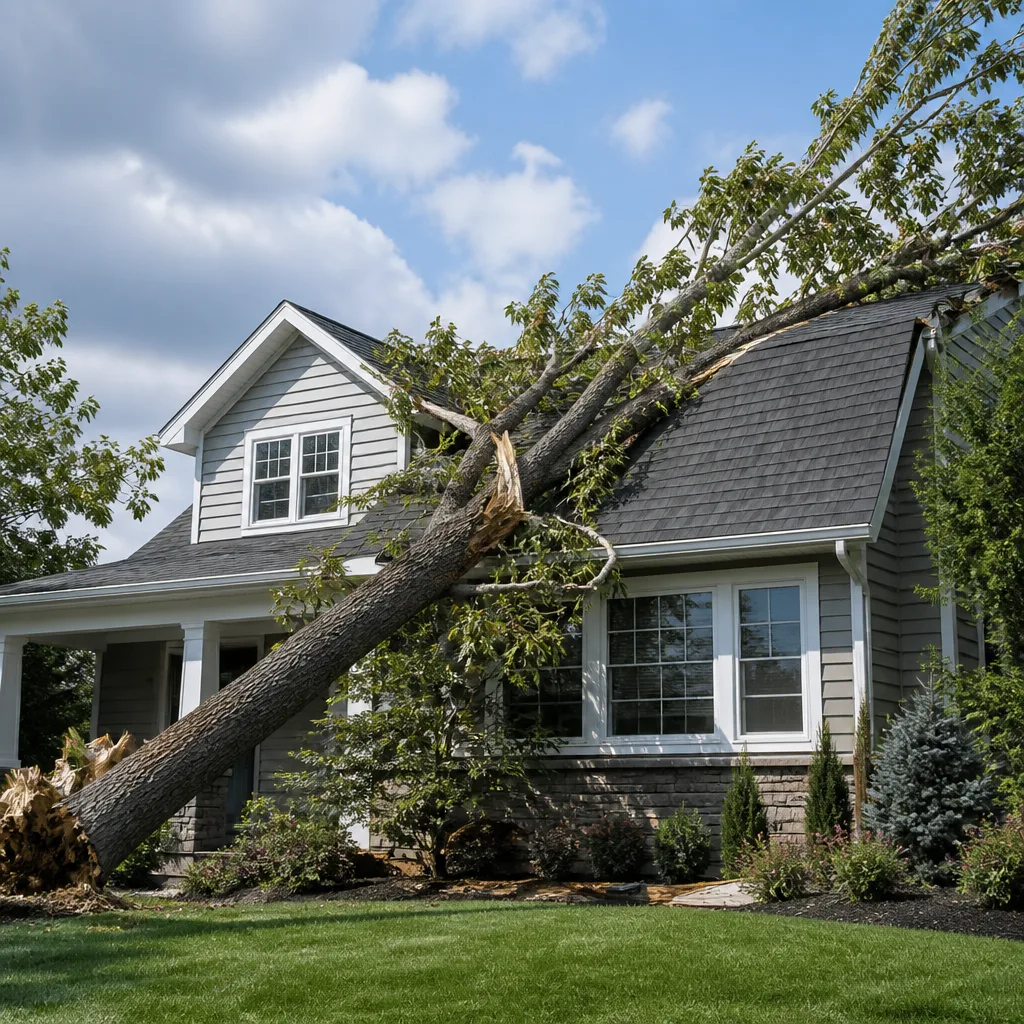
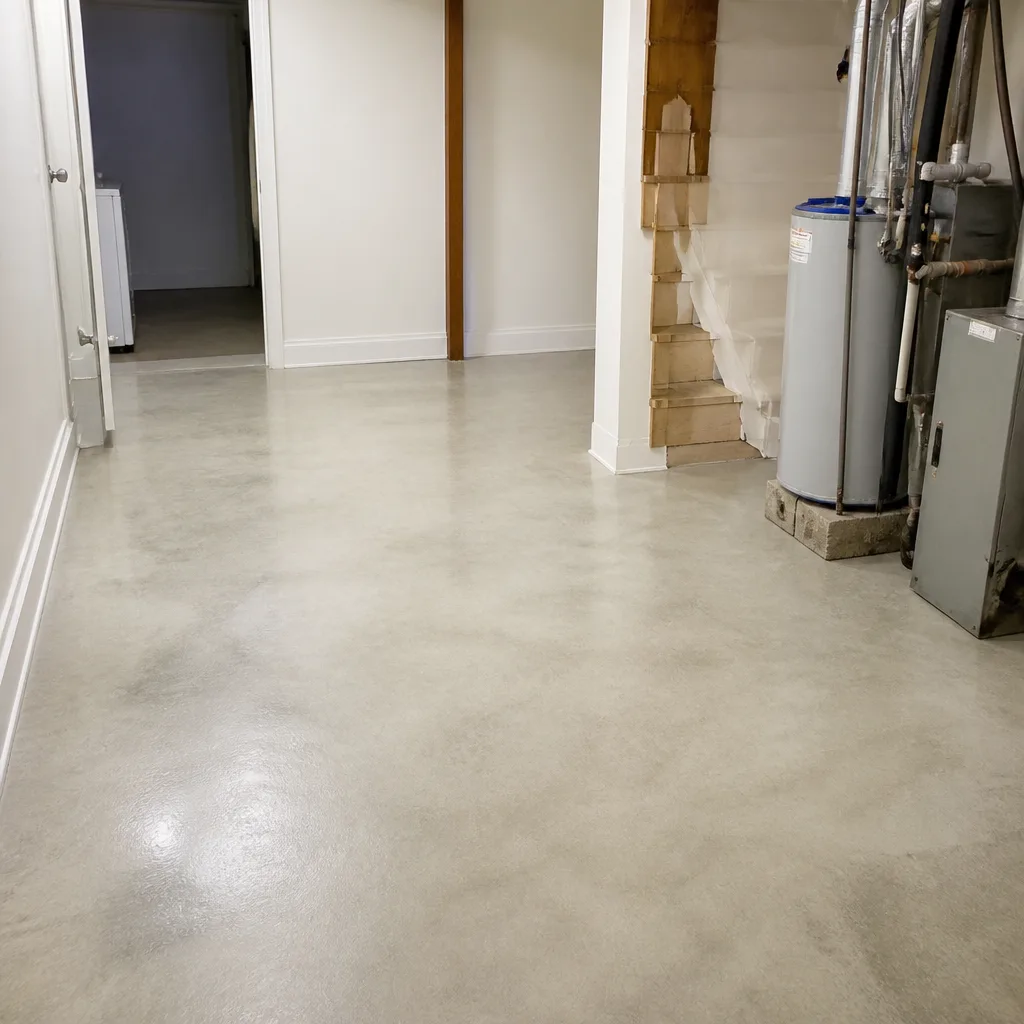
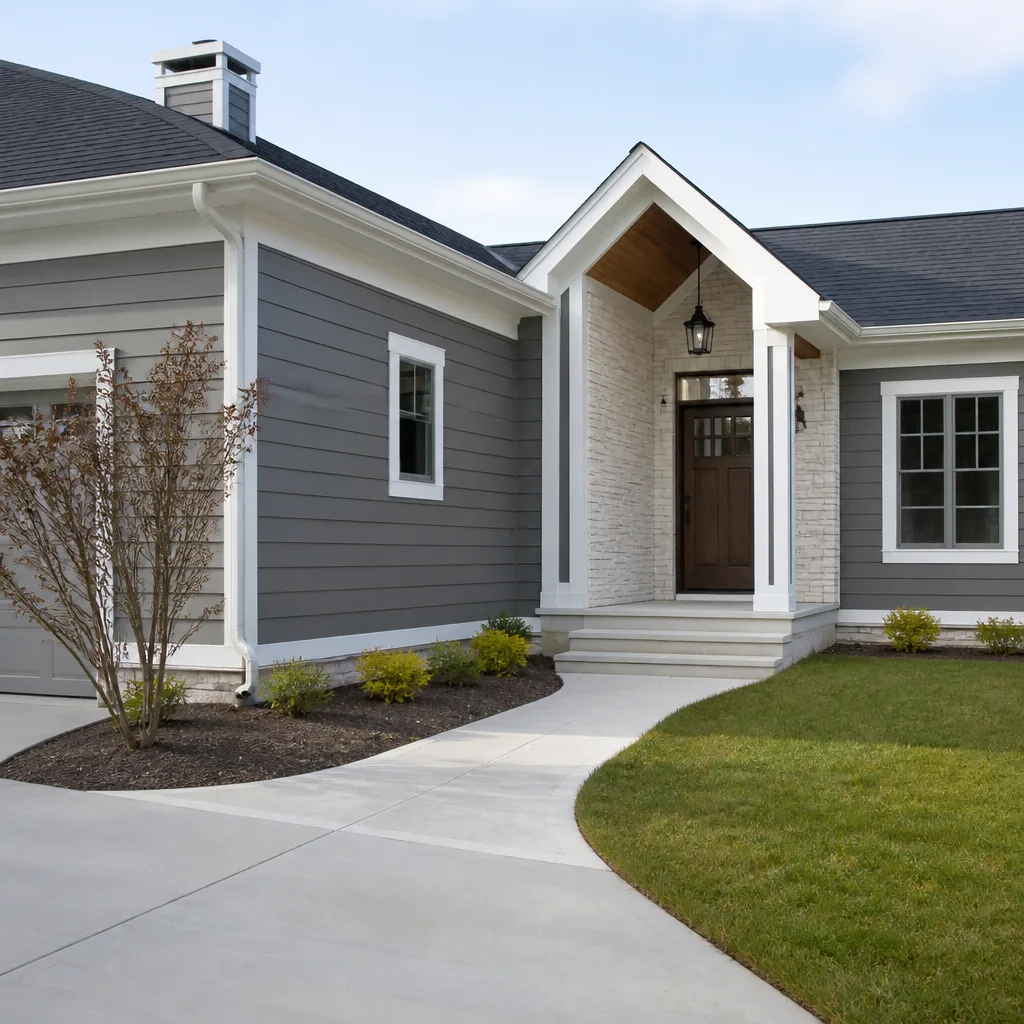
 Before
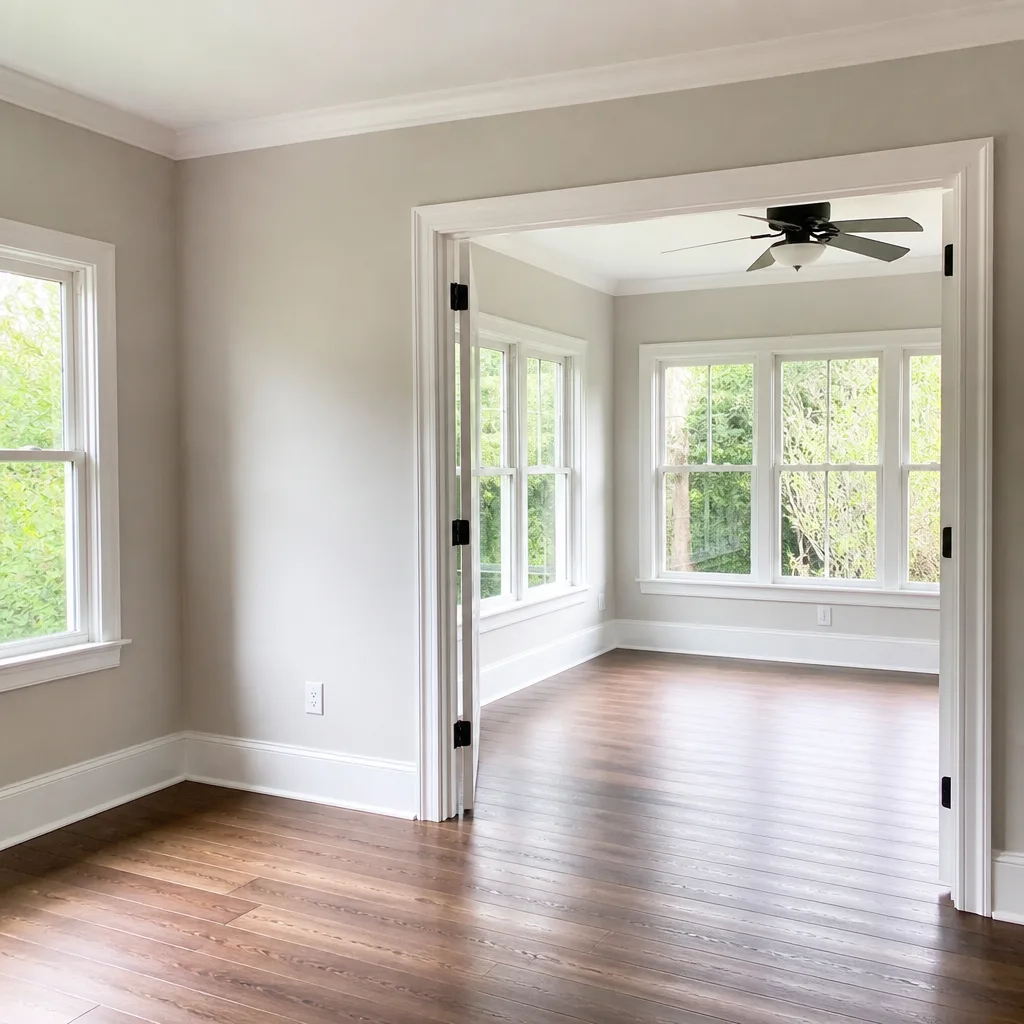
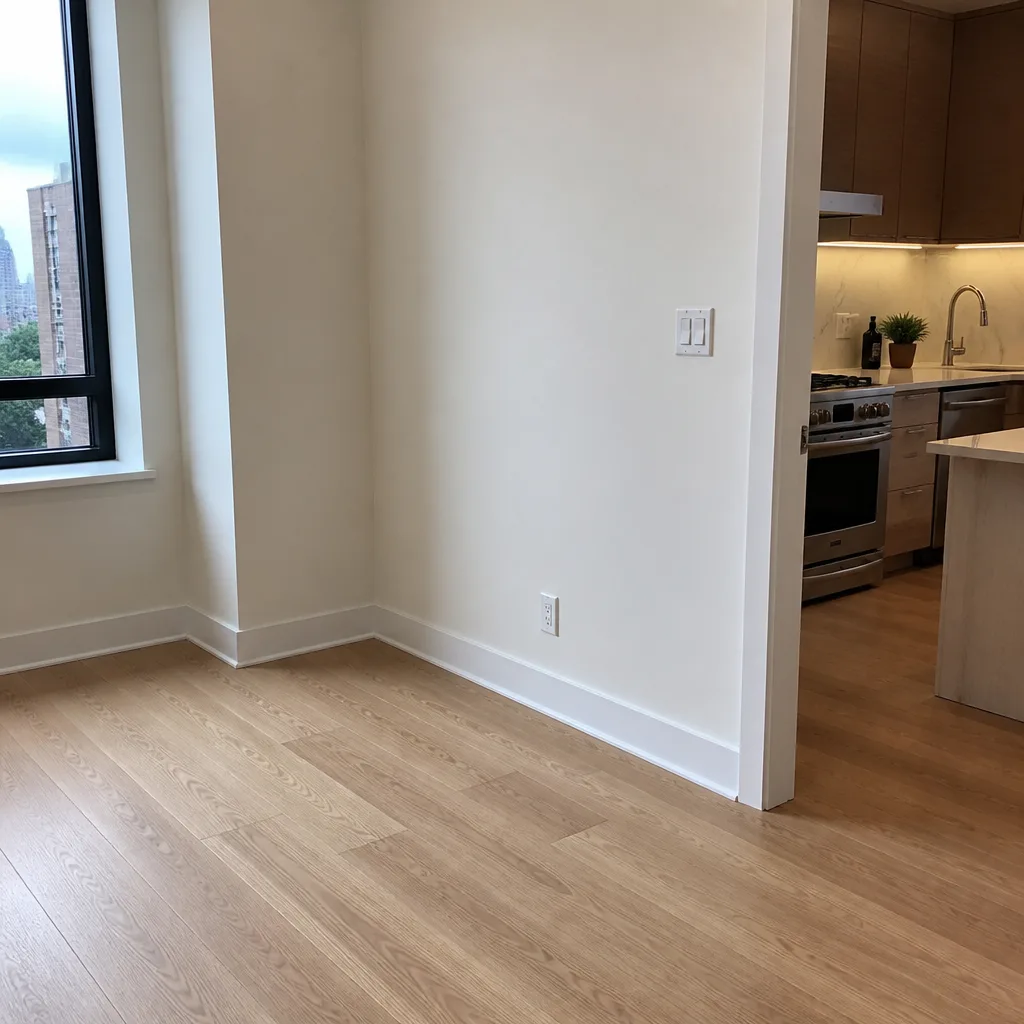 After
After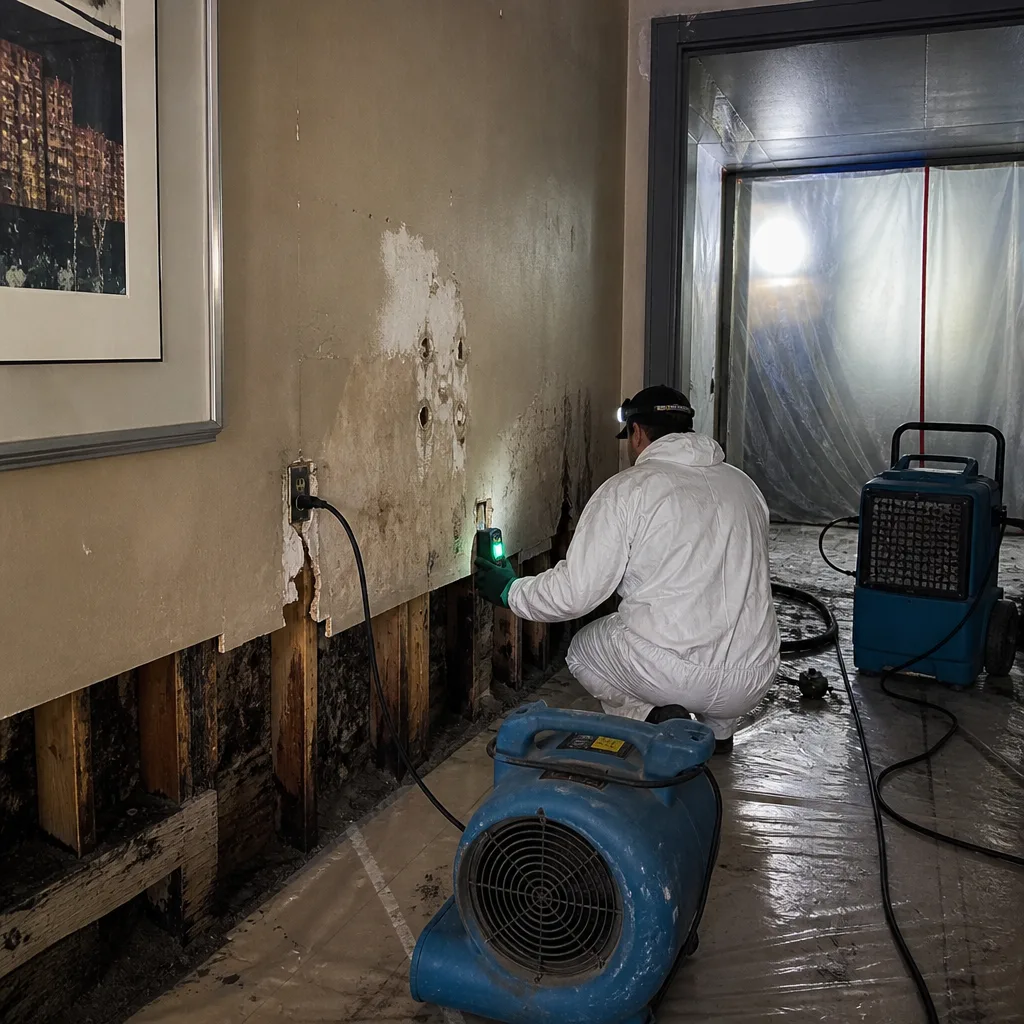 Before
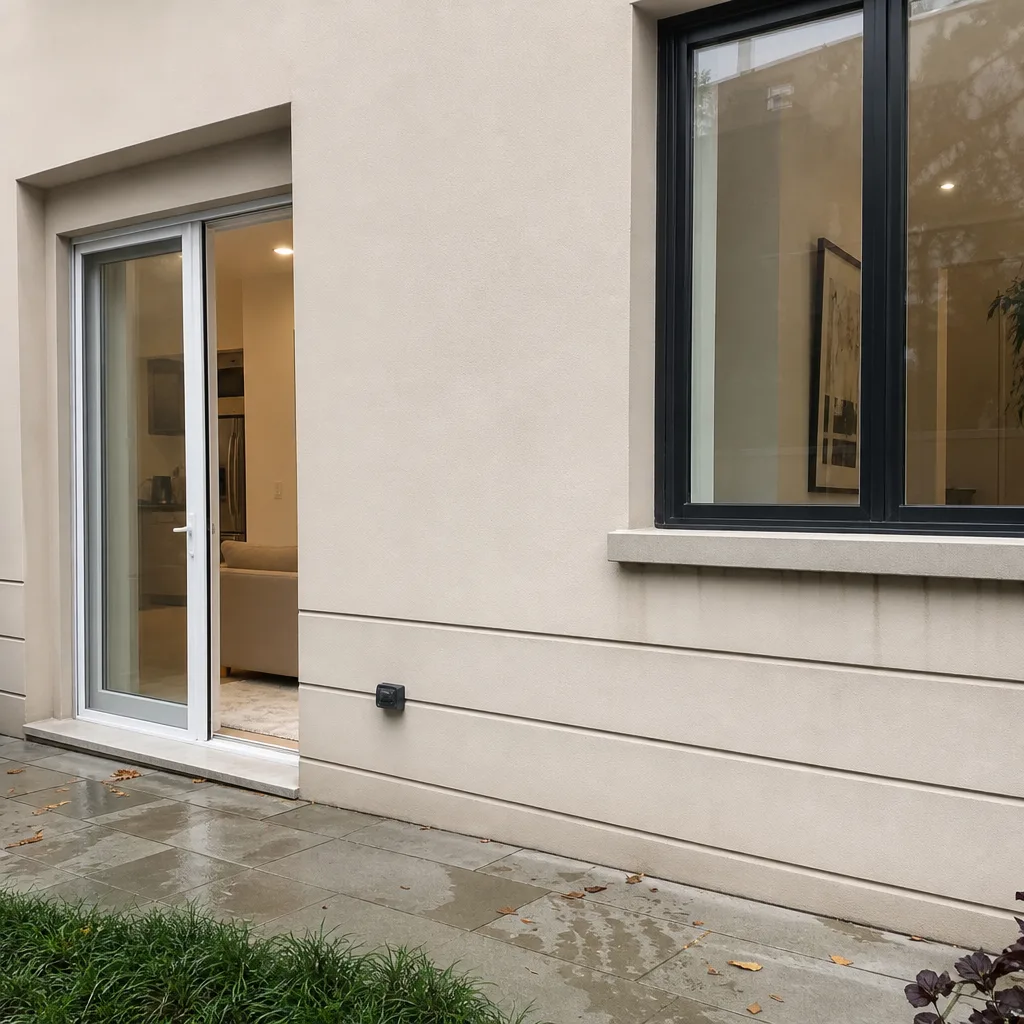 After
After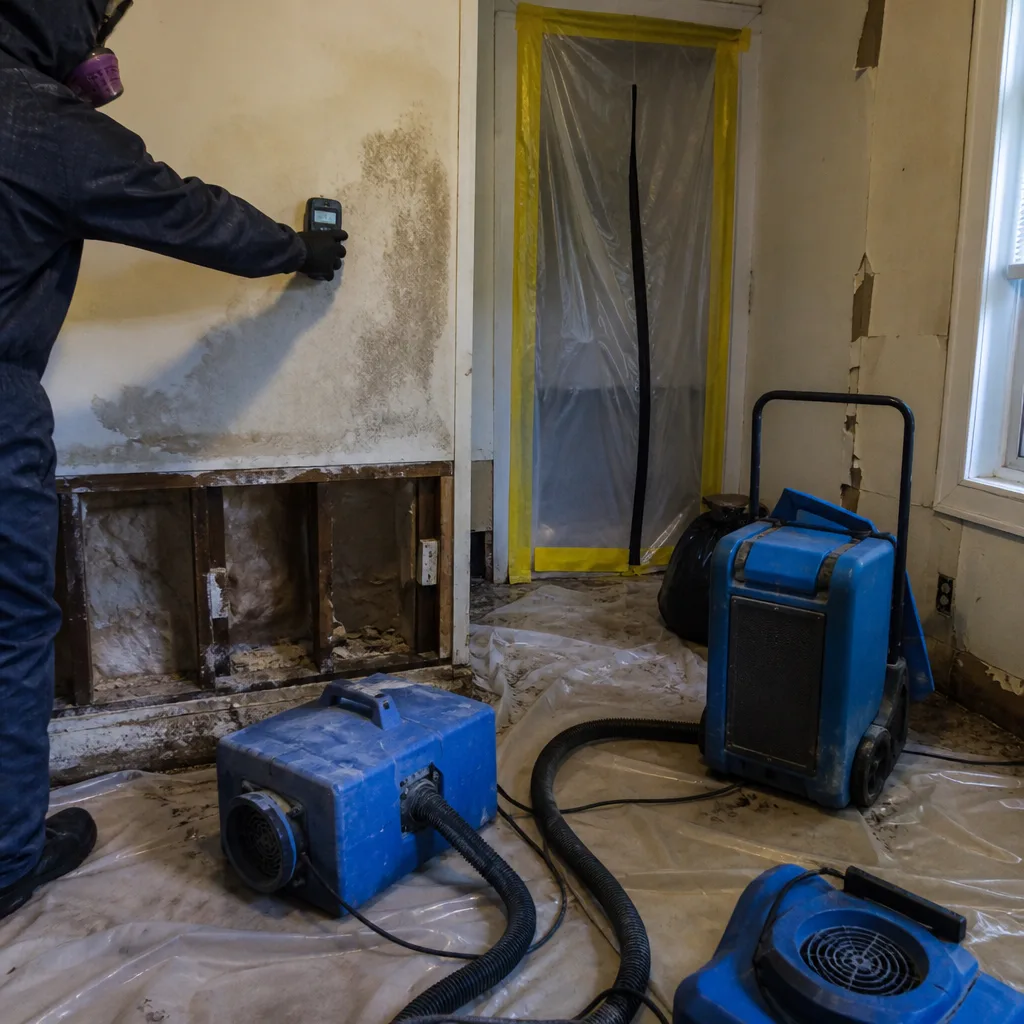 Before
 After
After24/7 Emergency Mold Remediation in Williamsburg
Call (551) 213-5277 - a live person answers, 24 hours a day, 7 days a week, no voicemail. Crews serving Williamsburg are dispatched from our New York City office and typically arrive within 45 minutes of your call. The first hour matters because mold colonies double in roughly 24 to 48 hours under favorable conditions, and in Williamsburg’s converted industrial lofts with concrete slab floors, that timeline compresses - water wicks laterally across hundreds of square feet with no visible surface indication until the odor or staining announces what the slab has already concealed. We provide a free visual inspection on arrival, document what we find with photos, and deliver a written price before any work begins under Haven Standard, Clause 1.
Understanding Mold Remediation Severity in Williamsburg Properties
Mold remediation severity in Williamsburg is determined by three IICRC-classified factors: the extent of visible colonization (measured in contiguous square feet), the category of water that initiated growth, and the vulnerability of the building’s structural materials. In Williamsburg’s late-1800s brick tenements with plaster-and-lath walls, Category 1 or 2 water from a supply-line break can migrate invisibly through the lath cavity, producing secondary mold growth on the reverse side of plaster months after the surface reads dry. In the post-2000 converted warehouses along Kent Avenue, a Category 3 sewage backflow from East River storm surge - increasingly common in FEMA AE flood zones - demands full removal of affected porous materials, antimicrobial treatment, and HEPA-contained air scrubbing before drying can even begin.
Our crews classify every Williamsburg job using psychrometric data: temperature, relative humidity, and vapor pressure differential (the force that drives moisture from wet materials into drier air). A loft with 85% relative humidity and a 4-degree dew-point spread requires a different drying protocol than a tenement with 65% RH and active cross-ventilation. We measure both with calibrated hygrometers and thermal imaging, then write the numbers into your scope.
Why Williamsburg Property Owners Choose DryMark Restoration Upper East Side
- 45-minute response commitment to Williamsburg addresses - our crews are staged from the New York City office and know the corridor from the Williamsburg Bridge to Kent Avenue without GPS.
- 24/7 live answer - a real person, never an automated system, picks up every call to (551) 213-5277.
- IICRC-certified crews - technicians hold WRT (Water Damage Restoration Technician), AMRT (Applied Microbial Remediation Technician), and FSRT (Fire & Smoke Restoration Technician) certifications where the job demands cross-training.
- Free visual inspection - we document what we see, explain what it means, and leave you with a written scope and price before you decide.
- Direct insurance billing - we coordinate with your adjuster, submit line-item estimates, and handle documentation so your claim moves without dispute.
- One team from containment to clearance - the same crew that sets up HEPA containment runs the air scrubbers, performs the remediation, and collects the post-remediation verification samples.
BeforeAfterOur Mold Remediation Process
1. Inspection & Assessment
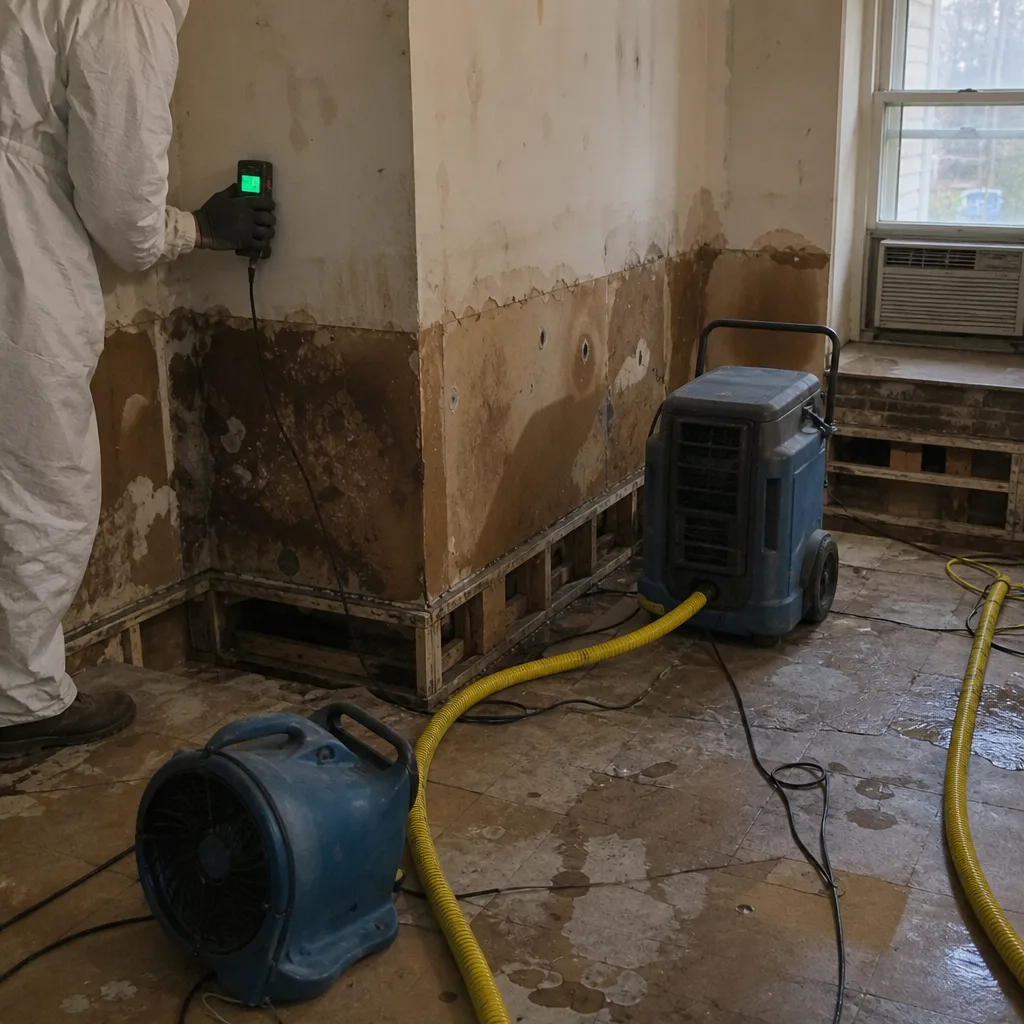
We map moisture with non-invasive meters and thermal imaging, not pin-type probes that miss lateral slab saturation. In Williamsburg lofts, we specifically scan the slab perimeter where water tracks along the foundation edge. Every reading is logged, photographed, and written into your scope.
2. Containment & Air Filtration
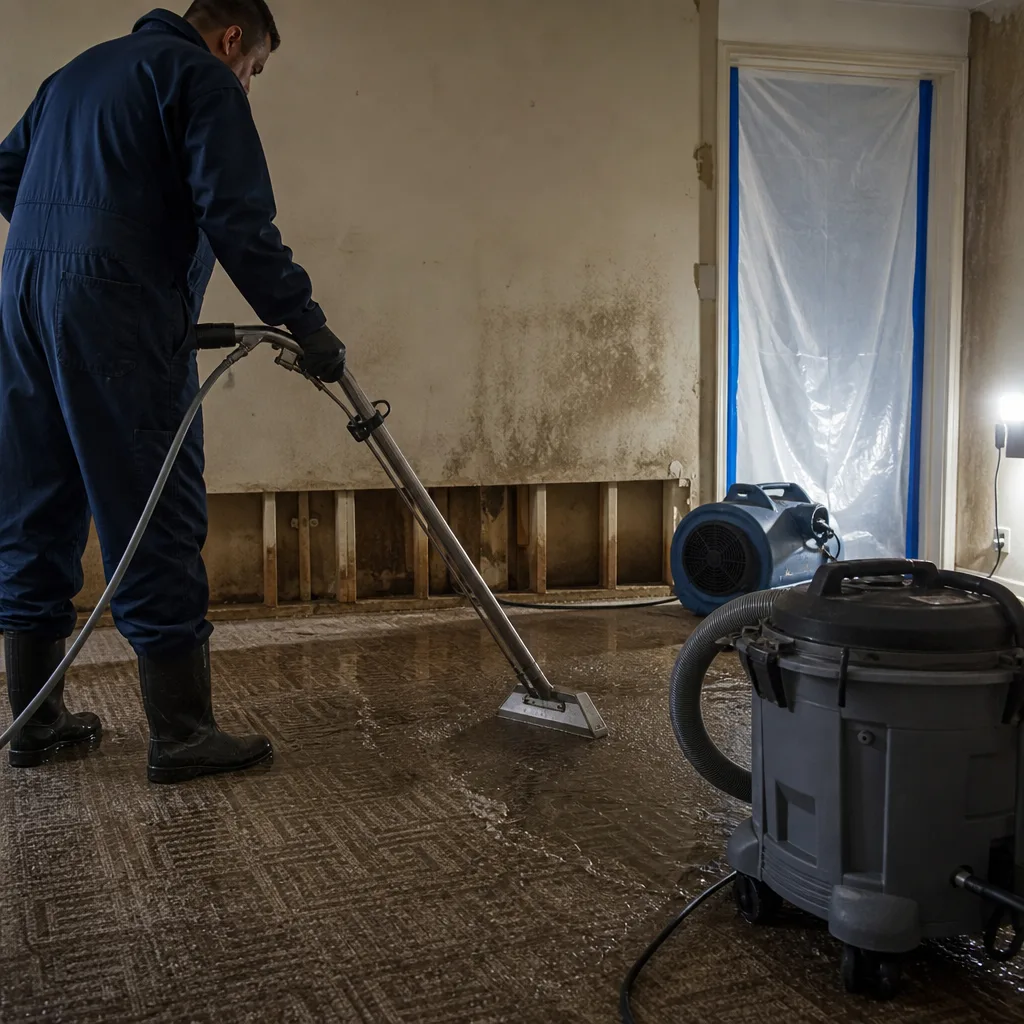
We establish polyethylene containment barriers and negative air pressure using HEPA-filtered air scrubbers (typically Dri-Eaz or Phoenix HEPA 500 units) to prevent spore migration. In plaster-and-lath tenements, we seal original door and window cavities - common pathways to adjacent units that standard containment misses.
3. Moisture Reduction & Structural Drying
We deploy desiccant dehumidifiers, low-grain refrigerant units, and targeted air movement based on your building’s psychrometric profile. Concrete slab lofts require extended drying cycles - often 5 to 8 days versus 3 to 4 for wood-framed construction - with daily moisture logs tracking specific humidity and grain depression.
4. Removal of Contaminated Materials
Category 3 water jobs in Williamsburg’s flood-prone corridors require removal of porous materials that contacted sewage or surge water: drywall, insulation, carpet, pad, and affected subflooring. We document each removed item with photos for your insurer and dispose per New York State solid waste regulations.
5. Cleaning, Antimicrobial Treatment & HEPA Vacuuming
Non-porous surfaces receive antimicrobial application followed by HEPA vacuuming (not standard vacuuming, which redistributes spores). In black mold remediation, we apply sporicidal agents and perform multiple HEPA passes until post-remediation verification sampling confirms clearance.
6. Post-Remediation Verification & Documentation
We collect air and surface samples for third-party lab analysis, compile the photo record, drying logs, and moisture readings into a single claim file, and deliver your 365-Day Done Right Promise under The Haven Standard. No job is closed until clearance is documented.
Need Emergency Mold Remediation in Williamsburg Now?
Crews minutes away, answering live 24 hours a day. The sooner we start, the less it costs.
Working With Your Insurance Company
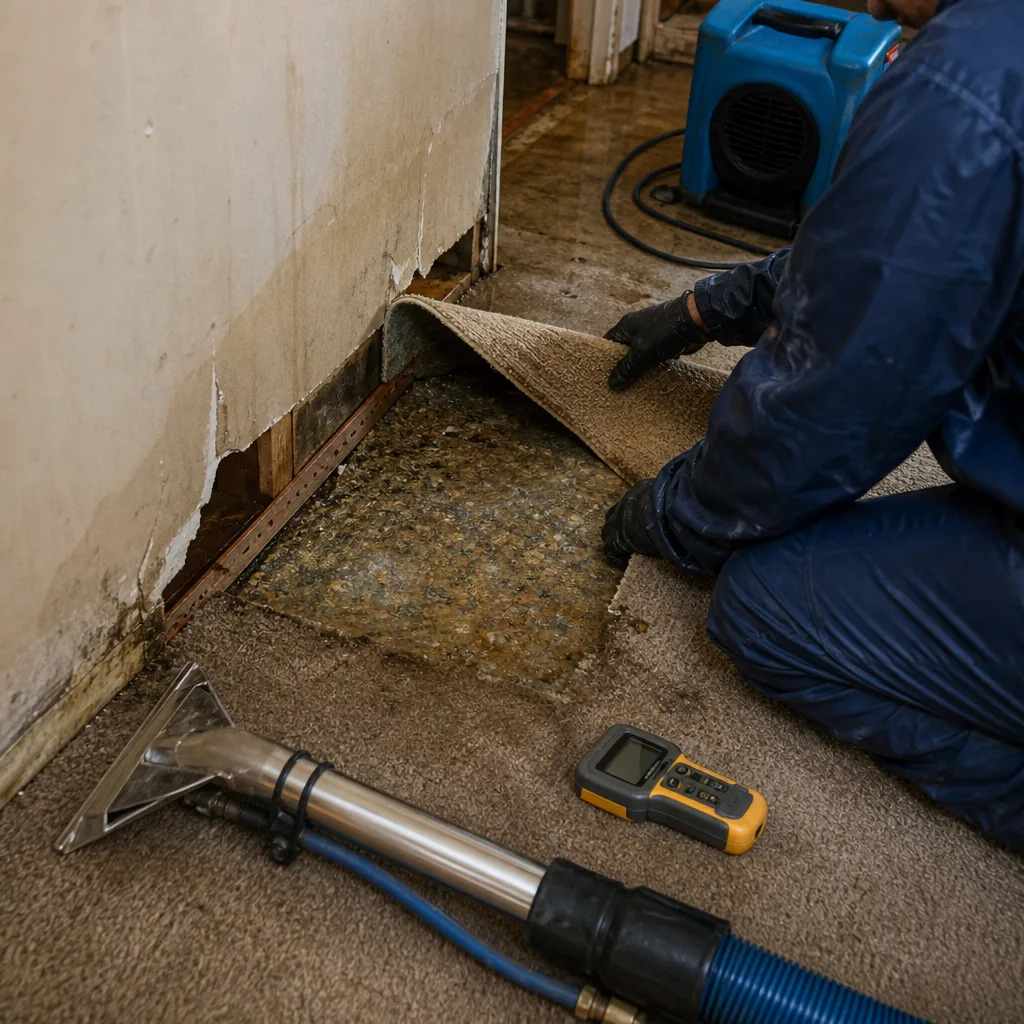
We built our documentation protocols around what claims adjusters actually need to approve an invoice without back-and-forth. Alicia Brennan founded Back to Dry Restoration in 2011 after seeing how many restoration bills were denied for insufficient documentation - missing moisture readings, no photo record, scopes that didn’t match the estimate. Every Williamsburg job we perform includes a documented photo record on every visit, daily drying logs with specific humidity and grain depression readings, and a detailed, line-item scope of work written before any equipment is powered on.
We communicate directly with your adjuster, submit IICRC-compliant estimates, and coordinate supplemental documentation if the scope expands during remediation. Our goal is a claim file so complete that payment is routine, not negotiated.
What We Provide Your Insurer
- Thorough documentation of the loss
- Photos of all damage, room by room
- Moisture readings and drying logs
- A detailed, line-item scope of work
- Direct coordination with your carrier
Built for Williamsburg’s Loss Calendar
January’s deep freezes split aging cast-iron and galvanized supply lines in Williamsburg’s pre-war tenements, delivering Category 1 water that becomes Category 2 or 3 when it sits in contact with plaster and lath for more than 48 hours. Spring thaw brings basement seepage through century-old foundations, especially in row houses between Bedford and Driggs where the water table rises with snowmelt. Summer thunderstorms overwhelm flat roofs and clogged drains in converted warehouses, and every nor’easter that funnels up the East River threatens the FEMA AE flood zone along Kent Avenue with surge and sewage backflow. We have responded to each of these patterns in Williamsburg. We know which buildings on which blocks are vulnerable, and we arrive with the equipment and protocols that match the loss type.
Mold Remediation Across Williamsburg’s Neighborhoods
In South Williamsburg, the Hasidic community’s dense row houses and multi-family buildings often share common walls and plumbing stacks - a mold issue in one unit can migrate through original door and window cavities into adjacent properties, making containment and negative air pressure non-negotiable from the first hour.
The Kent Avenue waterfront corridor from North 3rd to North 12th is dominated by converted industrial lofts on concrete slabs. We got a call from a loft owner near North 3rd and Kent whose roof drain backed up over a weekend, soaking the concrete slab under a bedroom. Pin meters read dry, but our moisture mapping with non-invasive meters and thermal imaging found the plume spread 40 feet along the slab edge. We set containment, ran Dri-Eaz and Phoenix desiccant dehumidifiers with Injectidry panel drying and air movers for six days, kept daily drying logs, and passed clearance - no callbacks.
East Williamsburg and the blocks near the Morgan Avenue L train see a mix of pre-war tenements and newer construction. The older stock presents plaster-and-lath walls that hold moisture invisibly; the newer buildings, while better sealed, trap humidity in wall cavities when vapor barriers fail. Both require different assessment tools.
Near McCarren Park, the 19th-century brownstones and brick row houses have original coal chutes, basement vaults, and fieldstone foundations that wick groundwater continuously. Mold in these basements is often chronic, not acute, and remediation without moisture control fails within a season.
Specialized Mold Remediation Services We Offer in Williamsburg
Mold Inspection & Testing
We begin with a visual assessment, moisture mapping, and thermal imaging - not a generic “mold test kit.” In Williamsburg lofts, we specifically use non-invasive moisture meters calibrated for concrete and masonry substrates, because pin-type meters on slab construction produce false negatives that lead to callbacks. Air and surface sampling goes to a third-party lab for speciation and concentration analysis.
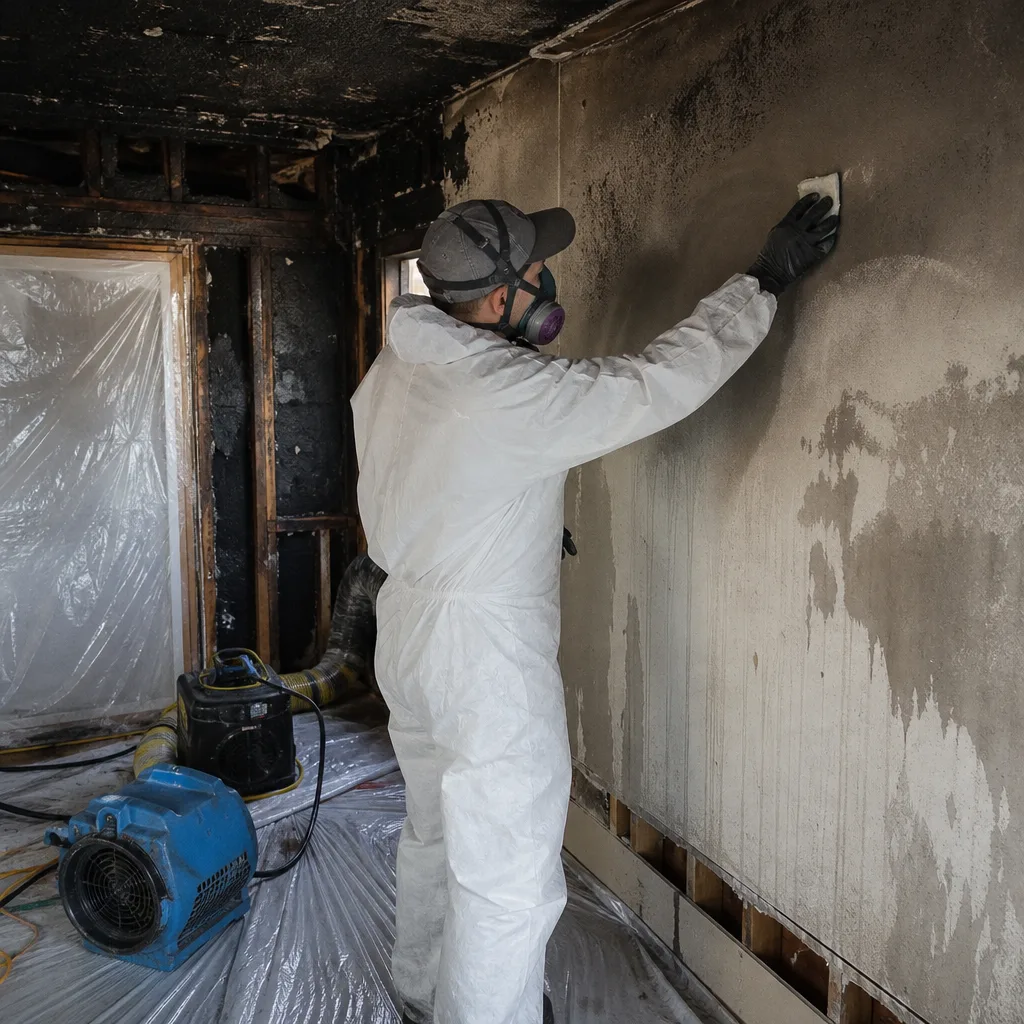
Mold Removal
Removal follows IICRC S520 standards: containment, negative air, HEPA filtration, removal of contaminated materials, antimicrobial treatment, and post-remediation verification. In Williamsburg’s shared-wall tenements, we coordinate with building management and adjacent unit owners to prevent cross-contamination through original construction voids.
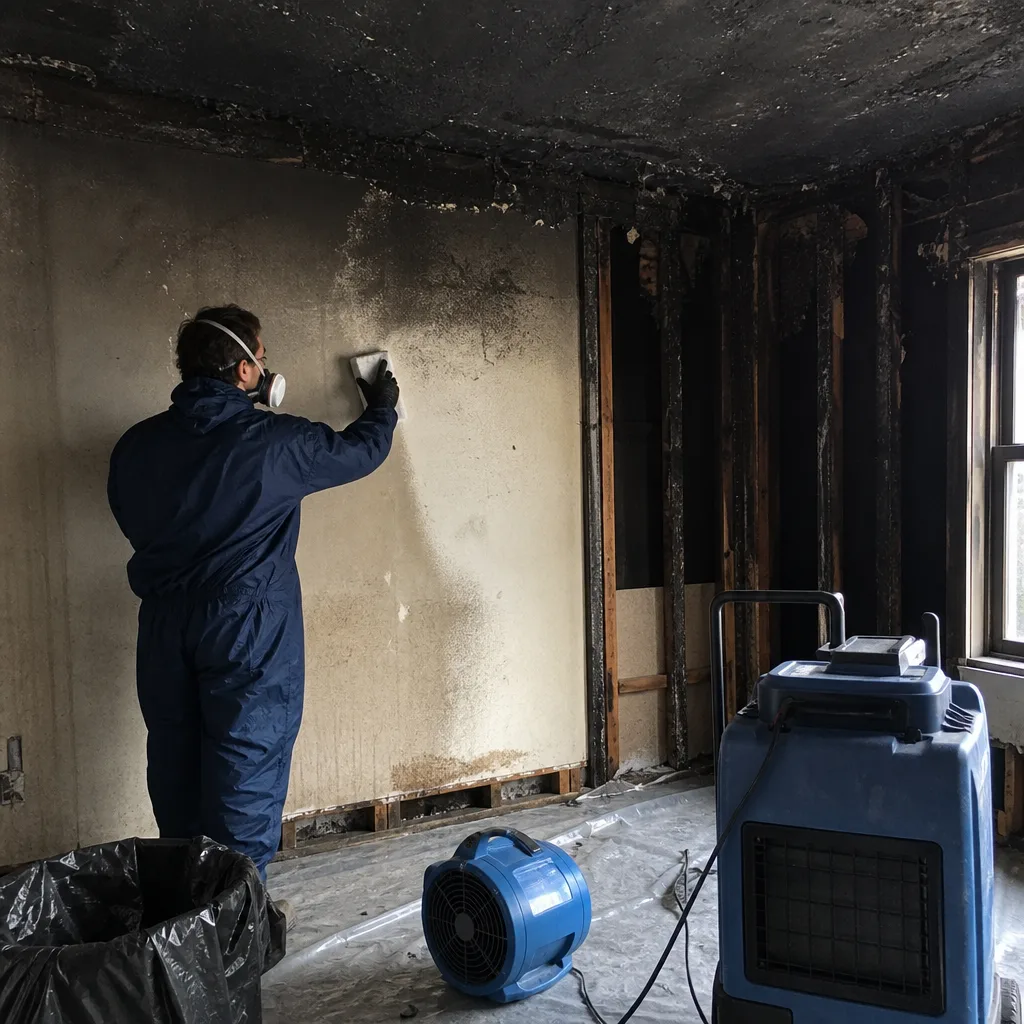
Black Mold Remediation
Stachybotrys chartarum and other toxigenic species require enhanced containment, personnel protective equipment, and sporicidal agents. We document every step with photos for your insurer and collect clearance samples that meet or exceed New York City Department of Health guidelines for remediation of toxigenic fungi.
Air Quality Restoration
After remediation, we run HEPA air scrubbers and collect airborne particle counts until spore levels match or fall below outdoor baseline. In Williamsburg’s tight loft spaces with limited natural ventilation, this phase often runs longer than in buildings with operable windows and cross-breeze.
Crawl Space Treatment
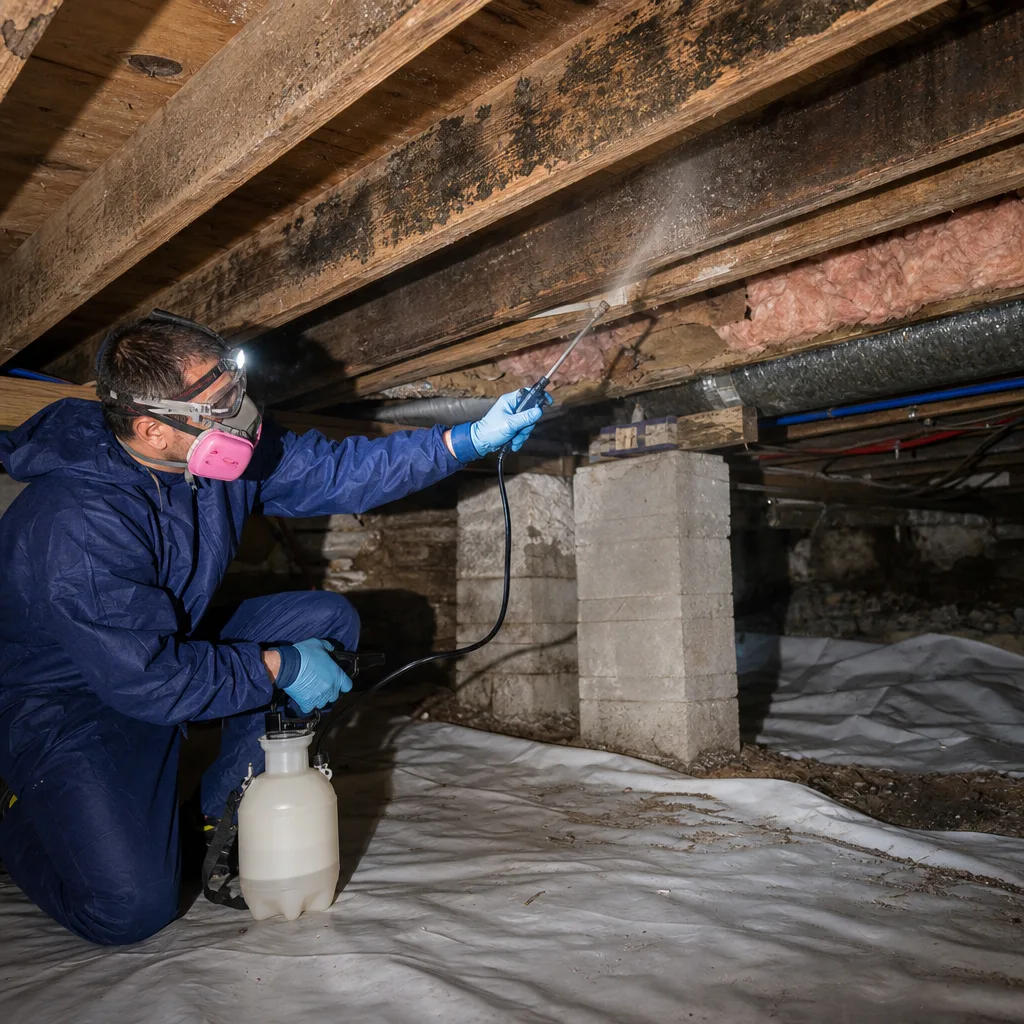
Williamsburg’s older row houses have shallow crawl spaces and basement vaults with dirt or stone floors and chronic humidity. We install vapor barriers, dehumidification, and ventilation solutions sized to the cubic footage and soil conditions - not generic “mold spray” that ignores the moisture source.
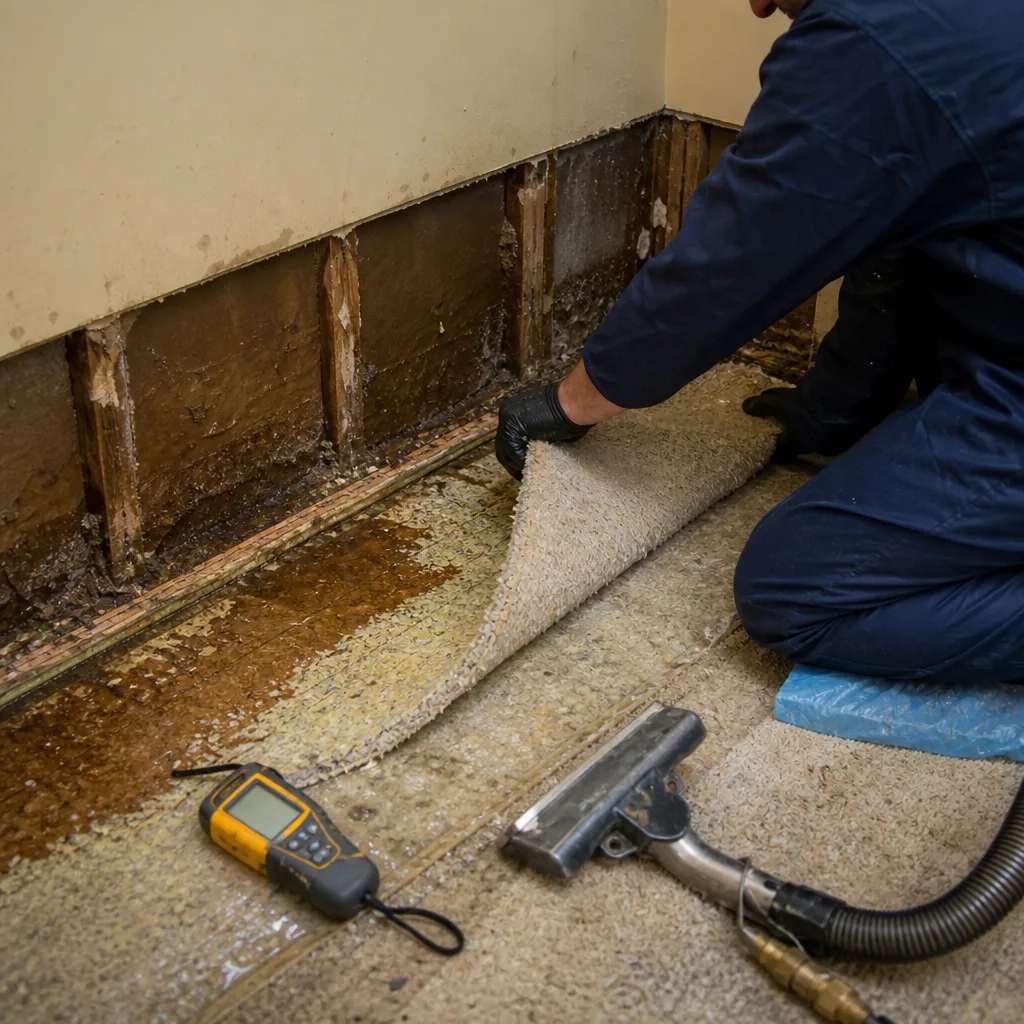
Moisture & Humidity Control
We specify and install permanent dehumidification systems for chronic moisture issues: desiccant or refrigerant units, condensate pumps, and humidity monitoring. In concrete slab lofts, we address the thermal bridging that causes slab-edge condensation, not just the symptoms.
What happens when you call
- 1
A real person answersNo phone trees - you reach a local pro.
- 2
You get an upfront price rangeHonest numbers before anyone is dispatched.
- 3
A background-checked tech heads outLicensed & insured, dispatched right away.
- 4
You approve before work beginsNothing starts until you say go.
Mold Remediation Costs in Williamsburg, NY
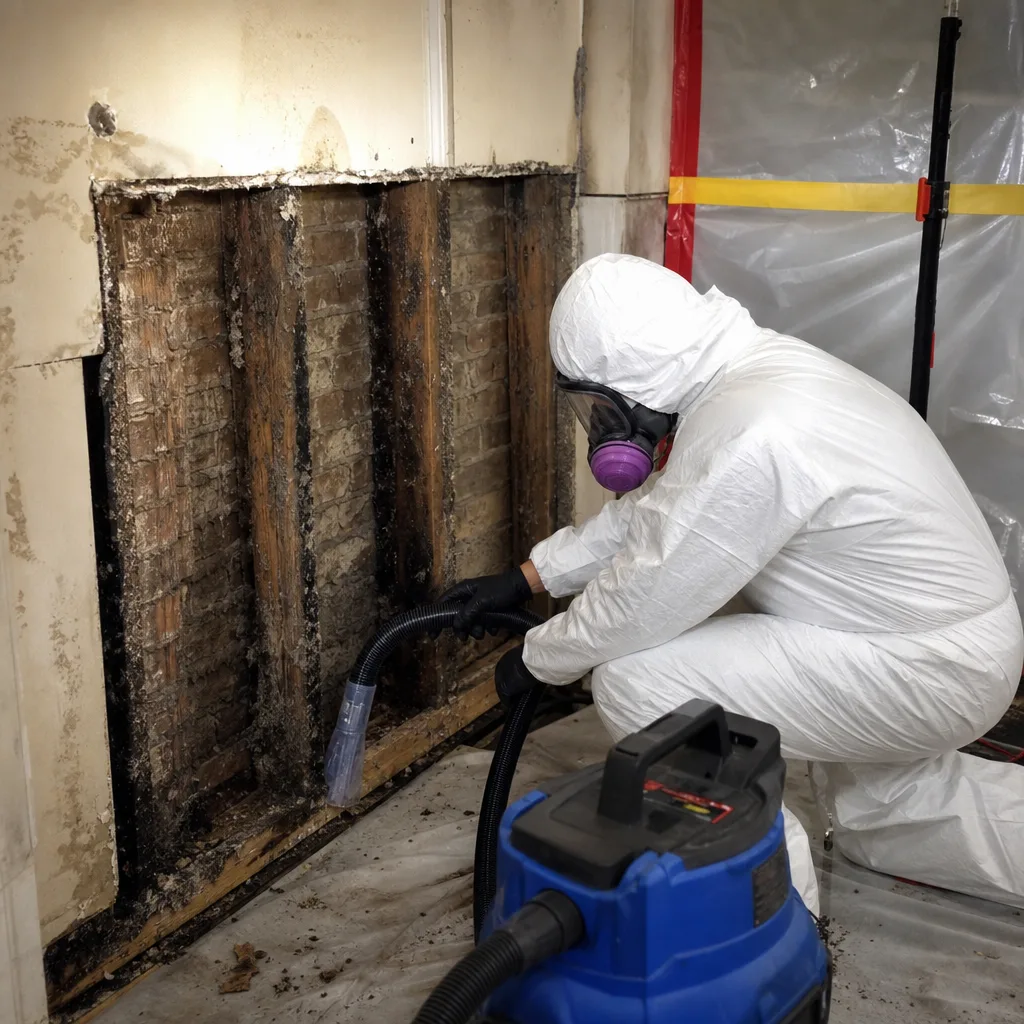
A typical mold inspection with moisture mapping and thermal imaging in Williamsburg runs $250-$450. Containment and remediation of a localized area - under 10 square feet in a standard apartment - typically costs $1,200-$2,800. Moderate jobs affecting multiple rooms or requiring material removal range $3,500-$8,500. Extensive remediation in converted lofts with slab-wide moisture plumes, or in pre-war buildings with plaster-and-lath degradation, can reach $10,000-$25,000 depending on square footage, contamination category, and reconstruction scope.
What moves the price: the contamination category (Category 3 sewage backflow requires more removal and treatment than Category 1), the affected square footage, whether materials can be cleaned in place or must be removed, and whether post-remediation verification sampling is required by your insurer or building management. Most mold remediation resulting from sudden water damage is covered by standard homeowner’s or renter’s insurance; chronic moisture issues without a covered peril typically are not. We review your policy, document the loss origin, and work with your adjuster to establish coverage before work begins. Call (551) 213-5277 for a free visual inspection and written scope - estimates are free, and Haven Standard, Clause 1 applies to every job.
We Also Serve Cities Near Williamsburg
Our crews respond from the New York City office to Williamsburg and surrounding neighborhoods including the Upper East Side, Manhattan, Upper West Side, and Astoria. Each area has distinct building stock and loss patterns; we adjust our equipment and protocols accordingly.
Serving Williamsburg, NY - Our Local Coverage Area
We’re based in the Williamsburg area and know this community well. Use the map below to see our service coverage - if you’re nearby, we can almost certainly help.
Williamsburg Mold Remediation Questions, Answered
Why does mold show up on my Williamsburg loft wall weeks after a leak was ‘fixed’?
Because pin-type moisture meters on concrete slabs routinely miss lateral saturation that has wicked 20, 30, or 40 feet from the original leak point. The surface reads dry. The slab edge stays wet. Mold colonizes the interface between the slab and any organic material - paint, drywall, adhesive - and appears when the colony matures enough to produce visible staining or odor. We map moisture with non-invasive meters and thermal imaging to find the full plume before we declare a job dry. Call (551) 213-5277 for a free inspection.
My Williamsburg basement flooded during a storm and smelled like sewage - is that a different kind of mold job?
Yes. Sewage odor after flooding in Williamsburg’s FEMA AE flood zone indicates Category 3 water under IICRC standards: grossly contaminated with pathogenic agents. Drying in place is prohibited. All affected porous materials must be removed, surfaces treated with antimicrobial agents, and the area dried under containment with HEPA air scrubbing before reconstruction. This protocol costs more than Category 1 remediation but is required for safe occupancy. We document the category determination with photos for your insurer. Call (551) 213-5277.
Plaster-and-lath walls in my pre-war Williamsburg tenement feel dry - can mold still be behind them?
Absolutely. Plaster-and-lath construction creates a cavity between the plaster face and the exterior brick that holds moisture invisibly. A wall that feels dry to touch can read 80% relative humidity inside the cavity, with mold colonizing the lath and plaster backside. We use borescopes and non-invasive meters to inspect cavities without destructive removal, then scope targeted access if readings warrant. Call (551) 213-5277 for moisture mapping.
How long does structural drying take in a Williamsburg loft versus a wood-framed apartment?
Wood-framed apartments with standard gypsum drywall typically dry in 3 to 4 days with proper dehumidification and air movement. Williamsburg lofts on concrete slabs require 5 to 8 days minimum because concrete has high specific heat and low permeability - it releases moisture slowly, and the absence of wall cavities means there’s no airflow path through the structure. We run desiccant dehumidifiers and document daily moisture logs until slab readings stabilize below 12% moisture content by weight. Call (551) 213-5277 for a timeline specific to your building.
What should I do first if I see black mold in my Williamsburg apartment?
Do not disturb it. Disturbing mold releases spores into the air and can spread contamination to unaffected areas. Note the location, approximate size, any associated water staining or odor, and when you first observed it. Then call (551) 213-5277. We provide a free visual inspection, document what we find with photos, and deliver a written scope and price before any work begins under Haven Standard, Clause 1.
How fast can your crew actually get to Williamsburg?
We typically arrive within 45 minutes of your call. Our crews are dispatched from the New York City office and serve Williamsburg directly - no out-of-state contractors, no third-party dispatch. A live person answers (551) 213-5277 24 hours a day, 7 days a week.
Will my insurance cover mold remediation in Williamsburg?
Mold resulting from a sudden, covered water loss - burst pipe, storm damage, appliance failure - is typically covered under standard homeowner’s and renter’s policies in New York. Mold from chronic moisture, deferred maintenance, or pre-existing conditions usually is not. We inspect the loss origin, document the cause with photos and moisture readings, and work directly with your adjuster to establish coverage before remediation begins. Call (551) 213-5277 and bring your policy declaration page to the inspection.
What certifications do your mold remediation technicians hold?
Our lead technicians hold IICRC AMRT (Applied Microbial Remediation Technician), WRT (Water Damage Restoration Technician), and related certifications. All work is documented to IICRC, RIA, and IFA standards. We use professional-grade equipment from Dri-Eaz, Phoenix, and Injectidry, and every job includes a photo record, drying logs, and a written scope - the documentation that turns restoration invoices into payable claims. Call (551) 213-5277 to verify credentials on your specific job.
Ready to stop mold from spreading in your Williamsburg property? Call (551) 213-5277 now. A live person answers 24/7, crews arrive within 45 minutes, and you’ll receive a written price before any work begins - Haven Standard, Clause 1, every time.
Written by Alicia Brennan, Owner at Back to Dry Restoration, serving Mold Remediation customers across New York City since 2011.
Mold Remediation in Nearby Areas