
Free visual inspection and a written scope of work before any mitigation begins - photos, moisture readings, and drying logs go in your claim file
The scope we write is the scope we bill. Anything new gets shown to you, in writing, before we touch it.
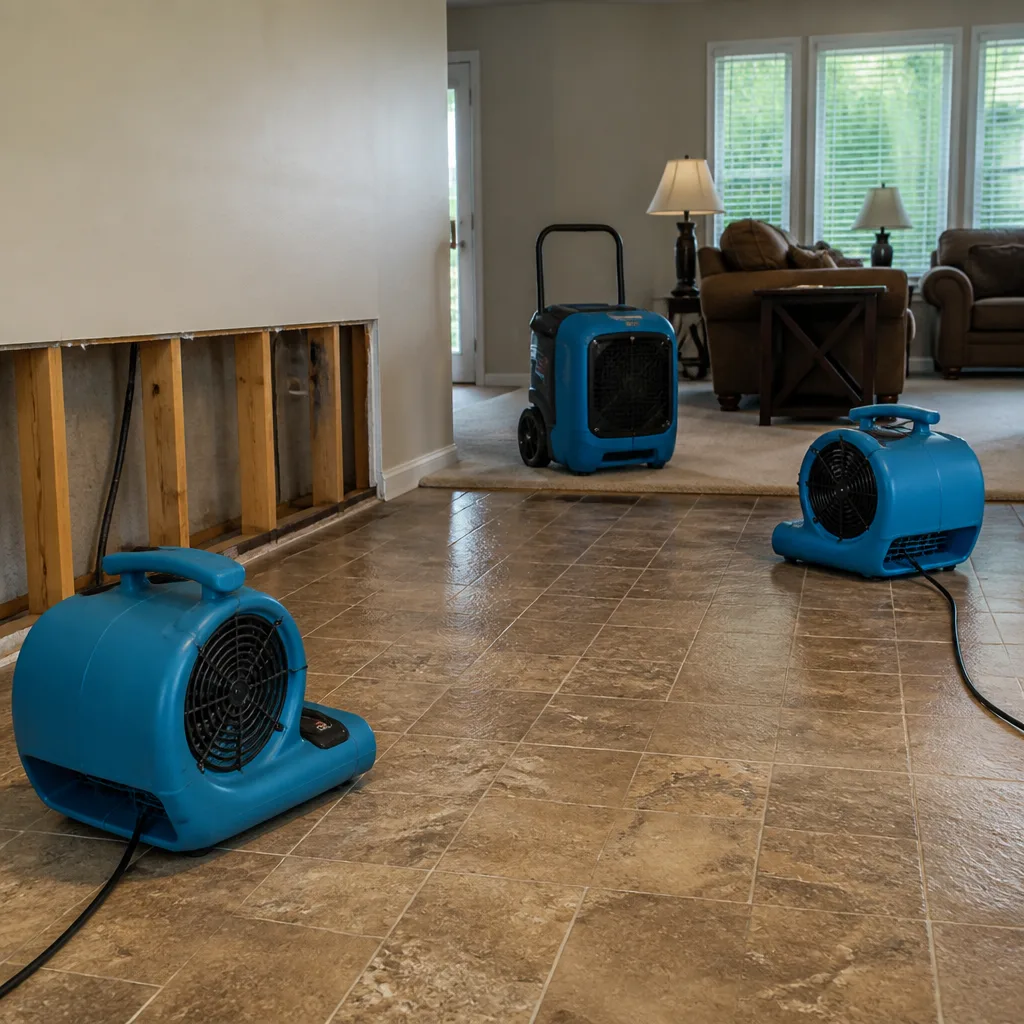
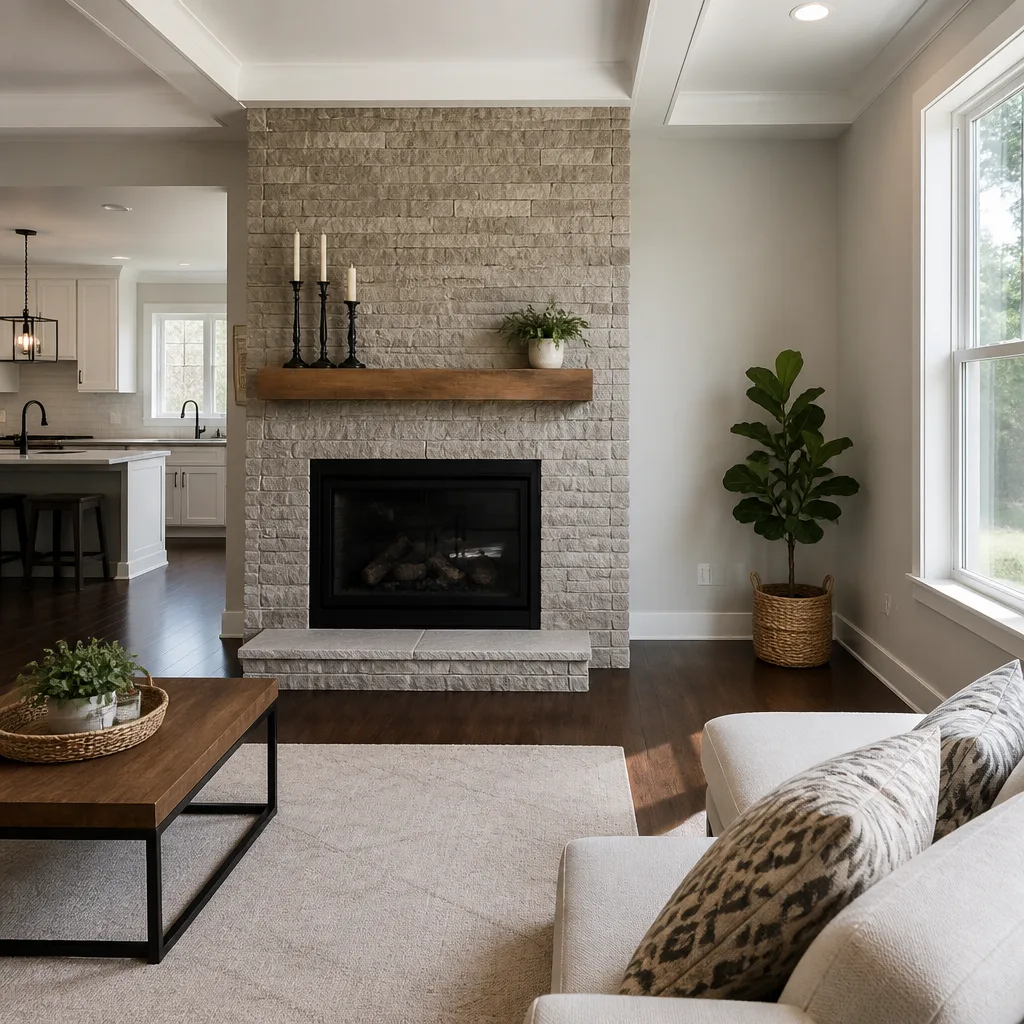
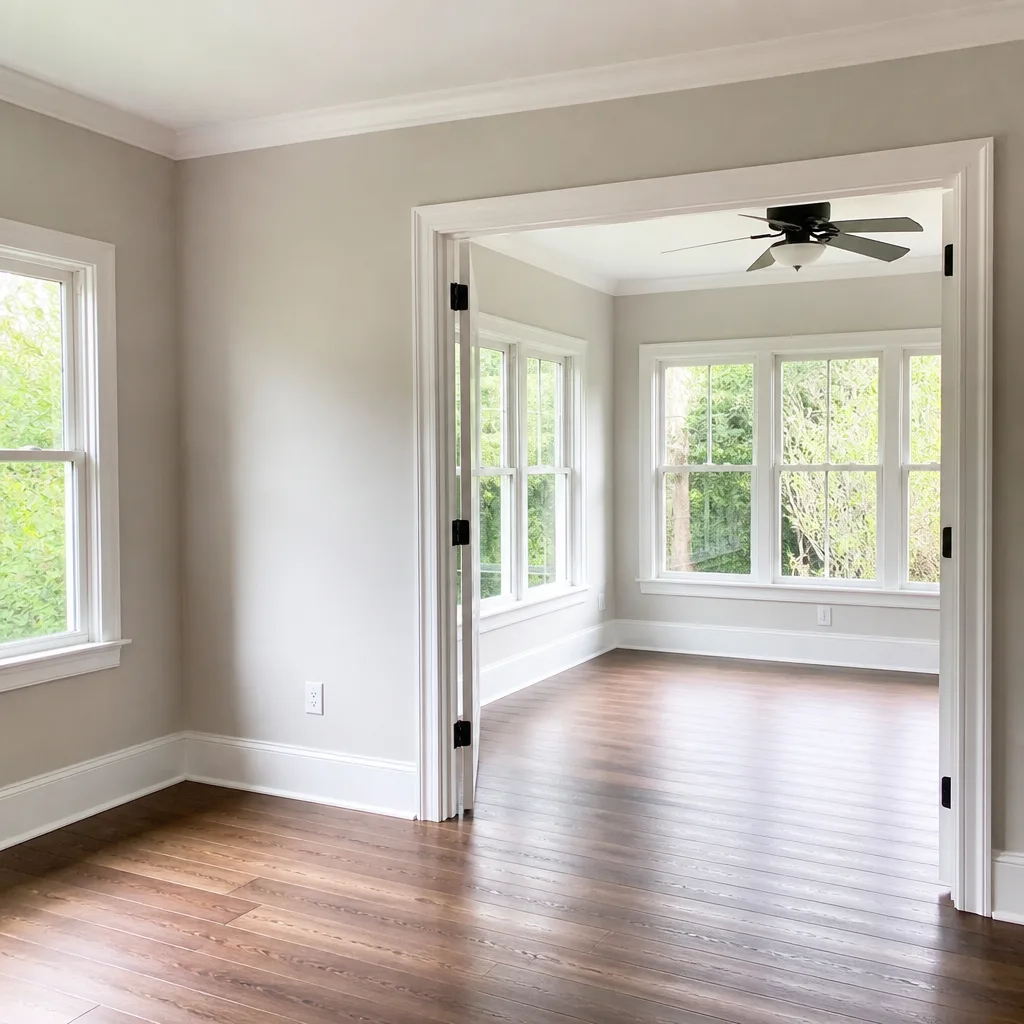
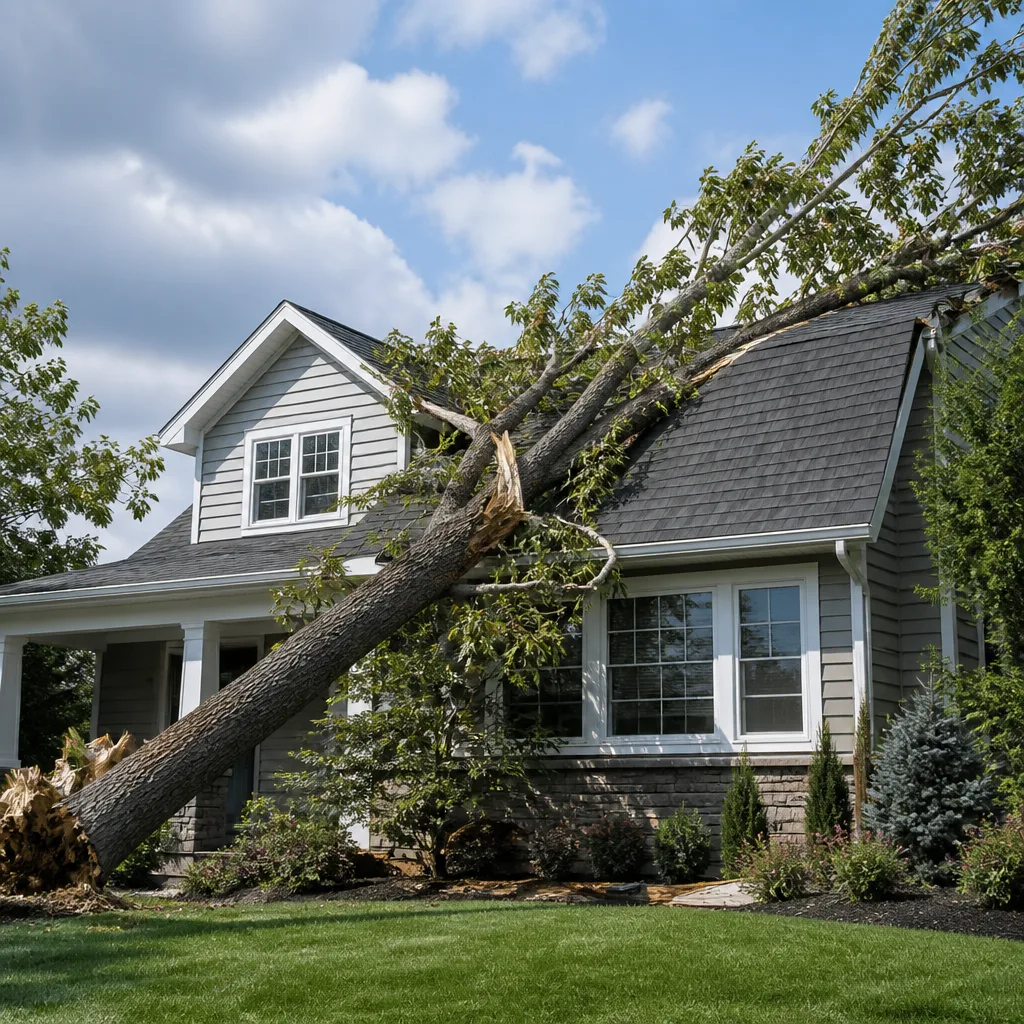
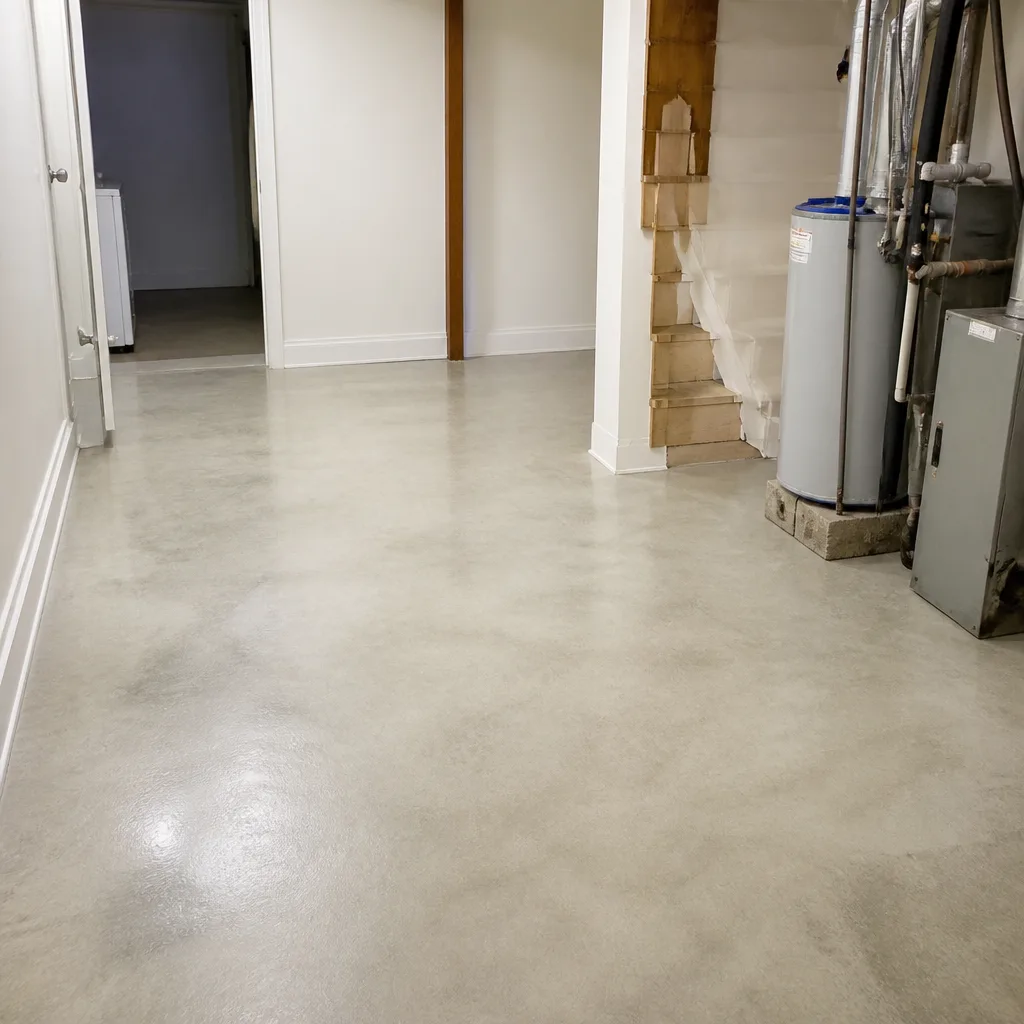
 Before
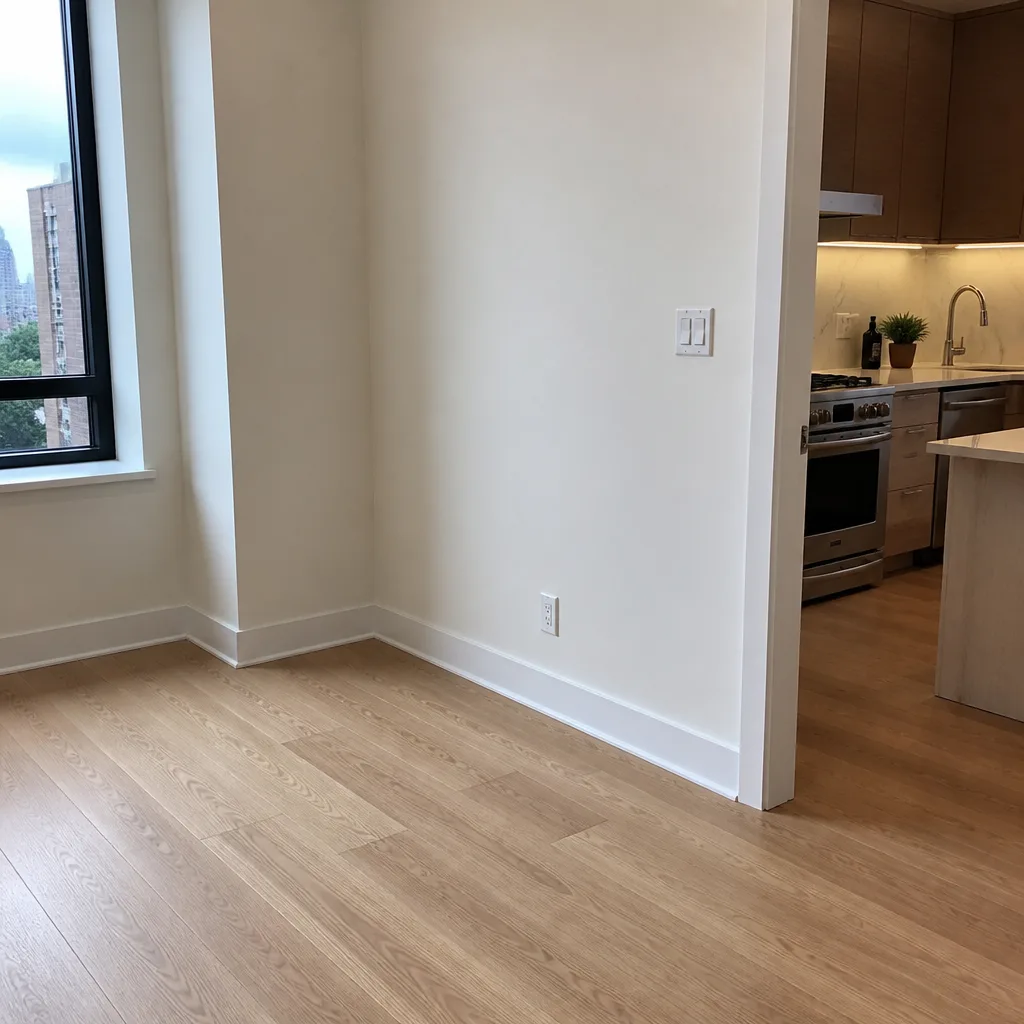 After
After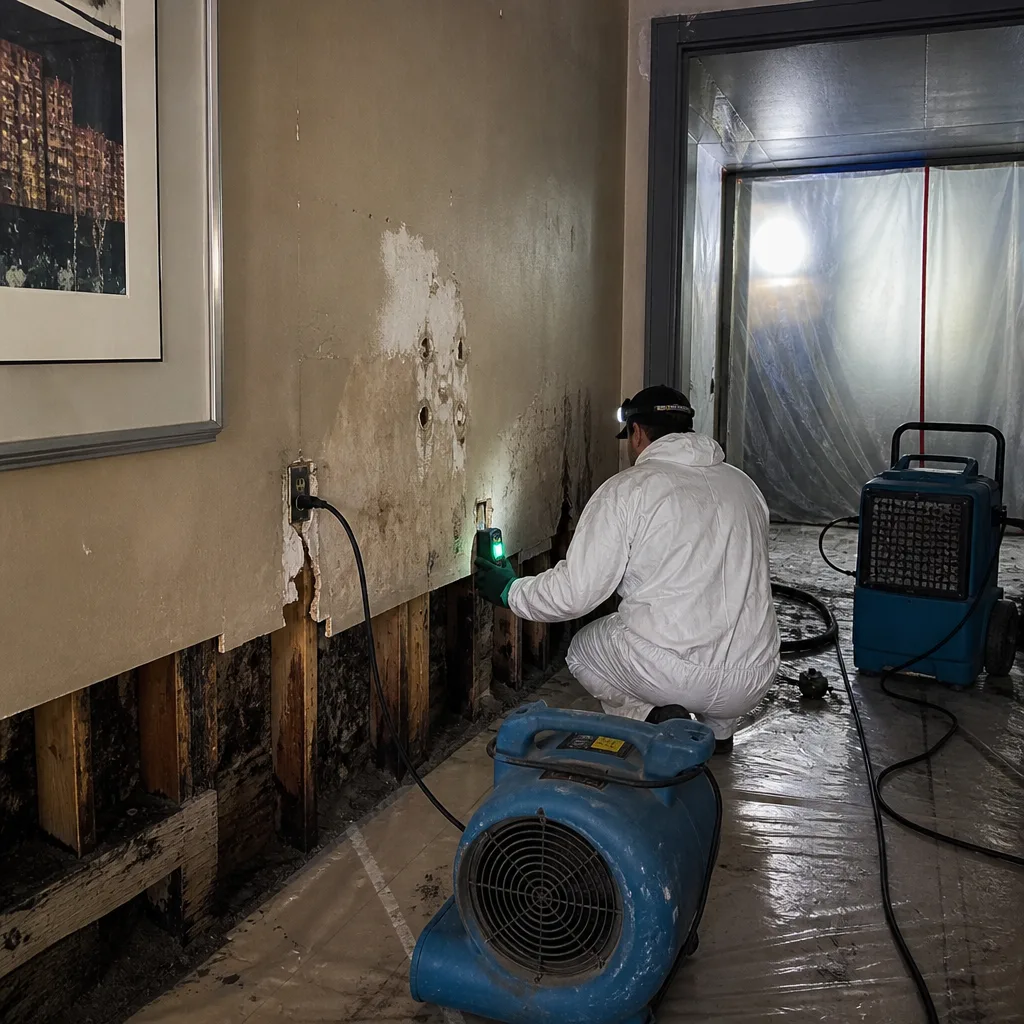 Before
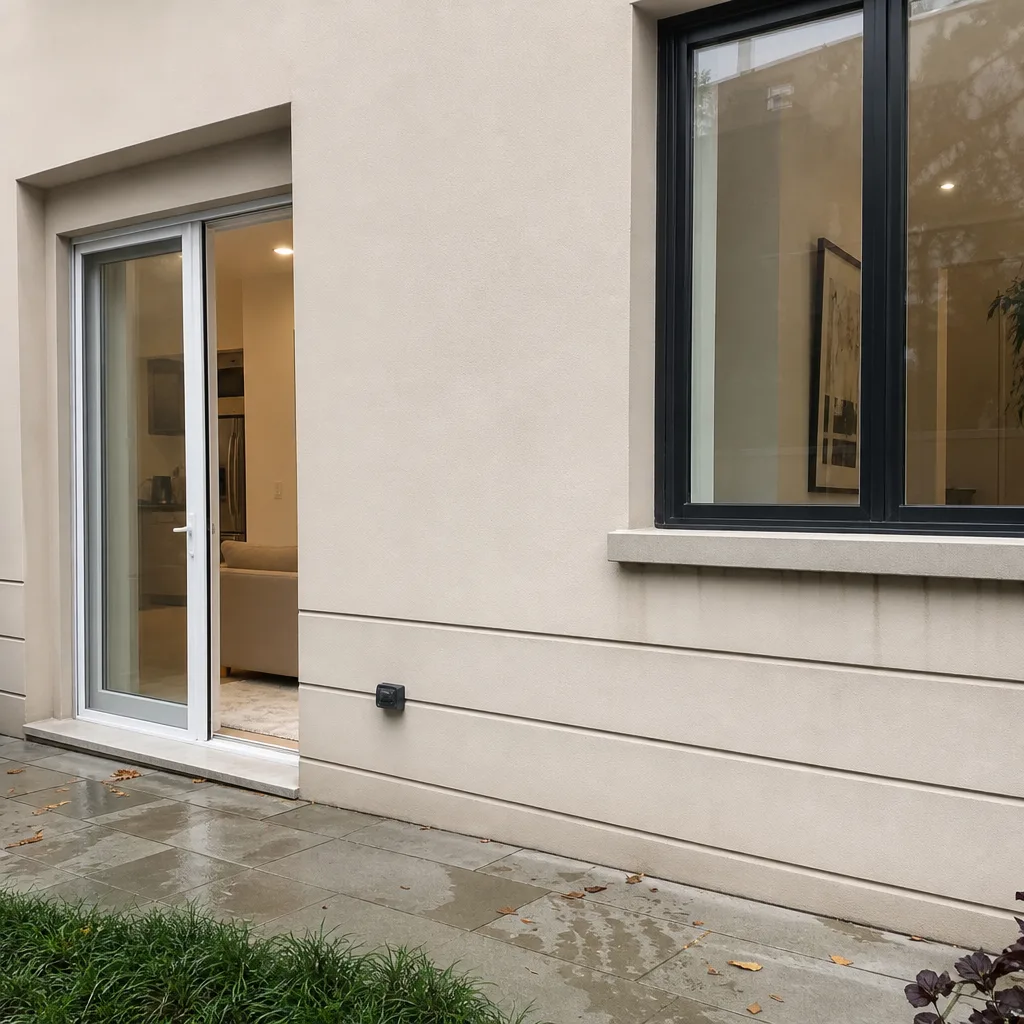 After
After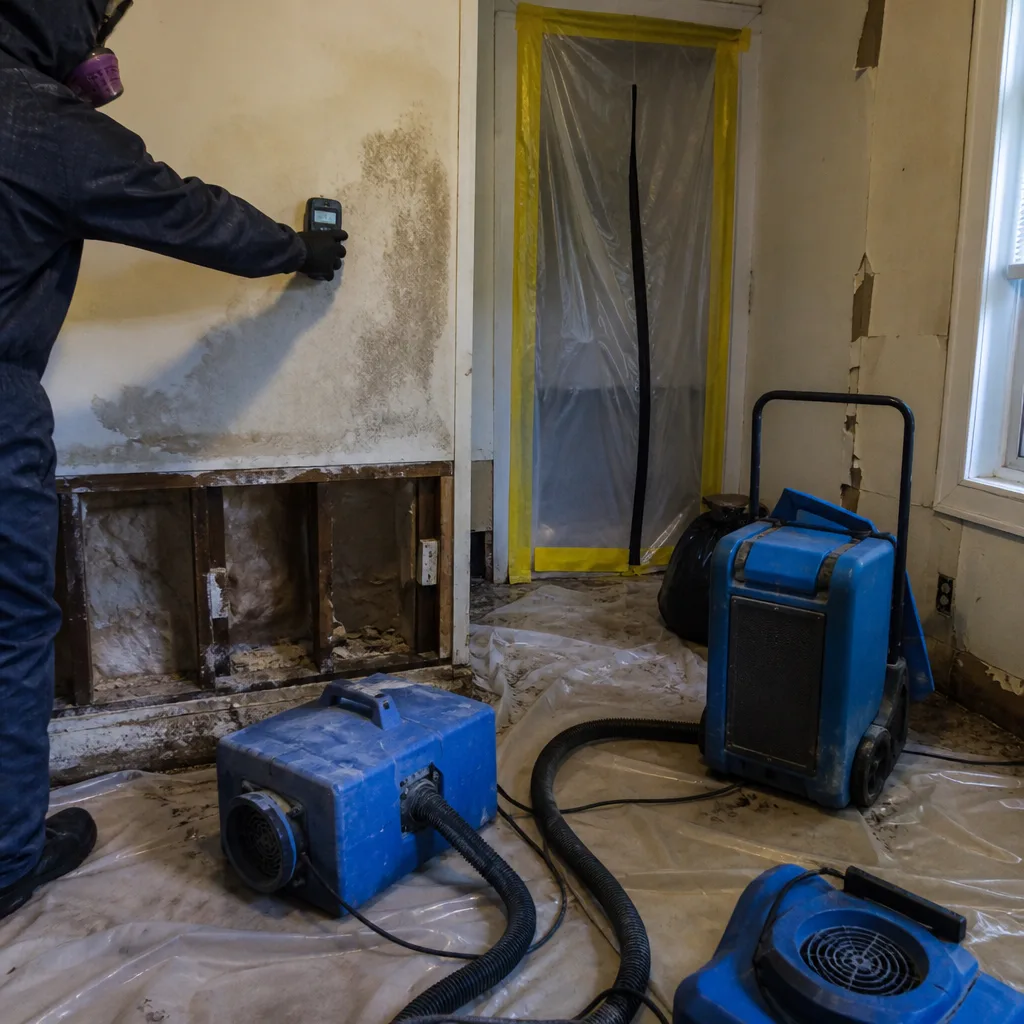 Before
 After
After24/7 Emergency Water Damage Restoration in Upper East Side
Water damage restoration in Upper East Side typically costs $2,800-$7,500 for residential mitigation and drying, with emergency extraction calls starting at $450-$900 for the first two hours. Most Category 1 and 2 losses in pre-war co-op buildings require 3-5 days of structural drying before reconstruction can begin. Call (551) 213-5277 now - a live person answers, 24 hours a day, and crews deploy from our New York City office to reach Upper East Side addresses within 45 minutes of dispatch.
The first hour determines whether you’re looking at drying and repair, or full gut renovation. Water moves through horsehair plaster and down shared cast-iron risers faster than most residents realize. By the time you see a stain on your ceiling, the damage has often traveled two floors. Our Water Damage Restoration team runs thermal imaging and moisture mapping before cutting anything, so you know the real scope before work starts.
Understanding Water Damage Restoration Severity in Upper East Side Properties
Water damage breaks into three categories. Category 1 is clean water from a broken supply line - still urgent, but manageable if extraction starts within hours. Category 2 carries contaminants, common when a shared riser backs up or a dishwasher line fails. Category 3 is black water: sewage, river intrusion, or long-standing flooding with bacterial growth. In Upper East Side pre-war buildings, a Category 1 pipe break on the 8th floor can become Category 2 by the time it reaches the 5th, picking up debris from decades-old galvanized lines.
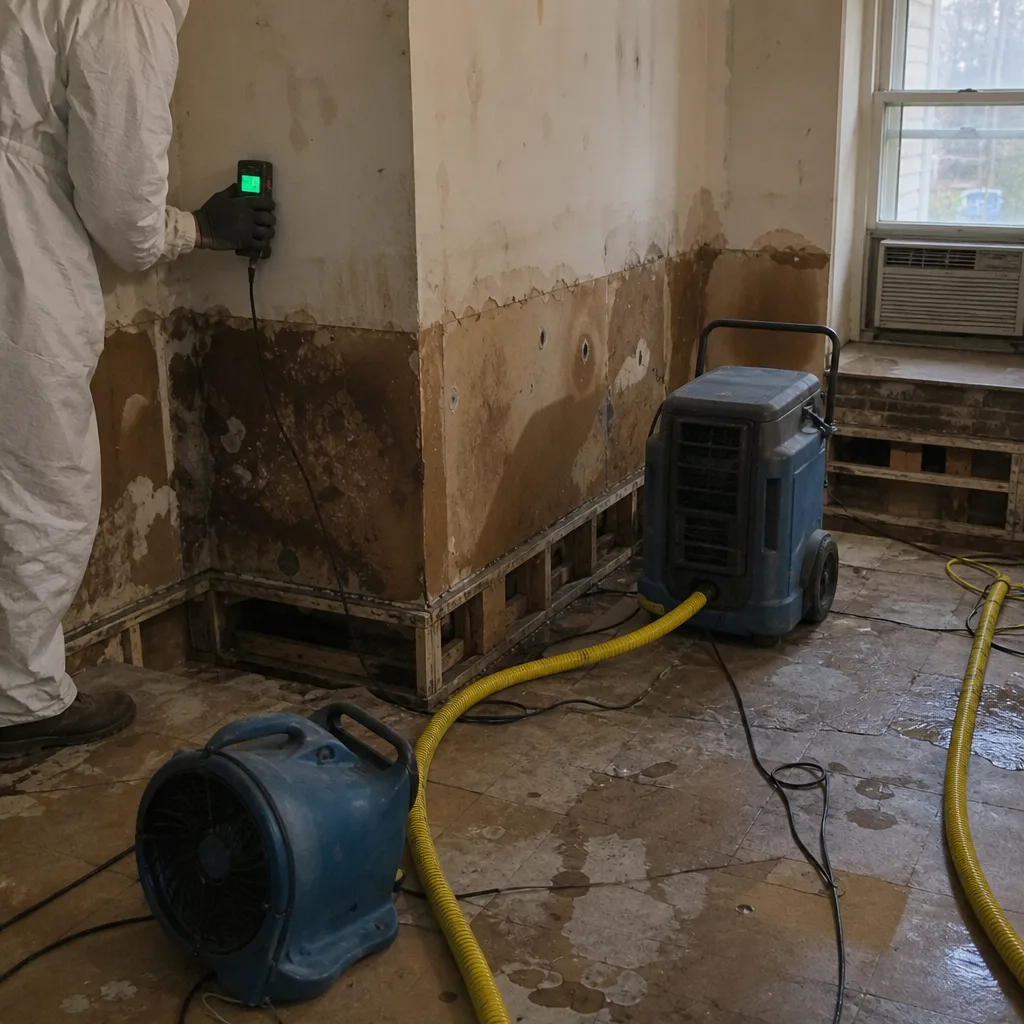
Moisture mapping is how we find what you cannot see. A thermal imaging camera reads surface temperature differentials; a non-penetrating moisture meter confirms elevation in plaster, parquet, or subfloor. Psychrometric data - temperature, relative humidity, and vapor pressure differential - tells us how fast materials will release moisture into the air we’re actively drying. In classic sixes and sevens off Madison Avenue, horsehair plaster holds 3-4 times more moisture than modern drywall, extending drying timelines and demanding equipment with higher latent-heat removal capacity.
Structural drying in these buildings isn’t about running fans until things feel dry. It’s about establishing a controlled drying chamber: sealing the affected area, calculating cubic footage, and deploying dehumidifiers sized to the load. Tertiary drying, the final phase, targets bound moisture in dense materials that release water slowly. Skip it, and your parquet buckles six weeks later, or mold colonizes the plaster cavity.
Why Upper East Side Property Owners Choose DryMark Restoration Upper East Side
- 45-minute response commitment to any Upper East Side address, with crews staged from our New York City office and no voicemail gatekeeping your emergency call.
- 24/7 live answer - a real person, never an automated system, every hour of every day, because water doesn’t wait for business hours.
- IICRC-certified crews holding WRT (Water Damage Restoration Technician) and ASD (Applied Structural Drying) certifications, with documented training in pre-war building systems.
- Free visual inspection with moisture readings and a written scope before any equipment moves in - Haven Standard, Clause 1.
- Direct insurance billing with photo-documented estimates, daily drying logs, and adjuster coordination that turns restoration invoices into payable claims.
- One team from extraction to reconstruction, so the crew that mapped your moisture profile finishes the rebuild - no handoff gaps, no blame-shifting.
BeforeAfterOur Water Damage Restoration Process
1. Inspection & Assessment
We arrive with thermal imaging, penetrating and non-penetrating moisture meters, and a hygrometer to read ambient conditions. In Upper East Side co-ops, we also confirm building protocols: approved-vendor status, certificate of insurance requirements, and elevator-use windows. You get a written scope and price before any work begins - Haven Standard, Clause 1.
2. Extraction & Stabilization
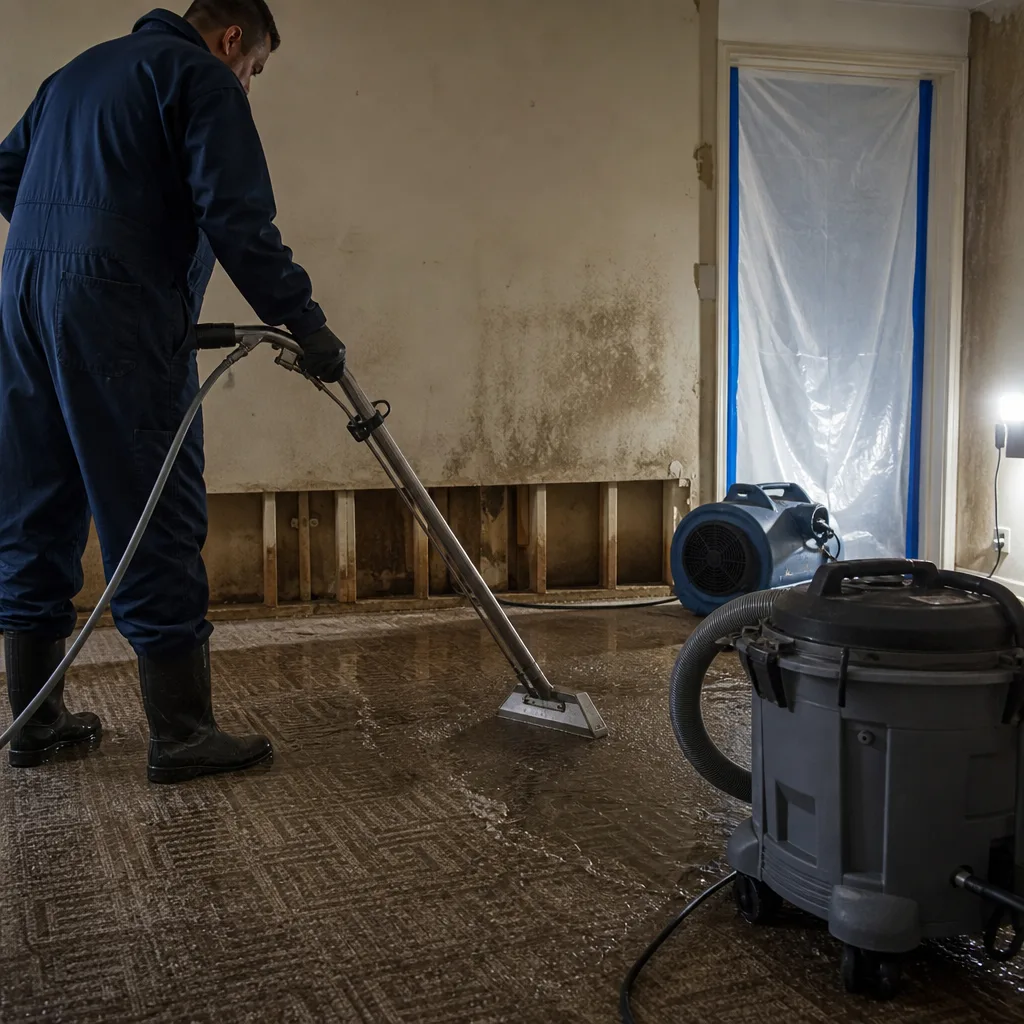
Truck-mounted water extraction removes standing water at 25+ gallons per minute. For trapped moisture in plaster cavities, we deploy Injectidry panel drying systems that force dry air through wall voids without destructive demolition. Category 2 and 3 losses get immediate antimicrobial application.
3. Drying & Dehumidification
We calculate equipment load by cubic footage and material density. Dri-Eaz and Phoenix LGR dehumidifiers pull latent moisture from the air; XPOWER and B-Air air movers create laminar airflow across wet surfaces. Daily moisture logs track progress to IICRC S500 standards.
4. Cleaning & Sanitization
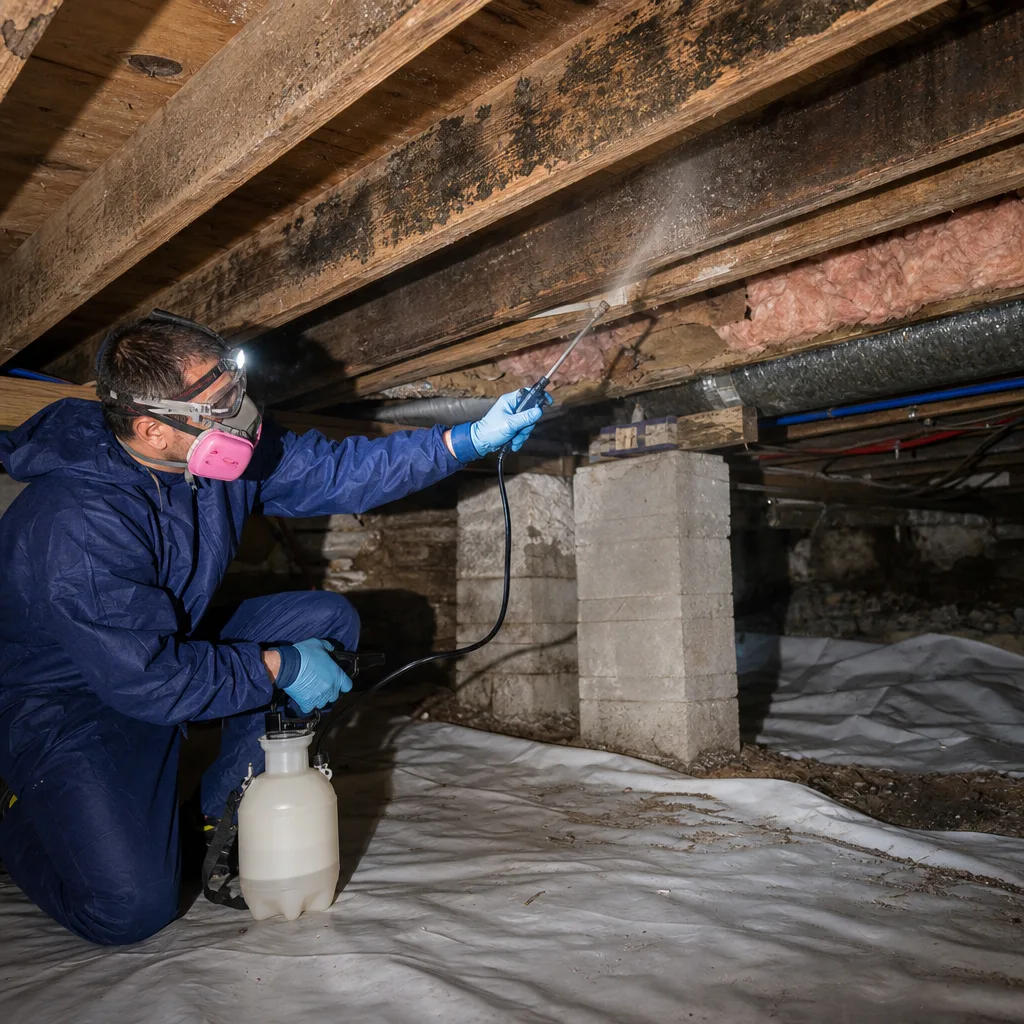
HEPA air scrubbers run continuous filtration during drying, capturing particulates down to 0.3 microns. Surfaces receive antimicrobial treatment appropriate to water category. In pre-war buildings, we use products rated safe for original finishes - no bleach on parquet, no harsh acids on limestone thresholds.
5. Asbestos & Lead-Safe Protocols
Virtually every pre-1978 Upper East Side job requires testing before demolition. We sample suspect plaster and painted surfaces, await lab results, and file abatement plans with the co-op board if positive. This step protects residents, preserves claim validity, and keeps the project moving legally.
6. Repairs & Restoration
Our carpenters match original millwork profiles, source compatible plaster mixes, and reinstall herringbone parquet to blend with undamaged areas. The 365-Day Done Right Promise covers every repair: if it’s not right, we make it right, documented under The Haven Standard.
Need Emergency Water Damage Restoration in Upper East Side Now?
Crews minutes away, answering live 24 hours a day. The sooner we start, the less it costs.
Working With Your Insurance Company
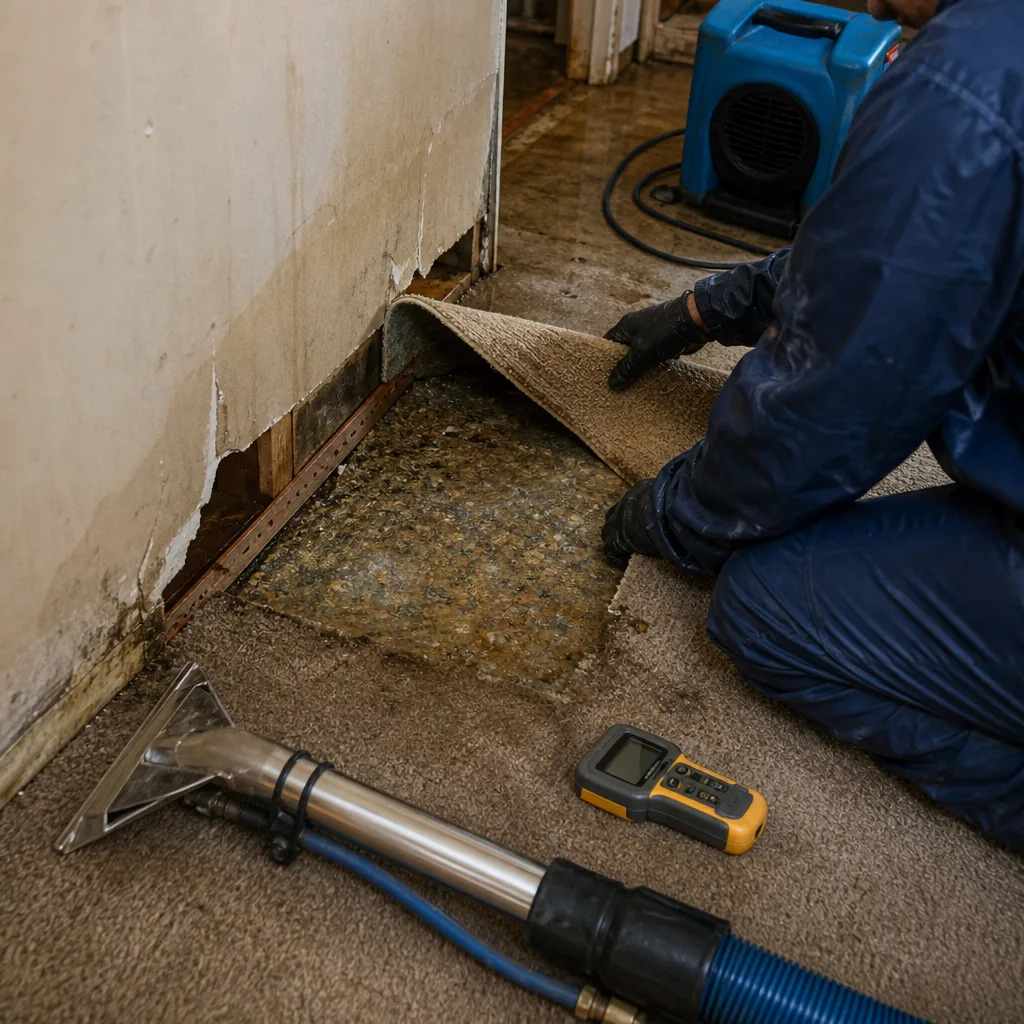
Documentation starts the moment we arrive. Every photo is geotagged, time-stamped, and organized by room. Moisture readings go into a daily drying log that tracks relative humidity, temperature, and material moisture content at each visit. Your adjuster receives a line-item scope tied to Xactimate pricing, the industry standard for property claims, with no scope-creep additions once work is underway - Haven Standard, Clause 1.
We coordinate directly with carriers, attend adjuster meetings on request, and provide supplemental documentation if the initial estimate doesn’t capture hidden damage found during demolition. Our founder built this company as a former claims adjuster who watched homeowners lose coverage fights over missing photos and incomplete scopes. That origin is why our documentation protocol exists.
What We Provide Your Insurer
- Thorough documentation of the loss
- Photos of all damage, room by room
- Moisture readings and drying logs
- A detailed, line-item scope of work
- Direct coordination with your carrier
Built for Upper East Side’s Loss Calendar
January deep freezes split cast-iron and copper supply lines in buildings where risers run through exterior walls. The thaw that follows reveals burst pipes that sprayed for hours before anyone noticed. Spring brings basement seepage in river-facing buildings near Carl Schurz Park, where aging drain infrastructure can’t handle snowmelt plus rain. Summer thunderstorms overwhelm flat-roof drainage on pre-war high-rises, sending water through parapet walls and down elevator shafts.
Nor’easters and remnant tropical systems are the worst. The FDR Drive corridor from East 70s to East 90s sees localized drainage backup when storm surge meets high tide; we’ve restored the same basement storage rooms in three consecutive years for some buildings. Fall is when heating systems fire up after months idle, and failed boiler condensate pumps or cracked heat exchangers release water into mechanical rooms. Every season has its signature loss, and our crew assignments follow the pattern.
Water Damage Restoration Across Upper East Side’s Neighborhoods
Carnegie Hill, from East 86th to East 96th Streets, is museum-mile territory - pre-war co-ops with strict board protocols and original architectural details that demand restoration matching, not replacement. When we respond to a pipe break here, we’re often working around gilded crown moldings and quarter-sawn oak parquet that hasn’t been manufactured in 80 years. The board’s approved-vendor list and insurance certificate requirements mean our paperwork is as important as our extraction equipment.
Lenox Hill, between East 60th and East 77th, mixes newer condo towers with 1920s brick-clad buildings. The older stock has the same plaster-and-lathe construction, but the towers introduce their own problems: stacked plumbing chases that let water travel vertically through a dozen floors before lateral spread triggers a sensor. We’ve traced a single leak from a 34th-floor penthouse to a 19th-floor utility closet through the chase, with no visible damage between.
Yorkville, east of Third Avenue toward the river, carries the highest flood risk in the neighborhood. Buildings along East End Avenue and the FDR corridor face storm surge and drainage backup that Category 1 buildings inland never see. The salt air here accelerates corrosion in mechanical systems too, so a water loss call often reveals seized pumps, rusted sump basins, or failed backflow preventers that need simultaneous repair.
The Park Avenue corridor itself, from the 50s to the 90s, represents the densest concentration of Gilded Age and interwar luxury housing in the city. Classic sevens with servant quarters converted to home offices mean water damage in “secondary” spaces now destroys workstations and server equipment. The elevator banks in these buildings run on strict schedules; missing a service window can delay drying equipment placement by a full day, which is why our dispatch team coordinates building access before the truck leaves.
Specialized Water Damage Restoration Services We Offer in Upper East Side
Emergency Water Extraction
Truck-mounted extraction handles standing water in minutes, not hours. For Upper East Side high-rises where street parking is impossible, we deploy portable flood pumper units through service entrances, with hoses run up freight elevators during approved windows. A typical extraction call in this market runs $450-$900 for the first two hours, with additional time billed in 30-minute increments.
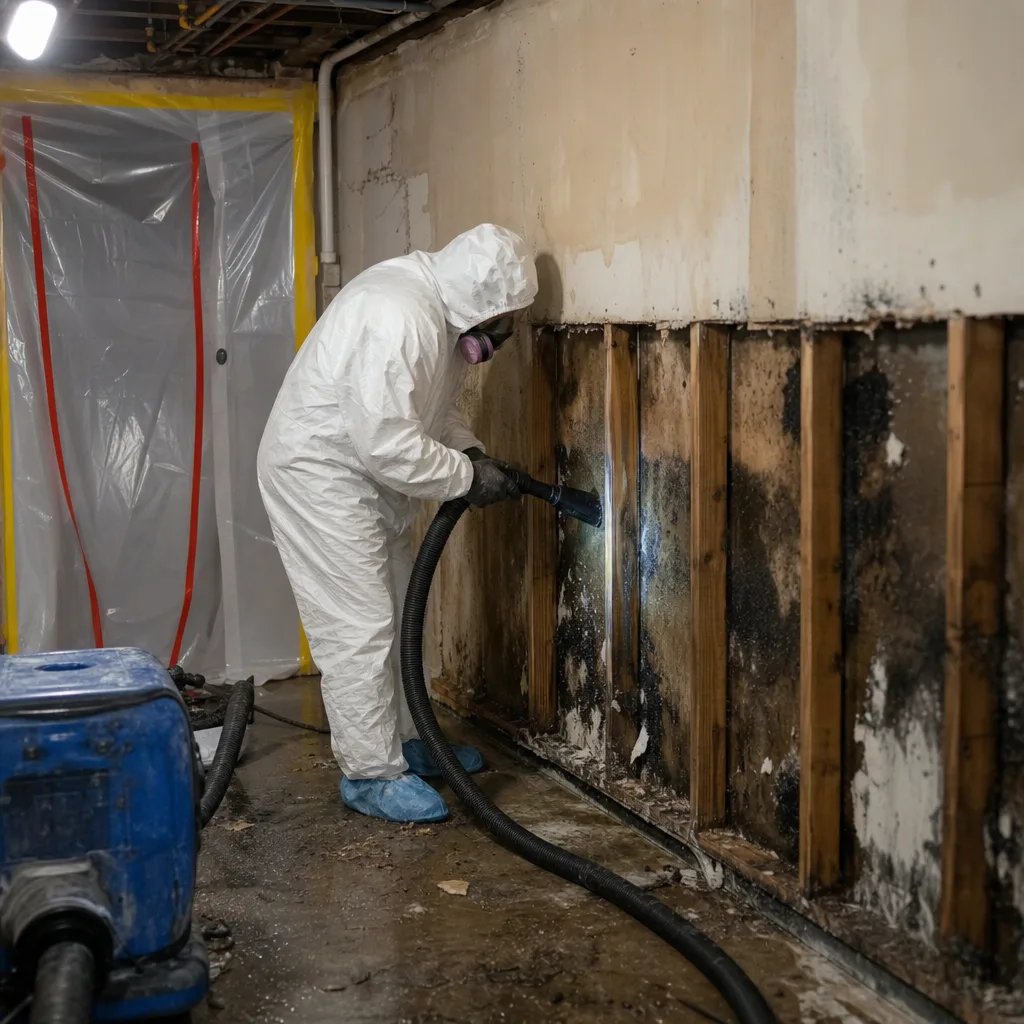
Structural Drying & Dehumidification
Dense horsehair plaster and multi-layer parquet demand longer drying cycles than modern construction. We size dehumidifier capacity to the latent load, not the square footage, and log psychrometric data daily. Standard residential drying in Upper East Side pre-war units runs $1,800-$3,200 for a 3-5 day cycle; commercial or large classic-seven layouts scale from $3,500-$6,500.
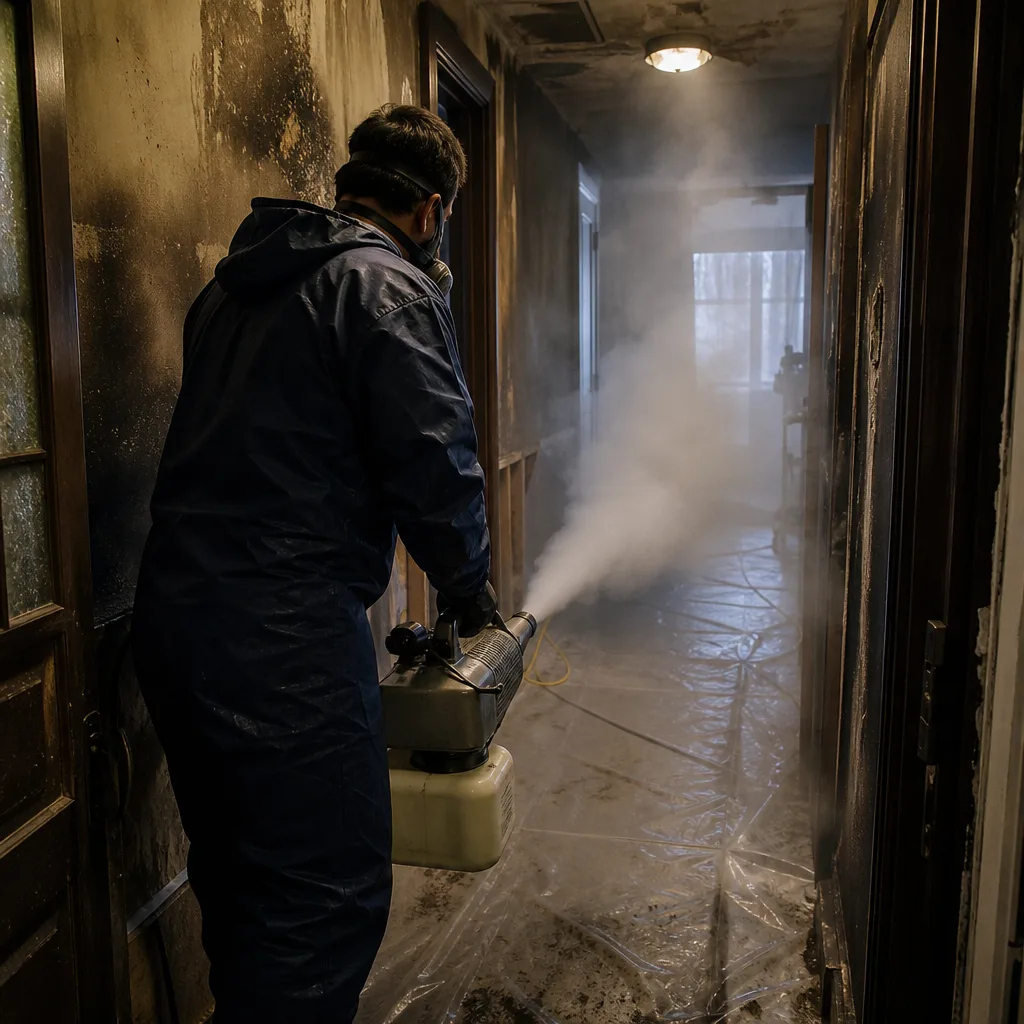
Flood Cleanup
Coastal flooding from storm surge or drainage backup brings Category 2 or 3 contamination. We extract, apply antimicrobial, remove compromised porous materials, and HEPA-scrub the air before any rebuild begins. Flood cleanup in river-facing Yorkville buildings typically ranges $4,500-$9,000 depending on contamination level and affected volume.
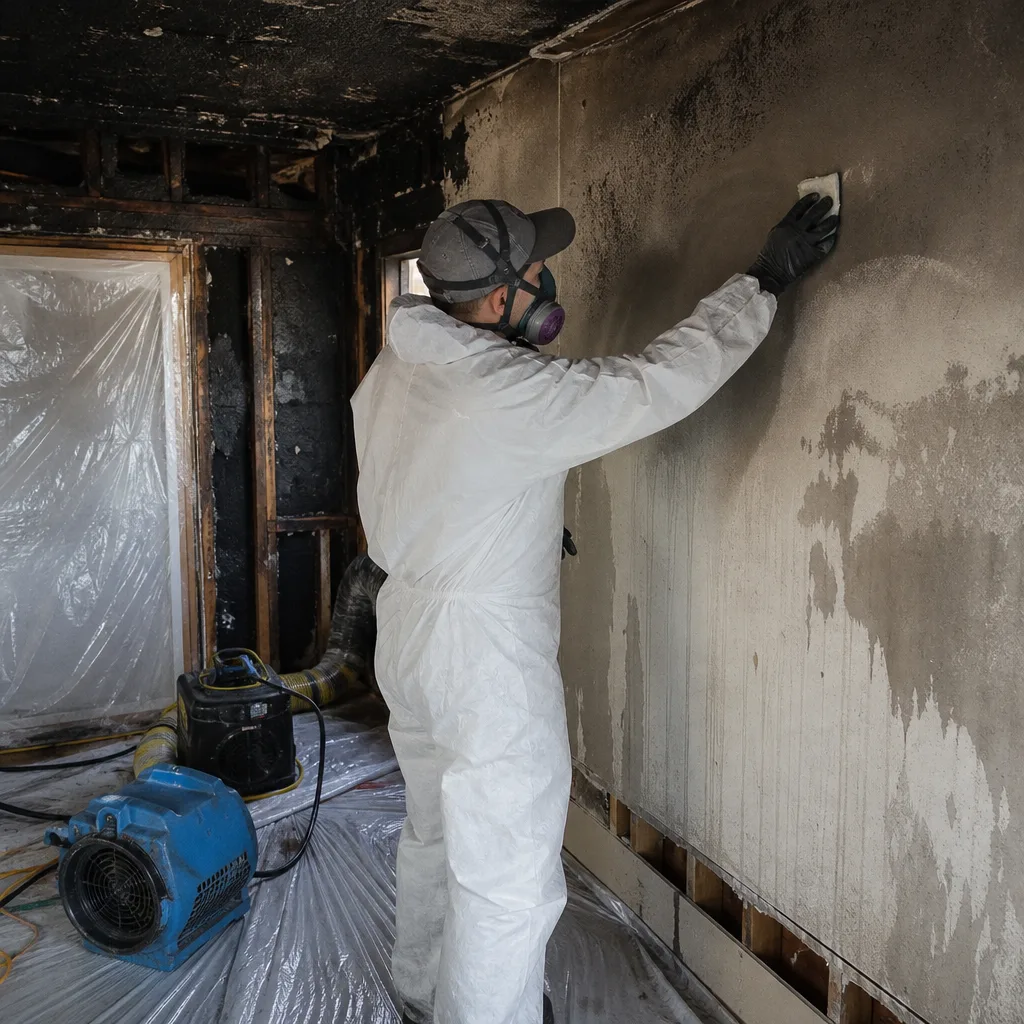
Burst Pipe Restoration
Cast-iron and galvanized risers in pre-war buildings fail catastrophically when they go. We extract the immediate water, map migration through shared walls and floors, and coordinate with the building’s plumber on riser repair. Burst pipe restoration with associated drywall and plaster repair in Upper East Side co-ops runs $3,200-$7,500, with reconstruction adding $2,000-$5,000 depending on finish matching requirements.
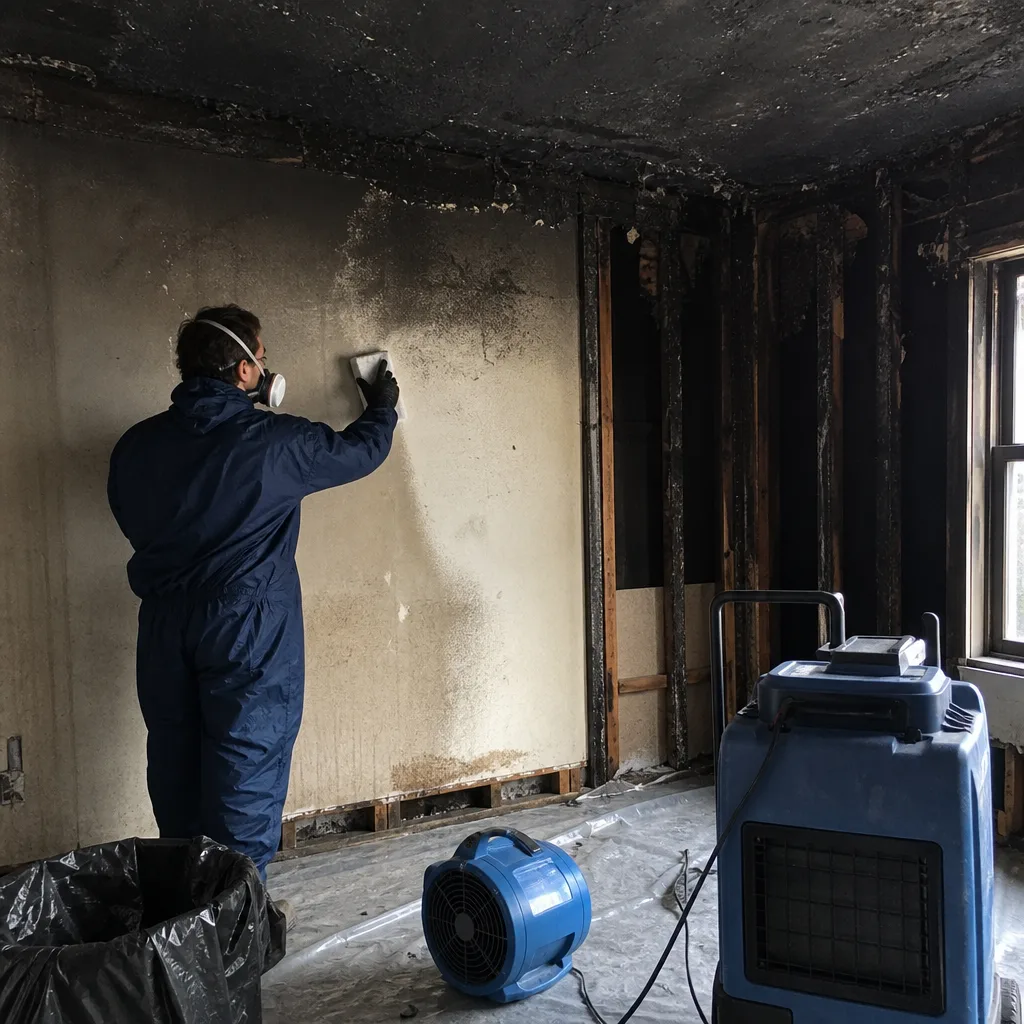
Basement Water Removal
Pre-war basement mechanical rooms and storage areas along the FDR corridor flood repeatedly. We pump, dry, and treat for mold prevention, then document conditions for the building’s engineer if infrastructure upgrades are needed. Basement water removal starts at $650-$1,200 for extraction and initial drying.
Ceiling & Roof Leak Water Damage
Flat-roof parapet failures and clogged drains send water through multiple units. We trace the entry point, contain affected ceilings, and dry plaster without demolition where possible. Ceiling restoration with plaster repair and finish matching in Upper East Side co-ops ranges $1,500-$4,000 per room.
What happens when you call
- 1
A real person answersNo phone trees - you reach a local pro.
- 2
You get an upfront price rangeHonest numbers before anyone is dispatched.
- 3
A background-checked tech heads outLicensed & insured, dispatched right away.
- 4
You approve before work beginsNothing starts until you say go.
Water Damage Restoration Costs in Upper East Side, NY
| Service | Typical Range in Upper East Side |
|---|---|
| Emergency water extraction (first 2 hrs) | $450 - $900 |
| Residential structural drying (3-5 days) | $1,800 - $3,200 |
| Large apartment / commercial drying | $3,500 - $6,500 |
| Flood cleanup (Category 2-3) | $4,500 - $9,000 |
| Burst pipe restoration + repair | $3,200 - $7,500 |
| Reconstruction / finish matching | $2,000 - $5,000+ |
What moves the price: water category (clean vs. contaminated), affected square footage, material density (plaster vs. drywall), access constraints (elevator windows, board-mandated after-hours premiums), and whether asbestos or lead abatement is required before demolition. Insurance typically covers sudden and accidental water damage from plumbing failures; gradual leaks and flood damage from exterior sources may require separate flood coverage. We review your policy with you and coordinate directly with your adjuster. Call (551) 213-5277 for a free visual inspection and written scope - estimates are free, and Haven Standard Clause 1 means the price you approve is the price you pay.
We Also Serve Cities Near Upper East Side
Our Water Damage Restoration in Upper East Side crews respond throughout the immediate metro area. We regularly serve Manhattan for high-rise and commercial losses, the Upper West Side for pre-war co-op restoration with similar board protocols, Astoria for mixed residential and industrial flooding, and East Harlem for large-scale apartment complex and NYCHA building water damage. Dispatch and scheduling are coordinated from our New York City office; crews serve Upper East Side locally with no cross-borough delay for emergency calls.
Serving Upper East Side, NY - Our Local Coverage Area
We’re based in the Upper East Side area and know this community well. Use the map below to see our service coverage - if you’re nearby, we can almost certainly help.
Upper East Side Water Damage Restoration Questions, Answered
What does a co-op board need before your crew can start water damage restoration on the Upper East Side?
A certificate of insurance naming the building corporation as additional insured, proof of approved-vendor status if the building maintains a list, and sometimes a specific work-hours or elevator-use schedule. We prepare this paperwork before dispatch for every Upper East Side co-op call. Call (551) 213-5277 and we’ll coordinate directly with your building management.
Why does a pipe leak in a pre-war Upper East Side apartment sometimes show up floors away?
Shared cast-iron or galvanized risers run vertically through walls, and water follows the path of least resistance through plaster cavities, behind baseboards, and along structural channels. In a recent Carnegie Hill job, a cast-iron riser failure off Park Avenue sent water through horsehair plaster for four floors before any ceiling stain appeared. We map moisture migration with thermal imaging before cutting anything, so we find the full extent instead of chasing symptoms.
Do you test for asbestos or lead paint before restoration demolition?
Yes, on virtually every pre-1978 Upper East Side job. We sample suspect plaster and painted surfaces, send to a certified lab, and await results before demolition begins. If positive, we file abatement plans with the co-op board and use EPA RRP lead-safe or NYCDEP asbestos protocols. This protects residents, satisfies board requirements, and preserves your insurance claim validity. Call (551) 213-5277 to discuss your building’s year of construction and likely testing needs.
How fast do you respond to flood backup near the FDR and Carl Schurz Park?
Our 45-minute response commitment covers all Upper East Side addresses, including river-facing Yorkville buildings. We stage equipment for flood-prone corridors during storm warnings, and our dispatch team pre-clears building access protocols for repeat-call properties. The sooner we extract and set drying equipment, the less secondary damage you face. Call (551) 213-5277 for immediate dispatch.
Why does coastal hardware matter on an Upper East Side water damage call?
River-driven salt air and humidity along the East River blocks corrodes mechanical systems years before inland hardware fails. We often find seized sump pumps, rusted backflow preventers, and degraded galvanized drainage during water loss calls in Yorkville and East End Avenue buildings. Identifying these failures during mitigation prevents the next flood. Our documentation includes mechanical condition reports for your building’s engineer.
Will my insurance cover water damage restoration in my Upper East Side co-op?
Sudden and accidental plumbing failures are typically covered under HO-6 or building policies, though co-op shareholders should confirm their individual coverage and the building’s master policy boundaries. Gradual leaks, maintenance issues, and flood damage from exterior sources usually require separate flood coverage. We document everything from hour one, write to IICRC standards, and coordinate directly with adjusters to maximize claim support. Call (551) 213-5277 for a free inspection and policy review.
How long does structural drying take in a pre-war Upper East Side apartment?
Most residential drying cycles run 3-5 days for Category 1 and 2 losses in pre-war construction. Horsehair plaster and dense parquet extend timelines compared to drywall - typically 24-48 hours longer for equivalent square footage. We log moisture readings daily and don’t remove equipment until materials reach dry standard per IICRC S500. Rushing this step guarantees callbacks for mold or finish failure.
Can we stay in our apartment during water damage restoration?
For contained Category 1 losses affecting one room, often yes. For Category 2-3 contamination, multi-room damage, or any asbestos/lead abatement, temporary relocation is usually required and may be covered under additional living expenses in your policy. We define containment boundaries and air quality conditions at inspection, so you have clear guidance before work starts. Call (551) 213-5277 to discuss your specific situation.
Water damage in Upper East Side’s pre-war buildings demands more than fast extraction. It requires crews who understand co-op protocols, can document to insurance standards from the first hour, and know the difference between horsehair plaster and modern drywall. Alicia Brennan founded Back to Dry Restoration in 2011 after years as a claims adjuster watching homeowners lose fights they should have won - over missing photos, incomplete scopes, and verbal promises that evaporated. The Haven Standard exists because that documentation gap is fixable. We’ve restored 12,000+ homes since, every one with a written price before work started and a documented record when we left. The 365-Day Done Right Promise is signed, not spoken. If it’s not right, we make it right.
Call (551) 213-5277 for a free visual inspection and written scope. A live person answers, 24 hours a day, 7 days a week. Estimates are free. Haven Standard, Clause 1: the price you approve is the price you pay.
Written by Alicia Brennan, Owner at Back to Dry Restoration, serving Upper East Side since 2011.
Water Damage Restoration in Nearby Areas