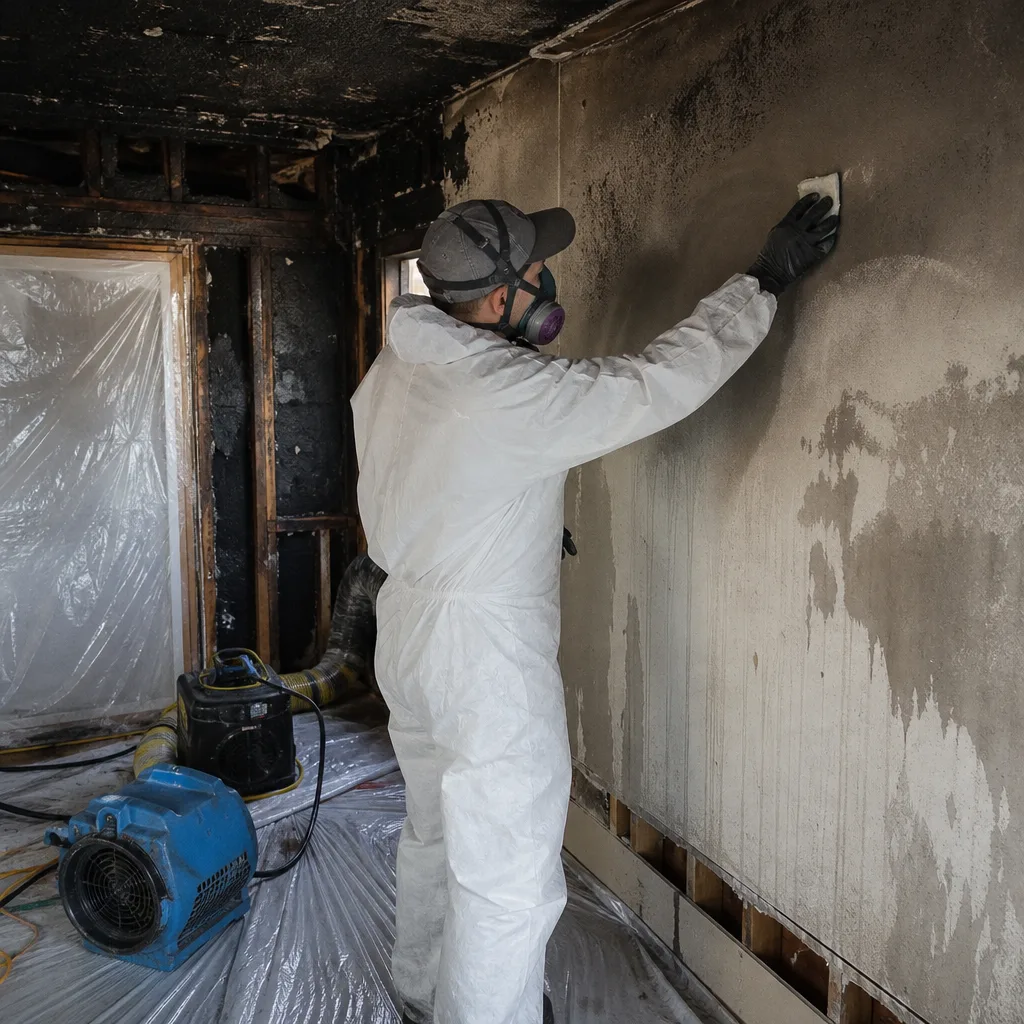
Free visual inspection and a written scope of work before any mitigation begins - photos, moisture readings, and drying logs go in your claim file
The scope we write is the scope we bill. Anything new gets shown to you, in writing, before we touch it.
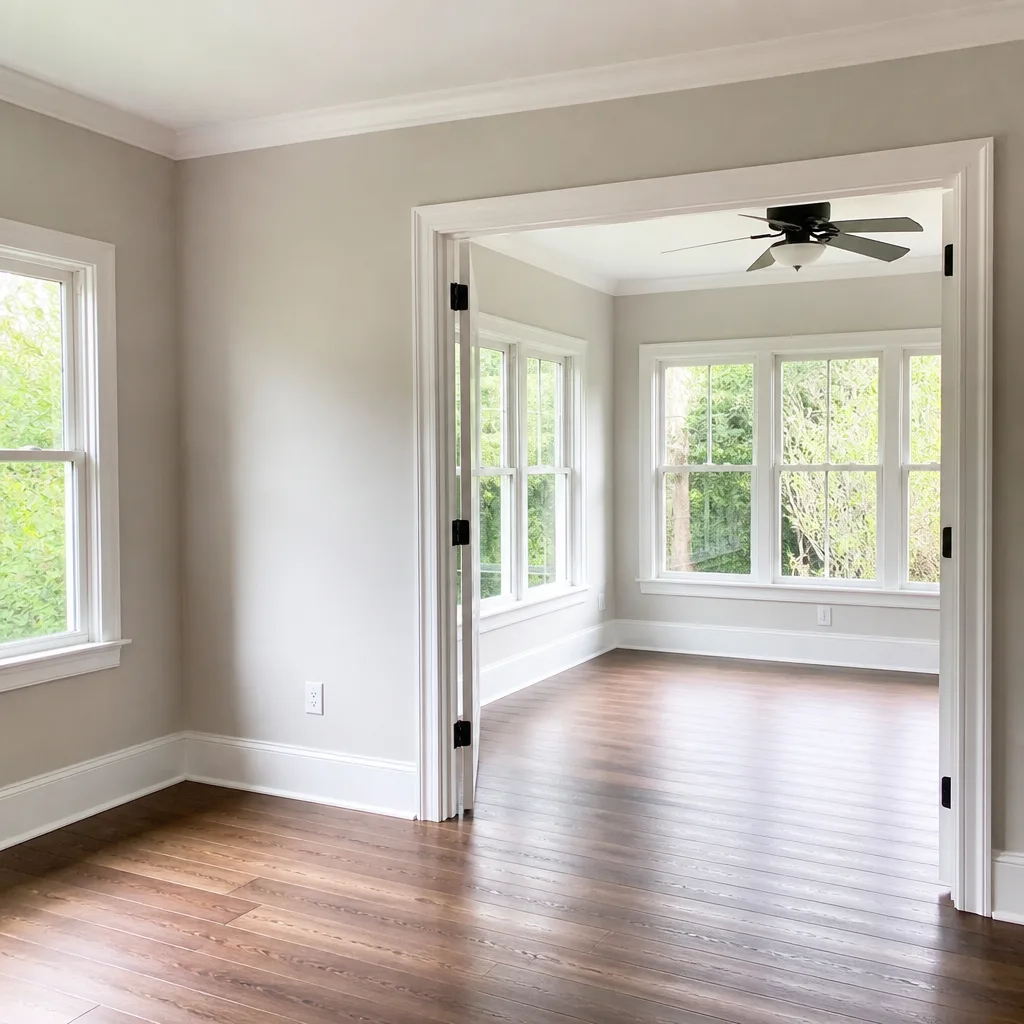
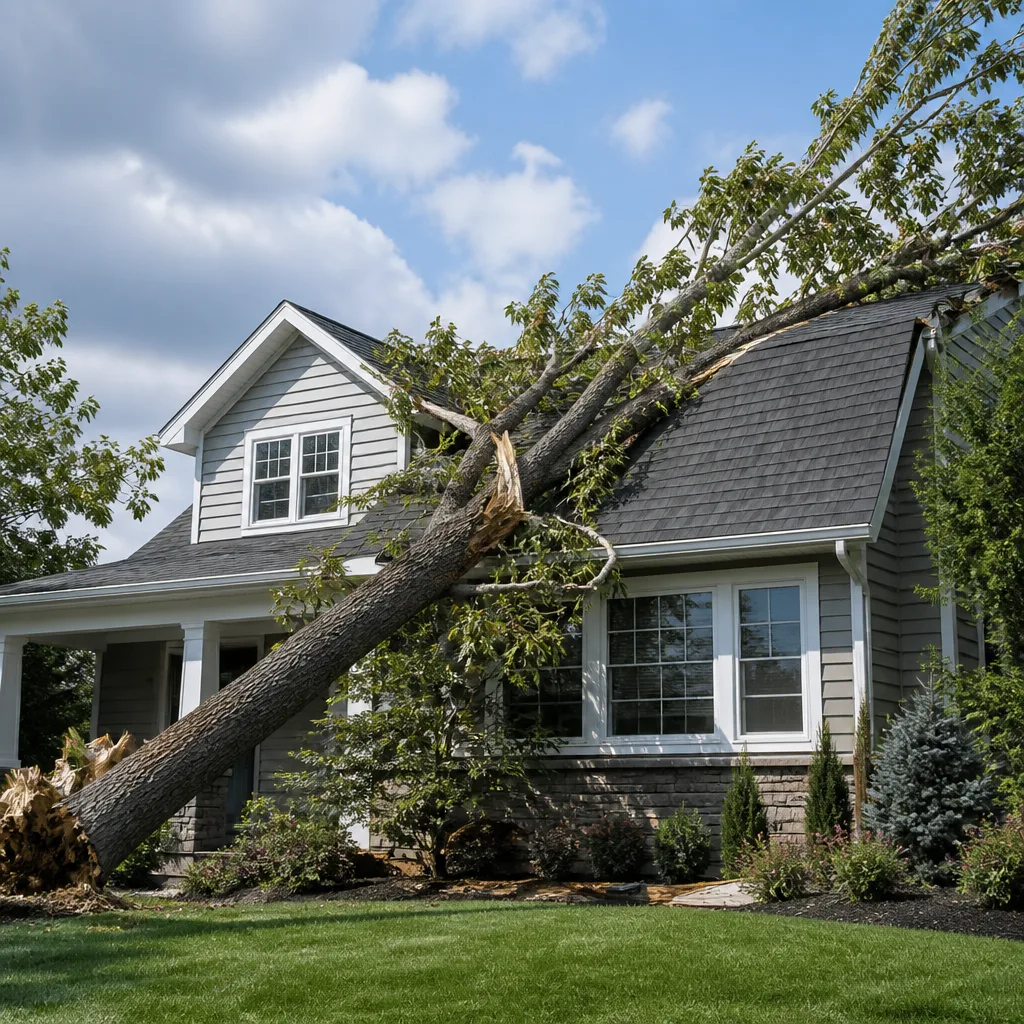
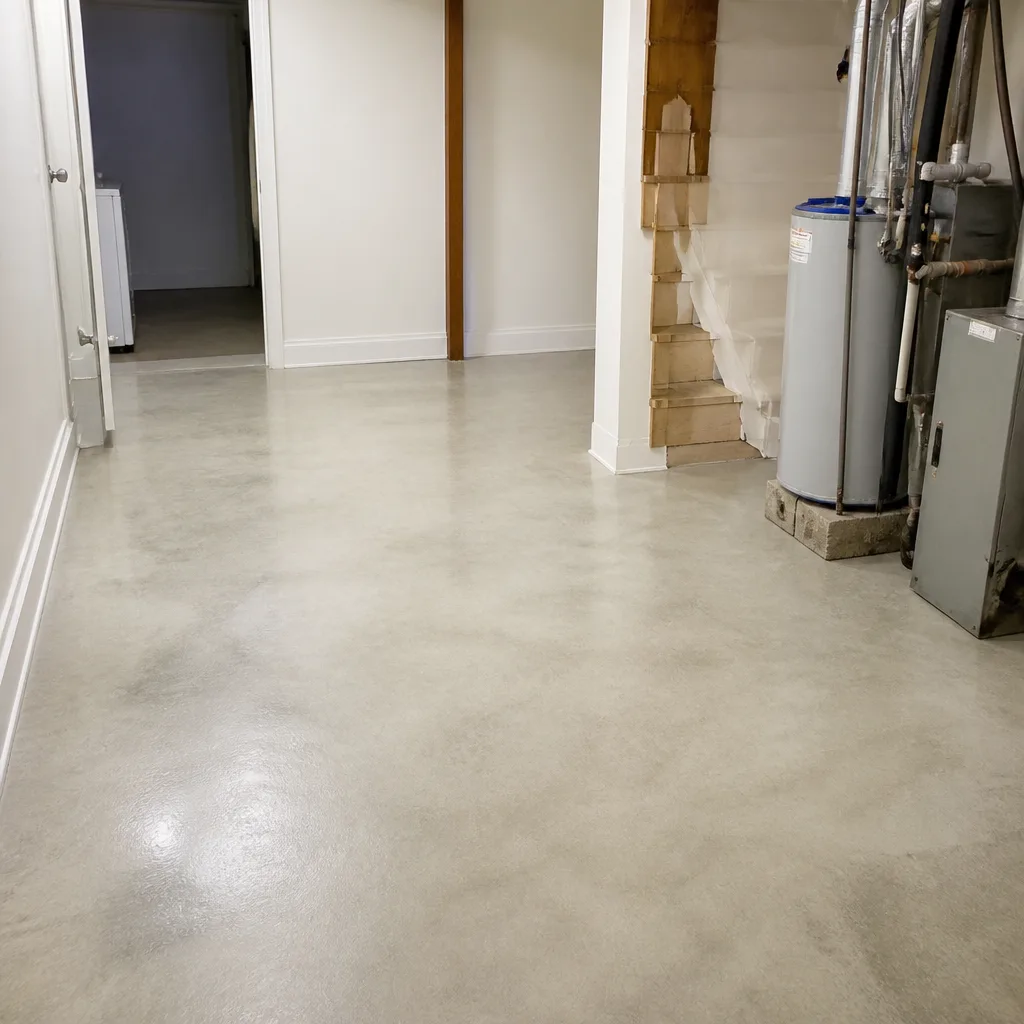
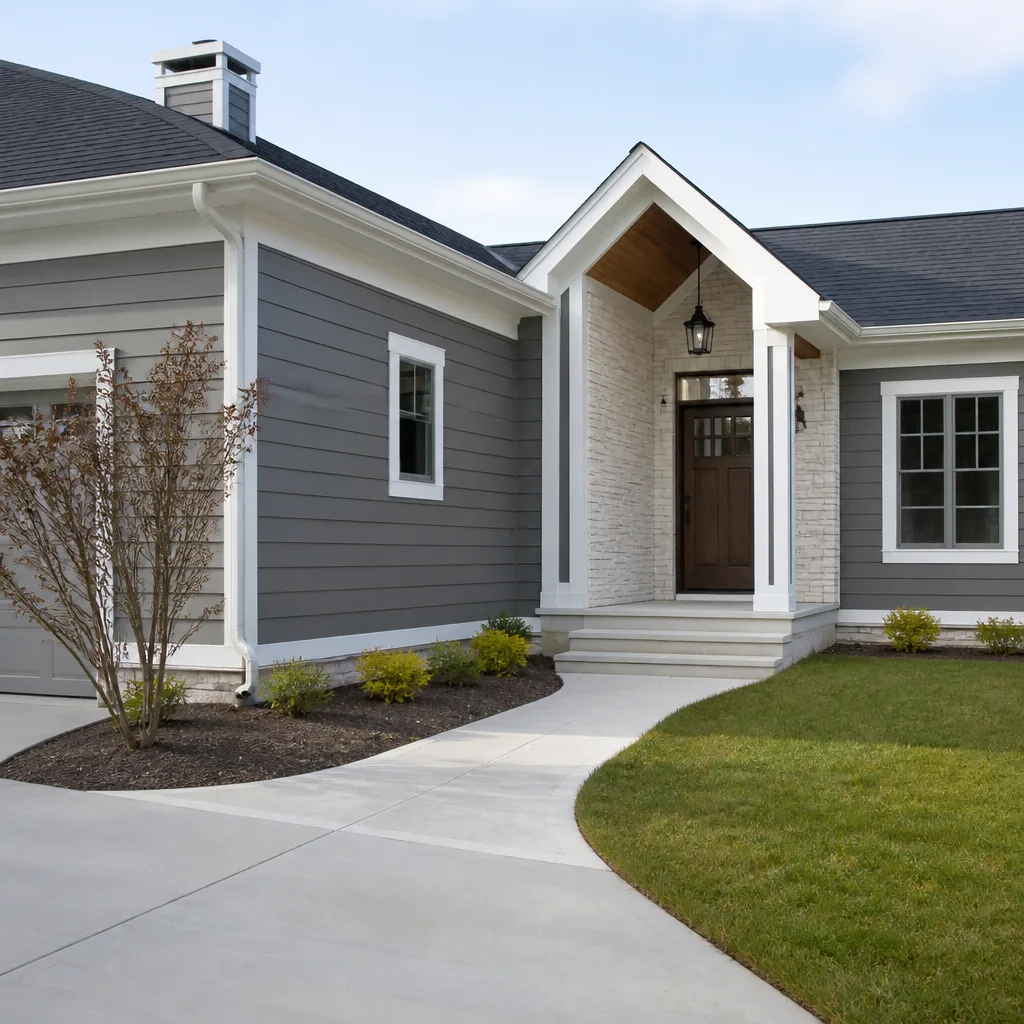
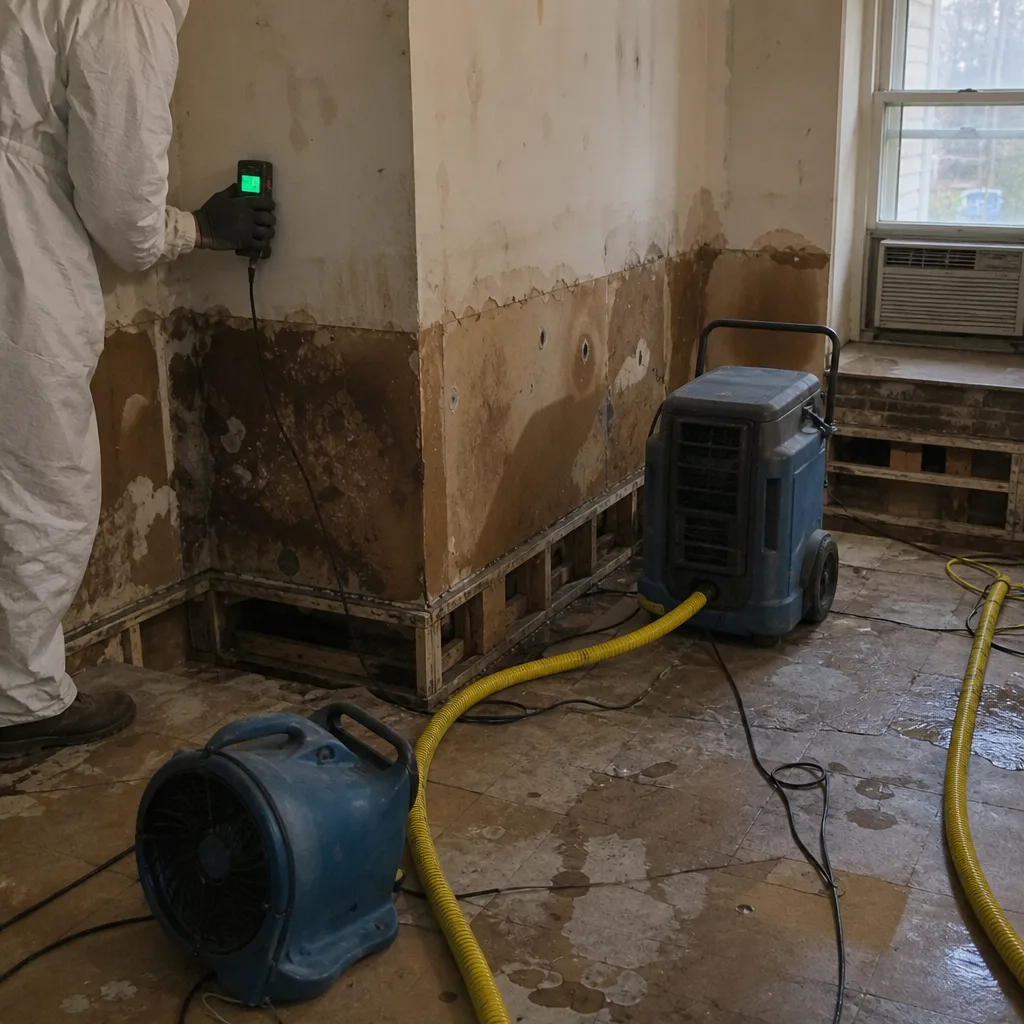 Before
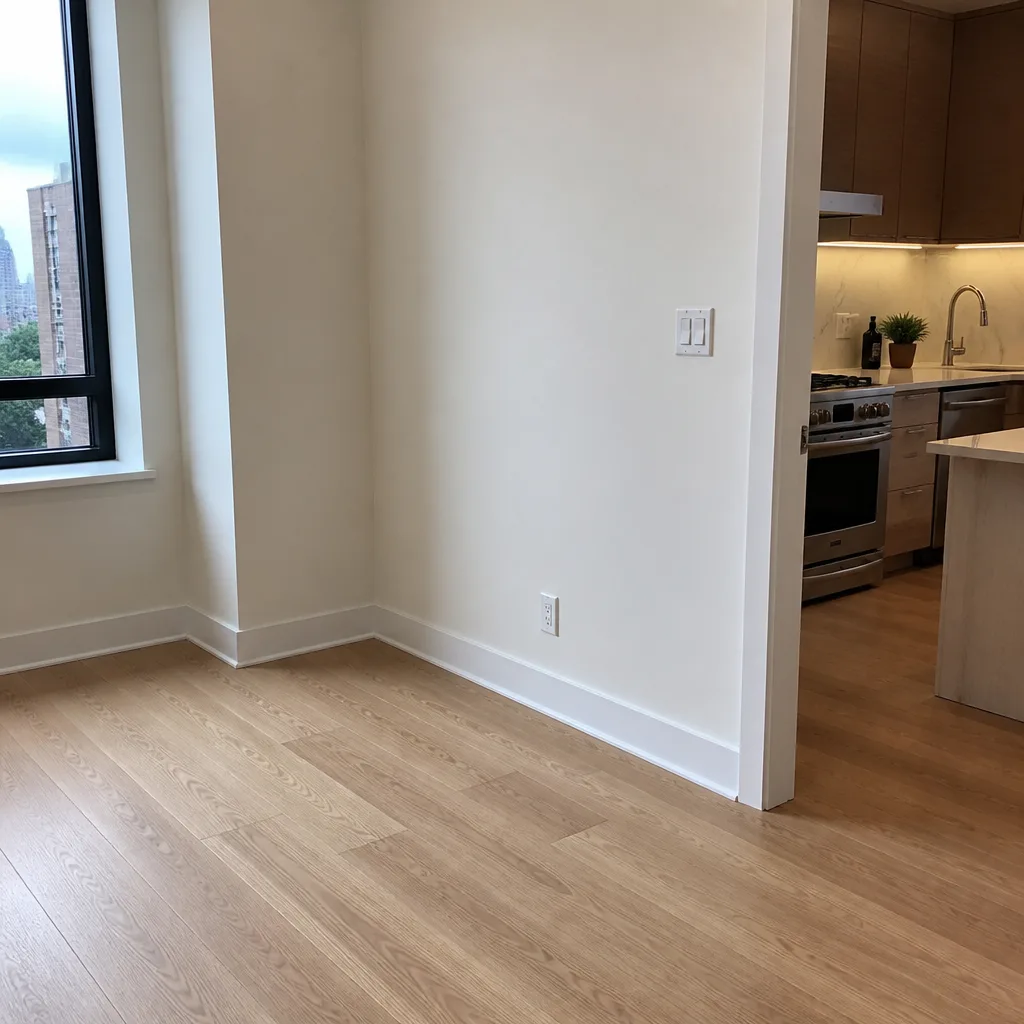 After
After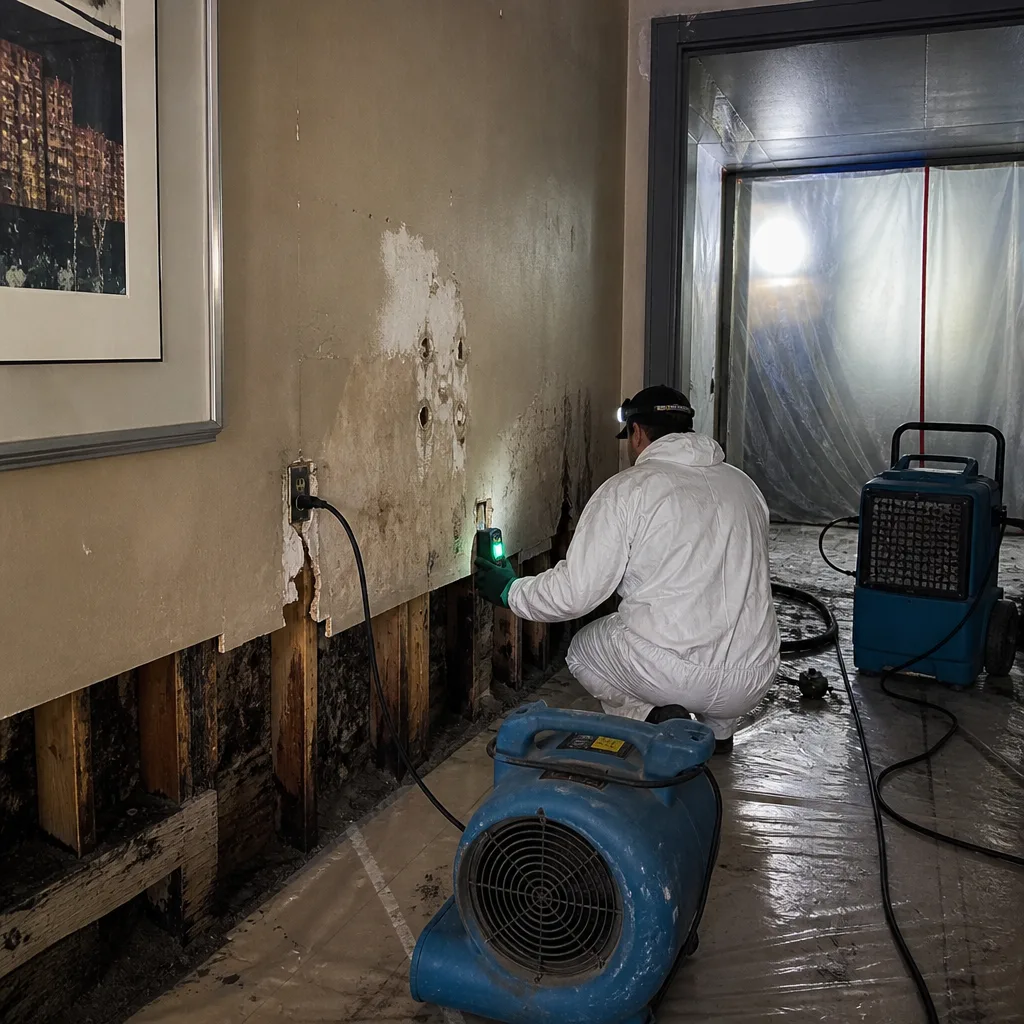 Before
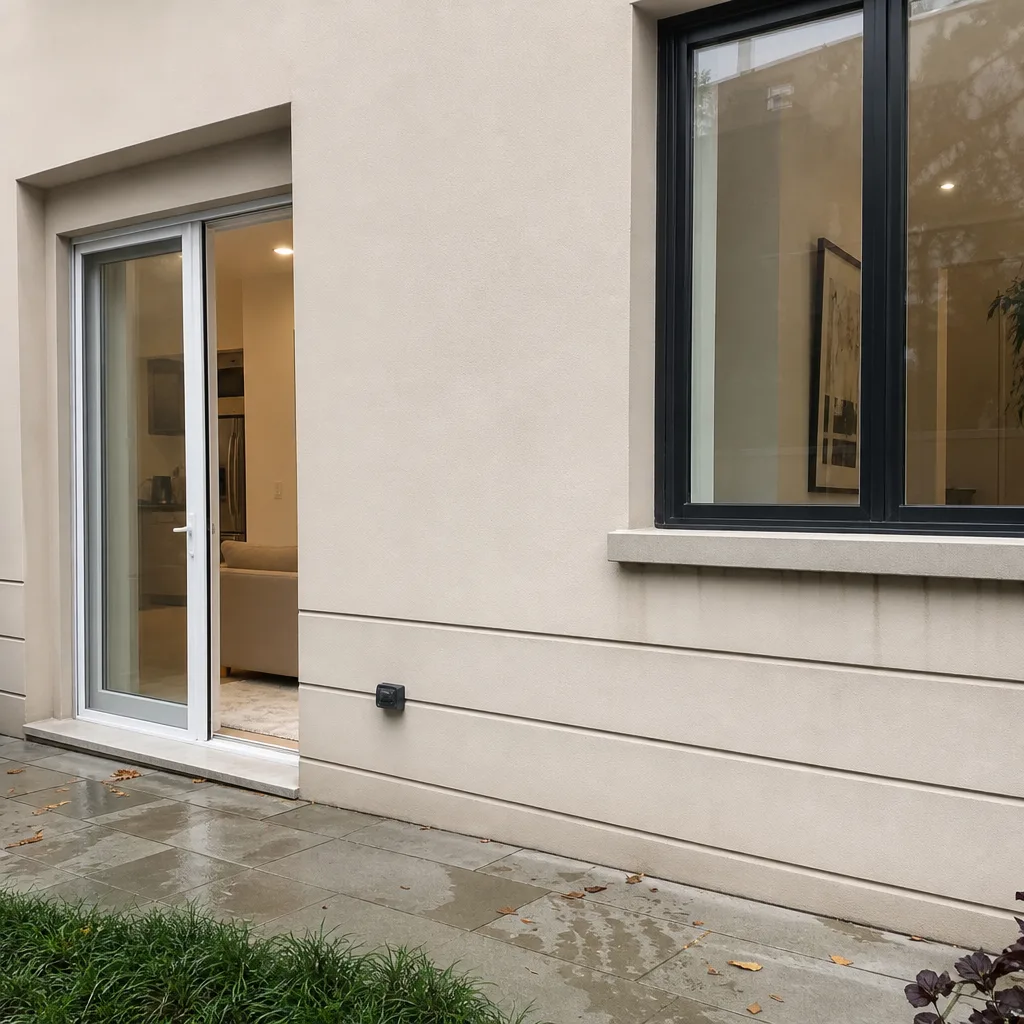 After
After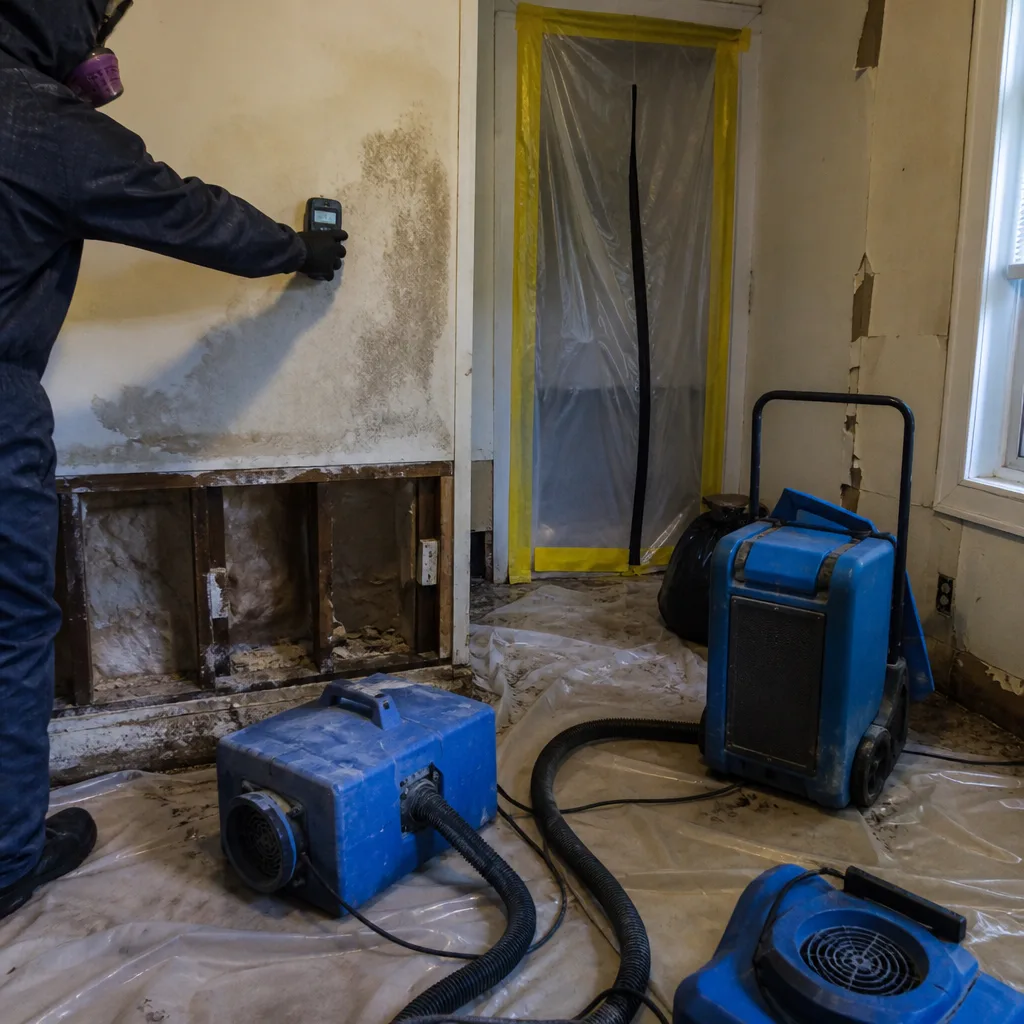 Before
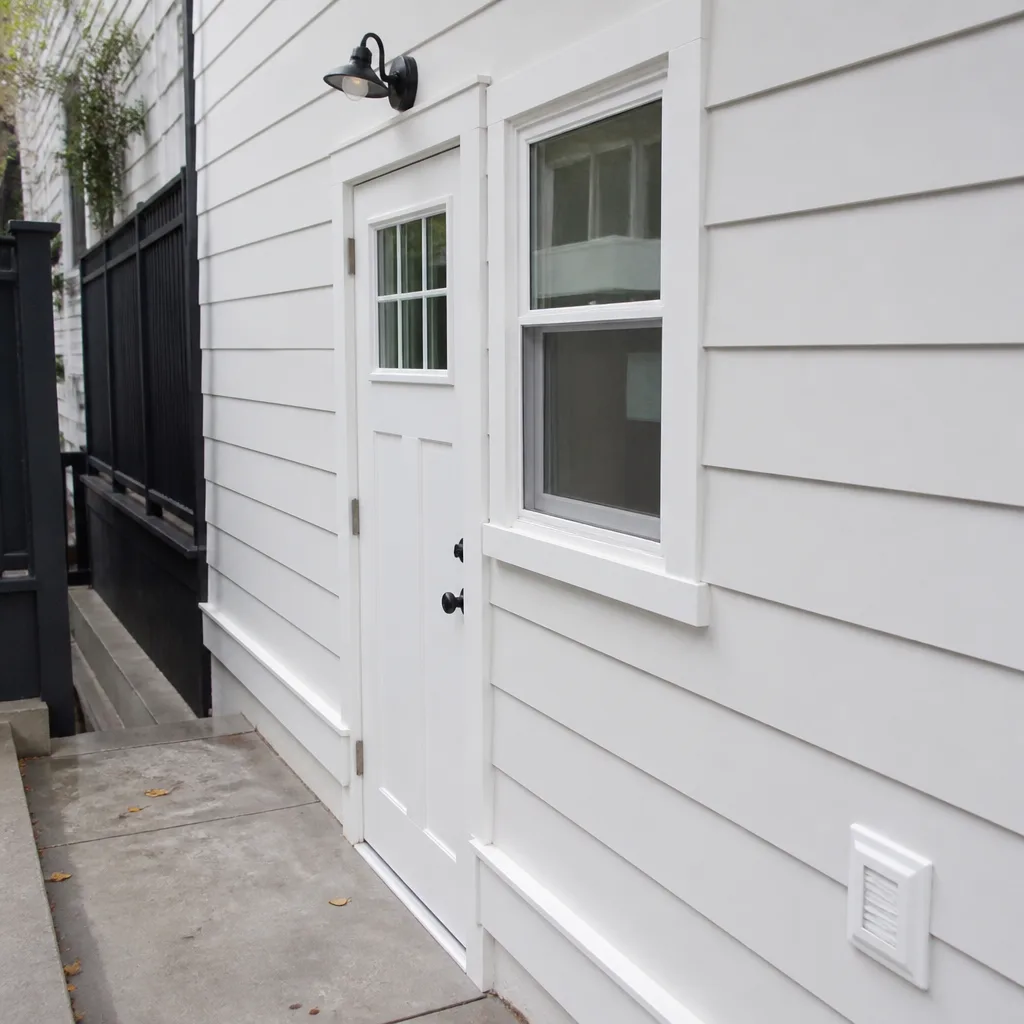 After
After24/7 Emergency Fire & Smoke Damage Restoration in Morningside Heights
Fire and smoke damage restoration in Morningside Heights typically costs $4,200-$18,500 depending on the unit size, smoke penetration depth, and whether the building is co-op or university-managed. Most emergency board-up and stabilization work begins within 45 minutes of your call. Our crews are dispatched from our New York City office and carry the equipment to secure pre-war masonry buildings on streets from West 110th to West 125th.
A fire in a Morningside Heights apartment doesn’t stop damaging your property when the flames go out. Smoke migrates through shared wall cavities, elevator shafts, and original steam-heat risers. Soot etches marble thresholds and brass hardware within hours. The first 60 minutes determine whether restoration stays contained to one unit or spreads to common areas that trigger building-wide insurance disputes. That’s why we answer live at (551) 213-5277, 24 hours a day, 7 days a week. No voicemail trees. No next-business-day callbacks while smoke residue is still active.
We provide a free visual inspection, a written price before any work starts, and a documented photo record on every visit. Haven Standard, Clause 1.
Understanding Fire & Smoke Damage Restoration Severity in Morningside Heights Properties
Fire damage in Morningside Heights follows patterns shaped by the neighborhood’s housing stock: six-to-twelve-story masonry buildings built 1900-1930 with plaster-over-lath walls, original steam radiator systems, and in many cases, galvanized supply risers that have been weeping behind finishes for decades. We classify every loss by three factors: the fire source and burn depth, smoke migration path through the building’s vertical channels, and the water damage from suppression efforts interacting with pre-existing moisture.
Light smoke damage affects surfaces only: walls, ceilings, and contents in the fire room with dry soot that responds to HEPA vacuuming and wet cleaning. Moderate damage means smoke has entered wall cavities through electrical outlets, radiator pipe penetrations, or gaps around original window frames; the plaster itself has absorbed odor compounds that will re-release when steam heat reactivates them. Severe damage involves structural compromise, significant water saturation from suppression, and smoke penetration into multiple units or common areas through the building’s original masonry flues and elevator shaft.
The critical variable in Morningside Heights is institutional ownership. Columbia University and Barnard College manage a large share of local residential stock. Their procurement and facilities approval protocols add days to any scope that touches common elements, electrical, or plumbing. A crew that doesn’t document pre-loss condition and coordinate paperwork from hour one will watch smoke damage compound while approvals circulate.
Why Morningside Heights Property Owners Choose DryMark Restoration Upper East Side
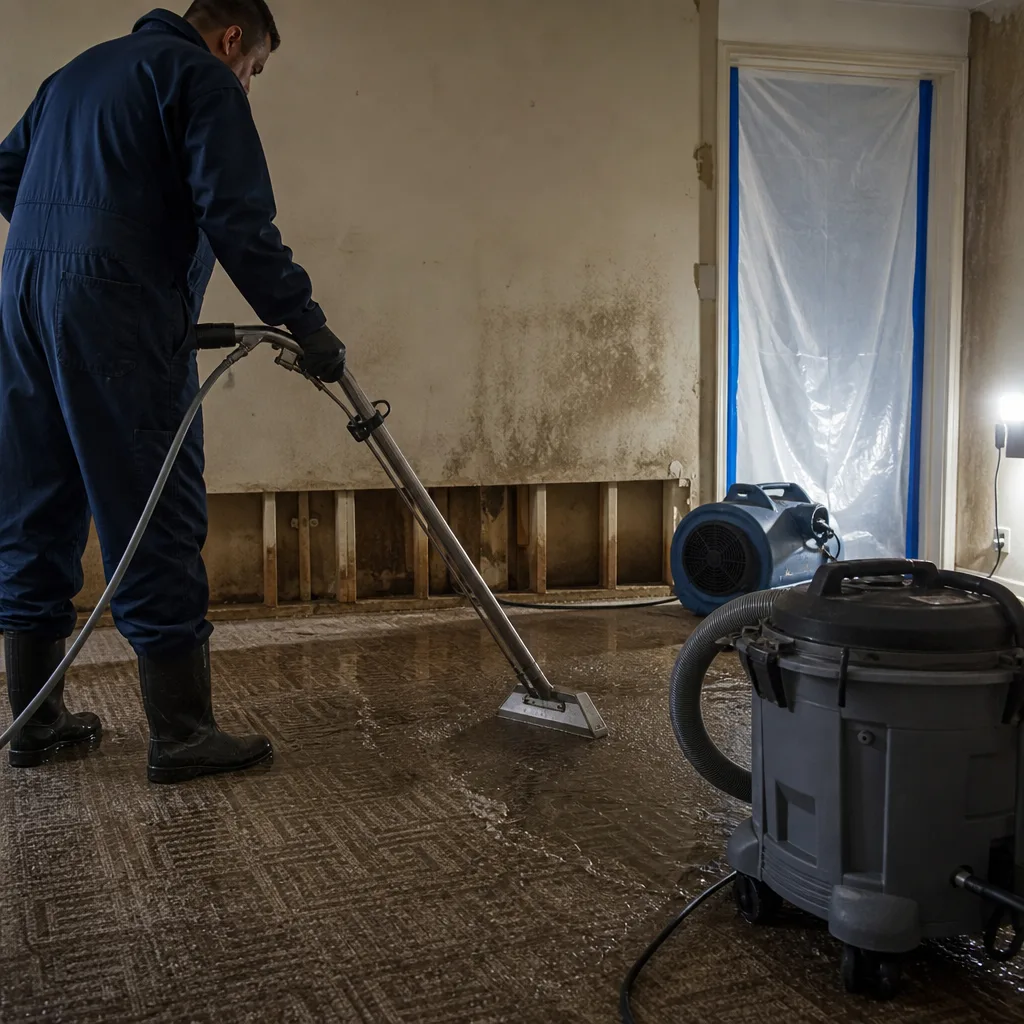
- 45-minute response commitment to Morningside Heights from our New York City dispatch office, with crews carrying board-up materials sized for pre-war masonry window openings.
- 24/7 live answer - a real person picks up every call, never an automated system or voicemail queue, because fire damage doesn’t observe business hours.
- IICRC-certified crews holding FSRT (Fire and Smoke Restoration Technician) and WRT (Water Damage Restoration Technician) certifications, with documented training on pre-war building systems.
- Free visual inspection with a written price delivered before any work begins, every time, with no exceptions - Haven Standard, Clause 1.
- Direct insurance billing and adjuster coordination, including photo-documented pre-loss condition reports that satisfy Columbia and Barnard facilities departments.
- One team from emergency board-up through final reconstruction, so no handoff gaps between mitigation and repair scopes.
BeforeAfterOur Fire & Smoke Damage Restoration Process
1. Inspection & Assessment
We arrive with thermal imaging cameras, moisture meters, and hygrometers to map the full loss perimeter. In Morningside Heights pre-war buildings, this means checking behind original plaster for concealed water from suppression efforts and documenting pre-existing moisture from weeping galvanized risers. You receive a written scope and price before any work starts.
2. Emergency Board-Up & Tarping
We secure fire-damaged windows, doors, and roof openings with materials sized for original masonry openings, not standard modern frames. For Columbia or Barnard-managed buildings, we photograph pre-loss condition and initiate facilities approval documentation simultaneously with stabilization.
3. Water Extraction & Structural Drying
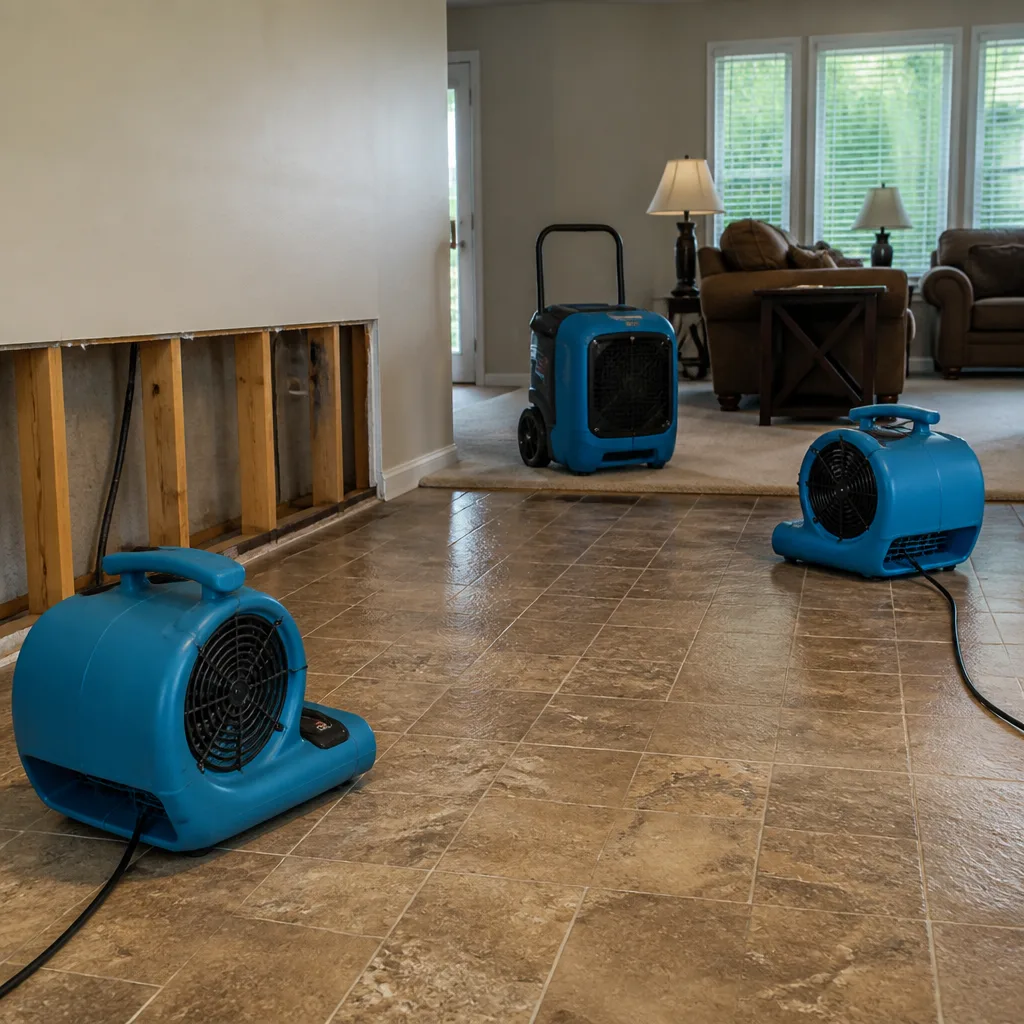
Fire suppression water is extracted using truck-mounted systems, then we deploy air movers, dehumidifiers from Phoenix and XPOWER, and Injectidry cavity-drying systems to pull moisture from behind plaster-over-lath walls. Daily moisture logs track progress to IICRC standards.
4. Smoke & Soot Removal
Dry soot is HEPA-vacuumed; oily residues from kitchen or electrical fires require solvent cleaning matched to the surface - marble thresholds, original hardwood, brass hardware. We clean by material classification, not by room, because pre-war Morningside Heights apartments contain finishes that don’t exist in new construction.
5. Odor Removal & Deodorization
Surface cleaning alone fails in horsehair plaster buildings. We deploy thermal fogging, ozone treatment, and hydroxyl generators to neutralize odor compounds absorbed deep into wall cavities. For steam-heat buildings, we time final treatment to heating cycles that would otherwise re-release trapped odors.
6. Repairs & Restoration
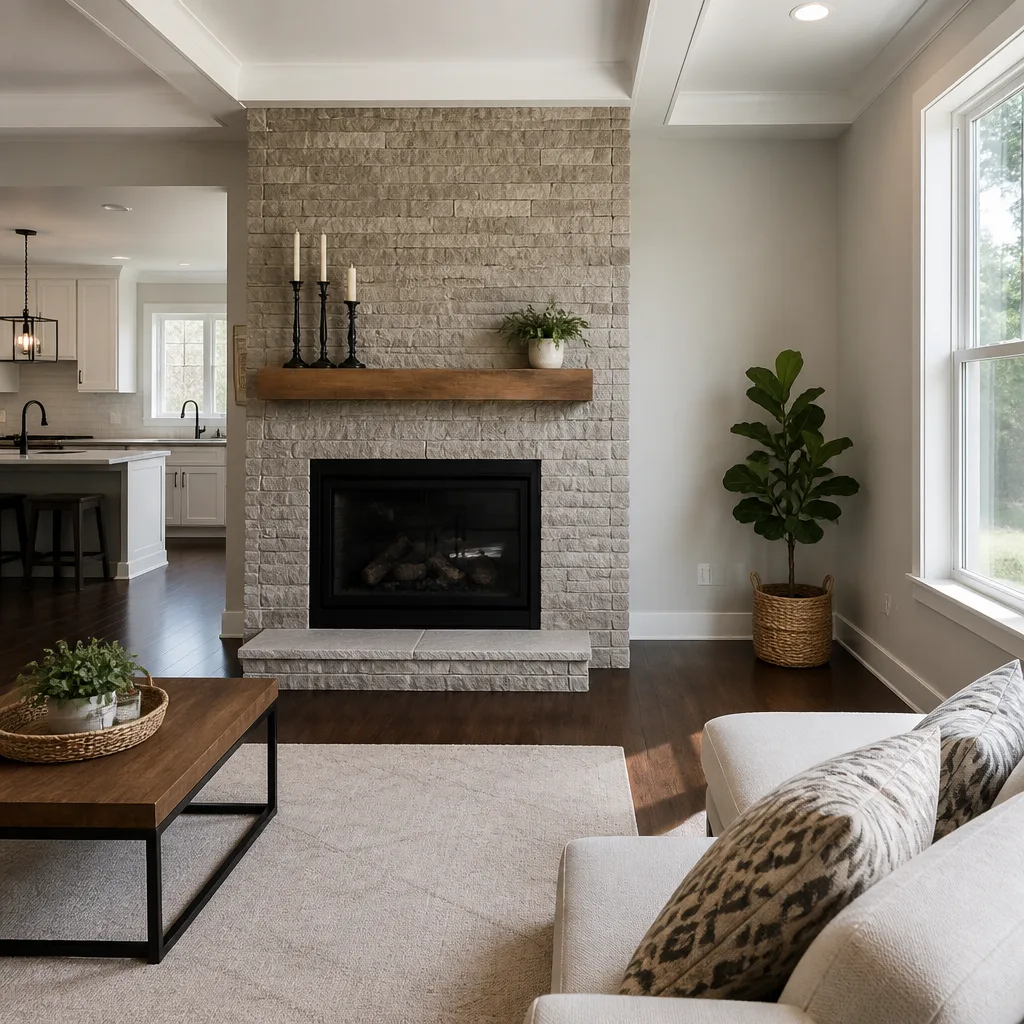
From plaster repair and lath replacement to full reconstruction, one crew completes the scope. All work is photo-documented, moisture-verified, and backed by our 365-Day Done Right Promise under The Haven Standard.
Need Emergency Fire & Smoke Damage Restoration in Morningside Heights Now?
Crews minutes away, answering live 24 hours a day. The sooner we start, the less it costs.
Working With Your Insurance Company
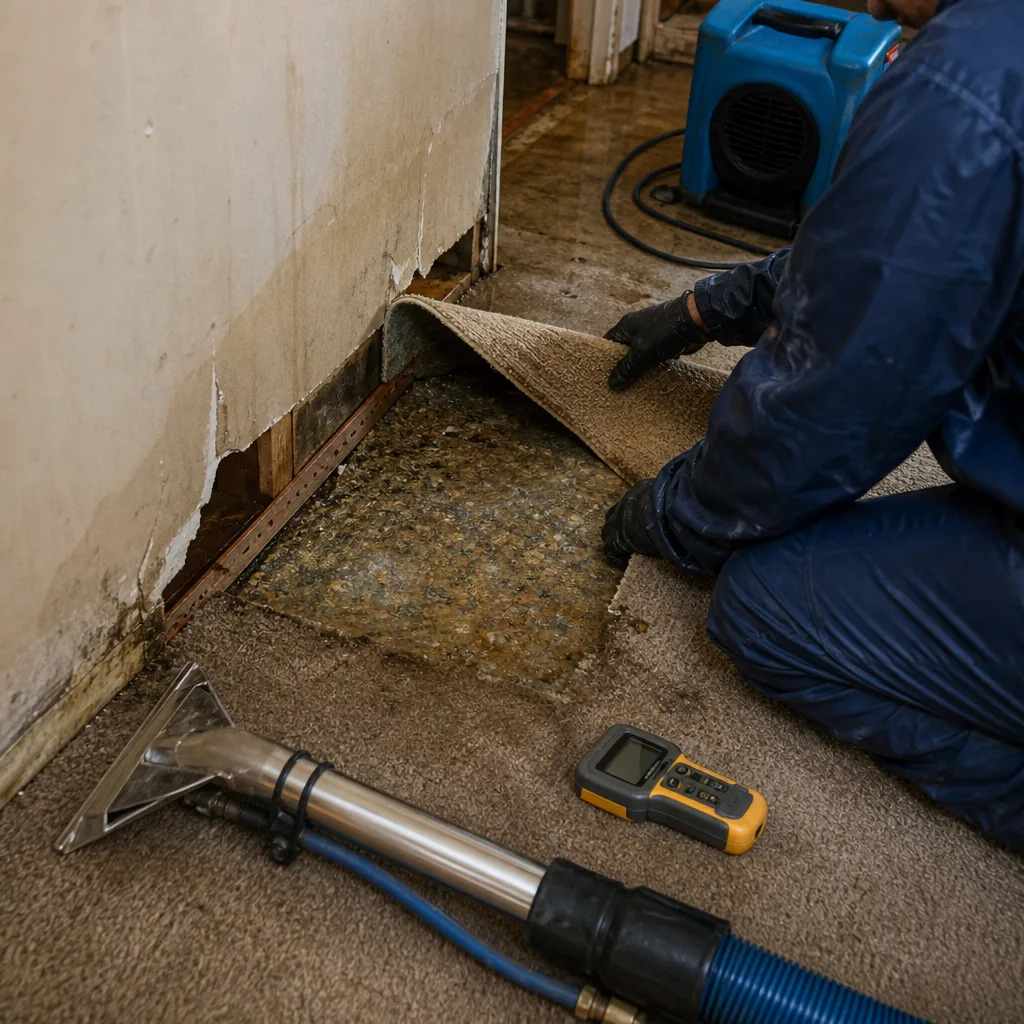
Fire claims in Morningside Heights involve layers that simpler losses don’t: co-op master policies, individual unit policies, and when Columbia or Barnard owns the building, institutional risk management with their own documentation requirements. We begin photographing and logging from the first hour, producing the records that keep claims moving through multiple approval chains.
Our estimates are built to industry-standard formats that adjusters recognize. We coordinate directly with your carrier, provide line-item scopes, and flag coverage questions early so you’re not negotiating retroactively. The photo record we generate on every visit becomes part of your claim file, not an upsell.
What We Provide Your Insurer
- Thorough documentation of the loss
- Photos of all damage, room by room
- Moisture readings and drying logs
- A detailed, line-item scope of work
- Direct coordination with your carrier
Built for Morningside Heights’s Loss Calendar
January deep freezes strain original steam systems, causing boiler failures that lead to space-heater fires in units with inadequate radiator heat. February and March bring the heaviest fire load: dry winter air, overloaded electrical circuits in buildings never wired for modern appliance loads, and the heating season’s peak demand on century-old systems.
April through June sees more outdoor grilling fires on terraces and fire escapes, plus the spring shift from heating to cooling that stresses original electrical. Summer thunderstorms don’t typically cause fire directly, but lightning strikes to pre-war masonry buildings with outdated grounding are a documented risk on West 116th Street and Morningside Avenue corridors.
October through December brings space heater season again, plus kitchen fires during holiday cooking in apartments with original ventilation. The critical pattern: every fire season in Morningside Heights intersects with steam-heat operation, meaning smoke odor absorbed into walls will be reactivated by radiators within months if not fully neutralized.
Fire & Smoke Damage Restoration Across Morningside Heights’s Neighborhoods
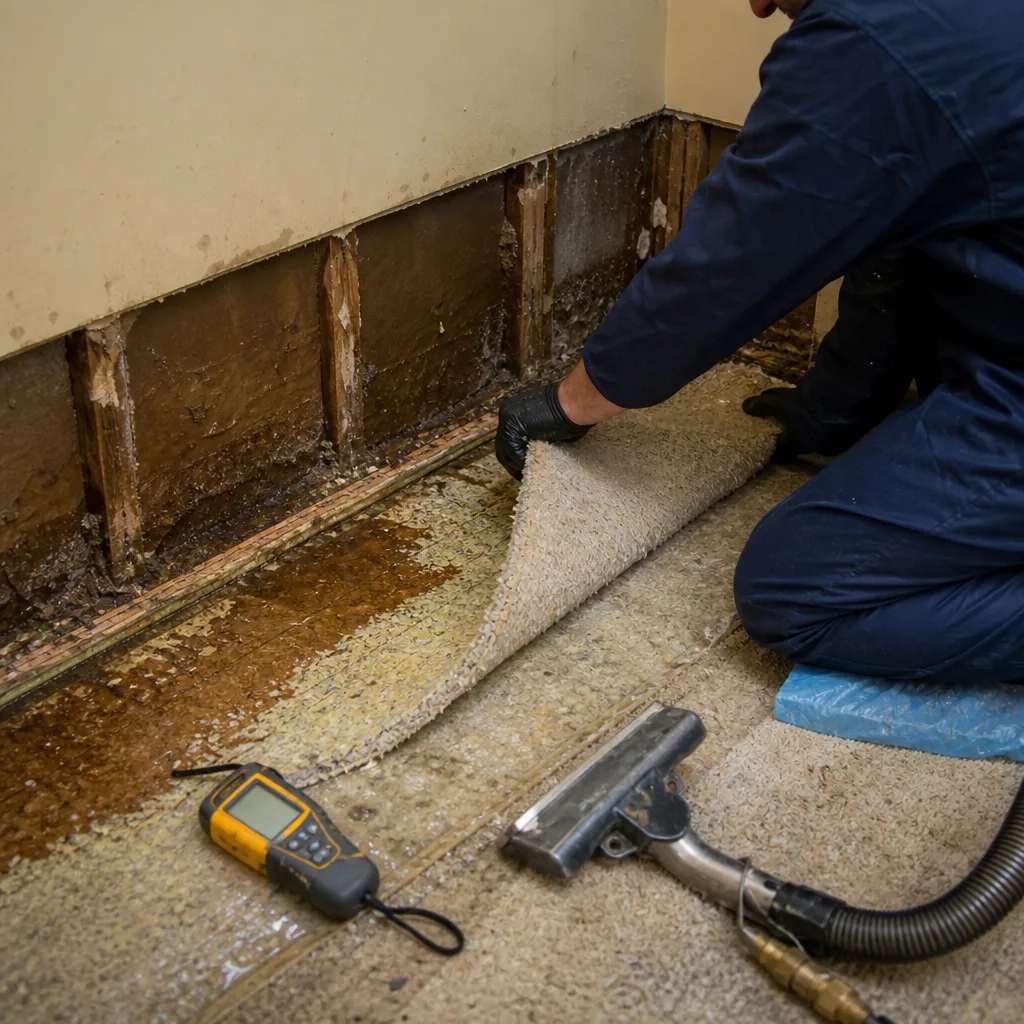
West 116th Street, between Broadway and Morningside Park, is dense with Columbia-managed faculty housing and co-op conversions. Fires here trigger dual approval chains: co-op board plus university facilities. Our crews arrive with pre-loss documentation templates that both entities accept, cutting days from the typical approval cycle.
The Barnard College corridor along Broadway, from West 116th to West 120th, contains a mix of college-owned residences and private pre-war stock. Kitchen fires are common in these buildings, and the original plaster-over-lath construction means smoke travels horizontally through shared walls between units that modern fireblocking would have separated.
West 125th Street and the Morningside Avenue edge, facing the park escarpment, presents a different profile: buildings here take on storm runoff during nor’easters, so fire scenes often reveal pre-existing Category 2 or 3 water in basements that complicates the restoration scope. We moisture-map these properties comprehensively because fire suppression water layered on chronic seepage creates mold conditions within 24-48 hours.
The interior blocks between Amsterdam and Broadway, particularly around the Cathedral of St. John the Divine, contain some of the neighborhood’s oldest residential stock. Original cast-iron radiators, marble thresholds, and brass hardware are standard finishes here. Soot etching begins within hours on these surfaces, and restoration requires material-specific cleaning protocols that generalist crews often miss.
Specialized Fire & Smoke Damage Restoration Services We Offer in Morningside Heights
Fire Damage Cleanup
We remove debris, damaged materials, and contaminated contents with full photo documentation for insurance. In Morningside Heights pre-war buildings, this means identifying salvageable original features - plaster moldings, hardwood flooring, hardware - and separating them from modern replacements that don’t match the building’s character.
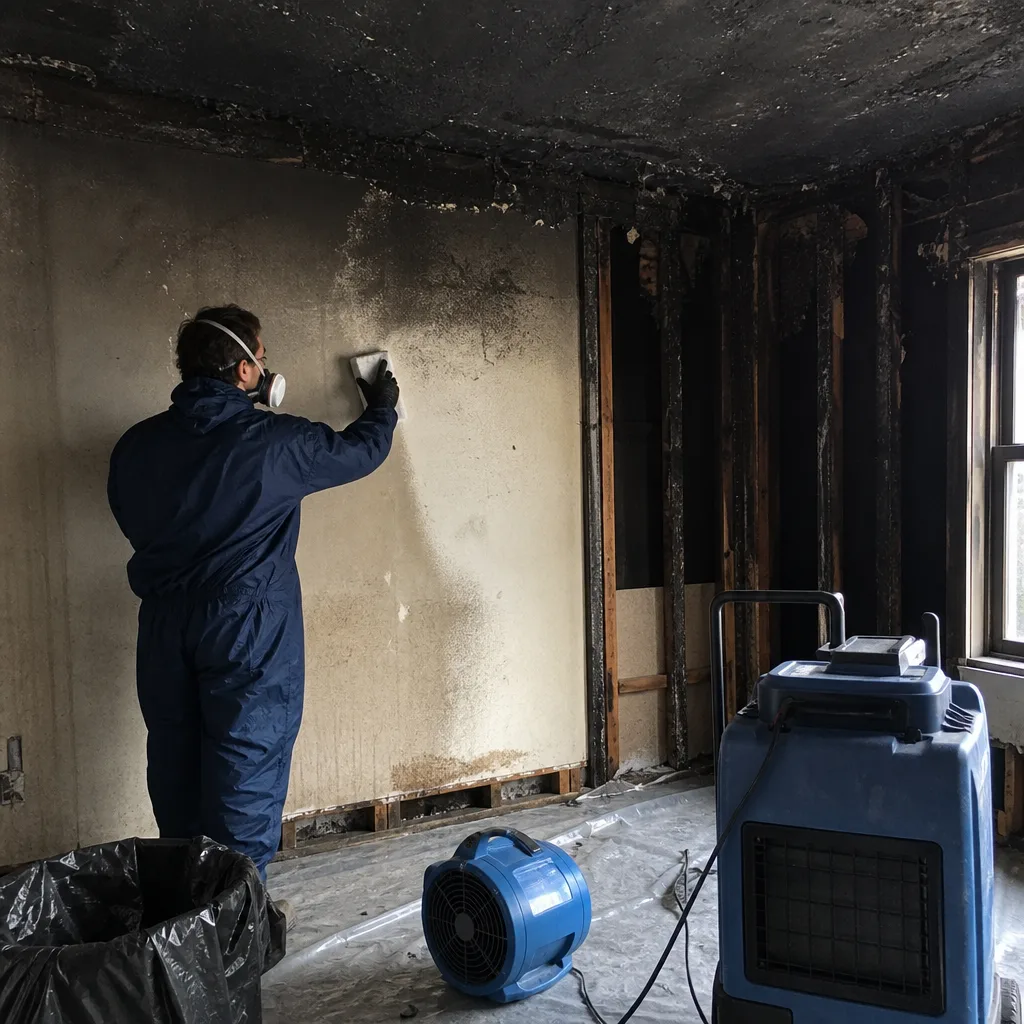
Smoke & Soot Removal
Dry, wet, and protein soot each require different cleaning chemistry. We classify residue type before selecting solvents, protecting marble thresholds and original brass fixtures common in Morningside Heights apartments. HEPA air scrubbers run continuously during cleaning to capture airborne particles.
Odor Removal & Deodorization
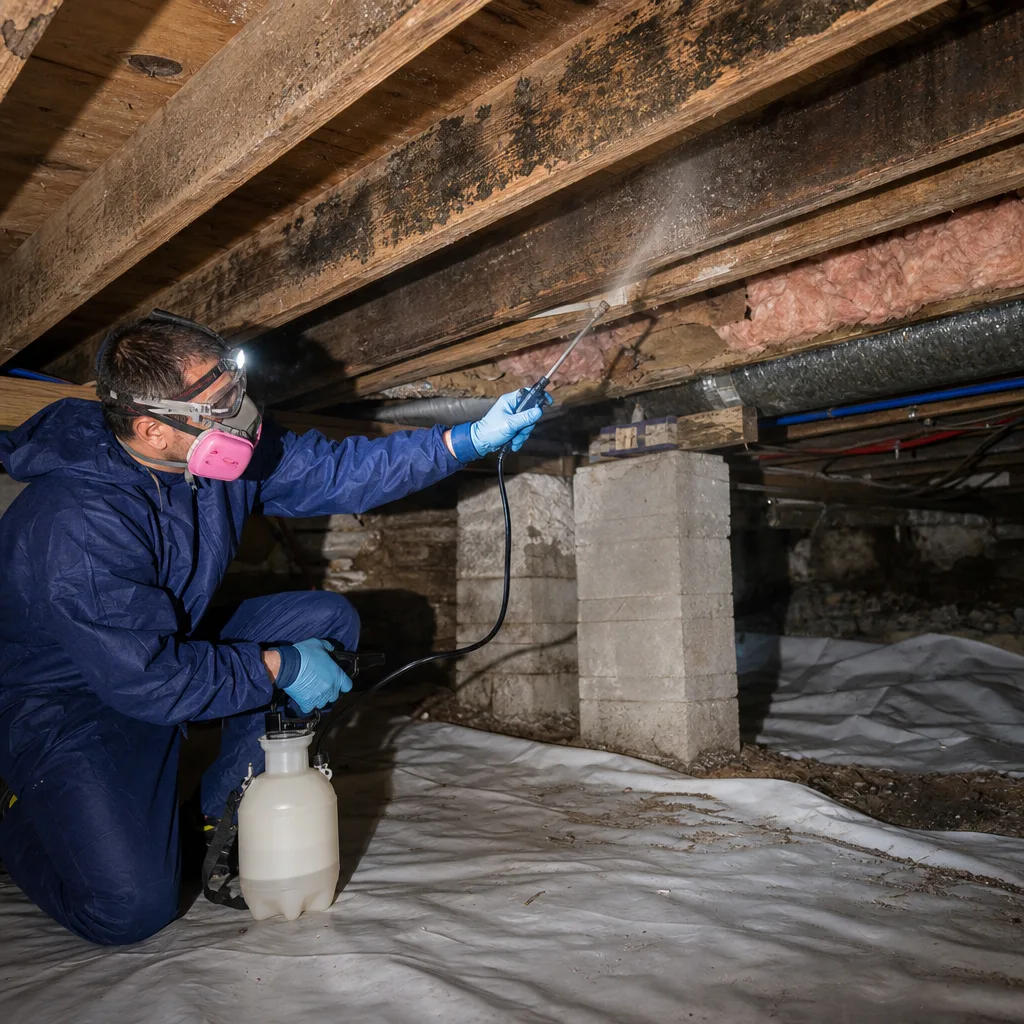
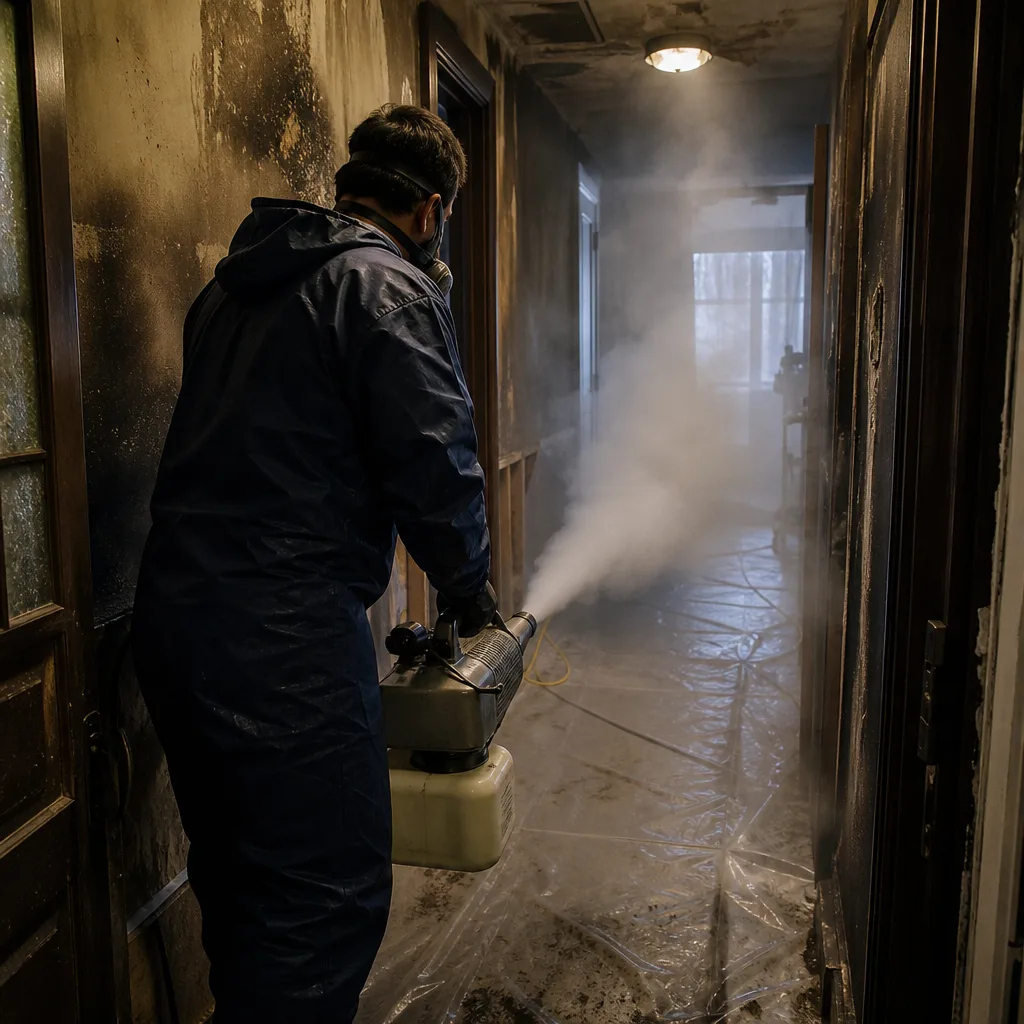
Horsehair plaster absorbs smoke odor compounds at depth. Surface cleaning or masking agents fail; we deploy thermal fogging, ozone, and hydroxyl treatment timed to the building’s heating cycle. Without this, steam radiators re-release trapped odors the first cold snap.
Contents Cleaning & Pack-Out
When fire or smoke damage makes a Morningside Heights unit uninhabitable, we inventory, photograph, and transport contents to our cleaning facility. Items are cleaned by material type and returned when the unit is restored, with full chain-of-custody documentation for insurance.
Emergency Board-Up & Tarping
We secure fire-damaged openings with materials sized for original masonry construction, not standard modern frames. For Columbia and Barnard properties, we initiate facilities approval documentation simultaneously with physical stabilization, preventing the delays that let smoke damage spread.
What happens when you call
- 1
A real person answersNo phone trees - you reach a local pro.
- 2
You get an upfront price rangeHonest numbers before anyone is dispatched.
- 3
A background-checked tech heads outLicensed & insured, dispatched right away.
- 4
You approve before work beginsNothing starts until you say go.
Fire & Smoke Damage Restoration Costs in Morningside Heights, NY
Typical fire and smoke damage restoration in Morningside Heights runs $4,200 for light smoke damage in a studio or one-bedroom unit with surface-level cleaning only. Moderate damage involving wall-cavity smoke penetration, odor treatment, and limited material replacement in a two-bedroom pre-war apartment ranges $8,500-$14,000. Severe damage with structural compromise, significant water from suppression, and multi-unit smoke migration can reach $18,500-$35,000 or more.
What moves the price: the square footage affected, the smoke residue type (dry soot is simpler than oily kitchen residue), whether plaster-over-lath walls require removal and replacement, and the institutional approval timeline that extends labor days. Insurance typically covers direct fire and smoke damage plus necessary water damage from suppression; our written scope separates covered from non-covered items before work begins. Call (551) 213-5277 for a free inspection and exact quote - estimates are free, and we provide a Free Second Opinion on any competitor’s written estimate.
We Also Serve Cities Near Morningside Heights
Our crews respond from the New York City office to Morningside Heights and surrounding neighborhoods including Upper East Side, Manhattan broadly, Upper West Side, and Astoria. Each area has distinct building stock and loss patterns; our documentation protocols adapt to the specific requirements of each.
Serving Morningside Heights, NY - Our Local Coverage Area
We’re based in the Morningside Heights area and know this community well. Use the map below to see our service coverage - if you’re nearby, we can almost certainly help.
Morningside Heights Fire & Smoke Damage Restoration Questions, Answered
After a fire in a Morningside Heights pre-war apartment, why does smoke odor keep coming back even after cleaning?
Smoke odor returns because horsehair plaster over lath absorbs odor compounds deep into wall cavities, and surface cleaning or fogging never reaches them. When steam radiators re-warm the walls during heating season, those trapped compounds re-release. We neutralize odor at depth using thermal fogging, ozone, and hydroxyl treatment timed to heating cycles, then verify with air sampling before declaring the job complete. Call (551) 213-5277 for an inspection - estimates are free.
Does Columbia University or Barnard College manage the building where my fire happened? How does that affect the restoration plan?
If your building is Columbia or Barnard-managed, restoration scopes that touch common elements, electrical, or plumbing require facilities approval that can add days to the timeline. We document pre-loss condition from hour one, use approval formats these institutions recognize, and coordinate directly with their procurement offices so emergency stabilization isn’t delayed by paperwork circulation. Our Fire & Smoke Damage Restoration team has worked these approval chains repeatedly. Call (551) 213-5277 to discuss your building’s specific requirements.
What’s involved in smoke and soot removal for a fire in a Morningside Heights apartment with original cast-iron radiators and thick masonry walls?
Cast-iron radiators collect soot in fins and crevices that standard cleaning misses; we disassemble and clean component by component. Thick masonry walls slow drying but don’t stop smoke migration through electrical chases and pipe penetrations, so we inspect and clean wall cavities using HEPA containment. Marble thresholds and brass hardware require pH-matched solvents to prevent etching. The full scope is documented and priced in writing before work begins. Call (551) 213-5277 for a free inspection.
How quickly do we need to act after a fire in a 1920s Morningside Heights building to prevent mold?
Within 24-48 hours. Fire suppression water in pre-war buildings often contacts pre-existing moisture from weeping galvanized risers behind original plaster, creating ideal mold conditions. We moisture-map comprehensively, not just the fire room, because the water path follows decades-old leak patterns invisible to visual inspection. Our crews carry Injectidry cavity-drying systems and dehumidifiers from Phoenix and XPOWER to begin extraction immediately. Call (551) 213-5277 - we answer live 24/7.
What does a typical fire and smoke damage restoration scope include for a Morningside Heights co-op or university-owned unit?
A typical scope includes emergency board-up and tarping; water extraction and structural drying with daily moisture logs; soot classification and material-specific cleaning; odor neutralization at depth; contents inventory and pack-out if needed; and repair or replacement of damaged materials with photo documentation at every stage. For co-op and university-owned units, we add pre-loss condition documentation and direct adjuster coordination. Every scope is written and priced before work starts - Haven Standard, Clause 1. Call (551) 213-5277 for your specific scope.
How fast can your crew actually get to my building in Morningside Heights?
We commit to 45 minutes from call to arrival for emergency fire and smoke damage in Morningside Heights, dispatched from our New York City office. Live answer 24/7 at (551) 213-5277, no voicemail. The first hour determines whether smoke damage stays contained or spreads through shared building systems.
Will my insurance cover fire and smoke damage restoration, or will I pay out of pocket?
Homeowners and renters insurance typically covers direct fire and smoke damage plus water damage from suppression efforts. Co-op master policies cover common elements; your individual policy covers unit interiors. We separate covered from potentially non-covered items in our written scope before work begins, coordinate directly with your adjuster, and provide the documentation that keeps claims moving. Call (551) 213-5277 and we’ll review your coverage situation during the free inspection.
Are your technicians certified for fire and smoke restoration specifically?
Yes. Our crews hold IICRC FSRT (Fire and Smoke Restoration Technician) certification, with additional WRT (Water Damage Restoration Technician) certification because fire suppression water is always part of the loss. All technicians are background-checked, uniformed, and licensed, with documentation available on request. Work is performed to IICRC, RIA, and IFA standards with daily logs. Call (551) 213-5277 to verify credentials before scheduling.
After a kitchen fire on West 116th Street, our crew performed emergency board-up and tarping of the fire-damaged windows, then used air movers and dehumidification to stabilize a first-floor unit before smoke odor could wick into the original horsehair plaster. Because the building’s galvanized supply risers behind the burn zone had been weeping for years, we opened the wall, applied antimicrobial treatment to the saturated lath, and documented pre-loss condition for Columbia’s facilities approval - turning a two-day mitigation into a permitted structural repair that satisfied both the co-op board and the university’s procurement office.
Written by Alicia Brennan, Owner at Back to Dry Restoration, serving Morningside Heights since 2011.
Fire & Smoke Damage Restoration in Nearby Areas