
Free visual inspection and a written scope of work before any mitigation begins - photos, moisture readings, and drying logs go in your claim file
The scope we write is the scope we bill. Anything new gets shown to you, in writing, before we touch it.
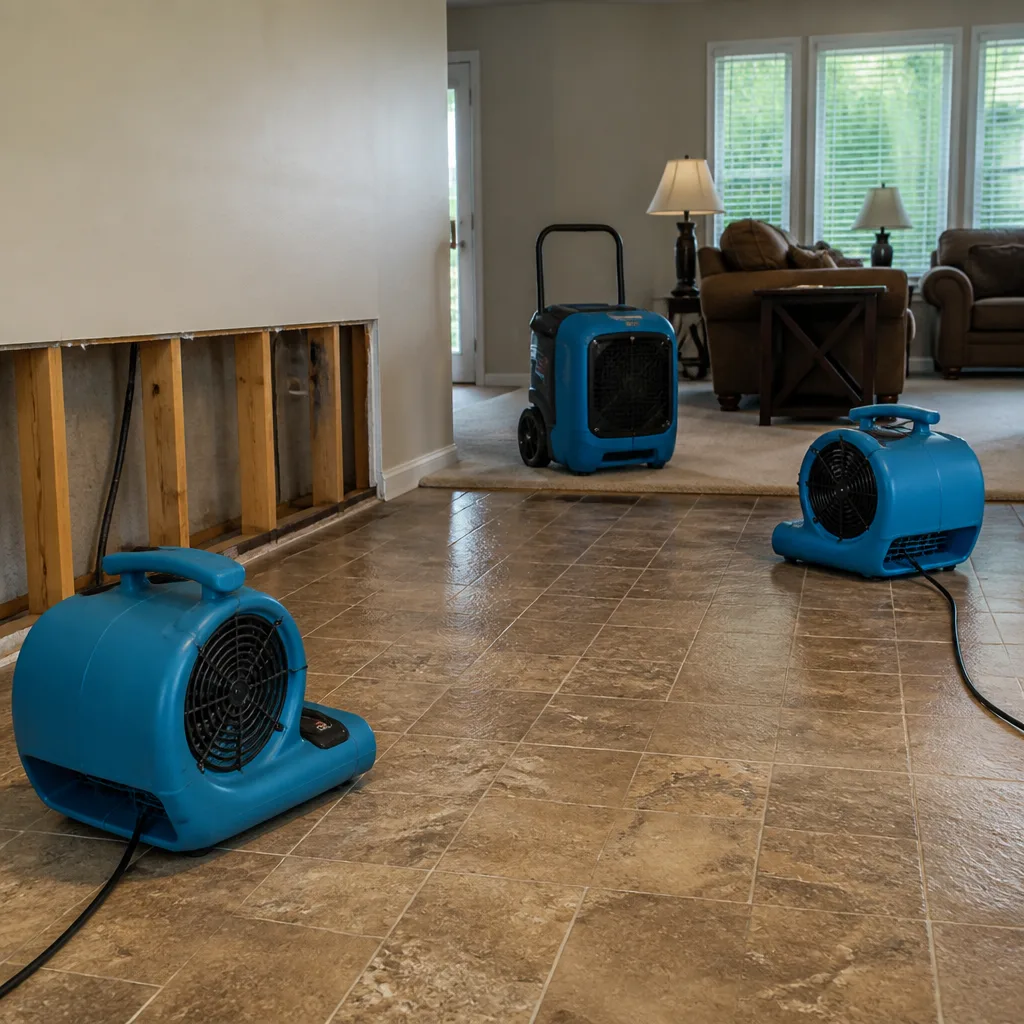
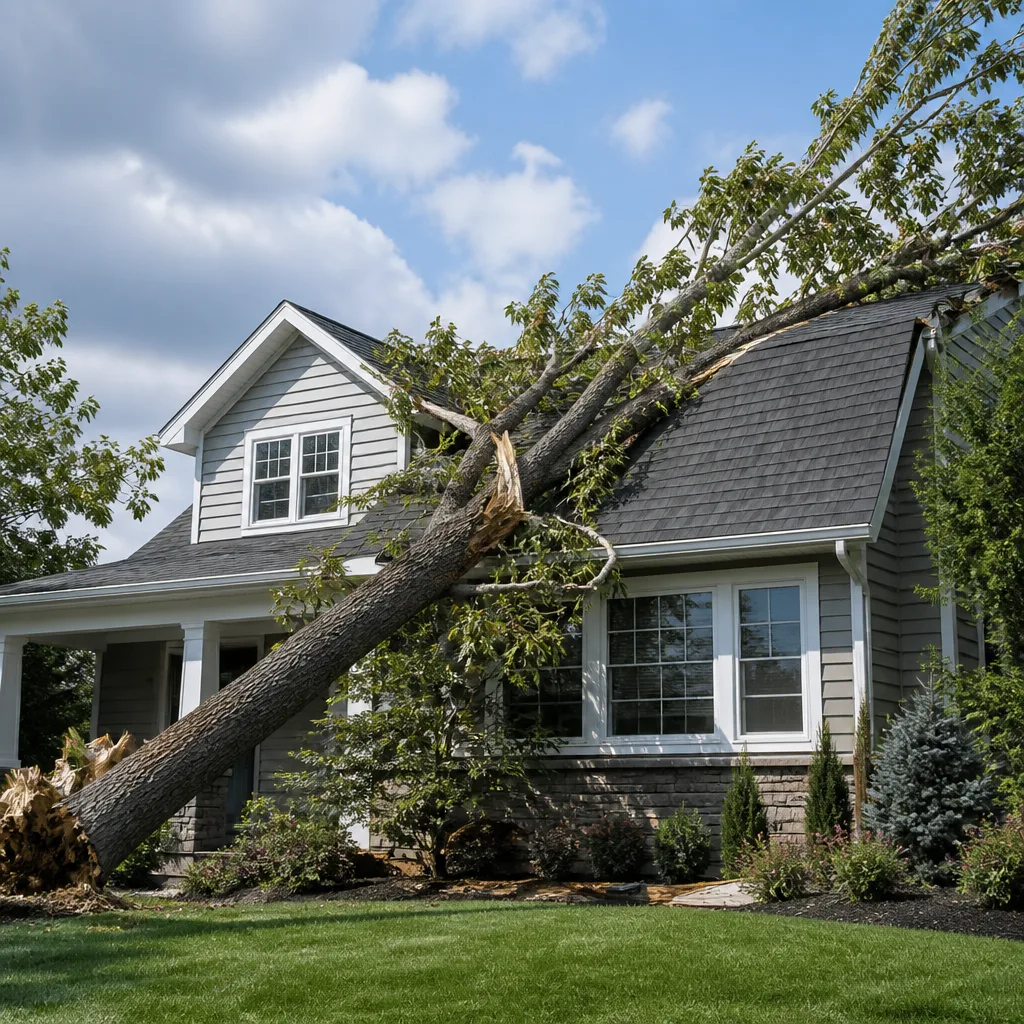
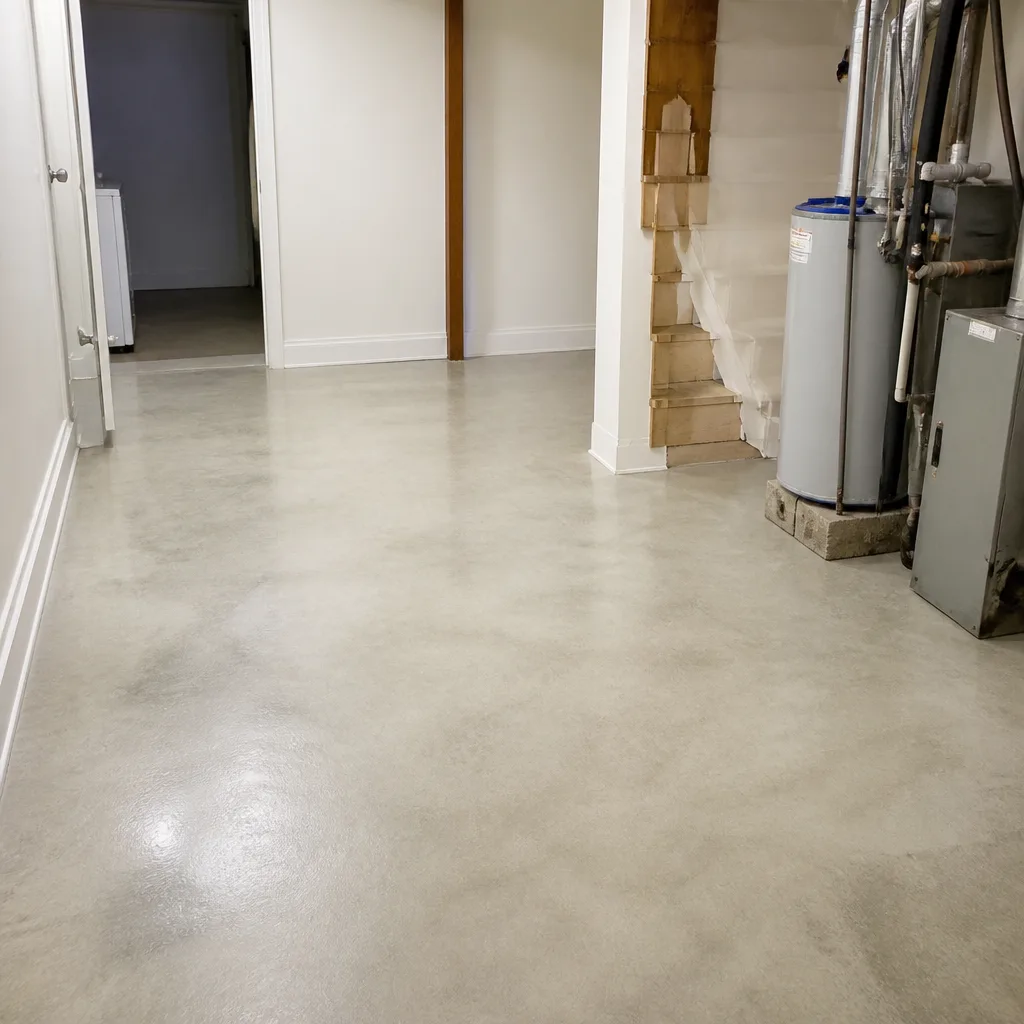
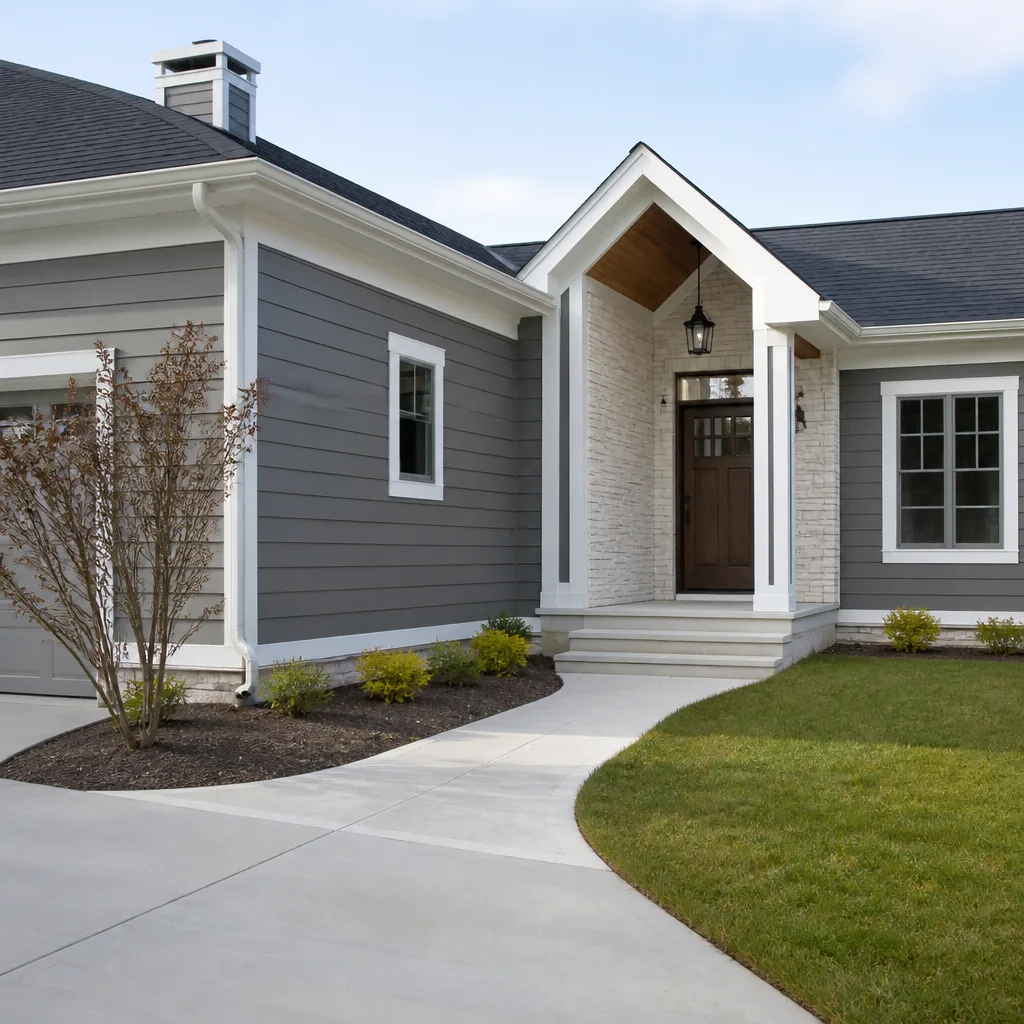
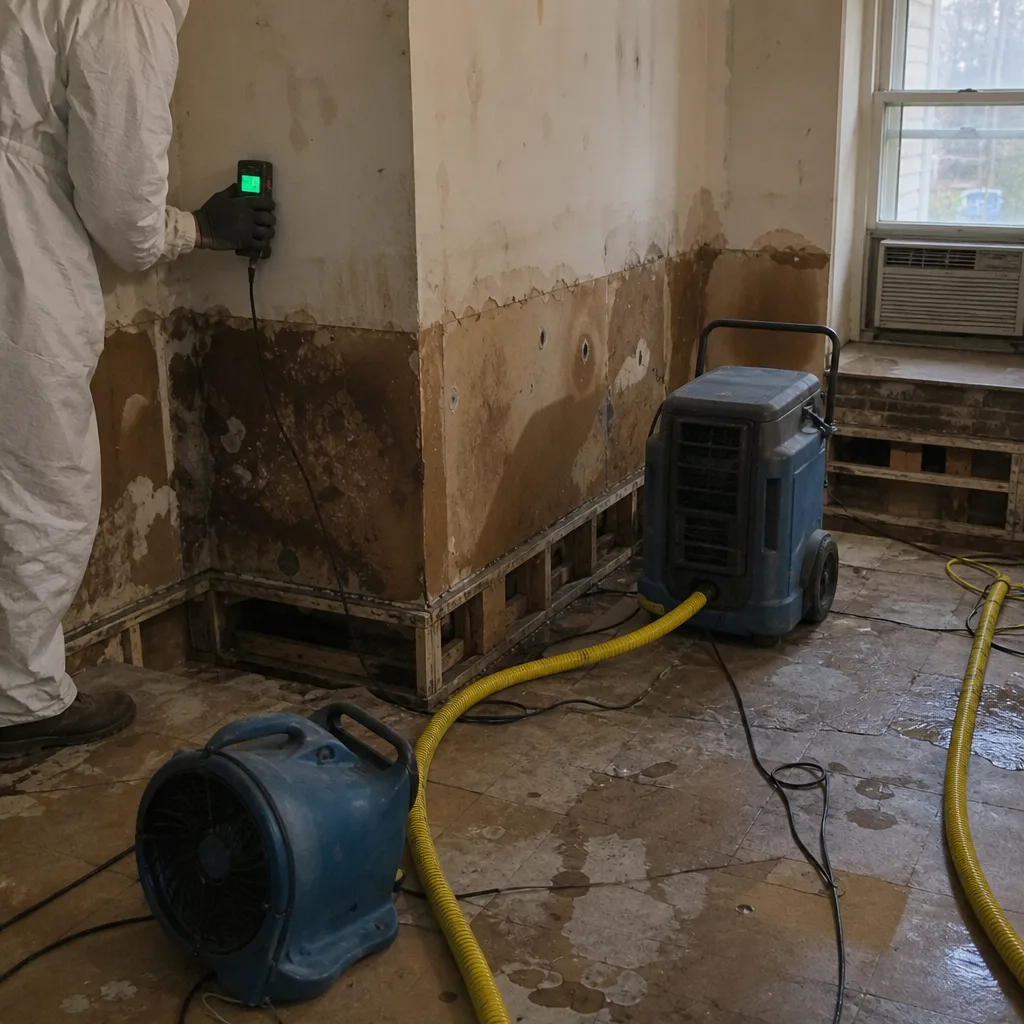 Before
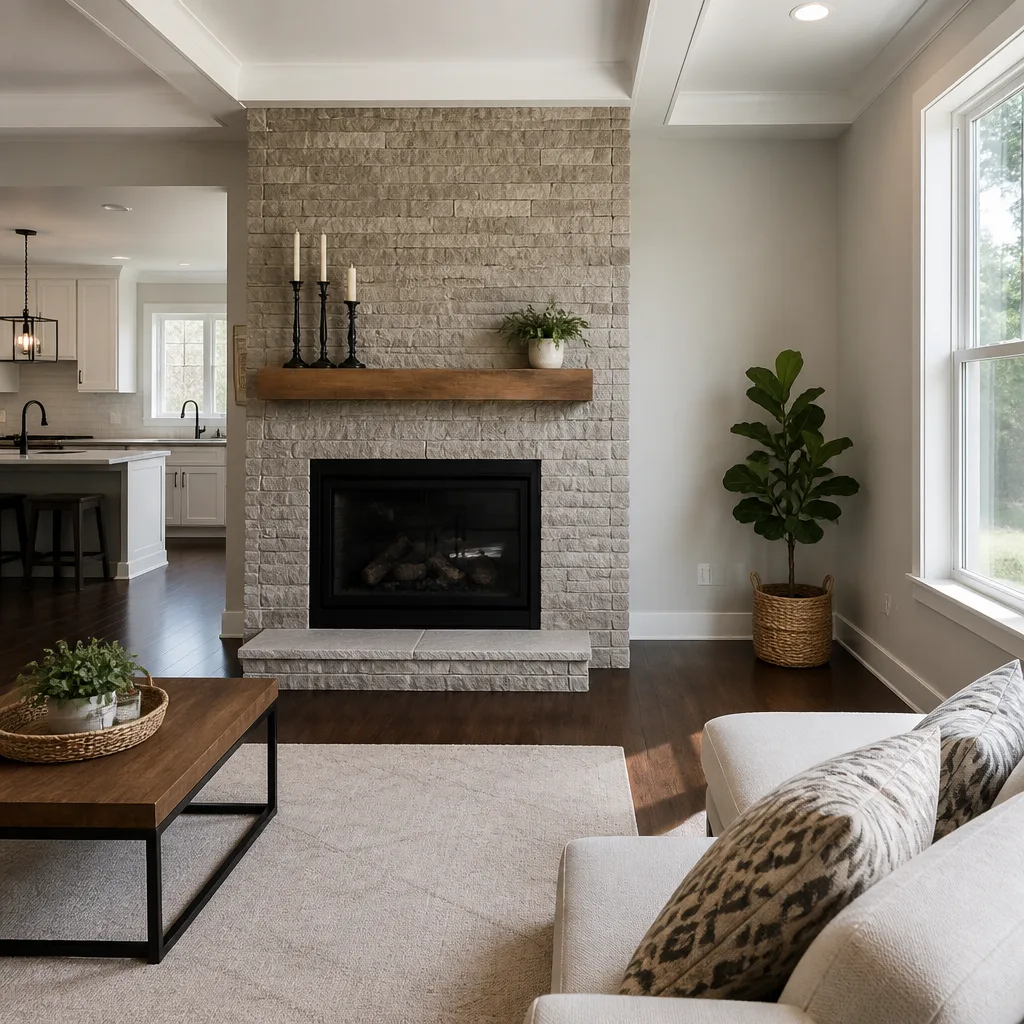
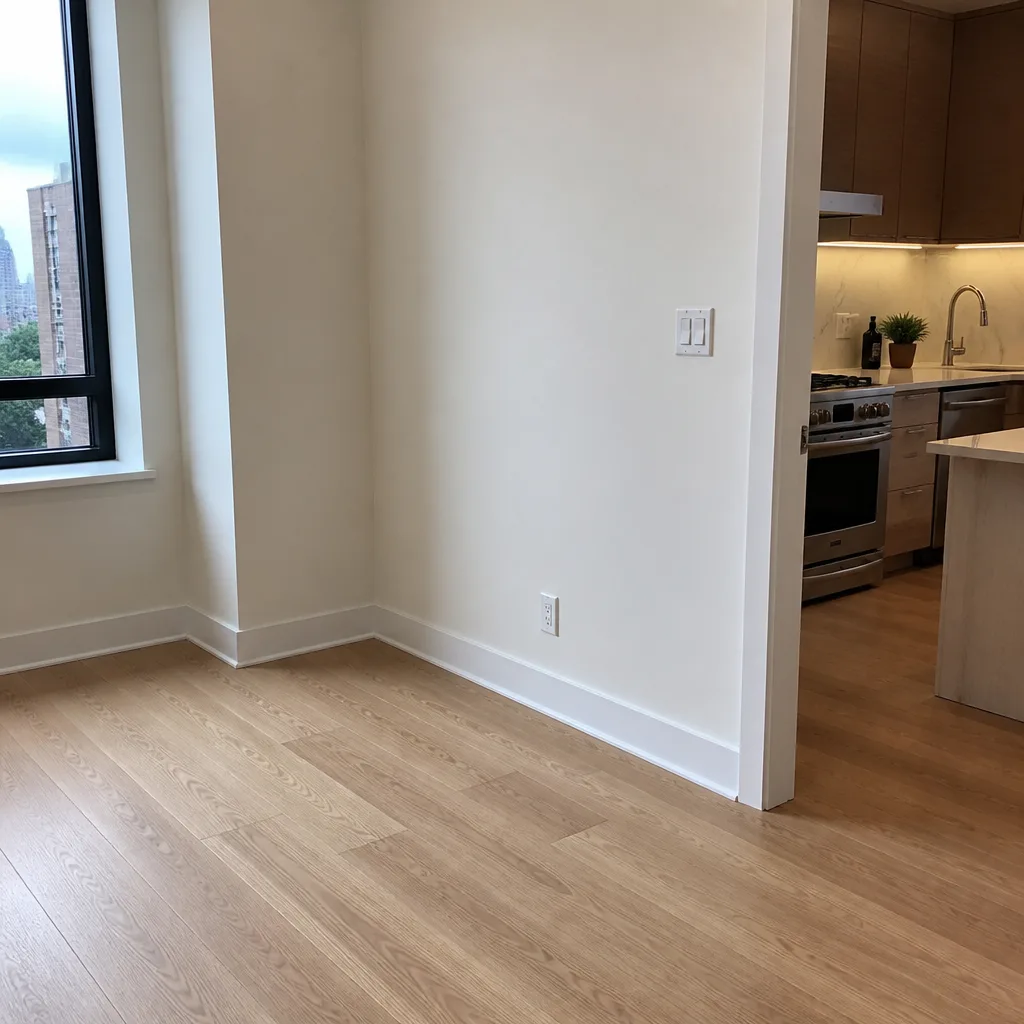 After
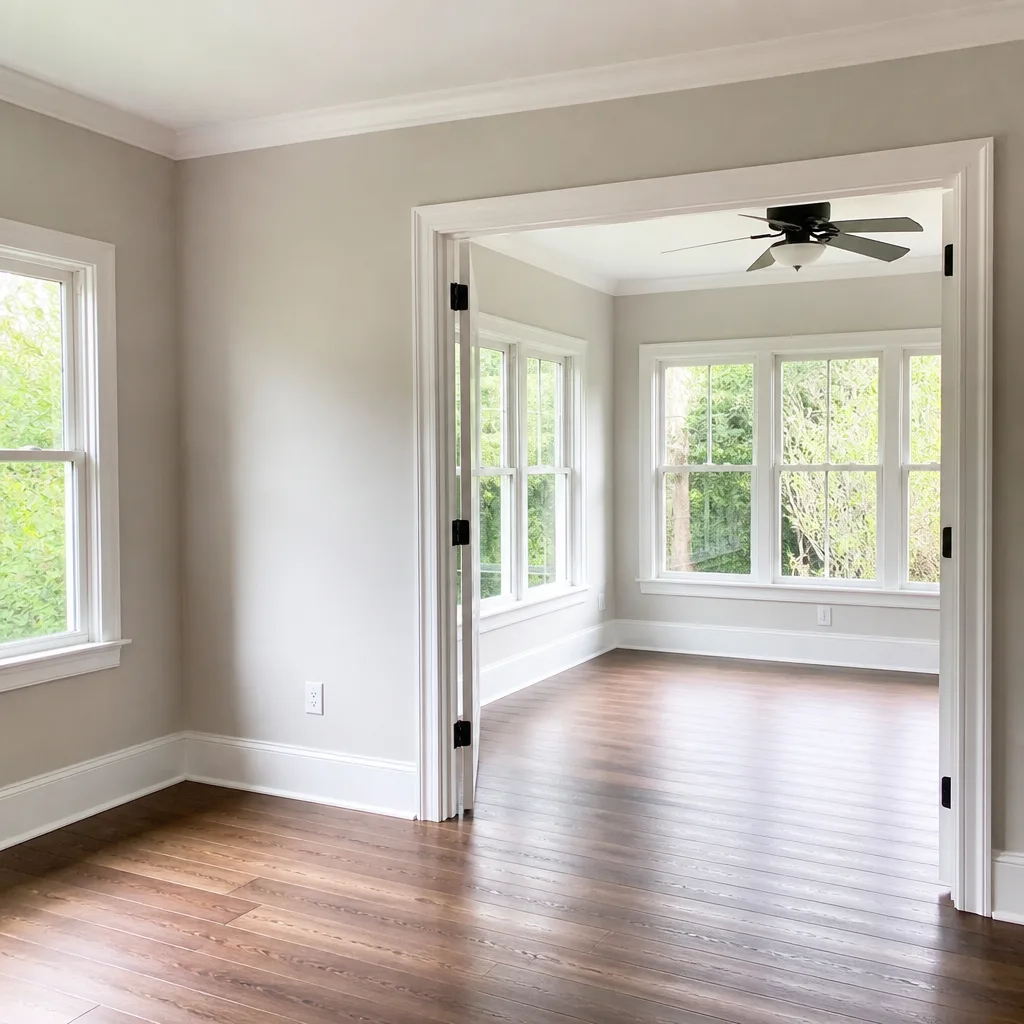
After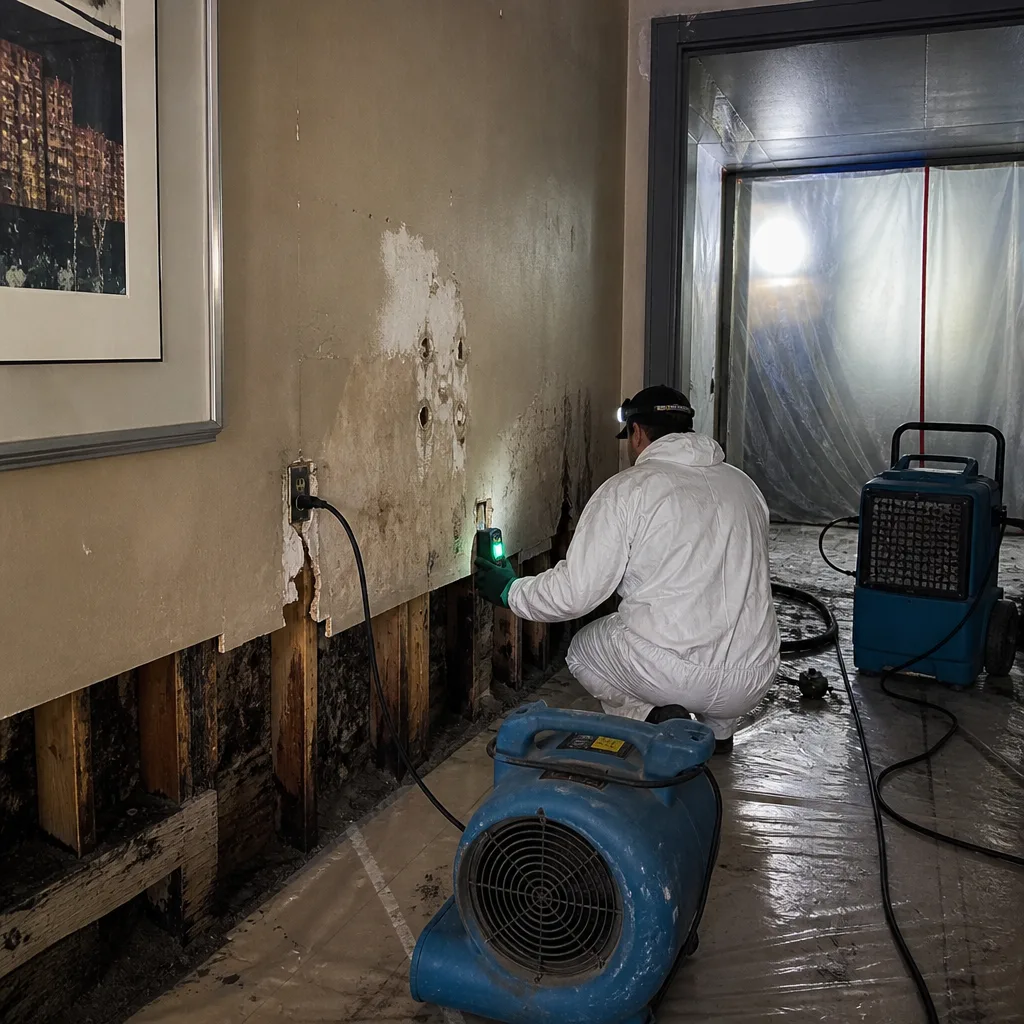 Before
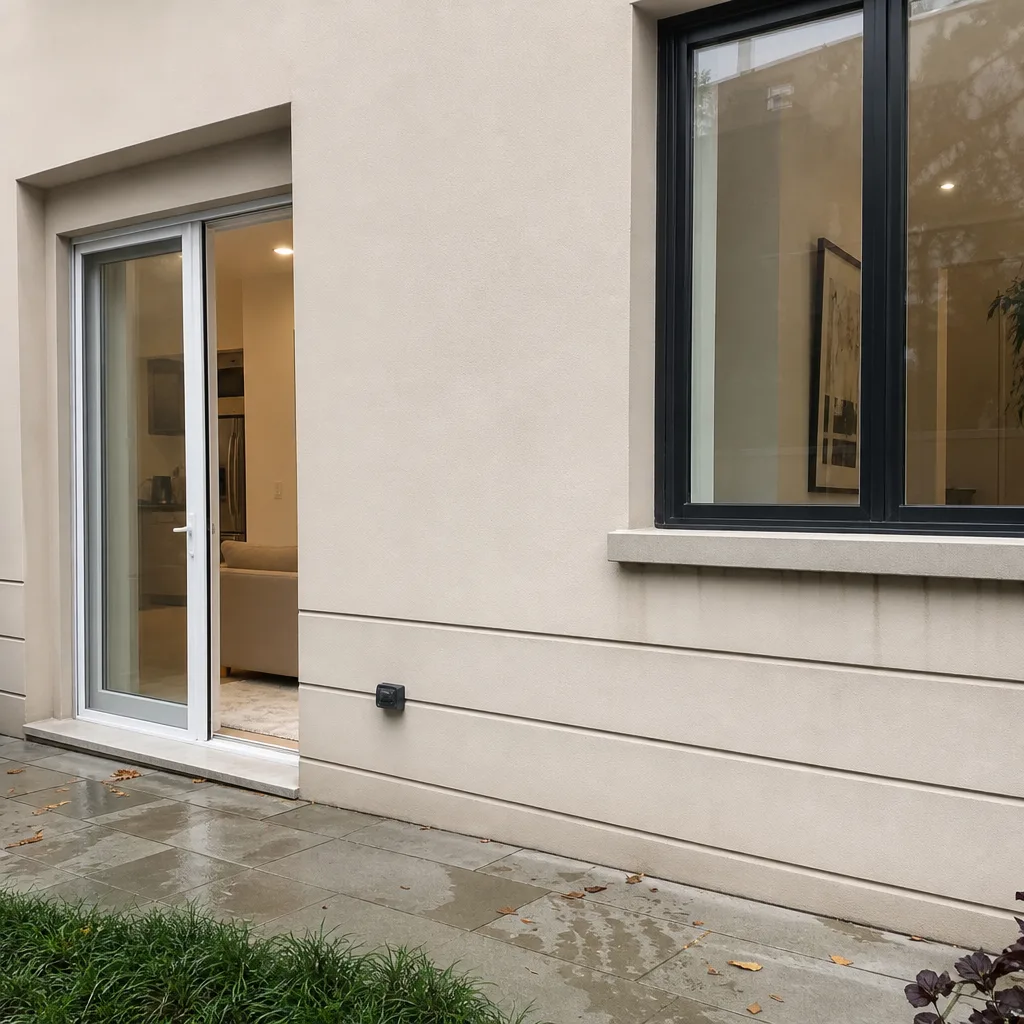 After
After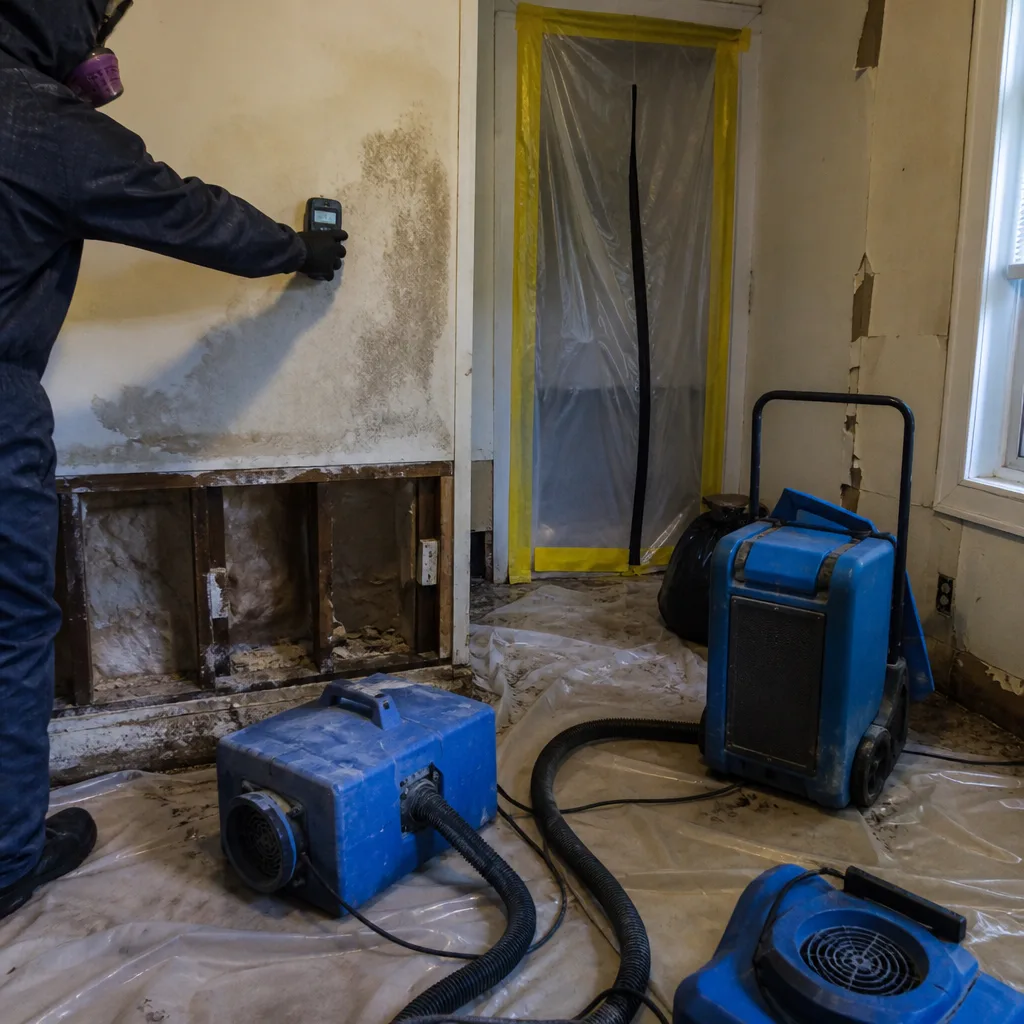 Before
 After
After24/7 Emergency Fire & Smoke Damage Restoration in Williamsburg
Fire and smoke damage restoration in Williamsburg typically costs $3,200-$18,500 depending on severity, with emergency board-up and stabilization available within 45 minutes of your call. Our crews are dispatched from our New York City office and serve Williamsburg locally, carrying IICRC-FSRT certification for fire and smoke damage specifically. Call (551) 213-5277 now - the first hour after a fire determines whether soot sets permanently into plaster and whether smoke odor becomes a six-month problem or a two-week fix.
We answer live, 24 hours a day, 7 days a week. No voicemail trees. No next-business-day callbacks while corrosive soot residue continues etching your finishes. A real person takes your information, confirms dispatch, and gives you a direct crew contact before we hang up. Our free visual inspection includes a written scope and price before any work begins - Haven Standard, Clause 1.
Understanding Fire & Smoke Damage Restoration Severity in Williamsburg Properties
Fire damage in Williamsburg falls into three severity tiers that dictate equipment, timeline, and cost. Light smoke damage - typically from kitchen fires or contained furnace incidents in tenements along Bedford Avenue or South 4th Street - produces dry soot (fuel-oil or protein residue) on surfaces within a single room or adjacent hallway. Moderate damage involves wet smoke from slow-burning synthetic materials, common in converted lofts where polyurethane foam furniture and composite flooring create thick, oily deposits that smear under standard cleaning. Severe damage means structural compromise: burned framing, compromised flat roofs on pre-war row houses, or sprinkler discharge across concrete slabs in Kent Avenue mill conversions.
Smoke migration follows pressure differentials and HVAC paths, not doorways. In Williamsburg’s late-1800s tenements with shared chimney flues and aging ductwork, we’ve documented smoke traveling from a ground-floor kitchen fire to a fourth-floor unit two hours after extinguishment. In loft conversions with open floor plans and exposed steel joists, smoke saturates the entire volume within minutes. Tertiary smoke damage - odor particles adsorbed into porous substrates like exposed brick or concrete - requires vapor pressure differential management: we establish negative air pressure with HEPA scrubbers and apply desiccant dehumidification to drive odor molecules out of the substrate rather than masking them.
Why Williamsburg Property Owners Choose DryMark Restoration Upper East Side
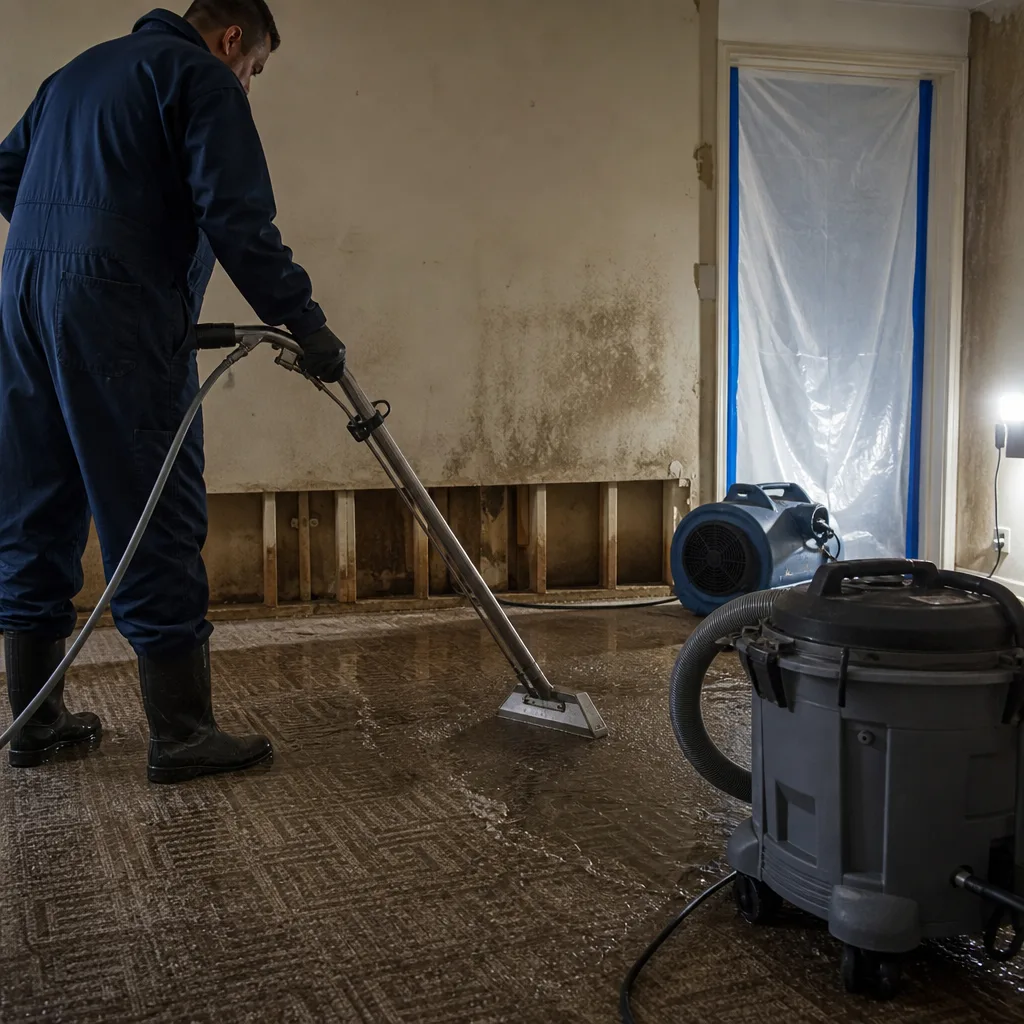
- 45-minute response commitment to Williamsburg from our New York City dispatch office - crews carry pre-staged fire restoration equipment including HEPA scrubbers, hydroxyl generators, and thermal imaging cameras.
- 24/7 live answer - a real person, never an automated system; our emergency line has no voicemail tree, and the operator who answers can confirm crew ETA and start insurance documentation immediately.
- IICRC-certified crews - FSRT (Fire and Smoke Restoration Technician), WRT (Water Damage Restoration Technician), and AMRT (Applied Microbial Remediation Technician) certifications on every fire job, because extinguishment water creates secondary damage requiring documented drying protocols.
- Free visual inspection - we arrive, assess, photograph, and deliver a written scope with a firm price before any work begins; no exceptions, per Haven Standard, Clause 1.
- Direct insurance billing - we coordinate with your adjuster from the first hour, provide line-item estimates in Xactimate format, and handle carrier negotiation so you’re not translating restoration trade vocabulary to a claims desk.
- One team from board-up to reconstruction - the same crew that tarped your roof and packed out your contents returns to manage structural repairs, eliminating handoff errors and disputed responsibility between separate contractors.
BeforeAfterOur Fire & Smoke Damage Restoration Process
1. Inspection & Assessment
We arrive with thermal imaging cameras, hygrometers, and combustion residue test kits to map the full smoke footprint - including invisible thermal shadowing behind exposed brick in Kent Avenue lofts or within plaster-and-lath cavities in Bedford Avenue tenements. Every surface is classified by soot type: dry, wet, protein, or fuel-oil residue. You receive a written scope and firm price before we start.
2. Emergency Board-Up & Stabilization
Broken windows, compromised doors, and roof holes are secured with wind-rated plywood and weatherproof tarps. In Williamsburg’s waterfront zone, we use impact-rated fastening because nor’easter winds off the East River can tear standard board-ups loose within hours. This step prevents secondary water intrusion and secures the property for insurance documentation.
3. Smoke & Soot Removal
Dry soot is HEPA-vacuumed before contact cleaning; wet soot requires solvent-based sponges to prevent smearing. In concrete-slab lofts, we deploy injectable cleaning agents into porous masonry rather than surface-wiping, which drives residue deeper. Air movers create controlled airflow patterns that suspend particulate for HEPA capture rather than redistributing it.
4. Odor Removal & Deodorization
Surface cleaning removes visible residue; odor removal requires reaching adsorbed molecules. We deploy hydroxyl generators for occupied spaces (safe for people, pets, and plants) and ozone treatment for sealed, unoccupied zones. In Williamsburg’s older tenements with shared wall cavities, we establish vapor pressure differentials using desiccant dehumidifiers to draw odor from deep within plaster-and-lath construction.
5. Contents Cleaning & Pack-Out
Smoke-damaged textiles, electronics, and documents are inventoried, photographed, and transported to our facility for ultrasonic cleaning, deodorization chamber treatment, or freeze-drying for documents. Non-salvageable items are documented with replacement-value research for your adjuster. Salvageable contents are returned only after the structure passes post-mitigation clearance.
6. Structural Repairs & Restoration
Fire-compromised framing, drywall, flooring, and finishes are replaced to pre-loss condition. In Williamsburg’s converted industrial buildings, we coordinate with structural engineers when fire exposure has affected load-bearing masonry or steel joists. Final walkthrough includes moisture verification, odor clearance testing, and your signed 365-Day Done Right Promise warranty.
Need Emergency Fire & Smoke Damage Restoration in Williamsburg Now?
Crews minutes away, answering live 24 hours a day. The sooner we start, the less it costs.
Working With Your Insurance Company
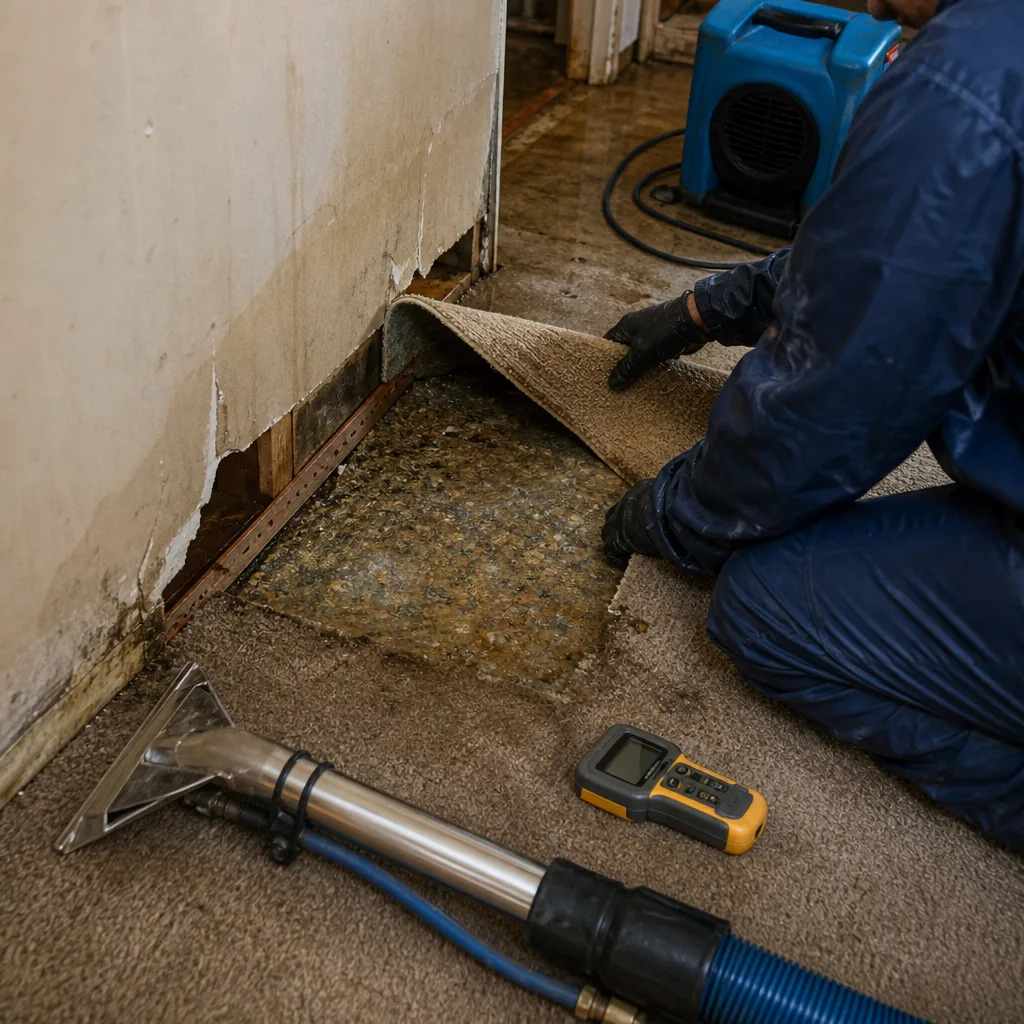
Fire claims fail on documentation gaps. Our founder built Back to Dry Restoration in 2011 after watching homeowners lose thousands to incomplete photo records and disputed scopes. Every Williamsburg fire job begins with a documented photo record on every visit - not as an upsell, but as standard deliverable. We photograph damage before any item is moved, during each phase of mitigation, and at final walkthrough.
Our estimates are prepared in Xactimate, the industry-standard pricing platform that adjusters recognize and trust. We provide direct adjuster coordination: your carrier receives our line-item scope, drying logs with daily moisture readings, and equipment placement documentation. When a Kent Avenue loft fire in 2023 required five extra days of slab drying beyond standard timelines, our Injectidry panel logs with psychrometric data justified the extended equipment rental to the carrier without dispute.
Haven Standard, Clause 1 applies: written price before work begins, every time. No scope-creep additions once the crew is inside.
What We Provide Your Insurer
- Thorough documentation of the loss
- Photos of all damage, room by room
- Moisture readings and drying logs
- A detailed, line-item scope of work
- Direct coordination with your carrier
Built for Williamsburg’s Loss Calendar
Williamsburg’s fire and smoke damage patterns track the New York metro climate and building lifecycle. January deep freezes strain aging heating systems in pre-war tenements - we’ve responded to multiple furnace puff-back incidents on Driggs Avenue and Roebling Street where fuel-oil residue coated entire apartments. Spring thaw brings basement seepage into electrical panels, creating fire risks in below-grade units along the flood-prone waterfront blocks.
Summer thunderstorm lightning strikes hit flat roofs with particular frequency in Williamsburg; the aging membrane systems on 1920s row houses and the complex rooftop mechanical installations on newer loft buildings both present ignition risks. Fall and winter nor’easters drive wind-driven rain through compromised window seals and failed door weatherstripping, but the deeper threat is the wind load itself: doors and windows not rated for the pressure differentials of a coastal storm can fail during a fire, allowing oxygen influx that intensifies burn patterns and extends smoke migration far beyond the original compartment.
We maintain wind-rated board-up materials and impact-rated door protection specifically for this corridor. After Hurricane Sandy’s 2012 inundation, many Williamsburg property owners learned that flood and fire compound each other - electrical fires in submerged basements, gas-line ruptures in compromised structures. Our crews carry combined WRT/FSRT certification because extinguishment water is inevitable, and undocumented moisture in concrete slabs or behind plaster walls becomes a mold liability that voids insurance coverage if not properly logged.
Fire & Smoke Damage Restoration Across Williamsburg’s Neighborhoods
North Williamsburg, roughly from McCarren Park to the Williamsburg Bridge, mixes late-1800s brick tenements along Bedford Avenue with early-2000s condo towers near the waterfront. The tenements present plaster-and-lath walls that hold smoke odor invisibly; our thermal imaging locates thermal shadowing behind these surfaces before we commit to demolition. The newer towers have centralized HVAC systems that distribute smoke vertically through shared risers, requiring whole-system duct cleaning and odor treatment.
South Williamsburg, below the BQE and toward Broadway, retains a denser concentration of pre-war row houses with original cast-iron radiators and knob-and-tube electrical remnants. Fire damage here often involves compromised electrical service entrances and requires coordination with Con Edison before full restoration can proceed. We’ve worked multiple jobs on South 2nd Street and Havemeyer Street where aging electrical panels created arc-fault ignition points.
The Kent Avenue waterfront corridor is Williamsburg’s most technically demanding fire restoration zone. These former textile mills and warehouses - now residential lofts - have concrete slab floors, exposed load-bearing brick, open-web steel joists, and no cavity framing. When a two-alarm fire in a former textile mill on Kent Avenue sent acrid smoke through six concrete-slab loft units, our crew deployed HEPA air scrubbers and hydroxyl generators under containment, then used injectable sponge cleaning on the exposed brick because traditional soot removal would have smeared the porous surface. We packed out smoke-damaged contents for off-site deodorization while Injectidry panels dried the slab from a sprinkler line break, and our drying logs showed the slab needed five extra days beyond standard drywall timelines.
East Williamsburg, toward the Morgan Avenue L train and the industrial zones along Flushing Avenue, includes live-work spaces and artist studios with mixed residential-commercial occupancy. Fires in these spaces involve unique contents - solvents, presses, kiln equipment - that require hazardous materials assessment before standard restoration protocols can begin.
Specialized Fire & Smoke Damage Restoration Services We Offer in Williamsburg
Fire Damage Cleanup
Structural stabilization, debris removal, and combustion residue classification for all building types in Williamsburg. In tenements, we address plaster-and-lath damage with controlled demolition protocols that preserve adjacent units’ structural integrity. In loft conversions, we engineer containment barriers that seal around exposed steel columns and ductwork without conventional wall studs to anchor to.
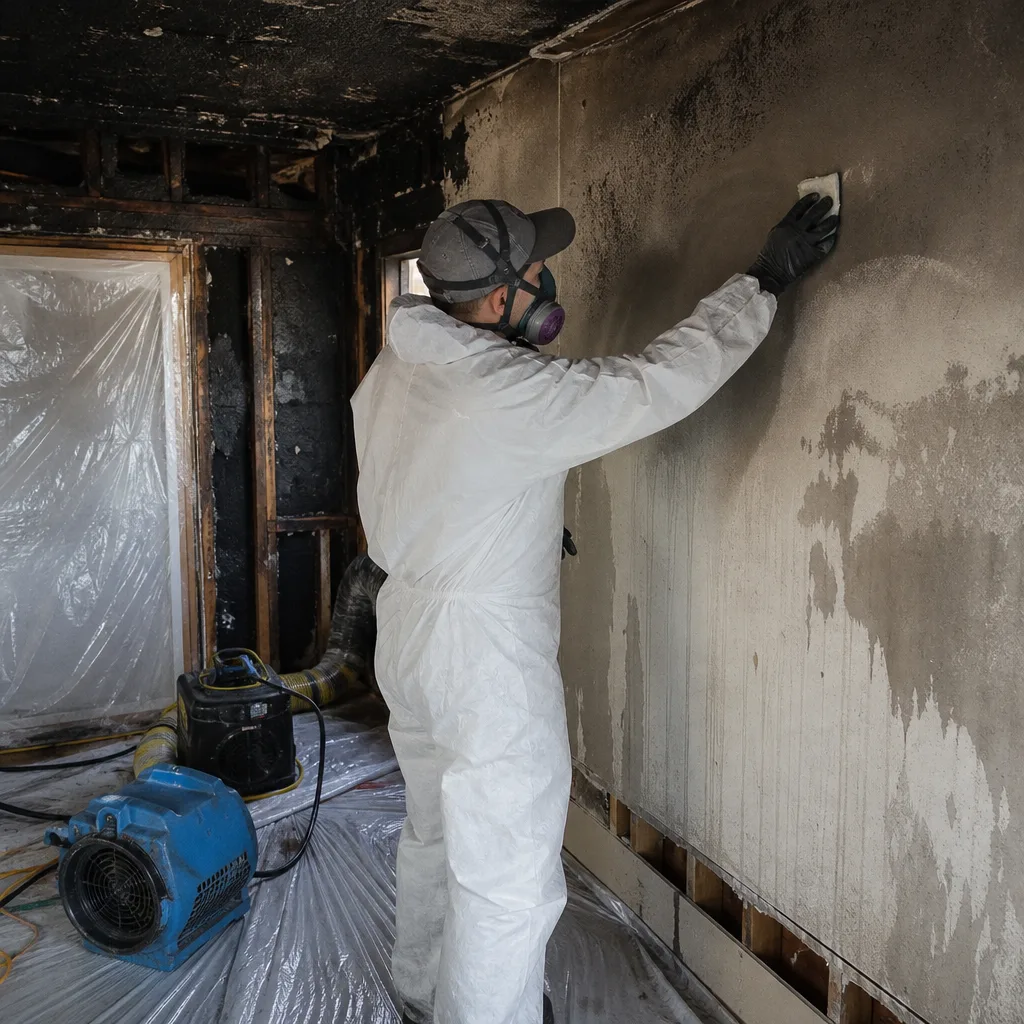
Smoke & Soot Removal
The critical service for Williamsburg’s loft buildings. Dry soot, wet soot, protein residue, and fuel-oil smoke each demand distinct cleaning chemistry and mechanical action. Technicians treating smoke-damaged lofts like traditional stud-framed apartments miss soot that has settled into open-web steel joists and behind exposed-brick walls. We use liftable scaffolding and articulating HEPA vacuums to reach these voids, with thermal imaging verification that no thermal shadowing remains.
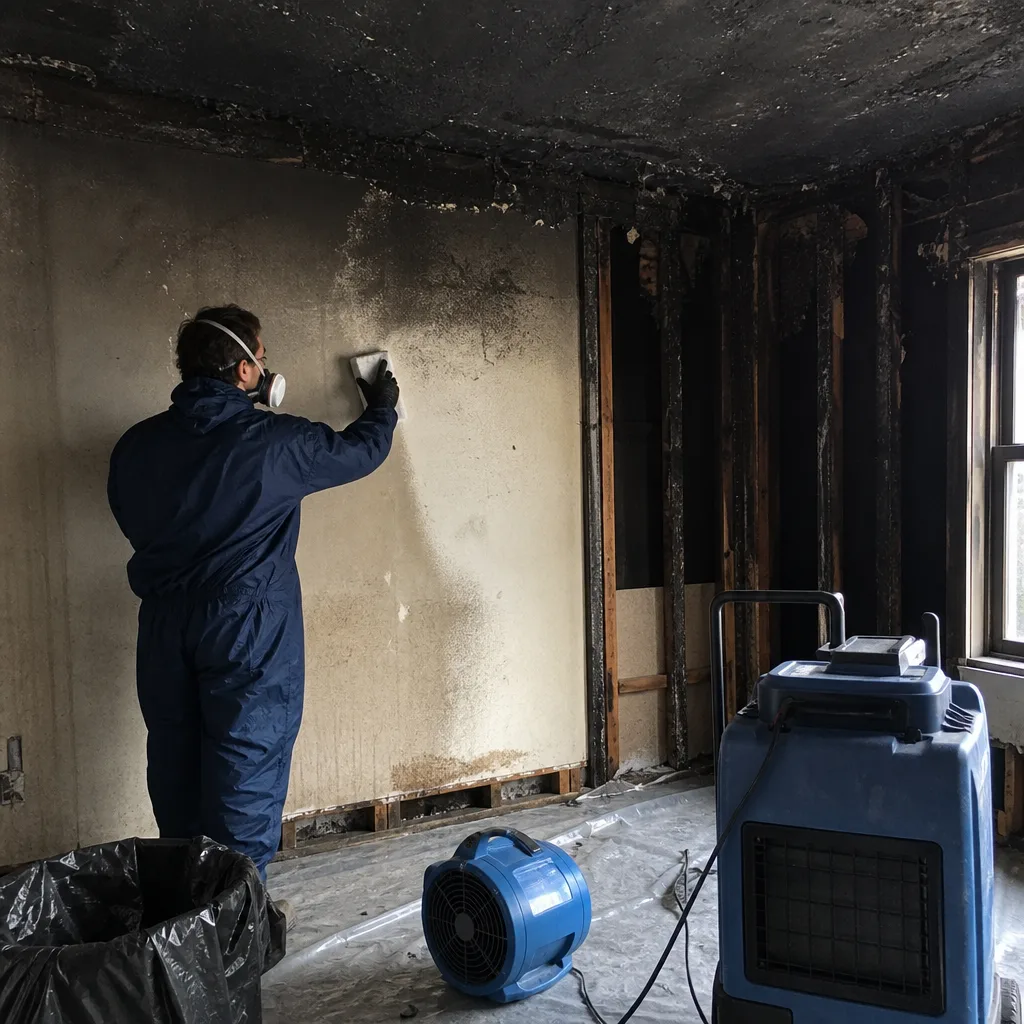
Odor Removal & Deodorization
Smoke odor rebounds when adsorbed molecules re-enter the air as temperature and humidity fluctuate. Our process targets the source: hydroxyl generators break odor compounds at the molecular level, while desiccant dehumidification establishes vapor pressure differentials that pull residual odor from porous substrates. In Williamsburg’s older tenements with shared wall cavities, we sometimes need to access neighboring units’ common walls to achieve full clearance.
Contents Cleaning & Pack-Out
Smoke-damaged contents are inventoried with photo documentation, then transported to our facility for specialized treatment: ultrasonic cleaning for hard goods, deodorization chamber for textiles and furniture, freeze-drying for documents and photographs. Non-salvageable items receive replacement-value research for insurance submission. We coordinate return delivery only after structural odor clearance is verified with independent testing.
Emergency Board-Up & Tarping
Wind-rated plywood and weatherproof tarps secured with impact-rated fastening for Williamsburg’s waterfront exposure. Standard board-ups fail here; we’ve replaced competitor installations after nor’easter winds tore loose insufficiently anchored protection. Our crews carry pressure-treated lumber and concrete anchors for masonry attachment where standard nail guns cannot penetrate.
What happens when you call
- 1
A real person answersNo phone trees - you reach a local pro.
- 2
You get an upfront price rangeHonest numbers before anyone is dispatched.
- 3
A background-checked tech heads outLicensed & insured, dispatched right away.
- 4
You approve before work beginsNothing starts until you say go.
Fire & Smoke Damage Restoration Costs in Williamsburg, NY
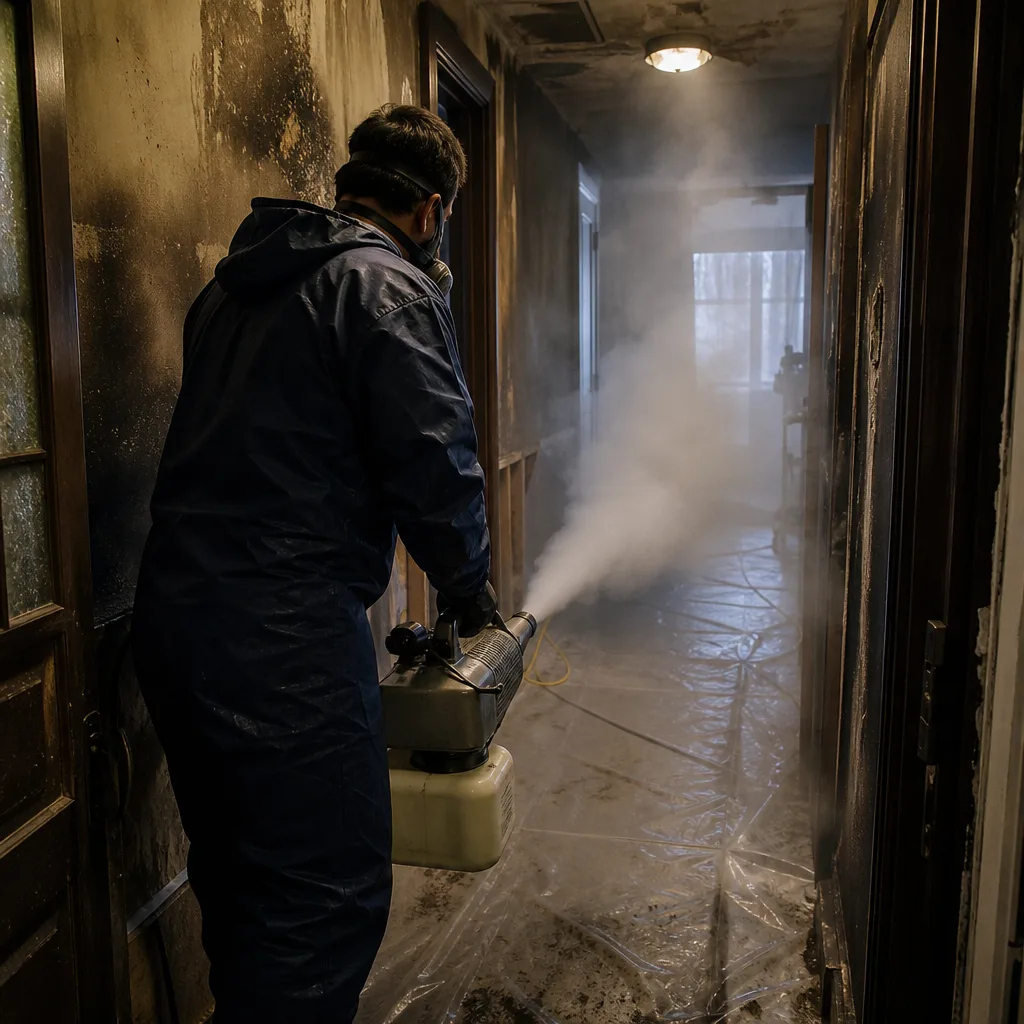
Fire and smoke damage restoration in Williamsburg runs $3,200-$18,500 for typical residential jobs, with commercial loft spaces ranging $8,500-$45,000 depending on square footage and contamination severity. Here’s how Williamsburg pricing breaks down:
- Emergency board-up and stabilization: $850-$2,400
- Smoke and soot removal (per affected room): $1,200-$3,800
- Odor removal and deodorization (whole-unit treatment): $1,800-$5,500
- Contents pack-out and cleaning: $2,500-$8,000 depending on inventory volume
- Structural repairs and reconstruction: $4,500-$28,000+
What moves the price: concrete-slab loft drying adds 40-60% to standard timelines due to Injectidry panel deployment and extended desiccant dehumidification; exposed brick requiring injectable cleaning rather than surface-wiping adds material cost; wind-rated board-up materials cost more than standard plywood but prevent secondary damage during coastal weather events. Most residential fire damage in Williamsburg is covered by standard homeowners insurance, less your deductible. Commercial policies vary; we review your declaration page at no charge during our free inspection. Call (551) 213-5277 for an exact quote - estimates are free.
We Also Serve Cities Near Williamsburg
Our crews dispatched from the New York City office serve Williamsburg locally and respond regularly to fire and smoke damage in Fire & Smoke Damage Restoration in Williamsburg adjacent neighborhoods: Upper East Side, Manhattan, Upper West Side, and Astoria. Each area presents distinct building stock and fire damage patterns, and we adjust our equipment staging and crew certification accordingly.
Serving Williamsburg, NY - Our Local Coverage Area
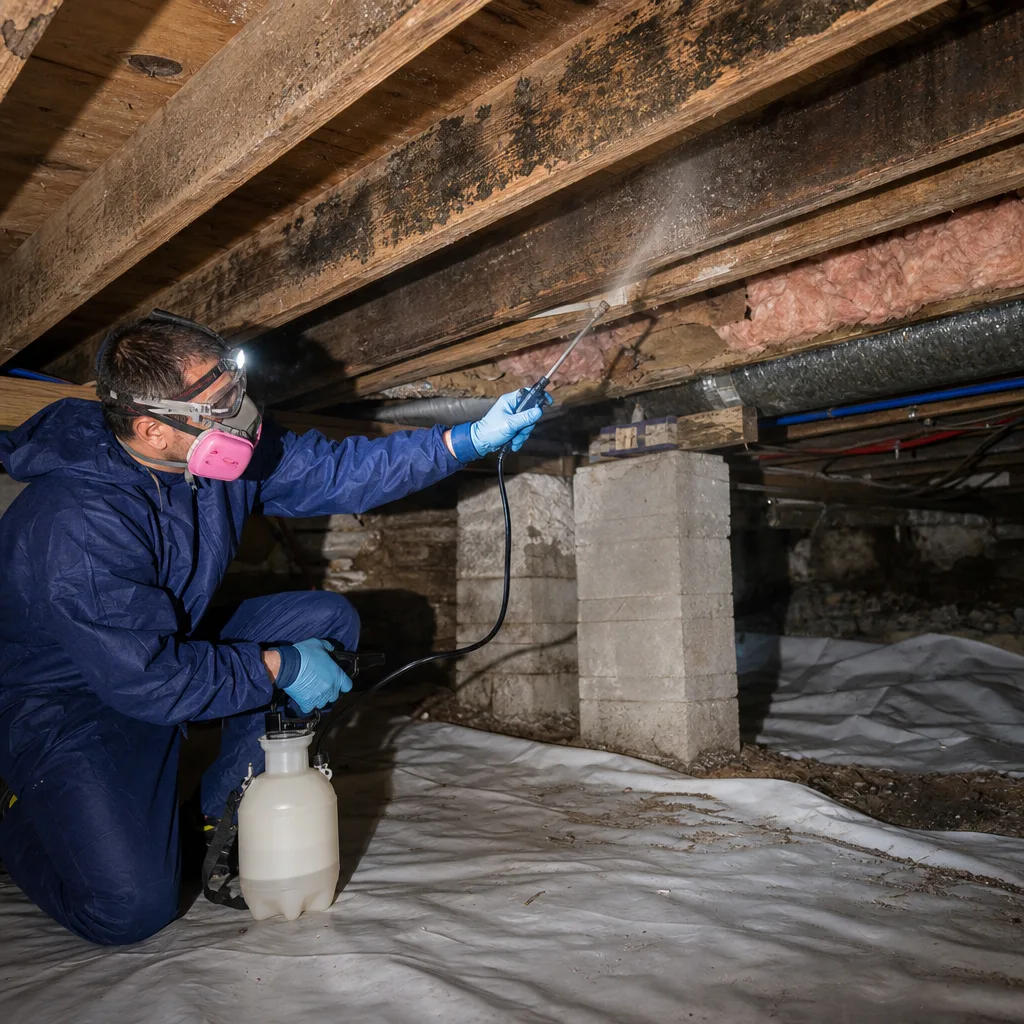
We’re based in the Williamsburg area and know this community well. Use the map below to see our service coverage - if you’re nearby, we can almost certainly help.
Williamsburg Fire & Smoke Damage Restoration Questions, Answered
How does a fire in a Williamsburg loft conversion differ from a fire in a regular apartment when it comes to smoke damage?
Smoke damage in Williamsburg loft conversions penetrates deeper and spreads faster than in conventional apartments because the buildings lack cavity framing and finished wall surfaces to contain it. Exposed brick, concrete slabs, and open steel joists offer no drywall barrier - smoke saturates the entire structural volume within minutes, and soot settles into porous masonry that standard surface cleaning cannot reach. Our Fire & Smoke Damage Restoration team uses thermal imaging to map the full contamination footprint, then applies injectable cleaning agents and vapor pressure differential drying rather than conventional wipe-down methods. Call (551) 213-5277 for a free assessment of your specific loft space.
When a fire damages a door or window in a Williamsburg storefront or loft during a storm, what does your crew do first?
We secure the opening with wind-rated board-up materials anchored for coastal exposure, not standard plywood. Williamsburg’s Kent Avenue waterfront corridor faces sustained winds off the East River that tear insufficiently fastened protection loose within hours, exposing the interior to secondary water intrusion and compromising the fire scene for insurance documentation. Our first action is photo documentation of the original damage, then immediate weatherproofing with impact-rated fastening. Call (551) 213-5277 - we carry these materials pre-staged for emergency dispatch.
Our Williamsburg building is a former warehouse with concrete floors - how do you dry it after a fire sprinkler discharge?
Concrete slab drying requires Injectidry panel systems that create negative pressure beneath the surface, pulling moisture upward through the slab matrix rather than waiting for natural evaporation. Standard air movers and dehumidifiers that work for drywall cavities are ineffective on concrete; pin-type moisture meters often miss the full saturation footprint because they only test surface conditions. Our drying logs document daily moisture readings at multiple slab depths, and we maintain desiccant dehumidification until psychrometric data confirms equilibrium - typically five to seven days longer than standard residential drying. Call (551) 213-5277 for a written scope and timeline.
Does smoke odor removal in Williamsburg’s older tenements require different methods than in newer loft buildings?
Yes. Tenement smoke odor removal must address plaster-and-lath walls with shared cavities between units, where odor particles migrate horizontally through voids that don’t exist in modern construction. We establish containment and negative air pressure, then apply vapor pressure differential techniques using desiccant dehumidification to draw odor from deep within plaster rather than masking it with topical treatments. In newer lofts, the challenge is exposed porous substrates - brick, concrete, steel - that require injectable cleaning and extended hydroxyl generator deployment. The method changes with the building; our inspection determines which protocol applies. Call (551) 213-5277 for a free evaluation.
How quickly must mold be addressed after a fire is extinguished in a Williamsburg home?
Mold colonization begins 48-72 hours after water introduction, and fire extinguishment water is inevitable. In Williamsburg’s humid summer climate and in below-grade units near the FEMA AE flood zone, that window compresses further. We begin moisture mapping and structural drying concurrently with smoke mitigation, documenting daily moisture readings to IICRC standards. Our AMRT-certified technicians evaluate microbial risk at every phase; if mold is present, containment and air scrubbing are established before restoration proceeds. Delaying drying to finish smoke cleanup first is a false economy that creates a secondary mold remediation - Williamsburg claim. Call (551) 213-5277 for immediate assessment.
Will my insurance cover fire and smoke damage restoration in Williamsburg?
Standard homeowners insurance covers fire and smoke damage restoration, including emergency board-up, contents cleaning, structural repairs, and additional living expenses if the home is uninhabitable. The key variable is documentation: carriers deny claims or reduce payouts when restoration lacks photo evidence, moisture logs, and line-item scopes. We provide all three as standard deliverables, in Xactimate format that adjusters recognize. For commercial policies or landlord policies on Williamsburg rental properties, coverage varies by endorsement; we review your declaration page at no charge during our free inspection. Call (551) 213-5277 to schedule documentation that protects your claim.
How long does complete fire and smoke damage restoration take in Williamsburg?
Light smoke damage in a single tenement room: 3-5 days. Moderate damage with contents pack-out and odor treatment: 2-3 weeks. Severe structural damage in a Kent Avenue loft with concrete slab drying and exposed brick treatment: 4-8 weeks, sometimes longer if engineering review is required for steel joist exposure. The timeline extends when technicians miss hidden contamination in the first pass - which is why our thermal imaging and moisture mapping protocols are non-negotiable. We provide a written schedule with your scope, updated daily. Call (551) 213-5277 for a timeline specific to your property.
Can we stay in our Williamsburg home during fire and smoke damage restoration?
Usually not during active mitigation. Hydroxyl generators are safe for occupancy, but ozone treatment, solvent-based cleaning, and structural demolition require evacuation. For Williamsburg tenements with shared HVAC, adjacent units may also need temporary relocation during duct cleaning and air scrubber deployment. We coordinate with your insurance adjuster on additional living expense documentation from day one, and we schedule work phases to minimize displacement where possible. Your written scope includes a clear occupancy timeline before work begins. Call (551) 213-5277 to discuss your specific situation.
Fire and smoke damage in Williamsburg demands restoration protocols engineered for concrete slabs, exposed brick, and coastal wind exposure - not standard residential templates. Our crews carry the certifications, equipment, and documentation discipline that converted industrial buildings require. Every job starts with a written price, proceeds with a photo record on every visit, and closes with a signed 365-Day Done Right Promise under The Haven Standard.
Call (551) 213-5277 now. We answer live, 24 hours a day, 7 days a week. Free inspection. Written scope before any work begins. Haven Standard, Clause 1.
Written by Alicia Brennan, Owner at Back to Dry Restoration, serving Williamsburg since 2011.