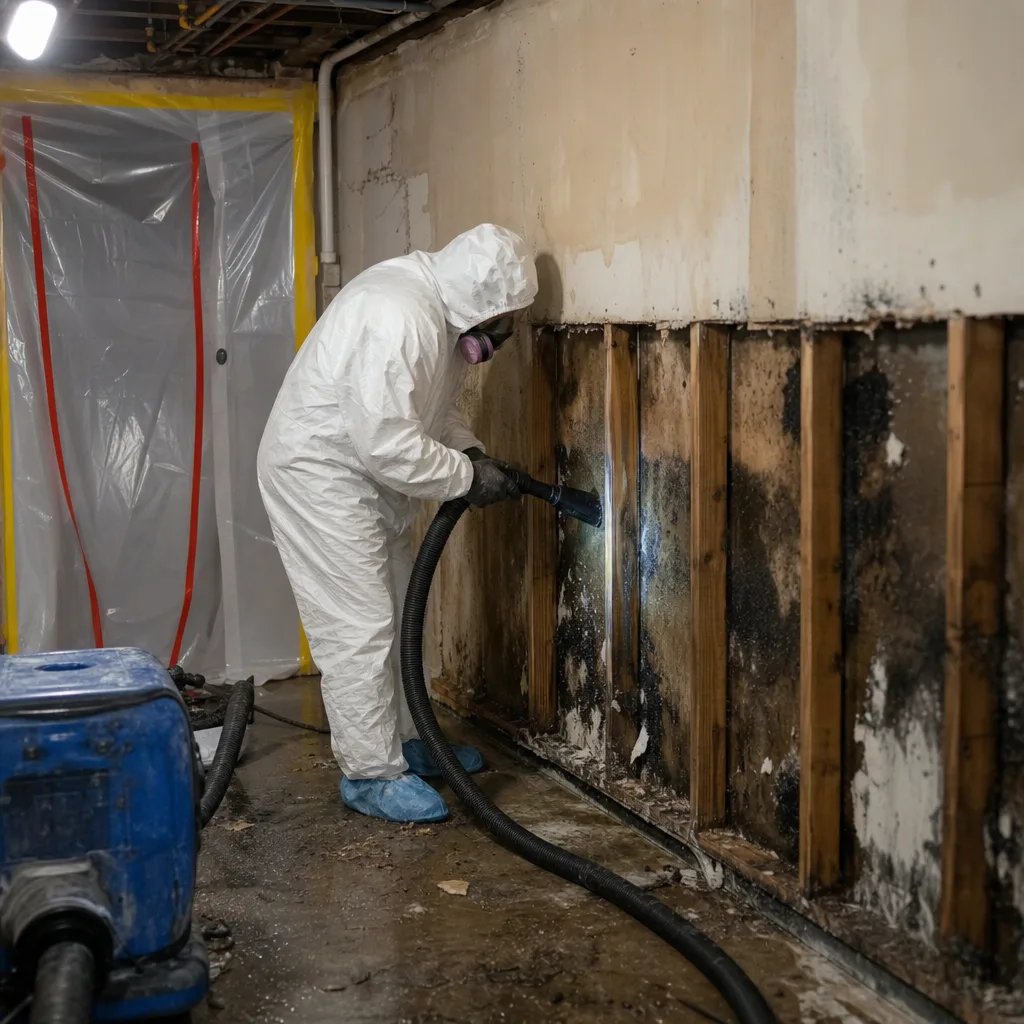
Free visual inspection and a written scope of work before any mitigation begins - photos, moisture readings, and drying logs go in your claim file
The scope we write is the scope we bill. Anything new gets shown to you, in writing, before we touch it.
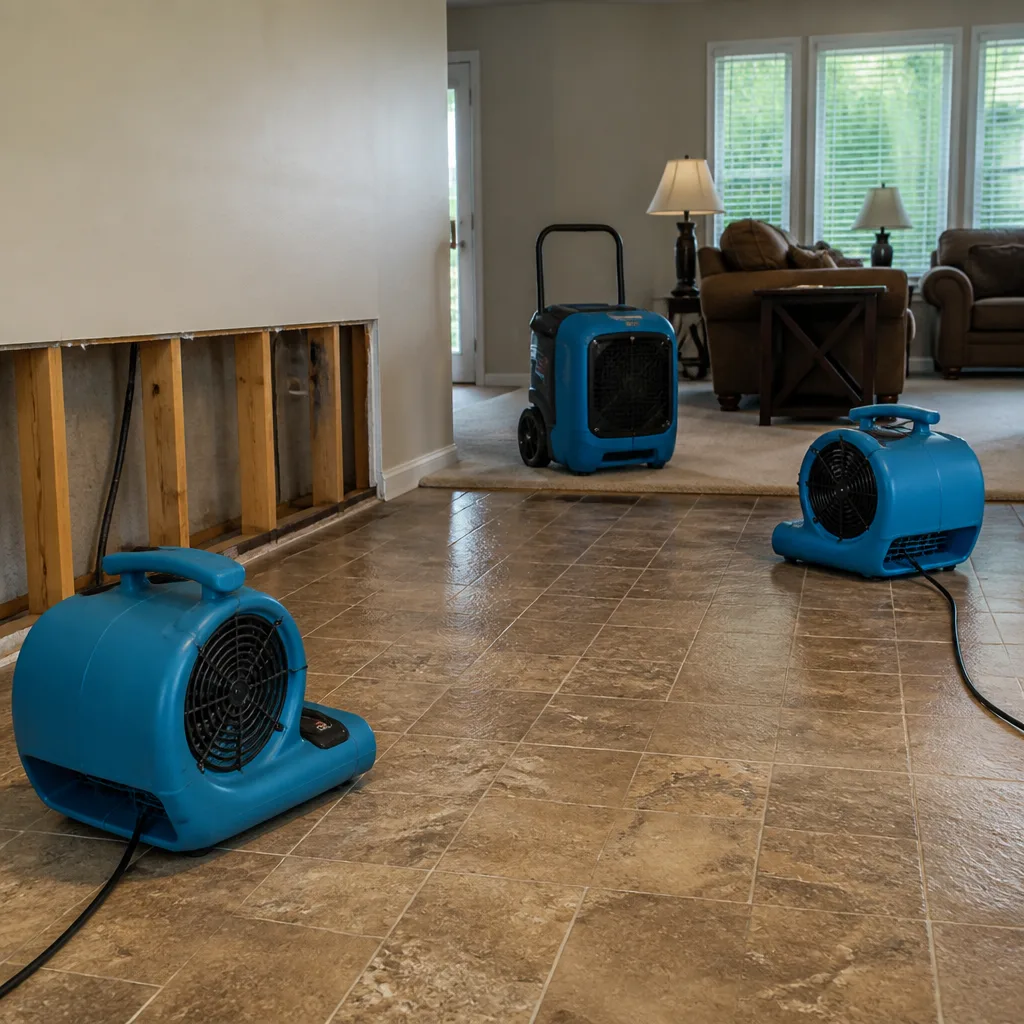
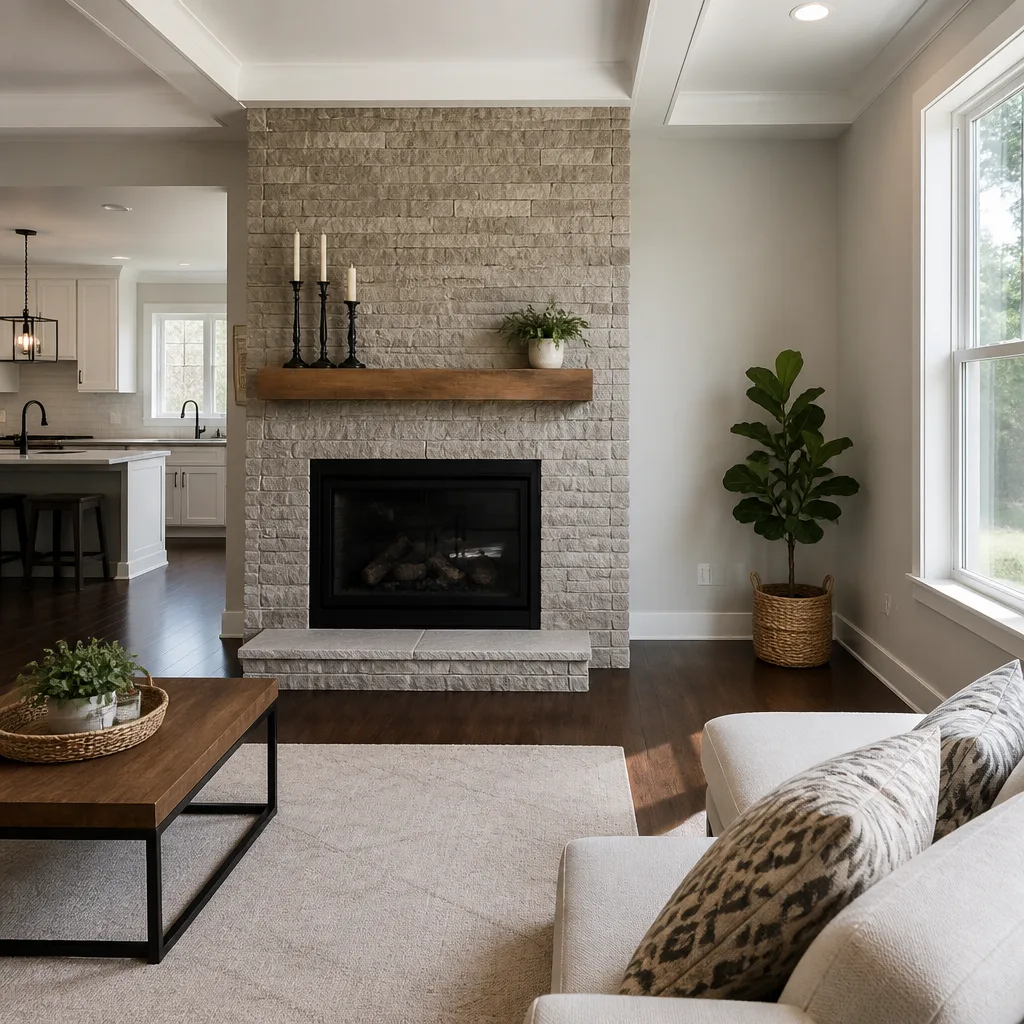
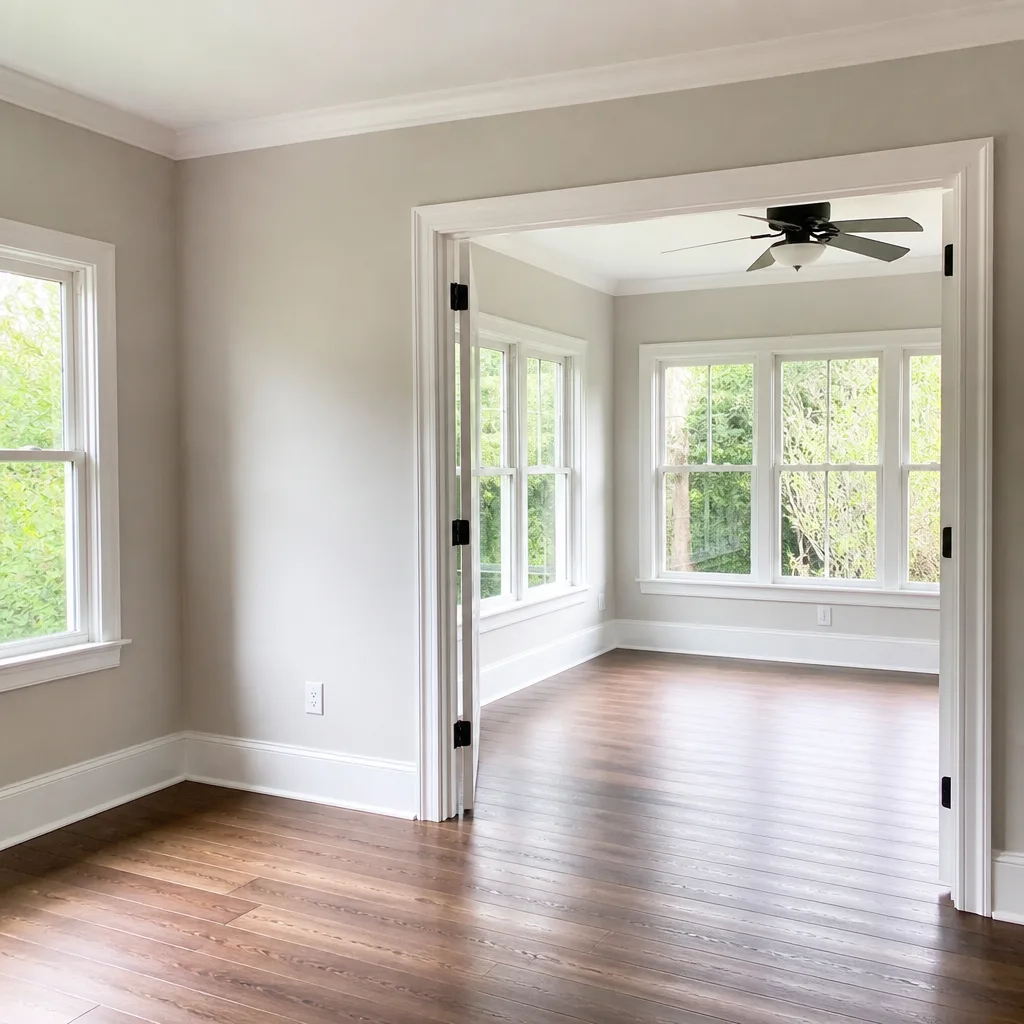
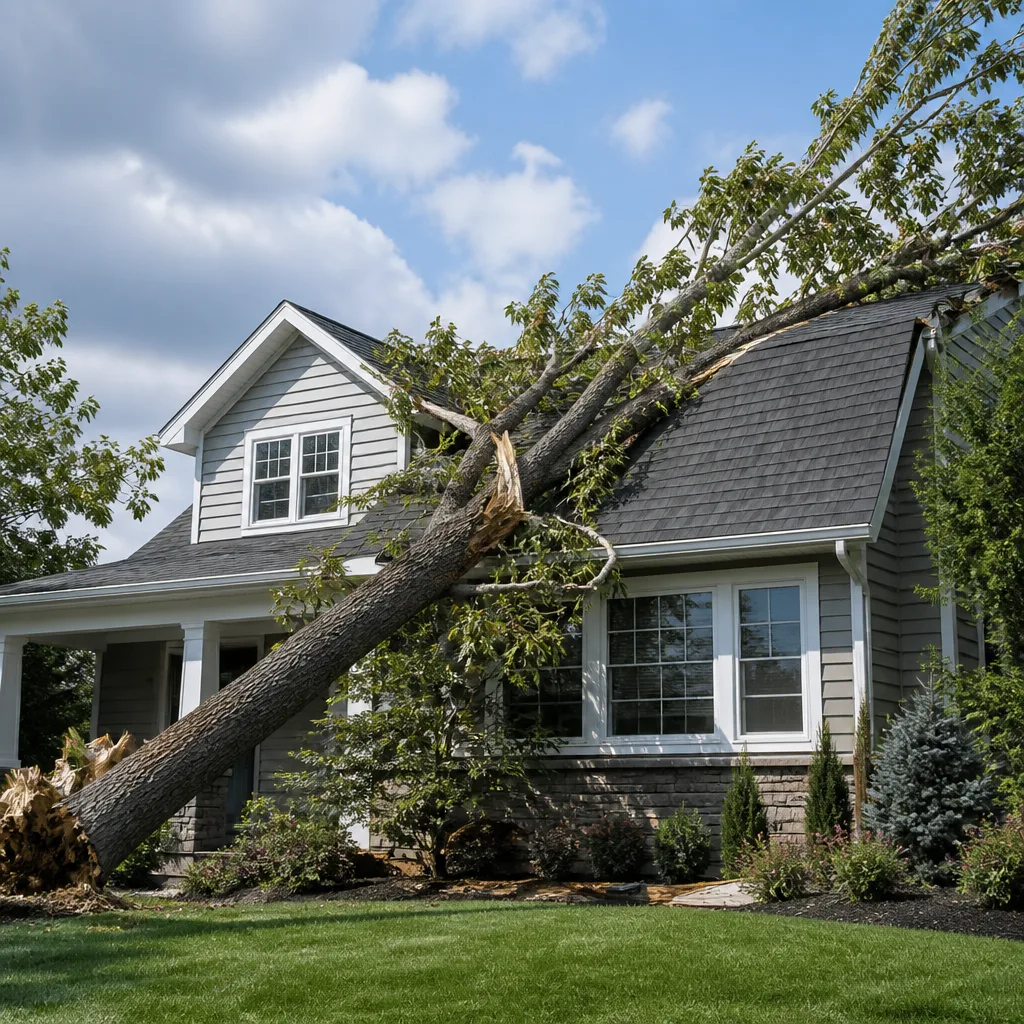
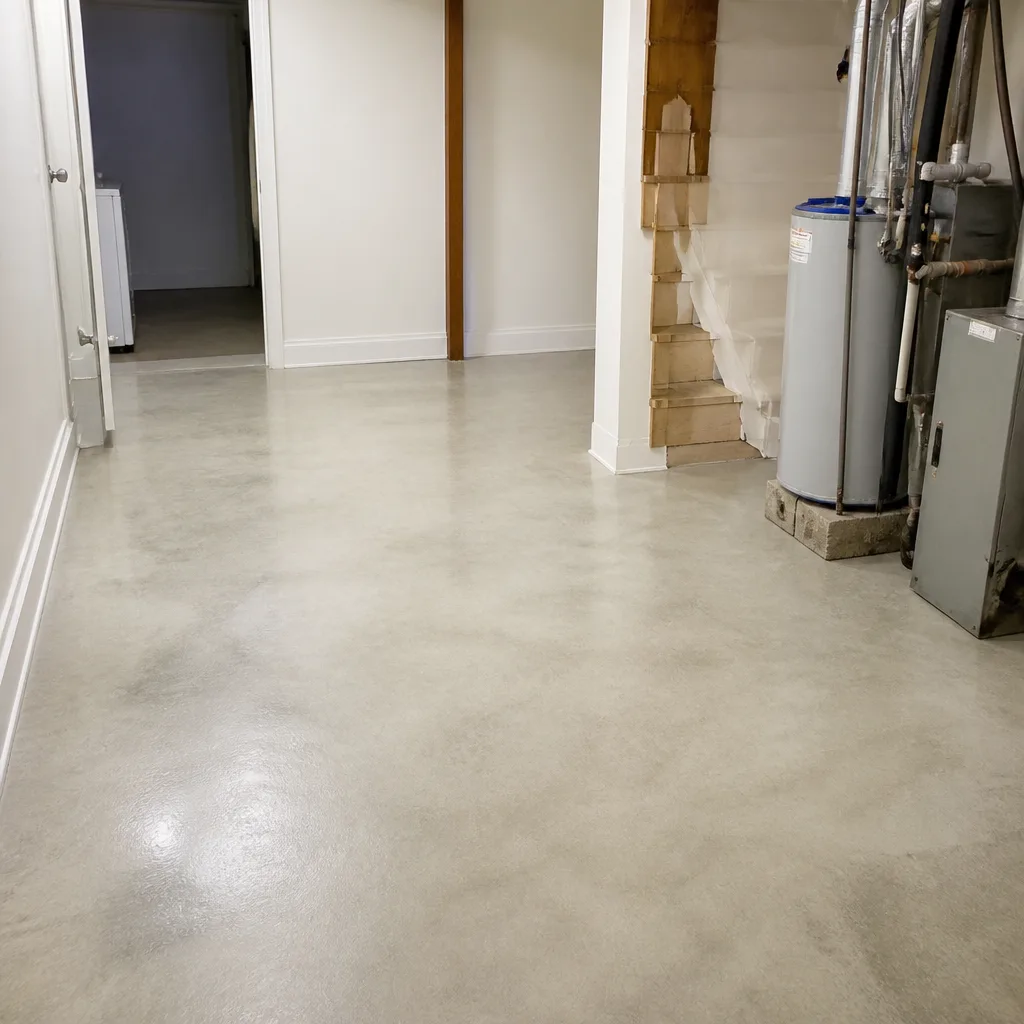
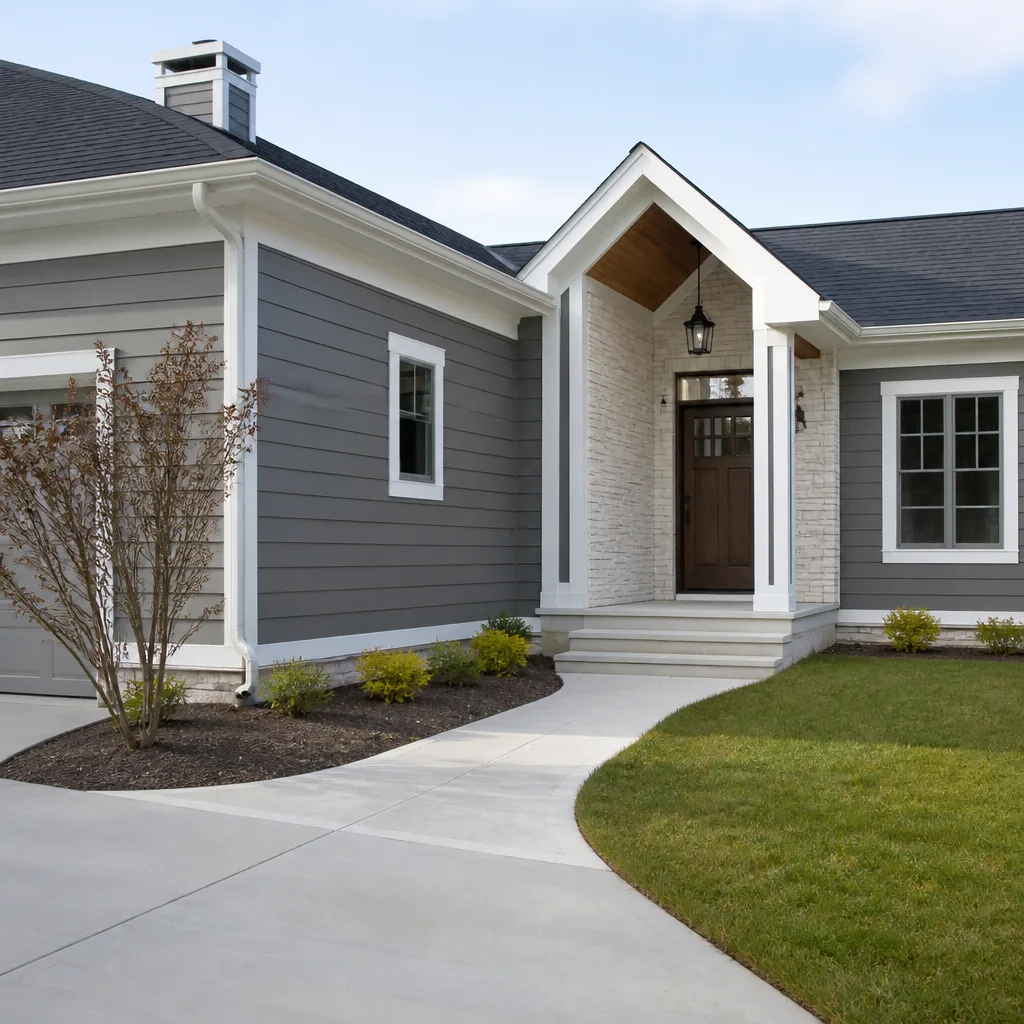
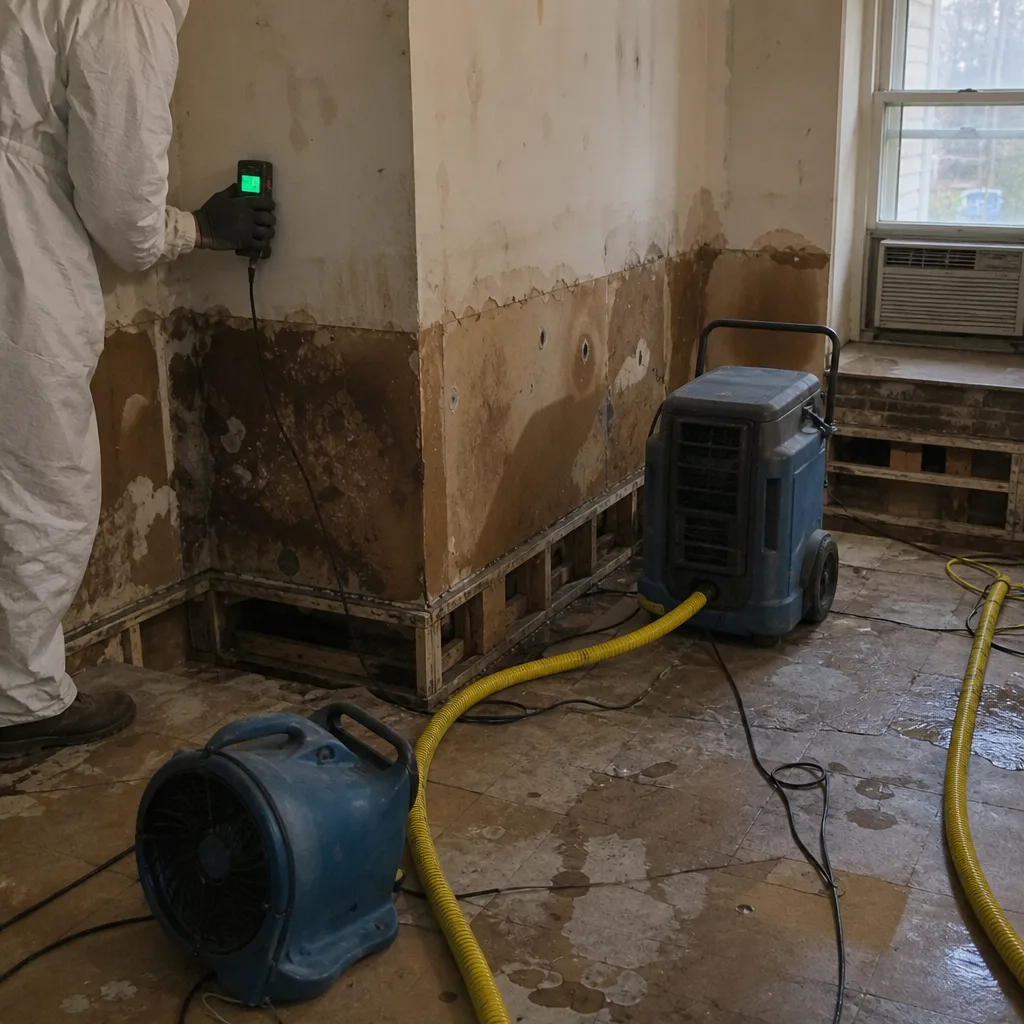 Before
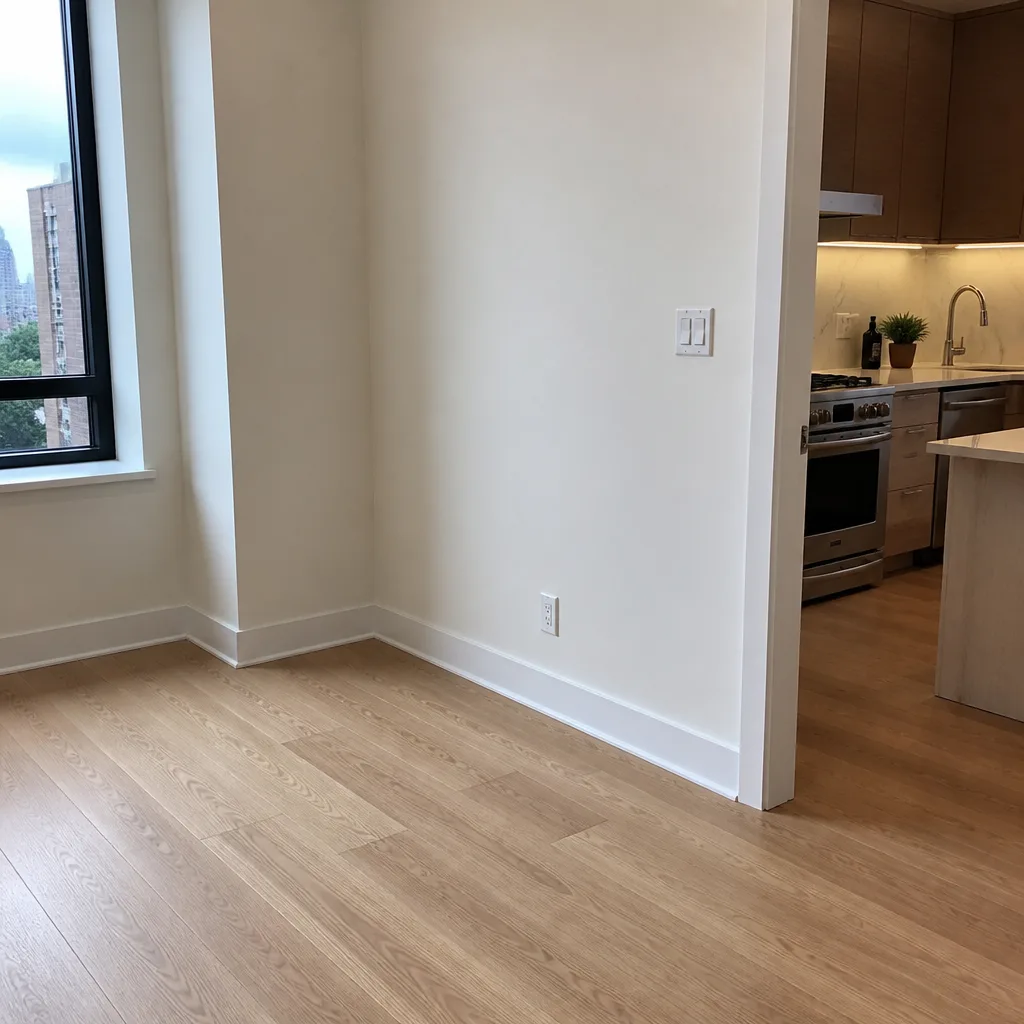 After
After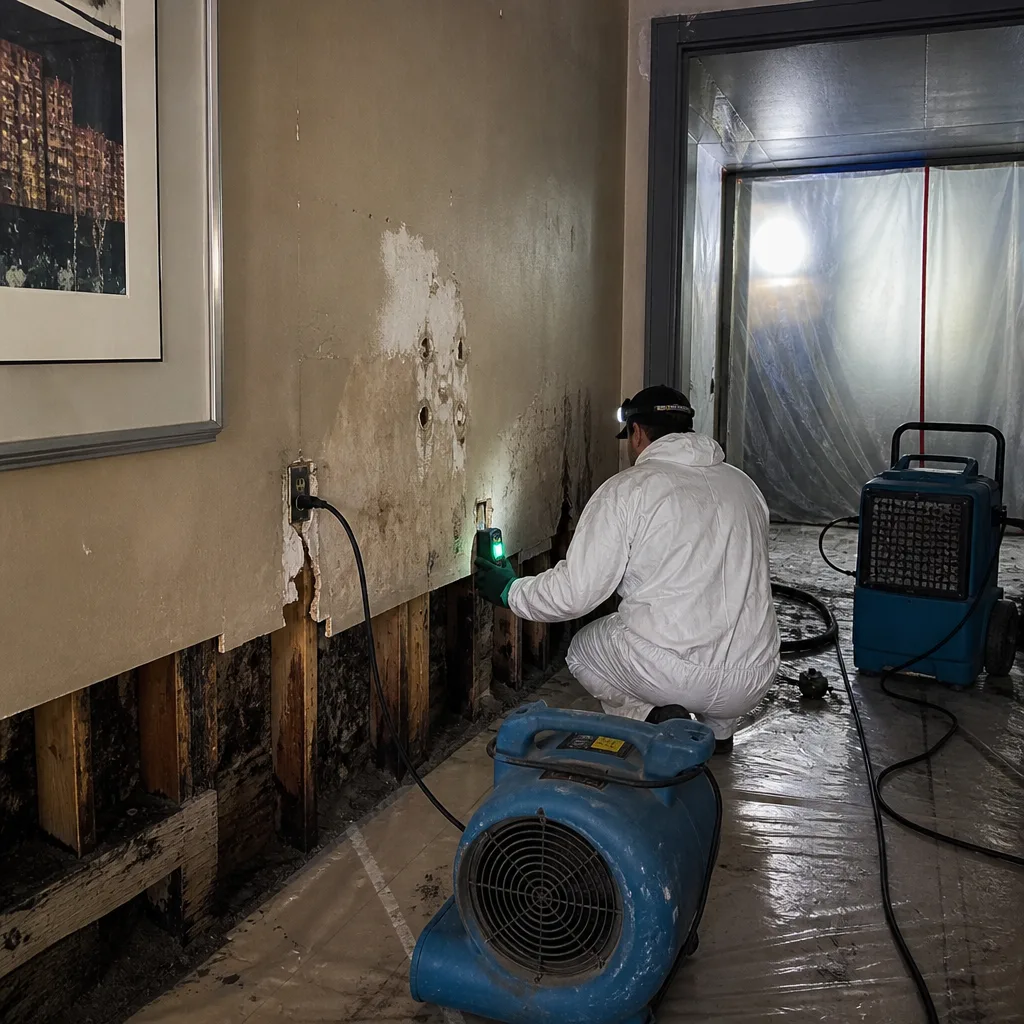 Before
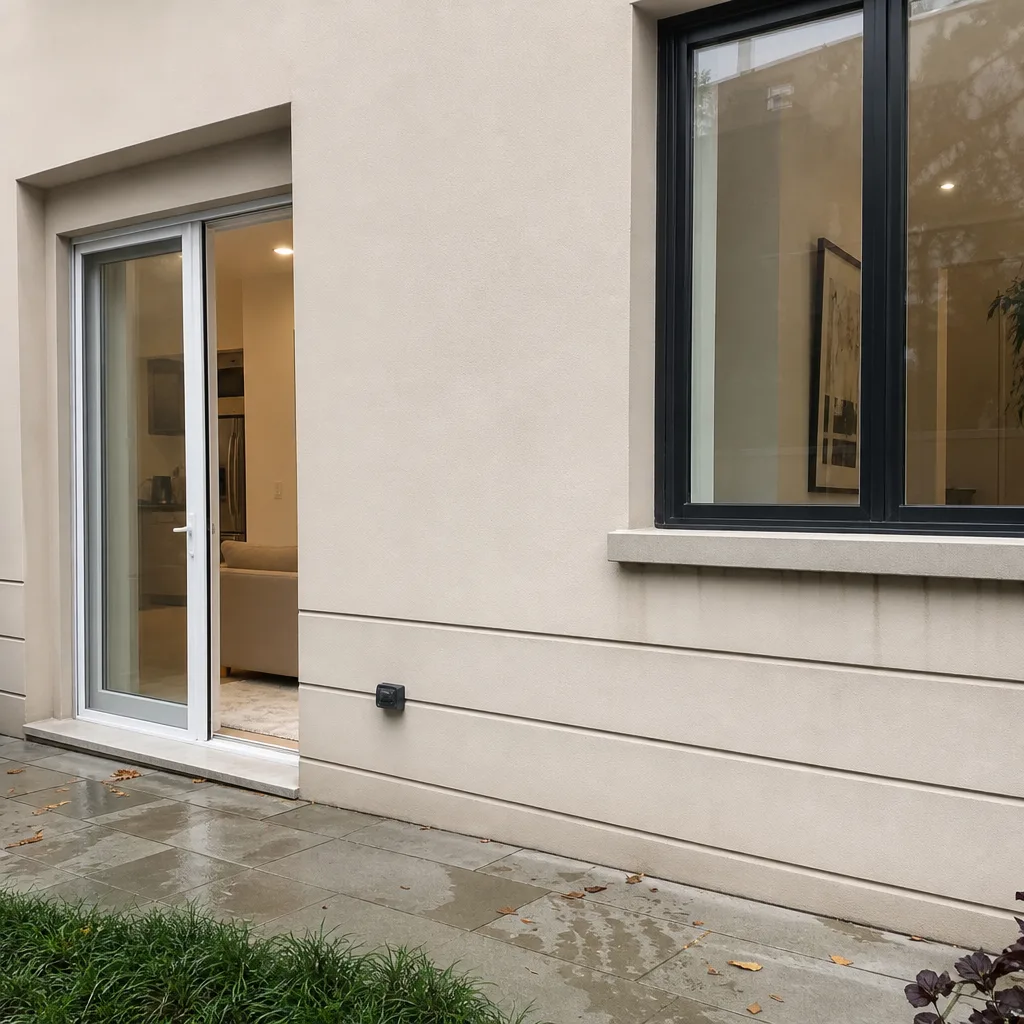 After
After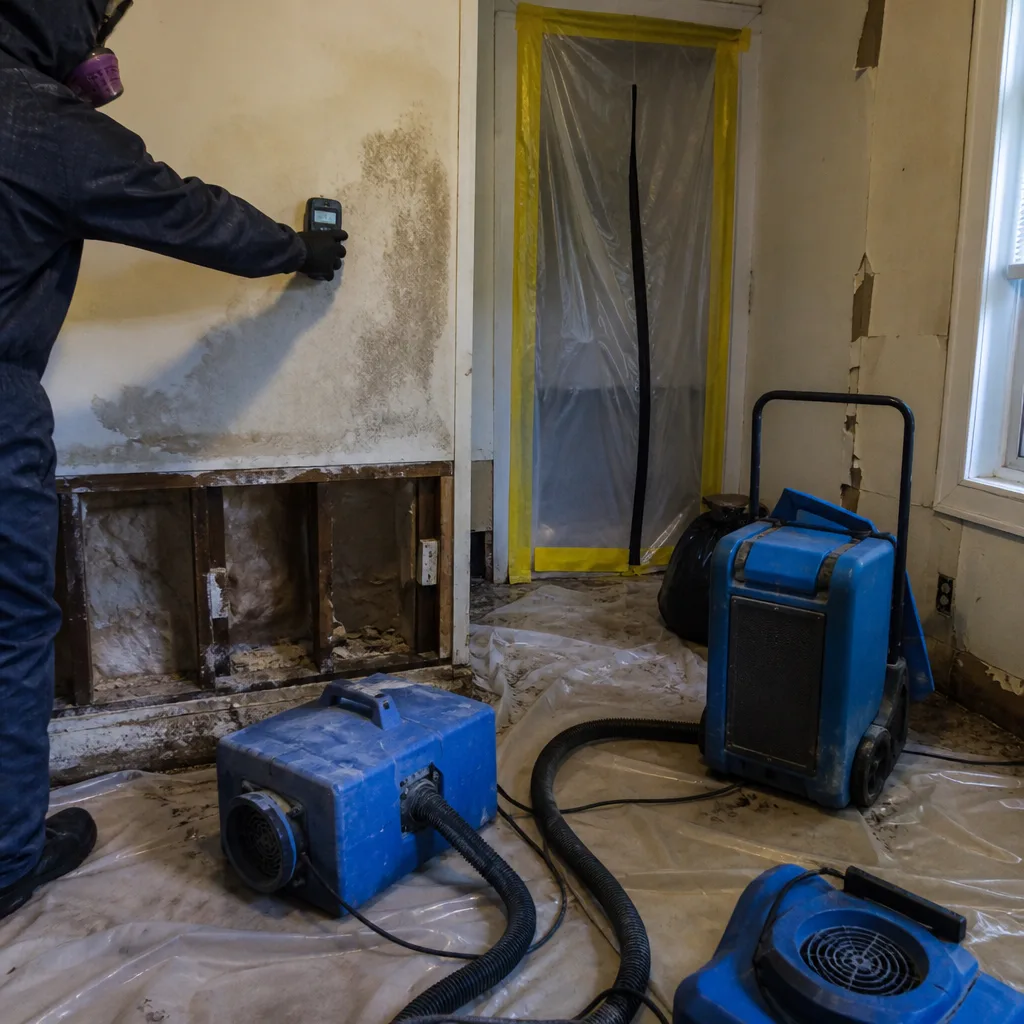 Before
 After
After24/7 Emergency Mold Remediation in Greenpoint
Mold remediation in Greenpoint typically costs $1,800-$6,500 depending on affected square footage and whether the source was Category 3 water requiring full containment. Crews from DryMark Restoration Upper East Side answer live at (551) 213-5277 twenty-four hours a day, seven days a week, with no voicemail trees, and can be on-site in Greenpoint within forty-five minutes of your call. The first hour matters because mold colonies establish within twenty-four to forty-eight hours of water intrusion, and in Greenpoint’s pre-war brick tenements with no interior drainage, that moisture wicks laterally through walls faster than in modern construction. We provide a free visual inspection, document conditions with photos before any work begins, and deliver a written price under Haven Standard, Clause 1 - no exceptions, no scope creep once our crew is inside your building.
Understanding Mold Remediation Severity in Greenpoint Properties
We classify mold contamination by extent, water category, and building material susceptibility. Limited growth under ten square feet on non-porous surfaces - painted drywall, sealed concrete - requires localized containment and HEPA vacuuming. Moderate growth from ten to one hundred square feet, or any growth on porous materials like unsealed brick or plaster lathe common in Greenpoint’s 1890s-1920s housing stock, demands full containment with negative air pressure and air scrubbing. Extensive growth exceeding one hundred square feet, or any HVAC contamination, triggers full-area isolation, disposable protective equipment for technicians, and post-remediation clearance testing by a third-party indoor environmental professional.
Greenpoint’s buildings compound these thresholds. The late-19th century brick tenements along Manhattan Avenue and Nassau Avenue were built before vapor barriers existed; their exterior walls breathe both ways, so moisture from a burst cast-iron drain line migrates through mortar joints into adjacent units. Former industrial lofts converted on Franklin Street and Commercial Street often have unsealed concrete floors and original timber framing that holds moisture at fifteen to twenty percent wood moisture content - the threshold for mold germination - for weeks after surface water appears dry. We map this with penetrating moisture meters and thermal imaging before declaring any area remediated.
Why Greenpoint Property Owners Choose DryMark Restoration Upper East Side
- Forty-five-minute response commitment to any Greenpoint address, with dispatch coordinated from our New York City office and crews already staged in the area.
- Twenty-four hours a day, seven days a week live answer - a real person, never an automated system or next-business-day callback while mold continues spreading.
- IICRC-certified crews holding WRT (Water Damage Restoration Technician), AMRT (Applied Microbial Remediation Technician), and FSRT (Fire & Smoke Restoration Technician) credentials, with license numbers documented on every job file.
- Free visual inspection and moisture mapping before any commitment, with findings explained in plain terms and a written scope delivered before work starts.
- Direct insurance billing and adjuster coordination - we produce the photo records, drying logs, and line-item estimates that turn restoration invoices into payable claims.
- One team from mold containment through reconstruction, so no handoff gaps between remediation and the rebuild that follows.
BeforeAfterOur Mold Remediation Process
Inspection & Assessment
We arrive with moisture meters, thermal imaging cameras, and hygrometers to map affected areas beyond visible growth. In Greenpoint’s pre-war buildings, we specifically check for deteriorating brick facades, aging cast-iron drain lines, and signs of combined-sewer backup that would classify water as Category 3. On properties near Newtown Creek, we screen for petroleum contamination before any extraction begins - a step no other neighborhood in our service area requires.
Containment & Air Filtration
We establish physical barriers with polyethylene sheeting and maintain negative air pressure using HEPA-filtered air scrubbers, preventing cross-contamination to unaffected areas. For Greenpoint tenements with shared HVAC or open floor plans in converted lofts, this containment is critical to protect neighboring units and common spaces.
Moisture Control & Drying
We deploy commercial dehumidifiers from Phoenix and XPOWER, plus targeted air movers, to reduce ambient humidity below sixty percent relative humidity and substrate moisture to acceptable levels. In Greenpoint’s thick plaster walls and uninsulated brick, this takes longer than standard gypsum board - we document daily psychrometric readings until equilibrium is reached.
Removal of Contaminated Materials
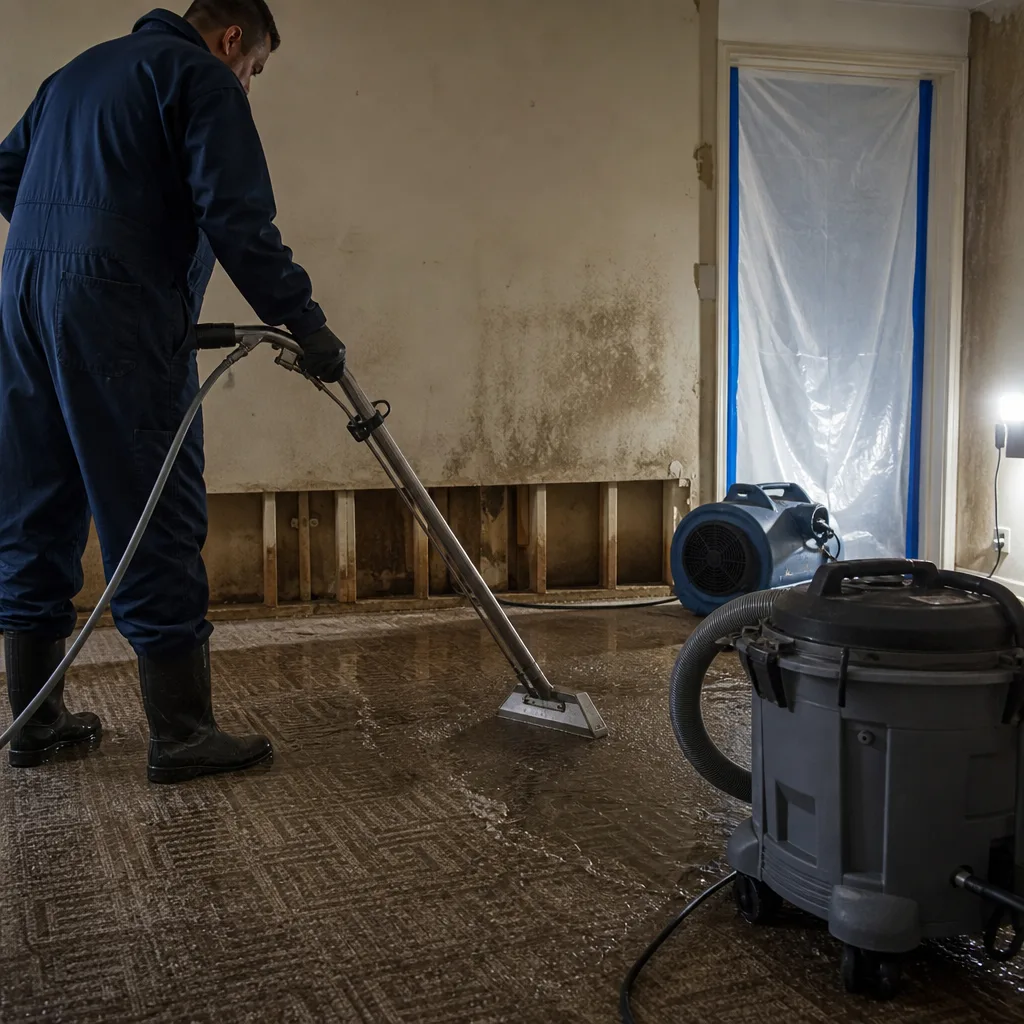
Porous materials with established mold growth - drywall, insulation, carpet, affected timber - are removed under containment and bagged for proper disposal. Where pre-1980 asbestos tile or lead paint is present, as is common in Greenpoint’s housing stock, we sequence licensed abatement into the scope so disturbance does not violate EPA or NYCDEP protocols.
Antimicrobial Treatment & HEPA Cleaning
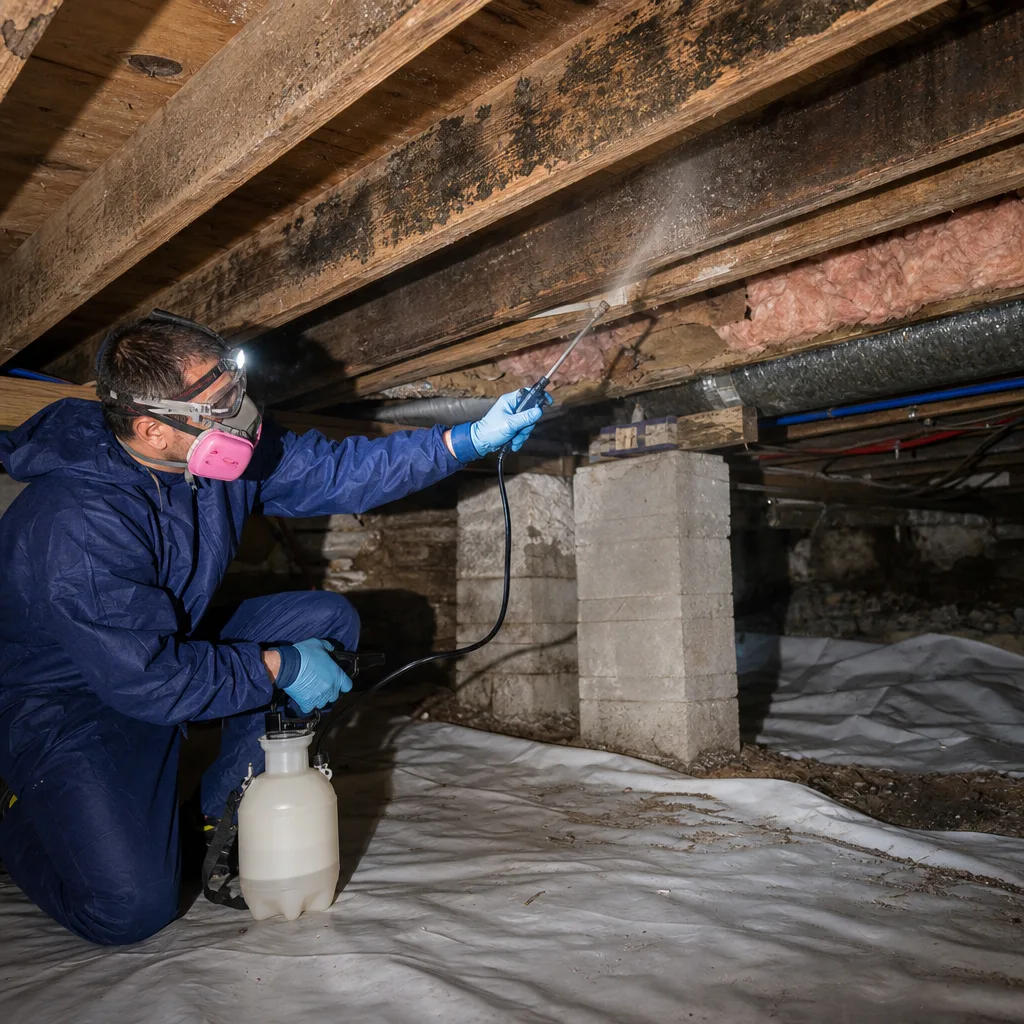
Remaining structural elements receive antimicrobial application appropriate to the material and mold species identified. We follow with HEPA vacuuming of all surfaces within the containment zone, including structural elements that will remain. Air scrubbers run continuously through this phase, with filter changes documented.
Clearance Testing & Restoration
We recommend third-party post-remediation verification, including air sampling and surface sampling, before containment is removed. Once cleared, our reconstruction team repairs or replaces removed materials, matching original finishes where possible. The full photo record, drying logs, and signed 365-Day Done Right Promise under The Haven Standard are delivered with the final invoice.
Need Emergency Mold Remediation in Greenpoint Now?
Crews minutes away, answering live 24 hours a day. The sooner we start, the less it costs.
Working With Your Insurance Company
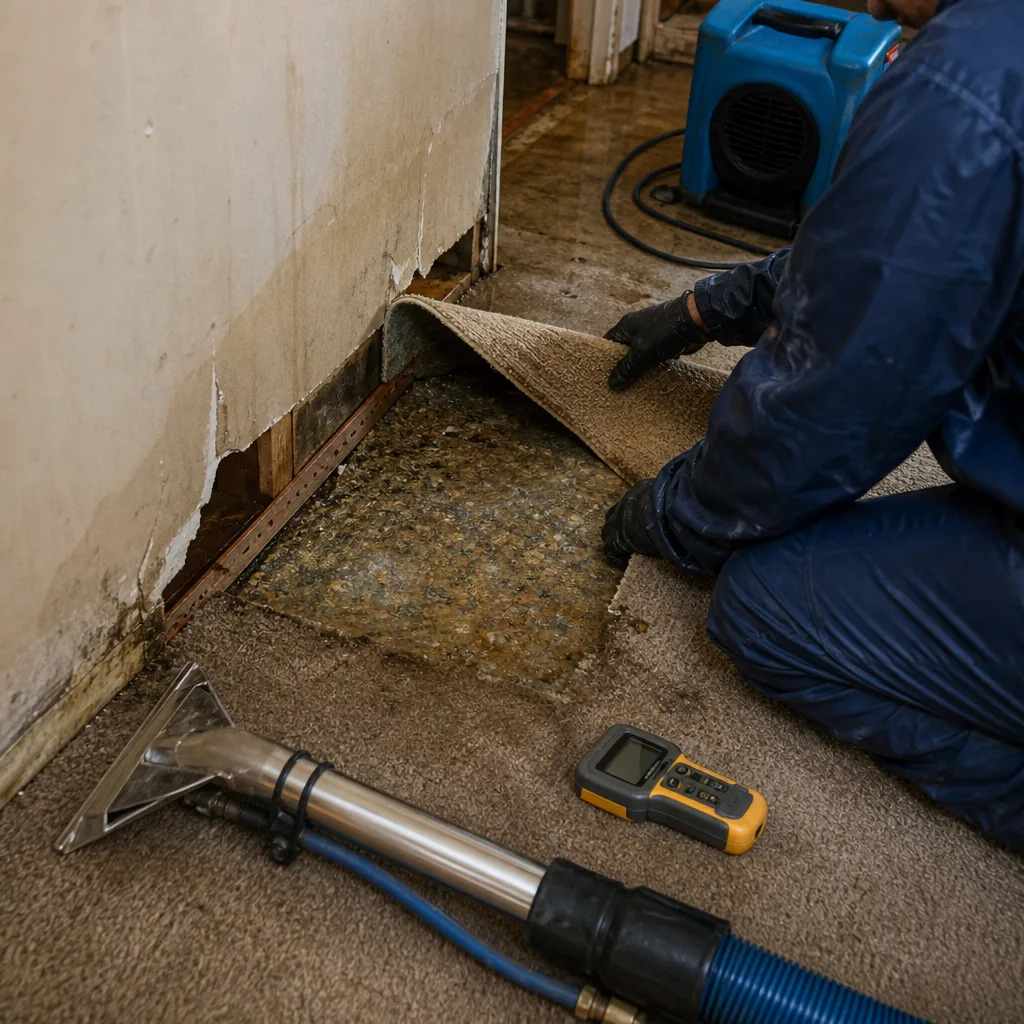
Documentation from the first hour is what separates a paid claim from a disputed one. We photograph every room before touching anything, record moisture readings at each structural element, and maintain daily drying logs that satisfy IICRC, RIA, and IFA standards. Our estimates are built on industry-standard pricing databases, not invented numbers, and we communicate directly with your adjuster rather than handing you a bill to explain alone.
The Haven Standard requires this documentation because Alicia Brennan founded Back to Dry Restoration in 2011 after seeing how many homeowners lost legitimate claims to incomplete files. Twelve thousand homes later, that documentation-first approach still defines every job we take.
What We Provide Your Insurer
- Thorough documentation of the loss
- Photos of all damage, room by room
- Moisture readings and drying logs
- A detailed, line-item scope of work
- Direct coordination with your carrier
Built for Greenpoint’s Loss Calendar
January brings deep freezes that split copper supply lines in uninsulated crawl spaces and exterior walls of Greenpoint’s row houses. The thaw that follows drives groundwater through foundation cracks in low-lying blocks near the East River. Spring and summer deliver thunderstorms that overwhelm the combined sewer system, pushing Category 3 black water backward through floor drains in basements along Kent Street and Greenpoint Avenue. Hurricane Sandy proved what nor’easters still confirm: the waterfront blocks between West Street and the river remain in FEMA Special Flood Hazard zones, with storm surge and rainfall combining to inundate ground floors and subcellars that were never built to drain.
Each season leaves its moisture signature. Winter pipe bursts often saturate plaster lathe and insulation before owners notice. Summer sewer backups introduce bacterial and chemical contaminants that change the remediation protocol entirely. In either case, Greenpoint’s pre-war construction means water travels unpredictably through wall cavities and along shared structural elements between units. We account for this in our initial moisture mapping, not after mold reappears six weeks later.
Mold Remediation Across Greenpoint’s Neighborhoods
Near Newtown Creek along Clay Street, Java Street, and India Street, our crews know to check for petroleum sheen before any water extraction begins. The underground plume from the former ExxonMobil refinery operations means basement flooding here can trigger NYSDEC hazmat protocols that halt standard remediation until clearance is documented. This does not happen in Williamsburg. It does not happen in Long Island City. It is a Greenpoint-specific contingency we build into every response plan for this corridor.
The tenement blocks along Manhattan Avenue and Nassau Avenue, between McGuinness Boulevard and the BQE, present their own pattern: shared walls between units, original cast-iron drain stacks, and no interior waterproofing. A leak on the third floor can saturate the second-floor ceiling before the first-floor owner notices staining. We map these lateral moisture paths with thermal imaging and advise all affected units simultaneously, not just the caller.
Converted industrial lofts on Franklin Street and Commercial Street near the waterfront often have unsealed concrete floors, exposed timber framing, and original windows that leak wind-driven rain. The open floor plans that sell these units also allow airborne mold spores to migrate across large areas before visible growth appears. Our containment strategies here are sized to the volume of air, not just square footage.
The residential blocks south of Greenpoint Avenue, toward the Pulaski Bridge, mix two- and three-family row houses with newer infill construction. The age gap matters: pre-war buildings need moisture mapping through plaster and brick, while newer buildings with standard gypsum board dry faster but may have hidden vapor barrier failures from improper installation. We adjust equipment and timeline accordingly.
Specialized Mold Remediation Services We Offer in Greenpoint
Mold Inspection & Testing
We begin with visual inspection, moisture mapping, and air quality assessment using calibrated equipment. In Greenpoint’s pre-war buildings, we specifically inspect for concealed growth behind plaster, under flooring, and within wall cavities shared between units. When third-party lab analysis is indicated, we coordinate sampling and interpret results against NYC Department of Health guidelines.
Black Mold Remediation
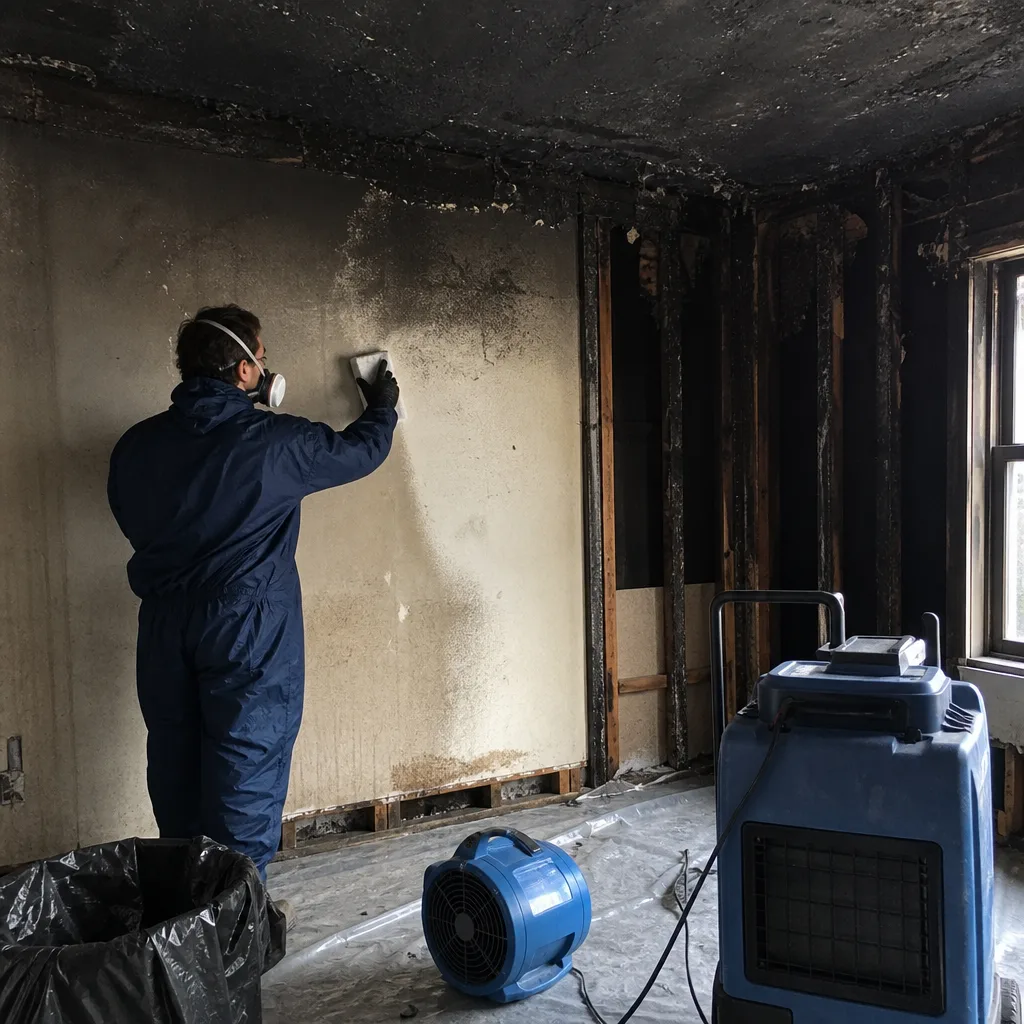
Stachybotrys chartarum and other toxigenic species require full containment, negative air pressure, and disposable protective equipment for technicians. In Greenpoint’s humid basements and crawl spaces, these species often follow Category 3 water events - sewer backups, creek-influenced flooding, or prolonged saturation from failed drain lines. We do not attempt to “treat” heavy contamination in place; affected porous materials are removed and properly disposed.
Moisture & Humidity Control
Remediation fails if moisture returns. We install and monitor commercial dehumidification systems, seal foundation penetrations, and recommend drainage improvements specific to Greenpoint’s building types. For properties in FEMA flood zones, we advise on flood-proofing measures and document baseline moisture conditions for future comparison.
Air Quality Restoration
Post-remediation, we deploy HEPA air scrubbers and evaluate ventilation adequacy in Greenpoint’s older buildings, many of which lack modern HVAC or have systems shared between units. Where indicated, we recommend duct cleaning or independent air quality verification.
Crawl Space Treatment
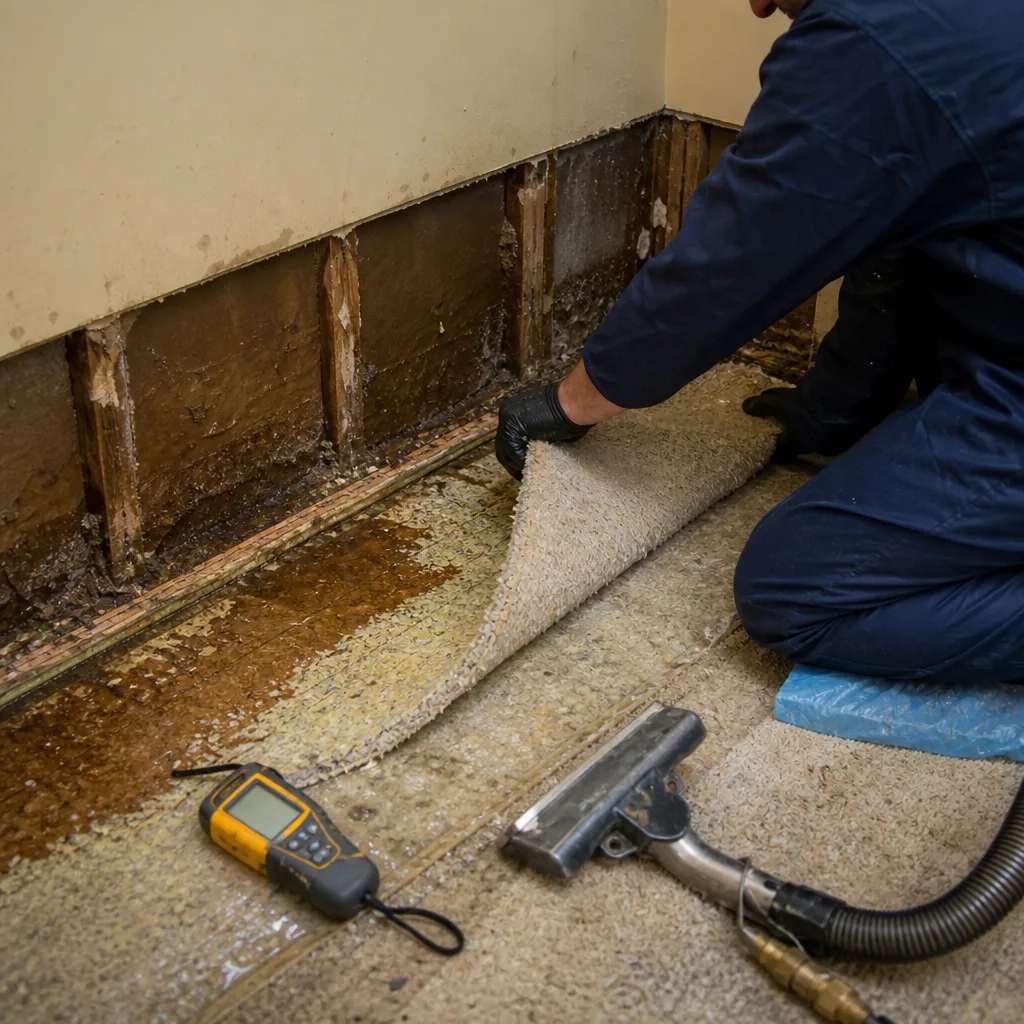
Greenpoint’s row houses and tenements often have shallow, unventilated crawl spaces beneath ground floors. These spaces accumulate moisture from soil vapor, foundation seepage, and failed perimeter drainage. We encapsulate where appropriate, install vapor barriers, and treat existing growth with antimicrobial application under containment.
What happens when you call
- 1
A real person answersNo phone trees - you reach a local pro.
- 2
You get an upfront price rangeHonest numbers before anyone is dispatched.
- 3
A background-checked tech heads outLicensed & insured, dispatched right away.
- 4
You approve before work beginsNothing starts until you say go.
Mold Remediation Costs in Greenpoint, NY
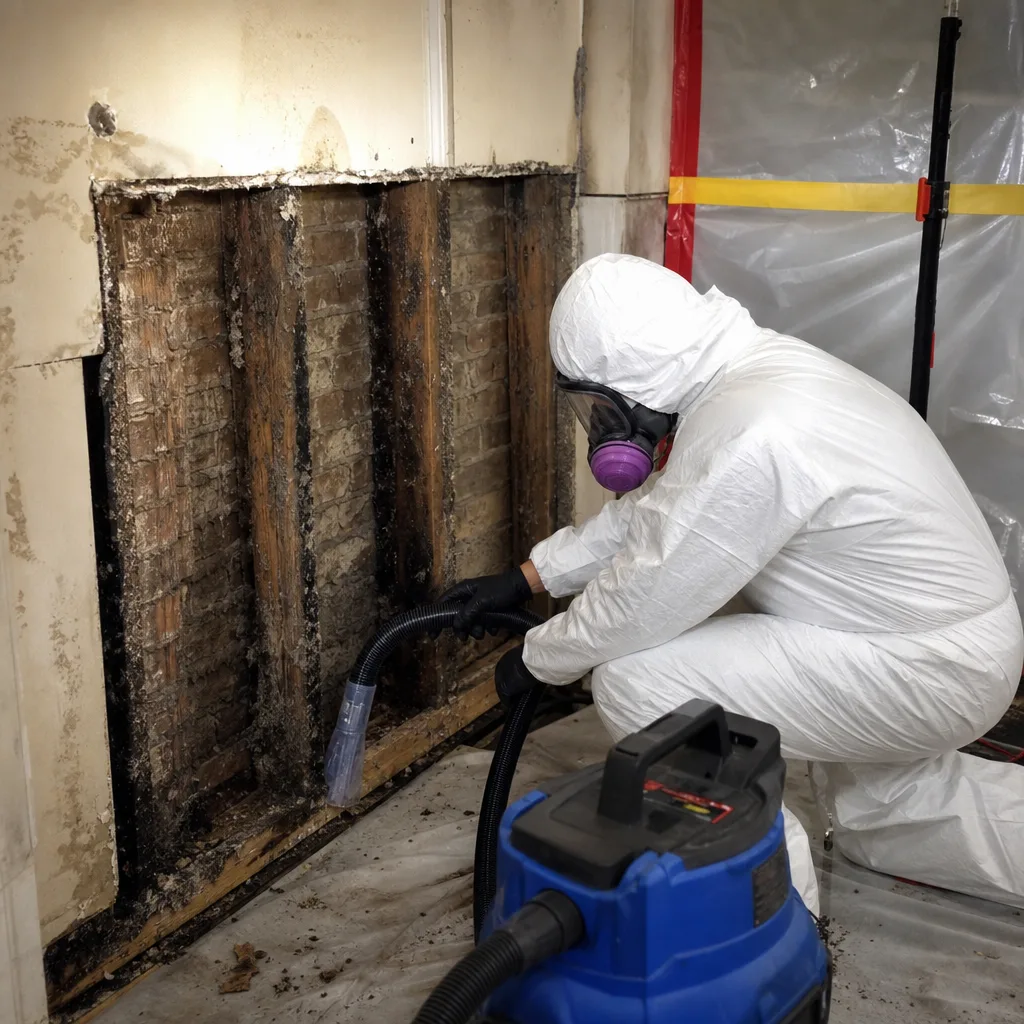
A typical mold inspection with moisture mapping in Greenpoint runs $250-$450; this fee is credited toward remediation if you proceed. Limited remediation under ten square feet on non-porous surfaces typically costs $1,800-$3,200. Moderate remediation with containment, air scrubbing, and material removal in a single room or basement area runs $3,500-$6,500. Extensive whole-unit or multi-room remediation with reconstruction approaches $8,000-$15,000, particularly where pre-1980 asbestos tile or lead paint abatement must be sequenced into the scope.
What moves the price: square footage of visible and hidden growth, water category (Category 1 vs. Category 3 changes labor and disposal costs significantly), need for third-party clearance testing, and whether reconstruction is included or handled separately. Insurance typically covers mold remediation when the underlying water damage is a covered peril - burst pipes, storm intrusion, accidental overflow - but may exclude long-term maintenance issues or flood damage without separate flood coverage. We review your policy and provide documentation that supports your claim. Call (551) 213-5277 for a free inspection and written scope; estimates carry no obligation.
We Also Serve Cities Near Greenpoint
Our crews respond throughout the immediate area, including Greenpoint itself plus Upper East Side, Manhattan, Upper West Side, and Astoria. Dispatch and scheduling are coordinated from our New York City office, with technicians staged for rapid response across all listed service areas.
Serving Greenpoint, NY - Our Local Coverage Area
We’re based in the Greenpoint area and know this community well. Use the map below to see our service coverage - if you’re nearby, we can almost certainly help.
Greenpoint Mold Remediation Questions, Answered
Why does a flooded basement in Greenpoint sometimes smell like oil or show a sheen on the water?
Greenpoint sits above an estimated 17-30 million gallon petroleum plume from former ExxonMobil refinery operations near Newtown Creek, and this contaminated groundwater rises into basements during flood events on streets like Clay, Java, and India.
When our technicians detect petroleum odor or sheen, we immediately stop standard water extraction, photograph and document conditions, and notify NYSDEC before any drying or mold remediation proceeds. This hazmat protocol is specific to Greenpoint’s geology and does not apply in neighboring Williamsburg or Long Island City. Continuing with standard extraction would contaminate equipment, violate environmental regulations, and potentially invalidate your insurance claim. Call (551) 213-5277 if you observe sheen or odor - we will assess and coordinate the proper response sequence.
Does Greenpoint’s flood history affect how mold remediation is scoped on my block?
Yes - properties in FEMA Special Flood Hazard zones, particularly waterfront blocks between West Street and the East River, have higher baseline moisture risk and may require more extensive containment and longer drying timelines.
Buildings flooded during Hurricane Sandy or recurring nor’easters often harbor residual moisture in subfloors and wall cavities that standard surface drying misses. We use penetrating moisture meters and thermal imaging to identify these hidden reservoirs, and we document flood history in our scope for insurance purposes. Properties with repeated flooding may also benefit from moisture and humidity control systems installed post-remediation. Our written scope addresses these factors explicitly - no generic templates.
How fast does mold grow after a Greenpoint basement flood, and why does the water category matter?
Mold colonies typically establish within twenty-four to forty-eight hours of water intrusion, but the water category determines whether remediation is straightforward or complex.
Category 1 clean water from a burst supply line allows faster drying and limited material removal. Category 2 gray water from appliance discharge requires antimicrobial treatment. Category 3 black water from combined-sewer backups, creek-influenced flooding, or petroleum-contaminated groundwater - common in Greenpoint’s low-lying blocks - demands full removal of affected porous materials, not drying in place, plus strict containment and disposal protocols. Drying Category 3 water in place traps bacteria and chemicals in porous materials, guaranteeing mold recurrence and potential health hazards. We categorize water at inspection and adjust scope accordingly. Call (551) 213-5277 for rapid assessment.
My Greenpoint building is a pre-war tenement with old finishes - does that complicate mold remediation?
Pre-war construction in Greenpoint commonly includes asbestos tile, lead paint, and plaster lathe walls that must be handled under specific abatement protocols before or during mold remediation.
Disturbing these materials without proper sequencing can halt work, trigger regulatory violations, and invalidate your scope of work. We identify pre-1980 finishes during initial inspection and coordinate licensed abatement contractors into the project timeline. This adds cost but protects your health, your property value, and your insurance claim. Our Mold Remediation team has managed this sequencing in hundreds of Greenpoint properties - the documentation stays clean and the work proceeds without regulatory interruption.
What does a mold remediation job actually involve once the water source is controlled in Greenpoint?
After water source control, we establish containment barriers and negative air pressure, remove mold-contaminated porous materials under HEPA filtration, treat remaining structural elements with antimicrobial application, and verify dryness with daily moisture readings before any reconstruction begins.
In Greenpoint’s brick tenements and converted lofts, we pay particular attention to moisture trapped in shared walls and structural elements that can reactivate growth if not fully dried. We provide a written scope before work starts under Haven Standard, Clause 1, and deliver photo documentation, drying logs, and a signed 365-Day Done Right Promise upon completion. Reconstruction, if needed, is scoped separately and scheduled only after clearance.
Will my insurance cover mold remediation in Greenpoint?
Insurance typically covers mold remediation when the underlying water damage results from a sudden, accidental covered peril - burst pipes, storm intrusion, or accidental overflow - but may exclude damage from long-term maintenance neglect or flooding without separate flood coverage.
We review your policy language, document the loss cause with photos and moisture readings from our first visit, and build estimates using industry-standard pricing that adjusters recognize. Our direct billing and adjuster coordination means you are not left translating restoration terminology to your carrier alone. If you have a competitor’s estimate, we provide a Free Second Opinion under The Haven Standard. Call (551) 213-5277 to discuss your specific situation.
How long does mold remediation take in a typical Greenpoint property?
Limited remediation on non-porous surfaces may be completed in one to two days; moderate remediation with containment and material removal typically requires three to five days; extensive projects with reconstruction extend to one to three weeks.
Greenpoint’s pre-war brick and plaster construction often extends drying time compared to modern gypsum board, as moisture wicks through thick, porous materials and must be drawn out gradually to prevent structural damage. We do not declare an area complete until moisture readings reach acceptable levels documented in daily drying logs. Rushing this phase guarantees recurrence. We provide timeline estimates in our written scope and update daily if conditions change.
Can my family stay in the home during mold remediation?
For limited remediation under ten square feet on non-porous surfaces in an isolated area, occupancy may continue with containment barriers in place; for moderate or extensive remediation, particularly with Category 3 water history or toxigenic species, we recommend temporary relocation during active work.
Air scrubbers maintain negative pressure within containment, but disturbance of mold colonies releases spores, and antimicrobial applications require ventilation periods. We advise based on the specific scope, square footage, and any occupant health sensitivities. This recommendation is documented in your written scope, not decided casually on-site. If relocation is needed, we coordinate timing to minimize disruption and document all conditions for insurance purposes.
Call (551) 213-5277 for emergency mold remediation in Greenpoint or to schedule a free inspection with written scope. We answer live twenty-four hours a day.
Written by Alicia Brennan, Owner at Back to Dry Restoration, serving Greenpoint since 2011 under The Haven Standard.
Mold Remediation in Nearby Areas