Free visual inspection and a written scope of work before any mitigation begins - photos, moisture readings, and drying logs go in your claim file
The scope we write is the scope we bill. Anything new gets shown to you, in writing, before we touch it.

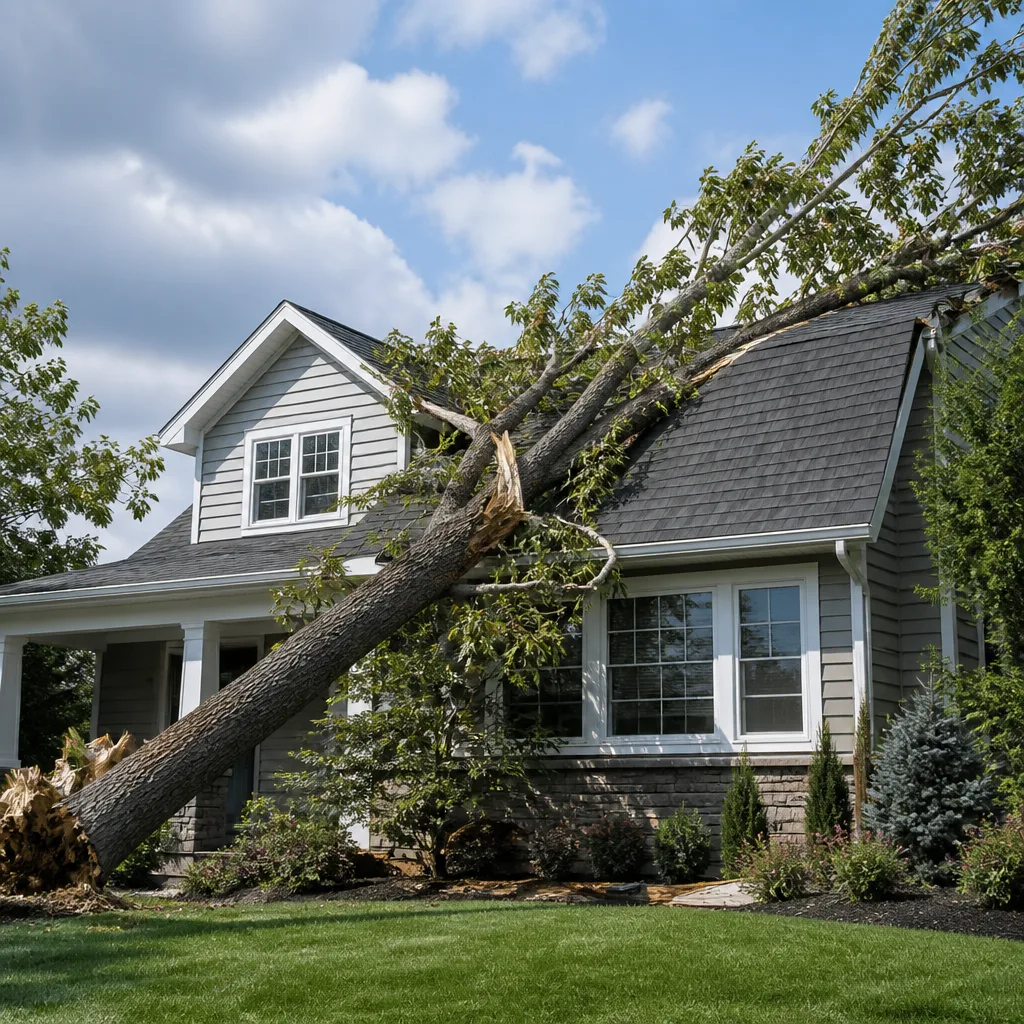
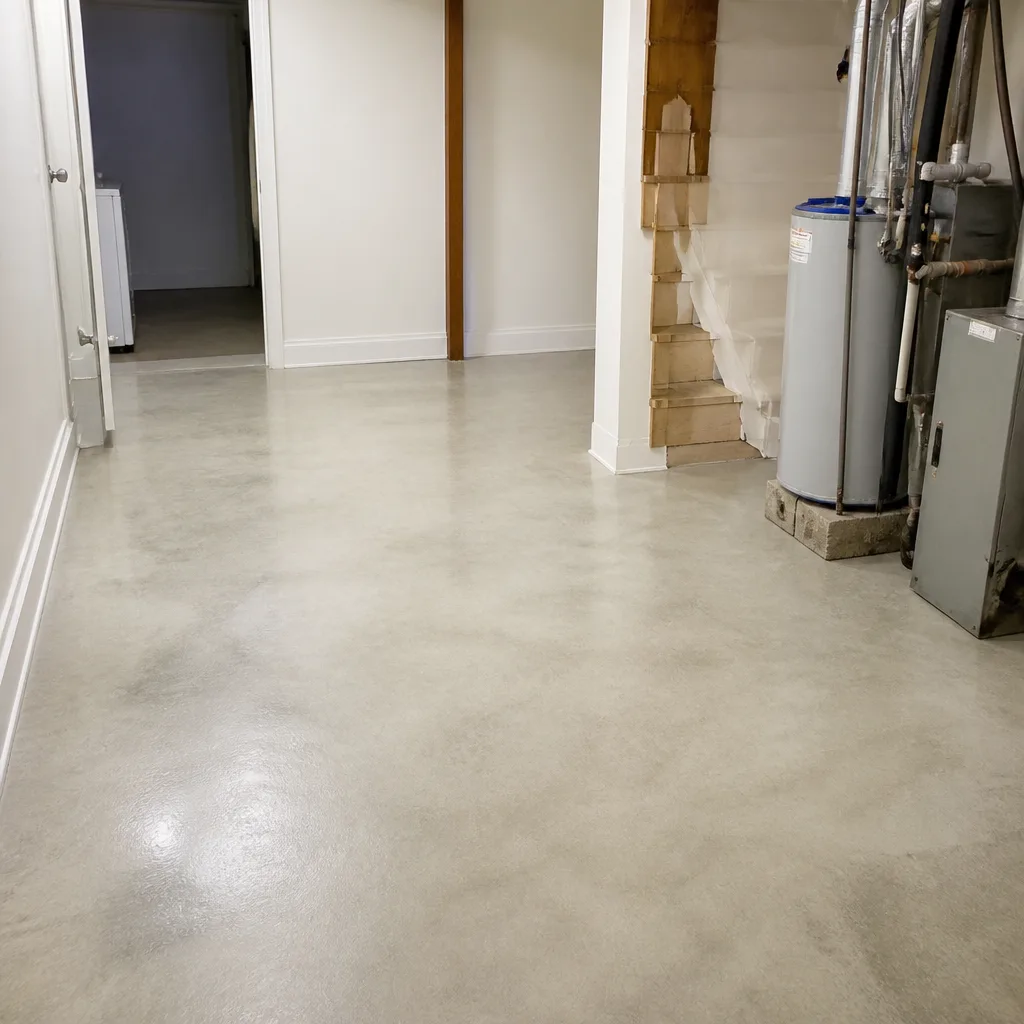
 Before
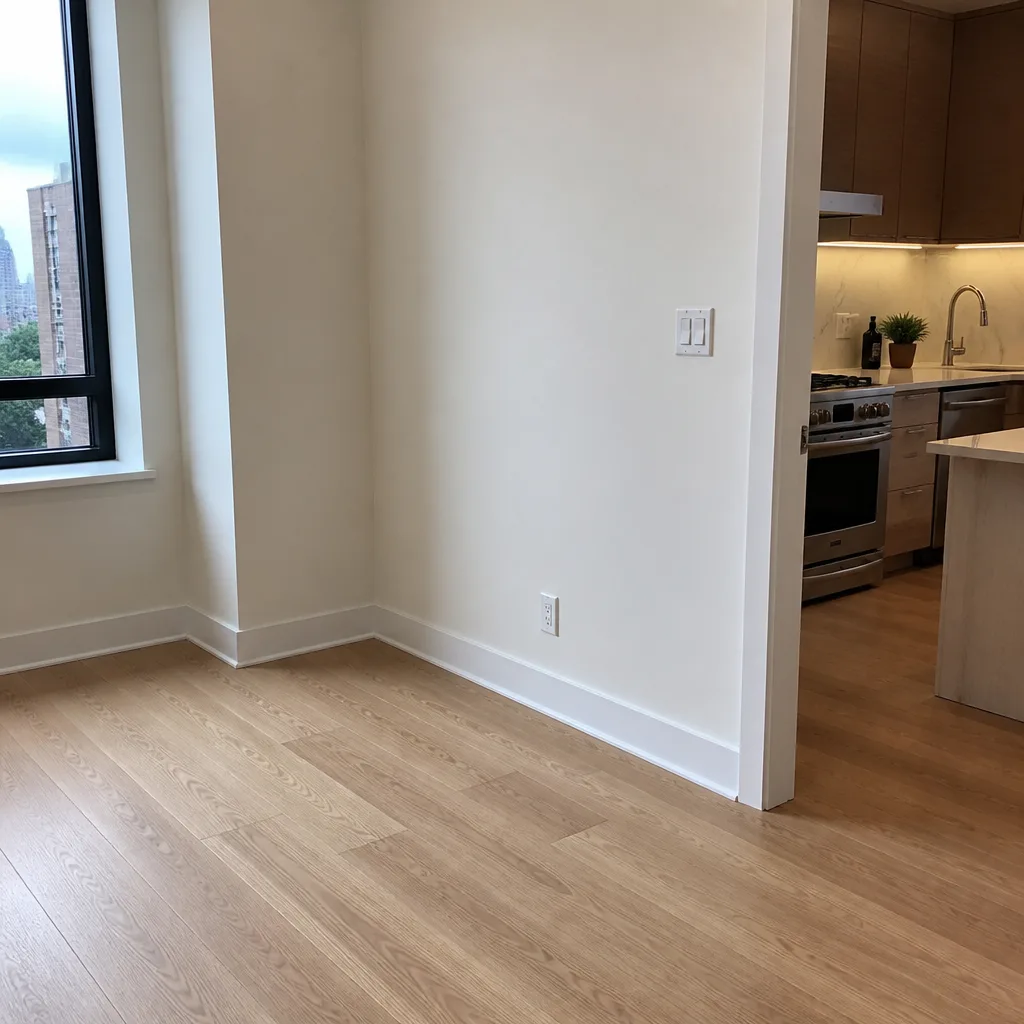 After
After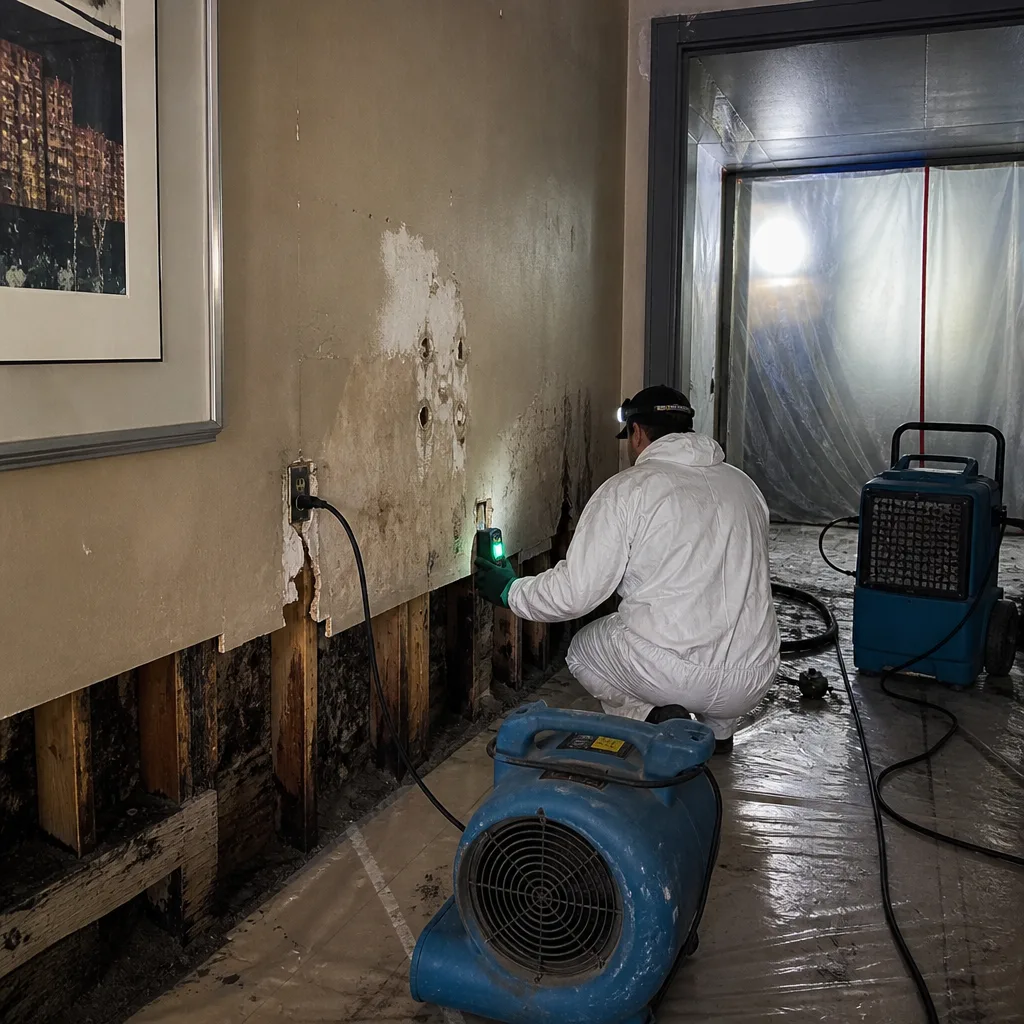 Before
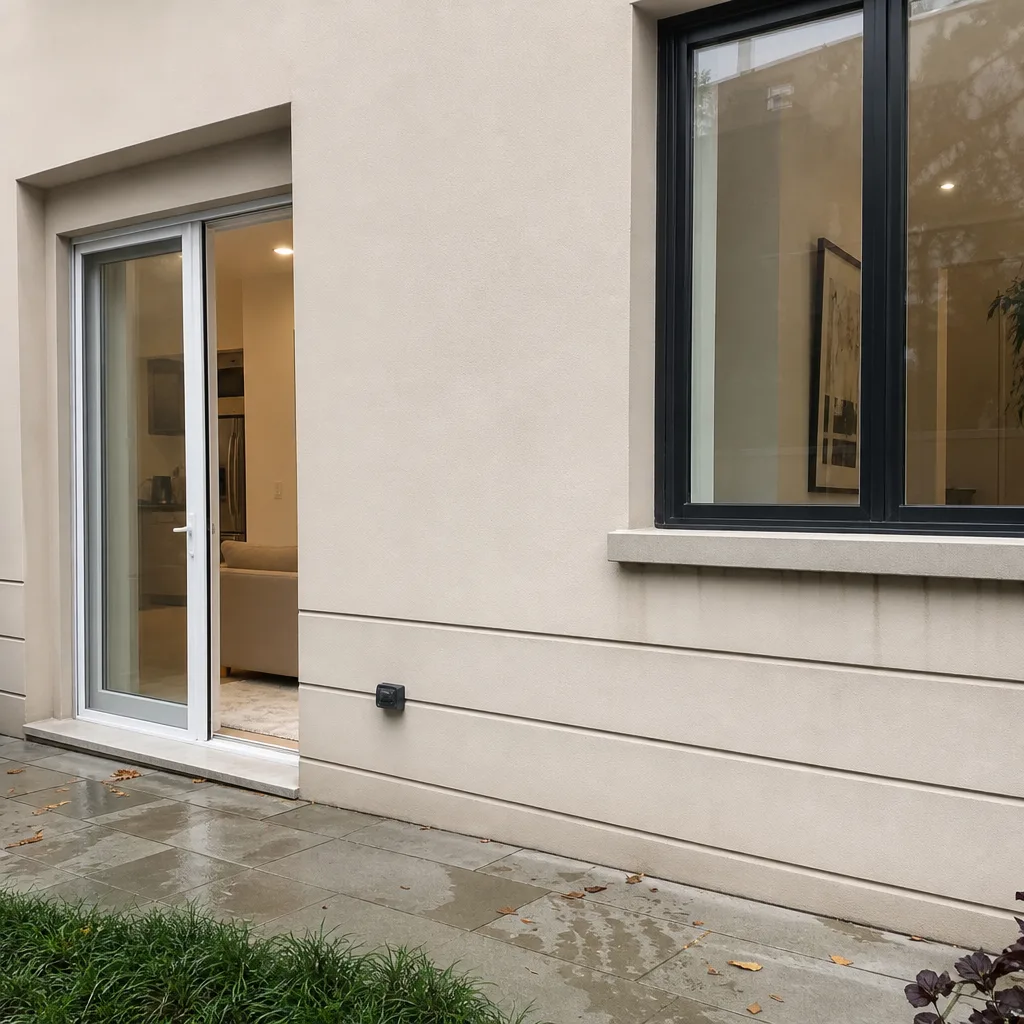 After
After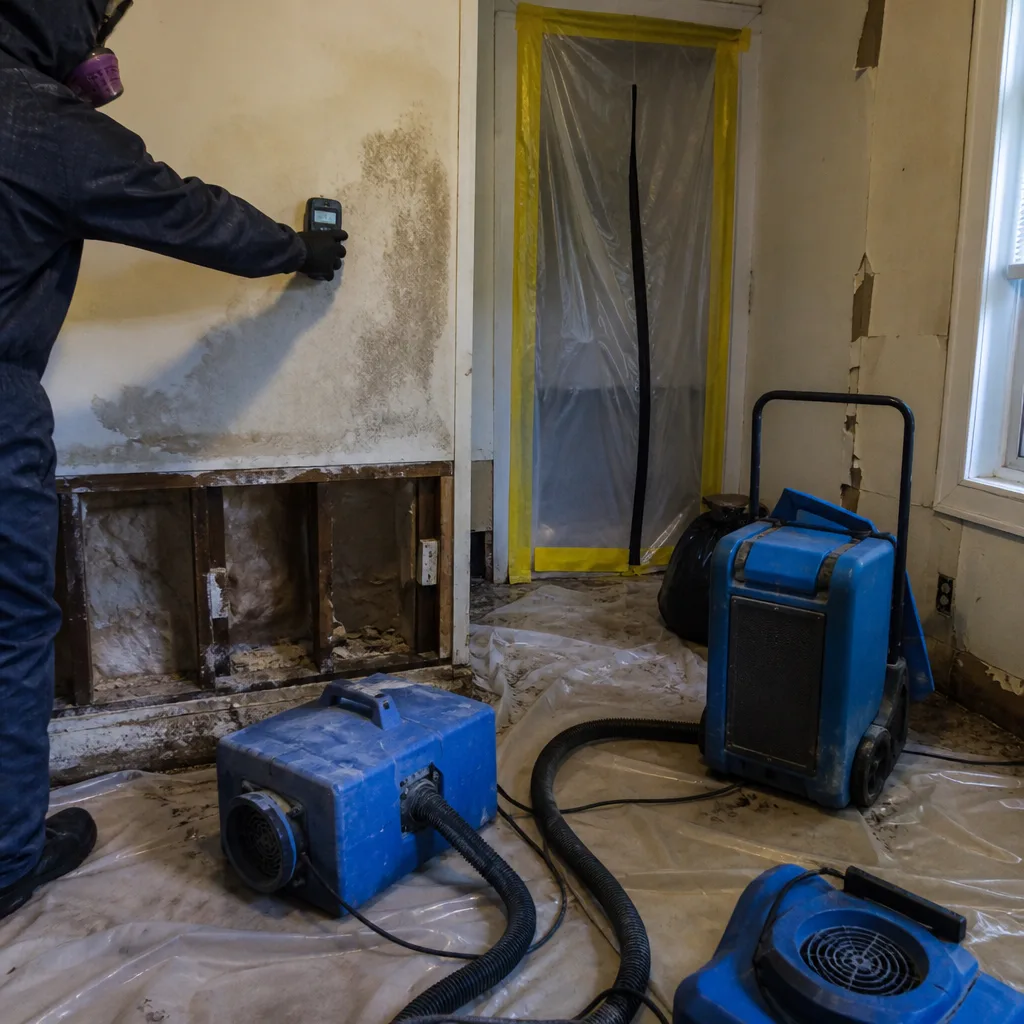 Before
 After
After24/7 Emergency Mold Remediation in Midtown Manhattan
Call (551) 213-5277 and a live person answers. No voicemail, no callback queue. We dispatch crews to Midtown Manhattan around the clock because mold does not wait for business hours. A water loss in a 40-story tower on Sixth Avenue can colonize wall cavities within 48 hours in summer humidity, and every hour of delay expands the containment perimeter. Our Mold Remediation team arrives with moisture meters, thermal imaging, and the documentation protocols that turn emergency response into a payable insurance claim. The first hour determines whether we treat a single office or fifteen floors of interconnected damage.
Understanding Mold Remediation Severity in Midtown Manhattan Properties
Mold severity in Midtown Manhattan is not measured by visible growth alone. We classify contamination by affected square footage, material porosity, and whether the moisture source is active. Category 1 moisture, a clean water supply-line break, becomes Category 2 or 3 once it migrates through pre-war plaster or mixes with dust and debris in a building’s interstitial spaces. Our crews map vapor pressure differentials, the force that drives moisture through wall assemblies, to locate hidden colonization behind marble lobby finishes or above dropped ceilings in conference rooms.
Containment strategy varies by building era. Pre-1980 towers with asbestos fireproofing on structural steel require NYC DEP abatement protocols before any invasive cutting, extending project timelines but preventing regulatory shutdown. Post-1980 curtain-wall buildings present different challenges: their sealed envelopes trap humidity from failed HVAC condensate lines, creating secondary damage in tenant spaces three floors below the origin. We document each finding with dated photos and moisture readings, the record that separates a covered claim from a disputed one.
Why Midtown Manhattan Property Owners Choose DryMark Restoration Upper East Side
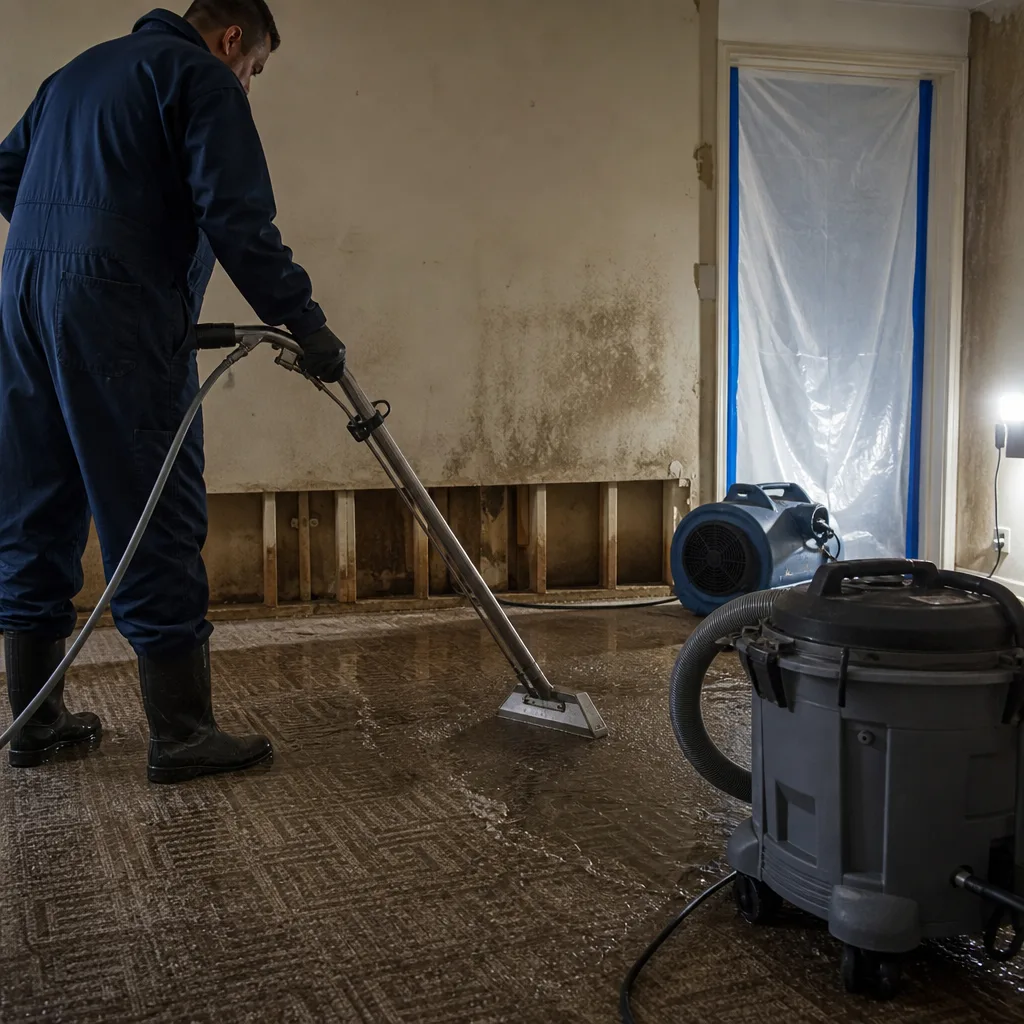
- 45-minute response commitment to Midtown Manhattan addresses, with crews staged for high-rise access and building security protocols.
- 24/7 live answer - a real person, never an automated system, who can dispatch while you are still on the line.
- IICRC-certified crews holding AMRT (Applied Microbial Remediation Technician) and WRT (Water Damage Restoration Technician) certifications, with license numbers provided on request.
- Free visual inspection and moisture assessment, documented with photos before any scope is proposed.
- Direct insurance billing and adjuster coordination, with written estimates in Xactimate format standard to the industry.
- One team from containment to clearance - no handoffs between remediation and reconstruction that lose institutional knowledge of the loss.
BeforeAfterOur Mold Remediation Process
1. Inspection & Assessment
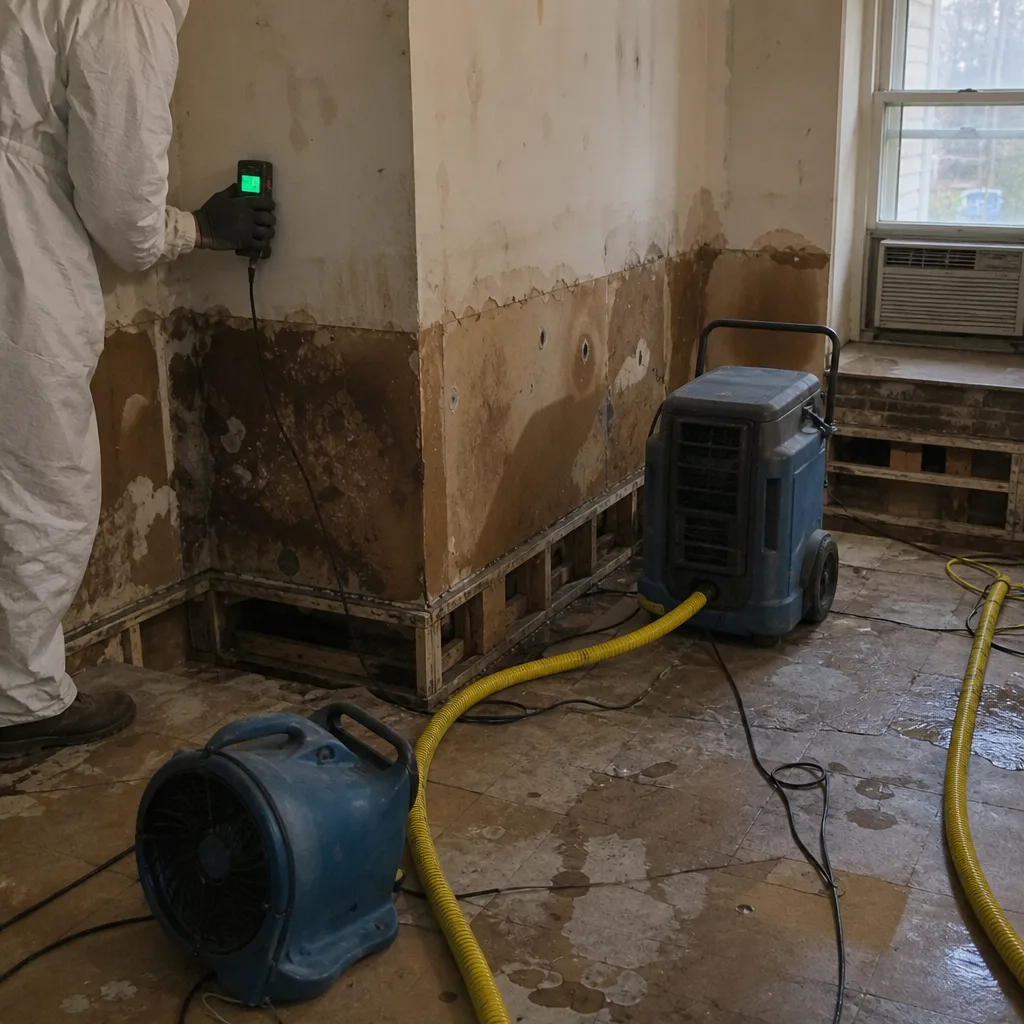
We arrive with thermal imaging cameras, penetrating and non-penetrating moisture meters, and hygrometers to measure relative humidity. In Midtown towers, our first task is source verification: confirming whether moisture originates from plumbing, Con Edison district steam condensate, or HVAC drainage. We document every reading with a geotagged photo and timestamp.
2. Containment & Air Filtration
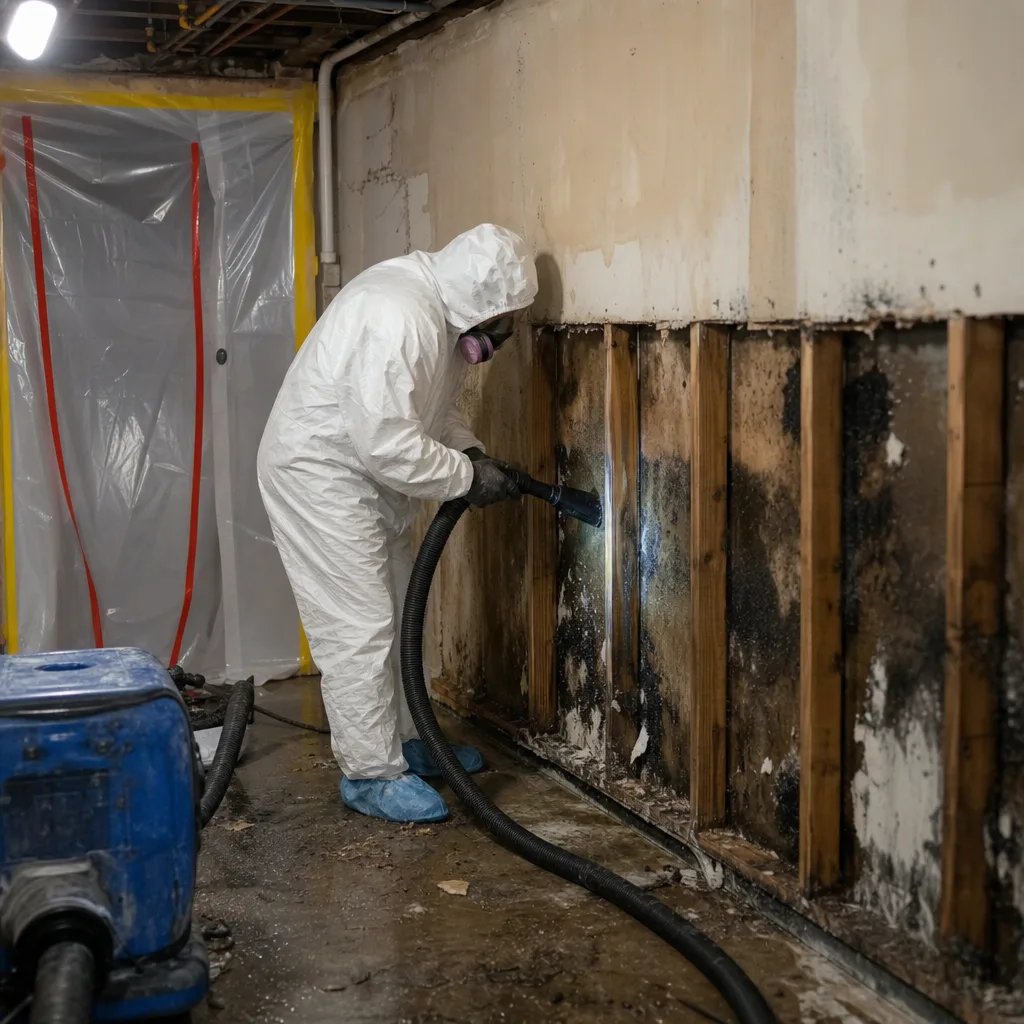
We erect polyethylene containment barriers and establish negative air pressure using HEPA-filtered air scrubbers. For occupied floors in active office towers, we seal HVAC returns to prevent cross-contamination and run continuous air monitoring. Equipment is logged by serial number and placement on every visit.
3. Moisture Source Elimination
Before drying begins, the intrusion must stop. Failed steam traps, leaking standpipes, or compromised cooling-tower supply lines are identified and isolated. We coordinate with building engineers and Con Edison where district heating is involved, documenting each contact for the claim file.
4. Drying & Dehumidification
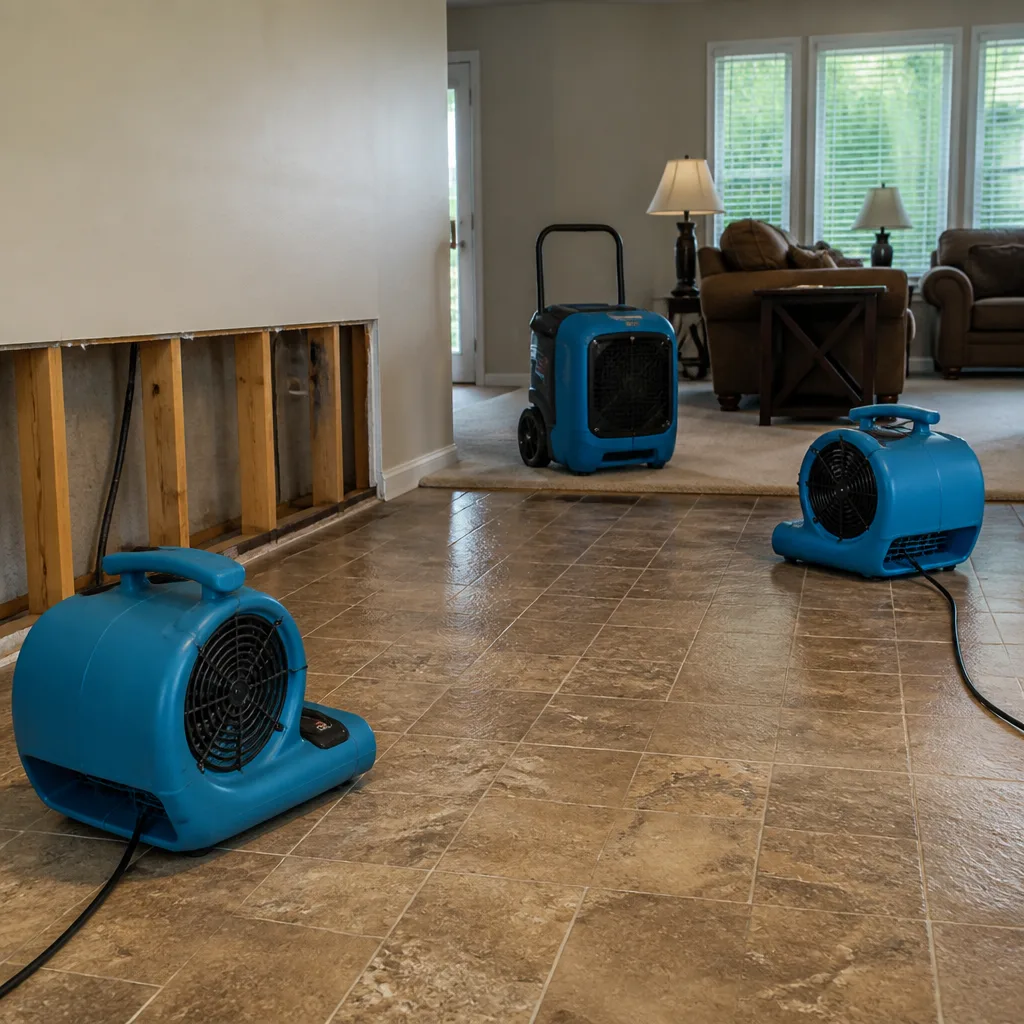
We deploy Dri-Eaz and XPOWER low-grain refrigerant dehumidifiers sized to the cubic footage of the affected space, plus air movers positioned for laminar airflow across wet surfaces. Psychrometric data, temperature and relative humidity readings, is recorded twice daily to prove drying progress to insurers and building management.
5. Antimicrobial Treatment & HEPA Vacuuming
After drying to IICRC-established goals, we apply EPA-registered antimicrobial agents to affected framing and substrates, then HEPA-vacuum all surfaces. In Midtown’s pre-1980 buildings, this step follows DEP asbestos clearance; no cutting or sanding occurs before abatement completion.
6. Clearance Testing & Restoration
An independent third-party laboratory collects air and surface samples for spore count comparison against outdoor baseline levels. Once clearance is achieved, we provide a written report, photo documentation of pre-loss condition, and a signed 365-Day Done Right Promise under The Haven Standard before reconstruction begins.
Need Emergency Mold Remediation in Midtown Manhattan Now?
Crews minutes away, answering live 24 hours a day. The sooner we start, the less it costs.
Working With Your Insurance Company
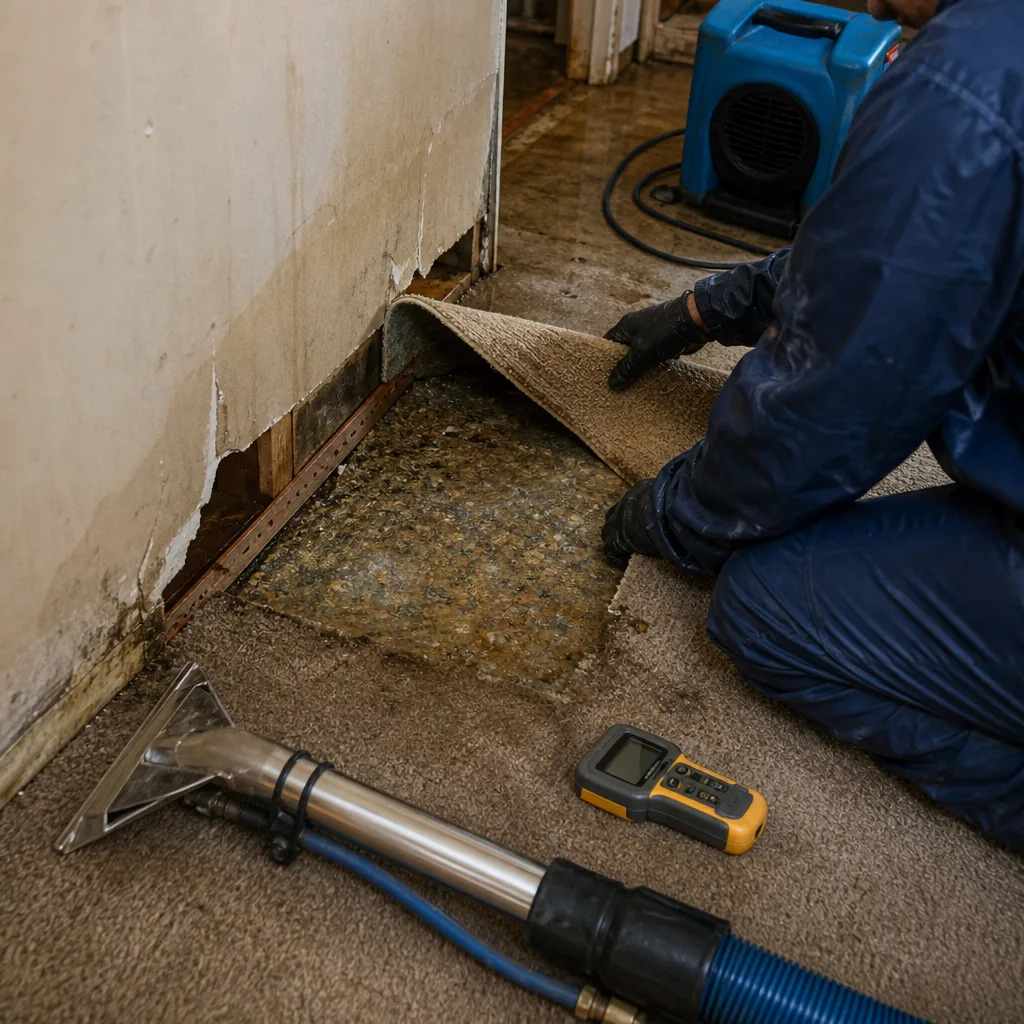
Insurance claims for mold in Midtown Manhattan high-rises involve multiple stakeholders: building owners, commercial tenants, hotel operators, and their respective carriers. We begin documentation from the first hour, knowing that a single standpipe failure can generate fifteen separate claims across occupied floors. Our estimates follow industry-standard Xactimate pricing, and we communicate directly with adjusters to resolve scope questions before they become disputes.
Every job receives a written price before work begins, Haven Standard, Clause 1. No exceptions. The photo record, drying logs, and moisture readings are included as standard deliverables, never upsells. We have coordinated claims for losses at addresses from Park Avenue to the West 50s, and we understand the documentation that moves a file to payment.
What We Provide Your Insurer
- Thorough documentation of the loss
- Photos of all damage, room by room
- Moisture readings and drying logs
- A detailed, line-item scope of work
- Direct coordination with your carrier
Built for Midtown Manhattan’s Loss Calendar
January deep freezes stress rooftop infrastructure across Midtown’s skyline. Cooling towers, HVAC plenums, and parapet flashings contract in cold, then leak during thaw cycles, sending water vertically through dozens of floors before detection. Spring brings nor’easter-driven envelope failures in older curtain-wall towers where sealant has aged past service life. Summer humidity, regularly exceeding 75% relative humidity inside buildings with inadequate vapor barriers, accelerates mold colonization behind wall assemblies faster than in less densely built environments. The combination of aging cast-iron drain stacks in pre-war residential towers and the thermal shock of Con Edison steam distribution creates year-round moisture sources unique to this density of high-rise construction. Our crews calibrate for each season’s signature failure mode.
Mold Remediation Across Midtown Manhattan’s Neighborhoods
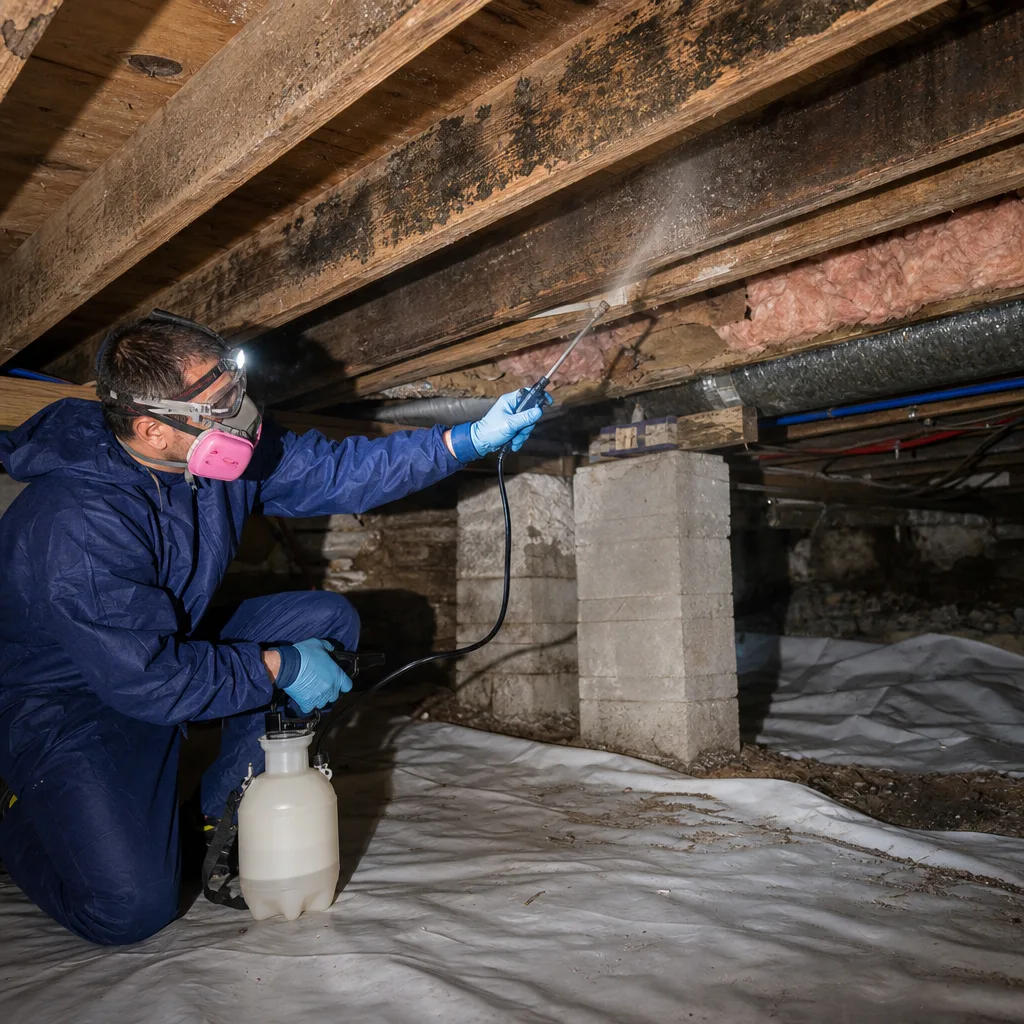
Our Mold Remediation in Midtown Manhattan response covers the full corridor from the East River to Eighth Avenue, with crews familiar with building access protocols at each address.
Hudson Yards and the West 30s: Newer glass towers with complex integrated building management systems. Mold here typically traces to failed cooling-tower connections or condensate from high-efficiency HVAC. We coordinate with onsite engineers and document BMS alarm logs as part of the claim record.
The Garment District and West 40s: Dense blocks of mid-century office buildings with aging infrastructure and frequent tenant turnover. Water losses in divided floorplates require careful containment to protect adjacent occupied suites. We have treated losses in buildings where a single bathroom overflow on the 22nd floor affected six separate commercial tenants.
Grand Central and East 40s-50s: Pre-war and Art Deco towers with ornate lobby finishes and asbestos-containing fireproofing. Any invasive work triggers DEP notification. Our crews maintain asbestos awareness certifications and coordinate with NYCDEP-licensed abatement contractors before cutting into wall assemblies.
Midtown East and Park Avenue: Luxury residential towers where custom millwork, imported stone, and smart-home integration demand precision. We use low-static-pressure drying equipment to protect finishes, and we document pre-loss condition of every surface before containment is erected.
Specialized Mold Remediation Services We Offer in Midtown Manhattan
Mold Inspection & Testing
We begin with a visual assessment, moisture mapping, and thermal imaging. Air and surface samples are collected by independent third-party laboratories for spore identification and concentration analysis. In Midtown’s mixed-use towers, we distinguish between active growth requiring remediation and settled spores from normal building operations. Results typically return in 48-72 hours.
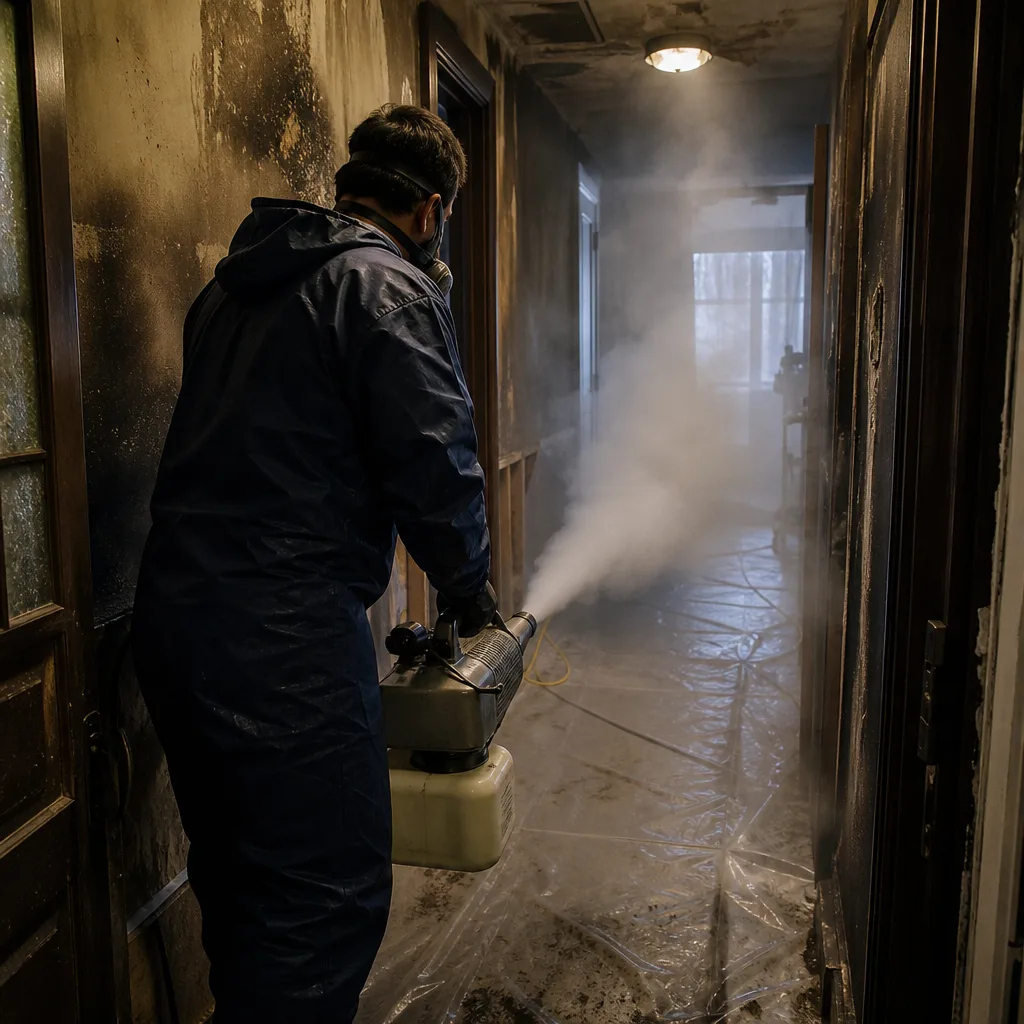
Mold Removal
Removal follows IICRC S520 standards for professional mold remediation. We establish containment, remove contaminated porous materials, clean non-porous surfaces with HEPA vacuuming and antimicrobial treatment, and verify clearance before reconstruction. In Midtown’s pre-1980 buildings, removal sequencing incorporates DEP asbestos abatement timelines.
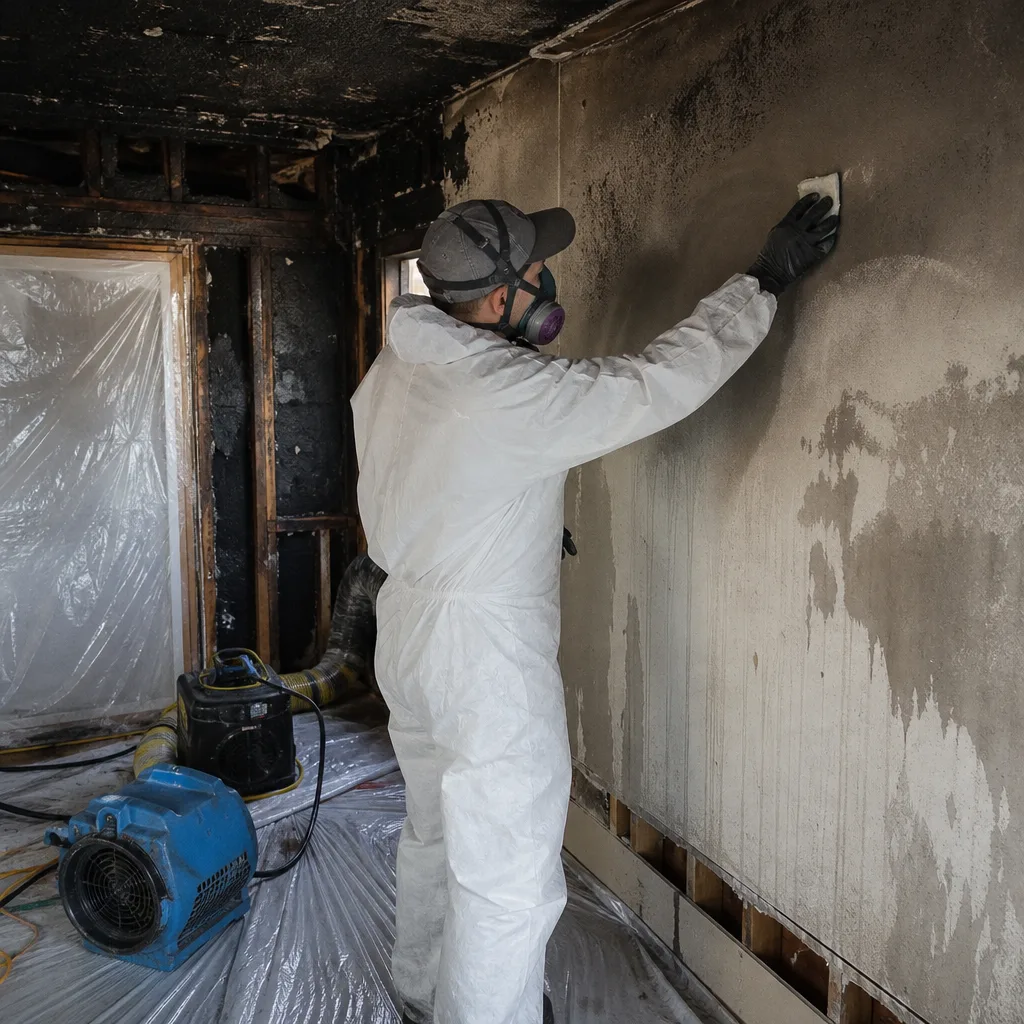
Black Mold Remediation
Stachybotrys chartarum and other toxigenic species require enhanced containment and PPE protocols. We do not treat black mold as a marketing category; we treat it as a laboratory-confirmed identification that changes our respiratory protection and waste disposal procedures. If you suspect toxigenic mold, we recommend testing before remediation planning.
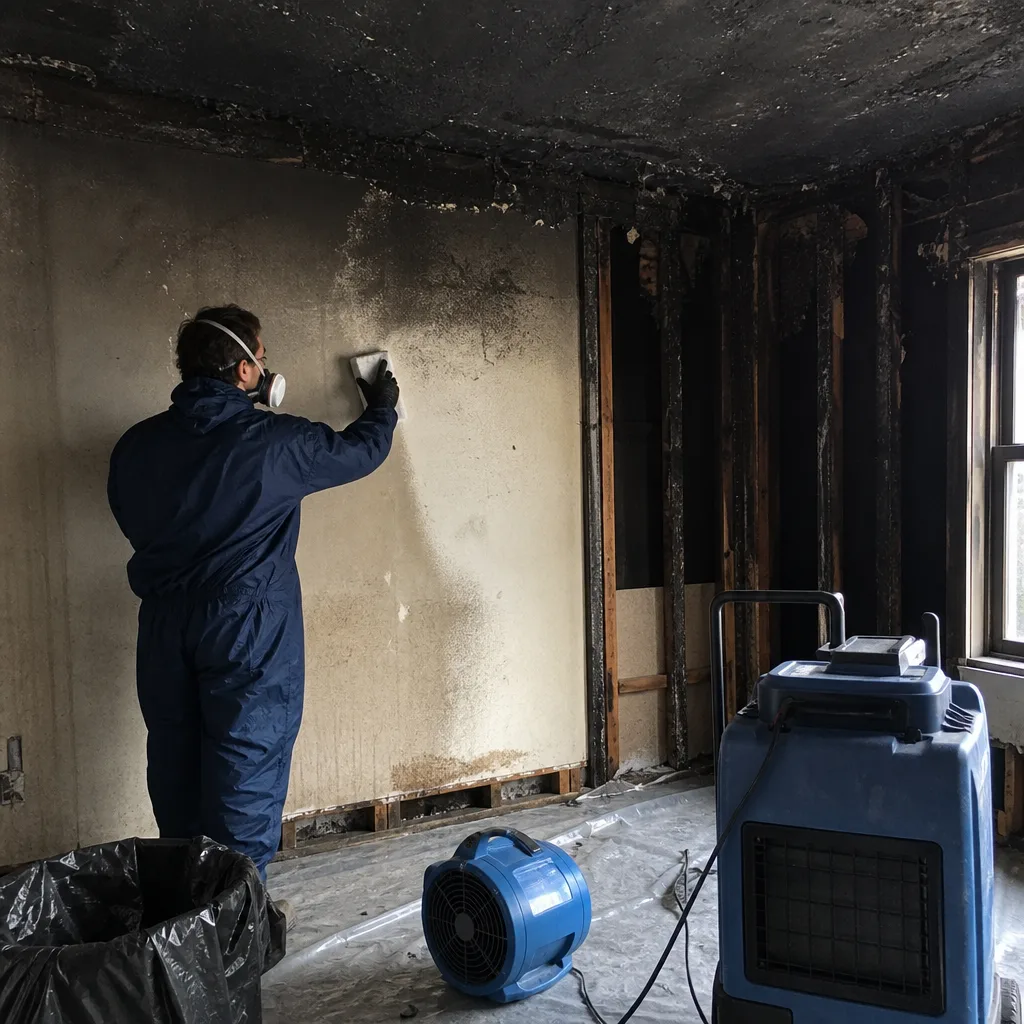
Air Quality Restoration
Post-remediation, we restore indoor air quality through source removal, HEPA filtration, and HVAC system evaluation. For Midtown buildings with shared air handling between floors, we assess whether spore migration occurred through return plenums and document our findings for building management.
Crawl Space Treatment
Limited application in Midtown’s high-rise context, but relevant to ground-level retail and mechanical spaces in older buildings. We address sub-slab moisture, foundation seepage, and vapor intrusion using sealed vapor barriers and dehumidification.
Moisture & Humidity Control
Our longest-running service in Midtown towers. We identify and eliminate moisture sources, then establish permanent humidity control through building envelope repair, HVAC balancing, and ongoing monitoring. For properties with chronic steam-loop condensate issues, we coordinate with Con Edison and building engineers on trap replacement schedules.
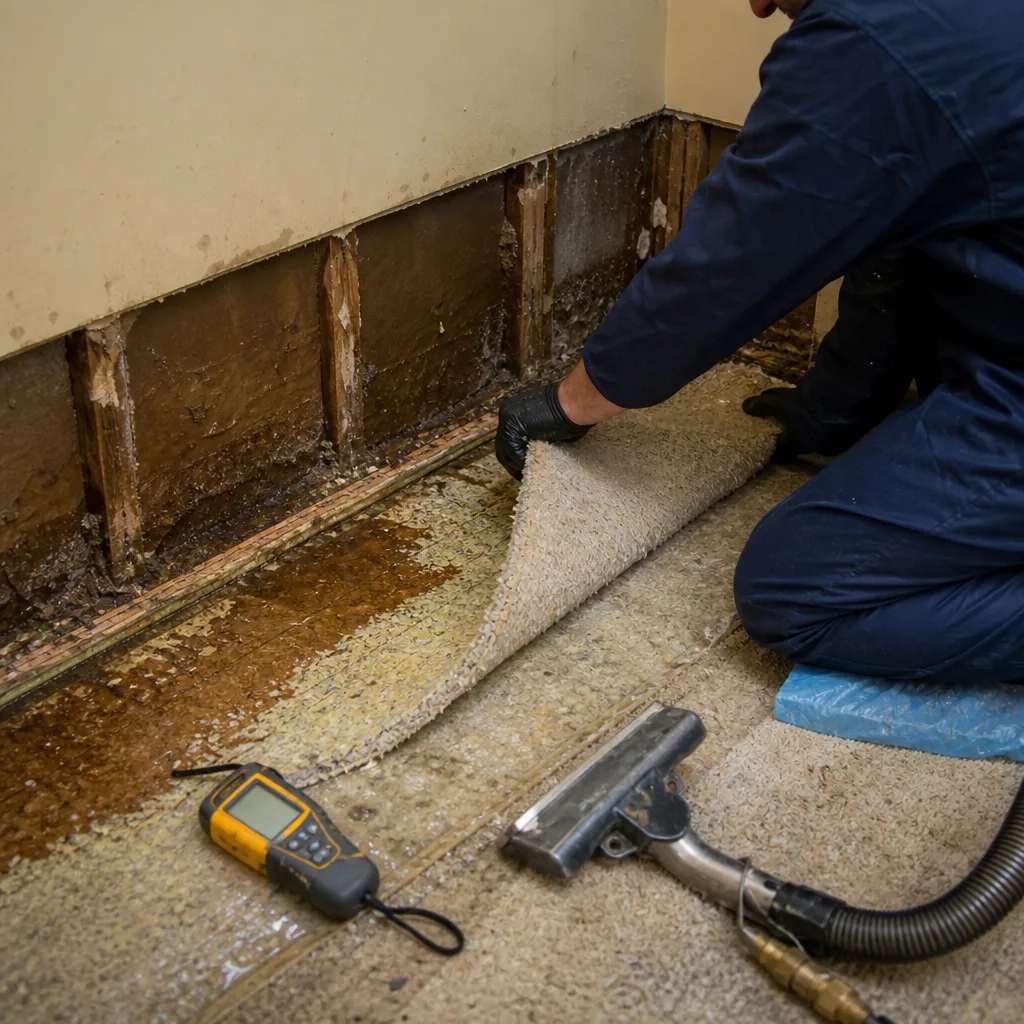
What happens when you call
- 1
A real person answersNo phone trees - you reach a local pro.
- 2
You get an upfront price rangeHonest numbers before anyone is dispatched.
- 3
A background-checked tech heads outLicensed & insured, dispatched right away.
- 4
You approve before work beginsNothing starts until you say go.
Mold Remediation Costs in Midtown Manhattan, NY
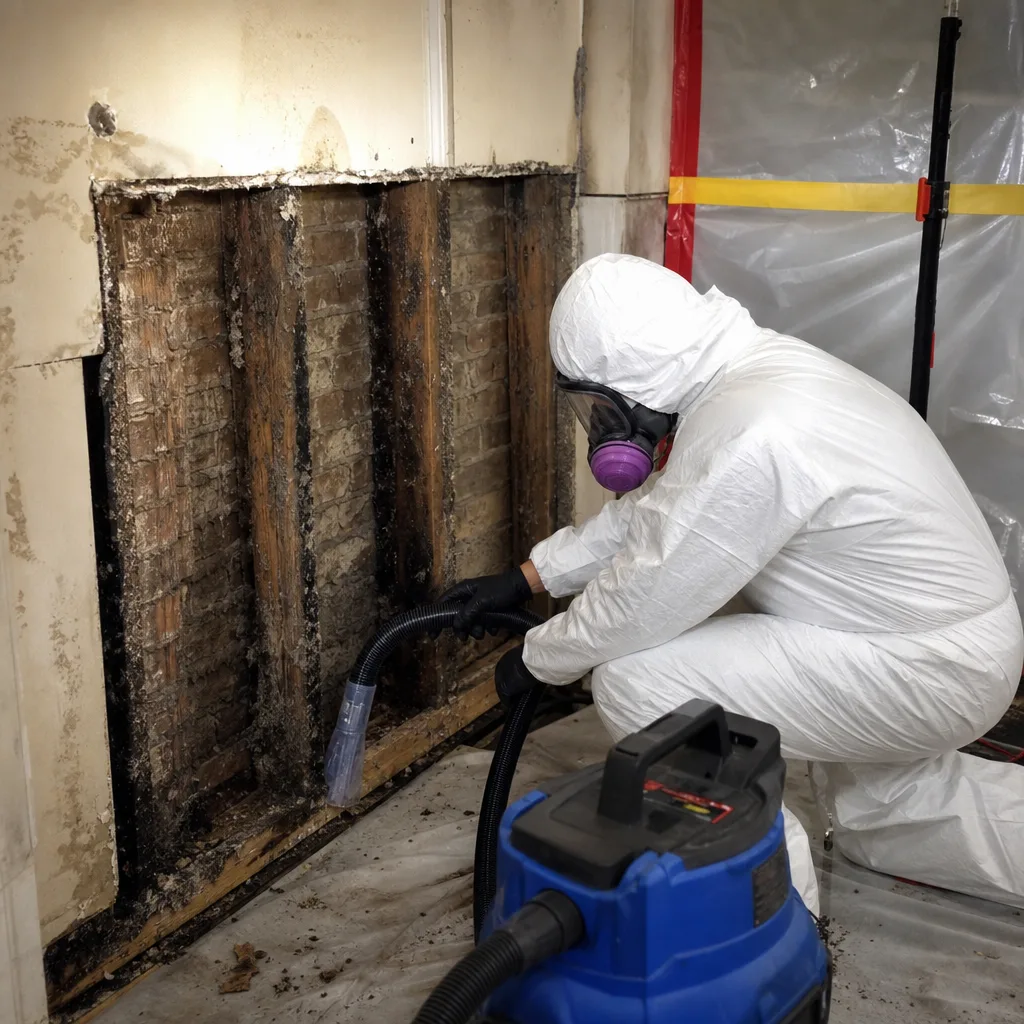
Mold inspection and testing in Midtown Manhattan typically runs $350-$650 for a standard commercial suite or residential unit, with comprehensive air and surface sampling at the higher end. Containment and remediation of a localized area, a single office or bathroom with no asbestos complications, generally falls between $1,800 and $4,500. Full-scale remediation involving DEP asbestos abatement coordination, multi-floor containment, and third-party clearance testing can range from $8,000 to $25,000 or more depending on square footage and building access constraints.
What moves the price: asbestos abatement requirements, after-hours access fees in occupied towers, the extent of material removal versus in-place treatment, and whether pack-out of contents is required. Insurance typically covers mold remediation when it results from a sudden, covered water loss; long-term maintenance-related mold is often excluded. We provide a written price before any work begins, Haven Standard, Clause 1, and we offer a Free Second Opinion on any competitor’s written estimate.
We Also Serve Cities Near Midtown Manhattan
Our New York City office dispatches crews throughout the metro area. We regularly respond to Upper East Side residential towers, Manhattan commercial properties island-wide, Upper West Side pre-war co-ops, and Astoria mixed-use buildings in Queens. Each market has distinct building stock and regulatory requirements; our documentation protocols adapt to each.
Serving Midtown Manhattan, NY - Our Local Coverage Area
We’re based in the Midtown Manhattan area and know this community well. Use the map below to see our service coverage - if you’re nearby, we can almost certainly help.
Midtown Manhattan Mold Remediation Questions, Answered
How do you tell if mold in a Midtown office tower is from the plumbing or from a Con Edison steam trap?
We verify the moisture source with thermal imaging and temperature readings at the point of intrusion.
Steam condensate from a failed trap runs significantly hotter than cold plumbing water, typically 180-200°F at the source versus 50-60°F for a supply-line leak. Our techs take surface temperature readings and check building steam distribution records. Misidentification is common and costly: cold-water drying equipment calibrated for 60°F moisture will not extract superheated steam condensate effectively, leaving wall assemblies wet and feeding hidden mold. We document source verification with dated photos before setting any equipment. Call (551) 213-5277 for a free inspection.
Does asbestos fireproofing in Midtown’s pre-1980 towers delay a mold remediation job?
Yes, and the delay is regulatory, not optional.
NYC DEP requires asbestos abatement by licensed contractors before any activity that disturbs fireproofing on structural steel or pipe insulation. We coordinate this sequencing and document DEP notification numbers in the claim file. Starting remediation without abatement clearance exposes the building to stop-work orders and spreads contamination through occupied floors. We have established relationships with NYCDEP-licensed abatement contractors to minimize schedule impact. Call (551) 213-5277 to discuss your building’s specific requirements.
Can you dry a water-damaged luxury condo without removing custom wood doors and finishes?
Often yes, depending on moisture readings and material porosity.
We use Injectidry systems and low-grain refrigerant dehumidifiers to dry wall cavities through minimal access points, preserving custom millwork when structurally sound. If moisture content in framing exceeds 16% after 72 hours of targeted drying, we recommend selective removal with photo-documented pre-loss condition of every surface. Our written scope specifies what stays and what goes before any work begins. Call (551) 213-5277 for an assessment of your specific finishes.
Why do mold problems reappear on upper floors of Midtown high-rises even after remediation?
The original moisture source was not eliminated.
We see this most often with Con Edison steam-loop failures and rooftop HVAC condensate lines. Crews remediate visible mold without tracing vapor pressure differentials to the origin, so moisture continues migrating through wall assemblies. Our protocol requires source verification and isolation before containment is removed, with follow-up moisture readings at 30 and 90 days. Reappearance after our work triggers the 365-Day Done Right Promise. Call (551) 213-5277 if you are dealing with recurring mold.
How fast does mold start growing in Midtown’s humid summer conditions?
Colony formation can begin within 24 to 48 hours of moisture introduction in conditions above 60% relative humidity.
Midtown’s older buildings with inadequate vapor barriers often maintain 70-80% relative humidity inside wall cavities during July and August, accelerating colonization behind finishes before any visible growth appears. This is why we emphasize 45-minute response to active water losses and twice-daily moisture monitoring during drying. Early intervention contains the affected area and limits material removal. Call (551) 213-5277 for emergency response.
Will my insurance cover mold remediation in my Midtown building?
Coverage depends on the cause of the moisture.
Sudden and accidental water losses, burst pipes or HVAC failures, typically trigger mold coverage as secondary damage. Long-term leaks, condensation from poor maintenance, or humidity control failures are often excluded as gradual deterioration. We document the loss origin with photos, moisture readings, and equipment logs to establish the sudden-versus-gradual timeline that adjusters require. We also bill carriers directly and coordinate scope questions. Call (551) 213-5277 to review your specific policy and loss circumstances.
How long does a typical mold remediation take in a Midtown high-rise?
Localized remediation without asbestos complications: 3-5 business days. Projects requiring DEP abatement coordination: 10-20 business days.
Timeline variables include building access hours, elevator restrictions, the extent of material removal, and third-party clearance testing turnaround. We provide a written schedule with the scope, updated daily with photo documentation. No work proceeds beyond the written schedule without client approval. Call (551) 213-5277 for a timeline estimate specific to your property.
What should I do in the first 30 minutes after discovering mold in my Midtown property?
Stop the moisture source if you can do so safely, then call us.
Do not disturb visible mold, disturbance releases spores into the air. Do not run HVAC systems that may spread contamination through shared ductwork. Note the location, approximate size, and any recent water events or musty odors. Our live dispatcher will guide immediate steps while crews are en route. We arrive with containment materials and documentation equipment; your only task is to preserve the scene and avoid spreading spores. Call (551) 213-5277 now.
Written by Alicia Brennan, Owner at DryMark Restoration Upper East Side, serving Midtown Manhattan since 2011 under The Haven Standard.
Mold Remediation in Nearby Areas