
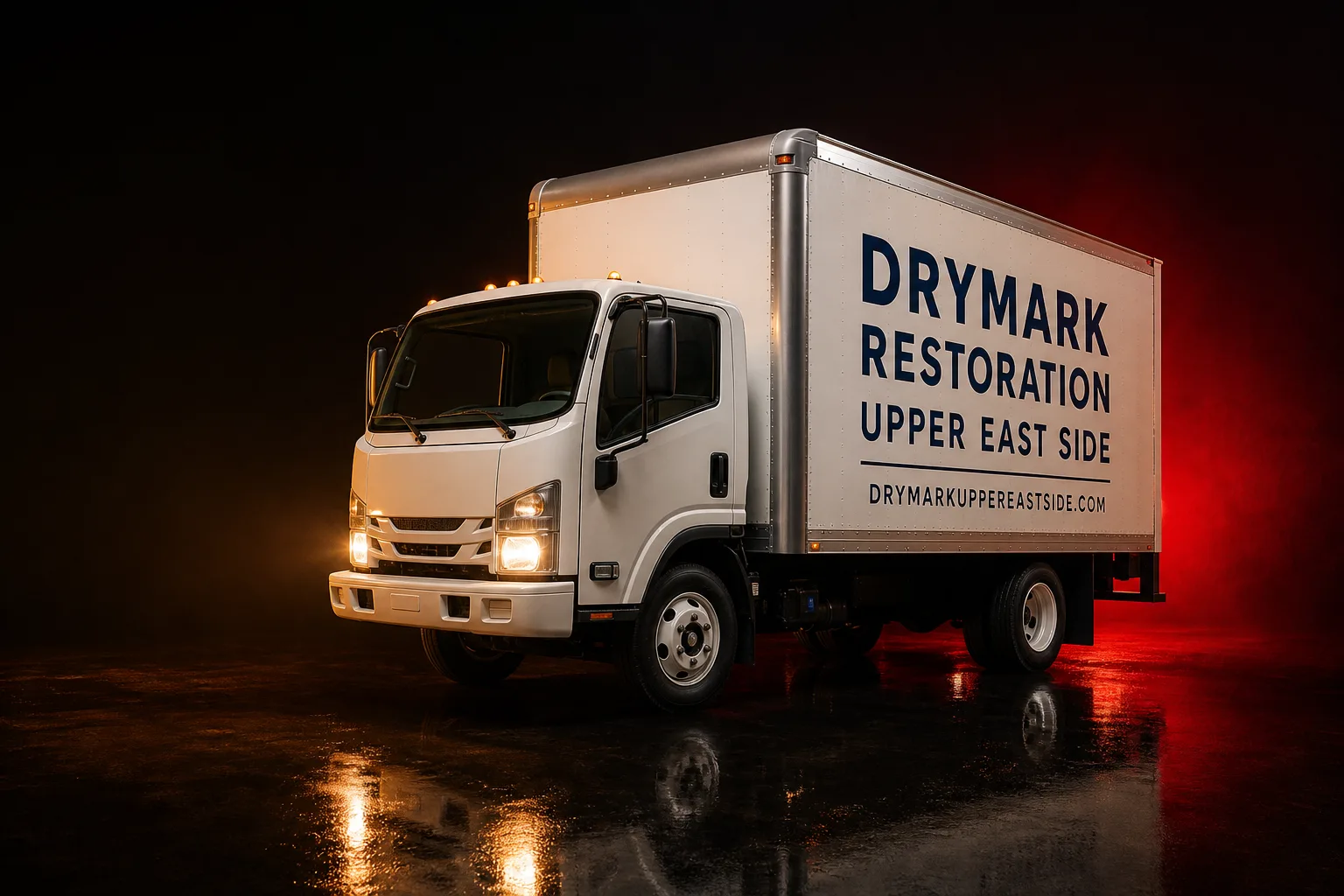
Free visual inspection and a written scope of work before any mitigation begins - photos, moisture readings, and drying logs go in your claim file
The scope we write is the scope we bill. Anything new gets shown to you, in writing, before we touch it.
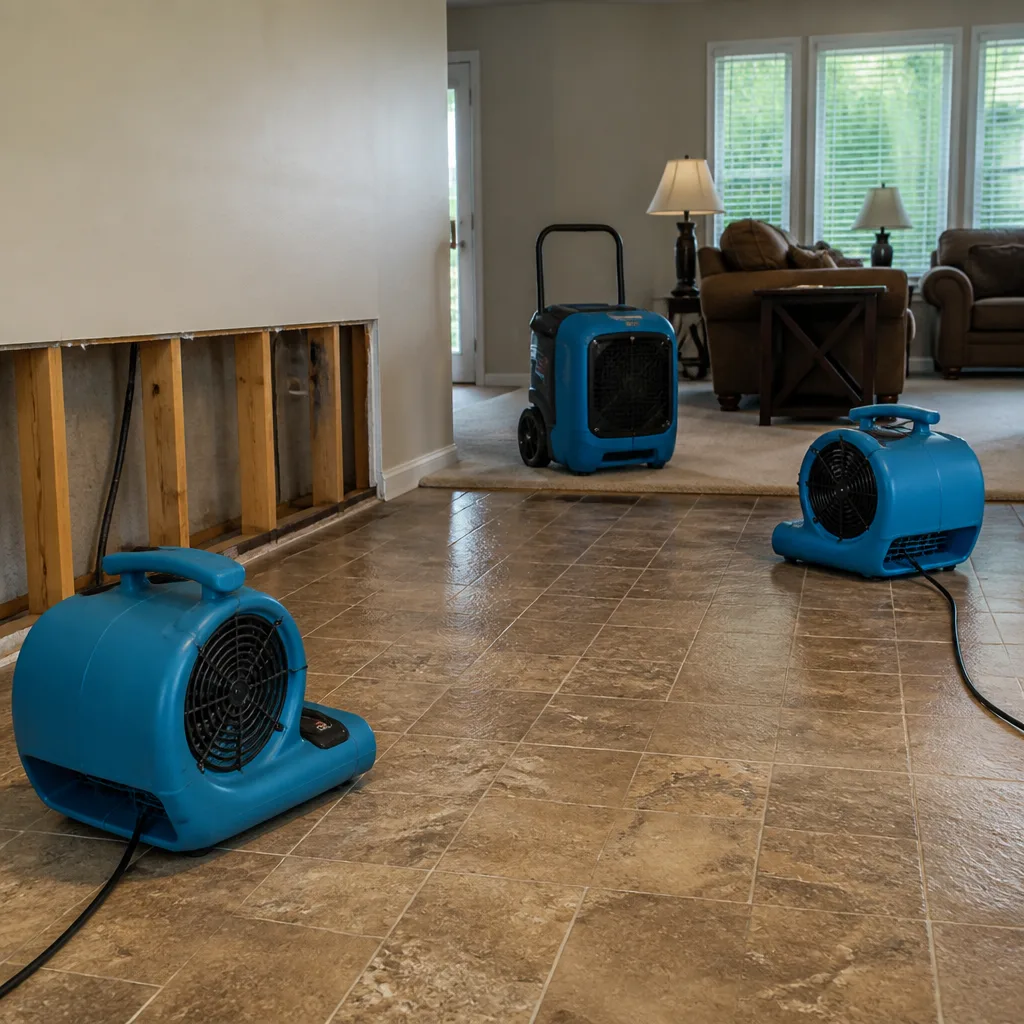

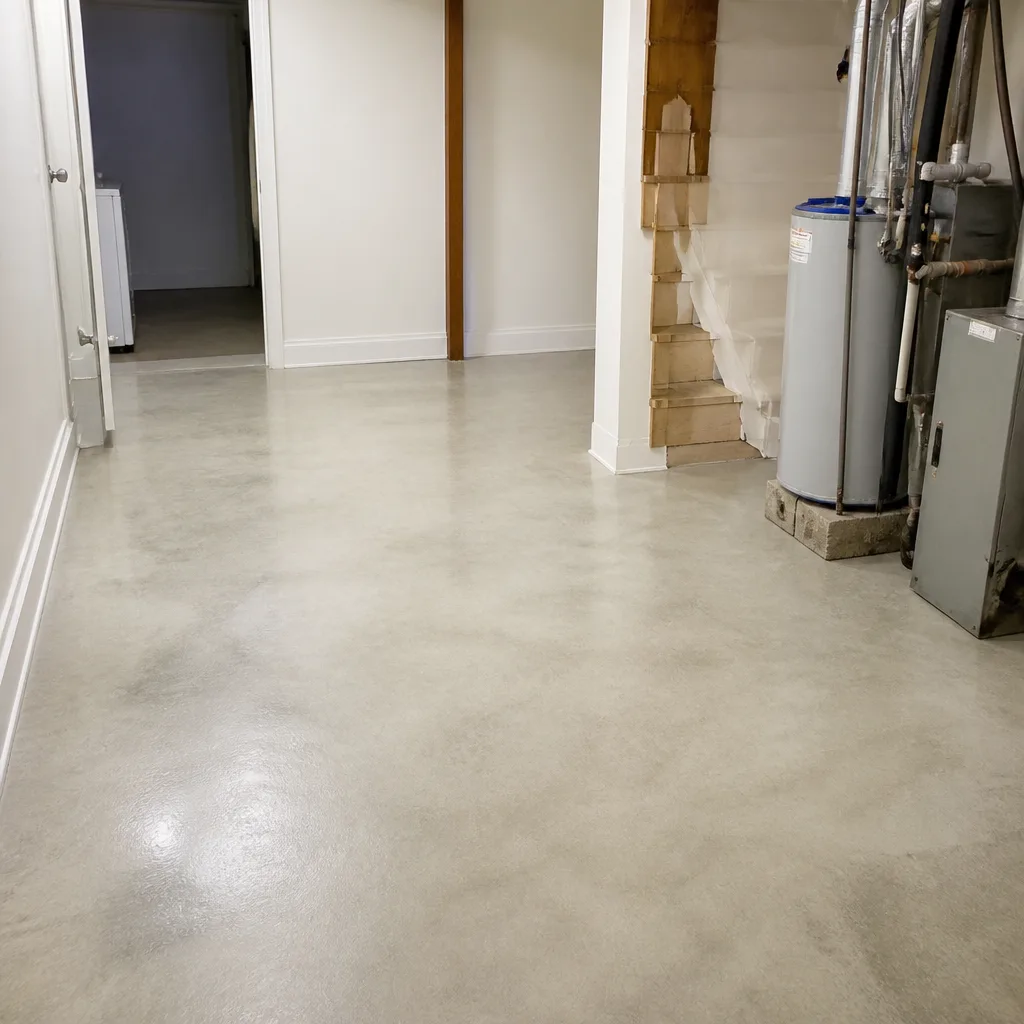
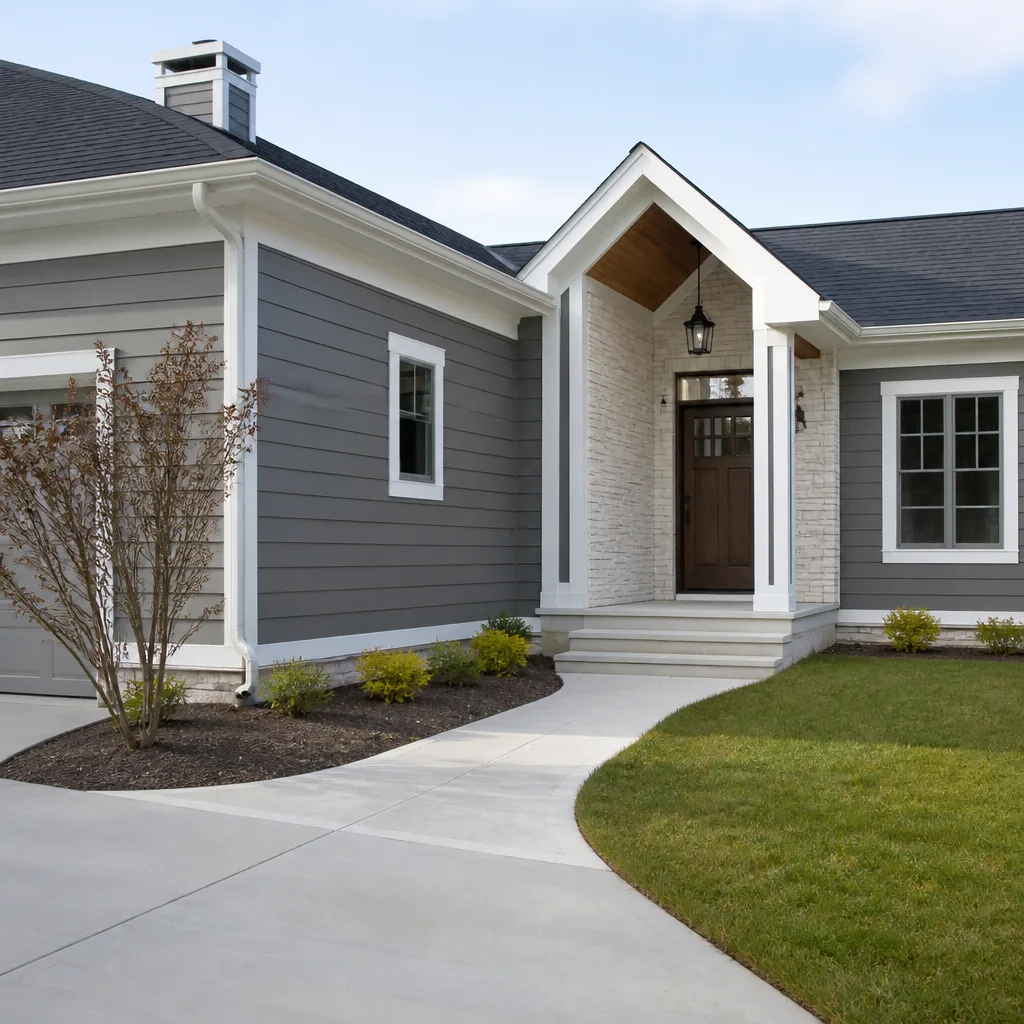
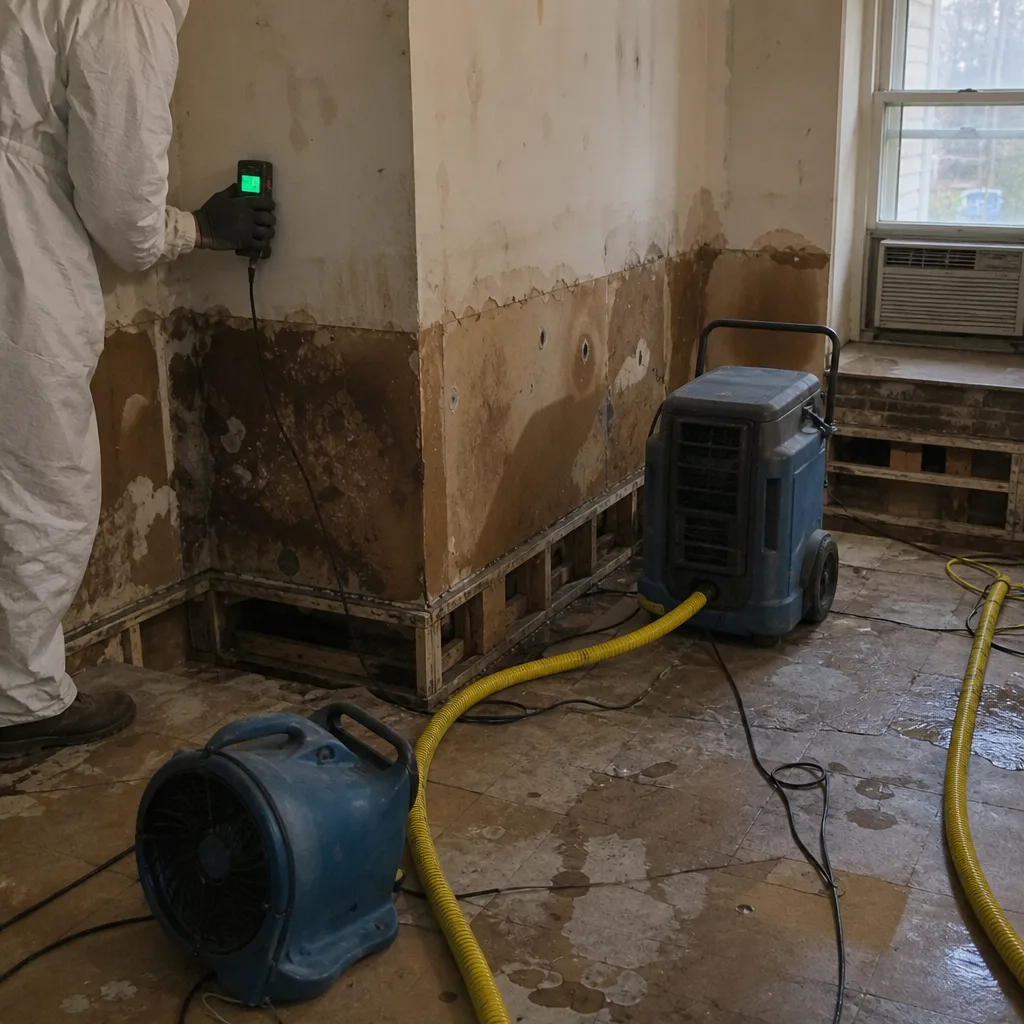 Before
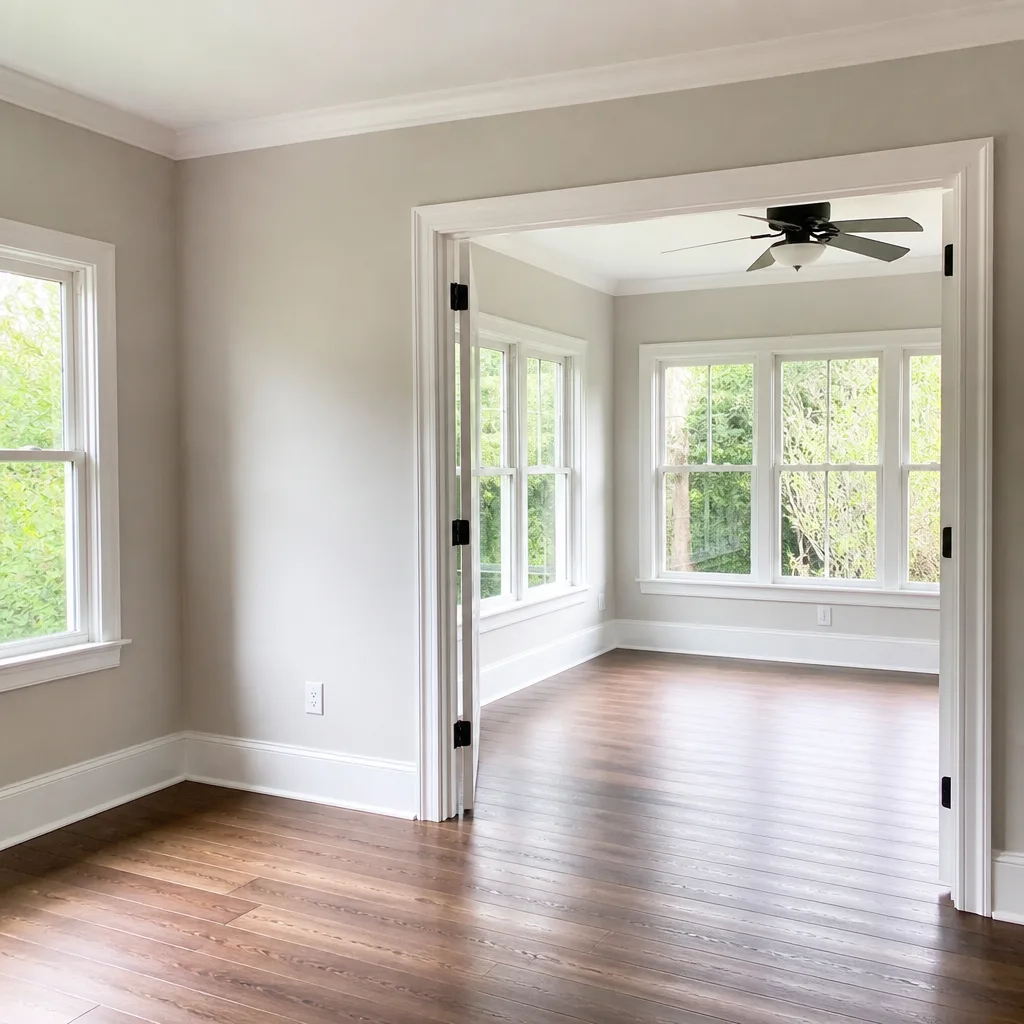
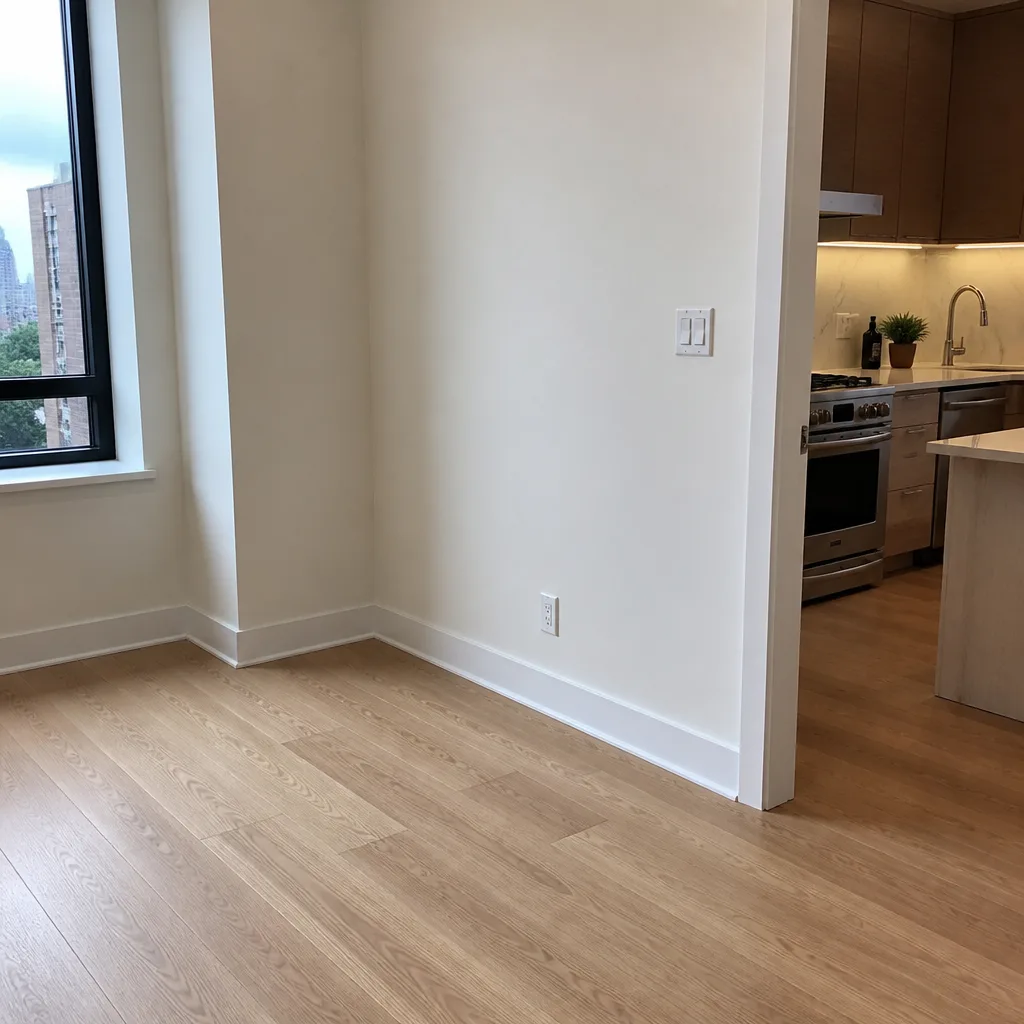 After
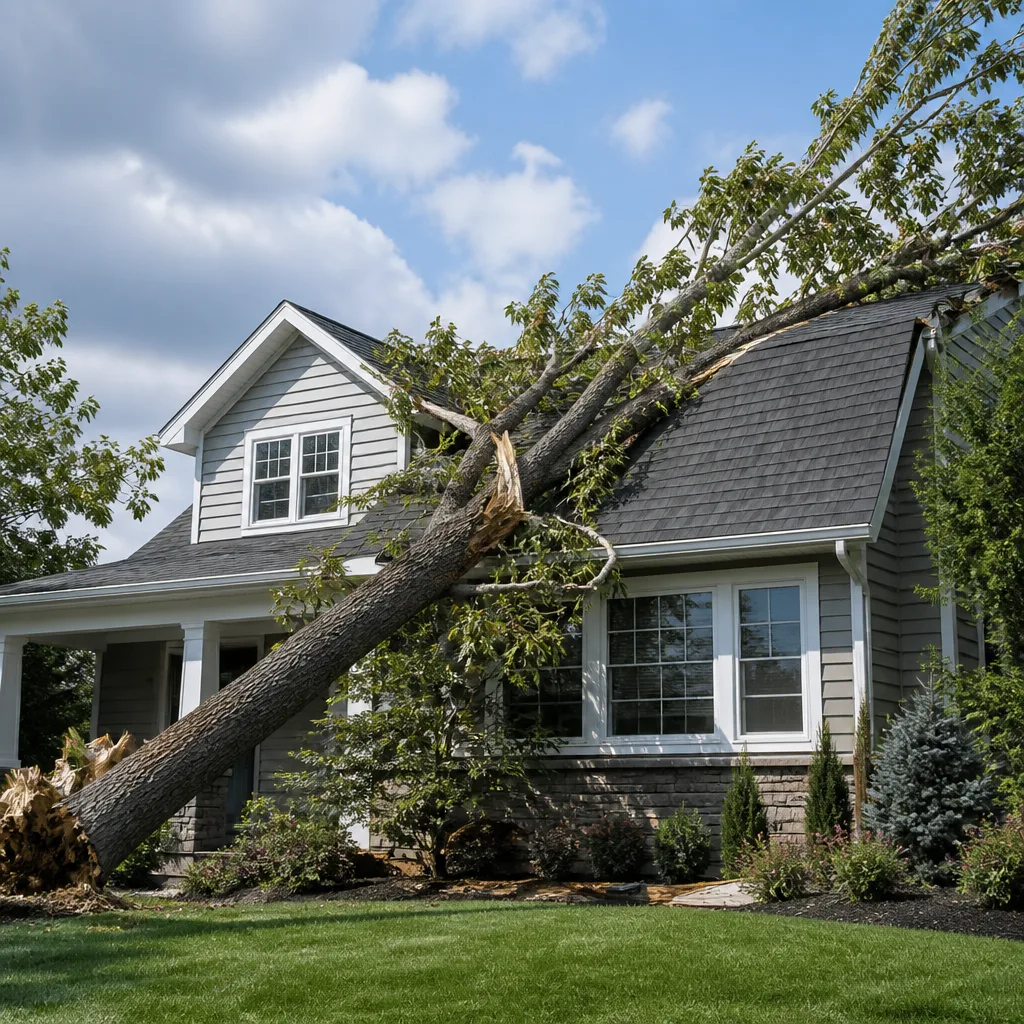
After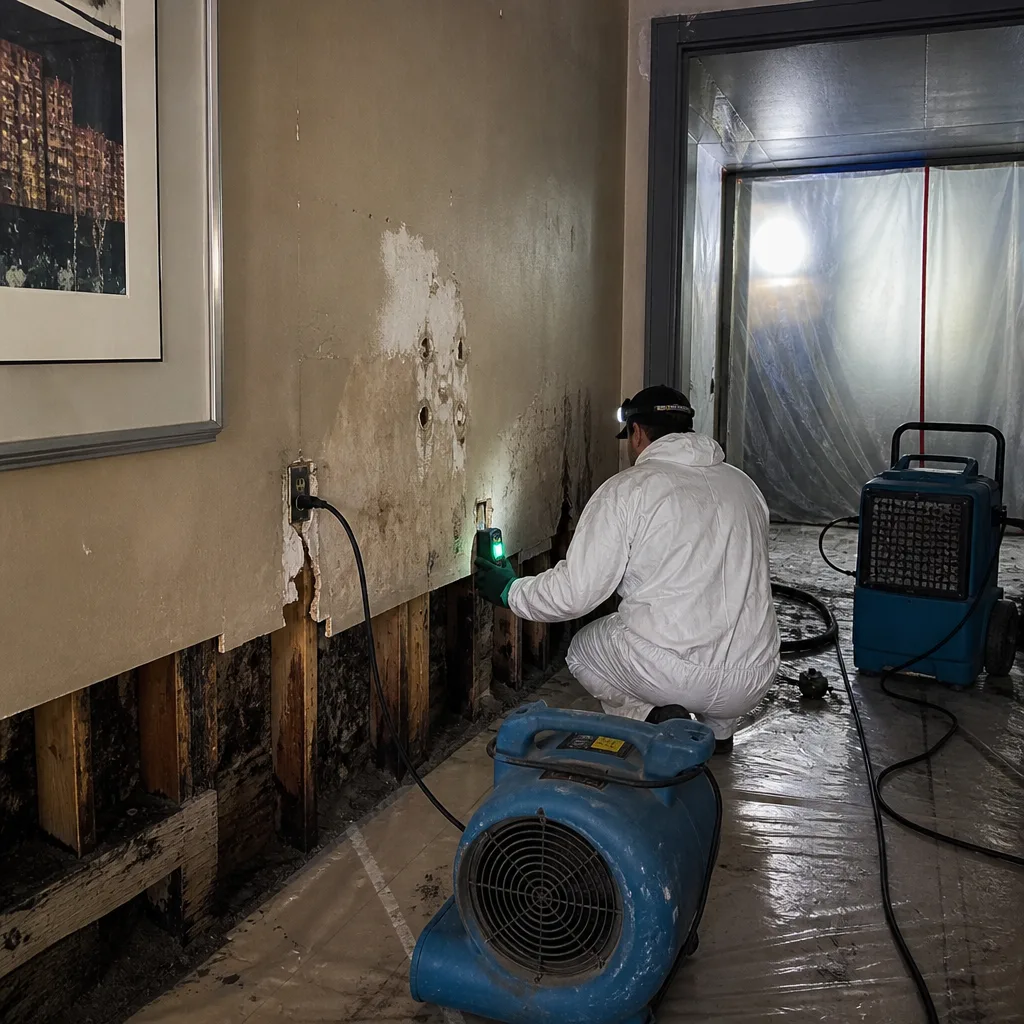 Before
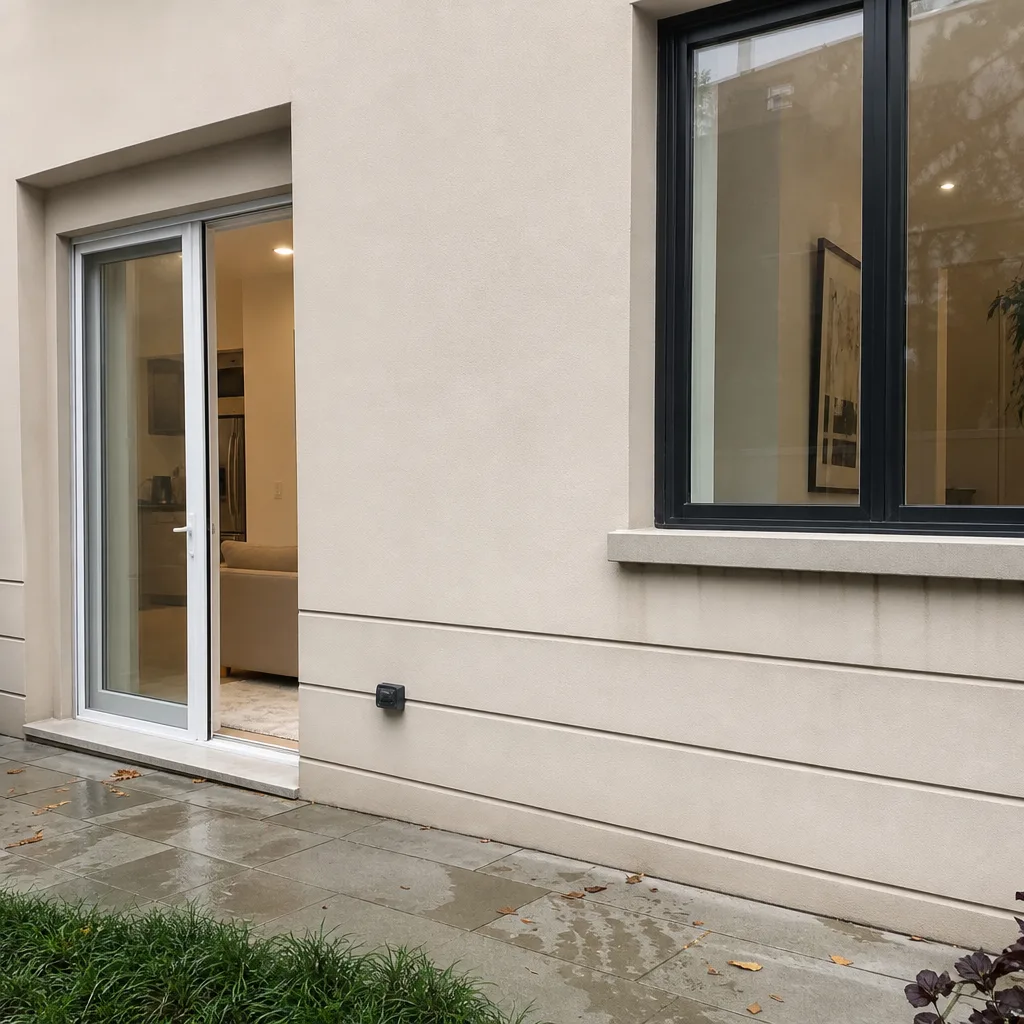 After
After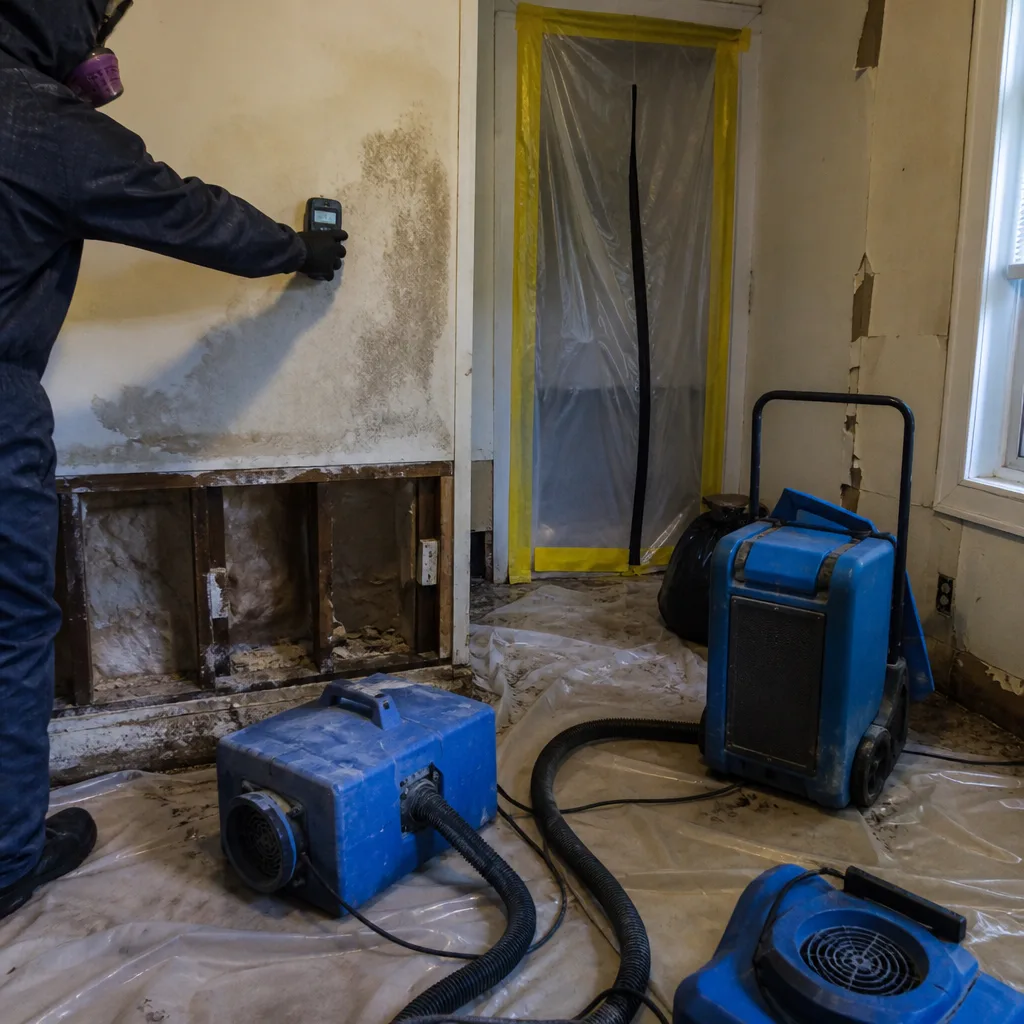 Before
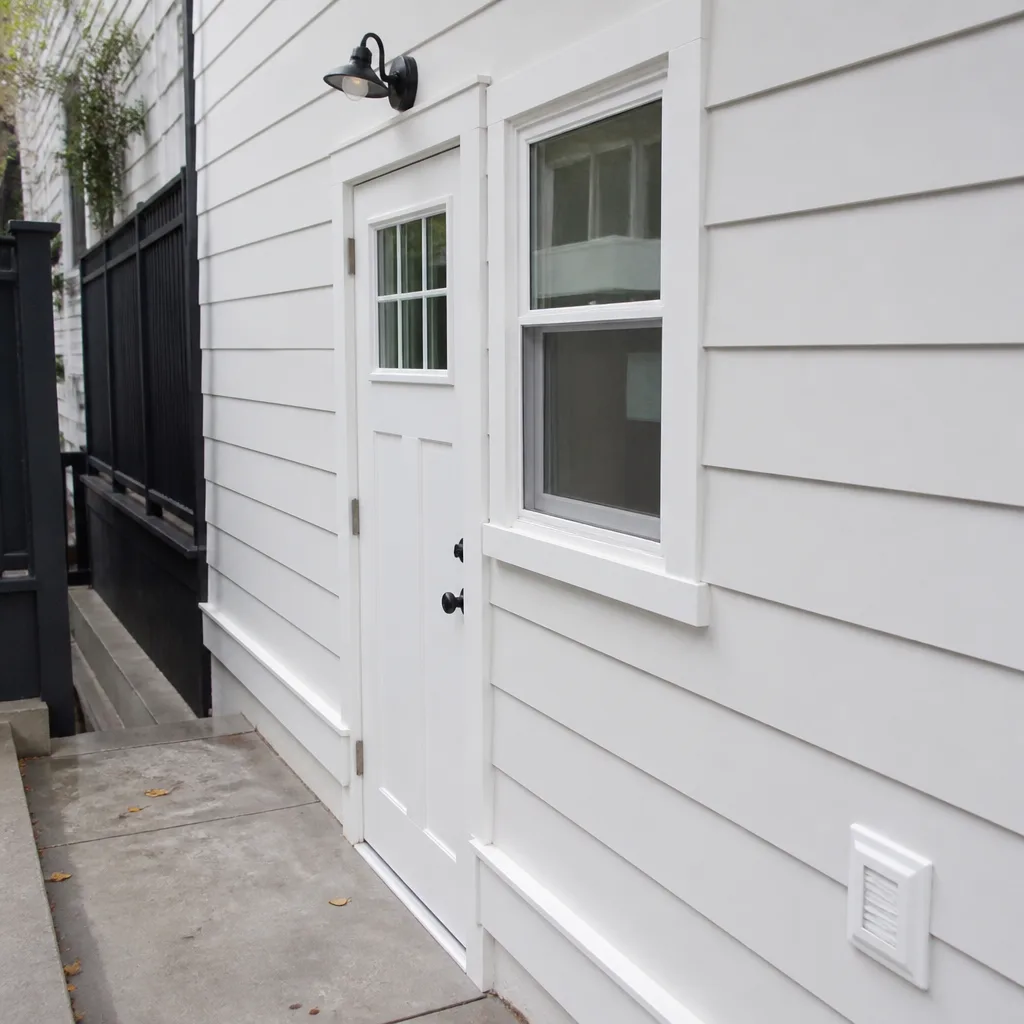 After
After24/7 Emergency Water Damage Restoration in Long Island City
Water damage in Long Island City spreads fast. Call (551) 213-5277 and a live person answers, 24 hours a day, no voicemail. Crews dispatch from our New York City office and typically reach Hunters Point, Dutch Kills, or the Jackson Avenue corridor within 45 minutes. The first hour determines whether you’re looking at extraction and drying or a full gut-and-rebuild - once moisture hits plaster, original millwork, or the legacy subfloors common in LIC’s converted industrial buildings, the price climbs steeply. We provide a free visual inspection on arrival, document everything with photos, and deliver a written price before any equipment starts running. Haven Standard, Clause 1.
Understanding Water Damage Restoration Severity in Long Island City Properties
Water damage breaks into three categories, and in Long Island City, we see all three weekly. Category 1 is clean water - a burst supply line in a new Hunters Point South high-rise, for example. Category 2 carries contaminants, like the dishwasher discharge we handled last month on 44th Drive. Category 3 is black water: sewage backflow from Long Island City’s combined sewer system during a nor’easter, or East River flood surge pushing through ground-floor units in FEMA Zone AE.
We map moisture with thermal imaging and pinless meters, then classify materials by permeance. Gypsum board in a 1920s factory conversion? Highly porous, often compromised behind intact paint. Concrete slab-on-grade in a Dutch Kills basement? Low permeance, but vapor pressure differential can trap moisture for weeks without proper dehumidification. Our crews document every reading to IICRC S500 standards, producing the psychrometric data - temperature, relative humidity, and specific humidity readings - that insurers require to approve drying days.
Why Long Island City Property Owners Choose DryMark Restoration Upper East Side
- 45-minute response commitment to any Long Island City address, confirmed by dispatch GPS, because water doesn’t wait for business hours.
- 24/7 live answer - a real person, never an automated system or callback queue, on every call to (551) 213-5277.
- IICRC-certified crews holding WRT (Water Damage Restoration Technician) and ASD (Applied Structural Drying) credentials, with license numbers verified before they arrive at your door.
- Free visual inspection with moisture mapping and photo documentation, delivered before any scope or pricing discussion.
- Direct insurance billing and adjuster coordination, including NFIP claim documentation for FEMA Zone AE properties.
- One team from extraction through reconstruction - no handoffs to unknown subcontractors, no gaps in your documentation chain.
BeforeAfterOur Water Damage Restoration Process
1. Inspection & Assessment
We arrive with thermal cameras, pin and pinless moisture meters, and a tablet to document pre-loss condition room by room. In Long Island City’s converted lofts, we immediately flag potential asbestos-containing materials or pre-1978 lead paint for bulk sampling before any demolition begins.
2. Extraction & Stabilization
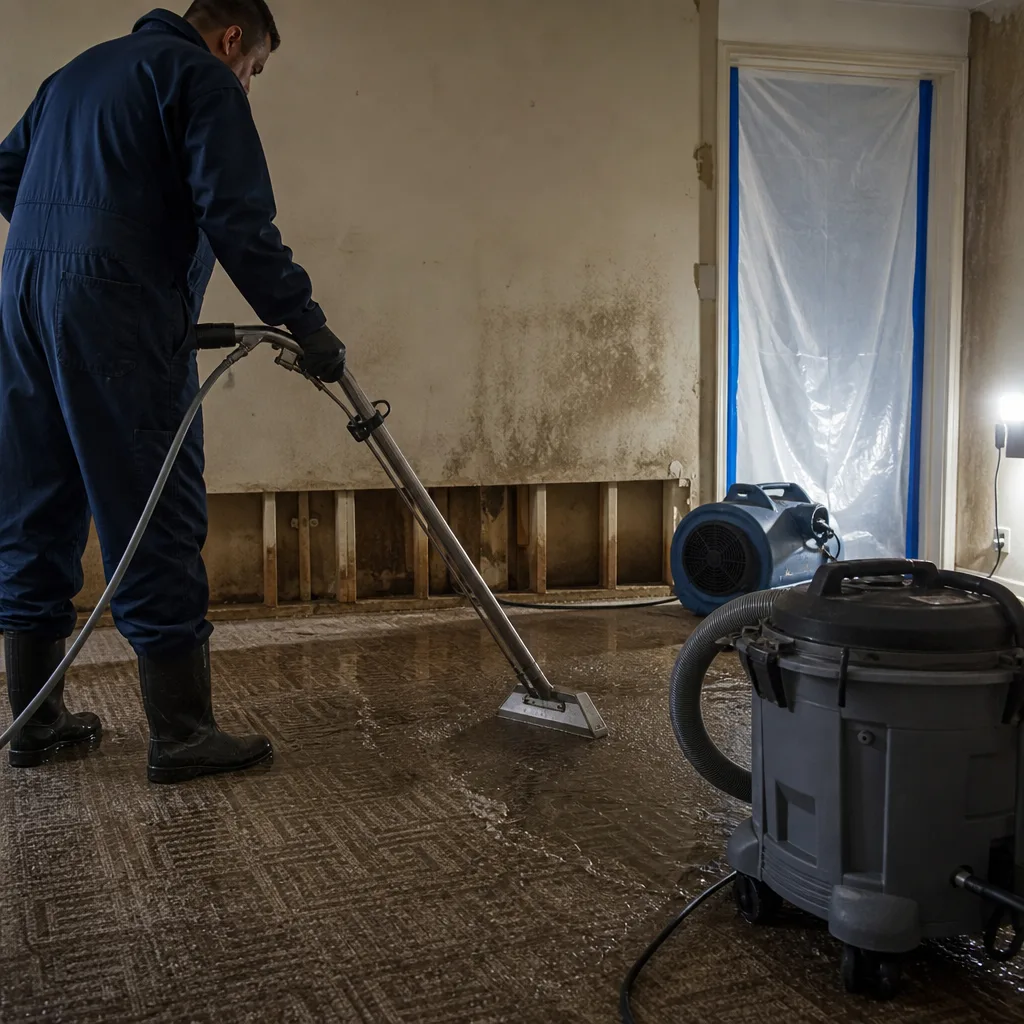
Truck-mounted extractors and portable XPOWER units remove standing water from slab, hardwood, or carpet. For Category 3 losses, we establish containment and negative air pressure with HEPA-scrubbed exhaust before anyone enters the space.
3. Drying & Dehumidification
Dri-Eaz and Phoenix LGR dehumidifiers pull vapor from the air while Injectidry floor-drying systems and B-Air axial air movers target trapped moisture in wall cavities and subfloors. Daily moisture logs track progress to IICRC S500 dry standards.
4. Cleaning & Sanitization
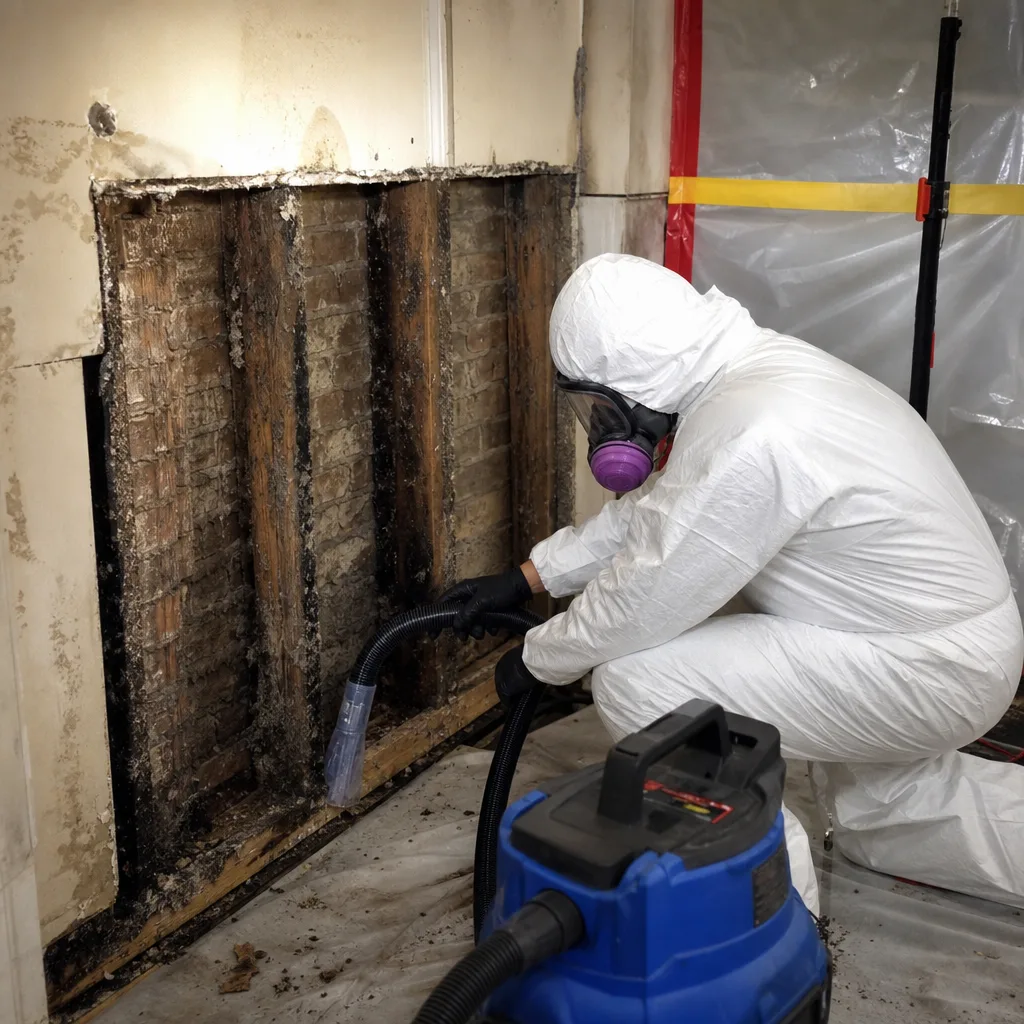
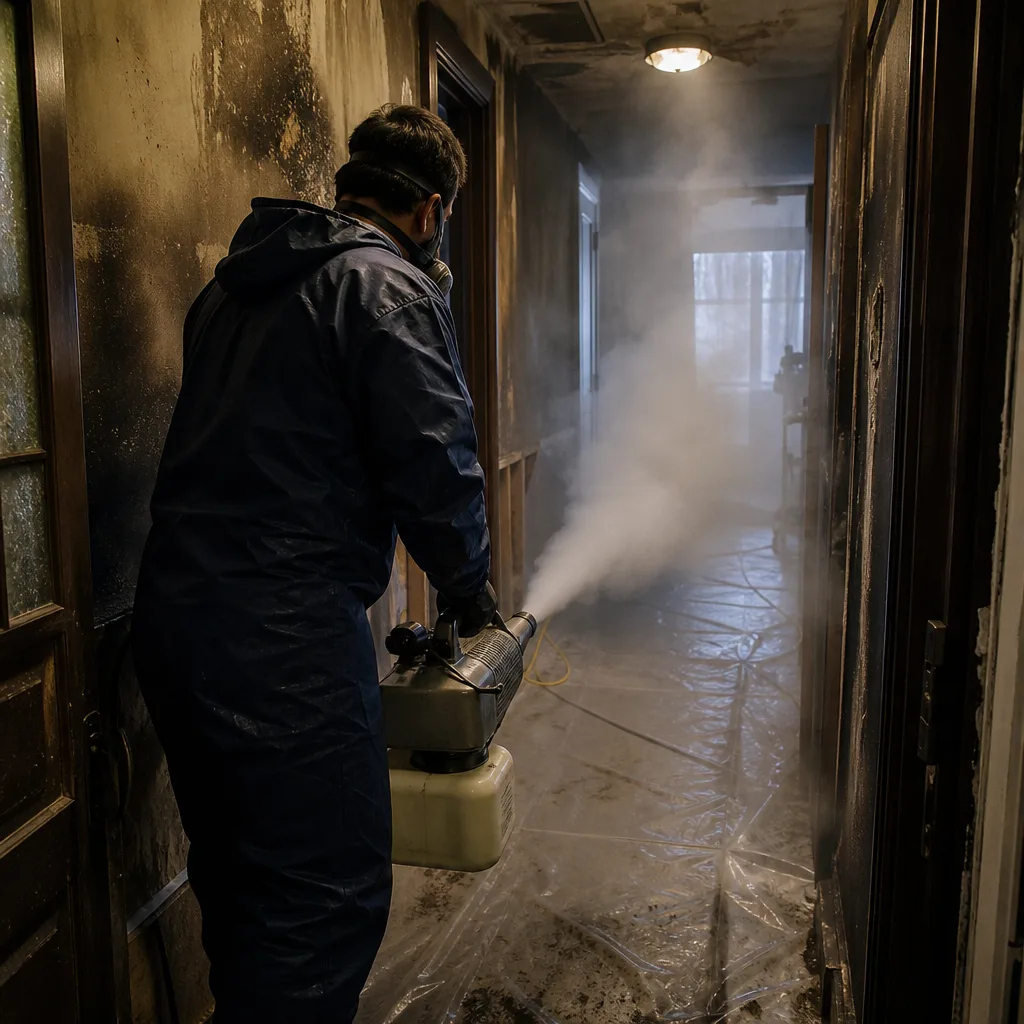
Antimicrobial treatment applied to all affected surfaces, with HEPA vacuuming of particulate. For sewage backflow or flood losses, we follow biohazard-grade remediation protocols per NYC DEP and DOHMH requirements.
5. Asbestos & Lead Abatement Coordination
When bulk sampling reveals friable asbestos or lead, we place the project under mandatory NYC Local Law 76 hold, maintain containment and drying equipment where safe, and resume structural drying only after DEP clearance. This is where out-of-market crews fail LIC property owners.
6. Repairs & Restoration
Written scope executed by our reconstruction team, with flood-vent installation and wet-proofing for Zone AE properties, new drywall, flooring, and finish work. Photo record on every visit, final moisture readings, and the 365-Day Done Right Promise signed under The Haven Standard.
Need Emergency Water Damage Restoration in Long Island City Now?
Crews minutes away, answering live 24 hours a day. The sooner we start, the less it costs.
Working With Your Insurance Company
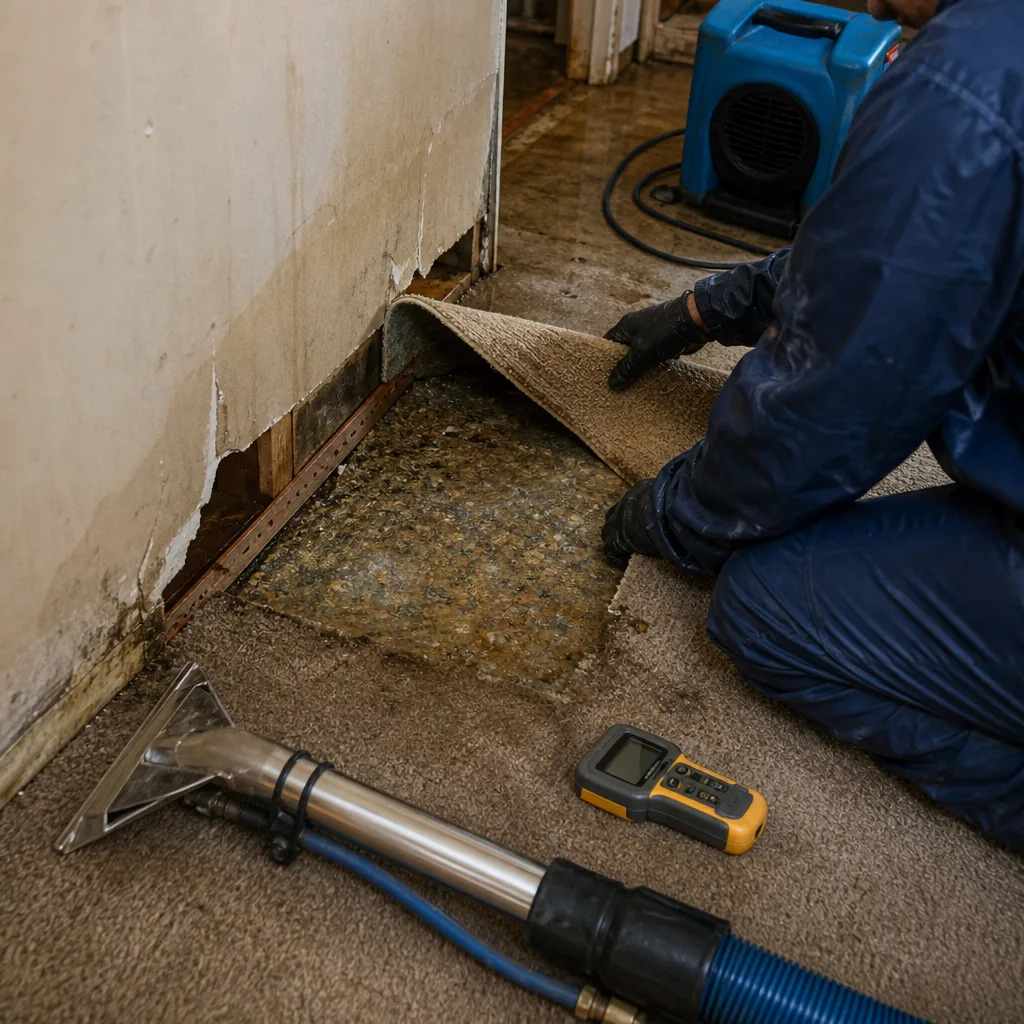
Insurance claims fail on documentation gaps. We close those gaps from minute one. Our team produces industry-standard estimates in Xactimate format, speaks adjuster language, and coordinates directly with your carrier’s claims department. For Long Island City properties in FEMA Zone AE, we handle NFIP claim documentation including elevation-certificate verification and code-compliant repair scoping that most restoration companies simply don’t know how to write.
Our Water Damage Restoration team has processed thousands of claims since 2011. We know what documentation gets a check cut and what gets a request for more information that delays your rebuild by weeks.
What We Provide Your Insurer
- Thorough documentation of the loss
- Photos of all damage, room by room
- Moisture readings and drying logs
- A detailed, line-item scope of work
- Direct coordination with your carrier
Built for Long Island City’s Loss Calendar
January deep freezes split copper supply lines in unheated Dutch Kills basements and rooftop mechanical rooms alike. Spring thaw brings groundwater seepage through century-old foundation walls along the Jackson Avenue corridor. Summer thunderstorms overwhelm gutters on flat-roofed factory conversions, sending water through parapet walls. But the real threat is the nor’easter - the combined sewer system along Newtown Creek and the East River backs up into basement-level units with Category 3 black water, while storm surge pushes Zone AE flood levels into ground-floor apartments and garages.
We’ve learned Long Island City’s calendar. We keep extra HEPA filtration and antimicrobial stock ready for sewage losses from March through November. And when the National Weather Service issues a coastal flood warning for Queens, our crews pre-position extractors and generators for Water Damage Restoration in Long Island City before the tide turns.
Water Damage Restoration Across Long Island City’s Neighborhoods
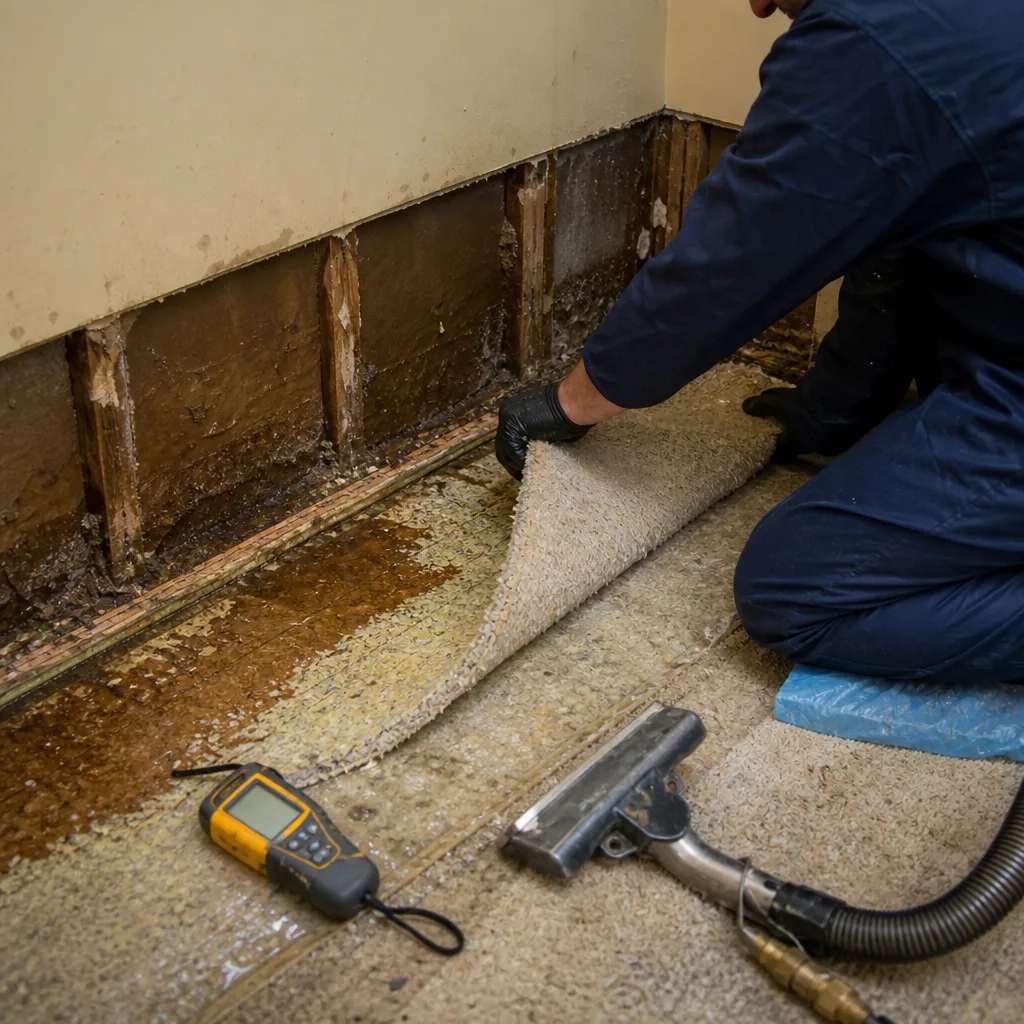
Hunters Point, along the western waterfront, presents our most complex jobs. FEMA Zone AE flood exposure, combined with converted loft buildings that harbor asbestos and lead from their industrial past. We arrive with bulk-sampling kits and NFIP documentation templates ready. The 44th Drive and Center Boulevard corridors see repeated pipe-burst losses in high-rise mechanical rooms where a single failure can cascade through stacked units.
Dutch Kills, north of Queensboro Plaza, holds some of LIC’s oldest housing stock - wood-frame and masonry buildings from the 1890s to 1920s with balloon framing that wicks moisture vertically through entire structures. We’ve dried century-old plaster lathe walls here that newer crews would have condemned unnecessarily.
The Jackson Avenue corridor, the original loft-conversion district, is where we most often hit mandatory abatement holds. These buildings went residential in the 1990s and 2000s with minimal environmental remediation. A simple pipe burst becomes a multi-week project when DEP rules kick in.
Sunnyside Yards-adjacent blocks near Skillman Avenue see basement seepage from groundwater and aging sewer laterals. The clay soil holds water for days after rain, and sump pump failures are common. We install backup systems and document the source for insurance.
Specialized Water Damage Restoration Services We Offer in Long Island City
Emergency Water Extraction
Truck-mounted and portable extractors remove standing water within hours of your call. In Long Island City’s high-rises, we coordinate with building management for elevator access and water shutoff. In converted lofts, we test for hazardous materials before cutting any wall. Typical extraction in LIC runs $800-$1,800 depending on affected square footage and water depth.
Structural Drying & Dehumidification
LGR dehumidifiers, Injectidry cavity-drying systems, and air movers deployed in calculated ratios based on your building’s cubic footage and material permeance. Daily moisture logs prove drying progress to IICRC S500 standards. Expect 3-7 days for standard residential drying, longer for dense masonry or when abatement holds intervene.
Flood Cleanup
FEMA Zone AE properties require specialized documentation and code-compliant repairs. We coordinate elevation certificates, NFIP claim filing, and install flood vents or wet-proofing materials to meet current standards. Flood cleanup in Long Island City’s Zone AE starts at $3,500 for minor ground-floor intrusion and ranges to $15,000+ for full-gut restoration with code upgrades.
Burst Pipe Restoration
Winter freezes and aging copper or galvanized supply lines in pre-war buildings keep our crews busy January through March. We extract, dry, and rebuild - and we document the proximate cause for your insurance carrier. Burst pipe jobs in LIC typically run $2,200-$5,500 for contained single-room losses.
Basement Water Removal
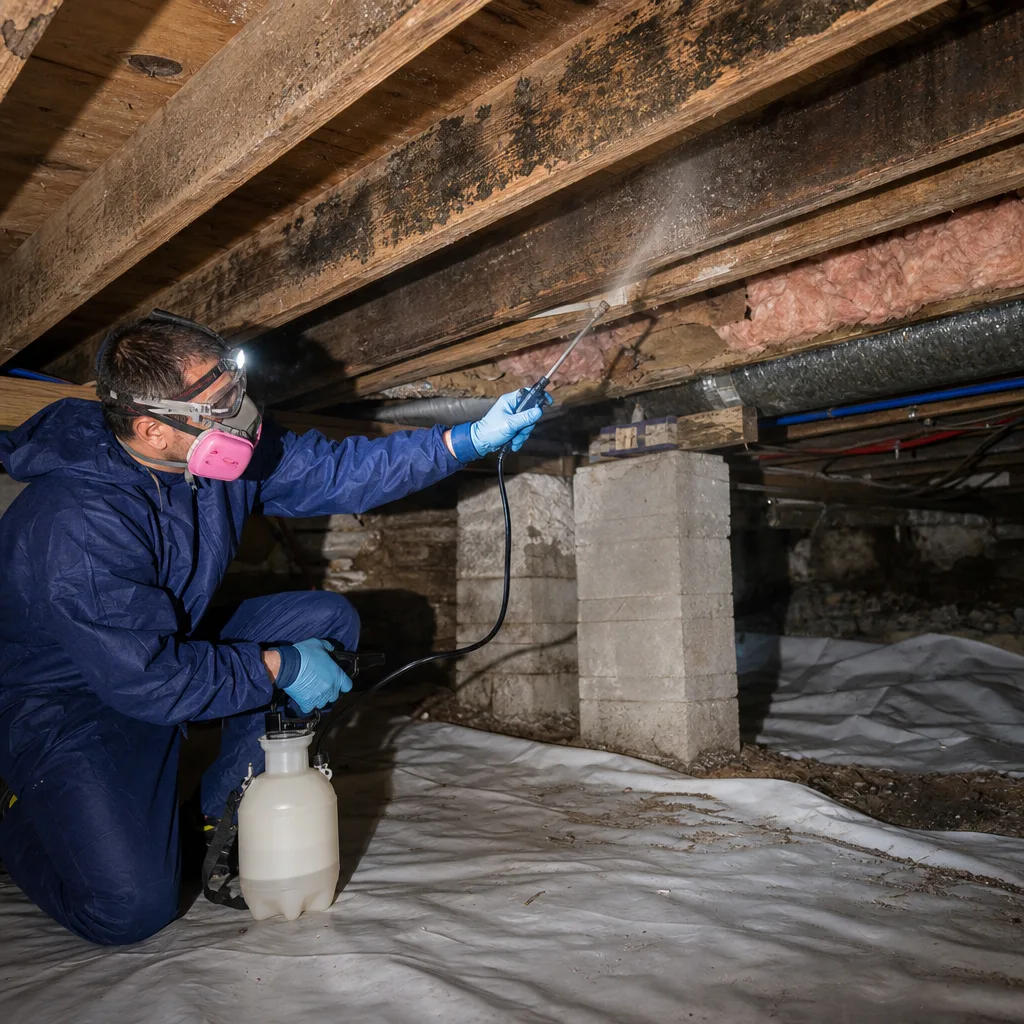
Combined sewer backflow, foundation seepage, or sump pump failure - we identify the source, categorize the water, and execute appropriate remediation. Category 3 sewage losses require full PPE, HEPA containment, and antimicrobial treatment per NYC DOHMH guidelines. Basement removal and remediation in Long Island City ranges $1,500-$6,000 depending on contamination level and finish materials affected.
What happens when you call
- 1
A real person answersNo phone trees - you reach a local pro.
- 2
You get an upfront price rangeHonest numbers before anyone is dispatched.
- 3
A background-checked tech heads outLicensed & insured, dispatched right away.
- 4
You approve before work beginsNothing starts until you say go.
Water Damage Restoration Costs in Long Island City, NY
We publish ranges because Haven Standard, Clause 1 demands a written price before work starts - and you can’t write a price you haven’t discussed.
| Service | Typical Range in Long Island City |
|---|---|
| Emergency water extraction | $800 - $1,800 |
| Structural drying (3-7 days) | $1,200 - $3,500 |
| Burst pipe restoration (single room) | $2,200 - $5,500 |
| Basement water removal | $1,500 - $6,000 |
| Flood cleanup with NFIP documentation | $3,500 - $15,000+ |
| Projects with mandatory asbestos/lead abatement | Add $2,500 - $8,000 |
What moves the price: water category (clean vs. contaminated), affected square footage, whether hazardous materials trigger abatement holds, and whether code-compliant flood repairs apply. Insurance typically covers sudden and accidental losses; gradual seepage or maintenance neglect may be excluded. We review your policy, document the cause, and build the claim file from day one. Free inspection, free written estimate, no obligation.
We Also Serve Cities Near Long Island City
Our crews respond daily to Long Island City and the surrounding neighborhoods: Astoria to the north, with its pre-war apartment stock and Astoria Park-adjacent basement flooding; Maspeth’s industrial conversions and Newtown Creek flood exposure; Jackson Heights’ co-op buildings with aging plumbing; and Elmhurst’s dense residential blocks where pipe failures affect multiple units. Same documentation standards, same live answer, same written price before work begins.
Serving Long Island City, NY - Our Local Coverage Area
We’re based in the Long Island City area and know this community well. Use the map below to see our service coverage - if you’re nearby, we can almost certainly help.
Long Island City Water Damage Restoration Questions, Answered
Why does a water loss in a converted Long Island City loft take longer to dry?
Most converted lofts along Jackson Avenue and Hunters Point still contain friable asbestos pipe insulation, floor tile, or pre-1978 lead paint that was never removed during residential conversion. Bulk sampling is mandatory before demolition, and a positive result triggers a NYC Local Law 76 abatement hold that stops restoration work for days or weeks. We build this possibility into our initial timeline and maintain drying equipment under containment where safe, but the legal hold is non-negotiable. Call (551) 213-5277 and we’ll explain what testing your specific building requires.
Are sewage backups from LIC’s combined sewer system treated differently than a clean pipe burst?
Yes - absolutely. Combined sewer overflow during heavy rain or nor’easters produces Category 3 black water containing pathogens, chemicals, and untreated waste. This requires biohazard-grade PPE, HEPA-contained negative air pressure, antimicrobial treatment, and disposal under NYC DEP regulations. A clean pipe burst is Category 1 and follows standard extraction and drying protocols. Misclassifying sewage backflow as clean water is a serious health risk and a common error we see in competitor estimates. We test and categorize on arrival. Call (551) 213-5277 for immediate response.
What makes waterfront Hunters Point flood restoration different from inland Queens?
Hunters Point sits in FEMA Special Flood Hazard Zone AE, which means flood insurance claims require NFIP documentation, elevation-certificate verification, and code-compliant repairs including flood vents or wet-proofing materials. Inland Queens contractors rarely handle these requirements and often scope standard dryouts that leave homeowners unable to substantiate their loss or meet current building code. We coordinate elevation certificates, document pre-loss condition to NFIP standards, and rebuild with compliant materials. Call (551) 213-5277 for Zone AE-specific expertise.
How quickly can mold start after water damage in Long Island City?
Mold colonization begins in 24-72 hours on organic materials at moisture content above 16 percent. In Long Island City’s humid summer climate and densely built spaces with limited ventilation, we often see active growth at the 48-hour mark. Our crews arrive with moisture meters and antimicrobial treatment to interrupt this timeline, but the clock is real. If you suspect water damage, call (551) 213-5277 - waiting for visible mold means the remediation scope has already expanded.
Do you document the loss for insurance and NFIP claims?
Yes - documentation is our founding discipline. Every job receives room-by-room photos, daily moisture readings and drying logs, a detailed line-item scope of work, and direct adjuster coordination. For NFIP claims in Zone AE, we add elevation-certificate review, flood-vent compliance documentation, and code-upgrade scoping. This documentation package is standard, never an upsell. Call (551) 213-5277 to discuss your specific claim needs.
How fast can your crew actually get to my Long Island City building?
We commit to 45 minutes from dispatch confirmation to arrival at any Long Island City address. Dispatch is coordinated from our New York City office with GPS-tracked crews. During major weather events, we pre-position equipment and extend staffing to maintain response times. Live answer 24/7 at (551) 213-5277 - no voicemail, no callback queues.
Can my family stay in the home during water damage restoration?
For Category 1 losses confined to one room, often yes once extraction is complete and drying equipment is running. For Category 2 or 3 contamination, or when abatement holds require containment, temporary relocation is usually necessary for health and safety. We tell you clearly during the initial inspection, never after work has begun. Call (551) 213-5277 for a same-day assessment of your specific situation.
What certifications do your Long Island City technicians hold?
Our water damage technicians hold IICRC WRT (Water Damage Restoration Technician) and ASD (Applied Structural Drying) certifications at minimum. Lead technicians add AMRT (Applied Microbial Remediation Technician) and FSRT credentials, with full Fire & Smoke Damage Restoration in Long Island City capability. All licenses are verified before hire and available on request. We document training records as meticulously as we document your job file. Call (551) 213-5277 with specific certification questions.
On a Hunters Point loft conversion off Jackson Avenue, we responded to a Category 3 loss after a nor’easter overwhelmed the combined sewer and sent East River backflow into a basement-level unit. Our tech completed water extraction and moisture mapping across original slab-on-grade floors, but bulk sampling flagged asbestos-containing floor tile and old pipe insulation, so we placed the affected rooms under containment with antimicrobial treatment and waited out the NYC Local Law 76 abatement hold before final structural drying with Dri-Eaz air movers and dehumidification. In the end, we documented pre-loss condition in drying logs, coordinated elevation-certificate paperwork through the owner’s NFIP claim, and rebuilt the walls with flood-vent wet-proofing to close out a multi-week scope rather than the two-day dry the client expected.
Call (551) 213-5277 for emergency water damage restoration in Long Island City. Live answer, 24 hours a day. Free inspection. Written price before any work begins. Haven Standard, Clause 1.
Written by Alicia Brennan, Owner at DryMark Restoration Upper East Side, serving Long Island City since 2011 under The Haven Standard.