
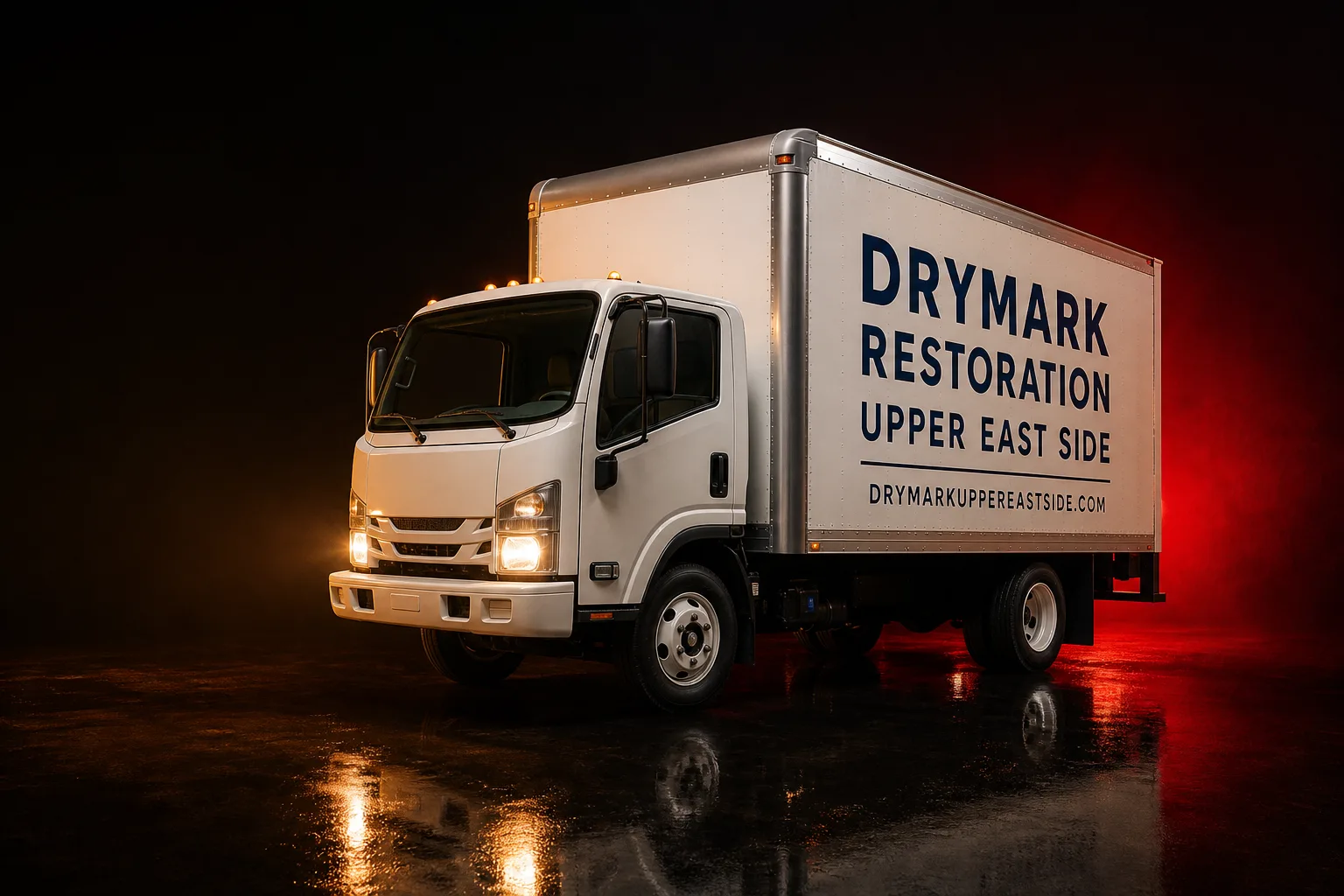
Free visual inspection and a written scope of work before any mitigation begins - photos, moisture readings, and drying logs go in your claim file
The scope we write is the scope we bill. Anything new gets shown to you, in writing, before we touch it.
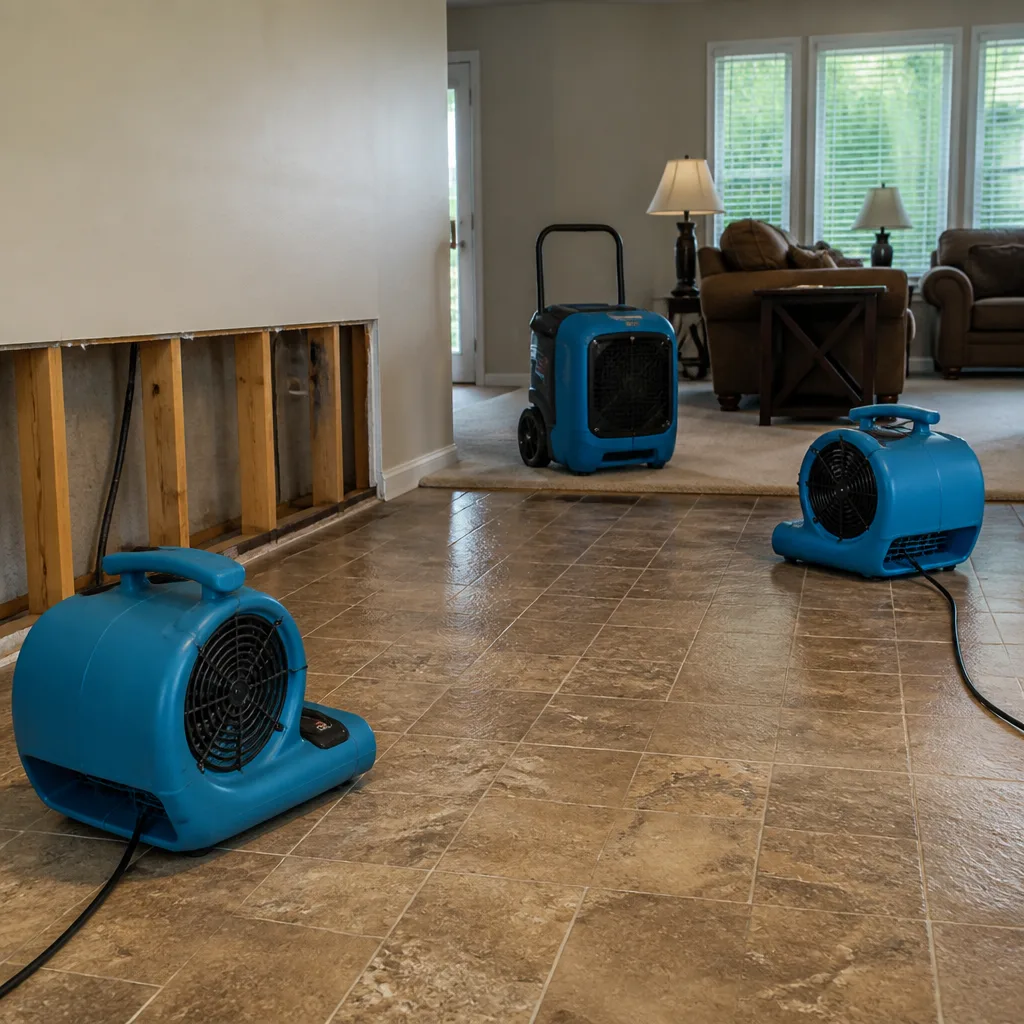

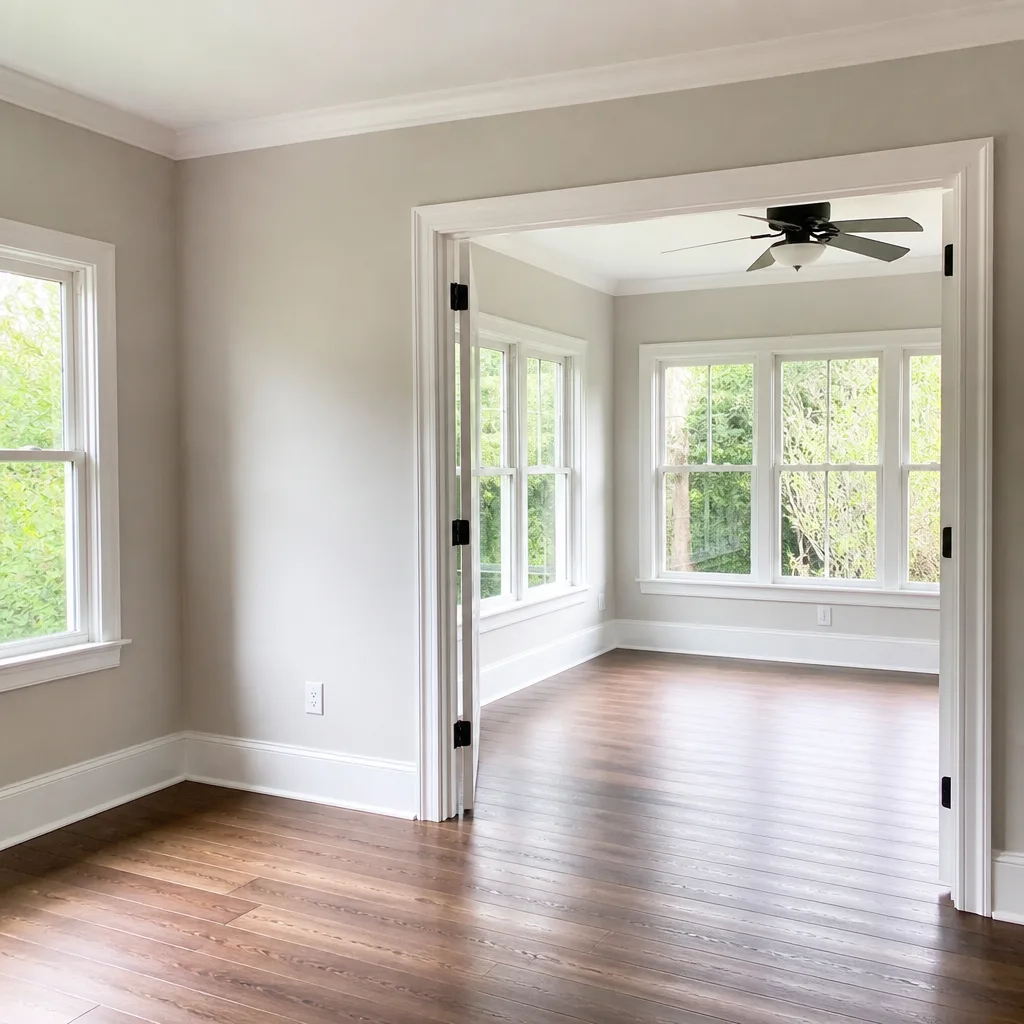
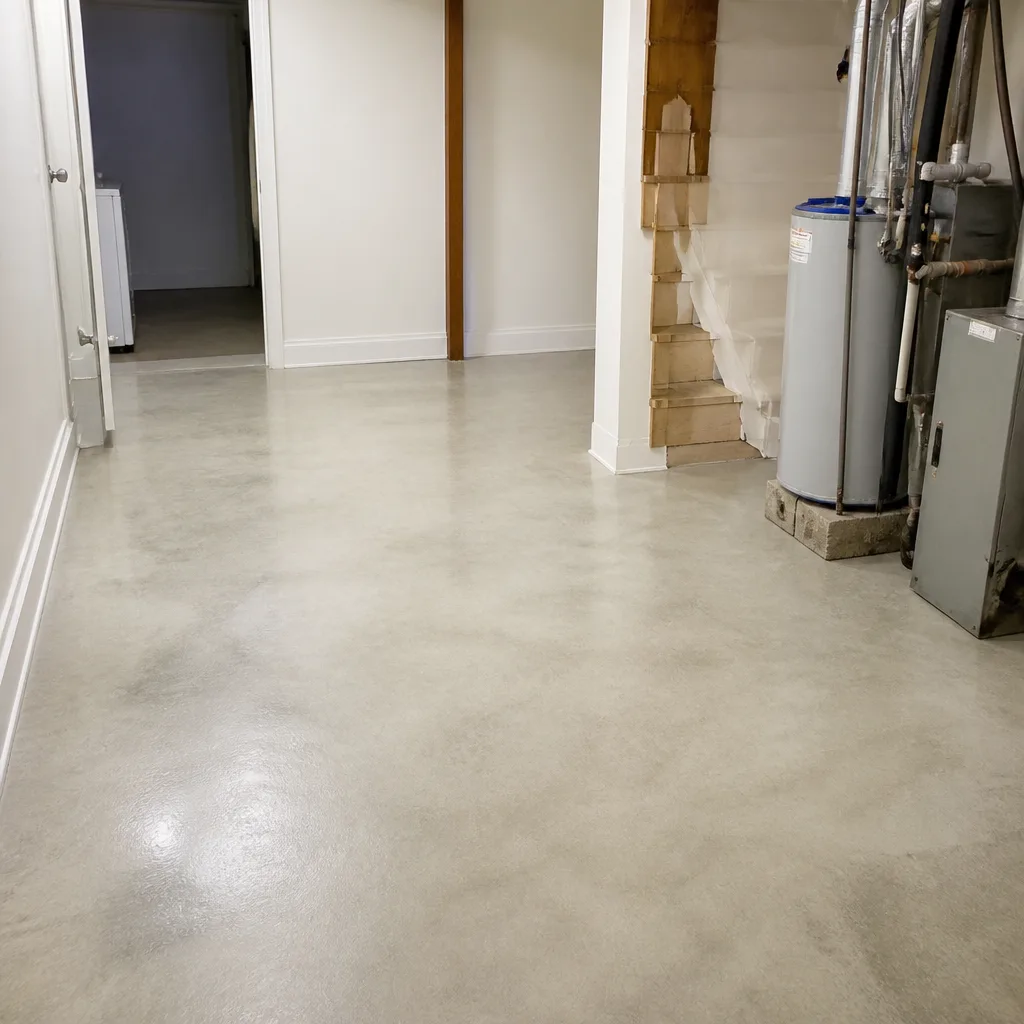

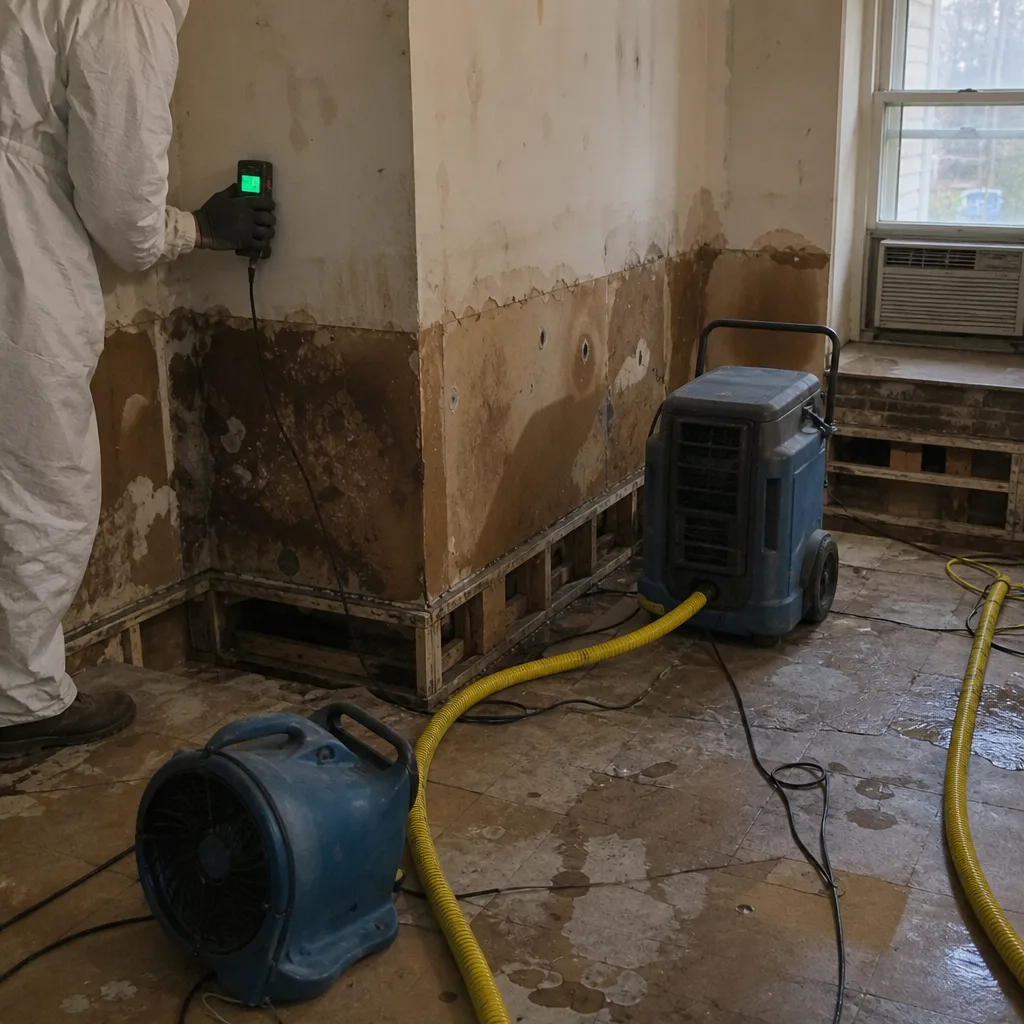 Before
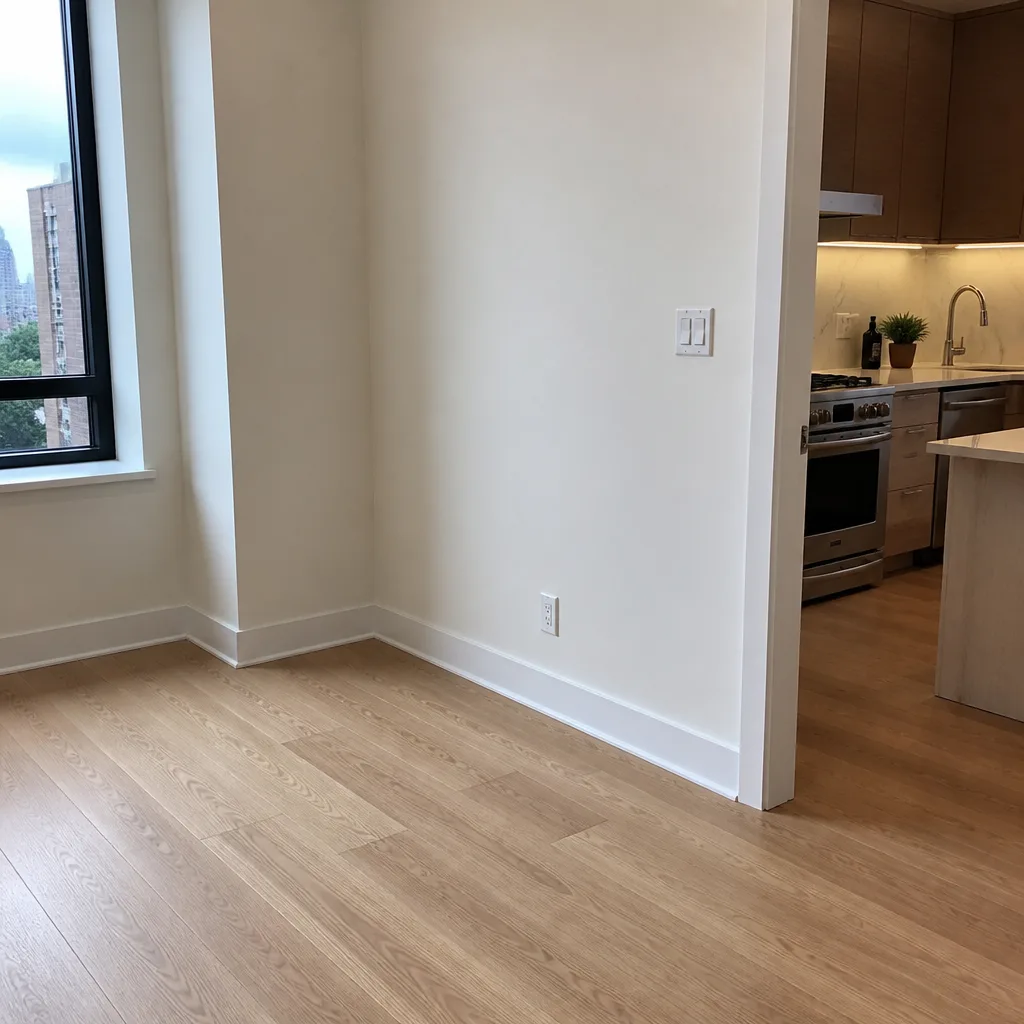 After
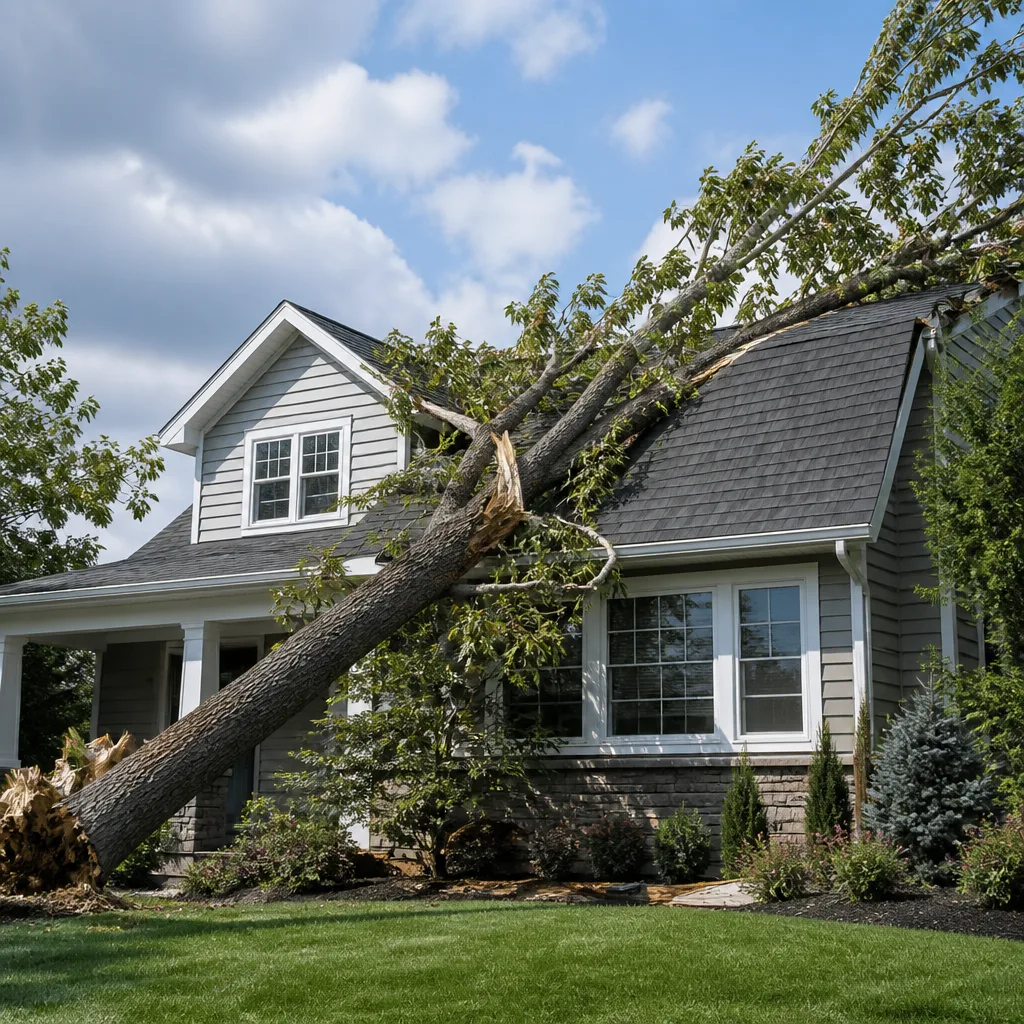
After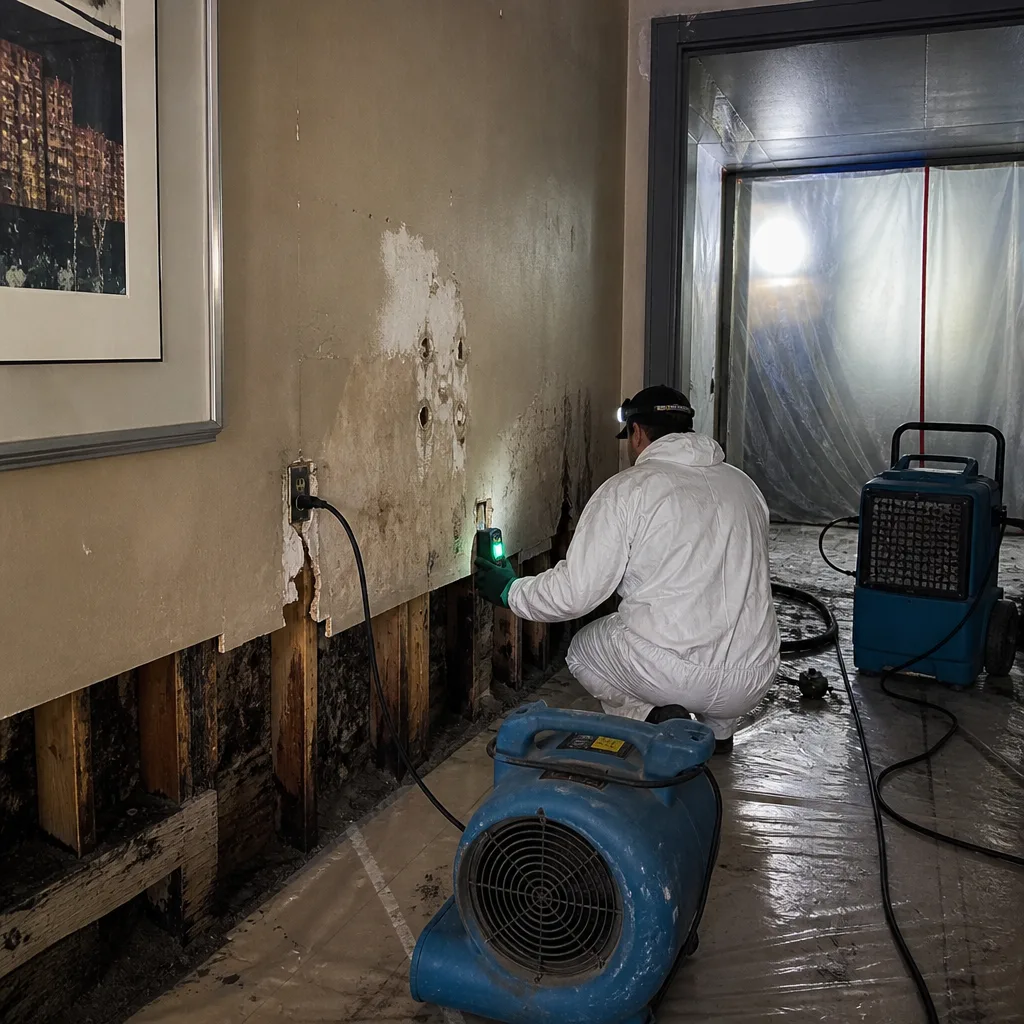 Before
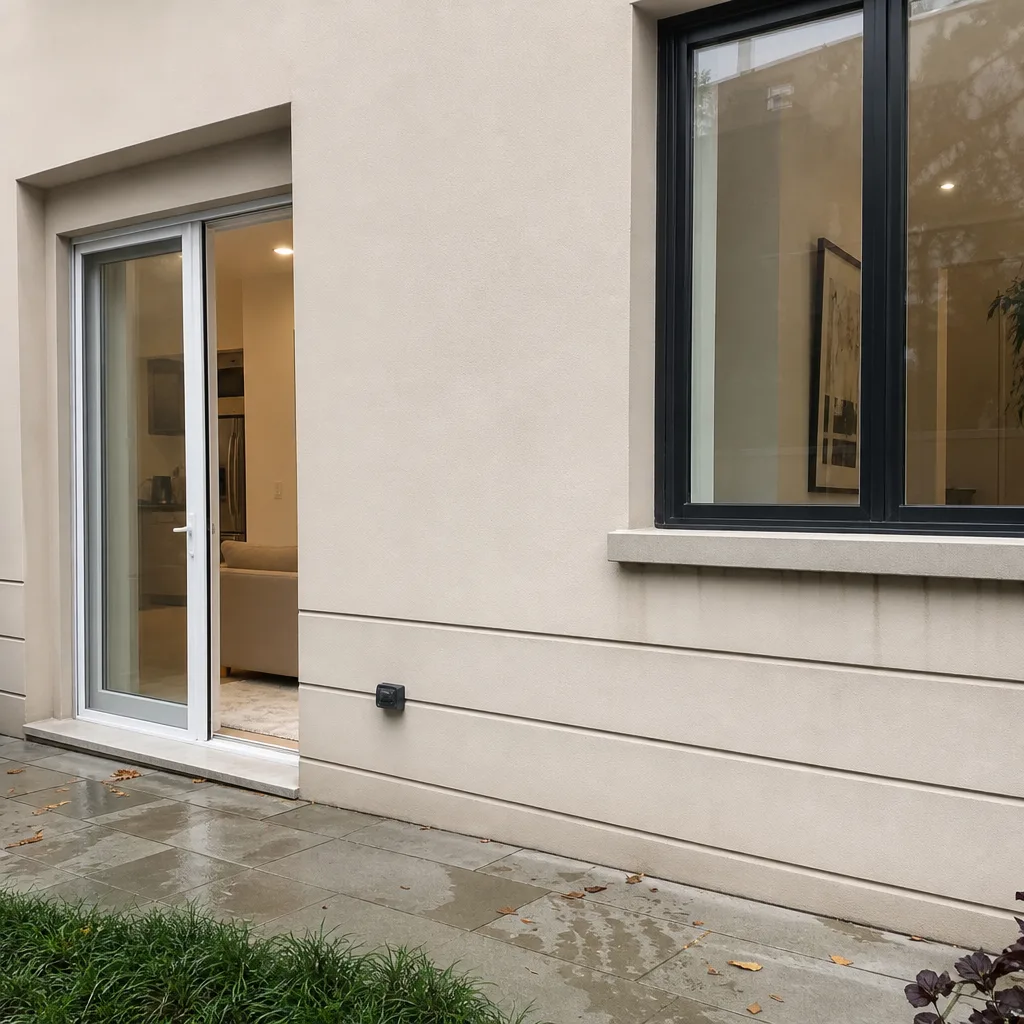 After
After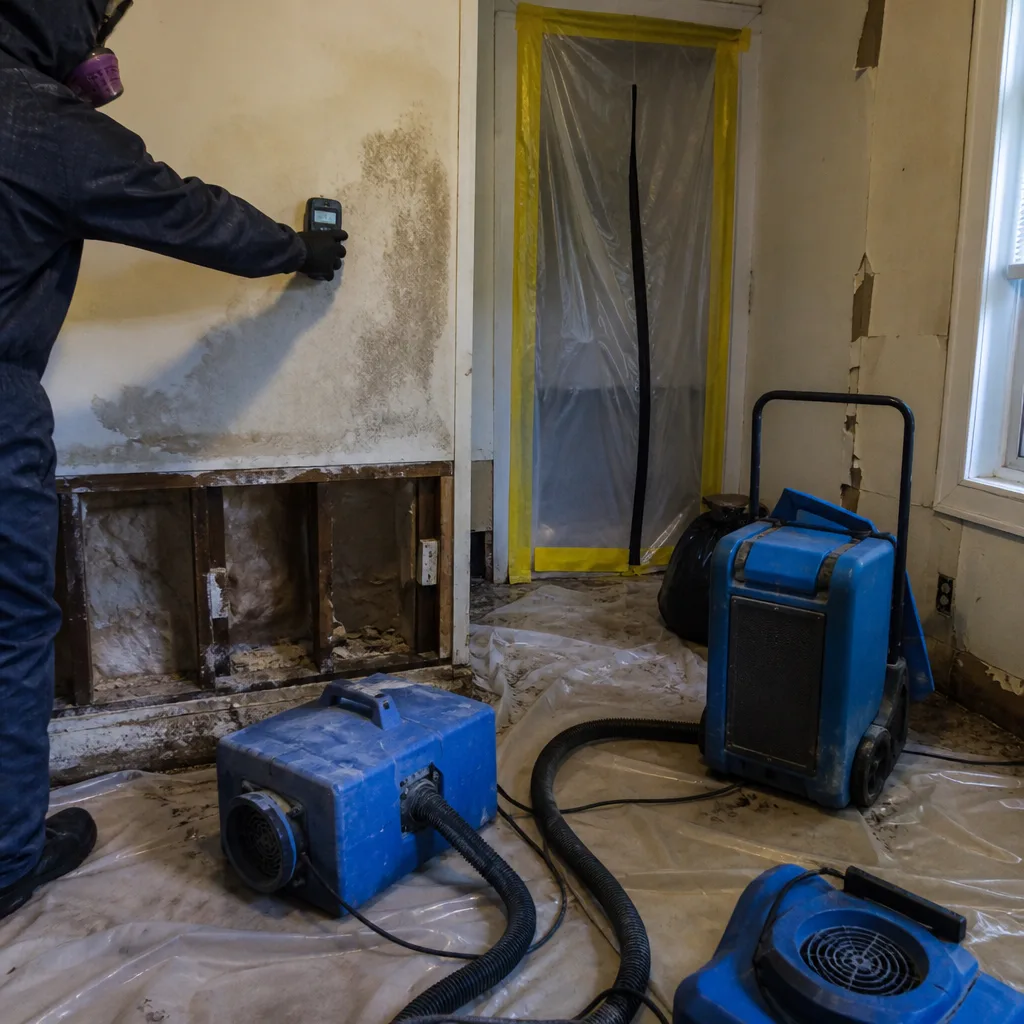 Before
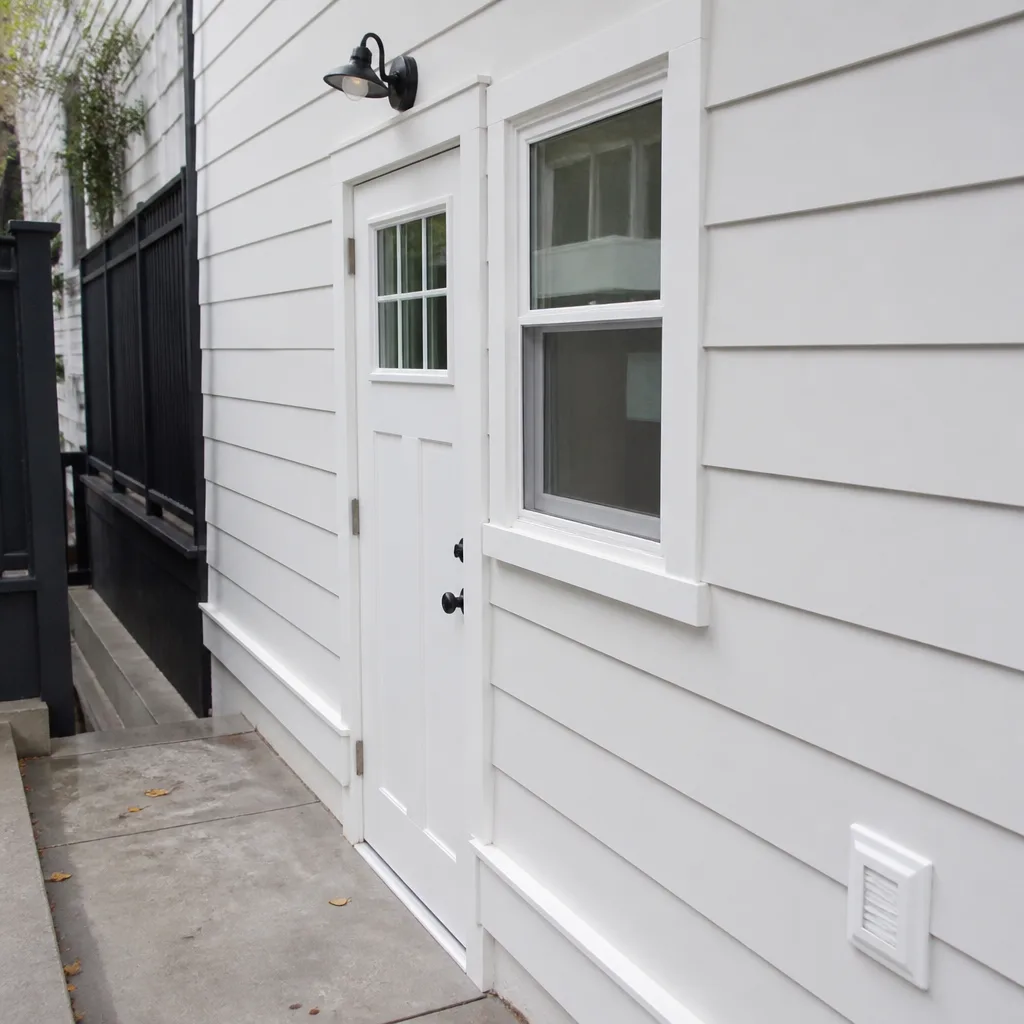 After
After24/7 Emergency Fire & Smoke Damage Restoration in Financial District
A fire in your Financial District property needs same-day response, and our crews answer live at (551) 213-5277 around the clock. Smoke migrates through HVAC systems in converted high-rises within minutes, and soot begins etching glass and metal surfaces within hours. We dispatch teams directly into the Financial District from our New York City office, arrive with containment materials and air-scrubbing equipment, and perform a free visual inspection to document the full extent of smoke migration before any work begins. The first hour determines how much of your contents can be saved and whether smoke odor will require specialty treatment or full removal.
Understanding Fire & Smoke Damage Restoration Severity in Financial District Properties
Fire damage in Financial District buildings breaks into three severity tiers tied directly to the neighborhood’s converted commercial stock. Light damage - surface soot on modern finishes in newer conversions near the World Trade Center - typically responds to dry-ice blasting and HEPA vacuuming. Moderate damage involves protein smoke from kitchen fires in open-plan loft units, where grease-based residues bond to drywall and require alkaline cleaners followed by thermal fogging. Severe damage means structural charring in landmark-protected 1910s-1930s towers like 70 Pine Street or 20 Exchange Place, where thick masonry walls hold heat for days and smoke penetrates terracotta ornamentation protected by preservation rules.
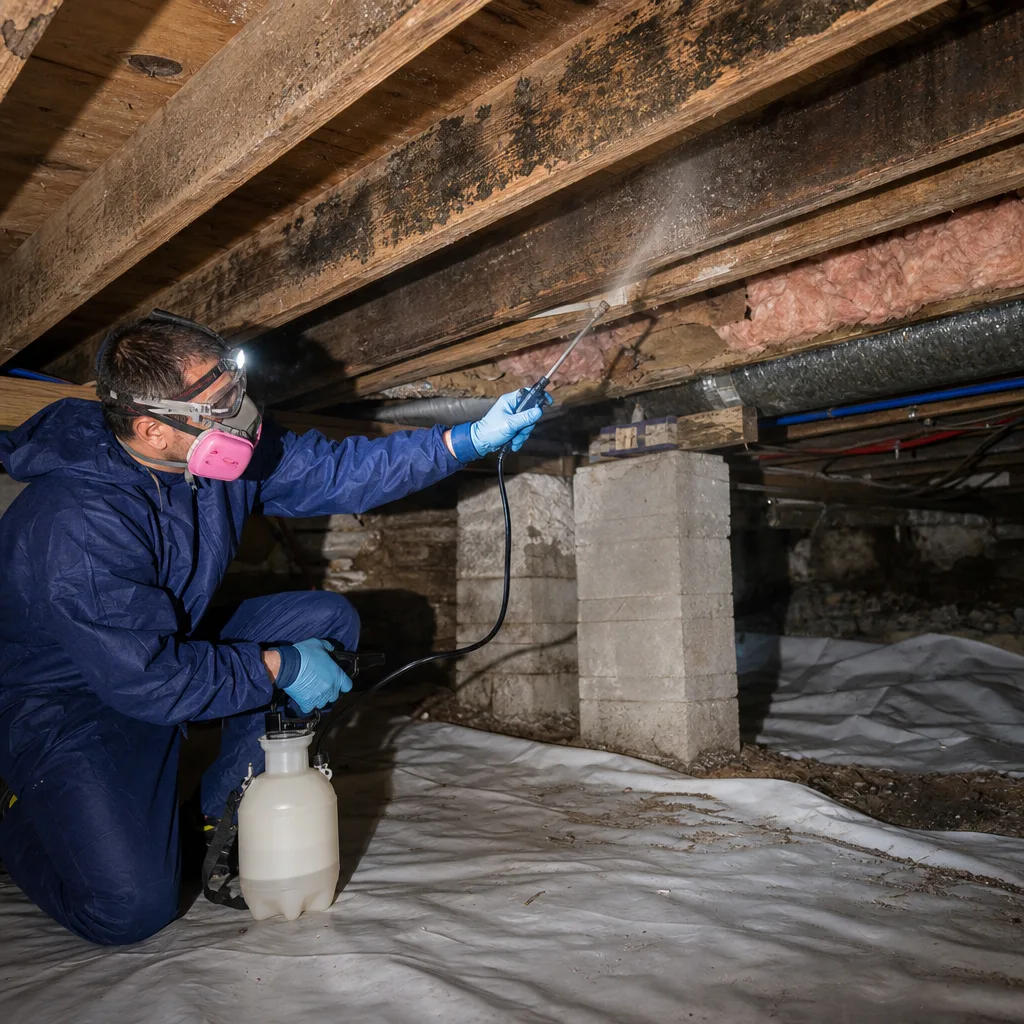
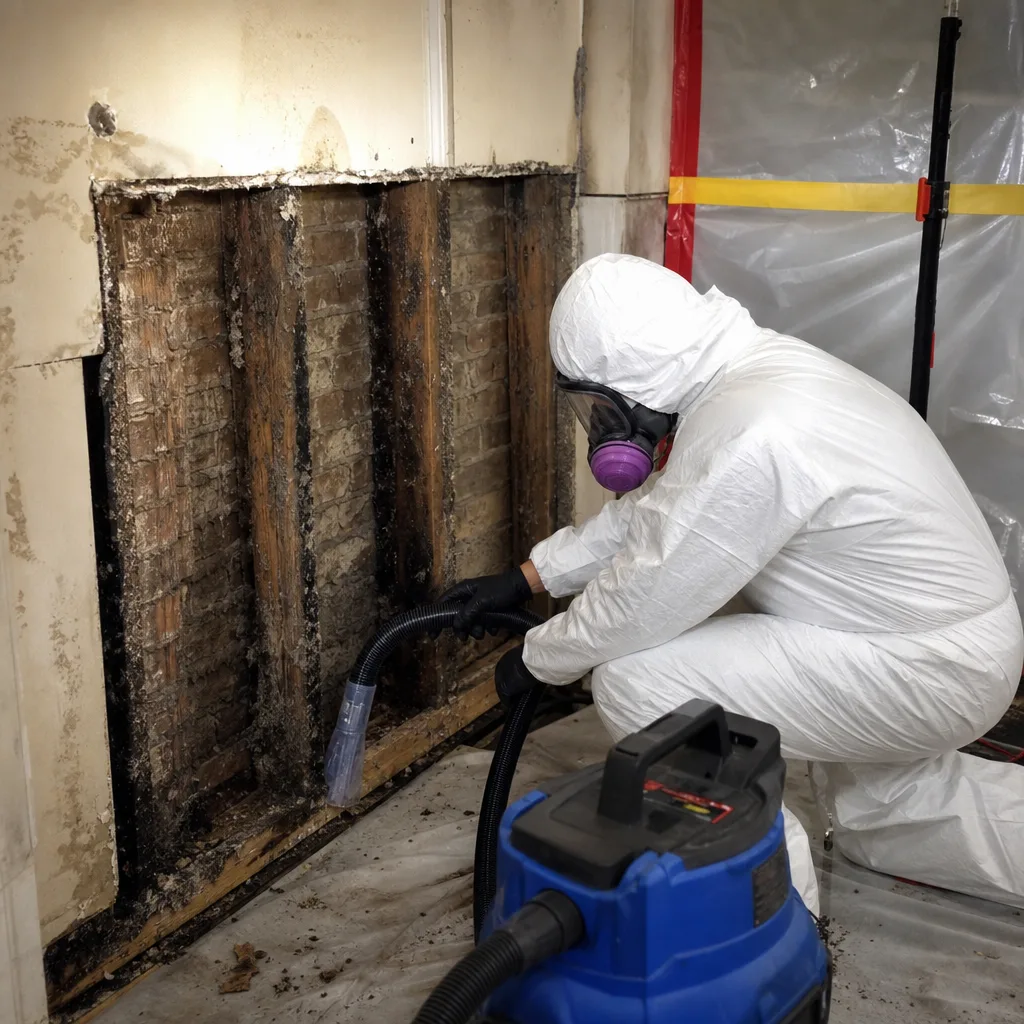
The real complication in Financial District severity assessment isn’t the fire itself. It’s what the fire reveals. Our crews use thermal imaging to map wall cavities and moisture meters to check subgrade mechanical rooms, because the heat that opened building materials also accelerated salt-laden groundwater intrusion through pre-existing cracks. A kitchen fire on the 15th floor can mask a basement mechanical room where fire-suppression water mixed with chronic seepage from the harbor-adjacent water table. We classify every Financial District job by both fire damage class (per IICRC FSRT standards) and underlying moisture condition, because one determines the cleaning protocol and the other determines whether the building will smell of smoke or require Mold Remediation - Financial District in six months.
Why Financial District Property Owners Choose DryMark Restoration Upper East Side
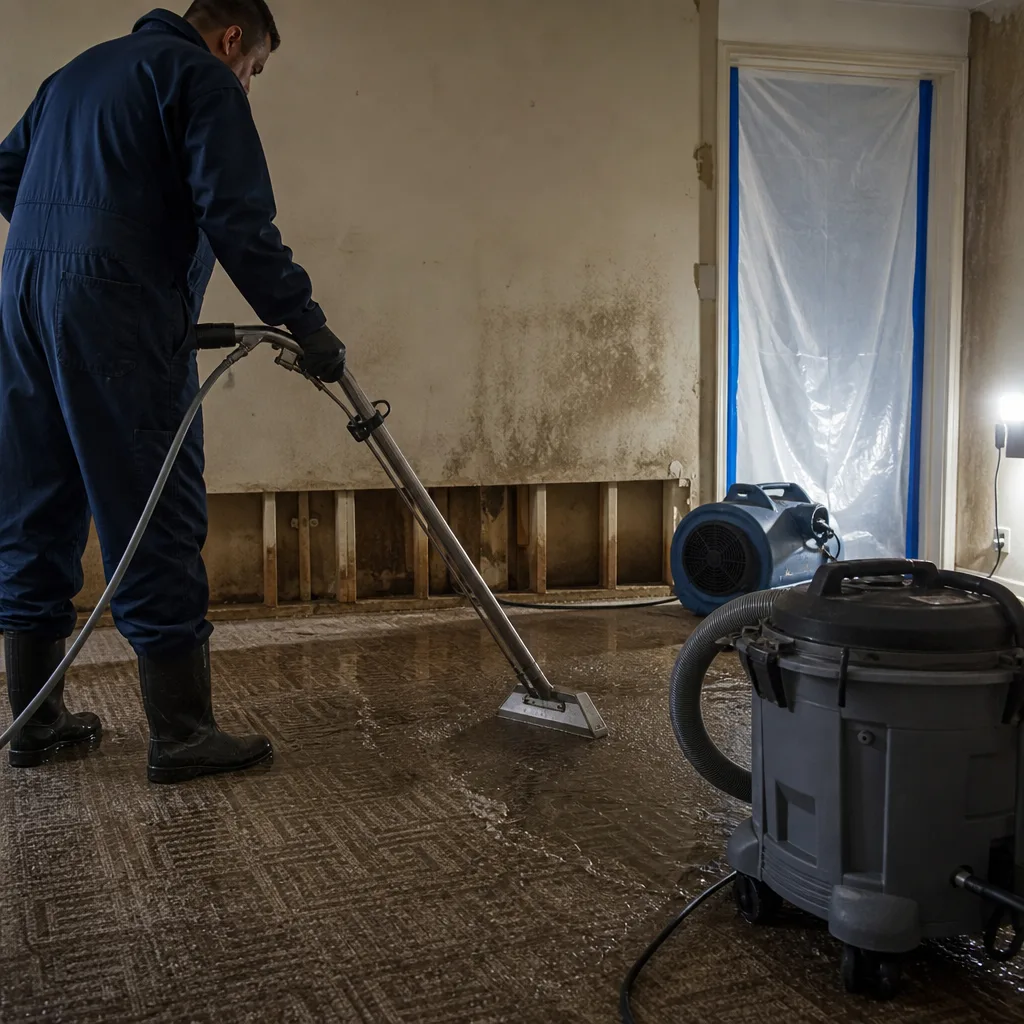
- 45-minute response commitment to any address south of Chambers Street, with crews staged for immediate dispatch into the Financial District’s restricted-access high-rises.
- 24/7 live answer - a real person picks up every call, never an automated system, because fire damage documentation starts with the first conversation.
- IICRC-certified crews holding FSRT (Fire and Smoke Restoration Technician) and WRT (Water Damage Restoration Technician) certifications, trained to handle the combined fire-and-water losses typical of Financial District high-rises.
- Free visual inspection with written scope delivered before any work begins, per Haven Standard, Clause 1.
- Direct insurance billing with photo-documented estimates formatted for adjuster review, reducing claim cycle time by an average of 11 days based on our 2011-2025 job history.
- One team from emergency board-up through structural repair - no handoffs between mitigation and reconstruction contractors that lose institutional knowledge about your building’s specific conditions.
BeforeAfterOur Fire & Smoke Damage Restoration Process
1. Inspection & Assessment
We arrive with thermal imaging cameras, moisture meters, and combustion residue test kits to classify soot type (dry, wet, protein, or fuel-oil smoke) and identify hidden water intrusion in subgrade spaces. Every Financial District assessment includes a photo record of pre-existing conditions, because landmark-protected finishes require documented baseline states before any cleaning begins.
2. Emergency Board-Up & Stabilization
Broken windows and compromised doors get temporary sealing with fire-rated plywood and weatherproof tarps, coordinated with building management and FDNY release protocols. In Financial District high-rises, we also isolate HVAC zones to prevent smoke recirculation through shared mechanical systems serving mixed-use tenants.
3. Water Extraction & Structural Drying
Fire suppression systems and FDNY hose water get extracted with truck-mounted and portable systems from Dri-Eaz and Phoenix, followed by dehumidification using LGR units sized for concrete-and-masonry construction. Moisture mapping tracks drying progress in wall cavities, because Financial District’s landfill-based water table means baseline readings start higher than inland properties.
4. Smoke & Soot Removal
Dry soot gets HEPA vacuumed; wet soot requires alkaline pre-cleaning before agitation. In landmark-protected interiors with terracotta and ornate plaster, we use dry-ice blasting or soda blasting to avoid water-based methods that would swell historic finishes. Our Fire & Smoke Damage Restoration teams document every surface treated.
5. Odor Removal & Deodorization
Thermal fogging with solvent-based deodorizers penetrates porous materials where smoke odor molecules have bonded. In Financial District’s deep masonry walls, we deploy ozone generators or hydroxyl generators during unoccupied periods, with air scrubbers running continuously to maintain safe air quality for building residents.
6. Repairs & Restoration
Charred framing gets replaced per NYC Building Code. We rebuild with materials matching landmark preservation requirements where applicable, and deliver a written warranty under The Haven Standard’s 365-Day Done Right Promise. Every repair phase includes updated photo documentation for insurance final payment.
Need Emergency Fire & Smoke Damage Restoration in Financial District Now?
Crews minutes away, answering live 24 hours a day. The sooner we start, the less it costs.
Working With Your Insurance Company
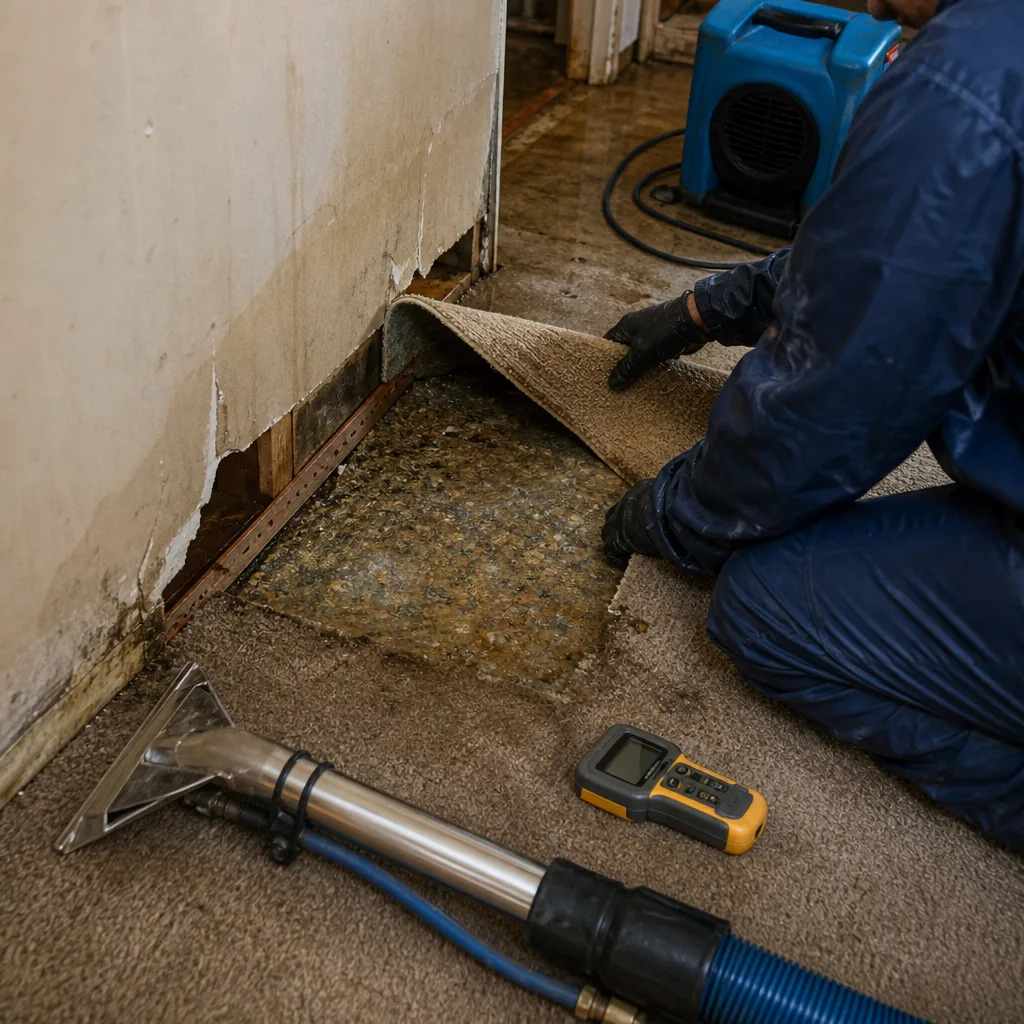
Insurance claims for fire damage fail most often at the documentation stage, not the damage stage. We learned this from Alicia Brennan’s years as a claims adjuster before founding Back to Dry in 2011. Our Financial District jobs begin with a photo record of every room, every surface, every piece of contents before anything gets moved. We produce industry-standard estimates in Xactimate format, line-itemed by trade, with moisture readings and drying logs attached as appendices. Your adjuster receives the same documentation we give you: no information asymmetry, no surprise line items at claim review.
Direct coordination means we conference-call with adjusters on request, walk them through photo documentation remotely, and revise scopes in real time when coverage questions arise. For Financial District properties with multiple insurance policies (building, contents, loss-of-use), we separate documentation by coverage line so nothing gets applied to the wrong deductible.
What We Provide Your Insurer
- Thorough documentation of the loss
- Photos of all damage, room by room
- Moisture readings and drying logs
- A detailed, line-item scope of work
- Direct coordination with your carrier
Built for Financial District’s Loss Calendar
January brings the deepest risk: heating system failures in legacy mechanical rooms never designed for residential occupancy, with space heaters deployed in converted units as backup. The combination of 1910s-era electrical infrastructure and modern residential load creates fire risk at connection points. Spring sees nor’easter-driven flooding that complicates fire recovery, because FDNY can’t pump basements that are already hydraulically charged by harbor surge. Summer’s high humidity slows structural drying in thick masonry walls, extending odor remediation timelines by 30-40% compared to winter losses. Fall’s construction surge means more hot-work permits (welding, cutting, torch-applied roofing) in mixed-use buildings, with fire watch failures sending smoke through shared ventilation. Year-round, the salt-air environment at the confluence of the Hudson, East River, and New York Harbor accelerates corrosion in fire-damaged metal components that would otherwise be salvageable.
Fire & Smoke Damage Restoration Across Financial District’s Neighborhoods
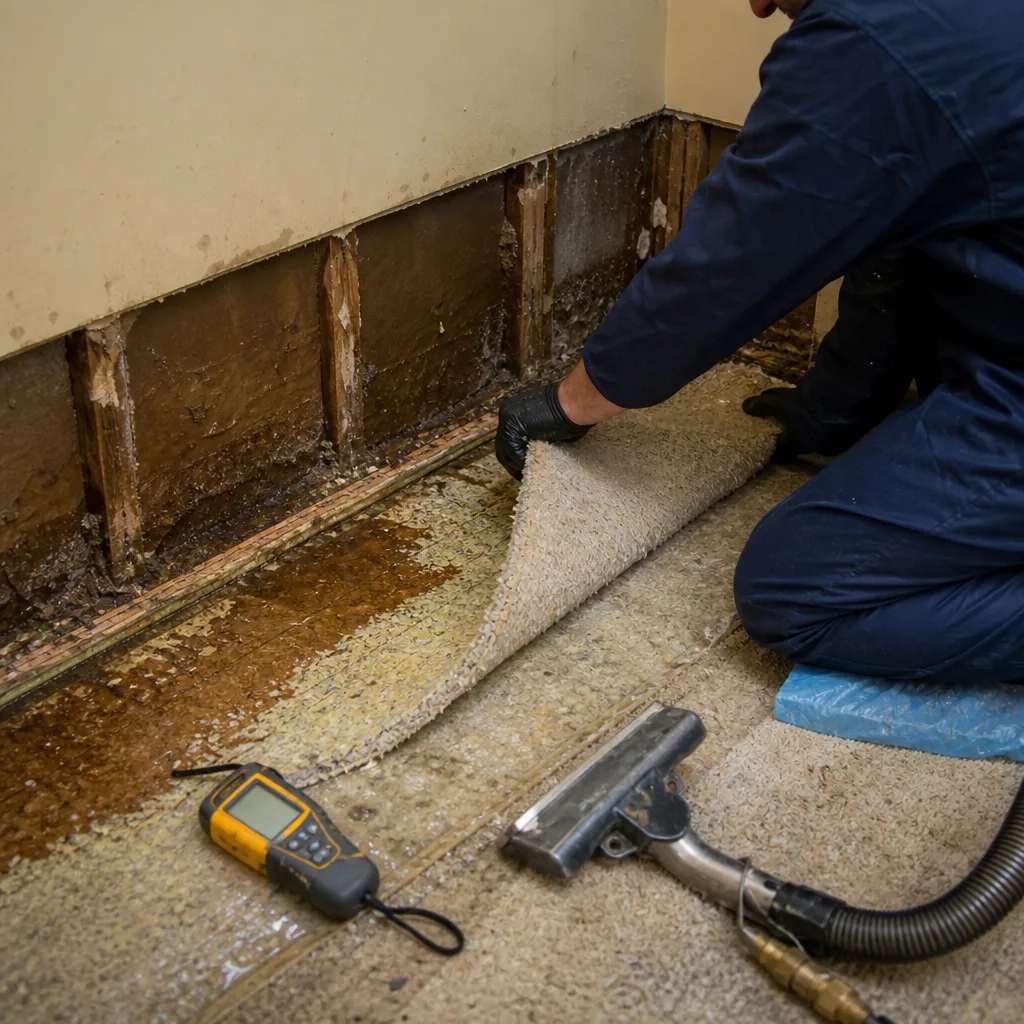
Our response routes cover the full Financial District peninsula, with distinct challenges per corridor. Near Bowling Green and the Battery, pre-war office conversions like 25 Broadway face chronic groundwater intrusion from the harbor’s highest tidal reach; fire suppression water here mixes with saltwater seepage that demands specialized extraction and corrosion-inhibiting treatments on metal surfaces. Along Wall Street and Broad Street, landmark-protected 1920s towers require LPC (Landmarks Preservation Commission) notification before exterior work, and interior cleaning must preserve original marble, bronze, and terracotta that cannot be replaced at any cost. The Seaport District’s 19th-century mercantile buildings, now residential, have balloon framing and no firestopping between floors, so smoke travels vertically through concealed channels that modern buildings don’t have. Near the World Trade Center campus, newer glass-and-steel towers present the opposite problem: tight building envelopes that trap smoke odor in synthetic finishes and require extended thermal fogging cycles. Each zone gets a response plan matched to its construction era, not a generic protocol.
Specialized Fire & Smoke Damage Restoration Services We Offer in Financial District
Fire Damage Cleanup
We remove charred debris, extract fire-suppression water, and stabilize structural elements in Financial District’s concrete-and-steel high-rises and landmark-protected masonry buildings alike. Every cleanup includes moisture mapping of subgrade spaces, because the fire almost never tells the whole story in landfill-based FiDi.
Smoke & Soot Removal
Different combustion materials produce different residues: dry smoke from fast-burning wood, wet smoke from slow-burning plastics, protein smoke from kitchen fires. We identify each type on-site and match cleaning chemistry, with special protocols for terracotta and ornamental plaster in LPC-regulated interiors where abrasive methods are prohibited.
Odor Removal & Deodorization
Smoke odor in Financial District buildings penetrates deeper than odor in standard construction, because thick masonry walls and limited ventilation in converted commercial towers create microenvironments where odor molecules adsorb into porous historic finishes. We deploy thermal fogging, ozone treatment, and hydroxyl generation in sequence, with air quality monitoring between each phase.
Contents Cleaning & Pack-Out
High-value contents in Financial District luxury conversions - art collections, custom millwork, imported stone - get photographed, inventoried, and transported to our controlled cleaning facility. We document condition at pack-out and return, with detailed photo records that satisfy both insurance requirements and personal peace of mind.
Emergency Board-Up & Tarping
Fire-damaged openings get sealed with fire-rated materials, coordinated with building management and FDNY release. In Financial District high-rises with curtain-wall construction, we work with facade engineers to ensure temporary sealing doesn’t compromise building pressurization or trigger sprinkler system faults.
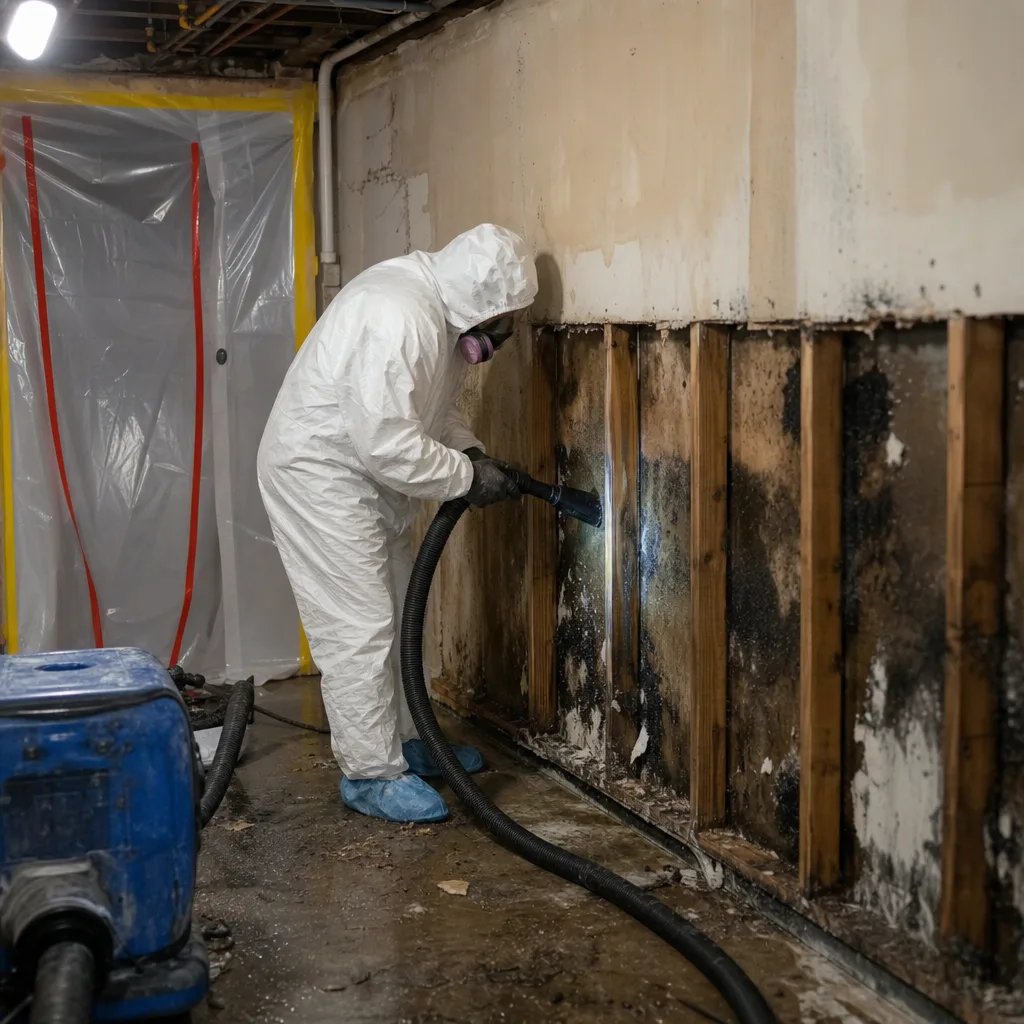
What happens when you call
- 1
A real person answersNo phone trees - you reach a local pro.
- 2
You get an upfront price rangeHonest numbers before anyone is dispatched.
- 3
A background-checked tech heads outLicensed & insured, dispatched right away.
- 4
You approve before work beginsNothing starts until you say go.
Fire & Smoke Damage Restoration Costs in Financial District, NY
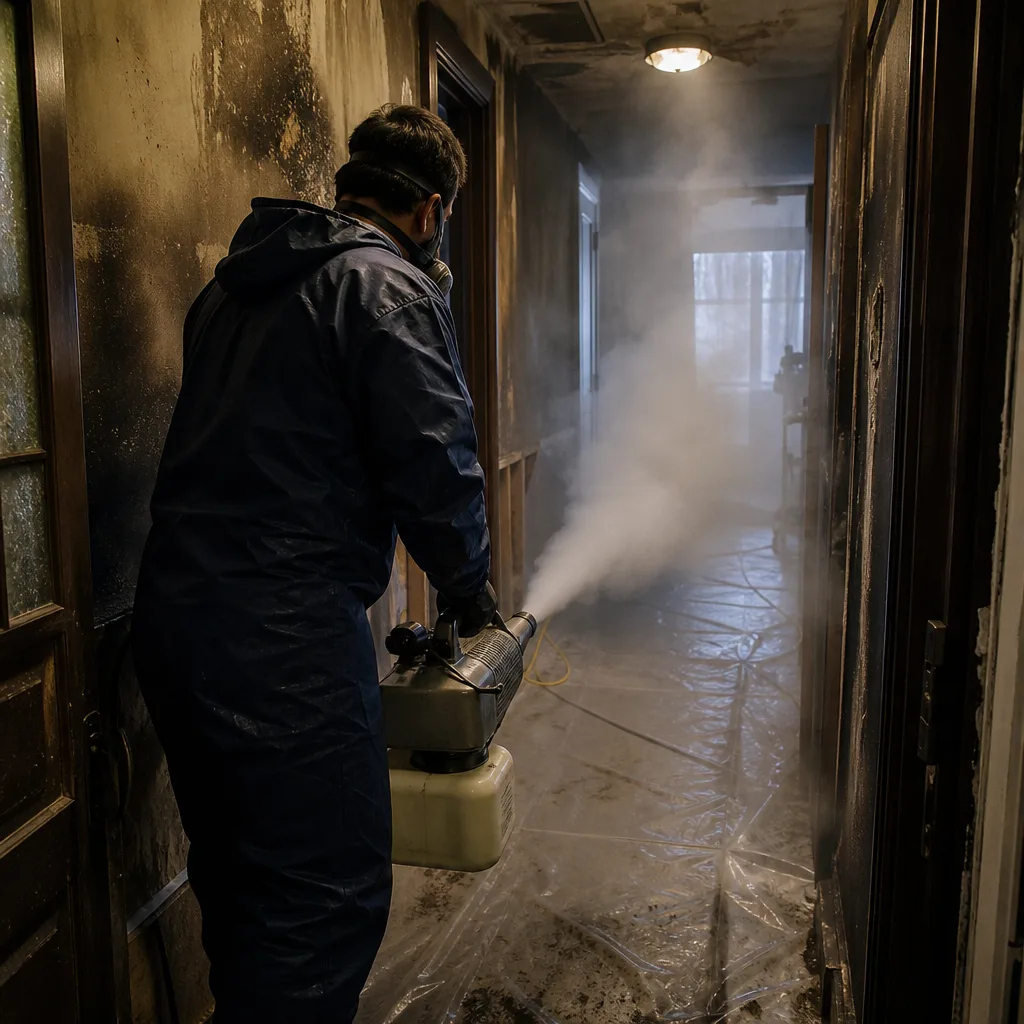
Light smoke damage cleanup in a Financial District studio or one-bedroom conversion typically runs $3,200-$5,800. Moderate damage with soot removal, deodorization, and limited material replacement in a two-bedroom loft ranges $7,500-$14,000. Severe structural fire repair in a landmark-protected tower with terracotta restoration, masonry repointing, and full mechanical system cleaning can exceed $35,000 and requires phased scoping.
What moves the price: square footage affected, soot type (protein smoke requires more labor hours than dry smoke), accessibility constraints in high-rise buildings with freight elevator restrictions, and whether landmark preservation rules mandate specialty trades. Insurance typically covers direct fire and smoke damage, plus water damage from suppression efforts; our written scopes separate these line items for adjuster clarity. Call (551) 213-5277 for a free visual inspection and firm written price before any work begins - Haven Standard, Clause 1.
We Also Serve Cities Near Financial District
Our New York City office dispatches crews throughout lower Manhattan and across the East River. We regularly respond to Fire & Smoke Damage Restoration in Financial District and neighboring areas including Upper East Side, Manhattan, Upper West Side, and Astoria. Each service area gets the same documentation-first protocol: written price before work starts, photo record on every visit, and direct adjuster coordination.
Serving Financial District, NY - Our Local Coverage Area
We’re based in the Financial District area and know this community well. Use the map below to see our service coverage - if you’re nearby, we can almost certainly help.
Financial District Fire & Smoke Damage Restoration Questions, Answered
Why does fire damage in Financial District basements often come with water damage too?
Fire suppression systems and FDNY hose water pour into subgrade spaces that already sit below the harbor-adjacent water table on colonial-era landfill. The “new” fire water masks years of pre-existing groundwater intrusion and salt-laden corrosion. We moisture-map every Financial District basement fire to separate fire-related water from chronic seepage, because insurance covers the former and building maintenance typically covers the latter. Call (551) 213-5277 for an exact scope - estimates are free.
Can smoke odor really penetrate converted FiDi skyscraper apartments differently than newer buildings?
Yes. Converted 1910s-1930s commercial towers have thick masonry walls, limited original ventilation, and ornate terracotta or plaster finishes that are far more porous than modern drywall. Smoke odor adsorbs into these historic materials and persists for months without thermal fogging or ozone treatment. Newer glass-and-steel towers trap odor in synthetic carpets and sealants instead. The cleaning protocol differs significantly. Call (551) 213-5277 for an exact scope - estimates are free.
How does the coastal environment near the Financial District affect garage-door hardware after a fire?
Salt-air corrosion at the harbor’s confluence eats torsion springs, hinges, track rollers, and opener chains years faster than in inland neighborhoods. When a kitchen fire at 70 Pine Street pushed soot through a converted 1930s apartment, our crew found the blaze had also cooked the protective oil off the building’s sea-air-exposed garage-door springs and track rollers three floors below. We set containment and ran air movers for structural drying, but we also logged surface corrosion on the overhead door hardware as part of the scope of work - evidence that the salt-air environment was attacking its hardware years before the fire. Smoke residue settles into already-pitted metal that can’t be cleaned, only replaced. Call (551) 213-5277 for an exact scope - estimates are free.
What does fire and smoke restoration look like in a landmark-protected FiDi building?
LPC notification before any exterior work, specialized cleaning methods for terracotta and ornamental plaster, and documentation that preserves the baseline state of irreplaceable finishes. We use dry-ice or soda blasting instead of water-based methods on historic surfaces, and we coordinate with preservation consultants when material replacement is unavoidable. The timeline runs longer than standard restoration, but the alternative is permanent damage to protected fabric. Call (551) 213-5277 for an exact scope - estimates are free.
Why is moisture mapping so important after a Financial District fire?
Because the heat that opened building materials also accelerated existing water intrusion pathways. Surface readings in a FiDi basement can look normal while moisture meters detect elevated humidity behind finished walls, where salt-laden groundwater has been intruding for years. Without mapping, you get a building that passes visual inspection but smells of mold in six months. We deliver room-by-room moisture logs as standard documentation, not an upsell. Call (551) 213-5277 for an exact scope - estimates are free.
How fast can your crew actually get to a Financial District high-rise?
We commit to 45 minutes for any address south of Chambers Street, with crews staged for immediate dispatch. High-rise access requires coordination with building security and freight elevator scheduling; we call ahead while en route to minimize lobby wait time. Live phone coverage means no voicemail delays when you need board-up or stabilization. Call (551) 213-5277 - we’re answering now.
Will my insurance cover the full restoration, or just the fire damage?
Standard policies cover direct fire and smoke damage, plus water damage from fire suppression efforts, with separate coverage limits for contents and building fabric. The complication in Financial District claims is distinguishing fire-related water from pre-existing groundwater intrusion, which insurers typically exclude. Our documentation separates these line items with moisture mapping evidence, giving your adjuster clear basis for coverage decisions. We also offer direct billing and adjuster conference calls. Call (551) 213-5277 to review your specific policy - estimates are free.
Do I need full remediation, or can I just clean the visible soot myself?
Visible soot is rarely the full problem. Smoke migrates through HVAC systems, electrical conduits, and wall cavities in high-rise buildings, depositing acidic residues that continue etching surfaces and corroding metal for weeks. DIY cleaning of visible areas leaves hidden damage that voids insurance claims and creates health hazards from particulate recirculation. We provide a free visual inspection with full scope documentation so you can make an informed decision with actual information, not guesswork. Call (551) 213-5277 - estimates are free.
Written by Alicia Brennan, Owner at DryMark Restoration Upper East Side, serving Financial District since 2011 under The Haven Standard.