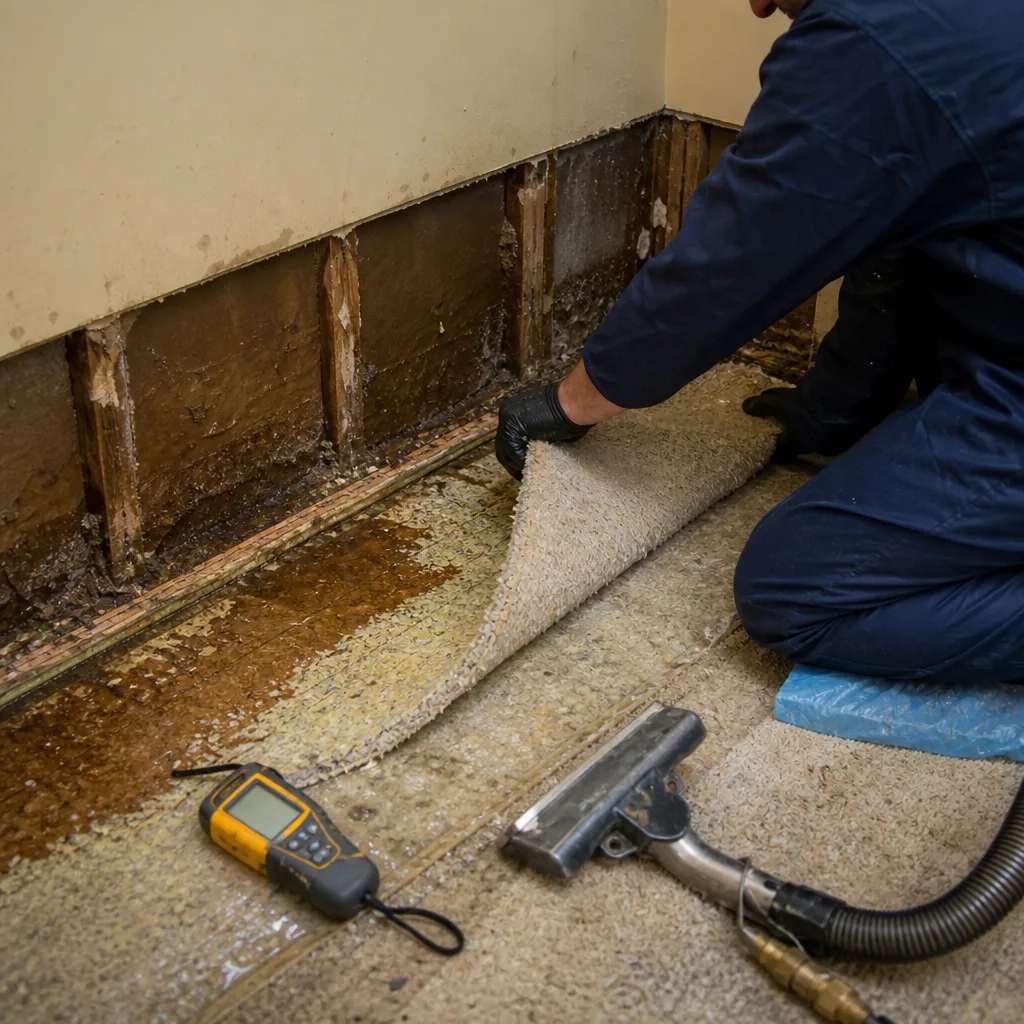
Free visual inspection and a written scope of work before any mitigation begins - photos, moisture readings, and drying logs go in your claim file
The scope we write is the scope we bill. Anything new gets shown to you, in writing, before we touch it.
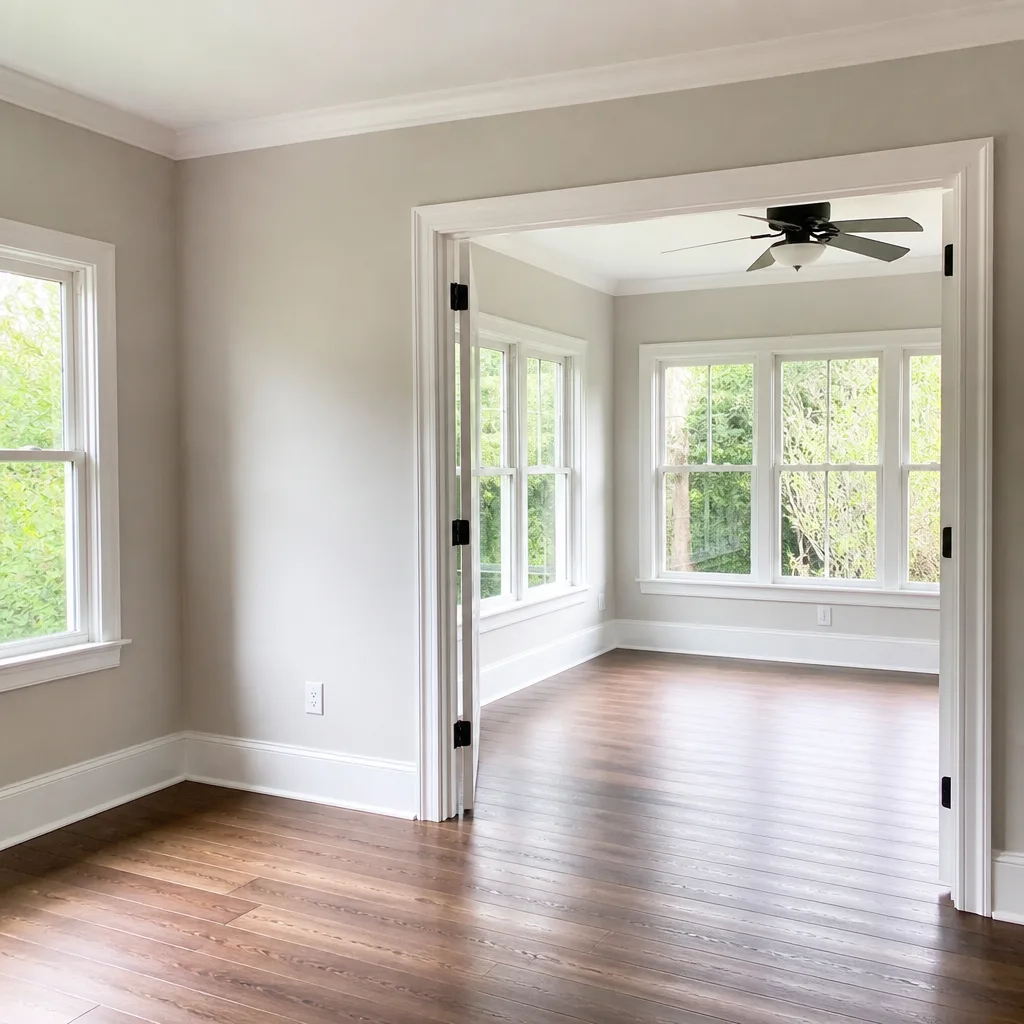
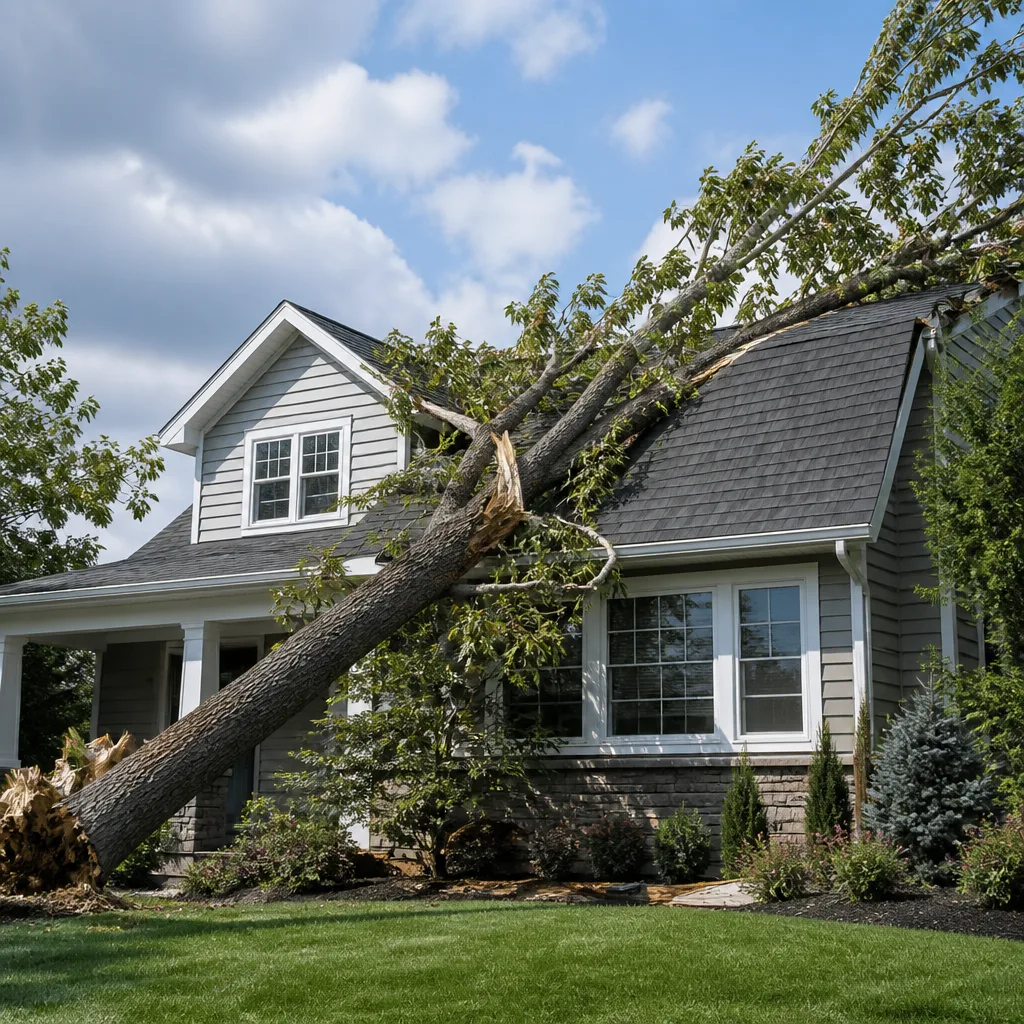
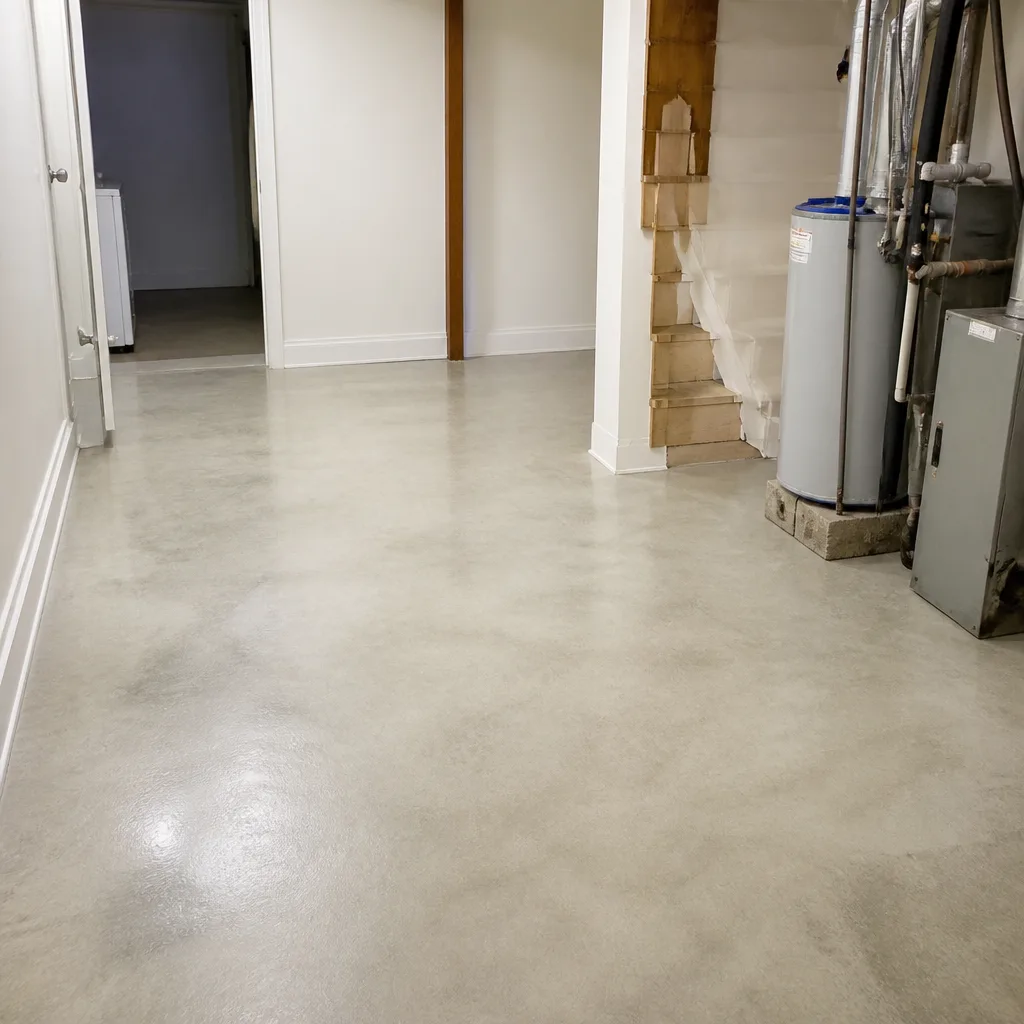
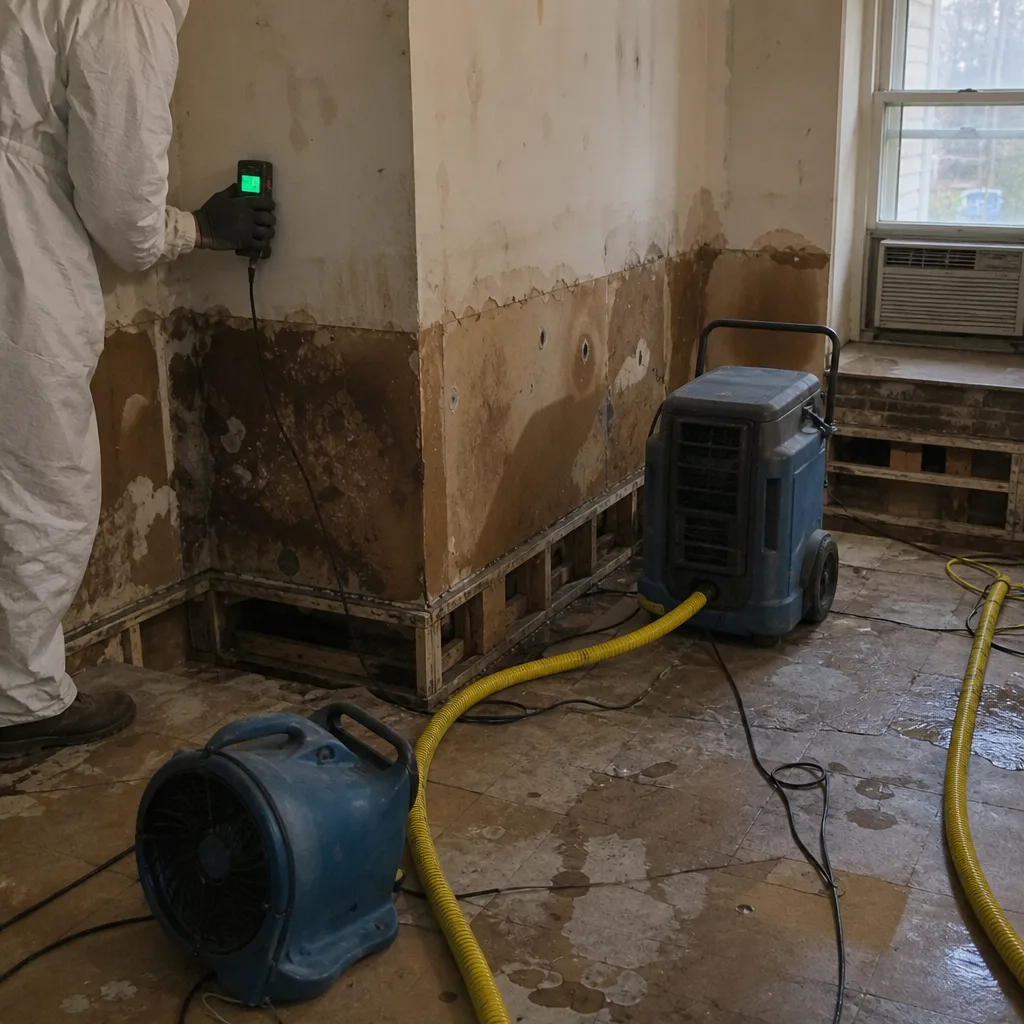 Before
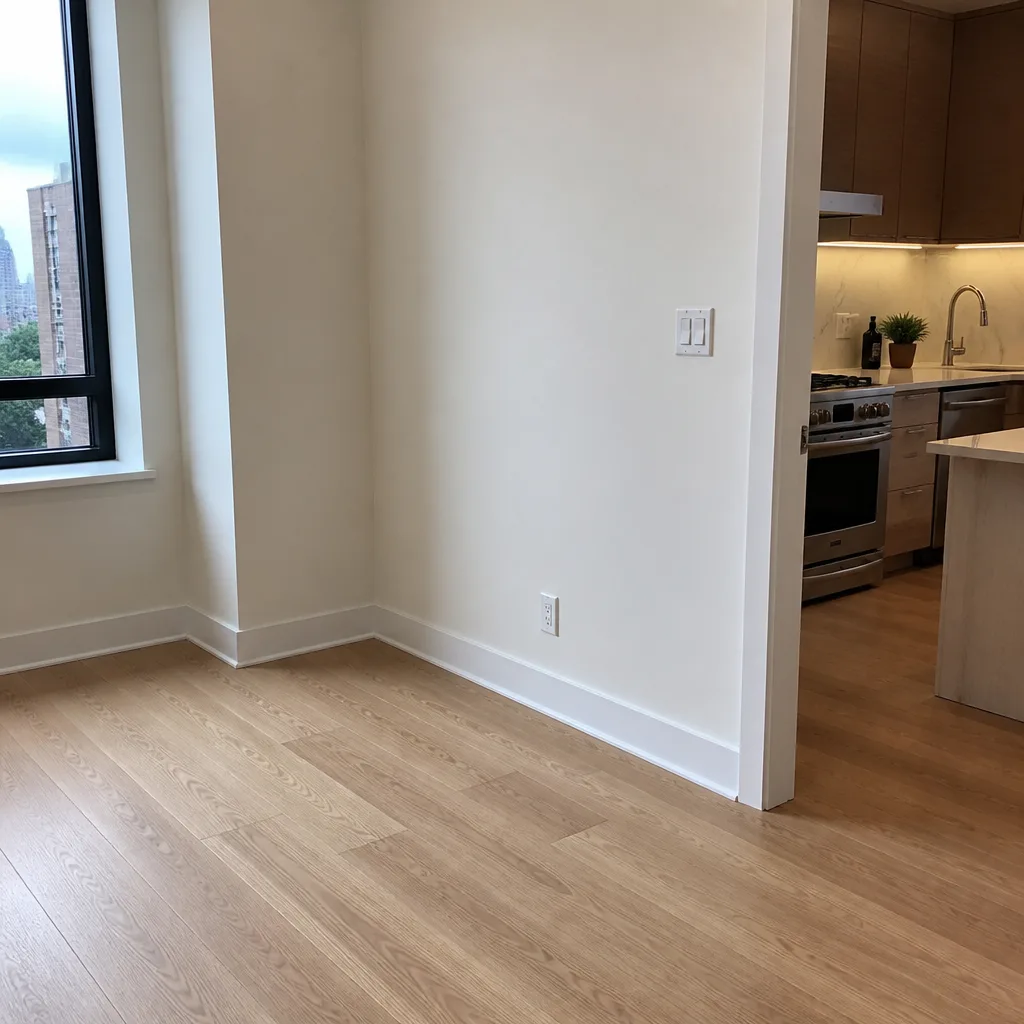 After
After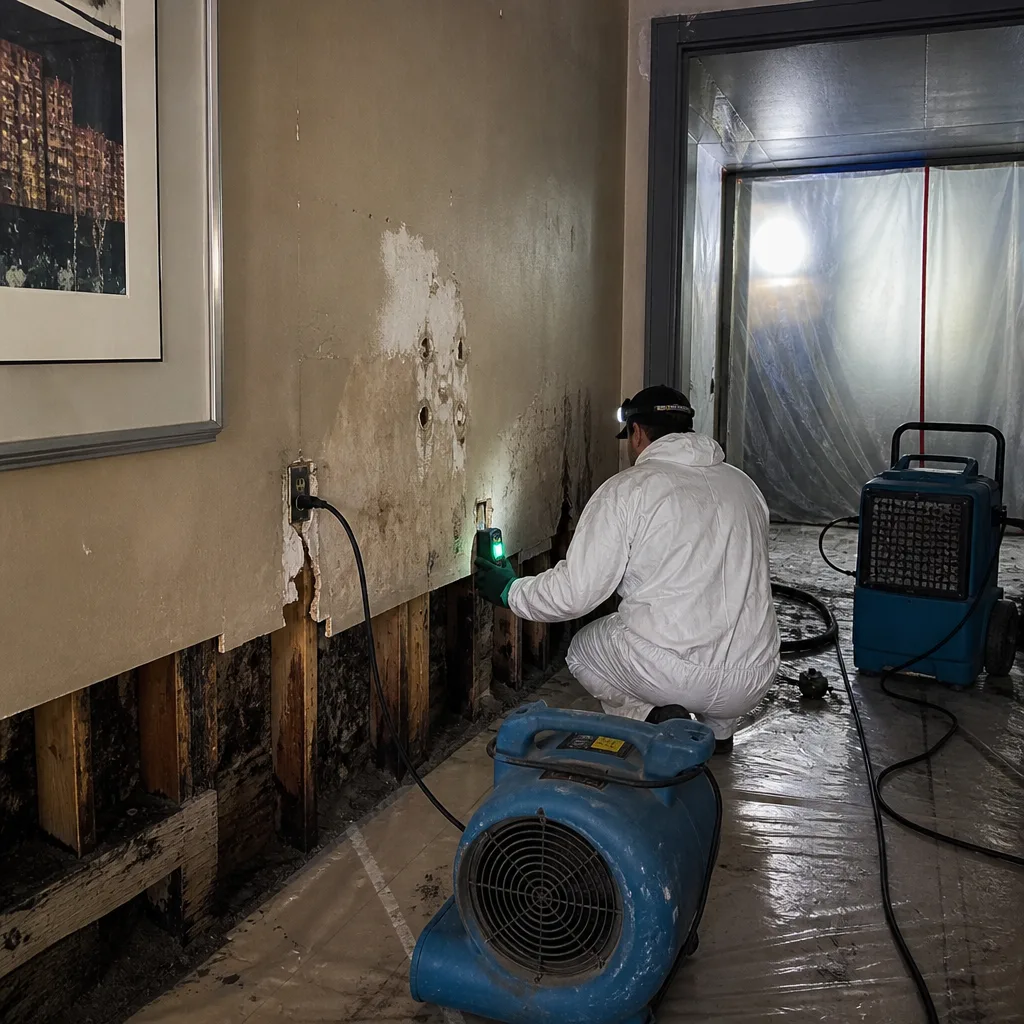 Before
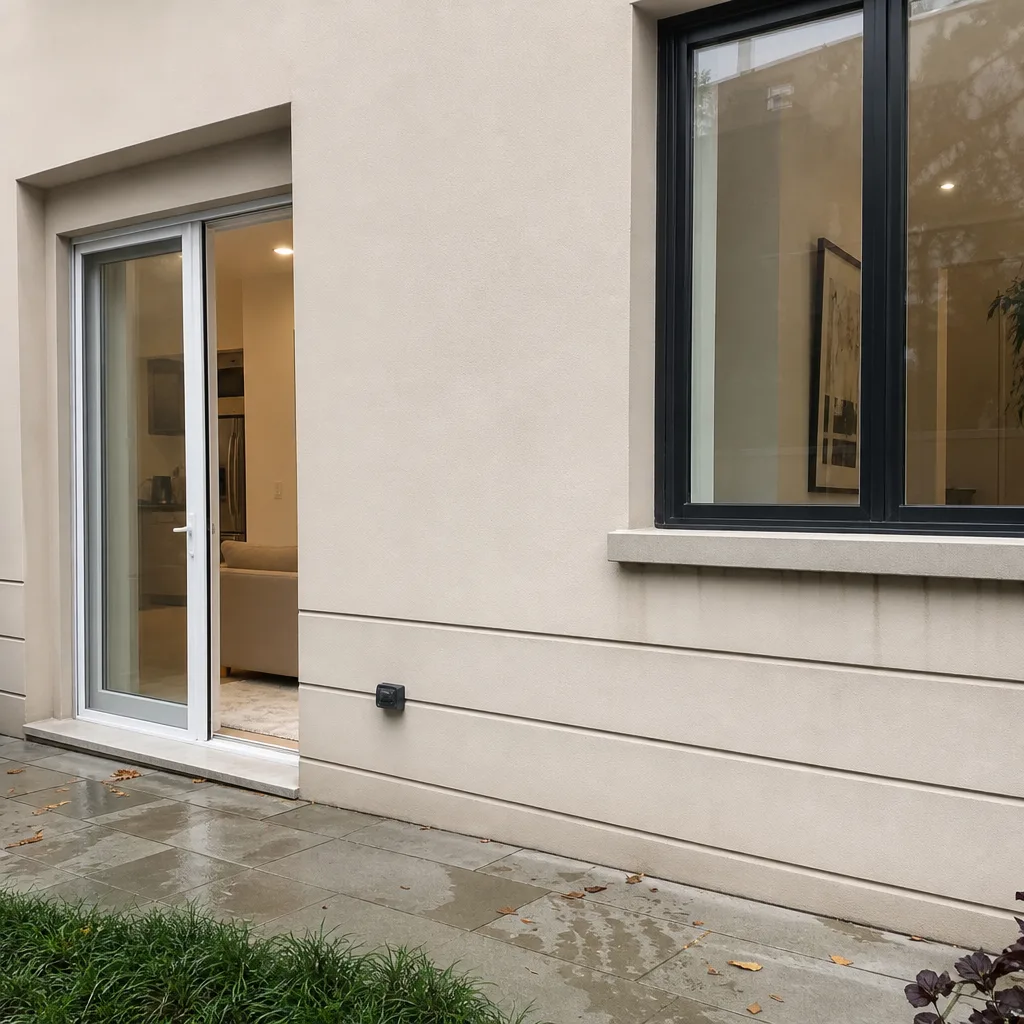 After
After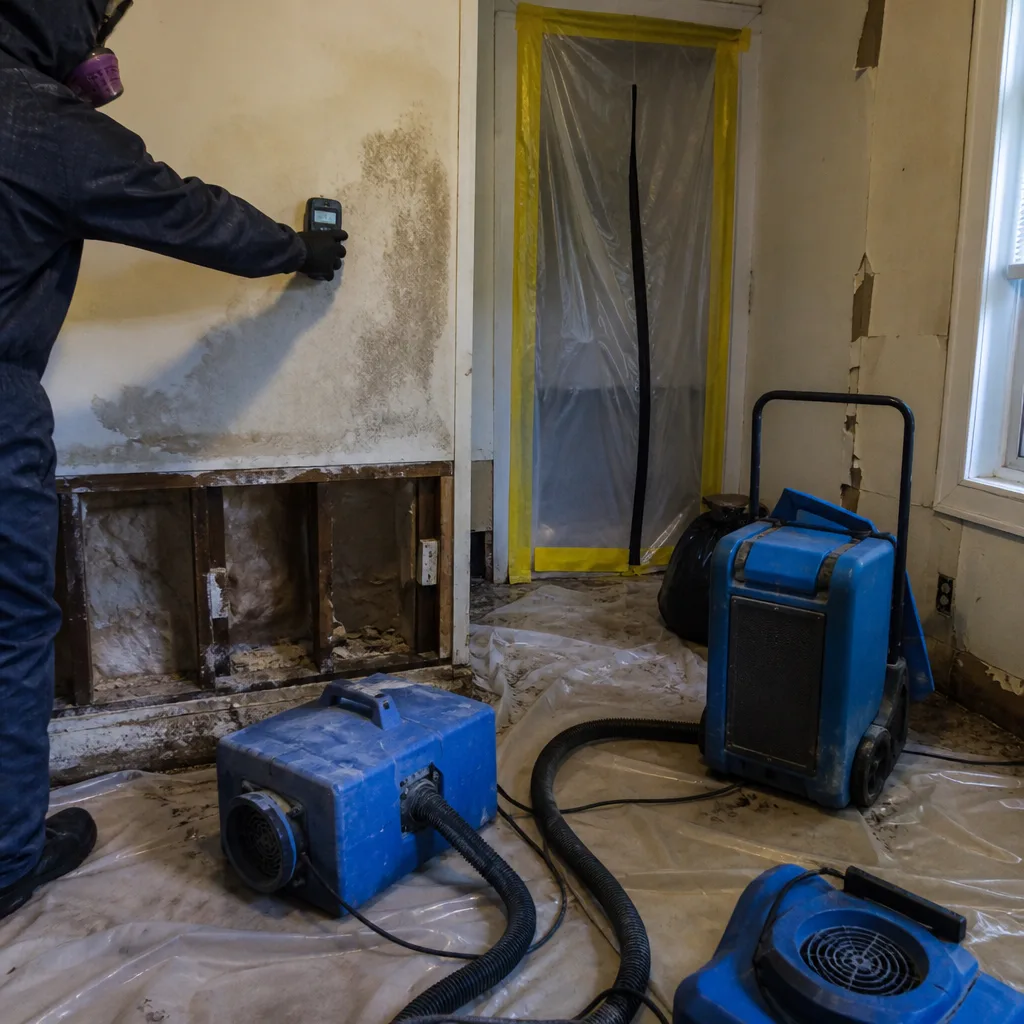 Before
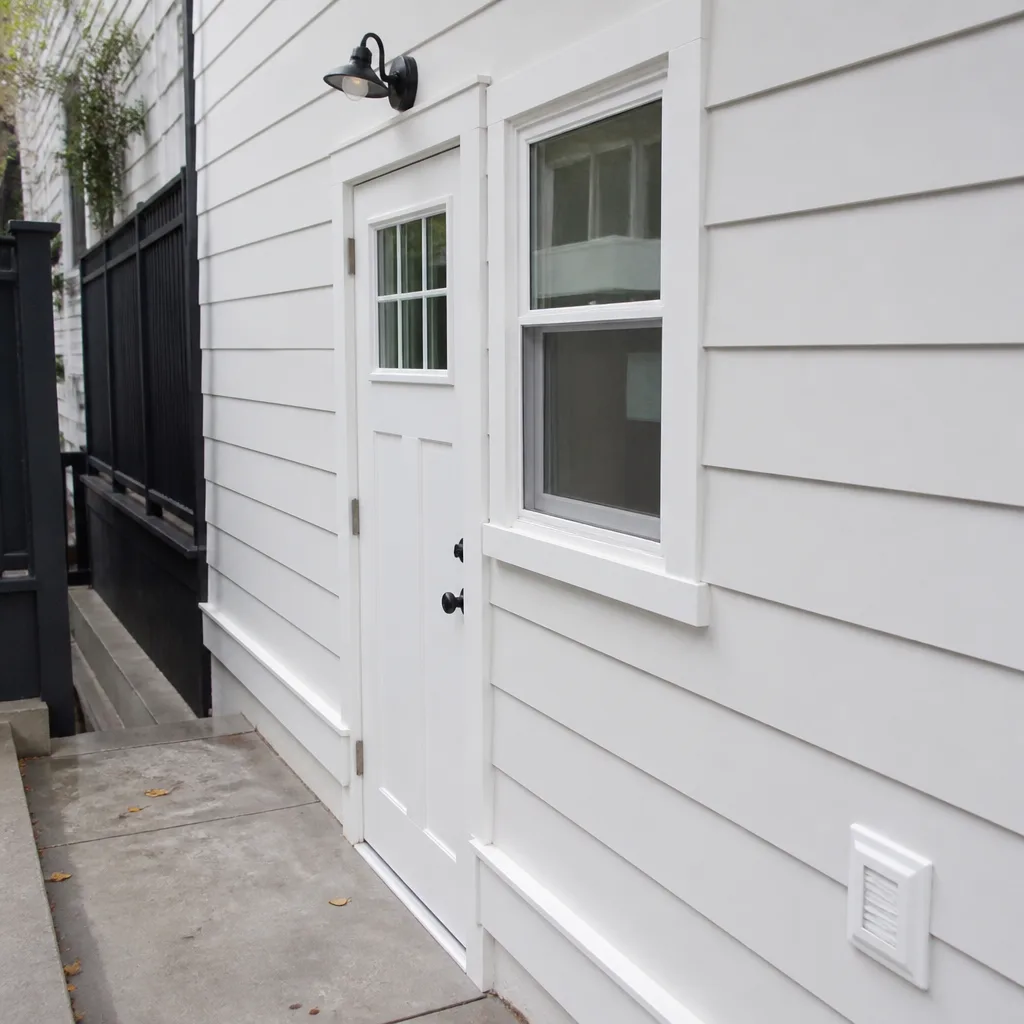 After
After24/7 Emergency Fire & Smoke Damage Restoration in Harlem
Fire and smoke damage restoration in Harlem typically costs $4,200-$18,500 depending on the affected square footage, required hazmat abatement, and whether multiple stacked units are involved. Most emergency board-ups and initial stabilization begin within 45 minutes of your call. Call (551) 213-5277 now - a live person answers 24 hours a day, no voicemail, and crews dispatch from our New York City office directly into Harlem.
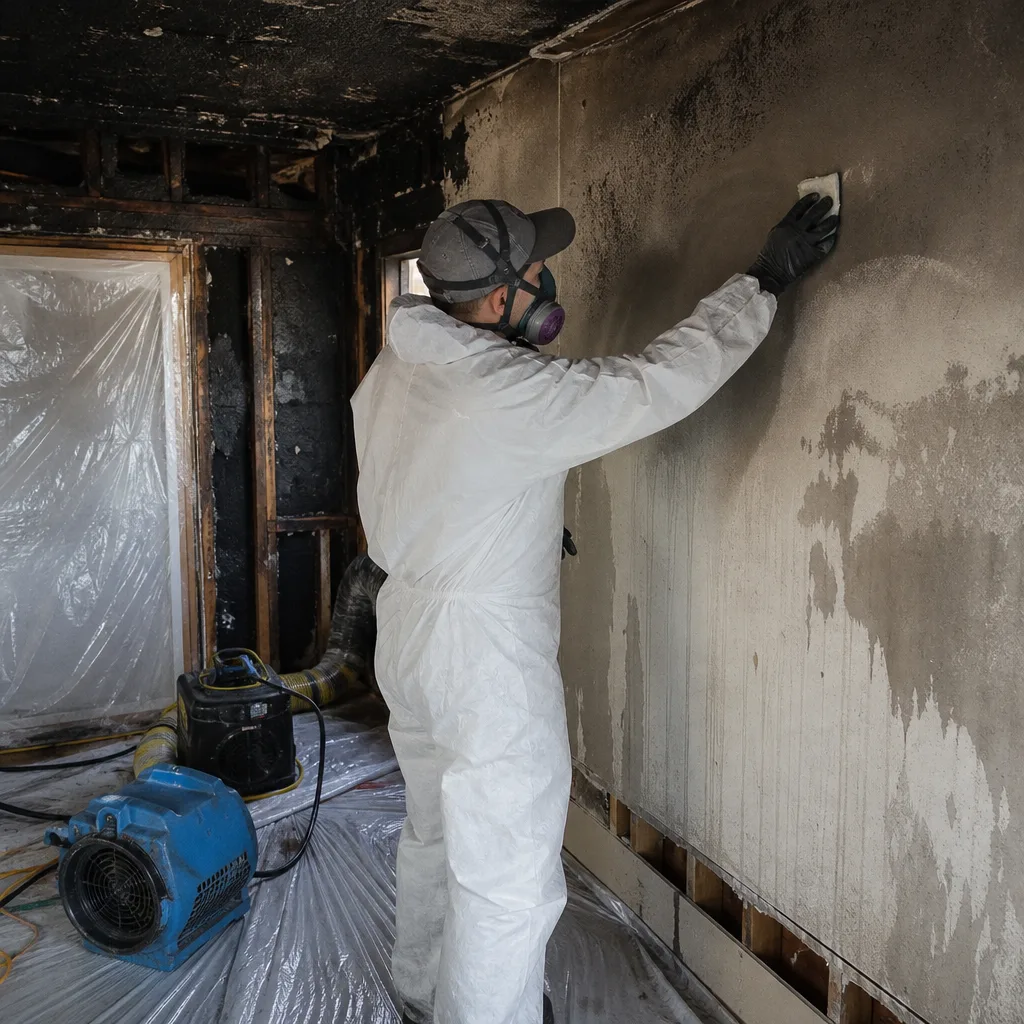
The first hour after a fire determines how far smoke residue migrates through original plaster-and-lath walls and whether water from suppression efforts saturates structural joists. In Harlem’s dense pre-war housing, a kitchen fire on one floor routinely becomes a multi-unit loss if stabilization waits. Our Fire & Smoke Damage Restoration team arrives with containment materials, air scrubbers, and moisture meters to document the full perimeter before smoke settles into porous surfaces permanently.
Understanding Fire & Smoke Damage Restoration Severity in Harlem Properties
Fire damage in Harlem breaks into three severity tiers, each demanding different documentation and equipment. A Class 1 loss is limited to a single room with light smoke residue on flat surfaces - typically a contained kitchen or electrical fire with no structural compromise. Class 2 pushes smoke into wall cavities and HVAC chases, requiring thermal fogging and sealed containment. Class 3 means heavy structural involvement, water saturation from suppression, and almost certain asbestos-positive materials in pre-war construction.
Harlem’s building fabric makes every fire more complex than the visible burn area suggests. Original plaster applied to wood lath in 1890-1930 construction is highly porous; smoke particulates embed deep and re-emit odor when humidity rises. Cast iron drain stacks and shared brick walls create vertical chases that channel smoke through three to five stacked units. Flat tar-and-gravel roofs, already stressed by freeze-thaw cycling, often develop secondary leaks when fire crews cut ventilation holes. We map every affected cavity with borescope cameras and document moisture readings in each unit before declaring any space clear.
The tertiary damage - what happens after the fire is out - frequently exceeds the primary burn. Water from sprinkler activation or hose lines pools in ceiling cavities between lath and plaster, creating vapor pressure differentials that drive moisture into seemingly dry rooms. Without psychrometric monitoring (the measurement of temperature, humidity, and air velocity as a system), that hidden moisture triggers mold colonization in 48-72 hours during Harlem’s humid summer months.
Why Harlem Property Owners Choose DryMark Restoration Upper East Side
- 45-minute response commitment to Harlem addresses from our New York City dispatch office - we do not route calls to out-of-state call centers.
- 24/7 live answer by a real person, never an automated system or voicemail tree; emergency lines ring directly to our operations desk.
- IICRC-certified crews holding FSRT (Fire and Smoke Restoration Technician) and WRT (Water Damage Restoration Technician) credentials, with license numbers provided on request.
- Free visual inspection and written scope before any work begins - Haven Standard, Clause 1.
- Direct insurance billing with photo-documented estimates formatted to carrier specifications.
- One team from emergency board-up through final reconstruction; no handoffs to unknown subcontractors.
BeforeAfterOur Fire & Smoke Damage Restoration Process
1. Inspection & Assessment
We arrive with thermal imaging cameras, moisture meters, and borescope equipment to map the full smoke and water perimeter beyond the visible burn. In Harlem tenements, this means checking vertically through all stacked units and documenting which original plaster walls test positive for asbestos before any demolition begins.
2. Emergency Board-Up & Stabilization
Broken windows, compromised roof sections, and damaged entry doors are secured with plywood and weatherproof tarps to prevent secondary water intrusion. We deploy HEPA air scrubbers immediately to capture airborne particulates and establish negative air pressure in affected zones.
3. Water Extraction & Structural Drying
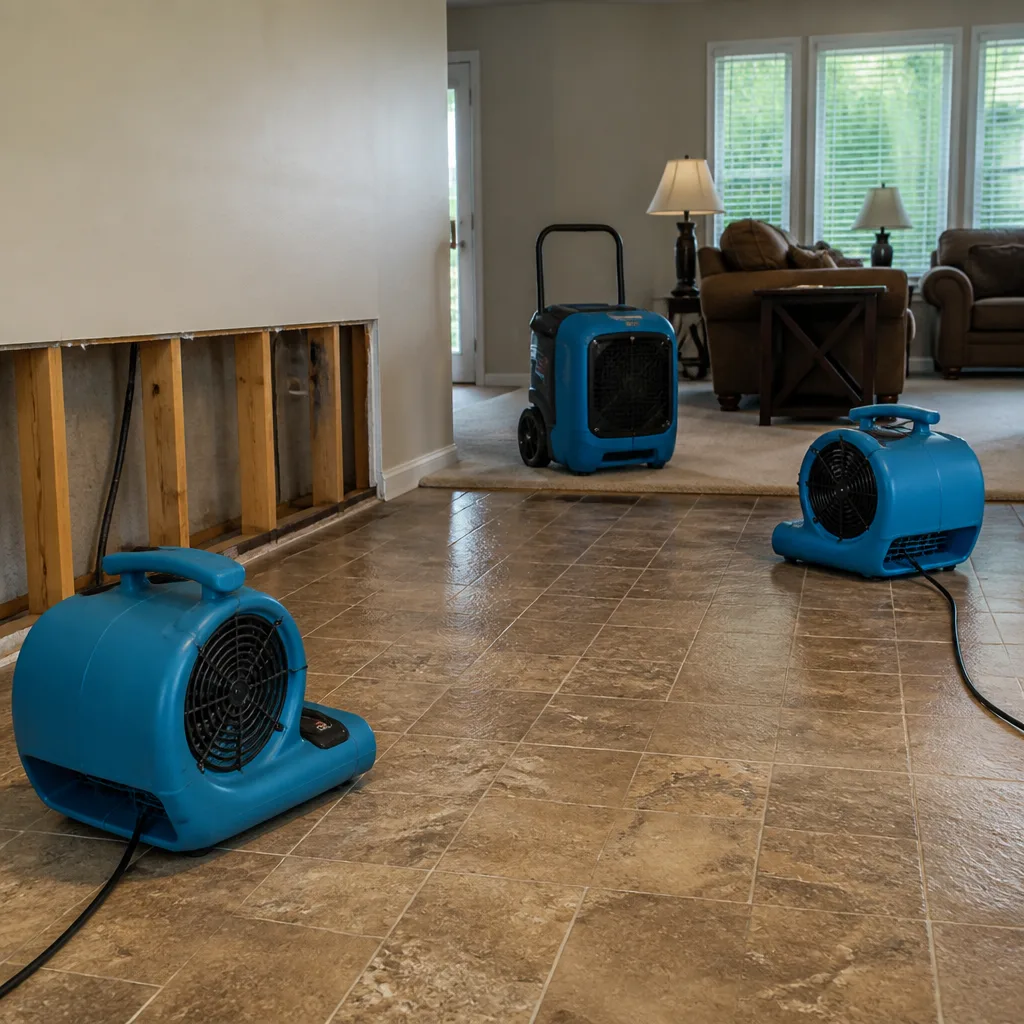
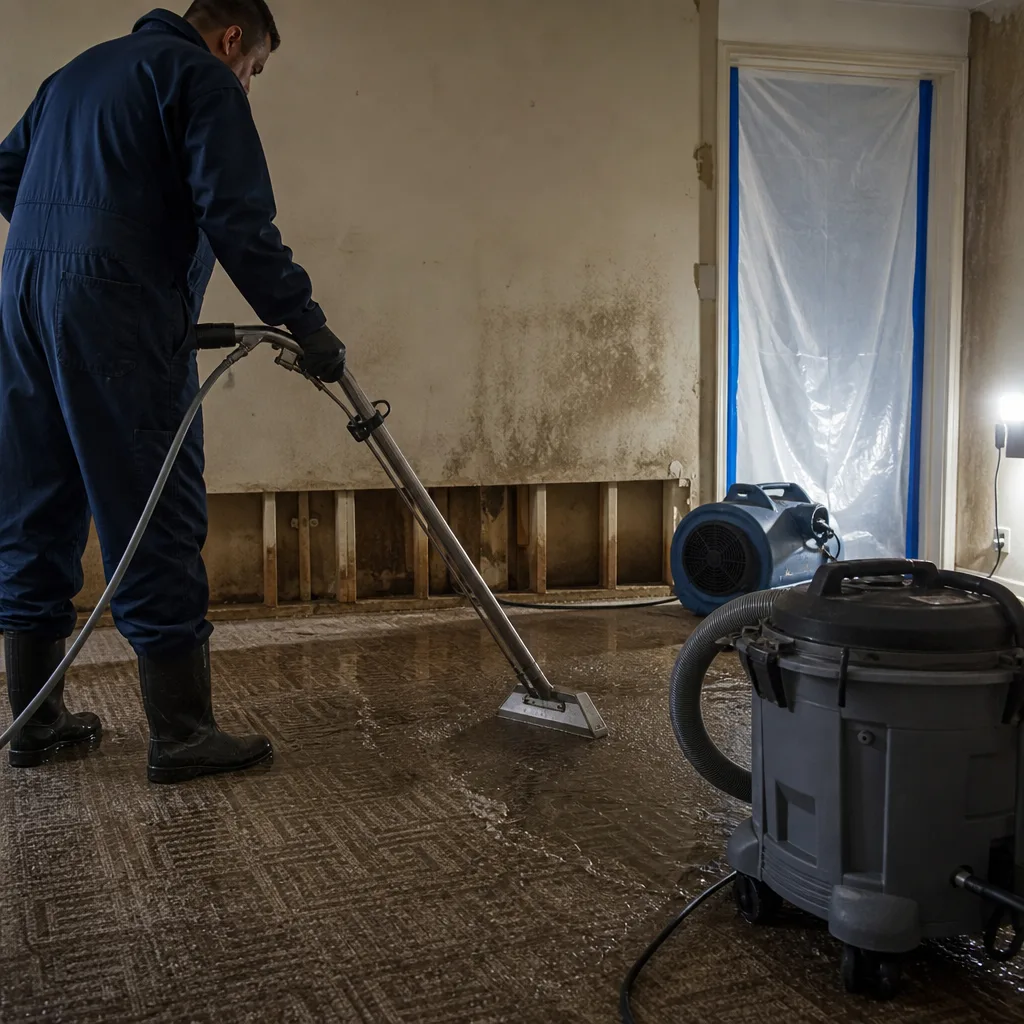
Suppression water is extracted with truck-mounted systems, then we position Phoenix dehumidifiers and XPOWER air movers to establish controlled drying. Daily moisture logs track vapor pressure differential until all materials return to pre-loss equilibrium - the documentation insurers require for payment.
4. Smoke & Soot Cleaning
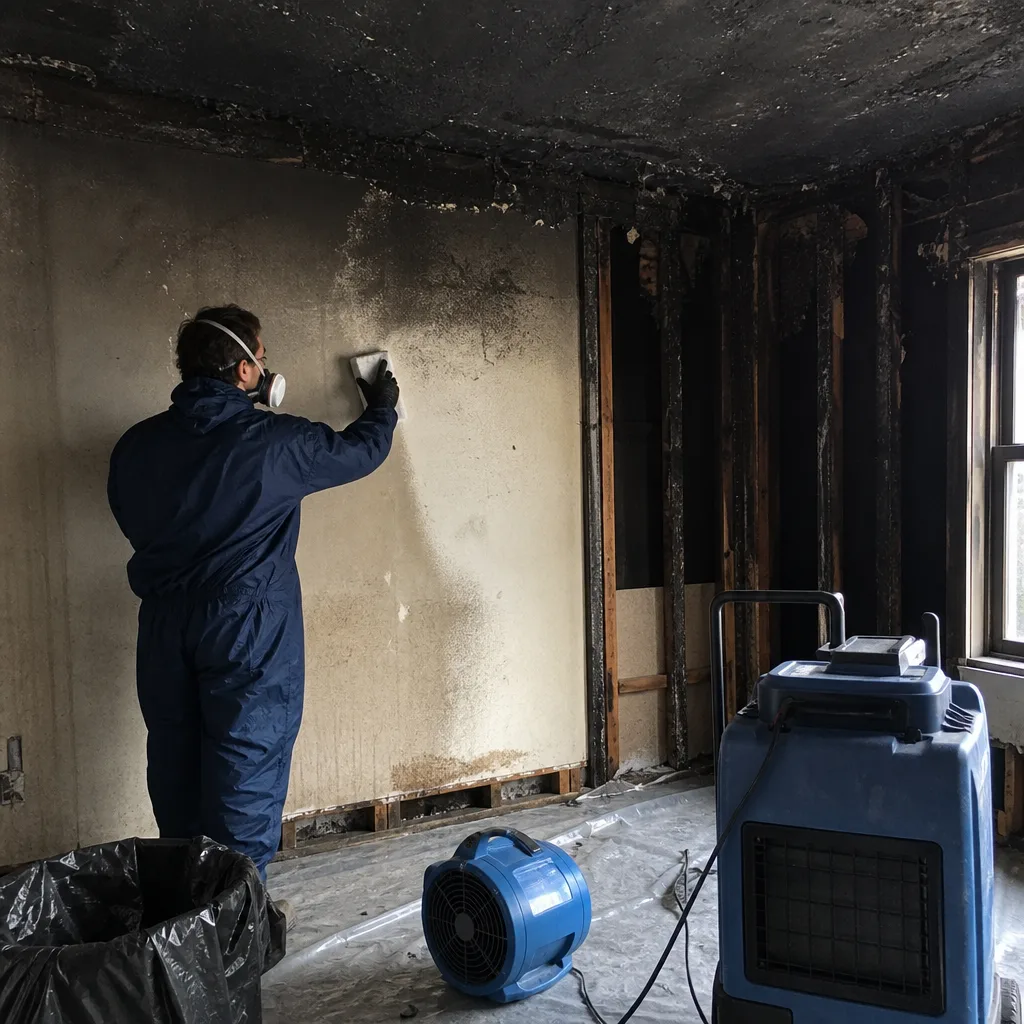
Dry soot, wet smoke residue, and protein fires each demand different cleaning chemistry. We match the method to the residue type, cleaning structural surfaces and testing for pH shifts that indicate incomplete removal. In Harlem’s old plaster, this often requires multiple passes with alkaline cleaners followed by sealing primers.
5. Odor Removal & Contents Treatment
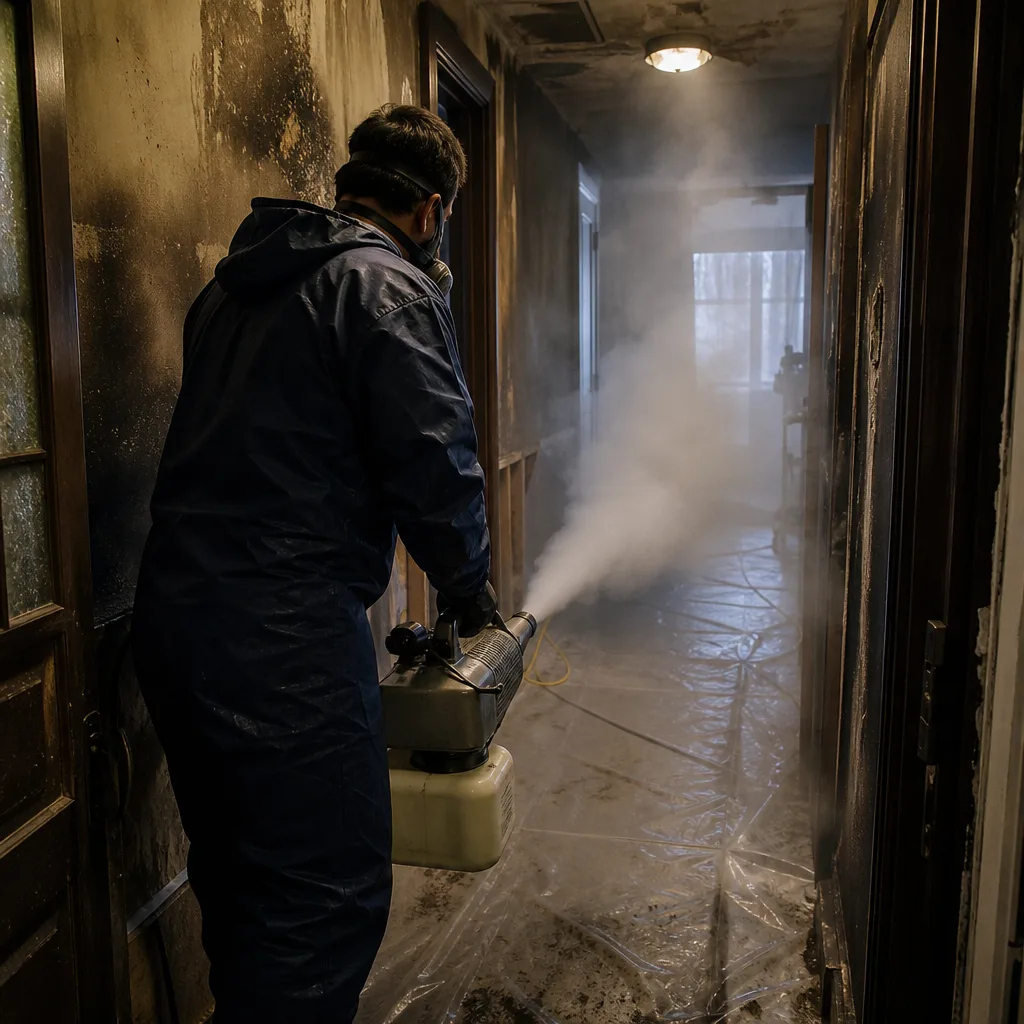
Thermal fogging, ozone treatment, and hydroxyl generators neutralize odor at the molecular level rather than masking it. Contents are inventoried, photographed, and either cleaned on-site or packed out to our facility for specialized restoration - critical in rent-stabilized units where tenants cannot be displaced.
6. Repairs & Reconstruction
After lead and asbestos abatement clearance, we rebuild wall assemblies with modern materials where original plaster is unsalvageable. A written scope, agreed before work begins under Haven Standard, Clause 1, governs every line item. The 365-Day Done Right Promise covers all reconstruction work.
Need Emergency Fire & Smoke Damage Restoration in Harlem Now?
Crews minutes away, answering live 24 hours a day. The sooner we start, the less it costs.
Working With Your Insurance Company
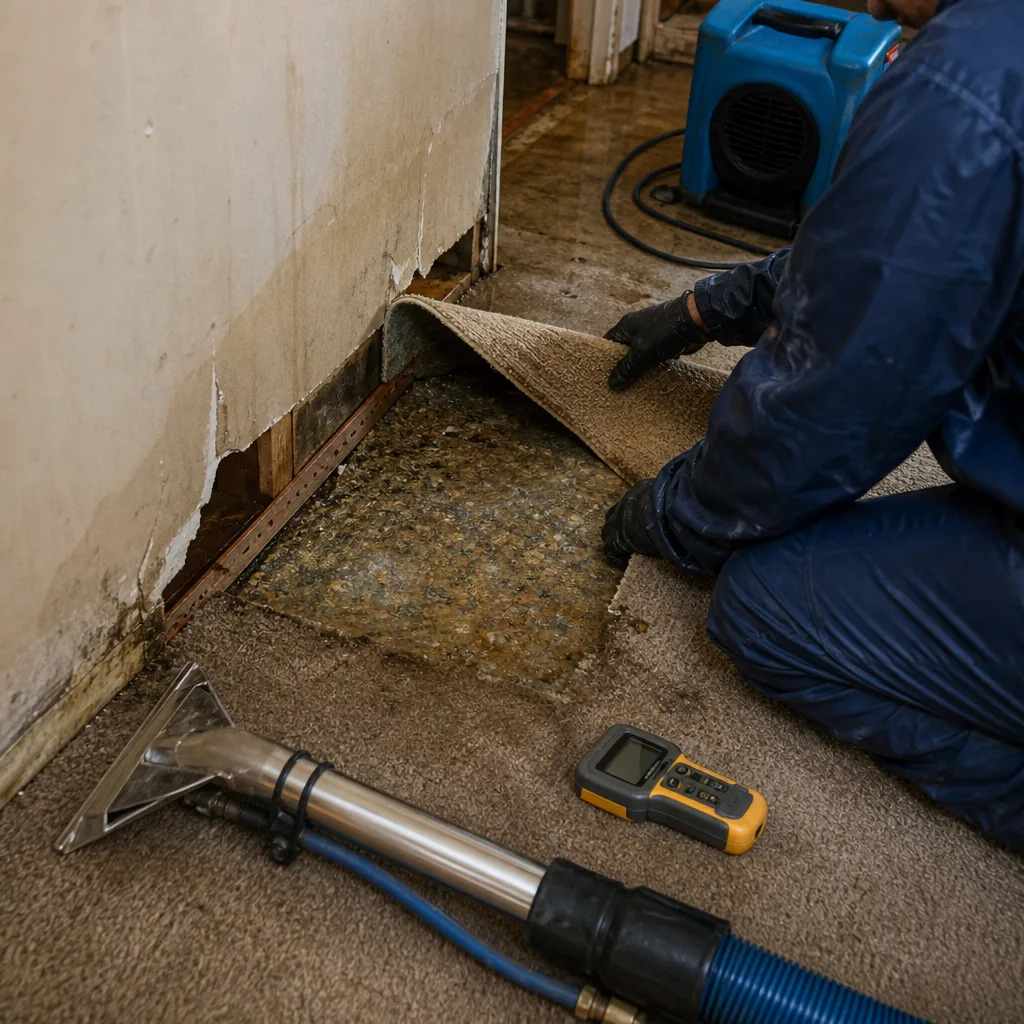
Fire claims fail when documentation gaps let adjusters dispute the scope. We close those gaps from the first hour. Our crews photograph every room, label each image by location and time, and generate moisture logs that correlate drying equipment placement to daily psychrometric readings. Estimates are formatted to Xactimate standards, the industry pricing database most carriers use, and we coordinate directly with your adjuster rather than handing you a bill to dispute alone.
Harlem’s multi-unit fires add complexity: multiple tenants, multiple policies, landlord and renter coverage that may conflict. We document which unit sustained direct fire damage, which received smoke and water only, and which require precautionary inspection - creating separate scopes that keep each claim distinct and defensible.
What We Provide Your Insurer
- Thorough documentation of the loss
- Photos of all damage, room by room
- Moisture readings and drying logs
- A detailed, line-item scope of work
- Direct coordination with your carrier
Built for Harlem’s Loss Calendar
January and February bring the highest fire risk in Harlem. Deep cold strains original electrical systems in pre-war buildings - knob-and-tube remnants, overloaded circuits in converted units, and space heaters on aging wiring. Fires peak between 6 PM and midnight when heating and cooking loads overlap. Freeze-thaw cycles on flat roofs also create slow leaks that compromise electrical panels before anyone smells smoke.
Spring thaw reveals the hidden damage: water from suppression efforts that froze in wall cavities now thaws and migrates. Summer humidity, especially in Harlem’s urban heat island, reactivates smoke odors that seemed dormant and accelerates mold in water-damaged plaster. July and August thunderstorm season adds roof leaks to already-compromised structures. Fall brings radiator season and the annual cycle of heating-system fires in buildings where boilers have not been inspected since the previous winter. We adjust our equipment deployment - more dehumidification in humid months, more heat in cold months - to match the season’s drying physics.
Fire & Smoke Damage Restoration Across Harlem’s Neighborhoods
West Harlem, from Morningside Heights to Hamilton Heights, is brownstone country. These 1880s-1920s rowhouses have original parlor-floor layouts, servant staircases that act as smoke chimneys, and shared party walls that transmit both fire and water horizontally. We have responded to fires on Convent Avenue where smoke traveled through a gap in a party wall into an apparently untouched neighboring building.
Central Harlem, the corridor along Adam Clayton Powell Jr. Boulevard and Malcolm X Boulevard, mixes landmarked brownstones with NYCHA tower complexes and newer infill construction. The towers present different challenges: centralized HVAC systems that distribute smoke building-wide, and management protocols that require coordination with housing authority inspectors before we can enter units. The brownstones here are often subdivided into rent-stabilized apartments, so we routinely work around occupants who cannot be relocated.
East Harlem, particularly around 116th Street and Pleasant Avenue, has the highest concentration of pre-war tenements in the neighborhood. These buildings have the most complex abatement requirements and the most vertical smoke migration. We got the call on a three-alarm fire in a four-story brick tenement off Adam Clayton Powell Jr. Boulevard near 138th Street - the fire started in a second-floor kitchen and smoke pushed up through the original plaster-and-lath walls into every unit above. Before we could even set containment, our tech had to pull the charred lath and get the lab to confirm the pre-war plaster was asbestos-positive, so we coordinated abatement while simultaneously running air movers and a Phoenix dehumidifier in the two least-affected units. Once cleared, we completed structural drying, antimicrobial treatment on the smoke-saturated joists, and rebuilt the wall assemblies that were deemed a total loss.
South Harlem, below 125th Street toward Central Park North, includes some of the neighborhood’s most expensive real estate - and some of its oldest, least-updated infrastructure behind restored facades. Fires here often reveal decades of unpermitted electrical work that complicates both the loss cause and the rebuild scope.
Specialized Fire & Smoke Damage Restoration Services We Offer in Harlem
Fire Damage Cleanup
We remove charred structural materials, debris, and compromised contents with full hazmat protocols. In Harlem, this phase cannot begin until lead and asbestos testing clears - a delay that averages 3-5 business days and adds $2,800-$6,500 to typical projects. We coordinate that testing directly rather than leaving owners to navigate NYC’s permitting system alone.
Smoke & Soot Removal
Dry soot from fast-burning materials, wet smoke from smoldering synthetics, and protein residue from kitchen fires each require distinct cleaning agents and techniques. Harlem’s original plaster walls absorb all three deeply; surface cleaning alone leaves odor that re-emerges. We test residue type, apply the matched chemistry, and verify removal with pH strips before sealing or repainting.
Odor Removal & Deodorization
Thermal fogging penetrates the same paths smoke traveled, depositing odor-counteractant at the molecular level. Ozone treatment works for unoccupied spaces. Hydroxyl generators are safe around people and pets, making them essential for rent-stabilized units where tenants remain. We select the method based on occupancy status, material sensitivity, and insurance coverage for temporary relocation.
Contents Cleaning & Pack-Out
When tenants cannot leave, we inventory, photograph, and transport salvageable contents to our facility for ultrasonic cleaning, deodorization, and storage. This protects items from further damage and allows more aggressive structural treatment. Every item is barcoded; owners access their inventory online. In Harlem’s occupied tenements, pack-out is often the only way to achieve complete odor removal without displacement.
Emergency Board-Up & Tarping
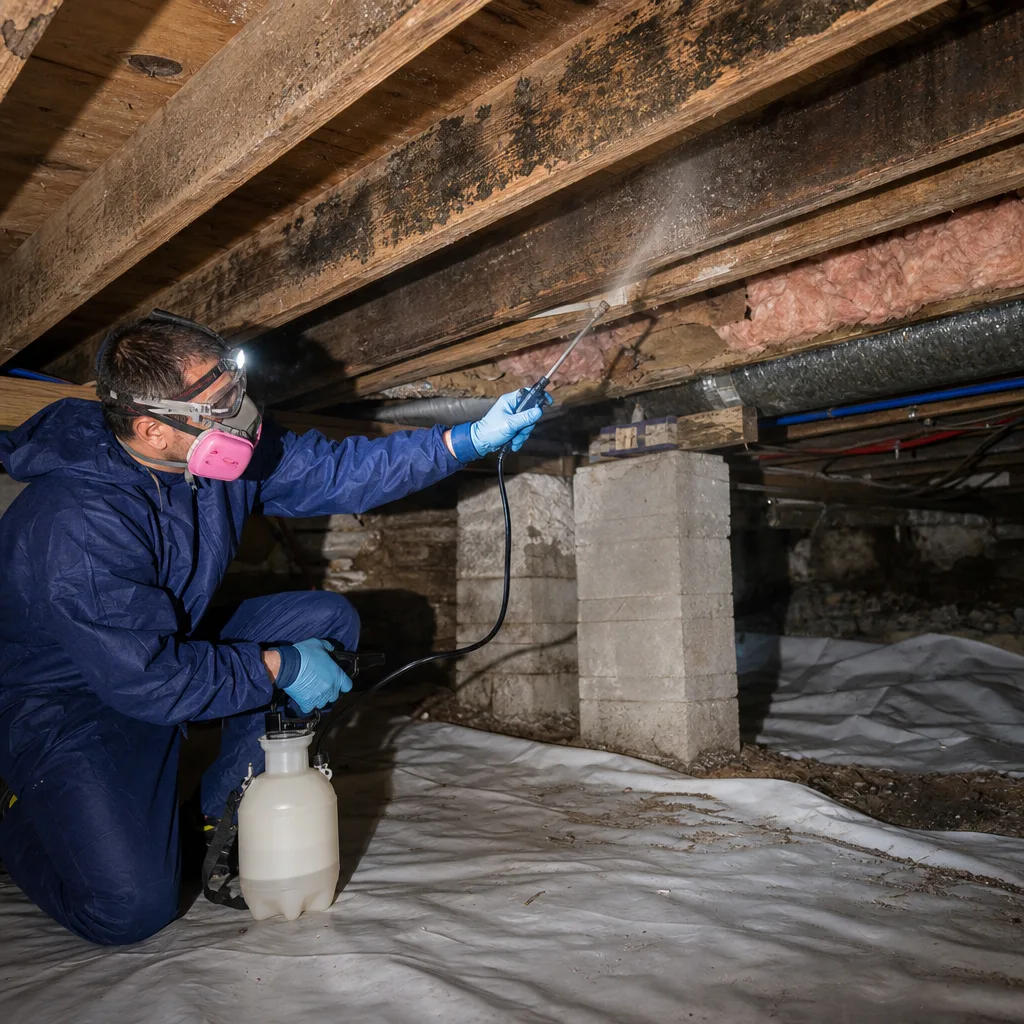
Broken windows, roof holes from ventilation cuts, and compromised doors are sealed against weather and intrusion within hours of the call. We use fire-rated plywood where code requires and document every board-up photo for the insurance file.
What happens when you call
- 1
A real person answersNo phone trees - you reach a local pro.
- 2
You get an upfront price rangeHonest numbers before anyone is dispatched.
- 3
A background-checked tech heads outLicensed & insured, dispatched right away.
- 4
You approve before work beginsNothing starts until you say go.
Fire & Smoke Damage Restoration Costs in Harlem, NY
Actual pricing for Fire & Smoke Damage Restoration in Harlem reflects the mandatory compliance layer that postwar neighborhoods avoid:
- Emergency board-up and stabilization: $850-$2,400
- Smoke and soot cleaning, single room: $1,800-$4,200
- Full-unit smoke remediation with odor removal: $4,500-$9,800
- Lead and asbestos testing and abatement (typical pre-war Harlem project): $2,800-$6,500
- Structural drying after suppression water: $2,200-$5,600
- Contents pack-out, cleaning, and storage: $1,500-$4,000 per unit
- Reconstruction of fire-damaged wall and ceiling assemblies: $8,500-$22,000
Multi-unit losses in stacked tenements routinely reach the upper range. Insurance typically covers direct fire and smoke damage, water damage from suppression, and necessary abatement; policy limits and deductible amounts vary. Our free visual inspection produces a written scope with firm line-item pricing before any work begins - Haven Standard, Clause 1. Bring a competitor’s estimate; we provide a free second opinion at no charge.
We Also Serve Cities Near Harlem
Our crews respond throughout the immediate metro area, including the Upper East Side, Manhattan broadly, the Upper West Side, and Astoria across the Harlem River. Dispatch and scheduling are coordinated from our New York City office.
Serving Harlem, NY - Our Local Coverage Area
We’re based in the Harlem area and know this community well. Use the map below to see our service coverage - if you’re nearby, we can almost certainly help.
Harlem Fire & Smoke Damage Restoration Questions, Answered
Do smoke odors go away on their own in an old Harlem brownstone, or do you need to treat the walls?
They do not go away. Original plaster in Harlem’s pre-war brownstones is highly porous and absorbs smoke particulates deep into the material; as humidity fluctuates, those particulates re-release odor indefinitely. We treat with thermal fogging or hydroxyl generation to neutralize odor at the molecular level, then seal with specialized primer before repainting. Call (551) 213-5277 for an inspection - estimates are free.
Why does fire cleanup in Harlem cost more than in the Bronx or outer boroughs?
Harlem’s pre-war housing stock legally requires lead paint and asbestos testing before any demolition begins under NYC Local Law and EPA RRP rules - a hazmat coordination layer that adds days and thousands of dollars. Postwar buildings in the Bronx or outer boroughs often skip this step entirely. The vertical density of Harlem tenements also means single fires affect multiple stacked units, multiplying scope. Call (551) 213-5277 for a written estimate specific to your property.
My tenant in a rent-stabilized Harlem apartment won’t move out after a kitchen fire. Can you still do the work?
Yes, and we do this regularly. Rent-stabilized tenants have a legal right to remain, so we design containment and drying plans that work around occupied spaces - using portable HEPA scrubbers, hydroxyl generators safe for continuous occupancy, and contents pack-out to free space for treatment. The scope changes significantly compared to vacant-unit work, and we document those constraints in writing before starting. Call (551) 213-5277 to discuss your specific occupancy situation.
How long after a fire can mold start in water-damaged Harlem apartments?
48 to 72 hours in summer conditions, sometimes longer in winter if heat is off. Harlem’s humid summer climate and dense urban heat island accelerate colonization in plaster-and-lath walls once moisture is introduced. We begin structural drying within hours of stabilization, with daily moisture logs proving materials return to safe levels. Delayed drying almost always requires antimicrobial treatment and often mold remediation beyond the fire scope. Call (551) 213-5277 for immediate dispatch.
What’s the first thing your crew does at a fire-damaged Harlem tenement?
Document the full smoke and water perimeter with photos and moisture readings, then test for lead and asbestos before touching any damaged material. This sequence protects the property owner from EPA and NYC violations that carry heavy fines, and it preserves the insurance claim by establishing a complete baseline. Only after clearance do we begin debris removal and structural drying. Call (551) 213-5277 - we answer live 24 hours a day.
Will my insurance cover the full restoration, including the hazmat abatement?
Most policies cover direct fire and smoke damage, water damage from suppression, and necessary abatement to access damaged areas - but coverage limits, deductibles, and exclusions vary by carrier. We document every phase with photos and line-item scopes formatted to adjuster standards, and we coordinate directly with your carrier to justify the full scope. Our free second opinion service can review a carrier’s initial estimate if it seems low. Call (551) 213-5277 to start the documentation process.
How fast can someone actually get to my building in Harlem?
Our commitment is 45 minutes from call to arrival for emergency stabilization. We dispatch from our New York City office, not from out-of-state call centers, and a live person answers every call to coordinate crew routing in real time. The first crew carries board-up materials, HEPA air scrubbers, and moisture detection equipment to begin documentation immediately. Call (551) 213-5277 now - every minute of delay lets smoke residue settle deeper into porous surfaces.
What certifications do your technicians hold for fire and smoke restoration?
Our lead technicians hold IICRC FSRT (Fire and Smoke Restoration Technician) and WRT (Water Damage Restoration Technician) credentials, with additional AMRT (Applied Microbial Remediation Technician) certification where mold risk is present. All technicians are background-checked, uniformed, and licensed; license numbers are provided on request. Work is documented to IICRC, RIA, and IFA standards, producing the daily logs and photo records that turn restoration invoices into payable insurance claims. Call (551) 213-5277 with specific credential questions.
Fire damage in Harlem is not a single-unit cleanup. It is a multi-party compliance job shaped by pre-war construction, mandatory hazmat rules, and tenancy laws that exist nowhere else in the metro area. We have handled these losses since 2011, and our documentation-first approach was built specifically for the gaps that cost homeowners their claims. Call (551) 213-5277 for a free visual inspection and written scope - Haven Standard, Clause 1: the price before any work begins, every time.
Written by Alicia Brennan, Owner at DryMark Restoration Upper East Side, serving Harlem since 2011 under The Haven Standard.
Fire & Smoke Damage Restoration in Nearby Areas