
Free visual inspection and a written scope of work before any mitigation begins - photos, moisture readings, and drying logs go in your claim file
The scope we write is the scope we bill. Anything new gets shown to you, in writing, before we touch it.
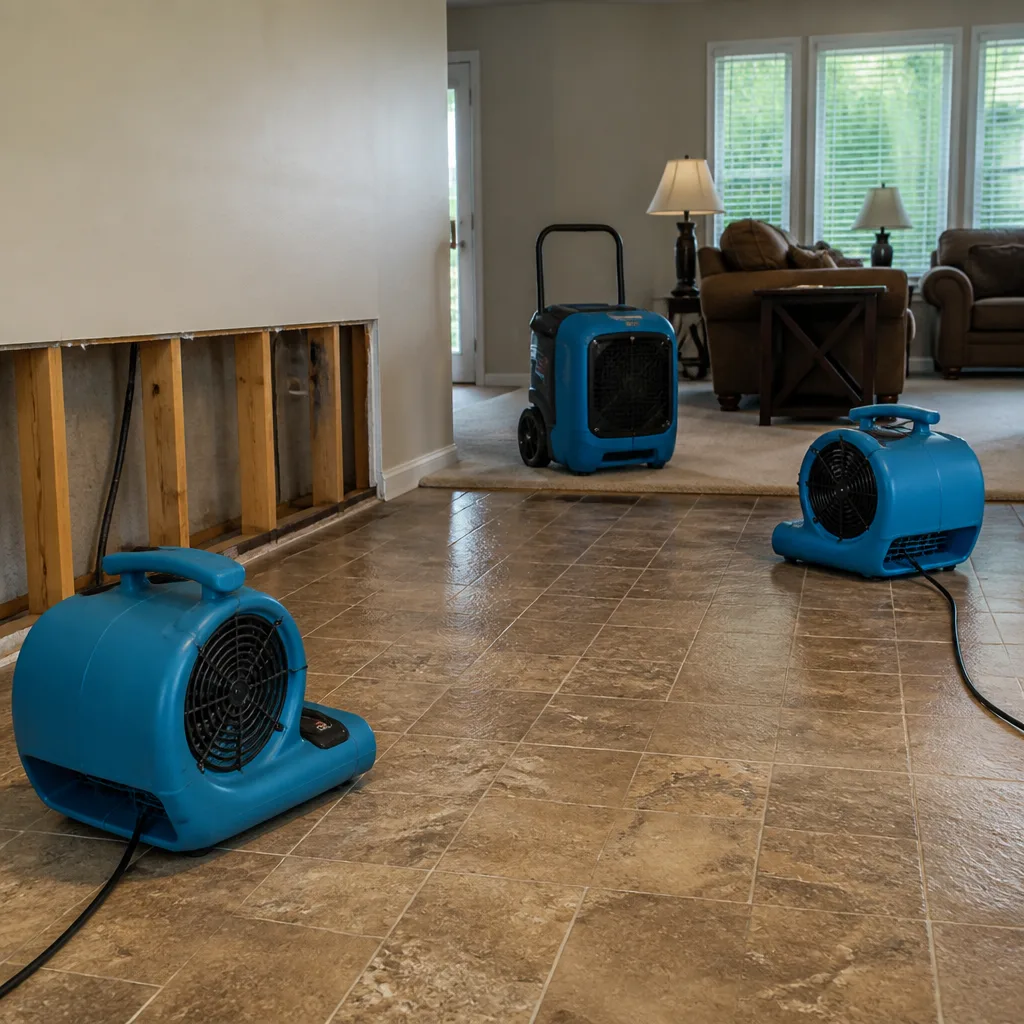
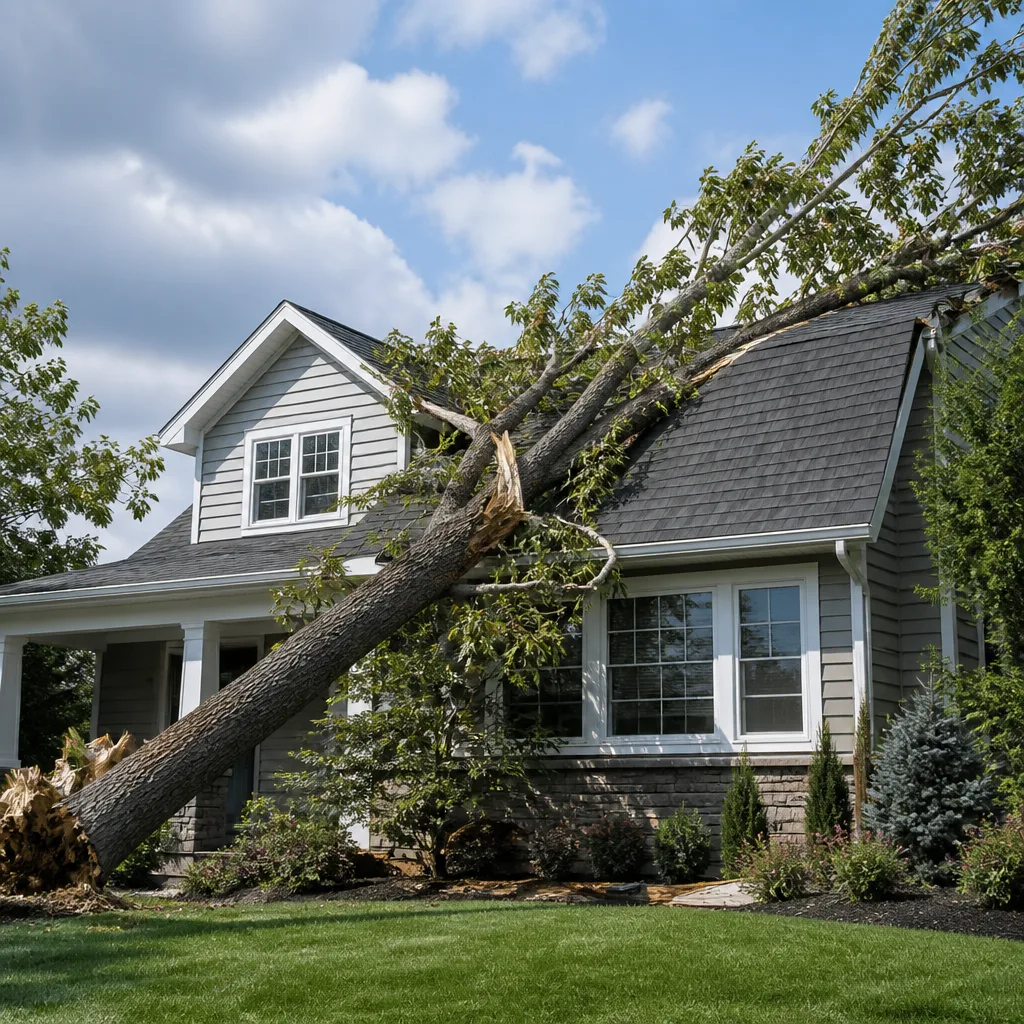
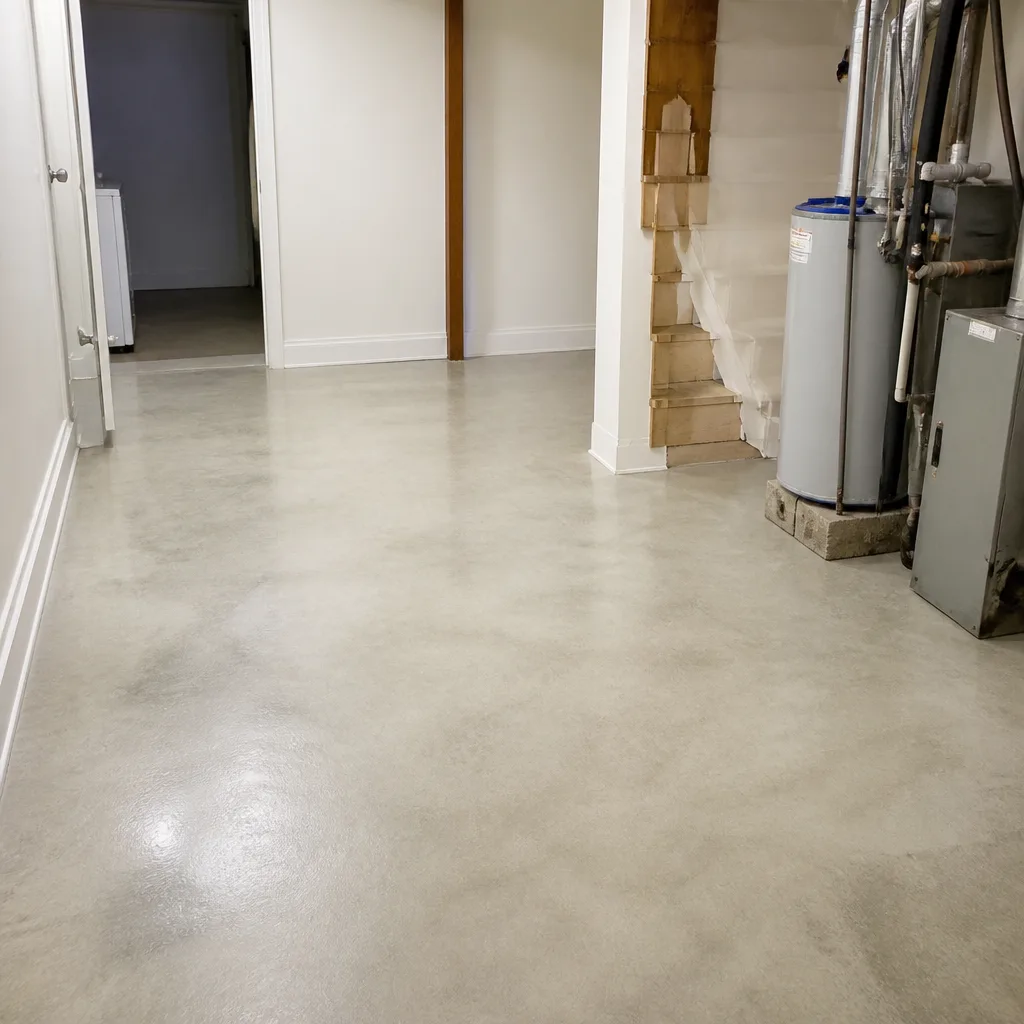
 Before
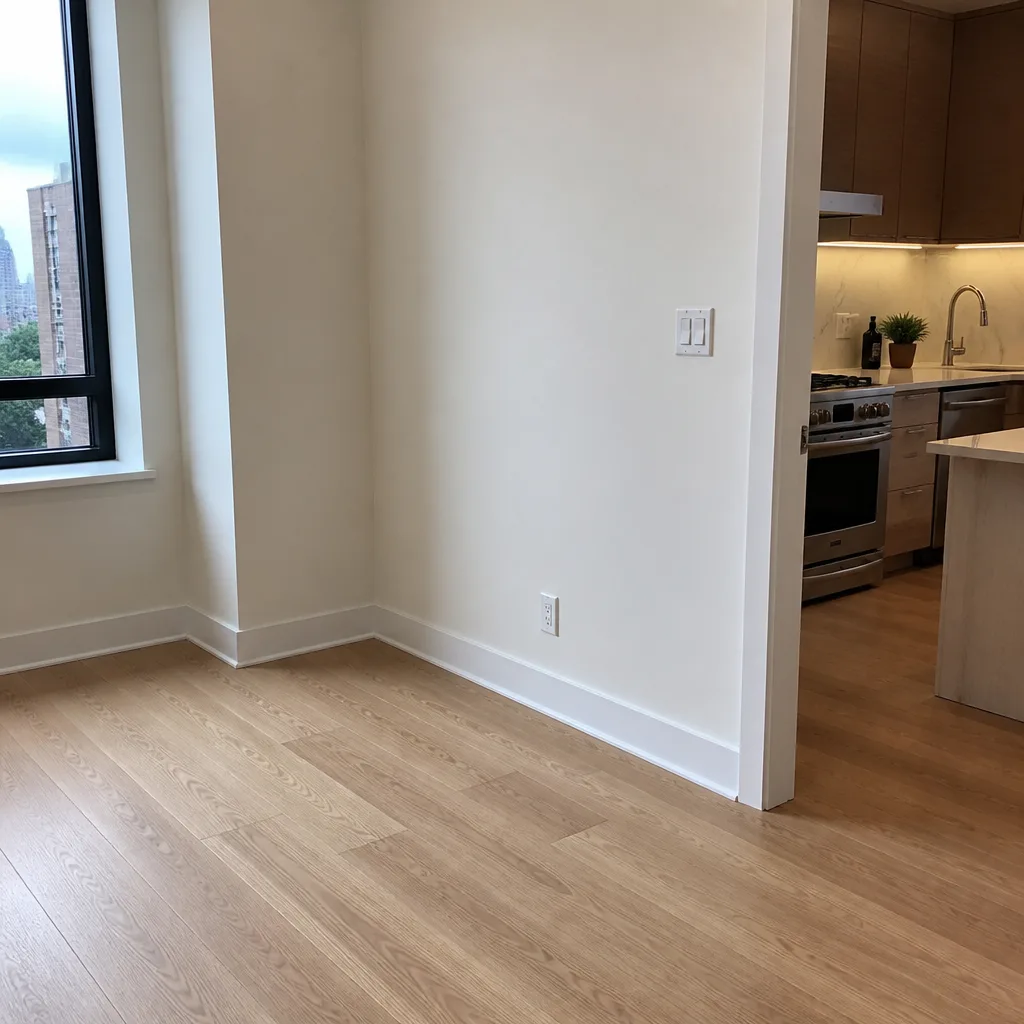 After
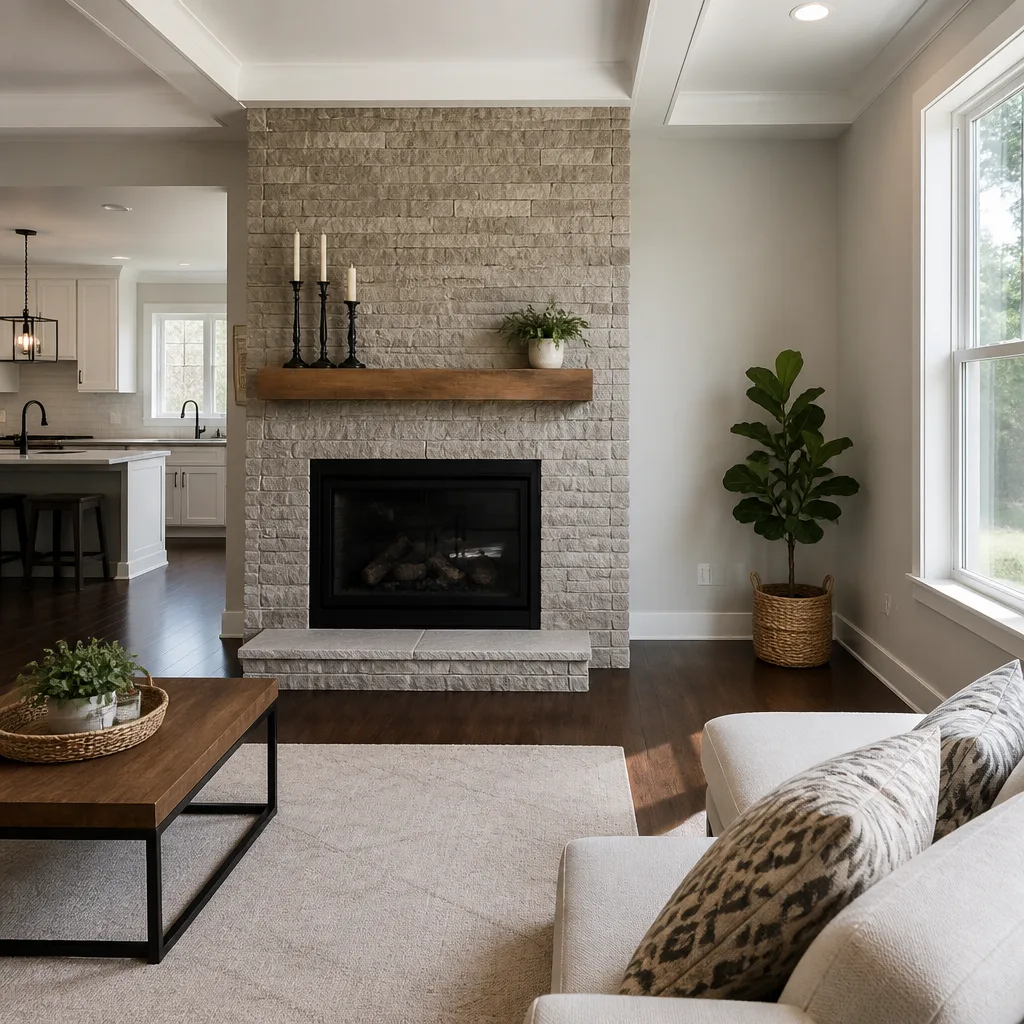
After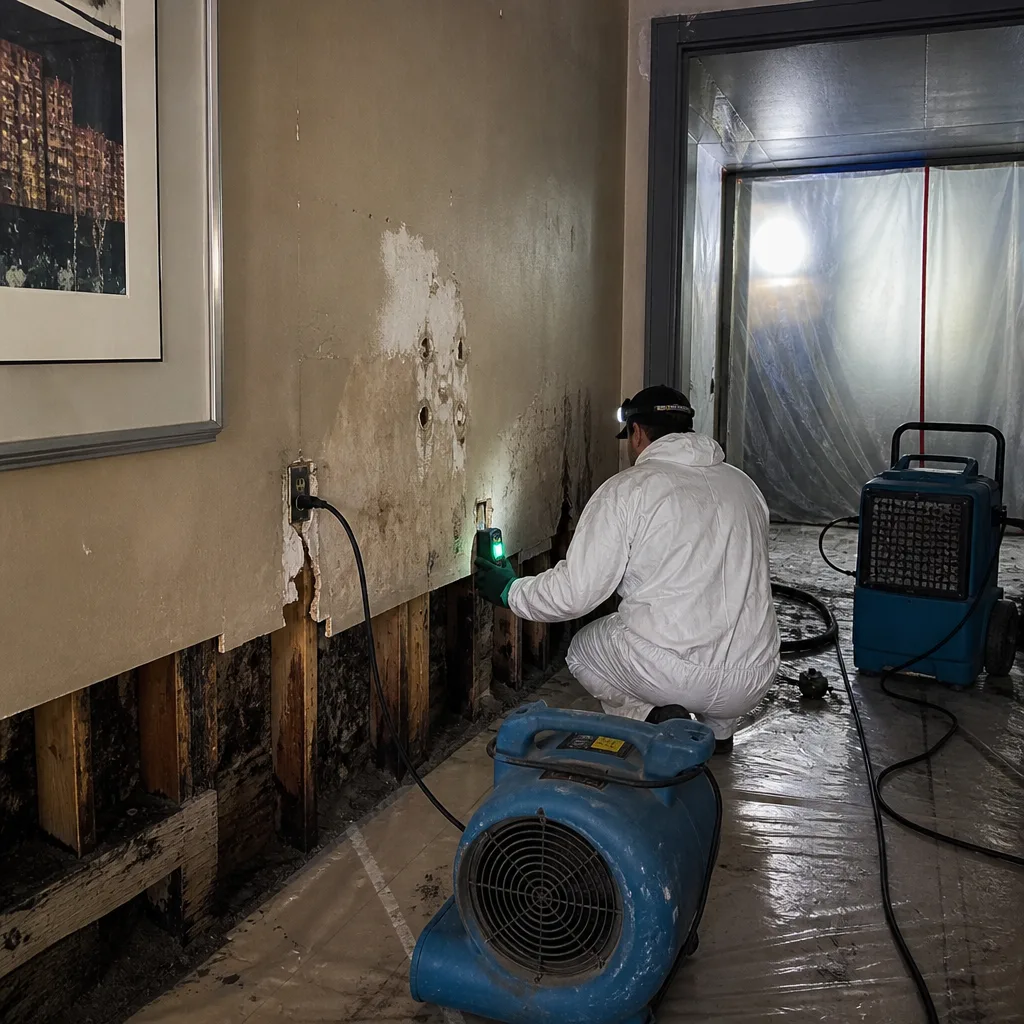 Before
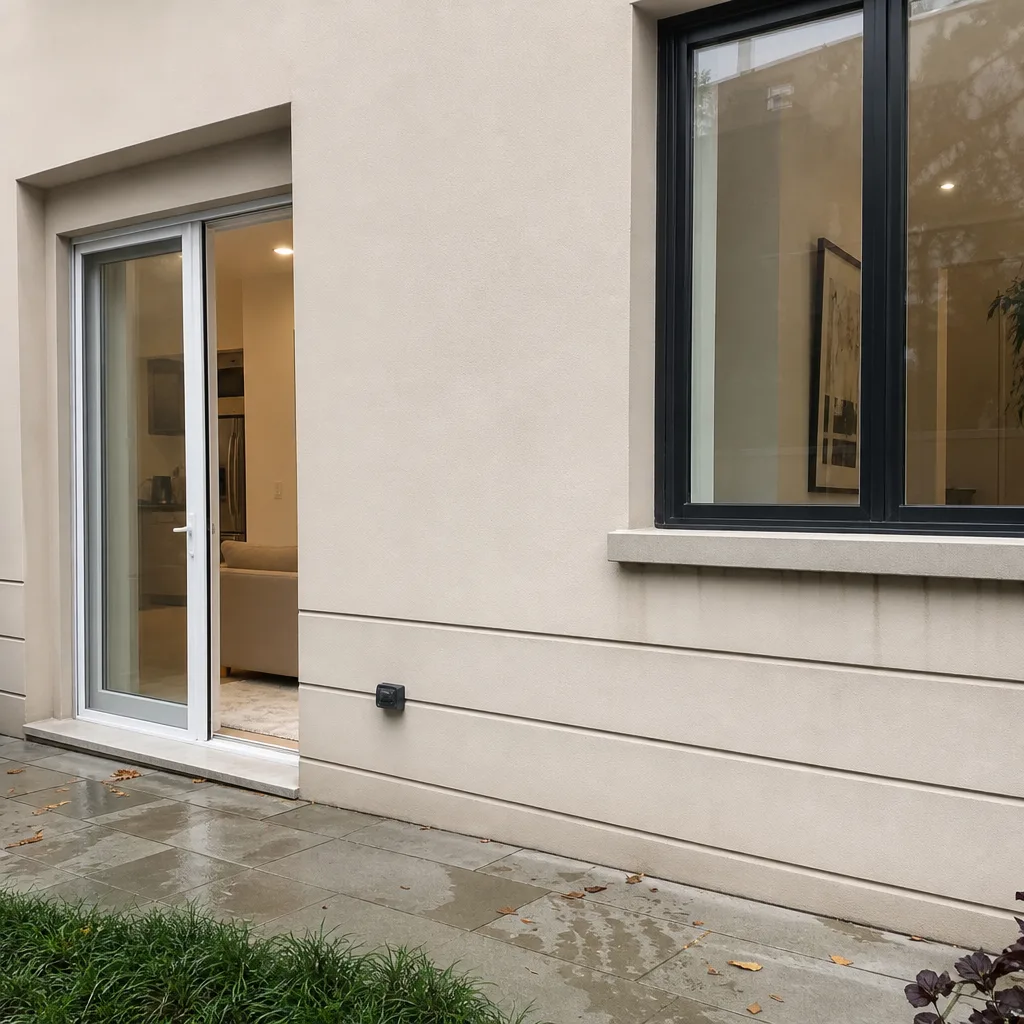 After
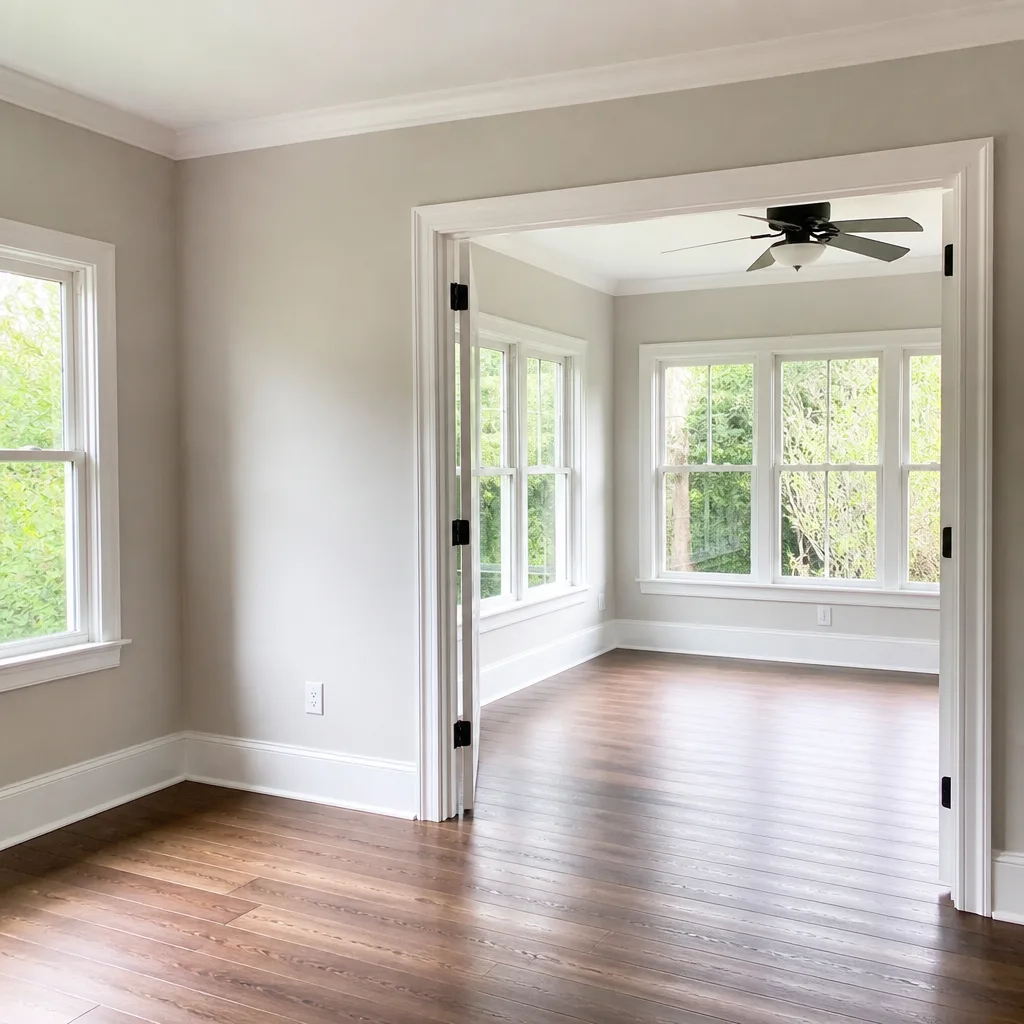
After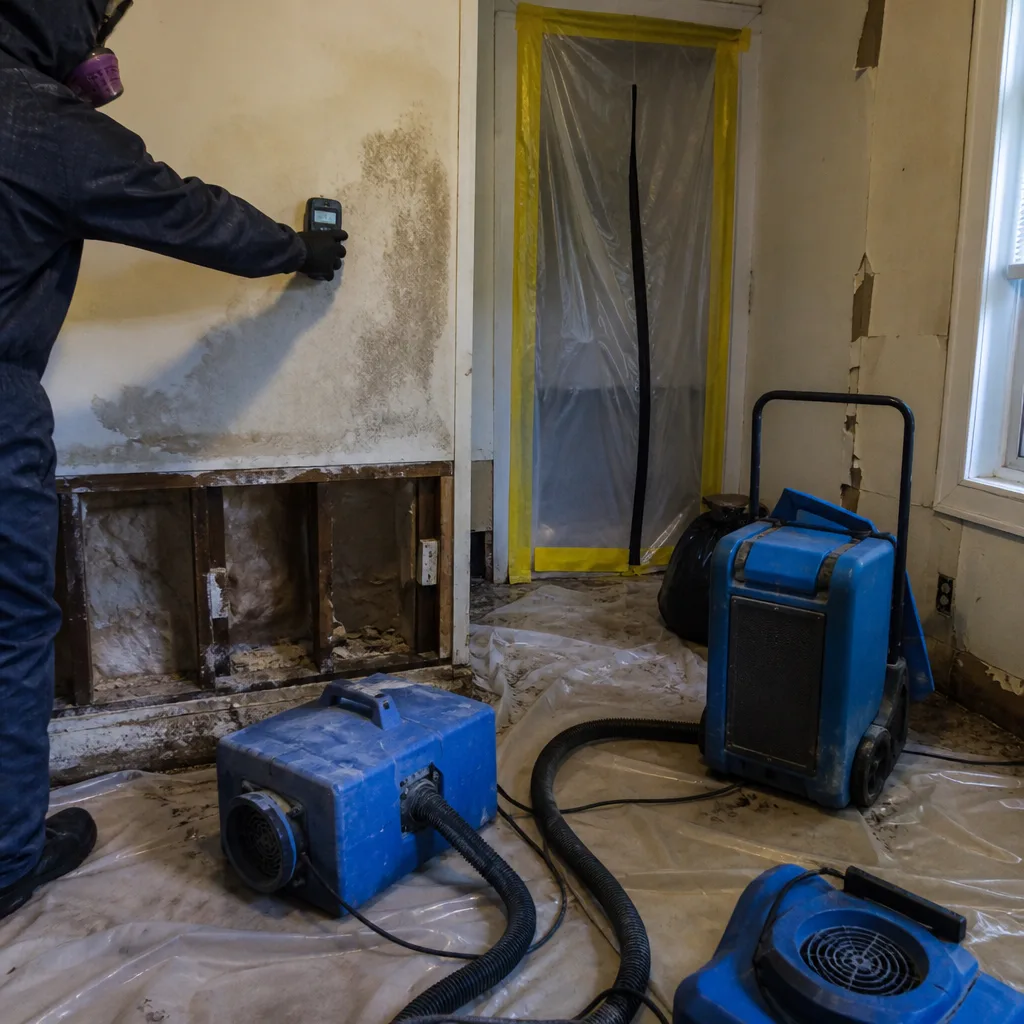 Before
 After
After24/7 Emergency Mold Remediation in Harlem
Mold remediation in Harlem typically costs $1,800-$6,500 depending on affected square footage, contamination level, and whether the property requires mandatory lead or asbestos abatement before demolition can begin. Most Harlem jobs run 3-7 days for contained removal, with occupied-unit protocols adding time compared to vacant properties. Call (551) 213-5277 now - we answer live, 24 hours a day, 7 days a week, with a real person on the line, never a voicemail tree. Crews dispatch from our New York City office and serve Harlem directly. The first 24-48 hours after water intrusion are critical: mold colonizes plaster-and-lath assemblies in pre-war Harlem buildings within 48-72 hours of moisture introduction, and every hour of delay expands the containment perimeter and the final scope.
We provide a free visual inspection and moisture mapping on every call. Our technician arrives with a written price before any work begins - Haven Standard, Clause 1 - so you know exactly what the job requires before a single tool enters your building.
Understanding Mold Remediation Severity in Harlem Properties
Mold severity in Harlem is graded by affected square footage, substrate material, and whether the underlying moisture source has been resolved. Level 1 contamination covers under 10 square feet on non-porous surfaces - typically tile or sealed wood in a bathroom. Level 2 spans 10-30 square feet and may involve porous plaster-and-lath walls, the standard wall assembly in Harlem’s 1890-1930 housing stock. Level 3 exceeds 30 square feet and requires full containment with negative air pressure, HEPA filtration, and often triggers mandatory lead paint and asbestos testing under NYC Local Law and EPA RRP rules before any demolition begins.
Harlem’s building fabric complicates every severity classification. The original plaster applied to wood lath in these brownstones and tenements is highly porous - once moisture exceeds 16% moisture content (MC), mold colonizes the backside of the plaster where it cannot be seen without invasive inspection. Cast iron drain stacks, original to most buildings, corrode from the interior and weep slowly into wall cavities for weeks before visible staining appears. By the time a tenant reports a musty odor, the vapor pressure differential has already driven spores through adjacent wall assemblies.
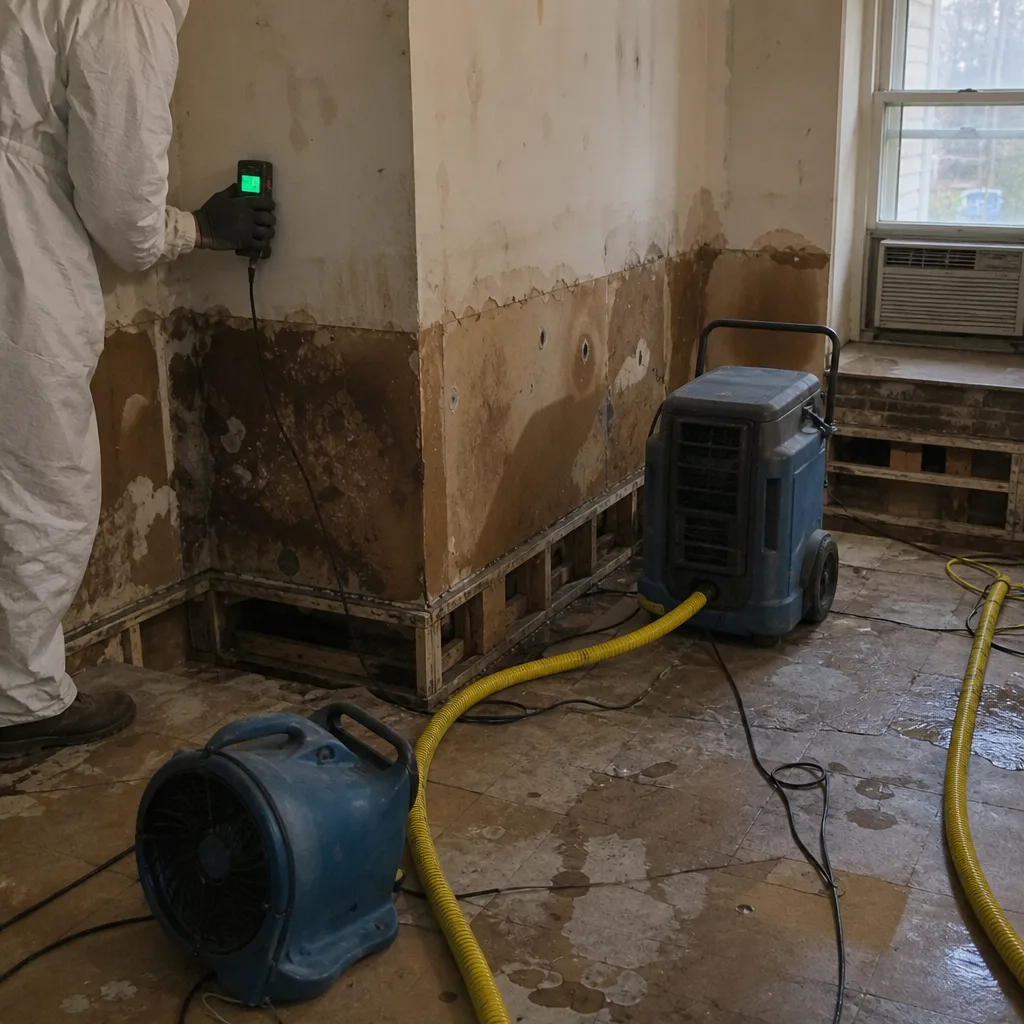
We classify every Harlem job with moisture mapping, thermal imaging, and psychrometric data - temperature, relative humidity, and dew point readings - to locate hidden colonization before we specify containment dimensions.
Why Harlem Property Owners Choose DryMark Restoration Upper East Side
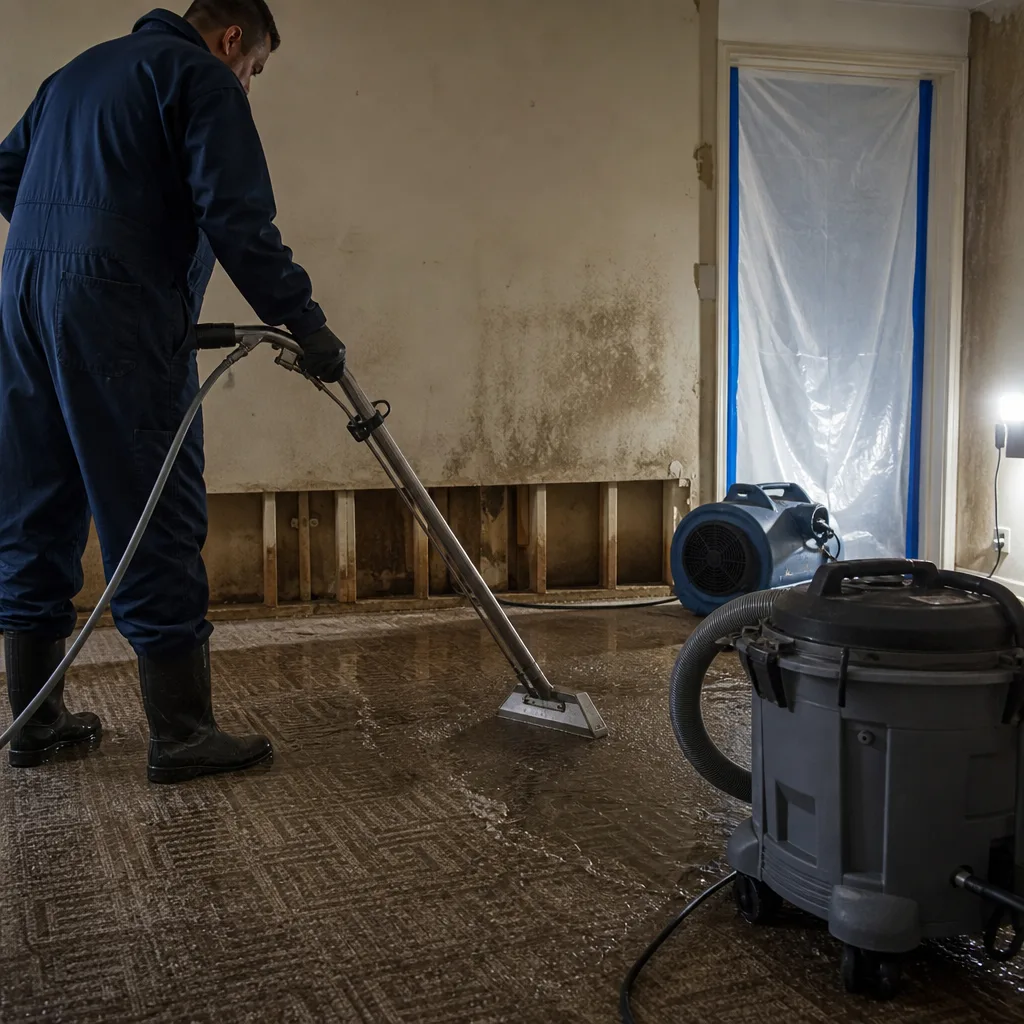
- 45-minute response commitment to Harlem from dispatch, because mold spreads faster in humid, poorly ventilated pre-war buildings than in modern construction with cavity insulation and vapor barriers.
- 24/7 live answer - a real person, never an automated system or callback queue, because water doesn’t stop moving at 5 p.m. and neither do we.
- IICRC-certified crews holding WRT (Water Damage Restoration Technician), AMRT (Applied Microbial Remediation Technician), and FSRT (Fire & Smoke Restoration Technician) certifications, with license numbers documented on every job file.
- Free visual inspection and moisture assessment, with a written scope and price delivered before any remediation begins - Haven Standard, Clause 1.
- Direct insurance billing with photo-documented daily drying logs, moisture readings, and line-item scopes formatted to adjuster standards - the documentation that turns restoration invoices into payable claims.
- One team from containment to reconstruction, so the crew that built your negative-air enclosure understands the plaster-and-lath repair that follows, with no handoff gaps or conflicting scopes.
BeforeAfterOur Mold Remediation Process
1. Inspection & Assessment
We arrive with thermal imaging cameras, pin and pinless moisture meters, and hygrometers to map the full extent of moisture intrusion. In Harlem’s attached tenements, we inspect vertically - the leak on the fourth floor often originated from a failed roof drain six stories up. Every reading is logged for the insurance file.
2. Containment & Air Filtration
We build polyethylene containment barriers sealed with zipper doors and run negative-air machines with HEPA filtration to prevent spore migration. In occupied rent-stabilized units, we construct containment around tenant belongings and living spaces, limiting demo scope to what the law and air quality allow.
3. Moisture Source Elimination
Remediation fails if the water source persists. We locate and document the failed cast iron stack, roof membrane breach, or supply line before drying begins, with photos shared to the adjuster. Injectidry panel systems dry wall cavities without full demolition when the plaster surface can be preserved.
4. Mold Removal & Cleaning
HEPA vacuuming precedes damp-wipe cleaning with antimicrobial agents on non-porous surfaces. Porous plaster-and-lath that exceeds safe moisture thresholds is removed under containment, with all debris bagged and disposed of as regulated waste. XPOWER and B-Air air movers maintain controlled airflow throughout.
5. Lead & Asbestos Coordination
Pre-war Harlem buildings built 1890-1930 require mandatory lead paint and asbestos testing before demolition under NYC Local Law and EPA RRP rules. We coordinate certified abatement contractors, schedule third-party clearance air sampling, and document compliance for your insurer - a step contractors who skip it get shut down mid-job for missing.
6. Clearance Testing & Restoration
Independent third-party labs collect air and surface samples to verify spore counts below industry benchmarks. Once cleared, we repair plaster, match historical finishes where required, and deliver a photo record, drying log, and signed 365-Day Done Right Promise under The Haven Standard.
Need Emergency Mold Remediation in Harlem Now?
Crews minutes away, answering live 24 hours a day. The sooner we start, the less it costs.
Working With Your Insurance Company
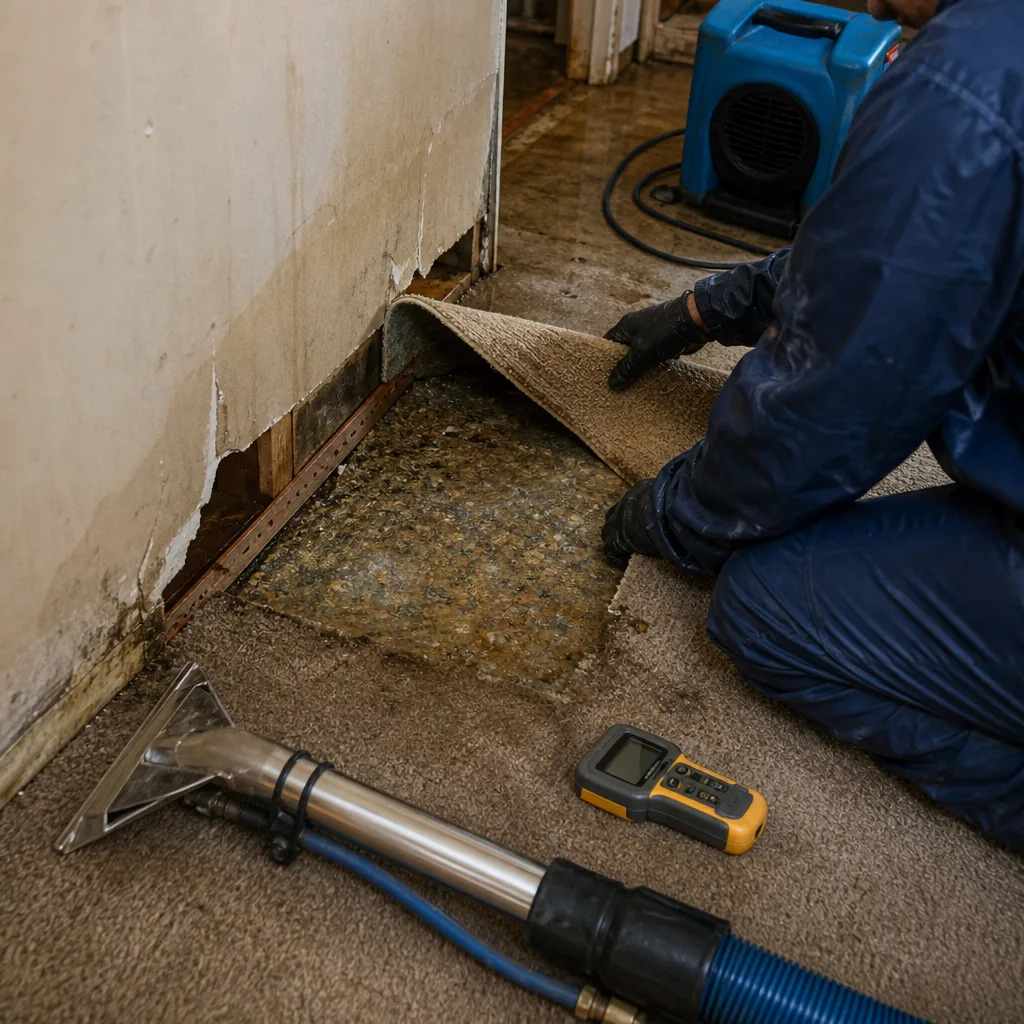
Insurance claims for mold damage in Harlem fail most often on documentation gaps - adjusters deny scopes that cannot prove the loss was sudden and accidental, or that cannot separate pre-existing maintenance issues from covered water damage. We close that gap from the first hour. Our technician photographs every affected room, records moisture content percentages on every substrate, and builds a line-item scope tied to IICRC S520 standards for microbial remediation.
We communicate directly with your adjuster, providing the daily drying logs and psychrometric charts that document progress toward dry standard - typically 12-16% MC on wood framing in Harlem’s climate. Our estimates are formatted to industry-standard platforms adjusters recognize. Direct billing is available with most carriers.
What We Provide Your Insurer
- Thorough documentation of the loss
- Photos of all damage, room by room
- Moisture readings and drying logs
- A detailed, line-item scope of work
- Direct coordination with your carrier
Built for Harlem’s Loss Calendar
January and February bring deep freezes that split cast iron drain stacks and copper supply lines in Harlem’s unheated exterior wall cavities. The freeze-thaw cycles - temperatures oscillating around 32°F dozens of times each winter - are especially destructive to flat tar-and-gravel roofs on tenements, where ponding water freezes, expands, and degrades membrane seams. By March, thawing snow reveals leaks that have been active for weeks inside plaster walls.
July and August turn Harlem into an urban heat island where relative humidity climbs past 70% and mold colonization accelerates exponentially. Summer thunderstorms overwhelm aging roof drains and scuppers, sending water through multiple floors of attached buildings. September nor’easters and hurricane remnants drive bulk water through parapet wall failures common on pre-war masonry. October’s temperature drops trigger heating system startups, and the expansion of decades-old cast iron radiators cracks adjacent supply lines.
Every season produces a distinct moisture signature. We calibrate our drying protocols accordingly - winter jobs require supplemental heat to maintain vapor pressure differentials that drive evaporation; summer jobs demand aggressive dehumidification to overcome ambient humidity.
Mold Remediation Across Harlem’s Neighborhoods
We got a call from a landlord on West 138th Street in Strivers’ Row where a failed cast iron drain stack had been weeping behind the plaster in a fourth-floor rent-stabilized unit for weeks - moisture readings climbed from 18% to 34% MC across the lath, and our tech found active mold colonization on the back of the plasterboard by the time we did moisture mapping. We set up negative-air containment with a Dri-Eaz HEPA scrubber and XPOWER air movers, coordinated the required lead paint testing before touching any demo, and ran Injectidry panels into the wall cavity to bring the assembly down without a full gut. The tenant stayed in place the whole job, and we logged daily drying logs for their insurance adjuster.
East Harlem, or El Barrio, presents different constraints: NYCHA tower complexes from the 1950s-60s with centralized heating and ventilation systems where mold in one unit can indicate systemic plumbing failure affecting a vertical stack. We coordinate with housing authority maintenance and document chain-of-causation for adjuster review.
In Hamilton Heights, west of St. Nicholas Park, the 1890s Romanesque Revival rowhouses have deeper setbacks and garden-level units below grade where groundwater intrusion is common after heavy rain. Sump pump failures here produce Category 3 water - grossly contaminated - requiring full PPE and more aggressive sanitization protocols.
Central Harlem corridors along Adam Clayton Powell Jr. Boulevard and Malcolm X Boulevard mix landmarked residential blocks with converted commercial buildings where previous renovation work often buried original plaster behind modern drywall, creating hidden moisture reservoirs we locate with thermal imaging before specifying containment.
Specialized Mold Remediation Services We Offer in Harlem
Mold Inspection & Testing
Every inspection in Harlem includes moisture mapping of plaster-and-lath assemblies, thermal imaging for hidden colonization, and air sampling when visible growth exceeds 10 square feet or occupants report health symptoms. We sample before and after remediation to document clearance, with lab results formatted for insurance submission.
Mold Removal
Removal scope is determined by substrate: non-porous tile and sealed wood receive HEPA vacuuming and antimicrobial cleaning; porous plaster-and-lath that has exceeded 16% MC is removed under containment. In occupied rent-stabilized units, we minimize demolition and deploy Injectidry cavity drying systems to preserve tenant habitability.
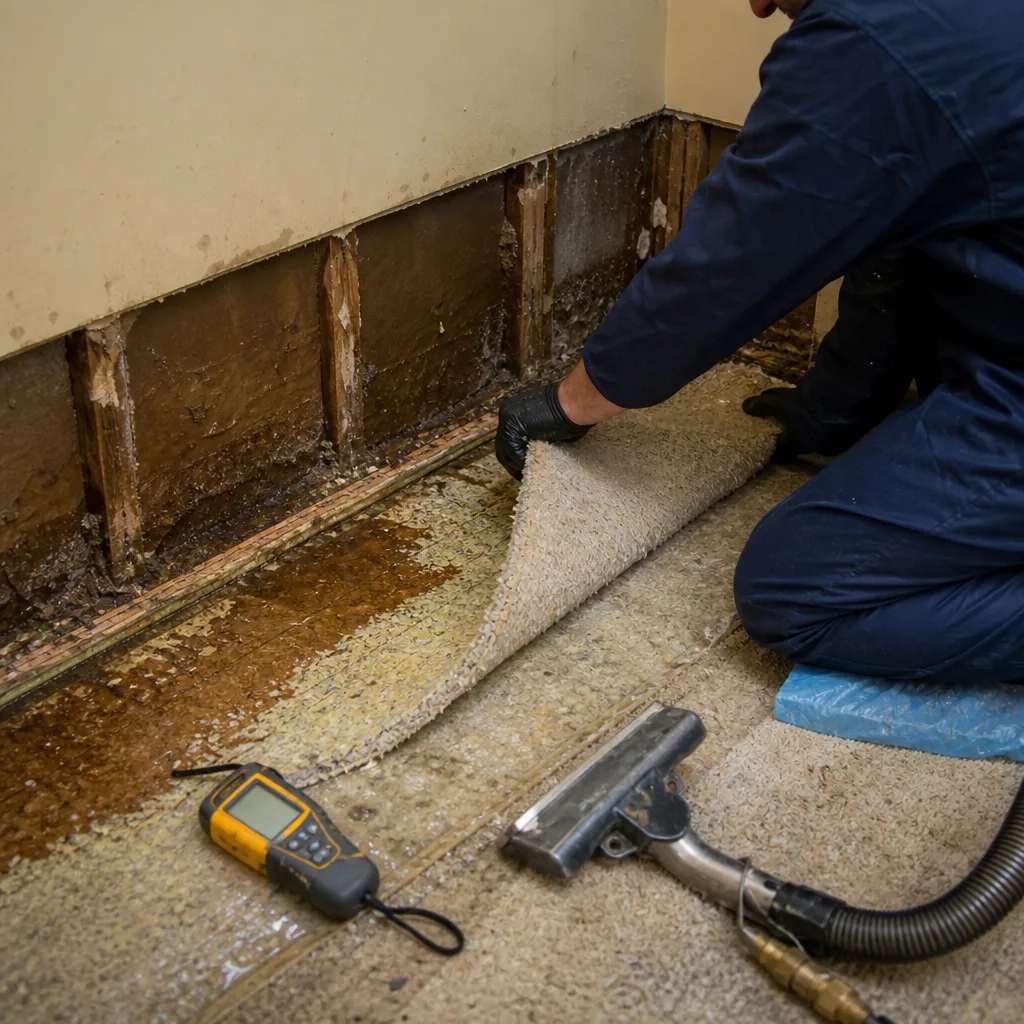
Black Mold Remediation
Stachybotrys chartarum and other toxigenic species require full containment with negative air pressure, PPE for technicians, and specialized disposal. Harlem’s humid summers and slow leaks in thick plaster walls create ideal conditions for black mold. We document species identification through lab analysis and build remediation scopes to IICRC S520 standards.
Air Quality Restoration
Post-remediation, we run HEPA air scrubbers and collect air samples for third-party lab analysis to verify spore counts below outdoor baseline levels. In Harlem’s dense housing, where HVAC systems connect units or hallways share air returns, this verification step protects adjacent tenants and satisfies landlord liability concerns.
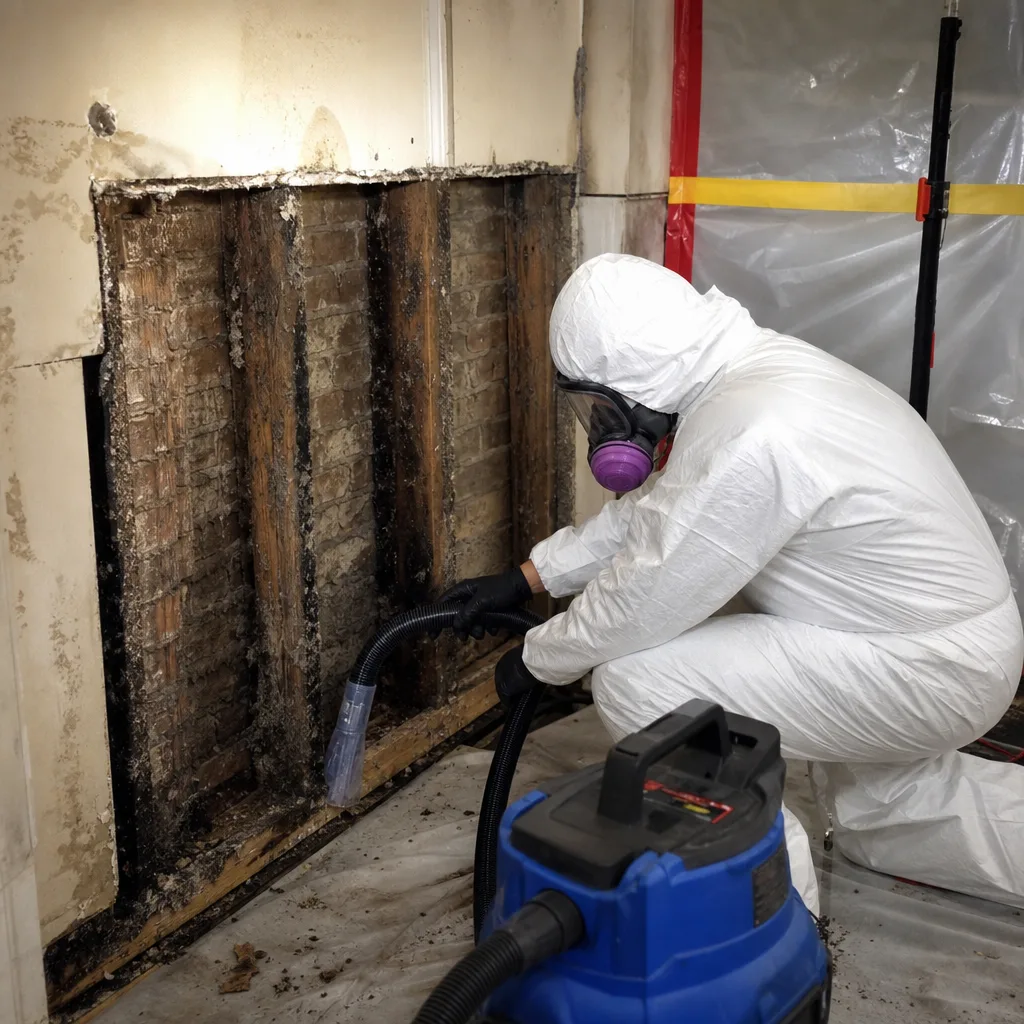
Crawl Space Treatment
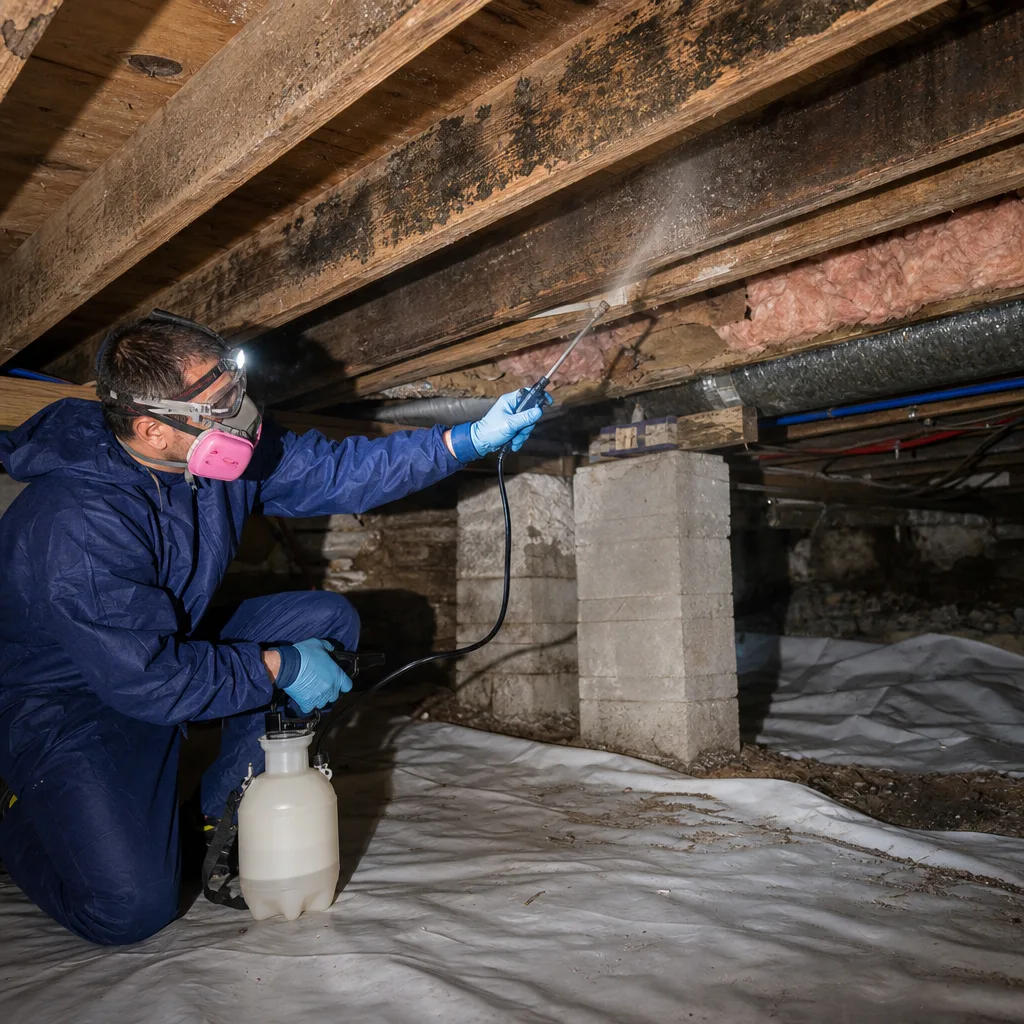
Harlem’s garden-level and basement units in brownstone rows often have dirt-floored crawl spaces or shallow excavations beneath original wood framing. We install vapor barriers, dehumidify to 50% relative humidity or below, and treat framing with borate-based preservatives where moisture history indicates risk.
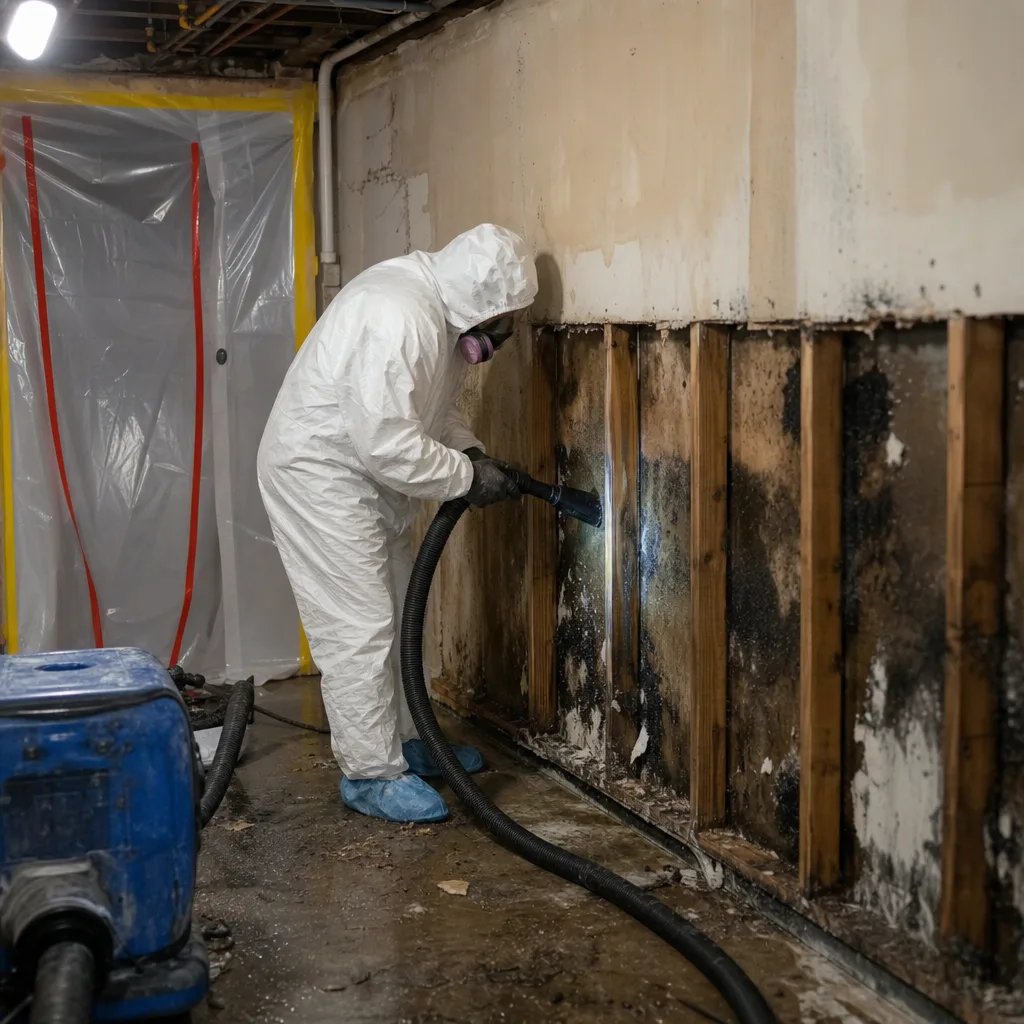
Moisture & Humidity Control
Long-term mold prevention in Harlem requires managing the vapor pressure differential that drives moisture into plaster walls. We specify dehumidification systems, improve ventilation in bathrooms and kitchens, and recommend roof and drainage repairs with documented scopes for landlord maintenance programs.
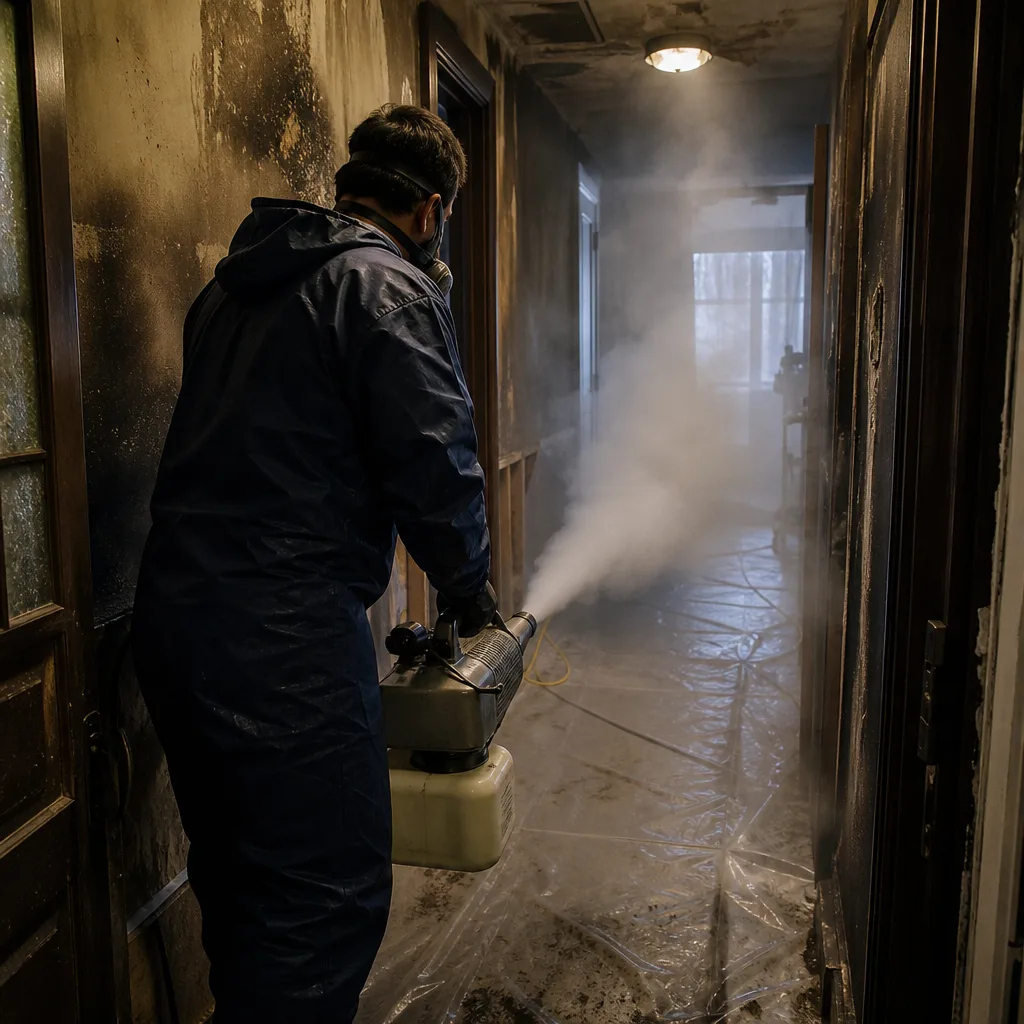
What happens when you call
- 1
A real person answersNo phone trees - you reach a local pro.
- 2
You get an upfront price rangeHonest numbers before anyone is dispatched.
- 3
A background-checked tech heads outLicensed & insured, dispatched right away.
- 4
You approve before work beginsNothing starts until you say go.
Mold Remediation Costs in Harlem, NY
A typical Level 1 mold remediation in Harlem - under 10 square feet on non-porous surfaces in a single room - runs $1,800-$2,800. Level 2 jobs, 10-30 square feet involving plaster-and-lath removal in one room, range $3,200-$5,500. Level 3 contamination exceeding 30 square feet, or any job requiring lead and asbestos abatement coordination, typically costs $5,000-$8,500 and can exceed $12,000 for multi-room losses in brownstones with failed drain stacks.
What moves the price: occupied-unit protocols add 15-25% for containment complexity; mandatory hazmat testing adds $800-$2,400 depending on sample count; and cast iron stack replacement, when required, is a plumbing line item separate from remediation. Insurance covers sudden and accidental water damage that leads to mold, but typically excludes long-term maintenance-related growth. Our free inspection determines causation and documents coverage eligibility before you commit. Call (551) 213-5277 for a written scope and exact price - estimates are free.
We Also Serve Cities Near Harlem
Our crews respond throughout the immediate metro area, including Harlem and surrounding neighborhoods: Upper East Side, Manhattan, Upper West Side, and Astoria. Dispatch and scheduling are coordinated from our New York City office; crews serve each area locally with the same documentation standards and response commitments.
Serving Harlem, NY - Our Local Coverage Area
We’re based in the Harlem area and know this community well. Use the map below to see our service coverage - if you’re nearby, we can almost certainly help.
Harlem Mold Remediation Questions, Answered
Does the tenant have to move out during mold remediation in a Harlem rent-stabilized apartment?
No. Rent-stabilized and rent-controlled tenants in Harlem often cannot legally be required to vacate during remediation, so our crews build negative-air containment around tenant belongings and living spaces and limit demolition scope to what air quality protocols allow.
This constraint adds complexity - we use portable HEPA scrubbers, sealed zipper doors, and schedule work in phases - but it is manageable with proper planning. The tenant’s right to occupancy is protected under NYC housing law, and our scopes account for it from day one. Call (551) 213-5277 to discuss your specific building situation.
Why does mold remediation in a Harlem brownstone take longer than in a newer building?
Three factors extend Harlem timelines: mandatory lead paint and asbestos testing before any demolition in pre-war plaster-and-lath construction; occupied-unit protocols when tenants cannot be relocated; and the need to trace moisture sources through vertically stacked, separately occupied units with shared cast iron plumbing.
A Queens ranch with drywall and vinyl siding might complete in two days. A comparable Harlem job often requires five to seven days for compliance, coordination, and phased work. We build this timeline into our written scope so there are no surprises. Call (551) 213-5277 for a timeline specific to your property.
How fast can mold grow after a Harlem pipe leak or roof-drain backup?
Mold colonizes porous materials in 48-72 hours after moisture introduction, and faster in Harlem’s summer humidity when indoor relative humidity exceeds 60%.
Plaster-and-lath walls are especially vulnerable - the wood lath provides organic material, and multiple paint layers trap moisture against the plaster backside. A slow leak from a corroded cast iron stack can produce hidden colonization for weeks before visible staining appears. This is why we emphasize rapid moisture mapping and source elimination. Call (551) 213-5277 for same-day response.
What is the difference between Category 1, 2, and 3 water in a Harlem mold job?
Category 1 water originates from a clean source - a broken supply line - and becomes Category 2 within 48 hours as it contacts building materials. Category 2, or gray water, contains chemical or biological contamination from dishwashers, washing machines, or sump pump failures. Category 3, black water, is grossly contaminated from sewage backups, groundwater intrusion, or long-standing Category 2 losses.
In Harlem’s garden-level units and failed basement drains, Category 3 water is common, requiring full PPE, more aggressive sanitization, and often broader material removal. We classify water category at inspection and document it for your insurer. Call (551) 213-5277 if you suspect sewage or groundwater contamination.
Can you work around tight Harlem townhome entries and street parking while running mold remediation equipment?
Yes. Our crews are equipped for Harlem’s tight clearances - narrow stoops, alley-load entries, and street parking that requires rapid equipment staging.
We use compact negative-air machines, portable HEPA scrubbers, and hose runs that extend from truck-mounted generators where curbside access is limited. Our technicians carry equipment up walk-up stairs routinely; we do not require freight elevators or loading docks. We coordinate with building management for access protocols and document arrival and departure times for insurance records. Call (551) 213-5277 to schedule access that works for your building.
Will my insurance cover mold remediation in Harlem?
Insurance covers mold that results from a sudden, accidental water loss - a burst pipe, failed roof during a storm, or appliance malfunction - but typically excludes mold from long-term maintenance issues, slow leaks, or humidity.
Our inspection documents causation and timeline with moisture readings, photos, and material analysis to support covered-loss arguments. We format scopes to adjuster standards and communicate directly with your carrier. If your claim is disputed, our photo record and drying logs provide the evidence to appeal. Call (551) 213-5277 for a free inspection and coverage assessment.
How long does mold remediation take in a typical Harlem apartment?
Most contained, single-room remediations in Harlem run 3-5 days: one day for setup and source elimination, one to two days for removal and cleaning, one to two days for drying and clearance sampling, with lead or asbestos coordination adding 1-3 days.
Multi-room losses, occupied-unit protocols, or jobs requiring cast iron stack replacement extend to 7-14 days. We specify a timeline in our written scope before work begins - Haven Standard, Clause 1 - and update daily with photo documentation. Call (551) 213-5277 for a timeline based on your moisture mapping results.
What should I do in the first 30 minutes after discovering mold in my Harlem building?
Stop the water source if you can do so safely, then call (551) 213-5277 for immediate response - do not disturb visible mold, which releases spores, and do not run HVAC systems that may distribute contamination.
Document the area with photos for your insurance file, note when you first observed the growth or odor, and identify any recent leaks, repairs, or weather events. If tenants are involved, notify them that professional assessment is underway. Our technician arrives with moisture meters, thermal imaging, and containment materials to prevent further spread while we scope the job. The call is free; the inspection is free; the written price comes before any work starts.
Back to Dry Restoration’s Mold Remediation team serves Harlem with the documentation standards that protect your claim and your property. Every job is quoted in writing before work begins, documented with a photo record on every visit, and covered by the 365-Day Done Right Promise under The Haven Standard. Bring any competitor’s written estimate for a free second opinion.
Written by Alicia Brennan, Owner at Back to Dry Restoration, serving Harlem since 2011.
Mold Remediation in Nearby Areas