
Last updated September 23, 2026
Free visual inspection and a written scope of work before any mitigation begins - photos, moisture readings, and drying logs go in your claim file
The scope we write is the scope we bill. Anything new gets shown to you, in writing, before we touch it.
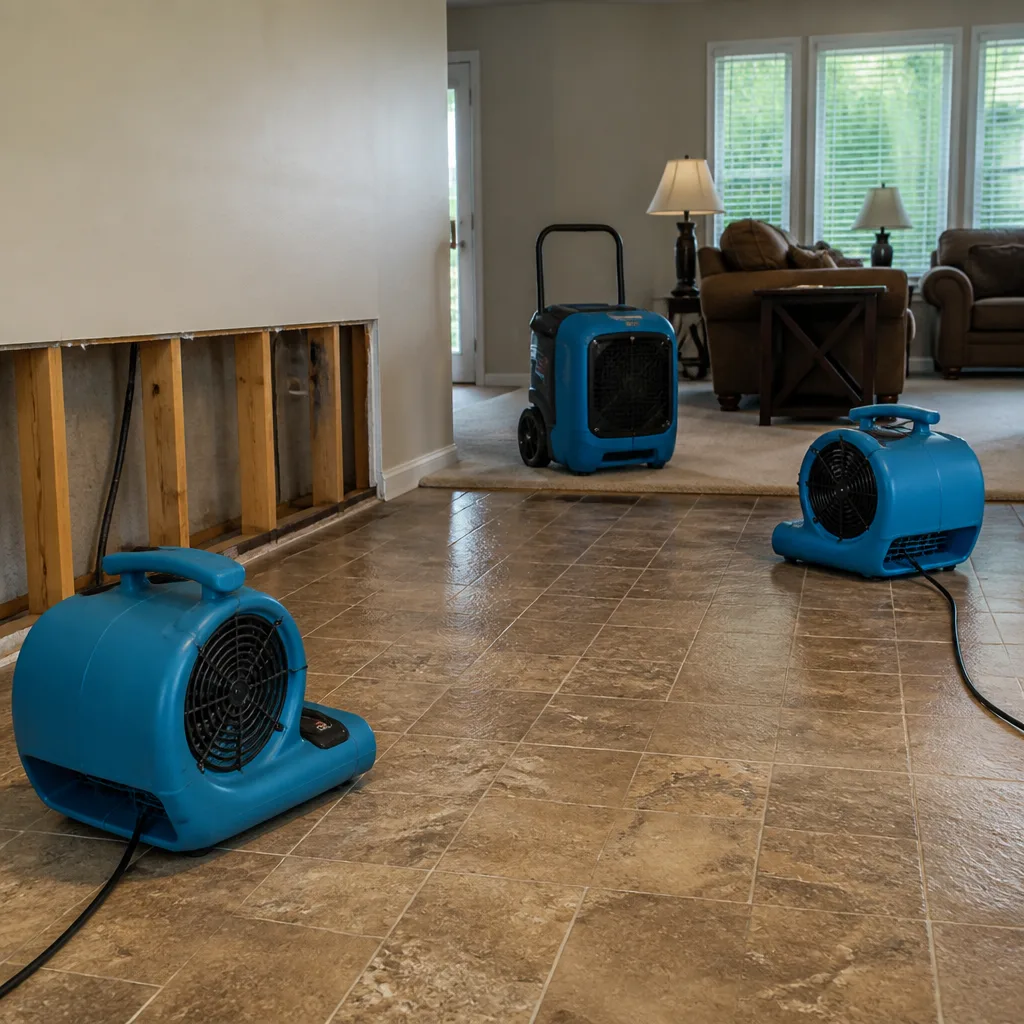
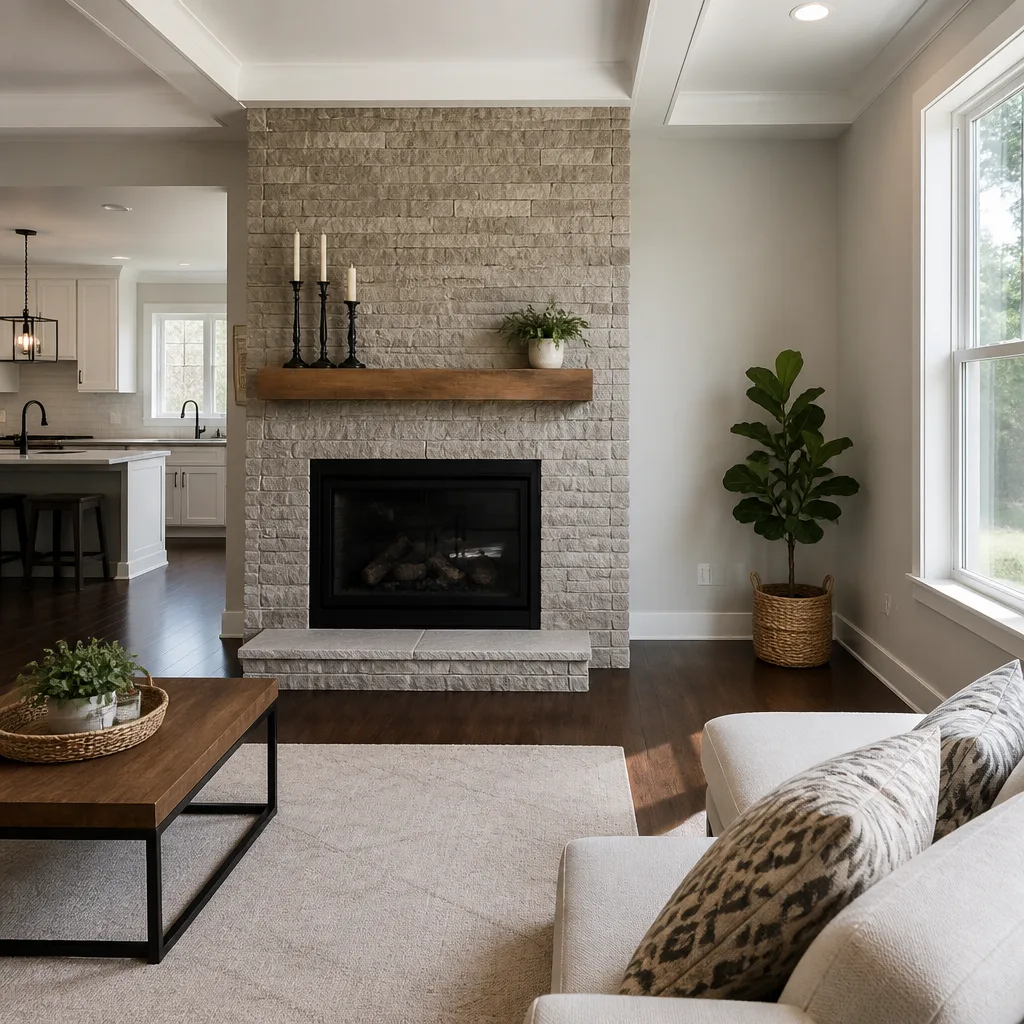
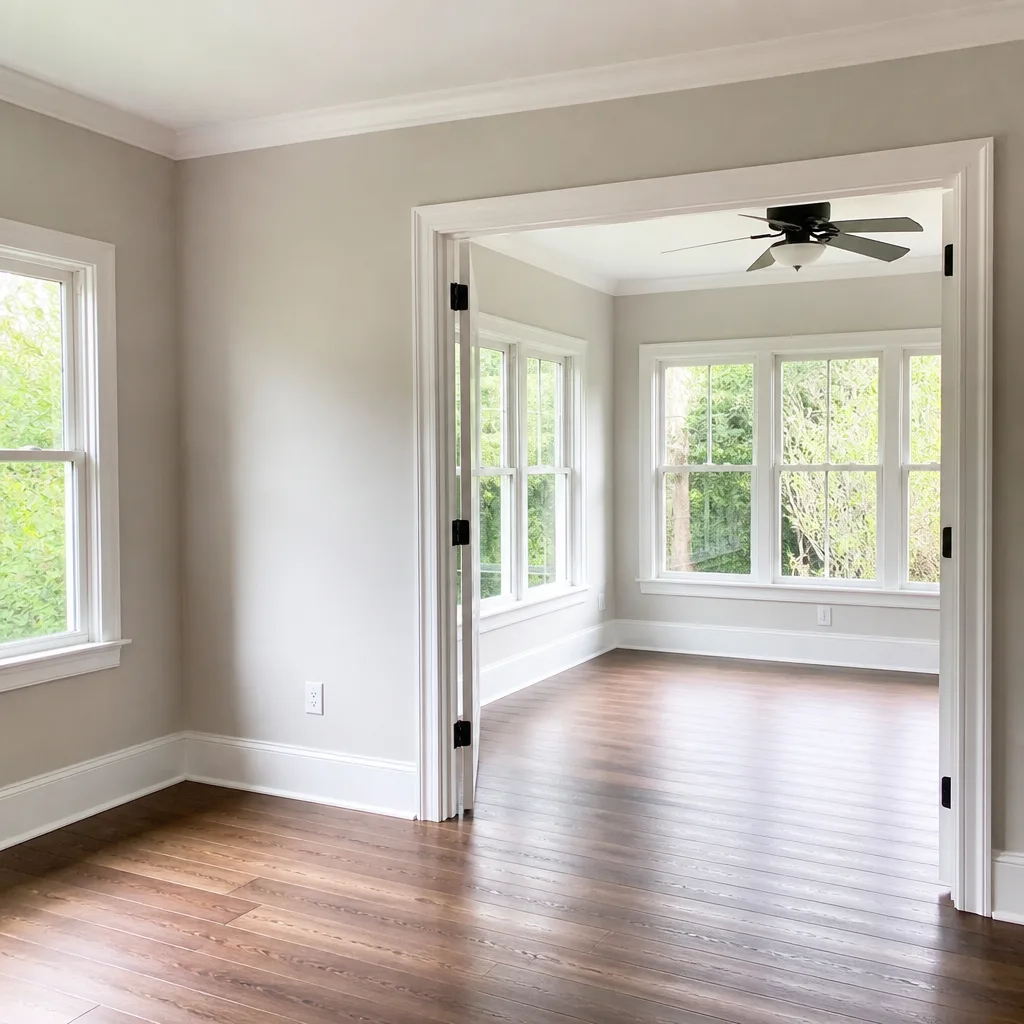
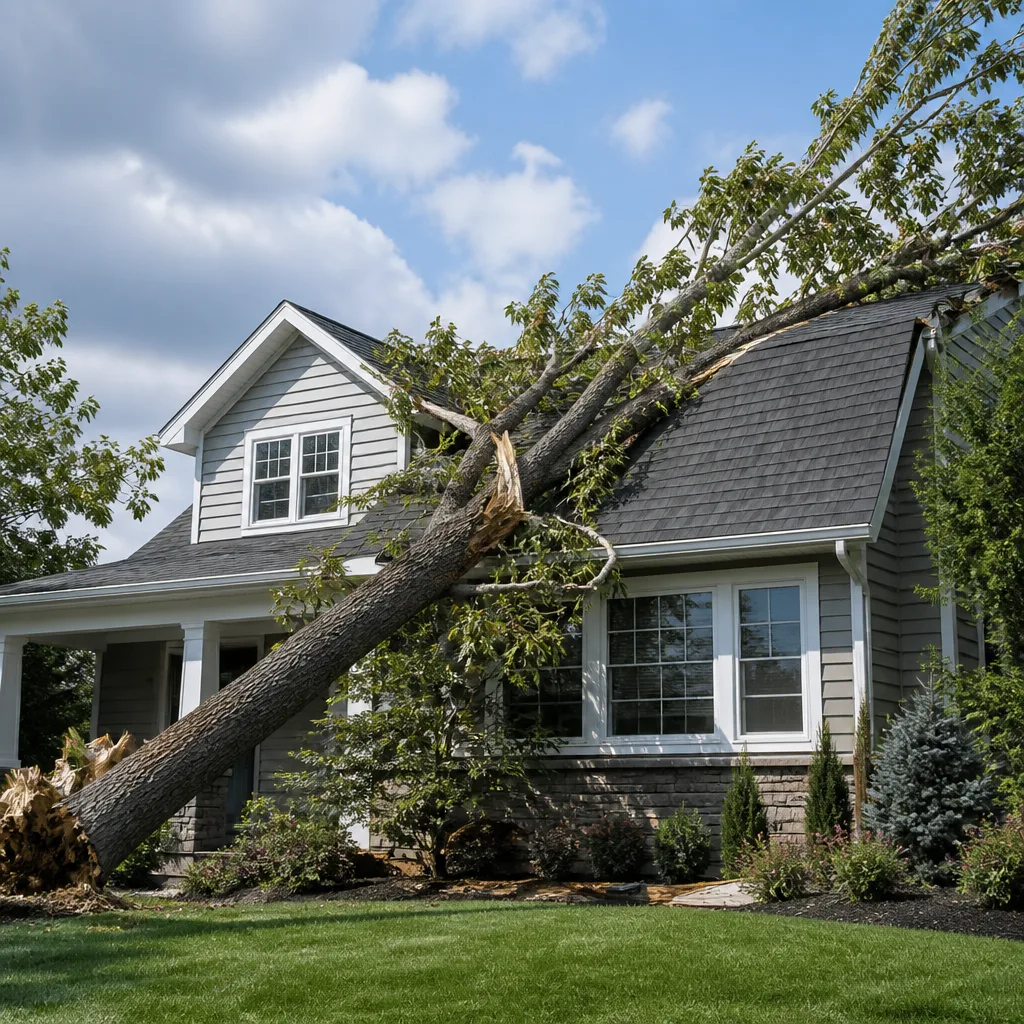
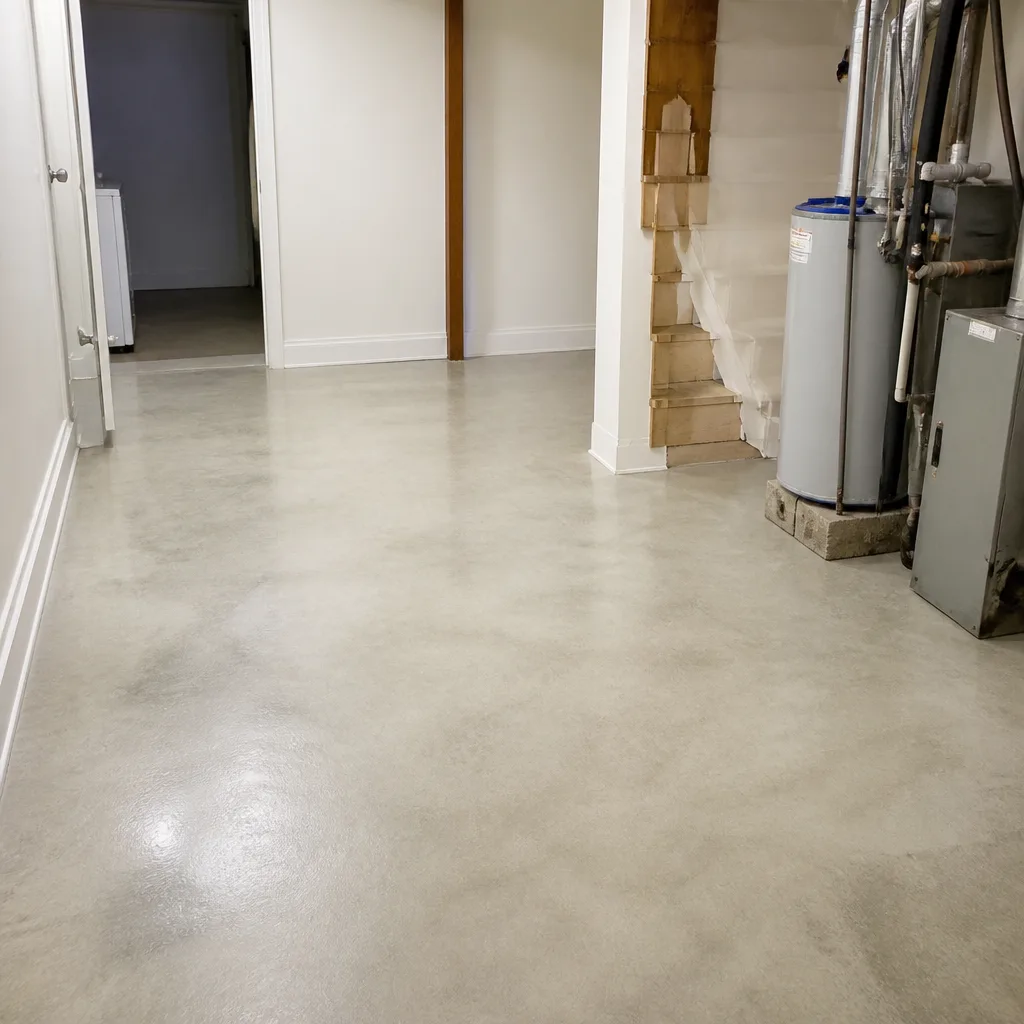
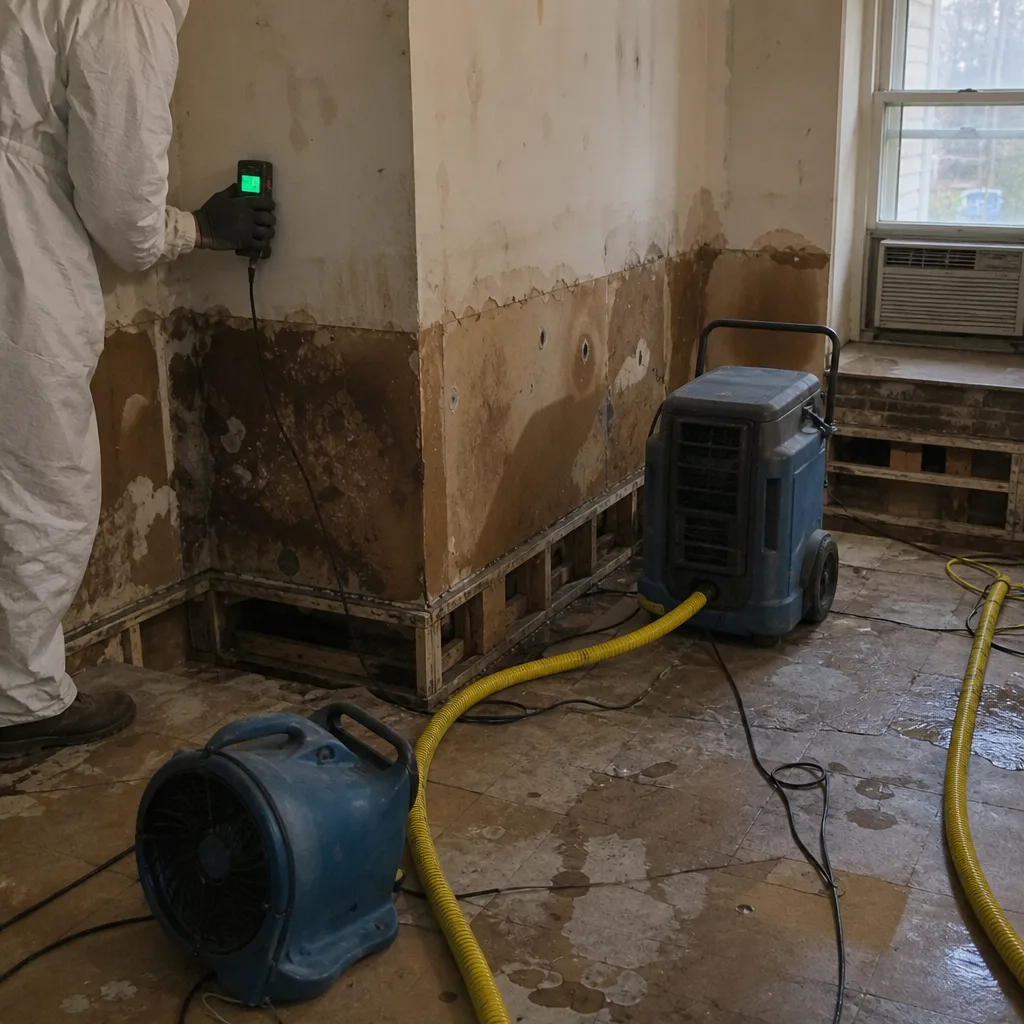 Before
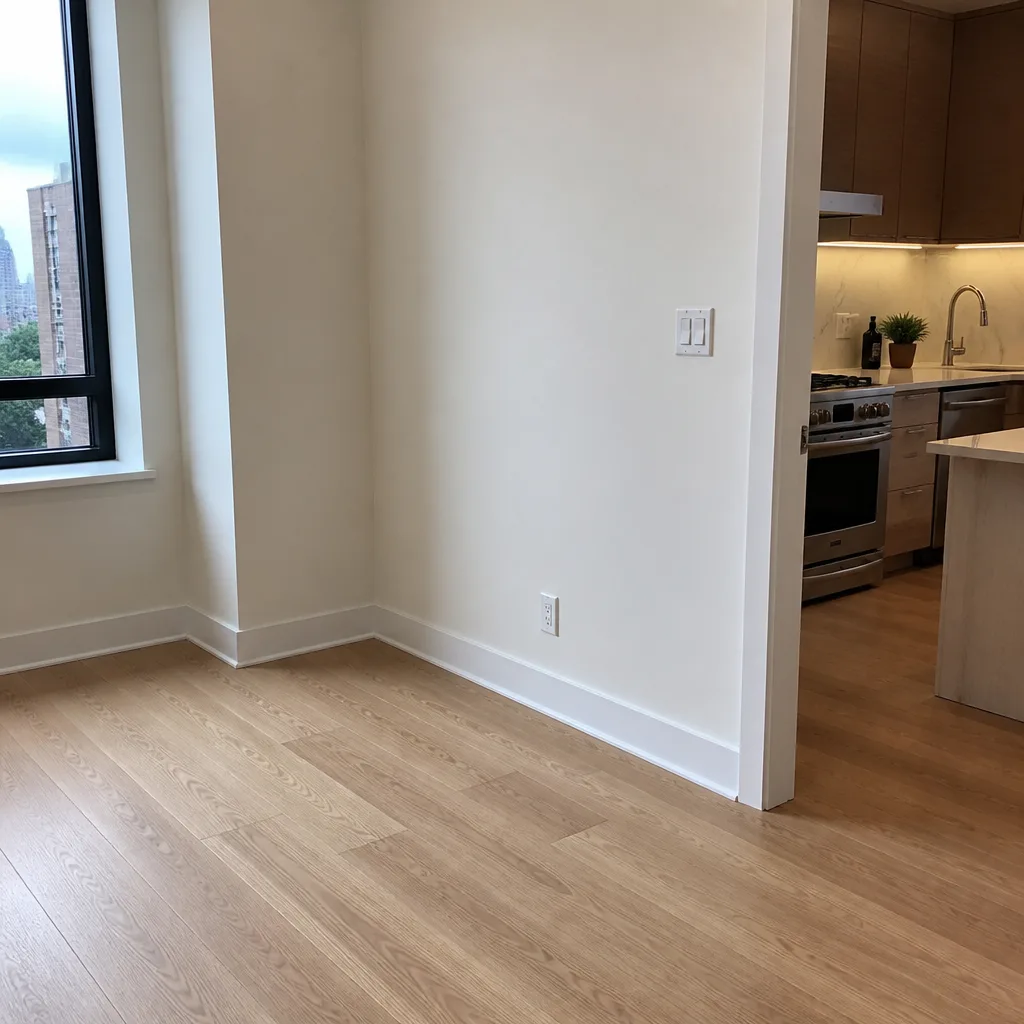 After
After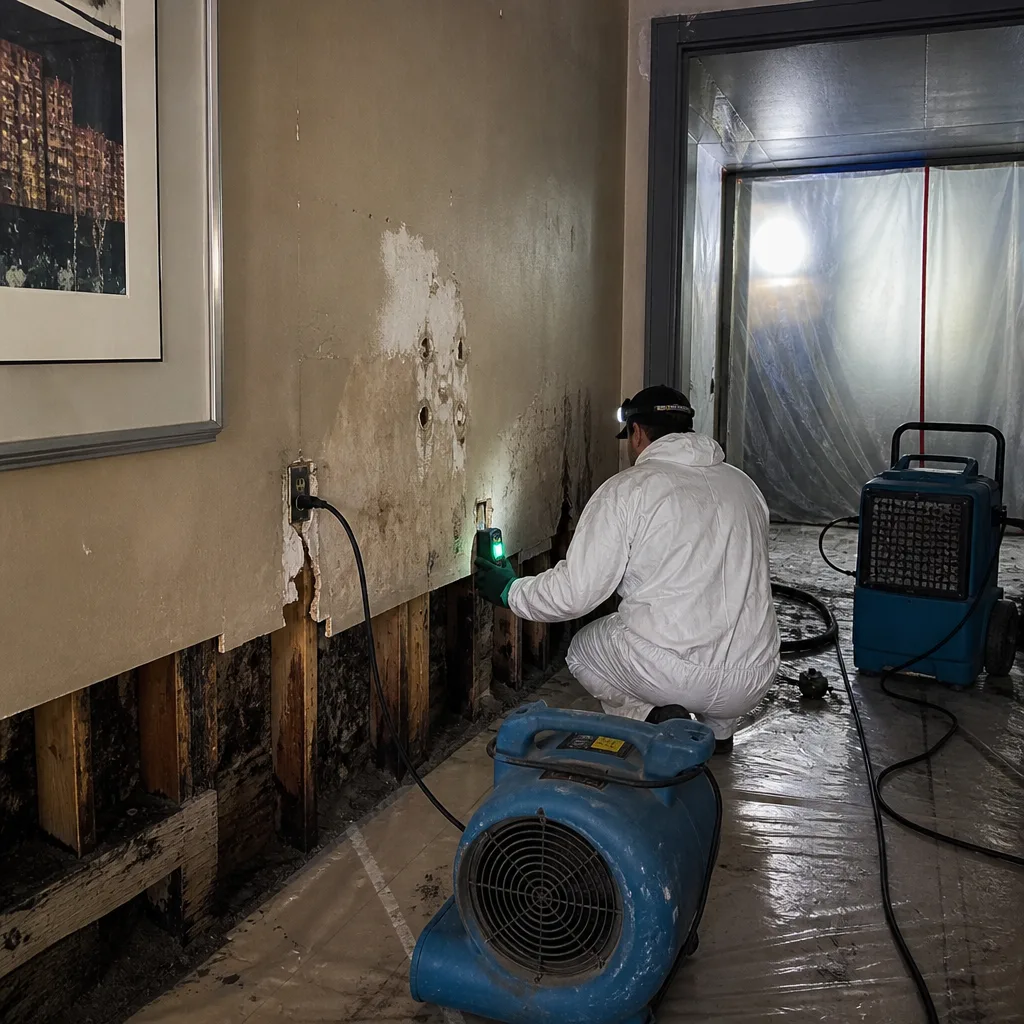 Before
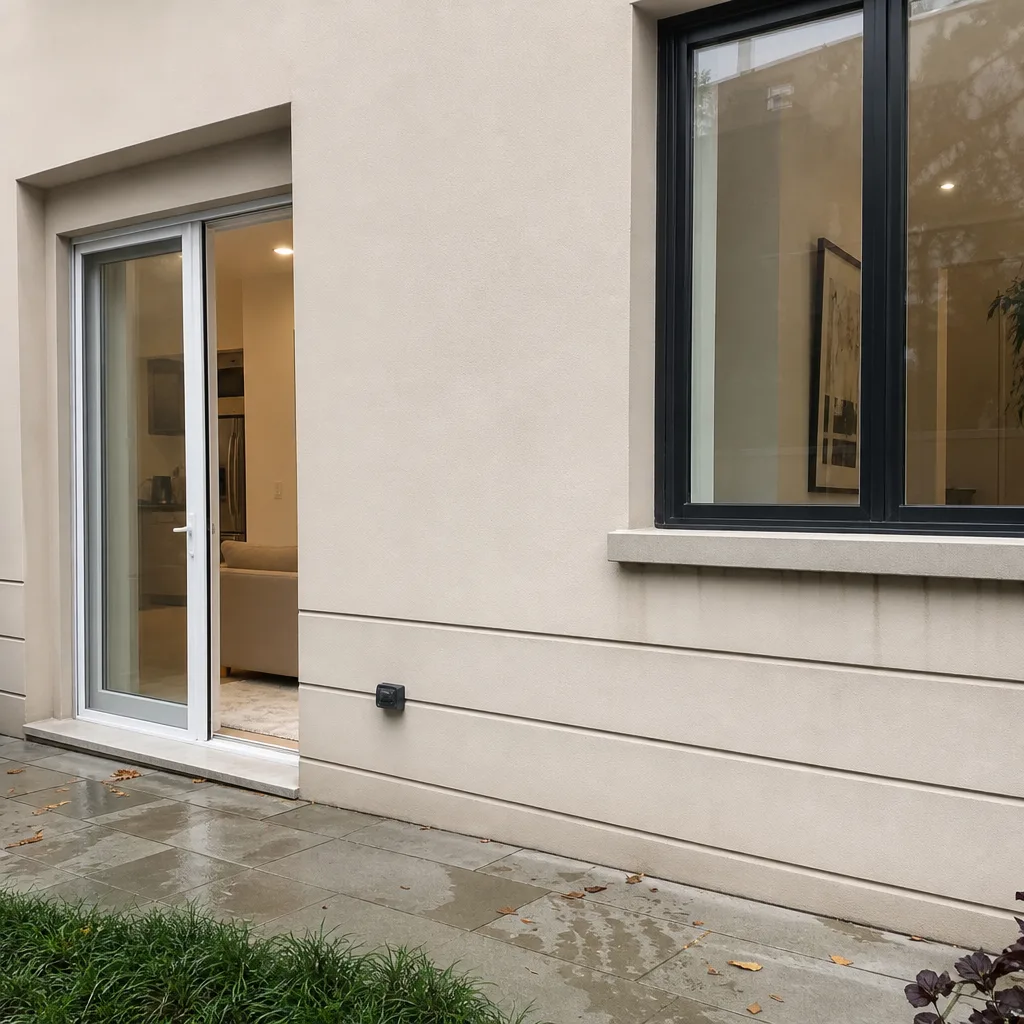 After
After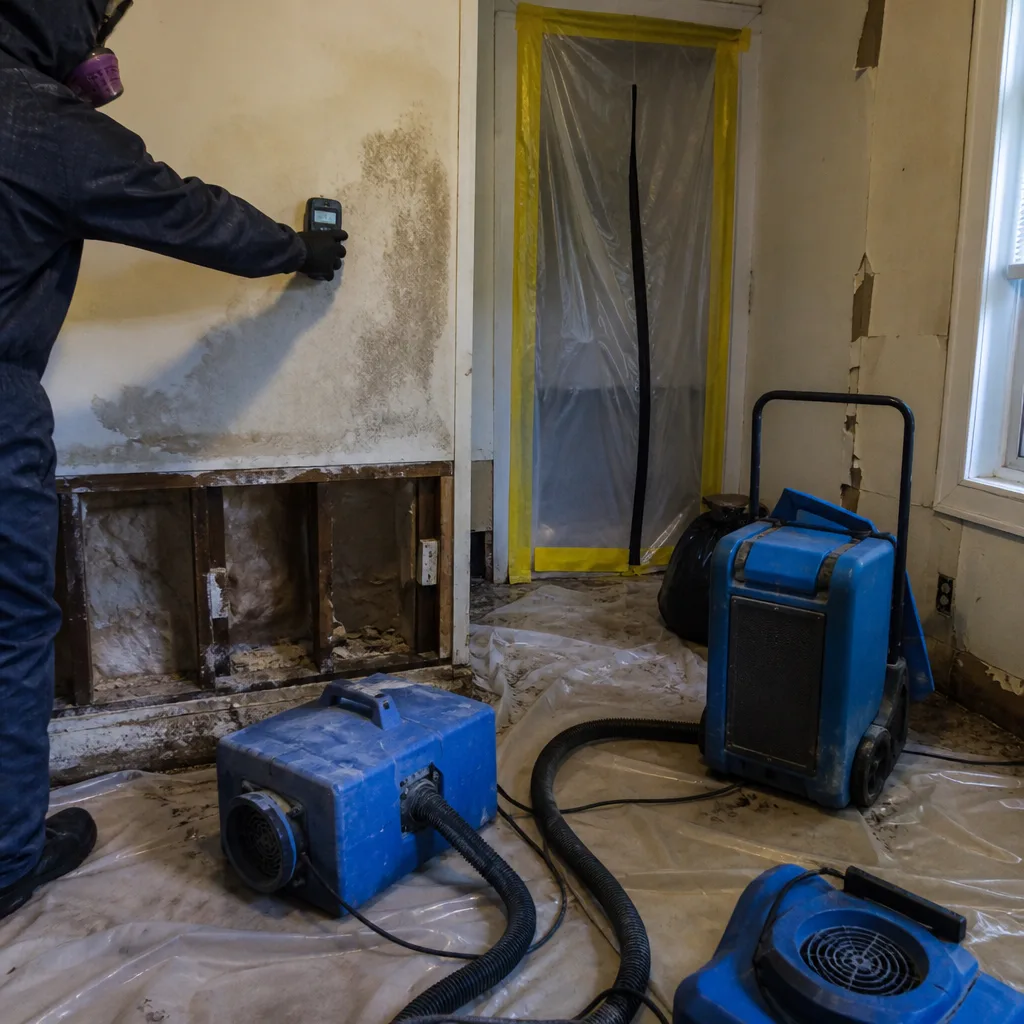 Before
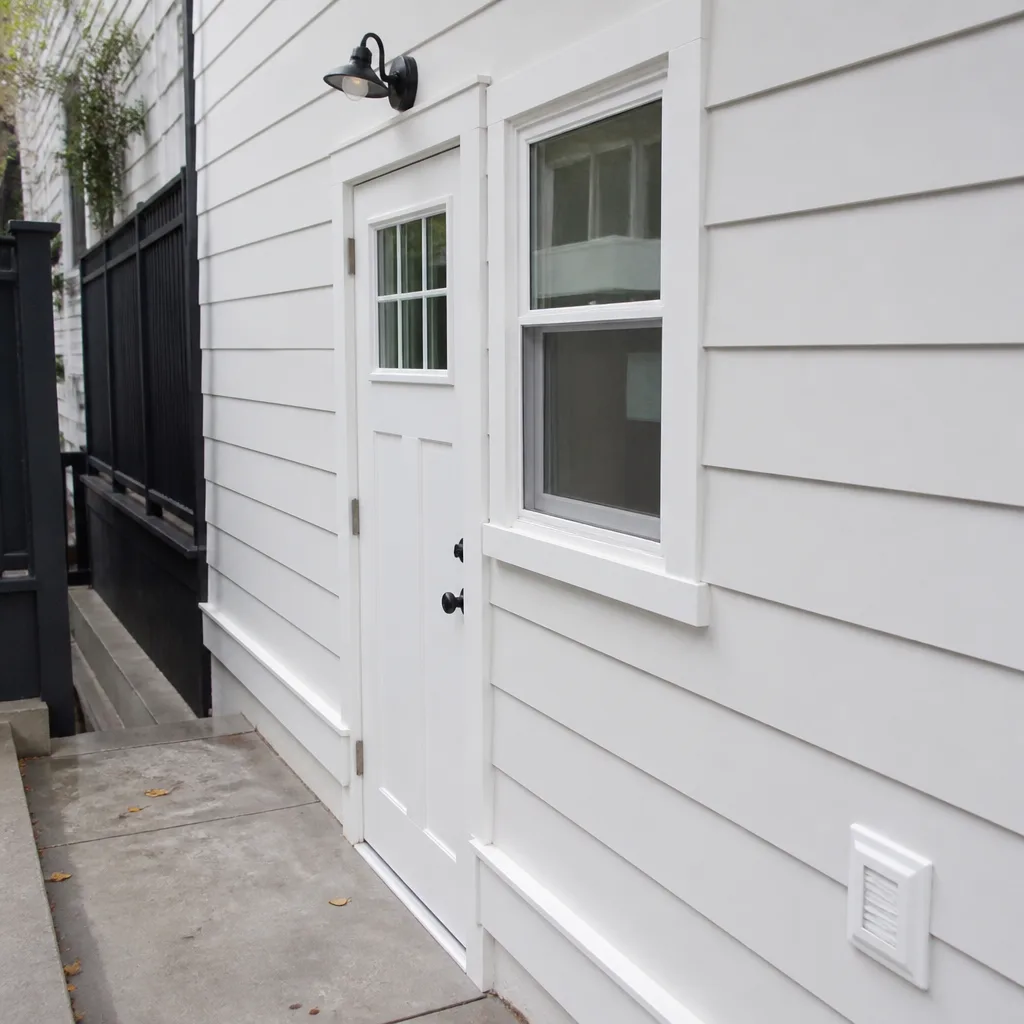 After
AfterDamage Restoration Permits, Codes & Inspections in NY: What You Need to Know
Replacing water-damaged drywall in a single room may require no permit. Replacing that same drywall when it conceals electrical or plumbing work - common in Upper East Side prewar gut-renovations - triggers a NYC Department of Buildings filing that, if skipped, leaves the homeowner with a stop-work order and an open insurance file. We’ve seen it happen: a couple on East 82nd Street hired an unlicensed crew to repair a flooded bathroom, the co-op board discovered the unpermitted plumbing alteration during a routine inspection, and the insurer refused the final $14,000 payment because the work lacked DOB sign-off. In this guide, you’ll learn exactly which restoration tasks require permits in New York City, how to navigate emergency filing procedures during active losses, and why a closed permit record often determines whether an adjuster closes your claim or leaves it hanging. For warning signs to watch for in your Upper East Side home, see our companion reference.
Quick Answer
Most water damage and mold remediation work in New York City does not require a DOB permit if it involves only surface materials like drywall, flooring, and paint. However, any restoration that touches structural elements, electrical systems, plumbing, or load-bearing walls requires an Alteration Type 2 or Type 3 permit, plus co-op or condo board approval in most Upper East Side buildings. Homeowners weighing DIY vs professional restoration should note that permit complexity alone often justifies hiring a specialist. Emergency work can proceed under a 24-hour emergency filing, but the permit must be regularized within 30 days or the work becomes uninsurable.
Table of Contents
- DOB Permit Categories for Restoration Work
- Emergency Filing Procedures for Active Losses
- How Permit Records Become Part of Your Claim File
- Mold Remediation and NYC Local Law 55
- Co-op and Condo Board Alteration Agreements
- Certificate of Completion and Final Inspection
- Permit Costs and Timelines in NYC
- Common Mistakes to Avoid
BeforeAfterDOB Permit Categories for Restoration Work
New York City’s Department of Buildings organizes permits by alteration type, and restoration contractors who don’t understand the distinctions create problems that surface months later. Here’s how the categories apply to damage restoration specifically.
Alteration Type 3 (ALT3): Minor Alterations, No Change to Use or Occupancy
ALT3 permits cover most straightforward restoration scenarios. You’re replacing like with like - damaged drywall with new drywall, soaked oak flooring with matching oak, water-stained plaster with new plaster. No walls move. No pipes reroute. No electrical circuits expand. In our experience across Upper East Side prewar buildings, roughly 60% of water damage restoration jobs stop here.
What triggers an ALT3 in restoration work:
- Drywall replacement in non-fire-rated assemblies where no electrical or plumbing access is created
- Floor replacement in kind (hardwood for hardwood, tile for tile) without subfloor modification
- Cabinet and fixture replacement in existing locations
- Cosmetic repairs: paint, trim, baseboard, crown molding
The ALT3 filing is typically handled by a registered architect or professional engineer, though some straightforward applications can be filed by a licensed contractor with DOB registration. Turnaround is generally 2-5 business days for plan review if no objections arise.
Alteration Type 2 (ALT2): Multiple Types of Work, No Change to Use or Occupancy
ALT2 permits enter the picture when restoration crosses multiple building systems. This is where Upper East Side prewar buildings catch homeowners off guard. That “simple” bathroom restoration? If the leak originated in a galvanized steel stack line and your contractor replaces it with copper, that’s plumbing work under ALT2. If the water damage extended into the ceiling of the unit below and you need to restore their plaster while accessing your electrical panel, that’s multiple trades - ALT2 territory.
Common ALT2 triggers in restoration:
- Any plumbing replacement beyond fixture-for-fixture (stack lines, branch lines, shutoff valves in walls)
- Electrical work: new circuits, panel upgrades, rewiring damaged runs
- Structural repairs: sistering joists, replacing damaged beams, subfloor replacement
- Combination work: a gut renovation of a water-damaged kitchen touching cabinets, electrical, plumbing, and flooring
ALT2 applications require a registered design professional and trigger a full plan review cycle. In 2024, standard ALT2 review times at DOB averaged 10-15 business days for residential work, though expedited review is available for additional fees.
Alteration Type 1 (ALT1): Change to Use, Occupancy, or Egress
ALT1 permits rarely apply to restoration unless the damage was severe enough to require reconfiguration - converting a water-damaged basement to habitable space, for instance, or combining two fire-damaged units into one. These are essentially new construction permits and fall outside typical restoration scope.
No Permit Required: Limited Restoration Activities
DOB Bulletin 2014-025 outlines work exempt from permit requirements. For restoration contractors, the relevant exemptions include:
- Interior non-structural repairs not exceeding 25% of the aggregate wall or ceiling area in any 12-month period
- Floor refinishing without subfloor replacement
- Installation of carpeting and resilient flooring
- Minor plumbing repairs: fixture replacement, trap repair, valve replacement (not relocation)
The 25% wall/ceiling exemption is particularly relevant in Upper East Side apartments, where water damage often affects multiple rooms after a riser leak. Track your cumulative repairs carefully - we’ve seen homeowners exceed the threshold across multiple insurance claims in a single year, triggering a permit requirement they didn’t anticipate.
Emergency Filing Procedures for Active Losses
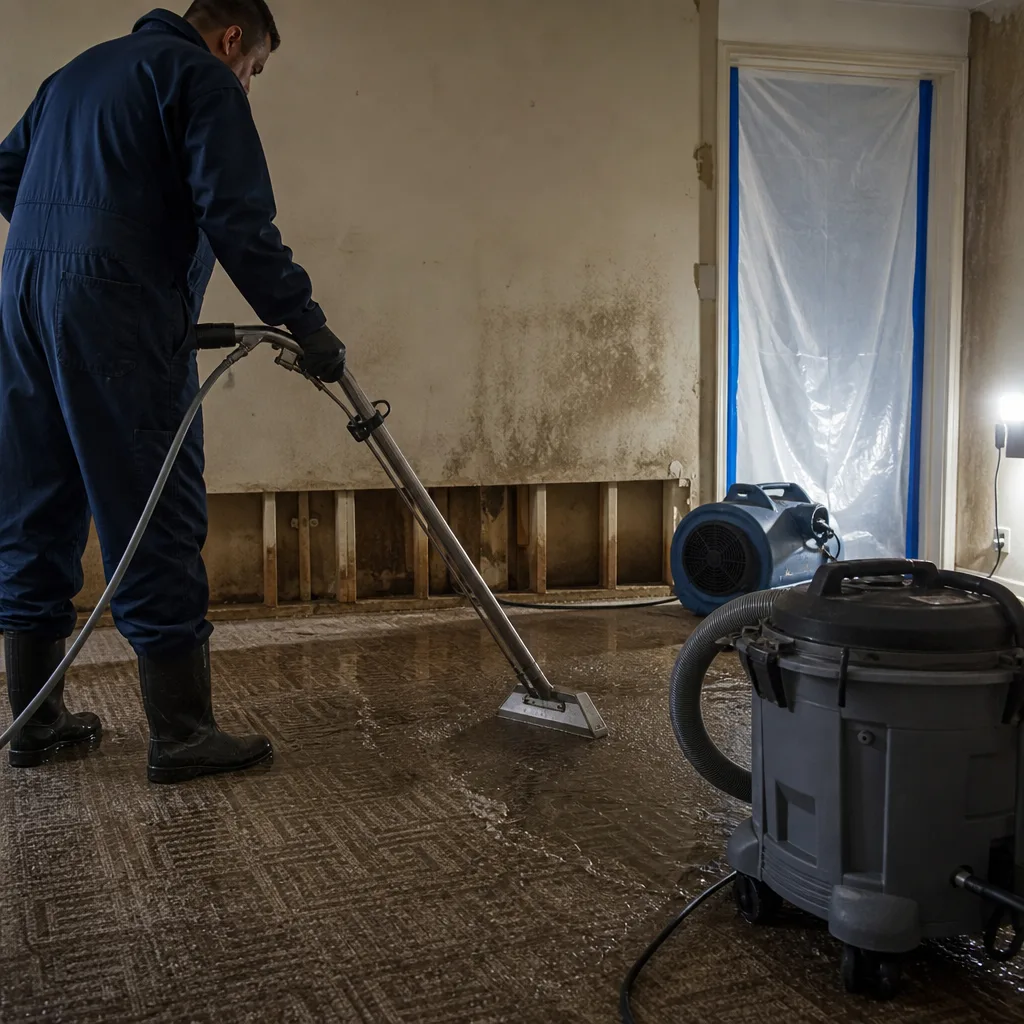
Water doesn’t wait for plan review. Neither does mold after a Category 3 loss, or structural compromise after a fire. NYC DOB recognizes this through emergency work authorization procedures that allow immediate action with retrospective permitting.
The 24-Hour Emergency Notification
When immediate hazard exists - active water intrusion threatening electrical systems, structural collapse risk, gas leak - a licensed contractor can file an Emergency Work Notification (EWN) online through DOB NOW. This is not a permit. It is a declaration that work has begun or will begin within 24 hours due to imminent danger.
Critical requirements:
- The EWN must include photographic documentation of the hazard, a description of proposed emergency work, and the licensed contractor’s registration number.
- Work is limited to what is necessary to abate the immediate hazard. You cannot gut an entire apartment under an EWN.
- Within 30 days of filing the EWN, the contractor must either regularize the work through standard permit application or file an Emergency Work Final Report certifying that no permit was required.
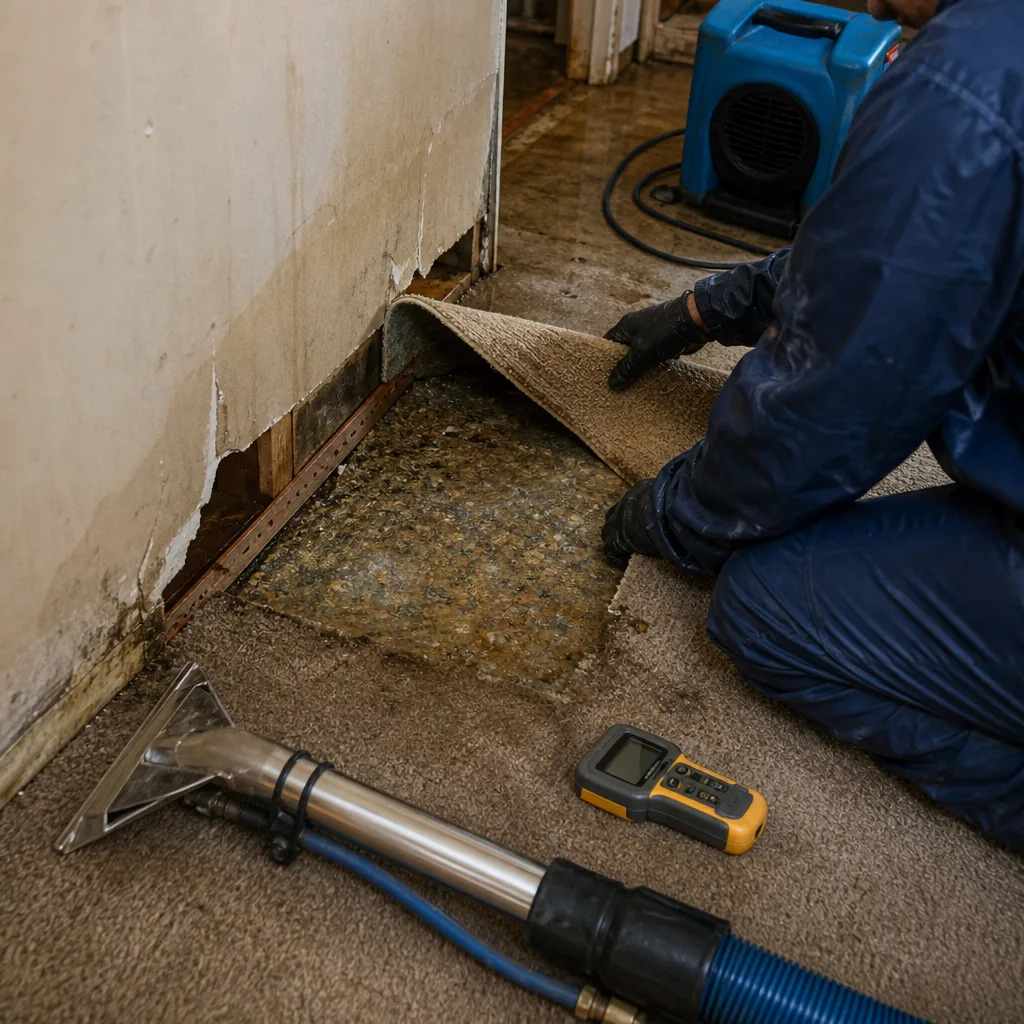
We’ve used emergency filings extensively in Upper East Side high-rises where a domestic hot water riser failure floods multiple floors at 2 AM. The Phoenix dehumidifiers and Injectidry cavity drying systems go in under the EWN, but the subsequent drywall and flooring replacement needs proper permitting if it crosses the thresholds above.
Emergency versus Expedited: Know the Difference
DOB also offers an expedited plan review track for non-emergency but urgent work. This is not the same as an EWN. Expedited review costs more and requires a complete application, but it processes in 3-5 business days rather than 2-3 weeks. We recommend expedited review for mold remediation jobs where the hazard is real but not immediately life-threatening - the kind of situation where every day of delay expands the affected square footage and the final claim amount.
What Happens When Emergency Work Isn’t Regularized
The 30-day window is firm. Miss it, and the work becomes “illegal construction” in DOB’s system. Penalties start at $6,000 for first violations and escalate. For insurance purposes, this is catastrophic: adjusters routinely query DOB’s Building Information System (BIS) for permit history at the loss address. An open EWN with no resolution, or worse, a violation for unpermitted work, gives the insurer grounds to dispute whether the restoration was performed to code - and therefore whether the costs are covered.
Our documentation protocol on every emergency job: we file the EWN, copy the homeowner and adjuster on the confirmation, calendar the 30-day deadline, and begin permit regularization immediately while drying continues. The drying log from our B-Air and XPOWER equipment runs parallel to the permit file. Both become part of the final claim documentation.
How Permit Records Become Part of Your Claim File
Insurance adjusters in New York City operate in a market where construction costs are high, fraud history is significant, and building codes are complex. They have developed specific verification habits that restoration contractors ignore at the homeowner’s peril. Our step-by-step guide to hiring a restoration contractor explains how to verify these credentials upfront.
The DOB Work History Query
For losses exceeding $25,000, most carriers serving the Upper East Side market now request a DOB BIS printout for the loss address before issuing final payment. This isn’t universal policy - it’s adjuster discretion based on experience. But it’s common enough that we build it into our standard workflow. The BIS record shows:
- All permits filed at the address, active and closed, for the past decade
- Outstanding violations and their status
- Certificate of Occupancy history and any amendments
An adjuster comparing your $80,000 water damage restoration invoice against a BIS record showing no permits will ask a simple question: was this work performed to code? Without permit documentation, the burden of proof shifts entirely to the contractor. With permits, the DOB’s plan review and inspection process provides third-party verification that the work met code at the time of performance.
Permits as Evidence of Scope
The permit application itself becomes a scope document. ALT2 filings include architectural plans specifying materials, methods, and dimensions. When an adjuster questions whether 400 square feet of drywall replacement was necessary, the permitted plans answer the question before it’s fully asked. This is why we coordinate our written scopes with our architect’s permit drawings - they tell the same story, just in different languages.
We’ve seen this work in the homeowner’s favor dramatically. A 2022 fire restoration on East 78th Street involved extensive plaster repair in a landmarked building. The insurer initially questioned our $34,000 plaster scope, suggesting drywall substitution would suffice. The ALT2 permit, filed specifically to maintain original materials per Landmarks Preservation Commission requirements, demonstrated that drywall was not code-compliant in this context. The full scope was paid.
The Documentation Chain
Our standard claim file for permitted restoration work includes, in sequence:
- Initial loss documentation: photos, moisture readings, thermal imaging
- Emergency filing (if applicable) with timestamped confirmation
- Permit application with approved plans
- Daily drying logs with psychrometric data (vapor pressure differential readings from our monitoring equipment)
- Progress photos, date-stamped, uploaded to shared folder after each visit
- Inspection sign-offs: DOB, LPC (if landmarked), co-op/condo engineer
- Certificate of completion or final inspection approval
- Final invoice with line-item correlation to permitted scope
This chain is what turns a restoration invoice into a payable claim. Not marketing. Not urgency. Evidence.
Mold Remediation and NYC Local Law 55
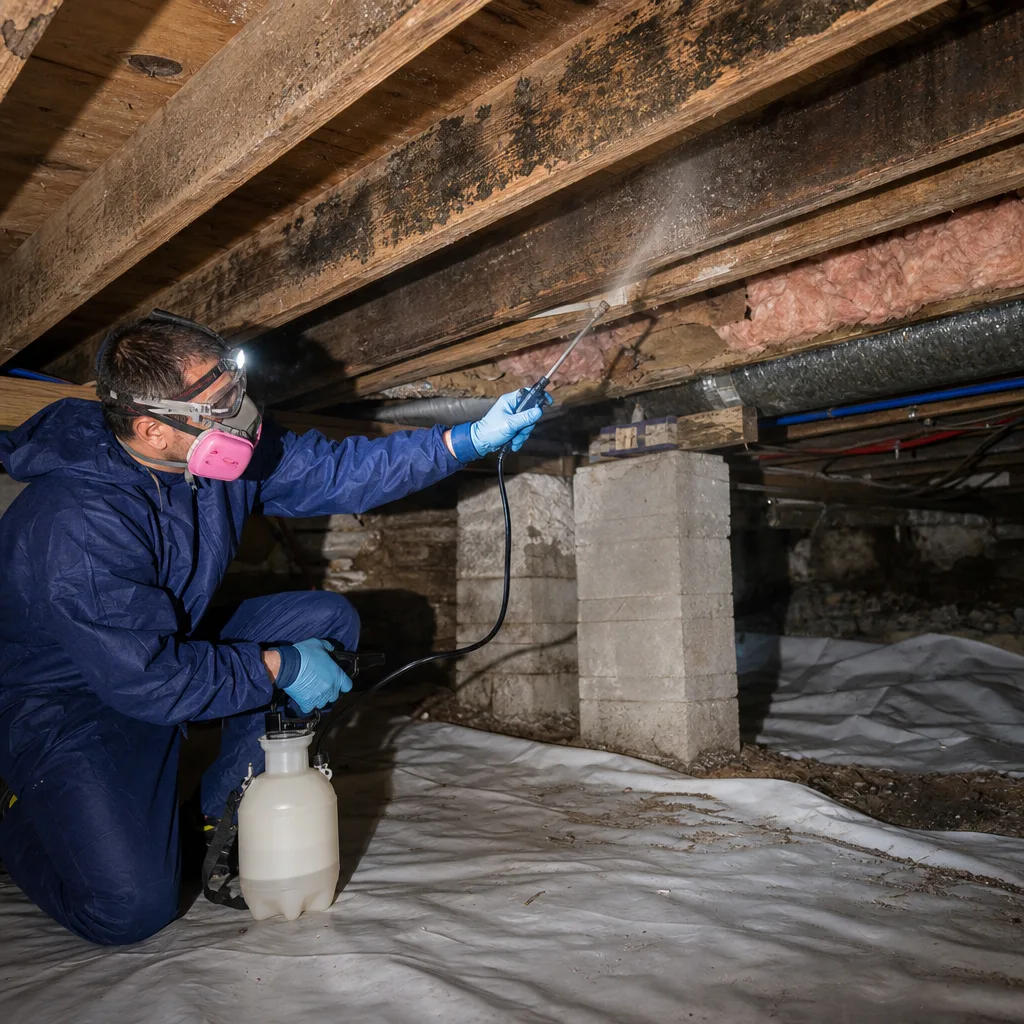
New York City’s Local Law 55 of 2018, the Indoor Allergen Hazard Law, creates a parallel regulatory track for mold remediation that intersects with - but operates independently from - DOB permitting. Restoration contractors who understand only one system leave homeowners exposed in the other.
What Local Law 55 Requires
The law applies to all multiple dwellings (three or more units) and requires:
- Annual inspection for indoor allergen hazards, including mold, by building owners
- Remediation of any mold covering more than 10 square feet by a licensed mold assessor and licensed mold remediator (separate licenses, cannot be the same person)
- Use of safe work practices including containment, negative air pressure, and HEPA filtration
- Documentation of remediation completion provided to occupants
The 10-square-foot threshold is where restoration documentation becomes critical. A water damage job that starts with 6 square feet of visible mold can expand to 15 square feet once walls are opened for drying. Without pre-remediation documentation of the original affected area, the contractor cannot prove the job crossed the regulatory threshold - and therefore cannot prove compliance was required.
Disclosure Obligations and Real Estate Transactions
Local Law 55 also amended the NYC Administrative Code to require disclosure of mold history in certain transactions. For Upper East Side co-op shareholders, this intersects with board application requirements. A restoration job that addressed mold but lacked proper Local Law 55 documentation becomes a latent disclosure issue when the owner sells or refinances.
Our protocol: every mold remediation job, regardless of visible square footage, is documented with pre-remediation photos, air sampling results where indicated, containment setup photos, and post-remediation verification. This documentation satisfies Local Law 55 requirements and provides the disclosure file a future buyer or board will request.
The Restoration-Remediation Boundary
Not all water damage jobs require licensed mold remediation. The boundary matters for both cost and regulatory compliance. In our assessment protocol:
- Category 1 water (clean source, <48 hours): dry the structure, no mold protocol required if drying completes within 72 hours
- Category 2 water (gray water, or Category 1 exceeding 48 hours): antimicrobial treatment, enhanced drying with tertiary drying phase, documentation of moisture readings below 16% wood moisture equivalent
- Category 3 water (black water, sewage, ground water): full containment, negative air, licensed mold remediator engagement if mold is present or suspected in cavities
The category determination is documented in our initial assessment report, with photos and moisture readings, and becomes part of the claim file. Adjusters appreciate this clarity - it prevents the “scope creep” disputes that arise when a Category 2 job is treated as Category 3 without justification.
Co-op and Condo Board Alteration Agreements
Upper East Side residential buildings operate under a dual approval system that surprises many homeowners: DOB permits address city code compliance, but co-op and condo boards enforce building-specific alteration agreements that can be more restrictive, not less. We’ve seen jobs with perfect DOB compliance halted by board injunction because the alteration agreement wasn’t filed.
The Typical Approval Chain
- Homeowner notifies managing agent of loss and intended restoration scope
- Managing agent provides alteration agreement package, including insurance certificate requirements, work-hour restrictions, and contractor vetting forms
- Contractor submits license, insurance, and bond documentation to building
- Building engineer reviews scope for structural, plumbing, or mechanical impacts
- Board or management approves, often with conditions: no work after 5 PM, protective corridor requirements, elevator reservation protocols
- DOB permit process proceeds in parallel, not in sequence
Critical timing issue: board approval can take 2-4 weeks in buildings with monthly board meetings. Emergency work under an EWN can proceed, but only for hazard abatement. The full restoration scope needs both approvals before cosmetic work begins. We coordinate these timelines explicitly in our project schedules, with board submission as a tracked milestone.
Liability Implications
Co-op and condo alteration agreements typically include indemnification clauses holding the building harmless for contractor negligence. They also specify that the unit owner is responsible for damage to common areas or other units. In a water damage restoration context, this means:
- If drying equipment overflows and damages the hallway carpet, the unit owner’s contractor is liable
- If a plumbing repair fails and floods the unit below, the unit owner’s insurance responds first
- If unpermitted work triggers a DOB violation, the building can pass fines through to the unit owner
Our Haven Standard response: every job carries general liability and pollution liability coverage naming the building as additional insured where required. We provide certificates of insurance before work begins, not upon request. The written scope specifies protection measures for common areas. And we never proceed without confirming that both DOB and board approvals are in place for the work we’re performing.
Upper East Side Specifics
Buildings vary dramatically. A 1960s white-glove co-op on Fifth Avenue may require architect review for any wall penetration. A 1980s condo on York Avenue may delegate approval to management. Prewar buildings on East End Avenue often have additional Landmarks Preservation Commission requirements if the facade or specific interior features are involved. We maintain current alteration agreement files for buildings where we work repeatedly, but we verify requirements on every job - building policies change with board turnover.
Certificate of Completion and Final Inspection
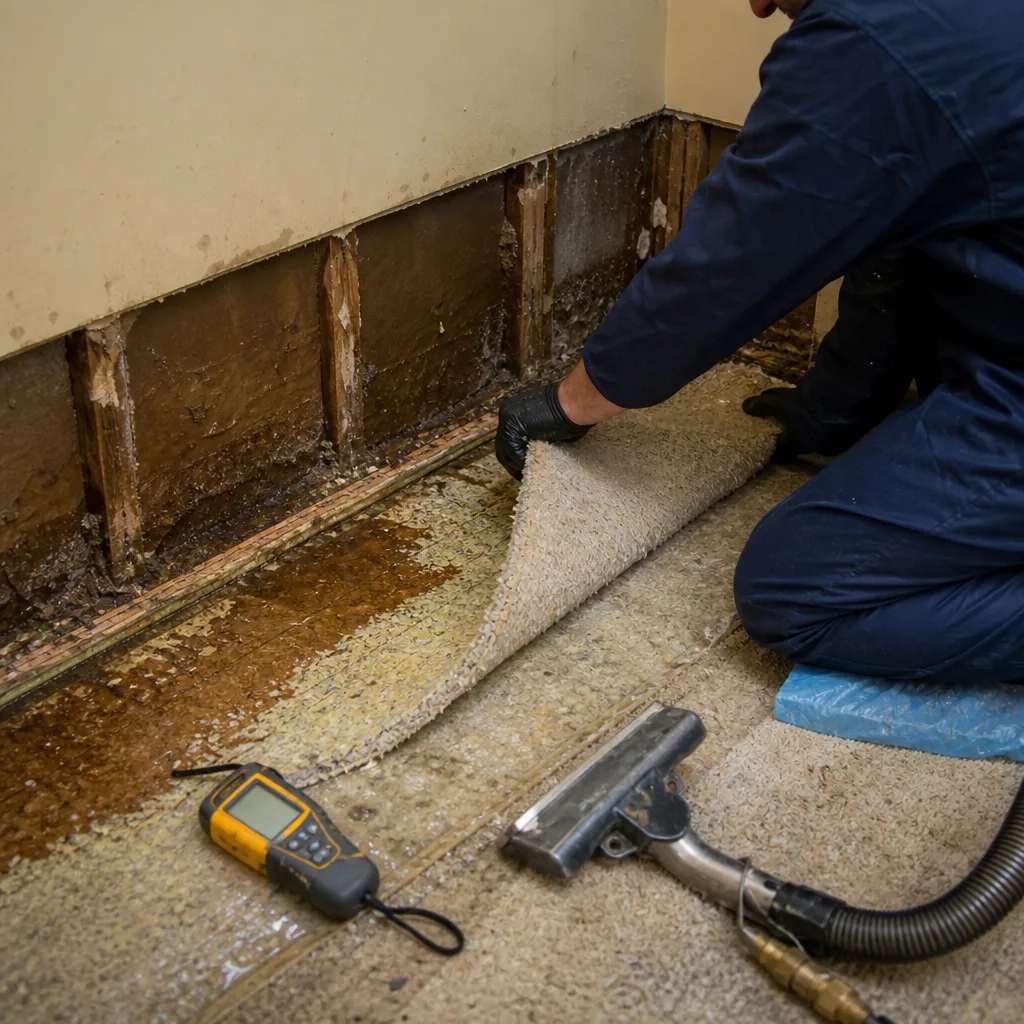
The last document in a restoration claim file is often the most important: the certificate of completion or final inspection approval that closes the permit. For more guides & resources on navigating the restoration process, visit our blog. Without it, the claim remains technically open from the insurer’s perspective, and the homeowner retains contingent liability.
Why Insurers Care About Closed Permits
An open permit signals unfinished work. Unfinished work signals potential future claims - the same leak recurring, the same mold returning, the same electrical fault causing a fire. Insurers price this risk into their reserve calculations and often hold back 10-15% of the final payment until permit closure is documented.
We’ve also seen adjusters use open permits to reopen closed claims. A 2023 case: a homeowner on East 86th Street received final payment on a $67,000 water damage restoration in March. In August, a routine DOB audit flagged the permit as still open. The insurer invoked the “concealment or fraud” provision, arguing the homeowner had misrepresented the work as complete. The claim was reopened for investigation. The actual issue: the contractor had failed to schedule final inspection. Six months of documentation and legal correspondence followed before the claim was re-closed.
The Inspection Process
DOB final inspection verifies that completed work matches approved plans. For restoration work, inspectors typically check:
- Structural repairs: proper materials, connections, fire-blocking
- Plumbing: pressure tests, proper venting, no cross-connections
- Electrical: proper wire gauge, grounding, AFCI/GFCI compliance per current code
- Fire protection: restored fire-rated assemblies, proper door hardware
Inspection failures are not uncommon, especially in older buildings where as-built conditions don’t match original plans. Our protocol includes a pre-inspection walkthrough with our architect or engineer to identify likely objections before the DOB inspector arrives. This costs more upfront, less than a failed inspection cycle.
Certificate of Completion versus Letter of Completion
DOB issues a Certificate of Completion for work that required full plan review and inspection. For minor work filed under the now-phased-out “self-certification” programs, a Letter of Completion may suffice. The distinction matters for insurance: some carriers accept Letters of Completion for smaller claims, but most require full Certificates for losses exceeding $50,000. We file for the highest level of documentation the job supports - it’s easier to provide a Certificate when a Letter would suffice than to explain why only a Letter exists.
Permit Costs and Timelines in NYC
Permit costs are recoverable as “increased cost of construction” under most homeowners policies, but only if they’re documented and reasonable. Here’s what restoration permitting actually costs in the current NYC market.
Direct DOB Fees
| Permit Type | Base Filing Fee | Plan Review Fee | Estimated Total |
|---|---|---|---|
| Alteration Type 3 | $100-$200 | $300-$600 | $400-$800 |
| Alteration Type 2 | $200-$400 | $800-$2,500 | $1,000-$2,900 |
| Emergency Work Notification | No fee | N/A | $0 (but regularization fees apply) |
| Expedited Plan Review | Standard fees + 50% surcharge | Standard fees + 50% surcharge | 1.5x standard total |
Professional Fees
These typically exceed DOB fees significantly:
- Registered Architect or Professional Engineer: $2,500-$8,000 for ALT2 plans, depending on complexity
- Expediter (recommended for complex filings): $1,500-$4,000
- Special inspections (structural, plumbing, electrical): $500-$2,000 per trade
Total professional fees for a typical ALT2 water damage restoration with plumbing and electrical work: $5,000-$12,000. This is why we discuss permitting strategy explicitly in our written scope - Haven Standard, Clause 1 - so the homeowner understands the full cost before work begins, not when the architect’s invoice arrives.
Timeline Reality
Standard timelines in current market conditions:
- ALT3: 2-5 business days for approval, inspection scheduling 1-2 weeks after work complete
- ALT2 standard: 10-15 business days for plan review, 2-3 weeks for inspection after work complete
- ALT2 expedited: 3-5 business days for plan review, premium inspection scheduling
- EWN regularization: 30 days maximum from filing, but begin immediately
These timelines run parallel to restoration work, not sequentially. Drying and demolition proceed under emergency authorization or within exempt work categories. The permitted reconstruction phase begins after plan approval. In practice, a complex Upper East Side job might see: Days 1-3 emergency drying and hazard abatement; Days 4-14 plan preparation and permit filing; Days 15-30 reconstruction under approved permit; Days 31-45 final inspection and certificate issuance.
Common Mistakes to Avoid
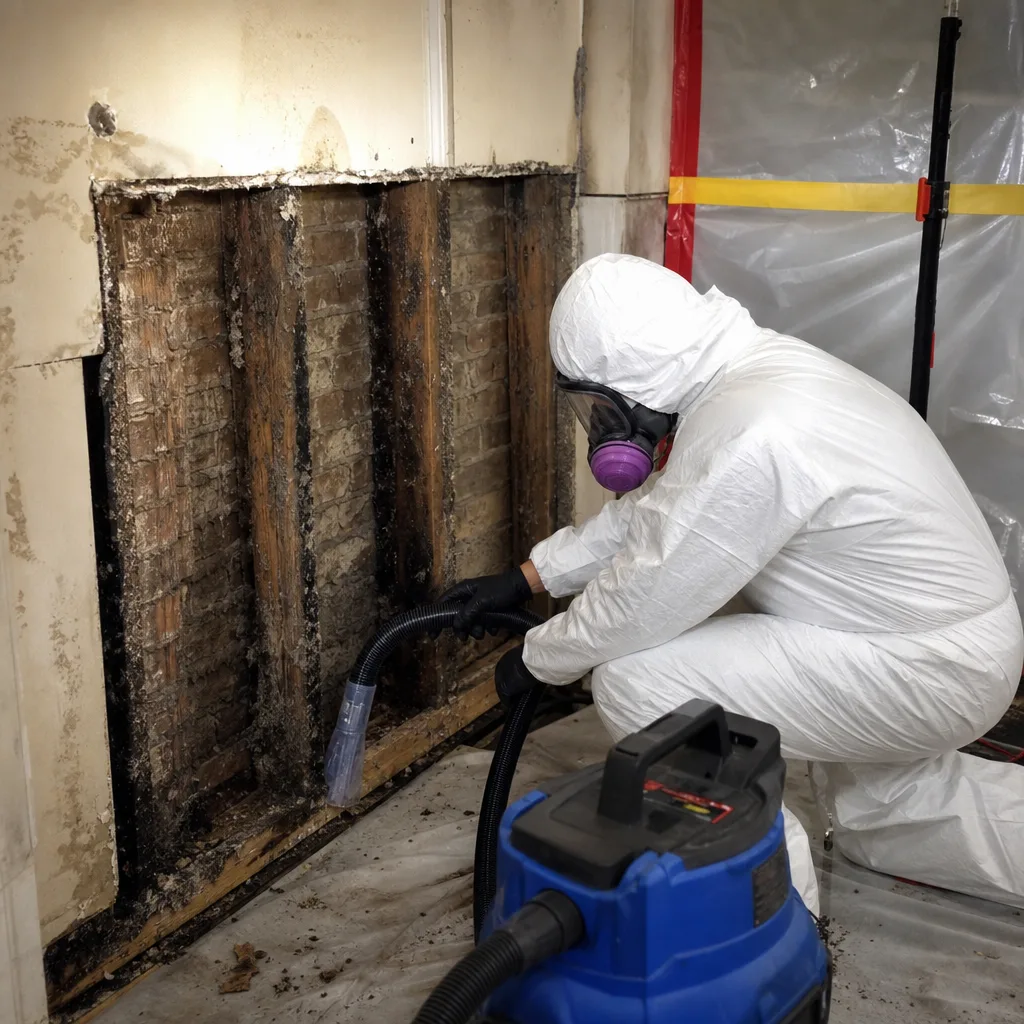
- Assuming your insurance adjuster will tell you if a permit is needed. Adjusters evaluate coverage and scope, not code compliance. They may not flag a permit requirement until final review, when discovering the omission delays payment by weeks.
- Letting a contractor begin work without confirming their DOB registration. Only registered contractors can file permits or EWNs. Verify registration at a816-dobnow.nyc.gov before signing. We’ve been called to jobs where unregistered contractors abandoned work mid-restoration, leaving homeowners with open walls and no permit path forward.
- Ignoring the 30-day EWN regularization window. The emergency filing is a temporary authorization, not a permit substitute. Calendar the deadline explicitly and confirm your contractor has begun regularization within one week.
- Failing to coordinate DOB and co-op/condo timelines. Board approval can take longer than DOB review. Starting DOB first and discovering board objections later creates expensive sequencing problems, especially in Upper East Side buildings with strict alteration agreements.
- Accepting verbal assurance that permits “aren’t needed for insurance work.” This is false. Insurance coverage and code compliance are separate systems. Unpermitted work may be covered initially but becomes a coverage issue on subsequent claims or at property sale.
- Not requesting the certificate of completion before final payment. Hold back 10-15% of the contractor’s fee until permit closure is documented. This is standard practice in construction and equally applicable to restoration.
- Overlooking Local Law 55 documentation for mold jobs. Even when DOB permits aren’t required, mold remediation in multiple dwellings needs licensed assessor/remediator documentation. The absence becomes a disclosure problem later.
When to Call a Professional
Call a licensed restoration contractor with DOB registration and mold remediation licensing when your loss involves: water crossing into walls or ceilings, any suspicion of mold growth, damage to electrical or plumbing systems, or any structural element. The permit determination should be made by someone who understands both the technical scope and the regulatory framework - not by a contractor who treats permits as an afterthought.
DryMark Restoration Upper East Side offers free estimates in Upper East Side and across our service area. Every estimate includes a preliminary permit assessment: what will likely be required, what professional fees to anticipate, and how the documentation will support your insurance claim. Call (551) 213-5277 to schedule. We also provide a Free Second Opinion on any competitor’s written estimate - bring their scope and we’ll review the permit strategy they proposed, at no charge.
Frequently Asked Questions
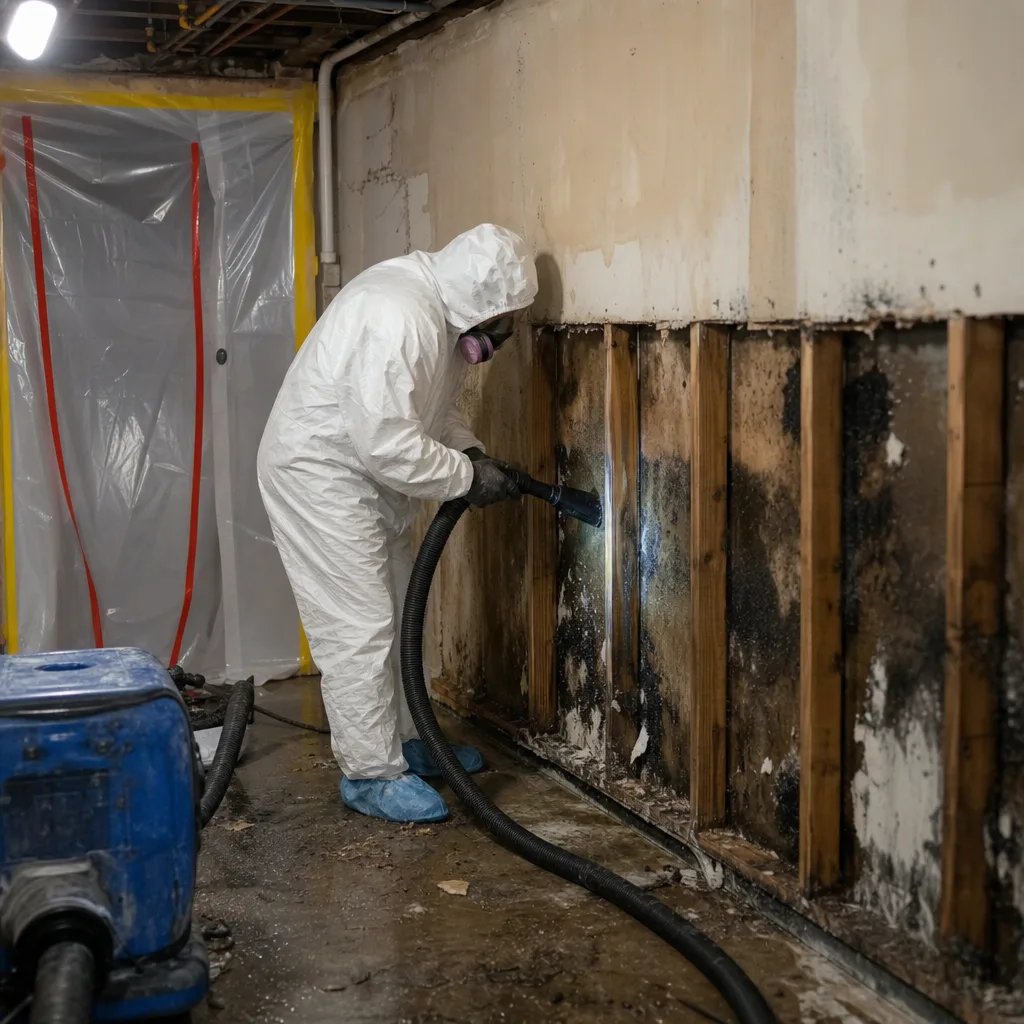
No. Surface repairs like drywall replacement, painting, and flooring replacement in kind typically require no DOB permit if they stay below 25% of wall or ceiling area in a 12-month period. Any work touching plumbing, electrical, or structural elements requires an Alteration Type 2 or Type 3 permit. We assess this distinction in our initial scope and document the determination for your claim file.
Most homeowners policies cover “increased cost of construction” to meet current code, which includes reasonable permit and professional fees. Coverage varies by policy language - some cap code upgrade coverage at 10% of the dwelling limit, others include unlimited ordinance or law coverage. We document all permit costs with line-item invoices and correlate them to code-required work in our written scope, which supports adjuster approval. Call (551) 213-5277 and we’ll review your specific policy provisions during our free estimate.
Our live dispatch answers every call, 24 hours a day, 7 days a week, with no voicemail. For active water losses in Upper East Side, our typical response time is under 90 minutes. We file Emergency Work Notifications electronically from the site, with timestamped photo documentation, so hazard abatement begins immediately while permit regularization proceeds in parallel.
The determination depends on water category, duration, and affected materials. Category 1 water dried within 72 hours typically requires no mold protocol. Category 2 or 3 water, or any moisture present beyond 48 hours, triggers antimicrobial treatment and enhanced documentation. Visible mold exceeding 10 square feet in a multiple dwelling requires licensed assessor and remediator engagement per Local Law 55. We document the category determination with moisture readings and photos, so the scope is justified to both you and your adjuster.
We coordinate directly with adjusters as our client’s representative, with written authorization. Our documentation - daily drying logs, photo records, permitted scopes, and final inspection certificates - is formatted specifically for claim review. However, the policyholder retains final authority over settlement decisions. We explain what we’re submitting and why, but we don’t negotiate claim payments without your explicit direction.
Consequences cascade: DOB can issue violations with penalties starting at $6,000; the work may need to be exposed for inspection and redone; insurers can dispute coverage for related future losses; and property sale or refinance can be delayed or blocked. The cost of retrospective permitting often exceeds what proper upfront filing would have cost. This is why we identify permit requirements in our initial written scope - Haven Standard, Clause 1 - before any work begins.
The Bottom Line
Permits in New York City restoration work aren’t bureaucratic obstacles - they’re documentation that protects your claim, your property value, and your future insurability. The key distinctions are simple in concept: surface repairs generally don’t need permits, system repairs always do, and emergency work needs immediate filing with prompt regularization. The execution is complex enough that guessing costs more than knowing. In Upper East Side’s regulated building environment, with co-op boards, landmark requirements, and Local Law 55 intersecting with DOB codes, professional guidance isn’t an add-on - it’s the foundation of a restoration that sticks.
Written by Alicia Brennan, Owner at DryMark Restoration Upper East Side, serving Upper East Side since 2011.