
Last updated September 23, 2026
Free visual inspection and a written scope of work before any mitigation begins - photos, moisture readings, and drying logs go in your claim file
The scope we write is the scope we bill. Anything new gets shown to you, in writing, before we touch it.
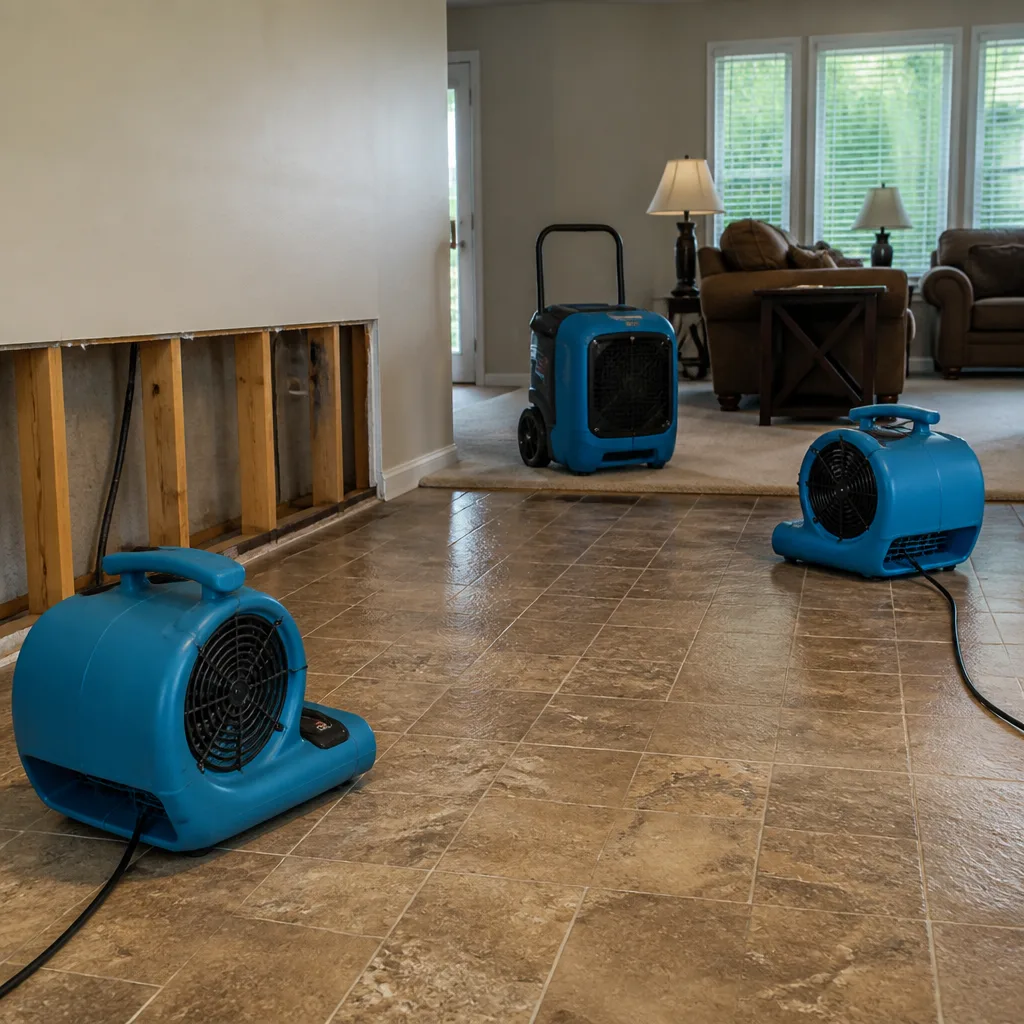

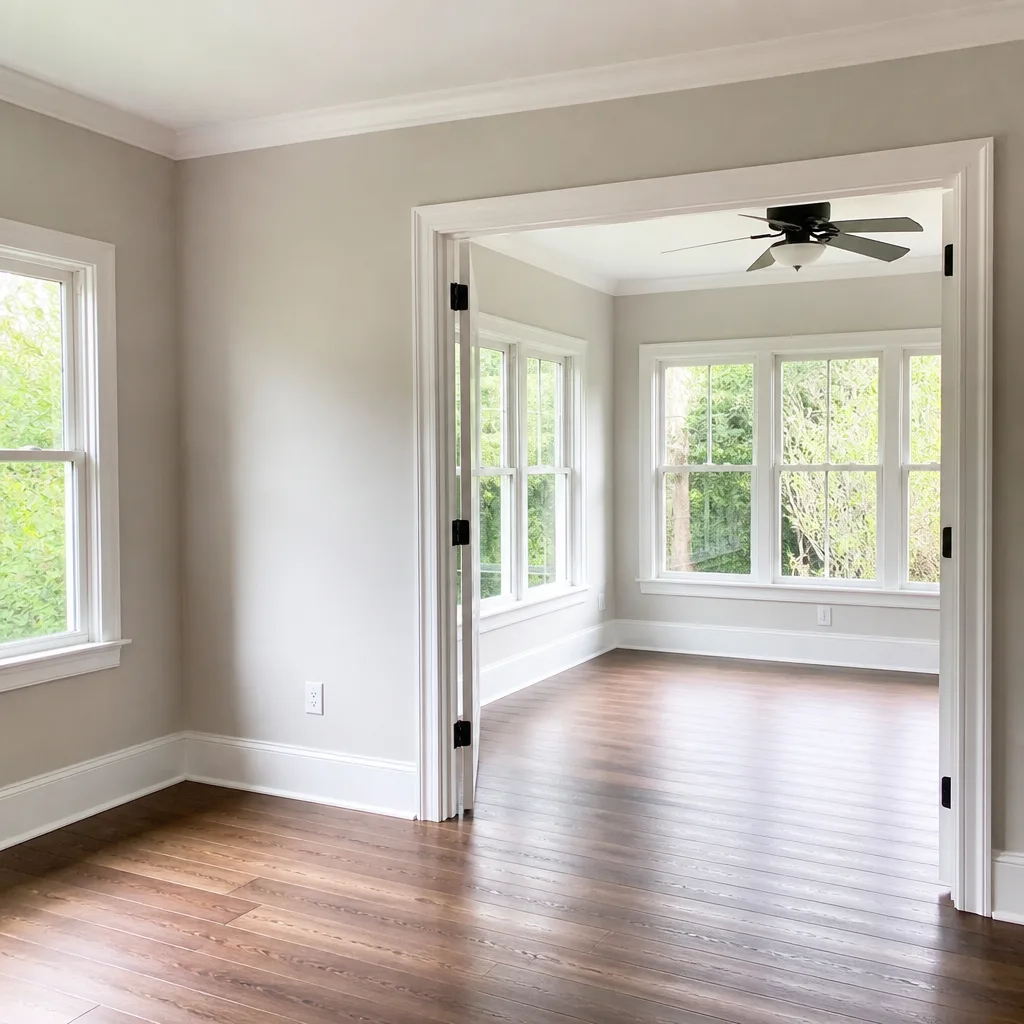
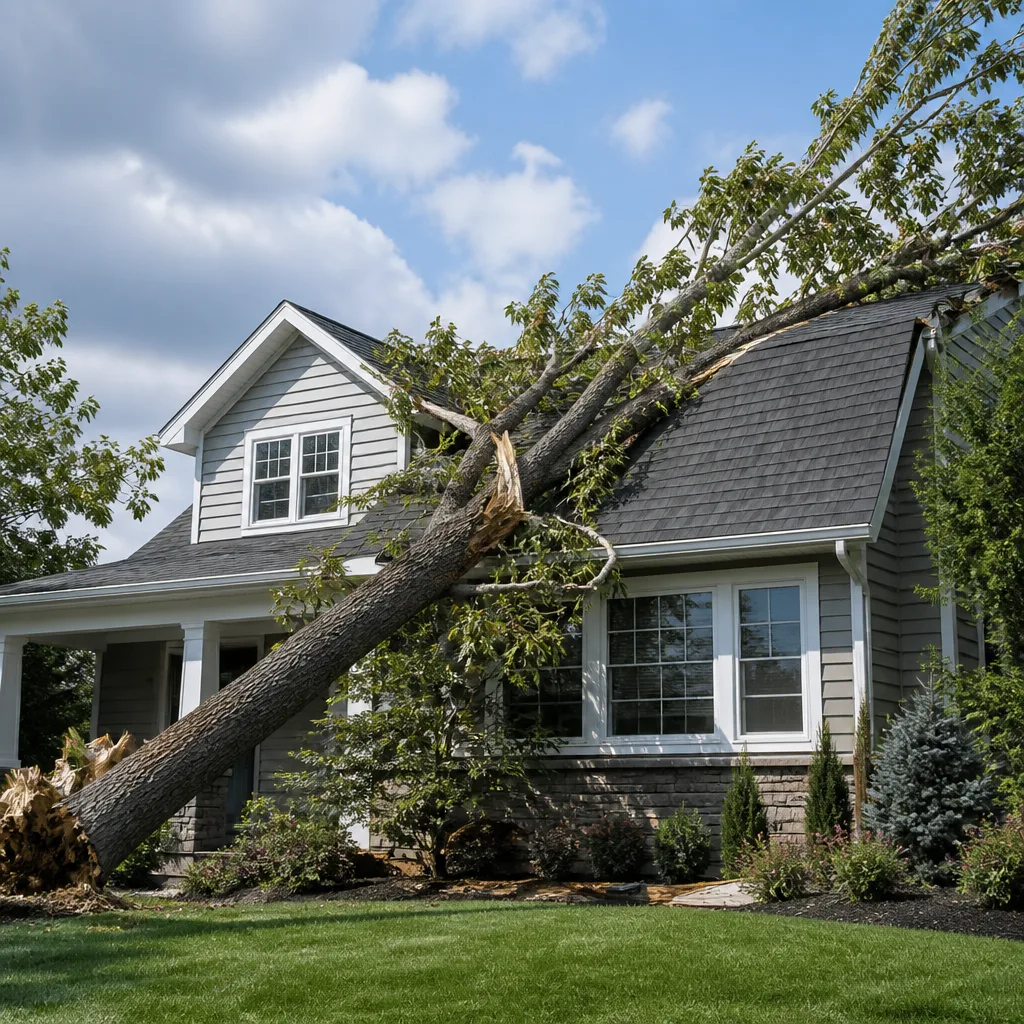
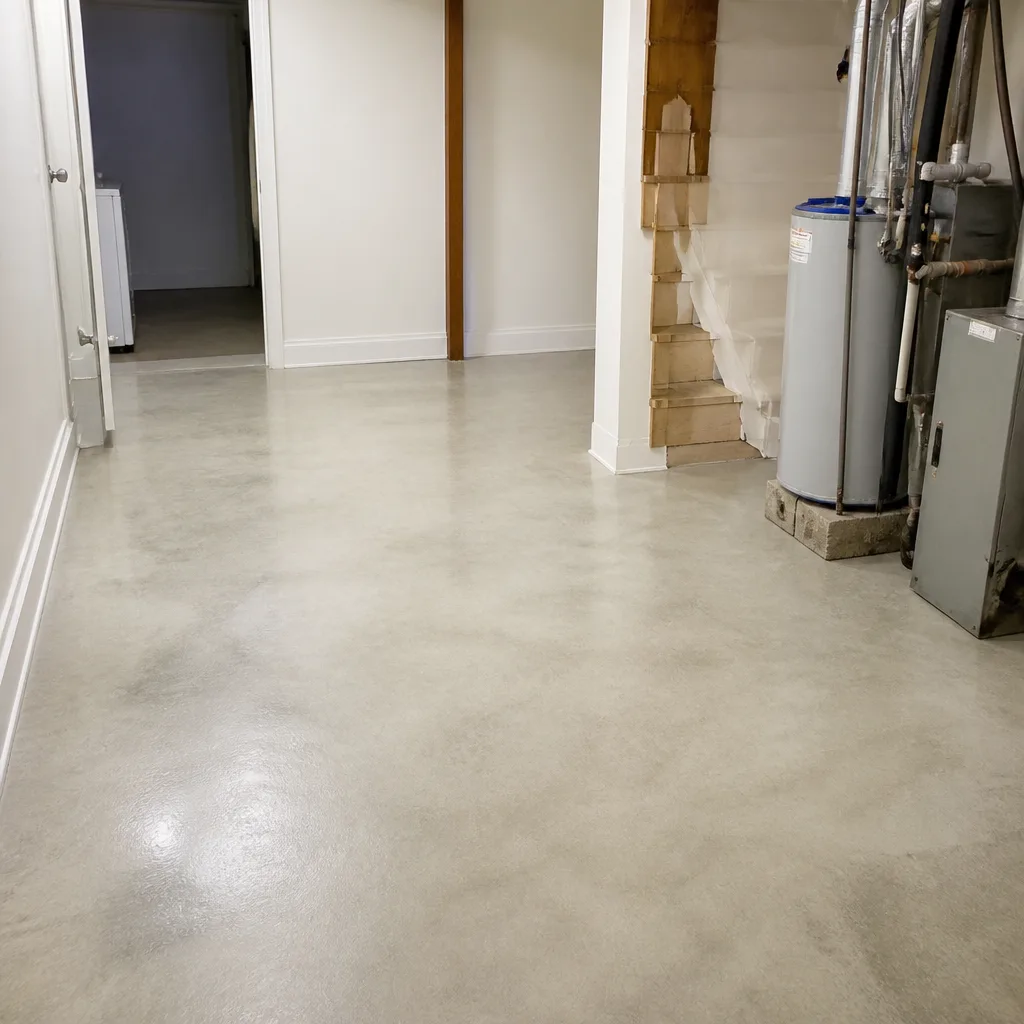
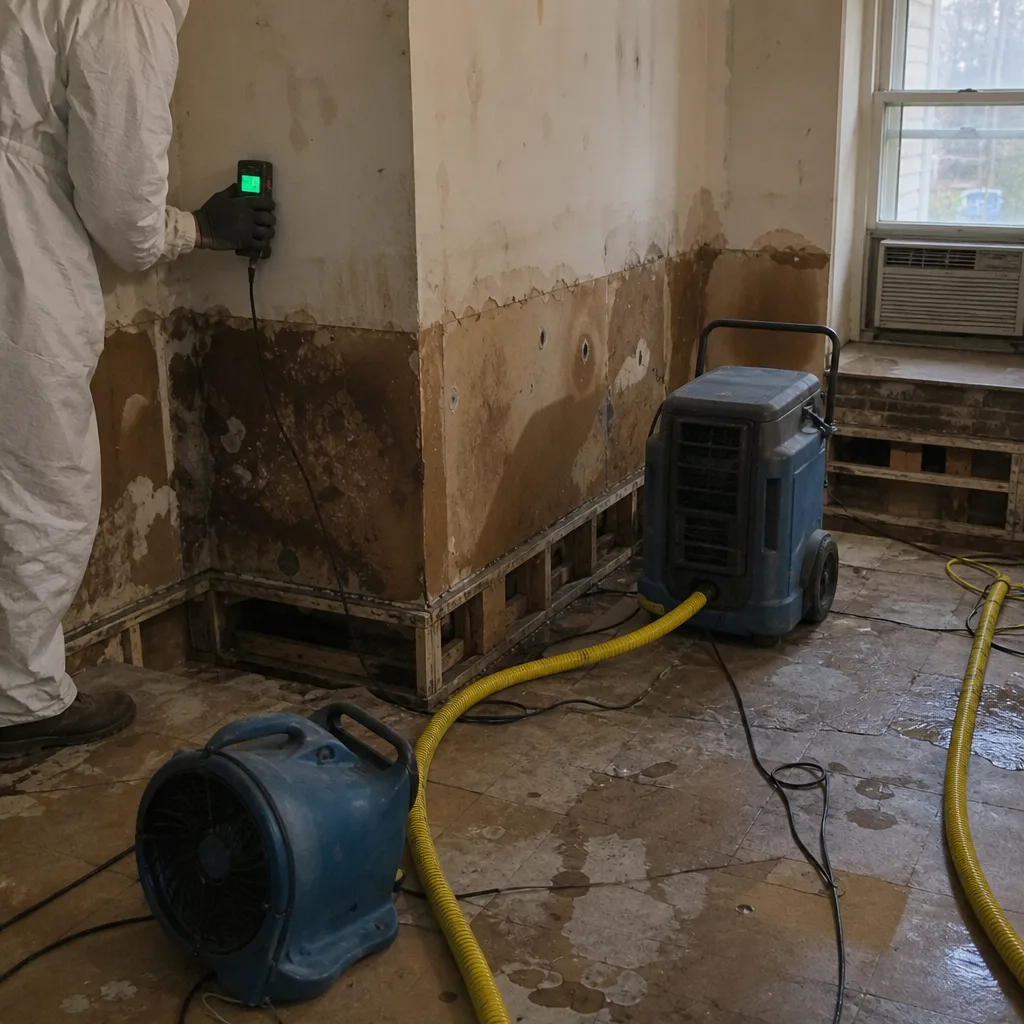 Before
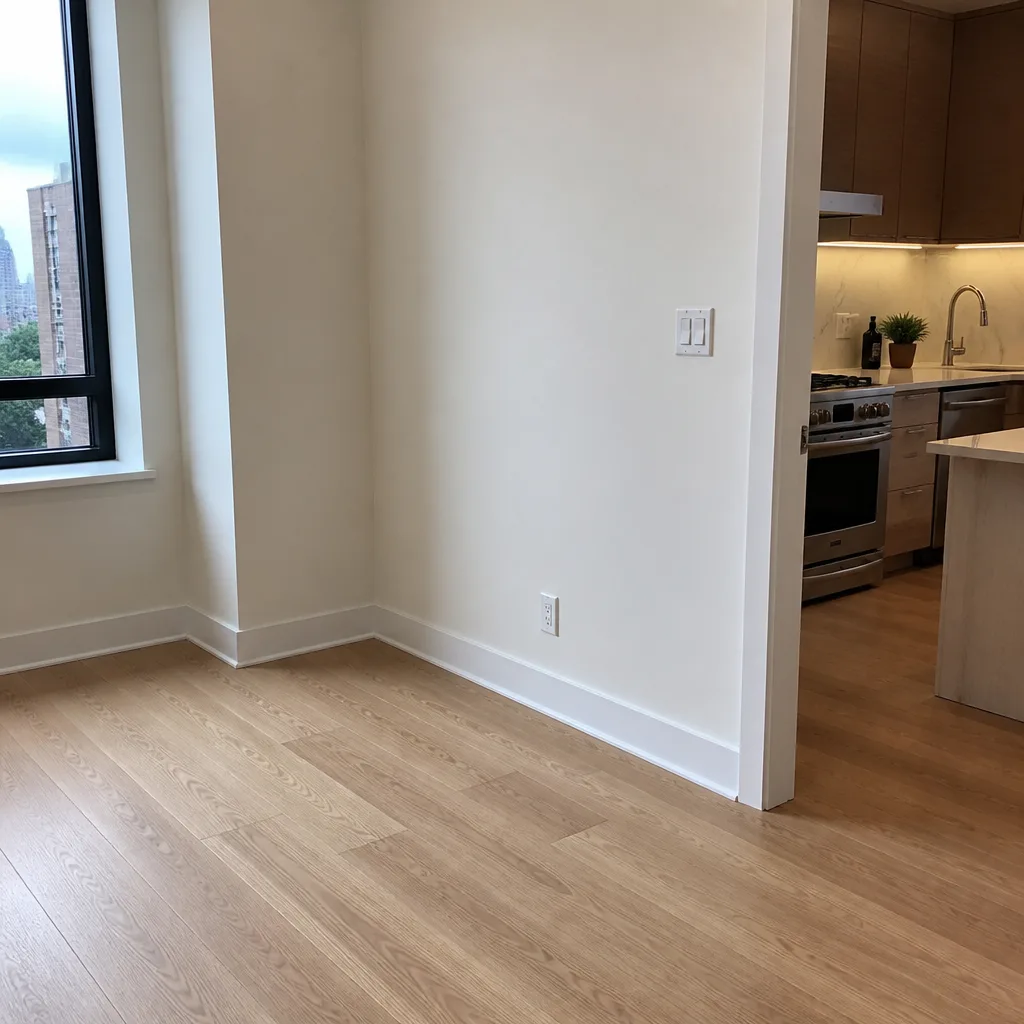 After
After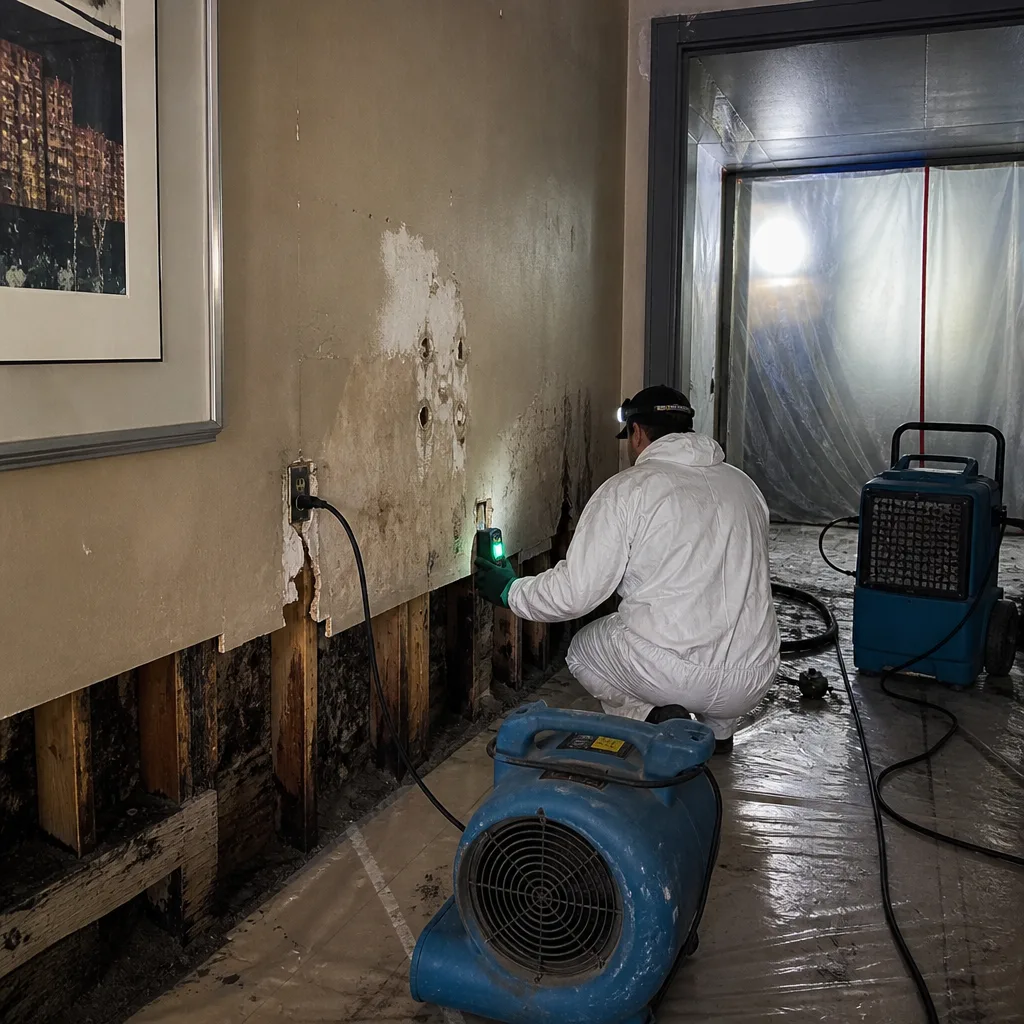 Before
 After
After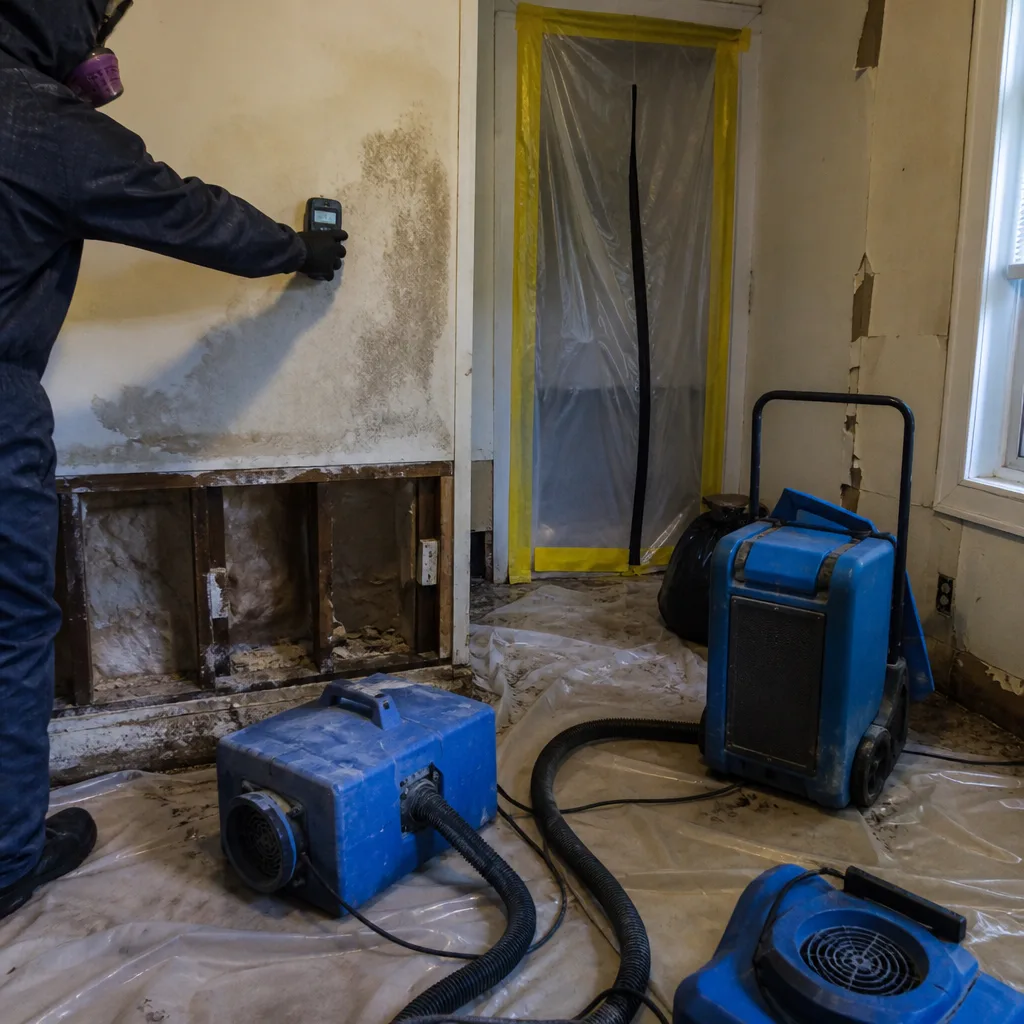 Before
 After
AfterDIY vs Professional Damage Restoration: The Upper East Side Homeowner’s Decision Guide
Here’s the counterintuitive truth we’ve learned from twelve years of claim files: the homeowner who extracts standing water with a shop vac, runs a box fan for three days, and files a claim for resulting mold growth will often face denial. The adjuster’s reasoning isn’t about skill or effort. It’s about documentation. The policy requires the insured to “protect property from further damage,” and a self-performed cleanup produces no independent moisture log, no certified dry standard, and no third-party record the insurer can rely on. In this guide, we’ll show you when DIY drying is genuinely appropriate, when New York City building codes remove the choice entirely, and why the documentation gap between amateur and professional work can cost you your claim. For more guides & resources, see our blog.
Quick Answer
DIY damage restoration is appropriate only for Category 1 water losses under 10 square feet with no porous materials affected, where drying completes within 24 hours and you can document conditions with photos and moisture readings. For everything else on the Upper East Side, including any loss affecting shared walls, HVAC systems, or subflooring in pre-war buildings, professional restoration is required by insurance policy language, co-op bylaws, or the physics of vapor pressure differentials that consumer equipment cannot measure or control. See our step-by-step guide on how to hire a damage restoration contractor in the Upper East Side.
Table of Contents
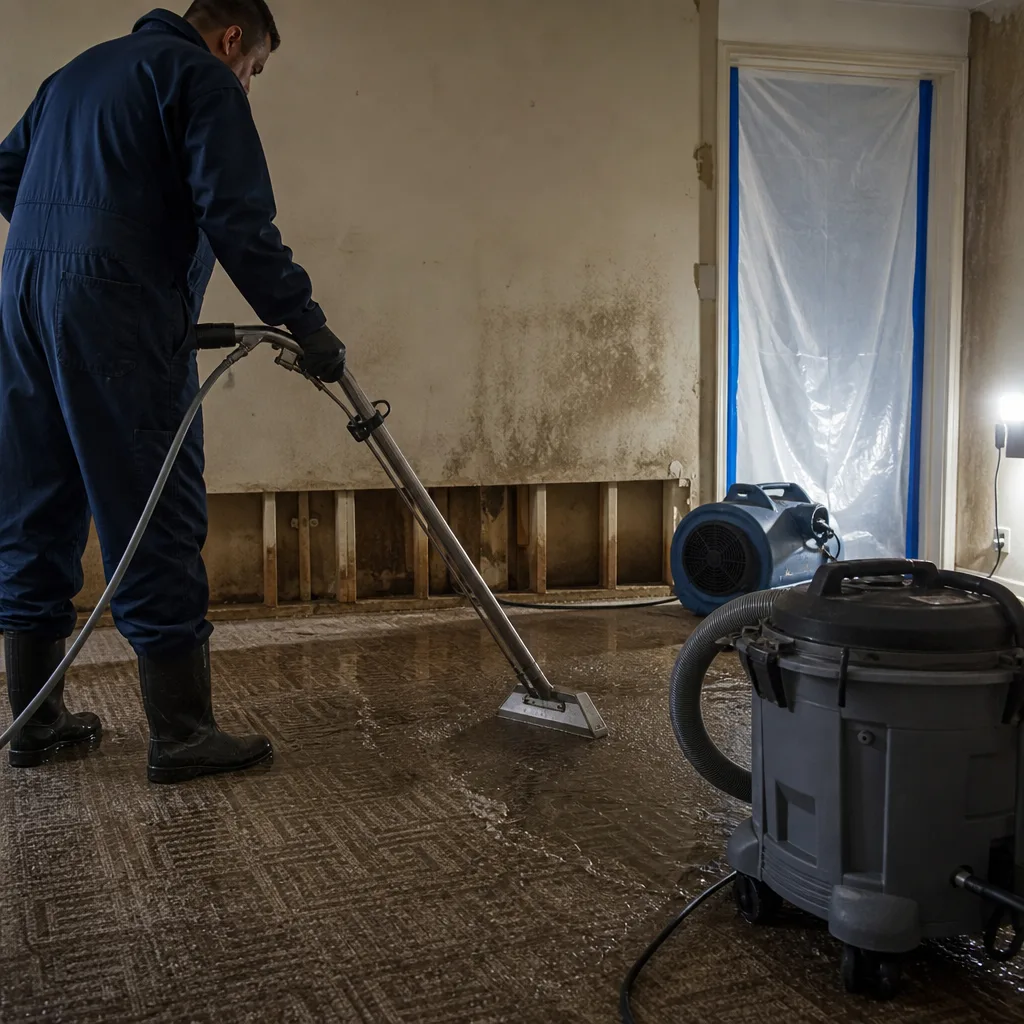
- When DIY Restoration Actually Works (And When It Doesn’t)
- The IICRC S500 Dry Standard: What “Dry” Means in Measurable Terms
- NYC Co-op and Condo Bylaws That Override Your Preference
- The Insurance Policy Language That Determines Your Claim
- What Professional Documentation Produces That DIY Cannot
- DIY vs Professional: Real Cost Comparison for Upper East Side Homes
- Common Mistakes to Avoid
- When to Call a Professional
- Frequently Asked Questions
BeforeAfterWhen DIY Restoration Actually Works (And When It Doesn’t)
There are three scenarios where DIY water damage cleanup is genuinely appropriate, and they are narrower than most homeowners assume.
Scenario one: Category 1 water, meaning clean water from a supply line or rainwater with no contamination, affecting less than 10 square feet of non-porous materials. Think: a small overflow from a bathroom sink onto ceramic tile with grout in good condition, caught within minutes. The water has not reached drywall, baseboards, or the wall cavity behind.
Scenario two: The affected area can be completely dried with towels and air movement within 24 hours, with no residual dampness detectable by touch at the 24-hour mark. This is the critical threshold. Mold colonization begins at 24 to 48 hours of sustained moisture on organic materials, per IICRC S520 guidelines.
Scenario three: No insurance claim will be filed, meaning you absorb all risk of incomplete drying and subsequent damage without recourse to policy coverage.
Any deviation from these three conditions moves the loss out of DIY territory. Category 2 water, or “gray water” from dishwasher discharge or washing machine overflow, contains enough biological loading to require antimicrobial treatment and professional extraction. Category 3 water, or “black water” from sewage backup or groundwater intrusion, is a biohazard requiring full PPE and specialized disposal protocols.
The Upper East Side’s housing stock makes DIY even more constrained. Pre-war buildings on streets like Park Avenue and Fifth Avenue have plaster-and-lath walls with multiple coats of oil-based paint that trap moisture. What feels dry to the touch at the surface can read 18% moisture content at the lath, well above the 12% equilibrium moisture content that defines “dry” for gypsum materials per IICRC S500. A box fan moves air across the surface. It does not create the vapor pressure differential needed to pull moisture from deep within a plaster wall.
Post-war buildings on York Avenue and the East 70s often have concrete slab construction with epoxy coatings that appear impervious but develop hydrostatic pressure issues. Water follows the path of least resistance, traveling along slab cracks to emerge three rooms from the original loss. Without thermal imaging and non-penetrating moisture meters, this migration is invisible to a homeowner.
The IICRC S500 Dry Standard: What “Dry” Means in Measurable Terms
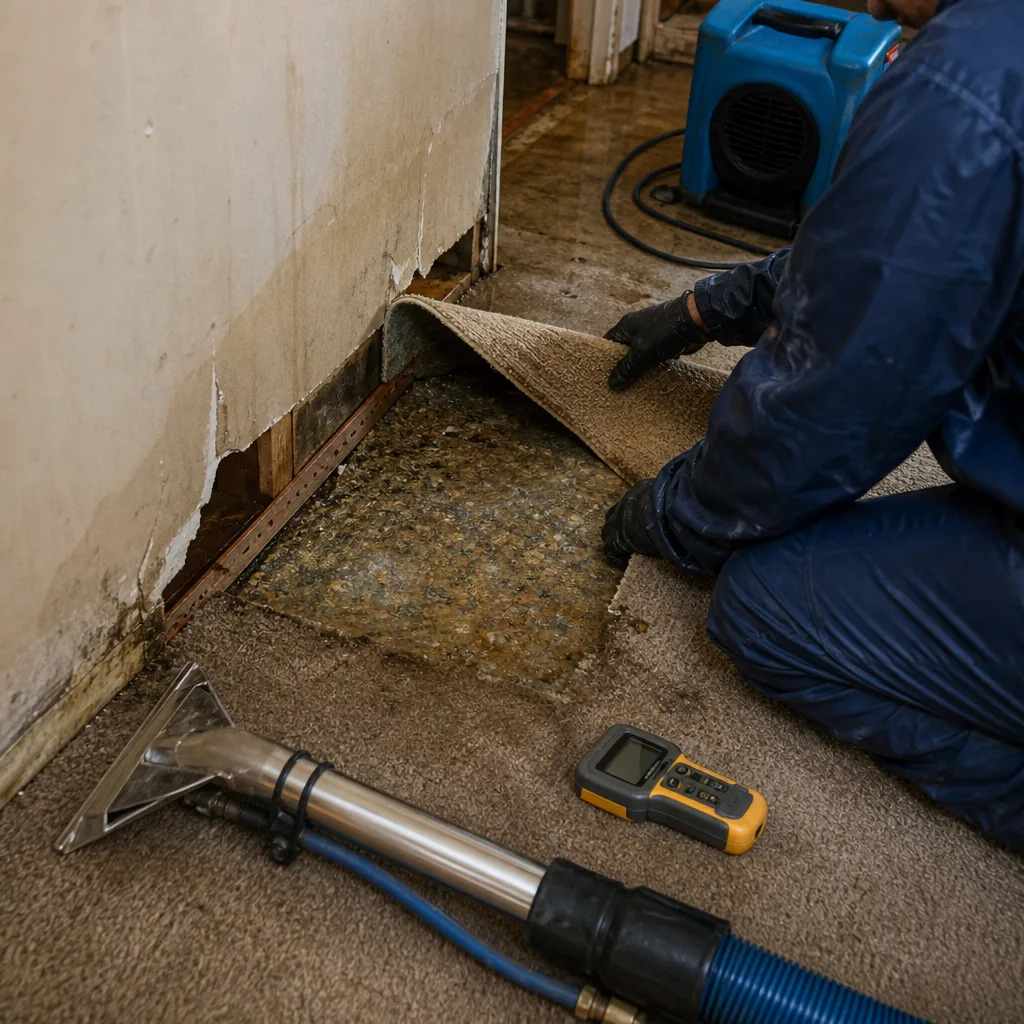
The restoration industry defines “dry” through psychrometric data, not touch. Psychrometrics is the study of air and moisture relationships, and it’s how professionals determine when a structure has returned to pre-loss moisture levels.
Here’s what the standard actually specifies by material type:
- Solid wood flooring: 10% moisture content or less, measured with a pin-type meter at multiple points across the affected area
- Gypsum drywall: 12% moisture content or less, or within 4% of a dry standard reading taken from an unaffected area of the same building
- Concrete slab: 75% relative humidity or less at 40% depth, per ASTM F2170
- Insulation (fiberglass, cellulose): Must be removed and replaced if Category 2 or 3 water contacted it; no drying target applies because capillary action makes restoration uneconomical
These numbers are not arbitrary. They represent the equilibrium moisture content, or EMC, at which a material will neither absorb moisture from nor release moisture to the surrounding air at standard indoor conditions. When materials sit above their EMC, they are actively exchanging moisture with the environment, creating conditions for microbial growth.
Consumer equipment cannot achieve or document these standards. A box fan moves approximately 1,000 to 2,500 cubic feet per minute of air with no dehumidification capacity. A professional low-grain refrigerant, or LGR, dehumidifier from Dri-Eaz or Phoenix removes 130 to 200 pints of moisture per day while producing logged output of grains per pound, or GPP, reduction. Grains per pound measures the actual mass of water vapor in the air, and it’s the metric that determines whether the air can still accept moisture from wet materials.
Desiccant dehumidifiers, used in cooler conditions common in Upper East Side basements during fall and winter, use silica gel to achieve even lower specific humidity. A desiccant can produce air at 20 to 30 GPP, while an LGR in the same conditions might only reach 55 to 60 GPP. That difference determines whether a dense plaster wall will release its moisture or simply hold it.
Professional drying also employs directed heat and air movement through injection drying systems like Injectidry, which force dry air into wall cavities through small ports rather than relying on surface evaporation. Without this equipment, a wall that reads dry at the surface can harbor moisture at the studs for weeks.
The documentation matters as much as the equipment. A professional drying log records relative humidity, temperature, and GPP at set intervals, typically every 24 hours, with readings taken in the affected area, in an unaffected control area, and at the dehumidifier output. This creates a data trail showing progressive moisture reduction. A homeowner with a box fan has no such record, and no basis to dispute an adjuster’s determination that drying was inadequate.
NYC Co-op and Condo Bylaws That Override Your Preference
On the Upper East Side, your building’s governing documents may remove the DIY option regardless of the loss size or your personal capability. This is particularly true in co-operative apartments, which constitute a significant portion of the housing stock from 59th Street to 96th Street.
Co-op proprietary leases typically require that any work affecting “building systems” or “common elements” be performed by licensed contractors approved by the board. Water damage almost always triggers this clause because:
- Plumbing risers serve multiple units vertically, and any valve work or pipe access affects the building’s system
- HVAC systems in pre-war buildings often share ductwork or have common return air pathways that can distribute moisture or contaminants
- Common walls between units, even if the damage appears confined to your side, may contain firestopping or insulation that is a building element
- Subflooring in many 1960s-era buildings is a structural slab or pan system with common waterproofing membranes
Condo bylaws vary but frequently contain similar requirements, particularly for losses originating from or affecting “limited common elements” like terrace drains, window walls, or balcony slabs common in buildings along the East River.
Building superintendents in Upper East Side co-ops are increasingly refusing to shut water mains for unlicensed work, citing liability exposure. Without water shutoff, even minor extraction becomes impossible. Some buildings, particularly the white-glove co-ops along Fifth Avenue and Central Park West-adjacent streets, maintain approved vendor lists that exclude any contractor not carrying specific insurance certificates naming the building as additional insured.
We’ve encountered situations where a homeowner’s DIY drying attempt triggered a board fine not because the work was inadequate, but because it violated the alteration agreement by disturbing a common wall without board approval. The fine, in one case on East 72nd Street, exceeded the cost of professional restoration would have been.
The practical implication: before beginning any water damage response in a co-op or condo on the Upper East Side, review your proprietary lease or bylaws for contractor licensing requirements and notification obligations. The building’s managing agent can confirm whether your situation triggers these clauses. Document that confirmation in writing.
The Insurance Policy Language That Determines Your Claim
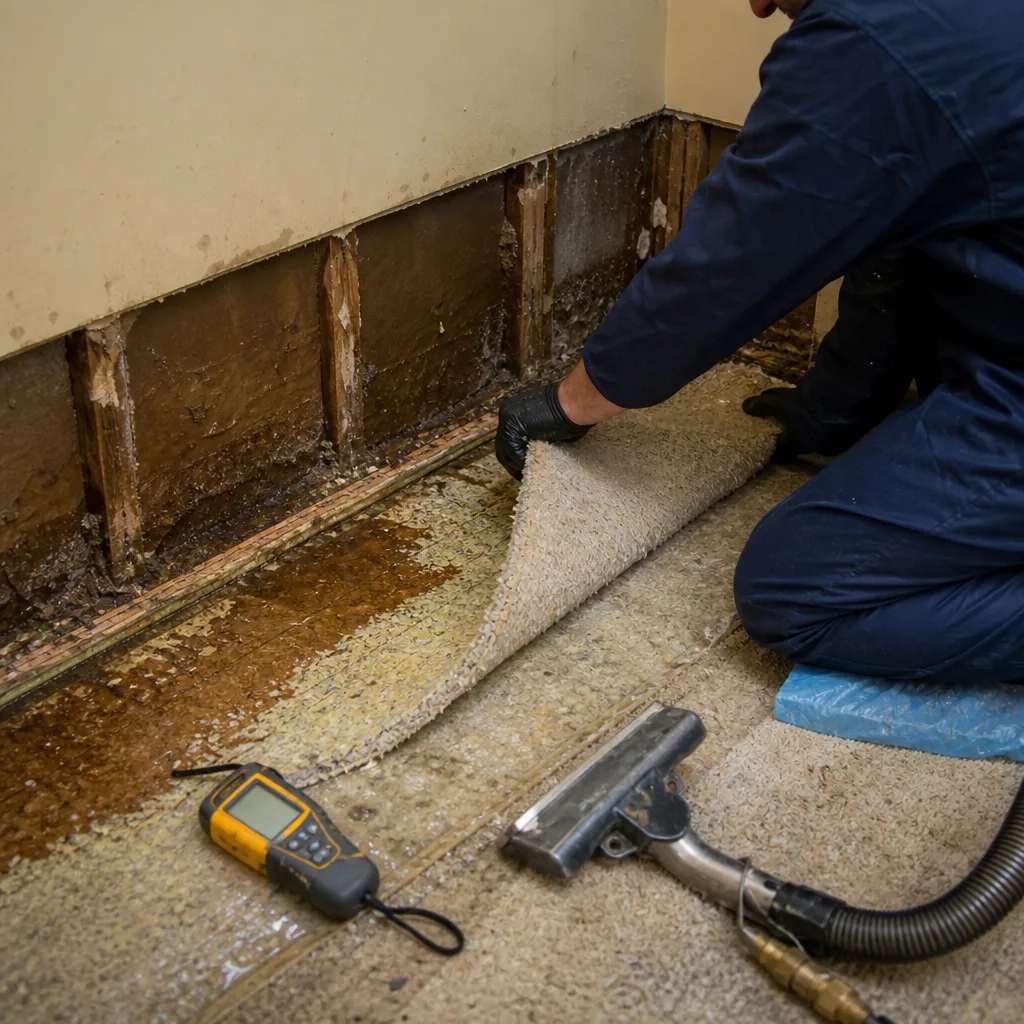
Most homeowners policies contain a version of this clause: “Duties After Loss. The insured must protect the property from further damage.” This language appears in ISO form HO-3 policies, the standard for owner-occupied residences, and in the cooperative and condominium unit-owner forms common on the Upper East Side.
What “protect from further damage” means in a claim context is specific and enforceable. It requires reasonable steps to mitigate, or lessen, the loss. It does not require perfection. But it does require documentation of the steps taken, and it implicitly requires that those steps be effective.
An adjuster evaluating a claim where mold developed after DIY drying will apply the “exacerbation” or “failure to mitigate” exclusion. The argument: the homeowner had a duty to protect the property, chose a method that industry standards would not recognize as adequate for the loss category, and thereby allowed damage to expand. Even when the homeowner acted in good faith, the lack of documentation makes the exclusion difficult to overcome.
Consider the contrast. A professional restoration company produces:
- A written scope of work, signed by the insured before work begins, defining the drying goal and methodology
- Daily moisture logs showing progressive reduction toward the IICRC dry standard
- Photo documentation of conditions at each visit, time-stamped and geotagged
- A final clearance report certifying that materials have reached equilibrium moisture content
This documentation transforms the claim from a narrative dispute into a data-supported file. The adjuster’s incentive structure favors clean files that close without litigation. A well-documented restoration file is the cleanest file an adjuster can receive.
The “reasonable repairs” clause in most policies covers emergency mitigation without prior approval, but requires documentation of expenses and typically limits the amount to $3,000 to $5,000 without adjuster contact. Professional emergency service fees, properly invoiced with line-item equipment and labor, fall within this coverage. Consumer equipment purchases for DIY attempts often do not, because the policy covers “necessary” expenses and an adjuster may determine that professional service was the necessary choice.
Some Upper East Side homeowners carry high-value home policies with specific restoration requirements. Chubb, AIG, and PURE policies, common in this market, often include preferred vendor networks or require that restoration work meet specific documentation standards. Failure to use an approved vendor or to produce required documentation can reduce coverage limits or trigger coinsurance penalties.
What Professional Documentation Produces That DIY Cannot
The gap between DIY and professional restoration is widest in the documentation, not the labor. Anyone can extract water with a wet/dry vacuum. Only a professional process produces the records that close an insurance claim without dispute.
Here’s what a complete professional file contains:
- Initial psychrometric readings: Temperature, relative humidity, and GPP recorded at the loss site and at an unaffected control area, establishing baseline conditions and the drying goal.
- Moisture mapping: Non-penetrating and pin-type meter readings taken on a grid pattern across all affected materials, identifying the full extent of water migration beyond what’s visible.
- Equipment placement diagram: A room-by-room plan showing dehumidifier, air mover, and injection drying port locations, with CFM calculations supporting the equipment count.
- Daily drying log: Recorded every 24 hours, showing progressive changes in RH, temperature, GPP, and material moisture content, with technician signature and time stamp.
- Photo record: Date-stamped images of conditions at each visit, including equipment readings, material conditions, and any changes in the loss area.
- Final clearance: Verification that all materials have reached the IICRC S500 dry standard for their classification, with readings matching or improving upon the control area baseline.
This documentation serves multiple purposes beyond insurance. In a co-op or condo, it satisfies board requirements for proof that common elements were properly addressed. In a future property sale, it provides disclosure documentation that moisture issues were professionally resolved. In a dispute with an upstream unit that caused the loss, it establishes the scope and cost of damages with third-party credibility.
The equipment itself is documented to industry standards. Professional-grade drying systems from Dri-Eaz, Phoenix, and other manufacturers are tested and rated by the Association of Home Appliance Manufacturers, or AHAM, under standardized conditions. An LGR dehumidifier’s rated capacity, say 125 pints per day at AHAM conditions, is a verifiable specification that supports the drying plan’s adequacy. Consumer dehumidifiers are rated under less stringent conditions and rarely achieve their stated capacity in real-world loss scenarios.
Thermal imaging cameras, standard in professional assessment, reveal temperature differentials caused by evaporative cooling at wet surfaces. A wall that reads 72°F at dry areas might show 68°F at a wet stud cavity, indicating hidden moisture that a surface reading would miss. This technology is not available to consumers at a price point that makes DIY sense, and its output requires interpretation training to avoid false positives from insulation gaps or thermal bridging.
DIY vs Professional: Real Cost Comparison for Upper East Side Homes
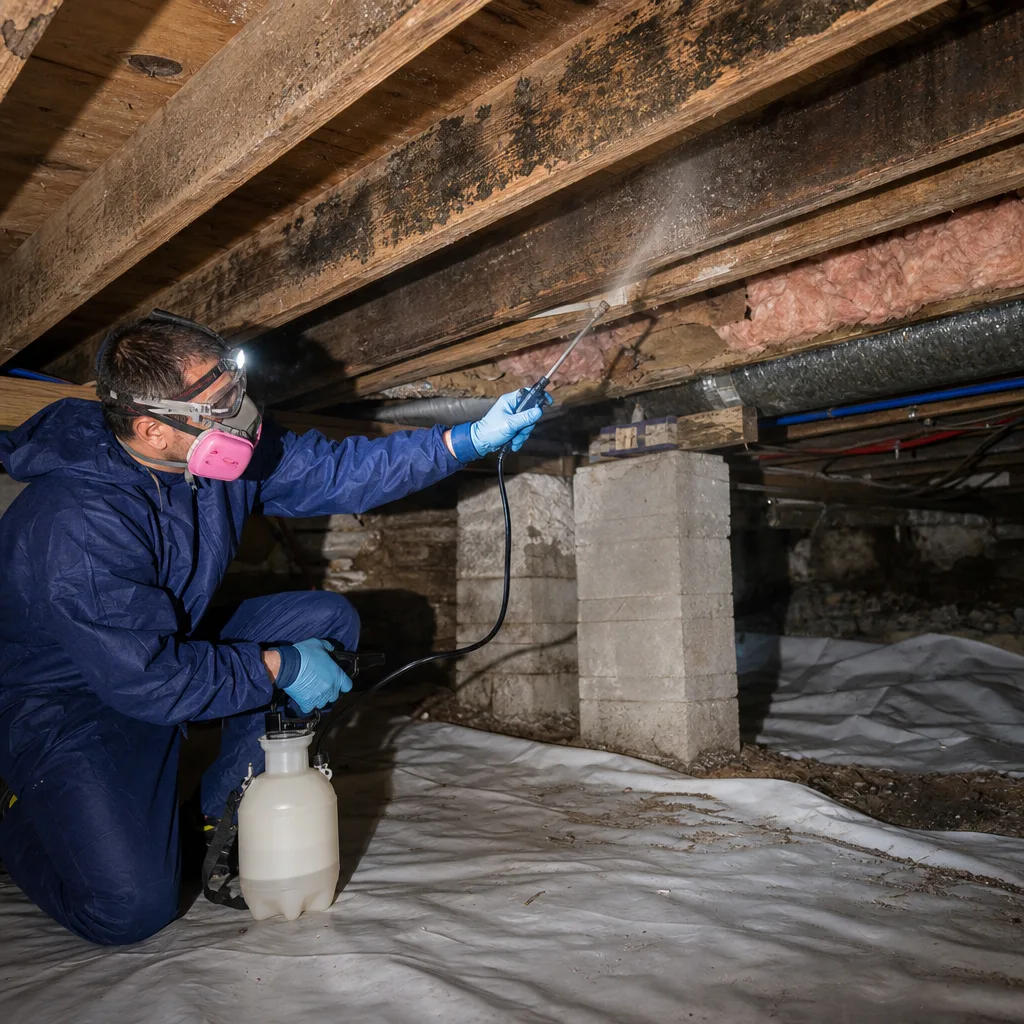
Cost comparisons must account for both direct expenses and the risk-adjusted cost of incomplete drying. Here’s how the math works for typical loss scenarios in this market.
Scenario: Category 1 water, 50 square feet, kitchen with hardwood flooring
| Cost Item | DIY Approach | Professional Approach |
|---|---|---|
| Equipment rental/purchase | $150-$400 (shop vac, fans, consumer dehumidifier) | Included in service |
| Materials (antimicrobial, moisture meters) | $50-$100 | Included in service |
| Professional drying service | N/A | $800-$1,800 for 3-5 day dry |
| Moisture verification | None available | Included, with documented clearance |
| Risk of mold requiring remediation | 15-25% if drying extends beyond 48 hours | Under 2% with proper equipment and monitoring |
| Mold remediation if needed | $2,500-$7,500 | Not applicable |
| Insurance claim complications | Possible denial or reduction for inadequate mitigation | Documentation supports full coverage |
The professional route costs more upfront but eliminates the tail risk of mold remediation and claim disputes. For Upper East Side homes with premium finishes, the replacement cost of damaged materials often exceeds professional drying costs by multiples. A single plank of 5-inch rift-sawn white oak flooring, common in renovated pre-war apartments, can cost $15 to $25 per square foot installed. Protecting that investment with documented drying is economically rational even without insurance considerations.
For larger losses, the comparison shifts further toward professional service. A Category 2 loss affecting multiple rooms with wet insulation and drywall requires containment, negative air pressure, antimicrobial application, and disposal that cannot be performed legally or safely by a homeowner. The cost of improper DIY handling, including potential health effects from microbial exposure and legal liability for improper waste disposal, dwarfs professional service fees.
Common Mistakes to Avoid
- Assuming visible dryness equals actual dryness. Plaster walls in Upper East Side pre-war buildings can feel dry at the surface while retaining 20% moisture content at the lath, supporting mold growth for weeks before visible signs appear.
- Using household bleach on mold. Bleach is 90% water and can feed mold growth on porous materials while failing to penetrate to the root structure. It also produces no documentation of treatment for insurance purposes.
- Neglecting to photograph conditions before any work begins. Insurance adjusters compare pre-loss and post-mitigation conditions. Without dated photos, you cannot establish that damage resulted from the covered peril rather than from your own mitigation efforts.
- Failing to check co-op or condo notification requirements. Many Upper East Side buildings require immediate notice to the superintendent or managing agent for any water loss. Delayed notification can result in fines and complicate insurance claims involving building coverage.
- Discarding damaged materials before adjuster inspection. Policies require that the insurer have reasonable opportunity to inspect damaged property. Premature disposal can reduce claim payments or trigger denial for “spoliation of evidence.”
- Running equipment without monitoring. A dehumidifier that runs continuously without capacity to lower specific humidity simply recirculates moist air, potentially spreading contamination to unaffected areas.
- Ignoring HVAC contamination. Forced-air systems in post-war Upper East Side buildings can distribute mold spores or bacteria throughout the unit and into common ductwork, converting a localized loss into a building-wide issue.
When to Call a Professional
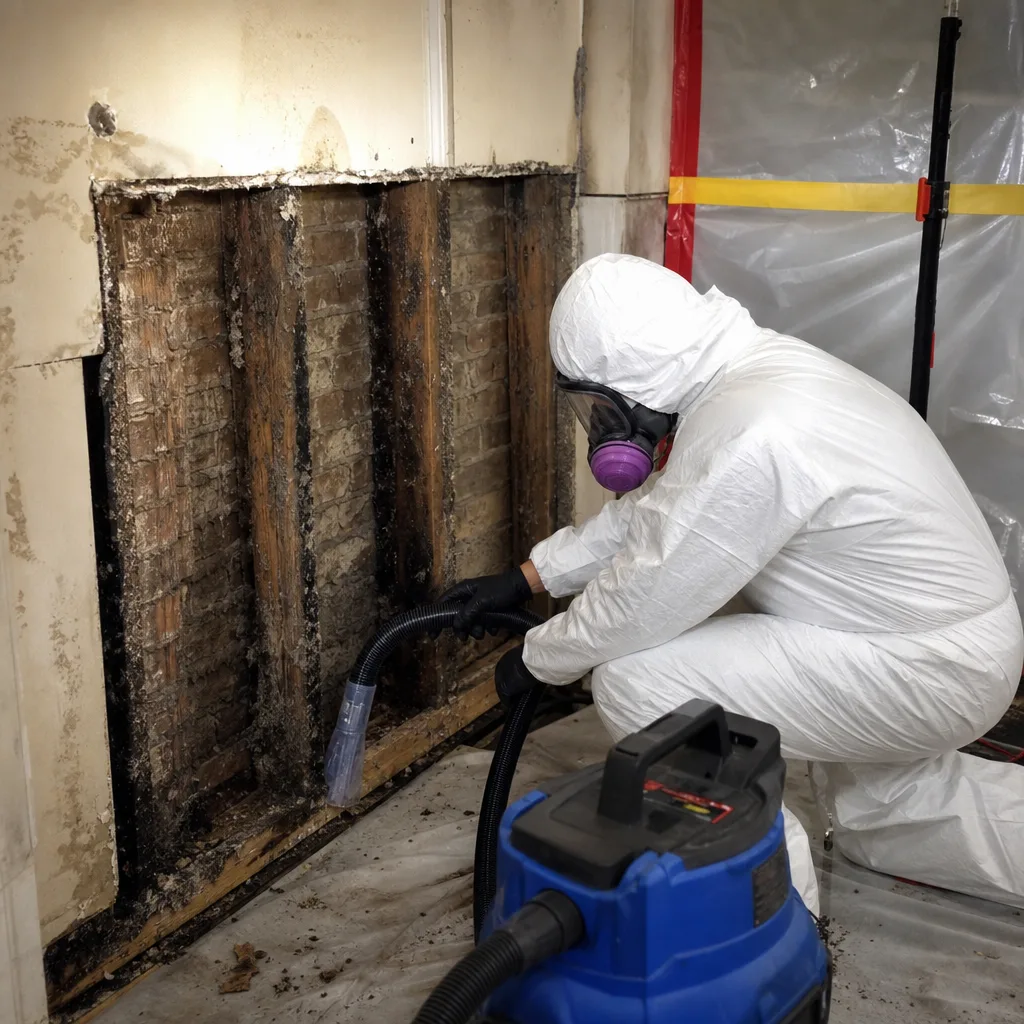
Call a professional restoration company when: the water is Category 2 or 3; the affected area exceeds 10 square feet or includes porous materials like drywall, insulation, or unfinished wood; the loss occurred more than 24 hours before discovery; your building’s bylaws require licensed contractors; you intend to file an insurance claim; or the loss involves electrical systems, gas appliances, or structural elements. Use our water damage restoration maintenance checklist for Upper East Side homeowners to stay prepared.
These conditions cover nearly all water damage scenarios in Upper East Side co-ops and condos, where shared systems and dense construction make isolation rare. The cost of professional assessment is modest relative to the risk of incomplete drying, and documentation from the initial response protects your claim from the outset.
Water Damage Restoration in Upper East Side from DryMark Restoration Upper East Side includes written pricing before work begins, documented photo records on every visit, and drying logs that satisfy insurer and building management requirements. We offer free estimates throughout the Upper East Side. Call (551) 213-5277 to schedule assessment.
Frequently Asked Questions
Insurance may reimburse reasonable expenses for emergency mitigation, but claims for subsequent mold or structural damage are frequently denied when drying was self-performed without documentation. Most policies require that mitigation be “reasonable and necessary,” and adjusters increasingly apply industry standards to determine what qualifies. Call (551) 213-5277 for a free estimate that includes the documentation your policy requires.
DryMark Restoration Upper East Side maintains live phone coverage 24 hours a day, 7 days a week with no voicemail on emergency lines. Response time to Upper East Side addresses typically ranges from 45 to 90 minutes depending on traffic and building access protocols. Co-op and condo buildings with doorman or superintendent notification requirements may add 15 to 30 minutes for access coordination.
Remediation is required when mold growth exceeds 10 square feet, involves HVAC systems, or occurs in immunocompromised occupant spaces. Cleaning may suffice for smaller, surface-only growth on non-porous materials with identified and resolved moisture source. The determination requires air sampling and surface testing that produces documentation for disclosure and insurance purposes. Mold Remediation in Upper East Side from DryMark Restoration Upper East Side includes assessment, containment, and clearance documentation.
Professional restoration companies coordinate directly with adjusters, providing the daily drying logs, photo documentation, and written scopes that adjusters need to approve claim payments. This coordination is standard service, not an add-on. The alternative is managing adjuster communications yourself while also overseeing mitigation, a combination that delays both processes and increases error risk.
Category 1 water is clean water from a sanitary source with no significant contamination, such as a broken supply line or rainwater. Category 2 water contains significant contamination and requires antimicrobial treatment. Category 3 water is grossly contaminated and poses substantial health risk. The category determines safety protocols, disposal requirements, and whether professional handling is mandatory. Category can degrade over time, standing Category 1 water becomes Category 2 within 48 to 72 hours due to microbial growth.
Yes, increasingly so. Building management companies serving the Upper East Side have tightened enforcement following liability claims related to improper drying that affected multiple units. Some buildings now require certificates of insurance, licensed contractor affidavits, and board approval even for emergency water shutoff. Check your proprietary lease or ask your managing agent for current requirements before any loss occurs.
A written scope is a detailed description of work to be performed, with line-item pricing, equipment specifications, and drying goals, signed by both contractor and homeowner before any work starts. It prevents scope creep, provides a baseline for insurance documentation, and gives the homeowner recourse if work deviates from the agreed plan. This is Haven Standard, Clause 1 at DryMark Restoration Upper East Side: written price before work begins, every time, with no exceptions.
The Bottom Line
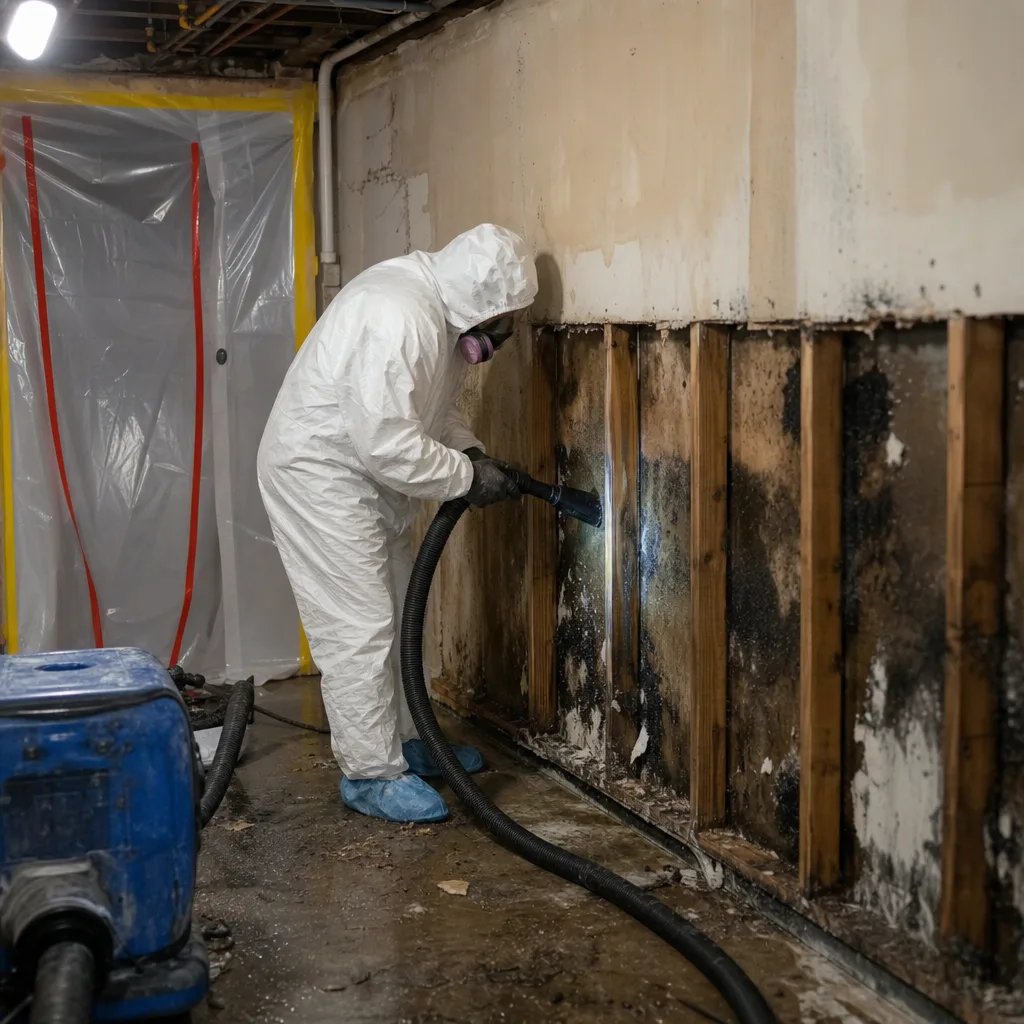
The DIY vs professional restoration decision for Upper East Side homeowners is ultimately a documentation decision. Professional service costs more upfront but produces the moisture logs, photo records, and signed clearances that insurance policies require and that co-op boards increasingly demand. DIY approaches save money only in the narrowest circumstances, clean Category 1 water under 10 square feet with no porous materials, and even then carry the risk of inadequate documentation if the situation evolves. For the pre-war and post-war buildings that define the Upper East Side, with their shared systems, dense construction, and strict governance, professional restoration with documented standards is the prudent choice.
Written by Alicia Brennan, Owner at DryMark Restoration Upper East Side, serving Upper East Side since 2011.