
Last updated September 23, 2026
Free visual inspection and a written scope of work before any mitigation begins - photos, moisture readings, and drying logs go in your claim file
The scope we write is the scope we bill. Anything new gets shown to you, in writing, before we touch it.
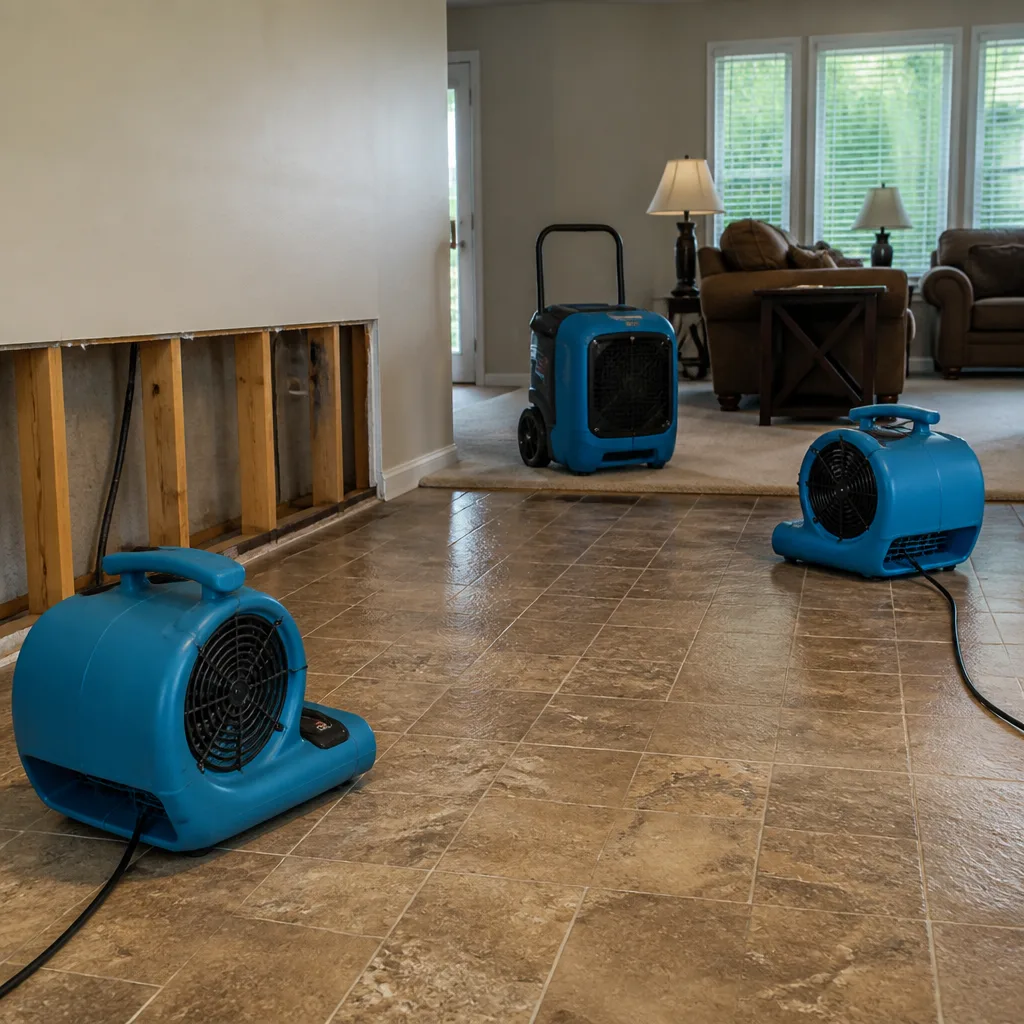


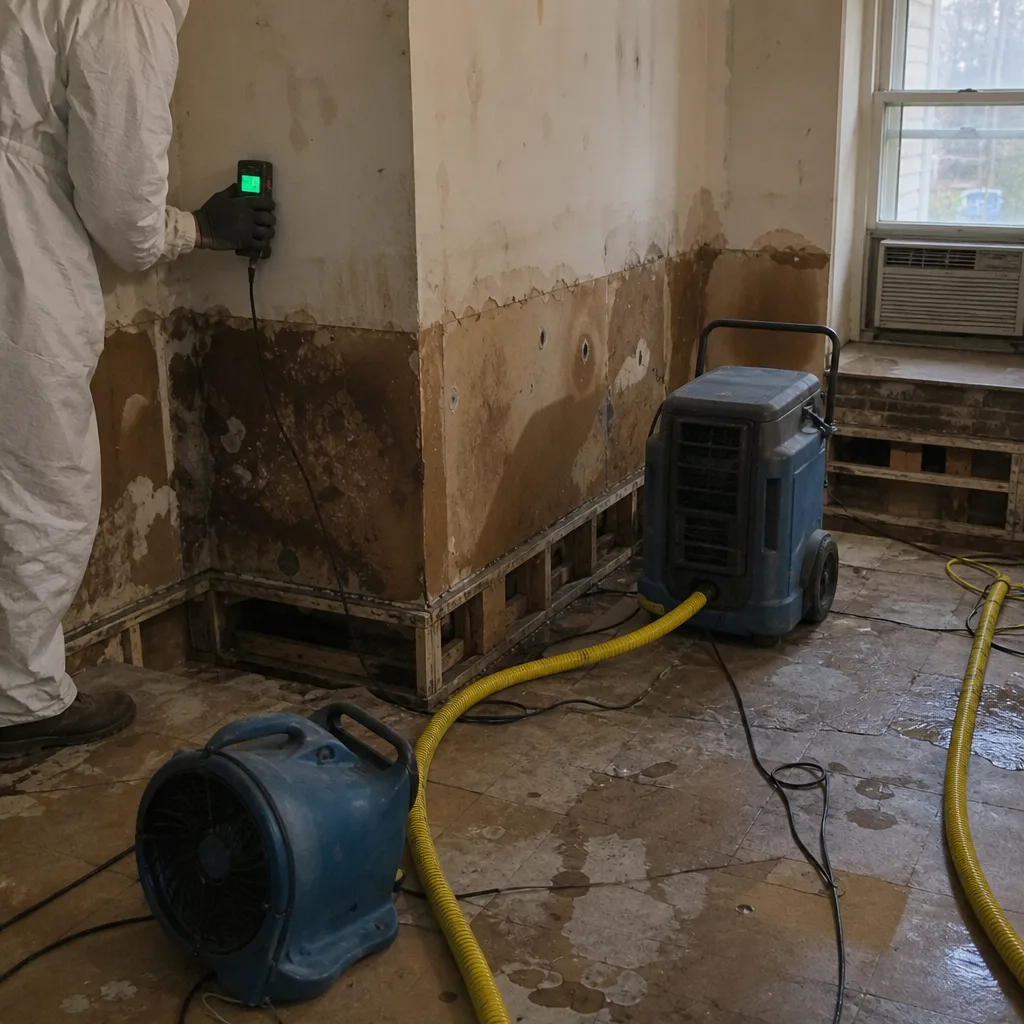 Before
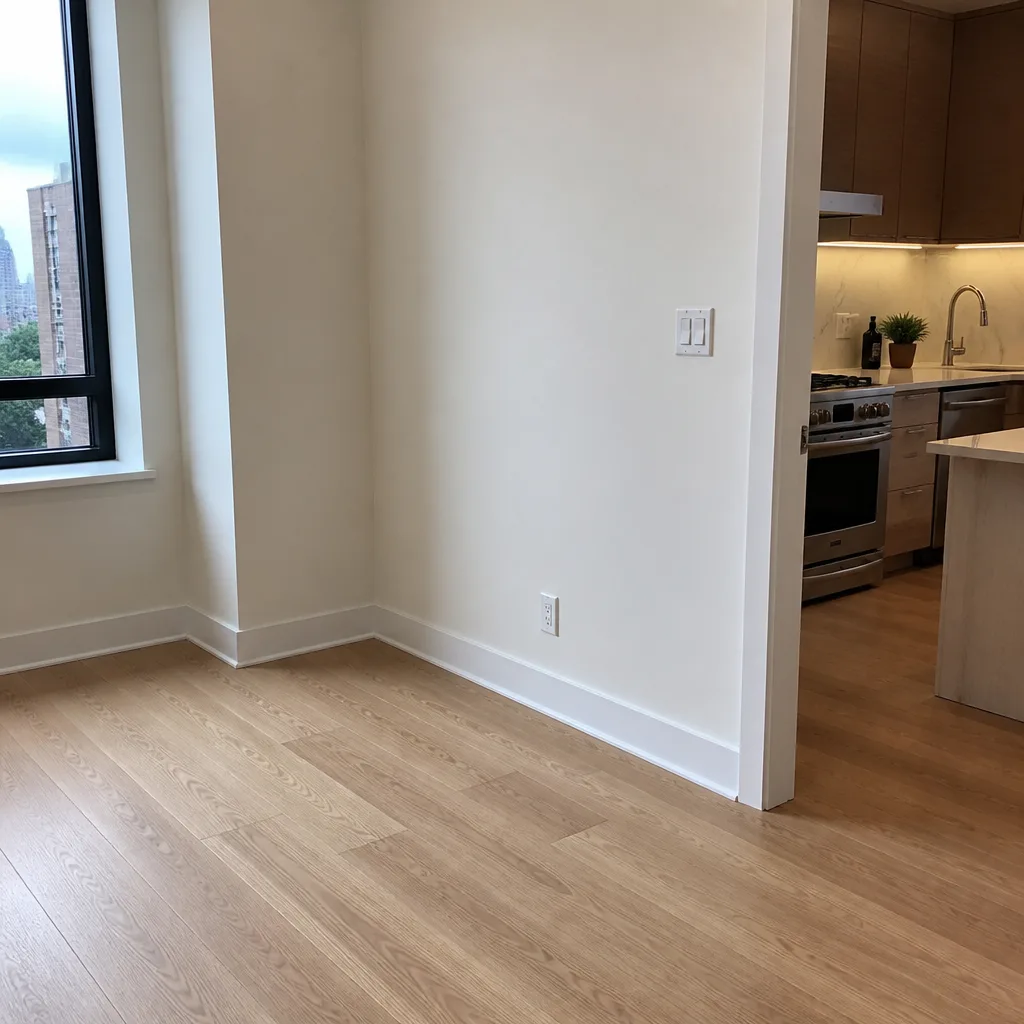 After
After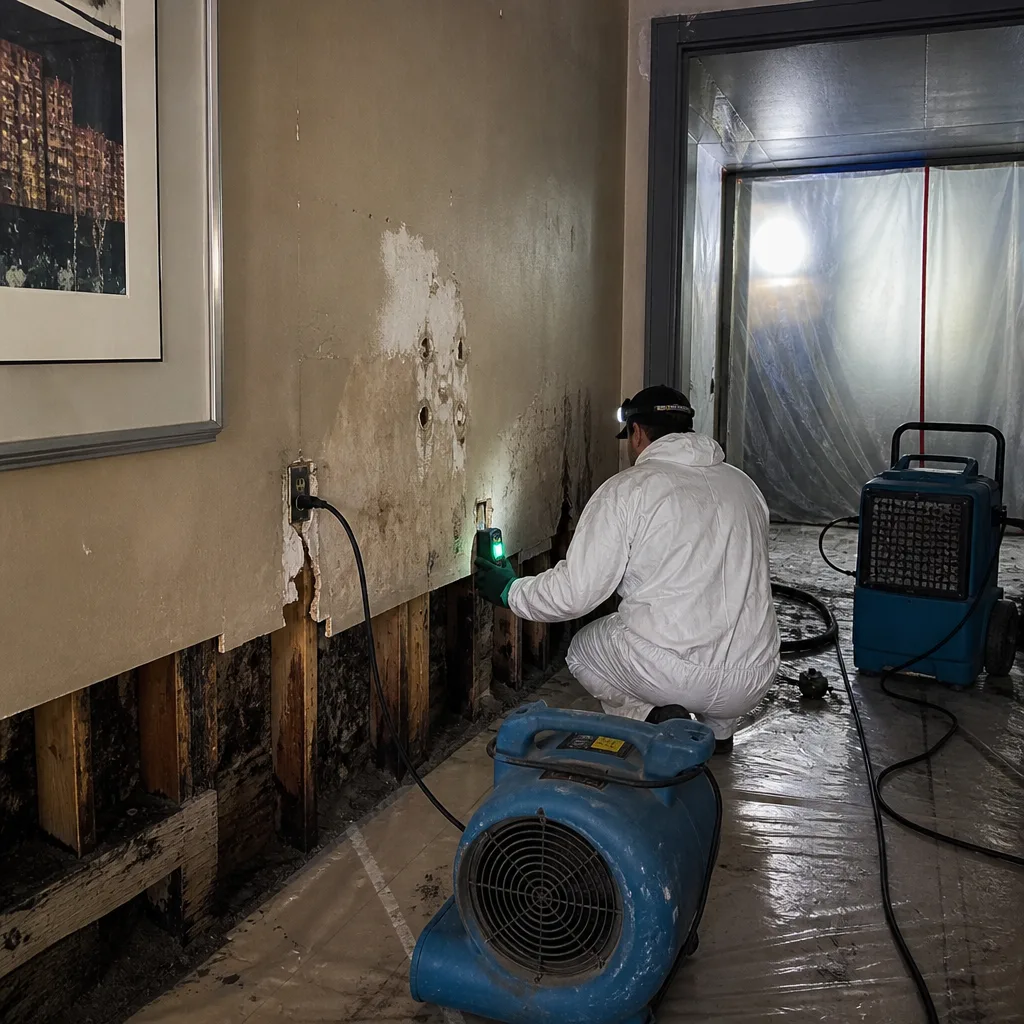 Before
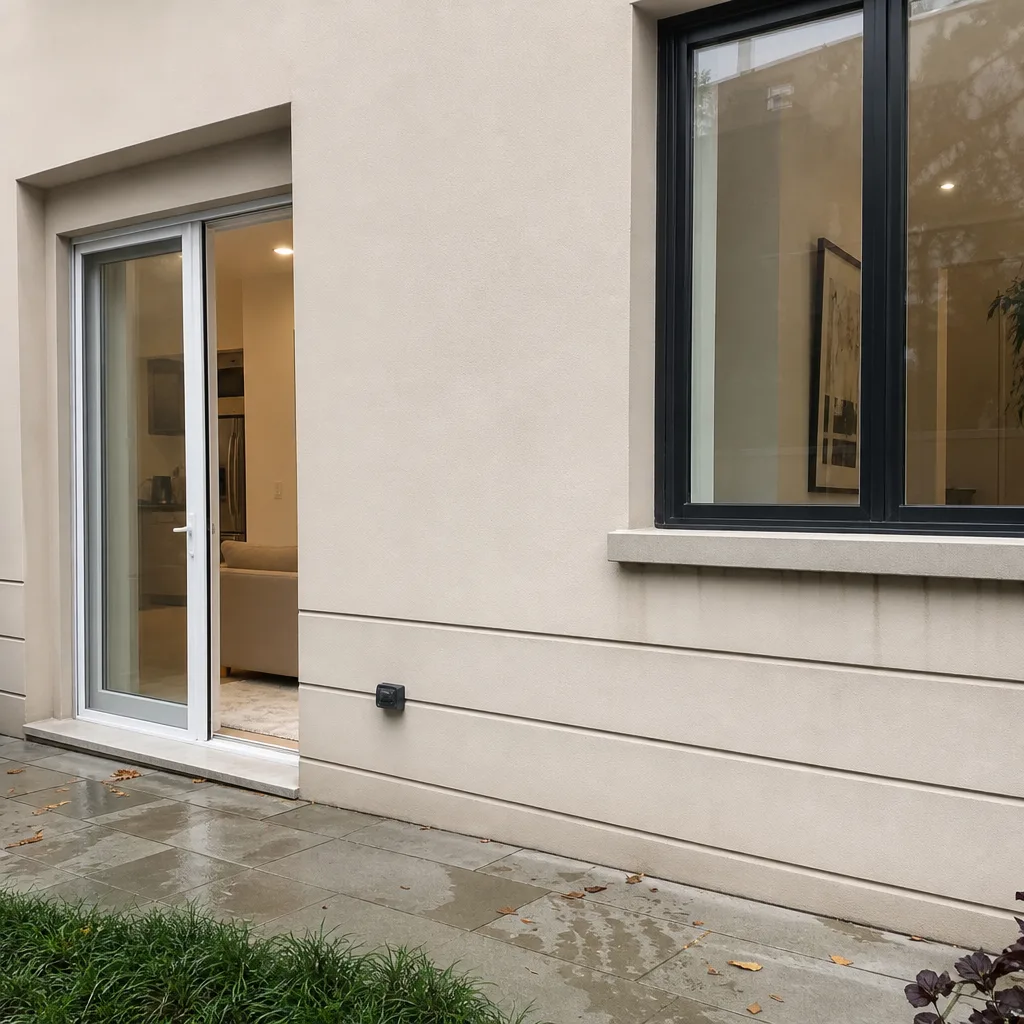 After
After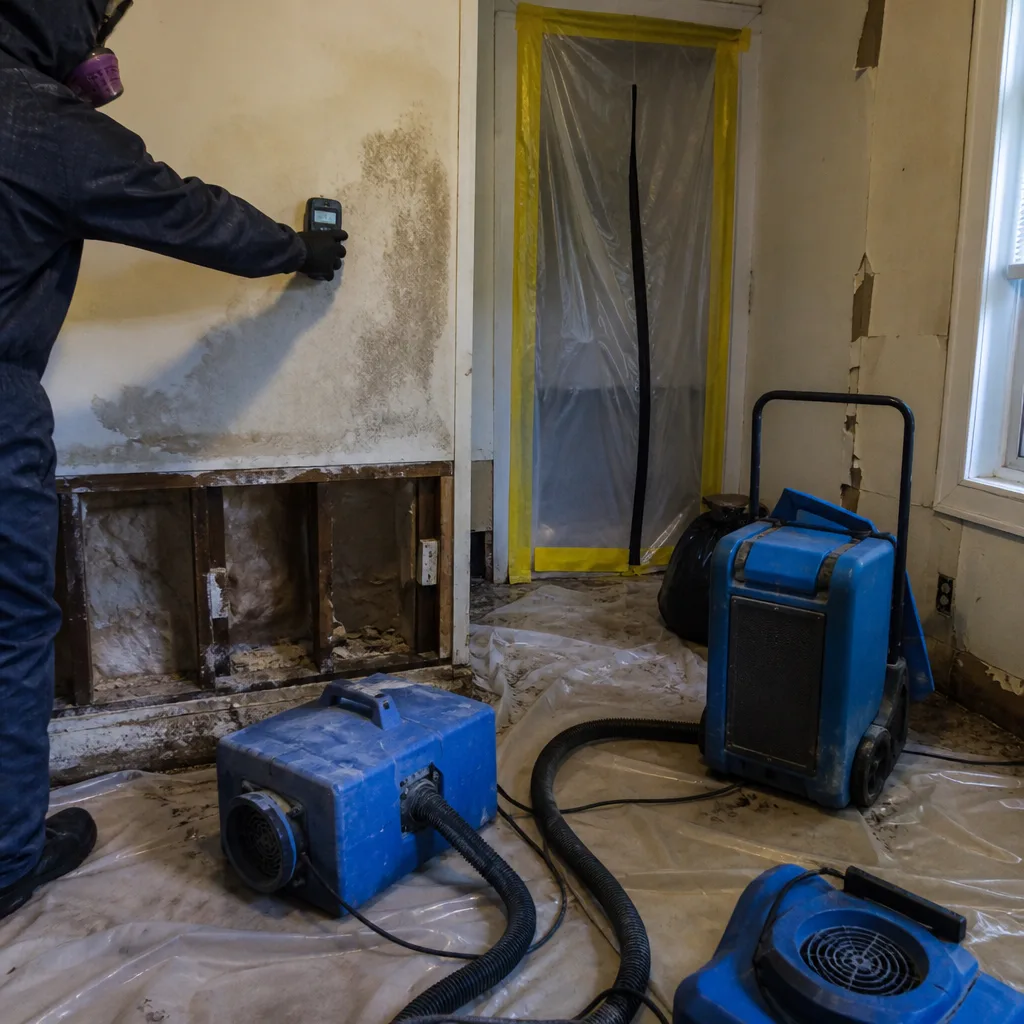 Before
 After
AfterWater Damage Restoration Maintenance Checklist for Upper East Side Homeowners
Insurers denied over $13 billion in water damage claims nationwide last year, and the fastest-growing reason was “long-term neglect” - a catch-all that turns a burst pipe into a denied check. In the Upper East Side, where prewar co-ops share risers with glass towers and every building has a different maintenance culture, that denial hits harder. A handwritten log with annual pipe inspection dates and recorded water pressure readings is one of the few documents that defeats that argument. This guide, alongside The Complete Guide to Damage Restoration in Upper East Side, gives you specific numbers to record, not vague visual checks, so your maintenance log becomes defensible evidence if a claim ever follows.
Quick Answer
A water damage prevention maintenance checklist for Upper East Side homeowners should include quarterly pressure readings (45-80 psi for residential supply lines), annual pipe inspections with dated photos, seasonal checks of roof drain scuppers and terrace membranes, and documented moisture baseline readings for finished materials. Record everything in a single log with dates, readings, and photos - this transforms routine maintenance into pre-loss documentation that insurers accept, as covered in more guides & resources.
Table of Contents
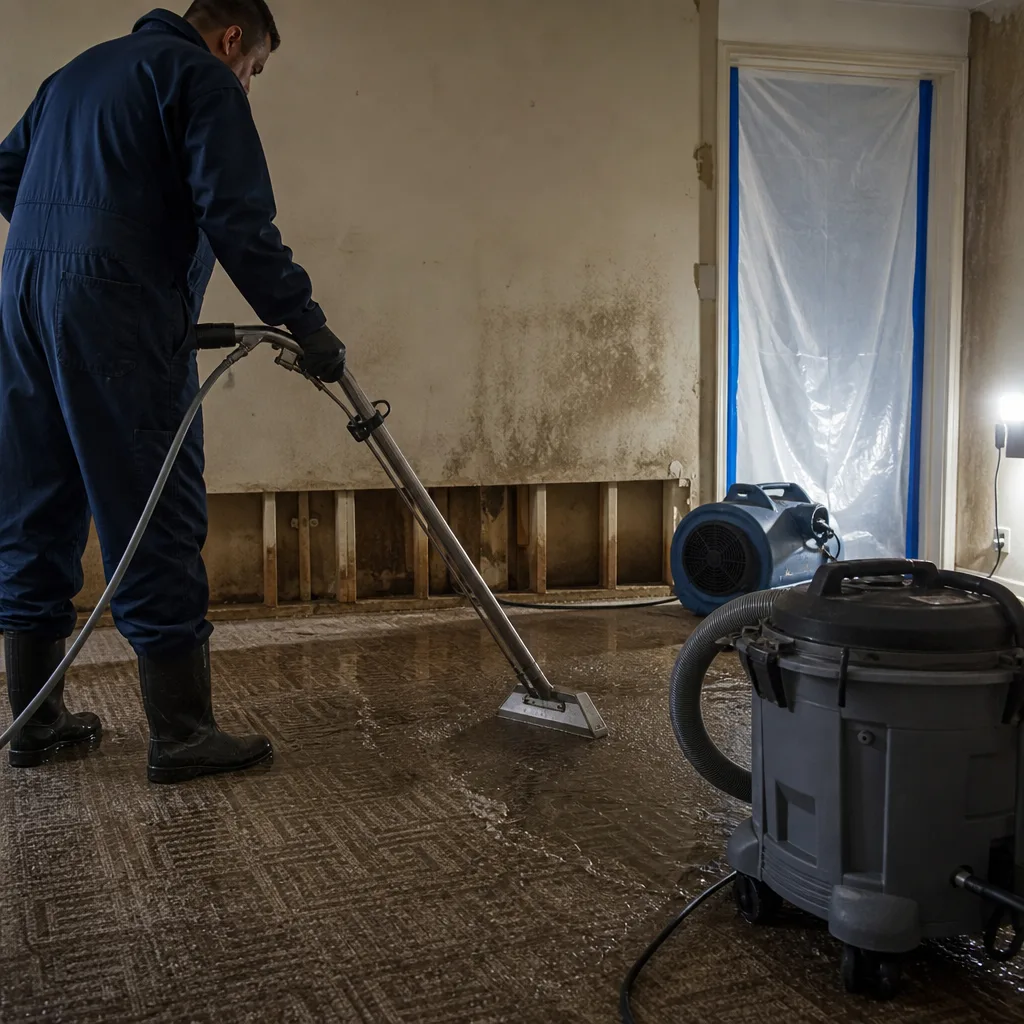
- Why Insurers Deny Water Claims and How Maintenance Logs Close the Gap
- Quarterly Maintenance Tasks: Pressure, Appliances, and Visible Systems
- Annual Maintenance Tasks: Hidden Systems and Professional Inspections
- Upper East Side Building-Specific Checks: Prewar, Postwar, and High-Rise
- Documenting Pre-Loss Condition: Photos, Moisture Readings, and Material Baselines
- What a Maintenance Gap Looks Like in a Real Claim File
- Tools and Supplies for Your Maintenance Log
- Common Mistakes to Avoid
- When to Call a Professional
- Frequently Asked Questions
BeforeAfterWhy Insurers Deny Water Claims and How Maintenance Logs Close the Gap
The shift happened around 2019. Carriers began deploying desk adjusters with keyword-search tools that scan claim notes for phrases like “slow leak,” “recurring moisture,” and “prior staining.” When those terms appear, the claim routes to a specialized unit trained to find maintenance failures. Their goal is simple: reclassify a covered “sudden and accidental” loss as excluded “long-term wear and tear.”
We’ve reviewed hundreds of claim files at DryMark Restoration Upper East Side home. The pattern is consistent. A homeowner reports a water damage event. The adjuster requests maintenance records. The homeowner has none. The carrier denies, citing failure to mitigate. The homeowner pays out of pocket or litigates.
A maintenance log changes this sequence. Dated pressure readings show you monitored pipe stress. Photos of clean scuppers prove you cleared drains before the roof leak. Moisture baseline readings demonstrate you knew your materials’ normal condition. Each entry is a rebuttal to the neglect argument.
The key is specificity. “Checked pipes” means nothing. “Pressure at 62 psi, no visible corrosion on exposed riser, photo attached” means everything. This guide builds that specificity into every task.
Quarterly Maintenance Tasks: Pressure, Appliances, and Visible Systems
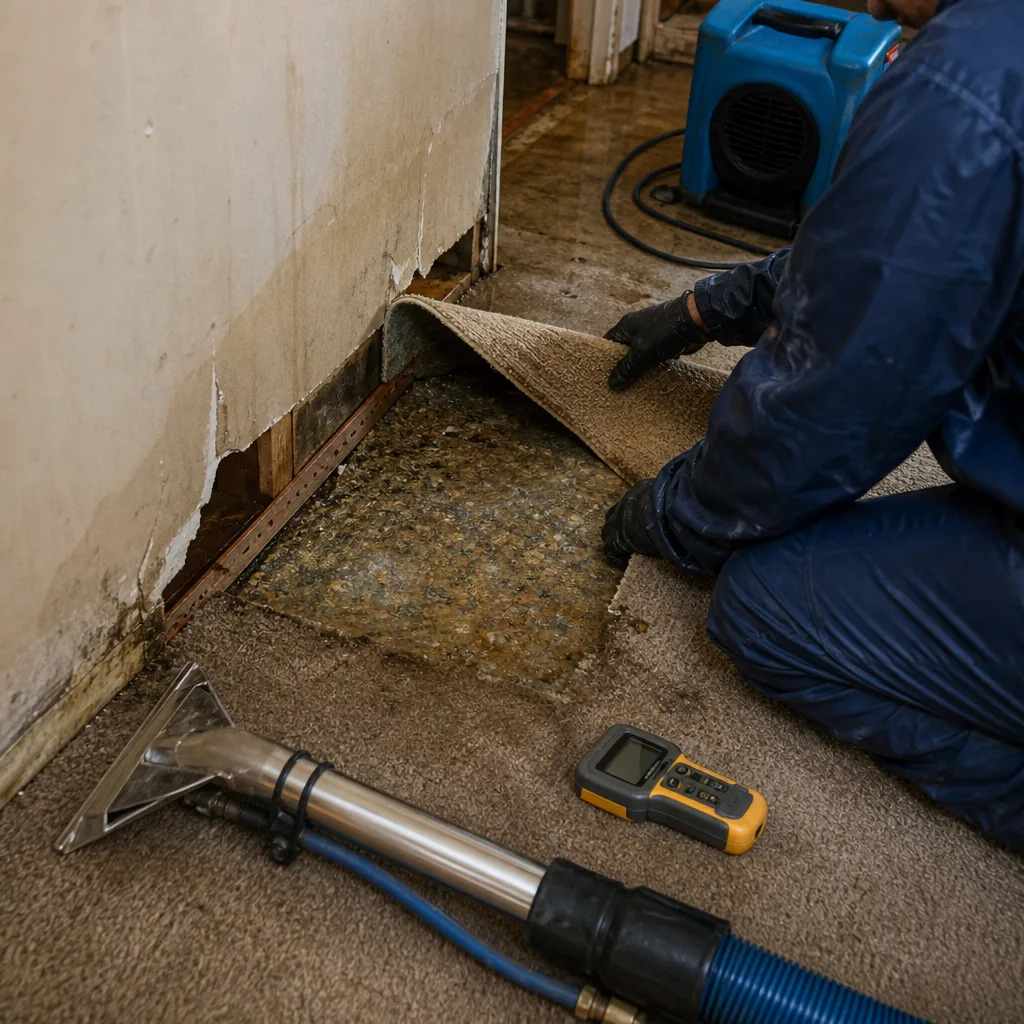
Quarterly checks catch the problems that accelerate between seasons - pressure spikes from heating system cycling, washer hose fatigue, condensation line clogs from humidity swings. Do these every three months, in January, April, July, and October. Record each in a single document with the date and your initials.
1. Record Water Pressure at the Main Supply
Residential supply lines in NYC high-rises should read between 45 and 80 psi. Below 45, you may have a restriction or leak upstream. Above 80, you’re stressing fittings, flex lines, and appliance valves. We’ve seen dishwasher inlet valves fail at 95 psi in Upper East Side postwar buildings where the booster pump was misadjusted.
- Attach a pressure gauge to a hose bib or washing machine cold supply. Gauges cost $12-$18 at hardware stores.
- Open the valve fully and let the needle settle for 30 seconds.
- Record the reading, time of day, and which fixture you used. Pressure varies by floor and demand; consistency in method matters more than absolute precision.
- If reading is below 40 or above 85, note it and schedule a plumber. Do not wait for the annual check.
Log example: “4/15/2025, 9:15 AM, kitchen sink cold, 67 psi, normal.”
2. Inspect Washing Machine Supply Hoses
Braided stainless hoses last 5-7 years. Rubber hoses, 3-5. Check for blistering, kinking, or corrosion at the ferrules. Record the hose type and installation date if known. If unknown, replace and log the new date.
3. Check Under-Sink Supply Lines and Valves
Look for green or white corrosion at compression fittings, moisture on the cabinet floor, and valve handle stiffness. A stiff angle stop is a valve waiting to fail under pressure. Photograph any corrosion. The photo timestamp is evidence you identified the issue before it leaked.
4. Test Sump Pump and Battery Backup (If Applicable)
Upper East Side townhouses and some basement-level units have sump systems. Pour 5 gallons of water into the pit. The pump should activate before water reaches the intake rim. Record cycle time and whether the backup engaged. A slow cycle (over 30 seconds to clear) means the impeller may be clogged.
5. Inspect Window AC Condensate Lines
Window units are ubiquitous in Upper East Side prewar buildings without central air. Condensate that drips onto brick or stone accelerates mortar degradation and can infiltrate wall cavities. Check that the drain line exits the unit, isn’t kinked, and discharges to a drain or exterior, not onto the sill or facade. Clear algae with a thin wire or replace the line if brittle.
6. Review Prior Quarter’s Log for Patterns
This is the step most homeowners skip. A pressure reading that climbed from 58 to 71 to 79 psi over three quarters is a trend, not three normal readings. Trends predict failures. Flag any reading that moved more than 10 psi from the prior quarter.
Annual Maintenance Tasks: Hidden Systems and Professional Inspections
Annual tasks reach the systems you cannot easily see - riser connections behind walls, roof drainage paths, terrace waterproofing. Schedule these in spring, after freeze-thaw cycles and before summer humidity loads the building envelope.
1. Professional Plumbing Inspection with Camera Scope
Hire a licensed plumber to camera-inspect accessible drain lines and pressure-test the domestic water system. In Upper East Side co-ops, this typically requires building management coordination for riser access. The plumber should provide a written report with pipe condition, video stills, and recommendations. Attach this to your maintenance log. Cost in the Upper East Side market runs $350-$650 for a two-bedroom unit with riser access.
2. Inspect and Clear Roof Drain Scuppers
For top-floor units and townhouses, roof drainage is your first defense. Scuppers (the through-wall drains that move water from roof to downspout) clog with leaf debris, pigeon nesting, and asphalt granules. A clogged scupper backs water onto the roof membrane, then into parapet walls, then into your ceiling.
- Visually inspect scupper grates from the roof side. Photograph condition.
- Remove grates and clear debris with a trowel and brush.
- Run water through the scupper and time drainage. Pooling over 60 seconds indicates partial blockage downstream.
- Check scupper sealant at the wall interface. Cracked sealant allows water behind the membrane.
If your building has a managing agent, confirm whether scupper maintenance is their responsibility or yours. Document the conversation. Disputed maintenance responsibility is a common denial basis in co-op claims.
3. Service the Boiler and Heating System
Steam and hydronic systems in Upper East Side buildings generate significant condensation. Annual service should include blow-down of the low-water cutoff, inspection of the Hartford loop, and testing of the automatic feeder. Ask the technician for the system’s operating pressure - steam systems over 2 psi or hot water systems over 30 psi are overfired and increase stress on distribution piping.
4. Inspect and Document Caulk and Grout in Wet Areas
Shower enclosures, tub surrounds, and kitchen backsplashes. Failed caulk is not cosmetic - it’s a path for water into wall cavities. Use a 5x magnifier or your phone’s macro mode. Photograph any gaps, then repair and photograph the repair. The before-and-after pair proves maintenance, not just condition.
5. Test and Document GFCI and AFCI Protection
Water and electricity converge in damage scenarios. Press test buttons on all GFCI outlets monthly (a quarterly habit, but verify annually that they’re actually interrupting). A non-functional GFCI in a bathroom or kitchen is a code violation and an insurer’s evidence of deferred maintenance if electrical damage follows water intrusion.
6. Update Your Insurance Documentation
Annual task, often forgotten. Confirm your policy’s water damage sublimits, especially for sewer backup and foundation seepage. Upload that year’s maintenance log photos to cloud storage. Paper logs are useless if the water damage destroys them too.
Upper East Side Building-Specific Checks: Prewar, Postwar, and High-Rise
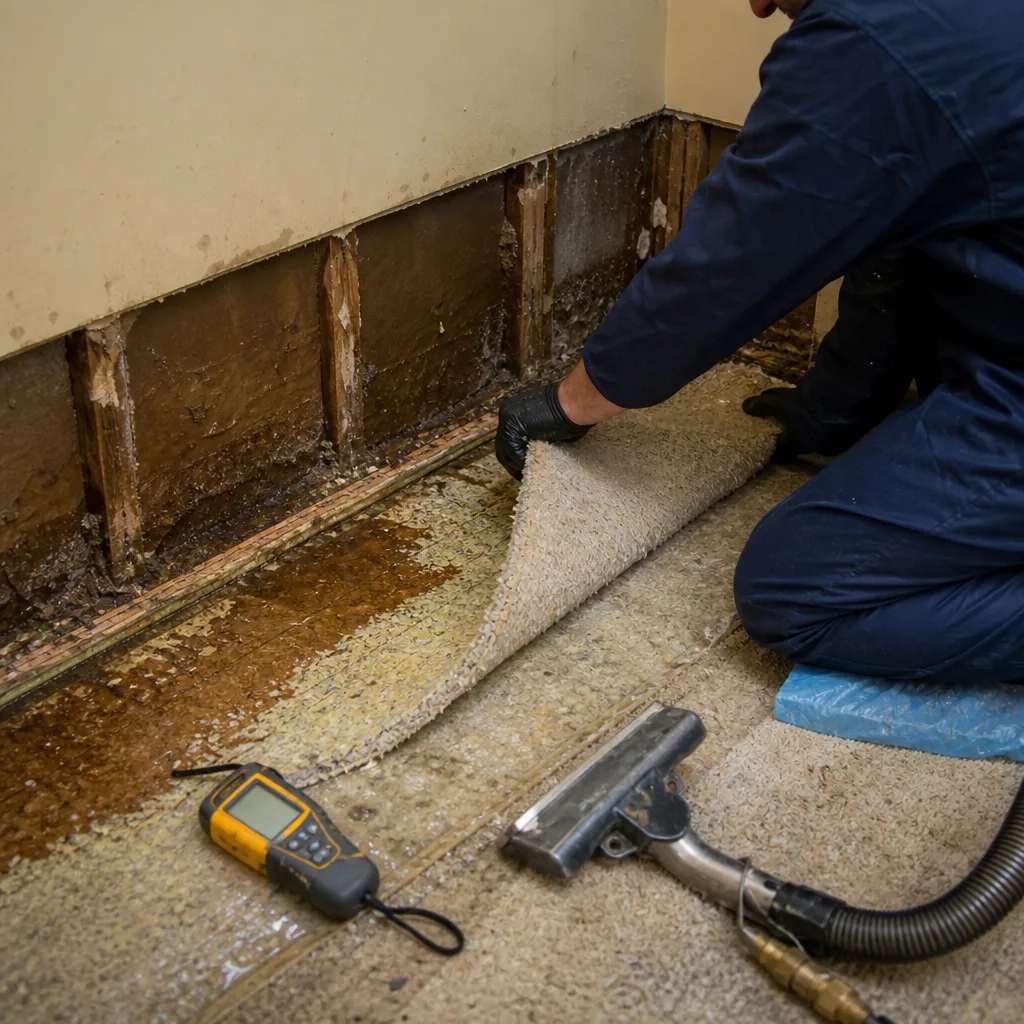
The Upper East Side’s building stock spans 140 years of construction methods. A checklist that works for a 1960s white-glove co-op fails a 1920s brownstone. Tailor your annual and quarterly tasks to your building type.
Prewar Buildings (Pre-1945)
These structures have cast iron drainage, galvanized steel water lines, and no vapor barriers in exterior walls. The risks are specific:
- Galvanized supply lines: Interior corrosion reduces diameter and increases pressure at fixtures. If your building hasn’t replaced risers, your unit’s pressure readings may read normal while the riser is 40% blocked. Ask your managing agent for the last riser replacement date and log it.
- Parapet and cornice leaks: Masonry absorbs water and releases it inward through plaster. Annual inspection should include the exterior facade below your window line, photographed with a telephoto lens from the street or an adjacent building.
- Radiator valve packing: Steam valves weep slowly, saturating wood floors over years. Check valve stems with a tissue during heating season. A damp tissue means packing failure.
Postwar Buildings (1945-1990)
Copper supply lines and cast iron drainage are more durable but not immune. The risks shift to system-wide issues:
- Domestic hot water recirculation pumps: Continuous circulation accelerates pipe wear at elbows and tees. Ask when your building’s pump was last replaced. A failed pump causes temperature stratification and thermal shock when it restarts.
- Terrace drains and overflows: Postwar buildings with setback terraces often have inadequate drainage for intense rainfall. Clear drains before every storm season and confirm the overflow scupper path doesn’t terminate above a window or door.
High-Rise Towers (1990-Present)
Glass curtain walls and packaged HVAC units introduce different failure modes:
- Curtain wall weep holes: Blocked weep holes trap water in the glazing pocket, which migrates inward at mullion connections. Visible as streaking on interior metal framing. Annual inspection from the interior; exterior access requires a swing stage and building coordination.
- Packaged terminal air conditioner (PTAC) condensate pans: These clog with dust and biological growth. Annual removal and cleaning prevents overflow onto finished floors. Most Upper East Side condo towers specify this as owner maintenance in the offering plan.
Documenting Pre-Loss Condition: Photos, Moisture Readings, and Material Baselines
This is where maintenance becomes insurance evidence. A photo of a clean basement is nice. A photo of a clean basement with a moisture meter reading of 12.3% on the oak flooring is a baseline. After a water damage event, we can return to that same spot, take the same reading, and document the delta. Adjusters understand deltas.
Moisture Baseline Readings
Professional restoration uses moisture meters calibrated to material type. You don’t need a $400 pinless meter. A $35 pin-type meter with species correction is sufficient for baseline documentation.
- Identify 3-5 representative locations: hardwood floor in living room, subfloor at a plumbing access, drywall in a bathroom adjacent to the tub, basement concrete or tile.
- Record the material type, meter setting, and reading. Example: “Oak flooring, 4/4 nominal, meter set to oak, 11.8% at living room center, 3 feet from north window.”
- Photograph the meter in place with the reading visible. Include a date stamp.
- Repeat annually at the same locations. Seasonal variation of 2-3% is normal in the Upper East Side’s humid summers and dry heating-season winters.
These readings serve two purposes. They establish what “dry” means for your specific materials, and they prove you had a systematic monitoring practice before any loss.
Photo Documentation Standards
Don’t just photograph problems. Photograph condition. A complete annual photo set should include:
- Exterior facade at your floor level, showing window and terrace condition
- All plumbing access panels open, showing clean, dry conditions
- Under-sink cabinets, showing supply lines and valve condition
- Appliance connections (washer, dishwasher, refrigerator ice maker)
- HVAC equipment, including filter condition and drain pan
- Basement or utility area, showing sump, boiler, and storage (elevated, not on floor)
Upload to cloud storage with folder names: “2025 Annual Maintenance, [Address].” Share access with your insurance agent or store the link in your policy file.
The Written Scope Habit
At Water Damage Restoration in Upper East Side, we produce a written scope before any work begins, every time, with no exceptions. It’s Haven Standard, Clause 1. Apply the same discipline to your maintenance. When you hire a plumber, roofer, or HVAC technician, request a written summary of what they inspected and what they found. Attach it to your log. A third-party professional record carries more weight than self-reported checks.
What a Maintenance Gap Looks Like in a Real Claim File
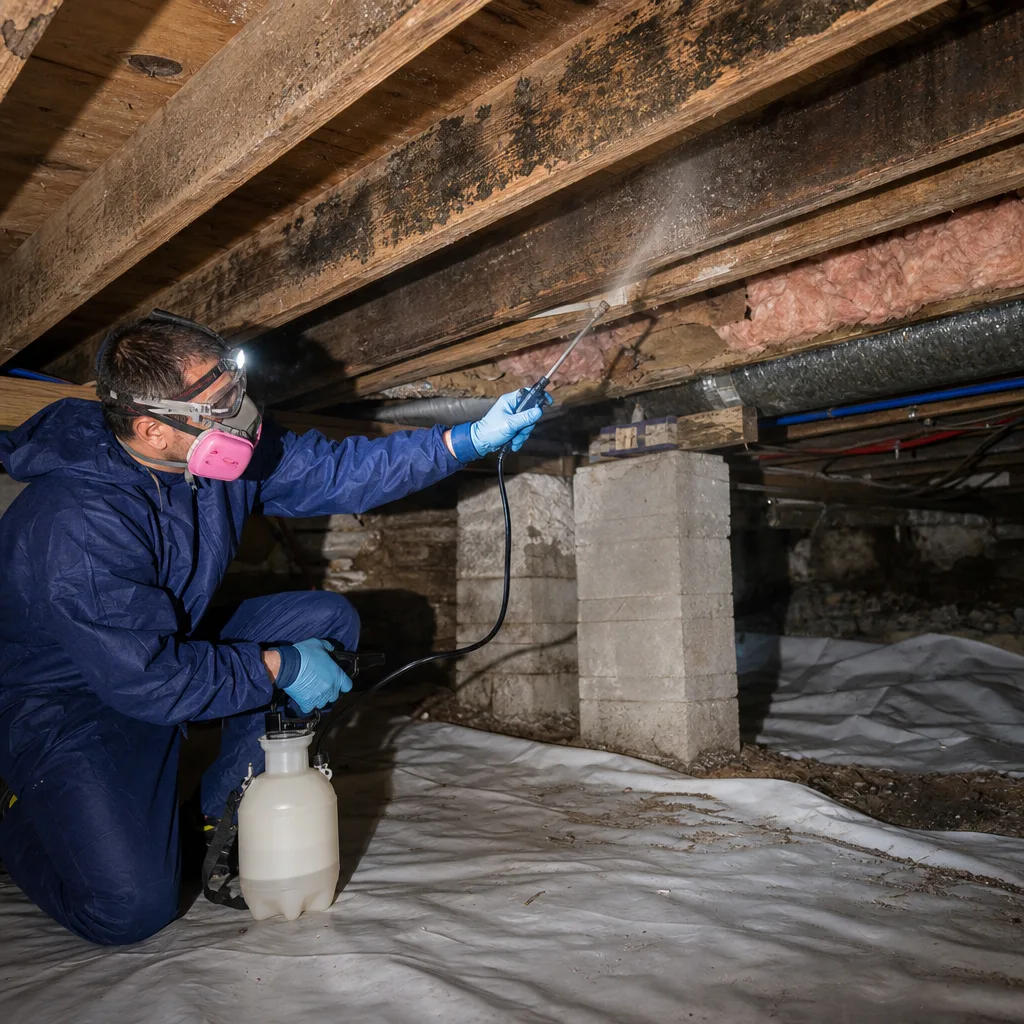
We’ve read the denial letters. The language varies, but the structure is identical. The carrier identifies a “maintenance gap” - a period where reasonable care should have identified the condition that caused the loss. Then they cite the policy’s wear-and-tear exclusion.
Real example, anonymized: Upper East Side co-op, 6th floor, 1920s building. Homeowner reported water damage to bedroom ceiling. Adjuster noted stained ceiling tile in closet, photographed during initial inspection. Homeowner had no maintenance records. Carrier denied, stating the stain indicated “long-term leakage from roof or parapet” and the homeowner “failed to take reasonable steps to inspect and maintain the building envelope.”
The homeowner had noticed the stain six months prior but thought it was old. No photos. No roofer call. No log entry. The $18,000 restoration became a $0 payment.
A maintenance log with annual facade photos and a roofer’s written report would have rebutted this. The stain might still have appeared between annual inspections, but the log demonstrates a reasonable inspection frequency, not neglect.
The gap is not the leak. The gap is the absence of evidence that you were looking.
Tools and Supplies for Your Maintenance Log
You don’t need professional restoration equipment. You need consistency and documentation. Here’s what we recommend for an Upper East Side homeowner’s maintenance kit:
| Item | Purpose | Approximate Cost |
|---|---|---|
| Pressure gauge, 0-200 psi, hose thread | Quarterly pressure readings | $12-$18 |
| Pin-type moisture meter with species correction | Annual baseline readings | $30-$50 |
| Digital camera or smartphone with date stamp enabled | Condition documentation | Existing |
| Cloud storage subscription (Google Drive, iCloud, Dropbox) | Off-site backup of photos and logs | $20-$60/year |
| Bound notebook or digital document template | Central log with dates, readings, observations | $10 or free |
| 5x magnifier or phone macro lens | Caulk, grout, and corrosion inspection | $8-$15 |
| Flashlight, 500+ lumens | Dark space inspection (utility rooms, behind appliances) | $25-$40 |
Total investment: under $150 for physical tools, plus cloud storage. Compare to a single denied claim deductible or out-of-pocket restoration.
Professional restoration companies deploy equipment from Dri-Eaz, Phoenix, and XPOWER for active drying jobs. Your maintenance kit is preventive, not restorative. But the documentation discipline is identical: measure, record, photograph, store.
Common Mistakes to Avoid
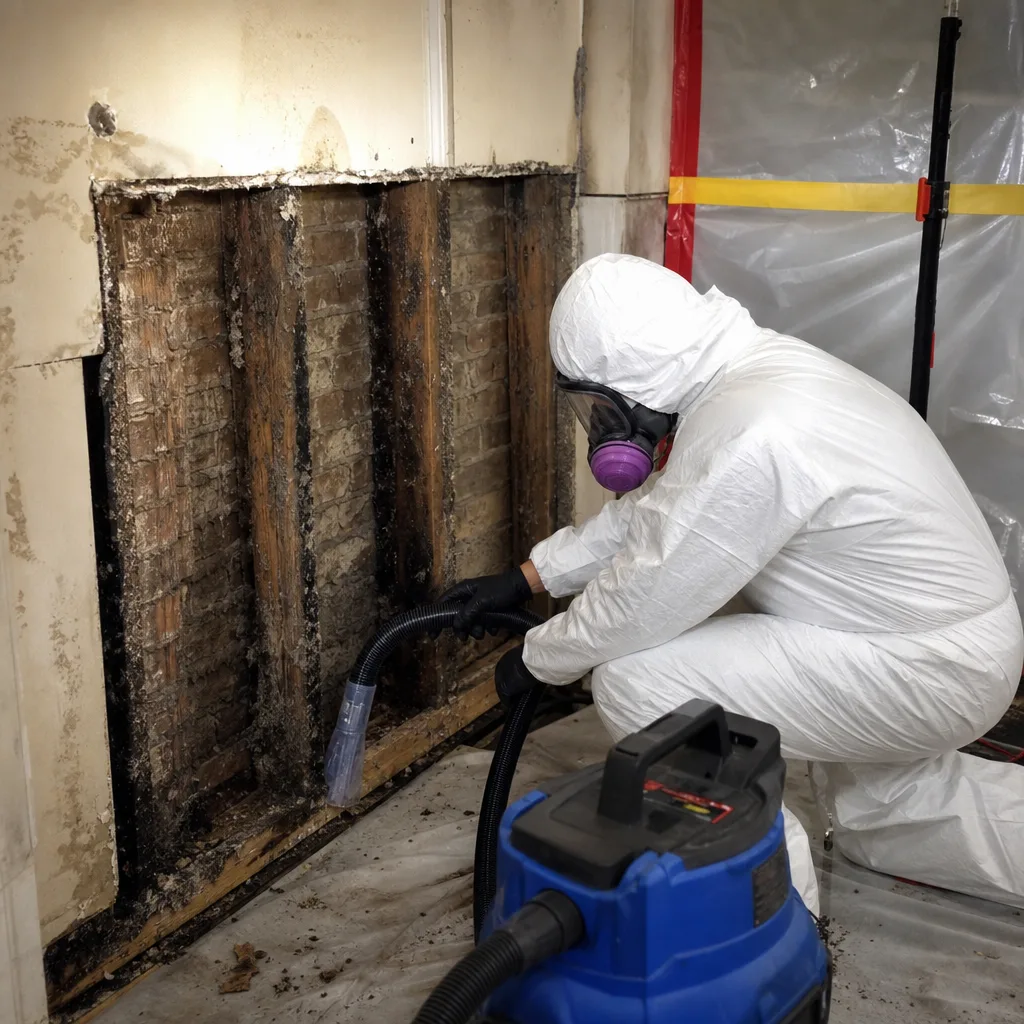
- Logging “checked” without a measurement. “Checked pipes” is not evidence. “Pressure 67 psi, no corrosion visible” is. Every entry needs a number or a photo.
- Storing records only in the home. A water damage event that destroys your basement also destroys your paper log. Cloud backup is not optional.
- Ignoring building-wide systems you don’t own. In co-ops and condos, risers, roofs, and facades are often common elements. But your maintenance log should document when you reported concerns to the managing agent, with their response. A forwarded email with a read receipt is a log entry.
- Assuming new construction means no maintenance. Post-2010 buildings in the Upper East Side have had more water damage claims from PTAC overflows and curtain wall failures than from aging pipes. New systems fail differently, not less.
- Waiting for visible damage to document condition. Baselines exist to show what normal looks like. Take your first moisture readings now, while everything is dry. After a loss, it’s too late.
- Failing to match professional terminology. When you hire a plumber or roofer, use their report language in your log. “Plumber noted pinhole leak at 3/4″ copper elbow, replaced with soldered coupling, pressure tested at 80 psi for 30 minutes.” Specificity builds credibility.
- Not reviewing prior years’ logs before filing a claim. Your insurance attorney or public adjuster needs this context. A complete log presented at first notice of loss signals organized, credible claimant.
When to Call a Professional
Some conditions exceed homeowner maintenance and require immediate professional intervention. Call a licensed plumber if pressure exceeds 85 psi, you find active corrosion on supply lines, or you smell gas near any appliance. Call a roofer or facade specialist if you see daylight through parapet cracks, displaced coping stones, or interior plaster bulging. Call a restoration professional if you discover active water intrusion, standing water, or mold growth exceeding 10 square feet.
For water damage events, documentation should begin before mitigation. Photograph the active condition, then call. DryMark Restoration Upper East Side home provides free estimates in Upper East Side - call (551) 213-5277. We document every job to IICRC, RIA, and IFA standards, with a written price before work begins and a photo record on every visit. Our 365-Day Done Right Promise means if it’s not done right, we make it right, backed by The Haven Standard.
Frequently Asked Questions
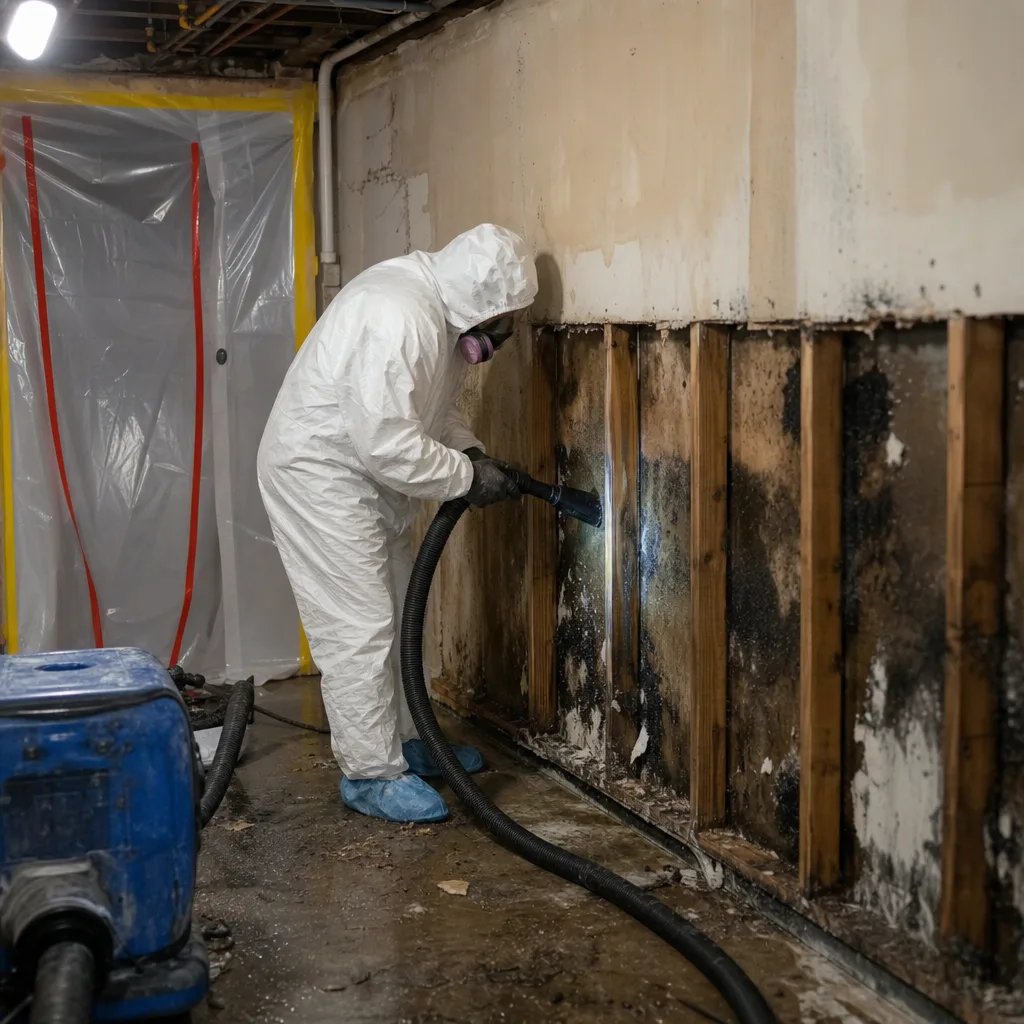
A self-directed maintenance program costs $150-$200 in tools and supplies initially, plus $350-$650 annually for professional plumbing inspection. Professional maintenance plans from property management firms run $800-$1,500 annually for a two-bedroom co-op unit, often bundled with seasonal HVAC service. The cost of a single denied claim - typically $15,000-$40,000 in out-of-pocket restoration - makes either option economical. Call (551) 213-5277 for a free estimate on our Water Damage Restoration services if you discover active damage.
Yes, if the claim is over $10,000 or involves disputed causation. Adjusters request maintenance records in approximately 60% of water damage claims we see in the Upper East Side market. A complete, dated log with photos and professional reports shifts the conversation from “Did you maintain?” to “What was the sudden event?” That’s the difference between coverage and denial.
Response time varies by company and call volume. For active water damage, speed matters because moisture migrates horizontally through baseboards and vertically through wall cavities within hours. DryMark Restoration Upper East Side answers live 24 hours a day, 7 days a week with no voicemail on emergency lines. We provide a written price before work begins on every job, every time, with no exceptions - Haven Standard, Clause 1.
Cleaning addresses surface water. Restoration addresses moisture trapped in materials. If water contacted drywall, insulation, subflooring, or wall cavities, cleaning is insufficient. Professional moisture mapping with thermal imaging and pinless meters determines the actual affected area. We offer free second opinions on any competitor’s written estimate if you’re uncertain about the scope proposed.
Above 85 psi or below 40 psi on a residential supply line. Readings between 80-85 psi warrant monitoring weekly until a plumber can install a pressure-reducing valve. Sudden pressure drops - 15+ psi from your prior reading - indicate a developing leak, even if no water is visible. The leak may be in a wall or the building riser.
Upper East Side renters should photograph and record condition at move-in, then annually. Share the documentation with your landlord in writing. While renters’ insurance covers contents, not structure, a maintenance gap dispute between landlord and building insurer can delay your contents claim. Your independent documentation protects your timeline.
The Bottom Line
A water damage prevention checklist is only as strong as its documentation. The Upper East Side homeowner who records quarterly pressure readings, annual professional inspections, and material moisture baselines builds a defensible record before any loss occurs. That record defeats the “long-term neglect” denial that insurers increasingly deploy. Start with the tools listed here, establish your baseline this month, and maintain the habit quarterly. The 30 minutes per quarter and $500 annual professional inspection are the cheapest insurance policy you can buy - and the only one that pays out in claim acceptance, not just repair coverage.
Written by Alicia Brennan, Owner at DryMark Restoration Upper East Side, serving Upper East Side since 2011.