
Last updated September 23, 2026
Free visual inspection and a written scope of work before any mitigation begins - photos, moisture readings, and drying logs go in your claim file
The scope we write is the scope we bill. Anything new gets shown to you, in writing, before we touch it.
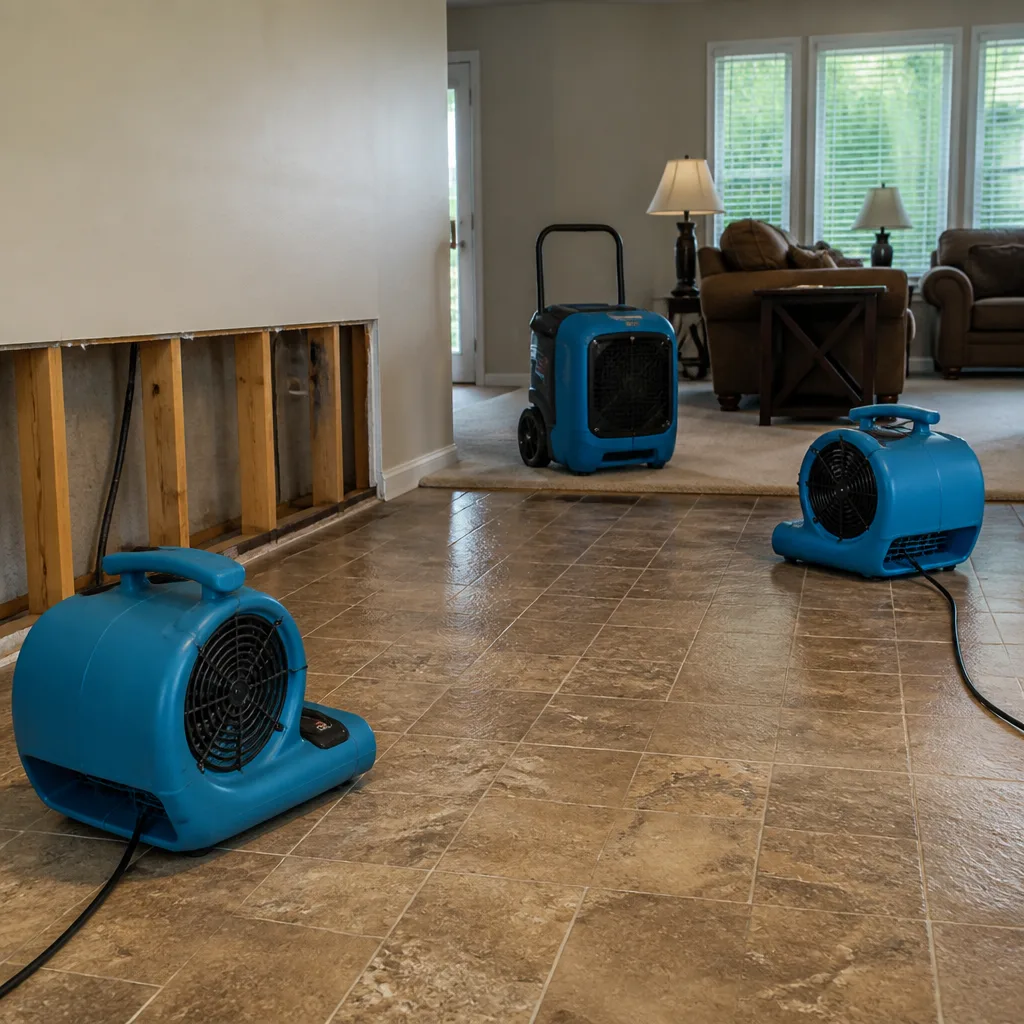
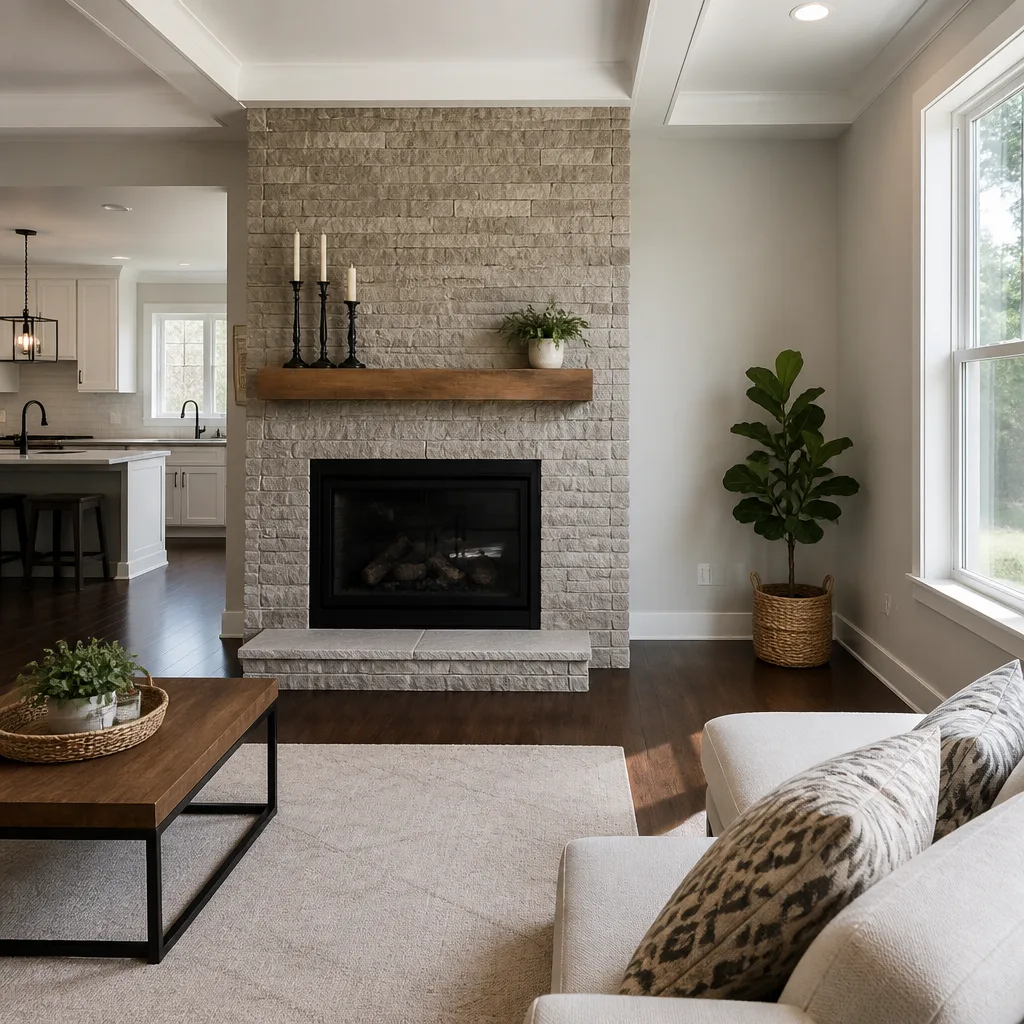
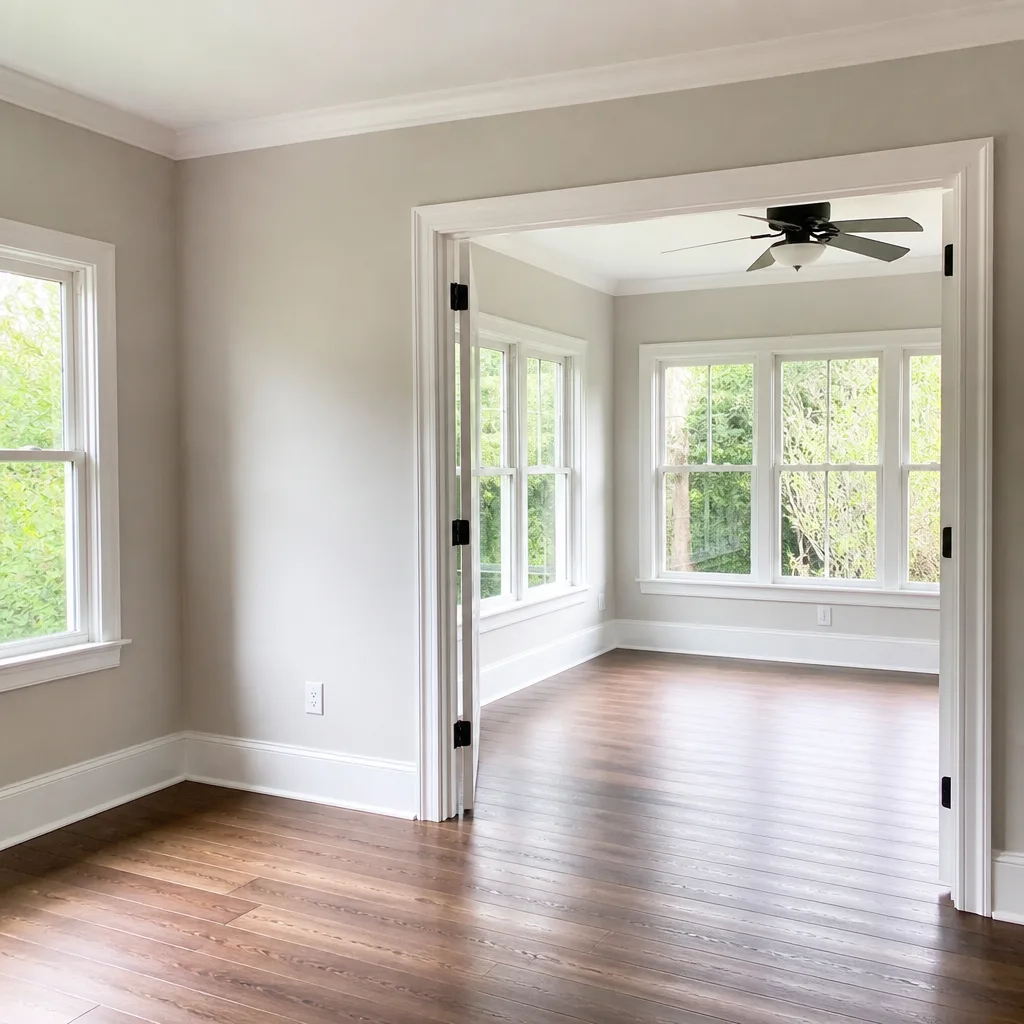
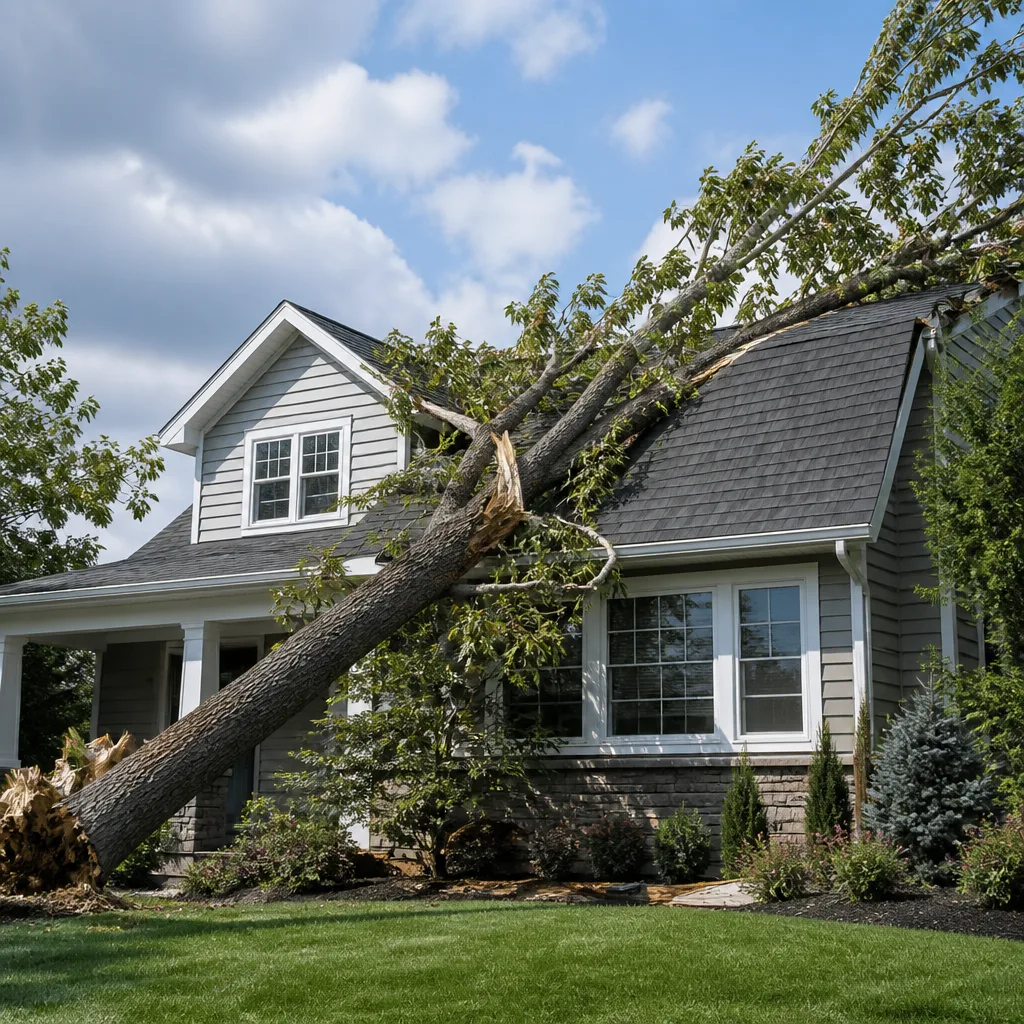
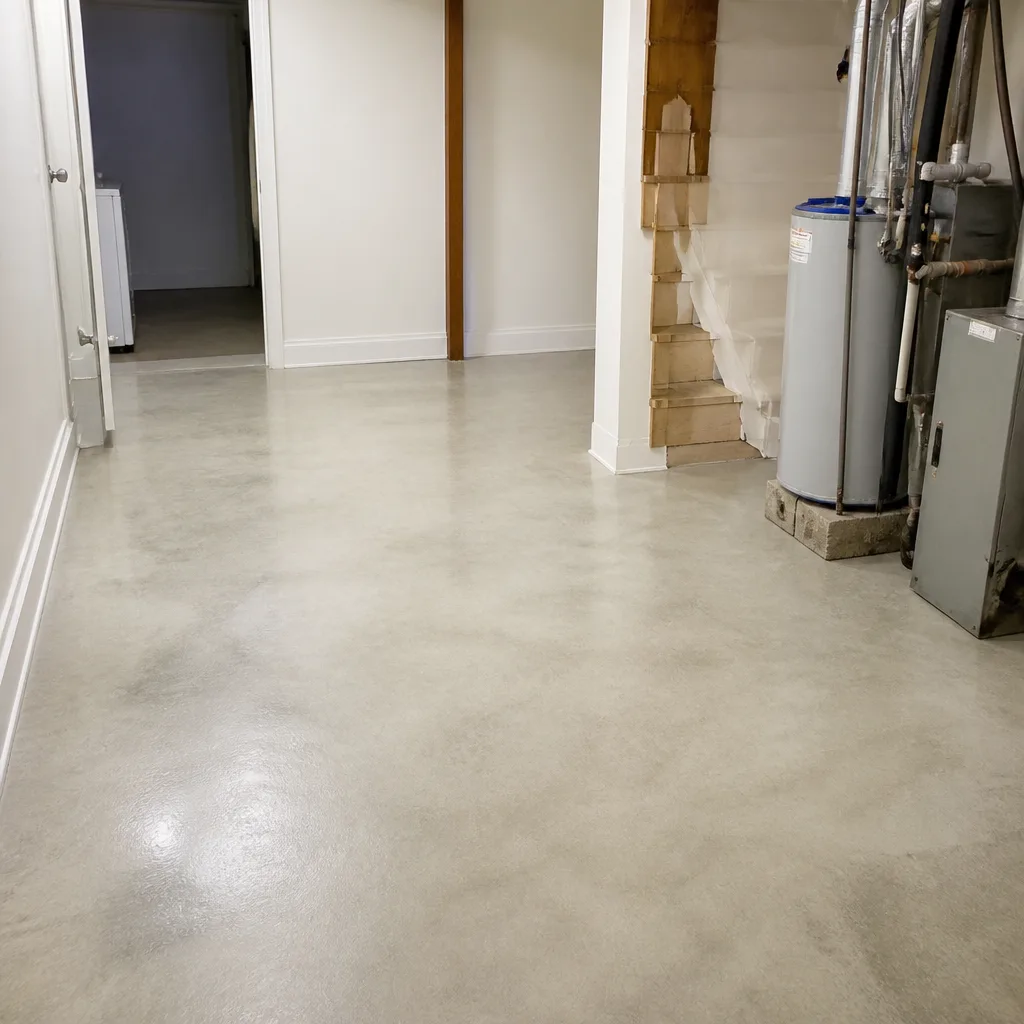
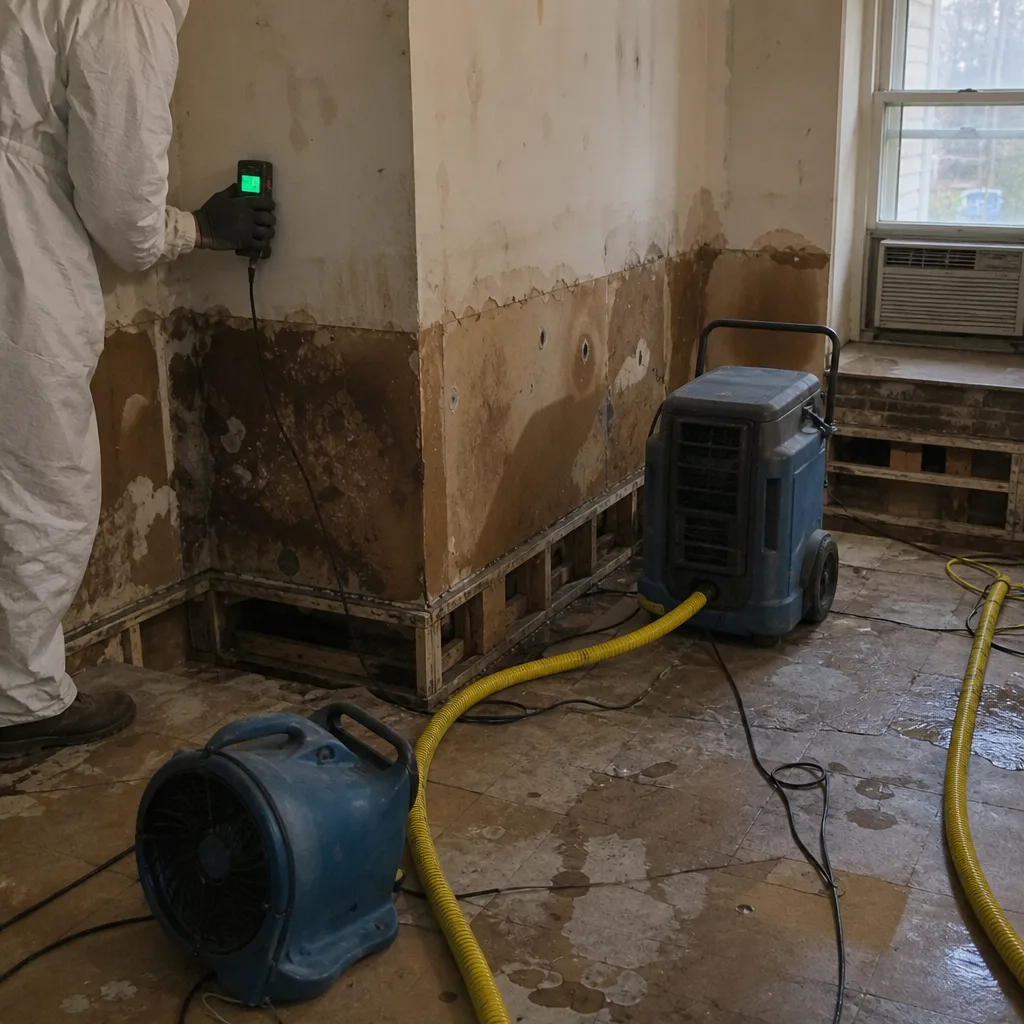 Before
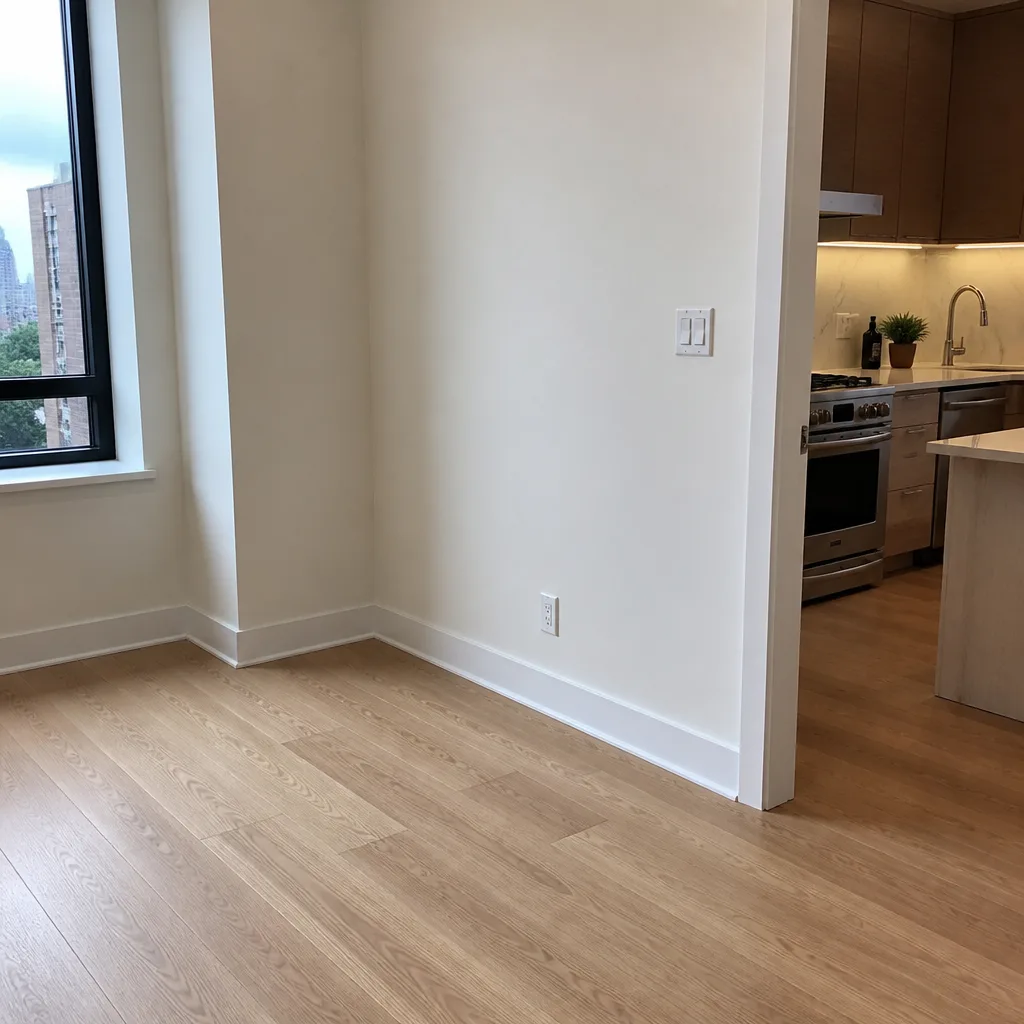 After
After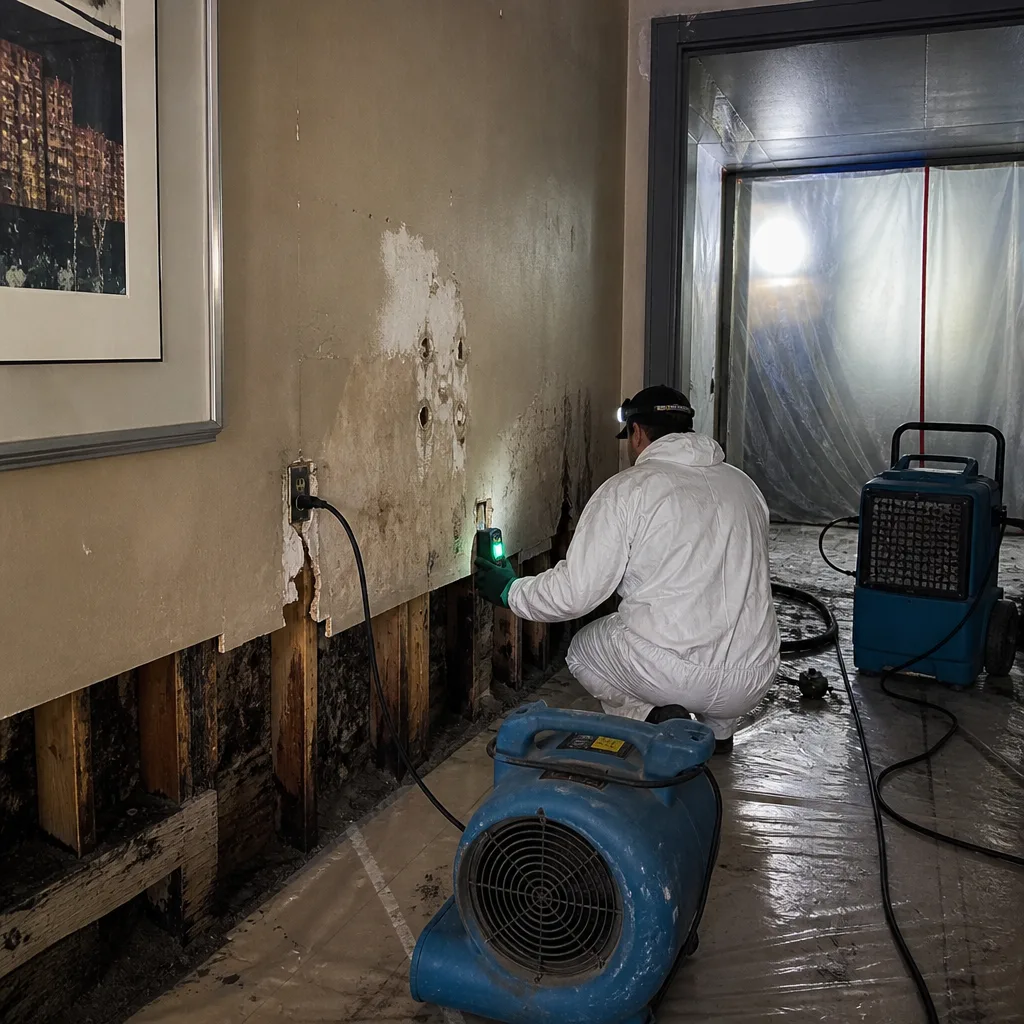 Before
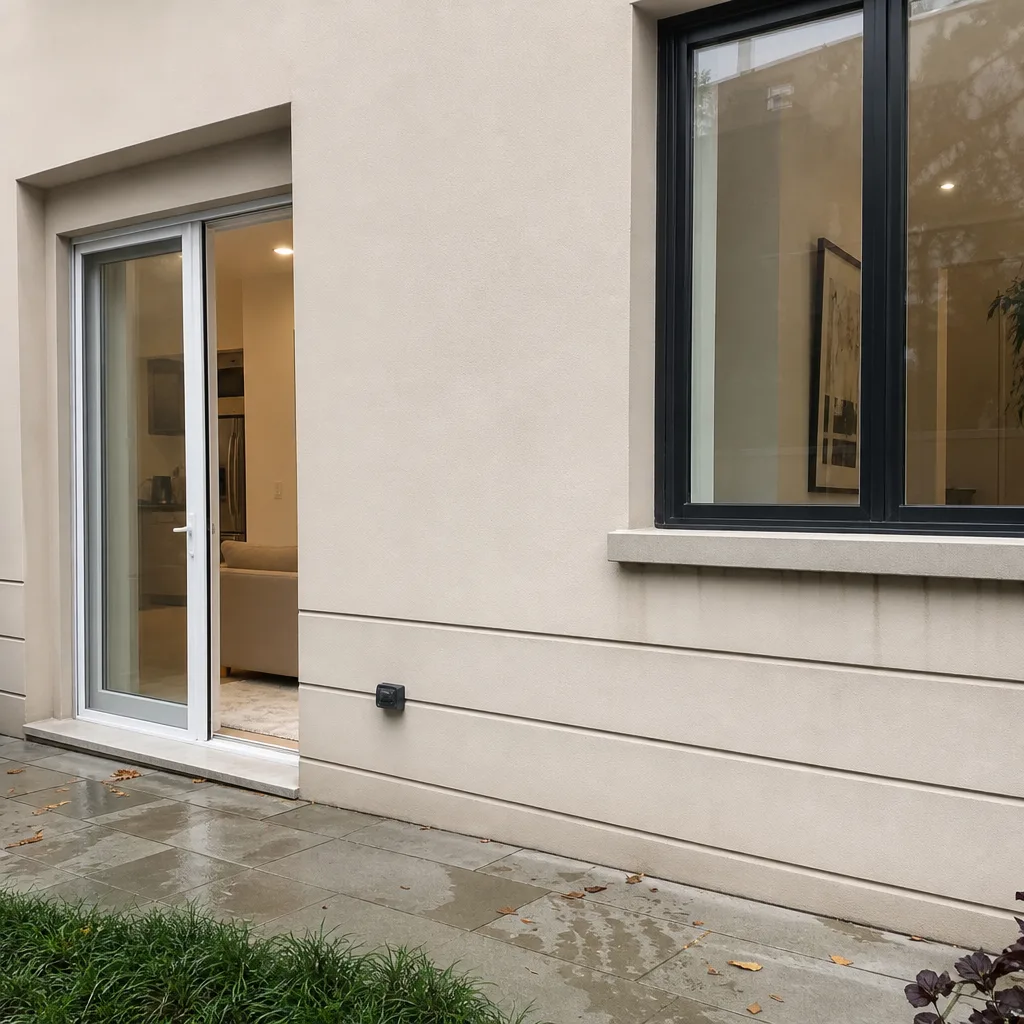 After
After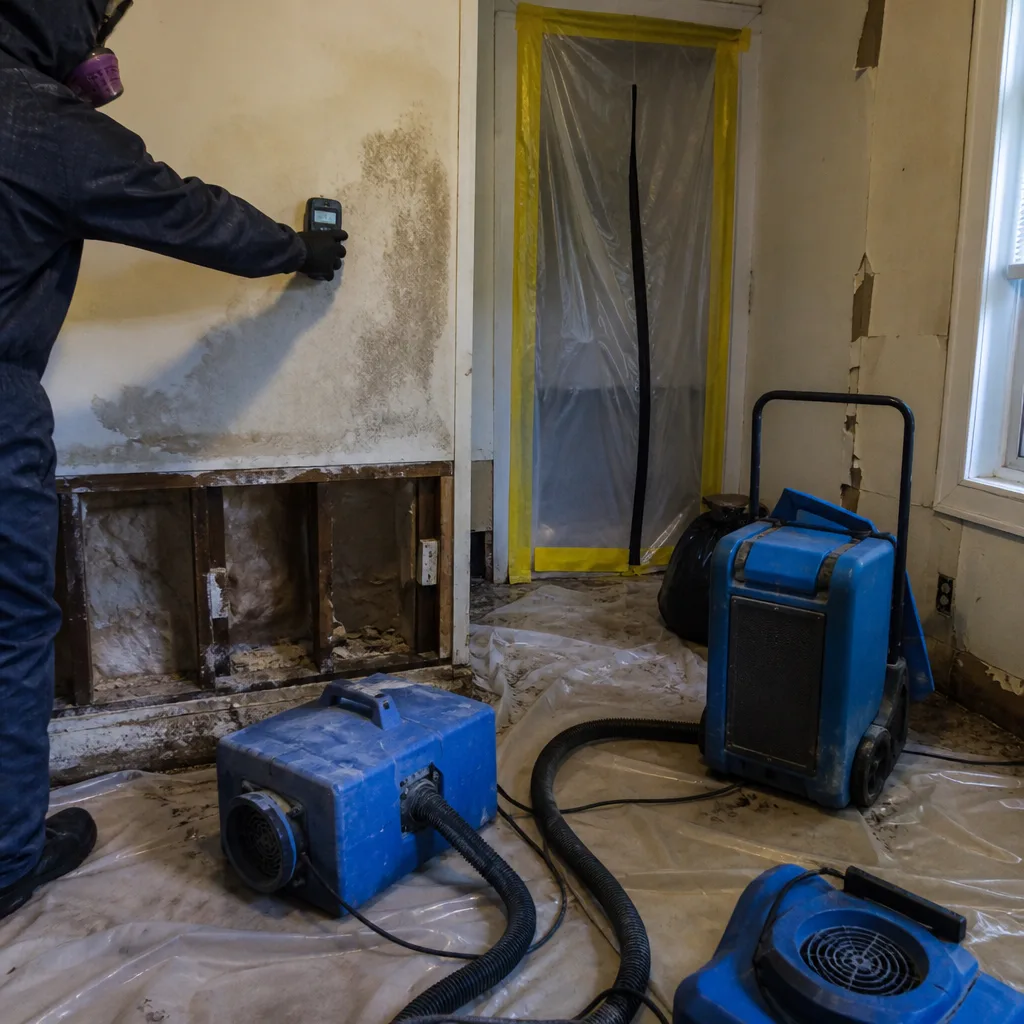 Before
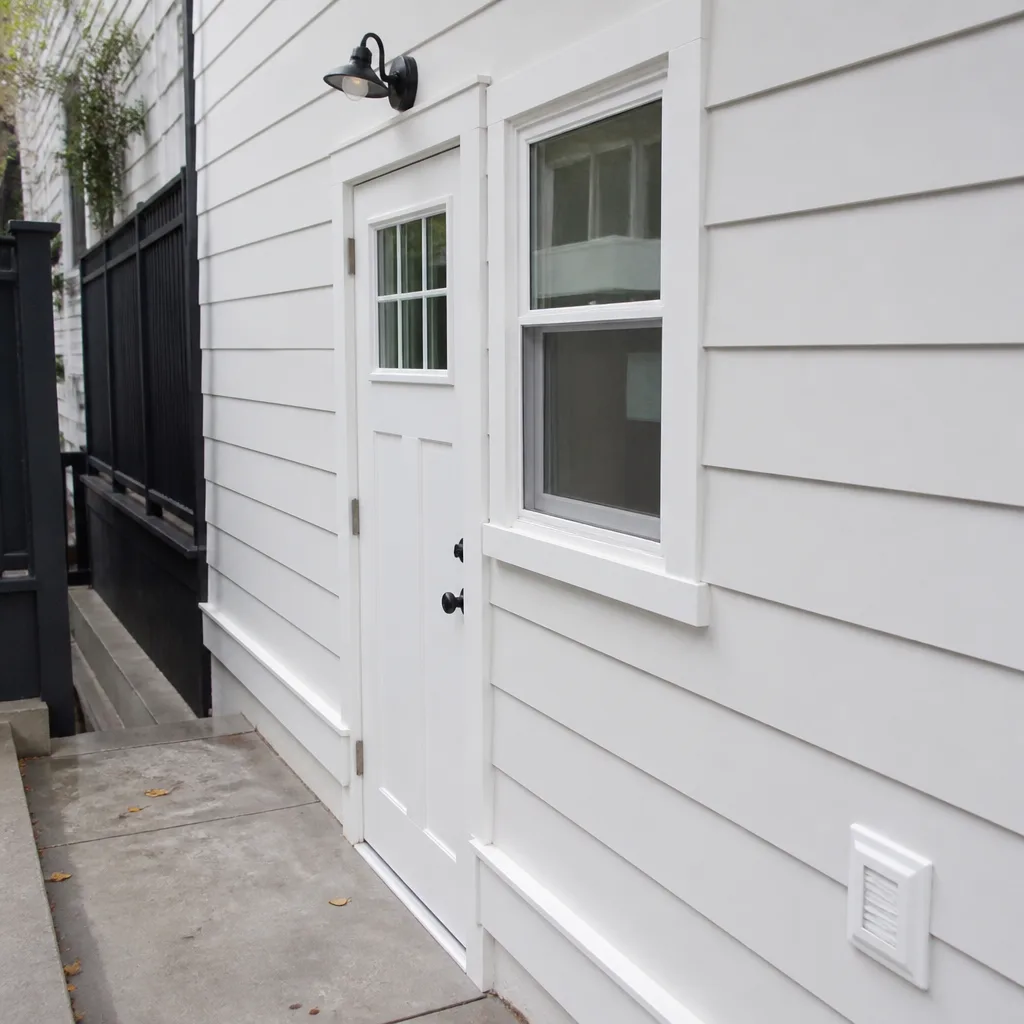 After
AfterDamage Restoration Cost Breakdown: The Upper East Side Homeowner’s Reference for 2026
The single most common reason an Upper East Side homeowner receives less than their invoice on a water damage claim is not fraud. It’s that the contractor’s invoice used non-standard line descriptions that didn’t map to any Xactimate code, so the adjuster simply removed them. We’ve reviewed competitor estimates in this market for thirteen years, and the pattern is consistent: a $14,000 invoice becomes an $8,700 payout because half the line items were written in plain English instead of the trade vocabulary that insurance software recognizes. This guide translates restoration pricing into the adjuster’s language, shows what legitimate Upper East Side costs look like in Xactimate for 2026, and explains how to read a written scope before you sign it so you don’t discover the gap at settlement. For Damage Restoration Warning Signs: A Upper East Side Homeowner’s Reference Guide, see our companion resource.
Quick Answer
Water damage restoration in the Upper East Side typically runs $18-$32 per square foot for Category 1 extraction and drying in 2026, with total project costs ranging from $4,200 for a contained bathroom leak to $38,000+ for a multi-room flood with plaster and hardwood damage. Manhattan zip codes carry a 15-22% price adjustment in Xactimate above national baselines, driven by labor rates, access constraints, and material costs specific to the New York City market. A legitimate estimate shows every line item in dollar figures with corresponding Xactimate codes, not “TBD after demo” language that leaves the final price open.
Table of Contents
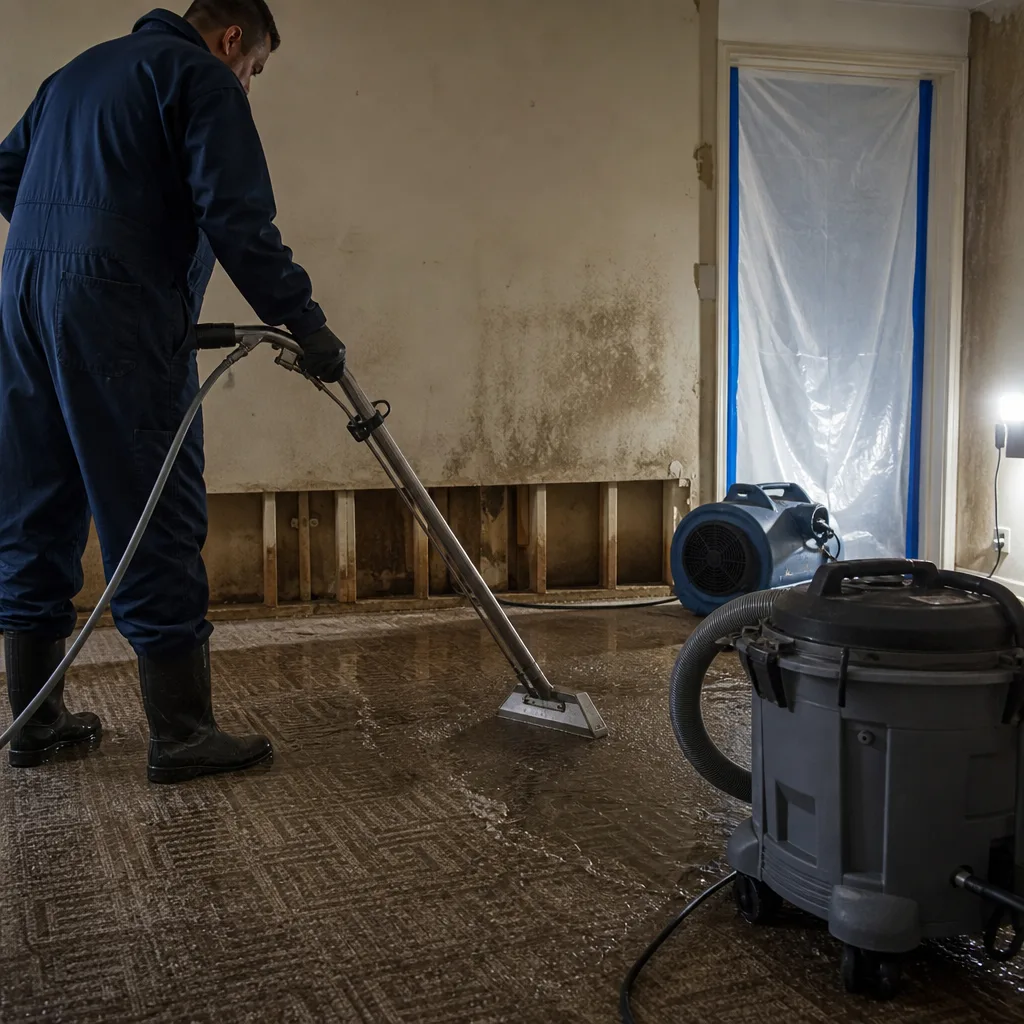
- How Xactimate Line Items Determine Your Upper East Side Invoice
- Why Manhattan Zip Codes Cost 15-22% More Than National Baselines
- Restoration Cost Categories: Water, Mold, Fire, and Rebuild
- The Three Cost Categories Adjusters Challenge Most Often
- Reading a Written Scope: What Legitimate Pricing Looks Like
- How a 365-Day Warranty Affects Your Total Claim Value
- The Documentation That Turns Invoices Into Payable Claims
- Equipment Rental Rates and What Drives Daily Charges
BeforeAfterHow Xactimate Line Items Determine Your Upper East Side Invoice
Xactimate is the pricing database most insurers use to validate restoration claims. When a contractor submits an invoice, the adjuster doesn’t guess whether $4,800 for drywall removal is reasonable. They check whether the line description matches a recognized code, whether the unit of measurement is correct, and whether the price falls within the geographic adjustment for the zip code. If any of those three elements are wrong, the line gets reduced or removed entirely.
Here’s what this means in practice for Upper East Side properties. A typical pre-war co-op on East 72nd Street with a pipe rupture in a bathroom wall might need the following line items, each with a specific Xactimate code:
- WTR WATX – Water extraction, Category 1: $1.85-$2.40 per square foot in 10021/10028/10065/10075 zip codes
- WTR DRYW – Drywall removal, 1/2″ or 5/8″: $3.20-$4.10 per square foot for demolition only
- WTR DRYR – Drywall reset (reinstallation): $4.80-$6.20 per square foot, including tape, mud, and finish
- WTR PLAS – Plaster repair, three-coat: $18-$26 per square foot in Manhattan market conditions
- WTR HWDR – Hardwood floor drying system, Injectidry or equivalent: $45-$65 per day per mat system
- WTR CONM – Content manipulation (moving and protecting furniture/contents): $68-$95 per hour, two-hour minimum
- WTR EQDR – Dehumidifier, large commercial (Dri-Eaz or Phoenix): $85-$120 per day
- WTR AFDN – Air mover, axial or centrifugal: $28-$38 per day
The difference between a payable claim and a disputed one often comes down to whether the contractor used these codes or wrote “remove wet drywall” without a code reference. We’ve seen $6,400 in legitimate plaster repair reduced to $2,100 because the contractor described it as “fix wall” and the adjuster applied a patch-and-paint rate instead of the three-coat plaster rate the job actually required.
Content manipulation is especially vulnerable to this problem. In Upper East Side homes, where built-in shelving, custom millwork, and art collections are common, moving and protecting contents is skilled work that takes time. The Xactimate code WTR CONM covers this specifically, but contractors who bill it as “labor” without the code often see it challenged as unskilled general labor and paid at half rate or denied.
Why Manhattan Zip Codes Cost 15-22% More Than National Baselines
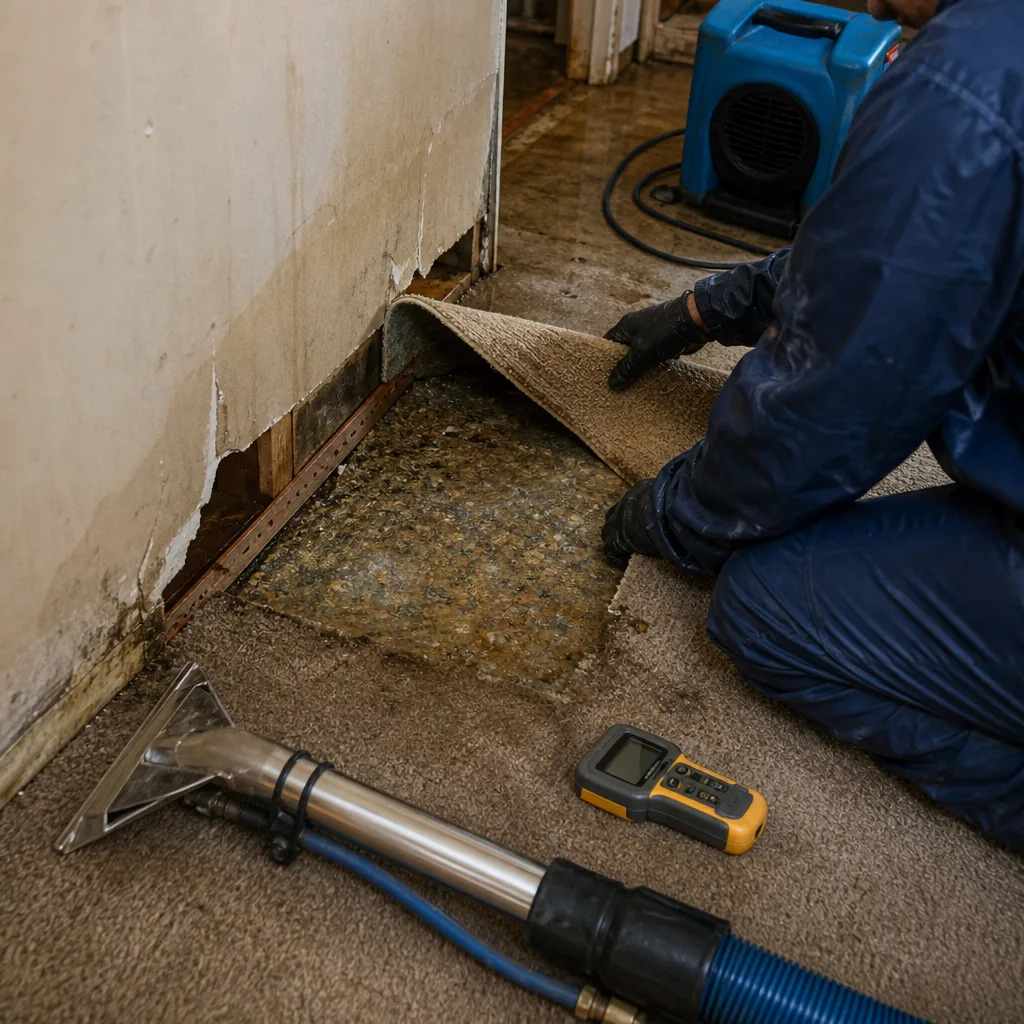
Xactimate maintains geographic price modifiers that adjust national baselines for local market conditions. In 2026, the Manhattan modifier for water damage restoration runs 15-22% above the national average, depending on the specific trade and material. This is not an arbitrary markup. It reflects measurable cost differences that affect every job in the Upper East Side.
Labor rates: Restoration technicians in the New York City market command wages 34-41% above the national median for the trade, driven by cost of living, union scale in some building categories, and the specialized skills required for pre-war construction. A drywall finisher working in a 1920s co-op with plaster lath needs different expertise than one working with modern studs and Sheetrock.
Access constraints: Upper East Side buildings present specific logistical challenges that add time and equipment to every job. Service elevators with restricted hours, narrow stairwells in walk-ups, street parking requiring permits or valet coordination, and building superintendent notification protocols all extend the labor hours required. Xactimate captures some of this through the geographic modifier, but contractors who don’t document these constraints separately may see the time disputed.
Material costs: Plaster, lime-based finishes, and matching materials for pre-war construction are specialty items in the Manhattan supply chain. A bag of veneer plaster that costs $28 in a national market costs $41-$47 delivered to an Upper East Side job site, with longer lead times that extend project duration.
Disposal fees: Construction and demolition waste disposal in New York City runs $145-$190 per ton in 2026, compared to a national range of $55-$85. Water-damaged materials classified as Category 2 or 3 require special handling, adding $40-$60 per ton.
We’ve prepared estimates for properties from East 61st to East 96th Street, and the pattern holds: a water damage job that Xactimate prices at $11,200 in a suburban market prices at $13,400-$14,100 in the Upper East Side, entirely through the geographic modifier and material adjustments. Homeowners who understand this avoid the false economy of comparing their estimate to national averages they found online.
Restoration Cost Categories: Water, Mold, Fire, and Rebuild
Restoration costs vary significantly by damage type, and each category carries different documentation requirements that affect both pricing and insurance outcomes. Below are 2026 Xactimate-based ranges for the Upper East Side market, with the specific conditions that move a job to the higher or lower end of each range.
Water Damage Restoration
| Service | Low Range | High Range | Conditions Affecting Price |
|---|---|---|---|
| Category 1 water extraction | $1.85/sq ft | $2.40/sq ft | Source stopped, no standing water over 24 hours |
| Category 2 extraction and cleaning | $2.60/sq ft | $3.80/sq ft | Dishwasher or washing machine discharge, contamination present |
| Category 3 sewage backup | $4.50/sq ft | $7.20/sq ft | Black water, PPE requirements, antimicrobial treatment mandatory |
| Drywall removal and reset | $8.00/sq ft | $10.30/sq ft | Demo plus reinstallation, tape, mud, finish; plaster higher |
| Hardwood floor drying (Injectidry mat system) | $45/day | $65/day | Per mat, 3-5 day typical drying cycle |
| Commercial dehumidifier rental | $85/day | $120/day | Dri-Eaz or Phoenix unit, psychrometric monitoring included |
| Air mover rental | $28/day | $38/day | Axial or centrifugal, positioned per IICRC drying standard |
| Content pack-out and inventory | $2,800 | $6,500 | Based on volume, fragility, and documentation requirements |
A typical Upper East Side water damage job, a 900-square-foot two-bedroom with Category 1 water from a pipe break affecting two rooms, runs $8,500-$14,000 including extraction, drying equipment for 4-5 days, minimal drywall repair, and content manipulation. Add plaster instead of drywall, and the repair component increases 40-60%.
Mold Remediation
Mold remediation pricing in the Upper East Side follows a different structure than water damage, with less direct Xactimate standardization and more variation based on containment requirements and post-remediation verification. Mold Remediation in Upper East Side jobs typically run:
- Contained area under 25 square feet, no HVAC involvement: $1,800-$3,200
- Moderate growth, 25-100 square feet, negative air containment required: $4,500-$8,500
- Extensive growth, HVAC contamination, or structural cavity involvement: $12,000-$28,000+
- Post-remediation air sampling and clearance documentation: $450-$850
The documentation gap in mold is severe. We’ve reviewed competitor estimates that listed “remediate mold” as a single line item for $9,500 with no breakdown of containment, removal, treatment, or clearance. An adjuster facing that invoice has no basis to validate it. A proper scope shows: containment setup (negative air machines, polyethylene barriers), affected material removal with square footage, HEPA vacuuming and cleaning, antimicrobial application, and post-remediation verification with third-party lab results.
Fire and Smoke Damage Restoration
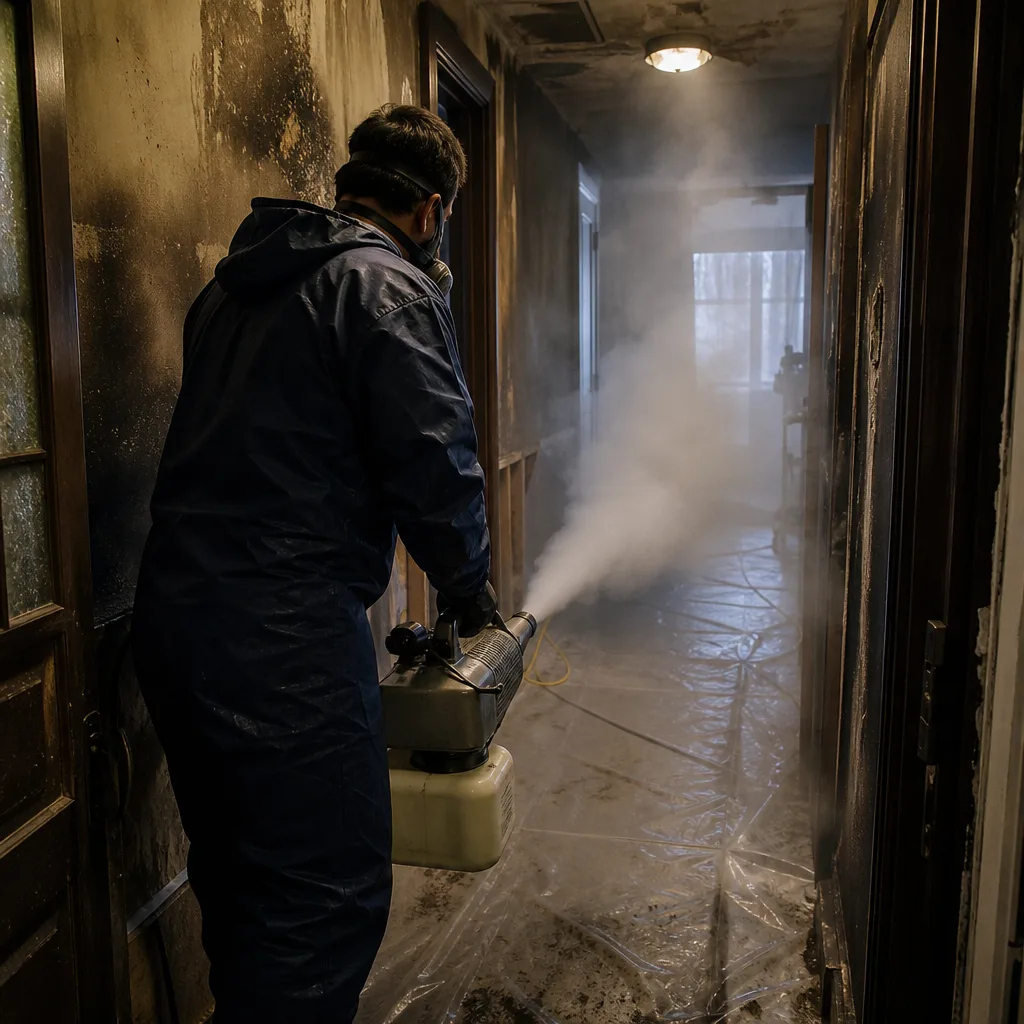
Fire & Smoke Damage Restoration in Upper East Side presents the widest cost range of any restoration category because the damage spectrum runs from light soot on surfaces to structural compromise requiring full rebuild. 2026 Xactimate ranges for Manhattan:
- Light smoke damage, contents cleaning and deodorization: $3,500-$7,500
- Moderate smoke and soot, structural cleaning, partial pack-out: $12,000-$28,000
- Significant fire damage with structural repair: $45,000-$125,000+
- Ozone or hydroxyl deodorization: $280-$450 per treatment day
- Contents cleaning, per box or item category: $35-$85
Fire restoration invoices are scrutinized heavily for double-dipping. A contractor cannot bill for both “smoke damage cleaning” and “structural cleaning” on the same surface without documenting that two distinct processes were performed. The photo record on every visit, required under Haven Standard protocols, is what separates a payable invoice from a reduced one.
Reconstruction and Full Rebuild
Reconstruction after mitigation is where scope ambiguity costs homeowners the most. Unlike emergency mitigation, which insurers generally cover when documented properly, rebuild costs depend on policy limits, code upgrade provisions, and whether the homeowner selects replacement materials equivalent to what was damaged or upgrades. For a deeper look at regulatory requirements, read Damage Restoration Permits, Codes & Inspections in NY: What You Need to Know.
Upper East Side reconstruction costs in 2026, Xactimate-adjusted:
- Kitchen rebuild, mid-range finishes: $185-$265 per square foot
- Bathroom rebuild, standard fixtures: $145-$210 per square foot
- Hardwood flooring replacement, white oak, sand and finish: $18-$28 per square foot
- Plaster wall restoration, three-coat: $22-$32 per square foot
- Custom millwork matching, pre-war detail: $85-$150 per linear foot
Code upgrade coverage is especially relevant in Upper East Side pre-war buildings. If a 1930s electrical system damaged by water must be brought to current NYC code during rebuild, the incremental cost may or may not be covered depending on policy language. A written scope that flags this question before work begins, rather than discovering it mid-project, is the difference between a controlled process and a $15,000 surprise.
The Three Cost Categories Adjusters Challenge Most Often
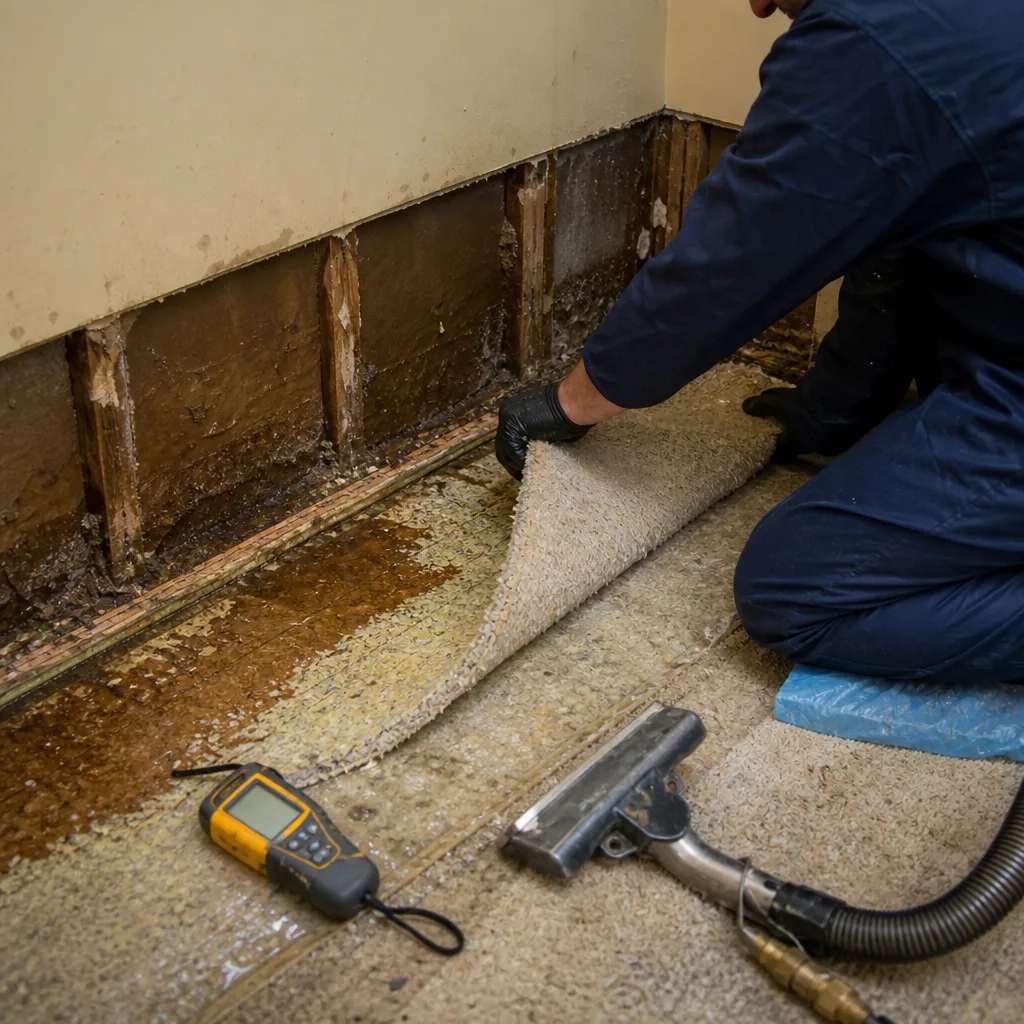
After reviewing thousands of claim files since 2011, we’ve identified three line-item categories that generate the most disputes between contractor invoices and insurance payouts. Understanding these before you receive your estimate lets you ask the right questions when the scope is presented.
1. General Contractor Overhead and Profit (O&P)
Xactimate allows a 10% overhead and 10% profit markup, totaling 20%, on jobs where the contractor performs three or more trades or coordinates multiple subcontractors. This is standard and legitimate, but it’s frequently challenged when the invoice doesn’t clearly show which trades were self-performed and which were subcontracted. A restoration company that does its own water extraction, drying, and rebuild can justify O&P. One that subcontracts all three and adds 20% on top may see the markup reduced.
The documentation that supports O&P is a written scope showing each trade, the subcontractor agreement or in-house labor classification, and the coordination required. We include this as standard on every DryMark Restoration Upper East Side home estimate because we’ve seen $3,400 in legitimate O&P removed for lack of documentation.
2. Emergency Service Fees and After-Hours Charges
Emergency response fees are valid when documented, but adjusters scrutinize them for reasonableness. A $450 emergency service fee for a crew arriving at 11 PM on a Saturday is generally accepted in the Manhattan market. A $1,200 fee with no explanation of what constituted the emergency premium is not. The key documentation is the call log showing time of loss notification, crew dispatch time, and arrival time, plus the written scope timestamped before work began.
In the Upper East Side, where many buildings have after-hours access protocols that require superintendent coordination or security escort, these constraints should be noted in the scope as justification for extended response time and associated labor.
3. Contents Pack-Out and Manipulation
This is the most frequently underdocumented category we see. Contents work requires: an inventory with photos before moving, condition documentation, storage location and rate, and return delivery with condition verification. An invoice line reading “pack out contents $4,800” with no inventory is virtually guaranteed to be challenged. The adjuster has no basis to determine if the charge represents 40 boxes of books and dishes or three pieces of furniture.
Our standard deliverable includes a photo-inventory with item descriptions, storage at a documented facility with monthly rate disclosure, and signed condition verification on return. This documentation typically resolves pack-out disputes before they start.
Reading a Written Scope: What Legitimate Pricing Looks Like
Haven Standard, Clause 1 requires a written price before any work starts, every time, with no exceptions. This clause exists because we’ve seen what happens when it isn’t followed: the crew begins demolition, discovers additional damage, and the homeowner is presented with a revised price 40% higher while standing in a demolished kitchen with no alternative but to proceed.
A legitimate written scope for an Upper East Side restoration job contains the following elements in dollar figures, not “TBD” or “allowance” language:
- Line-item breakdown by Xactimate code – Every charge maps to a recognized code with unit price, quantity, and extended total. No lump-sum categories.
- Material specifications by trade name – “Drywall” becomes “5/8″ Type X fire-rated drywall, USG Sheetrock Brand or equivalent.” “Paint” becomes “Benjamin Moore Regal, two coats, primer specified separately.”
- Labor classification and hours – Restoration technician, carpenter, plasterer, painter, each with hourly rate and estimated hours. No blended “labor” rate that obscures skill levels.
- Equipment list with daily rate and estimated days – Dri-Eaz dehumidifier, $95/day, 5 days; Injectidry hardwood mat system, $58/day, 4 days.
- Contingency allowance with trigger conditions – If and only if hidden damage is found, a 10% contingency with specific triggers: “Additional water damage behind tub surround, documented with photo and moisture reading, activates contingency for additional drywall removal and drying.”
- Exclusions stated explicitly – “Scope does not include: electrical code upgrade, plumbing repair to source, finish carpentry beyond base reinstall.”
- Payment schedule tied to documented milestones – “50% upon signed approval and commencement, 40% upon completion of drying/moisture clearance, 10% upon final walkthrough and sign-off.”
What disqualifies a scope: any line reading “TBD after demo,” “allowance for unknown conditions,” “time and materials to be billed,” or “price subject to change based on adjuster approval.” These phrases transfer all risk to the homeowner and signal that the contractor hasn’t performed adequate preliminary assessment. In our experience, a contractor with moisture meters, thermal imaging, and borescopic inspection capability can identify 90%+ of concealed damage before demolition begins. See DIY vs Professional Damage Restoration: The Upper East Side Homeowner’s Decision Guide for why this expertise matters. The remaining 10% is what the contingency clause addresses.
We’ve provided free second opinions on competitor estimates where “TBD” language concealed $8,000-$12,000 in probable additional charges. The homeowner who understood this before signing kept control of the process. The one who discovered it after demolition had no leverage.
How a 365-Day Warranty Affects Your Total Claim Value
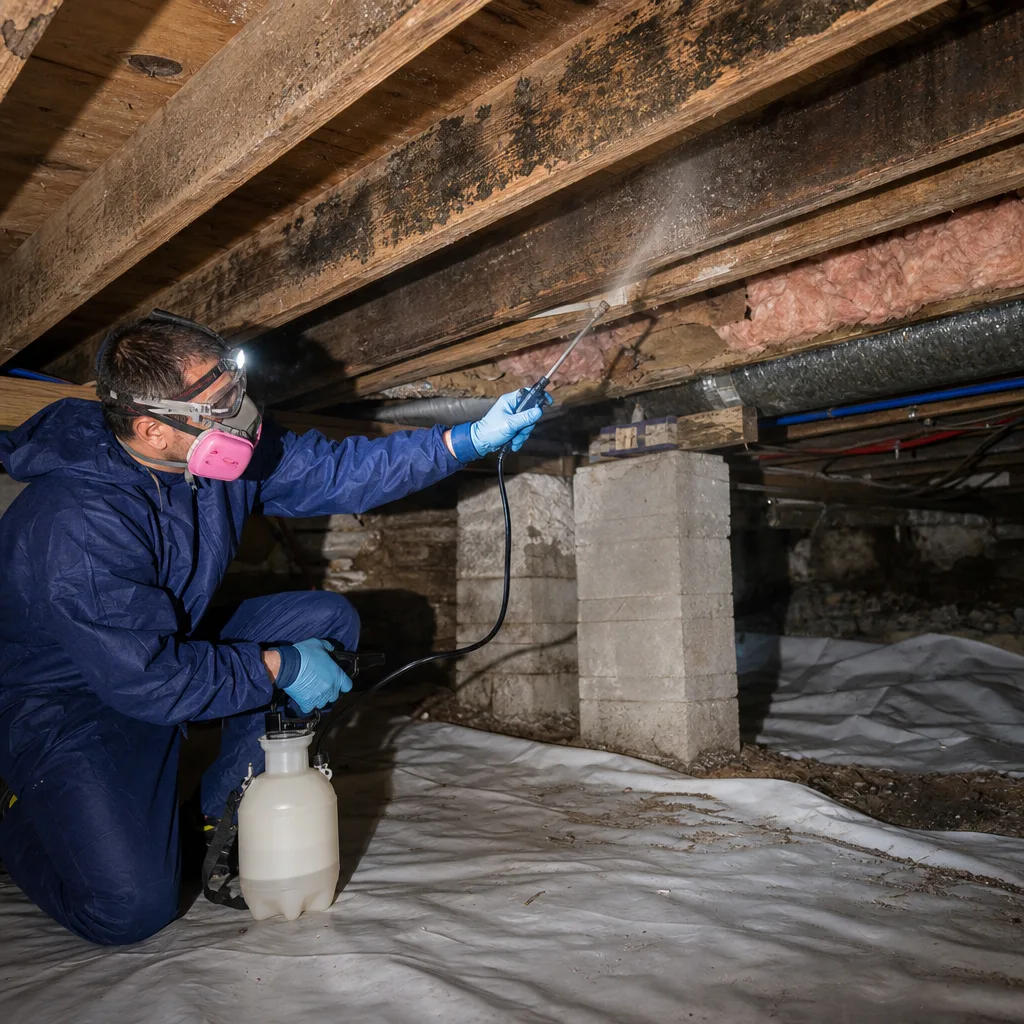
The 365-Day Done Right Promise under The Haven Standard is a signed warranty, not a marketing statement. It states that if any work proves defective within one year of completion, we return and make it right at no charge. This has a documented effect on claim value that most homeowners and some adjusters overlook.
Post-completion callbacks in restoration are not rare. Industry data tracked through RIA and IFA channels indicates callback rates of 8-15% for water damage jobs within twelve months, typically for: moisture recurrence due to incomplete drying, mold growth in inadequately treated cavities, or cosmetic failure in repairs (paint peeling, joint cracking, floor cupping). Each callback has a real cost: crew dispatch, materials, possible secondary damage to adjacent finishes, and in rental properties, tenant relocation.
When a contractor offers no written warranty, or a verbal “call us if anything comes up,” that callback cost doesn’t disappear. It transfers to the homeowner, or to the insurer if the homeowner files a supplemental claim. A supplemental claim for callback work is often disputed as pre-existing or unrelated to the original loss, generating months of correspondence and potential appraisal or litigation.
A contractor who warranties work in writing for 365 days absorbs this cost as a business expense and prices it into the original estimate. The result is a slightly higher initial invoice, but a closed claim with no supplemental exposure. For adjusters, this reduces claim volatility and administrative cost. For homeowners, it eliminates the risk of paying twice for the same repair.
In the Upper East Side market, where properties are frequently held as investments or part of estate planning, a documented warranty also supports property value. A potential buyer reviewing maintenance records sees a completed restoration with warranty documentation, not an open-ended liability.
We’ve honored the 365-Day Done Right Promise on 340+ jobs since 2011. The cost of those callbacks was built into our pricing model from the start, which is why we can offer the guarantee without reservation. Contractors who don’t warranty their work are either absorbing callback costs unpredictably, or they’re not planning to answer the phone when it rings.
The Documentation That Turns Invoices Into Payable Claims
The gap between a restoration invoice and an insurance payout is almost always a documentation gap. We’ve built our entire operation around closing it. Every Water Damage Restoration in Upper East Side job we perform includes the following documentation as standard deliverables, never upsells:
- Daily drying log with psychrometric data – Temperature, relative humidity, and specific humidity readings for each affected room, recorded at consistent intervals, with equipment placement map. This demonstrates that drying progressed according to IICRC S500 standards and justifies equipment rental duration.
- Photo record on every visit – Date-stamped, geotagged, showing moisture meter readings in frame, equipment in position, and condition of affected materials. Photos are uploaded to a shared folder accessible to the homeowner and adjuster within 24 hours of each visit.
- Written scope with Xactimate code reference – The estimate presented before work begins, with every line item coded and priced, signed by both homeowner and technician.
- Moisture clearance documentation – Final readings showing affected materials returned to within acceptable moisture content for the material type (typically 12-16% for softwood, 6-9% for hardwood, verified with calibrated pin or pinless meter).
- Equipment retrieval receipt – Signed confirmation of equipment removal date, establishing final rental day and preventing disputes over duration.
The psychrometric data deserves specific explanation because it’s where most documentation fails. Psychrometrics is the study of air-vapor mixtures, and in restoration it means understanding that drying isn’t just running dehumidifiers until surfaces feel dry. It’s managing vapor pressure differential, the force that drives moisture from wet materials into the air where equipment can remove it. A drying log that shows we maintained a 30+ grain depression (the difference between specific humidity in the affected room and outdoor air) for 72 consecutive hours proves that drying conditions were optimized and that equipment was necessary and properly deployed.
Adjusters who understand this data pay invoices without challenge. Those who don’t have it explained to them default to skepticism and reduce equipment days arbitrarily. Our daily logs include a plain-language summary for adjuster review, translating the technical data into “equipment was necessary and effective for X days.”
Equipment Rental Rates and What Drives Daily Charges
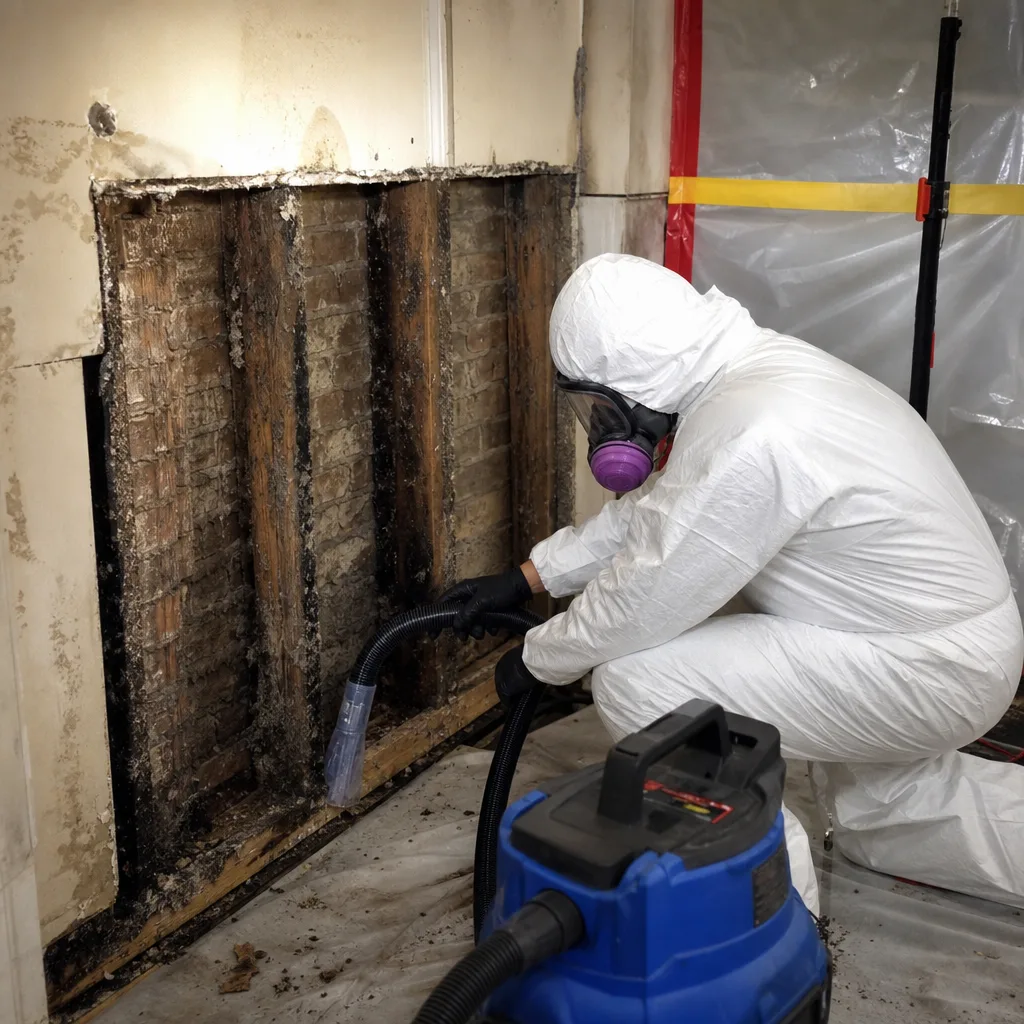
Equipment rental constitutes 15-25% of most water damage restoration invoices, and it’s the category most frequently reduced by adjusters who don’t understand what the equipment does or why the specified type was necessary. Below are 2026 Upper East Side rates with the technical justification for each.
| Equipment | Daily Rate | Typical Job Duration | When It’s Required |
|---|---|---|---|
| Large commercial dehumidifier (Dri-Eaz LGR 7000XLi or Phoenix 200 MAX) | $85-$120 | 3-5 days | Any water damage exceeding 50 square feet; removes 130+ pints/day at saturation |
| Desiccant dehumidifier (Phoenix D385 or equivalent) | $145-$195 | 2-4 days | Deep drying of hardwood, plaster, or low-temperature environments where LGR efficiency drops |
| Air mover, axial (XPOWER P-230AT or B-Air VP-33) | $28-$38 | 3-5 days | Surface drying, one per 50-70 square feet of affected area |
| Air mover, centrifugal (Dri-Eaz Velo or Phoenix AirMax) | $32-$42 | 3-5 days | Focused airflow for wall cavities, under cabinets, or dense materials |
| Injectidry hardwood mat system | $45-$65 per mat | 3-5 days | Hardwood floor drying without removal; mats distribute vacuum pressure across boards |
| Injectidry wall cavity system | $38-$52 per port | 2-4 days | Drying inside wall cavities without demolition; ports inject dry air at positive pressure |
| Negative air machine (Hepa 500 or equivalent) | $55-$75 | Duration of containment | Mold remediation or Category 3 water; maintains containment pressure differential |
| Thermal imaging camera (FLIR or equivalent) | $45-$65 | Initial and verification only | Identifies moisture migration behind surfaces; not a daily rental, typically 2 days per job |
The specific brands matter for documentation purposes. When an adjuster sees “dehumidifier” without specification, they may apply a generic rate that doesn’t reflect the actual equipment capability. A Dri-Eaz LGR 7000XLi removes significantly more water per day than a residential-grade unit, and its presence on a job with plaster walls and hardwood floors is technically justified. The invoice should say so.
Equipment duration is determined by psychrometric data, not calendar days. We remove equipment when the drying log shows materials at target moisture content, not before. This sometimes means extending rental by a day to confirm stability, which prevents callback costs that would far exceed the extra rental day. Adjusters who understand this relationship accept the duration. Those who don’t receive the drying log with explanation. Browse more guides & resources on restoration documentation and insurance claims.
Common Mistakes to Avoid
- Accepting a verbal estimate or “ballpark” figure. Haven Standard, Clause 1 exists because verbal pricing is unenforceable and almost always underestimates final cost. A written price before work begins is the only protection against scope creep.
- Comparing your Upper East Side estimate to national averages without geographic adjustment. The 15-22% Manhattan modifier is real and documented in Xactimate. A contractor pricing at national rates is either absorbing the difference, cutting corners, or planning to supplement later.
- Ignoring “TBD after demo” language in a scope. This phrase transfers all risk to you and typically conceals 20-40% in additional charges. Demand specific trigger conditions for any contingency.
- Failing to document pre-existing condition. In Upper East Side pre-war buildings with layered repair history, photo documentation of the loss area before work begins protects against disputes about what damage was caused by the current event versus prior conditions.
- Neglecting to verify that your contractor’s invoice uses Xactimate codes. Plain-English descriptions are the single largest cause of line-item removal by adjusters. The codes exist to standardize communication; use them.
- Overlooking warranty documentation. A verbal warranty has no claim value and no enforcement mechanism. A written 365-day warranty affects both your protection and the adjuster’s confidence in claim closure.
- Not requesting the drying log. Daily moisture readings are your proof that drying was performed to standard and that equipment rental was necessary. Without them, equipment charges are vulnerable to arbitrary reduction.
When to Call a Professional
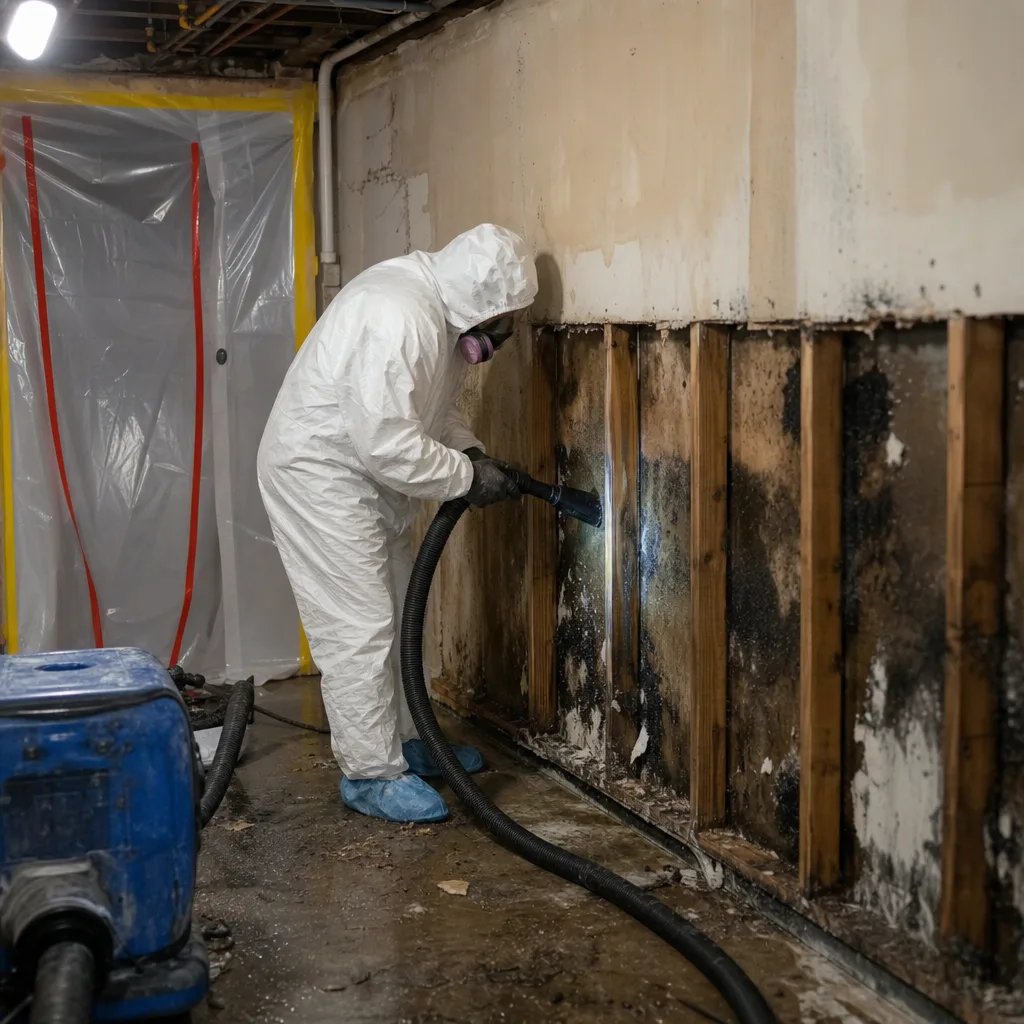
Call a restoration professional immediately when: water has affected drywall, plaster, or flooring and the source is not fully controlled; you smell musty odor or see visible mold growth; fire or smoke damage has occurred regardless of apparent severity; or sewage backup is present. In each case, delay increases damage scope and cost, and documentation of the initial condition affects insurance outcomes.
For water damage specifically, the 24-48 hour window is critical for preventing mold amplification and secondary damage to structural materials. In Upper East Side buildings with shared walls and floors, water migration can affect neighboring units, expanding liability beyond your own coverage.
DryMark Restoration Upper East Side offers free estimates in Upper East Side with written pricing before any work begins, documented photo records on every visit, and the 365-Day Done Right Promise under The Haven Standard. Call (551) 213-5277 to schedule assessment or bring a competitor’s written estimate for a free second opinion.
Frequently Asked Questions
Water damage restoration in the Upper East Side typically costs $18-$32 per square foot for Category 1 extraction and drying, with total projects ranging from $4,200 for a contained bathroom leak to $38,000+ for multi-room flooding with plaster and hardwood damage. Manhattan zip codes carry a 15-22% Xactimate adjustment above national baselines due to labor rates, access constraints, and material costs. Call (551) 213-5277 for a written estimate specific to your property - estimates are free and include line-item pricing with Xactimate codes.
Most homeowners insurance covers sudden and accidental water damage, fire, and storm damage, but coverage varies by policy language, cause of loss, and documentation quality. The key factor is whether your contractor’s invoice uses Xactimate-standard line items with supporting documentation - daily drying logs, photo records, and moisture clearance readings. Without this, legitimate charges may be reduced or denied. We document to IICRC, RIA, and IFA standards and coordinate directly with adjusters to support full coverage. Call (551) 213-5277 to discuss your specific policy and loss.
Xactimate applies a 15-22% geographic price modifier to Manhattan zip codes, reflecting actual cost differences in labor, materials, disposal, and access constraints. A drywall finisher working in a pre-war co-op with plaster lath and building-specific access protocols commands higher wages than one working in a suburban single-family home. Material delivery, waste disposal at $145-$190 per ton, and superintendent coordination all add documented cost. A contractor pricing at national rates is either losing money or planning to supplement later.
Mitigation is emergency work to stop damage progression - water extraction, drying, mold containment, smoke removal. It’s typically covered when documented and priced with standard line items. Reconstruction is the rebuild after mitigation: drywall, flooring, painting, millwork. It requires separate scoping, scheduling, and material selection like a remodel, and coverage depends on policy limits and code upgrade provisions. We provide written scopes for each phase with distinct pricing, never combining them into a vague lump sum.
Our live phone coverage answers every call 24 hours a day, 7 days a week with no voicemail trees. Emergency dispatch for active water damage typically arrives within 2-4 hours in the Upper East Side service area, depending on building access protocols and traffic conditions. Speed matters for mitigation - water continues migrating into materials and creating secondary damage until extraction begins. Reconstruction is scheduled, not dispatched, and requires written scope approval before scheduling.
Category 1 water affecting less than 10 square feet of non-porous materials can sometimes be handled by a homeowner with proper drying equipment. Anything beyond that - Category 2 or 3 water, porous materials like drywall or plaster, concealed cavities, or any visible mold - requires professional assessment. In pre-war Upper East Side construction, plaster over wood lath and multi-layer finishes create moisture traps that surface drying won’t reach. We’ve documented mold amplification in “dry-looking” walls where moisture meters showed 28% content at the lath interface. The cost of professional verification is minor compared to the cost of undetected secondary damage.
We coordinate directly with adjusters as part of our standard service, providing the documentation package - written scope with Xactimate codes, daily drying logs, photo records, and moisture clearance - that supports full claim payment. We do not require you to manage this communication, though you’re copied on all correspondence. Our origin as a company founded by a former claims adjuster means we understand what documentation resolves disputes before they start. The Haven Standard requires this coordination; it’s not an additional service.
The Bottom Line
Restoration pricing in the Upper East Side is not mysterious. It’s mapped in Xactimate, adjusted for Manhattan market conditions, and payable when documented properly. The homeowner who understands line-item codes, geographic modifiers, and the difference between a written scope and a vague estimate controls the claim process instead of discovering its gaps at settlement. Demand Xactimate-coded pricing, daily documentation, and a written warranty. The contractors who provide these aren’t charging more - they’re preventing the hidden costs that appear later as supplements, callbacks, and unpaid invoices. Since 2011, we’ve built our operation around this transparency because we’ve seen what its absence costs.
Written by Alicia Brennan, Owner at DryMark Restoration Upper East Side, serving Upper East Side since 2011.