
Last updated September 23, 2026
Free visual inspection and a written scope of work before any mitigation begins - photos, moisture readings, and drying logs go in your claim file
The scope we write is the scope we bill. Anything new gets shown to you, in writing, before we touch it.
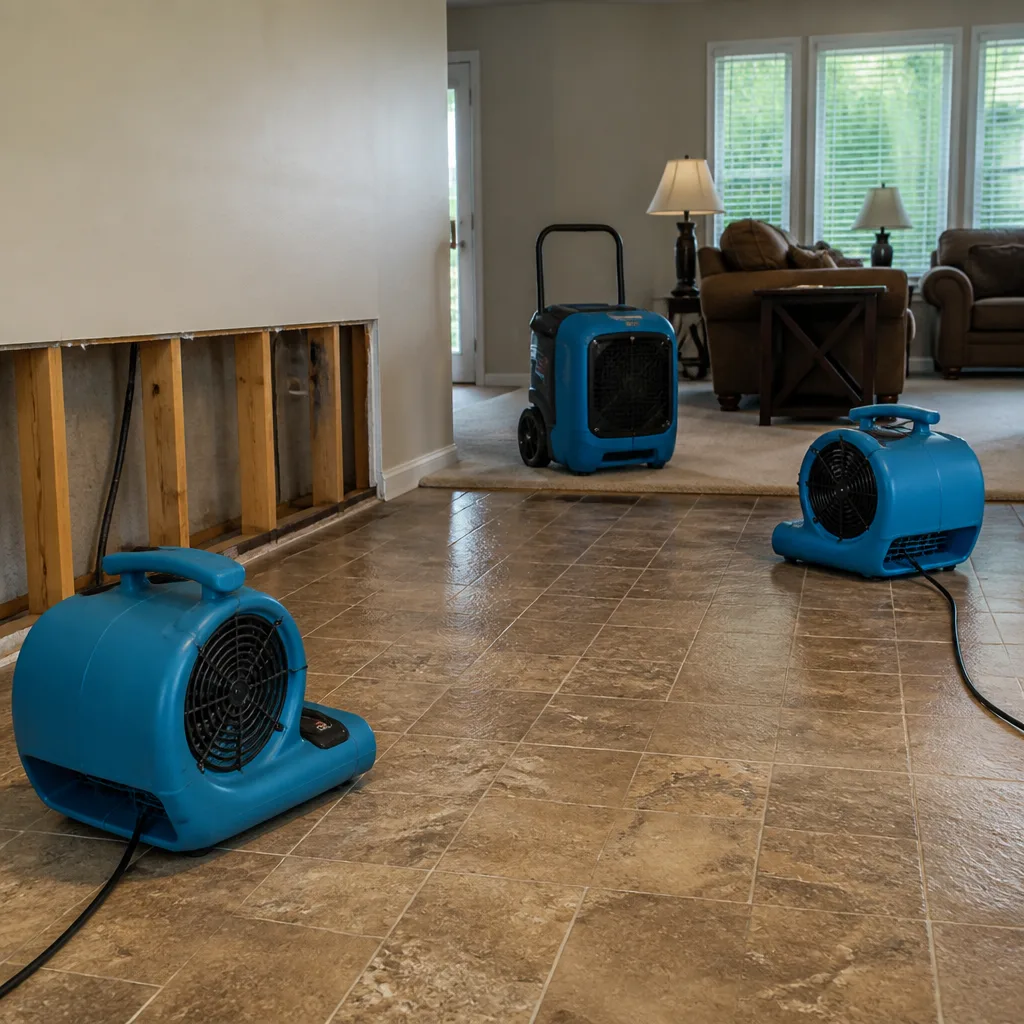

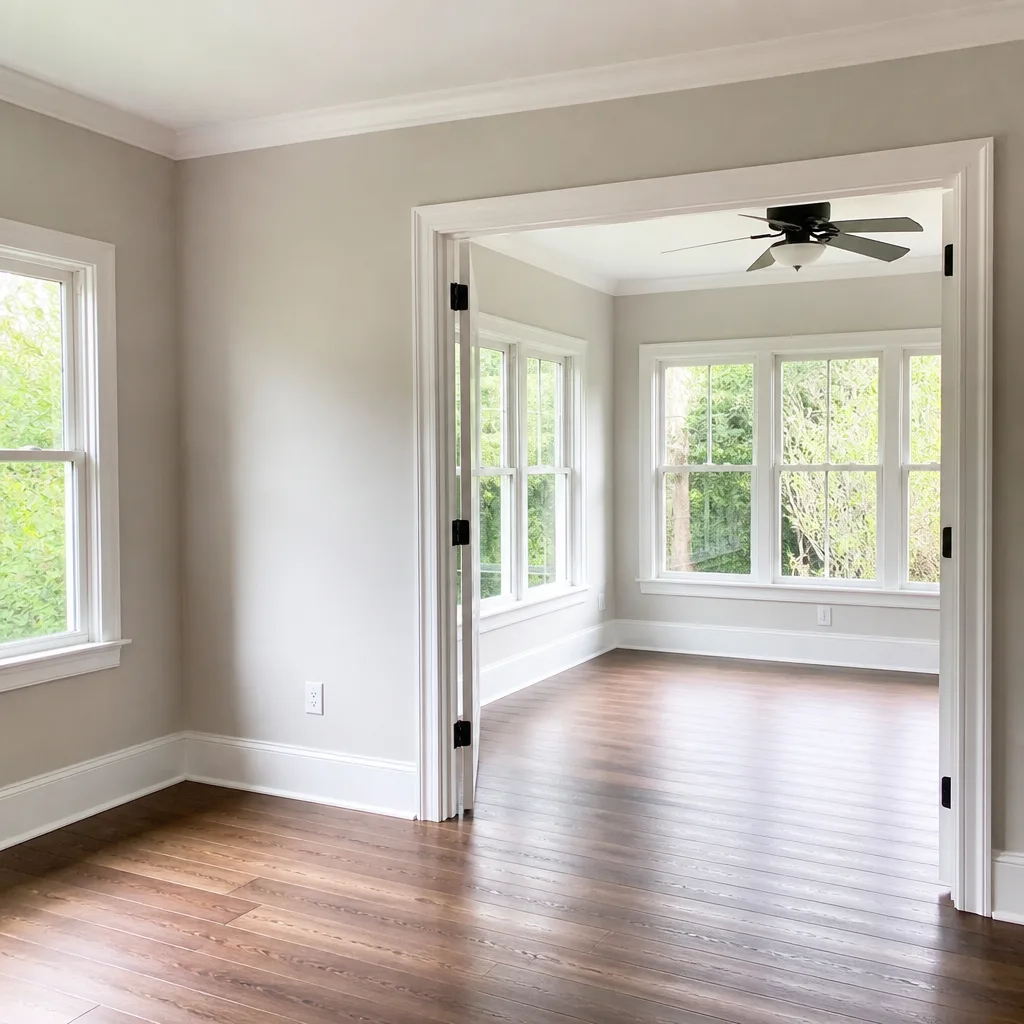
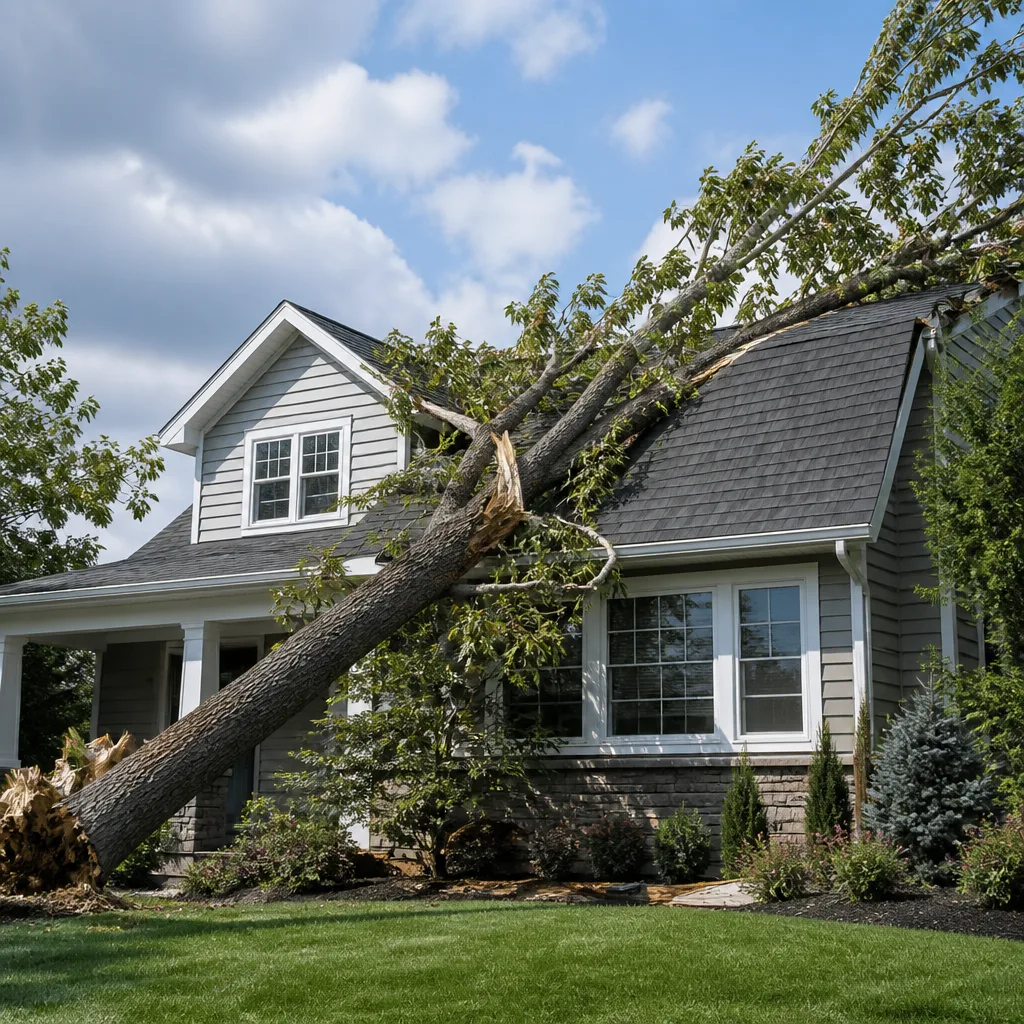
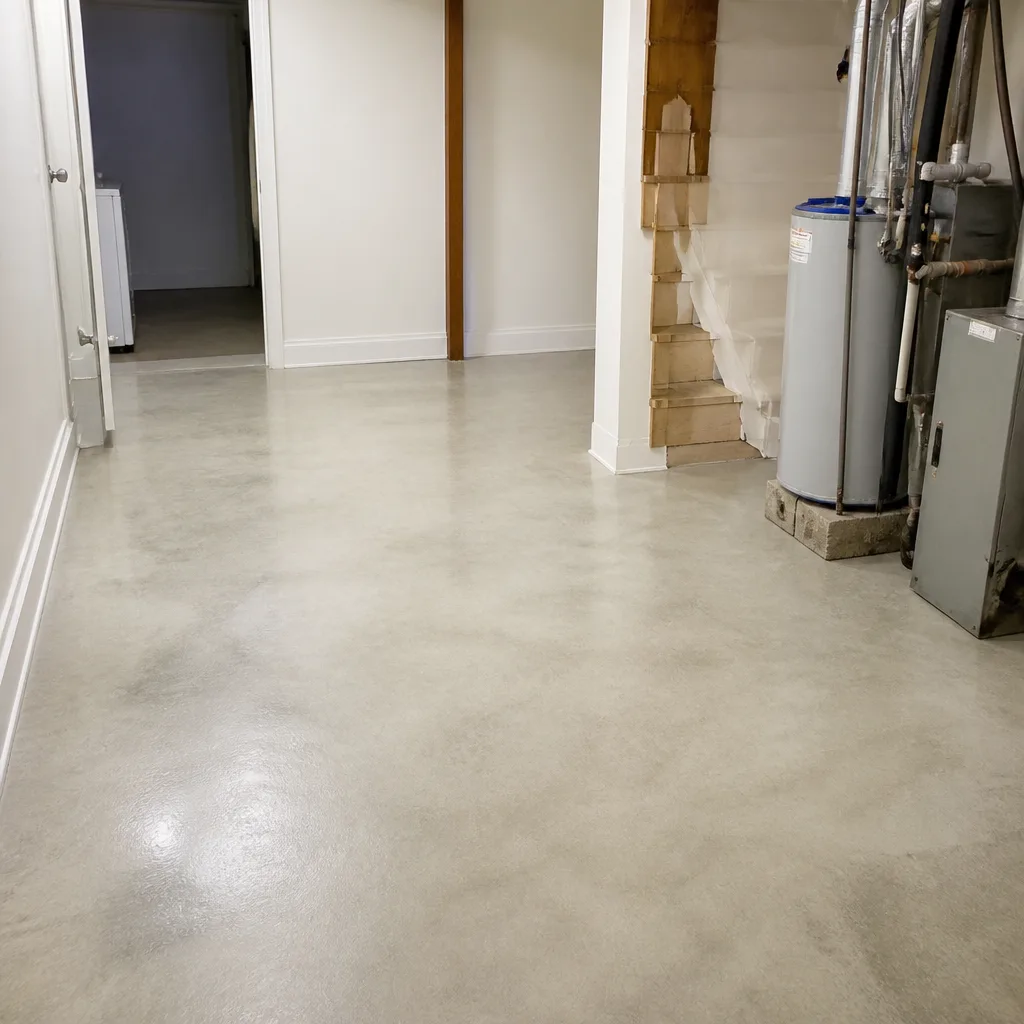

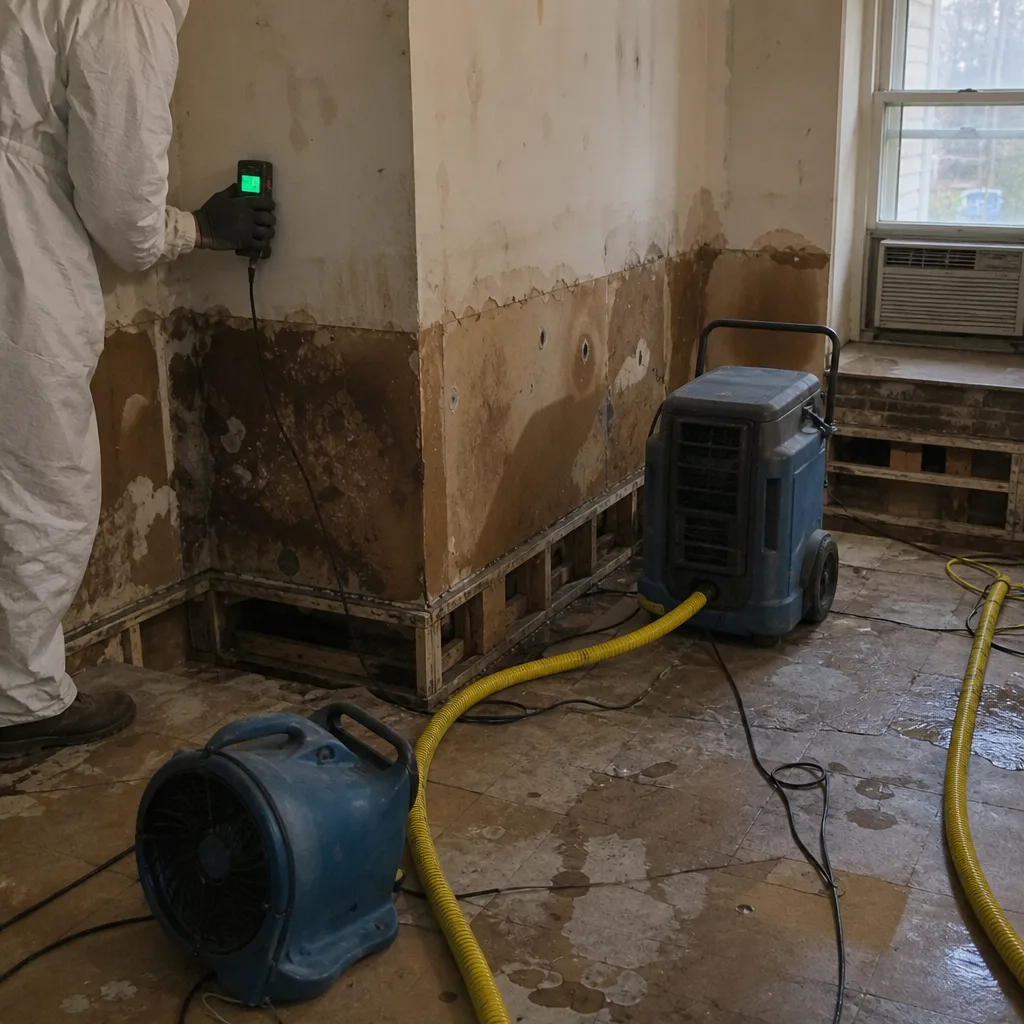 Before
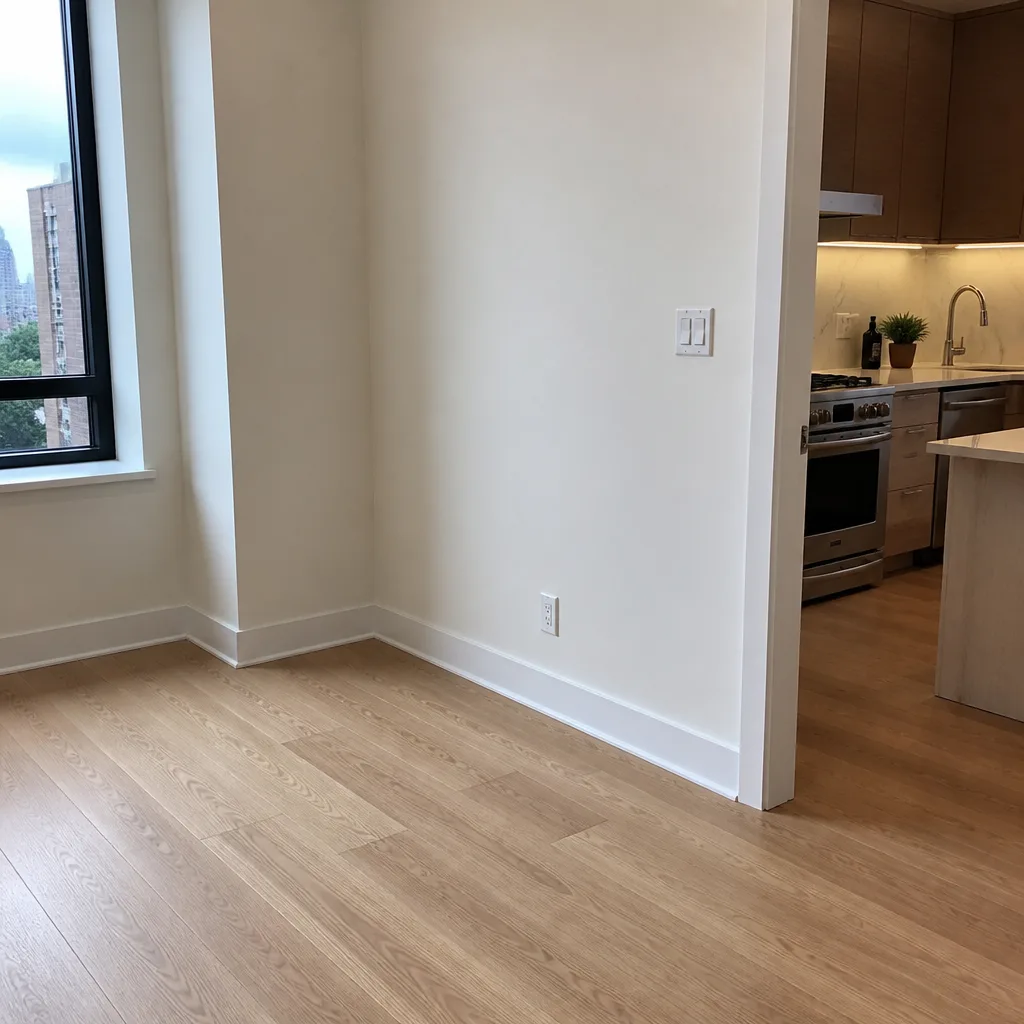 After
After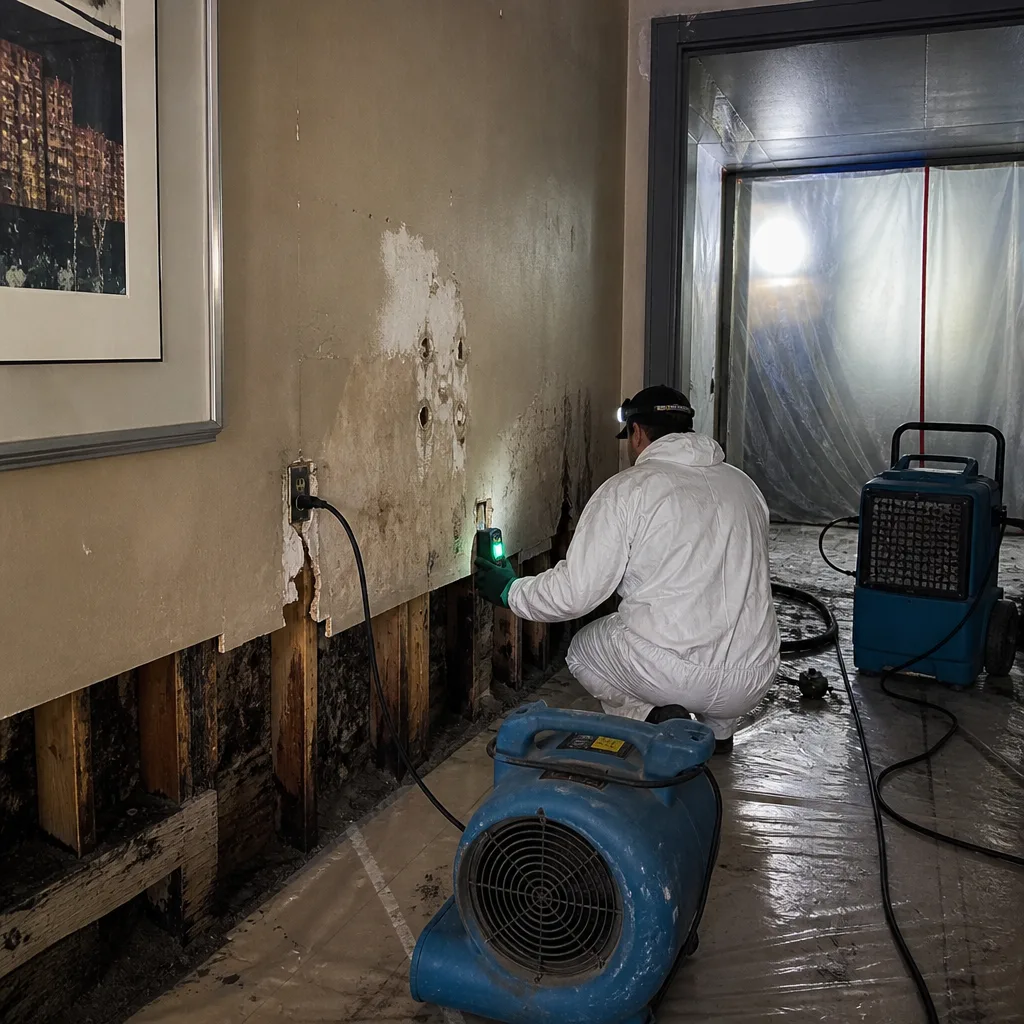 Before
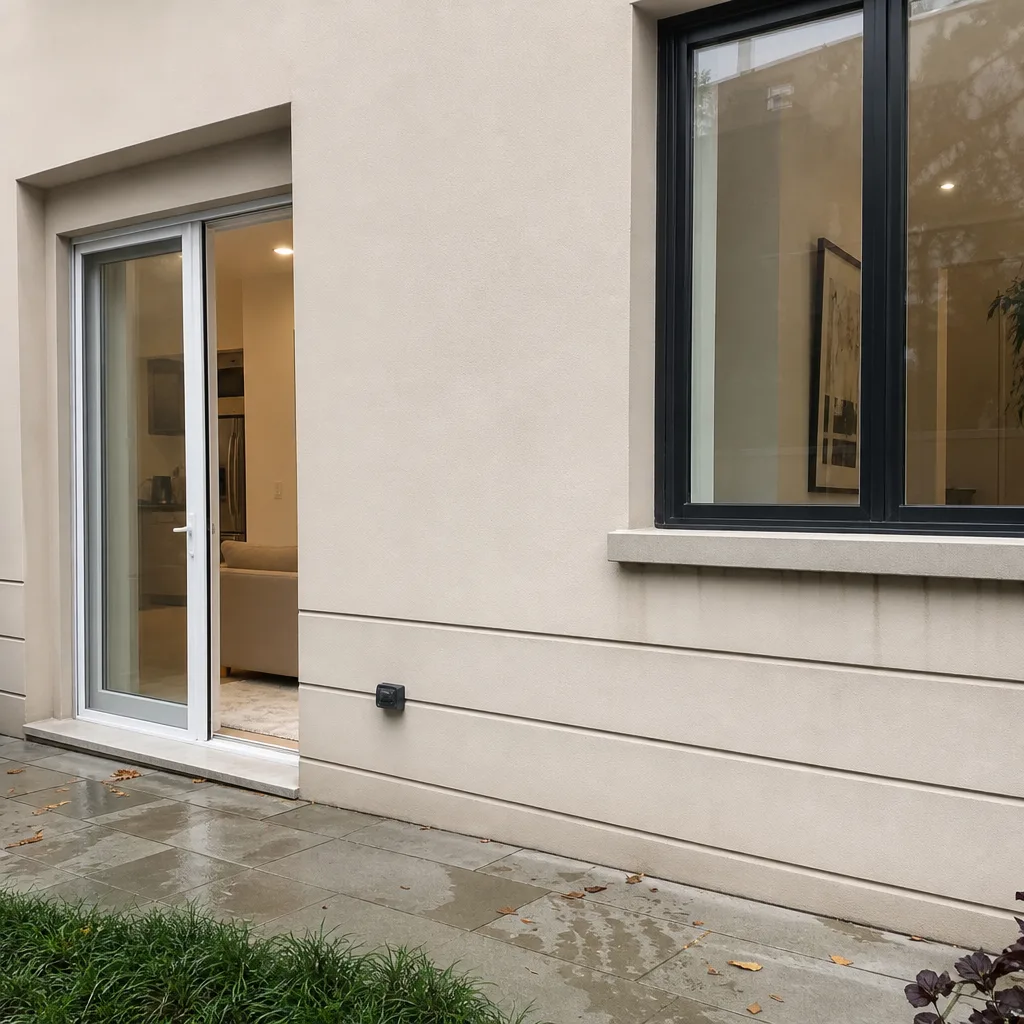 After
After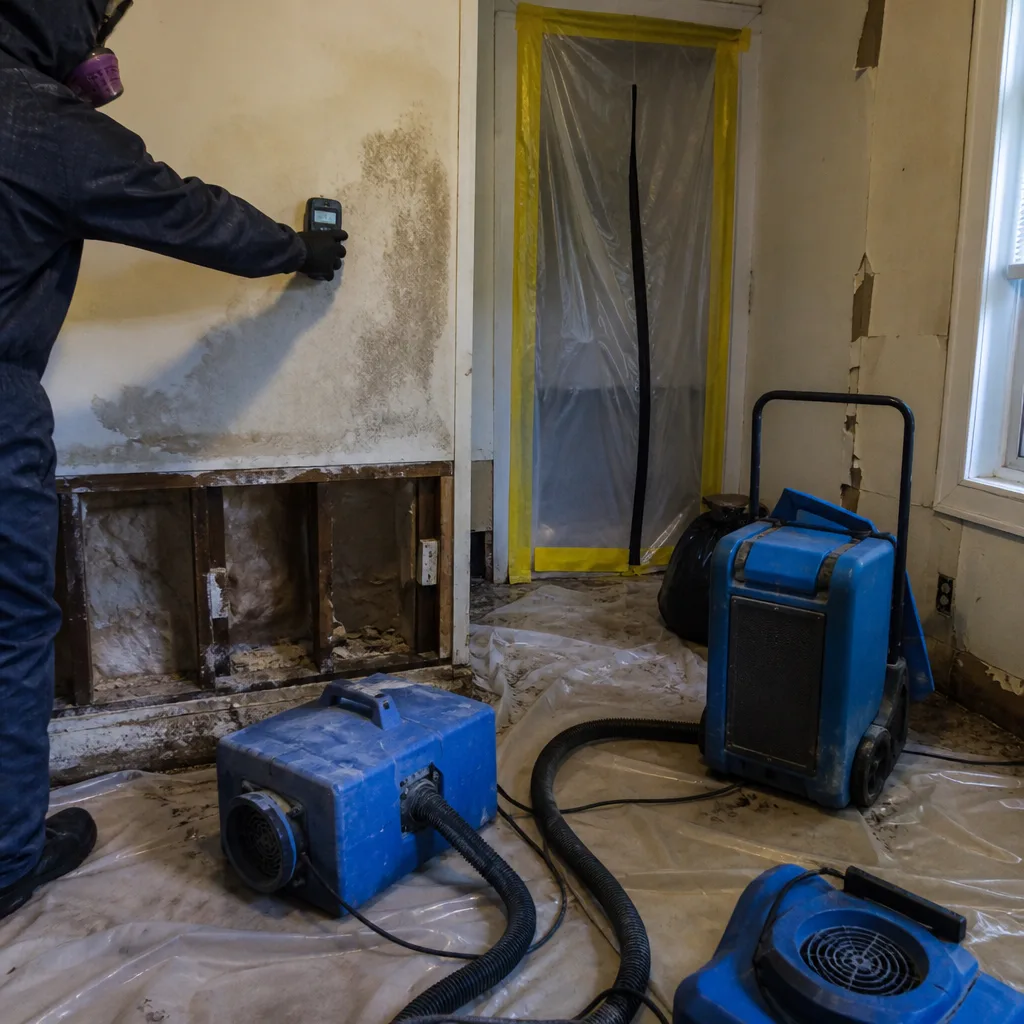 Before
 After
AfterDamage Restoration Warning Signs: A Upper East Side Homeowner’s Reference Guide
A brown ceiling stain in a prewar Upper East Side apartment can mean an active leak from the unit above, or it can be a 20-year-old ghost reading zero on a moisture meter today. The difference between those two findings is whether you file an insurance claim or simply repaint. Most warning sign guides stop at “look for discoloration” - they never tell you what number to write down when you find it. This guide pairs every visible sign with the instrument reading that proves whether you have an active moisture loss or historic damage that already dried, and you can find more guides & resources on our blog for related topics. You’ll learn the specific thresholds that separate monitoring from emergency response, how to photograph evidence that adjusters accept as dated prior-condition documentation, and which Upper East Side building conditions create warning signs that competitors miss entirely.
Quick Answer
Active water damage in an Upper East Side home or apartment produces warning signs that can be verified with simple instruments: ceiling stains with pin-meter readings above 17% for drywall or 19% for plaster indicate active moisture requiring professional assessment; for help choosing the right response, see our DIY vs Professional Damage Restoration: The Upper East Side Homeowner’s Decision Guide; musty odor combined with relative humidity sustained above 60% for 48 hours signals conditions where mold growth has likely begun; and white mineral deposits on limestone window surrounds, common in Upper East Side prewar buildings, indicate chronic infiltration even when interior surfaces feel dry to the touch. Historic damage that has fully dried will read within normal equilibrium moisture content and can typically be addressed with cosmetic repair alone.
Table of Contents
- Ceiling Stains: Active Leak or Old Ghost?
- Efflorescence on Masonry: What the White Powder Tells You
- Soft Baseboards and Compressed Parquet: Sub-Floor Moisture Indicators
- Musty Odor and Relative Humidity: The Mold Threshold
- Upper East Side-Specific Warning Signs
- How to Photograph Warning Signs for Defensible Documentation
- When to Monitor for 72 Hours vs. Call Immediately
- Signs That Mold Is Underway vs. Signs Drying Can Still Work
BeforeAfterCeiling Stains: Active Leak or Old Ghost?
The most common call we field in Upper East Side co-ops and condos starts with some variation of “there’s a brown spot on my ceiling.” The caller’s real question is almost always the same: do I need to open a claim, or do I need a painter?
The answer lives in a number, not a color.
What the Color Actually Means
Brown staining indicates prior water contact with cellulose materials - drywall paper facing, plaster lath, or joint compound. The brown is tannins and rust from fasteners, mobilized by water and left behind when liquid evaporates. It tells you water was there. It tells you nothing about whether water is there now.
In Upper East Side prewar buildings, plaster ceilings often show multiple generations of staining from long-resolved roof or plumbing events. The 1980s bathroom renovation upstairs. The 2012 facade repair. The super’s “quick fix” that held for eight years. These ghosts read dry today but panic new owners who assume every stain is an active emergency.
The Instrument Readings That Decide
We use pin-type moisture meters with insulated probes to distinguish active from historic damage. The pins penetrate to controlled depths, measuring electrical resistance correlated to moisture content by weight.
- Drywall (gypsum wallboard): Equilibrium moisture content in conditioned Upper East Side apartments typically runs 8-12%. A reading above 17% indicates active moisture migration requiring investigation. Between 12% and 17%, we flag for 72-hour monitoring with a consumer-grade pin meter.
- Plaster (lime or gypsum base with sand aggregate): Normal equilibrium runs slightly higher, 10-14%, due to hygroscopic lime content. Our threshold for active concern is 19%. Plaster above 19% with visible staining almost always indicates an ongoing source, not a historic event.
- Wood lath behind plaster: Critical to measure when plaster reads borderline. Wood lath above 16% with plaster at 18% confirms active wicking from above, even if the plaster surface feels dry to touch.
What to Write Down
If you own a pin meter (Protimeter Surveymaster or equivalent, approximately $280-$400), document: date, time, room location, material type, depth setting, and reading. Photograph the meter display with the stain visible in frame. This creates a timestamped record that adjusters accept as prior-condition evidence if the condition worsens and you later file a claim.
Without a meter, the best proxy is texture. Active leaks often produce slightly raised or softened areas where drywall paper has delaminated from the gypsum core. Historic stains typically feel uniformly hard and smooth, with no difference between stained and unstained areas. This is imprecise but directionally useful.
Upper East Side Building Context
Many Upper East Side prewar buildings have concrete slabs between units rather than wood joists. Water travels horizontally along slab undersides before finding an edge to drip from, meaning the visible stain may be feet from the actual leak origin. Pin-meter readings in a grid pattern - every 12 inches across the ceiling - reveal the moisture gradient that points toward source. We’ve traced slab leaks to their origin in buildings on East 72nd and Lexington where the visible stain was nearly eight feet from the actual breach in the upstairs bathroom waterproofing membrane.
Water Damage Restoration in Upper East Side covers our full assessment and drying protocol for active ceiling leaks.
Efflorescence on Masonry: What the White Powder Tells You
That white, crystalline deposit on brick, stone, or concrete surfaces is efflorescence - soluble salts mobilized by moisture moving through porous masonry, then deposited on the surface as water evaporates. It is not mold. It is not “just dust.” It is a moisture event written in chemistry, and it tells a specific story about duration and severity.
Reading the Deposit
Fresh efflorescence is fluffy, easily brushed away, and indicates active moisture movement - typically within the last 30 days. Hardened, laminated efflorescence that requires scraping suggests long-term cyclic wetting and drying, often seasonal. The distinction matters for whether you’re looking at a current construction defect or a maintenance backlog from years of facade neglect.
In Upper East Side townhouses and prewar buildings with limestone or brownstone facades, efflorescence on interior basement walls commonly traces to:
- Failed or missing through-wall flashing at parapets or window lintels
- Groundwater rise in buildings without functioning perimeter drains (common in 19th-century construction on East 80s blocks)
- Facade pointing deterioration allowing bulk water penetration during driving rain
- HVAC condensate lines discharging against masonry walls
Instrument Confirmation
Efflorescence always means moisture has passed through. The question is whether it’s still passing.
We use calcium chloride moisture tests or in-situ relative humidity probes in masonry to determine current moisture flux. For interior basement walls, surface readings with a pinless meter are unreliable due to masonry’s density and salt content. Instead:
- Drill a 3/4-inch hole to 40% of wall depth
- Insert a relative humidity probe (Hygro-i2 or equivalent)
- Seal and equilibrate for 72 hours
- Read: RH above 75% at depth confirms active moisture drive; below 70% suggests historic deposition with current equilibrium
This test costs approximately $180-$260 as a standalone service, or is included in our full assessment. The 72-hour wait is why efflorescence calls for earlier scheduling than surface-visible water damage - the data takes time to generate.
When Efflorescence Hides Bigger Problems
Upper East Side buildings with limestone window surrounds - the carved sills and jambs common on Fifth and Madison Avenue facades - develop a specific efflorescence pattern we call “chalk collars.” White deposits at the bottom of window openings indicate chronic infiltration at the sill-to-wall joint, often from failed sealant or capillary rise in porous stone. The stone reads dry to casual touch; the probe at depth reads 78% RH. We’ve documented this pattern in buildings from the 60s to the 90s, east of Park Avenue, where facade maintenance cycles run 15-20 years and owners often miss the early signal.
Soft Baseboards and Compressed Parquet: Sub-Floor Moisture Indicators
Baseboards that yield to fingernail pressure, or parquet flooring that has compressed at the edges of rooms, are warning signs that originate below the visible surface. The moisture isn’t in the baseboard or the parquet - it’s in the sub-floor, migrating upward through capillary action and accumulating where materials change.
Baseboard Softness: The Capillary Trap
MDF and even solid wood baseboards act as wicks when the bottom edge contacts moisture in flooring or the sub-floor below. The damage pattern is distinctive: softness and swelling begin at the bottom and progress upward, often with a sharp line where dry wood meets wet. Paint may appear intact above while the baseboard crumbles below.
Pin-meter reading protocol for baseboards:
- Measure at 6-inch vertical intervals from floor contact upward
- Reading gradient: bottom at 22%, middle at 14%, top at 10% confirms sub-floor source, not splash damage
- Uniform elevation above 18% suggests recent flooding or cleaning over-wetting
In Upper East Side apartments with original oak strip flooring over plank sub-floors, we see this pattern frequently after washing machine pan failures or dishwasher supply line leaks in upstairs units. The water travels down wall cavities, pools on the sub-floor, and wicks into baseboards before ever showing as surface staining on the ceiling below.
Compressed Parquet: The Hidden Sub-Floor Story
Upper East Side buildings from the 1960s and 1970s often have parquet flooring - small wood tiles laid in herringbone or basketweave patterns over concrete or plywood sub-floors. When sub-floor moisture rises above 16% wood moisture content, the parquet tiles expand against each other. With nowhere to go, the individual fingers compress, creating a characteristic “crushed” appearance at room perimeters where expansion is constrained by walls.
This is nearly always a sub-floor moisture problem, not a surface spill. The concrete slab may lack a vapor barrier (common in that construction era), or the building’s hydronic heating system may have leaked below the slab. We’ve measured slab relative humidity at 85% in Upper East Side buildings on York Avenue where the underlying soil conditions and absent vapor barrier create chronic moisture drive.
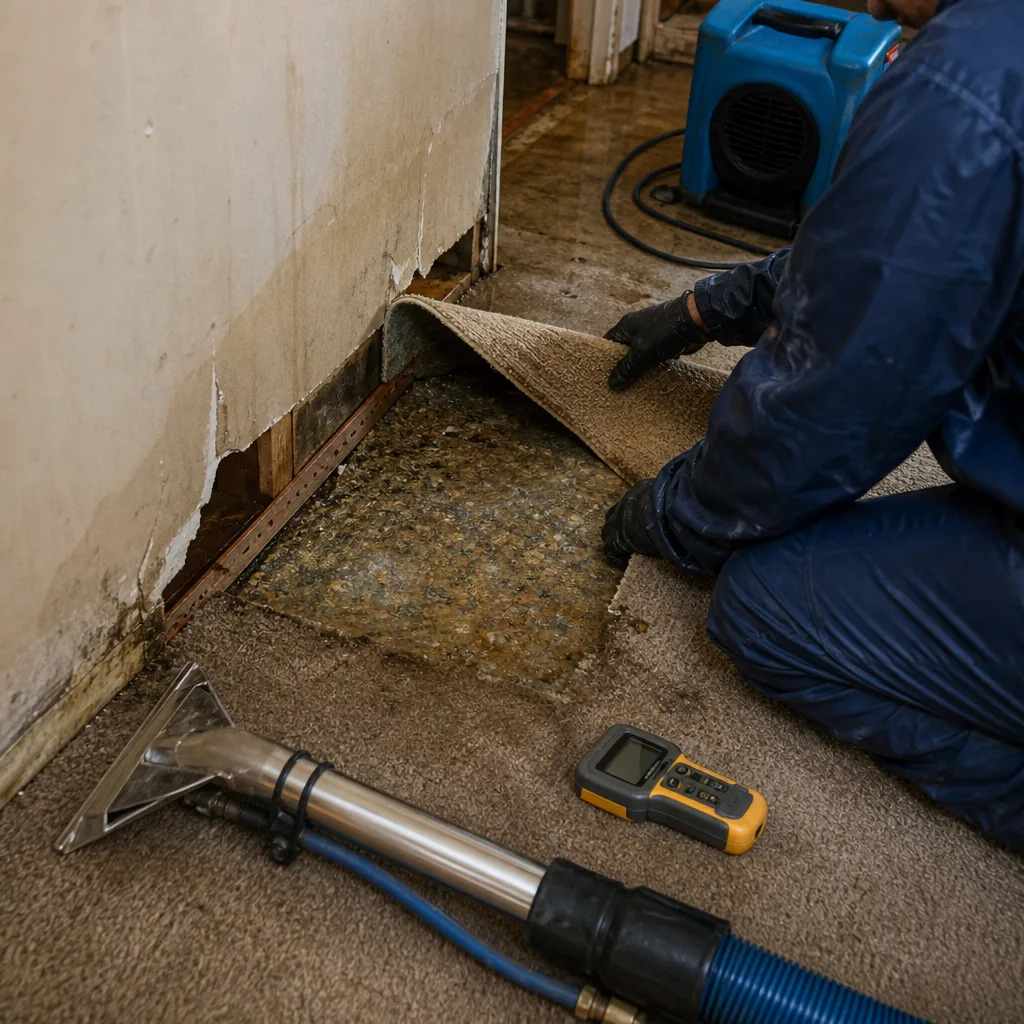
Surface moisture meters on parquet read misleadingly low - the 3/8-inch thickness dries quickly while the concrete below stays wet. Our protocol: remove a sacrificial tile at the room perimeter, drill the sub-floor, and probe at depth. The tile damage is $40-$80 to replace; the undetected slab moisture can destroy $15,000-$40,000 in flooring and trigger mold amplification.
Musty Odor and Relative Humidity: The Mold Threshold
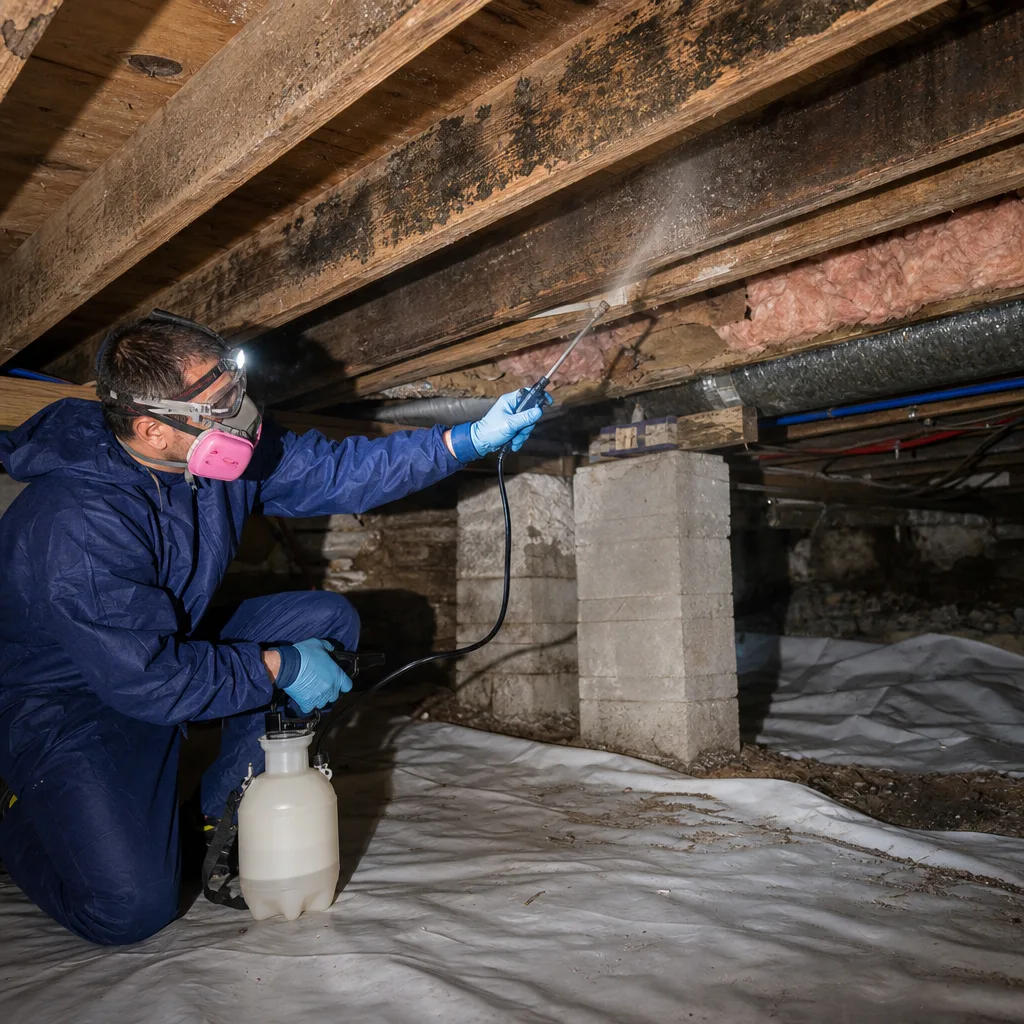
Musty odor is the most reported and least understood warning sign. Homeowners describe it accurately - “it smells like my grandmother’s basement” - but cannot locate a source. That’s because the source is microbial volatile organic compounds (MVOCs), metabolic byproducts of active fungal growth, which travel through air and permeate porous materials far from the colony origin.
The Science of the Smell
MVOC production begins when mold colonies reach approximately 10 square centimeters of surface area and have adequate moisture to sustain growth. The odor threshold for humans varies, but most people detect MVOCs at concentrations far below what instruments measure. If you smell mustiness, growth is established - not beginning, established.
The Critical Number: 60% Relative Humidity
Mold requires surface moisture to grow, not just humid air. But humid air sustains surface moisture on cool surfaces through condensation. The relationship is direct and measurable:
- Below 50% RH sustained: Surface moisture evaporates faster than it accumulates on typical building materials. Mold growth is physiologically possible but unlikely to sustain.
- 50-60% RH sustained for 48+ hours: Dust-film moisture on cool surfaces (below dew point) supports slow growth. Risk elevation begins.
- Above 60% RH sustained for 48+ hours: This is the actionable threshold. Surface moisture films on gypsum, paper, wood, and textile become sufficient for spore germination and colony expansion.
- Above 70% RH sustained for 48+ hours: Active mold growth is highly probable on any organic or cellulose material, even without liquid water intrusion. This is the condition we find in unventilated Upper East Side closets, storage rooms, and behind built-in cabinetry.
Measuring What Matters
Consumer-grade hygrometers ($15-$40) are adequate for trend monitoring but often read ±5% RH, which matters at threshold. For documentation purposes, we use calibrated dataloggers (Onset HOBO or equivalent) that record RH and temperature at 15-minute intervals for 72 hours minimum.
The key measurement location is not center-of-room. It’s the coolest surface in the space - typically the exterior wall behind furniture, the closet corner, or the area above the header of a window with thermal bridging. These locations run 5-10% RH higher than ambient air and reach dew point first.
In Upper East Side apartments with steam heat and limited ventilation control, we see chronic winter conditions where ambient RH reads 35% but closet corners on north walls sustain 68% RH. The homeowner smells mustiness in March; the datalogger shows the condition has persisted since November heating season began.
Mold Remediation in Upper East Side details our assessment and remediation protocol when readings confirm active growth conditions.
Upper East Side-Specific Warning Signs
Building stock and climate create warning sign patterns that generic guides miss. Upper East Side’s prewar concentration, steam heating infrastructure, and specific facade materials produce indicators we’ve documented across thousands of assessments since 2011.
Limestone Window Surround Chalk Collars
White mineral deposits on limestone sills and jambs - the “chalk collars” we described in efflorescence - are endemic to Upper East Side buildings with carved limestone facades. The stone is porous, the detailing is complex, and sealant maintenance is often deferred. The deposits indicate chronic water entry at the stone-to-wall interface, with moisture wicking laterally into adjacent framing.
Interior warning sign: peeling paint or wallpaper in a vertical band 6-12 inches from the window opening, often mistaken for condensation. Pin-meter the plaster at the paint failure line: readings above 19% with exterior chalk collar confirms the source is facade infiltration, not interior humidity.
Elevator Shaft Condensation Migration
Buildings with unconditioned elevator machine rooms or ventilated hoistways create pressure differentials that draw warm, humid corridor air into shaft walls. In summer, the steel shaft structure chills this air below dew point. Condensation forms on shaft walls and migrates through party walls into adjacent apartments.
Warning signs: mysterious dampness on walls shared with elevator shafts, often on upper floors where stack effect is strongest. The pattern is vertical - dampness spans multiple floors at the same wall location. RH probes in the wall cavity read 75-85% while ambient room air reads normal. We’ve traced this in buildings on East 86th Street and Fifth Avenue where the condition was misdiagnosed as plumbing leaks for months.
Steam Pipe Convector Enclosures
Upper East Side’s steam heating systems produce localized high-humidity microclimates in convector enclosures. When enclosure vents are blocked by furniture or renovation, RH inside the enclosure sustains 80%+, creating ideal conditions for mold on adjacent plaster and wood trim.
Warning sign: dark staining or paint failure on walls above or beside convector covers, especially in rooms where the enclosure has been enclosed in a built-in cabinet. The wall reads normal at mid-height but 70%+ RH within 6 inches of the enclosure top. The solution is ventilation, not waterproofing - but the condition is often misdiagnosed as window leak or roof failure.
Compressed Parquet at Perimeter Walls
We described the mechanism above, but the Upper East Side concentration deserves emphasis. Buildings constructed 1955-1975 with concrete slab construction and parquet flooring - common on East End Avenue and York Avenue blocks - show this pattern at rates we don’t see in wood-frame construction areas. The combination of absent vapor barrier, hydronic heating leaks, and parquet’s dimensional instability creates a signature warning sign: flooring that looks water-damaged but has never had a surface spill.
How to Photograph Warning Signs for Defensible Documentation
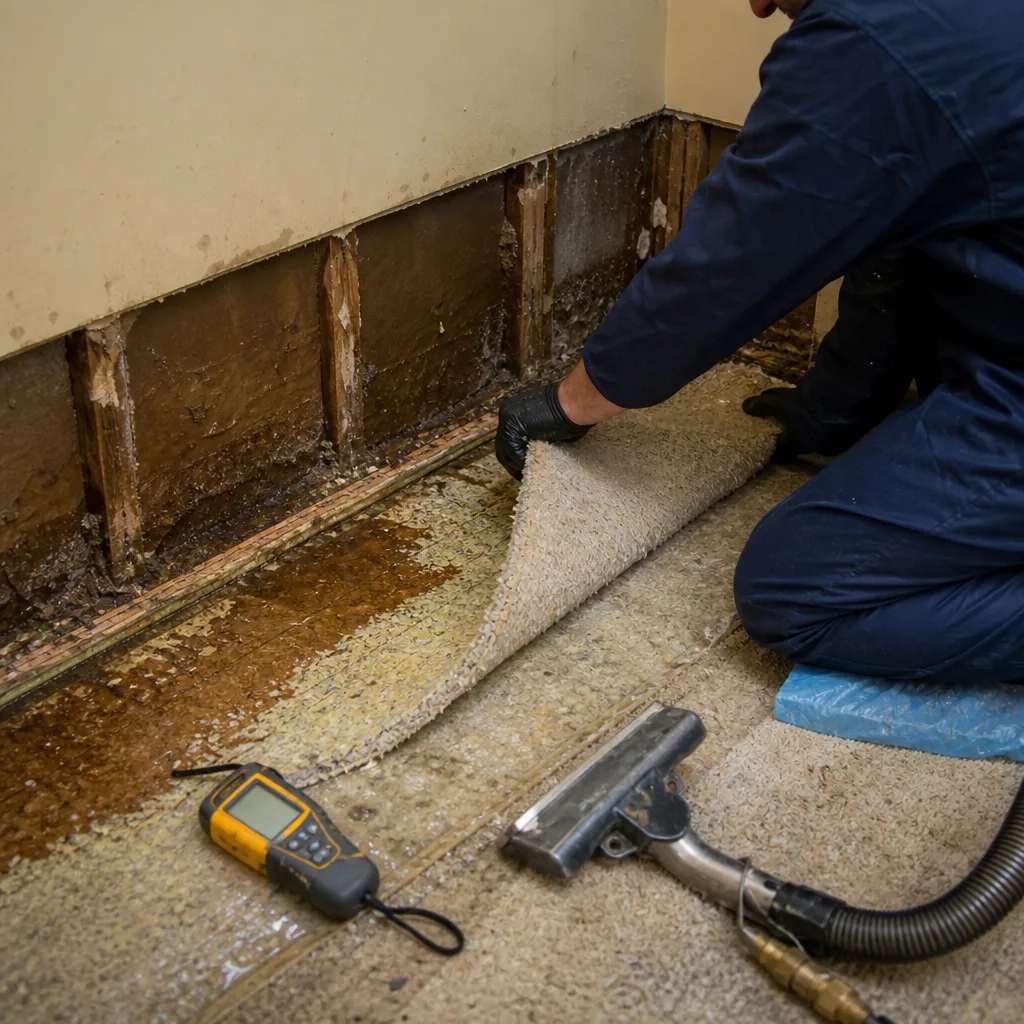
Insurance adjusters reject or devalue claims where prior condition is disputed. A photograph of a stain taken with a phone camera is better than nothing, but it is not documentation. Defensible documentation has specific attributes that make it admissible as evidence of pre-loss condition and post-loss progression.
The Five Requirements
- Date and time metadata preserved. Enable location services and ensure camera settings record EXIF data. Screenshots of photos lose metadata; original files must be preserved.
- Scale reference in frame. Include a ruler, coin, or standard object for dimensional reference. “Approximately 6 inches” in testimony is weak; a quarter in frame for scale is objective.
- Overall, medium, and detail shots. Wide shot showing room location and adjacent structures. Medium shot showing warning sign in context of surrounding materials. Detail shot showing texture, color variation, and any secondary signs (peeling, cracking, efflorescence).
- Cross-lighting for texture. Direct flash flattens surface detail and creates glare on glossy paint. Angle a light source (phone flashlight, desk lamp) at 45 degrees to reveal surface contour - raised areas from delamination, depressed areas from drying shrinkage.
- Meter in frame for active damage. When documenting suspected active moisture, photograph the pin meter display with the probe in the material and the stained area visible. The reading, date, location, and visual condition are then inseparable in one file.
Storage and Chain of Custody
Upload originals to cloud storage with automatic timestamp (Google Photos, iCloud, Dropbox) within 24 hours of capture. Email a set to yourself as additional timestamp verification. If litigation or coverage dispute arises, this creates a chain of custody that casual phone-gallery storage cannot match.
At DryMark Restoration Upper East Side, our standard deliverable includes a documented photo record on every visit - included as standard, never an upsell. Each image is geotagged, timestamped, and archived to our secure portal where you and your adjuster can access it. This is Haven Standard practice on every job, derived from our founder’s experience as a claims adjuster watching homeowners lose disputes for lack of documentation.
Specific Upper East Side Considerations
Co-op and condo boards in Upper East Side buildings often require contractor documentation for alteration or repair approvals. Our photo records satisfy board requirements for most buildings on Central Park East, Park Avenue, and Fifth Avenue co-op corridors. We format deliverables to match specific building management company templates when requested - another documentation-first practice that reduces friction in the approval process.
When to Monitor for 72 Hours vs. Call Immediately
Not every warning sign demands emergency dispatch. Some conditions are appropriate for homeowner monitoring with consumer instruments, establishing a data trend before professional involvement. Others indicate active, ongoing damage where delay increases restoration cost and may void coverage for failure to mitigate.
Appropriate for 72-Hour Consumer Monitoring
- Single ceiling stain, pin reading 12-17% drywall or 14-19% plaster, no visible dripping, no texture change
- Musty odor in single closet with RH reading 55-65%, no visible growth, no recent water event
- Small efflorescence patch (<2 square inches), dry to touch, no interior moisture signs
- Baseboard softness localized to single 6-inch section, no gradient above, no recent plumbing work
Monitoring protocol: record date, time, location, instrument reading, and photograph. Re-measure at identical locations at 24, 48, and 72 hours. Stable or declining readings suggest historic condition. Rising readings indicate active moisture requiring professional assessment.
Requires Immediate Professional Assessment
- Any pin reading above 17% drywall / 19% plaster with visible dripping, sagging, or active water collection
- Musty odor with RH above 70% sustained, or any visible mold growth regardless of size
- Efflorescence with interior wall moisture signs (peeling paint, soft plaster, baseboard damage)
- Multiple baseboard locations showing moisture gradient, or single location with reading above 25%
- Any warning sign in unit below yours when you have had recent plumbing work - potential liability exposure requiring immediate documentation
- Electrical fixtures or switches near moisture signs - shock hazard, do not attempt measurement
The Coverage Implication
Most Upper East Side homeowner and HO-6 policies require “reasonable mitigation” - prompt action to prevent further damage once a condition is known or should have been known. Monitoring a condition for 72 hours with documented readings demonstrates due diligence. Ignoring a condition for weeks, then filing a claim for extensive secondary damage, invites denial for failure to mitigate. The data you collect protects your coverage position.
Fire & Smoke Damage Restoration in Upper East Side addresses emergency conditions where immediate response is always required.
Signs That Mold Is Underway vs. Signs Drying Can Still Work
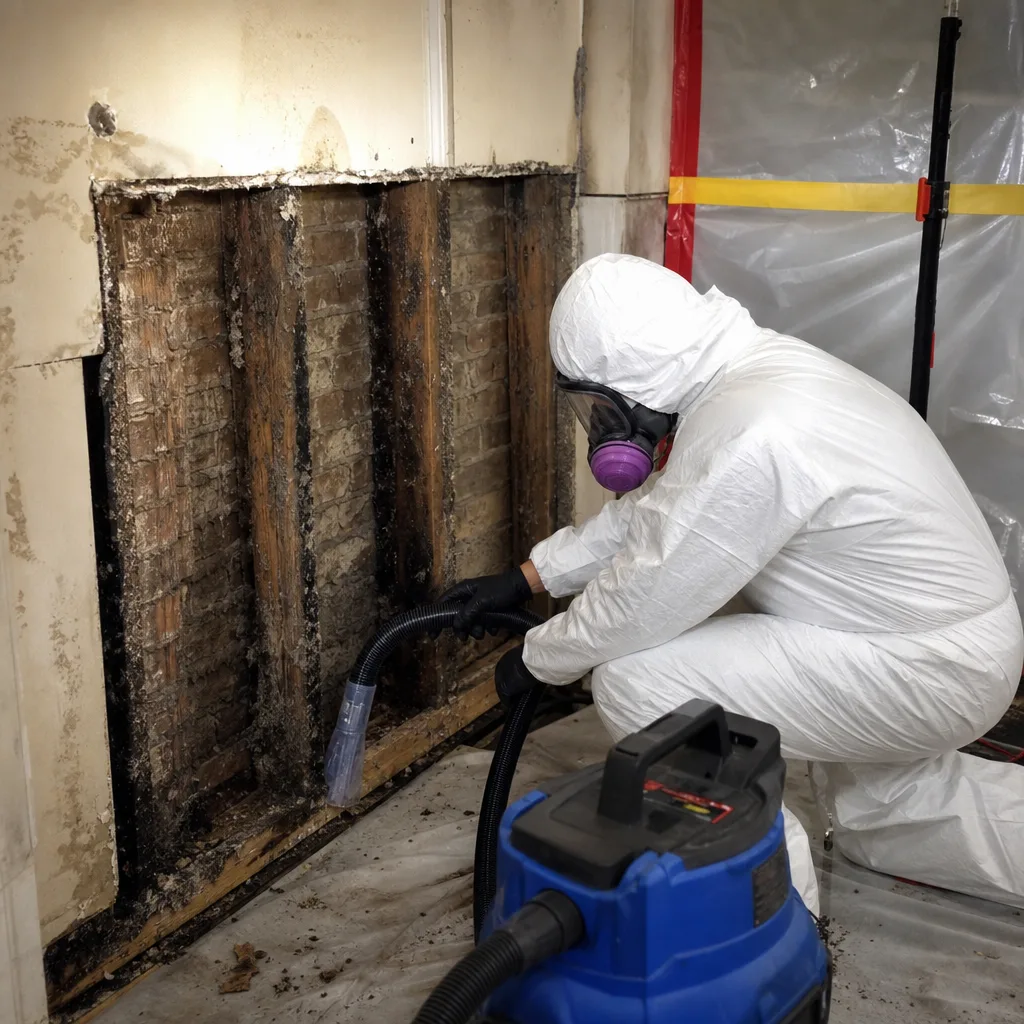
The most consequential fork in damage restoration is whether a moisture condition requires mold remediation or can be resolved with structural drying alone. The cost differential is substantial - drying typically runs $1,500-$5,000 for residential spaces; mold remediation starts at $3,000 and can exceed $25,000 for extensive colonization with containment and air filtration requirements.
Mold Is Likely Already Active
- Musty odor with RH sustained above 70% for more than 48 hours
- Visible discoloration on porous material (gypsum, paper, textile, unfinished wood) that smudges when touched - active spore mass
- Pin reading above 20% on drywall with any surface irregularity - sufficient moisture for Stachybotrys chartarum and other hydrophilic species
- Any warning sign in space with previous mold history, even if remediated - residual spore load reduces colonization threshold
- Chronic condensation on windows with adjacent wall staining - seasonal recurrence creates cumulative spore deposition
Drying Alone May Be Sufficient
- Pin readings 15-17% drywall, 17-19% plaster, with no visible growth, no musty odor, and identified moisture source now stopped
- Recent single water event (<72 hours), no porous material saturation above 16%, rapid source control achieved
- Efflorescence on masonry with interior RH below 60%, no interior signs, source identified as historic and resolved
- Hard surface materials only (tile, sealed concrete, metal, glass) with moisture at joints - no organic substrate for colonization
The Testing Decision
Air sampling and surface sampling are controversial in restoration. We recommend them when: health-compromised occupants are present (immunocompromised, asthmatic, infant, elderly); prior remediation failed and recurrence is suspected; or coverage dispute requires objective contamination evidence. We do not recommend them as routine screening - the presence of mold spores in indoor air is normal; the question is whether active growth is producing unhealthy concentrations.
Our protocol: visual assessment with moisture mapping first. If conditions suggest active growth, we collect air and surface samples through third-party laboratory analysis, with chain of custody documentation. Results typically return in 48-72 hours. This timing is built into our project scheduling so that remediation, if needed, begins with full information rather than assumption.
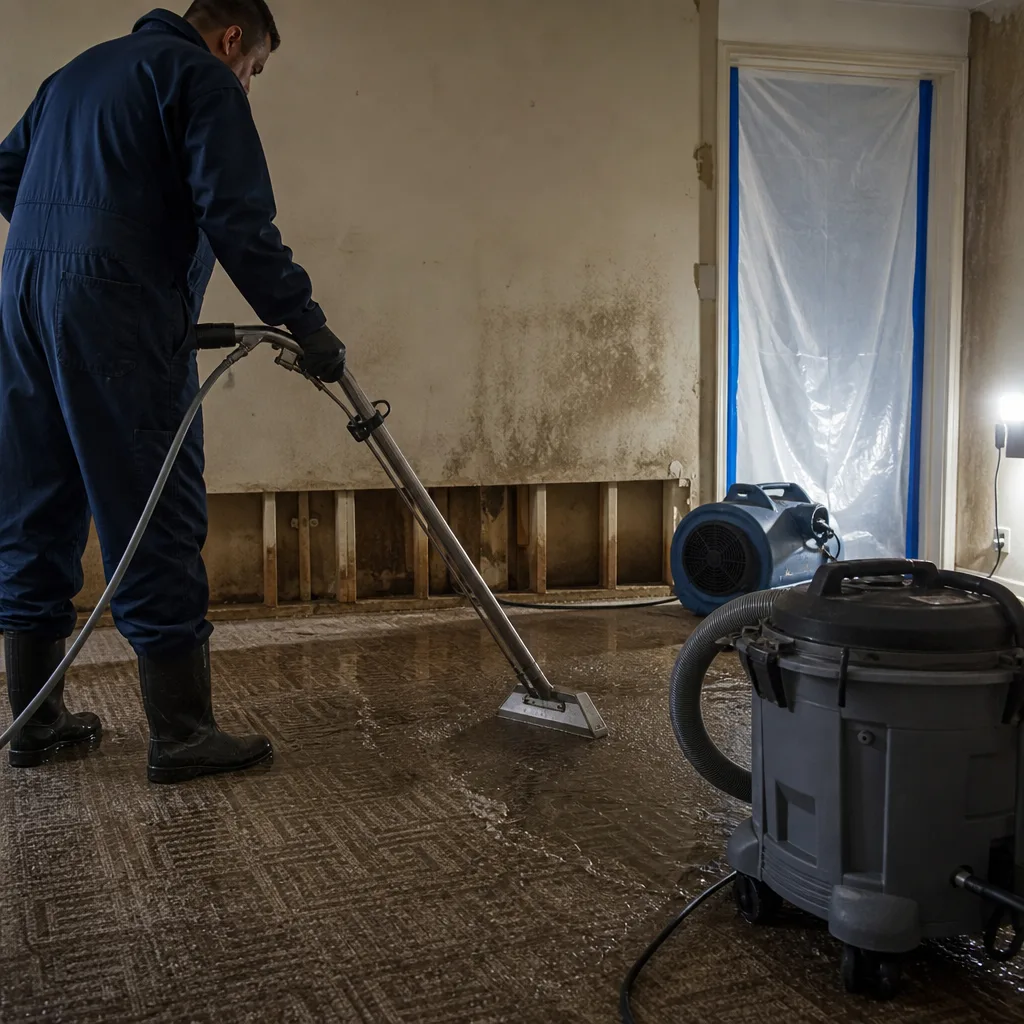
All work is documented to IICRC S520 and RIA standards, with daily moisture logs produced by Dri-Eaz and Phoenix dehumidification systems. These logs - psychrometric data showing temperature, relative humidity, and specific humidity at each drying zone - become the evidence base that converts restoration invoices into payable claims.
Common Mistakes to Avoid
- Assuming a dry surface means dry assembly. Upper East Side plaster walls can read normal at the surface while lath and insulation remain saturated. Always probe to depth or remove baseboard to inspect cavity conditions.
- Using bleach on mold. Bleach whitens surface discoloration without penetrating porous materials where roots extend. It adds moisture to the problem and can trigger spore release. Proper remediation requires physical removal of contaminated material or HEPA vacuuming and antimicrobial application by trained technicians.
- Ignoring seasonal patterns. That “winter mustiness” that clears in spring isn’t harmless - it’s a 5-month sustained moisture event that establishes colonies in wall cavities. By the time summer humidity arrives, the infrastructure for amplification is already built.
- Photographing without scale or metadata. We’ve seen homeowners lose thousands in disputed coverage because their “before” photos lacked date verification or dimensional reference. The five-minute discipline of proper documentation pays for itself many times over.
- Waiting for the super to “take a look.” Building supers in Upper East Side co-ops are skilled at many things; moisture assessment with calibrated instruments is rarely among them. Their visual opinion does not satisfy your policy’s mitigation requirement or establish prior condition.
- Accepting a verbal estimate for restoration work. Haven Standard, Clause 1: a written price before any work starts, every time, with no exceptions. Verbal estimates expose you to scope creep and coverage disputes. If a contractor won’t put pricing in writing before beginning, that is information about their business practices.
- Confusing drying with reconstruction. Mitigation (water extraction, drying, stabilization) is urgent and time-sensitive. Reconstruction (drywall replacement, flooring installation, painting) is scheduled work with written scope and pricing. Never let a contractor begin reconstruction during the drying phase - moisture trapped behind new materials creates worse problems than the original loss.
When to Call a Professional
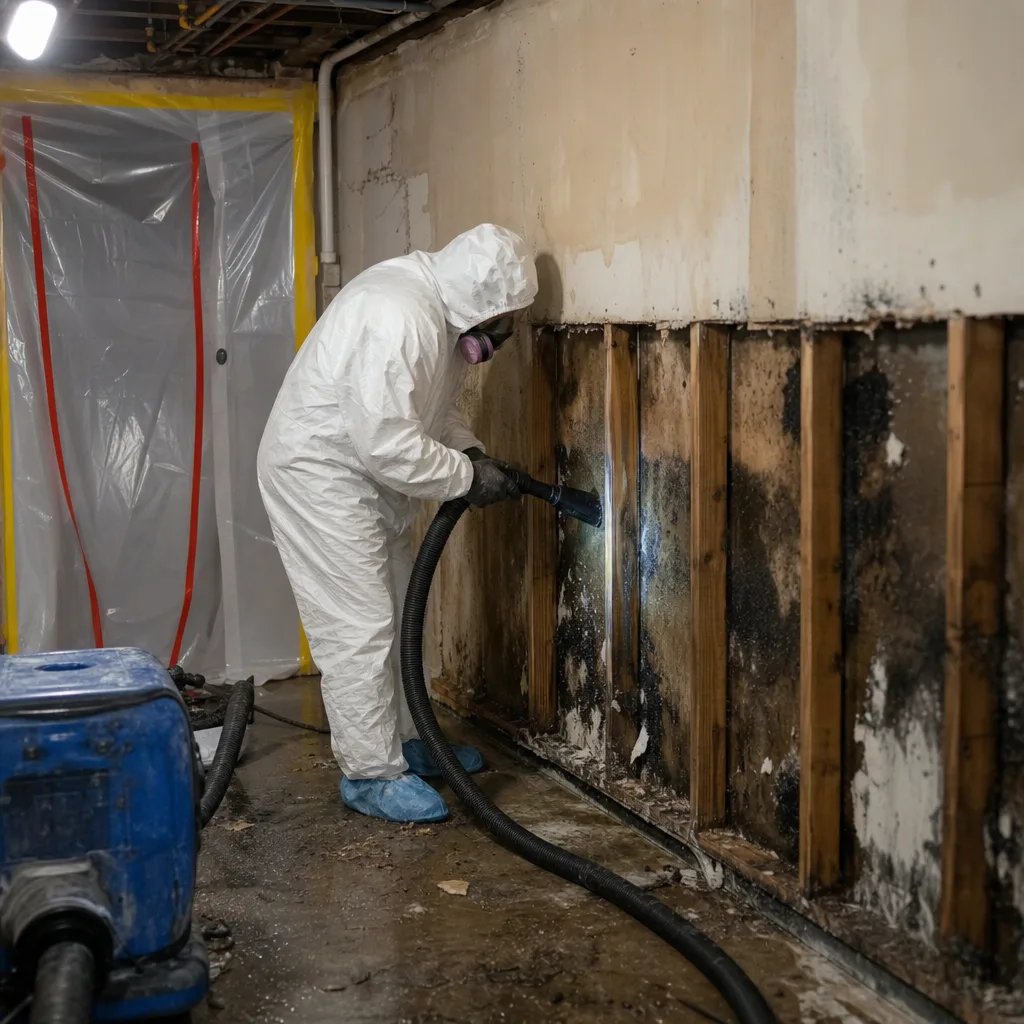
Call immediately when you have active water movement, electrical hazard from moisture contact, visible mold growth exceeding a few square inches, or any condition where your insurer’s mitigation requirement may be triggered. Call when pin readings exceed threshold and trend upward, when musty odor persists despite ventilation, or when you’re documenting for a potential claim and need professional-grade evidence.
DryMark Restoration Upper East Side offers free estimates in Upper East Side - call (551) 213-5277. Every assessment includes moisture mapping with calibrated instruments, a written scope and pricing before any work begins (Haven Standard, Clause 1), and a documented photo record you can use for insurance submission or co-op board approval. Our live dispatch answers 24 hours a day, 7 days a week with no voicemail on emergency lines.
DryMark Restoration Upper East Side home for complete service information and additional reference guides.
Frequently Asked Questions
Professional moisture assessment with pin-meter mapping, thermal imaging, and written report typically ranges $180-$350 for residential units under 2,000 square feet. DryMark Restoration Upper East Side provides this assessment at no charge with any signed restoration agreement, or as a standalone service with written documentation suitable for insurance submission. Call (551) 213-5277 to schedule - estimates are free.
Most policies cover sudden and accidental water damage but exclude damage from long-term leakage or failure to mitigate. The critical factor is documentation of your response, not instantaneous action. A 72-hour monitoring period with dated moisture readings demonstrates reasonable diligence; weeks of ignoring visible damage does not. If you’re uncertain, document everything and call for assessment - the cost of early documentation is far less than a coverage denial.
Consumer pin meters ($25-$80) are adequate for trend monitoring and initial screening. Professional-grade meters ($280-$600) offer insulated probes for depth-specific readings, species correction for different materials, and calibration certification that adjusters accept. For insurance documentation, professional readings carry more weight; for personal decision-making, consumer equipment provides actionable data. The key is consistent measurement protocol, not necessarily instrument cost.
Our live dispatch answers 24 hours a day, 7 days a week with no voicemail. Emergency water damage assessments in Upper East Side typically have technician arrival within 2-4 hours of call. Non-emergency moisture investigations are scheduled within 24-48 hours. Reconstruction and non-urgent work is scoped and scheduled in writing, not dispatched for same-day arrival. Call (551) 213-5277 for current availability.
Small areas of mold on hard, non-porous surfaces (tile, sealed countertops) can sometimes be addressed with detergent and thorough drying. Mold on porous materials (drywall, plaster, unfinished wood, carpet) requires professional remediation because surface cleaning does not remove root structures. The EPA guideline of 10 square feet as a DIY threshold is frequently misapplied - it refers to hard surfaces only. When in doubt, assessment with air sampling provides objective guidance. We offer free second opinions on any competitor’s remediation recommendation.
At DryMark Restoration Upper East Side, we coordinate directly with your adjuster as part of standard service. Our documentation - photo records, moisture logs, written scopes - is formatted for insurance submission. We do not require you to manage adjuster communication, though you remain the policyholder and must authorize all claims. Direct billing to carrier is available where policy terms permit. This coordination is included; it is never an additional charge.
The Bottom Line
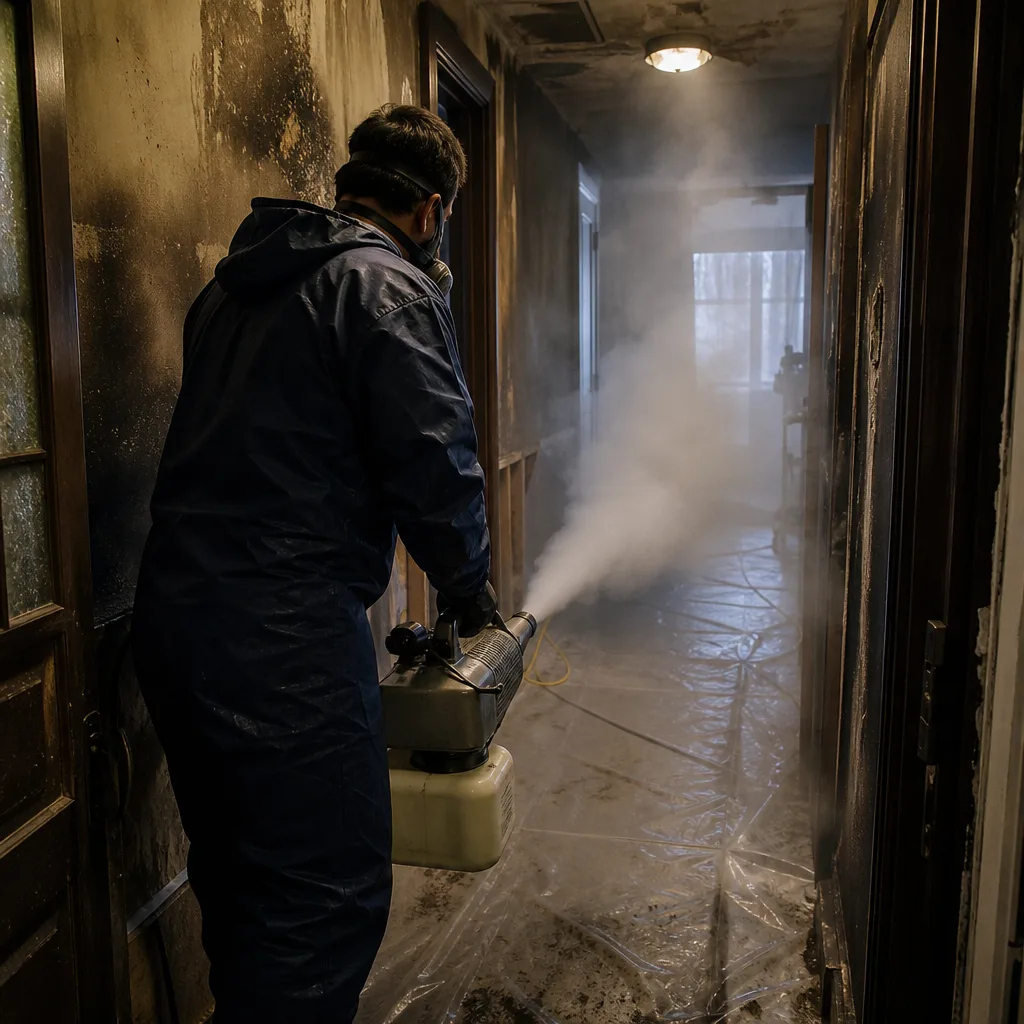
Warning signs are data, not drama. A stain is a number on a meter. Mustiness is a relative humidity reading sustained over time. The difference between an active loss and historic damage, between a claim and a paint job, between remediation and drying - all of it resolves to measurement. In Upper East Side’s prewar building stock, with its limestone facades, steam heating, and concrete slab construction, the specific patterns are local knowledge built from thousands of assessments. Document what you find, measure what you suspect, and call when readings trend wrong. The cost of early precision is always less than the cost of late assumption.
Written by Alicia Brennan, Owner at DryMark Restoration Upper East Side, serving Upper East Side since 2011.