
Last updated September 23, 2026
Free visual inspection and a written scope of work before any mitigation begins - photos, moisture readings, and drying logs go in your claim file
The scope we write is the scope we bill. Anything new gets shown to you, in writing, before we touch it.
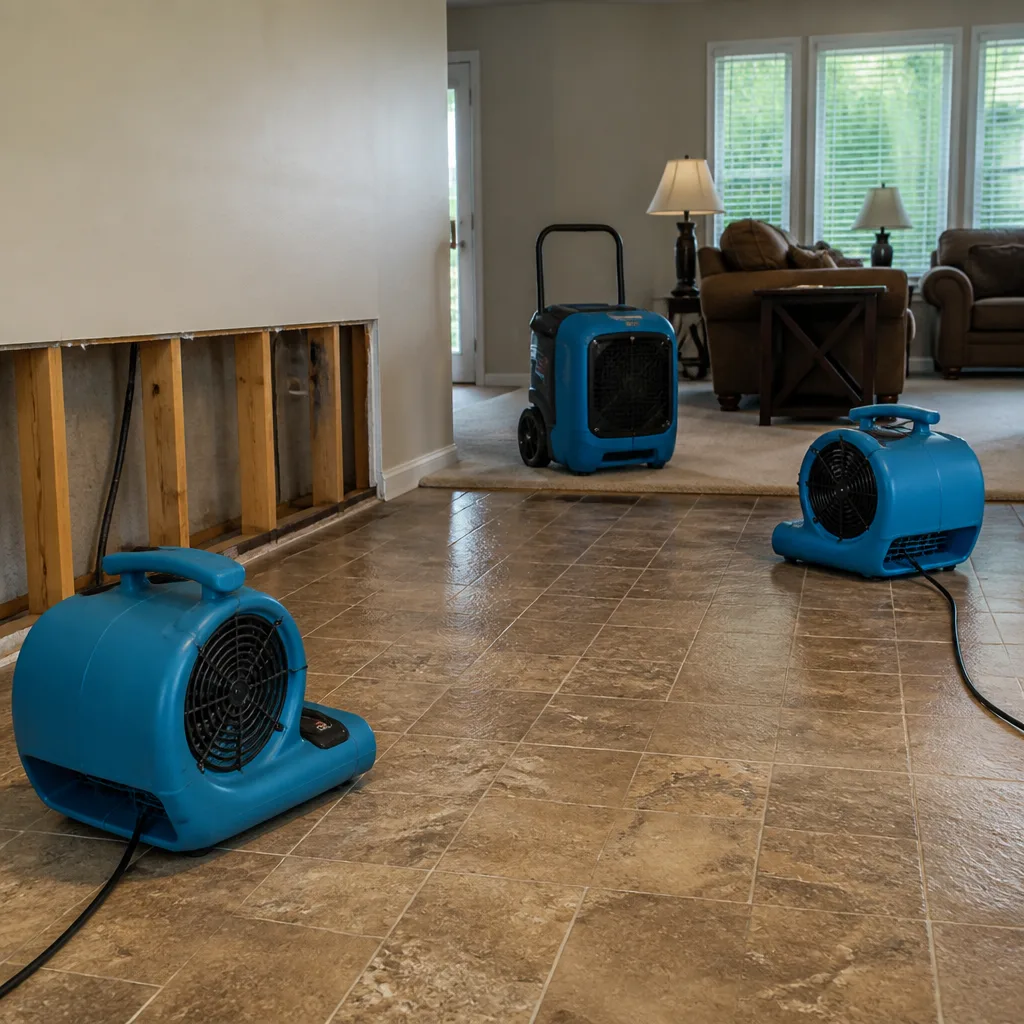

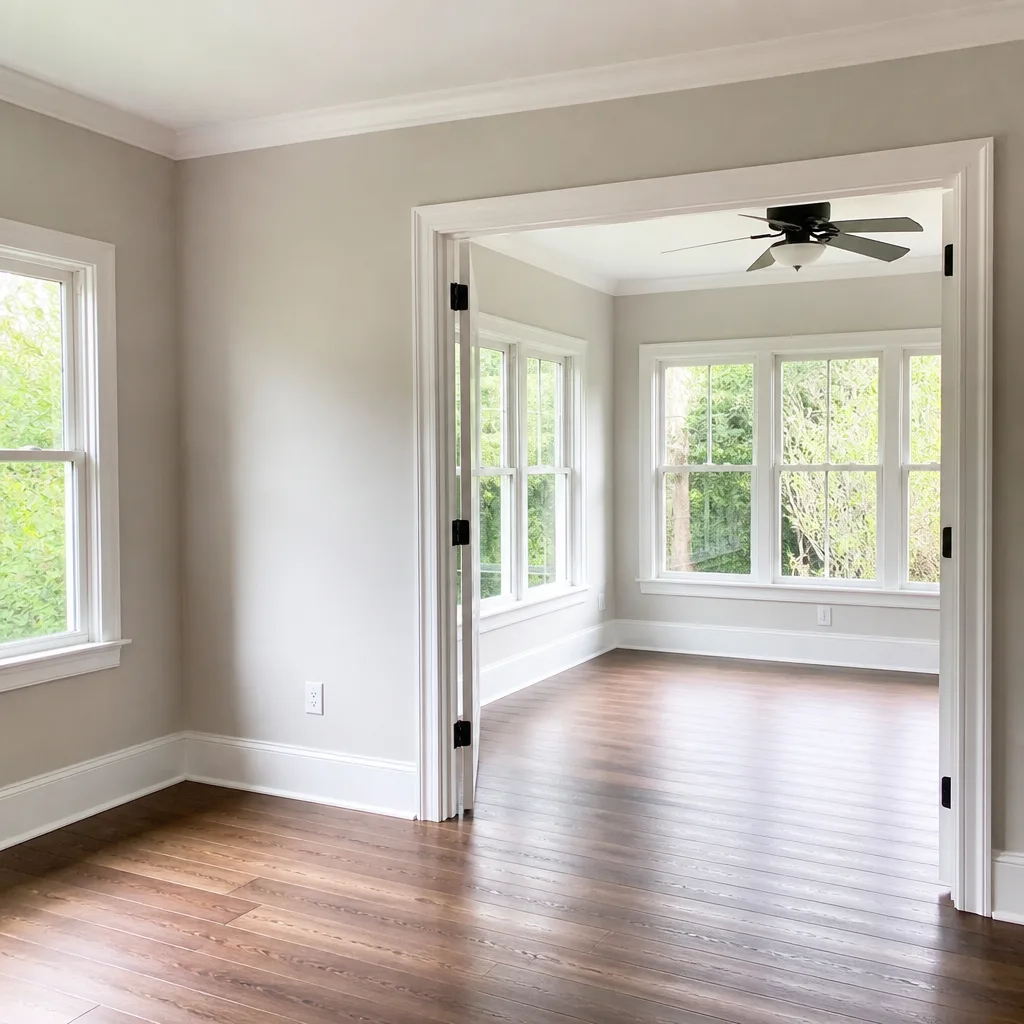
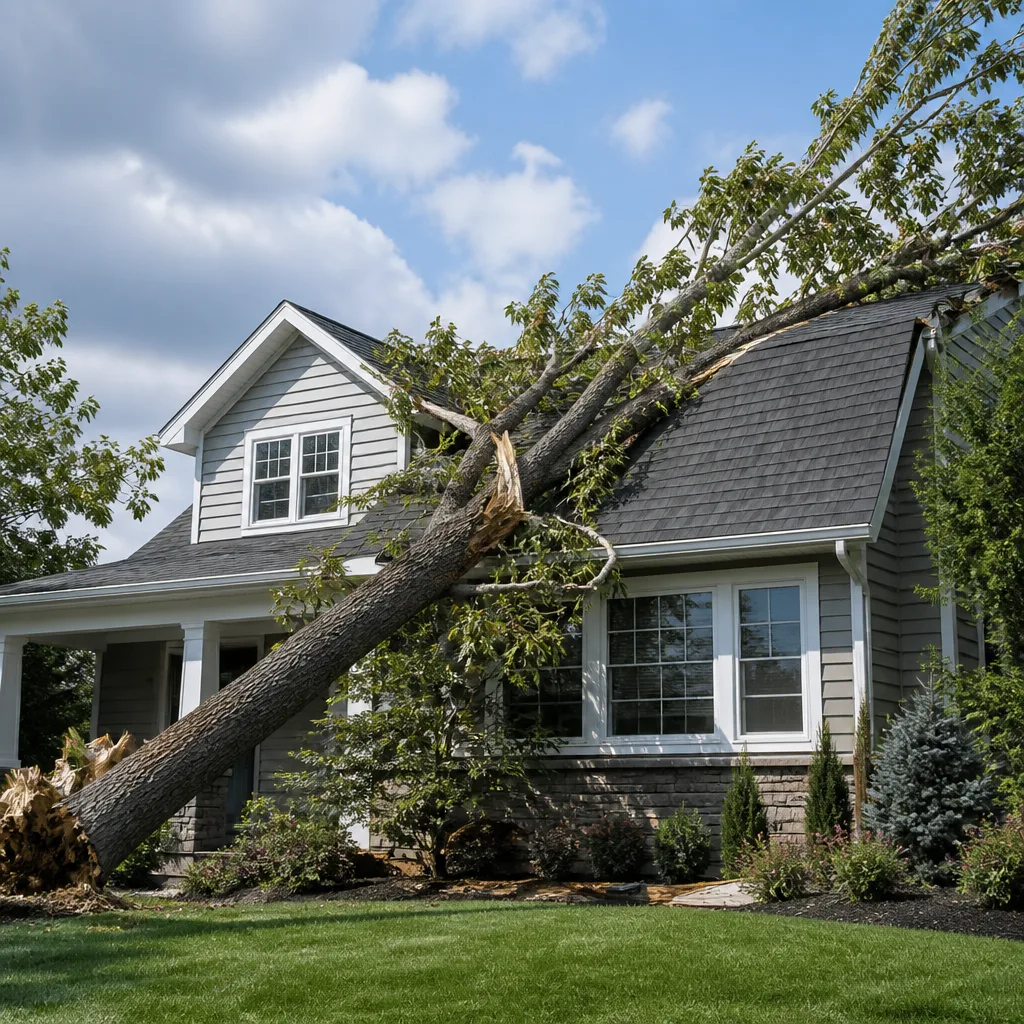
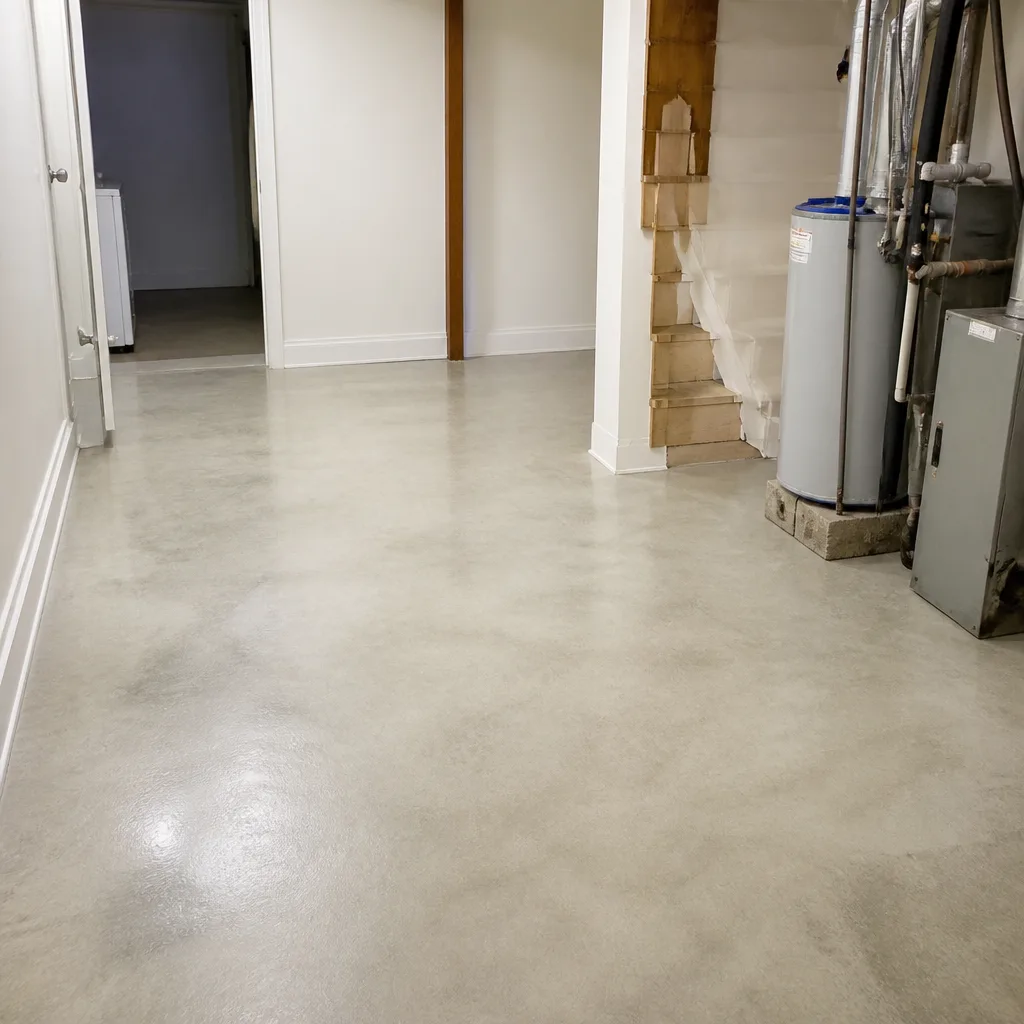

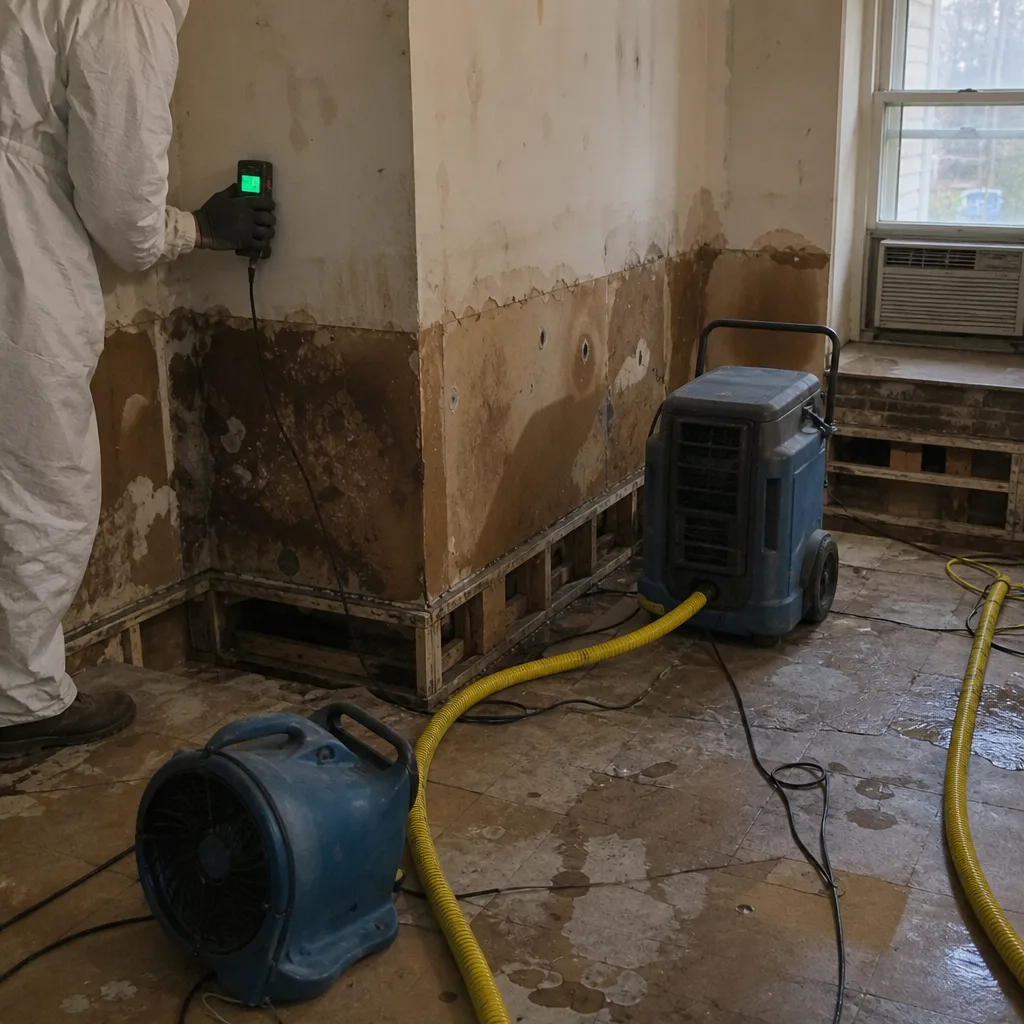 Before
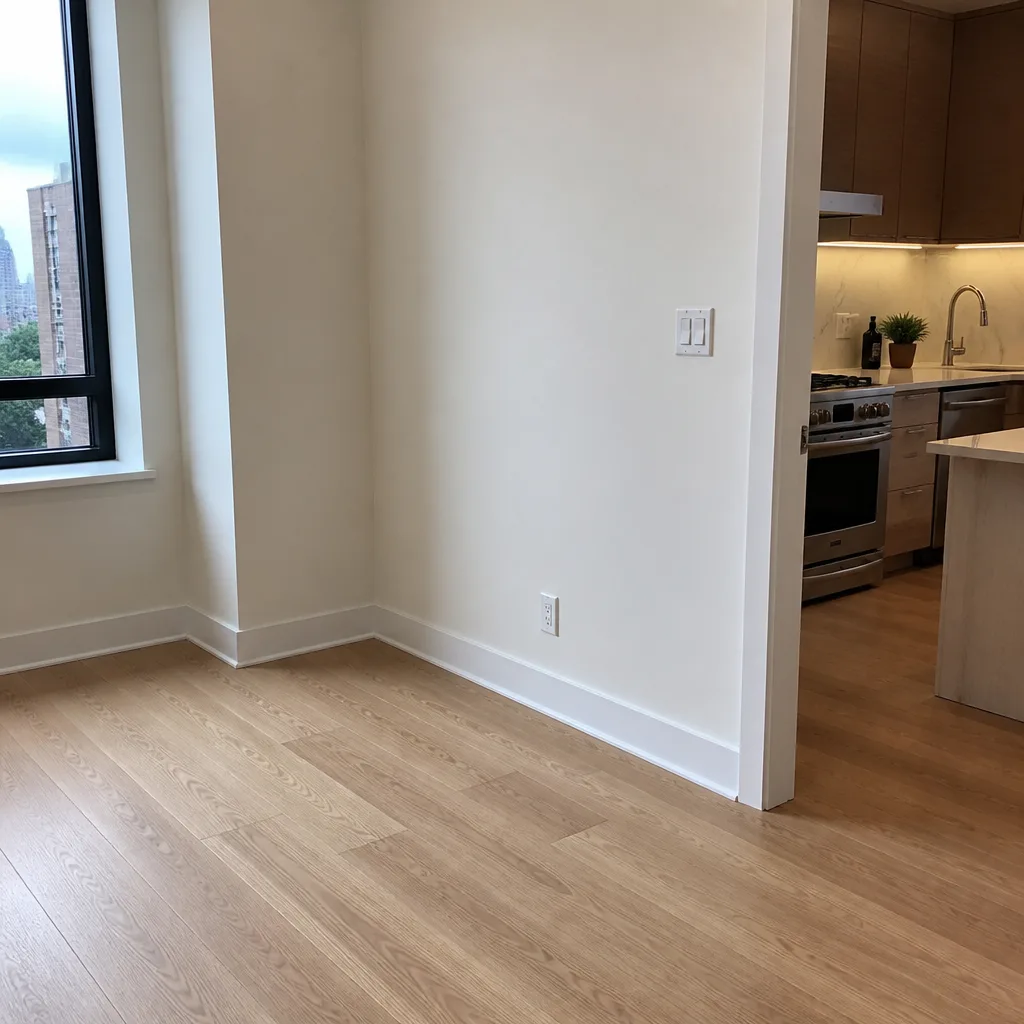 After
After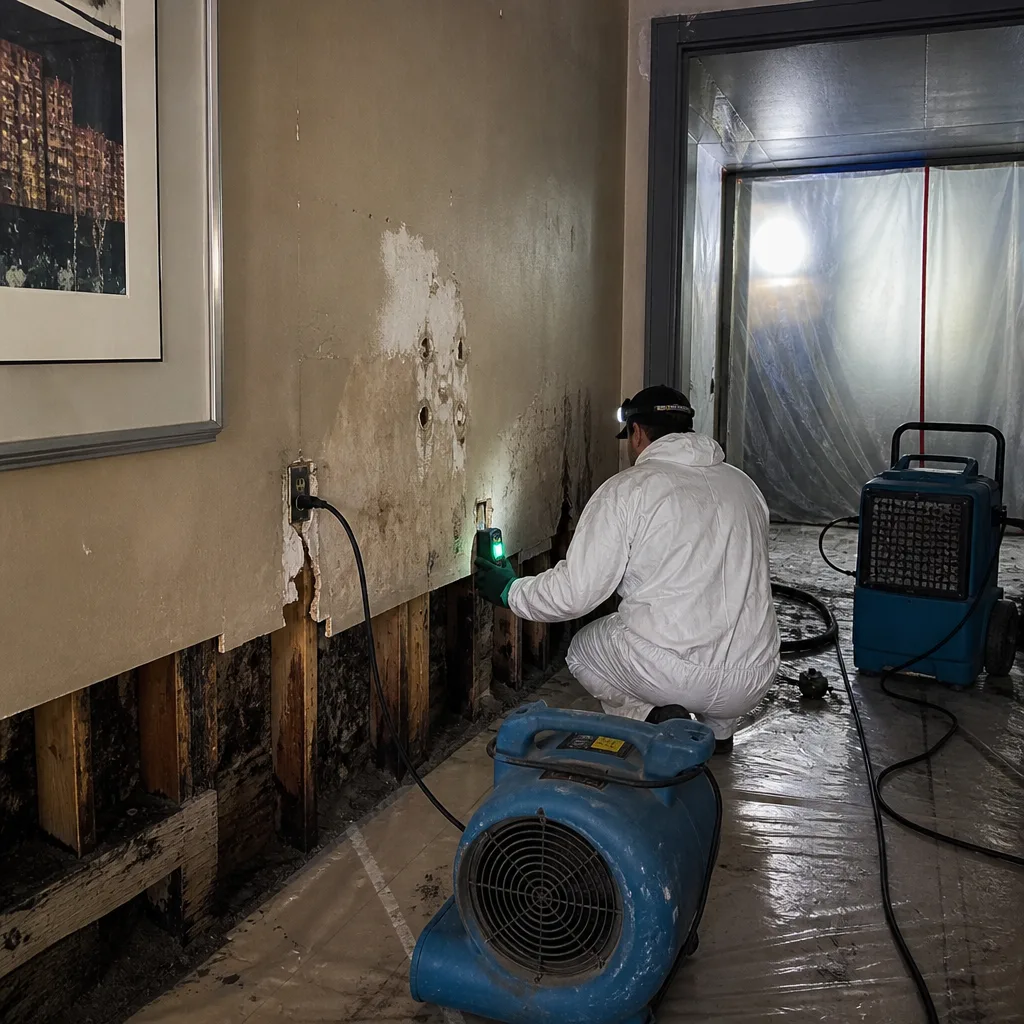 Before
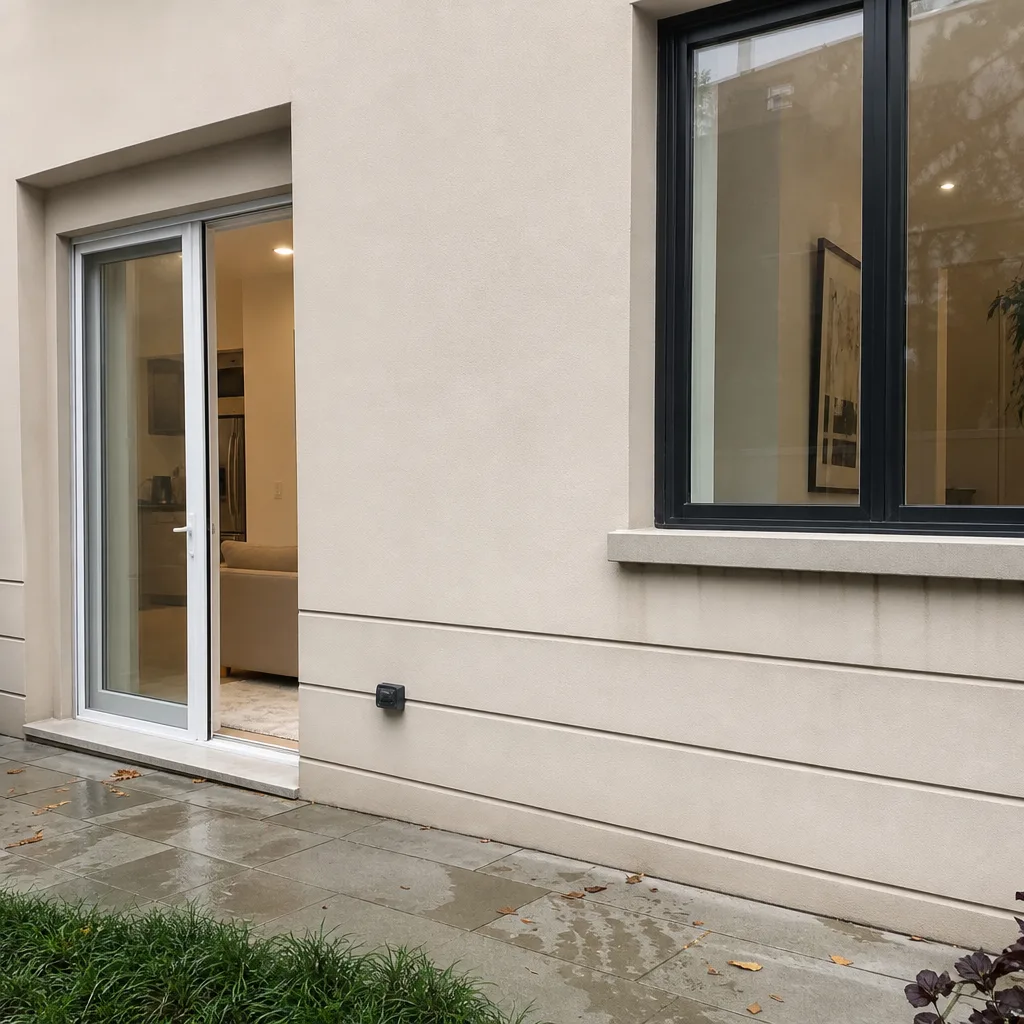 After
After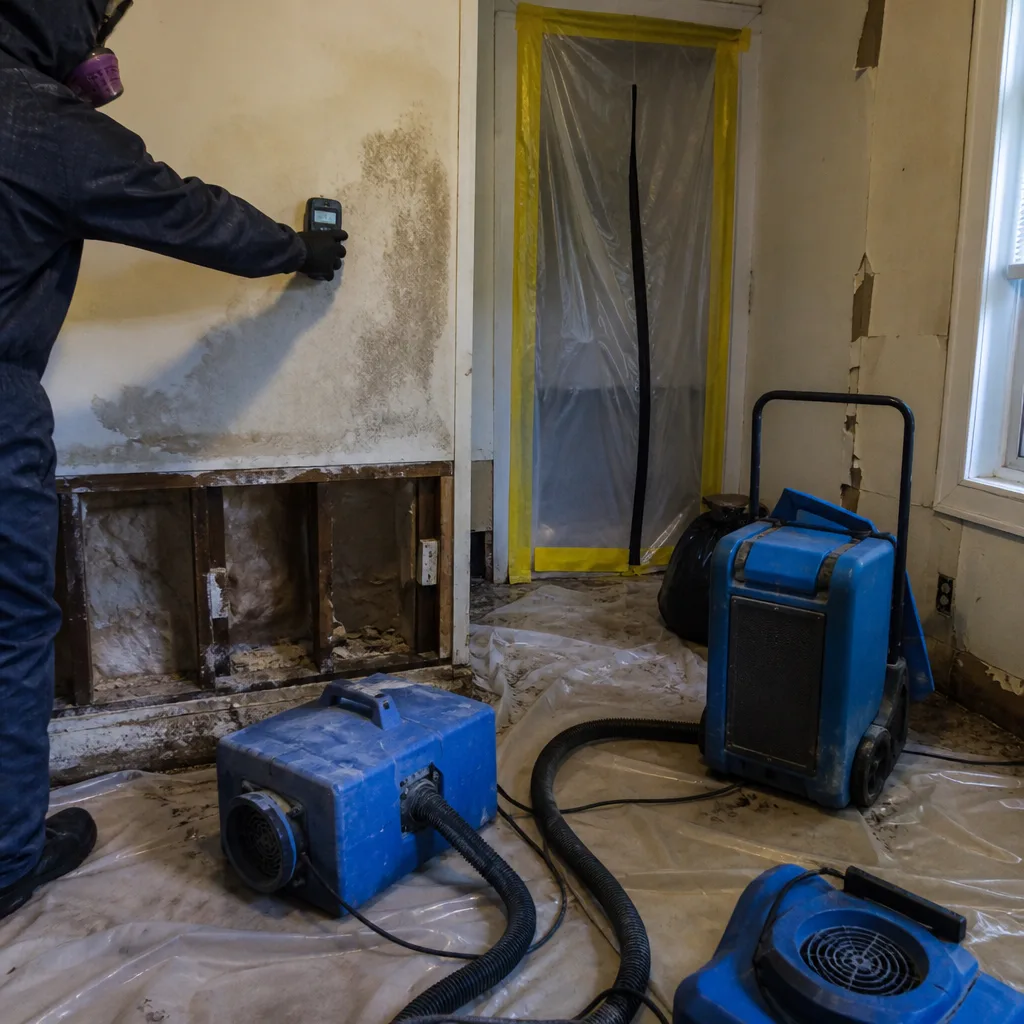 Before
 After
AfterSeasonal Damage Restoration Care for Upper East Side: Year-Round Homeowner’s Guide
February is the month most burst-pipe claims are filed in Manhattan. The pipe that fails in February typically showed elevated moisture in the surrounding framing the previous October, when heating systems first pressurized after a summer off. In Upper East Side prewar buildings, that moisture signature hides behind plaster and lath, invisible until the freeze-thaw cycle completes its work. This guide and our Complete Guide to Damage Restoration in Upper East Side assign measurable inspection tasks to each season based on the actual failure patterns we’ve documented in Manhattan prewar and postwar construction since 2011. Follow the calendar, record the readings, and you’ll intercept damage before it becomes a claim rather than documenting it after.
Quick Answer
Upper East Side homeowners should perform four seasonal inspections: fall heating system and roof drain checks, winter pipe freeze-risk documentation, spring limestone facade and terrace drain assessment, and summer HVAC condensate system logging. Each inspection produces dated, photo-documented moisture readings that function as prior-condition evidence if an insurer later disputes a claim. A season-by-season maintenance record transforms reactive restoration into preventable maintenance.
Table of Contents
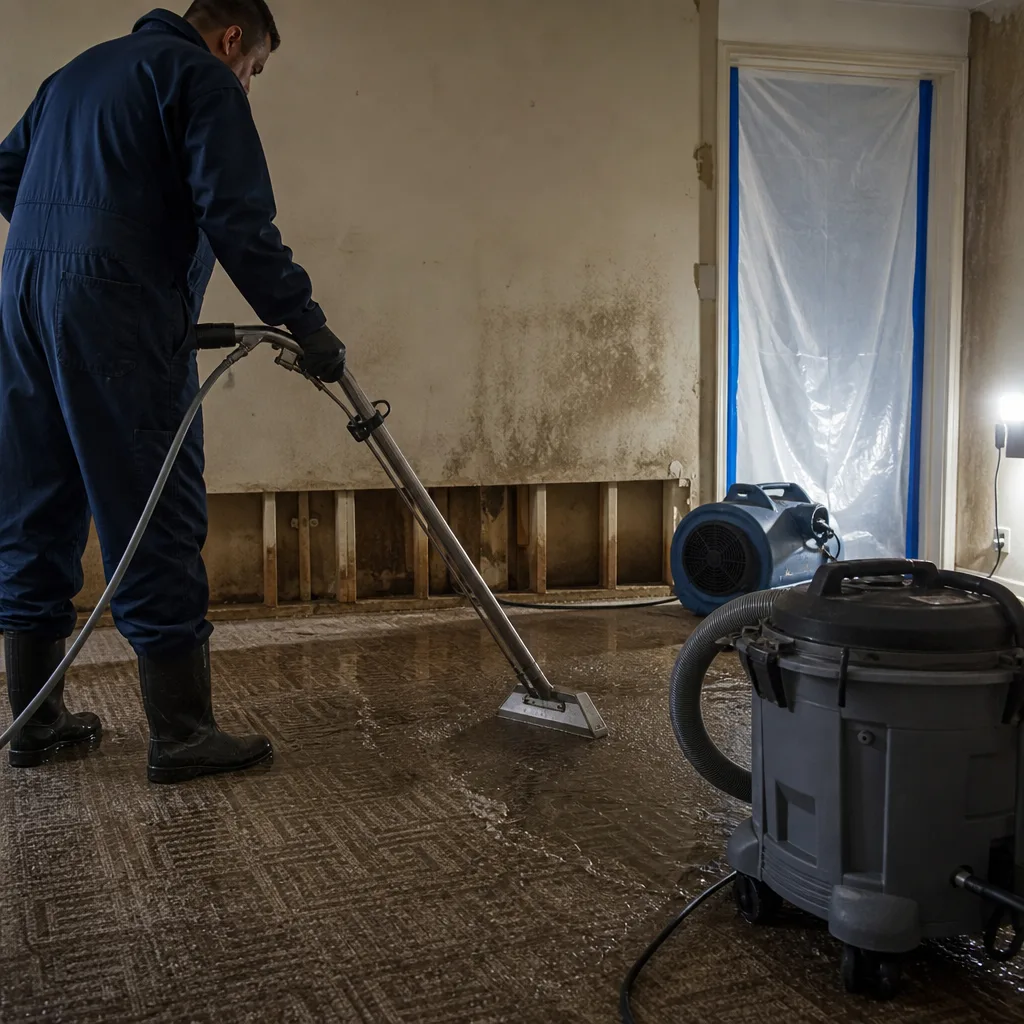
- Fall Inspection: Heating Systems, Single-Pane Windows, and Roof Drains
- Winter Inspection: Freeze-Risk Pipe Locations in Prewar Buildings
- Spring Inspection: Snowmelt, Limestone Facades, and Terrace Drains
- Summer Inspection: Window AC Condensate and HVAC Drain Pans
- Building Your Seasonal Documentation System
- How Maintenance Records Defeat Insurance Disputes
- Common Mistakes to Avoid
- When to Call a Professional
- Frequently Asked Questions
BeforeAfterFall Inspection: Heating Systems, Single-Pane Windows, and Roof Drains
October in Upper East Side marks the critical transition. Steam and hydronic heating systems, dormant since April, pressurize for the first time in six months. The expansion and contraction of cast-iron radiators, copper distribution lines, and galvanized steel risers stress joints that have oxidized through the humid summer. We’ve restored 12,000+ homes since 2011, and the pattern is consistent: the heating season’s first two weeks produce more water damage calls in Manhattan prewar buildings than any other fourteen-day period.
Heating System Restart Check
Schedule a licensed plumber or your building’s superintendent to inspect the system before the first sustained cold. Request these specific checks:
- Pressure test the boiler and distribution lines. Steam systems should hold 2-3 psi; hydronic systems 12-15 psi. A pressure drop of more than 1 psi in 24 hours indicates a leak in the wall or ceiling cavity.
- Inspect radiator valves and air vents. Failed vents on steam systems spray pressurized water into finished spaces. Document valve positions with dated photos.
- Check the condensate return. In buildings with pumped returns, verify the pump cycles correctly. A failed return pump floods the boiler room and adjacent units.
Record the pressure readings, valve conditions, and any repairs made. This is your baseline for the heating season.
Single-Pane Window Condensation Risk
Many Upper East Side prewar apartments retain original single-pane windows with storm inserts. When interior humidity exceeds 40% and exterior temperatures drop below 40°F, condensation forms on the glass and runs onto sill plates. We’ve measured sill moisture content at 28% wood moisture equivalent (M.E.) in November, well above the 16% threshold where mold colonization begins.
Inspect each window:
- Remove storm windows and check the sill for discoloration, softening, or prior repair patches
- Run a moisture meter along the sill plate and the adjacent plaster; record readings at three points per window
- Verify weatherstripping seals and caulk integrity at the frame perimeter
- Photograph each reading with the meter display visible and the window location identifiable
Readings above 16% M.E. require drying or humidity reduction before mold establishes. In our Water Damage Restoration in Upper East Side work, we regularly find that October condensation damage, left unaddressed, becomes a February mold remediation.
Roof Drain and Scupper Clearing
Upper East Side flat roofs, whether built-up tar, modified bitumen, or membrane, depend on drains and scuppers to move water. A single clogged drain on a 1,500 square foot roof can pond two inches of water, adding approximately 15,000 pounds of load. Worse, freeze-thaw cycles split membrane seams at the drain flange.
Before the first freeze:
- Clear leaves, sediment, and construction debris from roof drains, scuppers, and gutters
- Verify drain strainers are seated and intact
- Check that overflow scuppers are unobstructed and terminate above expected snow depth
- Photograph the cleared condition from above and below
Buildings with rooftop terraces require additional attention. Terrace drains clog with planting soil and organic debris. In spring, we’ll address the meltwater that follows.
Winter Inspection: Freeze-Risk Pipe Locations in Prewar Buildings
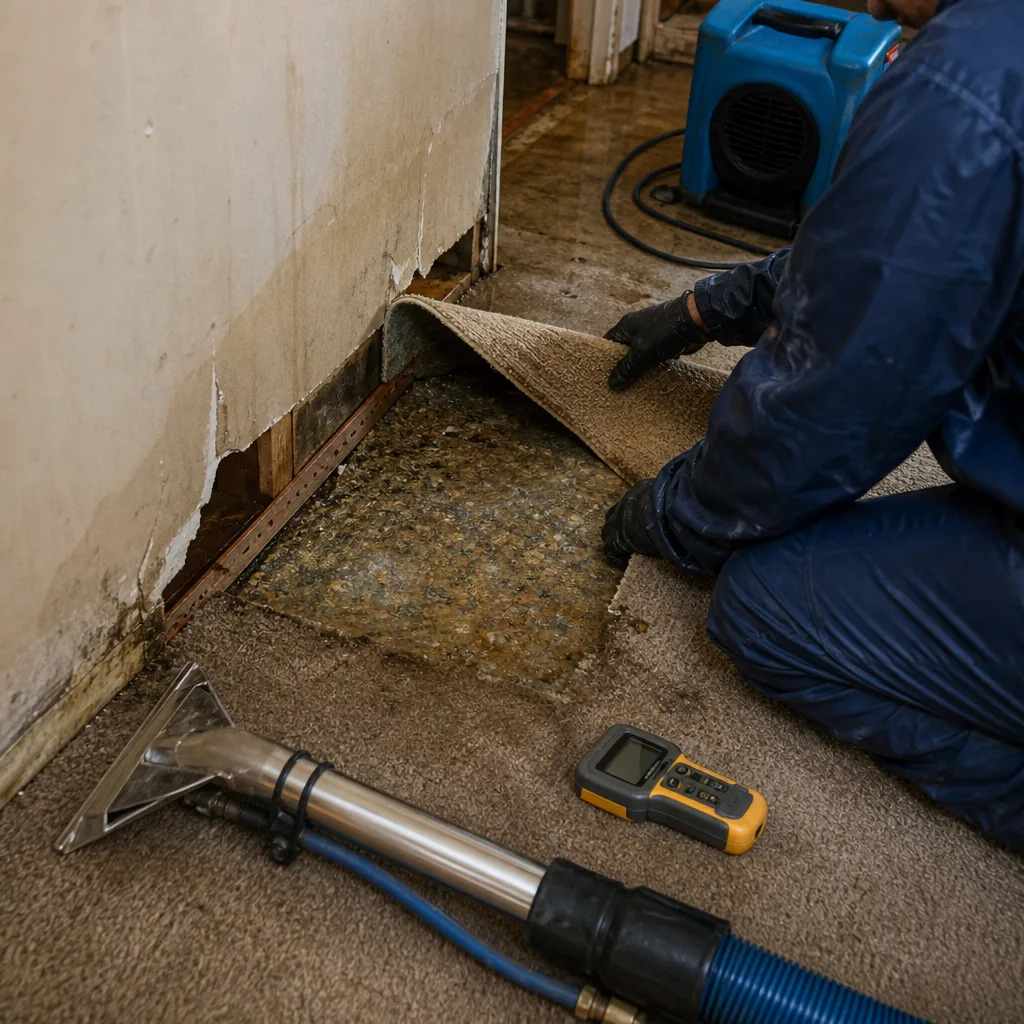
January and February deliver the sustained cold that tests every weakness identified in fall. In Upper East Side prewar construction, specific pipe locations carry outsized risk.
High-Risk Pipe Locations
Prewar buildings in Upper East Side share construction patterns that concentrate freeze risk:
- Exterior wall plumbing chases: Kitchen and bath sinks often sit on exterior walls with pipes embedded in plaster. The wall cavity lacks insulation, and the plaster provides minimal thermal mass. When exterior temperatures drop below 20°F for 48+ hours, these pipes freeze.
- Unheated service corridors: Buildings with maid’s rooms, rear stairways, or utility corridors that lack supplemental heat see freeze failures in domestic hot and cold lines.
- Terrace and balcony hose bibs: Even “frost-proof” bibs fail if the valve seat remains in the exterior wall cavity. We’ve documented split bibs on Park Avenue terraces after single-digit nights.
- Fire suppression standpipes and sprinkler drops: Dry-pipe systems in unheated attic or bulkhead spaces are engineered for freeze resistance, but auxiliary drains and low points collect condensation that freezes and cracks fittings.
Pre-Freeze Documentation Protocol
Before a predicted cold snap, document these conditions:
- Photograph all exposed pipes in high-risk locations with a date stamp. Capture the pipe condition, any insulation, and surrounding wall or ceiling finishes.
- Record ambient temperatures in unheated spaces with a calibrated thermometer; log readings morning and evening during cold periods.
- Test all faucets and fixtures on exterior walls for reduced flow, which indicates partial freezing.
- Verify that heat is reaching all rooms, including those you don’t regularly use. Close doors to unheated rooms accelerate freeze risk in adjacent plumbing walls.
This documentation serves two purposes. First, it identifies problems before they become emergencies. Second, it creates a prior-condition record. If a pipe freezes and splits, your insurer may argue that you failed to maintain adequate heat. Timestamped temperature logs and photos refute that assertion.
When freeze damage occurs, speed matters. Water from a split pipe travels through multiple floors in prewar buildings with shared chase walls. DryMark Restoration Upper East Side home provides live phone coverage 24 hours a day, 7 days a week with no voicemail on emergency lines, and crews arrive with professional-grade drying systems from Dri-Eaz and Phoenix to begin extraction and documentation immediately.
Spring Inspection: Snowmelt, Limestone Facades, and Terrace Drains
March and April on the Upper East Side bring a specific water intrusion pattern: snowmelt that the freeze has trapped in building envelopes now moves downward and inward. Limestone facades, terrace assemblies, and flat roof transitions are the primary entry points.
Limestone Facade Infiltration
Upper East Side prewar buildings clad in Indiana limestone or cast stone absorb moisture through freeze-thaw cycling. Water enters hairline cracks and bedding joints, freezes, and widens the opening. By spring, the facade has become a reservoir. Sustained warming releases this stored water, which appears as efflorescence on interior plaster, dampness at baseboards, or staining on ceiling soffits below parapets.
Inspect in late March, before spring rains compound the meltwater load:
- Walk the exterior or hire a facade inspector to identify new cracks, spalling, or displaced mortar
- Photograph each defect with a scale reference and location identifier
- Interior inspection: check top-floor ceilings, exterior wall baseboards, and window reveals for new moisture staining
- Record moisture meter readings at any suspect interior location; 12% M.E. or higher on plaster indicates active water movement
Terrace and Balcony Drain Assessment
Terraces on Upper East Side buildings accumulate snow that insulates the waterproof membrane, then releases meltwater in unpredictable volumes. The critical failure point is the drain. A partially clogged drain that handled a summer thunderstorm will back up under sustained melt.
Inspect terrace drains as snow clears:
- Remove drain covers and check for sediment, root intrusion, or construction debris
- Pour five gallons of water into each drain and time the discharge; flow should exceed one gallon per minute
- Inspect the membrane condition around the drain flange for cracking or separation
- Check door thresholds and perimeter flashings for gaps that admit water under hydrostatic pressure
Record flow rates, drain conditions, and any membrane defects with dated photos. If spring rains follow a heavy snow season, the combined load overwhelms compromised systems. We’ve restored units on Fifth Avenue and Park Avenue where terrace drain failure flooded three floors of finished space.
Documenting Pre-Rain Condition
The weeks between snowmelt and consistent spring rainfall are your documentation window. Photograph and record everything. If a May storm produces interior water entry, your March inspection record establishes that the building envelope was intact before the event, or identifies a pre-existing defect that the storm exploited. Either way, you have evidence rather than argument.
Summer Inspection: Window AC Condensate and HVAC Drain Pans
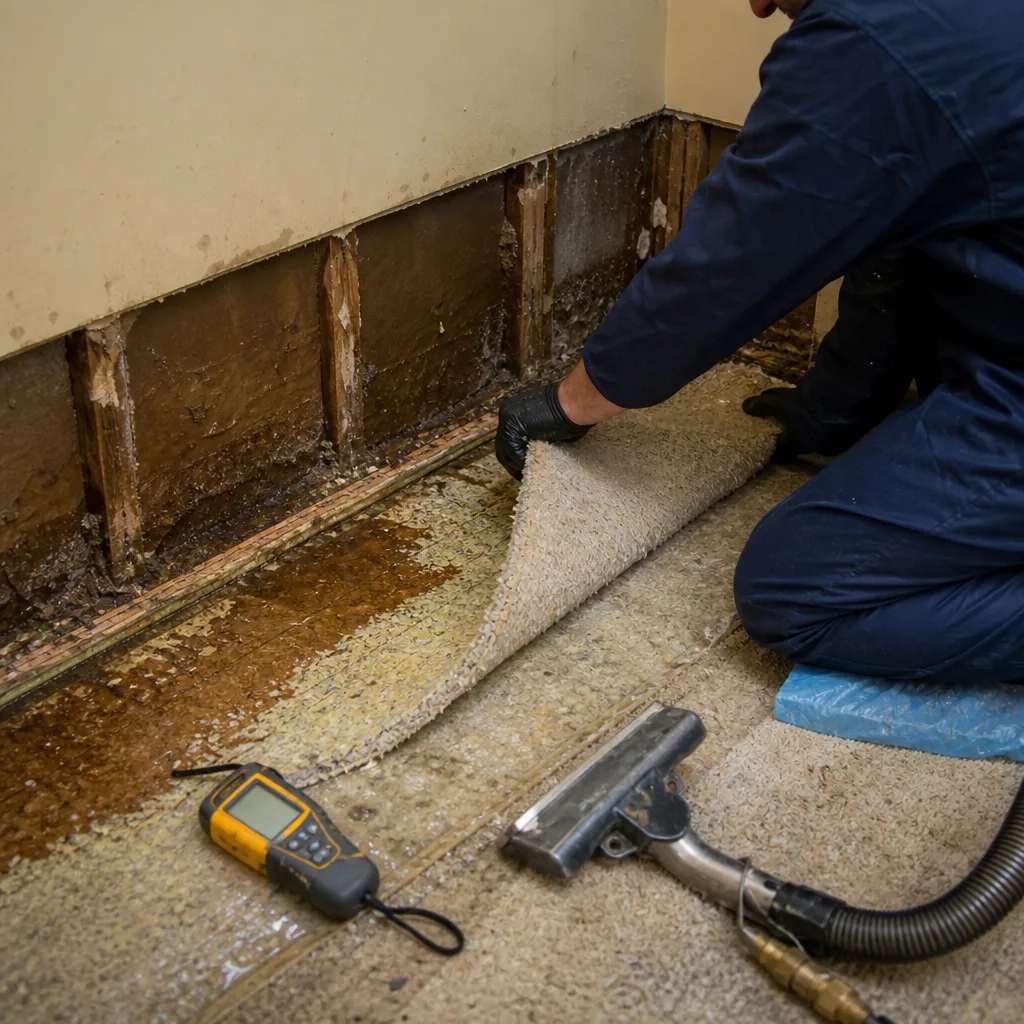
July and August humidity in Upper East Side drives window air conditioner use that generates surprising water damage volume. A single window unit producing 20 pints of condensate daily, with a blocked drain or improper tilt, can saturate a windowsill and the wall below in 48 hours. Central HVAC systems present larger but more hidden risks.
Window AC Unit Inspection
Through-wall and window units are the dominant cooling method in prewar Upper East Side buildings. Each unit requires:
- Verify proper rearward tilt: The unit must slope 1/4 inch toward the exterior for condensate drainage. Use a level and photograph the measurement.
- Clear the condensate drain or weep holes: Algae and dust block small openings. Use a pipe cleaner or compressed air; verify flow by pouring water into the pan.
- Inspect the mounting sleeve and weatherstripping: Gaps admit humid exterior air that condenses on cool interior surfaces, producing moisture unrelated to the unit’s drainage.
- Check the electrical cord and plug condition: Frayed cords are a fire risk; documented condition protects against liability if damage occurs.
Record unit model, installation date, tilt measurement, and drain flow condition. Replace units more than ten years old; corrosion of internal condensate pans is not repairable.
Central HVAC Drain Pan and Condensate Line
Buildings with central chilled-water or DX cooling systems have evaporator coils with drain pans that require active inspection. In Upper East Side postwar buildings with through-wall PTAC units or central air handlers, we’ve found:
- Primary drain pans rusted through, with condensate falling onto ceiling drywall below
- Condensate pumps failed or unplugged, flooding mechanical closets and adjacent units
- Secondary drain pans missing or improperly installed, eliminating the safety layer
- Vapor barriers compromised at duct penetrations, causing condensation on cool duct surfaces in humid ceiling plenums
Inspect central systems with a qualified HVAC technician. Request these specific measurements:
- Drain pan depth and freeboard (distance from water surface to pan rim); minimum one inch
- Condensate line flow rate in gallons per hour under full cooling load
- Evaporator coil temperature differential across the fins; 15-20°F indicates proper operation, lower differentials suggest restricted airflow or low refrigerant that causes coil icing and subsequent overflow
Log these readings with the technician’s report. They establish baseline performance and identify degradation before failure.
Humidity Control and Vapor Pressure Differential
Summer humidity management in Upper East Side apartments requires understanding vapor pressure differential, the force that drives moisture through building materials. When interior relative humidity exceeds 60% and exterior humidity is lower, moisture moves outward through walls. When air conditioning cools interior air below the dew point, condensation forms on cool surfaces. The psychrometric data, temperature and humidity measurements that predict condensation risk, should guide your thermostat and dehumidifier settings.
Maintain interior relative humidity between 40% and 55%. Above 55%, mold risk rises; below 40%, wood trim and plaster crack. A digital hygrometer costs under $30 and provides the data to maintain this range. Record weekly readings seasonally.
Building Your Seasonal Documentation System
Documentation is the difference between a paid claim and a disputed one. The Haven Standard, which governs every DryMark Restoration Upper East Side job, requires written price before work begins, photo record on every visit, and daily moisture logs. Apply the same discipline to your seasonal maintenance.
The Seasonal Log Format
Create a dedicated folder, physical or digital, for each inspection season. Include:
- Date and weather conditions at time of inspection
- Property address and unit number
- Inspector name (yourself, superintendent, or hired professional)
- Photo record: minimum one photo per inspected element, with timestamp and location visible
- Moisture readings: instrument model, calibration date, reading location, and value
- Observed conditions: defects, repairs needed, repairs completed
- Professional reports: plumber, HVAC technician, or facade inspector findings
Moisture Meter Selection and Use
Pin-type meters measure wood moisture equivalent by electrical resistance; pinless meters use electromagnetic sensing for non-destructive scanning of plaster, drywall, and masonry. For Upper East Side prewar construction, we recommend owning both. The Protimeter Surveymaster or equivalent provides both functions in one unit.
Calibration matters. Verify meter accuracy annually against a calibration block. Record the calibration date in your log. An insurer’s expert will challenge uncalibrated readings.
Storage and Accessibility
Store documentation in two locations: cloud storage with automatic backup, and physical copies in a fireproof container or safe deposit box. If your unit suffers fire or water damage, your maintenance records must survive to support your claim. We’ve seen homeowners lose their documentation in the same event that generated the claim, leaving them without evidence to dispute insurer arguments.
How Maintenance Records Defeat Insurance Disputes
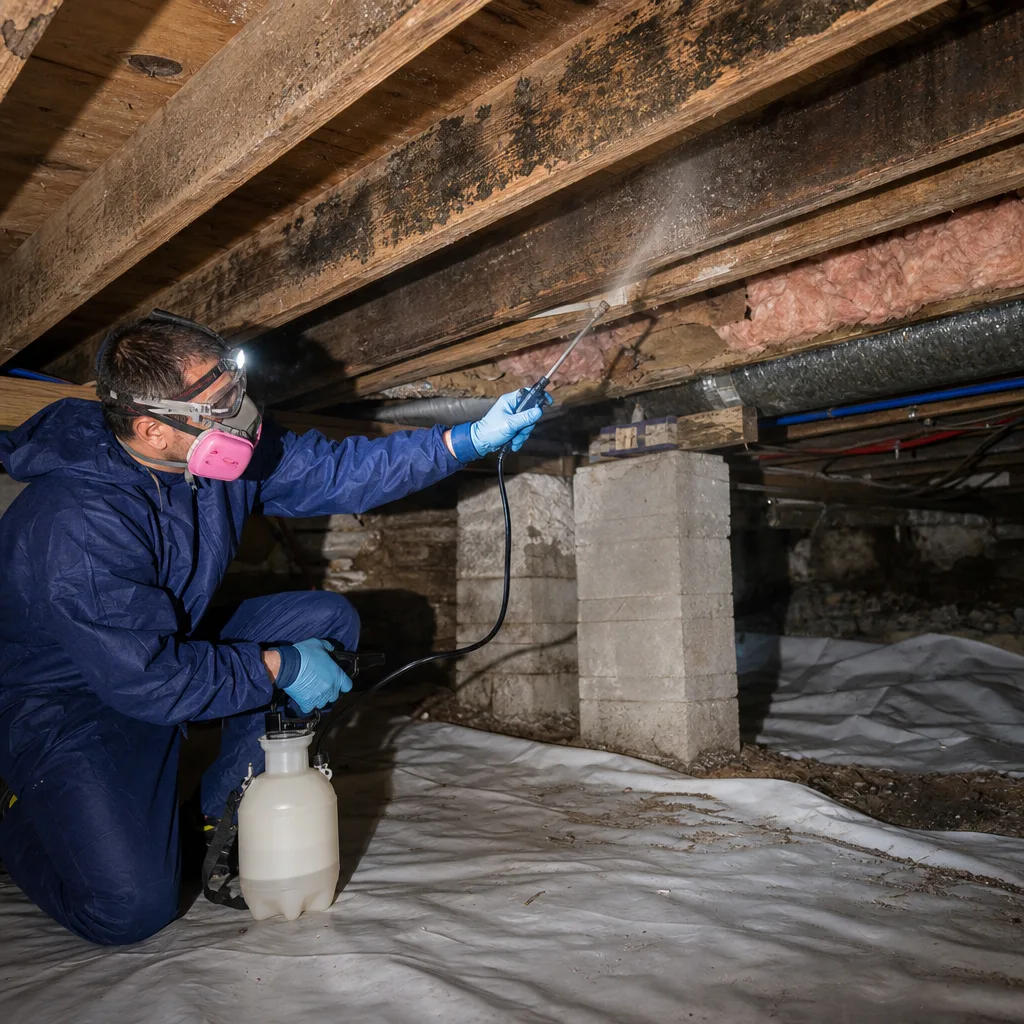
Insurance adjusters evaluate two questions on every water damage claim: did the event occur as described, and did the homeowner’s maintenance contribute to or predate the damage? Your seasonal documentation answers both.
The Prior-Condition Exhibit
When an insurer argues that water staining “clearly existed before the claimed pipe rupture,” your October inspection photo showing clean, dry sill plates with 8% M.E. readings refutes the assertion. When an adjuster suggests that terrace membrane failure “developed over years of neglect,” your March flow test showing one gallon per minute drainage and intact membrane establishes that the system functioned before the storm.
Each seasonal inspection creates a dated, photo-documented condition record. Stack four seasons of records and you have a timeline that most adjusters won’t challenge. Those who do face specific, measurable evidence rather than homeowner memory.
The Duty to Mitigate
Most policies require homeowners to take reasonable steps to prevent further damage after a loss. Your seasonal maintenance program demonstrates that you meet this duty routinely, not just after an event. If a pipe bursts and you immediately shut off the water, call for emergency response, and begin documentation, your established maintenance practice supports the claim that you acted reasonably.
Conversely, a homeowner with no maintenance records faces skepticism. The insurer infers neglect from absence of evidence. Don’t provide that opening.
Coordination with Professional Restoration Documentation
When you call Water Damage Restoration in Upper East Side after a loss, our documentation begins where yours ends. We produce daily drying logs with psychrometric data, room-by-room moisture readings, and photo records on every visit, all documented to IICRC, RIA, and IFA standards. Your seasonal maintenance record becomes the “before” to our “after,” a complete claim file that moves from submission to payment without dispute.
Haven Standard, Clause 1 applies: a written price before any work starts, every time, with no exceptions. Bring your maintenance documentation to the estimate appointment; it helps us scope accurately and price completely.
Common Mistakes to Avoid
- Inspecting only after problems appear. Reactive inspection misses the October moisture that becomes February mold. Schedule inspections by calendar, not by symptom.
- Recording readings without location context. “Window sill: 18% M.E.” is useless without identifying which window, which room, and which meter. Photograph the meter at the reading location every time.
- Ignoring building-specific risks for generic checklists. Upper East Side prewar buildings have steam heating, limestone facades, and uninsulated exterior walls that don’t appear on suburban home maintenance lists. Adapt every inspection to your building’s actual construction.
- Storing documentation only in the unit. The same fire or flood that generates your claim destroys your evidence. Maintain off-site backup as standard practice.
- Accepting verbal assurances from contractors. “Looks fine” from a plumber or HVAC technician is not documentation. Request written findings with specific measurements, or hire someone who provides them.
- Neglecting to photograph “normal” conditions. Insurers dispute whether staining is new or old. A photo library of baseline conditions proves what existed before the event.
- Failing to link seasonal records to insurance policy details. Note your policy number, coverage dates, and deductible in your maintenance file. In a crisis, you won’t remember where you filed the policy declaration.
When to Call a Professional
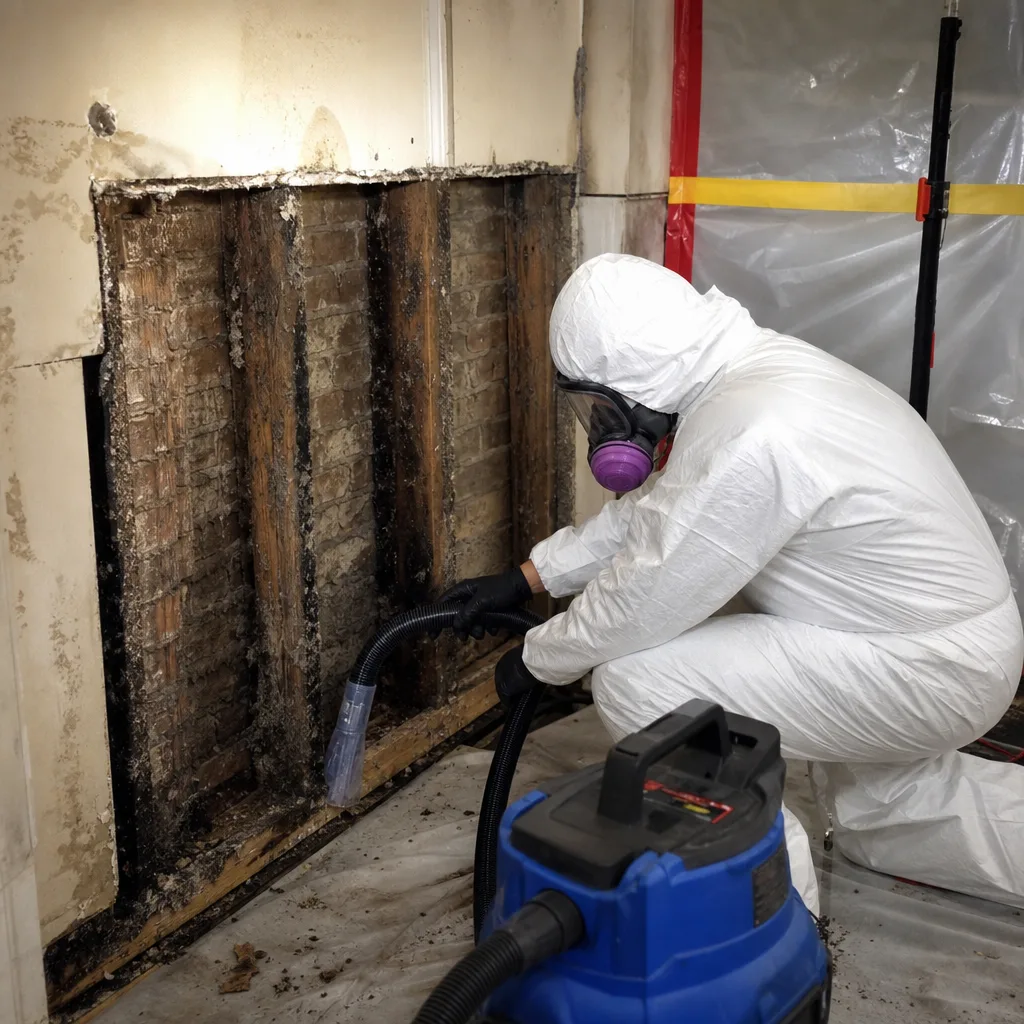
Call for professional assessment when moisture readings exceed 16% M.E. on any wood or plaster surface, when you observe active water entry during rainfall or snowmelt, when heating or cooling systems show pressure loss or flow reduction, or when mold growth is visible on any surface larger than ten square feet. These thresholds indicate conditions beyond homeowner maintenance and require documented intervention.
We’re not suggesting every seasonal inspection requires our presence. Many tasks belong to your superintendent, a licensed plumber, or your own careful observation. But when readings rise, when systems fail, or when you need a second opinion on another contractor’s estimate, DryMark Restoration Upper East Side offers free estimates in Upper East Side, with a Damage Restoration Cost Breakdown: The Upper East Side Homeowner’s Reference for 2026 available to help you budget. Call (551) 213-5277. Every estimate includes a written price before work begins, Haven Standard, Clause 1, and a documented photo record of our findings. We also provide a Free Second Opinion on any competitor’s written estimate at no charge.
Frequently Asked Questions
A basic homeowner inspection kit, moisture meter, hygrometer, and documentation supplies, costs $150-$300. Professional fall heating system inspection runs $200-$400; spring facade inspection by a qualified contractor ranges $400-$800 for a typical Upper East Side co-op or condo unit. These costs are negligible compared to the $5,000-$15,000 average water damage restoration we perform when prevention fails; explore more guides & resources to protect your home year-round. Call (551) 213-5277 for an exact quote on professional assessment, estimates are free.
Insurance covers sudden and accidental damage, not gradual deterioration or maintenance neglect. If an insurer can demonstrate that you failed to address a known condition, such as a documented roof drain clog that you never cleared, they may deny or reduce the claim. Seasonal maintenance records prove you met your duty of care. For claim documentation after a loss, Fire & Smoke Damage Restoration in Upper East Side and our other services include photo records that support your position with the adjuster.
Live person answers every call, 24 hours a day, 7 days a week, with no voicemail on emergency lines. Crews dispatch immediately for active water intrusion. For mitigation work, extraction and emergency drying, speed is critical and we prioritize response. For reconstruction and rebuild work, we schedule after written scoping and pricing, typically within 48-72 hours of estimate approval. Call (551) 213-5277 to report active water entry.
Visible mold on any porous surface, plaster, drywall, wood, or carpet, requires remediation rather than surface cleaning because hyphae, the root structures, penetrate the material. A ten-square-foot patch can release sufficient spores to colonize an entire HVAC system. We assess with moisture mapping and air sampling, then scope remediation with a written price before work begins. For Mold Remediation in Upper East Side, our documentation includes pre- and post-remediation air quality verification to IICRC standards.
We coordinate directly with your adjuster, providing the daily drying logs, photo records, and written scopes that adjusters need to authorize payment. Our documentation is formatted to insurance industry standards from the first visit. You remain the policyholder and must authorize our representation, but we handle the technical communication that delays most claims. This documentation-first approach is why Back to Dry Restoration, led by Alicia Brennan, was founded by a former claims adjuster who understood what documentation gaps cost homeowners.
Wood moisture equivalent above 16% supports mold growth; above 20% indicates active water intrusion requiring source identification and drying. Plaster and drywall readings above 12% suggest ongoing water movement. These thresholds vary by material and ambient humidity, which is why calibrated instruments and seasonal baseline records matter. A reading of 14% M.E. in July may be normal; the same reading in February indicates a problem. Your seasonal log provides the comparison context.
The Bottom Line
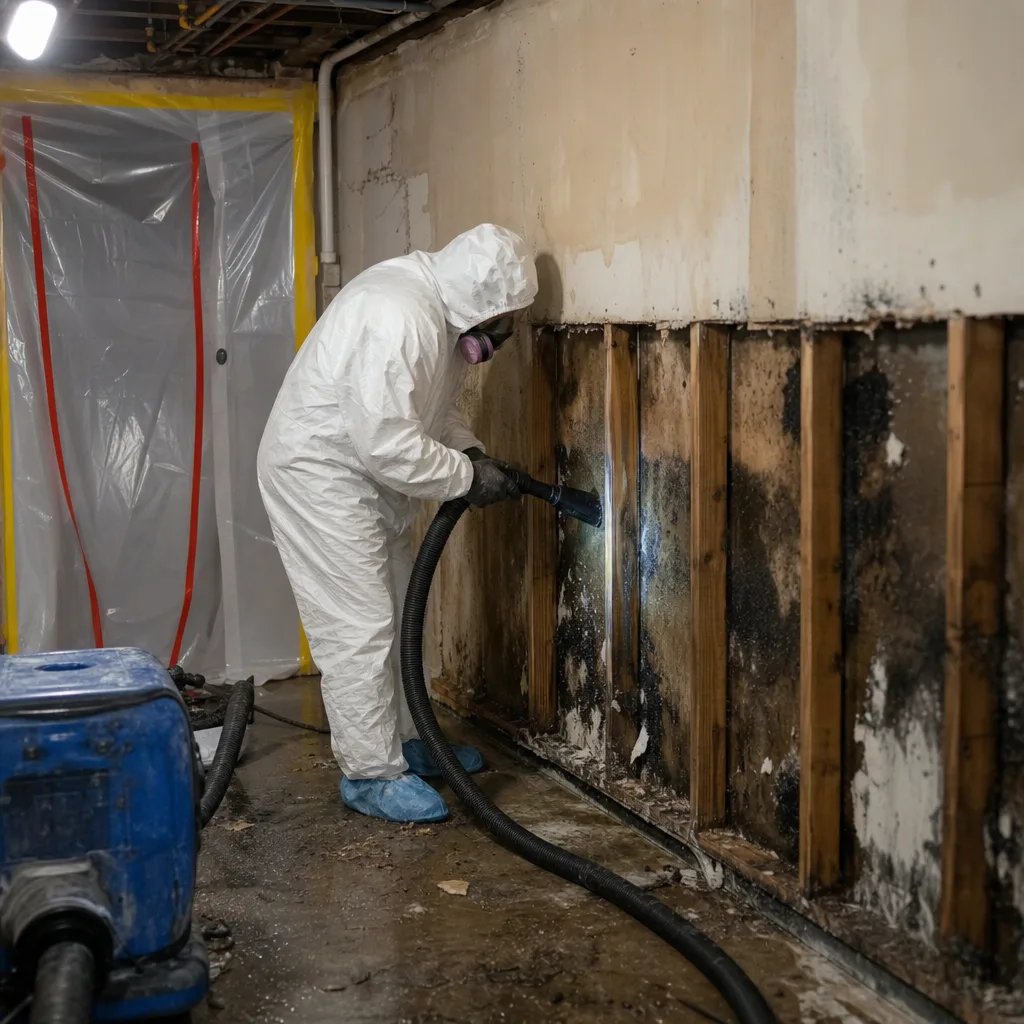
Upper East Side buildings cycle through four distinct water-intrusion risks, heating system pressurization in fall, freeze-thaw pipe stress in winter, snowmelt facade infiltration in spring, and condensate overflow in summer. The homeowner who assigns measurable inspection tasks to each season, who records moisture readings and photographs conditions, builds a documentation file that prevents damage when possible and proves claim validity when prevention fails. This is not excessive caution. It is the standard that insurers expect and that professional restoration, under The Haven Standard, delivers. Start with the fall inspection. Record everything. The February pipe that doesn’t burst because you found the October moisture signature is the claim you never have to file.
Written by Alicia Brennan, Owner at DryMark Restoration Upper East Side, serving Upper East Side since 2011.