
Last updated September 23, 2026
Free visual inspection and a written scope of work before any mitigation begins - photos, moisture readings, and drying logs go in your claim file
The scope we write is the scope we bill. Anything new gets shown to you, in writing, before we touch it.
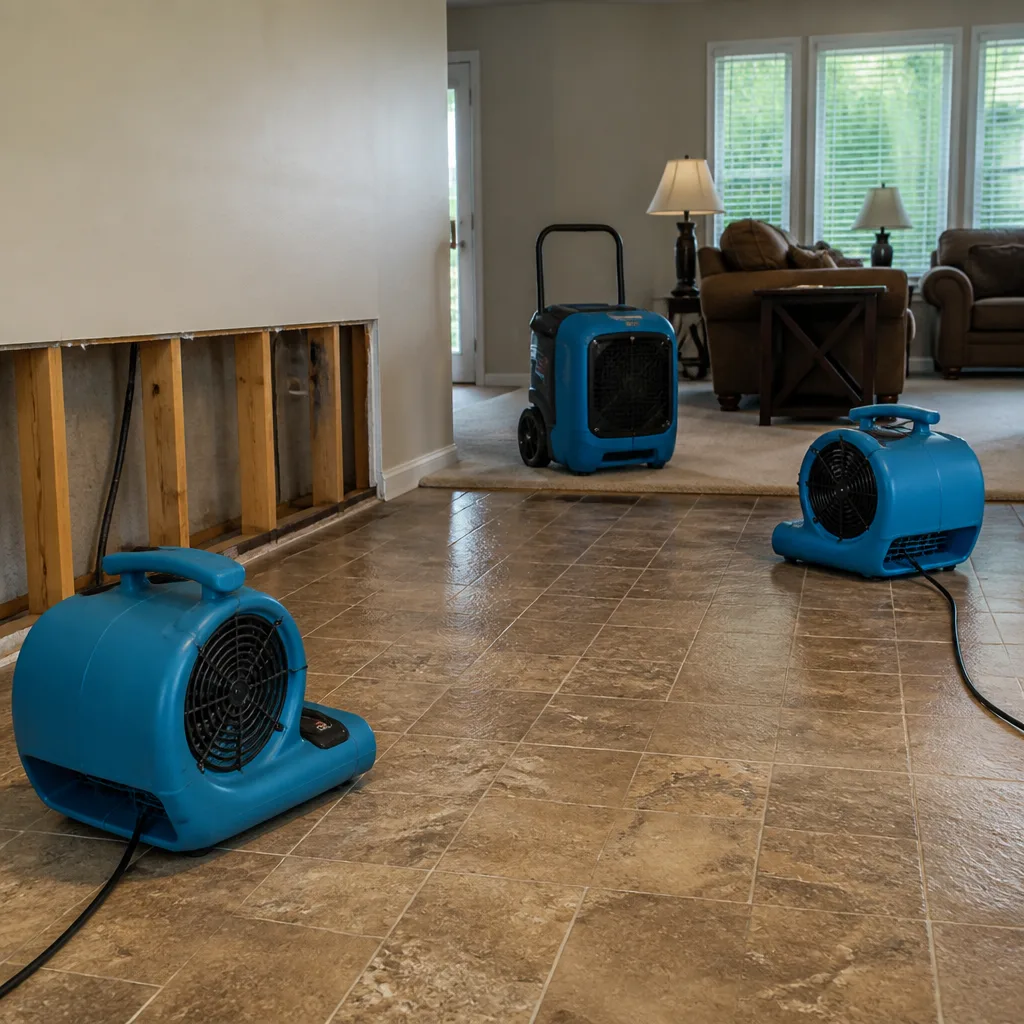

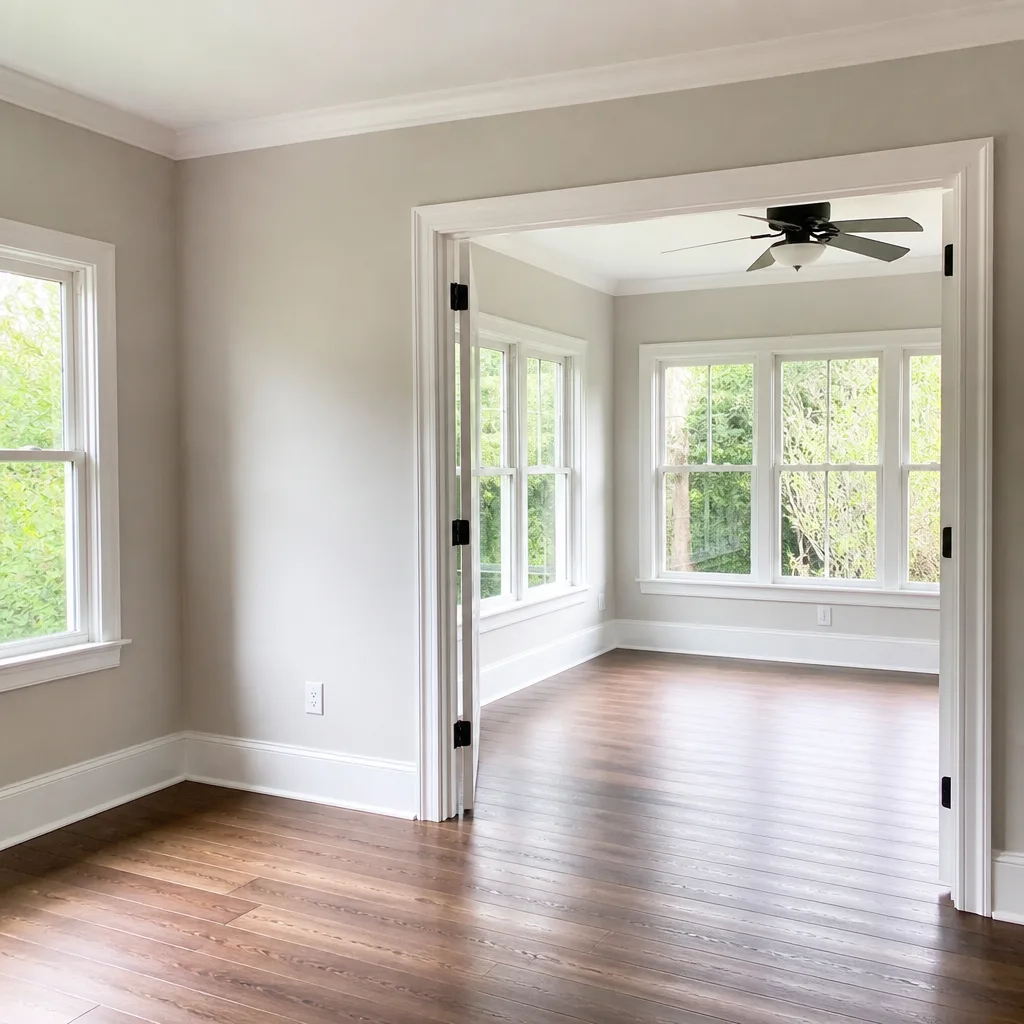
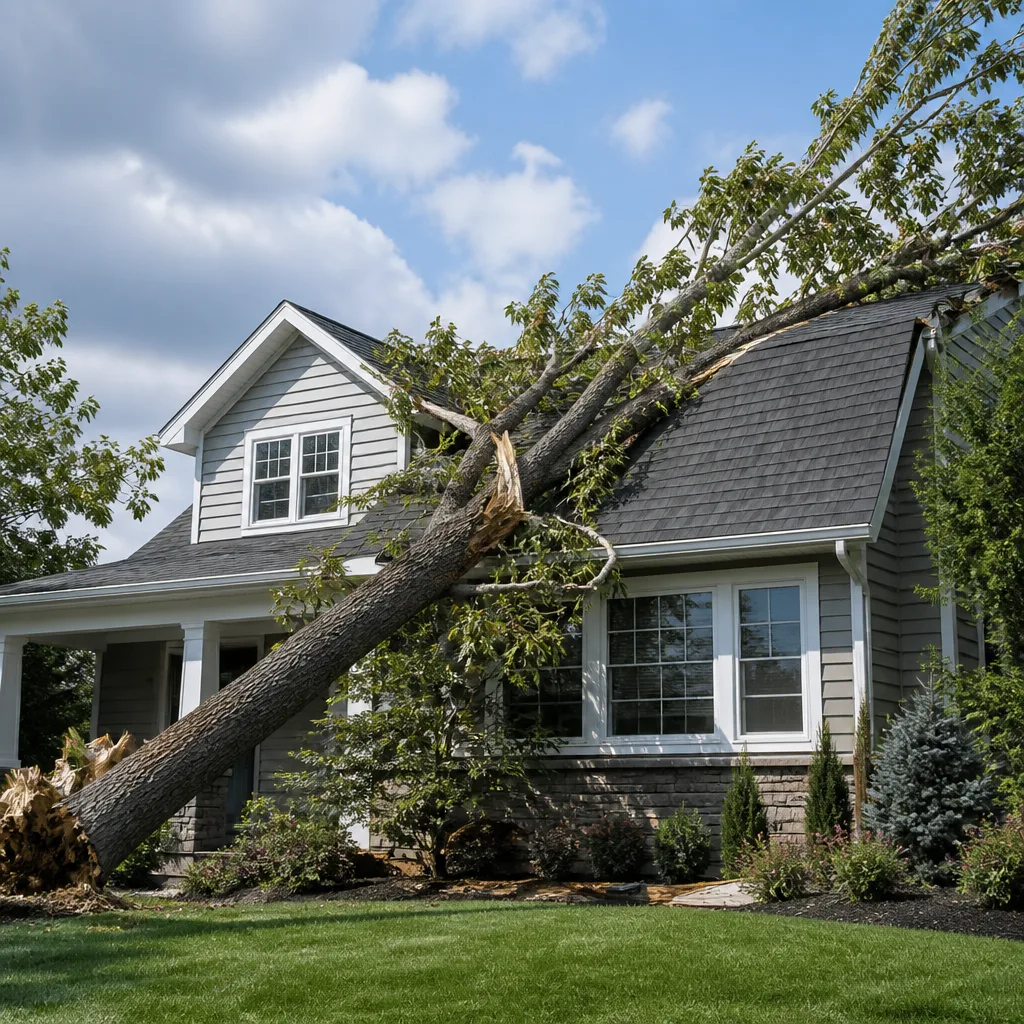
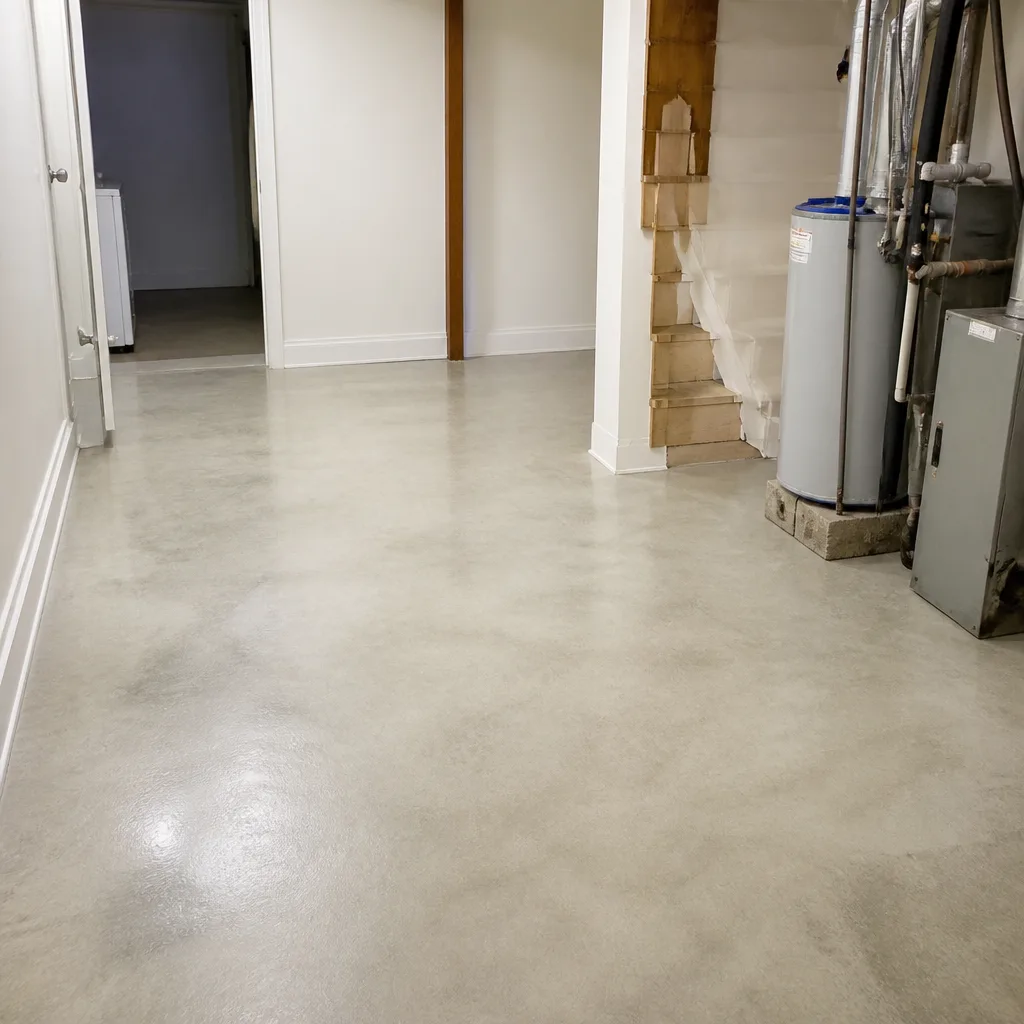

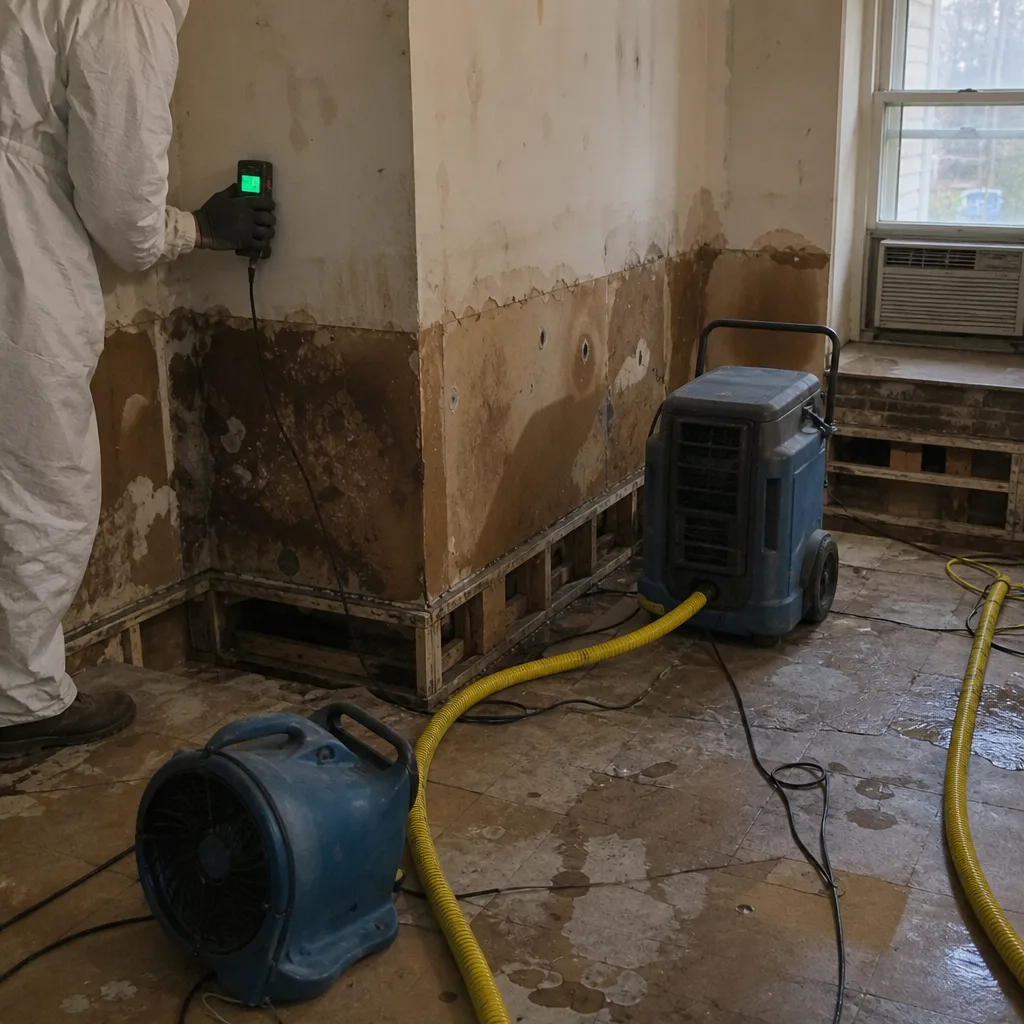 Before
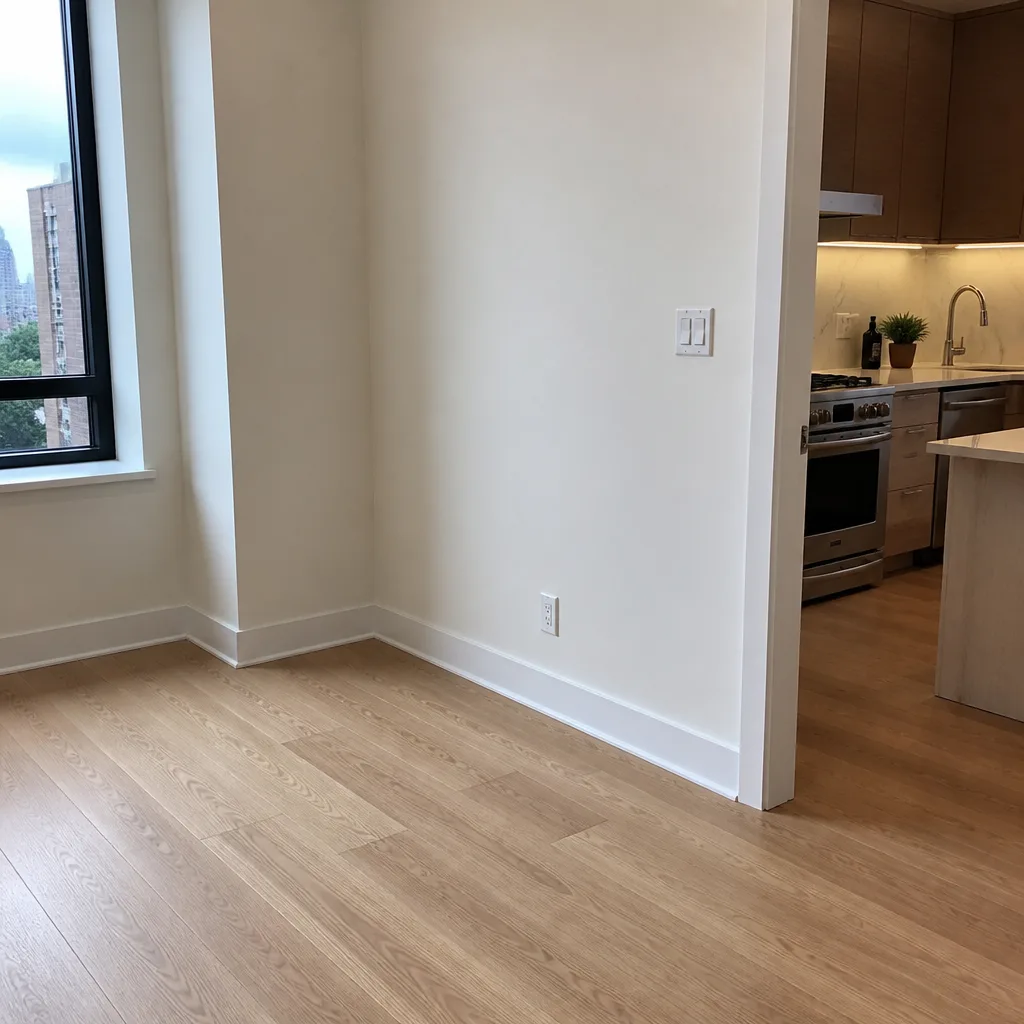 After
After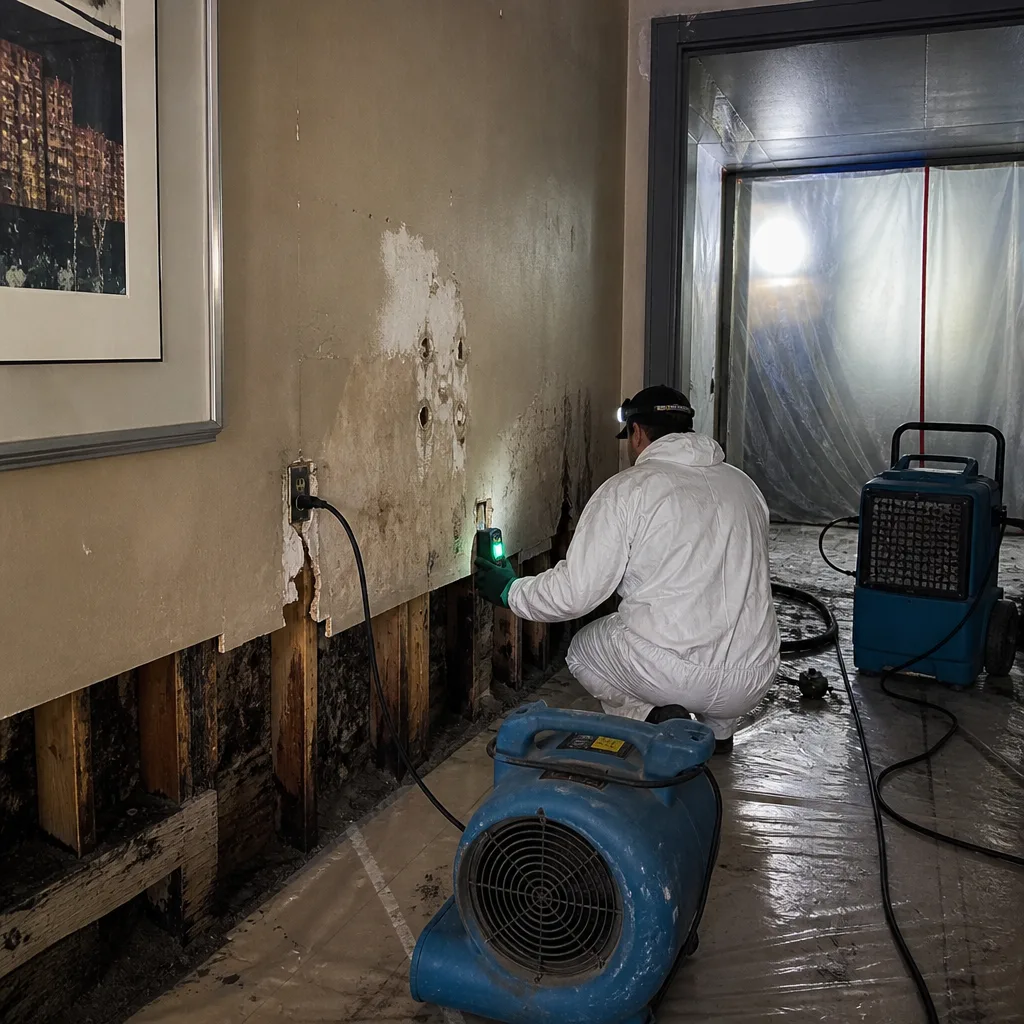 Before
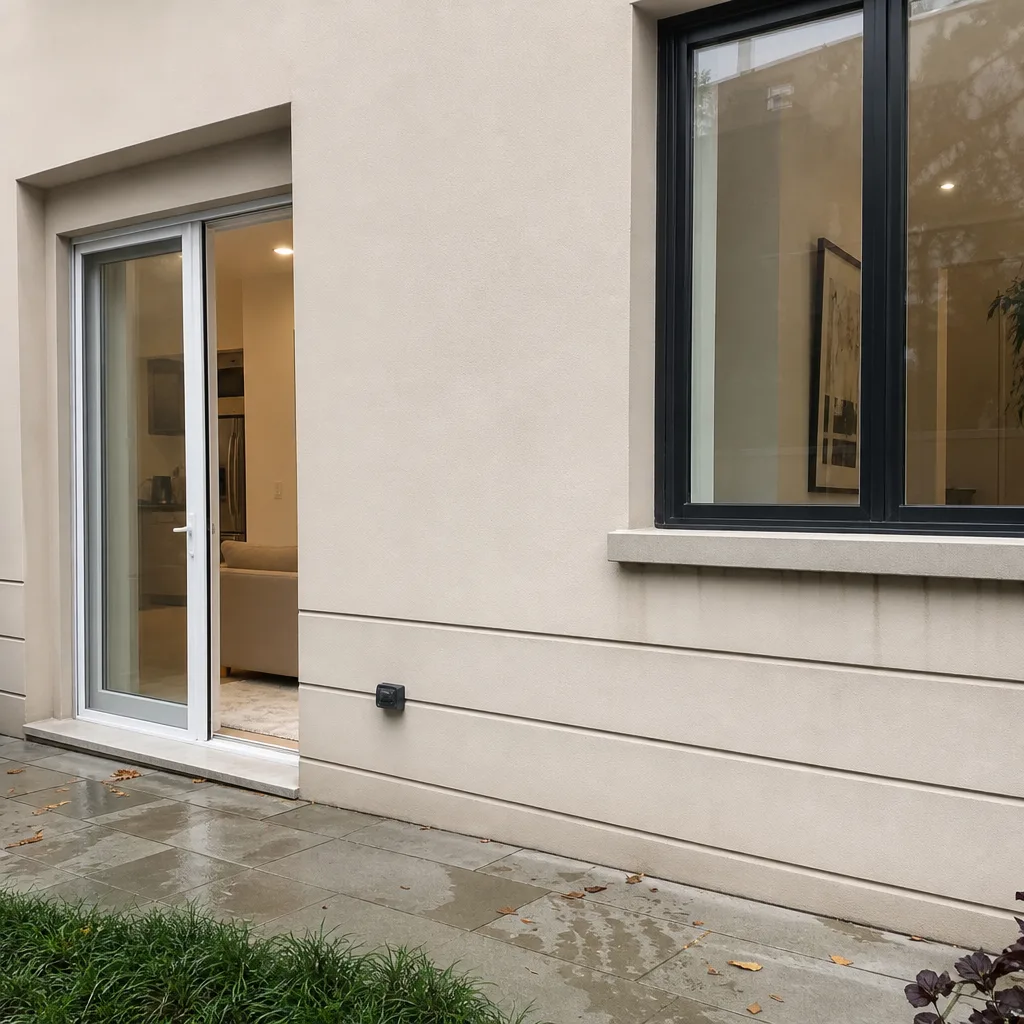 After
After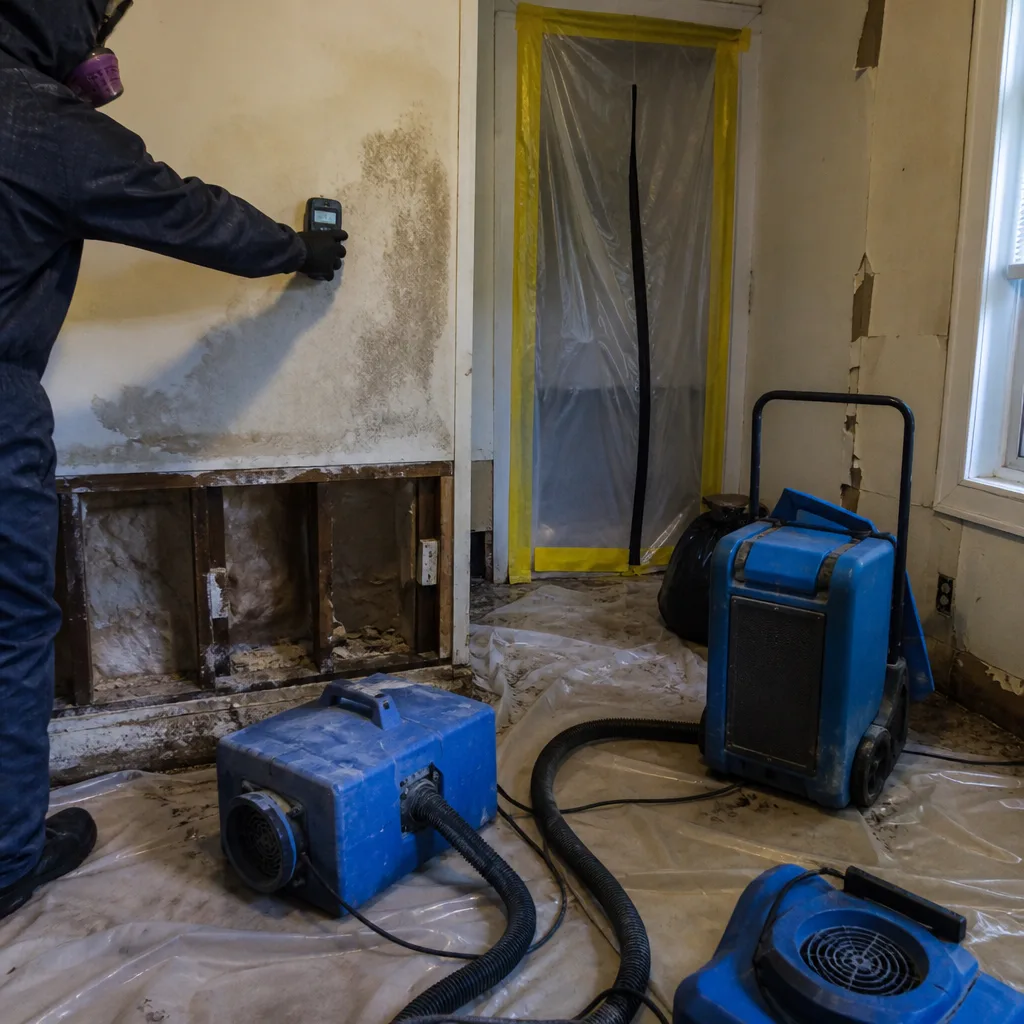 Before
 After
AfterHow to Hire a Damage Restoration Contractor in Upper East Side: A Step-by-Step Guide
Most homeowners in Upper East Side check reviews and licenses when vetting a restoration contractor. We’ve reviewed thousands of claim files since 2011, and here’s what actually separates paid claims from denied ones: the contractor’s documentation. A contractor who cannot produce a sample daily drying log from a prior job cannot produce one from yours. Without that log, your insurer has no independent basis to accept the drying timeline on your final invoice. This guide - alongside our Complete Guide to Damage Restoration in Upper East Side - walks you through the evidence-based vetting process we’ve developed from reviewing claims on both sides of the desk.
Quick Answer
To hire a damage restoration contractor in Upper East Side, follow our Water Damage Restoration Maintenance Checklist for Upper East Side Homeowners and request five documents before signing any authorization: a written scope of work, a written price, proof of IICRC certification, a sample daily drying log from a completed job, and proof of liability insurance naming your building or co-op board. Interview at least two contractors, verify NYC Home Improvement Contractor license status, and never authorize work based on a verbal scope or “we’ll bill insurance directly” arrangement.
Table of Contents
- Why Contractor Vetting Is an Evidence Audit, Not a Personality Test
- The Five Documents to Request Before Signing Anything
- How to Verify Licenses and Certifications in New York City
- How to Read a Written Scope Like a Claims Adjuster
- Upper East Side-Specific Vetting Considerations
- Red Flags During the First Site Visit
- How to Stay in the Insurance Paper Chain
- Common Mistakes to Avoid
- When to Call a Professional
- Frequently Asked Questions
- The Bottom Line
BeforeAfterWhy Contractor Vetting Is an Evidence Audit, Not a Personality Test
The standard advice for hiring a restoration contractor hasn’t changed in twenty years: check online reviews, verify the license, get three estimates. This advice assumes that restoration is a commodity service where the lowest responsible bidder wins. It isn’t. Restoration is a documentation service that happens to involve demolition and drying equipment. The quality of that documentation determines whether your insurer pays the invoice in full, pays it partially, or denies it and leaves you with a lien on your Upper East Side apartment.
We’ve seen this from both sides. Alicia Brennan founded Back to Dry in 2011 after working as a claims adjuster and watching homeowners lose tens of thousands of dollars because their contractor’s invoice contained no independent evidence of the work performed. The adjuster’s job is to pay what the policy covers and no more. Without moisture logs showing daily progress, without photos timestamped to each visit, without equipment model numbers and placement diagrams, the adjuster has no basis to approve the claimed drying days. The claim gets cut. The homeowner pays the difference.
The personality of your contractor, their responsiveness, their truck wrap, their uniform - none of this appears in the claim file. What appears is the paper they produce. This guide treats contractor selection as the procurement of documentation services with a demolition component. That reframing changes every question you ask.
Start with this: ask for a sample daily drying log from a completed job. Not a template. Not a description. An actual log from a job they’re willing to share with a redacted address. A contractor who cannot produce this within 24 hours either doesn’t keep logs or knows they won’t survive scrutiny. Either way, you’ve learned something that reviews and licenses would never reveal.
The Five Documents to Request Before Signing Anything
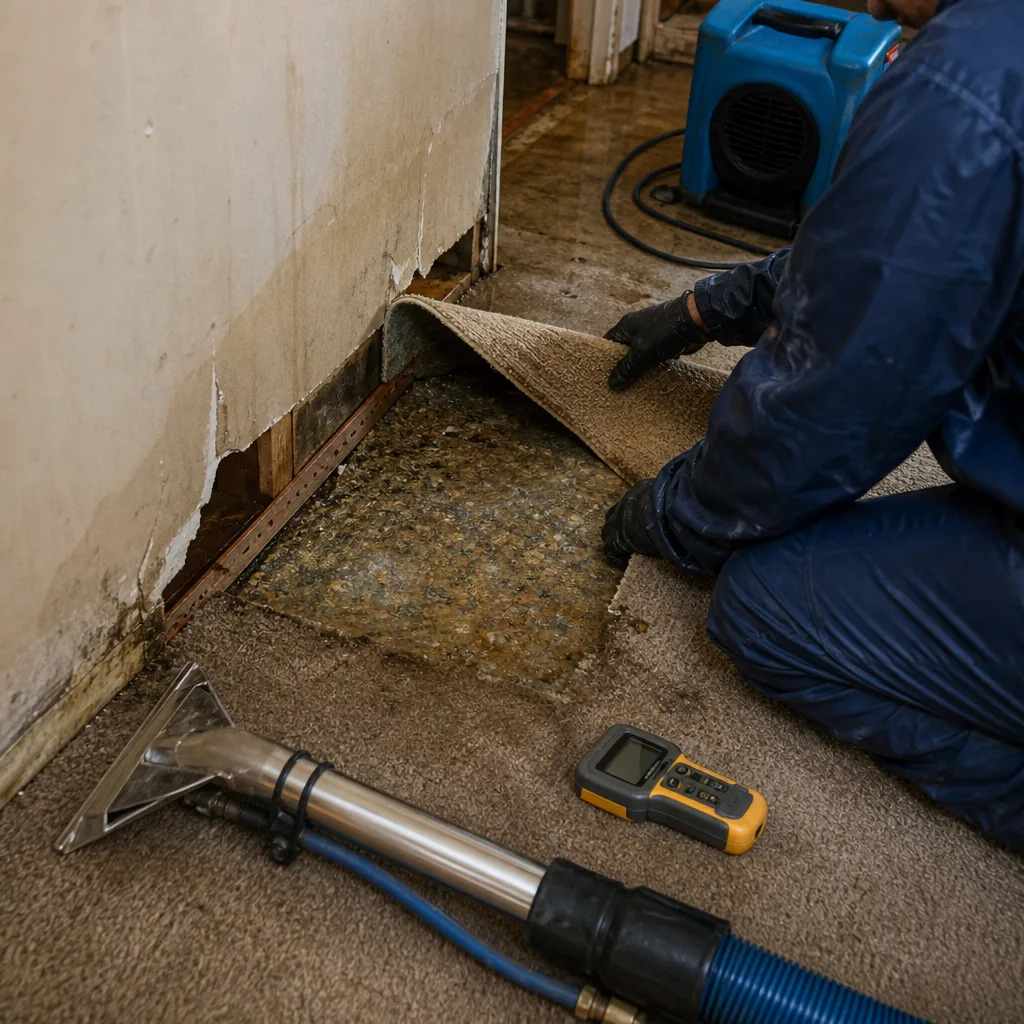
Before you sign an authorization or allow work to begin, request these five documents. Each serves a specific function in the claim process. Together, they create the paper trail that turns a restoration invoice into a payable claim.
1. Written Scope of Work
The scope describes what will be done, where, and in what sequence. It should identify affected rooms by name, list materials to be removed or dried in place, specify equipment types and quantities, and state the drying standard being followed (typically IICRC S500 for water damage, S520 for mold). A scope that reads “dry out apartment” is not a scope. A scope that reads “deploy two Phoenix 200HT dehumidifiers to living room and primary bedroom, establish 40-60 grains per pound (GPP) differential, remove and dispose of 12 linear feet of wet drywall at baseboard height in kitchen per IICRC S500” is a scope.
Haven Standard, Clause 1 requires a written price before work begins on every job. The scope and price are separate documents that reference each other. Never accept a scope without a price, or a price without a scope.
2. Written Price
The written price must be itemized and fixed before work begins. It should line-item labor, equipment, materials, and disposal. It should state whether the price is based on Xactimate, a time-and-materials calculation, or a flat rate. It should specify what triggers additional charges and how those will be documented and approved.
Verbal pricing, “we’ll work it out with insurance,” or estimates that arrive after work starts violate Haven Standard, Clause 1 and create the conditions for scope creep. We’ve reviewed claim files where the final invoice exceeded the verbal estimate by 400% because the homeowner had no written baseline to challenge additions.
3. Proof of IICRC Certification
The Institute of Inspection, Cleaning and Restoration Certification (IICRC) sets the standards for water damage restoration, mold remediation, and fire/smoke restoration. Ask for the specific certifications held by the technician who will supervise your job, not just the company owner. Common relevant certifications include:
- WRT (Water Damage Restoration Technician)
- ASD (Applied Structural Drying)
- AMRT (Applied Microbial Remediation Technician)
- FSRT (Fire and Smoke Restoration Technician)
Verify certification status at iicrc.org using the technician’s name and certification number. Certification alone doesn’t guarantee quality, but absence of certification guarantees that the technician has not been trained to the standard your insurer expects.
4. Sample Daily Drying Log
This is the document that most contractors cannot produce on request. The daily drying log records moisture content readings for each affected material, relative humidity and temperature in each affected room, equipment operating status, and psychrometric calculations showing progress toward drying goals. It should be dated, signed by the technician, and include photos of meter readings.
Ask to see a log from a job similar to yours: water damage in a multi-story building, mold remediation in a pre-war apartment, fire restoration with content cleaning. The log should show daily entries, not just start and finish readings. Gaps in the log suggest gaps in monitoring, which insurers interpret as unverified drying days.
At Back to Dry, every job produces a daily drying log as standard deliverable, not an upsell. We provide these to homeowners and their adjusters as the work progresses, not as a surprise at invoice time.
5. Proof of Liability Insurance Naming Your Building
Request a certificate of insurance (COI) showing general liability coverage of at least $2 million per occurrence. For Upper East Side co-op and condo buildings, the COI must name the building corporation or board as additional insured. Many buildings on Fifth Avenue, Park Avenue, and East 72nd through 96th Street require specific coverage endorsements and minimums that standard policies don’t meet.
Call the building’s managing agent to confirm requirements before the contractor visits. A contractor who arrives without the correct COI will be turned away at the service entrance, wasting critical hours in an emergency.
How to Verify Licenses and Certifications in New York City
New York City’s licensing requirements for restoration work are specific and enforceable. Verification takes ten minutes and prevents months of disputes.
NYC Home Improvement Contractor (HIC) License
Any contractor performing restoration work in Upper East Side must hold a valid NYC Department of Consumer Affairs Home Improvement Contractor license. Verify at nyc.gov/dca using the contractor’s business name or license number. The license status should be “active” with no pending disciplinary actions.
Check the license history for suspensions or revocations. A license that was reinstated after a period of inactivity may indicate prior problems with complaints or insurance lapses. Ask the contractor to explain any gaps directly.
Department of Buildings (DOB) Work Permit History
Restoration work that involves structural repair, electrical or plumbing replacement, or asbestos abatement requires DOB permits. Search the building’s address at DOB BIS to see permit history for your building and adjacent properties. A contractor with multiple open violations or stop-work orders on prior jobs may have recurring compliance problems.
In Upper East Side’s landmark districts and historic buildings, additional permits from the Landmarks Preservation Commission may be required for exterior work or visible alterations. Contractors unfamiliar with LPC procedures have had jobs halted mid-restoration, extending drying timelines and complicating insurance claims.
Business Entity Verification
Verify the contractor’s corporate status at the New York Department of State Division of Corporations. Confirm that the business name on the license matches the name on the insurance certificate and the name on the contract you’ll sign. Discrepancies suggest shell companies or insurance fraud schemes that leave homeowners without recourse.
How to Read a Written Scope Like a Claims Adjuster
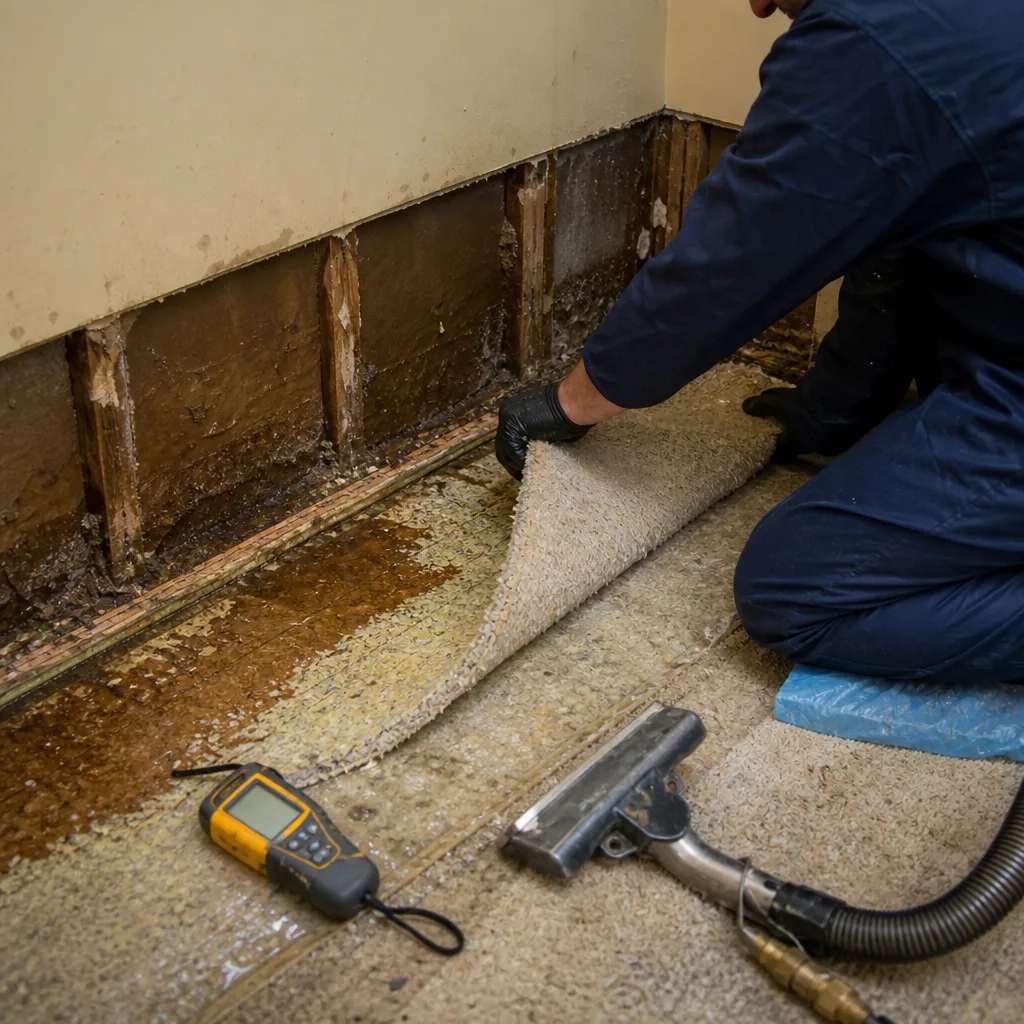
Claims adjusters are trained to reject invoices that lack specificity. You should read scopes with the same skepticism. Here’s what to look for.
Equipment Model Numbers, Not Generic Descriptions
A scope that lists “dehumidifier, 1 each” tells an adjuster nothing. A scope that lists “Phoenix 200HT LGR dehumidifier, 2 units, living room and bedroom 2” provides verifiable information. Equipment model numbers allow adjusters to confirm capacity ratings and calculate whether the deployed equipment was appropriate for the affected square footage. Generic descriptions suggest either ignorance or intentional vagueness to obscure overcharging.
Target Moisture Content by Substrate
Different materials dry to different targets. Hardwood flooring in a pre-war Upper East Side building may be considered dry at 12% moisture content, while gypsum drywall should reach below 1% above dry standard per IICRC S500. The scope should state these targets explicitly, not assume a single number for all materials.
Vapor pressure differential, the measurable force that drives moisture from wet materials into the air, should be noted in the psychrometric data. A contractor who cannot explain this term in plain language - the difference in water vapor pressure between the air and the wet material, which determines how fast drying occurs - may not be monitoring it.
Visit Frequency and Monitoring Protocol
The scope should state how often technicians will visit to check equipment and take readings. Daily visits are standard for active water damage; every 48 hours may be acceptable for stable secondary drying. A scope that doesn’t specify visit frequency allows the contractor to bill for equipment rental days without verifying that the equipment is still needed or functioning.
Tertiary Drying and Final Verification
Tertiary drying refers to the final phase where materials reach equilibrium moisture content and hidden moisture is addressed through specialized techniques like injection drying or heat application. The scope should describe how this phase will be identified and completed, not simply assume that primary drying suffices. Final verification should require moisture readings below target for two consecutive visits, not a single reading on the last day.
What a Real Scope Looks Like
Here’s an excerpt from a scope that would survive adjuster review:
“Living room (approx. 280 sq ft): Deploy Phoenix 200HT dehumidifier, 1 unit. Initial moisture content of oak flooring: 18.2% (target: ≤12%). Initial relative humidity: 72% at 68°F. Establish vapor pressure differential of minimum 10 mmHg. Daily monitoring with recorded psychrometric data. Remove and dispose of 8 linear feet of wet baseboard drywall at northeast corner. Install Injectidry HP60 hardwood floor drying system, 12 injection ports, Day 2 if moisture content exceeds 15% after 24 hours of dehumidification. Final verification: moisture content ≤12% for two consecutive daily readings, documented in drying log with photo of meter display.”
A scope that resembles this level of detail indicates a contractor who documents for payment. A scope that doesn’t indicates a contractor who documents for marketing.
Upper East Side-Specific Vetting Considerations
Restoration in Upper East Side presents conditions that don’t apply uniformly across New York City. Your contractor should demonstrate specific experience with these conditions, not generic Manhattan expertise.
Building Types and Access Constraints
Upper East Side’s housing stock ranges from pre-war co-ops with plaster-and-lath construction to post-war high-rises with concrete slab floors to brownstones with rubble foundations. Each type requires different drying strategies and equipment. A contractor whose experience is primarily in new construction outside Manhattan may not recognize that plaster dries differently than drywall, or that rubble foundations create capillary moisture paths that extend drying timelines.
Service entrance access varies dramatically. Buildings on Park Avenue and Fifth Avenue often require loading dock reservations with 24-hour advance notice. Some co-ops on East 72nd through 96th Street prohibit service calls after 8 PM or before 8 AM. A contractor who doesn’t ask about these constraints during the initial call hasn’t worked in Upper East Side before.
Co-op and Condo Board Requirements
Most Upper East Side co-op boards maintain approved vendor lists and require pre-authorization for any contractor entering the building. Some boards, particularly in buildings constructed before 1940, require restoration contractors to carry specific pollution liability endorsements for mold or sewage work. The contractor should ask about these requirements unprompted; if they don’t, you’ll be the one explaining to the board why emergency work was performed by an unapproved vendor.
Climate and Seasonal Factors
Upper East Side’s proximity to the East River and Central Park creates microclimate conditions that affect drying. Summer humidity frequently exceeds 75% outdoor relative humidity, making dehumidification less efficient and extending drying timelines. Winter heating systems in older buildings create extremely dry conditions that can cause secondary damage to hardwood and plaster if not monitored. A contractor who quotes identical drying timelines in January and July hasn’t adjusted for these conditions.
Local Permit and Code Considerations
Asbestos-containing materials appear frequently in pre-war Upper East Side buildings. Any disturbance of plaster, flooring, or insulation in buildings constructed before 1981 requires asbestos testing under NYC DEP regulations. A contractor who begins demolition without testing exposes you to stop-work orders, fines, and health liability. The scope should explicitly address asbestos assessment and, if positive, abatement procedures with licensed subcontractors.
Lead paint regulations apply similarly in pre-1978 buildings. Restoration work that disturbs painted surfaces requires EPA RRP certification and specific containment procedures. Verify this certification separately from general contractor licensing.
Red Flags During the First Site Visit
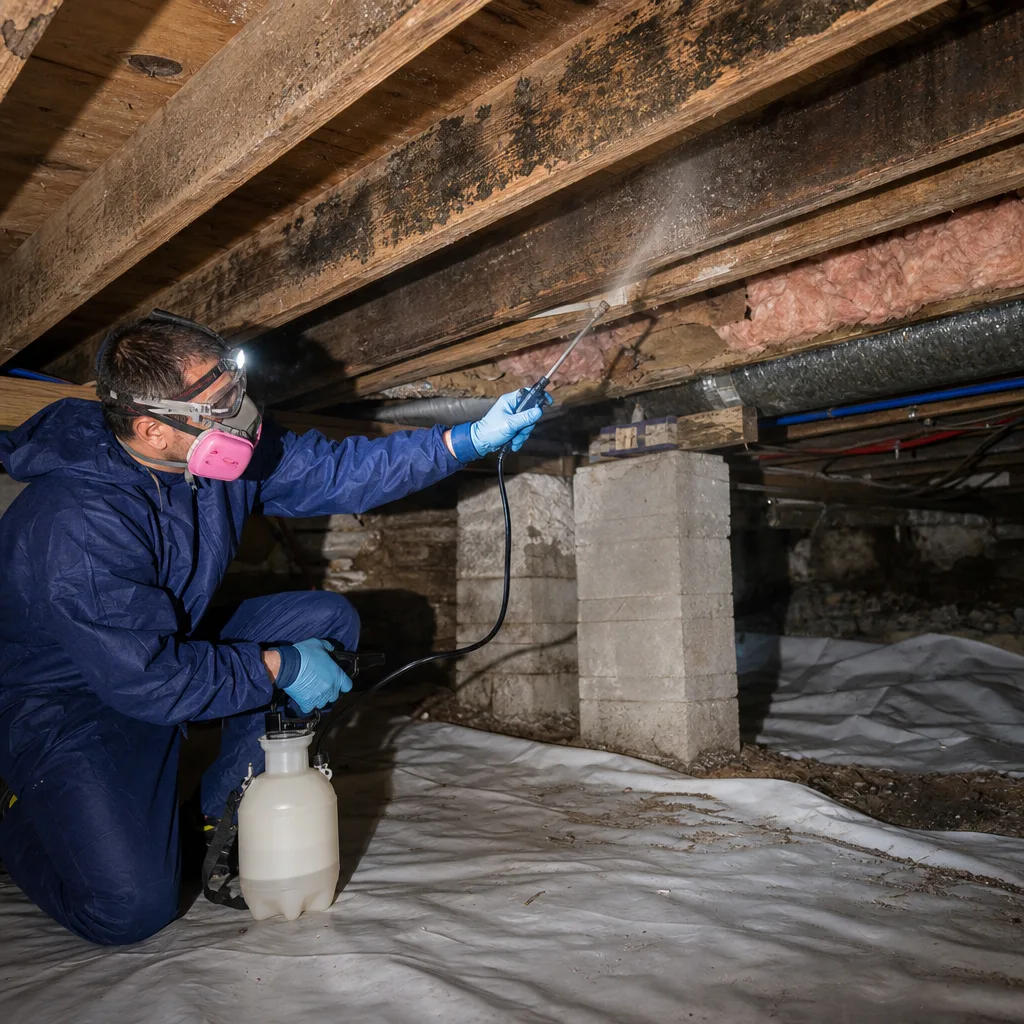
The initial site visit reveals more about contractor quality than any phone conversation. These specific observations should trigger immediate concern.
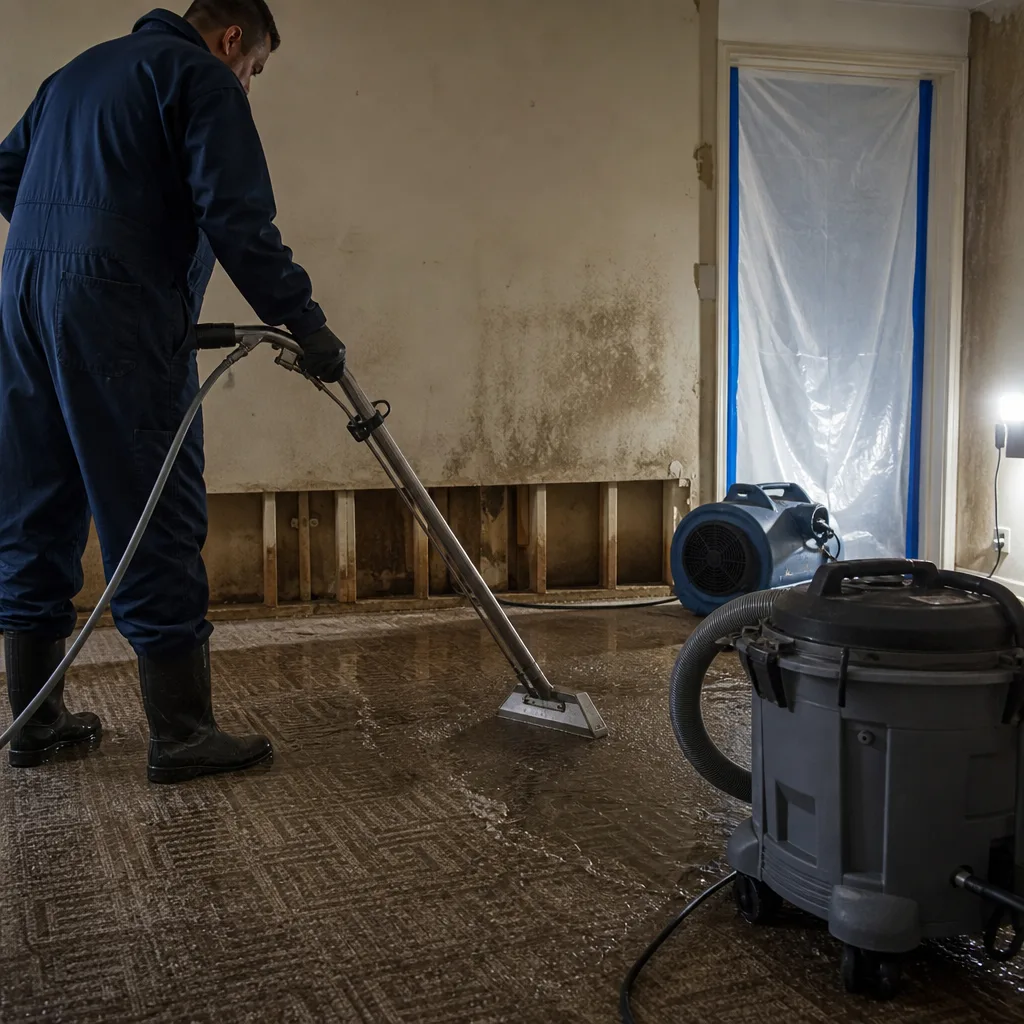
- No moisture meter deployed during inspection. A contractor who quotes drying work without taking moisture readings is quoting imagination, not evidence. Every legitimate restoration technician carries a penetrating moisture meter and a non-invasive meter and uses both during the first visit.
- Cannot name the drying standard. Ask directly: “What standard governs this drying project?” The answer should be immediate and specific: “IICRC S500, 4th Edition, with ANSI accreditation.” Hesitation, vagueness, or reference to “industry standard” without naming the standard indicates no standard is being followed.
- Pressure for same-day signature. Any contractor who claims that pricing expires at the end of the visit, that equipment must be deployed immediately to “save the structure,” or that insurance requires immediate authorization is manufacturing urgency to bypass your documentation review. Water damage requires prompt response, but prompt response and pressured signing are different things. Haven Standard, Clause 1 exists precisely to prevent this dynamic.
- Verbal scope with “we’ll send the paperwork later.” The paperwork is the work. If it doesn’t exist before authorization, it won’t exist after. We’ve reviewed claim files where the “later” paperwork never arrived, and the homeowner had no basis to dispute a $40,000 invoice.
- No photo documentation during inspection. A contractor who doesn’t photograph the loss conditions during the first visit cannot later prove what was damaged, what was pre-existing, or what was addressed. Photo documentation should begin before any equipment is moved or materials disturbed.
- Cannot explain insurance billing. Ask how they bill, what documentation they provide to adjusters, and whether they accept assignment of benefits. A contractor who cannot explain this clearly may be planning to bill you directly and leave you to seek reimbursement, or may be operating a scheme where they acquire your claim rights and litigate against your insurer without your ongoing involvement.
How to Stay in the Insurance Paper Chain
The most expensive mistake in restoration hiring isn’t choosing the wrong contractor. It’s allowing any arrangement that removes you from the documentation chain between contractor and insurer.
Why “We Bill Insurance Directly” Is a Warning
When a contractor bills your insurer directly through an assignment of benefits (AOB), you transfer your right to control the claim and dispute the invoice. The contractor becomes the claimant; you become a bystander. If the insurer disputes charges, the contractor may place a lien on your property or sue your insurer, with you named as a party. In New York, AOB arrangements in property insurance are restricted and heavily litigated.
The alternative: you remain the claimant, the contractor bills you, you pay and seek reimbursement, and you control what documentation goes to your insurer. This requires more cash flow upfront but preserves your rights. Many homeowners in Upper East Side maintain home equity lines or reserve funds specifically for this purpose.
Photo Documentation and Adjuster Coordination
Request that all photo documentation be shared with you in real time, not compiled at invoice time. At Back to Dry, we provide homeowners with access to their job photo record as it’s created, and we coordinate directly with adjusters to ensure they receive the same documentation we provide to you. This parallel documentation prevents the “he said, she said” disputes that arise when contractor and homeowner present different versions of the loss to insurers.
Written Scope as Contract Amendment
Any change to the scope - additional rooms found wet, hidden mold, structural damage - should trigger a written amendment with a revised price, not a verbal authorization. Haven Standard, Clause 1 applies to changes as well as original scope. The amendment becomes part of the claim file and protects against post-completion disputes about what was authorized.
Common Mistakes to Avoid
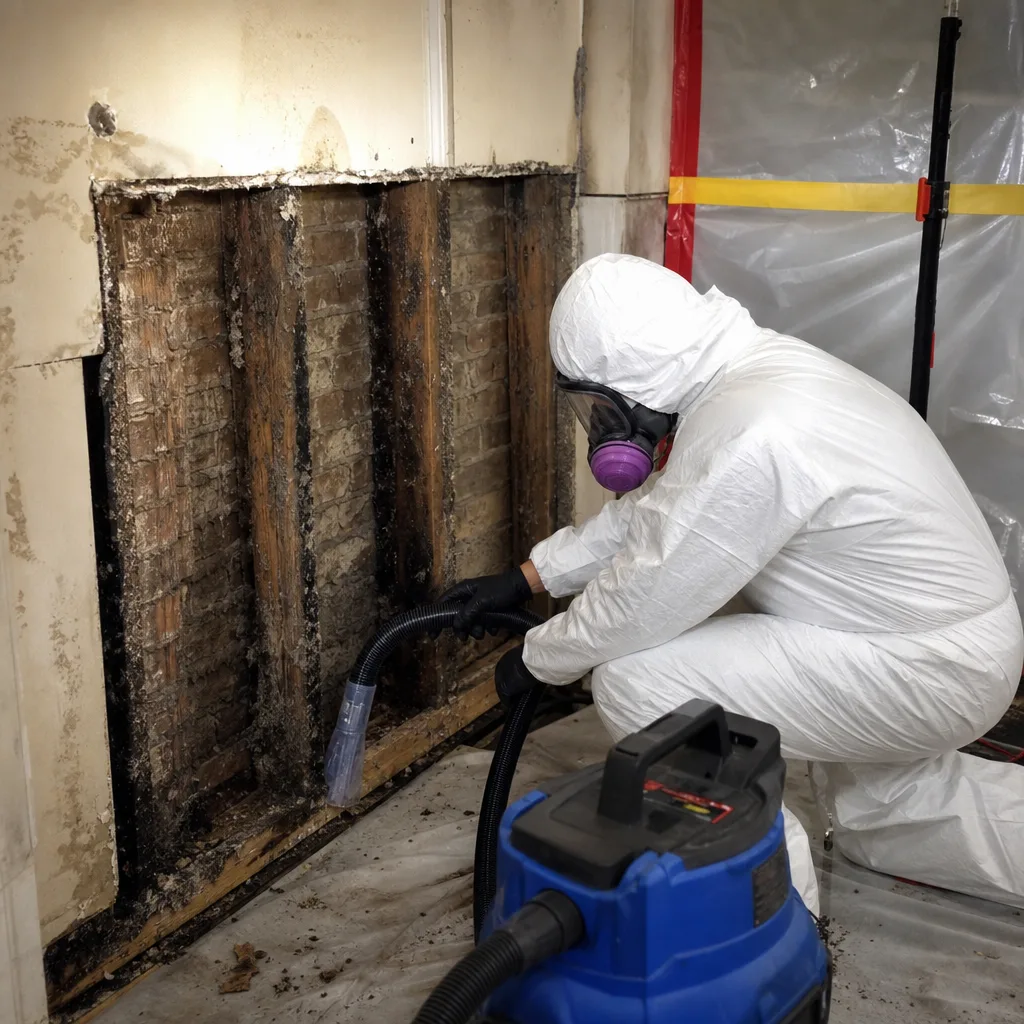
- Hiring based on speed of arrival alone. In water damage, fast response matters, but fast response without documentation produces fast disputes. A contractor who arrives in 30 minutes but cannot produce a written scope is not prepared to perform work that an insurer will pay for. Balance speed with documentation capability.
- Accepting the first estimate without comparison. Back to Dry offers a Free Second Opinion on any competitor’s written estimate. Use this. Even if you prefer the first contractor, the comparison reveals what’s included, what’s excluded, and what questions neither contractor addressed.
- Ignoring building requirements until work starts. Upper East Side co-op boards have declined coverage and imposed fines when work began without proper COI, DOB permits, or board notification. Verify requirements before the contractor’s first visit, not during it.
- Signing blank or incomplete authorizations. Never sign a document with blank spaces for scope or price. This is how $3,000 drying jobs become $15,000 invoices. The authorization should reference an attached written scope and price by date and document number.
- Assuming insurance covers everything. Policy limits, deductibles, and exclusions apply. A contractor who promises “insurance will cover it” without reviewing your policy is promising something they cannot deliver. Request a policy review or speak with your agent before authorizing significant work.
- Failing to document pre-existing conditions. Photograph all rooms, not just affected areas, before work begins. This protects against claims that pre-existing damage was caused by the current loss. Date-stamped photos are admissible evidence; your memory is not.
- Not verifying equipment is actually running. Dehumidifiers and air movers consume electricity and produce noise. If equipment is silent or unlit, it may be unplugged, tripped, or non-functional. Check daily and demand immediate replacement. You’re billed for equipment rental whether it operates or not.
When to Call a Professional
Contact a restoration contractor immediately for: water intrusion affecting multiple rooms or seeping through ceiling fixtures, visible mold covering more than 10 square feet, fire or smoke damage with odor penetration into HVAC systems, sewage backup of any volume, or storm damage with structural compromise. These conditions worsen rapidly and create health hazards that compound restoration costs.
For single-room water damage with no structural involvement, you may attempt initial extraction with a wet/dry vacuum while arranging professional assessment. Do not attempt DIY demolition in pre-war Upper East Side buildings due to asbestos and lead paint risks.
DryMark Restoration Upper East Side offers free estimates in Upper East Side with written pricing before any work begins, documented photo records on every visit, and direct adjuster coordination. Call (551) 213-5277 to schedule assessment or request a Free Second Opinion on any competitor’s written estimate.
Frequently Asked Questions
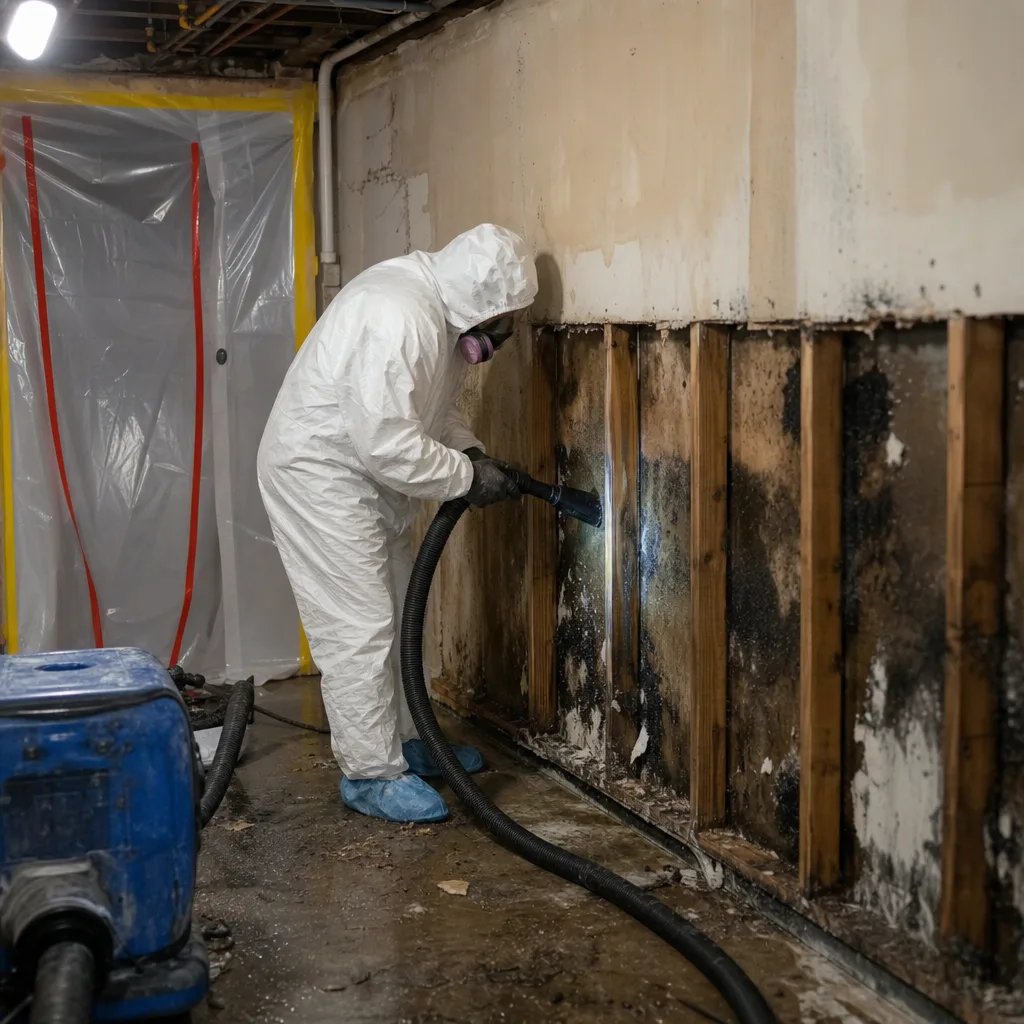
Water damage restoration in Upper East Side typically ranges from $3,500 for contained single-room drying to $18,000+ for multi-floor losses with hardwood floor salvage, plaster repair, and content cleaning. Co-op buildings often add costs for elevator protection, hallway containment, and after-hours access. Call (551) 213-5277 for a written estimate with exact pricing for your specific loss - estimates are free and include line-item equipment, labor, and material costs.
Most homeowners policies cover sudden and accidental water damage, fire damage, and storm damage, subject to your deductible and policy limits. Gradual leaks, maintenance-related mold, and sewage backup require specific endorsements that many Upper East Side policies exclude or limit. We review your policy coverage with you before work begins and coordinate directly with your adjuster to document covered damages. Call (551) 213-5277 to discuss your specific policy.
Emergency response in Upper East Side typically ranges from 45 minutes to 2 hours depending on traffic, building access requirements, and whether your co-op board requires pre-notification. Buildings on Fifth Avenue and Park Avenue with loading dock requirements may need additional coordination. DryMark Restoration Upper East Side maintains live phone coverage 24 hours a day, 7 days a week with no voicemail - call (551) 213-5277 and we’ll confirm arrival time and any building-specific access needs.
Surface mold under 10 square feet on non-porous materials may be addressed with appropriate PPE and EPA-registered products. Hidden mold, mold on porous materials like drywall or plaster, or any mold resulting from water damage requires professional assessment. In Upper East Side’s pre-war buildings, what appears surface-level often extends into wall cavities due to plaster-and-lath construction. We provide free assessment with moisture mapping to determine actual extent before recommending scope.
At DryMark Restoration Upper East Side, we coordinate directly with your adjuster while keeping you copied on all documentation. You remain the claimant and control the claim. We provide adjusters with the same daily drying logs, photo records, and written scopes that you receive, ensuring no information asymmetry that could delay payment. This parallel documentation is standard on every job, not an additional service.
Request the board’s specific requirements in writing: insurance minimums, approved vendor status, permit needs, or work-hour restrictions. Provide these to your contractor before scheduling. If your preferred contractor cannot meet requirements, we can review the specifications and confirm compliance, or provide a Free Second Opinion on a board-recommended contractor’s estimate to ensure pricing and scope are reasonable. Call (551) 213-5277 with your building’s requirements.
A legitimate daily drying log contains: dated entries for each day of active drying, specific moisture content readings by room and material type, relative humidity and temperature readings, equipment inventory with serial numbers or asset tags, technician signature or initials, and photo documentation of meter displays. It should show progressive moisture reduction, not random numbers. Ask us to review a competitor’s sample log - we provide this assessment at no charge as part of our Free Second Opinion service.
The Bottom Line
Hiring a damage restoration contractor in Upper East Side is not about finding the friendliest voice on the phone or the fastest truck to your door. It’s about procuring documentation services that will survive insurance review. The five documents - written scope, written price, IICRC certification, sample drying log, and proper insurance - separate contractors who get paid from contractors who get disputed. Request them before signing anything. Verify them independently. And remember: a contractor who cannot show you evidence of past documentation cannot produce it for your claim.
Written by Alicia Brennan, Owner at DryMark Restoration Upper East Side, serving Upper East Side since 2011.