
Free visual inspection and a written scope of work before any mitigation begins - photos, moisture readings, and drying logs go in your claim file
The scope we write is the scope we bill. Anything new gets shown to you, in writing, before we touch it.

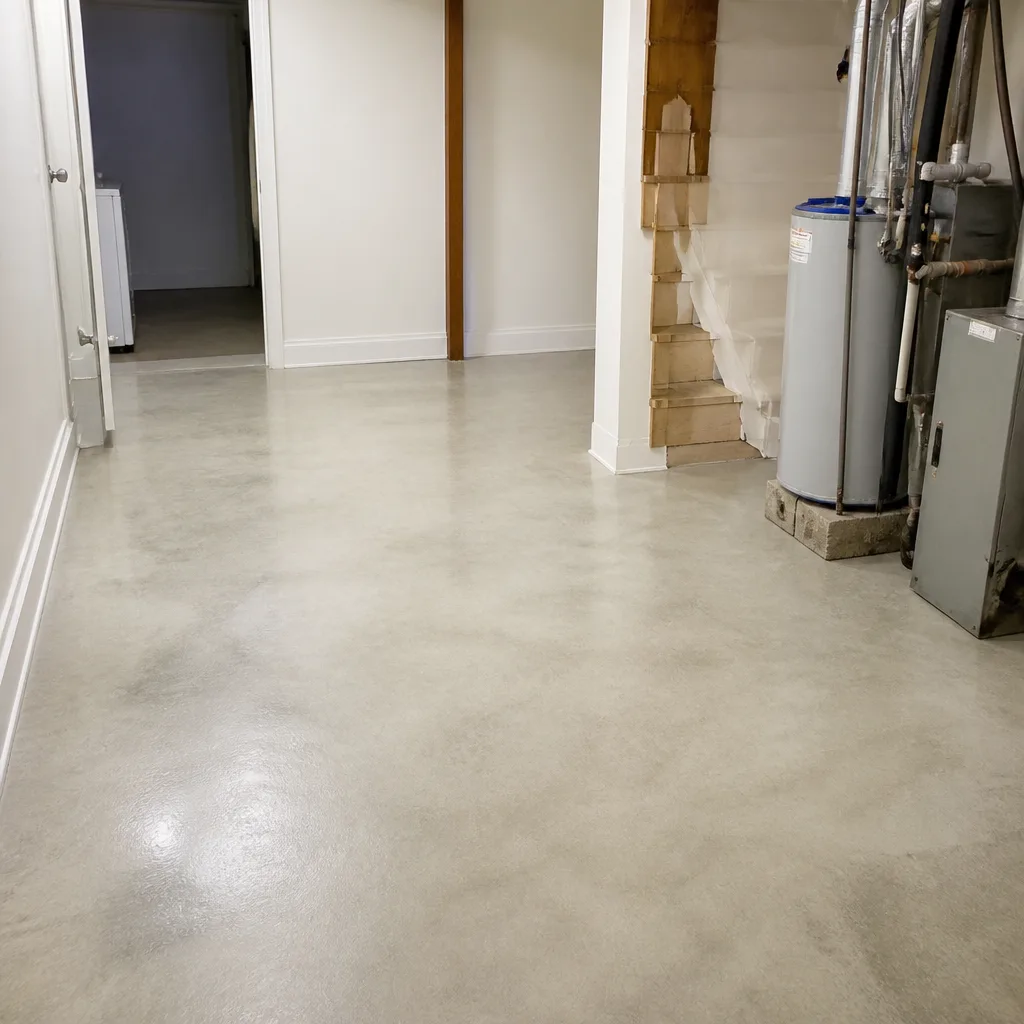
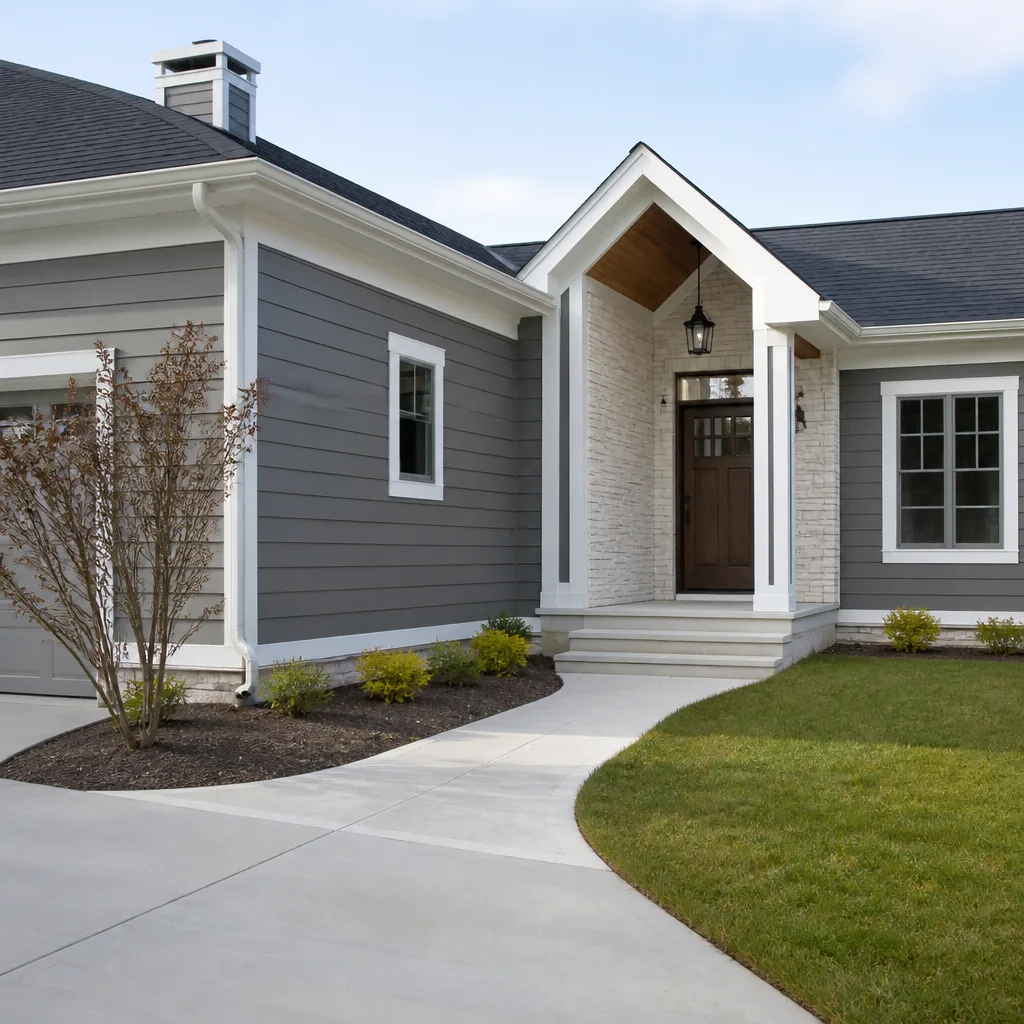
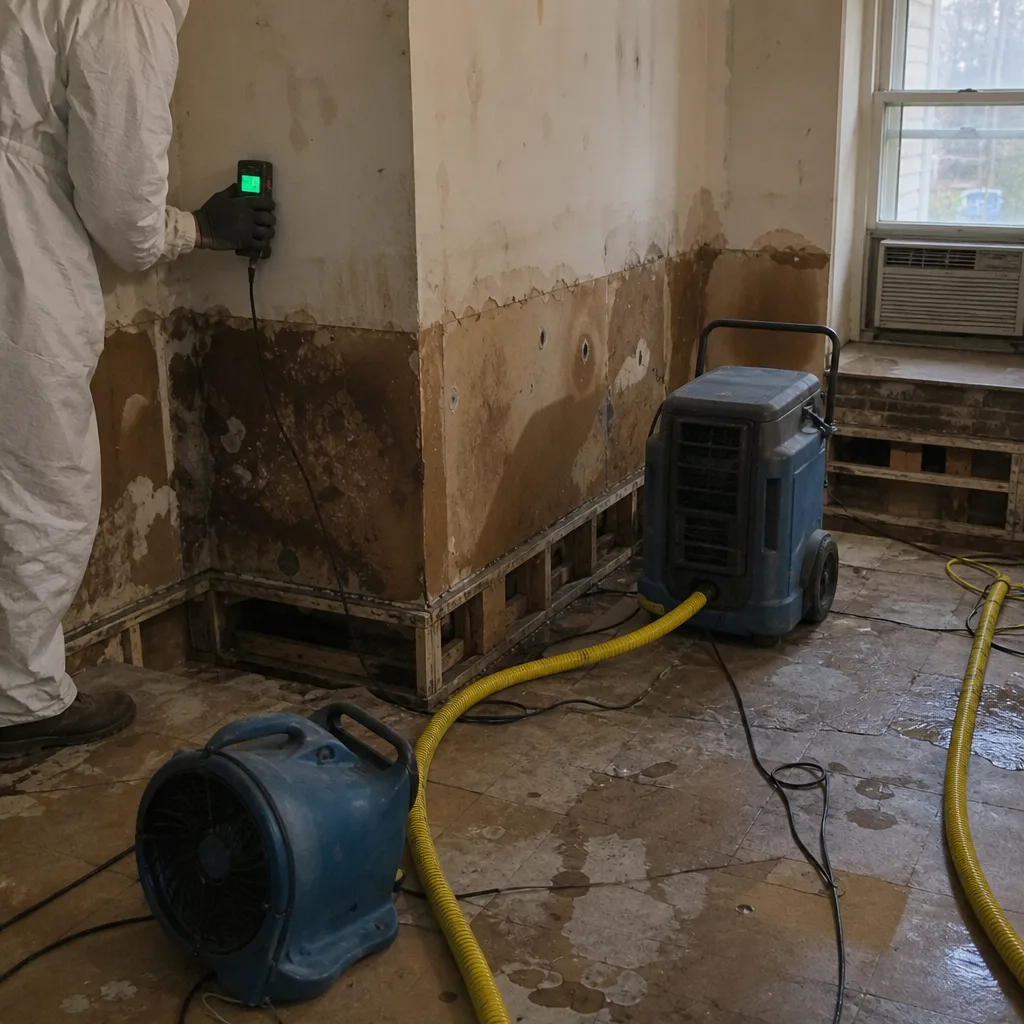 Before
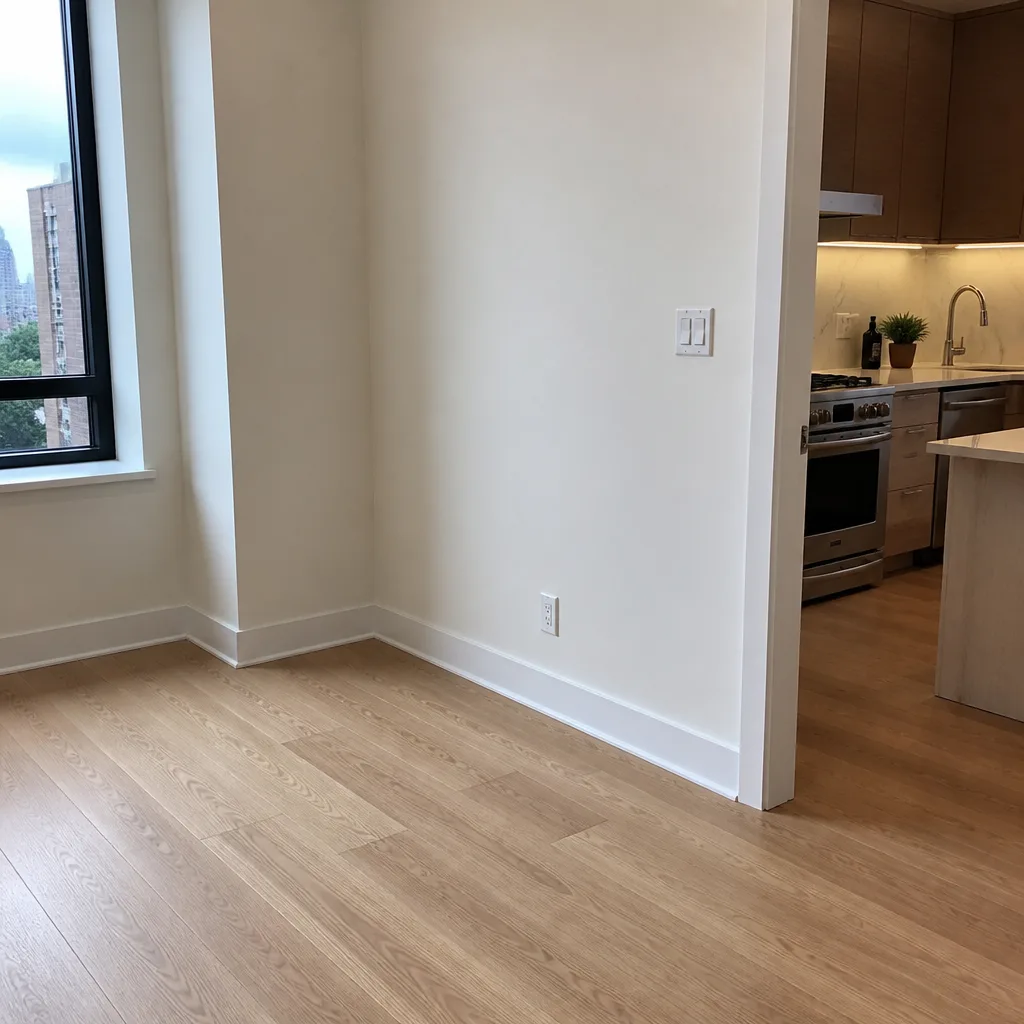 After
After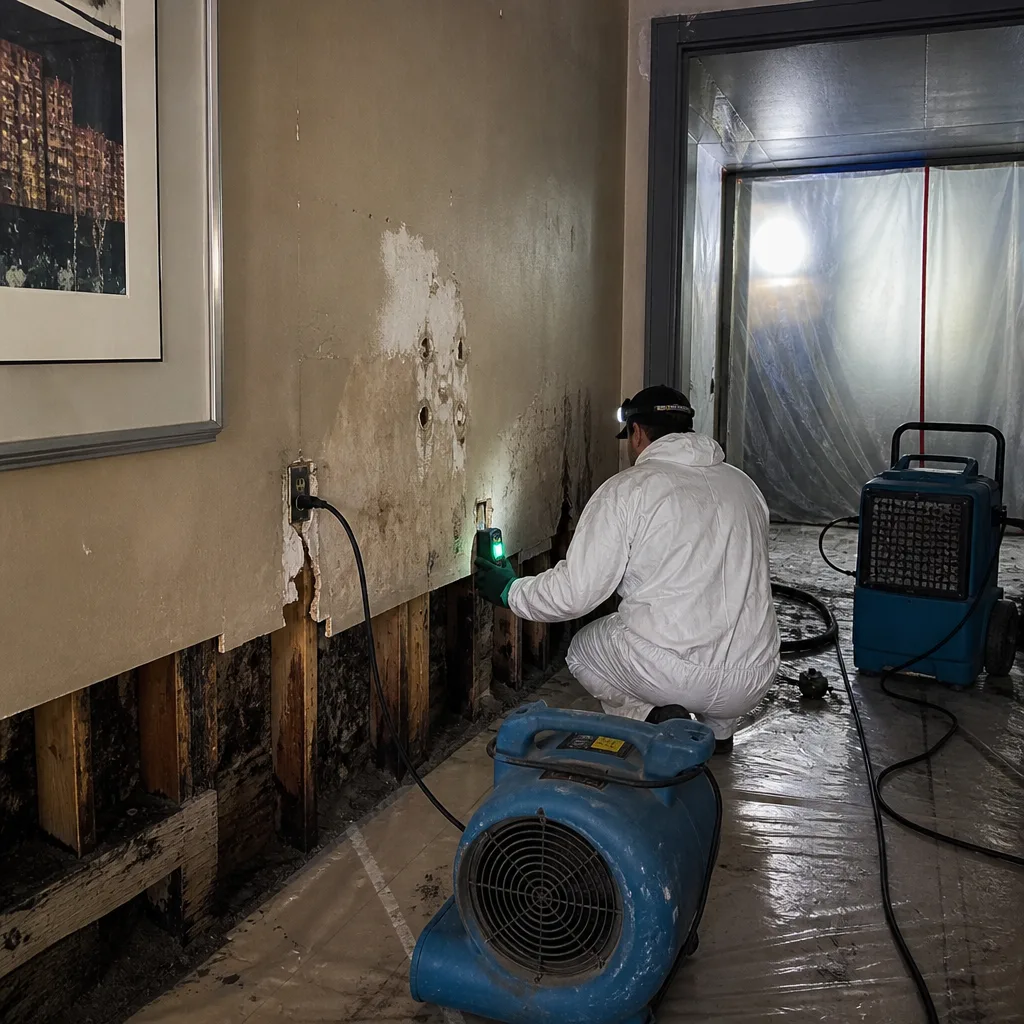 Before
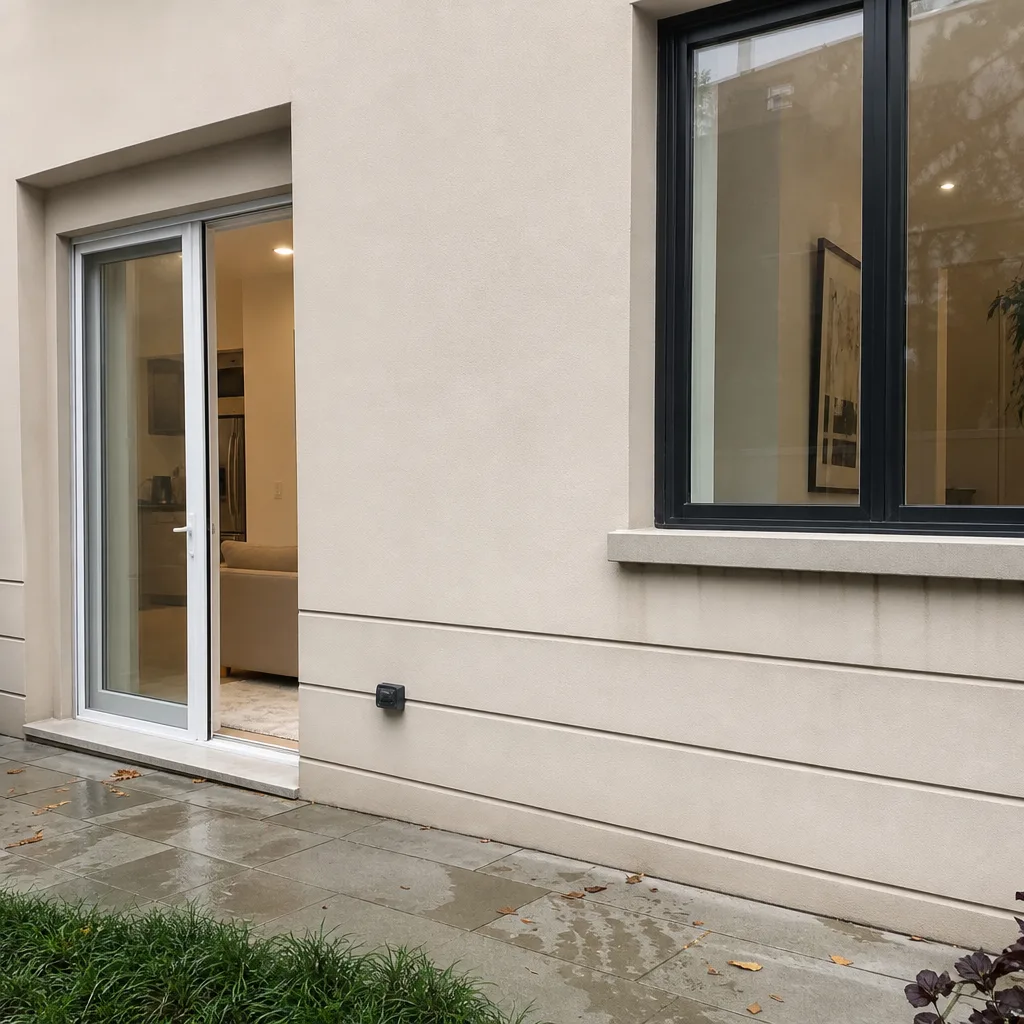 After
After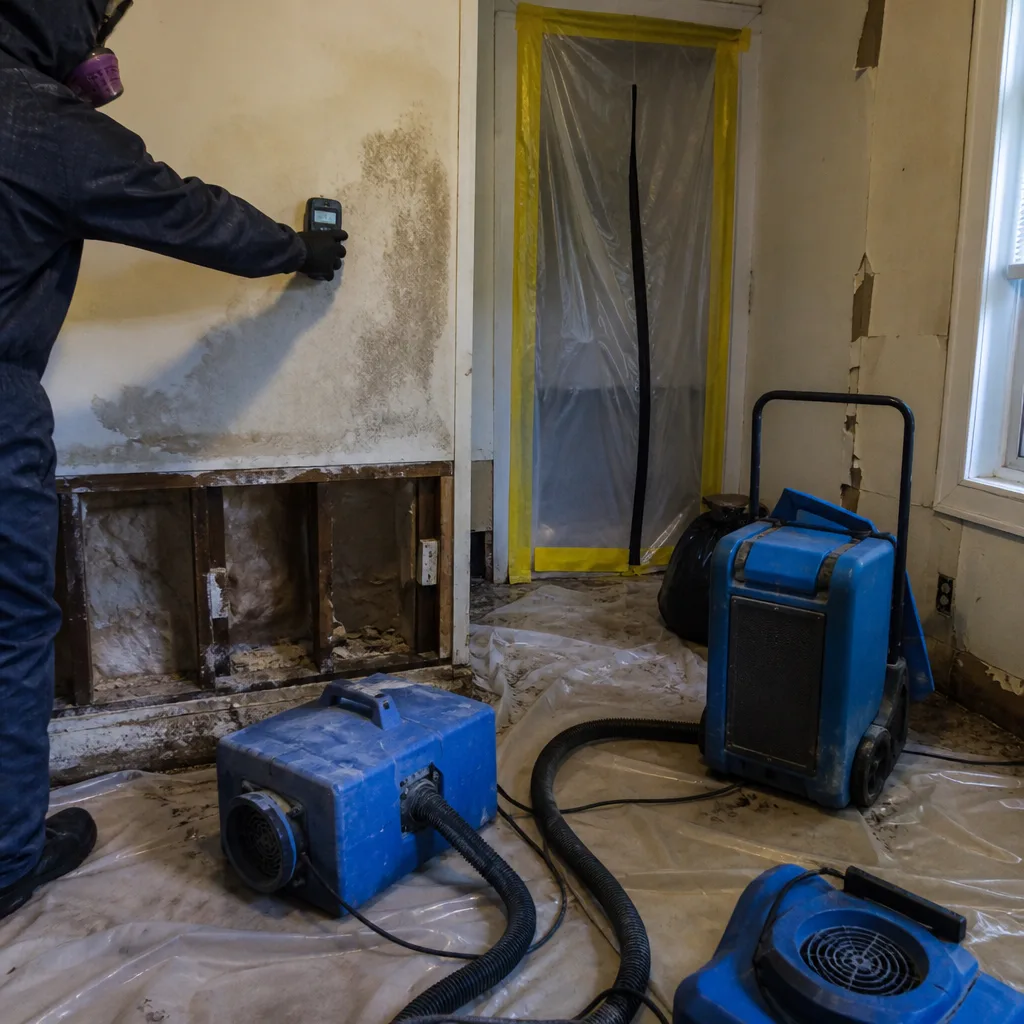 Before
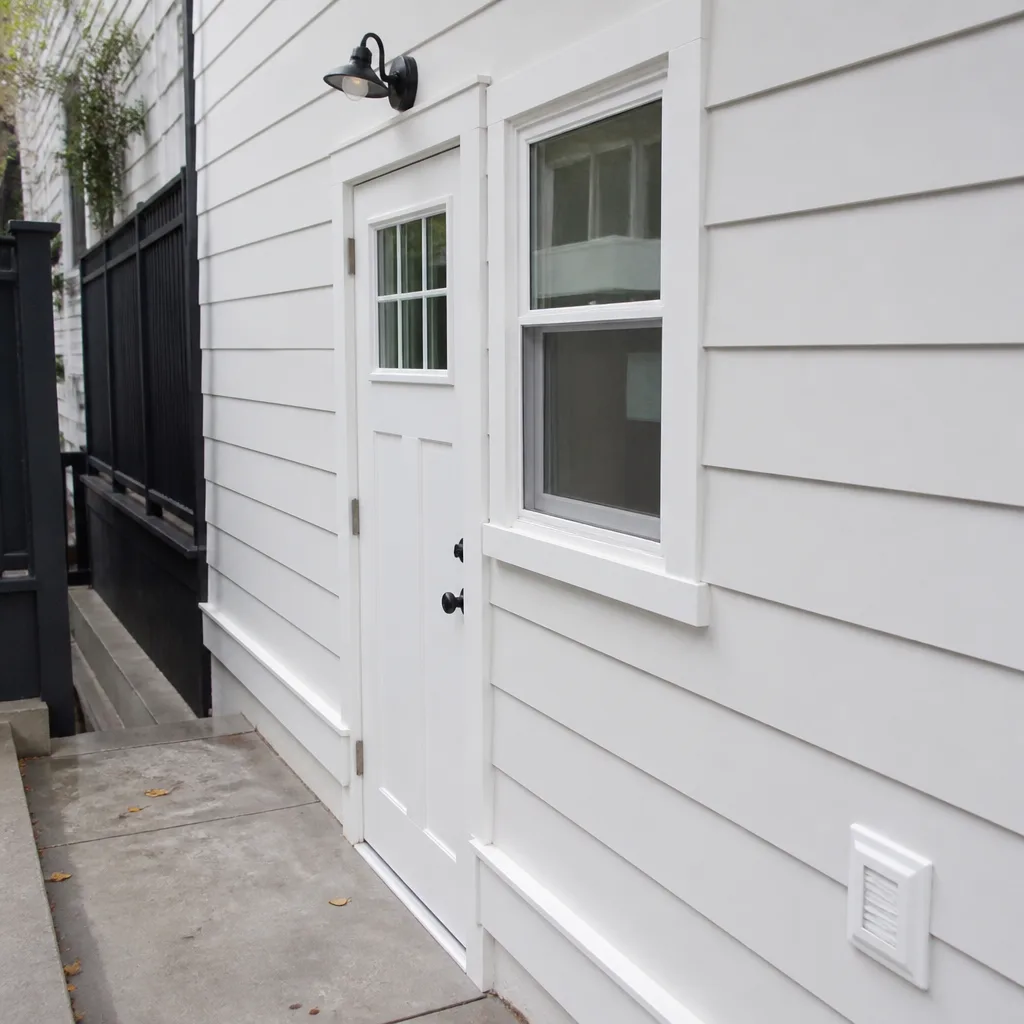 After
After24/7 Emergency Water Damage Restoration in Manhattan
Water damage restoration in Manhattan typically costs $2,800-$7,500 for residential extraction and drying, with emergency response available within 45 minutes in most Manhattan neighborhoods. Call (551) 213-5277 now and a live person will answer, 24 hours a day, 7 days a week - no voicemail, no callback queue. Our crews are dispatched from our New York City office and carry Dri-Eaz and Phoenix drying systems sized for Manhattan’s pre-war apartments, high-rise condos, and everything between.
The first hour determines whether water wicks into horsehair plaster, warps original oak flooring, or triggers a mold bloom behind pre-1978 wallboard. In a vertical building where one leak can travel through 5-15 units, speed matters, but so does sequencing. We start with a free visual inspection, document everything with photos, and give you a written price before anyone touches a dehumidifier. That’s Haven Standard, Clause 1.
Understanding Water Damage Restoration Severity in Manhattan Properties
Water damage in Manhattan falls into three categories under IICRC standards, and the building type usually tells us which we’re dealing with before we step inside. Category 1 is clean water from a burst supply line or overflowing sink. Category 2 carries contaminants - think dishwasher discharge or a washing machine pump failure. Category 3 is grossly contaminated: sewage backup, floodwater from the Hudson or East River, or water that has passed through multiple floors of a high-rise, picking up particulate from horsehair plaster, pipe insulation, and whatever else it touched on the way down.
Manhattan’s housing stock makes Category 2 and 3 events far more common here than in single-family suburbs. Pre-war co-ops and condos built before 1940 rely on cast iron or galvanized plumbing with a 60-100 year service life. When a riser fails, water doesn’t stay in one unit. It finds the path of least resistance through light fixtures, electrical conduits, and the gaps between original plaster and modern drywall. Moisture mapping with thermal imaging lets us trace that migration without tearing into walls blind. We log psychrometric data - temperature, relative humidity, and vapor pressure differential - to calculate exactly how much moisture the air can hold and how fast we can pull it from saturated materials without causing secondary damage.
Tertiary drying, the final phase most crews rush past, is where we drop humidity to pre-loss equilibrium and verify it with hygrometer readings in every affected room. In Manhattan’s dense building envelope, skipping this step means trapped moisture that breeds mold and voids your insurance claim.
Why Manhattan Property Owners Choose DryMark Restoration Upper East Side
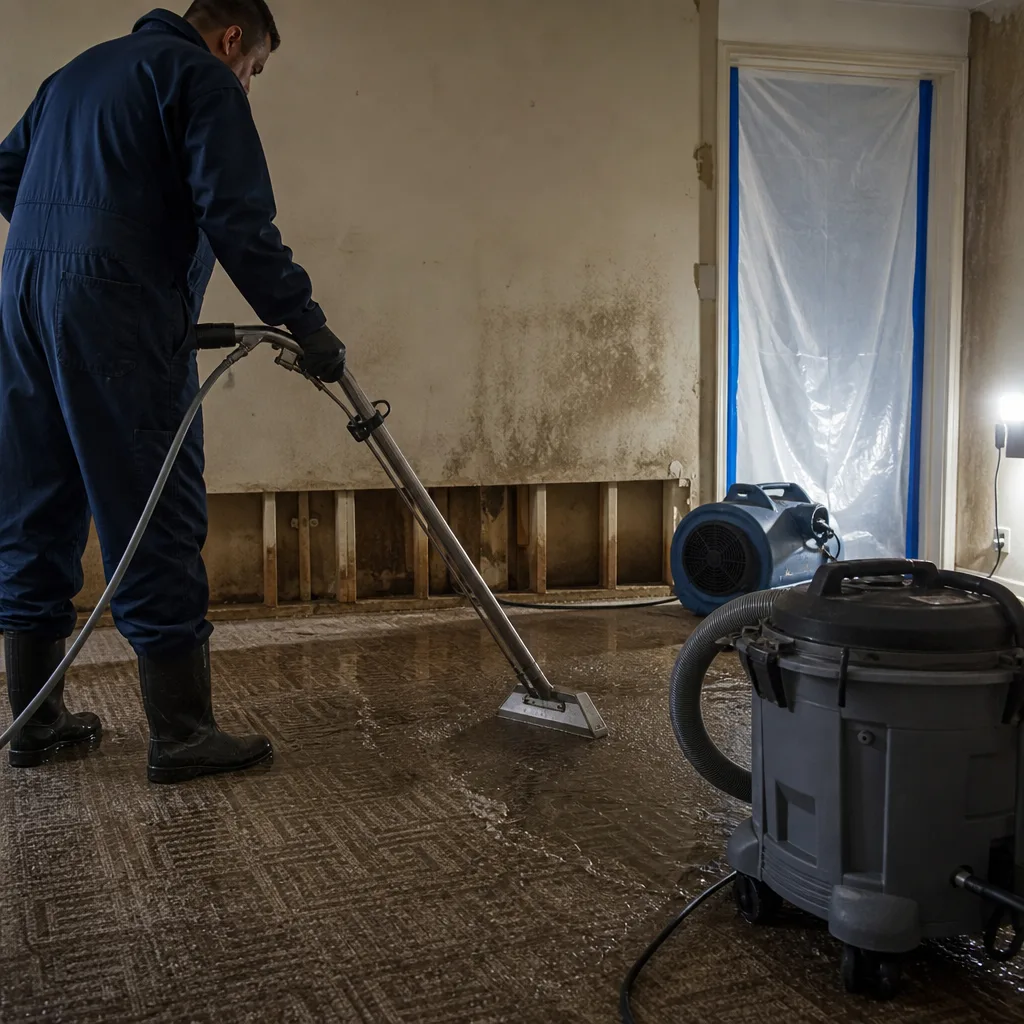
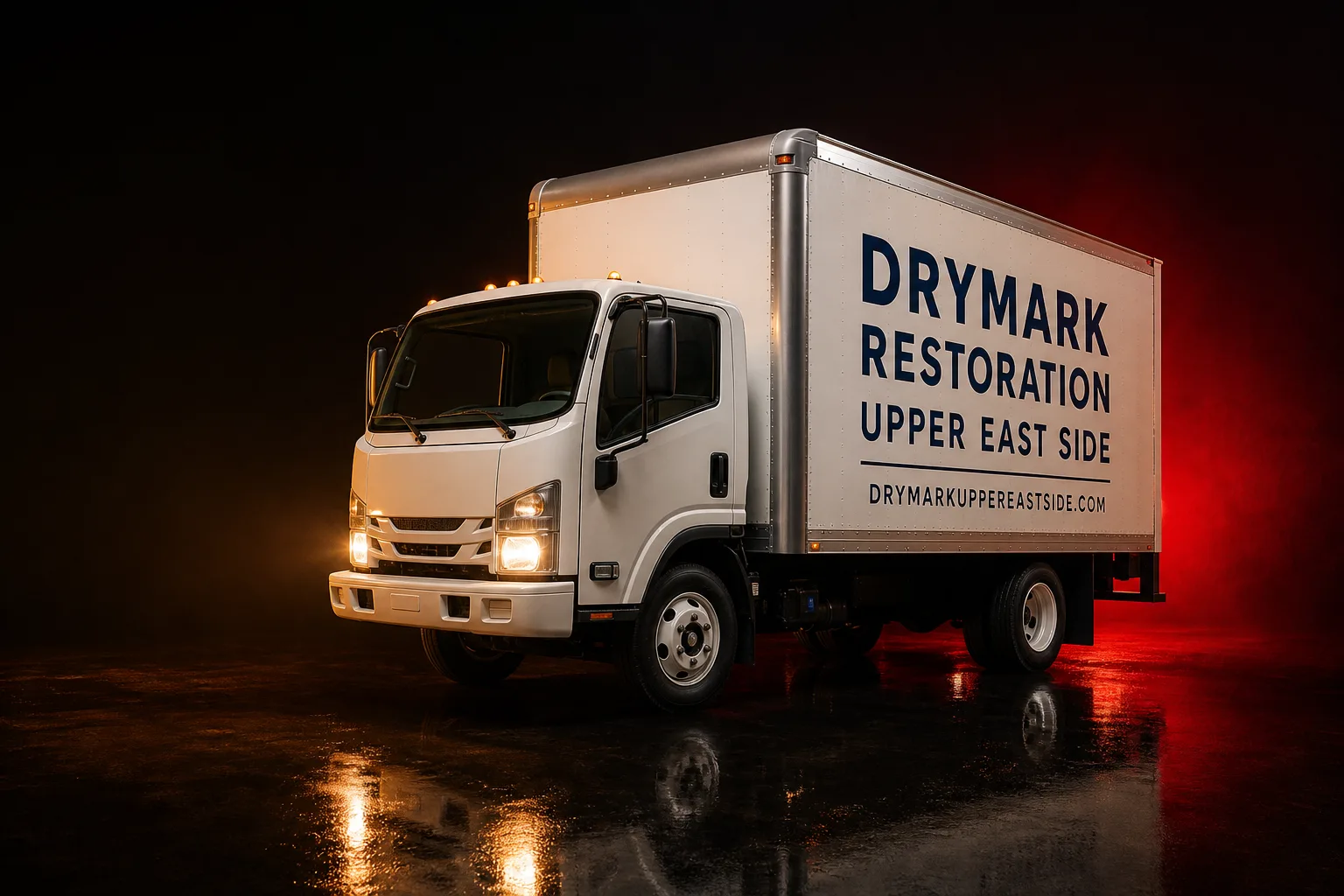
- 45-minute response commitment to any Manhattan address, with crews carrying extraction and drying equipment in every truck - no return-to-warehouse delays while water keeps moving.
- 24/7 live answer by a real person, never an automated system or voicemail tree; emergency lines are staffed around the clock because water doesn’t observe business hours.
- IICRC-certified crews holding WRT (Water Damage Restoration Technician), FSRT (Fire & Smoke Restoration Technician), and AMRT (Applied Microbial Remediation Technician) certifications, with license numbers documented on every job file.
- Free visual inspection with moisture readings, thermal imaging, and a written scope delivered before any work begins - Haven Standard, Clause 1.
- Direct insurance billing with photo-documented estimates, daily drying logs, and adjuster coordination that turns restoration invoices into payable claims.
- One team from extraction to reconstruction - no handoffs between mitigation and rebuild contractors, no gaps in documentation, no finger-pointing if something isn’t right.
BeforeAfterOur Water Damage Restoration Process
1. Inspection & Assessment
We arrive with moisture meters, thermal imaging cameras, and borescopes to map the full extent of water migration. In Manhattan’s pre-war buildings, we check for asbestos-containing pipe insulation and horsehair plaster that trigger mandatory Local Law assessments before structural work can proceed. You get a written scope and price before we move to step two.
2. Extraction & Stabilization
Standing water comes out first with truck-mounted extractors and weighted vacuum heads for carpet. For hardwood or tile in high-rise units, we use portable extraction wands and squeegee systems. If the source is active, we coordinate with the building super to isolate supply - critical when a rooftop wooden water tower is involved.
3. Drying & Dehumidification
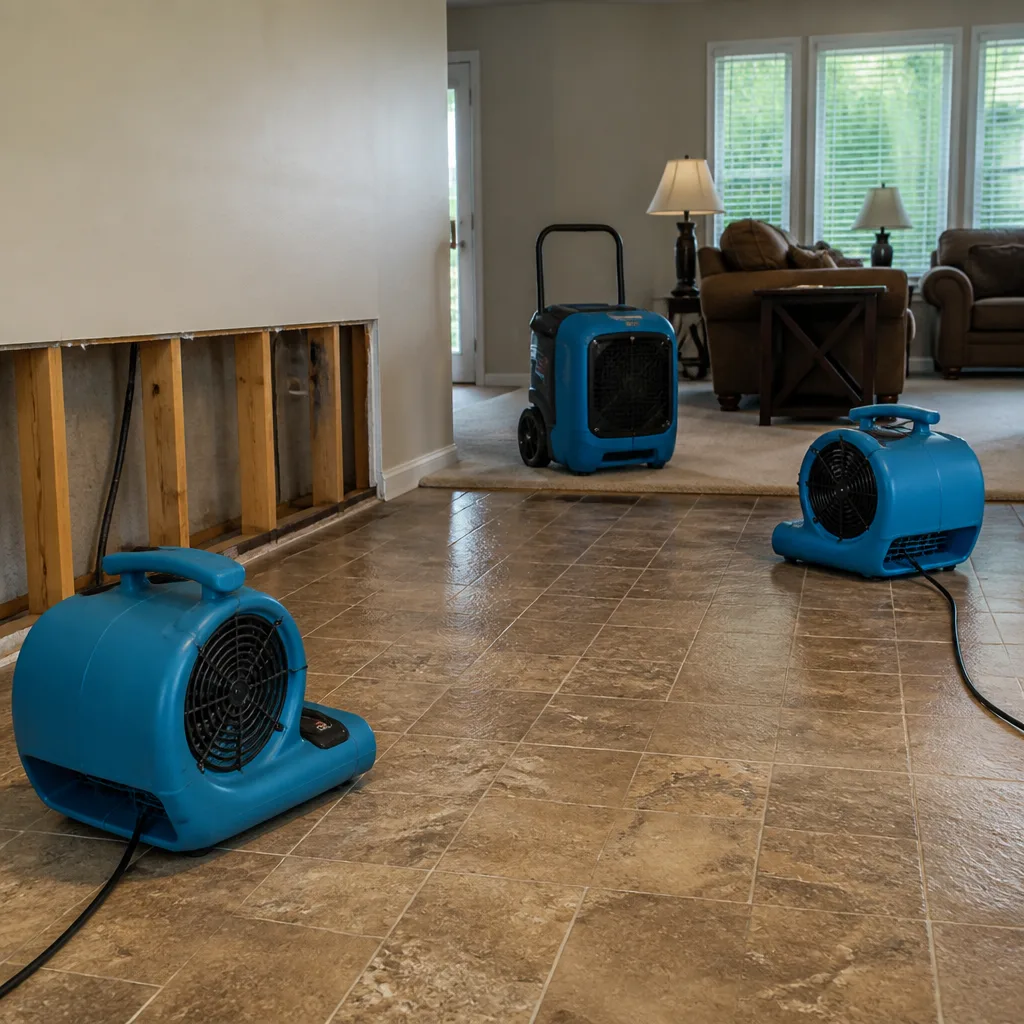
We deploy Dri-Eaz and Phoenix LGR dehumidifiers sized to the cubic footage of each affected space, plus XPOWER and B-Air air movers positioned for optimal airflow across wet surfaces. Daily moisture logs track specific humidity and grain depression until materials return to dry standard.
4. Cleaning & Sanitization
Category 2 and 3 water gets antimicrobial treatment with EPA-registered products, followed by HEPA air scrubbing to capture airborne particulate. In multi-unit buildings, we establish containment barriers with negative air pressure to prevent cross-contamination to adjacent apartments.
5. Local Law Compliance & Abatement Coordination
For pre-1978 Manhattan buildings, we pause here for certified asbestos and lead-paint assessment. We work with NYCDEP-licensed abatement contractors, document clearance for your board and insurer, and only resume structural drying once we have written approval. This sequencing is non-negotiable and specific to Manhattan’s regulatory environment.
6. Repairs & Restoration
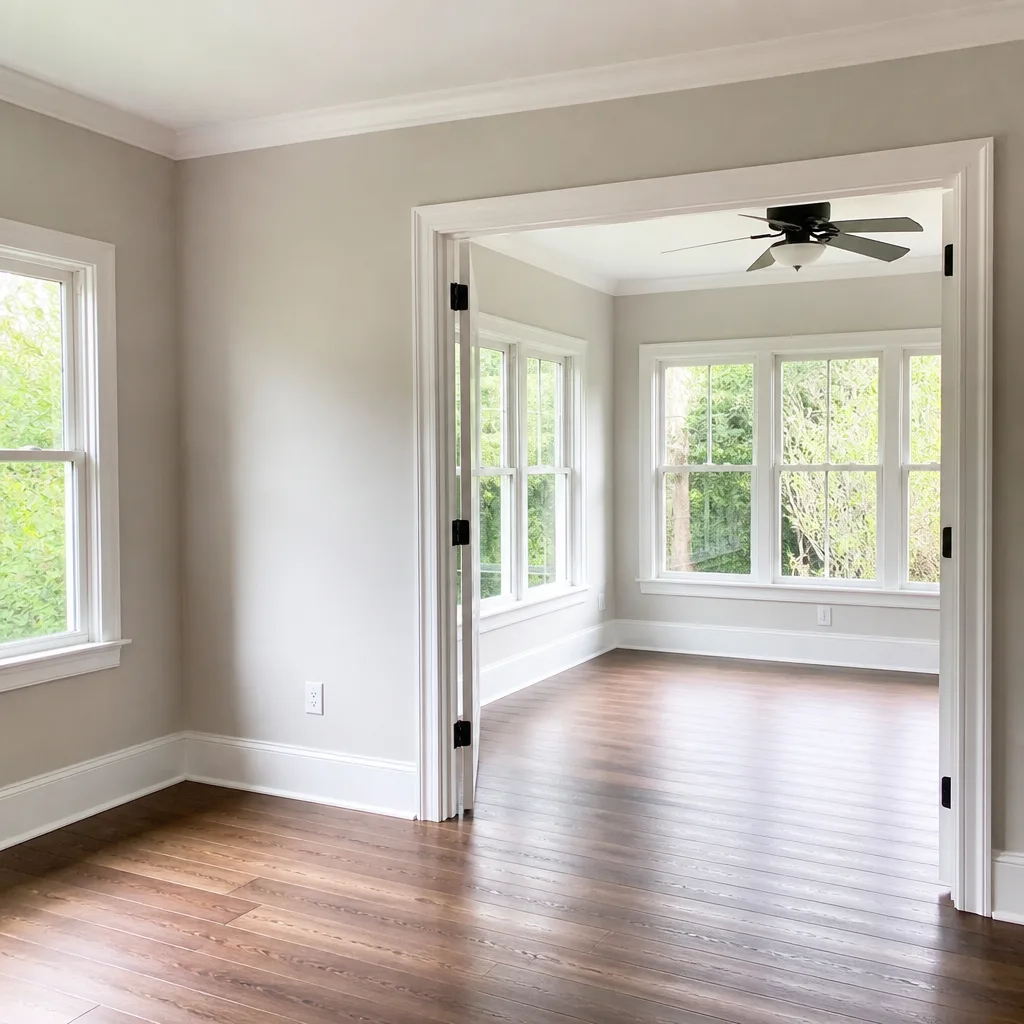
Our reconstruction crew replaces removed materials with matching finishes - plaster, drywall, trim, flooring - documented with before-and-after photos. The 365-Day Done Right Promise, backed by The Haven Standard, covers everything we touch. If it’s not right, we make it right.
Need Emergency Water Damage Restoration in Manhattan Now?
Crews minutes away, answering live 24 hours a day. The sooner we start, the less it costs.
Working With Your Insurance Company
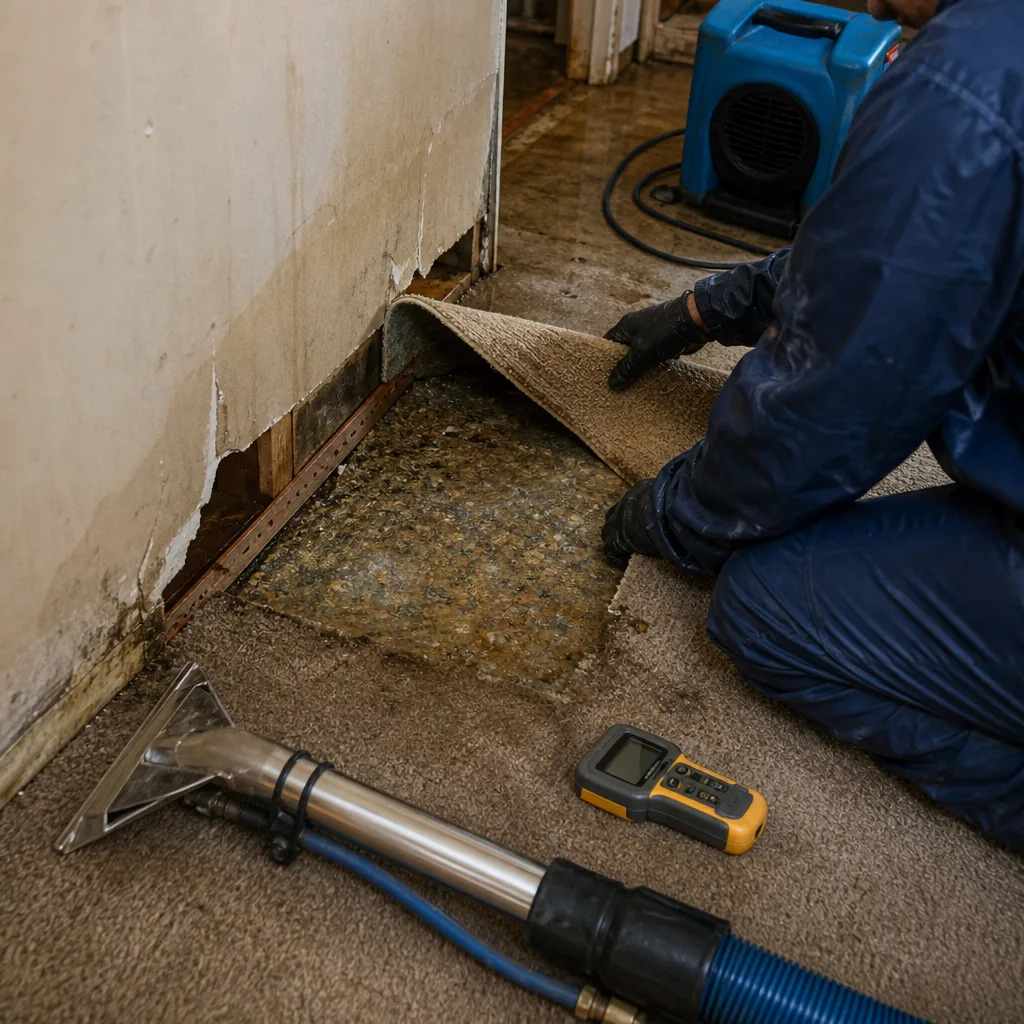
Documentation starts at arrival, not when the adjuster calls back. We photograph every room, every elevation, every material classification before anything is moved or removed. Our estimates follow Xactimate pricing standards, line-itemed by trade, with moisture readings and drying logs attached as supporting documentation. Direct adjuster communication means your claim moves while we work, not after we finish.
Manhattan’s vertical cascade losses create complexity most suburban adjusters haven’t encountered: multiple unit owners, separate policies, shared building coverage, and co-op or condo boards with their own insurance layers. We’ve handled these since 2011. We know which carrier needs which document, and we deliver it before they ask.
What We Provide Your Insurer
- Thorough documentation of the loss
- Photos of all damage, room by room
- Moisture readings and drying logs
- A detailed, line-item scope of work
- Direct coordination with your carrier
Built for Manhattan’s Loss Calendar
January and February bring the deepest freeze-thaw stress. Aging masonry parapets on pre-war buildings develop ice dams that force water into top-floor units; we’ve seen this pattern repeat every February on the Upper West Side and in Midtown pre-war stock. Cast iron and galvanized risers, brittle from decades of internal corrosion, burst when temperatures drop below 20°F and building heating systems struggle to maintain riser temperature in exterior walls.
March and April deliver the spring thaw combined with nor’easter rain. Basements in Lower Manhattan, particularly in the Financial District and Battery Park City, face sump pump failures and seepage through foundation walls stressed by groundwater rise. These are FEMA flood zones; the risk is structural, not accidental.
Summer thunderstorms hit fast and hard. Rooftop infrastructure - HVAC condensate lines, overflow drains, and those wooden water towers - takes the brunt. A clogged overflow in July can match the damage of a burst pipe in January. Fall hurricane remnants and early winter freeze complete the cycle. We staff for it year-round.
Water Damage Restoration Across Manhattan’s Neighborhoods
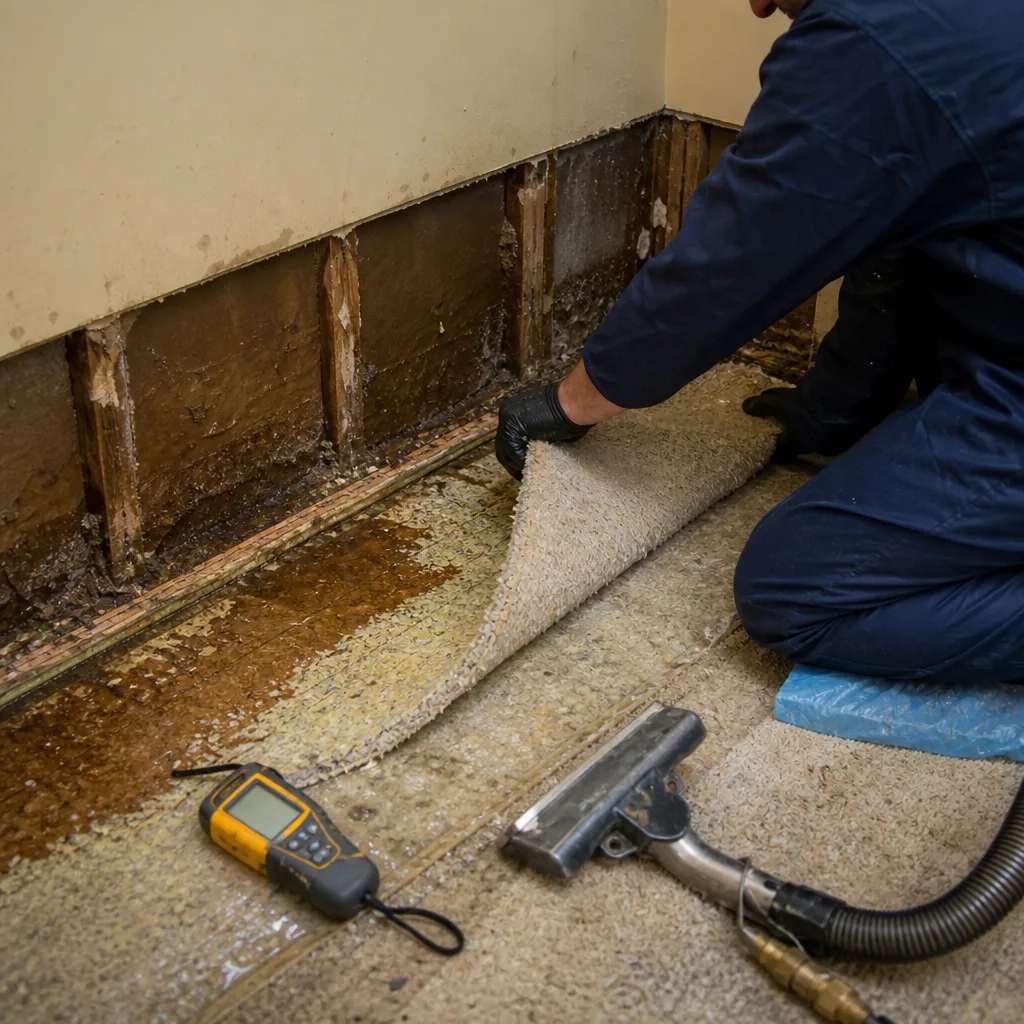
On the Upper West Side, our Water Damage Restoration crews respond to pre-war co-op cascade events where a single riser failure on West 86th Street can flood units from the 12th floor to the basement. Board approval and abatement sequencing add 24-72 hours to every job; we build that into our timeline and keep the drying logs current for the managing agent’s weekly report.
Midtown high-rises, both the 1960s glass towers and the older commercial conversions near Bryant Park, present a different challenge: raised floors, extensive HVAC plenums, and 24/7 building operations that restrict when noisy equipment can run. We coordinate with building engineers for after-hours drying schedules and use quieter XPOWER units where decibel limits apply.
Lower Manhattan - the Financial District, Battery Park City, South Street Seaport - carries active flood exposure from the Hudson and East River. Post-Sandy, many buildings have hardened their infrastructure, but the 2023 FEMA flood map revisions still classify these corridors as high-risk. Flood cleanup here means Category 3 protocols, sediment contamination assessment, and coordination with NYCDEP on discharge permits for extracted water.
Harlem and Washington Heights feature some of the oldest housing stock in the borough, with original horsehair plaster, terra cotta structural elements, and plumbing that predates modern materials. Restoration in these buildings demands patience: the materials are worth preserving, but they dry slowly and test positive for asbestos more often than not. We scope for preservation where possible, replacement where necessary, and never guess at what the plaster contains.
Specialized Water Damage Restoration Services We Offer in Manhattan
Emergency Water Extraction
Truck-mounted and portable extraction for any Manhattan building type, from walk-up tenements with no service elevator to luxury high-rises with freight loading docks. We extract standing water in the first hour to prevent wicking into subfloors and wall cavities. Call (551) 213-5277 for immediate dispatch.
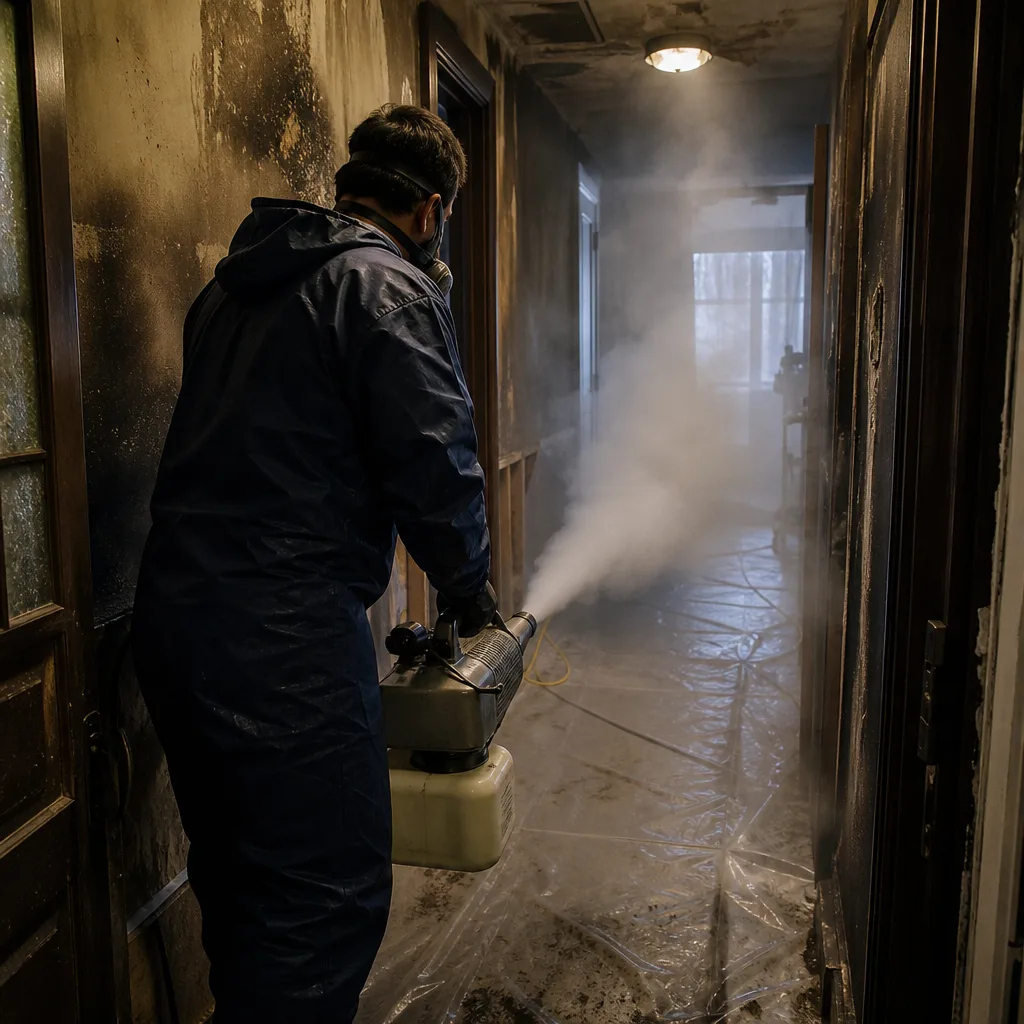
Structural Drying & Dehumidification
Psychrometric drying with Dri-Eaz and Phoenix LGR dehumidifiers, Injectidry cavity-drying systems for wet wall voids, and daily moisture logs that document progress to dry standard. In Manhattan’s concrete-and-plaster construction, this phase typically runs 3-5 days, longer if abatement delays access.
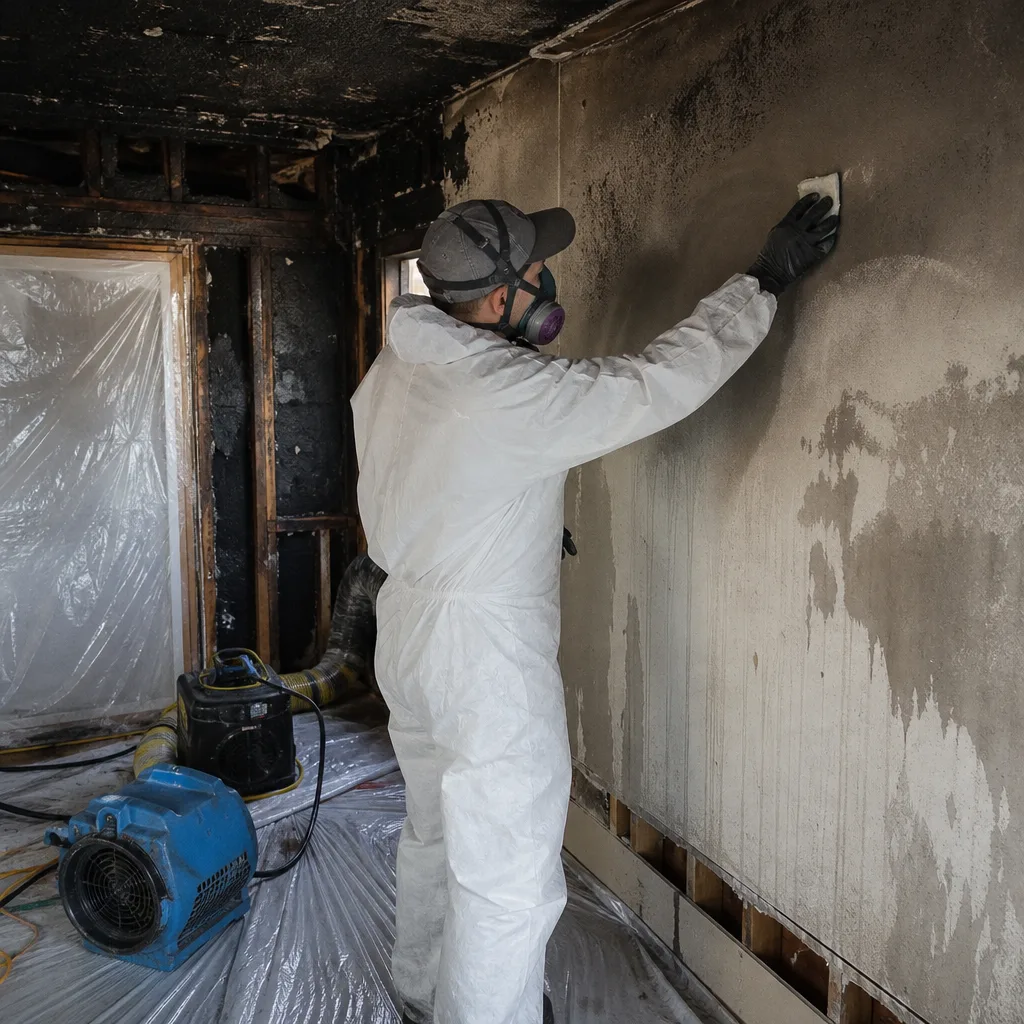
Flood Cleanup
Category 3 flood response for storm surge, riverine flooding, and sewer backup. Full PPE, antimicrobial treatment, and disposal of porous materials per IICRC S500 standards. Lower Manhattan flood-zone properties require specific documentation for NFIP and private flood carriers; we provide it.
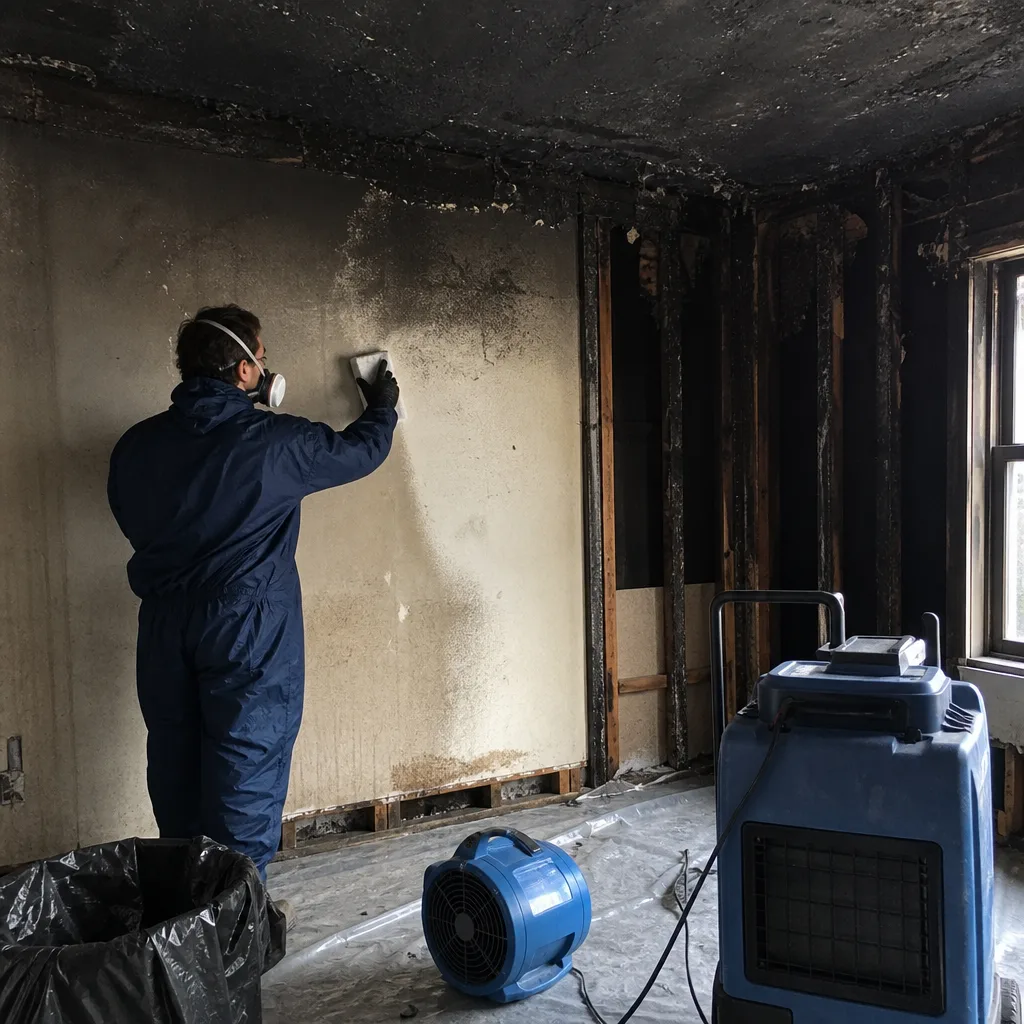
Burst Pipe Restoration
From single-unit supply line failures to full-building riser replacements. We extract, dry, and document for insurance, then coordinate licensed plumbers for permanent repair. In co-op and condo buildings, we work with the managing agent to scope shared-line damage across all affected units.
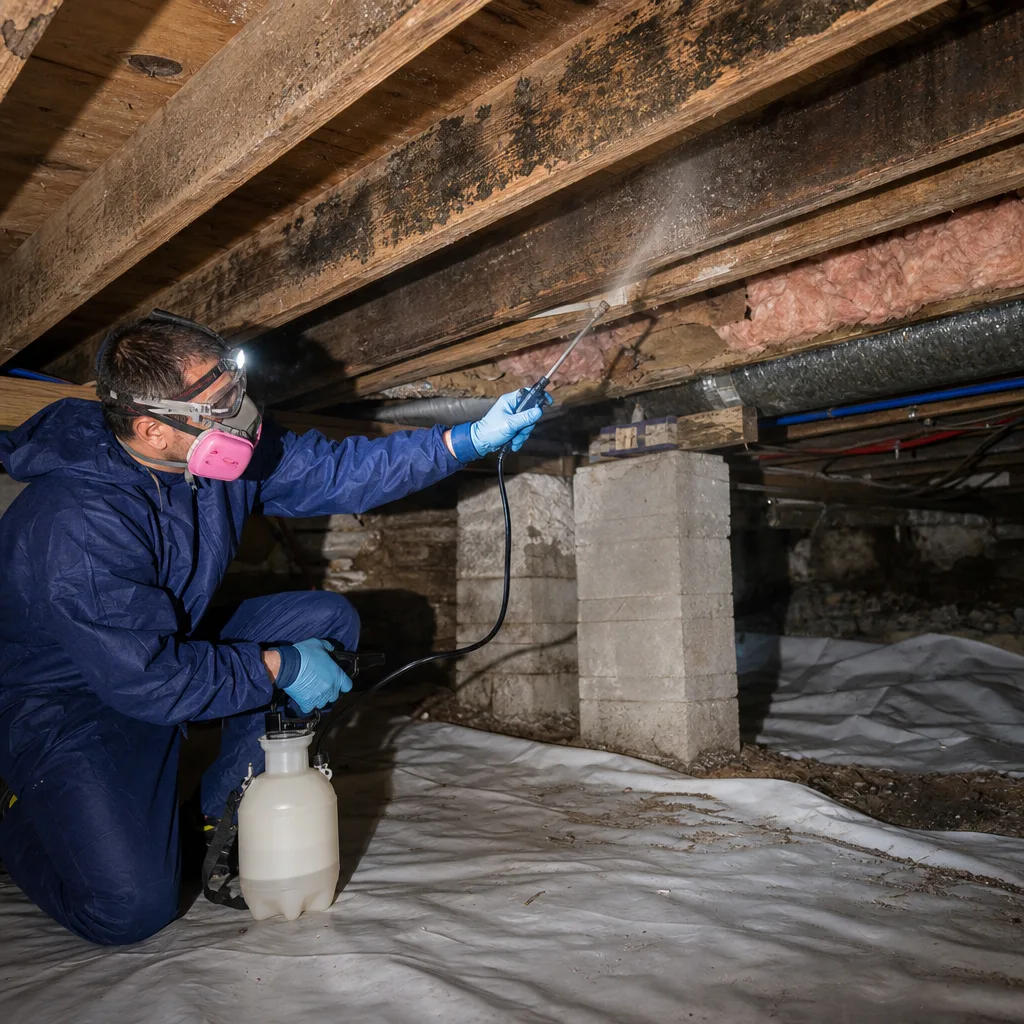
Basement Water Removal
Sub-grade extraction with submersible pumps, wet/dry vacuum systems, and sump pump replacement where the original failed. Common in pre-war buildings with deteriorated foundation waterproofing and in Lower Manhattan flood zones with hydrostatic pressure penetration.
Ceiling & Roof Leak Water Damage
Top-floor units suffer when ice dams, parapet failures, or water tower cracks send water through multiple layers of roofing and ceiling assembly. We map the full vertical path, document each affected room, and coordinate with roofing contractors for permanent repair while we handle interior restoration.
What happens when you call
- 1
A real person answersNo phone trees - you reach a local pro.
- 2
You get an upfront price rangeHonest numbers before anyone is dispatched.
- 3
A background-checked tech heads outLicensed & insured, dispatched right away.
- 4
You approve before work beginsNothing starts until you say go.
Water Damage Restoration Costs in Manhattan, NY
Typical water damage restoration in Manhattan runs $2,800-$7,500 for residential extraction and drying, with reconstruction adding $4,500-$18,000 depending on finish quality and material matching requirements. Emergency water extraction alone: $800-$2,200. Structural drying and dehumidification: $1,500-$4,500 for a standard 2-3 bedroom apartment over 3-5 days. Flood cleanup in Category 3 scenarios: $5,500-$14,000 due to contamination protocols and disposal costs. Burst pipe restoration with co-op board coordination across multiple units: $8,000-$25,000+.
What moves the price: square footage affected, water category, number of floors involved, whether asbestos/lead abatement is required, and whether the building restricts after-hours equipment operation. Insurance typically covers sudden and accidental water damage from burst pipes or appliance failures; gradual leaks and flood damage depend on your specific policy and rider coverage.
Every job starts with a free visual inspection and a written price before work begins - Haven Standard, Clause 1. No exceptions. Bring a competitor’s written estimate and we’ll review it at no charge.
We Also Serve Cities Near Manhattan
Our crews cross the East River and Queensboro Bridge regularly for water damage restoration in Long Island City, Maspeth, Astoria, and Elmhurst. Same equipment, same documentation standards, same written-price guarantee. Dispatch is coordinated from our New York City office; response times to these neighborhoods typically run 60-90 minutes depending on bridge traffic.
Serving Manhattan, NY - Our Local Coverage Area
We’re based in the Manhattan area and know this community well. Use the map below to see our service coverage - if you’re nearby, we can almost certainly help.
Manhattan Water Damage Restoration Questions, Answered
A pipe burst on an upper floor of my pre-war Manhattan co-op and water is hitting several units below - what happens first?
We extract standing water from all affected units immediately, then pause for co-op board approval and mandatory Local Law asbestos/lead assessment before structural drying begins. Our crew documents every room with photos and moisture readings, coordinates with the managing agent on access, and scopes the full vertical spread so no unit is missed in the insurance claim. Call (551) 213-5277 and we’ll dispatch within 45 minutes.
Why can’t you just start drying my apartment right after the leak?
Pre-1978 horsehair plaster and pipe insulation in Manhattan buildings must pass asbestos and lead-paint assessment before restoration work can proceed legally. Starting drying without clearance risks a stop-work order, claim denial, and potential liability. We stage equipment and monitor conditions while the assessment runs, then begin full structural drying the moment we have written clearance.
How does a rooftop water tank failure affect water damage restoration in my building?
Manhattan’s roughly 10,000 wooden water towers, when they fail, release thousands of gallons down through every floor below. Our first call is to the building super to isolate tower supply before equipment enters the service elevator. Then we extract, map moisture across all affected floors, and coordinate with the board on the abatement sequence. This failure mode exists nowhere else at this scale; local crews know the protocol.
What determines whether wet material gets dried or removed in a Manhattan high-rise?
Three factors: the water category (Category 3 requires removal of porous materials), the material’s drying potential (horsehair plaster often survives; wet drywall usually doesn’t), and the asbestos/lead test result (positive tests mean abatement removal, not restoration drying). We document the classification of every material and explain the decision in your written scope.
Does flood-zone geography affect restoration in Lower Manhattan buildings?
Yes. Battery Park City, the Financial District, and South Street Seaport sit in active FEMA flood zones with recurring storm-surge exposure. Flood cleanup here triggers Category 3 protocols, sediment and chemical contamination assessment, and specific documentation for NFIP or private flood insurance. Post-Sandy building hardening helps, but the flood risk remains structural; we scope and price accordingly.
How long does water damage restoration take in a typical Manhattan apartment?
Extraction and emergency stabilization: 2-4 hours. Structural drying: 3-5 days for a standard apartment, longer if abatement delays access. Reconstruction: 1-3 weeks depending on material matching and board approval timelines. Full co-op cascade events with multiple units: 4-8 weeks from start to final walkthrough. We log daily moisture readings so you and your insurer can track progress.
Can my family stay in the apartment during water damage restoration?
Often yes for Category 1 in a contained area, usually no for Category 2 or 3, and never during asbestos abatement. Noise from air movers and dehumidifiers runs 24/7 during drying; most Manhattan residents relocate for that phase. We coordinate with your insurance on temporary housing coverage where your policy includes Additional Living Expense.
What certifications do your Manhattan water damage restoration technicians hold?
Our technicians hold IICRC WRT (Water Damage Restoration Technician), FSRT (Fire & Smoke Restoration Technician), and AMRT (Applied Microbial Remediation Technician) certifications. All are background-checked, licensed, insured, and verified before arrival, with license numbers documented on every job file. Work is performed to IICRC, RIA, and IFA standards with daily documentation. Call (551) 213-5277 to verify credentials for your specific job.
When water moves in Manhattan, it doesn’t stay in one place. The building type, the regulatory environment, and the vertical spread pattern determine everything about how fast we can respond and how far we can go. We’ve restored 12,000+ homes since 2011, every one with a written price before work started and a documented record when we left. The Haven Standard was built for exactly this: evidence over reassurance, documentation over promises.
Written by Alicia Brennan, Owner at DryMark Restoration Upper East Side, serving Manhattan since 2011.
Water Damage Restoration in Nearby Areas